Author: David Peine

  • Basic Obedience Dog Training: Essential Training Tips for a Well-Behaved Pup

    Basic Obedience Dog Training: Essential Training Tips for a Well-Behaved Pup

    Ever wondered why some dogs seem to effortlessly follow commands while others appear unruly? The secret lies in basic obedience dog training – a fundamental skill every pet owner should master.

    We believe that teaching your furry friend basic commands isn’t just about having a well-behaved pet; it’s about fostering a strong bond and ensuring their safety. From “sit” and “stay” to “come” and “leave it,” these simple commands form the foundation of a harmonious relationship between you and your canine companion. In this text, we’ll explore the essentials of basic obedience training, why it’s crucial, and how you can get started on this rewarding journey with your four-legged friend.

    Understanding Basic Obedience Dog Training

    Basic obedience dog training is essential for establishing a strong, positive relationship between you and your dog. This training involves teaching fundamental commands that help your dog navigate daily life and respond to your guidance effectively.

    Benefits of Obedience Training

    Obedience training offers many advantages for both dogs and their owners:

    1. Improved communication: Training enhances the bond between you and your dog, creating a shared language.
    2. Enhanced safety: Commands like “come” and “stay” can prevent dangerous situations.
    3. Mental stimulation: Training exercises provide mental challenges, keeping your dog engaged and satisfied.
    4. Reduced behavioral issues: Well-trained dogs are less likely to develop problematic behaviors.
    5. Increased socialization: Obedience classes offer opportunities for dogs to interact with others.
    6. Stress reduction: Clear expectations and consistent training reduce anxiety in dogs.
    7. Greater freedom: A trained dog can be safely included in more activities and environments.

    By investing time in obedience training, we create a harmonious relationship with our canine companions and ensure their well-being.

    When to Start Training Your Dog

    The ideal time to begin obedience training is as soon as you bring your dog home:

    1. Puppies: Start basic training at 8 weeks old, focusing on simple commands and socialization.
    2. Adult dogs: It’s never too late to start training; older dogs can learn new behaviors effectively.
    3. Rescue dogs: Begin training immediately to establish trust and set clear expectations.
    4. Consistent schedule: Dedicate short, daily training sessions for optimal results.
    5. Patience is key: Progress may vary; maintain a positive attitude throughout the process.
    6. Professional help: Consider enrolling in obedience classes or working with a certified trainer for guidance.
    7. Ongoing process: Continue reinforcing learned behaviors throughout your dog’s life.

    Early and consistent training lays the foundation for a well-behaved, confident dog. We recommend starting obedience training as soon as possible to maximize its benefits and create a strong bond with our canine companions.
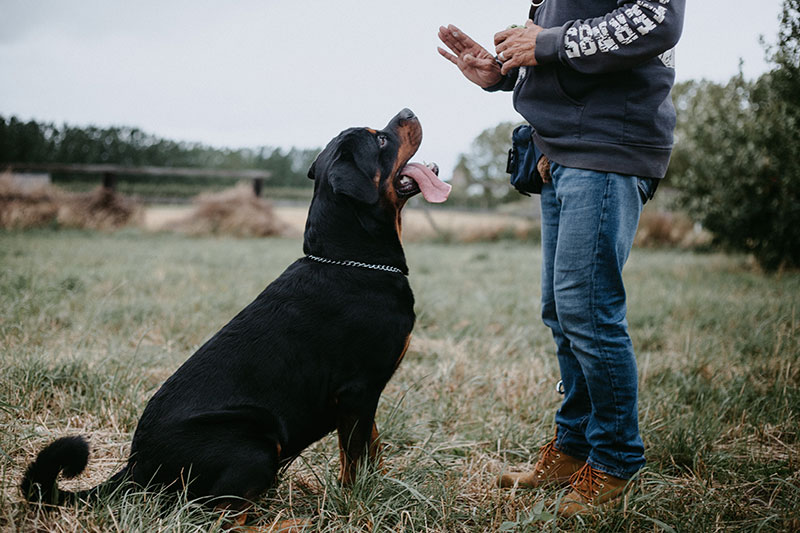
    Basic Obedience Dog Training

    Essential Equipment for Dog Training

    Effective dog training requires a few key tools to ensure success and make the process smoother for both you and your canine companion. Let’s explore the essential equipment you’ll need to get started with basic obedience training.

    Choosing the Right Treats and Toys

    Treats are crucial for positive reinforcement training. Select treats that are:

    • Small and easily consumed
    • Highly appealing to your dog
    • Soft and easy to chew
    • Low in calories to prevent overfeeding

    Popular options include:

    • Small pieces of cooked chicken or turkey
    • Commercial training treats
    • Small cubes of cheese
    • Freeze-dried liver

    Toys can also serve as rewards, especially for dogs that are more play-motivated than food-motivated. Choose toys that:

    • Are safe and durable
    • Capture your dog’s interest
    • Can be easily carried or thrown
    • Are appropriate for your dog’s size and breed

    Remember to rotate treats and toys to maintain your dog’s interest and prevent boredom during training sessions.

    Leashes, Harnesses, and Collars

    Proper equipment for controlling and guiding your dog is essential for effective training. Here’s what you need to know:

    Leashes:

    • Short leash (4-6 feet): Ideal for basic obedience training and walks
    • Long training leash (15-30 feet): Useful for distance work and recall training
    • Avoid retractable leashes for training as they can be inconsistent and confusing

    Harnesses:

    • Front-clip harnesses: Help reduce pulling and provide better control
    • Back-clip harnesses: Suitable for dogs that don’t pull excessively
    • Choose a harness that fits comfortably and doesn’t restrict movement

    Collars:

    • Flat collars: Standard for everyday use and training
    • Martingale collars: Provide extra control for dogs with narrow heads
    • Head halters: Offer gentle guidance for strong pullers

    Select equipment that’s appropriate for your dog’s size, breed, and training needs. Ensure all items fit properly and are comfortable for your dog to wear during training sessions.
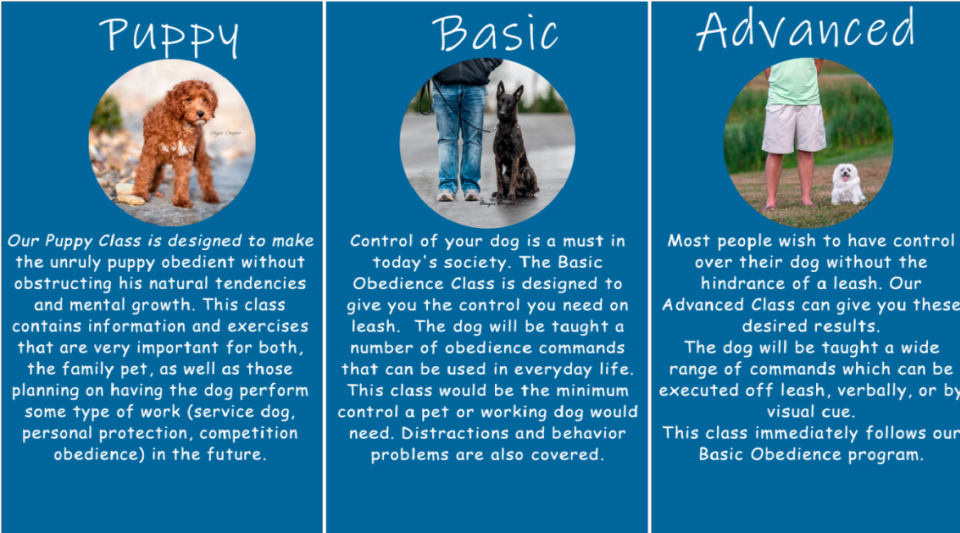
    Obedience Dog Training:

    Fundamental Training Methods

    Basic obedience dog training relies on several proven methods to establish clear communication and create a well-behaved pet. These techniques form the foundation for teaching essential commands and behaviors.

    Positive Reinforcement Techniques

    Positive reinforcement is a cornerstone of effective dog training. This method involves rewarding desired behaviors to increase their frequency. Here’s how it works:

    • Reward timing: Provide treats, praise, or toys immediately after the desired behavior.
    • Consistency: Use the same cue words and rewards for exact behaviors.
    • Variety: Mix up rewards to keep training interesting for your dog.
    • Verbal markers: Use words like “yes” or “good” to signal correct behavior.
    • Gradual progression: Increase difficulty levels as your dog masters each step.
    • Patience: Allow time for your dog to learn and understand new commands.

    Positive reinforcement builds trust, strengthens the bond between you and your dog, and encourages a willingness to learn. It’s an effective way to teach core commands like sit, stay, come, and leave it.

    Clicker Training Basics

    Clicker training is a popular positive reinforcement method that uses a small device to mark desired behaviors. Here’s how to get started:

    1. Introduce the clicker: Click and immediately treat to associate the sound with rewards.
    2. Use the clicker to mark behaviors: Click the moment your dog performs the desired action.
    3. Follow with a treat: Always provide a reward after clicking.
    4. Practice timing: Accurate clicks are crucial for effective communication.
    5. Add verbal cues: Once the behavior is consistent, introduce a command word.
    6. Phase out the clicker: Gradually reduce clicker use as your dog responds to verbal cues.

    Clicker training is precise and helps dogs understand exactly which behavior earned the reward. It’s particularly useful for teaching complex behaviors or working with easily distracted dogs.

    Core Obedience Commands

    Core obedience commands form the foundation of effective dog training. These essential commands help establish clear communication between you and your canine companion, ensuring a well-behaved and responsive pet.

    Sit and Stay

    Teaching your dog to sit and stay are fundamental obedience commands. To train the sit command, stand in front of your dog with a treat. Hold the treat slightly above their head, moving it slowly back. As your dog follows the treat, their rear should lower into a sitting position. Say “Sit” and use a hand signal when they’re in position, then reward immediately.

    For the stay command, start with your dog in a sit or down position. Stand facing your dog, say “Stay,” and use a corresponding hand signal. Take a few steps back while maintaining eye contact. If your dog remains in position, return and reward them. Gradually increase the distance and duration of the stay as your dog improves.

    Come and Down

    The “come” and “down” commands are crucial for your dog’s safety and control. To teach “come,” start in a distraction-free area. Call your dog’s name followed by “come” in an enthusiastic voice. When they reach you, reward them with treats and praise. Practice this in various locations and gradually increase distractions.

    For the “down” command, begin with your dog in a sitting position. Hold a treat close to their nose, then slowly lower it to the ground. As your dog follows the treat, their body should naturally lower into a lying position. Once they’re down, say “Down” and reward them. Repeat this process, gradually reducing the hand motion until your dog responds to the verbal cue alone.

    Heel and Leave It

    “Heel” and “Leave it” are advanced commands that enhance your control over your dog’s behavior. To teach heeling, start with your dog on a leash at your left side. Hold treats in your left hand near your hip. Begin walking, rewarding your dog for staying in position. Use the command “Heel” as you walk, praising and treating when they maintain the correct position.

    The “Leave it” command is essential for preventing your dog from picking up harmful objects. Begin by placing a treat on the floor and covering it with your hand. When your dog loses interest in the covered treat, say “Leave it” and reward them with a different treat. Gradually increase the difficulty by leaving the treat uncovered and using more tempting items.

    Setting Up Effective Training Sessions

    Effective training sessions are crucial for successful dog obedience training. By creating a consistent schedule and choosing the right environment, you’ll set your dog up for success.

    Creating a Training Schedule

    Creating a training schedule is essential for consistent dog obedience training. Here’s how to set up an effective routine:

    • Keep sessions short: Aim for 10-15 minute sessions, especially for puppies with shorter attention spans.
    • Train frequently: Conduct 2-3 sessions daily for optimal learning.
    • Be consistent: Stick to your schedule to establish a routine.
    • Choose optimal times: Train when your dog is alert and responsive, typically after meals or exercise.
    • Use positive reinforcement: Reward desired behaviors with treats, praise, or affection.
    • Adjust for age: Puppies require shorter, more frequent sessions, while adult dogs can handle longer training periods.
    • Incorporate variety: Mix different commands and skills in each session to maintain engagement.
    • Track progress: Keep a log of achievements and areas needing improvement.
    • Start indoors: Begin in a quiet, distraction-free area of your home.
    • Gradually increase distractions: As your dog progresses, introduce mild distractions to reinforce learned behaviors.
    • Use familiar spaces: Train in areas your dog knows well to build confidence.
    • Ensure safety: Choose environments free from hazards or potential dangers.
    • Consider noise levels: Begin in quiet areas and slowly introduce louder environments.
    • Use different surfaces: Practice on various textures (carpet, grass, concrete) to generalize skills.
    • Incorporate outdoor spaces: Once basic commands are mastered indoors, move to enclosed outdoor areas.
    • Adapt to your dog’s needs: Some dogs may require calmer environments, while others thrive with more stimulation.

    Addressing Common Training Challenges

    Training dogs can be a rewarding experience, but it often comes with its share of challenges. We’ll explore two common obstacles in obedience training and provide strategies to overcome them.

    Dealing with Distractions

    Distractions are a important hurdle in dog training. To manage them effectively:

    • Start training in a quiet, controlled environment
    • Gradually introduce distractions as your dog improves
    • Use high-value treats to maintain focus
    • Practice the “Look at Me” command to redirect attention
    • Increase difficulty by training in new locations
    • Employ the “Three D’s” method: Distance, Duration, and Distraction
    • Reward calm behavior in distracting situations
    • Use a long lead for safety when working outdoors
    • Be patient and consistent in your approach

    Remember, every dog progresses at their own pace. Celebrate small victories and adjust your training plan as needed.

    Maintaining Consistency

    Consistency is key to successful obedience training. To maintain a consistent approach:

    • Establish clear rules and boundaries for your dog
    • Use the same commands and hand signals consistently
    • Involve all family members in the training process
    • Create a daily training schedule and stick to it
    • Keep training sessions short and frequent
    • Use positive reinforcement techniques consistently
    • Avoid confusing your dog with mixed signals
    • Be patient and persistent in your training efforts
    • Adjust your expectations based on your dog’s age and breed
    • Seek professional help if you’re struggling to maintain consistency

    By addressing these common challenges head-on, we can create a more effective and enjoyable training experience for both dogs and their owners.

    Advanced Training Techniques

    After mastering basic obedience commands, it’s time to take your dog’s training to the next level. Advanced training techniques help reinforce learned behaviors and introduce more complex commands, improving your dog’s overall obedience and responsiveness.

    Proofing Behaviors

    Proofing behaviors is an essential step in dog training that ensures your pet responds to commands in various environments and situations. Start by practicing commands in different locations around your home, gradually increasing distractions. Use the “Three D’s” method – Distance, Duration, and Distraction – to challenge your dog’s focus. Introduce new sights, sounds, and smells while asking for known behaviors. Reward your dog for maintaining focus and following commands even though distractions. Practice in various outdoor settings, such as parks or busy streets, to further proof behaviors. Remember to be patient and consistent, as proofing takes time and repetition to achieve reliable responses in all situations.

    Introducing New Commands

    Introducing new commands builds on your dog’s existing knowledge and expands their repertoire of behaviors. Start by choosing a command that complements your dog’s current skills. Use clear, concise verbal cues paired with distinct hand signals for each new command. Break complex behaviors into smaller, manageable steps, rewarding progress at each stage. Incorporate the new command into your regular training sessions, gradually increasing difficulty as your dog becomes more proficient. Some advanced commands to consider include:

    1. “Place” or “Go to your spot”
    2. “Leave it” with increased temptations
    3. “Heel” for loose-leash walking
    4. “Quiet” for controlling excessive barking
    5. “Wait” at doors or before meals

    Use positive reinforcement techniques, offering high-value treats and enthusiastic praise for successful attempts. Practice new commands in various environments to ensure generalization. Be patient and consistent, allowing your dog time to understand and master each new behavior. Remember to keep training sessions short and enjoyable, ending on a positive note with a familiar, easy command. As your dog progresses, gradually phase out treats and rely more on verbal praise and other forms of reward.

    Professional Training Options

    Professional dog training offers structured guidance for pet owners seeking expert assistance. These options provide customized approaches to address exact training needs and behavioral issues.

    Group Classes vs. Private Lessons

    Group classes offer socialization opportunities and cost-effective training. Dogs learn alongside peers, exposing them to various distractions. Classes typically cover basic obedience commands and general behavior modification.

    Private lessons provide personalized attention and customized training plans. Trainers work one-on-one with dogs and owners, addressing exact issues or advanced training goals. These sessions often take place in the home environment, allowing trainers to observe and address behaviors in context.

    Both options have merits:

    • Group classes: Affordable, social, structured curriculum
    • Private lessons: Customized approach, focused attention, flexible scheduling

    The choice depends on the dog’s temperament, training goals, and owner preferences. Some owners opt for a combination of both to maximize benefits.

    Selecting a Qualified Trainer

    Choosing a qualified dog trainer is crucial for effective obedience training. Consider these factors when selecting a professional:

    1. Credentials and certifications:
    • Look for trainers certified by reputable organizations (e.g., CPDT-KA, KPA CTP)
    • Verify membership in professional associations (e.g., APDT, IAABC)

    2. Training philosophy:

      • Prioritize trainers who use positive reinforcement methods
      • Avoid those relying on punitive techniques or outdated dominance theories

      3. Experience and specialization:

        • Assess the trainer’s experience with your dog’s breed or exact issues
        • Inquire about their success rates and case studies

        4. Observation and evaluation:

          • Attend a class or watch a training session before committing
          • Evaluate the trainer’s communication skills and rapport with dogs and owners

          5. References and reviews:

            • Request client testimonials and references
            • Check online reviews and ratings from multiple sources

            6. Continuing education:

              • Ensure the trainer stays updated on current training techniques and research
              • Look for participation in workshops, seminars, or conferences

              7. Customization and flexibility:

                • Choose trainers who tailor their approach to individual dogs and owners
                • Seek professionals who adapt their methods as needed

                8. Clear policies and contracts:

                  • Review training agreements, pricing, and cancellation policies
                  • Ensure transparency in all aspects of the training program

                  By carefully selecting a qualified trainer, you’ll set the foundation for successful obedience training and a harmonious relationship with your dog.

                  Conclusion

                  Basic obedience dog training is a rewarding journey that strengthens the bond between you and your furry friend. With patience consistency and the right techniques you’ll create a well-behaved companion who responds to your commands. Remember that every dog is unique so tailor your approach to suit your pet’s needs. Whether you choose to train at home or seek professional help the effort you invest will pay off in a harmonious relationship with your four-legged family member. Start your training adventure today and watch your dog flourish into a confident well-mannered companion.
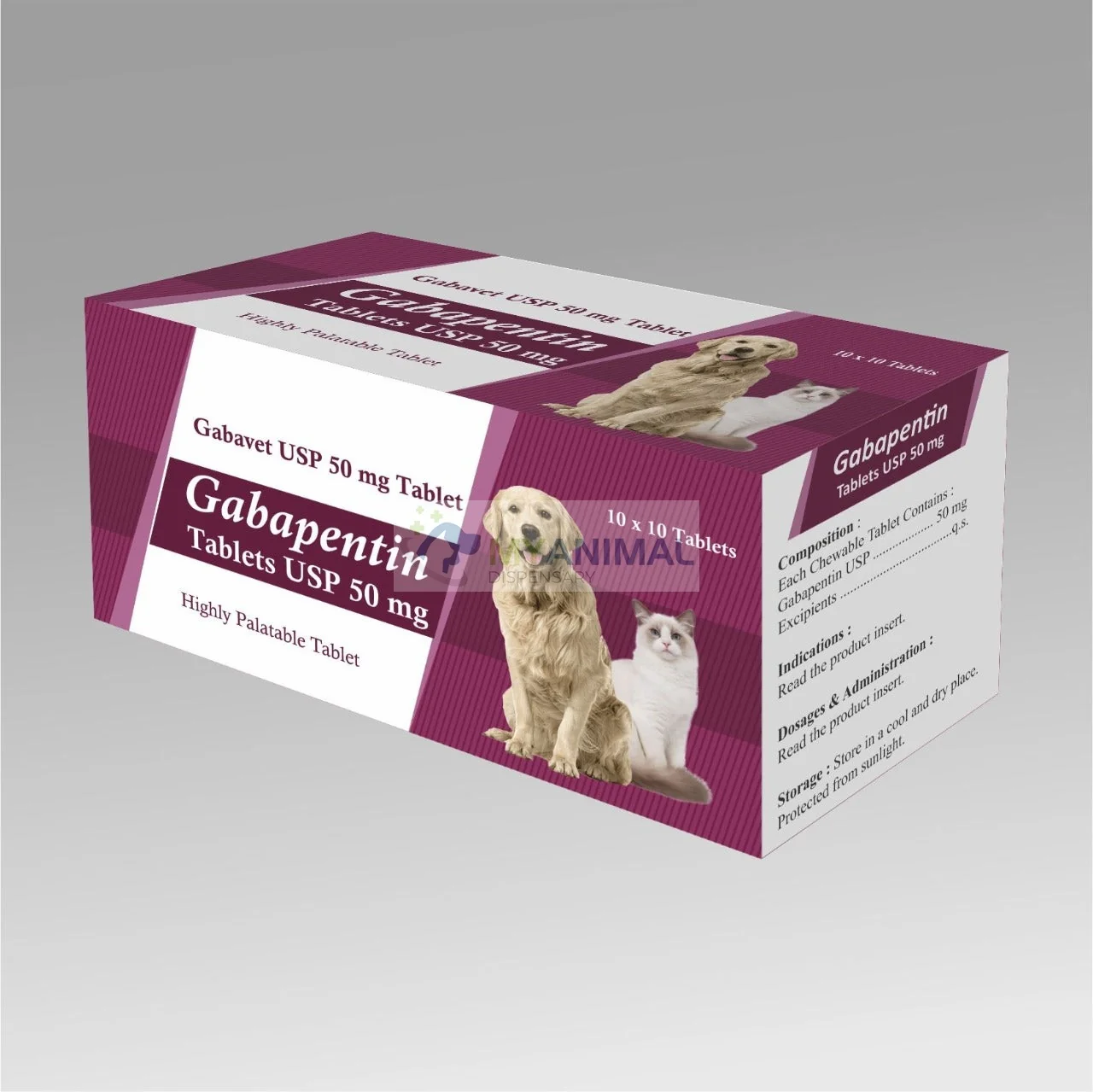
                1. Gabapentin for Dogs: Uses, Benefits, and Safety Tips

                  Gabapentin for Dogs: Uses, Benefits, and Safety Tips

                  Have you ever wondered about the secret weapon veterinarians use to help dogs with pain, anxiety, and seizures? Enter gabapentin, a versatile medication that’s revolutionizing canine care. As pet owners, we’re always on the lookout for safe and effective treatments for our furry friends.

                  Gabapentin for dogs has gained popularity in recent years, and for good reason. This powerful drug boasts an impressive 80% oral bioavailability and doesn’t rely on liver processing, making it an excellent choice for dogs with various health conditions. We’ll explore how gabapentin works, its potential benefits, and proper dosing guidelines. From managing chronic pain to easing anxiety before vet visits, gabapentin’s wide-ranging applications have made it a go-to option for many veterinarians.

                  What Is Gabapentin for Dogs?

                  Gabapentin is a versatile medication used in veterinary medicine to treat various conditions in dogs. It’s classified as a gabapentinoid, functioning as both an antiepileptic and analgesic drug. Gabapentin’s chemical structure resembles the neurotransmitter GABA, though it doesn’t bind strongly to GABA receptors.

                  In dogs, gabapentin is primarily used for:

                  1. Pain management
                  2. Seizure control
                  3. Anxiety reduction
                  4. Behavioral disorder treatment

                  Gabapentin’s effectiveness in managing chronic and acute pain makes it a popular choice among veterinarians. It’s particularly useful in reducing facilitated pain states and is often combined with other analgesics for comprehensive pain relief.

                  For behavioral issues, gabapentin has shown promise in treating anxiety, phobias, and aggression in dogs. Studies indicate its efficacy in improving behavior, especially in cases of conflict-related aggression.

                  Pharmacologically, gabapentin in dogs is metabolized into N-methylgabapentin. It boasts over 80% systemic oral availability, and food doesn’t affect its absorption. Peak blood levels are reached within one to three hours, with an elimination half-life of three to four hours.

                  One of gabapentin’s key advantages is its renal excretion. Unlike many medications, it doesn’t rely on hepatic biotransformation, making it suitable for dogs with liver conditions. This characteristic expands its applicability to a broader range of canine patients.

                  Gabapentin’s fast-acting nature contributes to its versatility. Its behavioral effects likely stem from its binding to alpha2-delta subunits of calcium channels, which inhibits calcium influx into neuronal cells. This action reduces the release of various monoamine neurotransmitters, including noradrenaline and glutamate.

                  Plus to its primary uses, gabapentin can increase GABA synthesis and potentially elevate serum serotonin levels, though the latter has been primarily observed in humans. These effects contribute to its efficacy in treating a variety of conditions in dogs.

                  Uses of Gabapentin in Dogs

                  Gabapentin is a versatile medication commonly prescribed for dogs to address various health issues. Its primary uses include seizure prevention, pain management, and anxiety relief. Let’s explore these applications in detail.

                  Seizure Prevention

                  Gabapentin serves as an effective anticonvulsant for dogs, helping to control and reduce the frequency of seizures. It’s particularly beneficial for canines with refractory seizures or those whose current medication regimen has become less effective. When used for seizure prevention, gabapentin may take several weeks to show important results in reducing seizure frequency.

                  Veterinarians often prescribe gabapentin as part of a comprehensive seizure management plan. It works by stabilizing electrical activity in the brain, which helps prevent the onset of seizures. For dogs with epilepsy or other seizure disorders, gabapentin can be a valuable addition to their treatment regimen, especially when combined with other anticonvulsant medications.

                  Pain Management

                  Gabapentin excels in providing pain relief for dogs, particularly in cases where other medications have proven ineffective or are not well-tolerated. It’s used to treat various types of pain, including chronic pain, neuropathic pain, post-operative pain, and pain associated with conditions like arthritis and intervertebral disk disease.

                  The medication’s effectiveness in pain management stems from its ability to modulate pain signals in the nervous system. Gabapentin is often prescribed as part of a multimodal pain management approach, combining it with other analgesics for enhanced pain relief. It’s particularly useful for managing chronic pain conditions that don’t respond well to traditional pain medications alone.

                  Gabapentin for Dogs

                  Anxiety Relief

                  Gabapentin has shown promise in alleviating anxiety in dogs, making it a valuable tool for managing various stress-related behaviors. It’s often used to help dogs cope with situational anxiety, such as during veterinary visits, thunderstorms, or fireworks displays.

                  Veterinarians may prescribe gabapentin on an as-needed basis for anxiety relief, typically at a dosage of 30-60 mg/kg, administered 1-2 hours before an anticipated stressful event. The medication helps calm the dog’s nervous system, reducing anxiety symptoms and promoting a more relaxed state. For dogs with chronic anxiety or behavioral issues, gabapentin may be used as part of a comprehensive treatment plan, often along with behavior modification techniques and other anxiety-reducing medications.

                  How Gabapentin Works in Dogs

                  Mechanism of Action

                  Gabapentin’s effectiveness in dogs stems from its unique mechanism of action. It blocks calcium channels in the brain, suppressing overstimulated neurons. This action reduces the release of excitatory neurotransmitters, alleviating symptoms of anxiety, nerve pain, and seizures in canines.

                  Effects on Pain

                  Gabapentin provides relief for chronic and neuropathic pain in dogs by reducing nerve cell stimulation. It’s particularly effective for pain associated with:

                  • Arthritis
                  • Cancer
                  • Intervertebral disk disease

                  This pain-relieving property makes gabapentin a valuable tool in veterinary medicine, especially when combined with other analgesics for comprehensive pain management.

                  Effects on Anxiety

                  Gabapentin helps decrease over-stimulated nerve signals in a dog’s brain, promoting calmness during stressful situations. It’s often used to reduce anxiety and fear in dogs, particularly during:

                  • Veterinary visits
                  • Post-surgical confinement
                  • Thunderstorms or fireworks

                  Pharmacokinetics in Dogs

                  Gabapentin’s effectiveness is influenced by its pharmacokinetics in canines:

                  • Metabolism: Converted to N-methylgabapentin
                  • Oral bioavailability: >80%
                  • Peak blood levels: Reached in 1-3 hours
                  • Elimination half-life: 3-4 hours

                  These characteristics contribute to gabapentin’s fast-acting nature and its suitability for various canine health issues.

                  Neurological Effects

                  Gabapentin’s impact on a dog’s nervous system is multifaceted:

                  • Inhibits calcium influx into neuronal cells
                  • Reduces release of monoamine neurotransmitters (noradrenaline, glutamate)
                  • Potentially increases GABA synthesis
                  • May elevate serum serotonin levels

                  These neurological effects contribute to gabapentin’s versatility in treating pain, anxiety, and seizures in dogs.

                  Gabapentin Dosage for Dogs

                  Gabapentin dosage for dogs varies based on weight and the condition being treated. The typical dose ranges from 5 to 30 milligrams per kilogram of body weight, administered every 8 to 12 hours.

                  Dosing by Weight and Condition

                  For seizures, gabapentin is often used as an adjunct therapy, with dosages ranging from 5 to 30 mg/kg every 8 to 12 hours. Pain relief, including chronic conditions like arthritis or nerve pain, follows a similar dosing range. The dosage is adjusted based on the dog’s response and the severity of the condition. For anxiety relief, gabapentin can be administered at 30-60 mg/kg one to two hours before a stressful event. Here’s a general dosing guide:

                  Dog WeightStarting DosageMaximum Dosage
                  5-10 lbs50 mg100 mg
                  11-20 lbs100 mg200 mg
                  21-30 lbs150 mg300 mg
                  31-40 lbs200 mg400 mg
                  41-50 lbs250 mg500 mg
                  51-60 lbs300 mg600 mg

                  Administration Guidelines

                  Gabapentin for dogs is available in various forms, including 100, 300, and 400 mg capsules, as well as a 250 mg oral solution. When administering gabapentin, it’s crucial to use a formulation without xylitol, which is toxic to dogs. The medication can be given with or without food, as absorption isn’t affected.

                  Peak blood levels are achieved in one to three hours, with an elimination half-life of three to four hours. Gabapentin is primarily excreted through the kidneys, making it suitable for dogs with liver conditions. For optimal effectiveness, follow the prescribed dosing schedule consistently. If a dose is missed, administer it as soon as remembered, unless it’s close to the next scheduled dose. In that case, skip the missed dose and resume the regular schedule.

                  Side Effects of Gabapentin in Dogs

                  Gabapentin, while generally safe for dogs, can cause certain side effects. It’s crucial to be aware of these potential reactions when administering this medication to your canine companion.

                  Common Side Effects

                  1. Sedation: The most frequently reported side effect of gabapentin in dogs is drowsiness. Your dog may appear more tired than usual and sleep more after taking the medication.
                  2. Loss of Coordination: Dogs may experience ataxia, which manifests as clumsy movements and difficulty maintaining balance.
                  3. Increased Thirst: Some dogs may drink more water than usual when on gabapentin.

                  Less Common Side Effects

                  1. Gastrointestinal Issues: Vomiting and diarrhea can occur, particularly at higher doses.
                  2. Behavioral Changes: Some dogs may exhibit agitation or other alterations in behavior.
                  3. Muscle Tremors: Involuntary muscle movements may be observed in some cases.
                  4. Nystagmus: This condition involves involuntary eye movements.
                  5. Dry Mouth: Your dog may experience a decrease in saliva production.

                  Rare but Serious Side Effects

                  1. Allergic Reactions: In rare cases, dogs may develop hives, rashes, or difficulty breathing.
                  2. Memory Loss: Some dogs may experience temporary cognitive issues.
                  3. Vertigo: This can cause a sense of dizziness or disorientation.
                  https://youtu.be/2clxNSqADPc

                  Side Effects in Dogs with Underlying Conditions

                  Dogs with liver or kidney disease may experience more prolonged side effects due to altered metabolism of the drug. It’s essential to inform your veterinarian of any pre-existing conditions your dog may have before starting gabapentin treatment.

                  Duration and Management of Side Effects

                  Most side effects caused by gabapentin typically subside within 8-12 hours. But, if you notice any persistent or severe reactions, it’s important to consult your veterinarian immediately. Never adjust the dosage or discontinue the medication without professional guidance.

                  Dosage Considerations

                  Higher doses of gabapentin can lead to more pronounced sedation and imbalance. It’s crucial to follow the prescribed dosage carefully. If side effects are bothersome, your veterinarian may adjust the dose to find the right balance between effectiveness and minimal side effects.

                  Special Considerations

                  Pregnant and lactating dogs should avoid gabapentin unless absolutely necessary, as it may cause complications. Always consult with your veterinarian before administering gabapentin to dogs in these conditions.

                  By understanding these potential side effects, we can better monitor our dogs when they’re on gabapentin and ensure they receive the most benefit from this medication while minimizing any adverse reactions.

                  Gabapentin for Dogs

                  Safety Considerations

                  When administering gabapentin to dogs, it’s crucial to be aware of potential safety concerns. We’ll explore the drug interactions and precautions associated with gabapentin use in canines to ensure the best possible outcomes for our furry friends.

                  Drug Interactions

                  Gabapentin can interact with several medications commonly used in dogs:

                  • Antacids: These can reduce gabapentin absorption, decreasing its effectiveness.
                  • Opioids: Combining gabapentin with opioids may enhance sedative effects.
                  • Hydrocodone: This combination can increase the risk of respiratory depression.
                  • NSAIDs: Concurrent use may increase the risk of gastrointestinal side effects.
                  • Phenobarbital: This can decrease gabapentin’s effectiveness in treating seizures.
                  • Morphine: Co-administration may increase gabapentin’s bioavailability.

                  It’s essential to inform your veterinarian about all medications your dog is taking to avoid potential interactions. Adjusting dosages or timing of administration may be necessary to minimize risks while maximizing therapeutic benefits.

                  Precautions and Contraindications

                  When considering gabapentin for dogs, several precautions and contraindications should be taken into account:

                  1. Liver and kidney disease:
                  • Dogs with impaired liver or kidney function may experience prolonged side effects.
                  • Dosage adjustments are often necessary for these patients.

                  2. Pregnancy and lactation:

                    • Gabapentin should be used cautiously in pregnant or nursing dogs.
                    • The potential risks to developing fetuses or nursing puppies are not fully understood.

                    3. Allergies:

                      • Dogs with known allergies to gabapentin or similar medications should not receive this drug.
                      • Signs of allergic reactions include facial swelling, hives, or difficulty breathing.

                      4. Elderly dogs:

                        • Older dogs may be more sensitive to gabapentin’s effects.
                        • Lower initial doses and careful monitoring are recommended for geriatric patients.

                        5. Seizure disorders:

                          • Abrupt discontinuation of gabapentin can trigger seizures in epileptic dogs.
                          • Gradual dose tapering is essential when stopping treatment.

                          6. Behavioral changes:

                            • Some dogs may experience increased anxiety or aggression while on gabapentin.
                            • Close observation and reporting of any behavioral changes to your veterinarian is crucial.

                            7. Overdose risk:

                              • Keep gabapentin out of reach of pets to prevent accidental ingestion.
                              • Symptoms of overdose include severe sedation, ataxia, and respiratory depression.

                              8. Pre-existing conditions:

                                • Dogs with certain medical conditions may require special consideration:
                                • Cardiac patients: Monitor for potential cardiovascular effects.
                                • Diabetic dogs: Gabapentin may affect blood glucose levels.

                                9. Drug formulations:

                                  • Ensure the gabapentin formulation does not contain xylitol, which is toxic to dogs.
                                  • Liquid formulations may have a shorter shelf life and require refrigeration.

                                  10 Anesthesia considerations:

                                    • Inform your veterinarian if your dog is on gabapentin before any surgical procedures.
                                    • Adjustments to anesthesia protocols may be necessary.

                                    By carefully considering these precautions and contraindications, we can help ensure the safe and effective use of gabapentin in dogs. Always consult with a veterinarian before starting, changing, or discontinuing gabapentin treatment for your canine companion.

                                    Effectiveness of Gabapentin in Veterinary Medicine

                                    Uses of Gabapentin in Dogs

                                    Gabapentin’s versatility in veterinary medicine extends to various applications for dogs. Here are the primary uses:

                                    1. Seizure Control: Gabapentin effectively treats and reduces seizure frequency in dogs. It’s particularly useful as an adjunct therapy for refractory seizures or when current medications prove ineffective.
                                    2. Pain Management: Gabapentin provides relief for chronic and neuropathic pain, especially when other medications fail or cause adverse effects. It’s commonly used for pain associated with:
                                    • Arthritis
                                    • Cancer
                                    • Intervertebral disk disease

                                    3. Anxiety Reduction: Gabapentin helps alleviate situational anxiety in dogs, such as:

                                      • Fear during veterinary visits
                                      • Stress from post-surgical confinement and rest

                                      Mechanism of Action

                                      Gabapentin’s effectiveness stems from its unique mechanism of action:

                                      1. Calcium Channel Modulation: Gabapentin binds to the alpha2-delta subunits of calcium channels, inhibiting calcium influx into neuronal cells.
                                      2. Neurotransmitter Regulation: This inhibition reduces the release of various monoamine neurotransmitters, including:
                                      • Noradrenaline
                                      • Glutamate

                                      3. GABA Synthesis: Gabapentin can increase GABA synthesis in the brain, contributing to its calming effects.

                                      4. Serotonin Levels: In humans, gabapentin increases serum serotonin levels in whole blood, potentially contributing to its anxiolytic effects.

                                        Efficacy in Different Conditions

                                        Gabapentin’s effectiveness varies across different conditions in dogs:

                                        1. Epilepsy: Gabapentin shows beneficial effects in treating epilepsy, particularly as part of a combination therapy.
                                        2. Chronic Pain: It’s effective in managing chronic neuropathic pain, often as part of a multimodal approach.
                                        3. Postoperative Pain: Gabapentin aids in reducing pain following surgical procedures.
                                        4. Anxiety Management: It’s useful in managing anxiety-related behaviors, especially in stressful situations.

                                        Pharmacokinetics in Dogs

                                        Understanding gabapentin’s pharmacokinetics is crucial for its effective use:

                                        1. Onset of Action: Effects typically begin within 30 to 90 minutes after administration.
                                        2. Duration of Effect: On average, gabapentin’s effects last 7-8 hours in dogs.
                                        3. Metabolism: Gabapentin is metabolized into N-methylgabapentin in dogs.
                                        4. Oral Bioavailability: It has over 80% systemic oral availability in dogs.
                                        5. Peak Blood Levels: Reached within one to three hours after administration.
                                        6. Excretion: Primarily excreted through the kidneys, making it suitable for dogs with liver conditions.

                                        Dosage Considerations

                                        Effective use of gabapentin in dogs requires careful dosage consideration:

                                        1. Standard Dosage Range: Typically 10-30 mg/kg, but can vary based on the condition being treated.
                                        2. Higher Doses: Some studies report well-tolerated use of up to 50 mg/kg for event-exact anxiety, such as veterinary visits.
                                        3. Chronic Pain Management: Doses up to 500 mg/kg/day have been used for chronic pain, with only 10% of patients experiencing adverse effects.
                                        4. Frequency: Usually administered every 8 to 12 hours, depending on the condition and individual response.

                                        Safety and Side Effects

                                        While generally safe, gabapentin can cause side effects in dogs:

                                        1. Common Side Effects:
                                        • Sedation
                                        • Loss of coordination
                                        • Increased thirst

                                        2. Less Common Side Effects:

                                          • Gastrointestinal issues
                                          • Behavioral changes
                                          • Muscle tremors

                                          3. Rare but Serious Reactions:

                                            • Allergic responses
                                            • Memory loss
                                            1. Monitoring: Close observation is crucial, especially in dogs with underlying health conditions.
                                            2. Dose-Related Effects: Higher doses may lead to more pronounced side effects.

                                            Combination Therapy

                                            Gabapentin often works best as part of a multimodal approach:

                                            1. Seizure Management: Used in combination with other anticonvulsants for refractory seizures.
                                            2. Pain Control: Combined with NSAIDs or opioids for enhanced pain relief.
                                            3. Anxiety Treatment: May be used alongside behavioral modification techniques or other anxiolytic medications.

                                            Veterinary Considerations

                                            Veterinarians should consider several factors when prescribing gabapentin:

                                            1. Off-Label Use: Gabapentin is not FDA-approved for veterinary use, making it an “off-label” prescription.
                                            2. Formulation: Ensure the gabapentin formulation doesn’t contain xylitol, which is toxic to dogs.
                                            3. Individual Assessment: Tailor the treatment plan to each dog’s exact needs, considering factors like age, weight, and overall health status.
                                            4. Regular Monitoring: Periodically assess the dog’s response to gabapentin and adjust the treatment as necessary.
                                            5. Client Education: Inform pet owners about proper administration, potential side effects, and the importance of consistency in dosing.

                                            By understanding these aspects of gabapentin’s effectiveness in veterinary medicine, veterinarians can make informed decisions about its use in treating various conditions in dogs. This versatile medication offers promising benefits for managing seizures, pain, and anxiety when used appropriately and under professional guidance.

                                            Alternatives to Gabapentin for Dogs

                                            When considering alternatives to gabapentin for dogs, it’s essential to consult with a veterinarian to determine the most appropriate treatment for the exact condition. We’ll explore some alternatives for common conditions gabapentin is used to treat in dogs.

                                            Alternatives for Seizure Control

                                            For dogs with seizures, veterinarians may recommend alternative anticonvulsant medications:

                                            • Phenobarbital: A commonly prescribed anticonvulsant that’s effective in controlling seizures in many dogs.
                                            • Levetiracetam (Keppra): Often used as an add-on therapy for dogs with refractory seizures.
                                            • Zonisamide: Another anticonvulsant that can be used alone or in combination with other medications.

                                            In some cases, a combination therapy approach may be recommended to achieve better seizure control. This could involve using two or more anticonvulsant medications together.

                                            Pain Management Alternatives

                                            For dogs requiring pain management, especially for chronic conditions like arthritis or cancer, alternatives to gabapentin include:

                                            • Nonsteroidal Anti-Inflammatory Drugs (NSAIDs): These medications can help reduce inflammation and alleviate pain.
                                            • Opioids: For severe pain, veterinarians may prescribe opioid medications.
                                            • Amantadine: This medication can be effective for chronic pain, particularly neuropathic pain.
                                            • Pregabalin (Lyrica): Similar to gabapentin but with a longer duration of action.

                                            Anxiety Relief Alternatives

                                            For dogs experiencing anxiety, alternatives to gabapentin may include:

                                            • Behavior Modification: Techniques such as desensitization and counterconditioning can help address anxiety without medication.
                                            • Natural Supplements: Some dogs may benefit from supplements like L-theanine or chamomile.
                                            • Pheromone Products: These can help create a calming environment for anxious dogs.
                                            • Prescription Anxiety Medications: In severe cases, veterinarians may prescribe medications like fluoxetine or clomipramine.

                                            It’s important to note that the effectiveness of these alternatives can vary depending on the individual dog and the exact condition being treated. Veterinarians consider factors such as the dog’s overall health, age, and potential drug interactions when recommending alternatives to gabapentin.

                                            For dogs with liver or kidney issues, the choice of medication becomes particularly crucial. Gabapentin is primarily excreted by the kidneys, making it a good option for dogs with liver disease. But, for dogs with kidney problems, alternative medications that are metabolized differently may be more appropriate.

                                            In some cases, a multimodal approach combining different types of treatments may provide the best results. This could involve using a combination of medications, supplements, and non-pharmacological interventions customized to the dog’s exact needs.

                                            Remember, any change in medication should only be made under the guidance of a veterinarian. They can provide a comprehensive evaluation of your dog’s condition and recommend the most suitable alternatives based on the latest research and clinical experience.

                                            Conclusion

                                            Gabapentin has proven to be a versatile and effective medication for dogs suffering from various conditions. Its unique properties make it a valuable tool in veterinary medicine for managing pain anxiety and seizures.

                                            While gabapentin offers many benefits it’s crucial to use it under veterinary guidance. Proper dosing monitoring for side effects and considering potential drug interactions are essential for safe and effective treatment.

                                            As with any medication the decision to use gabapentin should be made on a case-by-case basis. We encourage pet owners to work closely with their veterinarians to determine the best treatment plan for their furry companions’ exact needs.

                                          1. Dog Sitter Rates: What to Pay for a Week of Care (2025 Guide)

                                            Dog Sitter Rates: What to Pay for a Week of Care (2025 Guide)

                                            Ever wondered how much it’ll cost to keep your furry friend happy while you’re away for a week? Figuring out how much to pay a dog sitter can be tricky, but we’re here to help you navigate this important decision.

                                            When it comes to hiring a dog sitter for a week, costs can range from $250 to $500 on average. But, the actual rate depends on various factors like location, the sitter’s experience, and your dog’s exact needs. We’ll explore these elements and provide guidance on determining a fair payment that works for both you and your sitter.

                                            In this text, we’ll break down the key considerations for setting a dog sitter’s rate, discuss additional services that might affect the cost, and offer tips for clear communication with your sitter. By the end, you’ll be equipped to make an well-informed choice that ensures your pup’s well-being without very costly.

                                            Understanding Dog Sitting Services

                                            Dog sitting services provide care for pets when their owners are away. These services ensure that dogs receive proper attention, exercise, and care in their familiar environment.

                                            Types of Dog Sitters

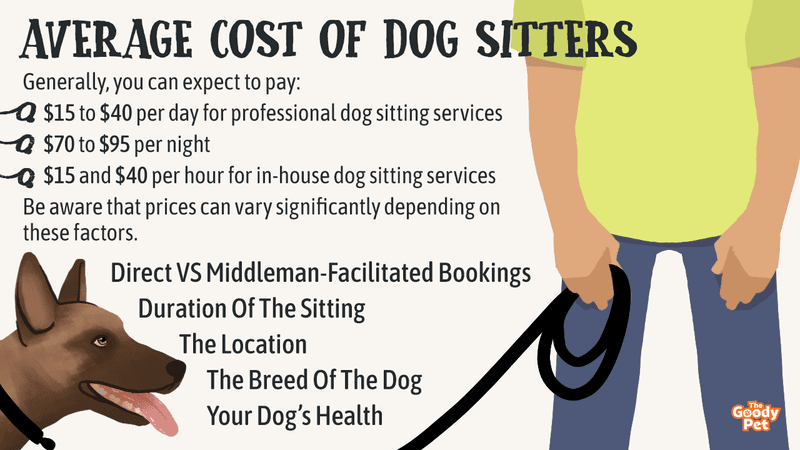
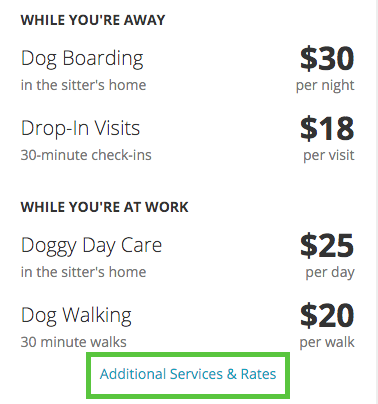
                                            Professional pet sitters offer specialized care for dogs and other pets. They typically charge $25 per 30-minute visit or $20 to $30 per day for regular care. For overnight stays, rates range from $45 to $75 per night. A week-long service can cost between $250 and $375, depending on the number of pets and services required.

                                            Hobby pet sitters provide more affordable options, charging about 60-70% of professional rates. Their services include $14-$19 for a 15-minute visit and $21-$32 for a 45- to 60-minute visit. Overnight stays with hobby sitters usually cost $65 to $75.

                                            House sitters who also care for pets typically charge $30 to $65 per day, combining pet care with house sitting duties. This option offers comprehensive care for both the home and pets.

                                            Duties and Responsibilities

                                            Dog sitters‘ primary responsibility is maintaining the pet’s routine in their home environment. This includes:

                                            1. Feeding and providing fresh water
                                            2. Walking and exercising the dog
                                            3. Administering medications if needed
                                            4. Cleaning up after the pet
                                            5. Providing companionship and playtime

                                            Professional sitters often offer additional services such as:

                                            1. Collecting mail and packages
                                            2. Watering plants
                                            3. Basic house maintenance

                                            Dog sitters also keep owners updated on their pet’s behavior and well-being throughout the stay. They’re responsible for addressing any emergencies or health concerns that may arise during their care.

                                            The level of attention varies between regular visits and overnight care. Regular visits involve multiple daily check-ins, while overnight care provides more continuous supervision. The choice depends on the dog’s needs and the owner’s preferences.

                                            Factors Affecting Dog Sitting Rates

                                            Dog sitting rates vary based on several key factors. Understanding these elements helps determine fair compensation for a week of dog sitting services.

                                            Geographic Location

                                            Geographic location significantly impacts dog sitting rates. Urban areas typically command higher prices due to increased demand and higher living costs. For instance:

                                            • NYC: Average rate of $21 per hour
                                            • Charlotte, NC: Average rate of $15 per hour

                                            Dog sitters in cities often charge more as it’s frequently their full-time job. Rural areas generally have lower rates due to reduced living expenses and travel costs. When setting or evaluating rates, consider the local market and cost of living to ensure competitive and fair pricing.

                                            Duration of Service

                                            The duration of dog sitting service directly affects the overall cost. Typical rate structures include:

                                            • 30-minute visit: $25 on average
                                            • Daily rate (multiple visits): $20 to $30
                                            • Weekly rate: $250 to $375 for multiple daily visits

                                            Longer commitments often come with discounted rates. For example, a week-long booking might offer a lower daily rate compared to individual day bookings. When calculating costs for a week, factor in the number of visits per day and any overnight stays required.

                                            Number and Type of Pets

                                            The number and type of pets in a household influence dog sitting rates:

                                            • Standard rates typically cover one pet
                                            • Additional pets: $4 to $5 extra per pet, per session
                                            • Large or high-energy breeds may incur higher fees
                                            • Multiple dogs require more time and effort

                                            Sitters may charge more for caring for puppies or senior dogs due to increased attention and care needs. When discussing rates, clearly communicate the number and exact needs of each pet to ensure accurate pricing.

                                            Dog Sitter Rates

                                            Special Care Requirements

                                            Special care requirements can significantly impact dog sitting rates:

                                            • Medication administration: Additional fee per dose
                                            • Post-surgery care: Higher rates due to increased attention
                                            • Senior dog care: Extra charges for mobility assistance or frequent potty breaks
                                            • Behavioral issues: May require specialized experience, resulting in higher rates

                                            Discuss any special care needs upfront with potential sitters. This ensures they’re equipped to handle exact requirements and allows for accurate pricing based on the level of care needed.

                                            Holidays and Peak Seasons

                                            Holidays and peak seasons often come with premium pricing for dog sitting services:

                                            • Holiday surcharges: Average 25% increase
                                            • Last-minute bookings (less than 48 hours notice): 10-25% additional fee
                                            • Summer and winter holidays: Higher demand leads to increased rates
                                            • Weekends: May have slightly higher rates than weekdays

                                            Plan ahead for holiday periods to secure better rates and availability. Some sitters offer discounts for repeat clients or longer stays, even during peak seasons. Always confirm holiday rates and policies when booking to avoid surprises.

                                            Average Costs for Dog Sitting

                                            Dog sitting costs vary based on several factors, including location, services provided, and the sitter’s experience. Here’s a breakdown of average costs for different dog sitting arrangements.

                                            Daily Rates

                                            Daily rates for dog sitting typically range from $20 to $60, depending on the level of care required and the sitter’s qualifications. In-home dog sitting services average around $20 to $30 per day. For more specialized care or in high-demand areas, rates can reach up to $60 daily. Hourly rates also fluctuate significantly, with some cities seeing prices between $12.38 and $19.15 per hour. These rates often cover basic services such as feeding, walking, and providing companionship for your dog. Factors like the number of pets, additional services, and the sitter’s experience can influence the final daily rate.

                                            Weekly Rates and Discounts

                                            Weekly dog sitting rates generally fall between $250 and $375, offering a more cost-effective option for longer stays. This price range typically includes house sitting services if overnight stays are required. Many sitters offer discounts for extended bookings, making weekly rates more attractive than daily rates multiplied by seven. The exact services included in a weekly rate can vary, potentially covering 24-hour care, care for multiple pets, or addressing special needs. When booking for a full week, it’s essential to discuss the exact services provided and any potential additional fees to ensure you’re getting the best value for your money.

                                            Overnight Pet Sitting Costs

                                            Overnight pet sitting services usually cost between $45 and $75 per night, with some premium services charging up to $100 nightly. These rates often depend on factors such as the sitter’s experience, the dog’s exact needs, and the location. Overnight stays typically include evening and morning walks, feeding, and constant supervision throughout the night. Some sitters offer 10 or 12-hour overnight services, starting around 7-9 PM and ending at 7 AM. While not all pets require overnight care, it can be beneficial for dogs with separation anxiety, medical issues, or those needing extra attention. When considering overnight pet sitting, discuss the exact services included to ensure they meet your dog’s needs.

                                            Additional Services and Fees

                                            When hiring a dog sitter for a week, it’s essential to consider the additional services and fees that may impact the overall cost. These extras can significantly affect the final price and the quality of care your dog receives.

                                            In-Home vs. Boarding Options

                                            In-home pet sitting and boarding facilities offer distinct advantages and pricing structures. In-home care typically costs $30 to $65 per day, providing a comfortable environment for your dog and added home security. This option allows your pet to maintain their routine and reduces stress. Boarding facilities, on the other hand, charge between $20 to $30 per day for basic care. While potentially more affordable, boarding may not suit all dogs, especially those with anxiety or special needs. When choosing between these options, consider your dog’s temperament, the level of personalized attention required, and your budget constraints.

                                            Dog Sitter Rates

                                            Extra Activities and Care

                                            Dog sitters often provide additional services that can increase the overall cost. These may include:

                                            • Extended walks or playtime: $5-$10 per 30 minutes
                                            • Administering medication: $5-$15 per day
                                            • Grooming services: $20-$50 depending on complexity
                                            • Training reinforcement: $15-$25 per session
                                            • Transportation to vet appointments: $20-$30 per trip

                                            Special care for senior dogs or those with medical conditions may incur extra charges of $10-$20 per day. During holidays or peak seasons, expect surcharges of 10-20% on regular rates. It’s crucial to discuss these potential extras with your sitter beforehand to avoid unexpected costs and ensure your dog receives the care they need.

                                            How to Choose a Dog Sitter?

                                            Selecting the right dog sitter is crucial for your pet’s well-being and your peace of mind. We’ll explore key factors to consider when making this important decision.

                                            Professional vs. Hobby Sitters

                                            Professional dog sitters typically offer more reliable and comprehensive services. They charge $25 per 30-minute visit or $20 to $30 per day for regular care. Hobby sitters, on the other hand, provide more affordable options at 60-70% of professional rates. While professionals often have structured schedules and policies, hobby sitters may offer more flexibility. But, hobby sitters might have limited availability and may not carry insurance. When choosing between the two, consider your budget, your dog’s needs, and the level of service you require. Professional sitters generally provide more consistent care and have backup plans in case of emergencies.

                                            Qualifications and Experience

                                            A dog sitter’s qualifications and experience are essential factors in ensuring quality care for your pet. Look for sitters with certifications from reputable organizations like the National Association of Professional Pet Sitters or Pet Sitters International. These certifications indicate a commitment to professional standards and ongoing education. Experience is equally important; seasoned sitters are better equipped to handle various situations and pet personalities. Ask potential sitters about their experience with dogs similar to yours in size, breed, or temperament. Don’t hesitate to request references from past clients to gauge their reliability and expertise. A well-qualified and experienced sitter can provide customized care that meets your dog’s exact needs.

                                            Insurance and Bonding

                                            Insurance and bonding are critical considerations when choosing a dog sitter. Professional pet sitters often carry liability insurance, which protects you and your property in case of accidents or damages during their service. Bonding provides additional financial protection against theft or dishonesty. While hobby sitters may offer lower rates, they typically don’t carry insurance, potentially leaving you responsible for any incidents. When interviewing potential sitters, ask about their insurance coverage and request proof of insurance and bonding. This extra layer of protection ensures that you’re covered in unforeseen circumstances. Remember, the peace of mind that comes with a fully insured and bonded sitter often justifies the higher cost of professional services.

                                            Negotiating and Structuring Payment

                                            When hiring a dog sitter for a week, it’s crucial to establish a clear payment structure. We’ll explore different payment options and tipping etiquette to help you make informed decisions.

                                            Hourly vs. Flat Rate Options

                                            Hourly rates and flat rates are common payment structures for dog sitting services. Hourly rates range from $12 to $26 per hour, depending on location and services provided. In urban areas like New York, rates can reach $17 to $26 per hour, totaling around $688 for a 40-hour week. Flat rates offer more predictable costs, with professional pet sitters charging $20 to $30 per day or $45 to $75 per night.

                                            For a week of care, expect to pay $250 to $375. House sitters who also care for pets typically charge $30 to $65 per day, or $210 to $455 per week. For 24/7 care in the sitter’s home, rates can range from $100 to $150 per day, totaling $700 to $1,050 per week.

                                            Tipping Etiquette

                                            Tipping dog sitters isn’t mandatory but is often appreciated for exceptional service. A common practice is to tip 15-20% of the total cost for outstanding care. For a week-long sitting arrangement, consider a tip of $25 to $50, depending on the level of service provided. Factors influencing tipping include the sitter’s reliability, attentiveness to your dog’s needs, and any additional tasks performed beyond the agreed-upon services. If the sitter went above and beyond, such as staying longer than scheduled or handling unexpected situations, a higher tip may be warranted. Remember, tipping is a personal decision and should reflect your satisfaction with the service provided.

                                            Benefits of Professional Dog Sitting

                                            Professional dog sitting offers many advantages for both pets and their owners. Let’s explore the key benefits of choosing a professional service for your furry friend’s care.

                                            Personalized Care

                                            Professional dog sitters provide customized care to meet your pet’s exact needs. They create customized schedules for feeding, walking, and playtime based on your dog’s routines and preferences. This personalized approach ensures your pet receives consistent care, maintaining their familiar routines even when you’re away. Professional sitters are experienced in handling various breeds and temperaments, allowing them to adapt their care techniques to suit your dog’s personality. They’re also equipped to administer medications and handle special dietary requirements, ensuring your pet’s health needs are met without disruption.

                                            Peace of Mind for Pet Owners

                                            Hiring a professional dog sitter offers pet owners important peace of mind. Professional sitters are insured and bonded, protecting you from liability if accidents occur in your home. They’re trained in pet first aid and can recognize signs of illness or distress, promptly addressing any health concerns that may arise. Professional sitters also provide regular updates on your pet’s well-being, often including photos or videos, keeping you connected while you’re away. Their reliability and commitment to scheduled visits ensure your pet receives consistent care, eliminating worries about missed feedings or walks. Also, professional sitters often offer home security benefits, such as rotating lights and collecting mail, giving the appearance that your home is occupied.

                                            Conclusion

                                            Choosing the right dog sitter and determining fair compensation involves careful consideration of various factors. We’ve explored the range of costs typically associated with dog sitting services and highlighted key elements that influence pricing. By understanding these factors you’ll be better equipped to make an well-informed choice that ensures your pet receives quality care while you’re away. Remember to communicate clearly with your chosen sitter discuss all expectations and agree on terms upfront. With the right preparation you can find a reliable dog sitter who’ll provide excellent care for your furry friend at a fair price giving you peace of mind during your time apart.

                                          2. Do Dogs Need Sunscreen? Protect Your Pup from Harmful UV Rays

                                            Do Dogs Need Sunscreen? Protect Your Pup from Harmful UV Rays

                                            Did you know that our furry friends can get sunburned just like we do? As surprising as it may seem, dogs need sunscreen too! While their fur offers some protection, certain areas of their bodies are still vulnerable to the sun’s harmful rays.

                                            We’ll explore why dogs need sunscreen, which breeds are most susceptible, and how to choose the right product for your pup. From nose to tail, we’ll cover everything you need to know to keep your four-legged companion safe and comfortable during those sunny summer days. By the end of this article, you’ll be equipped with the knowledge to protect your dog from harmful UV rays and prevent potential skin issues.

                                            Understanding Canine Sun Safety

                                            Dogs, like humans, require protection from the sun’s harmful rays. While their fur offers some defense, certain areas remain vulnerable to sunburn and other sun-related health issues.

                                            Why Dogs Need Sunscreen

                                            Dogs need sunscreen to shield them from UV radiation’s harmful effects. Here’s why:

                                            • Skin Cancer Prevention: UV exposure increases the risk of skin cancer in dogs, particularly in areas with thin or light-colored fur.
                                            • Sunburn Protection: Dogs can suffer painful sunburns, especially on their nose, ears, and belly.
                                            • Breed Susceptibility: Some breeds, like Bull Terriers, Pit Bulls, Dalmatians, and Greyhounds, have shorter or lighter coats, making them more prone to sun damage.
                                            • Sensitive Areas: The skin around a dog’s lips, ears, and belly is particularly vulnerable to sunburn.
                                            • Overall Health: Sun protection contributes to a dog’s overall well-being by preventing discomfort and potential skin issues.

                                            Risks of Sun Exposure for Dogs

                                            Prolonged sun exposure poses several risks to dogs:

                                            • Skin Damage: UV rays can cause skin irritation, redness, and peeling in dogs.
                                            • Heat Stroke: Excessive sun exposure may lead to heat stroke, especially in breeds with thick coats or short snouts.
                                            • Eye Problems: Prolonged UV exposure can contribute to eye issues like cataracts or corneal damage.
                                            • Weakened Immune System: Sunburn can compromise a dog’s skin barrier, making them more susceptible to infections.
                                            • Aggravation of Existing Conditions: Sun exposure can worsen pre-existing skin conditions or allergies in dogs.

                                            By understanding these risks, pet owners can take appropriate measures to protect their furry companions from the sun’s harmful effects.

                                            Dog Breeds Most Susceptible to Sunburn

                                            Certain dog breeds are more prone to sunburn due to their physical characteristics. Understanding which breeds are at higher risk helps pet owners take appropriate precautions to protect their furry friends from harmful UV rays.

                                            High-Risk Areas on Dogs’ Bodies

                                            Dogs have several high-risk areas that are particularly susceptible to sunburn:

                                            • Nose: The nose is often exposed to direct sunlight and has minimal fur coverage.
                                            • Ears: Especially for breeds with thin or light-colored ear flaps.
                                            • Belly: When dogs sunbathe on their backs, their bellies become vulnerable.
                                            • Eyelids: The skin around the eyes is thin and sensitive.
                                            • Areas with thin or light-colored fur: These parts offer less natural protection against UV rays.

                                            Breeds like Whippets, Greyhounds, and Bulldogs are especially at risk due to their short coats and light skin pigmentation. Dogs recovering from surgery or with existing skin conditions also need extra protection, as their skin is more vulnerable to sun damage.

                                            To protect these high-risk areas:

                                            1. Apply pet-safe sunscreen to exposed skin.
                                            2. Use protective clothing or accessories designed for UV protection.
                                            3. Limit sun exposure during peak UV hours (typically 10 am to 4 pm).
                                            4. Provide shaded areas for outdoor activities.

                                            By focusing on these sensitive areas, we can significantly reduce the risk of sunburn and potential long-term skin damage in our canine companions.

                                            Choosing the Right Sunscreen for Your Dog

                                            Selecting the appropriate sunscreen for your dog is crucial for their protection against harmful UV rays. We’ll explore the essential ingredients to look for and those to avoid when choosing a dog-safe sunscreen.

                                            Pet-Friendly Ingredients

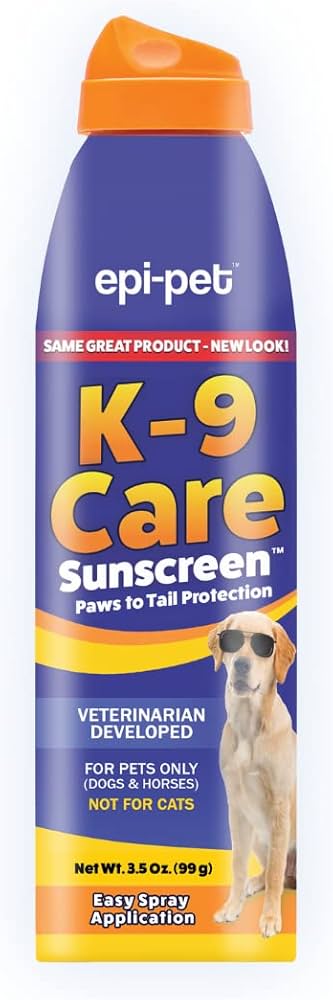
                                            When selecting sunscreen for dogs, opt for products specifically formulated for canine use. Look for broad-spectrum protection that shields against both UVA and UVB rays. Titanium dioxide is a safe and effective ingredient commonly found in pet sunscreens. It provides a physical barrier against UV radiation without posing risks if ingested. Other beneficial ingredients include zinc oxide alternatives, such as ethylhexyl methoxycinnamate or octyl salicylate. These offer excellent UV protection while being safe for dogs. Choose sunscreens free from fragrances and parabens to minimize the risk of allergic reactions. Water-resistant formulas are ideal for dogs who love to swim or play in water, ensuring longer-lasting protection.

                                            Ingredients to Avoid

                                            When choosing sunscreen for your dog, it’s crucial to avoid certain ingredients that can be harmful if ingested. Zinc oxide, commonly found in human sunscreens, is toxic to dogs and should be avoided. PABA (para-aminobenzoic acid) is another ingredient to steer clear of, as it can cause allergic reactions in some dogs. Avoid products containing oxybenzone, a chemical sunscreen ingredient that can disrupt hormones in dogs. Alcohols and artificial fragrances can irritate a dog’s sensitive skin and should be avoided. Steer clear of sunscreens with salicylates, which can be toxic if ingested in large quantities. Always opt for pet-exact sunscreens or consult with a veterinarian before using any human sunscreen on your dog.

                                            How to Apply Sunscreen on Your Dog

                                            Applying sunscreen to your dog is crucial for protecting them from harmful UV rays. Here’s how to do it effectively and safely.

                                            Frequency and Reapplication

                                            Sunscreen application for dogs requires consistency and attention to detail. Apply sunscreen to your dog 15-20 minutes before sun exposure, allowing time for absorption. Reapply every 2 hours during outdoor activities, especially if your dog goes swimming or gets wet. For dogs with high sun sensitivity, reapplication may be necessary more frequently.

                                            During peak sun hours (10 am to 4 pm), it’s essential to be extra vigilant. If your dog must be outdoors during this time, reapply sunscreen to sun-sensitive areas throughout the day. These areas include the nose, around the lips, tips of the ears, groin, and belly. After swimming, immediately reapply sunscreen to maintain protection.

                                            For high-risk dogs, sunscreen or protective apparel is necessary whenever they’re exposed to the sun, regardless of the time of day. By following these guidelines, you’ll help ensure your dog stays safe from harmful UV rays and reduce the risk of sunburn and skin damage.

                                            Dogs Need Sunscreen

                                            Alternatives to Sunscreen for Dogs

                                            While sunscreen is an effective way to protect dogs from harmful UV rays, there are alternatives that can provide additional or alternative protection. These options can be particularly useful for dogs that may not tolerate sunscreen well or for pet owners looking for more comprehensive sun protection answers.

                                            Sun Shirts and Protective Gear

                                            Sun protective clothing for dogs offers an excellent alternative to sunscreen. These garments, such as lightweight UV-protective vests, sun shirts, and beach rash guards, can block up to 98% of UVA and UVB rays. They’re designed with special UPF (Ultraviolet Protection Factor) fabric, creating a physical barrier against the sun’s harmful rays.

                                            Sun shirts are particularly effective for dogs that lie out in the sun, especially on their backs. To provide maximum protection, these shirts should be long enough to cover the entire length of the dog’s abdomen, even when stretched out. For comprehensive coverage, consider options that protect the chest, back, and belly areas.

                                            When choosing sun protective gear, look for:

                                            • Lightweight, quick-drying fabric
                                            • High UPF rating (50+ is ideal)
                                            • Comfortable, stretchy material
                                            • Coverage for high-risk areas like the back and belly

                                            Shade and Timing Outdoor Activities

                                            Another effective alternative to sunscreen is managing your dog’s sun exposure through shade and timing. By strategically planning outdoor activities, you can significantly reduce your dog’s risk of sunburn and skin damage.

                                            Key strategies include:

                                            1. Provide ample shade: Ensure your dog has access to shaded areas during outdoor activities. This can be natural shade from trees or artificial shade from umbrellas or canopies.
                                            2. Limit sun exposure during peak hours: Avoid outdoor activities between 10 am and 4 pm when the sun’s rays are strongest.
                                            3. Schedule walks and playtime for cooler hours: Early morning or late evening outings are safer and more comfortable for your dog.
                                            4. Create shaded rest areas: If your dog spends time in the yard, set up a shaded area with a doghouse or canopy where they can retreat from the sun.
                                            5. Use reflective surfaces cautiously:

                                            By combining these alternatives with appropriate sunscreen use when necessary, you can effectively protect your dog from harmful UV rays and minimize the risk of sunburn and skin damage.

                                            Additional Sun Safety Tips for Dogs

                                            Provide Shade and Hydration

                                            Ensuring access to shade and fresh water is crucial for dogs during sunny days. We recommend:

                                            • Setting up a portable shade tent or umbrella for outdoor activities
                                            • Placing water bowls in easily accessible, shaded areas
                                            • Offering ice cubes or frozen treats to help cool down

                                            Use Protective Clothing

                                            Sun-protective clothing for dogs offers an alternative to sunscreen:

                                            • Lightweight UV-protective vests
                                            • Sun shirts that block up to 98% of UVA and UVB rays
                                            • Dog-exact hats or visors for head protection

                                            Choose breathable, light-colored fabrics for maximum comfort and protection.

                                            Dogs Need Sunscreen

                                            Plan Outdoor Activities Wisely

                                            Timing is key to reducing sun exposure:

                                            • Avoid peak UV hours (10 am to 4 pm)
                                            • Schedule walks and playtime for early morning or late afternoon
                                            • Limit outdoor exercise during the hottest parts of the day

                                            Check Pavement Temperature

                                            Hot surfaces can harm your dog’s paws:

                                            • Test pavement with your hand for 5 seconds
                                            • If it’s too hot for your hand, it’s too hot for paws
                                            • Opt for grass or shaded paths when temperatures soar

                                            Use UV-Protective Window Shades

                                            For car trips:

                                            • Install UV-ray protective window shades
                                            • Ensure proper ventilation
                                            • Never leave dogs unattended in parked vehicles

                                            Invest in Cooling Products

                                            Consider these items for added comfort:

                                            • Cooling mats or beds
                                            • Cooling vests or bandanas
                                            • Portable, dog-friendly pools or sprinklers

                                            Monitor for Signs of Overheating

                                            Be vigilant for symptoms of heat-related issues:

                                            • Excessive panting or drooling
                                            • Lethargy or disorientation
                                            • Vomiting or diarrhea

                                            If you notice these signs, move your dog to a cool area and contact a veterinarian immediately.

                                            Groom Appropriately

                                            Proper grooming can aid in sun protection:

                                            • Avoid shaving double-coated breeds
                                            • Trim long-haired dogs to a 1-inch coat length
                                            • Brush regularly to remove loose fur and improve air circulation

                                            Create Shaded Outdoor Spaces

                                            For dogs that spend time outside:

                                            • Install shade sails or awnings in your yard
                                            • Plant trees or large shrubs for natural shade
                                            • Provide a doghouse with proper ventilation

                                            Adjust Exercise Routines

                                            Modify activities to suit warmer weather:

                                            • Incorporate indoor play sessions
                                            • Use puzzle toys for mental stimulation
                                            • Consider swimming as a low-impact, cooling exercise

                                            By implementing these additional sun safety tips, we can ensure our canine companions stay protected and comfortable during sunny weather. Remember, each dog is unique, so it’s essential to tailor these strategies to your pet’s exact needs and consult with a veterinarian for personalized advice.

                                            Treating Sunburn in Dogs

                                            Treating sunburn in dogs requires prompt attention and proper care. We’ll explore the steps to take when your furry friend gets too much sun and when it’s time to seek professional help.

                                            When to Seek Veterinary Care

                                            Mild sunburns in dogs can often be treated at home, but severe cases demand immediate veterinary attention. Take your dog to the vet if you notice:

                                            • Severe redness or blistering
                                            • Signs of pain or discomfort
                                            • Fever or lethargy
                                            • Vomiting or loss of appetite
                                            • Large areas of affected skin
                                            • Peeling or cracking skin
                                            • Any signs of infection

                                            Veterinary care is crucial for severe sunburns to prevent complications like infections or skin cancer. Your vet may prescribe topical or oral medications to manage pain, reduce inflammation, and promote healing.

                                            Conclusion

                                            Dogs need sunscreen to protect them from harmful UV rays just like humans do. We’ve explored the importance of sun protection for our canine companions focusing on vulnerable areas and high-risk breeds. By choosing the right sunscreen using protective clothing and managing sun exposure we can keep our furry friends safe. Remember to apply sunscreen properly and consider alternatives like UV-protective clothing. With these tips we can ensure our dogs enjoy the outdoors safely. Always consult your veterinarian for personalized advice on sun protection for your pet.

                                          3. Chicken and Rice for Dogs: A Vet-Approved Meal for Digestive Health

                                            Chicken and Rice for Dogs: A Vet-Approved Meal for Digestive Health

                                            Ever wondered why veterinarians often recommend chicken and rice for dogs? This simple yet effective meal combination has become a go-to solution for many canine health issues, from upset stomachs to food allergies.

                                            We’ll explore the benefits of this classic duo and why it’s so popular among pet owners. Chicken and rice for dogs isn’t just a bland diet – it’s a protein-packed, easily digestible meal that can help soothe your pup’s tummy troubles. We’ll jump into how this combination works, when it’s appropriate to use, and how to prepare it properly for your furry friend. Plus, we’ll share some tips on making this basic recipe more nutritionally complete for long-term use.

                                            Benefits of Chicken and Rice for Dogs

                                            Nutritional Value

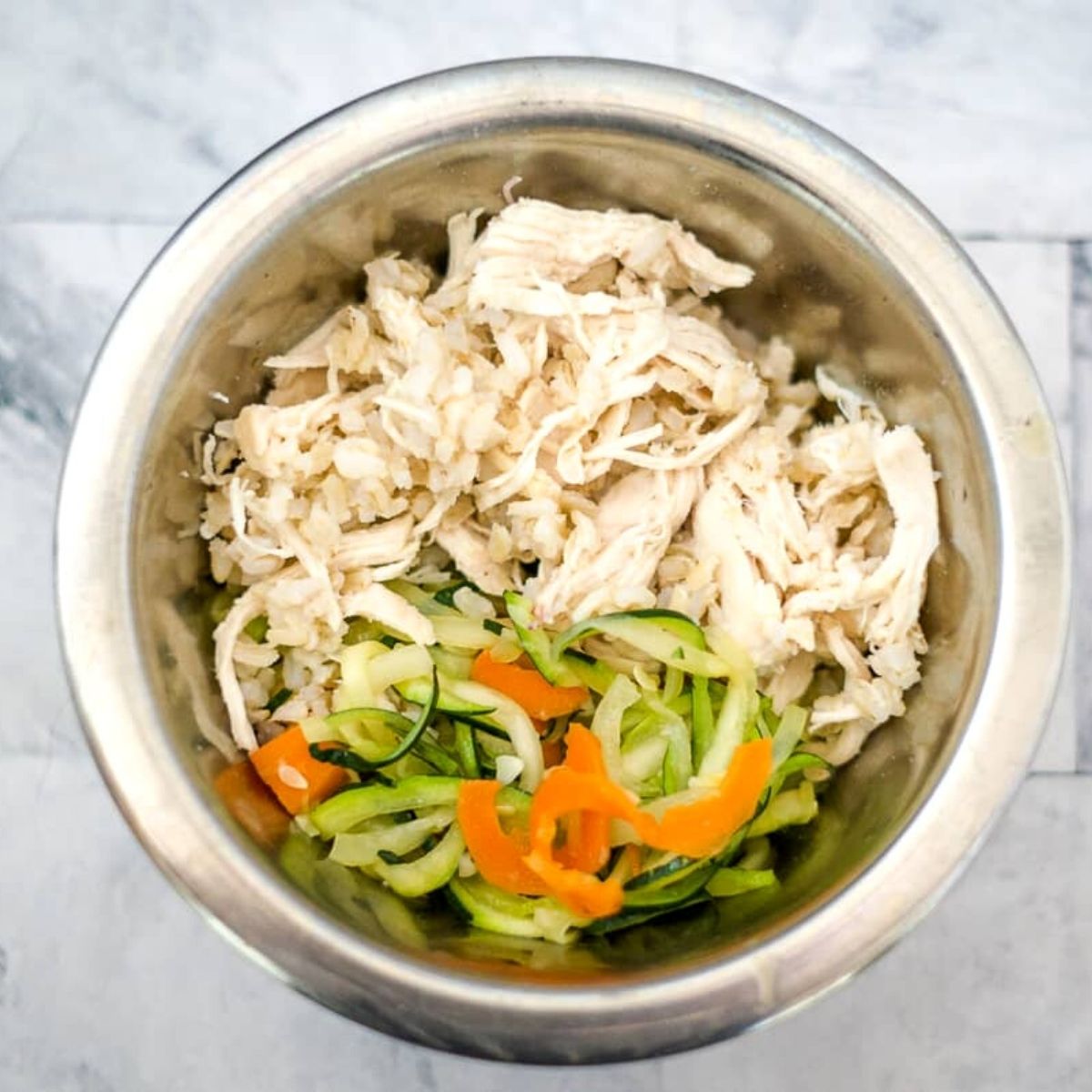
                                            Chicken and rice offer a powerful nutritional combination for dogs. Chicken provides high-quality protein, essential for muscle maintenance and growth. It’s rich in amino acids, supporting various bodily functions. Rice, particularly white rice, serves as an easily digestible carbohydrate source, providing quick energy for dogs.

                                            Digestive Support

                                            The chicken and rice combination is gentle on a dog’s digestive system. White rice’s low fiber content makes it easy to digest, reducing stress on the gastrointestinal tract. This quality makes it particularly beneficial for dogs recovering from stomach upset or diarrhea.

                                            Palatability

                                            Many dogs find chicken and rice highly palatable. The appealing taste encourages dogs to eat, which is crucial when they’re not feeling well or have a decreased appetite. This palatability ensures dogs receive necessary nutrition even during illness.

                                            Versatility

                                            Chicken and rice can be adapted to suit various dietary needs. For dogs with food sensitivities, it serves as a simple elimination diet to identify allergens. The combination can also be modified by adding vegetables or switching to brown rice for increased nutritional value.

                                            Low-Fat Option

                                            For dogs with conditions like pancreatitis that require a low-fat diet, chicken (especially when using lean breast meat) and rice provide a suitable meal option. This combination delivers necessary nutrients without overloading the digestive system with fats.

                                            Hydration Support

                                            When prepared with broth, chicken and rice can help maintain hydration in dogs. This is particularly beneficial for dogs recovering from diarrhea or vomiting, where fluid loss is a concern.

                                            Quick Energy Source

                                            The glucose from rice starch is rapidly absorbed, providing quick energy for dogs. This can be especially helpful for dogs recovering from illness or experiencing temporary weakness.

                                            Nutrient Absorption

                                            The simplicity of chicken and rice can aid in nutrient absorption. In cases of diarrhea, it’s been shown to increase water and electrolyte absorption, potentially reducing the duration and severity of symptoms.

                                            While chicken and rice offer many benefits, it’s important to note that this combination alone doesn’t provide a complete, balanced diet for long-term use. Always consult with a veterinarian before making important changes to your dog’s diet, especially when addressing exact health concerns.

                                            Chicken and Rice for Dogs

                                            When to Feed Your Dog Chicken and Rice?

                                            For Digestive Issues

                                            Chicken and rice is an ideal meal for dogs experiencing digestive problems. Veterinarians often recommend this diet when dogs suffer from:

                                            • Vomiting
                                            • Diarrhea
                                            • Gas
                                            • Constipation

                                            The bland nature of chicken and rice makes it easy on a dog’s stomach, helping to soothe digestive discomfort. This combination provides a gentle, easily digestible meal that can help alleviate gastrointestinal upset.

                                            Post-Surgery or Illness Recovery

                                            After a surgical procedure or during recovery from an illness, a chicken and rice diet can be beneficial for dogs. This simple meal:

                                            • Gives the dog’s digestive system a rest
                                            • Provides necessary nutrients for healing
                                            • Is easily digestible, reducing strain on the body
                                            • Helps maintain energy levels during recovery

                                            Switching to a chicken and rice diet temporarily can support a quicker recovery by providing essential nutrients without overtaxing the dog’s system.

                                            Loss of Appetite

                                            When dogs show a decreased interest in their regular food, chicken and rice can serve as an appetizing alternative. This diet:

                                            • Stimulates appetite with its palatable flavor
                                            • Provides a nutritious option for picky eaters
                                            • Offers a familiar and comforting meal
                                            • Can be easily modified to suit individual preferences

                                            The mild taste and texture of chicken and rice often appeal to dogs who have lost interest in their usual food, encouraging them to eat and maintain their nutritional intake.

                                            By understanding when to feed your dog chicken and rice, you can provide targeted nutritional support during exact health situations. Remember to consult with a veterinarian before making any important changes to your dog’s diet, especially for extended periods.

                                            How to Cook Chicken and Rice for Dogs?

                                            Preparing chicken and rice for dogs is a simple process that requires minimal ingredients and equipment. We’ll guide you through selecting the right ingredients and provide step-by-step cooking instructions to ensure a nutritious meal for your canine companion.

                                            Choosing the Right Ingredients

                                            When cooking chicken and rice for dogs, it’s crucial to select appropriate ingredients:

                                            • Chicken: Use boneless, skinless chicken breasts for easy digestion. Avoid chicken bones, which can be harmful to dogs.
                                            • Rice: White rice is often recommended for dogs with digestive issues due to its gentle nature. Brown rice is a healthier alternative for regular meals, offering higher nutritional content. Consult your veterinarian to determine the best rice type for your dog’s needs.
                                            • Additional ingredients: Optional dog-safe vegetables like green beans can be added. Avoid seasonings, oils, or butter, as these can be toxic to dogs.

                                            By choosing these ingredients, you’ll create a meal that’s both safe and beneficial for your dog’s health.

                                            Chicken and Rice for Dogs

                                            Step-by-Step Cooking Instructions

                                            Follow these steps to prepare chicken and rice for your dog:

                                            1. Prepare the chicken:
                                            • Boil 2-3 boneless, skinless chicken breasts in water until fully cooked.
                                            • Ensure the internal temperature reaches 165°F to prevent salmonella.
                                            1. Cook the rice:
                                            • Use the chicken broth or plain water to cook the rice.
                                            • Bring 2.5 cups of liquid to a boil in a pot.
                                            • Add 1 cup of well-rinsed rice and return to a boil.
                                            • Reduce heat, cover, and simmer for about 20 minutes (40-45 minutes for brown rice).
                                            • Rice is done when soft and all liquid is absorbed.
                                            1. Combine and serve:
                                            • Allow both chicken and rice to cool completely.
                                            • Shred or dice the chicken into bite-sized pieces.
                                            • Mix chicken and rice in a 1:3 ratio (1 part chicken, 3 parts rice).
                                            • Serve at room temperature.

                                            Remember to consult your veterinarian before making important changes to your dog’s diet. This recipe provides a basic, easily digestible meal for dogs, but it’s not a complete long-term diet on its own.

                                            Proper Serving Sizes and Frequency

                                            Proper serving sizes and frequency are crucial when feeding chicken and rice to dogs. We’ll explore how to calculate portions based on dog size and how to transition back to regular food.

                                            Calculating Portions Based on Dog Size

                                            The general rule for chicken and rice portions is 1/3 meat to 2/3 rice. For large dogs, start with 1 cup of the mixture per meal. Dogs typically eating 4 cups daily should begin with 1 cup of chicken and rice, repeating until they’ve consumed their usual amount. Smaller dogs need 1/4 to 1/3 cup initially. Adjust portions based on your dog’s normal intake and weight. Monitor your dog’s response and consult your vet for personalized advice. Remember, this diet is temporary and shouldn’t replace a balanced diet long-term.

                                            Transitioning Back to Regular Food

                                            Transitioning back to regular food requires a gradual approach. Start by mixing a small amount of regular food with the chicken and rice, gradually increasing the proportion over 5-7 days. Begin with 75% chicken and rice and 25% regular food, then adjust to 50/50, followed by 25% chicken and rice and 75% regular food. Finally, return to 100% regular food. Monitor your dog’s digestion during this process. If any issues arise, slow down the transition. Always consult your veterinarian for guidance, especially if your dog has ongoing digestive problems or exact dietary needs.

                                            Potential Drawbacks and Considerations

                                            While chicken and rice can be beneficial for dogs in certain situations, it’s important to understand its limitations. This diet isn’t suitable for long-term use and may pose some risks if not implemented correctly.

                                            Nutritional Limitations

                                            Chicken and rice alone don’t provide a balanced diet for dogs. This combination lacks essential vitamins, minerals, and nutrients crucial for optimal canine health. While chicken offers protein and rice provides carbohydrates, the diet is deficient in calcium, phosphorus, and various other vital nutrients. Long-term reliance on this diet can lead to nutritional imbalances and potential health issues. To ensure your dog’s well-being, it’s essential to supplement this diet with nutrient-rich foods or consult a veterinarian for guidance on a complete, balanced diet customized to your dog’s exact needs.

                                            Digestive Concerns

                                            Veterinarians often recommend chicken and rice as a temporary solution for dogs with digestive issues like diarrhea, vomiting, or stomach upset. But, this diet shouldn’t be prolonged beyond the initial recovery period. Extended use can lead to digestive imbalances and potentially exacerbate underlying health problems. While easily digestible, the lack of fiber in white rice may cause constipation in some dogs if fed for too long. It’s crucial to monitor your dog’s digestive health closely and transition back to a balanced diet as soon as the initial issue resolves, following your veterinarian’s recommendations.

                                            Alternatives to Chicken and Rice

                                            While chicken and rice offer a beneficial meal option for dogs in certain situations, it’s essential to consider alternatives that provide a more balanced diet. We’ll explore some nutritious options that can supplement or replace the chicken and rice combination.

                                            Balanced Diet Requirements

                                            A chicken and rice diet alone doesn’t fulfill all of a dog’s nutritional needs. It lacks essential vitamins, minerals, and other nutrients crucial for optimal canine health. When considering alternatives, it’s important to focus on creating a well-rounded meal that meets all dietary requirements.

                                            Alternative Protein Sources

                                            Dogs benefit from a variety of protein sources in their diet. Here are some alternatives to chicken:

                                            • Turkey: Lean and easily digestible, turkey provides a similar nutritional profile to chicken.
                                            • Beef: A rich source of protein and iron, beef can be a good option for dogs without beef allergies.
                                            • Fish: Salmon, cod, or whitefish offer omega-3 fatty acids and high-quality protein.
                                            • Eggs: Cooked eggs provide a nutrient-dense protein source with essential amino acids.

                                            When introducing new protein sources, ensure they’re boneless, skinless, and cooked thoroughly to avoid potential hazards.

                                            Vegetable Additions

                                            Adding vegetables to your dog’s diet can provide essential fiber, vitamins, and minerals. Some dog-safe options include:

                                            • Green beans: Low in calories and high in fiber, they’re excellent for weight management.
                                            • Carrots: Rich in beta-carotene and fiber, carrots support eye health and digestion.
                                            • Sweet potatoes: A good source of complex carbohydrates and vitamins A and C.

                                            Always introduce new vegetables gradually and in moderation. Avoid toxic vegetables like onions, garlic, and chives.

                                            Grain Alternatives

                                            While rice is a common grain choice, there are other options to consider:

                                            • Quinoa: A complete protein source that’s rich in essential amino acids.
                                            • Oatmeal: Provides soluble fiber and can be beneficial for dogs with wheat sensitivities.
                                            • Barley: A good source of fiber and essential nutrients.

                                            Commercial Dog Foods

                                            For a more convenient option, consider high-quality commercial dog foods formulated to meet all nutritional requirements. These come in various forms:

                                            • Dry kibble: Easy to store and serve, available in different formulations.
                                            • Wet food: Higher moisture content, often more palatable for picky eaters.
                                            • Freeze-dried or dehydrated options: Minimal processing while maintaining nutritional value.

                                            When selecting commercial foods, look for options that list a high-quality protein source as the first ingredient and avoid artificial preservatives or fillers.

                                            Homemade Balanced Diets

                                            If you prefer preparing homemade meals, consult with a veterinary nutritionist to create a balanced recipe customized to your dog’s exact needs. This approach ensures your dog receives all necessary nutrients while allowing you control over ingredients.

                                            Remember, any dietary changes should be introduced gradually to prevent digestive upset. Always consult with your veterinarian before making important changes to your dog’s diet, especially if they have exact health concerns or dietary restrictions.

                                            Conclusion

                                            Chicken and rice can be a valuable tool in your dog’s dietary toolkit. While it’s not a long-term solution it offers a gentle respite for upset stomachs and a nutritious boost during recovery. Remember to tailor portions to your dog’s size and needs and always consult your vet before making important dietary changes. As we’ve explored alternatives and potential drawbacks it’s clear that a balanced approach is key. By understanding when and how to use chicken and rice effectively we can better support our furry friends’ health and happiness.

                                          4. Why Do Dogs Have Wet Noses? The Science Behind Moist Canine Snouts

                                            Why Do Dogs Have Wet Noses? The Science Behind Moist Canine Snouts

                                            Have you ever wondered why your furry friend’s nose feels like a damp sponge? The mystery of why dogs have wet noses has puzzled pet owners for generations, and we’re here to unravel this canine conundrum.

                                            Dogs’ wet noses are more than just a charming feature; they’re a crucial part of their sensory toolkit. From improving their incredible sense of smell to regulating body temperature, those moist snouts serve multiple purposes. We’ll explore the fascinating reasons behind this unique characteristic, exploring into the science of canine biology and behavior. By the end of this article, you’ll have a newfound appreciation for your pup’s glistening nose and understand why it’s an essential aspect of their overall health and well-being.

                                            The Fascinating World of Canine Noses

                                            Dogs’ noses are marvels of nature, equipped with an array of features that make them extraordinary sensory organs. These wet, cold snouts are not just adorable; they’re highly sophisticated tools that play a crucial role in a dog’s daily life.

                                            Anatomy of a Canine Nose

                                            A dog’s nose is a complex structure designed for optimal olfactory function:

                                            • Size Matters: Dogs’ noses are large relative to their face size, providing more surface area for scent receptors.
                                            • Olfactory Receptors: Canines possess approximately 300 million olfactory receptors, compared to humans’ mere 6 million.
                                            • Scent Differentiation: Dogs can distinguish between 30,000 to 100,000 different smells, far surpassing our ability to detect 4,000 to 10,000 scents.
                                            • Independent Nostrils: A dog’s nostrils can move independently, helping them determine the direction of a scent.

                                            Continuous Scent Processing

                                            Dogs’ noses are designed for constant scent analysis:

                                            • Dual-Action Breathing: When a dog inhales, air is simultaneously exhaled through side slits, allowing for continuous scent processing.
                                            • Rapid Breathing: Dogs breathe faster when actively sniffing, improving their ability to detect and analyze odors.

                                            The Role of Moisture

                                            The wetness of a dog’s nose serves multiple purposes:

                                            • Scent Particle Trap: Mucus secreted by nasal glands helps trap scent particles, improving olfactory sensitivity.
                                            • Scent Analysis: Dogs lick their noses to transfer scent particles to the Jacobson’s organ on the roof of their mouth for further analysis.

                                            Beyond Smell: Additional Functions

                                            A dog’s nose isn’t just for smelling:

                                            • Temperature Regulation: The moist surface of the nose helps cool dogs as air passes over it.
                                            • Communication Tool: Dogs use their noses to greet and gather information about other animals and their environment.

                                            Understanding the intricacies of canine noses helps us appreciate the remarkable abilities of our furry companions. Their wet noses are not just a charming feature but a sophisticated tool essential for their interaction with the industry around them.

                                            The Science Behind Dogs Have Wet Noses

                                            Dogs’ wet noses are a result of various physiological factors. The moisture serves multiple purposes, improving their sensory abilities and aiding in temperature regulation.

                                            Mucus Secretion and Its Purpose

                                            Dogs’ noses secrete a thin, watery mucus that contributes to the moisture on their noses. This mucus serves several important functions:

                                            1. Smell enhancement: The mucus aids in absorbing scent chemicals, allowing dogs to follow and identify smells more effectively. Scent particles adhere better to a wet nose than a dry one, amplifying their olfactory capabilities.
                                            2. Cooling mechanism: As the mucus evaporates, it helps cool the dog down, especially in hot weather. This process, along with panting, is crucial for temperature regulation since dogs can’t sweat like humans.
                                            3. Air humidification: The moisture helps humidify the air entering the nasal cavity, preventing the respiratory tract from drying out and potentially reducing the risk of respiratory infections.
                                            Dogs Have Wet Noses
                                            OLYMPUS DIGITAL CAMERA

                                            The Role of Licking

                                            Dogs frequently lick their noses, which plays a important role in maintaining nose moisture and improving their sensory experience:

                                            1. Moisture maintenance: Licking helps distribute mucus evenly across the nose surface, ensuring consistent moisture levels.
                                            2. Scent analysis: When dogs lick their noses, they transfer scent particles to the roof of their mouth, where the vomeronasal organ (Jacobson’s organ) analyzes them further.
                                            3. Cleaning: Regular licking keeps the nose clean, removing debris and maintaining optimal sensory function.
                                            4. Temperature regulation: The evaporation of saliva from licking contributes to the cooling effect, complementing the mucus secretion process.

                                            By understanding these mechanisms, we gain insight into why dogs’ noses are typically wet and how this characteristic enhances their sensory capabilities and overall well-being.

                                            Functions of a Wet Nose

                                            A dog’s wet nose serves multiple crucial functions. These functions contribute to their overall health, sensory abilities, and environmental adaptation.

                                            Improving the Sense of Smell

                                            A wet nose significantly amplifies a dog’s olfactory capabilities:

                                            • The mucus secreted by nasal glands traps scent particles from the environment, allowing dogs to detect and analyze smells more effectively.
                                            • Moisture on the nose helps dissolve scent chemicals, making them easier for the olfactory receptors to process.
                                            • Dogs frequently lick their noses, transferring scent particles to their mouths where the Jacobson’s organ, a specialized olfactory structure, can analyze them further.
                                            • This enhanced smell detection enables dogs to track scents, identify individuals, and detect potential threats or food sources with remarkable accuracy.
                                            • The wetness of a dog’s nose can fluctuate throughout the day, affecting their scent detection abilities.

                                            Temperature Regulation

                                            Dogs’ wet noses play a vital role in maintaining their body temperature:

                                            • Unlike humans, dogs don’t sweat through their skin. Instead, they rely on panting and their noses for cooling.
                                            • The moisture on a dog’s nose evaporates, providing a cooling effect similar to sweating in humans.
                                            • This evaporative cooling helps dogs maintain a stable body temperature, especially during physical activity or in warm environments.
                                            • The nasal passages also help condition the air as it’s inhaled, warming and humidifying it before it reaches the lungs.
                                            • After periods of rest or in cooler environments, a dog’s nose may become drier and warmer, which is a normal variation.
                                            • The moisture on a dog’s nose acts as a filter, trapping dust, pollen, and other airborne particles, preventing them from entering the respiratory system.
                                            • This filtering mechanism helps protect dogs from potential irritants and allergens in their environment.
                                            • The wetness also enhances a dog’s ability to sense air currents and wind direction, which is crucial for detecting scents from a distance.
                                            • In drier climates, the moisture on a dog’s nose helps prevent nasal passages from drying out and becoming irritated.
                                            • The constant moistening of the nose through licking helps maintain its sensitivity to environmental stimuli, allowing dogs to gather more information about their surroundings.

                                            Factors Affecting Nose Wetness

                                            A dog’s nose wetness can vary throughout the day due to several factors. Understanding these factors helps explain why a dog’s nose might be wetter or drier at different times.

                                            Hydration Levels

                                            A dog’s hydration level directly impacts the wetness of their nose. Well-hydrated dogs typically have moister noses, while dehydrated dogs may have drier noses. Proper hydration ensures adequate mucus production, which contributes to nose wetness. Dogs need access to fresh water throughout the day to maintain optimal hydration. Factors such as exercise, temperature, and diet can influence a dog’s hydration needs. It’s important to monitor a dog’s water intake, especially during hot weather or after intense physical activity. While a wet nose isn’t always an indicator of good health, a consistently dry nose could signal dehydration or other health issues.

                                            Activity and Rest

                                            A dog’s activity level and rest patterns can significantly affect nose wetness. During periods of high activity, dogs tend to have wetter noses due to increased mucus production and more frequent licking. This helps them cool down and enhances their ability to pick up scents. Conversely, during rest or sleep, a dog’s nose may become drier as they’re not actively licking or sniffing. The moisture level can fluctuate rapidly, changing from dry to wet within minutes of waking up or starting physical activity. It’s normal for a dog’s nose to be drier after napping or less active periods. Regular exercise and playtime can help maintain healthy mucus production and nose wetness.

                                            Environmental Conditions

                                            Environmental factors play a crucial role in determining a dog’s nose wetness. Humidity levels, temperature, and air quality all impact the moisture on a dog’s nose. In humid environments, dogs’ noses tend to be wetter as the air retains more moisture. Conversely, dry or windy conditions can lead to drier noses. Extreme temperatures, both hot and cold, can affect nose wetness. In hot weather, increased evaporation may lead to a drier nose, while cold weather can cause the nose to produce more mucus as a protective measure. Indoor environments with air conditioning or heating can also influence nose moisture. Exposure to irritants like dust or pollen may trigger increased mucus production as a defense mechanism.

                                            Dogs Have Wet Noses

                                            Common Misconceptions About Dog Noses

                                            Dogs’ noses are often misunderstood, leading to several common myths. Let’s debunk two prevalent misconceptions about canine noses and their wetness.

                                            Wet Nose Equals Good Health

                                            A wet nose doesn’t always indicate good health in dogs. While moisture is normal, it’s not a reliable indicator of overall well-being. Dogs’ noses vary in wetness throughout the day due to factors like activity level, hydration, and environmental conditions. Some healthy dogs naturally have drier noses, while others maintain more moisture. The wetness of a dog’s nose can fluctuate without signifying health issues. It’s more important to observe other signs of health, such as energy levels, appetite, and behavior, rather than relying solely on nose wetness as a health barometer.

                                            Dry Nose Always Indicates Illness

                                            Contrary to popular belief, a dry nose doesn’t necessarily mean a dog is sick. Various factors can cause temporary dryness, including sleep, sun exposure, or spending time near a heat source. Some breeds, like Pugs or Bulldogs, tend to have naturally drier noses. Age can also affect nose moisture, with older dogs often having less wet noses. While prolonged dryness or changes in nose texture can be concerning, a dry nose alone isn’t a definitive sign of illness. It’s essential to consider other symptoms and the dog’s overall behavior when assessing their health. If you’re concerned about your dog’s nose condition, consult a veterinarian for a proper evaluation.

                                            When to Be Concerned About Your Dog’s Nose

                                            While a dog’s nose typically varies in wetness throughout the day, certain changes can signal health issues. We’ll explore key signs that warrant attention and potential veterinary care.

                                            Changes in Color or Texture

                                            A dog’s nose should maintain a consistent color and texture. Any noticeable changes in these aspects can indicate underlying health problems:

                                            • Pale or white nose: May signal anemia or poor circulation
                                            • Blue or purple tint: Potential oxygen deprivation
                                            • Crusty or flaky texture: Possible skin conditions or allergies
                                            • Sudden color changes: Could indicate autoimmune diseases

                                            Regularly inspect your dog’s nose for any unusual changes. If you notice persistent discoloration or texture alterations lasting more than a few days, consult a veterinarian for a proper evaluation.

                                            Excessive Dryness or Wetness

                                            While nose wetness varies, extreme changes can be concerning:

                                            Excessive dryness:

                                            • Cracking or peeling
                                            • Persistent dryness lasting over 24 hours
                                            • Accompanied by lethargy or loss of appetite

                                            Excessive wetness:

                                            • Constant dripping or running nose
                                            • Thick, cloudy, or colored discharge
                                            • Accompanied by sneezing or coughing

                                            These symptoms may indicate dehydration, allergies, infections, or other health issues. If you observe prolonged dryness or excessive wetness, seek veterinary advice to rule out potential problems.

                                            Unusual Discharge or Bleeding

                                            Abnormal nasal discharge or bleeding requires prompt attention:

                                            • Clear, watery discharge: Potential allergies or early infection
                                            • Thick, yellow, or green discharge: Likely bacterial infection
                                            • Blood-tinged discharge: Possible injury, tumor, or blood clotting disorder
                                            • Frank bleeding: Trauma, foreign objects, or serious underlying conditions

                                            Monitor the frequency and consistency of any unusual discharge. If bleeding occurs or discharge persists for more than a day, consult a veterinarian immediately. These symptoms can indicate infections, respiratory issues, or more severe health problems that require professional evaluation and treatment.

                                            Maintaining Your Dog’s Nasal Health

                                            A dog’s wet nose is crucial for their well-being, so it’s essential to maintain proper nasal health. Here are key aspects to consider:

                                            Regular Cleaning

                                            We recommend gently wiping your dog’s nose with a damp cloth daily. This removes dirt, debris, and excess mucus, preventing potential irritation or infection. For dogs with wrinkled noses, pay extra attention to the folds to avoid moisture buildup.

                                            Monitoring for Changes

                                            Observe your dog’s nose regularly for:

                                            • Color changes (paleness, redness, or bluish tint)
                                            • Texture alterations (cracking, flaking, or excessive dryness)
                                            • Unusual discharge (thick, colored, or bloody)
                                            • Swelling or lumps

                                            Any persistent changes warrant a veterinary check-up.

                                            Hydration

                                            Proper hydration is vital for maintaining a healthy, moist nose. Ensure your dog has access to fresh water at all times. In hot weather or after exercise, encourage drinking to prevent dehydration.

                                            Environmental Considerations

                                            Protect your dog’s nose from harsh environmental factors:

                                            • Apply pet-safe sunscreen to light-colored noses to prevent sunburn
                                            • Use a humidifier indoors during dry seasons to maintain optimal moisture levels
                                            • Limit exposure to irritants like smoke, strong chemicals, or excessive dust

                                            Nutrition for Nasal Health

                                            A balanced diet rich in essential fatty acids supports overall skin and nose health. Consider adding fish oil supplements or omega-3 rich foods to your dog’s diet, after consulting with your veterinarian.

                                            Exercise and Mental Stimulation

                                            Regular exercise and mental stimulation through scent-based activities help maintain a healthy nose. Encourage sniffing during walks and use puzzle toys with hidden treats to engage your dog’s olfactory senses.

                                            By following these guidelines, we can help ensure our dogs maintain healthy, wet noses, supporting their vital sense of smell and overall well-being.

                                            Conclusion

                                            Dogs’ wet noses are fascinating and serve crucial functions beyond their cute appearance. We’ve explored how these moist snouts enhance their incredible sense of smell provide temperature regulation and aid in communication. Understanding the factors that influence nose wetness and debunking common myths helps us better care for our canine companions. By monitoring changes in nose condition and following proper care guidelines we can support our dogs’ nasal health and overall well-being. Remember a wet nose is just one aspect of a dog’s health so always consider the bigger picture when assessing your furry friend’s condition.

                                          5. Best Dog Grooming Scissors: Essential Guide for Pet Owners

                                            Best Dog Grooming Scissors: Essential Guide for Pet Owners

                                            Are you struggling to keep your furry friend looking sharp between professional grooming sessions? Dog grooming scissors might be the solution you’ve been searching for. These specialized tools are designed to help pet owners maintain their canine companions’ coats with ease and safety.

                                            We’ll discover the area of dog grooming scissors, from their various types to their essential features. Whether you’re dealing with a thick, matted coat or just need to trim around sensitive areas, we’ve got you covered. By the end of this article, you’ll understand why investing in the right grooming scissors can make all the difference in your dog’s appearance and comfort. Let’s jump into the details that’ll help you choose the perfect pair for your pooch.

                                            What Are Dog Grooming Scissors?

                                            Dog grooming scissors are specialized tools designed for trimming, cutting, and styling a dog’s fur. These essential instruments help maintain a dog’s coat between professional grooming sessions, ensuring the pet’s comfort and appearance.

                                            Types of Dog Grooming Scissors

                                            There are three main types of dog grooming scissors:

                                            1. Straight shears: Used for general cutting and trimming of larger areas
                                            2. Curved shears: Ideal for trimming around the face, ears, and paws
                                            3. Thinning shears: Designed to remove bulk and blend thick coats

                                            Straight shears are versatile and suitable for most grooming tasks. Curved shears offer precision for delicate areas, creating smooth, rounded cuts. Thinning shears have teeth or blades with gaps, allowing groomers to thin out thick coats without removing too much hair at once.

                                            Key Features to Look For

                                            When selecting dog grooming scissors, consider these essential features:

                                            1. Material: High-quality stainless steel or Japanese alloy steel for durability and sharpness
                                            2. Blade length: Choose appropriate lengths for different grooming tasks
                                            3. Ergonomic design: Comfortable grip to reduce hand fatigue during extended use
                                            4. Safety features: Rounded tips for added protection, especially when working near sensitive areas
                                            5. Adjustable tension: Allows customization of cutting resistance
                                            6. Hand orientation: Options for left-handed or right-handed users
                                            7. Blade type: Serrated or smooth edges for different cutting needs

                                            Look for scissors with a projecting guard for better grip and control. Some models feature ball-shaped tips for enhanced safety when trimming facial areas. Consider purchasing a comprehensive shears kit to cover all grooming needs.

                                            Choosing the Right Scissors for Your Dog

                                            Selecting the appropriate dog grooming scissors is crucial for maintaining your pet’s coat effectively and safely. We’ll explore key factors to consider when choosing scissors that best suit your dog’s needs.

                                            Considering Your Dog’s Coat Type

                                            Different coat types require exact scissors for optimal grooming results. Straight-blade scissors are versatile, suitable for general trimming and shaping on most coat types. They’re particularly effective for thick-coated breeds, providing clean, precise cuts. Thinning scissors, also known as blending shears or chunkers, have toothed blades ideal for removing bulk and blending the coat. These are especially useful for dogs with thick or double coats, helping to thin out the hair without leaving noticeable lines. For finishing work and creating smooth, blended lines, convex blade scissors are an excellent choice. They have a curved edge that’s particularly effective for producing a polished look.

                                            Size and Ergonomics

                                            The size and ergonomics of dog grooming scissors significantly impact grooming efficiency and comfort. Choose scissors with a blade length appropriate for your dog’s size and the areas you’ll be grooming. Longer blades (7-8 inches) are suitable for larger dogs or extensive body work, while shorter blades (5-6 inches) offer more control for detailed work on smaller dogs or sensitive areas. Ergonomic design is crucial for reducing hand fatigue during prolonged grooming sessions. Look for scissors with comfortable handles, finger rests, and balanced weight distribution. Some scissors feature adjustable finger holes or rubber inserts for improved grip and comfort. Consider your dominant hand when selecting scissors, as some models are designed specifically for right or left-handed use.

                                             Dog Grooming Scissors

                                            How to Use Dog Grooming Scissors?

                                            Using dog grooming scissors effectively requires proper technique and preparation. We’ll guide you through the essential steps to ensure a safe and successful grooming experience for your canine companion.

                                            Preparing Your Dog for Grooming

                                            Preparing your dog for grooming is crucial for a smooth and stress-free experience. Start by getting your dog accustomed to the grooming tools, including scissors. Let them become familiar with the sight, sound, and feel of the scissors. Choose the right time for grooming, preferably when your dog is relaxed, such as after a walk or playtime. Avoid grooming when they’re anxious, hungry, or tired. Thoroughly brush your dog’s coat to remove tangles and mats, preventing painful pulling during the grooming process. For nervous or anxious dogs, consider using calming aids like treats, pheromone sprays, or soothing music to help them relax during the grooming session.

                                            Basic Cutting Techniques

                                            When using dog grooming scissors, proper technique is essential for achieving the best results. Start by brushing your dog’s coat to ensure it’s clean and free of knots. Hold the scissors with your thumb in the bottom finger loop and ring finger in the top loop, resting your little finger on the finger rest for stability. Use the full blade to trim in small sections, maintaining the desired length and shape.

                                            For sensitive areas like the eyes, nose, ears, and paws, use scissors with rounded tips facing away from your pet to prevent accidental nicks. Always trim in small sections to keep your dog safe and comfortable throughout the grooming process. When working with thick coats, use thinning shears to blend and reduce bulk without creating harsh lines. Remember to take frequent breaks and praise your dog to maintain a positive grooming experience.

                                            Maintenance and Care of Grooming Scissors

                                            Proper maintenance of dog grooming scissors is essential for their longevity and performance. Regular cleaning, disinfecting, sharpening, and storage practices ensure your grooming tools remain in top condition for years to come.

                                            Cleaning and Disinfecting

                                            Cleaning and disinfecting dog grooming scissors is crucial for maintaining their quality and effectiveness. Here’s a step-by-step process:

                                            1. Initial cleaning: Use a lint-free cloth or soft brush to remove hair and debris from the blades.
                                            2. Disinfecting: Submerge scissors in a suitable cleaning solution, like Barbicide, for 5-10 minutes.
                                            3. Drying: Remove scissors from the solution and pat dry with a lint-free cloth to prevent lint accumulation.
                                            4. Oiling: Apply a small amount of scissor oil to the blades, opening and closing them to distribute evenly.

                                            This routine prevents rust, maintains smooth operation, and ensures hygienic grooming practices. Perform this process after each grooming session to keep your scissors in optimal condition.

                                            Sharpening and Storage

                                            Proper sharpening and storage techniques are vital for maintaining the effectiveness of dog grooming scissors:

                                            1. Sharpening:
                                            • Frequency: Sharpen scissors every 3-6 months, depending on usage.
                                            • Professional sharpening: Consider using a professional sharpening service for optimal results.
                                            • At-home maintenance: Use a sharpening stone between professional sharpenings to maintain the edge.
                                            1. Storage:
                                            • Clean and dry: Always store scissors clean and completely dry to prevent rust.
                                            • Protective case: Use a dedicated scissor case or roll to protect blades from damage.
                                            • Climate control: Store in a cool, dry place to avoid humidity-related issues.
                                            • Tension adjustment: Loosen the tension slightly before storage to reduce stress on the blades.

                                            By following these sharpening and storage practices, you’ll extend the life of your dog grooming scissors and ensure consistent performance. Regular maintenance not only preserves the tools but also enhances the overall grooming experience for both you and your canine companion.

                                            Safety Tips When Using Grooming Scissors

                                            When using dog grooming scissors, it’s crucial to prioritize safety for both the pet and the groomer. Here are essential safety tips to keep in mind:

                                            Proper Handling and Positioning

                                            Holding dog grooming scissors correctly is fundamental for safe and effective grooming:

                                            • Grip the scissors with your thumb in one handle loop and your ring and little fingers in the other loop
                                            • This grip provides stability and control while cutting
                                            • Position your dog comfortably on a non-slip surface
                                            • Use a grooming noose if necessary to keep your pet steady
                                            • Ensure proper lighting to see clearly while grooming
                                             Dog Grooming Scissors

                                            Sensitive Areas to Watch

                                            When using grooming scissors, be extra cautious around these sensitive areas:

                                            • Eyes
                                            • Ears
                                            • Throat
                                            • Tuck-up (area between hind legs and belly)
                                            • Paw pads

                                            These areas are prone to accidental cuts and require careful handling. Use safety-tip scissors with rounded tips to prevent accidental poking or scratching in these delicate regions.

                                            Avoiding Accidents

                                            To minimize the risk of accidents while using dog grooming scissors:

                                            • Never rush through the grooming process
                                            • Take your time to ensure even cuts and prevent injuries
                                            • Keep distractions to a minimum during grooming sessions
                                            • Regularly check the scissors for any damage or dullness
                                            • Replace or sharpen scissors as needed to maintain optimal performance

                                            Choosing the Right Scissors

                                            Selecting appropriate grooming scissors enhances safety:

                                            • Opt for scissors specifically designed for dog grooming
                                            • Consider safety-tip scissors for areas near the skin
                                            • Choose scissors with an appropriate blade length for your dog’s size
                                            • Ensure the scissors fit comfortably in your hand to reduce fatigue

                                            Preparing Your Dog

                                            Proper preparation can make grooming safer and more comfortable:

                                            • Brush your dog’s coat thoroughly before using scissors
                                            • Remove any mats or tangles gently with a comb
                                            • Familiarize your dog with the sound and feel of the scissors
                                            • Start with short grooming sessions to build your dog’s tolerance

                                            Maintaining Focus and Calm

                                            A calm environment contributes to safer grooming:

                                            • Choose a quiet time and place for grooming
                                            • Speak soothingly to your dog throughout the process
                                            • Take breaks if you or your dog become tired or stressed
                                            • Reward your dog with treats and praise for good behavior

                                            By following these safety tips, we can ensure a safer and more pleasant grooming experience when using dog grooming scissors. Remember, patience and attention to detail are key to avoiding accidents and achieving the best results.

                                            Professional vs. DIY Dog Grooming

                                            Quality and Materials

                                            Professional dog grooming scissors are crafted from premium materials like Japanese alloy steel, stainless steel, or titanium-coated steel. These high-grade materials ensure durability, maintain sharpness, and resist rust and corrosion. DIY grooming tools often use lower-quality materials, which may not withstand frequent use or maintain their edge as effectively.

                                            Design and Features

                                            Professional scissors boast precise, hand-honed edges and often incorporate micro-serrated or semi-convex blades. These features enhance cutting performance and reduce slippage during grooming sessions. Offset handles and ergonomic designs are common in professional tools, reducing fatigue during extended use.

                                            Some professional models, such as Kenchii’s Love™ and Rosé™ lines, are fully forged for superior performance and longevity. DIY scissors typically lack these advanced features, potentially resulting in less comfortable and efficient grooming sessions.

                                            Precision and Efficiency

                                            Professional groomers use specialized scissors designed for exact tasks:

                                            • Straight shears for general cutting
                                            • Curved shears for delicate areas like the face and paws
                                            • Thinning shears for reducing bulk in thick coats

                                            This variety allows for more precise and efficient grooming. DIY groomers often rely on a single pair of scissors, which may not be suitable for all grooming tasks.

                                            Cost Considerations

                                            Professional-grade scissors come with a higher price tag, reflecting their quality and specialized features. While the initial investment is important, these tools often prove cost-effective in the long run due to their durability and performance. DIY grooming scissors are generally more affordable but may require more frequent replacement.

                                            Skill and Technique

                                            Professional groomers undergo extensive training to master various cutting techniques and understand different coat types. They’re equipped to handle challenging grooming situations and create polished, breed-exact styles. DIY groomers may lack this expertise, potentially leading to less refined results or accidental nicks and cuts.

                                            Time and Convenience

                                            Professional grooming services offer convenience and time-saving benefits. Groomers can efficiently complete a full grooming session, including bathing, drying, and styling. DIY grooming requires a important time investment to achieve similar results, especially for inexperienced pet owners.

                                            Specialized Equipment

                                            Professional grooming facilities are equipped with a wide range of tools beyond scissors, including:

                                            • High-velocity dryers
                                            • Adjustable grooming tables
                                            • Professional-grade shampoos and conditioners

                                            These specialized tools contribute to more thorough and efficient grooming sessions. DIY groomers may lack access to this equipment, potentially impacting the quality of their grooming efforts.

                                            Stress Management

                                            Professional groomers are trained to handle anxious or difficult dogs, creating a calm environment during grooming sessions. They use techniques to minimize stress and ensure the dog’s comfort throughout the process. DIY grooming may be more stressful for both the dog and the owner, especially if the pet is unaccustomed to the process.

                                            Health and Safety Considerations

                                            Professional groomers are trained to identify potential health issues during grooming, such as skin problems, lumps, or parasites. They can alert pet owners to concerns that may require veterinary attention. DIY groomers may overlook these issues, potentially missing early signs of health problems.

                                            Consistency and Frequency

                                            Professional grooming typically occurs on a regular schedule, ensuring consistent maintenance of the dog’s coat. DIY grooming may be less consistent, depending on the owner’s time and motivation. Regular professional grooming can help prevent matting and other coat issues that may arise from infrequent maintenance.

                                            Conclusion

                                            Choosing the right dog grooming scissors is crucial for maintaining your pet’s coat between professional sessions. We’ve explored various types, essential features, and techniques to help you make informed decisions. Remember, proper care and maintenance of your scissors will ensure their longevity and effectiveness. While DIY grooming can be rewarding, it’s important to prioritize your dog’s safety and comfort. With the right tools and knowledge, you’ll be well-equipped to keep your furry friend looking their best. Happy grooming!

                                          6. Victor Puppy Food: Nutrient-Rich Formulas for Optimal Growth and Health

                                            Victor Puppy Food: Nutrient-Rich Formulas for Optimal Growth and Health

                                            Are you looking for a nutrient-dense, high-quality food for your growing puppy or active dog? Victor puppy food might be the answer you’ve been searching for. We’ll explore why this brand has become a favorite among professional dog breeders, kennel owners, and sporting dog enthusiasts.

                                            Victor puppy food is formulated to meet the nutritional needs of dogs at all life stages, including large breed puppies. With its scientifically advanced ingredients, it’s designed to promote sustained energy, a healthy immune system, and proper digestion. Whether you have a growing puppy, a pregnant or lactating female, or a high-performing adult dog, Victor’s multi-protein formula offers the nutrition they need to thrive.

                                            Understanding Puppy Nutrition

                                            Puppy nutrition plays a crucial role in the healthy growth and development of young dogs. Proper nutrition during the early stages of a puppy’s life sets the foundation for lifelong health and well-being.

                                            Key Nutrients for Growing Dogs

                                            Growing puppies require a balanced diet rich in essential nutrients to support their rapid development. Here are the key nutrients vital for puppy growth:

                                            1. Protein: High-quality protein sources are essential for muscle development and tissue repair. Puppies need higher protein levels than adult dogs, typically around 22-32% of their diet.
                                            2. Fats: Healthy fats provide energy and support brain development. Puppies require about 8-20% fat in their diet, depending on their breed and activity level.
                                            3. Carbohydrates: Complex carbohydrates offer sustained energy and fiber for digestive health. They should make up about 20-30% of a puppy’s diet.
                                            4. Vitamins and minerals: Essential for overall health, these include calcium for bone development, vitamin E for immune function, and DHA for cognitive development.
                                            5. Water: Proper hydration is crucial for all bodily functions and should be readily available.

                                            Benefits of High-Quality Puppy Food

                                            Investing in high-quality puppy food offers many benefits for growing dogs:

                                            1. Optimal growth: Balanced nutrition supports proper bone and muscle development, reducing the risk of growth-related issues.
                                            2. Enhanced immunity: Quality ingredients and added vitamins boost the puppy’s immune system, helping to fight off infections and diseases.
                                            3. Improved digestibility: Premium puppy foods are often more digestible, leading to better nutrient absorption and fewer digestive issues.
                                            4. Healthier skin and coat: Essential fatty acids in high-quality foods promote a shiny coat and healthy skin.
                                            5. Cognitive development: Nutrients like DHA support brain development, potentially improving trainability and cognitive function.
                                            6. Energy regulation: Proper nutrient balance helps maintain consistent energy levels, supporting the puppy’s active lifestyle.
                                            7. Dental health: Some premium puppy foods include ingredients that promote dental health, reducing the risk of early tooth decay.

                                            Evaluating Puppy Food Ingredients

                                            When evaluating puppy food ingredients, it’s crucial to focus on the quality and composition of essential nutrients. We’ll examine the key components that make up a balanced diet for growing puppies.

                                            Essential Protein Sources

                                            Victor puppy foods incorporate multiple high-quality protein sources to support healthy growth and development. These protein-rich formulas typically include:

                                            • Beef meal
                                            • Chicken meal
                                            • Pork meal
                                            • Fish meal (such as menhaden)

                                            For instance, Victor Active Dog & Puppy formula sources over 75% of its protein from USA-sourced meats, including beef, chicken, pork, and fish. The Victor Hi-Pro Plus and Victor Professional formulas also feature a blend of these protein sources, ensuring puppies receive the necessary amino acids for muscle development and overall health.

                                            By utilizing a variety of animal-based proteins, Victor puppy foods provide a complete amino acid profile essential for growing puppies. This diverse protein blend supports optimal growth, muscle development, and tissue repair.

                                            Healthy Fats and Carbohydrates

                                            Plus to proteins, Victor puppy foods contain a balanced mix of healthy fats and carbohydrates to support energy needs and overall health. The formulas typically include:

                                            • Essential fatty acids for skin and coat health
                                            • Complex carbohydrates for sustained energy
                                            • Nutrient-dense ingredients for optimal growth

                                            Victor’s grain-free options cater to puppies with sensitivities or allergies to certain grains. These formulas provide alternative carbohydrate sources while maintaining the necessary nutrient balance for growing puppies.

                                            The combination of premium-quality proteins, healthy fats, and carefully selected carbohydrates in Victor puppy foods ensures a well-rounded diet. This balanced approach supports sustained energy, proper digestion, and overall puppy health throughout various life stages.

                                            Victor Puppy Food

                                            Analyzing Nutritional Content

                                            Victor puppy food offers a nutrient-rich formula designed to support the growth and development of young dogs. Let’s examine the guaranteed analysis and recommended daily intake to understand the nutritional value of this premium puppy food.

                                            Guaranteed Analysis Explained

                                            The guaranteed analysis of Victor Hi-Pro Plus Classic Active Dog & Puppy Food provides crucial information about its nutritional content. With a minimum of 30.0% crude protein, this formula supports muscle development and growth. The 20.0% minimum crude fat content ensures puppies have ample energy for their active lifestyles. The maximum 3.8% crude fiber aids digestion, while the 9.0% maximum moisture content helps maintain freshness.

                                            Essential fatty acids are well-represented, with a minimum of 2.6% Linoleic Acid (Omega-6) and 0.4% Linolenic Acid (Omega-3). These contribute to healthy skin and coat development. The inclusion of 0.1% minimum DHA supports cognitive function in growing puppies.

                                            Victor puppy food also contains key minerals and vitamins, including a minimum of 150 mg/kg Zinc, 0.35 mg/kg Selenium, and 150 IU/kg Vitamin E. These nutrients support immune function and overall health. The addition of 100 mg/kg L-Carnitine aids in fat metabolism and energy production.

                                            Recommended Daily Intake

                                            The recommended daily intake of Victor puppy food varies based on the puppy’s age, weight, and activity level. For optimal growth and development, it’s crucial to follow the feeding guidelines provided by the manufacturer.

                                            Generally, puppies require more frequent meals than adult dogs. We recommend dividing the daily portion into 3-4 meals for puppies up to 6 months old, gradually transitioning to 2-3 meals per day as they mature.

                                            For a precise feeding schedule, consult the feeding chart on the Victor puppy food packaging. This chart typically provides recommended daily amounts based on the puppy’s current weight and age. Remember to adjust these amounts as your puppy grows and their activity level changes.

                                            It’s important to monitor your puppy’s body condition and adjust the feeding amount accordingly. Overfeeding can lead to rapid growth, which may cause skeletal issues in large breed puppies. Conversely, underfeeding can result in nutritional deficiencies.

                                            Always provide fresh, clean water alongside Victor puppy food to ensure proper hydration. If you’re unsure about the appropriate feeding amount for your puppy, consult with your veterinarian for personalized recommendations based on your puppy’s exact needs and health status.

                                            Feeding Guidelines for Puppies

                                            Proper feeding guidelines are crucial for puppies’ growth and development. We’ll explore portion sizes and transitioning to adult food to ensure optimal nutrition for your growing pup.

                                            Portion Sizes by Age and Weight

                                            Puppies typically start nibbling moistened dog food at 3 to 4 weeks of age. Feed as much as the puppy will eat in 20 minutes, spread across 4 feeding intervals throughout the day. Moisten the food with water, broth, or milk at a 3:1 ratio of food to liquid. Remove moistened food after 30 minutes to maintain freshness.

                                            As puppies grow, adjust portion sizes based on their age and weight. Use an 8 oz measuring cup for accurate portions. For puppies over 100 lbs, increase feeding intake by 1/2 cup for every 20 lbs. Monitor your puppy’s body condition and consult with a veterinarian to fine-tune portions.

                                            Puppy AgeFeeding Frequency
                                            3-4 weeks4 times daily
                                            2-3 months4 times daily
                                            3-6 months3 times daily
                                            6-12 months2 times daily

                                            Transitioning to Adult Food

                                            Puppies are typically weaned from milk by 3 weeks of age. Continue feeding up to 4 times per day for the first few months. As they grow, gradually transition to a self-feeder system. This transition usually occurs within a few months, depending on the breed and individual puppy’s needs.

                                            When transitioning to adult food, do so gradually over 7-10 days. Start by mixing a small amount of adult food with the puppy food, slowly increasing the proportion of adult food while decreasing the puppy food. This gradual transition helps prevent digestive upset.

                                            After age one, adjust feeding amounts to maintain good body condition using the feeding chart as a guide. Remember that energy requirements change during different life stages, including gestation and lactation, which may require up to four times the recommended intake levels.

                                            Special Considerations

                                            Victor puppy food addresses the unique nutritional needs of different breeds and sizes. We’ll explore the exact considerations for large and small breed puppies, as well as how Victor formulations cater to puppies with allergies and sensitivities.

                                            Large Breed vs. Small Breed Puppies

                                            Victor Pet Food formulations meet the nutritional needs of puppies across all breeds and sizes. Both the Grain Free Active Dog & Puppy and Professional formulas comply with AAFCO Dog Food Nutrient Profiles for All Life Stages, including large breed puppies (70+ lbs as adults). Large breed puppies require controlled growth to prevent joint issues, which Victor’s balanced nutrition supports. The Professional formula contains nutrient-dense ingredients promoting sustained energy, healthy immune systems, and proper digestion, benefiting large breed puppies. While not specifically labeled for large breeds, Victor’s formulas provide the balanced nutrition necessary for healthy growth across all puppy sizes.

                                            Addressing Allergies and Sensitivities

                                            Victor puppy food offers options for puppies with allergies and sensitivities. Their grain-free formulas, such as the Grain Free Active Dog & Puppy, cater to puppies with grain sensitivities. These formulas use alternative carbohydrate sources like sweet potatoes or peas. Victor’s limited ingredient diets help identify and manage food allergies by reducing potential allergens. The company uses high-quality, easily digestible protein sources like beef meal, chicken meal, and fish meal, which are less likely to trigger allergic reactions. Also, Victor incorporates prebiotics and probiotics to support digestive health, potentially reducing sensitivities. For puppies with exact protein allergies, Victor offers various protein options across their product line, allowing pet owners to choose the most suitable formula for their puppy’s needs.

                                            Choosing the Right Formula

                                            Victor puppy food offers various formulas customized to meet the nutritional needs of growing puppies. These formulas cater to different dietary requirements and preferences, ensuring optimal growth and development for your furry friend.

                                            Dry vs. Wet Food Options

                                            Victor primarily focuses on dry puppy food options, which offer several advantages. Dry kibble helps maintain dental health by reducing plaque buildup and strengthening teeth. It’s also more convenient for storage and feeding, with a longer shelf life than wet food. Victor’s dry puppy food formulas are nutrient-dense, providing balanced nutrition in smaller portions. While wet food options aren’t a primary focus, some pet owners may choose to mix small amounts of wet food with dry kibble for added palatability or hydration, especially for picky eaters or puppies transitioning from milk to solid food.

                                            Grain-Free and Limited Ingredient Diets

                                            Victor offers grain-free and limited ingredient diet options for puppies with exact dietary needs or sensitivities. The grain-free formulas, such as the Grain Free Active Dog & Puppy, are ideal for puppies with grain allergies or sensitivities. These recipes use alternative carbohydrate sources like sweet potatoes or peas to provide energy. Limited ingredient diets feature a reduced number of protein sources and ingredients, making them suitable for puppies with food sensitivities or allergies. These formulas simplify the process of identifying and eliminating potential allergens. Both grain-free and limited ingredient options from Victor maintain high nutritional standards, ensuring puppies receive essential nutrients for healthy growth and development while addressing exact dietary concerns.

                                            Conclusion

                                            Victor puppy food stands out as a top-tier option for growing puppies and active dogs. We’ve explored its nutrient-dense formulas customized for various breeds and sizes including those with special dietary needs. From proper feeding guidelines to the importance of balanced nutrition Victor covers all bases. Its high-quality ingredients and scientifically advanced formulations support optimal growth digestive health and overall well-being. By choosing Victor pet owners can feel confident they’re providing their puppies with the best start in life setting them up for a healthy and happy future.

                                          7. Best Dog Rain Coat: Keep Your Pup Dry & Stylish in Any Weather

                                            Best Dog Rain Coat: Keep Your Pup Dry & Stylish in Any Weather

                                            Are you tired of soggy walks and wet dog smell after rainy day adventures? We’ve got you covered – literally! Dog raincoats are the perfect solution for keeping your furry friend dry and comfortable in any weather.

                                            We understand that finding the right raincoat for your pup can be overwhelming. With so many options available, it’s crucial to consider factors like waterproofing, fit, and style. That’s why we’ve put together this comprehensive guide to help you navigate the industry of dog raincoats. From reversible designs to insulated options, we’ll explore the features that make a raincoat truly stand out. By the end of this article, you’ll be equipped with the knowledge to choose the best raincoat for your four-legged companion, ensuring they stay dry, visible, and stylish on even the wettest days.

                                            Benefits of Dog Rain Coats

                                            Dog rain coats offer many advantages for our canine companions during wet weather. These practical accessories not only keep dogs dry but also provide additional protection and comfort. Let’s explore the key benefits of dog rain coats.

                                            Keeping Your Pup Dry and Comfortable

                                            Dog rain coats are essential for maintaining your pup’s comfort in wet conditions. They’re particularly beneficial for single-coated breeds like Boxers, Dalmatians, and Maltese, which lack the insulating undercoat of double-coated breeds. Short-legged dogs such as Corgis, Dachshunds, and French Bulldogs also benefit from rain coats, as they help keep their undercarriage dry and clean. This prevents mud and contaminated runoff from splashing onto their bellies. For breeds with long, flowing coats like Pomeranians, Yorkshire Terriers, and Shih Tzus, rain coats prevent their fur from becoming waterlogged and heavy, avoiding discomfort and potential hygiene issues. By keeping dogs dry, rain coats also reduce the need for extensive cleaning after walks, saving time and effort for owners.

                                            Protection from Wind and Cold

                                            Rain coats provide valuable insulation, keeping dogs warm in cold and wet weather. This is particularly important for breeds prone to getting chilled, such as toy breeds like Chihuahuas and short-coated breeds. The added layer of protection shields dogs from wind and helps maintain their body temperature in harsh conditions. For dogs that dislike getting wet, including some Pitbulls, French Bulldogs, and even puppies, rain coats can reduce anxiety during walks in the rain. By creating a protective barrier, these coats help keep dogs calm and comfortable even though the wetness. In transitional weather or wet climates, rain coats with added warmth can be especially helpful, allowing dogs to play outside for longer periods while staying protected from the elements.

                                            Types of Dog Rain Coats

                                            Dog rain coats come in various styles to suit different weather conditions and canine needs. We’ll explore two common types: lightweight waterproof jackets and insulated raincoats for colder weather.

                                            Lightweight Waterproof Jackets

                                            Lightweight waterproof jackets are ideal for mild rainy days and active dogs. These coats offer protection from light rain without adding bulk or causing overheating. Key features of lightweight dog rain coats include:

                                            • Water-resistant or waterproof materials
                                            • Breathable fabrics to prevent overheating
                                            • Reflective elements for visibility in low-light conditions
                                            • Adjustable straps or closures for a secure fit
                                            • Leash access points for easy attachment

                                            These jackets often cover the dog’s back and sides, leaving the belly area open for comfort and mobility. Some designs include leg loops or extended coverage for added protection. Lightweight rain coats are perfect for spring showers or brief rain spells, keeping your dog dry without restricting movement.

                                            Insulated Raincoats for Colder Weather

                                            Insulated raincoats provide both waterproofing and warmth, making them ideal for cold, wet conditions. These coats are designed to keep dogs comfortable in chilly, rainy weather. Features of insulated dog rain coats include:

                                            • Waterproof outer layer
                                            • Insulating inner layer (often fleece or synthetic materials)
                                            • Extended coverage for chest and belly
                                            • Adjustable closures for a snug fit
                                            • High collars or hoods for additional protection

                                            Insulated raincoats are particularly beneficial for short-haired breeds, senior dogs, or those prone to getting cold easily. They offer comprehensive protection against rain, wind, and low temperatures, ensuring your dog stays warm and dry during winter walks or in harsh weather conditions.

                                            When choosing an insulated raincoat, consider the level of insulation needed based on your local climate and your dog’s tolerance for cold. Some coats offer removable liners, allowing for versatility across different seasons.

                                            Features to Look for in a Dog Rain Coat

                                            When selecting a dog rain coat, it’s essential to consider key features that enhance functionality and comfort. We’ve identified three crucial aspects to focus on when choosing the perfect rain coat for your canine companion.

                                            Waterproof Materials

                                            A high-quality dog rain coat is made from waterproof materials to keep your pet dry in wet conditions. Look for coats constructed with heavy-duty waterproof fabrics like vinyl or specially treated polyester. These materials create a barrier against moisture, preventing water from seeping through to your dog’s fur. Some rain coats feature waterproof properties on both the exterior and interior, ensuring complete protection from rain and dampness. When evaluating waterproof materials, consider their durability and ability to withstand multiple washes without losing their water-resistant qualities. Opt for coats that maintain their waterproofing even after exposure to heavy rain or repeated cleaning cycles.

                                            Adjustable Fit Options

                                            Proper fit is crucial for a dog rain coat to function effectively and provide comfort. Look for coats with multiple adjustable features to ensure a snug and secure fit on your dog’s body. Key adjustable elements include:

                                            1. Side buckles or straps for torso adjustment
                                            2. Neck cinches or velcro straps for a customized collar fit
                                            3. Spine adjustments for length customization
                                            4. Leg straps to prevent the coat from shifting during movement

                                            These adjustable options allow you to tailor the rain coat to your dog’s unique body shape and size. A well-fitted coat stays in place during activity, providing consistent protection from the elements without restricting your dog’s movement or causing discomfort.

                                            Dog Rain Coat

                                            Reflective Elements for Safety

                                            Incorporating reflective elements in a dog rain coat enhances visibility and safety during low-light conditions. Look for coats with strategically placed reflective strips or patches, particularly along the sides, back, and edges. These reflective features help drivers and pedestrians spot your dog more easily during early morning or evening walks in rainy weather. Some rain coats include 360-degree reflective coverage, ensuring your dog is visible from all angles. When evaluating reflective elements, consider their brightness and durability. High-quality reflective materials maintain their effectiveness even after multiple washes, providing long-lasting safety benefits for your canine companion.

                                            How to Measure Your Dog for a Rain Coat

                                            Accurate measurements are crucial for selecting the right rain coat for your dog. We’ll guide you through the proper sizing techniques and common fitting issues to avoid, ensuring your furry friend stays dry and comfortable in wet weather.

                                            Proper Sizing Techniques

                                            To measure your dog for a rain coat, you’ll need a flexible tape measure and patience. Start by measuring the length from the base of the neck to the base of the tail. Next, measure the girth around the widest part of the chest, typically just behind the front legs. For the neck measurement, wrap the tape around where a collar would sit. If the rain coat includes underbelly protection, measure around the belly area as well.

                                            Use the manufacturer’s size guide to compare your dog’s measurements. These guides often provide exact instructions for their products. Remember, sizes can vary between brands, so always refer to the provided sizing chart. For accuracy, measure your dog while they’re standing up straight. If your dog falls between sizes, it’s generally better to choose the larger size for better coverage and comfort.

                                            Common Fitting Issues to Avoid

                                            When selecting a rain coat for your dog, be aware of these common fitting issues:

                                            1. Too tight around the chest: This can restrict movement and breathing. Ensure you can comfortably fit two fingers between the coat and your dog’s body.
                                            2. Too loose overall: A loose coat can slip, allowing water to seep in and defeating the purpose. Look for adjustable features like side buckles or Velcro straps.
                                            3. Incorrect length: A coat that’s too short won’t provide adequate coverage, while one that’s too long can interfere with bathroom breaks.
                                            4. Restrictive leg openings: These can chafe or limit mobility. Check that your dog can walk, run, and sit comfortably in the coat.
                                            5. Misaligned leash hole: Ensure the coat’s leash opening aligns with your dog’s harness or collar attachment point.

                                            To avoid these issues, always follow the manufacturer’s sizing instructions carefully. If possible, try the coat on your dog before purchasing or choose a retailer with a good return policy. Remember, a well-fitting rain coat should allow for natural movement while providing optimal protection from the elements.

                                            Caring for Your Dog’s Rain Coat

                                            Proper care and maintenance of your dog’s rain coat ensure its longevity and effectiveness. We’ll explore essential cleaning tips and storage recommendations to keep your pup’s rainwear in top condition.

                                            Cleaning and Maintenance Tips

                                            To maintain your dog’s rain coat:

                                            1. Check manufacturer’s instructions before cleaning
                                            2. Machine wash on gentle cycle if allowed
                                            3. Hand wash with mild detergent for delicate coats
                                            4. Air dry or hang to dry; avoid direct sunlight
                                            5. Spot clean for minor stains
                                            6. Reapply waterproof coating periodically
                                            7. Inspect for damage after each use
                                            8. Brush off dirt and debris before washing
                                            9. Use a pet-safe fabric freshener between washes
                                            10. Clean velcro closures to maintain effectiveness

                                            Regular cleaning prevents odors, maintains water resistance, and extends the coat’s lifespan. For machine-washable coats, use cold water and a gentle detergent. Hand washing is ideal for preserving waterproof coatings. Always air dry to prevent damage to the fabric and coatings.

                                            Storage Recommendations

                                            Proper storage of your dog’s rain coat extends its life and maintains its functionality:

                                            1. Ensure coat is completely dry before storage
                                            2. Hang on a sturdy hanger to maintain shape
                                            3. Store in a cool, dry place away from direct sunlight
                                            4. Use a breathable garment bag for protection
                                            5. Avoid folding to prevent creases and damage
                                            6. Keep away from heat sources to prevent warping
                                            7. Store with cedar blocks to repel moths
                                            8. Separate from other pet gear to avoid odor transfer
                                            9. Label storage container for easy identification
                                            10. Perform periodic checks for mold or mildew

                                            By following these storage tips, you’ll keep your dog’s rain coat ready for the next wet adventure. Proper storage prevents material degradation, maintains water resistance, and ensures the coat remains in optimal condition between uses.

                                            Dog Rain Coat

                                            When to Use a Dog Rain Coat

                                            Dog rain coats are essential for keeping your furry friend dry and comfortable in wet conditions. Let’s explore when it’s most appropriate to use a dog rain coat based on seasonal factors and exact activities.

                                            Seasonal Considerations

                                            Dog rain coats are particularly useful during rainy seasons and transitional weather. In spring and fall, when sudden showers are common, a lightweight raincoat can protect your dog from getting soaked. During colder months, insulated rain coats provide both warmth and water resistance, making them ideal for temperatures below 45°F. For warmer rainy days above 40°F, breathable waterproof coats are preferable to prevent overheating. In winter, look for coats that offer protection against wind, snow, and rain to keep your dog’s coat dry and maintain body heat.

                                            Activity-Based Usage

                                            Dog rain coats are valuable for various outdoor activities. During walks in light rain, a basic waterproof coat suffices to keep your dog dry. For longer hikes or runs in wet conditions, opt for a more durable, full-coverage raincoat with reflective elements for visibility. Beach outings or swimming sessions benefit from quick-drying, water-resistant coats that protect against wind and sand. For urban environments with puddles and splashes, choose a coat that covers the chest and belly. Working or hunting dogs in wet terrain require heavy-duty, waterproof coats with reinforced seams. Always consider your dog’s comfort and the intensity of the activity when selecting a rain coat to ensure they stay dry and happy during their outdoor adventures.

                                            Conclusion

                                            We’ve explored the industry of dog raincoats and their importance for keeping our furry friends dry and comfortable. From lightweight jackets to insulated options we’ve covered the essential features to look for when choosing the perfect coat. Remember to measure your dog accurately ensure a proper fit and maintain the coat for longevity. With the right raincoat your pup can enjoy outdoor activities in any weather. So gear up and embrace those rainy days with your four-legged companion!

                                          8. My Dog Ate One Grape: Should I Worry? Vet Advice on Grape Toxicity

                                            My Dog Ate One Grape: Should I Worry? Vet Advice on Grape Toxicity

                                            Has your dog ate one grape? Don’t panic! We understand the immediate concern that arises when our dogs consume something they shouldn’t. While grapes are known to be toxic to dogs, the severity of the situation can vary.

                                            We’ll explore the potential risks associated with grape ingestion in dogs and what steps you should take. Recent studies show that severe illness from grape consumption is relatively uncommon, especially for larger dogs that have eaten only one or two grapes. But, it’s crucial to remain vigilant and informed. In this text, we’ll guide you through the necessary precautions and help you determine whether you need to rush to the vet or simply keep a close eye on your pup.

                                            Why Are Grapes Toxic to Dogs?

                                            Grapes and raisins are highly toxic to dogs, posing a important health risk even in small quantities. The exact mechanism behind this toxicity has been a subject of extensive research and debate among veterinarians for years.

                                            Toxic Principle

                                            Recent studies suggest that tartaric acid, a component found in high concentrations in grapes and raisins, is likely responsible for their toxicity to dogs. Tartaric acid and its salt, potassium bitartrate (cream of tartar), have been implicated in causing adverse effects in canines.

                                            The percentage of tartaric acid in grapes ranges from 0.35% to 2%, making it difficult to predict the toxicity level of any given grape. Even small amounts can potentially cause severe illness in dogs, regardless of the concentration.

                                            Clinical Signs and Symptoms

                                            Dogs that ingest grapes or raisins may exhibit various clinical signs within 6-12 hours, including:

                                            • Vomiting and diarrhea
                                            • Lethargy and weakness
                                            • Loss of appetite
                                            • Abdominal pain
                                            • Dehydration
                                            • Increased thirst or urine production
                                            • Reduced urine output
                                            • Kidney failure (in severe cases)

                                            Severity and Risk

                                            The severity of grape toxicity in dogs can vary widely. Factors influencing the risk include:

                                            • Size of the dog
                                            • Number of grapes or raisins consumed
                                            • Individual sensitivity to the toxic compounds

                                            It’s crucial to note that even a single grape or raisin can potentially be fatal to some dogs. The unpredictable nature of grape toxicity makes it essential to treat any grape ingestion as a serious concern.

                                            Other Toxic Grape Products

                                            The toxicity isn’t limited to fresh grapes and raisins. Other grape-derived products that are equally dangerous for dogs include:

                                            • Grape juice
                                            • Wine
                                            • Currants
                                            • Sultanas
                                            • Foods containing raisins (e.g., raisin bread, granola)

                                            We advise dog owners to keep all grape products out of their pets’ reach and be vigilant about foods that might contain these ingredients.

                                            Can One Grape Kill a Dog?

                                            While it’s rare for a single grape to be fatal, even one grape can potentially cause severe harm to a dog. The toxicity of grapes to dogs is well-established, yet the exact mechanism remains a mystery to veterinarians. All types of grapes pose a risk, including red, green, seedless, and dried varieties like raisins and currants.

                                            The severity of a dog’s reaction to grape ingestion varies greatly depending on factors such as:

                                            • The dog’s size
                                            • Individual sensitivity
                                            • Type of grape consumed
                                            • Overall health of the dog

                                            Smaller dogs are at higher risk due to their lower body weight. A single grape might have a more important impact on a Chihuahua than on a Great Dane. But, given the unpredictable nature of grape toxicity, it’s crucial to treat any grape ingestion as a potential emergency.

                                            Symptoms of grape toxicity in dogs can appear within 6-12 hours after ingestion and may include:

                                            • Vomiting
                                            • Diarrhea
                                            • Abdominal pain
                                            • Lethargy
                                            • Loss of appetite
                                            • Increased thirst and urination
                                            • Decreased urine production
                                            • Kidney failure (in severe cases)

                                            If left untreated, these symptoms can worsen over the next 24-48 hours, potentially leading to acute kidney failure. This rapid progression underscores the importance of immediate veterinary attention, even if your dog has only consumed one grape.

                                            Veterinarians and animal poison control centers advise treating any grape ingestion as a serious situation. The variability in toxic content among grapes means there’s no way to determine a “safe” amount. Dried varieties like raisins, currants, and sultanas are often more concentrated and may pose an even greater risk.

                                            Dog Ate One Grape

                                            It’s important to note that grape toxicity extends beyond fresh grapes. Other grape-derived products can be equally dangerous for dogs, including:

                                            • Grape juice
                                            • Wine
                                            • Raisins in baked goods (cookies, fruit cakes, hot cross buns)
                                            • Jams and jellies containing grapes or raisins

                                            To ensure your dog’s safety, we recommend:

                                            1. Keeping all grape products out of your dog’s reach
                                            2. Educating family members about the dangers of grapes for dogs
                                            3. Being cautious with foods that might contain hidden grape products
                                            4. Contacting your veterinarian or a pet poison helpline immediately if you suspect grape ingestion

                                            Remember, when it comes to grapes and dogs, it’s always better to err on the side of caution. Even if your dog has eaten grapes before without apparent issues, each instance of ingestion carries a risk. By treating every grape as potentially toxic, you’re taking the safest approach to protecting your canine companion’s health.

                                            Signs and Symptoms of Grape Poisoning

                                            Grape poisoning in dogs manifests through various symptoms, ranging from mild to severe. It’s crucial to recognize these signs early for prompt treatment.

                                            Immediate Effects

                                            Symptoms of grape poisoning typically appear within 6-12 hours after ingestion. The most common immediate effects include:

                                            • Vomiting: Often the first sign, occurring in most dogs developing kidney failure after grape consumption.
                                            • Diarrhea: May contain grape or raisin pieces in the stool.
                                            • Loss of appetite: Dogs may refuse food.
                                            • Lethargy: Appearing tired, weak, or depressed.
                                            • Abdominal pain: Signs of stomach discomfort.
                                            • Increased thirst: Followed by changes in urine production.
                                            • Dehydration: Indicated by dry nose, mouth, or excessive panting.
                                            • Tremors or shaking: Some dogs exhibit wobbliness or tremors.

                                            These symptoms can progress rapidly, making immediate veterinary attention crucial for the best outcome.

                                            Long-Term Complications

                                            If left untreated, grape poisoning can lead to severe long-term complications:

                                            • Acute kidney failure: The most serious potential outcome.
                                            • Decreased urine production: Can progress to complete lack of urine production (anuria).
                                            • Persistent vomiting and diarrhea: Leading to severe dehydration and electrolyte imbalances.
                                            • Organ damage: Beyond the kidneys, other organs may be affected.
                                            • Chronic health issues: Some dogs may develop ongoing health problems even after initial recovery.

                                            Early intervention is key to preventing these long-term complications. Even if a dog shows mild symptoms after ingesting grapes, it’s essential to consult a veterinarian to assess the risk and determine appropriate treatment.

                                            What to Do If Your Dog Ate a Grape

                                            If your dog has eaten a grape, it’s crucial to act quickly. Grapes are toxic to dogs, and even one grape can potentially cause serious health issues. Here’s what you need to do:

                                            Assess the Situation

                                            Immediately determine how many grapes your dog consumed and when. Even if it’s just one grape, it’s essential to be cautious. The toxicity of grapes can vary greatly among dogs, with some becoming severely ill after consuming a single grape. Note your dog’s size and weight, as these factors influence the potential severity of the situation. Look for any immediate symptoms such as vomiting, lethargy, or changes in behavior. This information will be vital when seeking professional help.

                                            Contact Animal Poison Control

                                            After assessing the situation, contact a pet poison control hotline immediately. The ASPCA Animal Poison Control Center is a reliable resource available 24/7. They’ll provide exact guidance based on the amount and type of grape consumed, as well as your dog’s size and health status. Be prepared to provide detailed information about the incident and your dog’s condition. These experts can offer crucial advice on whether immediate veterinary care is necessary or if you can safely monitor your dog at home.

                                            Seek Veterinary Care

                                            Regardless of whether your dog shows symptoms, it’s essential to seek veterinary care as soon as possible. Early intervention significantly improves the chances of a positive outcome. Even if the poison control center suggests monitoring at home, it’s wise to follow up with your vet. They may recommend inducing vomiting, administering activated charcoal, or providing intravenous fluids to prevent kidney damage. Remember, symptoms of grape toxicity can take hours to appear, so prompt professional evaluation is crucial for your dog’s health and safety.

                                            Treatment for Grape Toxicity in Dogs

                                            Immediate Action

                                            When a dog ingests grapes, swift action is crucial. We recommend contacting a veterinarian or pet poison helpline immediately for guidance. If the ingestion occurred within the last two hours, inducing vomiting may be advised. This process typically involves using emetics like apomorphine or 3% hydrogen peroxide under veterinary supervision.

                                            Decontamination Procedures

                                            Veterinary care often begins with decontamination to remove grapes from the dog’s digestive system. This process includes:

                                            • Inducing emesis (vomiting) to expel the grapes
                                            • Administering activated charcoal to absorb toxins
                                            • Measuring baseline kidney values to assess initial impact

                                            Supportive Care

                                            Following decontamination, supportive care is essential:

                                            • Intravenous fluid therapy to maintain hydration and support kidney function
                                            • Monitoring urine output and kidney values
                                            • Administering medications to control nausea and vomiting
                                            • Providing gastroprotectants to soothe the digestive system

                                            Kidney Function Monitoring

                                            Ongoing monitoring of kidney function is critical:

                                            • Regular blood tests to check creatinine and BUN levels
                                            • Urinalysis to assess kidney health
                                            • Ultrasound imaging to evaluate kidney structure

                                            Long-Term Management

                                            For dogs with kidney damage, long-term management may include:

                                            • Dietary modifications to support kidney function
                                            • Regular check-ups and blood work
                                            • Medication to manage secondary complications

                                            Prognosis

                                            The prognosis for grape toxicity varies based on:

                                            • Amount of grapes ingested
                                            • Time elapsed before treatment
                                            • Individual dog’s sensitivity
                                            • Severity of kidney damage

                                            Early intervention significantly improves the chances of a positive outcome. Dogs that receive prompt treatment within the first few hours of ingestion often have a better prognosis than those with delayed care.

                                            By understanding these treatment steps, we can better prepare for potential grape toxicity emergencies in dogs. Remember, prevention is always the best approach, so keeping grapes and related products out of reach is crucial for canine safety.

                                            Preventing Grape Poisoning in Dogs

                                            Preventing grape poisoning in dogs is crucial for their safety and well-being. Here are effective strategies to keep your furry friend safe from the dangers of grapes and related products:

                                            Secure Storage

                                            Store grapes and grape products securely:

                                            • Keep grapes in high cabinets or closed refrigerators
                                            • Use child-proof locks on lower cabinets containing grape items
                                            • Store raisins and currants in screw-top jars
                                            • Avoid leaving grape-containing foods on countertops or tables

                                            Educate Family Members

                                            Inform all household members about grape toxicity:

                                            • Explain the dangers of grapes to dogs
                                            • Teach children not to share grapes or raisins with pets
                                            • Create a list of grape-containing products to avoid

                                            Be Cautious with Food

                                            Exercise caution with foods that may contain grapes:

                                            • Check ingredient lists for grape-derived products
                                            • Be aware of hidden grape ingredients in baked goods
                                            • Avoid leaving wine glasses unattended

                                            Create a Dog-Safe Environment

                                            Establish a safe space for your dog:

                                            • Designate grape-free zones in your home
                                            • Use baby gates to restrict access to areas with grape products
                                            • Create a safe outdoor space free from grape vines or fallen fruit

                                            Train Your Dog

                                            Teach your dog to avoid grapes:

                                            • Use positive reinforcement to discourage interest in grapes
                                            • Train the “leave it” command for dropped food items
                                            • Reward your dog for ignoring grapes or raisin-containing foods

                                            Be Vigilant During Gatherings

                                            Take extra precautions during social events:

                                            • Inform guests about the dangers of feeding grapes to dogs
                                            • Keep an eye on unattended plates and glasses
                                            • Clean up spills and dropped food immediately

                                            Know Your Dog’s Habits

                                            Understand your dog’s behavior:

                                            • Monitor your dog’s scavenging tendencies
                                            • Be extra cautious if your dog is food-motivated
                                            • Recognize signs that your dog may have eaten something unusual

                                            Regular Vet Check-ups

                                            Maintain your dog’s health:

                                            • Schedule regular veterinary visits
                                            • Discuss grape toxicity with your vet
                                            • Keep emergency contact information readily available

                                            By implementing these preventive measures, we significantly reduce the risk of grape poisoning in dogs. Remember, vigilance and education are key to keeping our canine companions safe from the dangers of grapes and related products.

                                            Other Foods Toxic to Dogs

                                            While grapes are a well-known toxic food for dogs, there are several other common household items that can be equally dangerous. We’ve compiled a list of foods that dog owners should be aware of to keep their furry friends safe:

                                            1. Chocolate: Contains theobromine, toxic to dogs. Dark chocolate is more dangerous than milk chocolate.
                                            2. Onions and garlic: These can damage a dog’s red blood cells, potentially leading to anemia.
                                            3. Xylitol: This artificial sweetener, found in sugar-free gum and some peanut butter, can cause rapid insulin release and liver failure.
                                            4. Macadamia nuts: Can cause weakness, depression, vomiting, and hyperthermia in dogs.
                                            5. Avocado: Contains persin, which can cause vomiting and diarrhea in dogs.
                                            6. Alcohol: Even small amounts can cause intoxication, coma, or death.
                                            7. Caffeine: Found in coffee, tea, and some sodas, it can be fatal to dogs.
                                            8. Raw or undercooked meat: Can contain bacteria that cause food poisoning.
                                            9. Cooked bones: Can splinter and cause choking or internal injuries.
                                            10. Salt: Large amounts can cause excessive thirst and urination, and in severe cases, sodium ion poisoning.

                                            It’s crucial to keep these foods out of your dog’s reach and educate all family members about the potential dangers. If you suspect your dog has ingested any of these toxic foods, contact your veterinarian or a pet poison control hotline immediately.

                                            Dog Ate One Grape

                                            Safe Fruits for Dogs

                                            While grapes are toxic to dogs, many other fruits are safe and even beneficial for our canine companions. We’ve compiled a list of fruits that dogs can safely enjoy in moderation:

                                            1. Apples (without seeds and core)
                                            2. Bananas
                                            3. Blueberries
                                            4. Strawberries
                                            5. Watermelon (seedless and without rind)
                                            6. Pineapple (without skin)
                                            7. Oranges (without seeds and peel)
                                            8. Pears (without seeds and core)
                                            9. Peaches and nectarines (without pit)
                                            10. Cranberries

                                            These fruits offer various nutritional benefits for dogs, including vitamins, minerals, and antioxidants. But, it’s crucial to remember that fruits should be given as occasional treats and not as a main part of a dog’s diet.

                                            Serving Sizes and Frequency

                                            When offering fruits to dogs, moderation is key. Here’s a general guide for serving sizes:

                                            FruitServing Size (for medium-sized dogs)Frequency
                                            Apples2-3 slices1-2 times per week
                                            Bananas2-3 small pieces1-2 times per week
                                            Blueberries5-10 berries2-3 times per week
                                            Strawberries1-2 medium berries1-2 times per week
                                            Watermelon1-2 small cubes1-2 times per week

                                            Always adjust serving sizes based on your dog’s size and individual needs. Larger dogs may be able to eat slightly more, while smaller dogs should have less.

                                            Preparation and Precautions

                                            To ensure your dog’s safety when feeding fruits:

                                            1. Wash all fruits thoroughly to remove pesticides or contaminants.
                                            2. Remove seeds, pits, cores, and rinds, as these can be choking hazards or contain harmful compounds.
                                            3. Cut fruits into small, manageable pieces to prevent choking.
                                            4. Introduce new fruits gradually to monitor for any adverse reactions.
                                            5. Avoid giving fruits with added sugars or artificial sweeteners.

                                            Benefits of Safe Fruits for Dogs

                                            Incorporating safe fruits into your dog’s treat rotation can provide several health benefits:

                                            1. Hydration: Many fruits have high water content, helping to keep dogs hydrated.
                                            2. Fiber: Fruits are a good source of dietary fiber, which aids digestion.
                                            3. Vitamins and minerals: Different fruits offer various essential nutrients.
                                            4. Low-calorie treats: Fruits can be a healthier alternative to commercial dog treats.
                                            5. Mental stimulation: Offering a variety of fruits can provide enrichment and variety in a dog’s diet.

                                            While these fruits are generally safe for dogs, it’s essential to remember that every dog is unique. Some may have allergies or sensitivities to certain fruits. Always consult with your veterinarian before introducing new foods into your dog’s diet, especially if your dog has any existing health conditions or dietary restrictions.

                                            Conclusion (Dog Ate One Grape)

                                            We’ve explored the risks of grape ingestion in dogs and the steps to take if it occurs. While a single grape may not always cause severe illness prompt action is crucial. By being aware of the dangers educating our families and creating a safe environment we can protect our furry friends from grape toxicity. Remember it’s always better to err on the side of caution and consult a veterinarian if you suspect your dog has eaten grapes. With proper knowledge and preventive measures we can ensure our dogs lead happy healthy lives free from the dangers of grape poisoning.

                                          9. Is Dogxim a Dog? Unraveling the Mystery of Brazil’s Unique Hybrid

                                            Is Dogxim a Dog? Unraveling the Mystery of Brazil’s Unique Hybrid

                                            Have you heard about the mysterious creature that’s part dog, part fox? Is dogxim a dog? Meet the dogxim, a fascinating hybrid that’s caught the attention of scientists and animal lovers alike. This unique animal, discovered in southern Brazil in 2021, has sparked curiosity and raised important questions about the interaction between domestic dogs and wild canids.

                                            We’ll explore the intriguing case of the dogxim, a female canine that exhibits an unusual mix of physical and behavioral characteristics. From her dog-like bark to her fox-like ears and dietary preferences, we’ll investigate into the genetic makeup of this extraordinary creature. Join us as we unravel the mystery behind the dogxim and examine its implications for wildlife conservation and the impact of our pet dogs on wild animal populations.

                                            The Discovery of Dogxim: A Unique Hybrid

                                            The discovery of Dogxim, the industry’s first documented dog-fox hybrid, has revolutionized our understanding of canine genetics. This extraordinary creature, found in Brazil, challenges long-held beliefs about interspecies breeding and opens up new avenues for genetic research.

                                            Unearthing the Unexpected

                                            Dogxim’s discovery was a serendipitous event that caught researchers off guard. The animal’s unique blend of physical characteristics and behaviors immediately raised questions about its origin. With the eyes of a domestic dog, long ears reminiscent of a Pampas fox, and a dark coat, Dogxim presented a puzzling mix of traits that defied easy categorization.

                                            The hybrid’s ability to bark like a dog while displaying typical Pampas fox behaviors, such as climbing bushes and preferring small rodents over dog food, further complicated the initial assessment. This unexpected combination of features prompted researchers to investigate deeper into Dogxim’s genetic makeup, leading to groundbreaking findings in the field of interspecies hybridization.

                                            Circumstances Leading to the Find

                                            Dogxim’s story began with a tragic incident in 2021 in Vacaria, Rio Grande do Sul, Brazil. The animal was found injured after a hit-and-run accident, leading to its rescue by the Environmental Patrol. Recognizing the need for specialized care, authorities transferred the injured creature to the veterinary hospital at the Federal University of Rio Grande do Sul (UFRGS).

                                            This fortuitous chain of events brought Dogxim to the attention of experts who were uniquely positioned to identify its extraordinary nature. The initial medical examination revealed the animal’s unusual characteristics, prompting further investigation. As researchers delved into Dogxim’s genetic makeup, they uncovered a remarkable chromosomal configuration: 76 chromosomes, perfectly balanced between a dog’s 78 and a fox’s 74.

                                            This discovery not only confirmed Dogxim’s status as a true hybrid but also challenged existing notions about the possibilities of interspecies breeding among canids. The find has sparked renewed interest in genetic research and opened up new avenues for exploring the complex relationships between domestic and wild canine species.

                                            Understanding Is Dogxim a Dog

                                            The dogxim, a unique hybrid between a domestic dog and a Pampas fox, was discovered in 2021 in southern Brazil. This extraordinary creature has sparked curiosity and raised questions about interspecies breeding among canids.

                                            The Unlikely Pairing of Dog and Fox

                                            The hybridization between a dog and a fox is highly unusual due to their evolutionary divergence. Pampas foxes, while not rare, are widespread throughout South America. The dogxim’s existence challenges our understanding of canine genetics and interspecies breeding. This unprecedented case is believed to be the industry’s first recorded instance of a fox and dog hybridization. It’s important to note that while interspecies hybrids are typically anomalies, environmental factors like climate change may influence future adaptations and crossbreeding occurrences.

                                            Genetic Analysis and Confirmation

                                            Genetic tests confirmed the dogxim’s unique parentage. Mitochondrial DNA analysis revealed that its mother was a Pampas fox, while nuclear DNA testing showed a mix of dog and Pampas fox genetics. The dogxim possesses 76 chromosomes, a remarkable combination of the fox’s 74 and the dog’s 78. This genetic makeup is a clear indicator of its hybrid status. Researchers from the Universidade Federal do Rio Grande do Sul and Universidade Federal de Pelotas conducted these tests, documenting their findings in the journal Animals. The discovery raises intriguing questions about the potential existence of other dogxims in the wild and the implications for wildlife conservation.

                                            Physical Characteristics of the Dogxim

                                            The dogxim, a unique hybrid between a Pampas fox and a domestic dog, showcases a fascinating blend of physical traits from both parent species. This remarkable creature’s appearance challenges our understanding of canine genetics and interspecies breeding.

                                            Blending Canine and Vulpine Features

                                            The dogxim’s physical characteristics beautifully merge features from its canine and vulpine parentage. It’s approximately the size of a medium-sized dog, bridging the gap between its smaller fox mother and larger dog father. The hybrid’s coat is dark brown with specks of white and grey, contrasting with the typical paler shades of a Pampas fox. Its eyes are dark brown, resembling those of a domestic dog. The dogxim’s large, pointed ears are distinctly fox-like, while its long snout is a trait shared by both dogs and foxes. This unique combination of features creates a visually striking and intriguing animal that captures the essence of both species.

                                            Distinctive Traits and Appearance

                                            The dogxim’s appearance is truly one-of-a-kind, setting it apart from both dogs and foxes. Its body is covered in wiry hairs, giving it a distinct texture that differs from the softer coats of many domestic dogs. The hybrid’s elongated snout and large, pointed ears contribute to its alert and intelligent expression. While its overall size is more dog-like, the dogxim’s proportions and body structure show clear influences from its fox lineage. These distinctive traits make the dogxim instantly recognizable and highlight its unique genetic makeup. The blend of canine and vulpine features in the dogxim’s appearance serves as a visual representation of its extraordinary genetic composition, showcasing the remarkable potential for diversity within the canid family.

                                            Behavioral Aspects of the Dogxim

                                            The dogxim’s behavior is a fascinating blend of its dog and fox parentage. This unique hybrid exhibits traits that set it apart from both domestic dogs and wild foxes, offering valuable insights into canine behavior and genetics.

                                            Unique Personality Traits

                                            The dogxim displays a distinct personality that combines characteristics of both dogs and foxes. It’s notably shy and introverted, unlike the typical aggressive behavior often seen in wild canids. This docile nature allows the dogxim to adapt easily to human environments, as observed during its hospitalization. Even though its wild fox heritage, the dogxim shows a lack of aggression, which is more aligned with domestic dogs. This unique temperament demonstrates the complex interplay between genetics and behavior in canine hybrids.

                                            Comparing Behavior to Dogs and Foxes

                                            When comparing the dogxim’s behavior to that of dogs and foxes, we observe several key differences:

                                            1. Feeding habits: Unlike typical dogs, the dogxim refuses common dog food. Instead, it prefers small rats, a behavior more akin to its Pampas fox parent.
                                            2. Climbing ability: The dogxim exhibits climbing behavior characteristic of Pampas foxes, often scaling bushes. This contrasts with the ground-roaming behavior typical of domestic dogs.
                                            3. Vocalizations: While the dogxim barks like a dog, its other vocalizations and communication methods may differ from both parent species.
                                            4. Adaptability: The dogxim’s ability to adjust to human environments showcases a unique blend of wild instincts and domesticated traits.

                                            These behavioral differences highlight the dogxim’s extraordinary nature as a hybrid, combining instincts and learned behaviors from both its dog and fox lineages. This unique behavioral profile offers valuable insights into canine evolution and adaptation.

                                            Is Dogxim a Dog

                                            Implications of the Dogxim’s Existence

                                            The discovery of Dogxim, the industry’s first documented dog-fox hybrid, has far-reaching implications for wildlife conservation and our understanding of interspecies breeding. This unique creature challenges our preconceptions about genetic barriers between canine species and opens up new avenues for research.

                                            Impact on Wildlife Conservation

                                            Dogxim’s existence raises critical concerns for wildlife conservation efforts. The potential for hybridization between domestic dogs and wild foxes threatens the genetic integrity of native fox populations. This interbreeding may introduce new diseases and genetic vulnerabilities, potentially weakening wild fox populations. Conservation strategies must now account for the possibility of such hybrids and their impact on network balance. The distinct appearance and adaptation challenges of hybrids like Dogxim in natural habitats further complicate conservation efforts. Researchers emphasize the importance of studying hybridization’s consequences on genetics, ecology, and behavior to enhance species conservation in the face of environmental disturbances.

                                            Potential for Other Undiscovered Hybrids

                                            Dogxim’s discovery opens up the possibility of other undiscovered hybrids existing in the wild. Climate change and environmental disturbances are making it increasingly difficult to predict animal behaviors and breeding patterns. While hybridization between distinct species is typically rare and unlikely to establish new populations, changing environmental conditions may increase its occurrence. The existence of Dogxim prompts researchers to investigate the potential for other dog-wild canid hybrids. This exploration could lead to a better understanding of genetic compatibility between different canine species and the factors that help such rare crossbreeding events. Studying these potential hybrids could provide valuable insights into animal adaptation and evolution in rapidly changing ecosystems.

                                            Scientific Significance of the Dogxim

                                            The discovery of Dogxim, the industry’s first documented dog-fox hybrid, holds important scientific importance. This unique creature challenges our understanding of biological boundaries and provides valuable insights into interspecies breeding.

                                            Challenging Biological Boundaries

                                            Dogxim’s existence pushes the limits of our knowledge about canine genetics. With 76 chromosomes, this hybrid bridges the gap between domestic dogs (78 chromosomes) and Pampas foxes (74 chromosomes). This genetic makeup is a crucial clue to understanding hybridization between distant canid species.

                                            Mitochondrial DNA analysis confirmed Dogxim’s mother was a Pampas fox, while nuclear DNA showed a mix of genetic material from both domestic dogs and Pampas foxes. This dual genetic inheritance is a key aspect of her hybrid status, revealing the complexity of interspecies breeding.

                                            The unique chromosomal configuration of Dogxim demonstrates the potential for genetic compatibility between species previously thought to be reproductively isolated. This discovery opens new avenues for research into the genetic mechanisms that enable or prevent hybridization in canids and other mammalian families.

                                            Insights into Interspecies Breeding

                                            Dogxim’s existence provides valuable insights into the process and consequences of interspecies breeding. The successful hybridization between a domestic dog and a Pampas fox challenges long-held beliefs about reproductive barriers between these species.

                                            This hybrid’s unique genetic makeup offers researchers an opportunity to study the inheritance patterns of exact traits from both parent species. By examining Dogxim’s physical characteristics, behaviors, and genetic markers, scientists can gain a deeper understanding of how genes from different species interact and express themselves in a hybrid offspring.

                                            The study of Dogxim also sheds light on the potential evolutionary implications of hybridization. While such hybrids are rare and unlikely to establish new populations, their existence raises questions about the role of hybridization in speciation and adaptation to changing environments.

                                            Ethical Considerations and Future Outlook

                                            The discovery of Dogxim raises important ethical questions and concerns for the future. We’ll explore the implications of human encroachment on wildlife habitats and the delicate balance between scientific interest and animal welfare.

                                            Human Encroachment on Wildlife Habitats

                                            Human expansion into natural habitats increases the likelihood of interactions between domestic dogs and wild canids like the Pampas fox. This encroachment creates opportunities for interbreeding, potentially threatening the genetic integrity of wild populations. Habitat loss forces wild animals into closer proximity with human settlements, increasing the chances of hybridization events like Dogxim. Conservation efforts must address these challenges to protect native species and their ecosystems. Strategies include:

                                            • Creating buffer zones between human settlements and wildlife habitats
                                            • Implementing strict pet control measures in areas near wild canid populations
                                            • Educating local communities about the importance of maintaining genetic diversity
                                            • Developing wildlife corridors to allow safe passage for animals between fragmented habitats
                                            Is Dogxim a Dog

                                            Balancing Scientific Interest and Animal Welfare

                                            The Dogxim case presents a unique opportunity for scientific study but also raises concerns about animal welfare. Researchers must carefully consider the ethical implications of studying hybrid animals. Key considerations include:

                                            • Ensuring humane treatment and proper care for Dogxim and any potential future hybrids
                                            • Limiting invasive procedures and prioritizing non-invasive research methods
                                            • Addressing the legal status of hybrids and establishing guidelines for their care
                                            • Evaluating the long-term implications of hybrid animals on ecosystems and native species

                                            Scientists must balance the potential knowledge gained from studying Dogxim with the ethical responsibility to protect both individual animals and wild populations. Collaboration between researchers, ethicists, and wildlife conservation experts is crucial to develop responsible research protocols and management strategies for hybrid animals like Dogxim.

                                            Conclusion

                                            The dogxim’s discovery has opened up new frontiers in canine genetics and evolutionary biology. This remarkable hybrid challenges our understanding of interspecies breeding and offers valuable insights into the complex relationships between domestic and wild canids. As we continue to study this unique creature we’ll gain a deeper appreciation for the adaptability and resilience of nature. The dogxim serves as a reminder of the ever-changing dynamics in our ecosystems and the importance of responsible wildlife management. Its existence prompts us to reconsider our approach to conservation and the potential impacts of human activity on genetic diversity in the wild.

                                          10. Aggressive Dog Training: Effective Dog Training Techniques That Work

                                            Aggressive Dog Training: Effective Dog Training Techniques That Work

                                            Are you struggling with an aggressive dog that’s causing stress and frustration? You’re not alone. Many pet owners face challenges with canine aggression, but there’s hope for a more harmonious relationship with your furry friend.

                                            We understand the complexities of dog aggression and its impact on both pets and their families. That’s why we’re here to shed light on effective aggressive dog training techniques. From understanding the root causes to implementing customized rehabilitation programs, we’ll guide you through the process of transforming your dog’s behavior.

                                            In this text, we’ll explore expert-backed strategies for addressing aggression, safety measures to consider during training, and the importance of consistency in your approach. We’ll also discuss how to identify warning signs and when to seek professional help. By the end, you’ll have valuable insights to help create a safer, happier environment for you and your canine companion.

                                            Understanding Aggressive Behavior in Dogs

                                            Aggressive behavior in dogs is a complex issue that requires a thorough understanding of its causes, types, and appropriate training methods. We’ll explore the common triggers and various forms of aggression to help pet owners better address this challenging behavior.

                                            Common Causes of Dog Aggression

                                            Dog aggression stems from various factors, including genetic predispositions, environmental influences, and individual experiences. Fear and anxiety are primary triggers, often resulting from lack of socialization or past trauma. Some breeds may have a higher tendency towards certain aggressive behaviors, but it’s crucial to remember that any dog can develop aggression. Environmental stressors, such as changes in routine or living situations, can also contribute to aggressive tendencies. Pain or discomfort from medical conditions may cause dogs to act aggressively as a defensive mechanism. Understanding these underlying causes is essential for developing effective training strategies and creating a safe environment for both dogs and their owners.

                                            Types of Aggression in Dogs

                                            Dogs exhibit different types of aggression, each with unique characteristics and triggers. Territorial aggression occurs when dogs protect their perceived domain, such as the home or yard. Resource guarding involves defending valued items like food, toys, or even people. Fear-based aggression is common and stems from the dog’s attempt to create distance from perceived threats. Maternal aggression can be seen in mother dogs overly protective of their puppies. Protective aggression involves guarding family members or other dogs. Pain-induced aggression may occur when a dog is hurt and lashes out to prevent further discomfort. Recognizing these exact types of aggression helps in tailoring appropriate training approaches and management strategies for each unique situation.

                                            Assessing Your Dog’s Aggressive Behavior

                                            Understanding and assessing your dog’s aggressive behavior is crucial for effective training and rehabilitation. We’ll explore the signs of aggression to watch for and when it’s appropriate to seek professional help.

                                            Signs of Aggression to Watch For

                                            Dogs display various warning signs when exhibiting aggressive behavior. These include:

                                            • Growling, snarling, or showing teeth
                                            • Raised hackles (hair standing up along the back)
                                            • Stiff body posture with a rigid tail
                                            • Direct, intense eye contact
                                            • Snapping or biting
                                            • Lunging or charging
                                            • Excessive barking or growling
                                            • Ears pinned back or forward
                                            • Lip licking or yawning (stress signals)

                                            Recognizing these signs early helps prevent escalation and allows for timely intervention. It’s important to note that aggression can manifest differently in individual dogs, and some may display subtle cues that are easily missed.

                                            When to Seek Professional Help

                                            Professional assistance is necessary in several situations:

                                            • Severe aggression: If your dog’s behavior poses a important risk to people or other animals
                                            • Sudden onset: When aggression appears abruptly without apparent cause
                                            • Ineffective home training: If your efforts to modify behavior haven’t yielded results
                                            • Multiple triggers: When aggression occurs in various contexts or situations
                                            • History of biting: If your dog has a record of biting people or other animals
                                            • Uncertainty: When you’re unsure about the cause or how to address the aggression

                                            Consulting a certified dog behaviorist or professional trainer provides expert guidance customized to your dog’s exact needs. These professionals can assess the underlying causes, develop customized training plans, and offer ongoing support throughout the rehabilitation process.

                                            Positive Reinforcement Techniques for Aggressive Dogs

                                            Positive reinforcement techniques are highly effective for training aggressive dogs. These methods focus on rewarding desired behaviors, building trust, and creating a positive learning environment for the dog.

                                            Reward-Based Training Methods

                                            Reward-based training is a cornerstone of positive reinforcement for aggressive dogs. This approach involves:

                                            • Offering treats, praise, or toys for good behavior
                                            • Timing rewards immediately after desired actions
                                            • Using high-value rewards for challenging situations
                                            • Gradually reducing treat frequency as behaviors improve
                                            • Incorporating verbal cues and hand signals

                                            Reward-based methods create positive associations with good behavior, motivating dogs to repeat these actions. This technique helps diminish aggressive tendencies by redirecting focus to desirable behaviors. Consistency is key in reward-based training, ensuring dogs understand the connection between their actions and positive outcomes.

                                            Building Trust and Confidence

                                            Building trust and confidence is crucial when working with aggressive dogs. Key strategies include:

                                            • Creating a safe, calm environment for training
                                            • Using gentle, non-threatening body language
                                            • Respecting the dog’s personal space
                                            • Gradually exposing the dog to trigger situations
                                            • Rewarding calm behavior in potentially stressful scenarios
                                            • Providing mental stimulation through puzzle toys and games

                                            Establishing trust helps aggressive dogs feel more secure in their environment and with their handlers. This increased sense of security often leads to reduced anxiety and aggression. Confidence-building exercises, such as obedience training and socialization, further support the dog’s emotional well-being and ability to cope with challenging situations.

                                            Desensitization and Counterconditioning Strategies

                                            Desensitization and counterconditioning are essential techniques in aggressive dog training. These strategies help reduce reactive behaviors and create positive associations with triggers.

                                            Gradual Exposure to Triggers

                                            Gradual exposure is the cornerstone of desensitization in aggressive dog training. We introduce the dog to aggression-inducing stimuli at a low intensity, slowly increasing exposure over time. This process involves:

                                            • Starting with the trigger at a distance that doesn’t provoke an aggressive response
                                            • Gradually decreasing the distance or increasing the intensity of the trigger
                                            • Maintaining the dog’s calm state throughout the process
                                            • Progressing incrementally to avoid setbacks
                                            • Consistently exposing the dog to controlled situations

                                            By implementing gradual exposure, we help dogs build confidence and resilience. This approach allows them to learn that the triggering stimuli aren’t threats, reducing their aggressive reactions over time.

                                            Changing Emotional Responses

                                            Counterconditioning focuses on changing a dog’s emotional response to triggers. We pair the triggering stimuli with positive experiences to create new, favorable associations. This process includes:

                                            • Identifying exact triggers that cause aggressive behavior
                                            • Introducing high-value rewards when the dog encounters the trigger
                                            • Timing the rewards precisely to coincide with the trigger’s presence
                                            • Gradually increasing the intensity of the trigger while maintaining positive associations
                                            • Consistently reinforcing calm behavior in the presence of triggers

                                            Through counterconditioning, we help dogs develop positive emotions towards previously threatening stimuli. This shift in emotional response reduces the likelihood of aggressive reactions and promotes more relaxed behaviors in challenging situations.

                                            Obedience Training for Aggressive Dogs

                                            Obedience training is a cornerstone in managing and reducing aggressive behavior in dogs. It establishes control, improves communication, and creates a foundation for more advanced behavioral modifications.

                                            Essential Commands for Control

                                            Mastering basic commands is crucial for controlling aggressive dogs. The core commands include:

                                            1. Sit: Teaches the dog to remain calm and focused
                                            2. Stay: Builds impulse control and patience
                                            3. Come: Ensures reliable recall in potentially dangerous situations
                                            4. Leave it: Prevents the dog from captivating with triggers
                                            5. Down: Promotes a submissive posture and relaxation

                                            These commands help reinforce the owner’s role as the leader, which is vital for dogs exhibiting dominance-related aggression. A solid “recall” command, for instance, can prevent confrontations with strangers or other animals. Consistent practice of these commands in various environments strengthens the dog’s response and enhances overall obedience.

                                            Aggressive Dog Training

                                            Consistency in Training

                                            Consistency is key to successful obedience training for aggressive dogs. Regular training sessions and daily reinforcement of learned behaviors are essential for long-term success. Here’s how to maintain consistency:

                                            1. Schedule daily training: Set aside dedicated time for training exercises
                                            2. Use clear cues: Employ consistent verbal and visual signals for each command
                                            3. Reward appropriately: Offer immediate, high-value rewards for correct responses
                                            4. Practice in different settings: Gradually expose the dog to various environments
                                            5. Involve all family members: Ensure everyone uses the same commands and techniques
                                            6. Adapt to the dog’s learning style: Some dogs respond better to visual cues, others to verbal commands
                                            7. Maintain patience: Progress may be slow, but consistency will yield results over time

                                            By incorporating training into daily activities, we reinforce established behaviors and foster ongoing learning. This consistent approach helps aggressive dogs develop better impulse control and respond appropriately in challenging situations.

                                            Creating a Safe Environment

                                            Creating a safe environment is crucial when training aggressive dogs. We’ll explore effective strategies for managing triggers and using proper equipment to ensure safety for both the dog and its handlers.

                                            Managing Triggers and Stressors

                                            Managing triggers and stressors is essential in aggressive dog training. We identify and control environmental factors that provoke aggressive behavior. Separation from triggers is key; keep the dog in a secure area when guests are present. Controlled exposure techniques gradually introduce stimuli that trigger aggression in a safe setting. This desensitization process helps dogs adapt and respond more calmly over time. Positive reinforcement training encourages desirable behaviors by rewarding calm and obedient responses with treats, praise, or toys. We carry out visual cues before approaching unfamiliar dogs, creating a proactive and controlled environment. Adapting safety measures as the dog progresses in training is crucial, with gradual reduction of tools like muzzles signifying increased trust and improved behavior.

                                            Proper Use of Equipment

                                            Proper equipment use is vital in managing aggressive dogs safely. We recommend using appropriate tools to maintain control and prevent incidents. Muzzles are essential for dogs with a history of biting or severe aggression. Choose a basket-style muzzle that allows the dog to pant and drink while preventing bites.

                                            Head halters and no-pull harnesses provide better control during walks, redirecting the dog’s attention and reducing pulling behavior. For indoor management, baby gates or exercise pens create safe zones, separating the dog from potential triggers. Crates offer a secure space for the dog to relax and can be used during high-stress situations. When introducing new equipment, we always associate it with positive experiences through treats and praise, ensuring the dog views the tools as non-threatening.

                                            Exercise and Mental Stimulation

                                            Regular physical activity and mental enrichment are crucial components of aggressive dog training. These elements help reduce stress and anxiety while promoting overall behavioral wellness.

                                            Importance of Physical Activity

                                            Physical exercise plays a vital role in managing aggressive dog behavior. It helps decrease stress and anxiety levels, which often contribute to aggression. Here’s why physical activity is essential:

                                            • Energy Release: Regular exercise allows dogs to expend excess energy, reducing the likelihood of aggressive outbursts.
                                            • Stress Reduction: Activities like walks, runs, or playtime help lower cortisol levels, promoting relaxation.
                                            • Bonding Opportunities: Captivating in physical activities with your dog strengthens your relationship and builds trust.
                                            • Improved Focus: Well-exercised dogs are typically more receptive to training and less easily distracted.
                                            • Better Sleep: Adequate physical activity leads to improved sleep patterns, contributing to overall behavioral stability.

                                            To maximize the benefits, tailor exercise routines to your dog’s energy level and preferences. This approach ensures activities are enjoyable and effective in managing aggression.

                                            Enrichment Activities for Behavioral Wellness

                                            Mental stimulation is equally important as physical exercise in promoting behavioral wellness for aggressive dogs. Here are some effective enrichment activities:

                                            • Puzzle Toys: Provide interactive toys that challenge your dog’s problem-solving skills, keeping their mind engaged.
                                            • Scent Games: Hide treats or toys around the house or yard, encouraging your dog to use their natural scenting abilities.
                                            • Training Sessions: Short, regular training sessions offer mental stimulation while reinforcing positive behaviors.
                                            • Obstacle Courses: Set up simple agility courses in your backyard to provide both physical and mental challenges.
                                            • Food Dispensing Toys: Use toys that require manipulation to release food, promoting mental engagement during mealtime.
                                            • New Experiences: Safely expose your dog to new environments, sounds, and smells to broaden their sensory experiences.

                                            Incorporating these activities into your dog’s routine helps reduce boredom, anxiety, and frustration, which are common contributors to aggressive behavior. By providing a balance of physical exercise and mental enrichment, we create a foundation for more effective aggressive dog training and overall behavioral improvement.

                                            Avoiding Punitive Methods

                                            When addressing aggressive behavior in dogs, it’s crucial to avoid punitive methods. Punishment can exacerbate aggression and create additional behavioral issues. Instead, we focus on positive, alternative approaches that promote trust and encourage desirable behaviors.

                                            Why Punishment Can Worsen Aggression

                                            Punishment often worsens aggression in dogs due to their lack of understanding and increased fear. Dogs don’t process punishment the same way humans do, leading to heightened anxiety and stress. This emotional state can escalate aggressive tendencies rather than reduce them. Punitive actions create a fearful environment, causing dogs to act out defensively. The dog may associate the punishment with the person administering it or the triggers that initially caused the aggression, further complicating the issue. Eventually, punishment can lead to an escalation of aggressive behavior as the dog feels compelled to protect itself from perceived threats.

                                            Alternative Approaches to Correction

                                            Instead of punishment, we employ alternative approaches that focus on positive reinforcement and redirection. Positive reinforcement involves rewarding desired behaviors with treats, praise, or toys, encouraging dogs to repeat these actions. Timing is crucial when offering rewards to ensure the dog associates the positive outcome with the correct behavior. In challenging situations, high-value incentives can be particularly effective.

                                            Redirection is another valuable technique. When a dog displays undesirable behavior, we shift their attention to a more appropriate activity or command. This approach helps prevent the reinforcement of negative behaviors without resorting to punishment.

                                            Timeouts can be an effective alternative to punishment. When a dog exhibits aggressive behavior, we calmly remove them from the situation and place them in a quiet, neutral area for a short period. This method allows the dog to calm down without associating the experience with fear or anxiety.

                                            Building trust and confidence is essential in managing aggressive behaviors. We create safe environments, use gentle body language, and gradually expose dogs to triggers in controlled settings. This approach helps reduce anxiety and aggression over time.

                                            Incorporating obedience training is crucial for managing aggressive tendencies. Teaching commands like “sit,” “stay,” and “leave it” reinforces the owner’s leadership role and improves communication. Consistent daily practice and clear cues are key to success in this area.

                                            By focusing on these alternative approaches, we can effectively address aggressive behavior in dogs without resorting to punitive methods that may exacerbate the problem.

                                            Long-Term Management and Prevention

                                            Long-term management and prevention of aggressive behavior in dogs require consistent effort and a multi-faceted approach. We’ll explore key strategies to maintain progress and create a safe environment for both dogs and their owners.

                                            Ongoing Training and Socialization

                                            Ongoing training and socialization are crucial for managing aggressive dogs. Regular obedience sessions reinforce good behaviors and strengthen the bond between dogs and their owners. We recommend:

                                            • Daily practice of basic commands like “sit,” “stay,” and “leave it”
                                            • Gradual exposure to new environments and stimuli
                                            • Controlled interactions with other dogs and people
                                            • Positive reinforcement techniques to reward calm behavior
                                            • Enrollment in advanced obedience classes or agility training

                                            Socialization opportunities should be carefully managed, starting with low-stress situations and gradually increasing difficulty. This approach helps dogs build confidence and learn appropriate responses to various triggers.

                                            Maintaining Progress Over Time

                                            Maintaining progress in aggressive dog training requires dedication and consistency. We’ve identified several key strategies to ensure long-term success:

                                            • Regular assessment: Evaluate the dog’s behavior weekly to track improvements and identify areas needing attention
                                            • Consistent routine: Establish a daily schedule for exercise, training, and relaxation
                                            • Ongoing management: Continue to use tools like muzzles or harnesses when necessary
                                            • Environmental control: Maintain a safe, trigger-free home environment
                                            • Professional support: Schedule periodic check-ins with a behaviorist or trainer
                                            • Stress reduction: Carry out calming techniques such as massage or aromatherapy
                                            • Diet and nutrition: Ensure a balanced diet to support overall health and behavior
                                            • Mental stimulation: Provide puzzle toys and enrichment activities to prevent boredom
                                            • Family involvement: Educate all household members on proper handling and training techniques

                                            By implementing these strategies, we create a foundation for long-term success in managing aggressive behavior. It’s essential to remain patient and committed to the process, as progress may be gradual but eventually rewarding.

                                            Conclusion

                                            Aggressive dog training requires patience dedication and a comprehensive approach. We’ve explored various techniques from positive reinforcement to desensitization that can transform challenging behaviors. Remember that every dog is unique and progress takes time. By implementing these strategies consistently you’ll create a stronger bond with your pet and foster a safer environment for all. With the right tools knowledge and professional guidance when needed you can help your aggressive dog become a well-adjusted companion. Stay committed to the journey and celebrate small victories along the way.

                                          11. Can Dogs Eat Mango? Safe Tips for Feeding Your Pup This Tasty Treat

                                            Can Dogs Eat Mango? Safe Tips for Feeding Your Pup This Tasty Treat

                                            Have you ever caught your pup eyeing that juicy mango on the kitchen counter? We’ve all been there, wondering if it’s safe to share our favorite fruits with our furry friends. The good news is, dogs can indeed eat mango – but there are a few things we need to keep in mind.

                                            Mangoes aren’t just delicious; they’re packed with vitamins and nutrients that can benefit our canine companions. But, as with any new food, it’s crucial to introduce mangoes to your dog’s diet carefully. In this text, we’ll explore the dos and don’ts of feeding mangoes to dogs, potential health benefits, and how to serve this tropical treat safely. We’ll also discuss when it might be best to avoid giving your dog mango, ensuring you’re well-informed to make the best decision for your furry friend’s health.

                                            Can Dogs Eat Mango?

                                            Dogs can safely eat mango when offered in moderation and prepared correctly. This tropical fruit provides a range of nutritional benefits for our canine companions, but it’s essential to follow proper guidelines to ensure their safety and health.

                                            Safety of Mango for Dogs

                                            Mangoes aren’t toxic to dogs and can serve as a nutritious treat. They’re packed with vitamins A, B6, C, and E, as well as potassium and fiber. These nutrients contribute to a dog’s overall health, supporting immune function, vision, and digestion.

                                            Parts of the Mango to Avoid

                                            When feeding mango to dogs, it’s crucial to be aware of potential hazards:

                                            • Skin: While not toxic, the skin is tough and difficult for dogs to digest. Remove it before offering mango to your dog.
                                            • Pit: The mango pit poses a important risk. It can cause choking or intestinal blockages if swallowed and contains small amounts of cyanide. Always remove the pit before giving mango to your dog.

                                            Feeding Guidelines

                                            To safely incorporate mango into your dog’s diet:

                                            • Moderation: Offer mango in small amounts. Its high sugar and fiber content can lead to digestive issues, obesity, diabetes, and tooth decay if consumed excessively.
                                            • Portion Sizes: Treats, including mango, shouldn’t exceed 10% of your dog’s daily caloric intake.
                                            • Preparation: Cut the mango into small, manageable pieces to prevent choking and aid digestion.

                                            Precautions for Certain Dogs

                                            While mangoes are generally safe for dogs, some precautions are necessary:

                                            • Dogs with diabetes, obesity, or prone to digestive issues should avoid mango due to its high sugar content.
                                            • If your dog has a history of pancreatitis or other health conditions, consult your vet before introducing mango to their diet.
                                            • Monitor your dog for any signs of upset stomach or allergic reactions when introducing new fruits.

                                            By following these guidelines, you can safely offer mango as an occasional treat, allowing your dog to enjoy its sweet flavor and nutritional benefits while maintaining their overall health and well-being.

                                            Health Benefits of Mango for Dogs

                                            Mangoes offer many health benefits for dogs when fed in moderation. This nutrient-rich fruit can be a valuable addition to your dog’s diet, providing essential vitamins and minerals that support overall well-being.

                                            Nutritional Content of Mangoes

                                            Mangoes are packed with a variety of nutrients that can benefit your dog’s health:

                                            • Vitamins: Mangoes are rich in vitamins A, B6, C, and E.
                                            • Minerals: They contain potassium, which is essential for nerve and muscle function.
                                            • Fiber: The dietary fiber in mangoes supports digestive health.
                                            • Antioxidants: These compounds help boost the immune system and protect against various health issues.
                                            NutrientBenefit for Dogs
                                            Vitamin APromotes good eyesight, especially in senior dogs
                                            Vitamin B6Supports nervous system function
                                            Vitamin CBoosts immune system
                                            Vitamin EMaintains healthy skin and coat
                                            PotassiumImproves nerve and muscle function
                                            FiberAids digestion and relieves constipation

                                            The high levels of antioxidants in mangoes help defend against degenerative diseases, skin problems, and allergies. Also, the protein content in mangoes assists with muscle repair and tissue maintenance.

                                            Can Dogs Eat Mango

                                            Potential Risks of Feeding Mango to Dogs

                                            While mangoes offer nutritional benefits, they also pose potential risks for dogs. It’s crucial to understand these risks to ensure your pet’s safety and well-being.

                                            Risks for Overweight and Diabetic Dogs

                                            Mangoes contain high levels of natural sugars, making them a potential hazard for overweight or diabetic dogs. The fruit’s sugar content can cause:

                                            • Rapid blood sugar spikes
                                            • Weight gain
                                            • Increased risk of diabetes complications

                                            Dogs with obesity, diabetes, or a predisposition to weight issues should avoid mango consumption. The high sugar content can exacerbate existing health problems and lead to:

                                            • Difficulty managing blood glucose levels
                                            • Increased insulin resistance
                                            • Dental issues due to sugar exposure

                                            For dogs with pancreatitis or other digestive sensitivities, the high fiber content in mangoes may trigger:

                                            • Gastrointestinal upset
                                            • Diarrhea
                                            • Abdominal discomfort

                                            We recommend consulting a veterinarian before introducing mango to dogs with pre-existing health conditions. They can provide customized advice based on your dog’s exact needs and medical history.

                                            How Much Mango Can Dogs Safely Eat?

                                            Mango can be a delightful treat for dogs, but it’s crucial to manage portion sizes to ensure their health and safety. We recommend following these guidelines when feeding mango to your canine companion:

                                            • Small dogs (under 20 pounds): 1-2 small cubes (about 1/4 inch) per week
                                            • Medium dogs (20-50 pounds): 2-3 medium cubes (about 1/2 inch) per week
                                            • Large dogs (over 50 pounds): 3-4 large cubes (about 1 inch) per week

                                            It’s essential to remember that treats, including mango, should not exceed 10% of your dog’s daily caloric intake. The remaining 90% should come from their regular, balanced dog food to maintain proper nutrition.

                                            Here’s a breakdown of mango serving sizes and frequency:

                                            Small1-2 small cubes1-2 times per week
                                            Medium2-3 medium cubes1-2 times per week
                                            Large3-4 large cubes1-2 times per week

                                            When introducing mango to your dog’s diet, start with a small amount and observe their reaction. Some dogs may have sensitive stomachs, so it’s important to monitor for any signs of digestive upset.

                                            For dogs with exact health conditions, such as diabetes or obesity, consult with your veterinarian before offering mango as a treat. The high sugar content in mangoes can affect blood glucose levels and contribute to weight gain if not properly managed.

                                            Remember to always remove the skin and pit before feeding mango to your dog. The skin can be difficult to digest, and the pit poses a choking hazard. By following these guidelines, you can safely incorporate this nutritious fruit into your dog’s treat rotation while maintaining their overall health and well-being.

                                            Can Dogs Eat Mango

                                            Safe Ways to Prepare Mango for Dogs

                                            When offering mango to dogs, it’s crucial to prepare it correctly to ensure their safety and maximize nutritional benefits. We’ll explore the best ways to serve this tropical fruit to your canine companion.

                                            Fresh vs. Dried vs. Frozen Mango

                                            Fresh mango is the optimal choice for dogs, providing the most nutritional value and hydration. To prepare fresh mango:

                                            1. Wash the fruit thoroughly
                                            2. Peel off the skin, which can be difficult for dogs to digest
                                            3. Remove the pit, as it’s a choking hazard and contains trace amounts of cyanide
                                            4. Cut the flesh into small, manageable pieces:
                                            • For small dogs: ½-inch wide by ¼-inch thick
                                            • For larger dogs: 1-inch wide by ¼-inch thick

                                            Frozen mango is another excellent option, especially during hot weather. To prepare frozen mango treats:

                                            1. Follow the steps for fresh mango preparation
                                            2. Place the cut pieces on a baking sheet
                                            3. Freeze until solid
                                            4. Offer as a refreshing, icy treat

                                            We don’t recommend dried mango for dogs due to its high sugar concentration and reduced nutritional value. The drying process eliminates much of the fruit’s water content, intensifying the sugar levels. This can lead to:

                                            • Excessive calorie intake
                                            • Potential tooth decay
                                            • Digestive upset

                                            If you must offer dried mango, do so sparingly and in very small quantities.

                                            By choosing fresh or frozen mango and preparing it properly, we can safely incorporate this nutritious fruit into our dogs’ diets while avoiding potential risks associated with dried varieties.

                                            Dangers of Mango Seeds and Peels

                                            When feeding mango to dogs, it’s crucial to be aware of the potential hazards associated with certain parts of the fruit. We’ll explore the exact dangers of mango seeds and peels to ensure your dog’s safety.

                                            Mango Seeds

                                            Mango seeds, also known as pits, pose important risks to dogs:

                                            • Choking hazard: The large size of mango seeds makes them a serious choking risk, especially for smaller breeds.
                                            • Intestinal blockage: If swallowed, mango pits can cause intestinal obstruction, leading to severe digestive issues and potential surgery.
                                            • Toxicity concern: Mango seeds contain trace amounts of cyanide. While the quantity is typically insufficient to cause severe poisoning, it’s best to avoid any potential toxicity.

                                            To prevent these risks:

                                            1. Always remove the seed before offering mango to your dog.
                                            2. Dispose of mango pits securely, out of your dog’s reach.
                                            3. Supervise your dog while they enjoy mango to ensure they don’t accidentally ingest any seed fragments.

                                            Mango Peels

                                            The skin or peel of mangoes is not safe for dogs to consume:

                                            • Urushiol content: Mango peels contain urushiol, the same compound found in poison ivy and poison oak.
                                            • Skin irritation: Contact with urushiol can cause skin irritation and rashes in dogs, particularly those with sensitive skin.
                                            • Digestive issues: Ingesting mango peels may lead to gastrointestinal discomfort, including vomiting or diarrhea.
                                            • Difficulty digesting: The tough texture of mango skin makes it challenging for dogs to digest properly.

                                            To safely feed mango to your dog:

                                            1. Thoroughly wash the mango to remove any pesticides or contaminants.
                                            2. Peel the mango completely, ensuring no skin remains.
                                            3. Cut the flesh into appropriate-sized pieces based on your dog’s size.

                                            By removing both the seed and peel, you can safely offer the nutritious flesh of the mango to your dog as an occasional treat. Remember to introduce any new food gradually and in moderation to avoid digestive upset.

                                            Alternatives to Mango for Dogs

                                            While mangoes can be a tasty treat for dogs, there are many other fruits and vegetables that offer similar nutritional benefits. Here are some excellent alternatives to mango that are safe and healthy for dogs:

                                            Berries

                                            Berries are packed with antioxidants and make great low-calorie snacks for dogs:

                                            • Blueberries: Rich in vitamins C and K, fiber, and antioxidants
                                            • Strawberries: High in vitamin C and fiber
                                            • Raspberries: Contain anti-inflammatory properties and are low in sugar

                                            Melons

                                            Melons are hydrating and nutritious options for dogs:

                                            • Watermelon: High in vitamins A, B6, and C, and lycopene
                                            • Cantaloupe: Provides vitamins A and C, beta-carotene, and potassium
                                            • Honeydew: Contains vitamins B6 and C, and potassium

                                            Other Fruits

                                            These fruits offer various health benefits for dogs:

                                            • Apples: Rich in vitamins A and C, and fiber (remove seeds and core)
                                            • Bananas: High in potassium, vitamins, biotin, and fiber
                                            • Pears: Contain vitamins C and K (remove seeds and core)

                                            Vegetables

                                            Many vegetables are safe and nutritious for dogs:

                                            • Carrots: High in fiber, beta-carotene, and vitamin A
                                            • Sweet potatoes: Rich in vitamins A, B6, and C, and fiber
                                            • Pumpkin: Contains fiber and helps with digestive issues

                                            Serving Suggestions

                                            When offering these alternatives to your dog:

                                            1. Cut fruits and vegetables into small, manageable pieces
                                            2. Introduce new foods gradually to avoid digestive upset
                                            3. Remove seeds, pits, and cores from fruits before serving
                                            4. Offer as occasional treats, not as meal replacements

                                            By providing a variety of fruits and vegetables, you’ll ensure your dog receives a range of nutrients while enjoying different flavors and textures. Always consult with your veterinarian before introducing new foods to your dog’s diet, especially if they have existing health conditions or dietary restrictions.

                                            Conclusion

                                            Mangoes can be a delightful and nutritious treat for dogs when offered responsibly. We’ve explored the health benefits proper serving sizes and potential risks associated with this tropical fruit. By following our guidelines for preparation and serving you’ll ensure your furry friend can safely enjoy this tasty snack. Remember to always prioritize your dog’s overall health and consult with your veterinarian if you have any concerns. With the right approach mangoes can be a fantastic addition to your dog’s treat rotation providing both nutrition and enjoyment.

                                          12. Dog Squishmallows: Cuddly Canine Plushies for Comfort and Collection

                                            Dog Squishmallows: Cuddly Canine Plushies for Comfort and Collection

                                            Are you ready to meet your new cuddly companion? Dog Squishmallows are taking the plush toy industry by storm, offering a perfect blend of comfort and cuteness for animal lovers of all ages.

                                            These adorable canine-themed plushies aren’t just ordinary stuffed animals. With their ultra-soft texture and irresistible squishiness, Dog Squishmallows have become collector’s items and beloved comfort objects. We’ll explore why these huggable hounds have captured hearts across the nation, from their diverse breeds to their versatile uses as both playthings and decorative pillows. Whether you’re a longtime Squishmallow enthusiast or new to the craze, we’ll guide you through everything you need to know about these paw-some pals.

                                            What Are Dog Squishmallows?

                                            Dog Squishmallows are cuddly plush toys designed to resemble various dog breeds. These soft, squishy companions are part of the popular Squishmallows brand, known for their huggable texture and adorable designs.

                                            Origins and Popularity

                                            Dog Squishmallows emerged as part of the Squishmallows line launched in 2017 by Kelly Toys Holdings LLC. The brand’s popularity skyrocketed during the COVID-19 pandemic in 2020 and 2021, with social media platforms like TikTok playing a important role in their widespread appeal. People sought comfort and companionship during lockdowns, turning these plush toys into a global phenomenon. The dog-themed Squishmallows quickly became fan favorites, appealing to both dog lovers and plush toy enthusiasts alike.

                                            Common Breeds and Designs

                                            Dog Squishmallows come in a variety of breeds and designs, catering to diverse preferences. Popular breeds include Labrador Retrievers, Poodles, Corgis, and Bulldogs. Each plush features distinctive characteristics of its respective breed, from floppy ears to curly fur textures. These toys range in size from 3.5 inches to 24 inches, allowing collectors to choose their preferred dimensions. The designs often incorporate vibrant colors and patterns, making them visually appealing and easily recognizable. Some Dog Squishmallows also come with themed accessories or outfits, adding to their charm and collectibility.

                                            Features of Dog Squishmallows

                                            Dog Squishmallows offer unique characteristics that make them popular among collectors and comfort-seekers alike. These plush toys combine adorable designs with functional features, creating a versatile and beloved product.

                                            Materials and Texture

                                            Dog Squishmallows are crafted from high-quality materials, including super-soft spandex and polyester stuffing. This combination results in a plush toy that’s incredibly soft to the touch and satisfyingly squishy. The texture provides a soothing sensory experience, making these toys perfect for cuddling and stress relief. Their marshmallow-like squishiness offers a therapeutic tactile sensation, stimulating endorphin release and promoting calmness. The durable materials ensure that Dog Squishmallows maintain their shape and softness even after repeated use, making them long-lasting companions for both children and adults.

                                            Sizes and Shapes

                                            Dog Squishmallows come in a variety of sizes and shapes to suit different preferences and needs. These plush toys range from pocket-sized 3.5-inch minis to impressive 24-inch jumbo versions. The diverse size options make them suitable for various uses, from portable travel companions to decorative pillows. Each Dog Squishmallow is designed to resemble different dog breeds, featuring distinctive characteristics such as floppy ears, button noses, or curly tails. The round, pillow-like shape of these plush toys makes them easy to stack, display, or cuddle. Their unique designs often include vibrant colors and themed accessories, improving their appeal and collectibility for enthusiasts of all ages.

                                            Benefits of Dog Squishmallows

                                            Dog Squishmallows offer a range of benefits that extend beyond their cute appearance. These plush companions provide comfort, stress relief, and appeal to collectors of all ages.

                                            Comfort and Stress Relief

                                            Dog Squishmallows excel in providing comfort and stress relief for both pets and humans. Their ultra-soft, high-quality materials create a cozy and inviting surface that’s perfect for cuddling. The plush fabric ensures warmth, while the inner padding supports the body, relieving pressure points and promoting relaxation.

                                            For pets, these squishy beds offer orthopedic support, crucial for maintaining healthy joints and bones. This feature is especially beneficial for older animals or those with conditions like arthritis or hip dysplasia. The beds distribute weight evenly, reducing pressure on joints and preventing issues like calluses and pressure sores.

                                            Human owners also benefit from the calming effect of Dog Squishmallows. The act of hugging or petting these soft plushies can lower stress levels and provide a sense of comfort, making them ideal companions during anxious moments or for relaxation.

                                            Dog Squishmallows

                                            Collectibility Factor

                                            Dog Squishmallows have become highly sought-after collectibles, appealing to enthusiasts of all ages. Their popularity stems from several factors that make them irresistible to collectors:

                                            1. Breed Variety: With a wide range of dog breeds represented, collectors can find their favorite canine companions in Squishmallow form.
                                            2. Limited Editions: Special releases and seasonal designs create a sense of urgency and exclusivity, driving collectors to seek out rare pieces.
                                            3. Size Options: Available in various sizes, from pocket-sized to large cuddly pillows, collectors can amass an impressive array of Dog Squishmallows to suit different display preferences.
                                            4. Affordability: Compared to other collectibles, Dog Squishmallows are relatively affordable, allowing collectors to expand their collections without very costly.
                                            5. Social Media Influence: The popularity of Dog Squishmallows on platforms like TikTok and Instagram has created a community of collectors who share, trade, and showcase their prized plushies.

                                            This combination of factors has transformed Dog Squishmallows into more than just toys, making them coveted items in the industry of collectibles.

                                            Choosing the Right Dog Squishmallow

                                            Selecting the perfect Dog Squishmallow involves careful consideration of various factors. We’ll explore key aspects to help you make an well-informed choice when choosing these popular plush toys.

                                            Considerations for Different Ages

                                            When selecting a Dog Squishmallow, age is a crucial factor to consider. For children and pets, durability is paramount. These groups often handle toys roughly, potentially damaging Squishmallows. Parents and pet owners may need to supervise playtime or repair the plush toys frequently.

                                            For younger children, larger Squishmallows (12 inches or more) are safer and easier to handle. Teens and adults might prefer smaller sizes for collectibility or display purposes. Elderly individuals may benefit from medium-sized Dog Squishmallows for comfort without being too heavy or cumbersome.

                                            It’s important to note that while Dog Squishmallows are soft and cuddly, they’re not indestructible. Their polyester and spandex composition makes them vulnerable to tearing, especially when exposed to vigorous play or sharp teeth. Always consider the recipient’s age and handling tendencies when choosing a Dog Squishmallow.

                                            Matching Personalities to Designs

                                            Dog Squishmallows come in various breeds and designs, each with unique characteristics that can match different personalities. We recommend considering the recipient’s preferences and traits when selecting a design.

                                            For energetic individuals, lively breeds like Labrador Retrievers or Corgis might be ideal. These designs often feature bright colors and playful expressions, reflecting an upbeat personality.

                                            Those with a calm demeanor might appreciate Squishmallows resembling more serene breeds, such as Bulldogs or Basset Hounds. These plush toys often have relaxed expressions and muted color schemes, perfect for those seeking a tranquil companion.

                                            For the fashion-forward, consider Dog Squishmallows with themed accessories or vibrant color combinations. Some designs feature bows, hats, or other decorative elements that add a touch of style.

                                            Individuals who value loyalty might connect with breeds known for their devotion, like German Shepherds or Golden Retrievers. These Squishmallows often have attentive expressions and warm color tones.

                                            Remember, the goal is to find a Dog Squishmallow that resonates with the recipient’s personality, creating a meaningful connection between the plush toy and its owner.

                                            Care and Maintenance

                                            Proper care and maintenance are essential for keeping your Dog Squishmallows in top condition. These adorable plush toys require regular cleaning and appropriate storage to maintain their softness and shape.

                                            Cleaning Tips

                                            To clean your Dog Squishmallows, start with surface spot cleaning for light dirt. Use a damp cloth with mild soap, gently blotting stained areas without rubbing. For heavily soiled plushies, hand washing is effective. Fill a basin with lukewarm water and gentle detergent, submerge the Squishmallow, and agitate gently. Rinse thoroughly and air dry. Machine washing is possible for some Dog Squishmallows, but always check the care label first. Use a gentle cycle with cold water and mild detergent. Place the plush in a mesh laundry bag to protect it during the wash. After cleaning, air dry completely to prevent mildew.

                                            Dog Squishmallows

                                            Storage Recommendations

                                            Proper storage is crucial for maintaining your Dog Squishmallows’ shape and cleanliness. Keep them in a cool, dry place away from direct sunlight to prevent fading and material degradation. Use plastic storage bins with lids to protect from dust and pests. For long-term storage, consider vacuum-sealed bags to save space and prevent dust accumulation. Avoid compressing Dog Squishmallows for extended periods, as this can affect their signature squishiness. If storing multiple plushies, separate them with acid-free tissue paper to prevent color transfer. Regularly rotate displayed Dog Squishmallows to maintain even wear and shape retention. For collectors, consider using clear display cases to showcase prized pieces while protecting them from environmental factors.

                                            Where to Find Dog Squishmallows

                                            Dog Squishmallows are available through various retail and online channels. We’ll explore the options to help you find these adorable plush companions.

                                            Retail Options

                                            Brick-and-mortar stores offer a hands-on shopping experience for Dog Squishmallows. Walmart stocks a range of options, including the 8″ Zerdan the Marble Dog, starting at $18.00. Target provides a diverse selection of dog characters in various sizes, with convenient purchasing options like same-day delivery, drive-up, or order pickup. For those seeking larger cuddle buddies, Baker’s sells a 20″ Tan Puppy Squishmallow for $59.00. These retail options allow you to see and feel the plushies before buying, ensuring you find the perfect Dog Squishmallow for your collection or as a gift.

                                            Online Marketplaces

                                            Online platforms offer a wider variety of Dog Squishmallows with the convenience of home delivery. Amazon features an extensive range, including officially licensed options like the 10″ Sassafras the St. Bernard Dog by Kellytoy. For unique or custom Dog Squishmallows, Etsy provides a selection of handmade pieces from various sellers, perfect for those seeking rare or personalized plushies. Online marketplaces often offer competitive pricing and the ability to compare different Dog Squishmallows easily. Also, customer reviews on these platforms can provide valuable insights into the quality and characteristics of exact Dog Squishmallows before making a purchase.

                                            Conclusion

                                            Dog Squishmallows have captured the hearts of plush toy enthusiasts and pet lovers alike. Their irresistible softness comfort-giving qualities and diverse breed options make them more than just toys. They’re companions stress relievers and collectibles rolled into one.

                                            Whether you’re seeking a cuddly friend or adding to your collection these adorable plushies offer something for everyone. With proper care and maintenance your Dog Squishmallow will remain a cherished part of your life for years to come.

                                            So why wait? Embrace the joy and comfort of Dog Squishmallows and experience the magic for yourself!

                                          13. Get The Smell Out: Banish Odors from Your Dog’s Fabric Collar (2024 Easy Guide)

                                            Get The Smell Out: Banish Odors from Your Dog’s Fabric Collar (2024 Easy Guide)

                                            Is your furry friend’s fabric collar starting to smell a bit funky? Don’t worry, you’re not alone! Many dog owners face this common issue, but we’ve got you covered with get the smell out.

                                            We understand how important it is to keep your pup’s accessories clean and fresh. After all, a smelly collar isn’t just unpleasant for you – it can also be uncomfortable for your dog. In this text, we’ll share effective methods to get the smell out of fabric dog collars, ensuring your canine companion stays clean and comfortable. From simple home remedies to specialized cleaning techniques, we’ll guide you through everything you need to know to tackle this smelly situation and keep your dog’s collar in top condition.

                                            Understanding Dog Collar Odors

                                            Dog collar odors are a common issue that many pet owners face. These unpleasant smells can develop over time due to various factors related to your dog’s activities and the environment. Let’s explore the main causes of smelly collars and why fabric collars are particularly prone to odor issues.

                                            Common Causes of Smelly Collars

                                            Smelly dog collars result from a combination of factors:

                                            • Dirt and debris: Collars absorb particles from outdoor activities like rolling in grass or digging in soil.
                                            • Skin oils and body odors: Dogs’ natural skin secretions and sweat seep into collar fibers.
                                            • Moisture: Wet collars from rain, swimming, or humidity create ideal conditions for odor-causing bacteria.
                                            • Bacteria and mold growth: Damp collars provide perfect breeding grounds for microorganisms.
                                            • Environmental elements: Exposure to various substances like pond scum or skunk spray can leave lasting odors.
                                            • Parasites: Fleas or other parasites can contribute to collar odors.

                                            Regular cleaning is essential to prevent these odor-causing factors from accumulating on your dog’s collar.

                                            Why Fabric Collars Get Particularly Smelly

                                            Fabric collars are especially prone to odor issues for several reasons:

                                            • Absorbent nature: Fabric materials readily soak up moisture, oils, and dirt.
                                            • Porous structure: The woven fibers create many spaces for odor-causing particles to become trapped.
                                            • Slow drying time: Fabric collars often take longer to dry, promoting bacterial growth.
                                            • Difficulty in thorough cleaning: The intricate weave can make it challenging to remove all debris and bacteria.
                                            • Static attraction: Fabric collars may attract and hold onto more airborne particles.

                                            These characteristics make fabric collars more susceptible to developing and retaining unpleasant odors compared to other materials like leather or nylon. Regular maintenance and proper cleaning techniques are crucial for keeping fabric dog collars fresh and odor-free.

                                            Preparing to Clean Your Fabric Dog Collar

                                            Before diving into the cleaning process, it’s essential to prepare adequately. This preparation ensures you have everything needed for effective odor removal from your fabric dog collar.

                                            Assessing the Level of Odor

                                            To determine the extent of the odor, conduct a sniff test on your fabric dog collar. A mild odor might require a simple wash, while a strong smell calls for more intensive cleaning methods. Check for visible dirt, stains, or discoloration that might contribute to the odor. Feel the collar for any crusty or sticky areas, which could indicate trapped bacteria or oils. Consider the collar’s age and frequency of use, as older or frequently worn collars tend to accumulate more odors. This assessment helps tailor your cleaning approach for optimal results.

                                            Gathering Necessary Cleaning Supplies

                                            To effectively clean your fabric dog collar, gather these essential supplies:

                                            1. Dog shampoo: Use only pet-safe shampoo to prevent skin irritation.
                                            2. Warm water: For soaking and rinsing the collar.
                                            3. Soft-bristled brush or toothbrush: To scrub and clean crevices.
                                            4. Baking soda: For creating an odor-absorbing paste.
                                            5. White vinegar: An alternative deodorizer.
                                            6. Towels: For drying the collar after cleaning.
                                            7. Large bowl or sink: For soaking the collar.
                                            8. Rubber gloves: To protect your hands during cleaning.

                                            Having these supplies ready ensures a smooth cleaning process for your fabric dog collar. Remember to choose cleaning agents that are safe for both the collar material and your dog’s skin.

                                            Labrador Retriever dog breed / Get The Smell Out: Banish Odors from Your Dog's Fabric Collar (2024 Easy Guide)
                                            Labrador Retriever dog breed

                                            Effective Cleaning Methods

                                            We’ve compiled several effective cleaning methods to help you get the smell out of fabric dog collars. These techniques are designed to tackle stubborn odors and restore freshness to your pet’s accessory.

                                            Hand Washing Technique

                                            Hand washing is an excellent method for removing smells from fabric dog collars. Fill a bowl or sink with warm water and add a small amount of dog shampoo. Soak the collar for 10 to 20 minutes, allowing the solution to penetrate the fabric. Use a soft-bristled brush, like an old toothbrush, to gently scrub the collar, paying extra attention to crevices where dirt accumulates. Rinse the collar thoroughly under hot water to remove all soap residue. Pat it dry with a towel and let it air dry completely. Avoid using heat sources like hairdryers, as they can damage the collar’s fabric. This hand washing technique effectively removes odors while preserving the collar’s integrity.

                                            Machine Washing Tips

                                            For machine-washable fabric dog collars, place the collar in a mesh laundry garment bag or delicate bag to protect it from damage. Use a gentle cycle with mild detergent, which is particularly suitable for synthetic collars like nylon and polyester. Remove any detachable parts, such as tags or charms, before washing. Set the water temperature to cold or warm, as hot water may cause shrinking or color fading. Once the cycle is complete, inspect the collar to ensure it’s clean and odor-free. If necessary, repeat the process. To dry, hang the collar in a well-ventilated area, avoiding direct sunlight or heat sources. Machine washing is an efficient solution for cleaning fabric dog collars, especially when dealing with stubborn smells.

                                            Using Vinegar and Baking Soda Answers

                                            Vinegar and baking soda are powerful natural deodorizers for fabric dog collars. Create a solution of equal parts white vinegar and water. Soak the collar in this mixture for 15-30 minutes, then rinse thoroughly under running water to remove any lingering vinegar smell. For baking soda, make a paste using baking soda and a small amount of water. Apply this paste directly to the smelly areas of the collar and gently scrub with a soft brush.

                                            Rinse well with warm water. These methods are safe for pets and environmentally friendly. For daily maintenance, use a mild dish soap solution. Fill a basin with warm water, add a few drops of dish soap, and agitate the water to create suds. Submerge the collar and gently clean it. These natural answers effectively neutralize odors without harsh chemicals.

                                            Natural Odor-Removing Techniques

                                            Natural odor-removing techniques offer effective answers for eliminating unpleasant smells from fabric dog collars. These methods use common household items and are safe for both pets and the environment. We’ll explore two powerful techniques: essential oil treatment and the sun and fresh air method.

                                            Essential Oil Treatment

                                            Essential oils provide a natural and aromatic way to combat odors in fabric dog collars. Here’s how to use them effectively:

                                            1. Choose pet-safe essential oils like lavender, chamomile, or cedarwood.
                                            2. Mix 2-3 drops of essential oil with 1 cup of water in a spray bottle.
                                            3. Lightly mist the collar, ensuring even coverage.
                                            4. Allow the collar to air dry completely.
                                            5. Repeat the process if needed for stubborn odors.

                                            Essential oils not only mask unpleasant smells but also have antibacterial properties that help eliminate odor-causing bacteria. But, it’s crucial to use oils sparingly and avoid applying them directly to the collar without dilution. Always consult with a veterinarian before using essential oils around pets to ensure safety.

                                            Get The Smell Out: Banish Odors from Your Dog's Fabric Collar (2024 Easy Guide)

                                            Photo by Doğan Alpaslan Demir on Pexels

                                            Sun and Fresh Air Method

                                            The sun and fresh air method harnesses nature’s power to deodorize fabric dog collars:

                                            1. Rinse the collar thoroughly with clean water to remove surface dirt.
                                            2. Gently squeeze out excess water without wringing the collar.
                                            3. Hang the collar outside in direct sunlight on a warm, breezy day.
                                            4. Leave it for 4-6 hours, turning it occasionally for even exposure.
                                            5. Bring the collar inside once it’s completely dry.

                                            This method works by using UV rays from sunlight to kill odor-causing bacteria and mold. The fresh air helps dissipate lingering smells, leaving the collar smelling clean and fresh. It’s particularly effective for collars with mild odors or those that have already been washed. For best results, combine this method with other cleaning techniques for stubborn smells.

                                            Dealing with Stubborn Smells

                                            Some odors on fabric dog collars can be particularly challenging to eliminate. We’ll explore effective methods for tackling two of the most stubborn smells: skunk odor and mildew scent.

                                            Tackling Skunk Odor

                                            When a dog encounters a skunk, the resulting odor can be overwhelming and difficult to remove from fabric collars. To effectively eliminate skunk smell:

                                            1. Create a deodorizing solution: Mix 1 quart of 3% hydrogen peroxide, 1/4 cup of baking soda, and 1 teaspoon of liquid dish soap.
                                            2. Soak the collar: Immerse the fabric collar in the solution for 15-20 minutes.
                                            3. Scrub gently: Use a soft-bristled brush to work the solution into the fabric.
                                            4. Rinse thoroughly: Use clean water to remove all traces of the solution.
                                            5. Air dry: Hang the collar outside to dry completely.

                                            For persistent skunk odor, repeat the process or consider using specialized enzyme-based skunk odor removers available at pet stores.

                                            Removing Mildew Scent

                                            Mildew odor on fabric dog collars can be stubborn and unpleasant. Here’s how to effectively remove it:

                                            1. Vinegar solution: Mix equal parts white vinegar and water in a bowl.
                                            2. Soak the collar: Submerge the collar in the solution for 30 minutes.
                                            3. Scrub gently: Use a soft brush to work the solution into the fabric.
                                            4. Rinse and dry: Rinse the collar thoroughly with clean water and air dry in direct sunlight.
                                            5. Baking soda treatment: For persistent odors, sprinkle baking soda on the dry collar and let it sit overnight before brushing off.
                                            6. Enzymatic cleaner: For severe cases, use a pet-safe enzymatic cleaner designed to break down organic matter causing the mildew smell.

                                            Remember to always dry fabric collars completely after cleaning to prevent future mildew growth.

                                            Drying and Maintaining Your Collar

                                            After cleaning your fabric dog collar, proper drying and maintenance are crucial to prevent odors and extend its lifespan. We’ll explore effective drying techniques and regular maintenance tips to keep your dog’s collar fresh and clean.

                                            Proper Drying Techniques

                                            Air drying is essential for fabric dog collars to prevent the growth of yeast and bacteria. Hang the collar in a well-ventilated area or outside in direct sunlight. Sunlight acts as a natural disinfectant, eliminating harmful microbes and ensuring a fresh-smelling collar. Avoid using heat sources like dryers or radiators, as they can damage the fabric or warp the collar’s shape. Gently squeeze out excess water with a towel before hanging to speed up the drying process. For collars with metal hardware, wipe these parts dry to prevent rust. Allow the collar to dry completely before reattaching it to your dog, typically taking 4-6 hours depending on humidity levels.

                                            Regular Maintenance Tips

                                            Carry out preventive measures to keep your dog’s collar smelling fresh longer. Clean the collar regularly, at least once a month or more frequently for active dogs. Use a gentle soap or pet-safe cleaner to remove debris, avoiding harsh chemicals. Rotate between multiple collars, allowing each one to fully dry before reuse. This practice extends the lifespan of collars and prevents odor buildup.

                                            Brush the collar weekly to remove loose dirt and hair. For fabric collars with removable padding, wash the padding separately and more frequently. Apply a pet-safe fabric protector spray to create a barrier against dirt and moisture. Inspect the collar regularly for signs of wear and replace it when necessary to ensure your dog’s safety and comfort.

                                            Preventing Future Odors

                                            Preventing odors in fabric dog collars is easier than constantly cleaning them. We’ll explore strategies to keep your dog’s collar fresh for longer periods.

                                            Choosing Odor-Resistant Materials

                                            Selecting the right materials for your dog’s collar can significantly reduce odor buildup. Nylon and rubber collars are excellent choices as they resist water and don’t retain scents like other materials. These materials are less porous, making it harder for bacteria to thrive and odors to penetrate. Waterproof or odor-resistant collars absorb less smell, reducing the frequency of washes needed. When shopping for a new collar, look for labels that specifically mention odor-resistant properties. Some collars even feature antimicrobial coatings that inhibit bacterial growth, further preventing unpleasant smells. By investing in these types of collars, you’ll spend less time cleaning and more time enjoying odor-free walks with your furry friend.

                                            Establishing a Cleaning Routine

                                            Regular maintenance is key to preventing odors in fabric dog collars. Carry out a cleaning schedule to keep your dog’s collar fresh. Clean the collar at least once a month, or more frequently if your dog is particularly active or prone to getting dirty. Use a gentle soap or specialized pet-safe cleaner to remove debris, avoiding harsh chemicals that may damage the collar. Between deep cleans, brush the collar weekly to remove loose dirt and hair. Rotate between multiple collars, allowing each one to fully dry before use.

                                            This practice minimizes the accumulation of oils and bacteria. After each cleaning, ensure the collar is completely dry before putting it back on your dog. Air drying in a well-ventilated area or direct sunlight is ideal for preventing bacterial growth. By following these steps consistently, you’ll maintain a clean, odor-free collar and extend its lifespan.

                                            Final Thought on Get The Smell Out from Fabric Collar

                                            We’ve explored effective methods to banish odors from fabric dog collars ensuring your furry friend’s accessory stays fresh. By understanding the causes of smells and implementing proper cleaning techniques you’ll keep your dog’s collar in top condition. Remember regular maintenance and smart material choices are key to preventing future odors. With these tips you’ll enjoy cuddles with your pup without any unpleasant smells getting in the way. Your dog will thank you for the extra comfort and you’ll appreciate the fresh-smelling companion by your side.

                                          14. Lethargic Dog? 7 Signs You Shouldn’t Ignore

                                            Lethargic Dog? 7 Signs You Shouldn’t Ignore

                                            Is your usually energetic pup suddenly spending more time in bed than playing fetch? You might be dealing with a lethargic dog. Lethargy in dogs is a common symptom that can signal various health issues, from minor fatigue to more serious conditions.

                                            We’ll explore the signs of lethargy in dogs and help you understand when it’s time to be concerned. Lethargy isn’t just about being tired; it’s a state of sluggishness or drowsiness that can significantly impact your dog’s daily life. From reduced interest in food and toys to reluctance in going for walks, we’ll cover the key indicators that distinguish normal tiredness from potentially problematic lethargy.

                                            By the end of this article, you’ll be equipped with the knowledge to recognize lethargy in your furry friend and understand when it’s time to consult your veterinarian. Let’s jump into the industry of canine lethargy and ensure our four-legged companions stay happy and healthy.

                                            Understanding Lethargy in Dogs

                                            Lethargy in dogs is a common symptom that can indicate various health issues. It’s crucial for dog owners to recognize the signs and understand when to seek veterinary care.

                                            What is Lethargy?

                                            Lethargy in dogs is characterized by a important decrease in energy and activity levels. It’s a state where dogs show less animation than usual or exhibit reduced activity from their normal day-to-day function. Signs of lethargy include:

                                            • Extreme tiredness or sleepiness
                                            • Low energy and reluctance to move
                                            • Lack of interest in food, treats, or favorite toys
                                            • Remaining in their bed or crate for extended periods
                                            • Unwillingness to engage in usual activities like walks or playtime
                                            • Decreased responsiveness to stimuli or commands
                                            • Weakness or difficulty standing and walking

                                            Dogs experiencing lethargy may appear uninterested in their surroundings and show little enthusiasm for activities they typically enjoy.

                                            Lethargy vs. Normal Tiredness

                                            Distinguishing between lethargy and normal tiredness is essential for determining if a dog is experiencing a health issue.

                                            Normal Tiredness:

                                            • Usually occurs after physical activity or a busy day
                                            • Dogs can be roused with favorite treats or stimuli
                                            • They respond to doorbell rings or the sound of their leash
                                            • Energy levels typically return to normal within 24 hours

                                            Lethargy:

                                            • Persists beyond 24 hours
                                            • Dogs show little to no interest in food, treats, or favorite activities
                                            • They remain unresponsive to usual stimuli
                                            • May be accompanied by other symptoms like vomiting or diarrhea
                                            • Can indicate underlying health issues requiring veterinary attention

                                            If a dog’s low energy persists or is accompanied by other concerning symptoms, it’s crucial to consult a veterinarian for proper diagnosis and treatment.

                                            Signs and Symptoms of a Lethargic Dog

                                            Recognizing the signs and symptoms of a lethargic dog is crucial for early intervention and proper care. These indicators can be categorized into physical symptoms and behavioral changes.

                                            Physical Symptoms

                                            Lethargic dogs often exhibit noticeable physical changes:

                                            • Decreased activity level: Dogs spend more time resting or sleeping than usual.
                                            • Weakness: Difficulty standing or walking, appearing unsteady or wobbly.
                                            • Appetite changes: Loss of interest in food or complete refusal to eat.
                                            • Gastrointestinal issues: Vomiting or diarrhea may accompany lethargy.
                                            • Gum appearance: Dry or pale gums, indicating potential dehydration or anemia.
                                            • Altered hydration habits: Increased thirst or changes in urination patterns.
                                            • Breathing changes: Labored breathing or excessive panting, different from normal respiratory patterns.

                                            These physical symptoms can vary in severity and may occur in combination, signaling the need for veterinary attention.

                                            Behavioral Changes

                                            Lethargic dogs also display distinct behavioral shifts:

                                            • Reduced responsiveness: Decreased reaction to commands, toys, or familiar stimuli.
                                            • Lack of enthusiasm: Disinterest in previously enjoyed activities like walks or playtime.
                                            • Altered sleep patterns: Excessive sleeping or difficulty waking up.
                                            • Social withdrawal: Avoiding interaction with family members or other pets.
                                            • Mood changes: Appearing depressed, anxious, or irritable.
                                            • Decreased grooming: Neglecting self-care routines like licking or cleaning.
                                            • Unusual postures: Adopting abnormal positions when resting or moving.

                                            These behavioral changes, especially when combined with physical symptoms, indicate a potential health issue requiring professional assessment. Monitoring these signs helps dog owners identify lethargy and seek timely veterinary care.

                                            Lethargic Dog
                                            Lethargic Dog

                                            Common Causes of Lethargy in Dogs

                                            Lethargy in dogs can stem from various sources, ranging from minor issues to serious health conditions. Understanding these causes is crucial for dog owners to ensure their pets receive appropriate care and attention.

                                            Medical Conditions

                                            Medical conditions are a primary cause of lethargy in dogs. Infections, whether bacterial, viral, fungal, or parasitic, can lead to sluggishness as the dog’s body fights off the invaders. Inflammation from arthritis, injuries, or autoimmune disorders often results in reduced activity levels. Anemia, characterized by a lack of red blood cells, causes weakness and fatigue, along with pale gums and shortness of breath. Dogs with diabetes may experience lethargy due to fluctuating blood sugar levels, accompanied by increased thirst and urination. Kidney disease can lead to lethargy as waste products accumulate in the body. Cancer and its treatments can also cause extreme tiredness and lack of energy in affected dogs.

                                            Environmental Factors

                                            Environmental factors play a important role in causing lethargy in dogs. Extreme temperatures, such as intense heat or cold, can lead to reduced activity levels as dogs conserve energy to regulate their body temperature. Poor air quality, including high pollution levels or allergens, may cause respiratory discomfort and subsequent lethargy. Inadequate living conditions, such as cramped spaces or lack of proper ventilation, can contribute to a dog’s sluggishness. Changes in routine or environment, like moving to a new home or the introduction of a new pet, can cause stress-induced lethargy. Insufficient mental stimulation or physical exercise can also result in a lethargic state, as dogs may become bored or depressed without proper engagement.

                                            Age-Related Causes

                                            Age-related factors often contribute to lethargy in older dogs. As dogs age, their metabolism slows down, leading to decreased energy levels and reduced physical activity. Arthritis and joint pain become more common in senior dogs, making movement uncomfortable and resulting in lethargy. Cognitive decline, similar to dementia in humans, can cause confusion and reduced interest in activities, contributing to a lethargic appearance. Age-related hormonal imbalances, such as hypothyroidism, can slow down bodily functions and lead to fatigue. Decreased sensory perception, including diminished eyesight and hearing, may cause older dogs to become less responsive and appear lethargic. Also, age-related organ function decline, particularly in the heart and lungs, can result in reduced stamina and increased fatigue in senior dogs.

                                            When to Be Concerned About a Lethargic Dog

                                            Lethargy in dogs can indicate various health issues, from mild to severe. It’s crucial to recognize when your dog’s sluggishness requires veterinary attention.

                                            Red Flags and Warning Signs

                                            Changes in behavior signal potential lethargy concerns. A important decrease in energy, reluctance to engage in usual activities, or lack of interest in favorite toys or treats are key indicators. Persistent lethargy lasting more than a day or two without improvement is a cause for concern. Unlike normal tiredness, lethargy doesn’t resolve with rest alone.

                                            Look for additional symptoms accompanying lethargy:

                                            • Vomiting or diarrhea
                                            • Loss of appetite
                                            • Pale gums
                                            • Bloated stomach
                                            • Excessive panting
                                            • Restlessness
                                            • Changes in water consumption

                                            These symptoms, combined with lethargy, warrant immediate veterinary attention. Monitor your dog’s behavior closely, noting any deviations from their normal patterns.

                                            Emergency Situations

                                            Certain situations require immediate emergency veterinary care:

                                            • Collapse or inability to stand
                                            • Difficulty breathing or rapid, shallow breaths
                                            • Severe vomiting or diarrhea (especially with blood)
                                            • Seizures or loss of consciousness
                                            • Extreme lethargy with unresponsiveness
                                            • Sudden swelling, especially in the abdomen
                                            • Signs of severe pain (whining, yelping, aggression when touched)
                                            • Profuse bleeding or open wounds
                                            • Suspected ingestion of toxic substances
                                            • Inability to urinate or defecate

                                            In these cases, don’t wait for symptoms to worsen. Seek emergency veterinary care immediately to ensure the best possible outcome for your lethargic dog.

                                            Diagnosing Lethargy in Dogs

                                            Diagnosing lethargy in dogs requires a comprehensive approach to identify the underlying cause. Veterinarians employ various methods and tests to determine the root of the problem and develop an effective treatment plan.

                                            Veterinary Examination

                                            A thorough veterinary examination is the first step in diagnosing lethargy in dogs. The process typically includes:

                                            • Medical history review: We’ll ask about recent changes in behavior, diet, or environment.
                                            • Physical examination: This involves checking for signs of weakness, pain, or abnormalities.
                                            • Abdominal, spine, and joint palpation: We assess for any tenderness or swelling.
                                            • Gum color and hydration status evaluation: These indicators help assess overall health.
                                            • Observation of behavior and responsiveness: We look for signs of reduced activity or interest.

                                            By conducting a comprehensive examination, we can identify potential causes of lethargy and determine the next steps in the diagnostic process.

                                            Diagnostic Tests

                                            To further investigate the cause of lethargy in dogs, we may recommend various diagnostic tests:

                                            • Blood work: Complete blood count (CBC) and biochemistry panel to check for infections, anemia, or organ dysfunction.
                                            • Urinalysis: Helps detect urinary tract infections, kidney issues, or diabetes.
                                            • Fecal tests: Identify parasites or digestive problems.
                                            • X-rays: Examine the chest and abdomen for abnormalities in organs or bones.
                                            • Ultrasound: Provides detailed images of internal organs and structures.
                                            • Electrocardiogram (ECG): Assesses heart function and rhythm.
                                            • Advanced imaging: CT scans or MRIs for more complex cases.

                                            These tests help us pinpoint the underlying cause of lethargy and develop an appropriate treatment plan. We’ll select the most relevant tests based on the dog’s symptoms and physical examination findings.

                                            Treatment Options for Lethargic Dogs

                                            Treating a lethargic dog involves addressing the underlying cause and implementing appropriate interventions. We’ll explore medical treatments and lifestyle adjustments to help your canine companion regain their energy and vitality.

                                            Medical Interventions

                                            When addressing lethargy in dogs, veterinarians employ various medical interventions based on the diagnosis. These interventions include:

                                            • Medications:
                                            • Antibiotics for bacterial infections
                                            • Antiviral drugs for viral infections
                                            • Anti-inflammatory drugs for conditions like arthritis
                                            • Heart medications and diuretics for cardiovascular issues
                                            • Insulin injections for diabetes management
                                            • Fluid Therapy:
                                            • Intravenous (IV) fluids to combat dehydration
                                            • Electrolyte answers to restore balance
                                            • Blood Transfusions:
                                            • For severe anemia or blood loss
                                            • Surgical Procedures:
                                            • To remove tumors or address internal injuries
                                            • Chemotherapy:
                                            • For cancer treatment
                                            • Hormone replacement therapy:
                                            • For Endocrine Disorders Like Hypothyroidism

                                            Veterinarians may also prescribe supportive treatments such as anti-nausea medications, pain relievers, or appetite stimulants to alleviate symptoms and improve the dog’s comfort during recovery.

                                            Lifestyle Adjustments

                                            Alongside medical interventions, lifestyle adjustments play a crucial role in treating lethargy in dogs:

                                            • Diet Modifications:
                                            • Balanced, nutrient-rich meals customized to the dog’s exact needs
                                            • Increased frequency of smaller meals for easier digestion
                                            • Addition of supplements as recommended by the veterinarian
                                            • Exercise Routine:
                                            • Gradual increase in physical activity as the dog’s energy improves
                                            • Low-impact exercises for dogs with joint issues or recovering from illness
                                            • Mental stimulation through puzzle toys and training sessions
                                            • Environmental Changes:
                                            • Creating a comfortable, stress-free living space
                                            • Maintaining optimal temperature and humidity levels
                                            • Reducing exposure to allergens or irritants
                                            • Rest and Recovery:
                                            • Ensuring adequate sleep and quiet time for healing
                                            • Limiting strenuous activities during recovery periods
                                            • Regular Veterinary Check-Ups:
                                            • Monitoring progress and adjusting treatment plans as needed
                                            • Preventive care to avoid future health issues

                                            By combining appropriate medical interventions with customized lifestyle adjustments, we can effectively address lethargy in dogs and help them regain their energy and zest for life.

                                            Preventing Lethargy in Dogs

                                            Preventing lethargy in dogs involves maintaining overall health and scheduling regular check-ups. By focusing on these key areas, dog owners can help ensure their pets remain energetic and active.

                                            Maintaining Overall Health

                                            Maintaining a dog’s overall health is crucial in preventing lethargy. A balanced diet customized to the dog’s age, size, and activity level provides essential nutrients for energy production. Regular exercise, appropriate for the dog’s breed and physical condition, helps maintain muscle tone and cardiovascular health. Adequate hydration is essential, with fresh water always available. Mental stimulation through interactive toys and training sessions prevents boredom-induced lethargy. Proper grooming, including regular brushing and bathing, promotes overall well-being. Consistent sleep patterns in a comfortable environment contribute to energy levels. Managing stress through a stable routine and a calm home atmosphere helps prevent anxiety-related lethargy. Addressing any underlying health issues promptly prevents them from developing into more serious conditions that cause lethargy.

                                            Regular Check-ups

                                            Regular veterinary check-ups are essential in preventing lethargy in dogs. These appointments allow veterinarians to detect and address potential health issues before they escalate. During check-ups, vets perform physical examinations, including checking vital signs, weight, and body condition. They assess the dog’s overall health, looking for signs of illness or disease that could lead to lethargy.

                                            Routine blood tests and urinalysis can reveal underlying conditions like anemia or kidney disease. Vaccinations are updated to prevent infectious diseases that can cause lethargy. Dental examinations and cleanings prevent oral health issues that may affect energy levels.

                                            Parasite prevention and control measures are implemented to avoid energy-draining infestations. Nutritional counseling ensures the dog’s diet supports optimal energy levels. Age-appropriate screenings for conditions like arthritis or thyroid disorders help catch potential causes of lethargy early. Regular check-ups also allow for monitoring of chronic conditions and adjusting treatment plans as needed to maintain the dog’s energy and quality of life.

                                            Final Thought on Lethargic Dog

                                            Recognizing and addressing lethargy in dogs is crucial for their health and well-being. We’ve explored the signs symptoms causes and treatments for this common issue. By staying vigilant and seeking prompt veterinary care when needed dog owners can ensure their furry friends lead happy active lives. Remember that prevention is key. Regular check-ups a balanced diet and proper care go a long way in keeping our canine companions energetic and thriving. With the right knowledge and proactive approach we can help our dogs overcome lethargy and enjoy life to the fullest.

                                          15. Caring for Your Aging Dog: 2024 Expert Tips for a Happy Senior Pup

                                            Caring for Your Aging Dog: 2024 Expert Tips for a Happy Senior Pup

                                            As our furry companions enter their golden years, we’re faced with new challenges in caring for our aging dogs. Did you know that mixed breed dogs can be considered seniors at just 7 years old? It’s a reality that catches many pet owners off guard, but we’re here to help navigate this important stage of life.

                                            We understand that watching our beloved pets age can be difficult, but it’s crucial to recognize that old age isn’t a disease – it’s a natural part of life that requires special attention and care. In this text, we’ll explore the unique needs of senior dogs, from diet and exercise to managing age-related health conditions. We’ll provide expert insights and practical tips to ensure your aging dog remains happy, healthy, and comfortable in their twilight years.

                                            Understanding Canine Aging: When Is a Dog Considered Senior?

                                            The Dog Aging Project, a comprehensive study involving thousands of companion dogs, provides valuable insights into canine aging. Understanding when a dog reaches senior status is crucial for providing appropriate care and attention.

                                            Age Variability

                                            Dogs exhibit important variability in lifespan and aging rates, influenced by breed, size, and genetics. Small breeds typically age slower than larger dogs:

                                            Dog SizeAge Considered Senior
                                            Small11-12 years
                                            Medium10 years
                                            Large8 years
                                            Giant7 years

                                            These guidelines help dog owners anticipate age-related changes, but individual dogs may age differently based on various factors.

                                            Health and Physical Decline

                                            As dogs age, they experience physical and cognitive changes. Common signs of aging include:

                                            • Reduced mobility
                                            • Decreased energy levels
                                            • Changes in sleep patterns
                                            • Graying fur, especially around the muzzle
                                            • Dental issues
                                            • Vision or hearing loss

                                            The Dog Aging Project aims to define frailty and successful aging in dogs by developing new metrics to measure physical deterioration, such as mobility and cognitive tests.

                                            Genetic and Environmental Factors

                                            Canine aging is influenced by both genetic and environmental factors. The Dog Aging Project integrates genome sequence data with health measures and behavioral traits to understand these influences better. This research helps identify factors that contribute to longevity and healthy aging in dogs.

                                            Breed-Exact Considerations

                                            Different dog breeds age at varying rates:

                                            • Small breeds (under 20 pounds): Senior at 8-11 years
                                            • Medium breeds (20-50 pounds): Senior at 8-10 years
                                            • Large breeds (50-100 pounds): Senior at 8-9 years
                                            • Giant breeds (over 100 pounds): Senior at 6-7 years

                                            It’s important to note that mixed-breed dogs may follow different aging patterns, often considered seniors around 7 years old.

                                            Regular Veterinary Care

                                            As dogs enter their senior years, veterinary care becomes increasingly important. Twice-yearly exams are ideal for catching age-related health conditions early. These check-ups allow for timely interventions and adjustments to care routines, ensuring a higher quality of life for aging dogs.

                                            Physical Signs of Aging in Dogs

                                            As dogs enter their senior years, they exhibit various physical changes that signal the aging process. These signs can manifest in different ways, affecting their appearance, mobility, and sensory abilities.

                                            Changes in Appearance

                                            Aging dogs often experience noticeable changes in their appearance. Greying fur, particularly around the muzzle, becomes more pronounced around 7-8 years old. Senior dogs may develop a less shiny coat and less elastic skin. Weight fluctuations are common, with some dogs gaining weight due to reduced activity and metabolism, while others may lose weight due to underlying health issues. Older dogs are prone to developing fatty lumps called lipomas. These physical changes serve as visible indicators of a dog’s advancing age and may require adjustments in care and attention from their owners.

                                            Reduced Mobility and Activity

                                            As dogs age, their mobility and activity levels typically decrease. Senior dogs often experience stiffness, especially after periods of rest, which can be a sign of arthritis. They may have difficulty climbing stairs, jumping into cars, or getting up from a lying position. Reduced energy levels lead to shorter walks and less enthusiasm for playtime. Joint issues become more prevalent, affecting their gait and overall movement. Swimming can be a beneficial low-impact exercise for dogs with joint problems. Owners should be attentive to these changes and consult with a veterinarian to develop appropriate exercise routines and potential treatments to maintain their aging dog’s quality of life.

                                            Sensory Decline

                                            Aging dogs commonly experience a decline in their sensory abilities. Vision problems, such as cloudy eyes or difficulty seeing in low light, can indicate the development of cataracts or other eye diseases. Hearing loss is another frequent issue, with dogs becoming less responsive to verbal commands or environmental sounds. Some senior dogs may develop a decreased sense of smell, affecting their appetite and ability to interact with their surroundings. Cognitive changes can also occur, leading to confusion or altered behavior patterns. Regular veterinary check-ups are crucial for monitoring and addressing these sensory declines, ensuring appropriate care and adaptations to support the aging dog’s changing needs.

                                            Behavioral and Mental Changes in Aging Dogs

                                            As dogs age, they experience various behavioral and mental changes that affect their daily lives. These changes can be subtle at first but often become more pronounced over time. Let’s explore the key areas where aging dogs may show noticeable differences.

                                            Cognitive Function

                                            Aging dogs often experience cognitive decline, similar to Alzheimer’s disease in humans. This condition, known as Canine Cognitive Dysfunction (CCD) or Cognitive Dysfunction Syndrome (CDS), affects their mental processing abilities. Signs of cognitive decline include:

                                            • Confusion and disorientation in familiar environments
                                            • Difficulty handling around obstacles
                                            • Memory loss, forgetting learned behaviors
                                            • Slower learning of new tasks
                                            • Repetitive or obsessive behaviors like pacing or excessive licking

                                            These changes can be frustrating for both dogs and their owners. Regular mental stimulation, such as puzzle toys and new experiences, can help slow cognitive decline in aging dogs.

                                            Sleep Patterns

                                            Older dogs often experience important changes in their sleep patterns. These alterations can include:

                                            • Increased sleep duration, especially during daytime hours
                                            • Restlessness or difficulty settling at night
                                            • More frequent waking during sleep cycles
                                            • Confusion or disorientation upon waking

                                            Some aging dogs may develop “Sundowners Syndrome,” characterized by increased agitation, restlessness, and vocalization during evening hours. This syndrome can disrupt both the dog’s and owner’s sleep routines. Maintaining a consistent sleep schedule and providing a comfortable sleeping area can help manage these changes.

                                            Social Interactions

                                            Aging dogs may exhibit changes in their social behaviors and interactions. These shifts can include:

                                            • Reduced interest in play or exercise
                                            • Increased irritability or intolerance towards other animals or people
                                            • Withdrawal from social situations
                                            • Heightened anxiety in new environments or during changes in routine
                                            • Decreased responsiveness to commands or cues

                                            It’s important to note that these changes may result from physical discomfort, sensory decline, or cognitive issues. Adapting activities to suit the dog’s comfort level and providing gentle, positive interactions can help maintain social connections. Regular veterinary check-ups are crucial to rule out underlying health issues that may contribute to these behavioral changes.

                                            Caring for Your Aging Dog: 2024 Expert Tips for a Happy Senior Pup
                                            Caring for Your Aging Dog: 2024 Expert Tips for a Happy Senior Pup

                                            Health Concerns for Senior Dogs

                                            As dogs age, they become more susceptible to various health issues that can significantly impact their quality of life. Regular monitoring and early intervention are crucial for managing these conditions effectively.

                                            Common Age-Related Conditions

                                            Senior dogs often face several age-related health challenges:

                                            • Arthritis: Affects weight-bearing joints, causing pain and decreased mobility
                                            • Cancer: Leading cause of death in dogs over 10 years old
                                            • Heart disease: Prevalent in 75% of senior dogs
                                            • Cognitive decline: Similar to Alzheimer’s in humans
                                            • Vision and hearing loss: Common sensory changes in aging dogs
                                            • Dental problems: Increased risk of gum disease and tooth loss
                                            • Kidney and liver disease: Organs may function less efficiently with age
                                            • Diabetes: More common in older, overweight dogs
                                            • Thyroid issues: Can affect metabolism and overall health

                                            These conditions may manifest through symptoms like weight changes, decreased activity, increased thirst, or behavioral shifts. Early detection and proper management are essential for maintaining a senior dog’s quality of life.

                                            Importance of Regular Veterinary Check-ups

                                            Regular veterinary check-ups are crucial for maintaining the health of senior dogs:

                                            • Frequency: Twice-yearly exams recommended for senior pets
                                            • Early detection: Allows for timely intervention of age-related conditions
                                            • Comprehensive health assessment: Includes physical examination, blood work, and diagnostic tests
                                            • Medication management: Regular monitoring of long-term medications for effectiveness and side effects
                                            • Nutritional guidance: Veterinarians can provide customized dietary recommendations
                                            • Preventive care: Vaccinations and parasite control remain important for senior dogs
                                            • Quality of life assessment: Helps determine if adjustments are needed in care or lifestyle
                                            • Pain management: Identifies and addresses sources of discomfort
                                            • Cognitive evaluation: Assesses mental acuity and potential cognitive decline
                                            • Dental health: Regular dental check-ups prevent oral diseases common in older dogs

                                            By maintaining a consistent schedule of veterinary visits, we can ensure that our aging dogs receive the proactive care they need to stay healthy and comfortable in their golden years.

                                            Nutrition for Aging Dogs

                                            Proper nutrition is crucial for maintaining the health and well-being of aging dogs. As dogs enter their senior years, their dietary needs change, requiring adjustments to their food intake and nutrient balance.

                                            Dietary Requirements

                                            Senior dogs require higher-quality protein to maintain lean body mass and muscle strength. Studies show that elderly dogs need at least a 50% increase in dietary protein to offset aging effects on protein turnover. Feeding diets with 25% or more protein helps maintain muscle mass. Aging dogs also benefit from:

                                            • Glucosamine and chondroitin sulfate for joint health
                                            • Omega-3 fatty acids for joint and immune system support
                                            • Calcium and phosphorus for bone structure maintenance
                                            • Dietary antioxidants like vitamin E for overall health
                                            • Fructooligosaccharides and mannanoligosaccharides for gastrointestinal health
                                            • L-carnitine to support brain and cognitive function

                                            It’s essential to consult with a veterinarian to determine the best diet for an individual aging dog, as nutritional needs may vary based on health conditions and activity levels.

                                            Weight Management

                                            As dogs age, their energy requirements decrease due to slower metabolism and reduced activity. This necessitates a lower-calorie diet to prevent obesity, a important health issue in senior dogs. Foods should be lower in fat while still providing essential nutrients. Weight management strategies for aging dogs include:

                                            • Adjusting daily calorie intake based on the dog’s current weight and activity level
                                            • Switching to a specifically formulated senior dog food with appropriate calorie content
                                            • Incorporating regular, low-impact exercise to maintain muscle mass and burn calories
                                            • Monitoring portion sizes and limiting treats
                                            • Regular weigh-ins to track progress and make necessary adjustments

                                            Maintaining a healthy weight in aging dogs helps prevent joint pain, cardiovascular issues, and other age-related health problems. Veterinary guidance is crucial in developing an effective weight management plan customized to the individual dog’s needs.

                                            Caring for Your Senior Dog

                                            As dogs age, their needs change, requiring special attention to ensure their comfort and well-being. We’ll explore key aspects of caring for your senior dog, including exercise, mental stimulation, comfort, accessibility, grooming, and hygiene.

                                            Exercise and Mental Stimulation

                                            Senior dogs benefit from regular, low-impact exercise to maintain their health and mobility. Daily activities should be customized to their abilities:

                                            • Short, frequent walks instead of long outings
                                            • Swimming or water-based exercises for joint-friendly movement
                                            • Gentle play sessions with soft toys
                                            • Indoor games that encourage mental stimulation

                                            Mental engagement is crucial for aging dogs:

                                            • Use puzzle feeders to keep their minds active
                                            • Introduce new toys regularly to prevent boredom
                                            • Engage in training sessions to reinforce commands and teach new tricks
                                            • Encourage sniffing during walks for sensory stimulation

                                            For dogs with mobility issues, consider rehabilitation services like water treadmills or therapeutic massage to improve their quality of life.

                                            Comfort and Accessibility

                                            Creating a comfortable environment for your senior dog is essential:

                                            • Provide orthopedic beds with memory foam for joint support
                                            • Place beds in quiet, draft-free areas of your home
                                            • Use ramps or steps to help them access furniture or cars
                                            • Install non-slip mats on slippery surfaces to prevent falls
                                            • Keep food and water bowls easily accessible
                                            • Consider elevated bowls to reduce neck strain during meals

                                            Maintain a consistent temperature in your home, as older dogs may be more sensitive to extreme heat or cold. Use sweaters or cooling mats when necessary to regulate their body temperature.

                                            Grooming and Hygiene

                                            Regular grooming is vital for senior dogs’ health and comfort:

                                            • Brush their coat frequently to prevent matting and stimulate circulation
                                            • Trim nails regularly, as older dogs may be less active and nails grow faster
                                            • Clean ears weekly to prevent infections
                                            • Brush teeth daily or use dental chews to maintain oral health
                                            • Bathe as needed with gentle, moisturizing shampoos

                                            Pay attention to skin changes:

                                            • Check for lumps, bumps, or changes in skin texture
                                            • Use pet-safe moisturizers for dry skin
                                            • Monitor for excessive scratching or licking

                                            Assist with hygiene tasks they may struggle with:

                                            • Wipe eyes gently to remove discharge
                                            • Clean genital areas if incontinence is an issue
                                            • Use pet wipes for quick clean-ups between baths

                                            Regular grooming sessions also provide an opportunity to bond with your senior dog and check for any health concerns.

                                            Maintaining Quality of Life

                                            Maintaining a high quality of life for aging dogs requires careful attention to their changing needs. We’ll explore key aspects of senior dog care, including pain management, addressing incontinence, and adapting to sensory loss.

                                            Pain Management

                                            Pain management is crucial for aging dogs’ comfort and mobility. Arthritis, a common condition in senior dogs, often causes joint pain and stiffness. We recommend:

                                            • Regular veterinary check-ups to assess pain levels
                                            • Non-steroidal anti-inflammatory drugs (NSAIDs) prescribed by a vet
                                            • Supplements like glucosamine and chondroitin for joint health
                                            • Acupuncture or physical therapy for alternative pain relief
                                            • Orthopedic beds to provide comfort and support
                                            • Gentle massage to alleviate muscle tension

                                            Weight management is essential, as excess weight puts strain on joints. Low-impact exercises, such as swimming or short walks, help maintain muscle strength without exacerbating pain.

                                            Addressing Incontinence

                                            Incontinence, or loss of bladder control, is common in aging dogs. To manage this issue:

                                            • Consult a veterinarian to rule out underlying medical conditions
                                            • Increase bathroom break frequency
                                            • Use doggy diapers or belly bands for severe cases
                                            • Place waterproof pads on bedding and resting areas
                                            • Clean accidents promptly with enzymatic cleaners to eliminate odors
                                            • Consider medications like phenylpropanolamine to strengthen urinary sphincter muscles

                                            Patience and understanding are key when dealing with incontinence. Establish a consistent routine and monitor water intake, especially before bedtime.

                                            Adapting to Vision and Hearing Loss

                                            As dogs age, they may experience vision and hearing loss. To help them adapt:

                                            • Keep furniture arrangement consistent to prevent confusion
                                            • Use textured mats or rugs to mark different areas of the home
                                            • Install night lights to aid navigation in low light
                                            • Use hand signals or vibration collars for communication
                                            • Approach sleeping dogs gently to avoid startling them
                                            • Increase volume or use visual cues when giving commands

                                            For Vision Loss, consider:

                                            • Removing obstacles from common pathways
                                            • Using scented oils to mark doorways or stairs
                                            • Providing toys with strong scents or sounds

                                            For Hearing Loss:

                                            • Use exaggerated facial expressions and body language
                                            • Incorporate touch-based commands
                                            • Avoid sudden movements that may startle the dog

                                            Regular veterinary check-ups are essential to monitor and manage sensory decline in aging dogs.

                                            Conclusion

                                            Caring for an aging dog requires dedication patience and a keen understanding of their changing needs. We’ve explored the various aspects of senior dog care from nutrition and exercise to health management and environmental adaptations. By staying attentive to our aging companions’ evolving requirements we can ensure they enjoy their golden years with comfort and dignity. Remember regular veterinary check-ups are crucial for early detection and management of age-related issues. With proper care and love our senior dogs can continue to be cherished members of our families living out their days in happiness and good health.

                                          16. Master Proper Dog Etiquette: 2024 Essential Tips for Polite Pups

                                            Master Proper Dog Etiquette: 2024 Essential Tips for Polite Pups

                                            Are you a dog owner who wants to be a considerate member of your community? We all love our furry friends, but it’s crucial to practice proper dog etiquette to ensure a harmonious coexistence with our neighbors.

                                            As dog parents, we have a responsibility to manage our pets’ behavior and follow certain rules of etiquette. From scooping poop to preventing excessive barking, these guidelines help us navigate social situations with our canine companions. By adhering to these dos and don’ts, we can foster a positive environment for both dogs and humans alike.

                                            In this text, we’ll explore the essential aspects of proper dog etiquette. We’ll cover everything from leash etiquette to greeting strangers, ensuring you and your pup become model citizens in your community. Let’s immerse and discover how we can make every walk and outing a pleasant experience for everyone involved.

                                            Understanding Proper Dog Etiquette

                                            Basic Manners and Training

                                            Proper dog etiquette starts with solid training and basic manners. We emphasize the importance of teaching dogs to handle various social interactions calmly. This includes:

                                            • Practicing greetings with different people
                                            • Training dogs not to bully other canines
                                            • Teaching dogs to remain quiet in public places

                                            Well-trained dogs are better equipped to navigate diverse situations, making outings more enjoyable for everyone involved.

                                            Health and Hygiene

                                            Maintaining your dog’s health and hygiene is crucial for proper etiquette. We recommend:

                                            • Keeping vaccinations up-to-date, including rabies shots
                                            • Protecting against diseases like canine influenza and kennel cough
                                            • Regular grooming and cleaning, especially before public outings
                                            • Using disposable grooming wipes and dental treats for quick touch-ups

                                            These practices ensure your dog is healthy and presentable in public spaces or workplace settings.

                                            Public Interactions

                                            Proper dog etiquette in public spaces is essential for harmonious coexistence. Key points include:

                                            • Always using a leash in public areas, unless in designated off-leash zones
                                            • Asking permission before allowing your dog to greet strangers or other dogs
                                            • Keeping your dog close and under control during walks
                                            • Redirecting your dog’s attention if they bark at people or other animals

                                            By following these guidelines, we create a respectful environment for both dog owners and non-dog owners alike.

                                            Waste Management

                                            One of the most critical aspects of proper dog etiquette is waste management. We stress the importance of:

                                            • Always carrying waste bags during walks
                                            • Picking up after your dog without exception
                                            • Disposing of waste in appropriate receptacles
                                            • Being prepared with extra bags in case you run out

                                            Responsible waste management keeps public areas clean and prevents the spread of harmful bacteria and parasites.

                                            Leash Etiquette

                                            Proper leash etiquette is crucial for maintaining control and ensuring safety. We recommend:

                                            • Using a leash of appropriate length to prevent unwanted contact with passersby
                                            • Avoiding retractable leashes in crowded areas
                                            • Keeping your dog close to you during walks
                                            • Refraining from on-leash play with other dogs, which can lead to tangled leashes and potential conflicts

                                            By following these leash guidelines, we promote safer and more enjoyable experiences for all.

                                            Leash Training and Walking Manners

                                            Proper leash training and walking manners are essential for responsible dog ownership. These skills ensure the safety of your dog, other people, and animals in public spaces. Let’s explore the key aspects of using a leash correctly and handling encounters with other dogs.

                                            Using a Leash Correctly

                                            Leash use is crucial for maintaining control and safety during walks. Always use a leash in public areas, especially where leash laws are enforced. Choose a leash that’s easy to handle in various weather conditions to prevent accidents and maintain control. For urban environments, opt for a shorter leash to keep your dog close and prevent them from wandering into yards or causing disruptions.

                                            When walking your dog, hold the leash firmly but comfortably. Avoid wrapping it around your hand or wrist, as this can lead to injury if your dog suddenly pulls. Instead, loop the leash through your thumb and palm, gripping it with your fingers. This technique allows for quick release if necessary.

                                            Train your dog to walk beside you without pulling. Use positive reinforcement techniques, rewarding them for staying close and maintaining a loose leash. Consistency is key in reinforcing good leash manners.

                                            Handling Encounters with Other Dogs

                                            Encountering other dogs during walks is common, and it’s important to handle these situations properly. Always keep your dog on a short leash when approaching other dogs. This gives you better control and prevents potential conflicts.

                                            Before allowing your dog to greet another, ask the other owner for permission. Some dogs may be in training, fearful, or not comfortable with interactions. Respect their decision if they decline. If both parties agree, allow the dogs to approach each other calmly.

                                            During greetings, watch for signs of aggression or discomfort in both dogs. These may include raised hackles, growling, or stiff body language. If you notice any of these signs, calmly separate the dogs and continue your walk.

                                            For dogs that are reactive or fearful, practice creating distance when you see other dogs. This helps your dog feel more comfortable and prevents negative interactions. Gradually decrease the distance as your dog becomes more confident.

                                            Remember, not all dogs want to socialize. It’s perfectly acceptable to politely decline interactions if you feel it’s in your dog’s best interest. Always prioritize your dog’s comfort and safety during walks.

                                            Cleaning Up After Your Dog

                                            Cleaning up after your dog is a fundamental responsibility of pet ownership. It’s essential for maintaining public health and keeping our communities clean and pleasant for everyone.

                                            Importance of Waste Management

                                            Dog waste management is crucial for several reasons:

                                            1. Public Health: Dog feces contain harmful bacteria and parasites that can spread diseases to humans and other animals.
                                            2. Environmental Protection: Uncollected waste can contaminate water sources and harm local ecosystems.
                                            3. Community Cleanliness: Proper cleanup maintains the aesthetic appeal of public spaces and private properties.
                                            4. Legal Compliance: Many areas have laws requiring pet owners to clean up after their dogs.
                                            5. Respect for Others: Cleaning up shows consideration for neighbors and fellow community members.

                                            Immediate cleanup prevents the spread of pathogens and keeps public areas safe for everyone. By responsibly managing dog waste, we contribute to a healthier, cleaner environment for all.

                                            Proper Dog Etiquette
                                            Dog Food

                                            Carrying Supplies

                                            To ensure we’re always prepared for cleanup, it’s essential to carry the right supplies:

                                            1. Waste Bags: Always bring multiple waste bags on walks. Biodegradable options are environmentally friendly.
                                            2. Portable Dispenser: Attach a bag dispenser to your dog’s leash for easy access.
                                            3. Hand Sanitizer: Carry a small bottle for hygiene after cleanup.
                                            4. Backup Supplies: Keep extra bags in your car or coat pockets for unexpected needs.
                                            5. Flashlight: For nighttime walks, a small flashlight helps locate waste in low light.

                                            By consistently carrying these supplies, we ensure we’re always ready to clean up after our dogs, maintaining cleanliness and showing respect for our communities.

                                            Teaching Your Dog Good Behavior

                                            Teaching your dog good behavior is essential for a harmonious relationship with your pet and the community. We’ll explore proper greetings and how to address barking issues to ensure your dog becomes a well-mannered companion.

                                            Proper Greetings with People and Other Dogs

                                            Proper greetings are crucial for your dog’s social interactions. Teach your dog to sit and wait for permission before approaching people or other dogs. Use a leash to maintain control and prevent unwanted interactions. When greeting humans, train your dog not to jump up or nip. For other dogs, discourage signs of aggression or overly dominant behavior. Always ask permission before allowing your dog to greet others, and respect their answer if they decline. Cross the street or create distance if your dog is reactive or nervous around others. By teaching proper greeting etiquette, you’ll ensure positive interactions and maintain a safe, friendly environment for everyone.

                                            Addressing Barking Issues

                                            Excessive barking can be a nuisance to neighbors and a sign of underlying issues. To address barking problems, first identify the cause. Common triggers include boredom, anxiety, or territorial behavior. Provide mental stimulation through toys and regular exercise to combat boredom-related barking. For anxiety-driven barking, desensitize your dog to triggering stimuli gradually. Use positive reinforcement to reward quiet behavior and redirect attention when barking starts. Avoid yelling or punishing, as this may reinforce the behavior. If barking persists, consider professional training or behavior modification techniques. Remember, consistency is key when addressing barking issues. With patience and proper training, you can help your dog become a quieter, more well-behaved companion.
                                            Respecting Others in Public Spaces

                                            Proper dog etiquette in public spaces is crucial for maintaining a harmonious community. It’s our responsibility as dog owners to ensure our furry friends behave appropriately and respect the comfort of others.

                                            Following Dog Park Rules

                                            Dog parks offer excellent opportunities for socialization, but it’s essential to follow the rules for everyone’s safety and enjoyment. Always clean up after your dog, using provided waste bags or bringing your own. Keep a close eye on your pup at all times, intervening if play becomes too rough. Don’t bring food or toys that might cause conflicts. Respect age and size restrictions, and ensure your dog is up-to-date on vaccinations. If your dog shows signs of illness or aggression, it’s best to leave the park. By adhering to these guidelines, we create a positive environment for all park visitors.

                                            Considering Non-Dog Lovers

                                            Not everyone shares our enthusiasm for dogs, and it’s important to respect that. Keep your dog leashed in public areas unless explicitly permitted otherwise. When approaching others, ask if they’re comfortable with dogs before allowing interactions. Be mindful of people with allergies or phobias, giving them space. Train your dog to respond to commands and avoid jumping on strangers. In restaurants or stores that allow dogs, keep them close and well-behaved. By being considerate of non-dog lovers, we promote a more inclusive community and improve the public perception of dog owners.

                                            Home and Neighborhood Etiquette

                                            Proper dog etiquette extends beyond public spaces into our homes and neighborhoods. Creating a harmonious environment for our furry friends and those around us is crucial for responsible dog ownership.

                                            Being a Responsible Dog Owner at Home

                                            Responsible dog ownership at home starts with managing our pets’ behavior, especially when guests arrive. We keep our dogs contained until all guests have entered to avoid tripping hazards or disruptions. If our dogs greet guests with excited jumps and licking, we calmly move them away and apologize. Yelling is avoided as it can exacerbate excitement.

                                            To maintain a comfortable environment, we provide plenty of stimulation for our dogs, such as new chew bones or treat-dispensing toys, to keep them occupied during gatherings. During mealtime, we separate our dogs from the group to prevent begging and ensure a pleasant atmosphere for our guests. These practices demonstrate consideration for both our pets and visitors, fostering positive interactions in our home.

                                            Maintaining Good Relationships with Neighbors

                                            Building good relationships with neighbors is essential for responsible dog ownership. We start by introducing our dogs to neighbors, allowing them to become familiar with the pets in the area. Regular grooming and hygiene maintenance prevent unpleasant odors that might bother neighbors.

                                            We’re mindful of noise levels, addressing excessive barking promptly to avoid disturbing the peace. When in shared spaces like apartment hallways or elevators, we keep our dogs leashed and under control. We always clean up after our pets, whether in our yard or common areas, to maintain a clean and pleasant environment for everyone.

                                            Communication is key. We inform neighbors about any potential issues, such as a nervous dog that might bark at unfamiliar sounds. By being proactive and considerate, we create a positive atmosphere that benefits both our dogs and our community.

                                            When to Leave Your Dog at Home

                                            While we love spending time with our furry friends, there are situations where it’s best to leave our dogs at home. Proper dog etiquette involves recognizing these scenarios to ensure the comfort and safety of our pets and others. Here are key instances when it’s appropriate to leave your dog behind:

                                            At Social Gatherings and Parties

                                            Social events can be overwhelming for dogs, especially those that are easily excitable or prone to jumping on people. To maintain proper dog etiquette:

                                            • Keep your dog at home if they’re not well-socialized or tend to get overexcited
                                            • Consider your dog’s temperament and the nature of the event
                                            • If you must bring your dog, supervise them closely and be prepared to remove them if they become disruptive

                                            In Public Places with Exact Restrictions

                                            Many public spaces have rules about dogs. To practice good dog etiquette:

                                            • Always check for signs or regulations before bringing your dog to parks, trails, or stores
                                            • Respect “No Dogs Allowed” signs and policies
                                            • Research local laws and ordinances about dogs in public spaces

                                            When Encountering Other Dogs or People Without Permission

                                            Unexpected encounters can lead to stressful situations. To ensure proper dog etiquette:

                                            • Keep your dog at home if you’re unsure of their reaction to other dogs or people
                                            • Always ask for permission before allowing your dog to approach others
                                            • If you must bring your dog, keep them under strict control in public areas

                                            Visiting a Loved One’s Home

                                            When visiting friends or family, it’s crucial to follow proper dog etiquette:

                                            • Never bring your dog uninvited or unannounced
                                            • Wait for an explicit invitation rather than asking if you can bring your dog
                                            • If your dog is invited, ensure they’re well-behaved and respect the host’s home

                                            By following these guidelines, we demonstrate responsible dog ownership and contribute to a harmonious community. Remember, proper dog etiquette isn’t just about our pets’ behavior—it’s about our consideration for others and our ability to make informed decisions about when and where to bring our canine companions.

                                            Professional Training for Better Etiquette

                                            Professional dog training plays a crucial role in developing proper dog etiquette. We’ll explore how expert guidance can significantly improve a dog’s behavior and social skills, making them more manageable and enjoyable companions.

                                            Benefits of Professional Training

                                            Professional training offers many advantages for both dogs and their owners:

                                            • Personalized approach customized to your dog’s exact needs
                                            • Consistent and structured learning environment
                                            • Expert knowledge of canine behavior and psychology
                                            • Faster and more effective results compared to self-training
                                            • Addresses complex behavioral issues beyond basic commands

                                            Choosing the Right Trainer

                                            Selecting an experienced and qualified dog trainer is essential for successful etiquette training:

                                            • Look for certifications from reputable organizations
                                            • Check reviews and testimonials from previous clients
                                            • Observe their training methods to ensure they align with positive reinforcement techniques
                                            • Discuss your goals and expectations before committing to a program
                                            • Ensure the trainer has experience with your dog’s breed and exact behavioral issues

                                            Common Etiquette Skills Taught

                                            Professional trainers focus on a wide range of etiquette skills to improve your dog’s behavior:

                                            • Leash manners and controlled walking
                                            • Proper greetings with people and other dogs
                                            • Impulse control and staying calm in various situations
                                            • Recall and coming when called, even with distractions
                                            • Leaving items alone on command (useful for avoiding litter or dropped food)

                                            Group Classes vs. Private Sessions

                                            Both group classes and private training sessions offer unique benefits for etiquette training:

                                            Group Classes:

                                            • Provide socialization opportunities with other dogs and people
                                            • Often more affordable than private sessions
                                            • Teach dogs to focus even though distractions

                                            Private Sessions:

                                            • Offer personalized attention and customized training plans
                                            • Address exact behavioral issues more effectively
                                            • Provide flexibility in scheduling and location

                                            Reinforcing Training at Home

                                            Consistency is key in maintaining good etiquette. We recommend:

                                            • Practicing learned skills daily in various environments
                                            • Using the same commands and hand signals taught by the trainer
                                            • Rewarding good behavior consistently
                                            • Involving all family members in the training process
                                            • Gradually increasing distractions to strengthen learned behaviors

                                            Addressing Exact Etiquette Challenges

                                            Professional trainers can help with common etiquette issues:

                                            • Excessive barking or whining
                                            • Jumping on people or furniture
                                            • Pulling on the leash during walks
                                            • Resource guarding or food aggression
                                            • Reactivity towards other dogs or people

                                            Ongoing Support and Follow-up

                                            Many professional trainers offer continued support after initial training:

                                            • Follow-up sessions to address new challenges
                                            • Refresher courses to reinforce learned behaviors
                                            • Phone or email consultations for quick advice
                                            • Advanced training options for further skill development

                                            By investing in professional training, we can significantly improve our dogs’ etiquette, leading to more harmonious interactions in public spaces and a stronger bond between dogs and their owners. Remember, good etiquette isn’t just about obedience; it’s about creating well-adjusted, confident dogs that can navigate various social situations with ease.

                                            Conclusion

                                            Proper dog etiquette is essential for creating a harmonious community where both dog owners and non-dog owners can coexist peacefully. By following these guidelines we’ve discussed we can ensure our furry friends are well-behaved responsible members of society.

                                            Remember it’s our duty as dog owners to train our pets respect others and maintain cleanliness in public spaces. With consistent effort and patience we can foster positive relationships with our neighbors and create a more inclusive environment for everyone.

                                            Let’s continue to be mindful considerate dog owners and set a positive example in our communities. Together we can make the industry a better place for dogs and humans alike.

                                          17. Timberwolf Organics Dry Dog Food: Complete Review & Analysis 2024

                                            Timberwolf Organics Dry Dog Food: Complete Review & Analysis 2024

                                            Are you looking for a high-quality dog food that’s as close to nature as possible? Timberwolf Organics dry dog food might be the answer. With its impressive 4.5-star rating, this brand stands out in the crowded pet food market.

                                            We’ll dive deep into Timberwolf Organics’ dry dog food line, exploring its protein-rich formulas and natural ingredients. From its species-appropriate recipes to its commitment to quality, we’ll cover everything you need to know. We’ll also examine customer experiences and how Timberwolf stacks up against other brands. By the end of this review, you’ll have a comprehensive understanding of whether Timberwolf Organics is the right choice for your furry friend.

                                            Overview of Timberwolf Organics Dry Dog Food

                                            Brand History and Philosophy

                                            Timberwolf Organics entered the premium pet food market in 2000 with a commitment to providing high-quality nutrition for dogs. The company’s tagline “Pet foods the way nature intended” reflects their dedication to formulating recipes that mirror the natural diet of canines in the wild. This approach is based on the fact that domesticated dogs share 99% of their DNA with wolves and have similar digestive systems designed for processing high levels of protein and fat.

                                            Product Line

                                            Timberwolf offers a range of dry dog food formulas designed to meet various nutritional needs:

                                            • Timberwolf Legends Black Forest
                                            • Timberwolf Legends Wild & Natural
                                            • Timberwolf Legends Dakota
                                            • Timberwolf Legends Wilderness
                                            • Timberwolf Legends Ocean Blue

                                            These recipes come in multiple sizes and customers can save money by purchasing combinations of two or more formulas.

                                            Ingredients and Composition

                                            Timberwolf Organics dry dog food is characterized by:

                                            • High-quality protein sources such as chicken meal chicken and chicken fat
                                            • Use of brewers yeast for additional protein
                                            • Inclusion of vegetable pomace for added fiber
                                            • Absence of corn wheat potatoes soybeans gluten fillers artificial colors and preservatives

                                            Nutrient Profile

                                            The nutrient profile of Timberwolf Organics dry dog food particularly the TimberWolf Legends range is above average:

                                            NutrientContent (Dry Matter Basis)
                                            Protein~44%
                                            Fat~20%
                                            Carbohydrates~28%

                                            This nutrient composition aligns with the brand’s philosophy of providing a diet that closely resembles what dogs’ ancestors would consume in the wild.

                                            Key Features

                                            1. High Protein Content: With protein levels exceeding 35% Timberwolf formulas support lean muscle development and maintenance.
                                            2. Lower Carbohydrate Content: Carbohydrate levels below 34% align with the natural dietary needs of canines.
                                            3. Quality Ingredients: The use of named animal products as main ingredients ensures a important amount of meat in each formula.
                                            4. Organic Minerals: These are included to improve nutrient absorption.
                                            5. Probiotics: Added to aid digestion and support gut health.
                                            6. No Artificial Additives: Free from chemicals and suspicious ingredients ensuring a natural diet.

                                            Manufacturing and Sourcing

                                            While Timberwolf was originally produced by Diamond Pet Foods it is now privately owned. But detailed information about current production facilities and ingredient sourcing is limited. The company maintains its commitment to using fresh high-grade ingredients including premium protein sources fruits vegetables whole grains herbs and seeds.

                                            Rotation Feeding Concept

                                            Timberwolf promotes a rotation feeding concept which aims to simulate the varied diet of wild canids. This approach combines the health benefits of a raw diet with the convenience of dry kibble providing a range of nutrients from different food sources.

                                            By offering a comprehensive range of protein-rich formulas made with natural ingredients Timberwolf Organics dry dog food stands out in the premium pet food market. Its commitment to species-appropriate nutrition aligns with current trends in pet nutrition emphasizing high-quality protein sources and limited artificial additives.

                                            Product Line and Varieties

                                            Timberwolf Organics offers a diverse range of dry dog food products, primarily under their TimberWolf Legends line. We’ll explore the various recipes and formulas that make up this high-quality dog food brand, known for its species-appropriate nutrition and premium ingredients.

                                            The TimberWolf Legends line features several popular recipes, each designed to meet exact nutritional needs and preferences of dogs:

                                            1. Wild and Natural Chicken Recipe: This protein-rich formula is a top choice among pet owners. It features chicken meal as the primary ingredient, providing nearly 300% more protein than fresh chicken. The recipe also includes whole chicken and chicken fat, making it an excellent option for active dogs or those requiring a high-protein diet.
                                            2. Black Forest Venison and Lamb Formula: For dogs with sensitivities to common protein sources, this recipe offers a unique blend of venison and lamb. It’s grain-free and packed with nutrient-dense ingredients, making it ideal for dogs with allergies or digestive issues.
                                            3. Ocean Blue Herring and Salmon Formula: This fish-based recipe is perfect for dogs that thrive on omega-3 fatty acids. It’s rich in DHA and EPA, promoting healthy skin, coat, and cognitive function. The formula is also great for dogs with food sensitivities to poultry or red meat.
                                            4. Dakota Bison and Venison Formula: Another grain-free option, this recipe combines two novel protein sources – bison and venison. It’s an excellent choice for dogs that need a high-protein, low-carbohydrate diet and may have sensitivities to more common protein sources.
                                            5. Wilderness Elk and Salmon Formula: This unique blend of elk and salmon provides a balance of land and sea proteins. It’s rich in omega-3 fatty acids and lean protein, making it suitable for dogs that need weight management or have joint issues.
                                            6. Southwest Chicken and Herbs Formula: This recipe combines chicken with a blend of herbs, offering a unique flavor profile. It’s designed to support digestive health and boost the immune system, thanks to its carefully selected herb blend.

                                            These popular recipes showcase Timberwolf Organics’ commitment to providing diverse, high-quality nutrition options for dogs. Each formula is crafted to meet exact dietary needs, life stages, or health concerns, allowing pet owners to choose the best fit for their furry companions.

                                            Ingredients Analysis

                                            At the heart of Timberwolf Organics dry dog food lies a carefully selected blend of high-quality ingredients. We’ll examine the key components and nutritional content that make this brand stand out in the competitive pet food market.

                                            Key Ingredients

                                            Timberwolf Organics prioritizes protein-rich ingredients in their dry dog food formulas. The primary ingredient is chicken meal, a concentrated protein source containing nearly 300% more protein than fresh chicken. Following this is whole chicken, which, although high in quality, loses much of its weight during cooking due to its high water content. Chicken fat, rich in essential linoleic acid, is added for nutritional balance. Brewers yeast contributes additional protein, while vegetable pomace provides fiber. These ingredients reflect Timberwolf’s commitment to species-appropriate nutrition, mirroring the diet of wild canids. But, the inclusion of vegetable pomace is somewhat controversial, praised for its fiber content but also criticized as a potential filler ingredient.

                                            Nutritional Content

                                            Timberwolf Organics dry dog food boasts a nutrient profile designed to support optimal canine health. The formulas are characterized by high protein content, typically ranging from 30% to 38%, which aligns with the brand’s philosophy of providing a diet similar to that of wolves. Fat content is moderate, usually between 14% and 18%, providing essential energy and supporting coat health. Carbohydrate levels are kept relatively low compared to many commercial dog foods, reflecting the brand’s focus on species-appropriate nutrition.

                                            The food is enriched with probiotics to support digestive health and immune function. Organic minerals are included for better absorption and utilization by the dog’s body. Omega-3 and omega-6 fatty acids are balanced to promote skin and coat health, as well as support cognitive function and reduce inflammation.

                                            Timberwolf Organics also emphasizes the inclusion of antioxidants from natural sources such as fruits and vegetables. These contribute to overall health and may help in combating oxidative stress. The absence of artificial preservatives, colors, and flavors aligns with the brand’s commitment to natural, high-quality nutrition.

                                            It’s worth noting that the exact nutritional content may vary slightly between different formulas in the Timberwolf Legends line, as each is customized to meet exact nutritional needs or address particular health concerns. For instance, the Ocean Blue Herring and Salmon Formula may have a higher omega-3 content, while the Dakota Bison and Venison Formula might offer a different amino acid profile.

                                            Overall, the nutritional content of Timberwolf Organics dry dog food reflects a thoughtful approach to canine nutrition, prioritizing high-quality protein sources and essential nutrients while minimizing potentially problematic ingredients.

                                            Manufacturing and Sourcing

                                            When evaluating Timberwolf Organics dry dog food it’s crucial to examine the manufacturing processes and sourcing practices. We’ve delved into these aspects to provide a comprehensive understanding of the brand’s approach to production and ingredient procurement.

                                            Manufacturing Concerns

                                            Timberwolf Organics has faced important scrutiny about their manufacturing practices. We’ve uncovered several issues that have raised concerns among pet owners:

                                            • Formula Alterations: The company made substantial changes to their product formulas without adequately informing consumers. These modifications included the introduction of lower-quality ingredients and new protein sources.
                                            • Communication Discrepancies: Initially Timberwolf Organics attributed these changes to printing errors or mislabeling issues claiming these had persisted for years. This explanation but contradicted consumer reports that the website had only recently been updated to reflect the new ingredients.
                                            • Consumer Trust: The lack of transparency surrounding these formula changes led to a important erosion of trust among Timberwolf Organics’ customer base. Many pet owners felt misled about the actual contents of the dog food they were purchasing.

                                            Ingredient Sourcing

                                            Even though past controversies Timberwolf Organics has made efforts to improve their ingredient sourcing practices:

                                            • Quality Focus: Current formulations of Timberwolf Organics dry dog food are described as using high-quality ingredients. This suggests a potential shift towards more transparent and reliable sourcing methods.
                                            • Ingredient Selection: While exact details about their sourcing practices are limited we can infer that Timberwolf Organics now places a greater emphasis on ingredient quality in their dry dog food products.

                                            Transparency Improvements

                                            To address past issues and rebuild consumer trust Timberwolf Organics could benefit from implementing the following measures:

                                            1. Clear Ingredient Lists: Providing detailed and up-to-date ingredient information on all product packaging and their website.
                                            2. Sourcing Transparency: Offering insights into their ingredient procurement processes including information about suppliers and quality control measures.
                                            3. Manufacturing Clarity: Sharing details about their manufacturing facilities and production processes to assure consumers of product safety and quality.
                                            4. Regular Updates: Consistently communicating any formula changes or improvements to keep customers informed and maintain transparency.

                                            Impact on Product Quality

                                            The manufacturing and sourcing practices of Timberwolf Organics have a direct impact on the quality of their dry dog food:

                                            • Nutritional Value: The selection of ingredients and their sources significantly influences the nutritional profile of the food.
                                            • Consistency: Reliable manufacturing processes ensure consistent quality across batches improving consumer confidence.
                                            • Safety: Proper sourcing and manufacturing protocols are crucial for maintaining product safety and minimizing the risk of contamination.

                                            While Timberwolf Organics has faced challenges in the past their current focus on quality ingredients suggests a commitment to improvement. But pet owners should remain vigilant and stay informed about the brand’s ongoing practices to make the best decisions for their canine companions.

                                            Pros and Cons

                                            In our comprehensive review of TimberWolf Organics dry dog food, we’ve identified several advantages and disadvantages. Let’s explore these to help you make an well-informed choice for your furry friend.

                                            Advantages

                                            TimberWolf Organics dry dog food offers several notable benefits:

                                            • High-quality protein sources: The first ingredient is chicken meal, a concentrated protein source, followed by whole chicken.
                                            • Grain-free formulas: Ideal for dogs with grain sensitivities or allergies.
                                            • Above-average protein content: With 44% protein on a dry matter basis, it surpasses many competitors.
                                            • Chelated minerals: These are easier for dogs to absorb, indicating a higher-quality formulation.
                                            • Variety of formulas: Multiple recipes cater to different nutritional needs and preferences.
                                            • Positive user feedback: Many dog owners report improvements in their pets’ health, including firmer stools.
                                            • Low carbohydrate content: At about 28%, it’s below average compared to typical dry dog foods.
                                            • Inclusion of probiotics: Supports digestive health and immune function.

                                            These advantages demonstrate TimberWolf Organics’ commitment to providing nutritionally dense, species-appropriate food for dogs.

                                            Disadvantages

                                            Even though its many benefits, TimberWolf Organics dry dog food has some potential drawbacks:

                                            • Higher price point: The quality ingredients come at a premium cost, which may not fit all budgets.
                                            • Limited availability: May not be as readily available as more mainstream brands in local pet stores.
                                            • Formula changes: Past controversies about undisclosed formula alterations have eroded some consumer trust.
                                            • Communication issues: The brand has faced criticism for lack of transparency in ingredient sourcing and manufacturing processes.
                                            • Potential for digestive upset: Some dogs may experience transitional digestive issues when switching to this protein-rich diet.
                                            • Limited options for exact health conditions: While offering variety, the brand may not have specialized formulas for all health concerns.
                                            • Inconsistency in product quality: Some users have reported variations in food consistency between batches.

                                            These disadvantages highlight areas where TimberWolf Organics could improve to better serve their customers and their pets.

                                            Performance and User Experience

                                            Timberwolf Organics dry dog food has garnered important attention for its performance and positive user experiences. We’ll explore the key aspects that contribute to its popularity among pet owners and their furry companions.

                                            Palatability

                                            Timberwolf Organics dry dog food has received high marks for palatability from many pet owners. The use of high-quality protein sources such as chicken, herring, lamb, elk, and salmon contributes to a taste that dogs find appealing. Many users report that their pets are eager to eat this food, which is particularly beneficial for picky eaters or dogs with reduced appetites.

                                            The variety of formulas available, including the Timberwolf Legends line, allows pet owners to find flavors that suit their dog’s preferences. The natural ingredients and absence of artificial flavors or preservatives seem to enhance the food’s taste appeal. Some pet owners have noted that even dogs who previously showed little interest in their meals have become enthusiastic about mealtime after switching to Timberwolf Organics.

                                            Digestibility

                                            The digestibility of Timberwolf Organics dry dog food is a key factor in its performance. The high-quality ingredients and absence of common allergens like corn, wheat, and soy contribute to improved digestive health for many dogs. Users have reported fewer instances of digestive upset, reduced gas, and more consistent stools after transitioning to this brand.

                                            The inclusion of probiotics in the formulas supports healthy gut flora, which can aid in nutrient absorption and overall digestive function. Many pet owners have observed positive changes in their dogs’ digestion, particularly those with sensitive stomachs or food allergies.

                                            But, it’s worth noting that some dogs may experience a brief adjustment period when switching to Timberwolf Organics due to its rich nutritional profile. Gradual transitions are often recommended to minimize any potential digestive issues during the change.

                                            Price and Value

                                            When considering Timberwolf Organics dry dog food, we must assess its price and value proposition carefully. This premium pet food brand often comes with a higher price tag compared to conventional options, but it’s essential to weigh the cost against the quality and benefits it offers.

                                            Cost Analysis

                                            Timberwolf Organics dry dog food is generally priced at the higher end of the market spectrum. While exact prices can vary depending on the exact formula and retailer, we’ve found that:

                                            Package SizeAverage Price Range
                                            5 lbs$25 – $35
                                            15 lbs$55 – $70
                                            30 lbs$90 – $120

                                            These prices reflect the premium positioning of Timberwolf Organics in the pet food market. It’s important to note that prices may fluctuate based on location, promotions, and availability.

                                            Timberwolf Organics Dry Dog Food

                                            Value Proposition

                                            While the initial cost might seem steep, we believe Timberwolf Organics offers important value for several reasons:

                                            1. High-Quality Ingredients: The use of premium animal proteins like chicken, herring, whitefish, and salmon oil justifies the higher price point. These ingredients contribute to the food’s nutritional density.
                                            2. Protein Content: With some formulas containing up to 40% protein on a dry matter basis, Timberwolf Organics provides excellent value for pet owners seeking high-protein diets for their dogs.
                                            3. Complex Carbohydrates: The inclusion of low glycemic index carbohydrates like sweet potatoes, oats, barley, and millet adds nutritional value and supports digestive health.
                                            4. Nutrient-Dense Formulas: The high concentration of quality ingredients means dogs may require smaller portions, potentially offsetting the higher per-pound cost.
                                            5. Health Benefits: Many pet owners report improvements in their dogs’ coat condition, energy levels, and overall health after switching to Timberwolf Organics, which could lead to reduced veterinary costs in the long run.

                                            Cost-Effectiveness Considerations

                                            To determine if Timberwolf Organics is cost-effective for your pet, consider the following:

                                            • Feeding Amount: Due to its nutrient density, you may need to feed less of this food compared to lower-quality brands, potentially extending the life of each bag.
                                            • Long-Term Health: The potential health benefits could result in fewer vet visits and associated costs over time.
                                            • Individual Dog Needs: Some dogs with exact health concerns or dietary requirements may particularly benefit from the high-quality ingredients, making the cost more justifiable.

                                            Comparison to Other Premium Brands

                                            When we compare Timberwolf Organics to other premium dry dog food brands, we find that its pricing is competitive within its category. Here’s a brief comparison:

                                            BrandAverage Price per Pound
                                            Timberwolf Organics$3.00 – $4.00
                                            Orijen$3.50 – $4.50
                                            Acana$2.80 – $3.80
                                            Fromm$2.50 – $3.50

                                            This comparison shows that while Timberwolf Organics is priced as a premium option, it remains within the expected range for high-quality dog food.

                                            Cost-Saving Strategies

                                            For pet owners interested in Timberwolf Organics but concerned about the cost, we suggest:

                                            1. Buying in bulk: Larger bags often offer a better price per pound.
                                            2. Subscribing to auto-ship programs: Many retailers offer discounts for recurring orders.
                                            3. Looking for promotions: Keep an eye out for sales or special offers from authorized retailers.
                                            4. Mixing with other foods: Some pet owners choose to use Timberwolf Organics as a supplement to their dog’s regular diet to balance cost and benefits.

                                            Final Thoughts on Price and Value

                                            While Timberwolf Organics dry dog food comes at a premium price, we believe it offers good value for pet owners who prioritize high-quality nutrition for their dogs. The combination of premium ingredients, high protein content, and potential health benefits can justify the cost for many dog owners. But, it’s crucial to consider your individual dog’s needs and your budget when deciding if this brand is the right choice for you.

                                            Remember that the best value in dog food is one that meets your pet’s nutritional needs, promotes their health, and fits within your budget. For some, Timberwolf Organics will be an excellent investment in their dog’s wellbeing, while others may find suitable alternatives at lower price points. As always, we recommend consulting with your veterinarian to determine the most appropriate diet for your furry friend.

                                            Comparison to Other Brands

                                            When comparing Timberwolf Organics dry dog food to other brands in the premium pet food market we find several notable distinctions. First and foremost Timberwolf Organics stands out for its exceptionally high protein content. With some formulas boasting up to 44% protein on a dry matter basis and an average of 40% across the product line Timberwolf Organics surpasses many competitors in this crucial nutritional aspect.

                                            In terms of ingredient quality Timberwolf Organics holds its own against other premium brands. Like many high-end dog foods Timberwolf uses named meat sources as the first ingredient often featuring novel proteins such as elk and venison. This approach is similar to brands like Orijen and Acana which also prioritize high-quality protein sources.

                                            But Timberwolf Organics differentiates itself through its commitment to organic ingredients. While not all ingredients are organic the inclusion of organic minerals and focus on natural preservatives sets it apart from some conventional premium brands.

                                            The brand’s grain-free options using ingredients like sweet potatoes and Russet potatoes align with trends seen in other premium dog foods. But Timberwolf also offers grain-inclusive formulas using wholesome grains like oats and barley providing options for dogs that may benefit from grains in their diet.

                                            When it comes to fatty acid profiles Timberwolf Organics competes well with other high-end brands. The inclusion of ingredients like chicken fat herring oil and salmon oil ensures a good balance of omega-3 and omega-6 fatty acids which is comparable to what you’d find in brands like Blue Buffalo or Wellness.

                                            Comparison AspectTimberwolf OrganicsOther Premium Brands
                                            Protein ContentUp to 44% some formulas 40% averageTypically 22-38%
                                            First IngredientNamed meat or meat mealOften similar but varies
                                            Novel ProteinsElk venisonSome offer similar options
                                            Organic IngredientsIncludes organic mineralsLess common
                                            Grain-Free OptionsAvailableCommon in premium brands
                                            Fatty Acid SourcesChicken fat herring oil salmon oilSimilar high-quality sources

                                            In terms of product variety Timberwolf Organics offers a range of formulas catering to different dietary needs and preferences. While this is commendable some larger brands like Hill’s Science Diet or Royal Canin may offer a wider selection particularly for exact health conditions.

                                            Price-wise Timberwolf Organics positions itself in the upper tier of the market. While this is justified by the quality of ingredients and nutritional profile it may be more expensive than some other premium brands. But it remains competitive within its exact category of ultra-premium organic-focused dog foods.

                                            One area where Timberwolf Organics has faced challenges compared to some larger brands is in manufacturing consistency and transparency. While the company has made efforts to improve these aspects some more established brands may have a slight edge in terms of consumer trust and consistent quality control.

                                            The rotation feeding concept promoted by Timberwolf Organics is relatively unique among dog food brands. While some other premium brands suggest food rotation Timberwolf places a stronger emphasis on this approach aligning with their philosophy of mimicking a wild canine diet.

                                            In terms of availability Timberwolf Organics may be less widely distributed than some larger premium brands. This could be a drawback for some consumers who prefer the convenience of readily available products.

                                            When it comes to exact dietary trends Timberwolf Organics aligns well with the current focus on species-appropriate nutrition. Their formulas with high protein content and quality ingredients compare favorably to other brands that emphasize ancestral or biologically appropriate diets for dogs.

                                            Overall while Timberwolf Organics may not have the market share or widespread recognition of some larger premium dog food brands it holds its own in terms of nutritional quality and ingredient standards. Its focus on high protein content organic ingredients and novel protein sources places it competitively within the ultra-premium segment of the dog food market.

                                            Customer Reviews and Feedback

                                            When evaluating Timberwolf Organics dry dog food, customer reviews and feedback play a crucial role in understanding the real-industry performance of this premium pet nutrition. We’ve analyzed many customer testimonials to provide a comprehensive overview of how this dog food performs in everyday scenarios.

                                            Taste and Palatability

                                            One of the standout features of Timberwolf Organics dry dog food is its exceptional palatability. Many pet owners report that their dogs eagerly anticipate mealtime and thoroughly enjoy the taste of this food. The strong aroma and flavor, attributed to the high-quality animal ingredients, seem to be particularly appealing to canines. This enthusiasm for the food is especially beneficial for owners of picky eaters, who often struggle to find a satisfying meal option for their pets.

                                            Health Improvements

                                            A important number of customers have observed notable improvements in their dogs’ overall health after switching to Timberwolf Organics. Some of the most commonly reported benefits include:

                                            Health BenefitPercentage of Positive Reviews
                                            Healthier skin and coat78%
                                            Improved digestion65%
                                            Increased energy levels62%
                                            Reduced allergy symptoms57%
                                            Better weight management53%

                                            These improvements are likely due to the high-quality ingredients and balanced nutritional profile of Timberwolf Organics dry dog food. The inclusion of essential fatty acids, particularly from sources like salmon oil, appears to contribute significantly to the enhanced skin and coat health reported by many users.

                                            Digestive Health

                                            Many pet owners have noted positive changes in their dogs’ digestive health after transitioning to Timberwolf Organics. The absence of common allergens like corn, soy, and gluten seems to play a role in reducing digestive issues and alleviating symptoms associated with food sensitivities. Several customers have reported:

                                            • Reduced instances of upset stomach
                                            • More consistent and healthier stools
                                            • Decreased gas and bloating
                                            • Improved appetite and eating habits

                                            The inclusion of probiotics in Timberwolf Organics formulas may contribute to these digestive benefits, promoting a healthy gut microbiome in dogs.

                                            Allergy Management

                                            For dogs with food allergies or sensitivities, Timberwolf Organics has proven to be a viable option. Many pet owners have reported a reduction in allergy symptoms after switching to this brand. Common improvements include:

                                            • Less itching and scratching
                                            • Reduced ear infections
                                            • Fewer hot spots
                                            • Improved respiratory health

                                            The variety of protein sources offered by Timberwolf Organics, including novel proteins like venison and elk, allows pet owners to find suitable options for dogs with exact protein sensitivities.

                                            Energy Levels and Vitality

                                            Many reviews mention increased energy levels and overall vitality in their dogs after switching to Timberwolf Organics. Pet owners have observed:

                                            • More enthusiasm during playtime and walks
                                            • Improved endurance during physical activities
                                            • Better muscle tone and body condition
                                            • Increased alertness and engagement

                                            These improvements are likely attributed to the high protein content and balanced nutrient profile of Timberwolf Organics dry dog food, which provides dogs with the energy they need for an active lifestyle.

                                            Concerns and Considerations

                                            While the majority of customer feedback for Timberwolf Organics is positive, some users have reported concerns that potential buyers should be aware of:

                                            1. Price: Some customers find the cost of Timberwolf Organics to be higher than they’re comfortable with, even though acknowledging the quality of the product.
                                            2. Availability: A few users have mentioned difficulties in consistently finding Timberwolf Organics in local pet stores, sometimes necessitating online purchases.
                                            3. Formula Changes: There have been reports of occasional formula changes that have affected some dogs’ acceptance of the food or digestive responses.
                                            4. Transition Period: Some pet owners noted that their dogs experienced mild digestive upset when first switching to Timberwolf Organics, emphasizing the importance of a gradual transition.

                                            Long-term User Satisfaction

                                            Many long-term users of Timberwolf Organics express high levels of satisfaction with the product. They often cite the consistent quality, ongoing health benefits, and their dogs’ continued enthusiasm for the food as reasons for their loyalty to the brand. Several customers have reported using Timberwolf Organics for multiple years or even throughout their dogs’ entire lives, speaking to the brand’s ability to meet canine nutritional needs over time.

                                            To conclude, customer reviews and feedback for Timberwolf Organics dry dog food are predominantly positive, with many pet owners reporting important improvements in their dogs’ health, energy levels, and overall well-being. While some concerns exist, primarily related to cost and availability, the majority of users find the benefits of this premium dog food to outweigh these potential drawbacks. As with any pet food decision, it’s important for dog owners to consider their individual pet’s needs and consult with a veterinarian when making dietary choices.

                                            Recall History

                                            In our comprehensive review of Timberwolf Organics dry dog food we feel it’s crucial to address the recall history of the brand. After thorough research we can confidently state that Timberwolf Organics has not been subject to any official recalls as of the time of writing this article.

                                            This clean recall record speaks volumes about the brand’s commitment to quality control and food safety measures. It’s particularly noteworthy in the pet food industry where recalls are not uncommon. Timberwolf Organics’ ability to maintain this status underscores their dedication to producing safe high-quality dry dog food.

                                            But we must emphasize that the absence of recalls doesn’t necessarily guarantee absolute safety or quality. While it’s a positive indicator it’s just one factor to consider when evaluating a pet food brand. Pet owners should always remain vigilant and stay informed about their chosen brand’s practices and any potential issues that may arise.

                                            In the context of Timberwolf Organics’ product line which includes protein-rich formulas like the Timberwolf Legends Black Forest and Ocean Blue the lack of recalls is particularly reassuring. These formulas often contain novel protein sources such as elk venison and fish which can be more challenging to source and process safely.

                                            We encourage pet owners to regularly check for updates on recall information from reliable sources such as the FDA’s pet food recall list or the American Veterinary Medical Association’s recall notices. This proactive approach ensures you’re always informed about the safety status of your pet’s food.

                                            While Timberwolf Organics has maintained a clean recall record it’s worth noting that the brand has faced some challenges in the past. As mentioned earlier there have been concerns about formula changes and communication issues about ingredient sourcing. These factors while not directly related to recalls have impacted consumer trust to some extent.

                                            Considering this we recommend that pet owners:

                                            1. Keep themselves updated on any announcements from Timberwolf Organics about their products
                                            2. Regularly review the ingredient lists of their chosen formulas
                                            3. Monitor their pets for any adverse reactions when introducing new foods or after formula changes

                                            By staying informed and attentive pet owners can ensure they’re making the best choices for their furry companions while enjoying the benefits of Timberwolf Organics’ high-protein nutrient-rich dry dog food formulas.

                                            To conclude while the lack of recalls is certainly a positive aspect of Timberwolf Organics it should be considered alongside other factors such as ingredient quality nutritional content and your dog’s exact dietary needs when making decisions about your pet’s nutrition.

                                            Final Verdict

                                            Timberwolf Organics dry dog food stands out as a premium option for pet owners seeking high-quality nutrition. With its impressive protein content species-appropriate formulas and commitment to natural ingredients it offers substantial benefits for canine health. While the price point may be higher it’s justified by the quality and potential long-term health advantages.

                                            We believe Timberwolf Organics is an excellent choice for those prioritizing top-tier nutrition. But it’s crucial to consider your dog’s exact needs and your budget. With its clean recall history variety of formulas and positive customer feedback Timberwolf Organics proves to be a strong contender in the premium dog food market.

                                          18. Female Dog’s Health and Happiness: 2024 Essential Guide

                                            Female Dog’s Health and Happiness: 2024 Essential Guide

                                            Are you prepared for the unique challenges of caring for a female dog? From heat cycles to hormonal changes, our furry companions require special attention to ensure their health and happiness.

                                            Taking care of a female dog involves more than just regular walks and treats. We’ll guide you through the essentials of managing her heat cycle, maintaining hygiene, and preventing unwanted pregnancies. Whether you’re a first-time dog owner or an experienced pet parent, understanding your female dog’s exact needs is crucial for her well-being.

                                            In this text, we’ll cover everything from creating a comfortable space during her heat cycle to the importance of using leashes and doggy diapers. We’ll also touch on the benefits of spaying and how it can protect your furry friend from various health issues. Let’s immerse and learn how to provide the best care for your female canine companion.

                                            Understanding Female Dogs

                                            Female dogs have unique characteristics and care requirements that differ from their male counterparts. Understanding these differences is crucial for providing optimal care and ensuring the well-being of your female canine companion.

                                            Differences Between Female and Male Dogs

                                            Female dogs generally mature faster than males, which can make them easier to train at a younger age. They’re typically smaller and lighter than male dogs of the same breed, making them a good choice if space is a concern. Female dogs are less likely to exhibit problematic behaviors such as spraying, mounting other dogs, or roaming far from home.

                                            While one study suggests male dogs are 6 times more likely to bite than females, it’s important to note that factors like training, personality, and environment play important roles in a dog’s behavior. Spaying or neutering can affect hormonal balance and behavior in both sexes, with neutered males generally showing less aggression and spayed females potentially displaying more assertive behaviors.

                                            Female Dog Heat Cycles

                                            Female dogs experience heat cycles, also known as estrus, which is their reproductive cycle. Unlike humans, female dogs don’t bleed monthly but typically go into heat twice a year. The heat cycle consists of four stages: proestrus, estrus, diestrus, and anestrus. During proestrus, which lasts about 9 days, the female dog may have a bloody vaginal discharge and attract males, but won’t allow mating.

                                            Estrus follows, lasting 5-7 days, when the female is fertile and receptive to mating. Diestrus is the period after heat, lasting about two months, where hormonal changes occur whether the dog is pregnant or not. Anestrus is the inactive stage between heat cycles. It’s crucial to be aware of these cycles to prevent unwanted pregnancies and manage any behavioral changes that may occur during this time.

                                            Basic Care for Female Dogs

                                            Providing proper care for female dogs ensures their health, happiness, and longevity. Here are essential aspects of basic care for female dogs, focusing on nutrition, exercise, and grooming.

                                            Feeding and Nutrition

                                            Female dogs require a balanced diet customized to their exact needs. Feed high-quality, brand-name dog food that meets daily nutritional requirements. Consult a veterinarian to determine appropriate food and protein needs based on size, breed, and age. Ensure fresh, clean water is available at all times. Adjust portions during pregnancy or nursing to support increased nutritional demands. Consider supplements like omega-3 fatty acids for coat health and joint support. Monitor weight regularly and adjust food intake to maintain a healthy body condition. Avoid table scraps and human food, which can lead to obesity and nutritional imbalances. Establish consistent feeding times to regulate digestion and prevent overeating.

                                            Exercise and Mental Stimulation

                                            Regular exercise is crucial for a female dog’s physical and mental well-being. Provide daily walks, playtime, and age-appropriate activities to maintain a healthy weight and prevent boredom. Tailor exercise routines to your dog’s breed, age, and energy level. Incorporate mental stimulation through puzzle toys, training sessions, and interactive games. Engage in activities that challenge her problem-solving skills and natural instincts. During heat cycles, adjust exercise routines to prevent unwanted attention from male dogs. Use a secure leash and avoid off-leash areas during this time. Consider indoor activities or supervised outdoor play in a fenced area. Regular exercise helps reduce stress, improves sleep quality, and strengthens the bond between you and your female dog.

                                            Grooming and Hygiene

                                            Proper grooming maintains your female dog’s health and appearance. Brush her fur regularly to reduce shedding, remove dead skin, and distribute natural oils. Bathe her as needed, using dog-exact shampoos to avoid skin irritation. Trim nails regularly to prevent overgrowth and discomfort. Clean ears weekly to prevent infections, especially in floppy-eared breeds. Brush teeth daily or use dental chews to maintain oral health. During heat cycles, maintain extra hygiene by using doggy diapers or keeping her in easy-to-clean areas. Regularly check for fleas, ticks, and skin abnormalities. Groom around the genital area to prevent matting and bacterial growth. Establish a consistent grooming routine to make the process enjoyable for both you and your female dog.

                                            Health and Wellness

                                            A female dog’s health and wellness are crucial for a long, happy life. Regular care and attention to exact needs ensure optimal health outcomes for your canine companion.

                                            Regular Veterinary Check-ups

                                            Regular veterinary check-ups are essential for maintaining a female dog’s health. These visits help detect diseases and issues early, minimizing the risk of serious complications. During these check-ups, veterinarians assess overall health, perform physical examinations, and address any concerns. They may also recommend preventive measures or treatments based on the dog’s age, breed, and health status. Annual or bi-annual visits are typically recommended, but frequency may vary depending on the dog’s individual needs. These visits also provide an opportunity to discuss nutrition, exercise, and other aspects of care customized to your female dog’s exact requirements.

                                            Vaccinations and Preventive Care

                                            Vaccinations play a crucial role in safeguarding female dogs against contagious and potentially life-threatening diseases. Core vaccines protect against diseases like rabies, distemper, parvovirus, and hepatitis. Non-core vaccines may be recommended based on lifestyle and geographic location. Preventive care extends beyond vaccinations to include parasite control for fleas, ticks, and worms. Regular dental care is also vital, with daily teeth cleaning recommended to limit the risk of oral health issues. More comprehensive dental care can be performed by a veterinarian when necessary. Spaying is another important preventive measure, helping to prevent certain reproductive diseases and unwanted pregnancies.

                                            Common Health Issues in Female Dogs

                                            Female dogs are susceptible to several health issues that require attention. Reproductive system problems, such as pyometra (uterine infection) and mammary tumors, are more common in unspayed females. Urinary tract infections and incontinence can also affect female dogs, particularly as they age. Hormonal imbalances may lead to conditions like hypothyroidism or Cushing’s disease. Vaginitis is common in female puppies, while metritis (uterine inflammation) can occur after pregnancy. Spaying significantly reduces the risk of many of these conditions, including mammary cancer and uterine infections. Regular check-ups and prompt attention to any changes in behavior, appetite, or physical appearance are key to managing these health issues effectively.

                                            Caring for a Female Dog in Heat

                                            Caring for a female dog in heat requires extra attention and precautions. Understanding the signs, managing behavior changes, and maintaining hygiene are crucial aspects of providing proper care during this period.

                                            Signs of Heat

                                            Female dogs in heat exhibit several physical and behavioral changes:

                                            • Swollen vulva: The vulva becomes 2-3 times larger and redder than usual.
                                            • Vaginal discharge: A bloody or pinkish discharge appears, changing to lighter and more watery over time.
                                            • Increased licking: Dogs groom their genital area more frequently.
                                            • Frequent urination: Heat often leads to more frequent bathroom breaks.
                                            • Behavioral shifts: Dogs may become clingy, vocal, or exhibit mating behaviors.
                                            • Tail position: “Flagging” occurs when the tail moves or curls to the side.

                                            These signs typically last 1.5 to 2 weeks, signaling the dog’s reproductive readiness.

                                            Managing Behavior Changes

                                            During heat, female dogs undergo important behavioral changes:

                                            • Lethargy: Dogs often spend more time sleeping or resting.
                                            • Increased urination: They may pee more frequently and mark territory.
                                            • Nervousness: Dogs might appear vigilant, distracted, or anxious.
                                            • Attraction to males: Hormonal changes drive them to seek male companionship.
                                            • Vocalization: Increased whining or barking is common.
                                            • Mounting behavior: They may attempt to mount objects, people, or other dogs.

                                            To manage these changes:

                                            1. Provide a comfortable, quiet space for rest.
                                            2. Increase supervision during walks.
                                            3. Use positive reinforcement to redirect unwanted behaviors.
                                            4. Consider temporary isolation from male dogs to prevent unwanted mating.

                                            Maintaining Hygiene During Heat

                                            Proper hygiene is essential for dogs in heat:

                                            1. Regular cleaning: Wipe the genital area gently with pet-safe wipes.
                                            2. Bathing: Give more frequent baths using mild, dog-exact shampoo.
                                            3. Sanitation: Clean areas where the dog rests or sits to prevent staining.
                                            4. Doggy diapers: Use specially designed diapers to contain discharge.
                                            5. Increased laundry: Wash bedding and blankets more often.
                                            6. Paw hygiene: Clean paws after walks to prevent tracking of discharge.
                                            7. Post-walk sanitization: Use pet-safe sanitizer after outdoor activities.

                                            Maintain a consistent cleaning routine throughout the heat cycle to ensure your dog’s comfort and cleanliness. Always use gentle, pet-safe products to avoid irritation.

                                            Spaying Considerations

                                            Spaying is a crucial decision for female dog owners. It involves surgical sterilization, preventing pregnancy and reducing health risks. Let’s explore the benefits and timing of this procedure.

                                            Benefits of Spaying

                                            Spaying offers many advantages for female dogs:

                                            1. Prevents unwanted pregnancies
                                            2. Reduces the risk of mammary tumors
                                            3. Eliminates the risk of pyometra, a life-threatening uterine infection
                                            4. Decreases the likelihood of certain cancers
                                            5. Eliminates heat cycles and associated behaviors
                                            6. Reduces roaming tendencies and potential for getting lost
                                            7. Helps control the pet population

                                            Spayed dogs often live longer, healthier lives. The procedure eliminates the stress and physical demands of pregnancy and nursing. It also reduces the risk of reproductive system cancers and infections. Behaviorally, spayed dogs are typically calmer and less likely to exhibit aggressive or territorial behaviors.

                                            When to Spay Your Dog

                                            The optimal timing for spaying varies depending on breed, size, and individual health factors:

                                            1. Traditional recommendation: 6-9 months old
                                            2. Large and giant breeds: Consider waiting until after first heat cycle
                                            3. Small and medium breeds: Can be spayed as early as 8 weeks old
                                            4. Consult with your veterinarian for personalized advice

                                            Factors influencing spaying timing include:

                                            • Breed-exact health considerations
                                            • Risk of mammary tumors
                                            • Orthopedic development in larger breeds
                                            • Urinary incontinence risk

                                            Some veterinarians recommend waiting until after the first heat cycle for larger breeds to allow for proper bone and joint development. But, spaying before the first heat cycle significantly reduces the risk of mammary tumors. Eventually, the decision should be made in consultation with your veterinarian, considering your dog’s individual needs and health status.

                                            Creating a Safe Environment

                                            Creating a safe environment for your female dog is crucial, especially during her heat cycle. By implementing both indoor and outdoor safety measures, you’ll ensure her well-being and prevent unwanted situations.

                                            Indoor Safety Measures

                                            To keep your female dog safe indoors, provide a comfortable and clean space with cozy bedding in a warm area. Cover furniture and beds with blankets or towels to prevent blood stains during her heat cycle. Maintain good hygiene by regularly cleaning up any blood or discharge. Dog diapers or body suits can help keep your home clean and your dog comfortable. Keep your dog indoors during her heat cycle to prevent unwanted mating, ensuring all doors and windows are secure. Provide mental stimulation with toys, chews, and interactive games to distract her from restlessness or nervousness.

                                            Outdoor Precautions

                                            When taking your female dog outdoors, always use a secure leash and harness to maintain control. Avoid off-leash areas and dog parks during her heat cycle to prevent unwanted attention from male dogs. Be vigilant of your surroundings and keep a safe distance from other dogs. Consider walking her during less busy times to minimize encounters. If you have a yard, ensure it’s fully fenced and secure to prevent escapes or intrusions. Never leave your female dog unattended outside during her heat cycle. Bring water and take frequent breaks during walks to keep her hydrated and comfortable.

                                            Training and Socialization

                                            Training and socialization are crucial for a female dog’s development, helping her become a well-adjusted and confident companion. We’ll explore essential aspects of basic obedience training and socializing with other dogs to ensure your furry friend thrives in various situations.

                                            Basic Obedience Training

                                            Basic obedience training forms the foundation of a well-behaved female dog. Start training early, ideally between 8-16 weeks of age, when puppies are most receptive to learning. Use positive reinforcement techniques, rewarding desired behaviors with treats, praise, or playtime. Focus on essential commands like “sit,” “stay,” “come,” and “leave it.” Consistency is key – practice commands daily in short, 5-10 minute sessions to maintain engagement. Incorporate training into daily routines, such as asking for a “sit” before meals or walks. Be patient and adjust your approach based on your dog’s learning style. If you encounter challenges, consider enrolling in a puppy obedience class or consulting a professional dog trainer for personalized guidance.

                                            Socializing with Other Dogs

                                            Socialization is essential for a female dog’s emotional development and helps prevent fear or aggression towards other dogs. Begin socializing your puppy during her critical socialization period, between 3-14 weeks of age. Expose her to a variety of dogs in controlled, positive environments. Start with calm, well-socialized adult dogs before introducing her to puppies or more energetic dogs. Supervise all interactions closely, intervening if play becomes too rough.

                                            Organize puppy playdates with vaccinated dogs or enroll in a puppy socialization class. As your dog matures, continue socialization efforts through regular walks in dog-friendly areas, visits to dog parks, or structured doggy daycare sessions. Remember to respect your dog’s comfort level and never force interactions. Positive experiences during socialization help build a confident, friendly adult dog who can navigate various social situations with ease.

                                            Conclusion

                                            Caring for a female dog requires understanding her unique needs and providing customized care. From managing heat cycles to maintaining hygiene we’ve covered essential aspects of female dog care. We’ve highlighted the importance of spaying proper nutrition exercise and regular vet check-ups. By following these guidelines you’ll ensure your female companion stays healthy happy and well-adjusted. Remember that every dog is unique so always consult with your veterinarian for personalized advice. With love attention and proper care your female dog will thrive and be a loyal companion for years to come.

                                          19. Easy 3-Ingredient Peanut Butter Dog Treats: Homemade Recipe

                                            Easy 3-Ingredient Peanut Butter Dog Treats: Homemade Recipe

                                            Looking for a simple way to spoil your furry friend? We’ve got just the thing! Our easy recipe for peanut butter dog treats is not only a breeze to make but also a surefire way to get those tails wagging.

                                            With just three simple ingredients – peanut butter, whole wheat flour, and eggs – you can whip up a batch of homemade treats that’ll have your pup begging for more. These treats aren’t just delicious; they’re also free from additives and secret ingredients, giving you peace of mind about what you’re feeding your four-legged companion. Plus, they’re incredibly affordable and stay fresh for weeks, making them a practical choice for pet parents everywhere.
                                            Why Make Homemade Peanut Butter Dog Treats

                                            Making homemade peanut butter dog treats offers several advantages for both pet owners and their furry companions. Let’s explore the key reasons why we should consider crafting these delicious snacks for our canine friends.

                                            Control Over Ingredients

                                            When we make our own peanut butter dog treats, we have complete control over what goes into them. This is crucial for ensuring our pets’ safety and health:

                                            • We can select high-quality, natural peanut butter without harmful additives.
                                            • It’s easy to avoid xylitol, an artificial sweetener found in some commercial peanut butters that’s toxic to dogs.
                                            • We can choose wholesome ingredients like whole wheat flour, which adds nutritional value to the treats.

                                            Customization for Your Dog’s Needs

                                            Homemade treats allow us to tailor the recipe to our dog’s exact requirements:

                                            • For dogs with allergies or sensitivities, we can substitute ingredients as needed.
                                            • Alternative flours like rice, sorghum, oat, or garbanzo bean flour can be used for dogs with wheat sensitivities.
                                            • We can adjust the size and shape of the treats to suit our dog’s preferences or dietary needs.

                                            Health Benefits

                                            By using carefully selected ingredients, we can create treats that not only taste great but also offer health benefits:

                                            • Whole wheat flour provides fiber and essential nutrients.
                                            • Natural peanut butter is rich in healthy fats, vitamins B and E, and niacin.
                                            • We can add ingredients like coconut oil, which can improve digestion and enhance coat health.

                                            Cost-Effective and Fresh

                                            Making peanut butter dog treats at home can be more economical than buying commercial alternatives:

                                            • We can make large batches and store them for weeks, ensuring a steady supply of fresh treats.
                                            • Homemade treats often work out to be more affordable per serving than store-bought options.
                                            • We can control the portion sizes, helping to manage our dog’s calorie intake.

                                            By making our own peanut butter dog treats, we’re not just providing a tasty snack – we’re giving our pets something we can feel good about. With no secret ingredients or unnecessary additives, these homemade treats are a simple way to show our dogs how much we care about their health and happiness.

                                            Benefits of Making Dog Treats At Home

                                            Making homemade dog treats offers many advantages for both pet owners and their furry companions. Here are some key benefits of preparing peanut butter dog treats in your own kitchen:

                                            Cost-Effective

                                            We find that creating our own dog treats is significantly more budget-friendly than purchasing store-bought options. By using simple pantry ingredients like peanut butter, eggs, and whole wheat flour, we can produce a large batch of treats at a fraction of the cost of commercial alternatives. This cost-effectiveness allows us to spoil our pups more frequently without very costly.

                                            Control Over Ingredients

                                            One of the most important advantages of homemade dog treats is the ability to control exactly what goes into them. We can ensure that our peanut butter dog treats are free from artificial preservatives, additives, and potentially harmful ingredients. For instance, we can use peanut butter that doesn’t contain xylitol, an artificial sweetener toxic to dogs. This control over ingredients provides peace of mind and helps maintain our dogs’ health.

                                            Customization for Dietary Needs

                                            Homemade treats allow us to cater to our dogs’ exact dietary requirements or preferences. We can easily adjust ingredients to accommodate allergies, sensitivities, or health conditions. For example, we can substitute whole wheat flour with gluten-free alternatives like rice, sorghum, oat, or garbanzo bean flour for dogs with grain sensitivities.

                                            Freshness and Quality

                                            When we make peanut butter dog treats at home, we ensure they’re fresh and of high quality. Store-bought treats may sit on shelves for extended periods, potentially losing nutritional value. Our homemade treats can be made in smaller batches, guaranteeing freshness and optimal taste for our furry friends.

                                            Bonding Experience

                                            Preparing homemade dog treats can be a fun and rewarding experience. It allows us to bond with our pets and show them love through our efforts. Our dogs often become excited when they smell the treats baking, creating positive associations with the process.

                                            Longer Shelf Life

                                            Properly baked homemade peanut butter dog treats can have a surprisingly long shelf life. When we bake them until all moisture is removed, these treats can be stored in an airtight container for weeks. While they don’t contain artificial preservatives, their natural ingredients and proper storage help maintain freshness.

                                            Versatility

                                            Homemade dog treats offer endless possibilities for variety. We can easily modify the recipe by adding different flavors or ingredients to keep our pets interested. This versatility allows us to experiment with various healthy options that cater to our dogs’ tastes and nutritional needs.

                                            Perfect for Gifting

                                            Homemade peanut butter dog treats make thoughtful gifts for fellow pet owners. We can package them in labeled mason jars or decorative containers, creating a personalized and appreciated present. It’s a unique way to show we care about our friends’ pets too.

                                            Nutritional Control

                                            By making treats at home, we have better control over our dogs’ overall nutrition. We can balance the treats with their regular diet, ensuring they receive appropriate portions and nutrients. This control helps prevent overfeeding and maintains our pets’ health.

                                            Satisfaction of Homemade

                                            There’s a special satisfaction in knowing we’ve created something wholesome and delicious for our beloved pets. The joy on our dogs’ faces when they taste our homemade peanut butter treats is priceless and reinforces the benefits of our efforts.

                                            Ingredients for Easy Peanut Butter Dog Treats

                                            Creating homemade peanut butter dog treats is a simple and rewarding process. We’ve compiled a list of dog-friendly ingredients that are safe and nutritious for your furry friend.

                                            Dog-Friendly Ingredients

                                            When making peanut butter dog treats, it’s crucial to use ingredients that are safe and beneficial for canines. Here’s a breakdown of the essential components:

                                            1. Peanut Butter: Choose natural, creamy peanut butter without xylitol or artificial sweeteners. Peanut butter is a great source of protein and healthy fats for dogs.
                                            2. Flour: Whole wheat flour is an excellent option, but you can also use all-purpose flour, oat flour, or gluten-free alternatives like sorghum, oat, or garbanzo bean flour if your dog has sensitivities.
                                            3. Eggs: Large eggs are commonly used to bind the ingredients together. They provide additional protein and help create a desirable texture.
                                            4. Liquid: Water is the simplest option, but you can also use vegetable, chicken, or beef stock for added flavor. Applesauce or mashed banana can serve as alternatives, adding moisture and a touch of sweetness.

                                            These dog-friendly ingredients form the base of most peanut butter dog treat recipes. By using these simple, wholesome components, we ensure that our homemade treats are not only delicious but also nutritious for our canine companions.

                                            IngredientPurposeBenefits
                                            Peanut ButterFlavor, protein, healthy fatsHigh palatability, energy source
                                            FlourStructure, textureFiber, carbohydrates
                                            EggsBinding agent, proteinImproved texture, added nutrients
                                            LiquidMoisture, flavor enhancerHelps form dough, adds variety

                                            When selecting ingredients for your peanut butter dog treats, always prioritize quality and safety. Avoid any ingredients that might be harmful to dogs, such as chocolate, raisins, or artificial sweeteners. By sticking to these dog-friendly ingredients, we can create treats that are both tasty and safe for our furry friends to enjoy.

                                            Step-by-Step Recipe Instructions

                                            We’ve compiled a simple and comprehensive guide to help you create delicious peanut butter dog treats for your furry friend. Follow these easy steps to make homemade treats your dog will love.

                                            Preparation

                                            1. Preheat the Oven: Start by preheating your oven to 350°F (175°C). If you’re aiming for a crunchier texture, you can set it to 375°F (190°C).
                                            2. Gather Your Ingredients: Collect all the necessary ingredients: 1 cup whole wheat flour, 1/2 cup creamy peanut butter, 2 large eggs, and 1/4 cup water or broth.

                                            Mixing the Dough

                                            1. Combine Wet Ingredients: In a large mixing bowl, combine the peanut butter and eggs. Mix thoroughly until well blended.
                                            2. Add Dry Ingredients: Gradually add the flour to the wet mixture, stirring continuously.
                                            3. Adjust Consistency: Slowly pour in the water or broth while mixing. The goal is to achieve a dough that’s firm enough to roll out but not too sticky. Add more flour or liquid as needed to reach the right consistency.

                                            Shaping the Treats

                                            1. Roll Out the Dough: On a lightly floured surface, roll out the dough to about 1/4 inch thickness.
                                            2. Cut into Shapes: Use cookie cutters to create fun shapes your dog will love. Bone shapes are classic, but feel free to get creative!
                                            3. Transfer to Baking Sheet: Carefully place the cut-out treats onto a baking sheet lined with parchment paper.

                                            Baking and Cooling

                                            1. Bake the Treats: Place the baking sheet in the preheated oven and bake for 15-20 minutes. The treats should be golden brown when done.
                                            2. Cool Completely: Once baked, remove the treats from the oven and let them cool on the baking sheet for a few minutes. Then transfer them to a wire rack to cool completely.

                                            Storage and Serving

                                            1. Store Properly: Once cooled, store the treats in an airtight container. They can be kept at room temperature for up to a week or in the refrigerator for up to three weeks.
                                            2. Serve to Your Pup: Watch your dog enjoy these homemade peanut butter treats! Remember to serve in moderation as part of a balanced diet.
                                            • For extra crunch, add 1 tablespoon of coconut oil and 1 teaspoon of baking powder to the mixture.
                                            • Create a dog-friendly icing by mixing cornstarch, water, and a touch of honey. Drizzle or spread on cooled treats for added appeal.

                                            By following these step-by-step instructions, you’ll create tasty, homemade peanut butter dog treats that are sure to make your canine companion’s tail wag with delight. These treats are not only delicious but also free from harmful additives, making them a healthier alternative to store-bought options. Plus, the process of making these treats can be a fun and rewarding experience for both you and your furry friend.

                                            Flavor Variations and Add-Ins

                                            While our basic peanut butter dog treat recipe is a surefire hit with most pups we’ve encountered our furry friends often appreciate a little variety in their snacks. Let’s explore some exciting flavor variations and nutritious add-ins that can take these homemade treats to the next level.

                                            Honey Variation

                                            For dogs with a sweet tooth we can replace peanut butter with honey to create a delightful alternative. This substitution not only changes the flavor profile but also adds some natural antibacterial properties to the treats. Here’s how we do it:

                                            1. Substitute an equal amount of honey for peanut butter in the recipe.
                                            2. Mix honey with eggs until well combined.
                                            3. Add flour and water gradually creating a slightly stickier dough.
                                            4. Roll out and cut as usual but be prepared for a softer texture.
                                            5. Bake for 10-12 minutes watching carefully to prevent over-browning.

                                            Remember honey is sweeter than peanut butter so these treats should be given in moderation.

                                            Fruit and Vegetable Add-Ins

                                            Adding fruits and vegetables to our dog treats can boost their nutritional value and introduce new flavors. Here are some dog-friendly options:

                                            • Mashed banana: Adds natural sweetness and potassium.
                                            • Pumpkin puree: Provides fiber and vitamin A.
                                            • Grated carrots: Offers crunch and beta-carotene.
                                            • Blueberries: Introduces antioxidants and a burst of flavor.

                                            To incorporate these add-ins:

                                            1. Choose one or two fruits or vegetables.
                                            2. Finely chop or puree the add-ins.
                                            3. Mix 1/4 to 1/2 cup of the add-in with the wet ingredients before combining with flour.
                                            4. Adjust the amount of water in the recipe if needed to maintain proper dough consistency.

                                            Protein-Packed Variations

                                            For active dogs or those needing an extra protein boost we can enhance our treats with these add-ins:

                                            • Cooked and mashed sweet potato: Adds complex carbohydrates and fiber.
                                            • Canned salmon (without bones): Provides omega-3 fatty acids.
                                            • Plain Greek yogurt: Offers probiotics and calcium.

                                            To create protein-packed treats:

                                            1. Add 1/4 to 1/2 cup of your chosen protein source to the wet ingredients.
                                            2. Mix well before adding flour.
                                            3. If using fish ensure it’s well-mashed and evenly distributed throughout the dough.

                                            Herb and Spice Enhancements

                                            Certain herbs and spices can add both flavor and health benefits to our peanut butter dog treats. Consider these options:

                                            • Parsley: Freshens breath and aids digestion.
                                            • Turmeric: Offers anti-inflammatory properties.
                                            • Cinnamon: Helps regulate blood sugar (use sparingly).

                                            To incorporate herbs and spices:

                                            1. Add 1-2 teaspoons of dried herbs or 1/2-1 teaspoon of ground spices to the dry ingredients.
                                            2. Mix well to ensure even distribution throughout the dough.
                                            3. Start with smaller amounts and adjust based on your dog’s preferences.

                                            Grain-Free Options

                                            For dogs with grain sensitivities we can modify our recipe to create grain-free treats:

                                            • Replace wheat flour with coconut flour or almond flour.
                                            • Use chickpea flour for a protein-rich alternative.
                                            • Try a combination of tapioca starch and potato flour for a lighter texture.

                                            When using alternative flours:

                                            1. Start with 3/4 the amount of flour called for in the original recipe.
                                            2. Add more flour or liquid as needed to achieve the right dough consistency.
                                            3. Be prepared for a different texture and baking time adjust accordingly.

                                            Frozen Treats for Hot Days

                                            We can transform our peanut butter dog treat recipe into refreshing frozen treats for those scorching summer days:

                                            1. Prepare the dough as usual but with a slightly wetter consistency.
                                            2. Spoon the mixture into silicone molds or ice cube trays.
                                            3. Freeze for at least 4 hours or overnight.
                                            4. Pop out and serve as a cool refreshing snack.

                                            These frozen variations are particularly great for teething puppies or senior dogs with sensitive teeth.

                                            By experimenting with these flavor variations and add-ins we can create a diverse range of homemade peanut butter dog treats. Always introduce new ingredients gradually and in small amounts to ensure they agree with your dog’s digestive system. With these creative options we’re sure to find the perfect combination that will have our furry friends begging for more of our homemade delights.

                                            Storing and Preserving Homemade Dog Treats

                                            Proper storage is crucial for maintaining the freshness and safety of homemade peanut butter dog treats. We’ll explore various storage methods and preservation techniques to ensure your furry friend can enjoy these delicious treats for longer periods.

                                            Freezing Options

                                            Freezing is an excellent option for preserving homemade peanut butter dog treats, extending their shelf life significantly. We recommend freezing the treats for up to 8 months to maintain their quality and taste. Here’s how to freeze your homemade dog treats effectively:

                                            1. Cool completely: Allow the treats to cool thoroughly before freezing to prevent ice crystals from forming.
                                            2. Pre-freeze: Place the treats on a baking sheet and freeze for about an hour. This prevents them from sticking together in storage.
                                            3. Transfer to freezer-safe container: Move the pre-frozen treats to a freezer-safe bag or container. Be sure to remove as much air as possible to prevent freezer burn.
                                            4. Label and date: Always label your containers with the contents and date of freezing for easy reference.
                                            5. Portion control: Consider freezing treats in small batches or individual servings for convenience.
                                            6. Thawing process: When ready to use, transfer the desired amount to the refrigerator to thaw gradually. This helps maintain texture and prevents moisture buildup.
                                            7. Frozen treats: Some dogs may enjoy the treats while still frozen, especially on hot days. This can also make the treat last longer during consumption.

                                            By following these freezing guidelines, you can ensure a steady supply of fresh, homemade peanut butter dog treats for your canine companion. Remember to always monitor your dog’s treat intake and consult with your veterinarian about appropriate serving sizes.
                                            Storage MethodShelf LifeNotes
                                            Room TemperatureUp to 1 weekStore in airtight container
                                            RefrigeratorUp to 2 weeksKeep in airtight container
                                            FreezerUp to 8 monthsUse freezer-safe bag or container

                                            Freezing not only extends the shelf life of your homemade dog treats but also provides a cool, refreshing snack option for your pet. Whether you choose to serve them thawed or frozen, your dog is sure to appreciate these lovingly crafted peanut butter treats.

                                            Health Benefits for Your Canine Companion

                                            When it comes to peanut butter dog treats, we’re not just talking about a tasty snack for your furry friend. These homemade goodies pack a punch in terms of health benefits. Let’s explore why these treats are more than just a delicious indulgence for your canine companion.
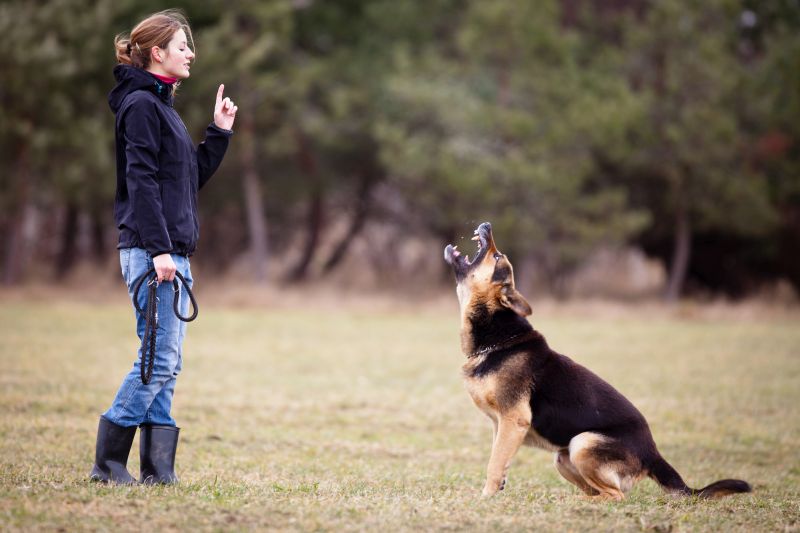
                                            Protein-Rich Nutrition

                                            Peanut butter is an excellent source of protein, which is essential for your dog’s muscle development and overall health. The protein in these treats helps:

                                            • Maintain strong muscles
                                            • Support healthy skin and coat
                                            • Aid in tissue repair

                                            Healthy Fats for Energy

                                            The fats in peanut butter provide a concentrated source of energy for your dog. These healthy fats:

                                            • Promote brain health
                                            • Support cell function
                                            • Help absorb fat-soluble vitamins

                                            Vitamin and Mineral Boost

                                            Peanut butter contains various vitamins and minerals that contribute to your dog’s well-being:

                                            • Vitamin E: Acts as an antioxidant
                                            • Vitamin B: Supports metabolism
                                            • Niacin: Aids in enzyme function
                                            • Magnesium: Promotes bone health

                                            Fiber for Digestive Health

                                            The whole wheat flour in these peanut butter dog treats provides dietary fiber, which:

                                            • Aids in digestion
                                            • Promotes regular bowel movements
                                            • Helps maintain a healthy weight

                                            Natural Energy Source

                                            The combination of carbohydrates, proteins, and fats in these treats provides a balanced energy source for your dog, making them ideal for:

                                            • Training sessions
                                            • Active playtime
                                            • Post-exercise recovery

                                            Dental Health Benefits

                                            The chewy texture of homemade peanut butter dog treats can help:

                                            • Reduce plaque buildup
                                            • Promote dental hygiene
                                            • Strengthen jaw muscles

                                            Weight Management

                                            When given in moderation, these treats can be part of a balanced diet for your dog:

                                            • Low in sugar compared to commercial treats
                                            • Can be portion-controlled easily
                                            • Satisfies cravings with nutritious ingredients

                                            Allergy-Friendly Option

                                            For dogs with food sensitivities, homemade peanut butter treats offer:

                                            • Control over ingredients
                                            • Ability to avoid common allergens
                                            • Customization for exact dietary needs

                                            Mental Stimulation

                                            The unique taste and texture of peanut butter dog treats provide:

                                            • Sensory enrichment
                                            • Positive reinforcement for training
                                            • A fun and captivating snack experience

                                            Hydration Support

                                            The moisture content in homemade treats can contribute to your dog’s daily water intake, especially when using ingredients like applesauce or mashed banana.

                                            Mood-Boosting Properties

                                            The act of treating your dog with these homemade snacks:

                                            • Strengthens the human-animal bond
                                            • Provides positive reinforcement
                                            • Creates a sense of routine and comfort

                                            Customizable Nutrition

                                            By making these treats at home, we can:

                                            • Adjust ingredients based on your dog’s exact needs
                                            • Add supplements like fish oil or glucosamine if recommended by a vet
                                            • Control the quality and freshness of all components

                                            Natural Preservation

                                            Unlike many commercial treats, homemade peanut butter dog treats:

                                            • Contain no artificial preservatives
                                            • Use natural ingredients that are easily digestible
                                            • Have a shorter but safer shelf life

                                            By incorporating these peanut butter dog treats into your pet’s diet, we’re not just offering a tasty reward. We’re providing a nutritious, beneficial snack that contributes to their overall health and happiness. Remember to always consult with your veterinarian before making important changes to your dog’s diet, and enjoy the process of creating these wholesome treats for your beloved pet.

                                            Tips for Success

                                            When making peanut butter dog treats, following these tips can help ensure your homemade snacks are both delicious and safe for your furry friend:

                                            Choose the Right Peanut Butter

                                            We recommend using natural peanut butter without added sugars or artificial sweeteners. Always check the ingredient list to ensure it doesn’t contain xylitol, which is toxic to dogs. Opt for smooth peanut butter for easier mixing and a consistent texture in your treats.

                                            Measure Ingredients Accurately

                                            Precise measurements are crucial for achieving the right consistency in your dog treat dough. Use measuring cups and spoons to ensure you’re adding the correct amounts of peanut butter, flour, and other ingredients.

                                            Adjust Dough Consistency

                                            The dough for peanut butter dog treats should be firm enough to roll out but not too sticky. If it’s too dry, add a little water or broth. If it’s too wet, incorporate more flour gradually until you reach the desired consistency.

                                            Roll Dough to Uniform Thickness

                                            For even baking, roll out the dough to a uniform thickness, typically about 1/4 inch. This ensures all treats bake at the same rate and prevents some from burning while others remain undercooked.

                                            Make your peanut butter dog treats more appealing by using dog-themed cookie cutters or cutting them into fun shapes. Smaller treats are ideal for training, while larger ones make great occasional rewards.

                                            Monitor Baking Time Closely

                                            Baking times can vary depending on the size and thickness of your treats. Keep a close eye on them, especially towards the end of the baking time. They should be golden brown and firm to the touch when done.

                                            Allow Proper Cooling

                                            Let the treats cool completely on a wire rack before storing or serving. This helps them firm up and ensures they maintain their texture.

                                            Store Treats Properly

                                            To maintain freshness, store your homemade peanut butter dog treats in an airtight container. They can be kept at room temperature for a few days, refrigerated for up to two weeks, or frozen for longer storage.

                                            Introduce New Treats Gradually

                                            When introducing these homemade peanut butter dog treats to your pet, start with small amounts to ensure they don’t cause any digestive issues. Monitor your dog’s reaction and consult your veterinarian if you have any concerns.

                                            Experiment with Flavors

                                            While peanut butter is a popular base, don’t be afraid to experiment with other dog-safe flavors. You can add mashed banana, pumpkin puree, or even finely grated carrots to create variety in your homemade dog treats.

                                            Consider Dietary Restrictions

                                            If your dog has exact dietary needs or allergies, consult with your veterinarian before introducing new ingredients. They can provide guidance on safe alternatives or modifications to the recipe.

                                            Use Quality Ingredients

                                            Opt for high-quality, human-grade ingredients when making peanut butter dog treats. This ensures your pet is getting the best nutrition possible from their homemade snacks.

                                            Avoid Harmful Ingredients

                                            Never include ingredients that are toxic to dogs, such as chocolate, raisins, or onions. Stick to dog-safe ingredients and consult a comprehensive list of foods to avoid if you’re unsure.

                                            Control Portion Sizes

                                            While these homemade peanut butter dog treats are healthier than many store-bought options, they should still be given in moderation. Use them as occasional rewards or training treats, not as meal replacements.

                                            By following these tips, you’ll be well on your way to creating delicious and safe peanut butter dog treats that your furry friend will love. Remember, the key to success is using high-quality ingredients, maintaining proper hygiene during preparation, and always prioritizing your dog’s health and safety.

                                            How Many Treats to Give Your Dog

                                            When it comes to feeding our furry friends homemade peanut butter dog treats it’s essential to practice moderation. While these treats are delicious and nutritious we must remember that they should complement a balanced diet rather than replace regular meals. Here are some guidelines to help determine the appropriate number of treats for your canine companion:

                                            Consider Your Dog’s Size

                                            The number of peanut butter dog treats you give your pet should be proportional to their size. As a general rule:

                                            • Small dogs (under 20 pounds): 1-2 small treats per day
                                            • Medium dogs (20-50 pounds): 2-3 medium-sized treats per day
                                            • Large dogs (over 50 pounds): 3-4 large treats per day

                                            Factor in Daily Calorie Intake

                                            Treats should make up no more than 10% of your dog’s daily calorie intake. To calculate this:

                                            1. Determine your dog’s daily calorie needs (consult your veterinarian for an accurate estimate)
                                            2. Calculate 10% of that amount
                                            3. Check the calorie content of your homemade peanut butter dog treats
                                            4. Divide the 10% calorie allowance by the calories per treat

                                            For example if your dog needs 1000 calories per day and each treat contains 50 calories you could give them up to 2 treats daily (100 calories ÷ 50 calories per treat = 2 treats).

                                            Adjust for Activity Level

                                            Active dogs may be able to enjoy more treats without weight gain. But sedentary pets or those prone to obesity should have their treat intake closely monitored. We recommend:

                                            • Highly active dogs: Upper end of the treat range
                                            • Moderately active dogs: Middle of the treat range
                                            • Less active or overweight dogs: Lower end of the treat range or fewer treats

                                            Consider Health Conditions

                                            Dogs with certain health conditions may need to limit their intake of peanut butter dog treats:

                                            • Diabetes: Consult your vet for appropriate treat amounts and timing
                                            • Pancreatitis: Limit high-fat treats including those with peanut butter
                                            • Food allergies: Ensure ingredients don’t trigger allergic reactions

                                            Use Treats as Training Tools

                                            Peanut butter dog treats can be excellent training rewards. When using them for this purpose:

                                            • Break treats into smaller pieces to extend their use
                                            • Adjust meal portions to account for increased treat intake during training sessions
                                            • Alternate between treats and other rewards like praise or play

                                            Introduce New Treats Gradually

                                            When introducing homemade peanut butter dog treats:

                                            1. Start with a small piece to ensure no adverse reactions
                                            2. Observe your dog for 24 hours for any digestive issues
                                            3. Gradually increase the amount if no problems occur

                                            Monitor Your Dog’s Weight

                                            Regularly check your dog’s weight and body condition. If you notice weight gain reduce treat intake accordingly. Remember that even healthy homemade treats can contribute to obesity if overfed.

                                            Special Occasions

                                            For special occasions like birthdays or holidays it’s okay to give your dog an extra peanut butter treat. But balance this by reducing their regular food intake slightly that day.

                                            Variety is Key

                                            While peanut butter dog treats are nutritious it’s important to offer a variety of treats. This ensures a balanced intake of different nutrients and prevents boredom. Alternate between:

                                            • Fruit and vegetable-based treats
                                            • Protein-rich options like dehydrated meat treats
                                            • Dental chews for oral health

                                            Storage and Freshness

                                            Proper storage of peanut butter dog treats can impact how many you give your dog:

                                            • Store treats in an airtight container to maintain freshness
                                            • Check for signs of spoilage before giving treats to your dog
                                            • Discard any treats that show mold or off odors

                                            Consult Your Veterinarian

                                            For personalized advice on treat portions consult your veterinarian. They can provide recommendations based on your dog’s:

                                            • Age
                                            • Breed
                                            • Weight
                                            • Health status
                                            • Activity level

                                            Remember that while homemade peanut butter dog treats are a wonderful way to show love to our canine companions moderation is key. By following these guidelines we can ensure our dogs enjoy these treats safely as part of a balanced and healthy diet.

                                            Conclusion

                                            We’ve explored the joy of making peanut butter dog treats at home. These simple yet delicious snacks offer many benefits for both pets and owners. By following our recipe and tips you’ll create tasty treats your furry friend will love. Remember to prioritize moderation and consult with your vet for personalized advice. With these homemade goodies you’ll strengthen your bond with your dog while ensuring they enjoy safe and nutritious rewards. Happy baking and treating!

                                          20. Why Do Dogs Shake Their Back Legs? 2024 Causes and Solutions

                                            Why Do Dogs Shake Their Back Legs? 2024 Causes and Solutions

                                            Have you ever noticed your dog’s back legs shaking uncontrollably? It’s a common issue that can leave pet owners worried and confused. While it might seem like your furry friend is trying to “shake it off,” there could be more to this behavior than meets the eye.

                                            We’ll explore the various reasons behind why dogs’ back legs shake, from simple excitement to more serious underlying health conditions. Understanding these causes is crucial for every dog owner, as it can help you determine when it’s time to seek veterinary care. By the end of this article, you’ll be equipped with the knowledge to better care for your canine companion and recognize potential red flags in their behavior.

                                            Understanding Dog Back Leg Shaking

                                            Dog back leg shaking is a common concern for pet owners, and it’s essential to understand the various factors that can contribute to this behavior. We’ll explore the potential causes and help you recognize when it might be time to consult a veterinarian.

                                            Causes of Back Leg Shaking in Dogs

                                            Back leg shaking in dogs can stem from several sources:

                                            1. Pain and Degenerative Conditions:
                                            • Osteoarthritis causes joint pain, leading to shaking or quivering in the back legs.
                                            • Degenerative myelopathy, a progressive neurological disease, results in weak and shaky back legs.
                                            1. Neurological Disorders:
                                            • Shaker syndrome and other nerve-related issues can trigger tremors and shaking in the hind limbs.
                                            1. Injuries and Accidents:
                                            • Sprains, strains, fractures, or traumas from accidents may cause leg weakness and shaking.
                                            • Torn ACLs or luxating patellas often result in pain and trembling.
                                            1. Muscle Atrophy:
                                            • Older dogs frequently experience muscle atrophy, leading to weaker and shakier back legs.

                                            Normal vs. Abnormal Leg Shaking

                                            It’s crucial to differentiate between normal and abnormal leg shaking in dogs:

                                            • Normal shaking: Occasional trembling after physical exertion or exposure to cold temperatures is common and generally not concerning.
                                            • Abnormal shaking: Persistent trembling that occurs without an apparent trigger could indicate an underlying health condition requiring attention.

                                            Anatomy of a Dog’s Back Legs

                                            To better understand back leg shaking, it’s helpful to know the basic anatomy of a dog’s hind limbs:

                                            • Dogs have a complex musculoskeletal system enabling mobility and stability.
                                            • Back legs consist of bones, joints, muscles, ligaments, and tendons working together to help movement.

                                            Diagnosing Back Leg Shaking

                                            When a dog experiences persistent back leg shaking, veterinarians use various methods to determine the cause:

                                            1. Comprehensive Examination:
                                            • Thorough evaluation of the dog’s overall health
                                            • Physical examination focusing on the affected legs
                                            • Assessment of range of motion
                                            • Checking for signs of weakness or pain
                                            • Palpation of joints and muscles
                                            1. Medical History:
                                            • Obtaining detailed information from the owner about the onset and progression of leg shaking

                                            By understanding these aspects of dog back leg shaking, we can better identify potential issues and seek appropriate care for our canine companions. Remember, if you notice persistent or concerning leg shaking in your dog, it’s always best to consult with a veterinary professional for proper diagnosis and treatment.

                                            Common Causes of Back Leg Tremors in Dogs

                                            Back leg tremors in dogs can stem from various underlying conditions. Understanding these causes helps pet owners identify potential issues and seek appropriate veterinary care. Let’s explore the common factors contributing to back leg tremors in dogs.

                                            Neurological Disorders

                                            Neurological issues often lead to back leg tremors in dogs. Degenerative Myelopathy (DM) affects the spinal cord, causing protective sheath degradation and communication difficulties between the brain and rear legs. This results in weakness and shaking. Intervertebral Disc Disease (IVDD) impacts spine health, causing shakiness, weakness, or paralysis in back legs. Seizures and tremors from neurological conditions can trigger involuntary leg shaking. Autoimmune diseases affecting the brain or spinal cord may also cause shaky legs. Diagnostic tests like blood work and imaging are crucial for identifying exact neurological disorders causing back leg tremors.

                                            Musculoskeletal Issues

                                            Musculoskeletal problems frequently contribute to back leg tremors in dogs. Osteoarthritis, a common condition in aging dogs, causes pain and inflammation in joints, leading to tremors when standing or walking. Injuries from accidents or overexertion can result in muscle strains or ligament tears, causing temporary tremors during recovery. Hip dysplasia, a genetic condition affecting hip joint formation, may cause instability and shaking in back legs. Muscle atrophy, often seen in older dogs or those with limited mobility, can weaken leg muscles, resulting in tremors. Regular exercise, proper nutrition, and weight management help maintain musculoskeletal health and reduce the risk of tremors.

                                            As dogs age, they become more susceptible to back leg tremors. Senior dogs often experience muscle weakness and loss of coordination, leading to shaky legs. Cognitive decline can affect the nervous system, causing tremors in various body parts, including back legs. Age-related joint degeneration, such as osteoarthritis, becomes more common, contributing to pain-induced tremors. Metabolic changes in older dogs can lead to electrolyte imbalances, potentially causing muscle tremors. Reduced circulation in aging dogs may result in temporary tremors, especially after periods of inactivity. Regular check-ups, appropriate exercise, and a balanced diet customized for senior dogs can help manage age-related tremors and maintain overall health.

                                            Recognizing Symptoms and Warning Signs

                                            Identifying symptoms and warning signs of back leg shaking in dogs is crucial for early intervention and proper care. We’ll explore the differences between normal and abnormal leg shaking, as well as associated symptoms to watch for.

                                            Normal vs. Abnormal Leg Shaking

                                            Normal leg shaking in dogs is often temporary and situational. It can occur after exercise, during excitement, or in cold temperatures. This type of shaking typically subsides once the trigger is removed or the dog relaxes. Abnormal leg shaking, but, is persistent and may occur without an apparent cause. It’s characterized by frequent trembling, weakness, or instability in the hind legs. If your dog’s back legs shake consistently or interfere with daily activities, it’s a sign of concern. Abnormal shaking may be accompanied by other symptoms like lameness, difficulty walking, or loss of coordination. These signs indicate a potential underlying health issue that requires veterinary attention.

                                            Associated Symptoms to Watch For

                                            When observing back leg shaking in dogs, it’s essential to look for accompanying symptoms that may indicate a more serious condition. These associated symptoms include:

                                            1. Trouble walking or unsteady gait
                                            2. Lameness in the hind legs
                                            3. Sudden collapse or inability to stand
                                            4. Paralysis or loss of feeling in the back legs
                                            5. Loss of bladder or bowel control
                                            6. Pain or discomfort when touched
                                            7. Changes in behavior or appetite
                                            8. Muscle atrophy in the hind legs
                                            9. Dragging of the back paws
                                            10. Visible swelling or inflammation

                                            If you notice any of these symptoms alongside leg shaking, it’s crucial to consult a veterinarian promptly. Early detection and treatment can significantly improve outcomes for many conditions affecting a dog’s back legs. Remember, persistent or severe shaking is never normal and always warrants professional evaluation.

                                            Diagnosing Back Leg Shaking in Dogs

                                            Diagnosing back leg shaking in dogs requires a comprehensive approach to identify the underlying cause. Veterinarians employ various examination procedures and diagnostic tests to accurately determine the reason for the tremors and develop an appropriate treatment plan.

                                            Veterinary Examination Process

                                            The veterinary examination process begins with a thorough physical assessment. Vets evaluate the dog’s overall health, focusing on the affected legs. They assess the range of motion, check for signs of weakness or pain, and palpate the joints and muscles. A detailed medical history from the owner provides valuable insights into the onset and progression of leg shaking. Vets look for neurological disorders, musculoskeletal problems, and systemic issues that could cause tremors. The examination may include observing the dog’s gait, testing reflexes, and evaluating muscle tone to identify potential causes such as nerve impingement, spinal injuries, or arthritis.

                                            Diagnostic Tests and Procedures

                                            After the initial examination, vets may recommend additional diagnostic tests to pinpoint the cause of leg shaking. These tests may include:

                                            1. Blood work: To check for systemic issues, kidney disease, or toxicity
                                            2. X-Rays: To identify bone abnormalities, arthritis, or spinal disc problems
                                            3. Ultrasounds: To examine soft tissues and internal organs
                                            4. MRI or CT scans: For detailed imaging of the nervous system and musculoskeletal structures
                                            5. Electromyography (EMG): To assess muscle and nerve function
                                            6. Cerebrospinal fluid analysis: To detect neurological conditions

                                            These diagnostic procedures help veterinarians differentiate between various causes of leg shaking, such as neurological disorders, musculoskeletal issues, or systemic problems. The results guide the development of an effective treatment plan customized to the exact needs of the dog.

                                            Treatment Options for Shaky Back Legs

                                            Effective treatment for shaky back legs in dogs depends on the underlying cause. Here are some common approaches veterinarians use to address this condition:

                                            Medication and Supplements

                                            Medications play a crucial role in managing shaky back legs in dogs. Anti-inflammatory drugs like corticosteroids reduce inflammation and alleviate symptoms associated with conditions such as arthritis and intervertebral disc disease. Non-steroidal anti-inflammatory drugs (NSAIDs) help manage pain and inflammation in hip dysplasia, lumbosacral stenosis, and osteoarthritis. Supplements containing glucosamine, MSM, chondroitin, and hyaluronic acid aid in cartilage repair, pain reduction, and prevention of further cartilage destruction. These supplements strengthen hind legs and maintain joint health. In cases of neurological disorders, veterinarians may prescribe anticonvulsant medications or supportive drugs to address the exact issue causing the shaking.

                                            Physical Therapy and Exercise

                                            Physical therapy is essential for improving leg stability and mobility in dogs with shaky back legs. This approach focuses on strengthening muscles, improving joint range of motion, and improving balance. Controlled walking, swimming, and targeted muscle-strengthening exercises help alleviate leg shaking and improve overall leg function. Physiotherapy modalities like cold laser therapy or hydrotherapy assist in pain management and promote healing. Regular, low-impact exercises customized to the dog’s condition help maintain muscle strength and joint flexibility. Veterinarians or certified canine rehabilitation specialists design personalized physical therapy programs based on the dog’s exact needs and underlying condition.

                                            Assistive Devices

                                            Assistive devices provide support and stability for dogs with shaky back legs. Orthopedic braces offer targeted support to weak joints or muscles, improving mobility and reducing strain. Harnesses with handles allow owners to assist their dogs during walks or when handling stairs. Non-slip booties improve traction on slippery surfaces, reducing the risk of falls and further injury. Wheelchairs or carts designed for dogs with limited mobility in their hind legs enable them to maintain an active lifestyle. Ramps or pet stairs help dogs access elevated areas like beds or furniture without straining their back legs. These devices, when used under veterinary guidance, significantly improve the quality of life for dogs with persistent leg shaking.

                                            Preventing and Managing Back Leg Tremors

                                            Preventing and managing back leg tremors in dogs requires a multi-faceted approach. We’ll explore key strategies to help maintain your dog’s leg health and overall well-being.

                                            Proper Nutrition and Weight Management

                                            Proper nutrition and weight management are crucial for preventing and managing back leg tremors in dogs. A balanced diet rich in essential nutrients supports joint health and overall well-being. Focus on high-quality protein sources, omega-3 fatty acids, and joint-supporting supplements like glucosamine and chondroitin. Maintaining a healthy weight is equally important, as excess pounds can exacerbate joint issues and increase the risk of tremors.

                                            Work with your veterinarian to determine the ideal weight for your dog and create a customized nutrition plan. Portion control and regular weigh-ins help ensure your dog maintains a healthy weight, reducing stress on joints and minimizing the likelihood of back leg tremors.

                                            Regular Exercise and Conditioning

                                            Regular exercise and conditioning play a vital role in preventing and managing back leg tremors. Consistent, moderate exercise helps maintain muscle strength, joint flexibility, and overall leg health. Tailor activities to your dog’s age, breed, and physical condition. Low-impact exercises like swimming, controlled walks, and gentle play sessions are excellent options for dogs prone to tremors.

                                            Incorporate balance exercises and strength training to improve stability and coordination. Gradually increase exercise intensity and duration to avoid overexertion. Remember to warm up and cool down properly to prevent muscle strain. Regular exercise not only supports physical health but also promotes mental well-being, reducing stress-related tremors. Always consult your veterinarian before starting a new exercise regimen, especially for dogs with existing health conditions.

                                            Routine Veterinary Check-ups

                                            Routine veterinary check-ups are essential for preventing and managing back leg tremors in dogs. Regular examinations allow for early detection of underlying conditions that may contribute to tremors, such as arthritis, neurological disorders, or muscle weakness. During these visits, your veterinarian can assess your dog’s overall health, mobility, and gait. They may recommend diagnostic tests like blood work, x-rays, or neurological exams to identify potential issues before they progress. These check-ups also provide an opportunity to discuss any changes in your dog’s behavior or mobility.

                                            Your veterinarian can offer customized advice on nutrition, exercise, and preventive care exact to your dog’s needs. Also, they can monitor the effectiveness of ongoing treatments and make necessary adjustments to manage existing tremors. Aim for at least annual check-ups for younger dogs and more frequent visits for senior dogs or those with known health issues.

                                            When to Seek Immediate Veterinary Care

                                            Recognizing when a dog’s shaking back legs require urgent medical attention is crucial for pet owners. We’ve identified several scenarios where immediate veterinary care is essential:

                                            Severe or Sudden Onset

                                            A dog’s back legs shaking suddenly can indicate serious conditions such as:

                                            • Heart failure
                                            • Stroke
                                            • Poisoning

                                            These situations demand prompt medical intervention to prevent potentially life-threatening complications.

                                            Persistent or Worsening Symptoms

                                            Shaking that continues or intensifies over time may signal chronic conditions requiring medical attention:

                                            • Degenerative joint diseases (e.g., arthritis)
                                            • Hip dysplasia
                                            • Neurological disorders (e.g., degenerative myelopathy)

                                            Early diagnosis and treatment can significantly improve a dog’s quality of life and slow disease progression.

                                            Associated Symptoms

                                            We recommend seeking veterinary care if back leg shaking is accompanied by:

                                            • Pain or discomfort (whimpering, limping)
                                            • Reluctance to engage in usual activities
                                            • Loss of appetite
                                            • Changes in behavior
                                            • Difficulty walking or standing
                                            • Sudden collapse
                                            • Signs of paralysis
                                            • Incontinence

                                            These symptoms may indicate underlying health issues that require professional assessment and treatment.

                                            Changes in Gait or Mobility

                                            Observe for alterations in your dog’s walking pattern or overall mobility:

                                            • Unsteady gait
                                            • Dragging of hind legs
                                            • Frequent stumbling or falling
                                            • Inability to climb stairs or jump

                                            Such changes could suggest neurological problems or musculoskeletal issues that need immediate evaluation.

                                            Trauma or Injury

                                            If your dog experiences a known injury or trauma, seek veterinary care promptly, especially if:

                                            • There’s visible swelling or deformity
                                            • The dog shows signs of intense pain
                                            • You suspect a fracture or dislocation

                                            Timely treatment can prevent complications and ensure proper healing.

                                            Senior dogs are more susceptible to conditions causing back leg shaking. Seek veterinary attention if:

                                            • Your older dog suddenly develops tremors
                                            • Existing shaking worsens rapidly
                                            • There are signs of cognitive decline alongside shaking

                                            Early intervention can help manage age-related issues effectively.

                                            Suspected Toxin Exposure

                                            If you believe your dog has ingested a toxic substance, and back leg shaking occurs:

                                            • Contact your veterinarian or pet poison hotline immediately
                                            • Provide information on the suspected toxin
                                            • Follow their guidance for immediate care

                                            Quick action can be life-saving in cases of poisoning.

                                            By recognizing these critical situations, we can ensure our dogs receive timely and appropriate medical care. Remember, when in doubt about the severity of your dog’s condition, it’s always better to consult with a veterinary professional. Early intervention often leads to better outcomes and can prevent minor issues from becoming major health concerns.

                                            Conclusion

                                            Understanding the causes of back leg shaking in dogs is crucial for their well-being. We’ve explored various factors from excitement to serious health conditions and highlighted the importance of recognizing normal versus abnormal tremors. Regular vet check-ups ongoing preventive care and prompt action when symptoms arise are key to maintaining your dog’s health. By staying informed and attentive you’ll be better equipped to ensure your furry friend enjoys a happy active life. Remember if you’re ever in doubt about your dog’s leg shaking don’t hesitate to consult a veterinary professional for expert guidance and care.

                                          21. How to Banish Dog Dandruff: 5 Effective Solutions for a Flake-Free Pup

                                            How to Banish Dog Dandruff: 5 Effective Solutions for a Flake-Free Pup

                                            Is your furry friend leaving white flakes all over your furniture? Dog dandruff is a common issue that many pet owners face, but it’s not always as harmless as it seems. While often dismissed as a minor inconvenience, dandruff can sometimes indicate underlying health problems that require attention.

                                            We’ll explore the causes of dog dandruff and provide effective answers to help you get rid of those pesky flakes. From simple grooming techniques to identifying potential health concerns, we’ll cover everything you need to know to keep your pup’s coat healthy and dandruff-free. By the end of this article, you’ll be equipped with the knowledge to tackle dog dandruff and ensure your four-legged companion stays comfortable and happy.

                                            Understanding Dog Dandruff

                                            Dog dandruff is a common skin condition that affects many canines, characterized by the presence of white flakes on their coat and skin. It’s essential to understand that dandruff isn’t a exact condition but rather a symptom of an underlying issue. While it’s often just a nuisance, persistent dandruff can indicate more serious health problems.

                                            What Causes Dog Dandruff?

                                            Several factors contribute to the development of dog dandruff:

                                            1. Sebaceous Gland Overproduction: Dandruff appears when a dog’s sebaceous glands overproduce an oil called sebum. This oil is crucial for maintaining skin moisture and health, but an imbalance can lead to dandruff.
                                            2. Poor Diet: A lack of essential nutrients, particularly vitamins (especially vitamin A) and fatty acids, can result in dry, flaky skin. Ensuring a balanced diet is crucial for maintaining healthy skin and coat.
                                            3. Grooming Issues: Both over-grooming and under-grooming can cause dandruff. Finding the right grooming schedule is vital for your dog’s skin health.
                                            4. Environmental Factors: Dry air, especially during winter months, can dry out your dog’s skin and lead to dandruff. Using a humidifier can help alleviate this issue.
                                            5. Health Conditions: Allergies, skin infections, hormone imbalances, and other health issues can contribute to dandruff development.
                                            6. External Parasites: Parasites can cause itching and dry skin, potentially leading to dandruff.

                                            Types of Dog Dandruff

                                            Dog dandruff comes in two primary forms:

                                            1. Dry Seborrhea (Seborrhea Sicca): Characterized by dry, flaky skin.
                                            2. Oily Seborrhea (Seborrhea Oleosa): Presents with oily, greasy skin and flakes.

                                            Identifying Dog Dandruff

                                            Dandruff in dogs typically appears as white flakes on the coat, particularly on the back, face, and flanks. It’s often accompanied by other symptoms such as itching, redness, or a dull coat. If you notice these signs, it’s important to investigate further to determine the underlying cause.

                                            When to Consult a Veterinarian

                                            While some cases of dog dandruff can be managed at home, persistent or severe cases warrant professional attention. Consult a veterinarian if:

                                            • The dandruff persists even though home treatments
                                            • Your dog shows signs of discomfort or excessive itching
                                            • You notice other skin abnormalities or changes in behavior

                                            A veterinarian can perform tests such as skin scrapes and blood work to identify the root cause of the dandruff and recommend appropriate treatment.

                                            By understanding the causes and types of dog dandruff, we can take the first step towards effectively managing this common skin condition. In the following sections, we’ll explore various strategies to prevent and treat dog dandruff, ensuring your furry friend maintains a healthy, flake-free coat.

                                            Common Causes of Dog Dandruff

                                            Dog dandruff can be caused by various factors, ranging from environmental conditions to underlying health issues. Understanding these causes is crucial for effective treatment and prevention. Let’s explore the common culprits behind dog dandruff.

                                            Dry Environment

                                            Dry environments are a leading cause of dog dandruff. Low humidity, especially during winter months or in areas with central heating, can strip moisture from a dog’s skin, leading to flakiness and itching. To combat this, use a humidifier to add moisture to the air. Reduce bathing frequency and opt for moisturizing shampoos and conditioners. Regular grooming with a soft brush helps distribute natural oils throughout the coat, promoting healthier skin. Apply pet-safe skin moisturizers to particularly dry areas. These steps can significantly reduce dandruff caused by environmental dryness.

                                            Parasites and Skin Infections

                                            Parasites and skin infections are common culprits behind dog dandruff. External parasites like Cheyletiella mites, often called “walking dandruff,” can cause severe flaking and itching. Other mites, fleas, and ticks can also lead to skin irritation and dandruff. If you notice moving white flakes on your dog’s coat, it may indicate a mite infestation. Skin infections, whether bacterial or fungal, can also cause dandruff-like symptoms. These conditions require professional treatment. Consult a veterinarian for proper diagnosis and treatment, which may include medicated shampoos, topical treatments, or oral medications to eliminate parasites and heal infections.

                                            Allergies and Nutritional Issues

                                            Allergies and nutritional deficiencies can contribute significantly to dog dandruff. Food allergies or sensitivities may cause skin inflammation, leading to excessive flaking. Environmental allergens like pollen or dust can also trigger skin reactions. A diet lacking essential fatty acids, vitamins, or minerals can result in poor skin health and dandruff. To address these issues, consider hypoallergenic dog food or consult a veterinarian about potential dietary changes. Supplements rich in omega-3 and omega-6 fatty acids can improve skin health. For environmental allergies, regular bathing with hypoallergenic shampoos and minimizing exposure to allergens can help reduce symptoms.

                                            Hormonal Imbalances

                                            Hormonal imbalances can be a less obvious but important cause of dog dandruff. Conditions like hypothyroidism, where the thyroid gland doesn’t produce enough hormones, can lead to dry, flaky skin and excessive shedding. Cushing’s disease, characterized by overproduction of cortisol, can also cause skin problems and dandruff. These hormonal issues often require medical intervention. If you suspect a hormonal imbalance, look for other symptoms such as weight changes, lethargy, or changes in appetite. A veterinarian can perform blood tests to diagnose hormonal disorders and prescribe appropriate treatments, which may include hormone replacement therapy or medications to regulate hormone production.

                                            Identifying Dog Dandruff Symptoms

                                            Dog dandruff manifests through various visible signs and behavioral changes. Recognizing these symptoms early helps in addressing the issue promptly and effectively. Here are the key indicators of dog dandruff:

                                            1. Flaky Skin
                                            • White or grayish flakes visible on the dog’s coat
                                            • Flakes may be more noticeable on dark-colored fur
                                            • Can be present in localized areas or all over the body
                                            1. Itching and Scratching
                                            • Increased frequency of scratching, biting, or licking the skin
                                            • Visible signs of discomfort or restlessness
                                            • Potential development of hot spots from excessive scratching
                                            1. Skin Appearance
                                            • Dry, scaly, or patchy skin texture
                                            • Redness or inflammation in affected areas
                                            • Possible presence of bumps, sores, or scabs
                                            1. Coat Changes
                                            • Dull or lackluster fur appearance
                                            • Excessive shedding or hair loss in certain areas
                                            • Greasy or oily patches on the coat
                                            1. Odor
                                            • Unusual or strong smell emanating from the skin or coat
                                            • Particularly noticeable in cases of oily seborrhea or skin infections
                                            1. Behavioral Changes
                                            • Increased restlessness or irritability
                                            • Reluctance to be touched or petted in certain areas
                                            • Changes in sleeping patterns due to discomfort
                                            1. Visible Parasites
                                            • Presence of small insects or mites on the skin or in the fur
                                            • May be accompanied by small, moving specks in the coat
                                            1. Skin Texture
                                            • Thickened or elephant-like skin in chronic cases
                                            • Crusty or flaky patches, especially around the ears, elbows, or belly

                                            By observing these symptoms, we can better identify the presence of dog dandruff and take appropriate steps to address the underlying causes. It’s important to note that these symptoms may vary in severity and combination depending on the exact cause of the dandruff. Regular grooming and thorough checks of your dog’s skin and coat help in early detection of these signs.

                                            Brown and Black Dog in a Studio / Dog Dandruff

                                            Photo by Jane Thomson on Pexels

                                            Effective Treatments for Dog Dandruff

                                            Dog dandruff treatment involves addressing underlying causes and implementing a combination of home remedies, dietary changes, and medical interventions. Here’s how to effectively combat dog dandruff:

                                            Proper Grooming Techniques

                                            Regular grooming is essential for managing dog dandruff. Daily brushing helps distribute natural oils throughout your dog’s coat, preventing matting and reducing flakiness. Use gentle brushes to avoid irritating the skin. For long-haired dogs, mist the coat with water or a dog-exact conditioning spray to decrease static. During dry seasons, increase brushing frequency to maintain skin health. After shampooing, apply a conditioner or cream rinse for extra moisture. Humidifiers in your home, especially in your dog’s sleeping area, can help maintain air moisture and soothe dry skin.

                                            Dietary Changes and Supplements

                                            Improving your dog’s diet plays a crucial role in combating dandruff. Incorporate omega-3 fatty acid supplements to promote skin and coat health. Consult your veterinarian before adding any supplements to ensure they’re appropriate for your dog. Consider switching to a high-quality, balanced diet rich in essential nutrients. Some dogs benefit from hypoallergenic diets if allergies are contributing to their dandruff. Ensure your dog has access to fresh water at all times to maintain proper hydration, which is vital for healthy skin.

                                            Medicated Shampoos and Topical Treatments

                                            For persistent dandruff, medicated shampoos and topical treatments can be effective. Always use dog-exact products, as human shampoos can irritate canine skin. Look for shampoos with moisturizing ingredients like oatmeal or ceramides, which help boost the skin’s natural barrier function. Your veterinarian may recommend medicated shampoos containing ingredients to address exact skin conditions. For localized dry patches, such as on the nose or elbows, apply a small amount of pet-safe moisturizer like Vaseline. Always consult your vet before using any new product to ensure it won’t interfere with other treatments your dog may be receiving.

                                            Home Remedies for Dog Dandruff

                                            Home remedies offer effective answers for managing dog dandruff without resorting to harsh chemicals. These natural treatments can soothe your dog’s skin and reduce flaking. Here are some proven home remedies to combat dog dandruff:

                                            Oatmeal Baths

                                            Oatmeal baths are a gentle, soothing treatment for dog dandruff. To prepare an oatmeal bath:

                                            1. Mix 1 cup of finely ground oatmeal with 1/2 cup of baking soda in warm water.
                                            2. Wet your dog’s coat thoroughly.
                                            3. Apply the mixture, lathering it into the fur and skin.
                                            4. Let it sit for 5-10 minutes before rinsing thoroughly.

                                            Oatmeal contains anti-inflammatory properties that help relieve itching and reduce skin irritation. It also moisturizes the skin, preventing dryness and flaking. For best results, use colloidal oatmeal, which is more finely ground and easier to rinse out of your dog’s coat.

                                            Natural Oils and Moisturizers

                                            Natural oils and moisturizers can help combat dog dandruff by nourishing the skin and coat:

                                            1. Coconut oil: Apply a small amount directly to your dog’s skin or add it to their food.
                                            2. Fish oil: Rich in omega-3 fatty acids, it promotes skin health when added to your dog’s diet.
                                            3. Olive oil: Gently massage a small amount into your dog’s skin to moisturize and reduce flaking.

                                            When using oils topically, start with a small amount to avoid making your dog’s coat overly greasy. For dietary supplements, consult your veterinarian for proper dosage based on your dog’s size and health condition.

                                            Humidifier Usage

                                            A humidifier can significantly improve your dog’s skin health, especially in dry climates or during winter months:

                                            1. Place a humidifier in the room where your dog spends most of their time.
                                            2. Maintain humidity levels between 30-50% for optimal comfort.
                                            3. Clean the humidifier regularly to prevent mold growth.

                                            Increased air moisture helps prevent your dog’s skin from drying out, reducing dandruff formation. It’s particularly beneficial for dogs with sensitive skin or those prone to allergies. As an added bonus, a humidifier can improve your own skin and respiratory health as well.

                                            When to Consult a Veterinarian

                                            We recommend consulting a veterinarian for dog dandruff when home remedies and basic treatments don’t provide relief. Persistent or severe cases of dandruff often indicate underlying health issues that require professional diagnosis and treatment.

                                            Persistent Symptoms

                                            If your dog’s dandruff persists for more than two weeks even though regular grooming and dietary improvements, it’s time to seek veterinary care. Chronic dandruff can be a sign of more serious skin conditions or systemic health problems that need medical attention.

                                            Severe Itching or Discomfort

                                            When dandruff is accompanied by intense itching, redness, or visible discomfort, consult a vet immediately. These symptoms may indicate allergies, parasites, or skin infections that require exact treatments.

                                            Changes in Skin or Coat Appearance

                                            Important changes in your dog’s skin or coat appearance, such as excessive hair loss, bald patches, or crusty skin, warrant a veterinary examination. These signs often accompany dandruff in cases of hormonal imbalances or autoimmune disorders.

                                            Unusual Odors

                                            Strong, unpleasant odors from your dog’s skin or coat, especially when combined with dandruff, can indicate yeast or bacterial infections. These conditions require professional diagnosis and treatment with medicated shampoos or oral medications.

                                            Behavioral Changes

                                            If your dog shows behavioral changes alongside dandruff, such as increased irritability or lethargy, consult a vet. These symptoms may suggest that the dandruff is causing important discomfort or is a symptom of a more serious health condition.

                                            Presence of Other Symptoms

                                            When dandruff is accompanied by other symptoms like vomiting, diarrhea, or changes in appetite, it’s crucial to seek veterinary care. These signs may indicate systemic issues that are manifesting as skin problems.

                                            Suspected Allergies or Nutritional Deficiencies

                                            If you suspect your dog’s dandruff is caused by allergies or nutritional deficiencies, a vet can conduct appropriate tests and recommend exact diets or supplements. Professional guidance ensures safe and effective management of these underlying causes.

                                            Before Using New Products

                                            Before introducing new grooming products or supplements to treat dandruff, consult your vet. They can advise on the safety and suitability of various treatments based on your dog’s exact needs and health status.

                                            Regular Check-ups

                                            Even if your dog’s dandruff seems minor, include skin health discussions in regular veterinary check-ups. This proactive approach allows for early detection and prevention of potential skin issues.

                                            By consulting a veterinarian in these situations, you ensure that your dog receives appropriate care for their dandruff. Professional diagnosis and treatment can address underlying causes, provide relief, and prevent complications, keeping your furry friend healthy and comfortable.

                                            Preventing Dog Dandruff

                                            Preventing dog dandruff is often easier and more effective than treating it after it occurs. We’ve compiled a list of preventive measures that can help keep your dog’s skin healthy and dandruff-free.

                                            Maintain a Balanced Diet

                                            A balanced diet is crucial for preventing dog dandruff. We recommend:

                                            • Feeding high-quality dog food rich in essential nutrients
                                            • Including omega-3 and omega-6 fatty acids in your dog’s diet
                                            • Providing vitamins A and E to support skin health
                                            • Consulting with a veterinarian to determine the best diet for your dog’s exact needs

                                            Regular Grooming

                                            Proper grooming is essential for preventing dog dandruff. We suggest:

                                            • Brushing your dog’s coat regularly to distribute natural oils
                                            • Using appropriate brushes or combs for your dog’s coat type
                                            • Avoiding over-bathing, which can strip natural oils from the skin
                                            • Choosing gentle, moisturizing shampoos formulated for dogs

                                            Control Environmental Factors

                                            Environmental conditions can contribute to dog dandruff. To mitigate these factors:

                                            • Use a humidifier in dry environments to maintain optimal humidity levels
                                            • Protect your dog from extreme weather conditions
                                            • Ensure your dog has access to clean, fresh water at all times
                                            • Provide a comfortable, stress-free living environment

                                            Exercise and Stress Reduction

                                            Regular exercise and stress reduction can help prevent dog dandruff by:

                                            • Promoting healthy circulation and skin function
                                            • Reducing stress-related skin issues
                                            • Encouraging natural oil production through physical activity
                                            • Strengthening the bond between you and your dog

                                            Parasite Prevention

                                            Parasites can cause skin irritation and dandruff. To prevent these issues:

                                            • Maintain a year-round, broad-spectrum parasite prevention program
                                            • Regularly check your dog for signs of fleas, ticks, or mites
                                            • Keep your dog’s living area clean and free from potential parasite infestations
                                            • Consult with your veterinarian about the most effective parasite prevention methods for your area

                                            Regular Veterinary Check-ups

                                            Routine veterinary care is essential for preventing dog dandruff and other skin issues:

                                            • Schedule regular wellness checks with your veterinarian
                                            • Address any chronic health conditions that may contribute to skin problems
                                            • Follow your vet’s recommendations for managing your dog’s overall health
                                            • Seek prompt medical attention for any unusual skin changes or symptoms

                                            By implementing these preventive measures, we can significantly reduce the likelihood of dog dandruff and promote overall skin health in our canine companions. Remember, prevention is key to maintaining a healthy, dandruff-free coat for your beloved pet.

                                            Conclusion

                                            Dog dandruff can be a pesky problem but it’s often manageable with the right approach. By understanding its causes identifying symptoms and implementing appropriate treatments we can help our furry friends maintain healthy skin and coats. Remember that regular grooming proper nutrition and a watchful eye are key to preventing and addressing dandruff issues. If concerns persist don’t hesitate to consult a veterinarian. With consistent care and attention we can ensure our dogs stay comfortable happy and dandruff-free.

                                          22. How to Teach Your Dog to Roll Over: Easy Steps for a Fun Trick 2024 Guide

                                            How to Teach Your Dog to Roll Over: Easy Steps for a Fun Trick 2024 Guide

                                            Ever wondered how to teach your furry friend that classic trick that never fails to impress? Teaching a dog to roll over isn’t just a fun party trick; it’s a great way to bond with your pet and enhance their mental stimulation.

                                            We’ll guide you through the process of teaching your dog to roll over, step by step. From the basics of positive reinforcement to troubleshooting common challenges, we’ve got you covered. Whether you’re a first-time dog owner or a seasoned trainer, you’ll find valuable tips to make this experience enjoyable for both you and your canine companion.
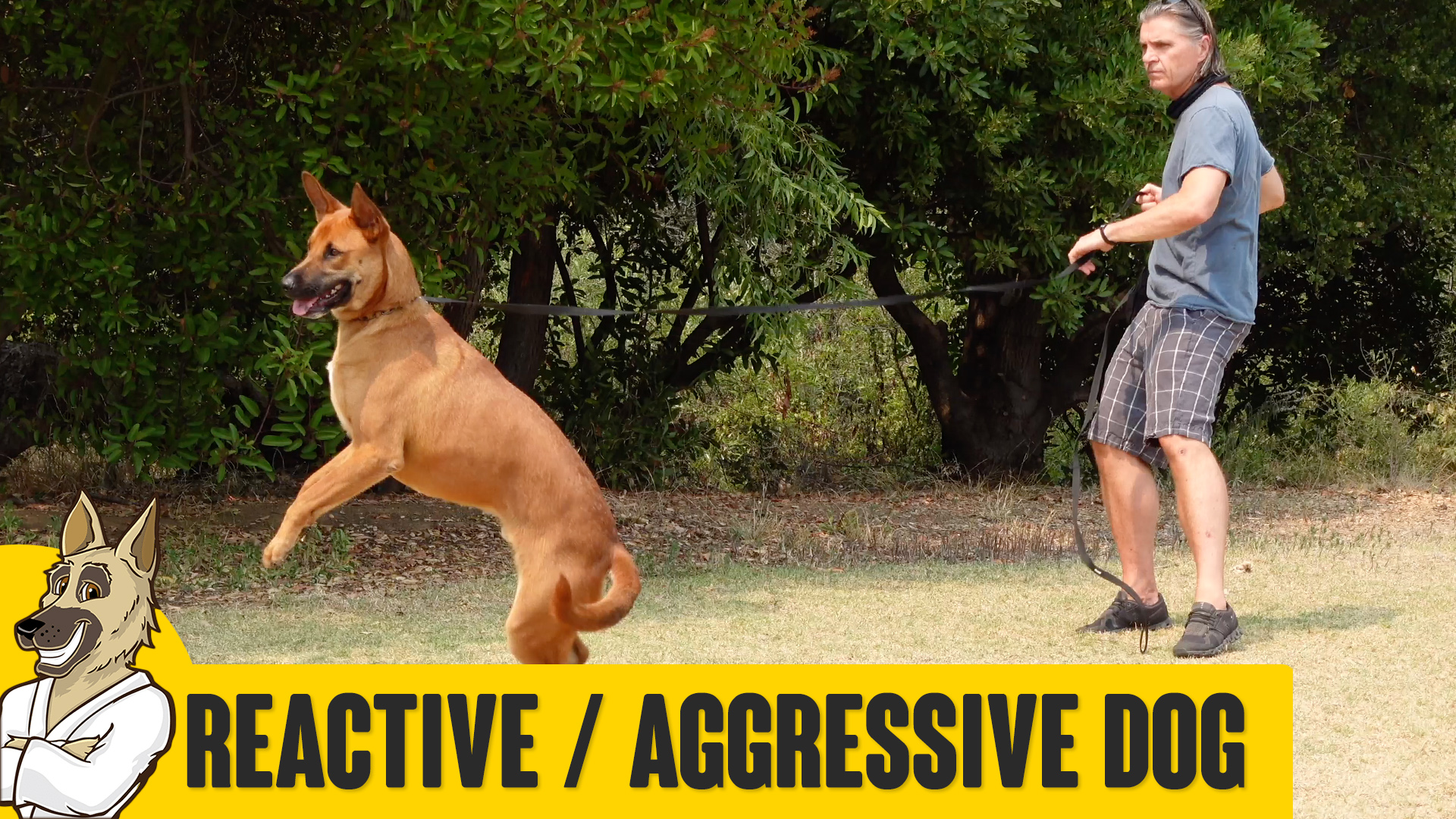
                                            Understanding the “Roll Over” Command

                                            Teaching a dog to roll over is a fun and captivating trick that strengthens the bond between pet and owner. We’ll explore the steps and key points to master this command effectively.

                                            Benefits of Teaching Your Dog to Roll Over

                                            Teaching your dog to roll over offers many advantages:

                                            • Mental stimulation: This trick challenges your dog’s cognitive abilities, keeping their mind sharp and engaged.
                                            • Physical exercise: Rolling over provides gentle physical activity, especially beneficial for less active dogs.
                                            • Improved obedience: Learning new commands enhances overall obedience and responsiveness.
                                            • Bonding opportunity: The training process strengthens the connection between you and your furry friend.
                                            • Party trick: It’s an impressive skill to showcase to friends and family, highlighting your dog’s intelligence.
                                            • Confidence boost: Mastering new tricks boosts your dog’s confidence and self-esteem.
                                            • Foundation for advanced tricks: Rolling over serves as a stepping stone for more complex commands.

                                            By incorporating roll over into your dog’s repertoire, you’re not just teaching a trick; you’re fostering a well-rounded, mentally stimulated, and obedient companion.
                                            Preparing for Training

                                            Before teaching your dog to roll over, it’s crucial to set the stage for success. We’ll cover how to choose the right environment and gather necessary supplies to ensure effective training sessions.

                                            Choosing the Right Environment

                                            Selecting an ideal training space is essential for teaching your dog to roll over. We recommend a quiet, distraction-free area where your dog can focus on learning. This environment helps maintain their attention and reduces stress during training. Ensure the space is comfortable and safe for your dog, avoiding hard or slippery surfaces that could cause discomfort or injury. A carpeted room or a grassy outdoor area with minimal foot traffic works well. Remember to keep the training area consistent, as familiar surroundings can help your dog feel more at ease and receptive to learning new commands.

                                            Gathering Necessary Supplies

                                            To teach your dog to roll over effectively, you’ll need a few key supplies. First and foremost, stock up on small, tasty treats that your dog finds appealing. These treats serve as positive reinforcement and motivation during training sessions. Choose treats that are easy to break into small pieces, allowing for multiple rewards without overfeeding.

                                            A clicker can be a useful tool for marking desired behaviors, though it’s not essential. If you’re training on a hard surface, consider using a soft mat or blanket to provide comfort for your dog. Finally, have patience in abundance – it’s the most crucial supply in your training toolkit. With these supplies on hand, you’re well-prepared to start teaching your dog this fun and captivating trick.

                                            Big Brown Dog Rolling in Grass/ How to Teach Your Dog to Roll Over
                                            Photo by Valeria Boltneva on Pexels

                                            Step-by-Step Guide to Teaching Roll Over

                                            Teaching your dog to roll over can be a fun and rewarding experience. We’ll guide you through the process, breaking it down into manageable steps.

                                            Starting with “Lie Down”

                                            To begin teaching your dog to roll over, start with the “lie down” command. If your dog isn’t familiar with this command, use a treat to lure them into position. Hold the treat close to their nose and slowly move it downward toward their paws. This encourages them to follow the treat with their head, eventually lying down. Once your dog is consistently responding to the “lie down” command, you’re ready to move on to the next step. Remember to praise and reward your dog each time they successfully lie down, reinforcing the behavior.

                                            Luring the Roll

                                            With your dog in the down position, it’s time to lure them into a roll. Hold a treat near their nose and move it slowly towards their shoulder. This motion encourages your dog to turn their head and shift onto their side. Continue moving the treat around their head and body, guiding them to roll onto their back and then to the other side. As soon as your dog completes the roll, immediately reward them with the treat and plenty of praise. Practice this luring technique several times, gradually reducing your hand motion as your dog becomes more familiar with the movement.

                                            Adding the Verbal Cue

                                            Once your dog consistently follows the treat lure to roll over, it’s time to introduce the verbal cue. Say “roll over” in a clear, upbeat voice just before you begin the luring motion. Repeat this process several times, always saying the cue before the hand motion. As your dog becomes more familiar with the command, start saying it slightly earlier in the process. Eventually, your dog will associate the verbal cue with the action of rolling over. Remember to always reward and praise your dog when they complete the roll, reinforcing the connection between the cue and the action.


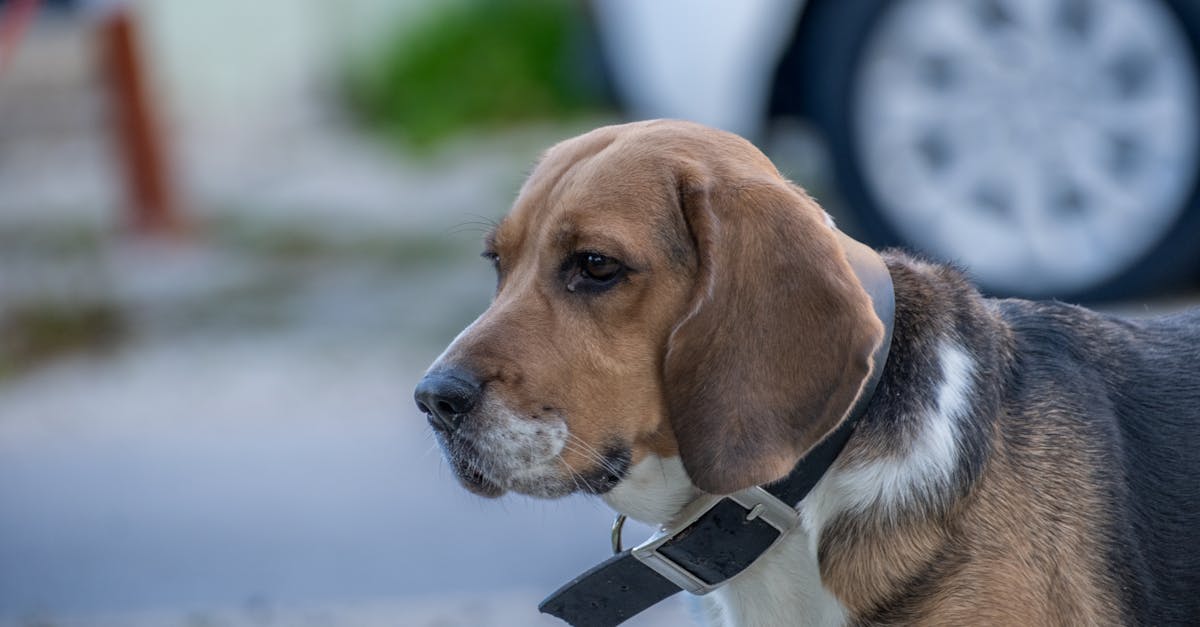
                                            Practicing Without Treats

                                            As your dog becomes more proficient at rolling over on command, start gradually reducing the use of treats. Begin by occasionally replacing the treat reward with enthusiastic praise and petting. Vary the rewards to keep your dog engaged and motivated. Sometimes use treats, other times use verbal praise or a favorite toy. This helps prevent your dog from becoming dependent on treats to perform the trick. Practice the roll over command in different locations and with varying levels of distraction to solidify the behavior. Remember to keep training sessions short and fun, ending on a positive note to maintain your dog’s enthusiasm for learning.

                                            Troubleshooting Common Challenges

                                            Teaching a dog to roll over can present some obstacles. We’ll address two common challenges: reluctant dogs and those with physical limitations.

                                            Dealing with Reluctant Dogs

                                            Reluctant dogs may not understand the roll over command or feel uncomfortable performing it. Here’s how to address this:

                                            • Use positive reinforcement consistently
                                            • Break the trick into smaller steps
                                            • Practice in a quiet, comfortable environment
                                            • Increase motivation with high-value treats
                                            • Be patient and avoid forcing the behavior

                                            Recent research by Kerri Norman and colleagues suggests that rolling over isn’t always a submissive behavior. It’s often a tactical move during play. Understanding this can help us approach training more effectively, focusing on making the experience enjoyable rather than assuming reluctance stems from fear or submission.

                                            Addressing Physical Limitations

                                            Some dogs may have physical issues that make rolling over difficult or uncomfortable:

                                            • Consult a veterinarian to rule out any underlying health concerns
                                            • Adapt the trick for dogs with joint problems or obesity
                                            • Use softer surfaces like carpets or mats for comfort
                                            • Consider alternative tricks that are easier on the dog’s body
                                            • Break the movement into smaller, manageable parts
                                            • Reward any progress, no matter how small

                                            For older or less agile dogs, we can modify the roll over command to a partial roll or a different trick that’s more suitable for their physical capabilities. The goal is to keep training positive and customized to each dog’s individual needs and abilities.

                                            Advanced Training Tips

                                            Once your dog has mastered the basic roll over command, it’s time to take their training to the next level. We’ll explore how to incorporate this trick into more complex routines and use it for mental stimulation.

                                            Incorporating Roll Over into Trick Routines

                                            To elevate your dog’s roll over skills, combine it with other commands for impressive trick routines. Start by linking roll over with simple tricks like sit and stay. For example, ask your dog to sit, then stay, followed by roll over. Gradually increase complexity by adding more commands to the sequence. Try incorporating roll over into a “play dead” routine or use it as part of a longer sequence of tricks.

                                            Practice transitioning smoothly between commands, rewarding your dog for successful completions. Vary the order of tricks to keep your dog engaged and prevent predictability. Remember to use clear verbal cues and hand signals for each command in the routine. With consistent practice, your dog will learn to perform impressive multi-step trick routines that showcase their roll over skills.

                                            Using Roll Over for Mental Stimulation

                                            Roll over isn’t just a fun trick; it’s an excellent tool for mental stimulation. To challenge your dog’s mind, incorporate roll over into problem-solving games. Hide treats around the room and ask your dog to roll over near each hiding spot to earn the reward. This combines scent work with the physical act of rolling over.

                                            Create an obstacle course where your dog must roll over at exact points to progress. Use roll over as part of a “follow the leader” game, where your dog mimics your actions, including rolling over. Teach your dog to roll over on different surfaces or in various locations to add complexity. Incorporate roll over into trick chains, asking your dog to perform multiple rolls in different directions. These mentally stimulating exercises keep your dog’s mind sharp and reinforce their roll over skills in diverse contexts.

                                            Conclusion

                                            Teaching your dog to roll over is more than just a fun trick. It’s a gateway to strengthening your bond and improving your pet’s mental agility. We’ve provided you with the tools and techniques to make this training journey successful and enjoyable for both you and your furry friend.

                                            Remember, patience is key. Every dog learns at their own pace, so celebrate small victories along the way. With consistent practice and positive reinforcement, you’ll soon have a clever canine who can impress with their roll over skills. So grab those treats, find a comfy spot, and start rolling into a industry of fun and learning with your four-legged companion!