Author: David Peine

  • Dog Papilloma: Symptoms, Treatment, and Prevention Tips for Pet Owners

    Dog Papilloma: Symptoms, Treatment, and Prevention Tips for Pet Owners

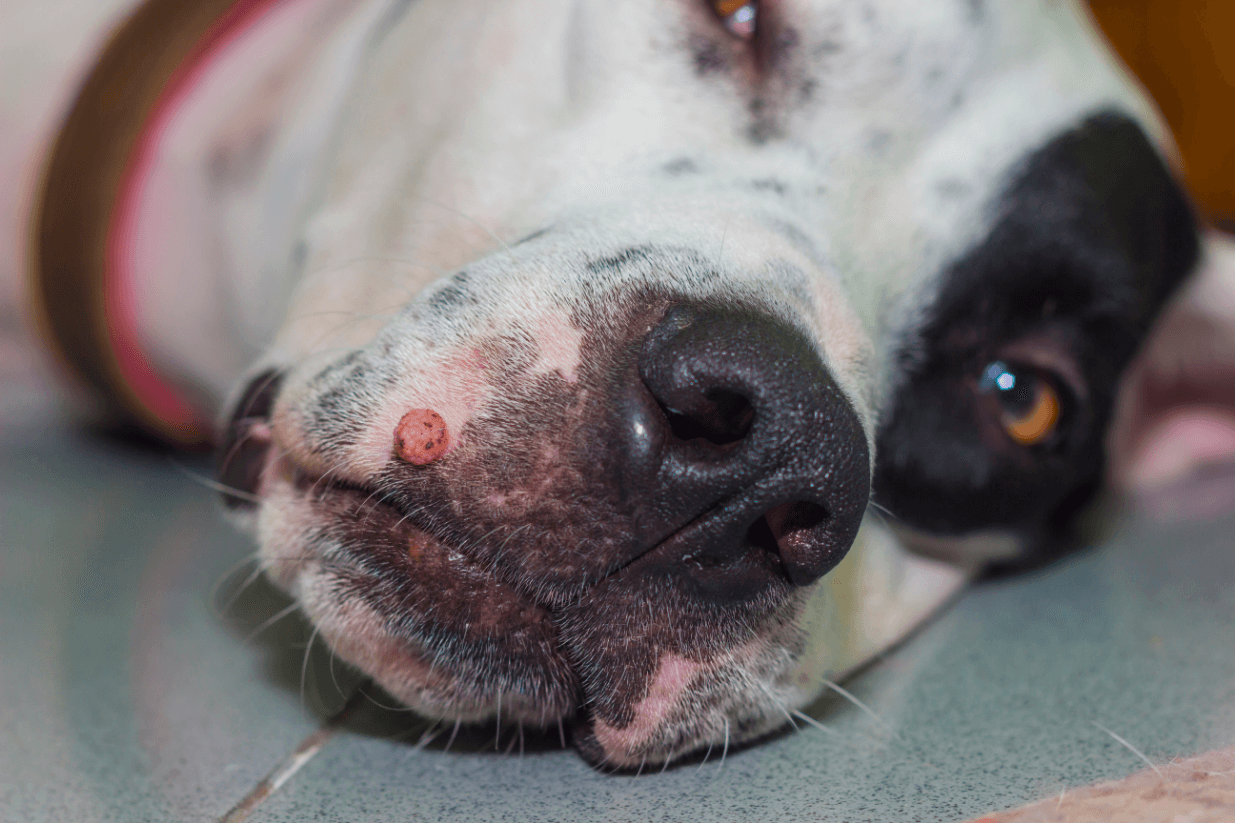
    Have you ever noticed unusual growths in your dog’s mouth or on their skin? These may be papillomas, commonly known as dog warts. Canine papillomavirus (CPV) is a widespread issue affecting many of our furry friends, particularly young dogs.

    We’ll discover the area of dog papillomas, from their causes to their symptoms and treatments. Understanding this condition is crucial for pet owners, as it can impact our dogs’ health and quality of life. While often harmless, these growths can sometimes lead to complications if left untreated. By exploring into the details of CPV, we’ll equip you with the knowledge to spot early signs and make informed decisions about your pet’s care.

    What Is Dog Papilloma?

    Dog papilloma, also known as canine papillomatosis, is a condition characterized by benign tumors or wart-like growths caused by the canine papillomavirus (CPV). These growths typically appear on a dog’s skin, mouth, or mucous membranes.

    Causes and Transmission

    Canine papillomavirus is the primary cause of dog papillomas. This double-stranded, non-enveloped DNA virus is highly host-exact, meaning it only affects dogs. Transmission occurs through direct contact with infected dogs or contaminated objects in the environment.

    The virus requires microabrasions in the skin to access the basal layer and establish an infection. While visible lesions are the most common sign of infectiousness, it’s unclear if dogs without visible growths can transmit the virus.

    Papillomas typically develop after a 4-week incubation period. But, subclinical infections may also occur, where dogs carry the virus without showing symptoms. Young dogs are particularly susceptible to oral papillomatosis, while cutaneous papillomas can affect dogs of any age.

    Key points about CPV transmission:

    • Direct contact with infected dogs
    • Contact with contaminated objects
    • Requires skin microabrasions for infection
    • 4-week incubation period
    • Possible subclinical infections

    Understanding the causes and transmission of dog papillomas helps pet owners take preventive measures and recognize early signs of infection in their canine companions.

    Types of Canine Papillomas

    Canine papillomas manifest in various forms depending on their location and the exact papillomavirus strain causing the infection. The two primary types of canine papillomas are oral papillomas and cutaneous papillomas, each with distinct characteristics and implications for a dog’s health.

    Oral Papillomas

    Oral papillomas are the most common type of canine papilloma, typically caused by Canine Papillomavirus 1 (CPV1). These wart-like growths appear in the mouth, often on the lips, tongue, and palate. Young dogs are particularly susceptible to oral papillomatosis, with lesions developing rapidly and sometimes in clusters.

    Characteristics of oral papillomas include:

    • Appearance: Exophytic masses, single or multiple
    • Location: Oral cavity, occasionally extending to the larynx and esophagus
    • Duration: Usually regress spontaneously within 4-8 weeks
    • Complications: Potential dysphagia or respiratory obstruction if many

    Histologically, oral papillomas show:

    • Papillary exophytic proliferation of squamous epithelium
    • Koilocytosis
    • Intranuclear inclusion bodies

    While often benign, oral papillomas can interfere with eating and drinking if they become many or large. In most cases, they resolve on their own without treatment.

    Dog Papilloma

    Cutaneous Papillomas

    Cutaneous papillomas affect a dog’s skin and can appear anywhere on the body. These growths are less common than oral papillomas but can affect dogs of any age. Cutaneous papillomas are associated with various papillomavirus strains and may present differently depending on the exact virus and location.

    Types of cutaneous papillomas include:

    1. Pedal papillomas:
    • Occur on the footpads
    • Less frequently studied than oral papillomas

    2. Inverted papillomas:

      • Associated with CPV1
      • Grow inward rather than outward

      3. Viral pigmented plaques:

        • Linked to papillomaviruses of the Chi genus
        • May progress to squamous cell carcinomas in some cases

        Cutaneous papillomas typically appear as small, raised growths on the skin. They may be solitary or occur in clusters, and their appearance can vary from smooth and flesh-colored to rough and pigmented. While many cutaneous papillomas resolve on their own, some may persist or require treatment, especially if they cause discomfort or interfere with the dog’s normal activities.

        In rare cases, certain types of cutaneous papillomas, such as viral pigmented plaques, have the potential to progress to malignant tumors. This underscores the importance of monitoring any persistent skin growths and consulting with a veterinarian for proper diagnosis and management.

        Symptoms and Identification

        Dog papillomas, also known as canine oral papillomas or dog warts, are benign growths caused by the canine papillomavirus. These growths have distinct characteristics that make them identifiable, although veterinary confirmation is often necessary for an accurate diagnosis.

        Appearance and Stages of Development

        Canine oral papillomas typically appear as small, cauliflower-like growths with an irregular surface. They’re often round and grow in clusters, resembling sea anemones. These warts commonly develop on the lips, tongue, throat, and gums. In some cases, they can occur on other mucous membranes, feet, eyelids, or between toes.

        The development of dog papillomas follows distinct stages:

        1. Initial growth: Small, pink bumps appear
        2. Expansion: Warts enlarge and take on a cauliflower-like appearance
        3. Maturation: Growths reach full size, often in clusters
        4. Regression: Papillomas start to shrink and eventually disappear

        Most dogs with papillomas don’t show symptoms unless the growths become infected. Infected papillomas can cause pain, swelling, bad breath, and changes in eating habits due to discomfort.

        Dog Papilloma

        Affected Breeds

        While dog papillomas can affect any breed, certain factors influence their prevalence:

        1. Age: Young dogs, typically under two years old, are more susceptible to oral papillomas due to their developing immune systems.
        2. Breed predisposition: Some breeds may be more prone to developing papillomas, including:
        • Cocker Spaniels
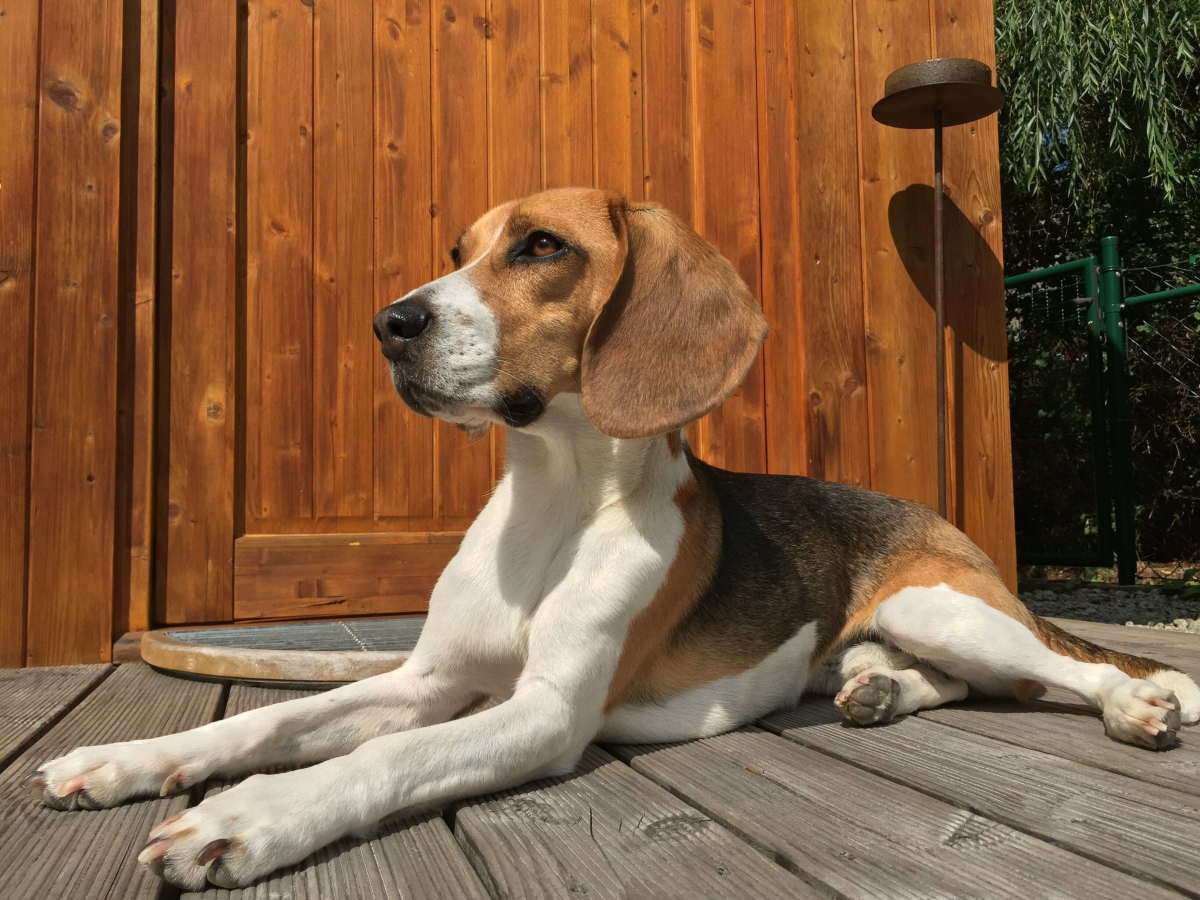
        • Beagles
        • Basset Hounds
        • Miniature Schnauzers
        1. Immunocompromised dogs: Regardless of breed, dogs with weakened immune systems are at higher risk for papilloma development.
        2. Environmental factors: Dogs in high-contact environments (e.g., kennels, dog parks) have increased exposure risk.
        3. Genetic factors: Some breeds may have genetic predispositions to papilloma development, though research is ongoing.

        It’s important to note that while these factors may increase the likelihood of papilloma occurrence, any dog can potentially develop these growths. Regular veterinary check-ups and monitoring your dog’s oral and skin health are crucial for early detection and management of dog papillomas across all breeds.

        Diagnosis of Canine Papilloma Virus

        Diagnosing canine papilloma virus (CPV) requires a combination of clinical observation and laboratory testing. We’ll explore the key methods used to identify this common canine condition.

        Clinical Presentation and Anatomical Distribution

        CPV typically manifests as exophytic masses on a dog’s skin, lips, eyelids, and oral cavity. These growths, known as papillomas, often resemble cauliflowers and can appear in clusters. Young dogs and mixed breeds are more susceptible to developing these lesions. Veterinarians look for these characteristic growths during physical examinations, paying close attention to the most common affected areas.

        Histological Evaluation

        Histological examination is a crucial step in confirming CPV diagnosis. This process involves:

        • Taking a biopsy sample of the suspected papilloma
        • Examining the tissue under a microscope
        • Identifying exact cellular changes associated with CPV

        Key histological features include:

        1. Papillary exophytic or endophytic proliferation of squamous epithelium
        2. Hyperplasia in the spinous layer
        3. Presence of koilocytes (cells with a clear halo around the nucleus)
        4. Intranuclear pale basophilic inclusion bodies
        5. Hyperkeratosis in the stratum corneum

        These distinctive cellular changes help differentiate CPV-induced papillomas from other skin growths.

        Immunohistochemistry (IHC)

        Immunohistochemistry is an advanced diagnostic technique used to detect viral antigens within the papilloma lesions. This method:

        • Uses exact antibodies to identify CPV proteins
        • Provides visual confirmation of the virus’s presence
        • Helps differentiate CPV from other similar conditions

        In CPV cases, positive immunostaining is often observed in the granular layer and stratum corneum of the affected epithelium. This technique offers high specificity and sensitivity in detecting CPV antigens.

        Additional Diagnostic Methods

        While clinical presentation, histology, and IHC form the cornerstone of CPV diagnosis, veterinarians may employ other techniques to confirm the presence of the virus:

        1. Polymerase Chain Reaction (PCR): This molecular technique amplifies viral DNA, allowing for precise identification of the CPV strain.
        2. Electron Microscopy: In some cases, electron microscopy can be used to visualize the characteristic viral particles within infected cells.
        3. Serology: Blood tests can detect antibodies against CPV, indicating current or past infection.
        4. Fine Needle Aspiration (FNA): This less invasive technique can be used to collect cells from the lesion for cytological examination.

        By combining these diagnostic methods, veterinarians can accurately identify CPV infections and differentiate them from other skin conditions. Early and accurate diagnosis is crucial for proper management and treatment of canine papillomas.

        Treatment Options

        Dog papilloma treatment options range from medical interventions to surgical procedures. The choice of treatment depends on the severity, location, and impact of the papillomas on the dog’s quality of life.

        Medical Interventions

        Medical interventions for dog papillomas include spontaneous regression, antibiotics, interferon-alpha, and imiquimod. Most cases resolve on their own within 1 to 3 months as the dog’s immune system matures. Antibiotics are prescribed only for secondary bacterial infections. Interferon-alpha, an off-label treatment, stimulates the immune system in severe cases but is costly and yields inconsistent results. Imiquimod, a topical antiviral and antitumor medication, boosts immune-mediated inflammation to help destroy the virus. It’s commonly used for skin papillomas and can cause skin irritation, often indicating the treatment’s effectiveness.

        Surgical Procedures

        Surgical procedures are considered for persistent or problematic dog papillomas. Cryosurgery uses extreme cold to freeze and destroy the papillomas, while electrocautery employs heat to remove the growths. Laser surgery offers precise removal with minimal bleeding and scarring. Traditional surgical excision is used for larger or deeper papillomas. These procedures are typically performed under local or general anesthesia, depending on the location and extent of the papillomas. Post-operative care includes wound management and monitoring for recurrence. Surgical intervention is often reserved for cases where papillomas cause discomfort, interfere with eating or breathing, or show signs of malignancy.

        Prognosis and Recovery

        Spontaneous Regression

        Dog papillomas typically resolve on their own within 2-3 months. This spontaneous regression occurs in healthy dogs as their immune system develops a response to the Canine Papillomavirus Type 1 (CPV1). The natural healing process demonstrates the body’s ability to combat the virus effectively.

        Immunity Development

        Once a dog recovers from CPV1-induced papillomas, it usually gains lasting immunity. This protective response significantly reduces the likelihood of future oral papilloma outbreaks. The immune system’s memory cells recognize and quickly respond to any subsequent CPV1 exposures, preventing new growths.

        Clinical Outcomes

        Most dogs with papillomas remain asymptomatic throughout the course of the infection. But, complications can arise in certain situations:

        1. Infected papillomas: These can cause:
        • Discomfort
        • Swelling
        • Bleeding
        • Bad breath
        • Pain

        2. Eating or swallowing interference: Large or many papillomas may:

          • Obstruct the oral cavity
          • Impede normal feeding behavior
          • Cause weight loss if left untreated

          3. Malignant transformation: In rare cases, particularly in immunocompromised dogs, benign papillomas can become cancerous. While uncommon, this potential underscores the importance of monitoring and veterinary oversight.

            Factors Influencing Recovery

            Several factors can affect the prognosis and recovery of dogs with papillomas:

            1. Immune system strength: Dogs with robust immune systems typically experience faster regression and better outcomes.
            2. Age: Younger dogs often recover more quickly due to their generally stronger immune responses.
            3. Overall health: Pre-existing conditions or concurrent illnesses may slow the healing process.
            4. Papilloma location and size: Larger growths or those in sensitive areas may take longer to resolve and cause more complications.
            5. Treatment approach: While most cases resolve without intervention, certain treatments may accelerate recovery in persistent or problematic cases.

            Long-term Outlook

            The long-term prognosis for dogs with papillomas is generally excellent. Key points include:

            • Complete resolution: Most cases clear up entirely within 2-3 months without lasting effects.
            • Recurrence rarity: Due to acquired immunity, recurrences are uncommon in healthy dogs.
            • Minimal scarring: Papillomas typically heal without leaving important marks or scars.
            • Quality of life: Once resolved, dogs usually return to normal activities without any lingering issues.

            Monitoring and Follow-up

            While dog papillomas often resolve on their own, ongoing monitoring is crucial:

            1. Regular check-ups: Schedule follow-up appointments to track regression progress.
            2. Home observation: Watch for any changes in size, appearance, or number of growths.
            3. Complication awareness: Be alert to signs of infection or interference with normal functions.
            4. Persistent cases: Consult a veterinarian if papillomas persist beyond 3-4 months or cause ongoing issues.

            By understanding the typical prognosis and recovery process for dog papillomas, pet owners can better manage their expectations and provide appropriate care. While most cases resolve without incident, awareness and vigilance ensure the best outcomes for affected dogs.

            Prevention Strategies

            Preventing canine papilloma virus (CPV) infections in dogs can be challenging, but there are several effective strategies we can carry out to reduce the risk of transmission and protect our canine companions.

            Limiting Interaction with Other Dogs

            While complete isolation isn’t recommended for a dog’s social and emotional well-being, we can take steps to minimize the risk of CPV transmission:

            • Avoid high-risk areas: Dog parks, daycare facilities, and other crowded spaces where many dogs congregate increase the likelihood of exposure to CPV.
            • Supervised playdates: Arrange one-on-one playdates with known, healthy dogs to provide socialization while reducing risk.
            • Careful introductions: When introducing new dogs, observe their health status and limit physical contact if there are any signs of infection.

            Environmental Considerations

            CPV can persist in the environment for weeks, making proper sanitation crucial:

            • Regular cleaning: Disinfect shared areas and items frequently used by multiple dogs.
            • Use appropriate disinfectants: Choose products effective against viruses to clean surfaces and objects.
            • Personal hygiene: Wash hands thoroughly after handling dogs, especially in multi-dog households or professional settings.

            Vaccination

            A new vaccine for oral papillomatosis offers promising protection:

            • DNA-based vaccine: This innovative approach uses the virus’s DNA to stimulate an immune response.
            • Consult with a veterinarian: Discuss the appropriateness and availability of the vaccine for your dog.
            • Stay informed: Keep up-to-date with developments in CPV vaccination research and recommendations.

            Boosting Immune System

            A strong immune system helps dogs fight off CPV infections:

            • Balanced diet: Provide high-quality, nutritionally complete food to support overall health.
            • Regular exercise: Maintain an active lifestyle to promote physical and mental well-being.
            • Stress reduction: Minimize stressors that can weaken the immune system.
            • Supplements: Consider immune-boosting supplements under veterinary guidance.

            Regular Health Check-ups

            Routine veterinary care plays a crucial role in prevention:

            • Annual exams: Schedule regular check-ups to detect potential health issues early.
            • Prompt treatment: Address any oral or skin abnormalities quickly to prevent complications.
            • Maintain vaccination schedule: Keep up with core vaccinations to support overall health.

            By implementing these prevention strategies, we can significantly reduce the risk of CPV infections in dogs. While no method guarantees complete protection, a combination of these approaches provides the best defense against canine papilloma virus.

            Conclusion

            Dog papillomas are a common but often misunderstood condition in our canine companions. We’ve explored their causes symptoms diagnosis and treatment options. While mostly harmless these viral growths can impact a dog’s quality of life. Early detection and proper care are crucial for managing papillomas effectively.

            Remember that most cases resolve on their own but veterinary guidance is essential for optimal care. By staying informed and proactive we can ensure our furry friends lead healthy happy lives even when faced with this viral challenge.
          1. Bathe Your Own Dog: Tips for a Stress-Free Home Grooming Experience

            Bathe Your Own Dog: Tips for a Stress-Free Home Grooming Experience

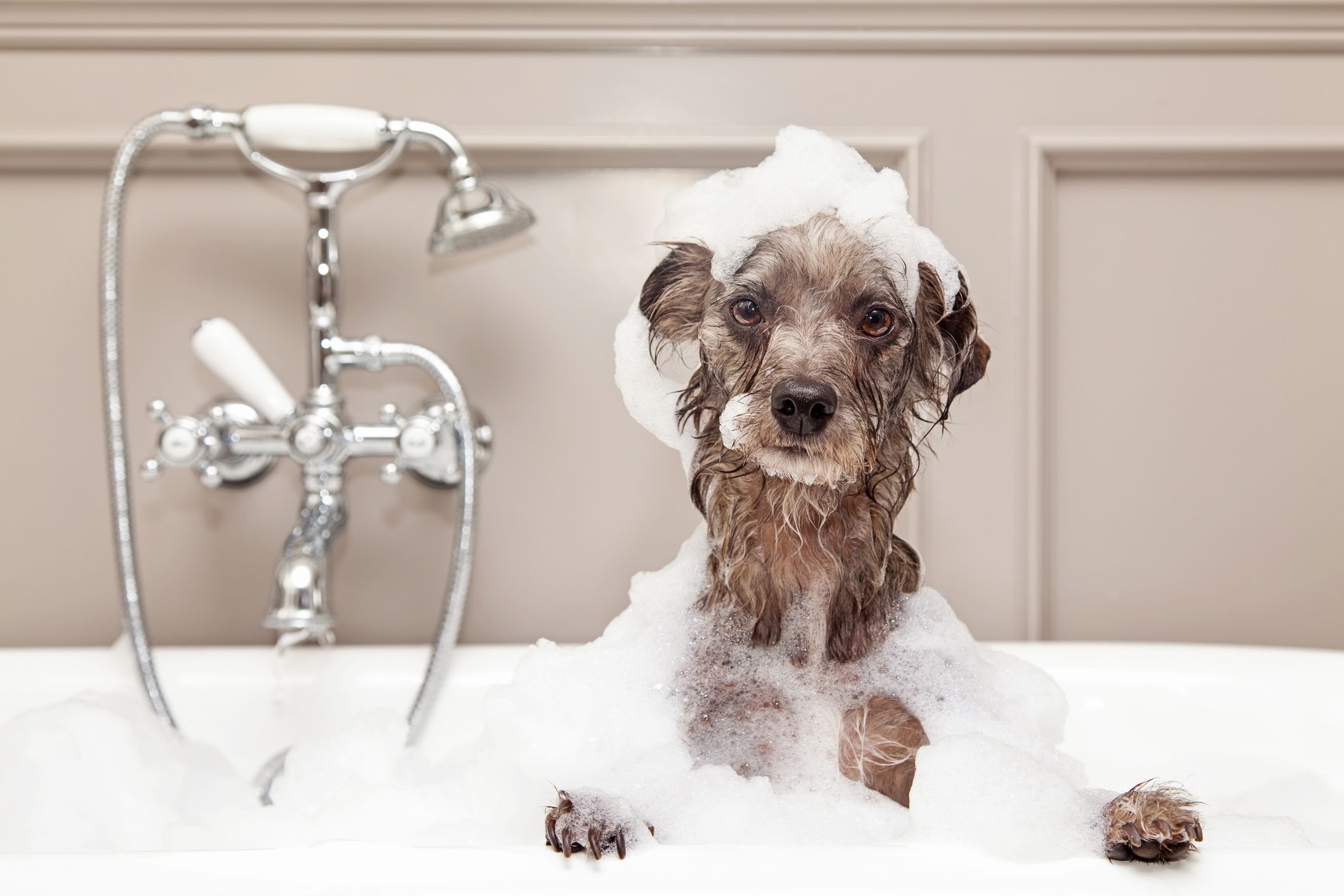
            Ever wondered why bathing your dog at home often feels like a messy battle? We’ve all been there – soaked floors, fur-covered walls, and a less-than-cooperative pup. But what if we told you there’s a better way to keep your furry friend clean and fresh?

            At Central Bark, we’ve revolutionized the dog bathing experience with our self-serve dog wash stations. We’ve found that dogs are far more relaxed in a space designed just for them. Our professional grooming stations come equipped with everything you need, from hydraulic tubs for easy access to all-natural shampoos and conditioners. We’ll even clean up the mess, so you can focus on bonding with your dog during bath time. It’s a win-win situation that’ll make you and your pup look forward to bath day.

            Why Bathe Your Own Dog

            Convenience and Cost-Effectiveness

            Bathing your own dog offers unparalleled convenience and cost-effectiveness. Self-service dog washes are typically open seven days a week with flexible hours, allowing you to choose a time that fits your schedule. This flexibility is especially beneficial for busy pet owners who struggle to find time for traditional grooming appointments. Also, self-service options are generally more affordable than professional grooming services, making regular bathing more accessible for budget-conscious dog owners.

            Bonding Experience

            Bathing your dog yourself creates a unique bonding opportunity. The one-on-one time spent caring for your pet strengthens your relationship and builds trust. Dogs often appreciate the personal attention and care from their owners, which can lead to improved behavior and a deeper connection. This hands-on approach allows you to become more familiar with your dog’s body, potentially helping you detect any health issues early on.

            Customized Care

            When you bathe your own dog, you have complete control over the products and techniques used. This customization is particularly beneficial for dogs with exact skin conditions or allergies. You can choose hypoallergenic or medicated shampoos that best suit your dog’s needs, ensuring optimal skin and coat health. Also, you can adjust the water temperature and pressure to your dog’s preference, making the bathing experience more comfortable and enjoyable for your pet.

            Ease of Use and Safety

            Self-service dog wash facilities are designed with user-friendliness in mind, making them accessible even for first-time dog bathers. These stations provide all necessary tools, including shampoo, conditioner, brushes, and towels. The tubs are specifically engineered for dogs, featuring non-slip surfaces and temperature-controlled water. These safety features make the bathing process safer and more comfortable than attempting to bathe your dog at home in a standard bathtub or shower.

            Environmental Control

            By bathing your dog in a controlled environment, you can minimize stress and distractions. Self-service facilities are designed exclusively for dog bathing, which can help your pet feel more relaxed and focused during the process. This controlled setting reduces the likelihood of your dog becoming overstimulated or anxious, as might occur in a busy professional grooming salon or an unfamiliar home bathroom.

            Immediate Results

            When you bathe your own dog, you can address exact grooming needs on the spot. Whether it’s removing mud after a park visit or addressing a sudden odor issue, self-service dog washes allow for immediate action. This quick response can prevent minor grooming issues from becoming more important problems and helps maintain your dog’s overall cleanliness and hygiene between professional grooming sessions.

            Bathe Your Own Dog

            Preparing for the Bath

            Proper preparation is key to a successful dog bathing experience. We’ll guide you through gathering essential supplies and choosing the right location to ensure a smooth and stress-free bath for your furry friend.

            Gathering Supplies

            To ensure a successful dog bath, we need to gather the following essential supplies:

            We select shampoos suitable for our dog’s skin type and coat. Oatmeal shampoos work well for itchy skin, while hypoallergenic options are ideal for sensitive pets. For shedding or coat brightening, we choose exact formulations. Towels and aprons keep us dry during the bathing process. Gentle brushing before the bath removes matted fur and loose dirt, making the bath more effective. Ear cleaners and cotton balls prevent water from entering the ears and allow for gentle cleaning. Professional-grade hair dryers, often available at self-service dog wash stations, can be used with caution to avoid discomfort.

            Choosing the Right Location

            Selecting an appropriate bathing location is crucial for a positive dog bathing experience. We consider the following factors:

            • Space: Ensure enough room for both the dog and handler to move comfortably.
            • Water access: Choose a location with easy access to warm water and proper drainage.
            • Non-slip surfaces: Use rubber mats or towels to prevent slipping.
            • Temperature control: Maintain a comfortable environment to keep the dog relaxed.
            • Lighting: Opt for well-lit areas to spot any skin issues or thorough cleaning needs.

            Self-service dog wash stations, like those at Central Bark, offer ideal bathing environments with professional-grade equipment and controlled settings. These facilities provide hydraulic tubs, temperature-controlled water, and non-slip surfaces, ensuring safety and comfort for both dogs and owners. If bathing at home, we select a spacious bathroom or outdoor area with a hose, depending on the weather and dog’s size. We always prioritize the dog’s comfort and safety when choosing the bathing location.

            Steps to Bathe Your Dog

            Bathing your dog effectively involves a series of steps to ensure a thorough clean and a positive experience for your furry friend. Here’s a breakdown of the key stages in the dog bathing process.

            Wetting and Shampooing

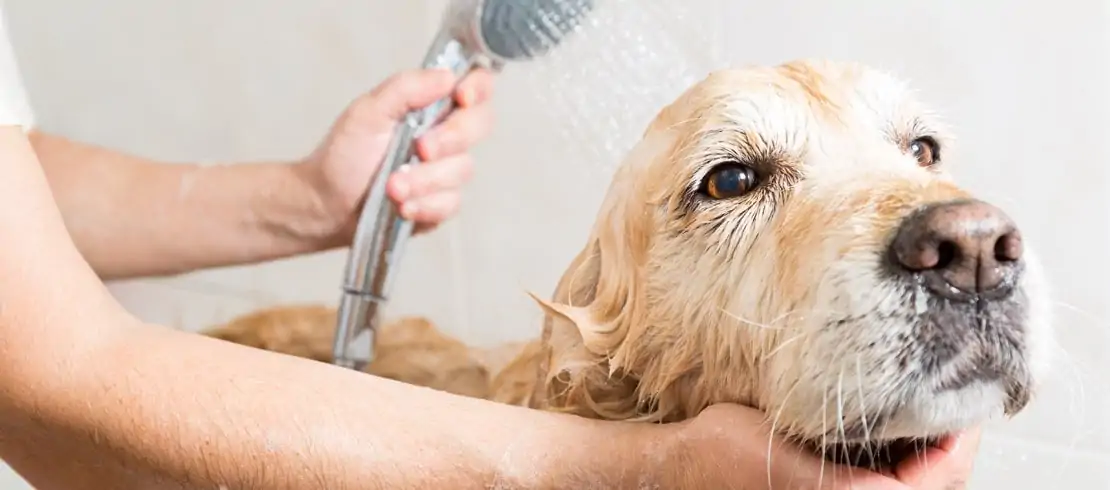
            Start by brushing your dog’s coat to remove tangles and mats before getting them wet. Choose a suitable location like a kitchen sink for small dogs or a bathtub for larger breeds. Secure your dog with a grooming loop or leash to prevent escapes. Use lukewarm water to wet your dog’s entire body, starting from the tail and working up to the ears. Avoid getting water in their eyes, ears, or nose.

            Apply a dog-exact shampoo, working it into a lather. Begin at the neck and work your way down to the tail, paying extra attention to dirty areas. Massage the shampoo into your dog’s coat, reaching the skin beneath. For dogs with thick coats, use your fingers to ensure the shampoo penetrates to the skin. Be gentle around sensitive areas like the face, using a damp cloth if necessary.

            Rinsing Thoroughly

            Rinsing is a crucial step in the bathing process. Use lukewarm water to rinse your dog thoroughly, starting from the head and working your way down to the tail. Pay special attention to areas with thick fur or where soap tends to accumulate, such as the armpits, groin, and between the toes. Continue rinsing until the water runs clear and you no longer see any soap suds.

            To ensure all shampoo is removed, run your hands through your dog’s coat while rinsing. This helps prevent skin irritation that can occur from leftover soap residue. For dogs with long or thick coats, you may need to rinse multiple times to ensure all soap is gone. Be patient and thorough during this step to guarantee your dog’s comfort after the bath.

            Drying Your Dog

            After rinsing, gently squeeze excess water from your dog’s coat. Use a microfiber towel to absorb as much moisture as possible, starting from the head and working your way down the body. For dogs with long or thick coats, you may need multiple towels. Be sure to dry between the toes and in skin folds to prevent moisture-related skin issues.

            If your dog tolerates it, use a blow dryer on a low heat setting to complete the drying process. Keep the dryer moving to avoid concentrating heat on one area. For dogs sensitive to the noise, consider using a quiet, pet-exact dryer. Brush your dog’s coat while drying to prevent tangles and distribute natural oils. Remember to praise and reward your dog throughout the process to create a positive association with bath time.

            DIY Dog Washing Stations

            Building a DIY dog washing station offers a practical and comfortable solution for bathing your dog at home. These custom-built stations can be installed indoors or outdoors, providing convenience and reducing the mess associated with traditional bathing methods.

            Bathe Your Own Dog

            Indoor Options

            Indoor dog wash stations are ideal for year-round use and can be installed in basements, laundry rooms, or garages. When planning an indoor station, consider the following:

            • Location: Choose an area with existing plumbing lines and drains for easy installation.
            • Materials: Use waterproof materials like plywood, 2x4s, and cement boards for the frame and base.
            • Waterproofing: Install a waterproofing system, such as a Schluter system, to prevent water damage.
            • Shower components: Include a showerhead, faucet, and proper drain connections.
            • Height: Ensure the drain is at the right height for efficient water drainage.
            • Tiling: Use a preformed shower pan to simplify the tiling process and create a non-slip surface.
            • Lighting: Install adequate lighting for visibility during bathing sessions.
            • Location: Choose a spot with easy access to a water source and proper drainage.
            • Weather protection: Install a roof or awning to shield from sun and rain.
            • Flooring: Use non-slip, weather-resistant materials like rubber mats or textured concrete.
            • Plumbing: Install frost-proof outdoor faucets and insulated pipes to prevent freezing.
            • Storage: Include weatherproof storage for shampoos, towels, and other supplies.
            • Heating: Consider adding a heat lamp for comfort during cooler weather.
            • Privacy: Create a enclosed area with fencing or lattice for a more secluded bathing experience.
            • Drainage: Ensure proper slope and drainage to prevent water accumulation.

            Tips for a Stress-Free Bath Time

            We’ve compiled essential tips to ensure a stress-free bath time for your dog. These techniques will help create a positive experience for both you and your furry friend.

            Positive Reinforcement Techniques

            Positive reinforcement is key to making bath time enjoyable for your dog. We recommend using treats, praise, and toys throughout the bathing process. Start by offering treats as your dog enters the bathing area, creating a positive association. During the bath, use a cheerful voice and offer praise for good behavior. Keep a waterproof toy handy to distract and entertain your dog. After the bath, reward your pup with a special treat or extra playtime. Consistency is crucial; use these techniques every bath time to build a positive routine. Over time, your dog will associate bathing with pleasant experiences, making the process smoother and less stressful for both of you.

            Handling Difficult Dogs

            For dogs that are particularly anxious or resistant to baths, we suggest a gradual approach. Start by desensitizing your dog to the bathing area without water. Use treats and praise to create positive associations. Gradually introduce water, starting with just wetting the paws. Employ calming techniques such as gentle massage or speaking in a soothing voice. For extremely anxious dogs, consider using pheromone sprays or calming supplements recommended by your veterinarian. If your dog becomes agitated, take breaks and resume when they’re calmer. Use a secure harness or non-slip mat to ensure safety. Remember, patience is key; it may take several sessions for your dog to become comfortable with the bathing process.

            Post-Bath Care

            After bathing your dog, proper post-bath care is essential for maintaining a healthy coat and skin. We’ll explore the important steps to take once you’ve finished washing your furry friend.

            Brushing and Grooming

            Post-bath brushing and grooming are crucial for your dog’s coat health. Start by gently towel-drying your dog, removing excess water from their fur. Use a blow dryer on a low heat setting to complete the drying process, being careful to avoid sensitive areas. Once dry, thoroughly brush your dog’s coat to remove any tangles or mats that may have formed during the bath. This step helps distribute natural oils throughout the coat, promoting shine and overall health. For long-haired breeds, consider using a detangling spray to ease the brushing process. Regular grooming after bathing not only keeps your dog looking great but also allows you to check for any skin issues or abnormalities.

            Addressing Skin and Coat Issues

            Post-bath care is an excellent opportunity to address any skin or coat issues your dog may have. Inspect your dog’s skin for signs of irritation, redness, or hot spots. If you notice any problems, consult with your veterinarian for appropriate treatments. For dogs with dry skin, consider applying a dog-exact moisturizer or leave-in conditioner to help soothe and hydrate the skin. If your dog has a exact coat condition, such as dandruff or excessive shedding, use specialized products recommended by your vet. Remember to pay attention to your dog’s ears, gently cleaning them with a dog-safe ear cleaner to prevent infections. For dogs prone to skin allergies, using hypoallergenic products during and after bathing can help minimize irritation and discomfort.

            Benefits of Regular Bathing

            Regular bathing offers many advantages for your dog’s health and well-being. We’ve compiled a list of key benefits that highlight the importance of maintaining a consistent bathing routine for your furry friend.

            Promotes Healthy Skin and Coat

            Regular baths keep your dog’s skin and coat in top condition. Here’s how:

            • Remove dirt and debris from the skin and fur
            • Prevent matting of the coat
            • Reduce the likelihood of skin infections
            • Distribute natural oils throughout the coat
            • Promote a healthy, shiny appearance

            Reduces Inflammation and Infection

            Bathing plays a crucial role in maintaining your dog’s skin health:

            • Clean out clogged pores
            • Remove bacteria and other harmful microorganisms
            • Reduce instances of skin inflammation and irritation
            • Alleviate symptoms of existing skin conditions
            • Prevent the development of new skin issues

            Keeps Your Dog’s Coat Clean

            A clean coat is essential for your dog’s overall health and comfort:

            • Eliminate dirt, fungus, and unpleasant odors
            • Remove parasites like fleas and ticks
            • Prevent the buildup of allergens in the coat
            • Maintain a comfortable and itch-free coat
            • Improve the effectiveness of flea and tick treatments

            Enhances Winter Coat Care

            Regular bathing is particularly beneficial during colder months:

            • Condition the coat to prevent dryness
            • Keep the skin moisturized and comfortable
            • Reduce static electricity in the fur
            • Prevent dandruff and flaking
            • Maintain proper insulation properties of the coat

            By incorporating regular bathing into your dog’s grooming routine, you’ll ensure their skin and coat remain healthy, clean, and comfortable year-round. Remember to use appropriate dog-exact products and follow proper bathing techniques to maximize these benefits.

            Conclusion

            We’ve explored the industry of dog bathing from self-service stations to DIY setups. These options offer convenience cost-effectiveness and a chance to bond with our furry friends. By following proper techniques and using the right tools we can ensure a stress-free and enjoyable experience for both us and our dogs. Regular bathing isn’t just about cleanliness it’s a crucial part of our pets’ overall health and well-being. With these insights we’re now equipped to tackle bath time confidently making it a positive experience for our canine companions.

          2. Why Is My Dog Always Hungry? 5 Reasons and Solutions

            Why Is My Dog Always Hungry? 5 Reasons and Solutions

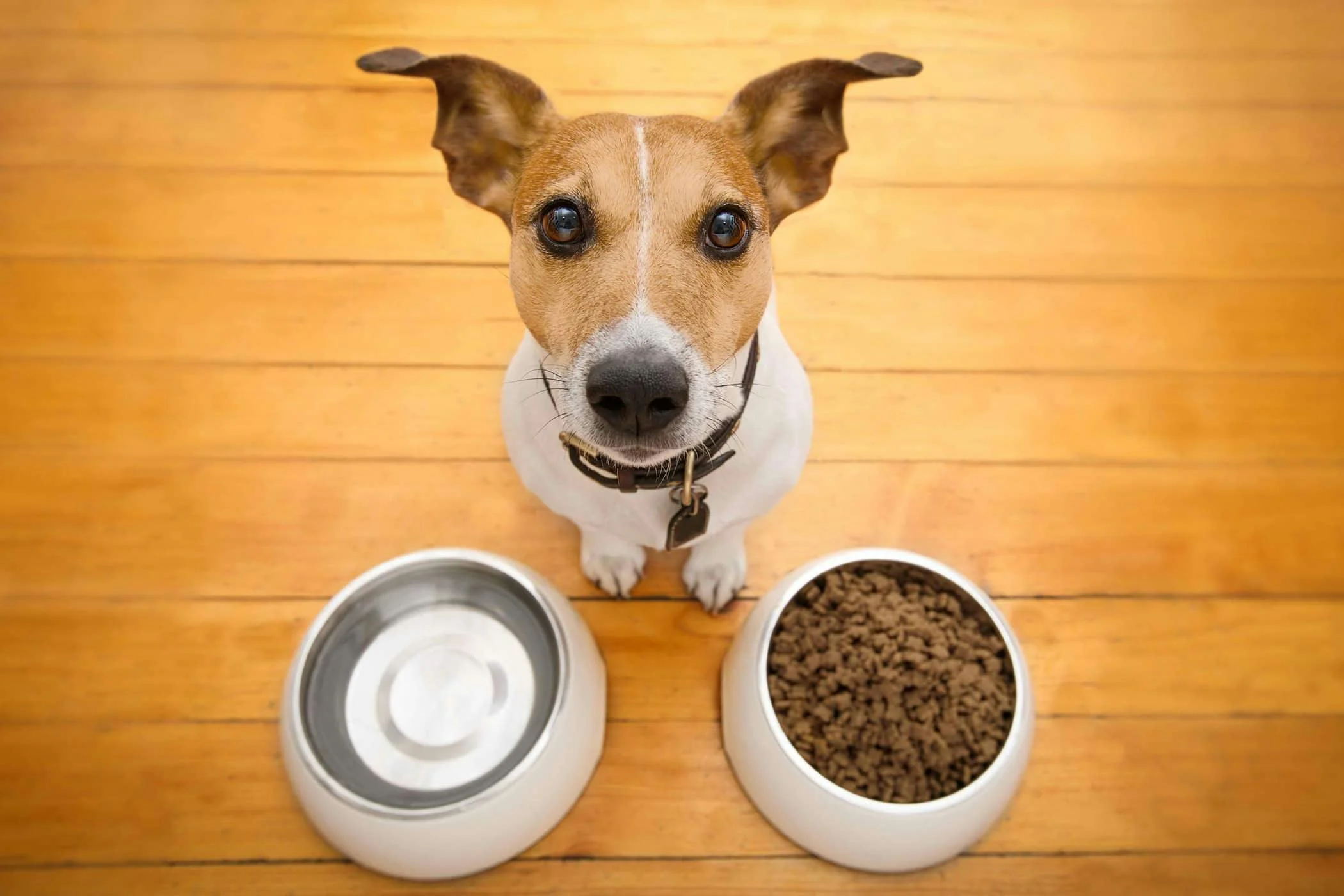
            Is your furry friend always begging for food, even after a full meal? You’re not alone. Many dog owners find themselves wondering, “Why is my dog always hungry?” It’s a common concern that can leave us feeling puzzled and even a bit guilty.

            We understand the struggle of resisting those puppy dog eyes and constant pleas for treats. But before you give in, it’s important to understand that excessive hunger in dogs can stem from various factors, ranging from biological instincts to underlying health issues. In this text, we’ll explore the potential reasons behind your dog’s insatiable appetite and offer insights on when it might be time to consult a veterinarian.

            Understanding Why My Dog Always Hungry: Is It Normal?

            Dogs naturally have an interest in food, but it’s essential to differentiate between normal hunger and excessive appetite. Let’s explore the signs of true hunger in dogs and what they might indicate about your pet’s health.

            Signs of True Hunger in Dogs

            Recognizing true hunger in dogs involves observing exact behaviors and physical changes. Here are key indicators that your dog might be genuinely hungry:

            1. Increased appetite: A sudden and persistent increase in appetite, known as polyphagia, can signify true hunger.
            2. Aggressive behavior around food: Dogs that become unusually aggressive during mealtimes may be experiencing intense hunger.
            3. Changes in feeding habits: Breakthrough behaviors like counter surfing, digging in trash, or stealing food from plates can indicate hunger.
            4. Weight loss: Unexplained weight loss even though regular meals might suggest your dog isn’t getting enough nutrition.
            5. Coat changes: A loss of sheen or changes in coat quality can be a sign of nutritional deficiency.
            6. Restlessness or whining: Incessant whining or restlessness, especially around mealtimes, may indicate hunger.
            7. Prolonged food bowl licking: Continuing to lick the food bowl long after eating can suggest your dog is still hungry.
            8. Coprophagia: The development of coprophagia (eating feces) can sometimes be linked to nutritional deficiencies.
            9. Increased thirst and urination: These symptoms, when accompanied by increased hunger, might indicate an underlying health issue.
            10. Changes in body shape: Muscle shrinkage or a growing potbelly, combined with increased appetite, can be cause for concern.

            It’s important to note that any important change in your dog’s eating habits or behavior around food warrants investigation. These signs, especially when occurring together, suggest your dog might be truly hungry rather than just food-motivated. If you observe these symptoms, it’s advisable to consult with your veterinarian to rule out potential health issues and ensure your dog is receiving adequate nutrition.

            Common Reasons for Excessive Appetite in Dogs

            Dogs with an insatiable appetite can be a cause for concern. Here are some common reasons why your dog may always seem hungry:

            Genetics and Breed Factors

            Certain dog breeds have a genetic predisposition to increased appetite and obesity. Labradors and Flat Coat Retrievers, for example, may carry a gene variant affecting the brain’s hunger regulation. This genetic factor influences how dogs perceive hunger and fullness, making some breeds more food-focused than others. Breeds with a history of working or hunting roles often have higher energy requirements, leading to increased appetite. Understanding your dog’s breed-exact traits can help explain their seemingly constant hunger and guide appropriate feeding strategies.

            Dietary Issues and Nutritional Imbalances

            A dog’s diet plays a crucial role in their appetite regulation. Low-calorie or nutritionally unbalanced diets can lead to increased hunger as the body seeks essential nutrients. Ultraprocessed dog foods containing excessive carbohydrate-based fillers, grains, and starches may create cellular malnourishment, leaving dogs feeling perpetually hungry. Overfeeding or providing too many calorie-rich treats can also contribute to excessive appetite by disrupting normal hunger cues. Ensuring a balanced, biologically appropriate diet with the right proportion of proteins, fats, and carbohydrates is essential for maintaining healthy appetite levels in dogs.

            Medical Conditions Affecting Hunger

            Several medical conditions can cause excessive hunger in dogs. Diabetes is a common culprit, as it affects the body’s ability to regulate blood sugar levels. Other conditions include:

            • Cushing’s disease
            • Hyperthyroidism
            • Exocrine pancreatic insufficiency
            • Intestinal parasites
            • Certain types of tumors

            These conditions can interfere with nutrient absorption or metabolism, leading to increased appetite. Also, some medications may have side effects that increase hunger. If your dog’s appetite suddenly increases or remains consistently excessive, it’s crucial to consult a veterinarian to rule out underlying health issues.

            Psychological Factors: Stress and Boredom

            Psychological factors can significantly influence a dog’s eating habits. Stress and anxiety can lead to comfort eating or increased appetite in some dogs. Environmental changes, such as moving to a new home or the addition of a new family member, can trigger stress-related overeating. Boredom is another common cause of excessive eating behavior. Dogs lacking mental and physical stimulation may turn to food as a form of entertainment or to alleviate boredom. Providing adequate exercise, mental enrichment activities, and a consistent routine can help address these psychological factors and reduce food-seeking behaviors in dogs.

            My Dog Always Hungry

            How to Address Your Dog’s Insatiable Appetite

            Addressing your dog’s insatiable appetite requires a multifaceted approach. We’ll explore strategies to optimize your dog’s diet, carry out effective feeding techniques, and increase physical and mental stimulation to curb excessive hunger.

            Optimizing Your Dog’s Diet

            Optimizing your dog’s diet is crucial for managing excessive hunger. Feed high-quality, nutrient-dense food that meets your dog’s nutritional needs. Include fiber-rich ingredients to promote satiety and improve digestion. Consider adding vegetables like carrots or green beans as low-calorie snacks. Consult a veterinarian or animal nutritionist to create a balanced diet customized to your dog’s age, breed, and activity level. Avoid overfeeding and measure portions accurately to maintain a healthy weight. If using treats for training, factor them into your dog’s daily calorie intake, ensuring they don’t exceed 10% of total calories.

            Implementing Feeding Strategies

            Implementing effective feeding strategies can help manage your dog’s appetite. Establish a consistent feeding schedule with set meal times to regulate hunger cues. Use puzzle feeders or slow-feed bowls to extend meal duration and increase mental stimulation. Divide daily food portions into smaller, more frequent meals to prevent prolonged hunger. Avoid free-feeding, as it can lead to overeating and weight gain. Create firm boundaries around treats, offering them only as rewards for desired behaviors. For dogs with learned begging behaviors, ignore food-seeking actions and reward calm behavior instead. Consider scatter feeding or hiding food to engage your dog’s natural foraging instincts.

            Increasing Physical and Mental Stimulation

            Increasing physical and mental stimulation is essential for managing excessive appetite in dogs. Provide regular exercise customized to your dog’s age, breed, and fitness level. Engage in interactive play sessions to burn energy and strengthen your bond. Introduce mentally stimulating activities like obedience training, agility courses, or scent work to keep your dog’s mind occupied. Use food puzzles and interactive toys to make meals more challenging and time-consuming. Offer non-food rewards like praise, petting, or favorite toys to reduce reliance on treats. Create a structured daily routine with balanced periods of activity and rest to prevent boredom-induced food seeking. Regular mental and physical exercise can help redirect your dog’s focus from food and promote overall well-being.

            When to Consult a Veterinarian

            Recognizing the right time to seek professional help is crucial when dealing with a dog’s insatiable appetite. We’ll outline key indicators that signal it’s time to consult a veterinarian.

            Sudden Changes in Appetite

            A sudden increase in appetite, especially when accompanied by other symptoms, warrants veterinary attention. Look for:

            • Excessive hunger even though regular meals
            • Aggressive behavior around food
            • Eating non-food items
            • Unexplained weight loss or gain

            Accompanying Symptoms

            Be alert for additional signs that may indicate an underlying health issue:

            • Vomiting or diarrhea
            • Increased thirst and urination
            • Changes in body shape or abdominal bloating
            • Lethargy or unusual behavior
            My Dog Always Hungry

            Changes in Eating or Bathroom Habits

            Any important shift in your dog’s routine requires professional evaluation:

            • Altered stool consistency or frequency
            • Changes in urine output
            • Difficulty eating or swallowing

            Persistent Hunger Even though Proper Feeding

            If your dog remains hungry even though a balanced diet and appropriate portion sizes, it’s time to consult a vet. This could indicate:

            • Malabsorption issues
            • Hormonal imbalances
            • Metabolic disorders

            Weight Changes

            Unexplained weight fluctuations, especially when coupled with increased appetite, necessitate veterinary examination:

            • Rapid weight loss even though increased food intake
            • Sudden weight gain without diet changes

            Behavioral Changes

            Alterations in your dog’s behavior related to food can signal underlying issues:

            • Obsessive focus on food
            • Restlessness or whining between meals
            • Increased aggression around feeding time

            By staying vigilant and recognizing these signs, we can ensure timely veterinary intervention, potentially preventing more serious health complications in our canine companions.

            Managing a Food-Obsessed Dog

            Managing a food-obsessed dog requires a combination of training, behavior modification, and providing healthy alternatives to overfeeding. Here’s how to effectively address your dog’s constant hunger and promote better eating habits.

            Training Tips and Behavior Modification

            To manage a food-obsessed dog, consistency in training is key. Start by establishing a strict feeding schedule and stick to it. Ignore begging behaviors and avoid giving in to those pleading eyes. Instead, redirect your dog’s attention with positive reinforcement techniques.

            Use meal times as training opportunities. Teach your dog to sit and wait before eating. This practice instills patience and self-control. Carry out the “leave it” command to discourage food snatching. Gradually increase the difficulty of these exercises as your dog improves.

            Consider using puzzle feeders or slow-feeding bowls to make mealtimes more captivating and time-consuming. These tools can help satisfy your dog’s mental stimulation needs while slowing down their eating pace.

            Increase physical activity and mental stimulation throughout the day. A tired dog is less likely to focus on food obsessively. Regular exercise and interactive play sessions can help reduce food-seeking behaviors.

            Healthy Alternatives to Overfeeding

            Providing healthy alternatives to overfeeding is crucial for managing a food-obsessed dog. Start by offering low-calorie, high-fiber snacks like carrots, green beans, or cucumber slices. These foods can help satisfy your dog’s urge to eat without adding excessive calories.

            Use portion control when treating your dog. Break treats into smaller pieces to make them last longer. Opt for healthy, low-fat options like freeze-dried liver or dehydrated sweet potato slices.

            Incorporate food puzzles and interactive toys into your dog’s routine. Fill these with small amounts of their regular food or healthy treats. This approach provides mental stimulation and extends the time your dog spends captivating with food.

            Consider switching to a high-quality, nutrient-dense dog food that promotes satiety. Foods with higher protein and fiber content can help your dog feel fuller for longer periods. Consult with your veterinarian to determine the best diet for your dog’s exact needs.

            Carry out a “nothing in life is free” policy, where your dog must perform a desired behavior before receiving food or treats. This practice reinforces good behavior and helps your dog associate food with positive actions rather than constant availability.

            Conclusion

            Understanding why our dogs seem always hungry is crucial for their health and well-being. We’ve explored various factors contributing to excessive appetite, from genetic predispositions to medical conditions. By recognizing the signs of true hunger and implementing proper feeding strategies, we can better manage our dogs’ appetites. Remember, a balanced diet, regular exercise, and mental stimulation are key to curbing food obsession. If concerns persist, don’t hesitate to consult a veterinarian. With patience and the right approach, we can ensure our furry friends maintain a healthy relationship with food.

          3. Dog Whiskers: Understanding Your Pet’s Sensory Tools

            Dog Whiskers: Understanding Your Pet’s Sensory Tools

            Have you ever noticed your dog’s whiskers twitching ever so slightly? These fascinating facial features aren’t just for show – they’re actually an essential part of your canine companion’s sensory toolkit.

            What Are Dog Whiskers?

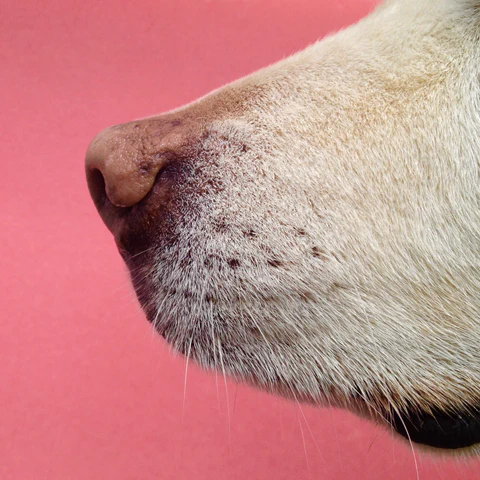
            Dog whiskers, scientifically known as vibrissae, are specialized sensory hairs that play a crucial role in a dog’s perception and navigation. These thicker, more rigid hairs are deeply embedded in the skin and contain a high concentration of touch-sensitive neurons at their base.

            Location and Appearance

            Dog whiskers are strategically located around the face in three main groups:

            1. Mystacial whiskers: Found on both sides of the muzzle
            2. Superciliary whiskers: Located above the eyes
            3. Genal whiskers: Positioned further back on the cheeks

            These whiskers are longer and coarser than regular dog hair, with roots that extend deeper into the skin. While cats typically have a neat arrangement of 12 whiskers in four rows on each side of their face, dog whiskers tend to have a more irregular and unpredictable placement. Some dogs, like the curly-haired Bedlington Terrier, may even have curly whiskers to match their coat.

            Do All Dogs Have Whiskers?

            Yes, all dogs are born with whiskers. These specialized hairs are a universal feature across canine breeds, regardless of their size, coat type, or overall appearance. But, the number and exact placement of whiskers can vary between individual dogs and breeds.

            Dogs typically have up to 20 whiskers on each side of their upper lips. The presence of whiskers is consistent across all dog breeds because they serve essential functions:

            1. Sensory perception: Whiskers help dogs detect changes in their environment
            2. Navigation: They assist in gauging the width of openings and spaces
            3. Communication: Whiskers can convey emotions and social cues
            4. Protection: They trigger reflexes to protect sensitive areas like the eyes

            While all dogs have whiskers, it’s important to note that some breeds may have more prominent or visible whiskers than others. Also, certain grooming practices or health conditions might affect the appearance or functionality of a dog’s whiskers, but the underlying structures are always present.

            The Purpose of Dog Whiskers

            Dog whiskers, scientifically known as vibrissae, serve multiple crucial functions that enhance a canine’s ability to navigate and interact with its environment. These specialized hairs are more than just facial decorations; they’re sophisticated sensory tools that play a vital role in a dog’s daily life.

            Sensing the Environment

            Dog whiskers act as highly sensitive tactile organs, allowing canines to perceive their surroundings with remarkable precision. These specialized hairs are deeply embedded in the skin and connected to a dense network of nerves, making them incredibly responsive to even the slightest changes in air currents and pressure. This sensitivity enables dogs to detect nearby objects without direct physical contact, providing them with a constant stream of environmental information. In low-light conditions or dense vegetation, whiskers become particularly valuable, helping dogs avoid potential hazards and navigate safely through their surroundings.

            Improving Depth Perception

            Whiskers play a crucial role in improving a dog’s depth perception and spatial awareness. The strategically placed vibrissae, especially those above the eyes, help dogs gauge the proximity of objects to their face. This enhanced perception is particularly useful when a dog’s nose obstructs its view of items directly in front of it. By sensing air currents and slight touches, whiskers provide dogs with additional spatial information, complementing their visual system. This combination of visual and tactile input allows dogs to more accurately judge distances and avoid collisions, particularly in tight spaces or when moving at high speeds.

            Assisting in Navigation

            Dog whiskers are invaluable tools for navigation, especially in challenging environments. As dogs move through narrow spaces or dark areas, their whiskers provide constant feedback about the surrounding terrain. This information helps them avoid obstacles and find safe paths forward. The whiskers’ ability to detect subtle changes in air currents also aids in locating small prey or objects. During activities like hunting or searching, dogs use their whiskers to gather detailed information about their immediate environment, improving their overall navigation capabilities. This sensory input is particularly crucial for breeds with limited vision or in situations where visual cues are restricted.

            Dog Whiskers

            How Dogs Use Their Whiskers?

            Dogs use their whiskers for various crucial functions, improving their sensory perception and interaction with their environment. These specialized hairs play a vital role in a dog’s daily life, from improving hunting abilities to expressing emotions and even aiding in swimming.

            Improving Hunting Abilities

            Whiskers significantly enhance a dog’s hunting prowess. Their extraordinary sensitivity allows dogs to detect minuscule vibrations and subtle air movements triggered by potential prey. By interpreting these changes, dogs can anticipate movements and detect the presence of nearby creatures. This gives them an edge in tracking scents and locating small prey or objects, especially in low-light conditions or dense vegetation. The whiskers’ ability to sense air currents helps dogs navigate and locate targets with precision, making them more effective hunters.

            Expressing Emotions and Body Language

            Dogs’ whiskers play a crucial role in social interactions and communication. Located on their faces, muzzles, chins, and eyebrows, these tactile hairs serve as touch receptors during social encounters. When dogs engage in friendly nose touches or gentle chin rests, their whiskers create tactile connections that strengthen bonds and help communication. The subtle movements of whiskers can convey a dog’s emotional state, alertness, or intentions to other dogs or humans. By observing whisker positions and movements, we can gain insights into a dog’s mood and social cues.

            Aiding in Swimming

            Whiskers prove invaluable when dogs are in water. These sensitive hairs help dogs detect changes in water currents and pressure, allowing them to navigate more effectively while swimming. The whiskers’ ability to sense subtle shifts in the surrounding water helps dogs maintain their orientation and avoid obstacles. This enhanced sensory input is particularly crucial for breeds that frequently engage in water activities or rescue operations. By providing additional spatial awareness in aquatic environments, whiskers contribute to a dog’s confidence and safety during swimming or water-based activities.

            Whiskers and Puppy Development

            Dog whiskers play a crucial role in puppy development, starting from birth. These specialized sensory hairs, known as vibrissae, are among the first to develop on newborn puppies and serve essential functions throughout their early life stages.

            Feeding Assistance

            Whiskers are instrumental in helping puppies locate their mother’s nipples for feeding. The mystacial whiskers along the muzzle are particularly important for this purpose. As newborns, puppies have their eyes closed for the first 10-14 days of life, making whiskers their primary means of navigation. The tactile receptor cells in whisker follicles allow puppies to detect and locate their mother’s nipples even in complete darkness. This sensory information is crucial for their survival, ensuring they receive proper nourishment during their critical early development stage.

            Early Environmental Exploration

            Whiskers serve as an essential tool for puppies as they begin to explore their surroundings. These sensory hairs provide vital information about the environment before a puppy’s vision fully develops. The tactile feedback from whiskers helps puppies:

            1. Navigate obstacles
            2. Gauge distances
            3. Detect changes in air currents

            This early sensory input is critical for developing spatial awareness and motor skills. As puppies grow, their whiskers continue to aid in environmental exploration, allowing them to:

            • Assess narrow spaces
            • Locate food and water bowls
            • Interact safely with littermates and other animals

            Whiskers enhance a puppy’s ability to adapt to its surroundings, contributing significantly to its overall development and survival skills.

            Caring for Dog Whiskers

            Proper care of dog whiskers is essential for maintaining their sensory functions and overall well-being. We’ll explore the dos and don’ts of whisker care and provide guidance on grooming techniques that respect these important sensory organs.

            Should You Trim Dog Whiskers?

            Trimming dog whiskers is not recommended. These specialized hairs play a crucial role in a dog’s sensory perception and spatial awareness. Cutting whiskers can disorient dogs, affecting their ability to navigate their environment confidently. In some European countries, trimming whiskers is even banned due to animal welfare concerns. If whiskers are accidentally cut, they’ll grow back, but it may take several weeks to reach their full length. During this regrowth period, dogs may experience diminished sensory abilities. It’s important to note that whiskers naturally shed and regrow as part of a dog’s hair growth cycle. If you notice broken or brittle whiskers, it could indicate underlying health issues such as poor nutrition, stress, or skin infections.

            Dog Whiskers

            Proper Grooming Techniques

            When grooming your dog, it’s crucial to be mindful of their whiskers. Here are some tips for proper grooming techniques that respect your dog’s sensory organs:

            1. Be gentle around the face: Use a soft brush or your fingers to gently detangle fur around the muzzle, eyes, and cheeks where whiskers are located.
            2. Avoid trimming near whiskers: When trimming facial fur, be extra cautious to avoid cutting whiskers. Use small scissors or clippers with a guard to maintain a safe distance from whisker bases.
            3. Never pluck whiskers: Plucking can be extremely painful for dogs and may cause bleeding. Allow whiskers to shed naturally.
            4. Clean with care: When bathing your dog, use a damp cloth to clean around the face and whiskers gently. Avoid getting soap or water directly on the whiskers.
            5. Regular health checks: Inspect your dog’s whiskers during grooming sessions. Look for any signs of damage, breakage, or irritation around the follicles.
            6. Consult a professional: If you’re unsure about grooming around whiskers, consider taking your dog to a professional groomer who understands the importance of these sensory hairs.

            By following these guidelines, we can ensure that our dogs’ whiskers remain healthy and functional, allowing them to interact with their environment effectively and maintain their natural sensory abilities.

            Conclusion

            Dog whiskers are remarkable sensory tools that play a crucial role in canine life. From aiding in navigation and spatial awareness to improving communication and hunting abilities these specialized hairs are far more than just facial adornments. We’ve explored their importance in puppy development and their continued significance throughout a dog’s life. By understanding and respecting the vital functions of whiskers we can better care for our furry companions ensuring they maintain their natural sensory abilities. Let’s appreciate these tiny yet powerful features that contribute so much to our dogs’ well-being and interaction with the industry around them.

          4. Treeing Walker Coonhound: The Ultimate Hunting Dog and Family Companion

            Treeing Walker Coonhound: The Ultimate Hunting Dog and Family Companion

            Have you ever wondered about the origins of one of America’s most distinctive hunting breeds? The Treeing Walker Coonhound, a high-energy and intelligent dog, has been captivating hunters and dog lovers alike for centuries.

            Descended from the English and American Foxhounds, this unique breed originated in the United States during the 19th century. We’ll explore how a stolen dog named Tennessee Lead played a crucial role in the breed’s development, leading to its official recognition by the United Kennel Club in 1945 and the American Kennel Club in 2012. Join us as we investigate into the intriguing area of the Treeing Walker Coonhound, uncovering its rich history, distinctive traits, and enduring popularity among hunting enthusiasts.

            Overview of the Treeing Walker Coonhound

            The Treeing Walker Coonhound is a medium to large-sized breed known for its exceptional hunting abilities and friendly temperament. These intelligent and confident dogs are primarily bred for hunting raccoons but are also used for other game.

            Origin and History

            The Treeing Walker Coonhound originated in the United States, specifically in the Virginia region, during the mid-1700s. This breed descended from English and American Foxhounds, with a important contribution from a stolen dog known as Tennessee Lead in the 19th century. The breed’s development focused on improving its treeing and tracking abilities, making it an excellent choice for raccoon hunting. The United Kennel Club officially recognized the Treeing Walker Coonhound in 1945, followed by the American Kennel Club in 2012, solidifying its status as a distinct breed.

            Physical Characteristics

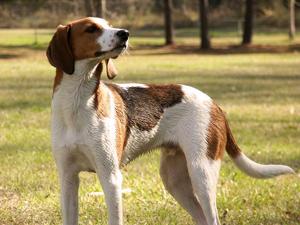
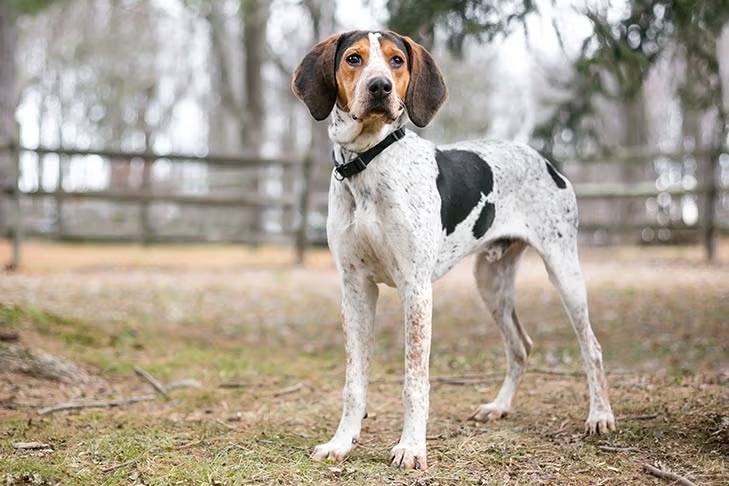
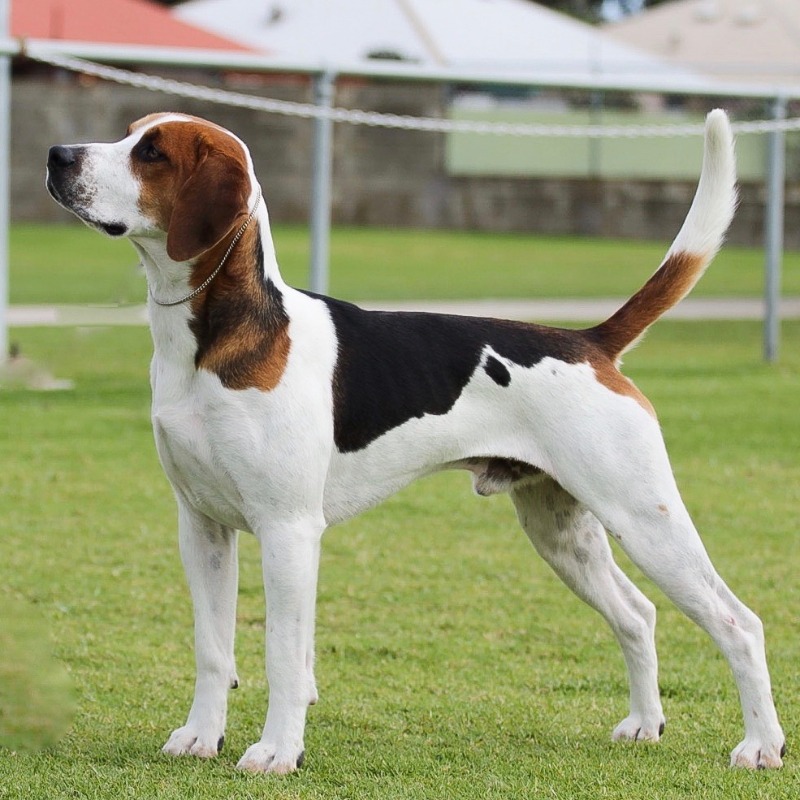
            Treeing Walker Coonhounds possess a muscular, well-proportioned body with a distinctive tricolor coat. Males typically stand 22-27 inches tall at the shoulder, while females measure 20-25 inches. Their weight ranges from 50-70 pounds, with males generally being larger than females. The breed’s coat is short, dense, and glossy, featuring a black saddle pattern, white legs, and a tan muzzle and eyebrows. They have long, drooping ears and a strong, slightly domed skull. Their eyes are large and dark brown, giving them an alert and intelligent expression. The breed’s tail is set high and carried upright when alert, adding to their distinctive appearance.

            Temperament and Personality Traits

            Treeing Walker Coonhounds possess a unique blend of friendliness, courage, and intelligence. These traits make them excellent hunting companions and loving family pets. Let’s explore their temperament and personality in more detail.

            Energy Level and Exercise Needs

            Treeing Walker Coonhounds are high-energy dogs with a strong prey drive. They require important daily exercise to maintain their physical and mental well-being. A typical exercise routine for these dogs includes:

            • Long walks or jogs (45-60 minutes)
            • Off-leash playtime in a securely fenced area
            • Scent work or tracking activities
            • Swimming (if they enjoy water)
            • Agility training or obstacle courses

            Without adequate exercise, Treeing Walker Coonhounds may become restless, vocal, or destructive. Their hunting instincts drive them to explore and track scents, so providing mental stimulation through puzzle toys or scent games is crucial. Regular exercise helps channel their energy positively, promoting a calmer demeanor at home.

            Compatibility with Children and Other Pets

            Treeing Walker Coonhounds generally exhibit good compatibility with children and other pets when properly socialized. Their friendly and even-tempered nature makes them excellent family dogs. Key points to consider:

            • Patient and gentle with children
            • Thrive in active households
            • May be too energetic for very young children
            • Generally get along well with other dogs
            • High prey drive may cause issues with smaller pets

            Early socialization and training are essential to ensure positive interactions. Supervise playtime between Treeing Walker Coonhounds and young children to prevent accidental injury due to the dog’s size and energy level. While they typically coexist well with other dogs, their strong hunting instincts may lead them to chase smaller animals. Proper introduction and consistent training can help mitigate potential issues with other pets in the household.

            Care and Maintenance

            Proper care and maintenance are essential for keeping Treeing Walker Coonhounds healthy and happy. These energetic dogs require exact attention to their grooming, nutrition, and overall health needs.

            Grooming Requirements

            Treeing Walker Coonhounds have short, smooth coats that are relatively easy to maintain. Weekly brushing with a soft-bristled brush or hound glove removes loose hair and distributes natural oils. Bathe these dogs every 4-6 weeks or as needed, using a dog-exact shampoo. Trim their nails regularly, ideally every 2-3 weeks, to prevent overgrowth and discomfort. Clean their ears weekly with a veterinarian-approved solution to prevent infections, as their long, droopy ears are prone to trapping moisture and debris. Brush their teeth 2-3 times a week to maintain good oral hygiene and prevent dental issues.

            Nutrition and Feeding Guidelines

            Treeing Walker Coonhounds require a balanced diet to support their high energy levels and maintain optimal health. Feed them high-quality dog food appropriate for their age, size, and activity level. Adult Treeing Walker Coonhounds typically need 2-3 cups of dry food per day, divided into two meals. Adjust portions based on their individual metabolism and exercise routine. Avoid overfeeding, as these dogs can become overweight if their caloric intake exceeds their energy expenditure. Provide fresh, clean water at all times. Consult with a veterinarian to determine the best diet plan for your Treeing Walker Coonhound, considering factors such as age, weight, and any exact health concerns.

            Health Concerns

            While generally healthy, Treeing Walker Coonhounds are prone to certain health issues. Hip dysplasia, a genetic condition affecting the hip joint, can occur in this breed. Regular exercise and maintaining a healthy weight help minimize the risk. Ear infections are common due to their long, floppy ears; regular cleaning and drying after swimming or bathing can prevent these issues.

            Bloat, a life-threatening condition where the stomach fills with gas and twists, is a concern in deep-chested breeds like Treeing Walker Coonhounds. Feed smaller, more frequent meals and avoid vigorous exercise immediately after eating to reduce the risk. Eye problems, including progressive retinal atrophy and cataracts, can affect the breed. Regular veterinary check-ups, including eye examinations, are crucial for early detection and management of these health concerns.

            Treeing Walker Coonhound

            Training and Activities

            Treeing Walker Coonhounds require comprehensive training and captivating activities to thrive. Their high energy and intelligence demand a structured approach to exercise and mental stimulation.

            Hunting and Treeing Abilities

            Treeing Walker Coonhounds excel in hunting and treeing various game. Their exceptional trailing instincts and endurance make them ideal for tracking bear, mountain lion, and bobcats. These hounds are equally proficient at hunting smaller prey like raccoons and squirrels. Their clear, ringing bugle or steady chop voice changes noticeably when treeing game, alerting hunters to their location. Treeing Walkers perform efficiently in packs or as individuals, with some excelling at catching smaller prey. Their speed and tracking abilities make them valuable in deer hunting where legal. The breed’s versatility across different terrains showcases their adaptability and strong hunting instincts.

            Training Techniques

            Training Treeing Walker Coonhounds requires consistency, patience, and positive reinforcement. Start socialization early to ensure they interact well with other animals and people. Use reward-based methods to encourage desired behaviors and maintain their confidence. Focus on obedience training to channel their energy and intelligence productively. Carry out scent work exercises to hone their natural tracking abilities. Use “find it” games and puzzle toys to provide mental stimulation and prevent boredom. Incorporate recall training to ensure they return when called, especially during off-leash activities. Address their high prey drive through impulse control exercises. Use agility training to challenge them physically and mentally. Consistency in commands and expectations is crucial for effective training outcomes.

            Treeing Walker Coonhound

            The Treeing Walker Coonhound as a Family Pet

            Treeing Walker Coonhounds make excellent family pets for those who can meet their unique needs. These intelligent and affectionate dogs thrive in active households that can provide ample exercise and mental stimulation.

            Living Space Considerations

            Treeing Walker Coonhounds require spacious living environments to accommodate their high energy levels. A large, securely fenced yard is ideal for these dogs to run and play. They’re not well-suited for apartment living due to their size and exercise needs. Treeing Walker Coonhounds need at least a mile of exercise daily, including long walks, runs, or hikes. Without adequate space and activity, they may become restless and exhibit destructive behaviors. Families considering this breed should ensure they have sufficient outdoor space or access to parks and hiking trails to meet the dog’s exercise requirements.

            Socialization Needs

            Early and consistent socialization is crucial for Treeing Walker Coonhounds to develop into well-adjusted family pets. These dogs are generally good with children and other dogs when properly introduced and socialized from a young age. Expose Treeing Walker Coonhounds to various people, animals, and environments during their formative months to foster confidence and adaptability. Their strong prey drive may pose challenges with smaller pets, so supervised interactions are essential. Regular positive experiences with different stimuli help these hounds become more versatile and comfortable in various situations. Participating in obedience classes or group training sessions can further enhance their social skills and reinforce good behavior around other dogs and people.

            Conclusion

            The Treeing Walker Coonhound stands out as a remarkable breed with a rich history and unique traits. These dogs excel in hunting and make loving family pets when given proper care and attention.

            Their high energy levels and intelligence require dedicated owners who can provide ample exercise and mental stimulation. With the right training and environment these hounds can thrive as both working dogs and companions.

            For those seeking an active loyal and versatile canine partner the Treeing Walker Coonhound offers a perfect blend of skill and affection. It’s no wonder they’ve captured the hearts of hunters and families alike.

          5. Top Hands-Free Dog Leashes for Stress-Free Walks in 2025

            Top Hands-Free Dog Leashes for Stress-Free Walks in 2025

            Ever wished you had an extra pair of hands during your daily dog walks? That’s where hands-free dog leashes come in, revolutionizing the way we exercise and bond with our furry friends. These innovative leashes offer a convenient solution for multitasking dog owners, whether you’re jogging, hiking, or simply strolling through the park.

            We’ve explored the industry of hands-free dog leashes to bring you the best options for your active lifestyle. From adjustable designs that fit comfortably around your waist or shoulder to versatile models that can convert to traditional leashes, we’ll cover everything you need to know. Get ready to discover how these leashes can streamline your walks, enhance your outdoor adventures, and make everyday outings with your canine companion more enjoyable and hassle-free.

            What Is a Hands-Free Dog Leashes?

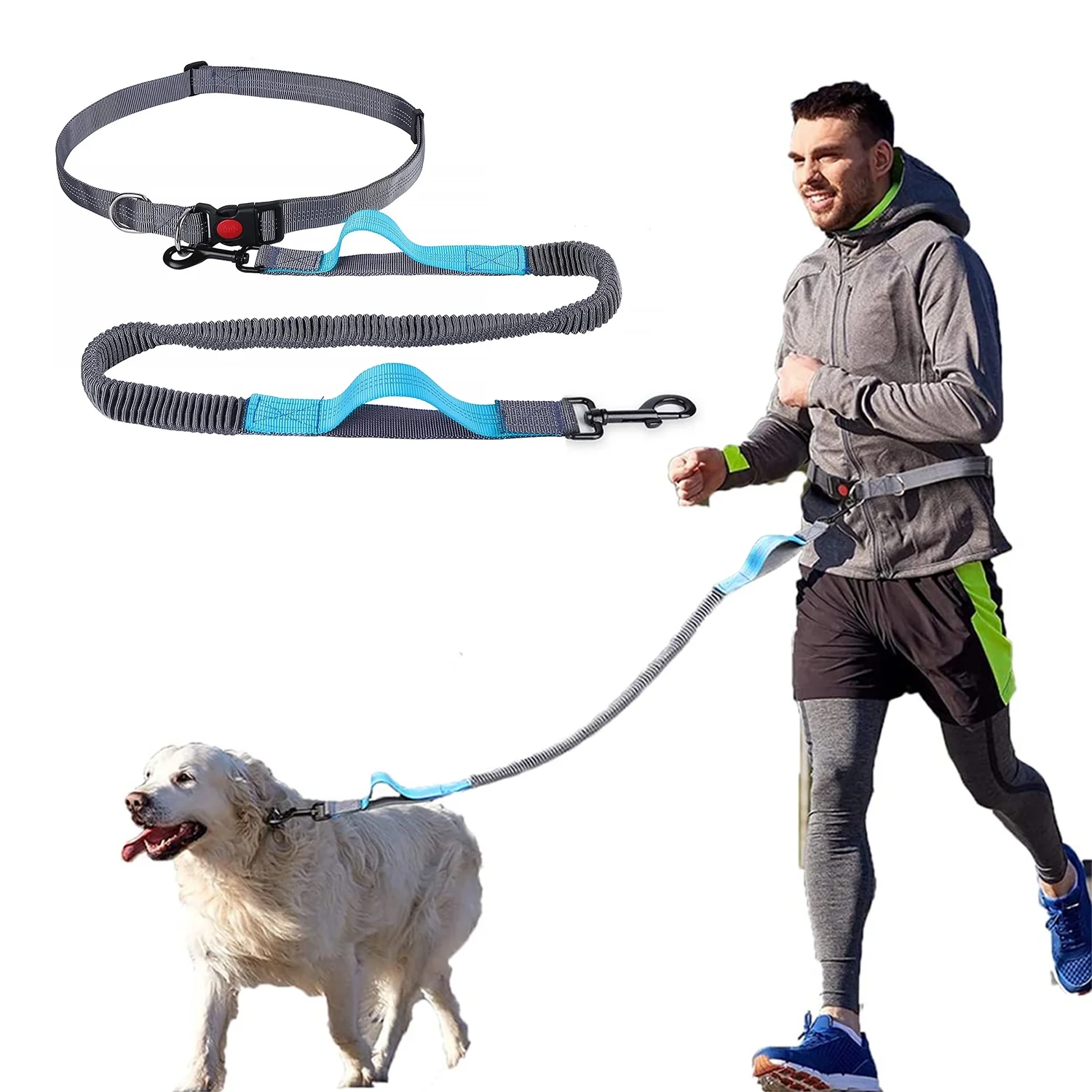
            A hands-free dog leash is an innovative walking accessory designed to provide dog owners with a convenient, multitasking-friendly alternative to traditional handheld leashes. These leashes typically feature a waist belt or harness worn by the owner, with an attached leash that connects to the dog’s collar or harness.

            Hands-free leashes come in various styles and designs, but they all share the common goal of allowing owners to walk their dogs without occupying their hands. Some key features include:

            1. Waist belt
            2. Adjustable length leash
            3. Bungee cord or shock-absorbing system
            4. Quick-release mechanisms
            5. Reflective materials for visibility

            The harness is usually adjustable to fit different body sizes comfortably. The leash portion often includes a bungee cord or shock-absorbing system to reduce the impact of sudden pulls or jerks from the dog. Many hands-free leashes also incorporate quick-release mechanisms for safety and convenience.

            We’ve found that hands-free dog leashes offer several advantages over traditional leashes:

            • Improved posture and reduced strain on arms and shoulders
            • Enhanced freedom of movement for activities like jogging or hiking
            • Ability to multitask (e.g., carrying groceries, pushing a stroller)
            • Better control and communication with the dog
            • Increased safety during walks, especially in low-light conditions

            These leashes are particularly useful for active dog owners who enjoy outdoor activities with their pets. They’re also beneficial for people with mobility issues or those who need their hands free for other tasks while walking their dogs.

            It’s important to note that while hands-free leashes offer many benefits, they may not be suitable for all dogs or situations. Proper training and acclimation are essential for both the dog and the owner to ensure safe and enjoyable walks.

            Benefits of Using a Hands-Free Leash

            Hands-free leashes offer many advantages for dog owners. They provide greater freedom and control during walks, runs, and outdoor activities. Let’s explore the key benefits of using a hands-free dog leash.

            Improved Control and Safety

            Hands-free leashes enhance control and safety for both the owner and the dog. They distribute the dog’s pulling force evenly across the owner’s waist or chest, improving stability and reducing the risk of being pulled off balance. This is particularly beneficial for owners with strong or large dogs.

            The two-point attachment system, connecting to both the owner’s waist or chest and the dog’s collar, increases control and minimizes the chance of the dog slipping out of the leash. Many hands-free leashes also feature bungee sections, providing shock absorption if the dog suddenly reaches the end of the lead.

            By allowing for better control, hands-free leashes help prevent accidents and injuries that can occur when a dog unexpectedly lunges or pulls. This improved safety aspect makes them an excellent choice for various outdoor activities, including jogging, hiking, or handling busy urban environments.

            Enhanced Comfort for Dog Owners

            Hands-free leashes significantly improve comfort for dog owners during walks and outdoor activities. By freeing up the hands, these leashes reduce strain on the arms, shoulders, and back that often results from holding a traditional leash, especially with larger or more energetic dogs.

            The design of hands-free leashes promotes better posture by encouraging owners to stand upright and walk naturally. This can help prevent the development of muscle imbalances and reduce the risk of repetitive strain injuries associated with prolonged leash holding.

            Also, hands-free leashes allow for greater freedom of movement, making activities like jogging or hiking more enjoyable and less cumbersome. The ability to move arms freely enhances balance and coordination, particularly important when handling uneven terrain or captivating in more strenuous activities with your dog.

            Key Features to Look for in a Hands-Free Leash

            When selecting a hands-free dog leash, it’s crucial to consider several key features that enhance both functionality and comfort. We’ve identified the most important aspects to keep in mind when choosing the perfect hands-free leash for you and your furry companion.

            Material and Durability

            Hands-free leashes must be constructed from high-quality, durable materials to withstand the rigors of daily use. Look for leashes made with strong, soft, and supple webbing that can resist the pulling force of your dog. Sturdy plastic or metal fittings are essential for longevity and safety. The materials should be comfortable against your skin, especially if worn around the waist or chest. Water-resistant or waterproof fabrics are ideal for all-weather use, ensuring the leash remains functional in various conditions. Reinforced stitching at stress points adds extra durability, prolonging the life of the leash and improving safety during walks or runs.

            Adjustability and Fit

            A well-designed hands-free leash offers extensive adjustability to accommodate different body types and sizes. Look for models with adjustable straps or belts that can be worn comfortably around the waist or chest, ensuring a secure fit for the owner. The leash itself should have adjustable length options, allowing you to control your dog’s proximity as needed. This feature is particularly useful in various environments, such as shortening the leash in crowded areas or lengthening it for more freedom during hikes. Some hands-free leashes come with multiple attachment points, offering versatility in how you connect with your dog and providing options for different walking styles or training needs.

            Storage Options

            Efficient storage options are a valuable feature in hands-free leashes, improving convenience during walks or outdoor activities. Look for leashes with built-in pockets or pouches to carry essentials like treats, waste bags, or keys. Some models incorporate detachable storage compartments, allowing you to customize your setup based on your needs. Consider leashes with integrated loops or clips for attaching additional accessories, such as water bottles or collapsible bowls. Reflective elements on storage components improve visibility during low-light conditions, adding an extra layer of safety. Opt for weather-resistant storage options to protect your belongings from moisture or unexpected weather changes, ensuring a worry-free outdoor experience with your canine companion.

            Hands-Free Dog Leashes

            Types of Hands-Free Dog Leashes

            Hands-free dog leashes come in various designs to suit different needs and preferences. We’ll explore two main types: waist-worn leashes and shoulder-worn leashes, each offering unique benefits for dog owners.

            Waist-Worn Leashes

            Waist-worn leashes are the most common type of hands-free dog leashes. These leashes feature an adjustable belt or strap that secures around the owner’s waist or hips. The design evenly distributes the dog’s pulling force across the body, improving stability and reducing the risk of being pulled off balance.

            Key features of waist-worn leashes include:

            • Adjustable waist belts to fit various body sizes
            • Quick-release buckles for easy attachment and removal
            • Bungee sections to absorb shock from sudden movements
            • Reflective elements for improved visibility during low-light conditions

            Waist-worn leashes are ideal for activities such as jogging, hiking, and walking, as they allow for greater freedom of movement. They also help better communication with the dog through voice commands, body language, and hand signals, as the owner’s hands remain free.

            Shoulder-Worn Leashes

            Shoulder-worn leashes offer an alternative to waist-worn designs, providing a different distribution of force and range of motion. These leashes typically feature a strap that crosses the body diagonally, resting on one shoulder and extending to the opposite hip.

            Key characteristics of shoulder-worn leashes include:

            • Adjustable straps to accommodate various body types and sizes
            • Padded shoulder sections for enhanced comfort during extended use
            • Swivel attachments to prevent tangling and allow for natural dog movement
            • Multiple attachment points for versatility in leash positioning

            Shoulder-worn leashes are particularly useful for activities that require upper body mobility, such as trail running or cycling. They also provide a comfortable option for those who prefer not to have a leash around their waist. The diagonal design helps maintain control while allowing for a more natural arm swing during movement.

            Choosing the Right Hands-Free Leash for Your Dog

            Selecting the perfect hands-free leash for your dog requires careful consideration of various factors. We’ll explore key aspects to help you make an well-informed choice that suits both you and your furry companion.

            Considerations for Large or Strong Dogs

            When choosing a hands-free leash for large or strong dogs, safety and control are paramount. Look for leashes with robust construction and reinforced attachment points to withstand powerful pulling. Opt for models with shock-absorbing bungee sections to reduce strain on both you and your dog during sudden movements. A wider waist belt distributes force more evenly, improving stability and comfort during walks or runs. Consider leashes with multiple handles for quick control in high-traffic areas or emergency situations. Adjustable length options allow you to keep your dog closer in crowded spaces or give them more freedom in open areas. Reflective materials are crucial for visibility during low-light conditions, ensuring safety for both you and your large canine companion.

            Options for Multiple Dogs

            For those with multiple dogs, specialized hands-free leashes offer convenient answers. Dual-dog leashes feature a single waist attachment that splits into two separate leads, allowing you to walk two dogs simultaneously. Look for designs with swivel attachments to prevent tangling and individual shock-absorbing sections for each dog. Some models offer adjustable lead lengths, enabling you to accommodate dogs of different sizes or walking speeds. Consider leashes with color-coded leads for easy identification. For added control, choose options with separate traffic handles for each dog. Reflective stitching on both leads enhances visibility during evening walks. When selecting a multi-dog hands-free leash, ensure the combined weight limit of the leash exceeds the total weight of your dogs for optimal safety and durability.

            Safety Tips When Using a Hands-Free Leash

            Proper Fit and Adjustment

            A hands-free leash’s effectiveness depends on its fit. The adjustable strap or belt should be snug but comfortable, allowing free movement without causing discomfort. We recommend checking the fit regularly, especially before longer walks or runs, to ensure optimal safety and comfort for both you and your dog.

            Dog Training and Behavior

            Hands-free leashes work best with leash-trained dogs that don’t pull excessively. If your dog tends to lunge, chase distractions, or pull strongly, a hands-free leash may not be suitable. These behaviors can impact your balance and potentially cause injury. We suggest addressing these issues through proper training before transitioning to a hands-free leash.

            Physical Capability

            Consider your physical strength and balance when using a hands-free leash. If your dog outweighs you or is strong enough to pull you over, this type of leash may pose safety risks. We advise assessing your ability to control your dog effectively before opting for a hands-free leash.

            Awareness of Surroundings

            When using a hands-free leash, maintaining awareness of your environment is crucial. Be mindful of potential hazards such as uneven terrain, obstacles, or other animals. We recommend staying alert and prepared to react quickly to unexpected situations.

            Hands-Free Dog Leashes

            Quick-Release Mechanism

            Choose a hands-free leash with a quick-release mechanism. This feature allows you to detach from your dog swiftly in emergency situations. We emphasize the importance of familiarizing yourself with the release mechanism before using the leash in public.

            Gradual Introduction

            Introduce the hands-free leash gradually to both you and your dog. Start with short, controlled walks in familiar environments before progressing to more challenging settings or activities. This approach helps ensure a smooth transition and reduces the risk of accidents.

            Reflective Materials

            For enhanced visibility during low-light conditions, opt for a hands-free leash with reflective elements. This feature improves safety for both you and your dog during early morning or evening walks. We suggest choosing leashes with prominent reflective stitching or strips for maximum visibility.

            Regular Inspection

            Regularly inspect your hands-free leash for signs of wear and tear. Check the stitching, clasps, and attachment points for any damage. We recommend replacing the leash if you notice any important wear to maintain optimal safety during use.

            By following these safety tips, you’ll maximize the benefits of your hands-free leash while minimizing potential risks. Remember, the key to a safe and enjoyable experience lies in proper training, awareness, and equipment maintenance.

            Proper Care and Maintenance

            Maintaining your hands-free dog leash ensures its longevity, safety, and comfort for both you and your furry companion. We’ll explore essential aspects of care and maintenance to keep your leash in top condition.

            Materials and Durability

            The durability of hands-free dog leashes depends on their materials. We recommend regularly inspecting the fabric and hardware for signs of wear. High-quality leashes typically feature:

            • Strong, soft webbing for the main body
            • Sturdy plastic or metal fittings for attachments

            To maximize the lifespan of your hands-free leash:

            1. Check for fraying or thinning in the fabric
            2. Examine buckles and clasps for cracks or damage
            3. Test the strength of stitching at connection points

            Cleaning

            Regular cleaning preserves the hygiene and integrity of your hands-free dog leash. Follow these steps:

            1. Use mild soap and water for routine cleaning
            2. Gently scrub areas with dirt or debris
            3. Rinse thoroughly to remove all soap residue
            4. Air dry completely before use
            Cleaning FrequencyActivity Level
            WeeklyHigh (daily use, outdoor activities)
            Bi-weeklyModerate (regular walks)
            MonthlyLight (occasional use)

            Always consult the manufacturer’s instructions for exact cleaning recommendations to avoid damaging the materials.

            Adjustments and Fit

            Proper fit is crucial for the effectiveness and comfort of hands-free dog leashes. We suggest:

            1. Adjusting the waist belt or strap for a snug, comfortable fit
            2. Ensuring even distribution of your dog’s pulling force
            3. Checking the fit before each use, especially after washing

            A well-fitted hands-free leash:

            • Enhances stability during walks or runs
            • Improves communication between you and your dog
            • Reduces the risk of chafing or discomfort

            By following these care and maintenance tips, you’ll extend the life of your hands-free dog leash and ensure a safe, enjoyable experience for both you and your canine companion.

            Conclusion

            Hands-free dog leashes offer a game-changing solution for dog owners seeking convenience comfort and safety during outdoor activities. We’ve explored their benefits types and key features to help you make an informed choice. By selecting the right hands-free leash for your needs and following proper safety and maintenance guidelines you’ll transform your dog-walking experience. Embrace this innovative accessory and enjoy newfound freedom and connection with your furry companion on your next adventure.

          6. Reverse Sneezing in Dogs: Causes, Symptoms, and Solutions

            Reverse Sneezing in Dogs: Causes, Symptoms, and Solutions

            Have you ever heard your dog make a strange honking sound, almost as if they’re trying to inhale a sneeze? This peculiar phenomenon is called reverse sneezing, and it’s more common than you might think. While it can be alarming for pet owners, reverse sneezing is generally harmless and doesn’t require immediate medical attention.

            We’ll explore the causes, symptoms, and management of reverse sneezing in dogs. From environmental irritants to overexcitement, we’ll uncover the various triggers that can lead to these episodes. Understanding this condition can help you remain calm and provide comfort to your furry friend when it occurs. By the end of this article, you’ll be well-equipped to recognize reverse sneezing and know when it’s time to consult your veterinarian.

            What Is Reverse Sneezing in Dogs?

            Reverse sneezing, also known as paroxysmal respiration, is a common respiratory event in dogs. It’s characterized by rapid, repeated inhalations through the nose, often accompanied by snorting or gagging sounds.

            Symptoms and Identification

            During a reverse sneezing episode, dogs typically:

            • Stand still with extended head and neck
            • Make loud snorting or gagging noises
            • Inhale rapidly and forcefully through the nose
            • Flare nostrils and pull back lips
            • Close their mouth

            These episodes usually last from a few seconds to a minute. After the episode, dogs generally return to normal behavior. It’s important to note that reverse sneezing differs from regular sneezing, where air is pushed out instead of pulled in.

            Affected Breeds

            While reverse sneezing can occur in any dog breed, some are more prone to this condition:

            • Brachycephalic breeds (flat-faced dogs):
            • Pugs
            • Bulldogs
            • Boston Terriers
            • Shih Tzus
            • Small and toy breeds:
            • Yorkies
            • Chihuahuas
            • Pomeranians
            • Breeds with elongated soft palates:
            • Beagles
            • Labrador Retrievers

            But, it’s crucial to remember that any dog, regardless of breed or size, can experience reverse sneezing. Factors such as allergies, environmental irritants, and individual sensitivities play a important role in determining a dog’s likelihood of experiencing reverse sneezing episodes.

            Causes of Reverse Sneezing

            Reverse sneezing in dogs, also known as paroxysmal respiration, occurs due to various factors that irritate the soft palate and throat. This irritation leads to a spasm, causing the characteristic rapid inhalations and honking sound. Let’s explore the common triggers and underlying health conditions associated with reverse sneezing.

            Common Triggers

            Reverse sneezing episodes in dogs can be triggered by several environmental and behavioral factors:

            • Irritants: Dust, pollen, smoke, and strong odors from air fresheners or perfumes
            • Foreign particles: Seeds, grass, or other small objects in the upper respiratory tract
            • Excitement: Overexcitement or sudden bursts of energy
            • Eating and drinking: Consuming food or water too quickly
            • Leash pulling: Pressure on the throat from pulling against a collar or leash
            • Exercise intolerance: Overexertion during physical activity
            • Temperature changes: Sudden shifts in environmental temperature
            • Allergies: Seasonal or environmental allergies causing nasal irritation
            • Mites: Nasal mites causing irritation in the nasal passages

            These triggers can cause temporary irritation in the throat and nasal passages, leading to reverse sneezing episodes.

            Reverse Sneezing in Dogs

            Underlying Health Conditions

            While reverse sneezing is generally harmless, it can sometimes be associated with or indicate underlying health issues:

            • Respiratory infections: Viral or bacterial infections affecting the upper respiratory tract
            • Nasal polyps: Small, noncancerous growths in the nasal passages
            • Elongated soft palate: Common in brachycephalic breeds, potentially obstructing airflow
            • Tracheal collapse: Weakening of the tracheal cartilage, more common in small breeds
            • Allergic rhinitis: Chronic inflammation of the nasal passages due to allergies
            • Sinusitis: Inflammation or infection of the sinuses
            • Dental problems: Tooth infections or abscesses affecting the nasal passages
            • Nasopharyngeal tumors: Rare growths in the nasopharynx region
            • Chronic postnasal drip: Excess mucus production irritating the throat

            It’s important to note that frequent or severe reverse sneezing episodes may warrant a veterinary examination to rule out these underlying conditions and ensure the dog’s overall health.

            Is Reverse Sneezing Harmful?

            Reverse sneezing in dogs is generally not harmful. It’s a common respiratory event that rarely has long-term adverse effects on a dog’s health.

            Short-Term Effects

            Reverse sneezing episodes typically cause minimal and temporary discomfort for dogs:

            • Rapid, forceful inhalations through the nose
            • Snorting or gagging sounds
            • Standing still with extended head and neck
            • Flared nostrils and closed mouth
            • Episodes lasting from a few seconds to a minute

            During an episode, dogs may appear distressed due to the sudden, loud sounds. But, this is usually more alarming for owners than harmful to the dogs. Once the episode ends, dogs typically return to normal behavior immediately, showing no ill effects.

            Long-Term Concerns

            While reverse sneezing is generally benign, there are some long-term considerations:

            • Frequency: Occasional episodes are normal, but frequent occurrences may indicate underlying issues
            • Underlying conditions: In rare cases, persistent reverse sneezing could be linked to respiratory infections, allergies, or nasal irritants
            • Breed predisposition: Brachycephalic breeds may experience more frequent episodes due to their facial structure
            • Age: Older dogs might be more prone to reverse sneezing due to weakened respiratory systems

            It’s important to monitor the frequency and duration of reverse sneezing episodes. If they become more frequent or severe, consult a veterinarian to rule out any potential underlying health issues. In most cases, reverse sneezing doesn’t require treatment and doesn’t impact a dog’s overall quality of life.

            How to Help Your Dog During an Episode

            Reverse sneezing episodes in dogs can be alarming, but there are several ways to help your furry friend through these moments. We’ll explore immediate actions and soothing techniques to assist your dog during a reverse sneezing episode.

            Immediate Actions

            When your dog experiences a reverse sneezing episode, take these quick steps:

            1. Stay calm: Your dog will sense your emotions, so maintain a relaxed demeanor.
            2. Clear the air: Remove any potential irritants like dust or strong odors from the area.
            3. Gently stroke the throat: Lightly massage your dog’s throat to encourage swallowing.
            4. Cover nostrils briefly: Hold your dog’s nostrils closed for a second to trigger swallowing.
            5. Offer water: Present a small amount of water to help clear the throat.
            6. Change position: Encourage your dog to stand or sit up to open airways.
            7. Provide fresh air: Move to a well-ventilated area or outdoors if possible.

            These actions can help shorten the episode and provide comfort to your dog during reverse sneezing.

            Soothing Techniques

            After addressing immediate concerns, try these soothing methods:

            1. Gentle petting: Calmly stroke your dog’s back or chest to provide reassurance.
            2. Speak softly: Use a soothing voice to comfort your dog during the episode.
            3. Offer a distraction: Present a favorite toy or treat once the episode subsides.
            4. Create a calm environment: Reduce noise and activity in the surrounding area.
            5. Use positive reinforcement: Praise your dog for remaining calm after the episode.
            6. Maintain routine: Continue normal activities to show that everything is okay.
            7. Monitor and record: Keep track of episodes to share information with your vet if needed.

            By employing these soothing techniques, you’ll help your dog feel more at ease during and after reverse sneezing episodes. Remember, most cases of reverse sneezing are harmless and don’t require medical intervention. But, if episodes become frequent or severe, consult your veterinarian for professional advice.

            Treatment Options

            Reverse sneezing in dogs typically doesn’t require extensive treatment. Most episodes resolve on their own within seconds to minutes. But, there are home remedies and veterinary interventions that can help manage this condition.

            Home Remedies

            When a reverse sneezing episode occurs, several home remedies can provide relief:

            • Gently massage the dog’s throat to encourage swallowing
            • Briefly cover the nostrils to prompt swallowing
            • Offer water to help clear the throat
            • Distract the dog with a toy or treat
            • Remove potential irritants from the environment
            • Use air purifiers to reduce airborne allergens
            • Elevate food and water bowls to reduce neck strain
            • Humidify the air to soothe irritated nasal passages

            These techniques often help shorten the duration of reverse sneezing episodes. It’s important to remain calm during these incidents, as stress can prolong the episode.

            Reverse Sneezing in Dogs

            Veterinary Interventions

            While most cases of reverse sneezing don’t require medical intervention, veterinary care may be necessary in certain situations:

            • Frequent or prolonged episodes
            • Accompanying symptoms like nasal discharge or difficulty breathing
            • Suspected underlying health conditions

            Veterinary interventions may include:

            • Allergy testing to identify triggers
            • Antihistamines for allergic reactions
            • Decongestants to relieve nasal congestion
            • Anti-inflammatory medications for respiratory irritation
            • Treatment for nasal mites or infections
            • Surgical correction for anatomical issues in brachycephalic breeds

            In rare cases, veterinarians may prescribe medications to manage chronic reverse sneezing. But, treatment typically focuses on addressing underlying causes rather than the reverse sneezing itself.

            When to Seek Veterinary Care

            While reverse sneezing in dogs is generally harmless, certain situations warrant professional medical attention. Recognizing these instances ensures your dog receives timely care when necessary.

            Warning Signs

            Watch for these warning signs that indicate a need for veterinary care:

            • Increased frequency of reverse sneezing episodes
            • Prolonged duration of episodes (lasting more than a minute)
            • Accompanying symptoms like coughing, wheezing, or difficulty breathing
            • Nasal discharge or bleeding
            • Changes in appetite or behavior
            • Lethargy or reduced energy levels
            • Visible discomfort or distress during episodes
            • Blue or pale gums, indicating potential oxygen deprivation
            • Excessive pawing at the face or nose
            • Sudden onset of reverse sneezing in older dogs

            If you notice any of these signs, it’s crucial to consult a veterinarian promptly. These symptoms may indicate underlying health issues requiring professional assessment and treatment.

            Diagnostic Procedures

            When you bring your dog to the vet for reverse sneezing concerns, they’ll likely perform the following diagnostic procedures:

            1. Physical examination:
            • Checking vital signs
            • Evaluating overall health
            • Examining the nose, throat, and mouth

            2. Medical history review:

            • Discussing frequency and duration of episodes
            • Identifying potential triggers
            • Assessing any recent changes in environment or diet

            3. Rhinoscopy:

            • Examining nasal passages and throat using a small camera
            • Identifying obstructions or abnormalities

            4. X-rays:

            • Evaluating chest and nasal structures
            • Detecting potential tumors or anatomical issues

            5. Blood tests:

            • Checking for signs of infection or allergies
            • Assessing overall health indicators

            6. Allergy testing:

            • Identifying potential environmental or food allergens
            • Conducting skin or blood tests for allergen sensitivity

            7. Nasal swabs or cultures:

            • Testing for presence of infections or parasites
            • Identifying exact pathogens if present

            8. CT scan or MRI:

            • Providing detailed images of nasal passages and surrounding structures
            • Used in complex cases or when other tests are inconclusive

            These diagnostic procedures help veterinarians determine the underlying cause of reverse sneezing and develop an appropriate treatment plan customized to your dog’s exact needs.

            Prevention Strategies

            Environmental Adjustments

            We’ve found that making simple changes to your dog’s environment can significantly reduce the occurrence of reverse sneezing episodes. Here are some effective strategies:

            1. Dust control: Regularly dust and vacuum your home to minimize airborne irritants.
            2. Air purification: Use HEPA air purifiers to filter out allergens and pollutants.
            3. Humidity management: Maintain optimal indoor humidity levels (30-50%) to prevent dry nasal passages.
            4. Ventilation: Ensure proper ventilation in your home to reduce the concentration of indoor pollutants.
            5. Smoke-free zone: Keep your dog away from cigarette smoke and other strong odors.

            Lifestyle Modifications

            Adapting your dog’s daily routine can help prevent reverse sneezing:

            1. Slow feeding: Use slow-feeder bowls to prevent rapid eating and drinking.
            2. Collar alternatives: Switch to a harness if your dog pulls on walks to reduce pressure on the throat.
            3. Exercise adjustment: Modify exercise routines to avoid overexertion, especially in brachycephalic breeds.
            4. Stress reduction: Create a calm environment and minimize stressful situations for your dog.
            5. Weight management: Maintain a healthy weight for your dog to reduce respiratory stress.

            Allergy Management

            For dogs with allergies, these steps can help minimize reverse sneezing triggers:

            1. Identify allergens: Work with your veterinarian to identify exact allergens affecting your dog.
            2. Hypoallergenic bedding: Use hypoallergenic dog beds and wash bedding regularly.
            3. Grooming routine: Establish a regular grooming routine to remove allergens from your dog’s coat.
            4. Paw cleaning: Wipe your dog’s paws after walks to remove outdoor allergens.
            5. Dietary adjustments: Consider hypoallergenic dog food if food allergies are suspected.

            Regular Veterinary Check-ups

            Preventive care is crucial in managing reverse sneezing:

            1. Annual exams: Schedule regular check-ups to monitor your dog’s overall health.
            2. Dental care: Maintain good oral hygiene to prevent dental issues that may contribute to reverse sneezing.
            3. Vaccinations: Keep your dog up-to-date on vaccinations to prevent respiratory infections.
            4. Parasite prevention: Administer regular parasite prevention to protect against nasal mites.
            5. Early intervention: Consult your veterinarian promptly if you notice changes in the frequency or severity of reverse sneezing episodes.

            By implementing these prevention strategies, we can significantly reduce the occurrence of reverse sneezing in dogs and improve their overall respiratory health. Remember, while these methods are effective for many dogs, individual cases may require exact attention from a veterinarian.

            Conclusion

            Reverse sneezing in dogs is often more alarming than harmful. We’ve explored its causes symptoms and management strategies to help pet owners navigate this common occurrence. By understanding triggers and implementing preventive measures we can reduce episodes and ensure our furry friends’ comfort. Remember most cases resolve on their own but it’s crucial to monitor frequency and severity. If you’re ever concerned about your dog’s reverse sneezing don’t hesitate to consult a veterinarian. With knowledge and care we can confidently handle these episodes keeping our canine companions happy and healthy.

          7. Why Dogs Put Their Paw on You: Pet Behavior Guide 2025

            Why Dogs Put Their Paw on You: Pet Behavior Guide 2025

            Have you ever wondered why your furry friend rests their paw on you? It’s a common behavior that often leaves pet owners puzzled and curious. Dogs put their paws as a powerful communication tool, expressing a range of emotions and needs.

            We’ll explore the various reasons behind this adorable gesture, from seeking attention to showing affection. Understanding your dog’s paw language can deepen your bond and help you respond appropriately to their needs. Whether it’s a sign of love, a request for food, or a cry for comfort, we’ll uncover the meanings behind this endearing canine habit.

            Understanding Canine Paws Communication

            Dogs use their paws as a powerful tool for communication, conveying a range of emotions and needs. This unique form of expression allows our canine companions to interact with us in meaningful ways, strengthening the bond between humans and dogs.

            The Significance of a Dog’s Touch

            A dog’s paw touch is a multi-faceted form of communication. When dogs place their paws on us, it’s often a deliberate action with exact intentions. This gesture can signify:

            1. Seeking attention: Dogs may paw at their owners to initiate interaction or playtime.
            2. Expressing affection: A gentle paw touch can be a dog’s way of showing love and trust.
            3. Communicating needs: Pawing might indicate hunger, thirst, or the need to go outside.
            4. Offering comfort: Dogs may use their paws to provide reassurance to their human companions.
            5. Asserting dominance: In some cases, pawing can be a sign of dominant behavior, especially if accompanied by other body language cues.

            Understanding these various meanings helps us interpret our dogs’ intentions more accurately. By observing the context and accompanying body language, we can respond appropriately to our dogs’ paw communication, fostering a deeper connection and meeting their needs more effectively.

            Common Reasons Dogs Put Their Paw on You

            Dogs communicate through various means, and placing their paw on you is one of them. This gesture can convey different messages depending on the context and the dog’s individual personality. Here are some common reasons why dogs put their paw on you:

            Seeking Attention

            Dogs often use their paws to grab their owner’s attention. This behavior stems from their desire for interaction, play, or simply to be acknowledged. When a dog places its paw on you, it’s often a clear signal that they want something from you. They might be seeking:

            • Playtime: A gentle paw tap can mean “Let’s play!”
            • Petting: Your dog may want you to continue petting them or to start if you haven’t begun.
            • Food or treats: If it’s near mealtime, this gesture might be a reminder.
            • A walk: Your furry friend might be indicating it’s time for outdoor activities.

            Understanding these cues helps strengthen the bond between you and your canine companion.

            Expressing Affection

            Dogs use physical touch as a primary way to show affection, and pawing is no exception. When your dog puts their paw on you, it can be a sign of love and closeness. This behavior often occurs:

            • During cuddle sessions
            • While you’re petting them
            • When you return home after being away

            It’s their way of reciprocating the affection you show them. Some dogs learn that this behavior elicits positive responses from their owners, reinforcing the action. The paw placement is often accompanied by other signs of affection, such as:

            • Tail wagging
            • Relaxed body posture
            • Soft eye contact

            These combined signals indicate your dog’s deep emotional connection with you.

            Signaling Needs

            Dogs use their paws as a communication tool to express various needs. When a dog places its paw on you, it might be trying to convey:

            • Hunger: If it’s close to feeding time, your dog may be reminding you.
            • Thirst: They might need their water bowl refilled.
            • Bathroom needs: A paw on you could mean it’s time for a potty break.
            • Discomfort: Your dog might be experiencing pain or illness.

            This behavior is often learned through positive reinforcement. If pawing successfully communicates their needs, dogs are likely to repeat it. It’s crucial to pay attention to the context and your dog’s body language to accurately interpret what they’re trying to tell you.

            Displaying Dominance

            In some cases, a dog putting its paw on you can be a display of dominance. This behavior is more common in:

            • Unneutered male dogs
            • Dogs with inadequate training
            • Certain breeds with strong pack instincts

            Signs that pawing might be dominance-related include:

            • Stiff body posture
            • Direct, unwavering eye contact
            • Growling or other aggressive vocalizations

            It’s important to address dominance behaviors early through consistent training and positive reinforcement. Establishing clear boundaries and a proper hierarchy in the household helps prevent dominance-related issues from escalating.

            Anxiety or Stress Relief

            Dogs may also put their paw on you as a coping mechanism for anxiety or stress. This behavior can serve as a self-soothing action or a way to seek comfort from their trusted human. Common situations where this might occur include:

            • During thunderstorms or fireworks
            • In unfamiliar environments
            • When meeting new people or animals

            Physical contact with their owner can help reduce a dog’s stress levels. Signs that your dog might be anxious include:

            • Excessive panting
            • Trembling or shaking
            • Tucked tail or flattened ears

            If you notice these signs along with pawing behavior, it’s important to provide reassurance and create a calm environment for your pet. Consider consulting with a veterinarian or professional dog trainer if anxiety becomes a recurring issue.

            Interpreting Different Pawing Behaviors

            Understanding the nuances of a dog’s pawing behavior is crucial for effective communication between pets and their owners. We’ll explore the various ways dogs use their paws to express themselves and what each type of pawing might mean.

            Why Dogs Put Their Paw on You
            Pet Golden Retriever And Owner Playing Outside Together

            Gentle Paw Placement vs. Persistent Pawing

            Gentle paw placement often indicates affection or a desire for attention. Dogs may softly rest their paw on their owner’s hand or leg as a sign of love or to initiate interaction. This behavior is typically calm and non-demanding.

            Persistent pawing, on the other hand, suggests a more urgent need or desire. Dogs may repeatedly paw at their owners to communicate exact requirements, such as going outside, hunger, or playtime. This behavior is learned when dogs realize it effectively gains human attention.

            The intensity and frequency of pawing can provide insights into a dog’s emotional state or immediate needs. Gentle touches might seek reassurance, while forceful pawing could indicate anxiety or strong desires.

            Pawing at Exact Body Parts

            Dogs often target exact body parts when pawing, each with potential meanings:

            1. Face pawing: Indicates a desire for immediate attention or food.
            2. Leg pawing: Commonly used to initiate play or request walks.
            3. Arm pawing: May signal a need for petting or physical affection.
            4. Chest pawing: Often seen during greetings or when seeking comfort.

            The choice of body part can reflect the dog’s intention or the type of interaction they’re seeking. For example, pawing at the face might be more assertive, while pawing at the legs could be an invitation to engage in physical activity.

            Context plays a crucial role in interpreting these behaviors. Factors such as time of day, recent activities, and the dog’s body language provide additional clues to decipher the exact message behind the pawing action.

            Responding to Your Dog’s Paw Communication

            Understanding your dog’s paw communication is crucial for strengthening your bond and meeting their needs effectively. Let’s explore when to encourage this behavior and when to discourage excessive pawing.

            When to Encourage the Behavior

            Encouraging your dog’s paw communication can be beneficial in certain situations. We recommend fostering this behavior when:

            1. Your dog is seeking affection: Gentle paw placement during cuddle sessions strengthens your emotional bond.
            2. They’re expressing needs: Pawing to indicate hunger, thirst, or the need for a potty break helps establish clear communication.
            3. Your dog is anxious or stressed: Offering comfort through paw contact can help alleviate their distress.
            4. Training sessions: Use pawing as a cue for exact commands or tricks.
            5. Medical concerns: Pawing at a exact area may indicate discomfort or pain, prompting necessary veterinary attention.

            By reinforcing appropriate paw communication, we create a stronger understanding between us and our canine companions.

            When to Discourage Excessive Pawing

            While paw communication can be endearing, excessive pawing may become problematic. We advise discouraging this behavior when:

            1. It leads to scratching or injury: Sharp nails or forceful pawing can cause unintentional harm.
            2. Your dog becomes demanding: Constant pawing for attention or treats can reinforce negative behaviors.
            3. It interrupts daily activities: Excessive pawing during work or sleep can be disruptive.
            4. The behavior is fear-based: Addressing the root cause of anxiety is more effective than allowing persistent pawing.
            5. It’s a sign of dominance: Unchecked pawing may escalate to more assertive behaviors.

            To discourage excessive pawing, we recommend redirecting your dog’s attention, providing alternative forms of communication, and consistently rewarding desired behaviors. By setting clear boundaries, we maintain a healthy balance in our interactions with our furry friends.

            Training and Behavioral Modification

            Training and modifying a dog’s behavior is essential for managing pawing habits. We’ll explore effective methods to teach alternative communication and address unwanted pawing.

            Teaching Alternative Communication Methods

            To reduce excessive pawing, we can teach dogs alternative ways to communicate their needs:

            1. Sitting: Train dogs to sit when they want attention or treats.
            2. Using a bell: Teach them to ring a bell for outdoor access.
            3. Bringing toys: Encourage fetching toys to initiate playtime.
            4. Verbal cues: Teach simple commands like “outside” or “hungry.”
            5. Hand targeting: Train dogs to touch a exact hand signal for interaction.

            Consistency is key when introducing these methods. Reward desired behaviors promptly with treats, praise, or attention. Practice regularly in various situations to reinforce these new communication skills.

            Addressing Unwanted Pawing

            When dogs persistently paw for attention or demands, it’s crucial to address this behavior:

            1. Ignore the pawing: Withhold attention when dogs paw excessively.
            2. Redirect: Guide them to an appropriate activity or toy.
            3. Time-outs: Briefly remove attention if pawing continues.
            4. Consistent commands: Use a firm “no” or “off” when pawing occurs.
            5. Positive reinforcement: Reward calm, non-pawing behavior.

            Avoid unintentionally reinforcing pawing by not giving attention or treats in response. Instead, wait for the dog to offer an alternative behavior before providing rewards. Be patient and consistent, as changing established habits takes time.

            For persistent issues, consult a professional dog trainer or behaviorist for personalized guidance. They can assess the underlying causes and develop a customized training plan to address unwanted pawing effectively.

            Health Considerations

            When dogs put their paw on you, it’s not always just for attention or affection. Sometimes, this behavior can indicate underlying health issues that require attention. Let’s explore some potential medical concerns that may cause excessive pawing.

            Potential Medical Issues Behind Excessive Pawing

            Excessive pawing can be a sign of various health problems in dogs. Here are some potential medical issues to consider:

            1. Pain or discomfort: Dogs may paw at their owners more frequently when experiencing pain or discomfort. This could be due to:
            • Arthritis or joint problems
            • Injuries or wounds
            • Gastrointestinal issues
            • Dental pain

            2. Skin irritations: Allergies, parasites, or skin infections can cause itching and discomfort, leading to increased pawing behavior:

              • Flea allergies
              • Food allergies
              • Environmental allergies
              • Mange or mites
              • Fungal infections

              3. Neurological issues: Some neurological conditions can cause compulsive behaviors, including excessive pawing:

                • Cognitive dysfunction syndrome in older dogs
                • Seizure disorders
                • Brain tumors

                4. Anxiety or stress-related conditions: Mental health issues can manifest as physical behaviors like pawing:

                  • Separation anxiety
                  • Generalized anxiety disorder
                  • Obsessive-compulsive disorder (OCD)

                  5. Hormonal imbalances: Endocrine disorders can affect a dog’s behavior and may lead to increased pawing:

                    • Hypothyroidism
                    • Cushing’s disease
                    • Diabetes

                    It’s crucial to monitor your dog’s pawing behavior and look for other accompanying symptoms. If you notice any changes in your dog’s pawing habits or overall behavior, consult with a veterinarian for a proper diagnosis and treatment plan. Early detection and treatment of underlying medical issues can significantly improve your dog’s quality of life and prevent the behavior from worsening.

                    Conclusion

                    Understanding why dogs put their paw on us enhances our bond with our furry companions. By recognizing this behavior as a form of communication we can better respond to their needs and emotions. Whether it’s seeking attention showing affection or expressing discomfort a dog’s paw touch speaks volumes. We’ve explored various reasons behind this gesture and provided insights on how to interpret and respond appropriately. Remember that context body language and consistency in training play crucial roles in decoding your dog’s “paw language.” By mastering this aspect of canine communication we can build stronger more fulfilling relationships with our four-legged friends.

                  1. High Fiber Dog Food: Boost Your Pup’s Health with the Best Choices

                    High Fiber Dog Food: Boost Your Pup’s Health with the Best Choices

                    Did you know that high-fiber dog food can be a game-changer for your furry friend’s health? We’ve found that many pet owners are turning to fiber-rich diets to address various canine health concerns, from weight management to digestive issues.

                    High-fiber dog food offers many benefits, including improved bowel movements, weight control, and a strengthened immune system. It’s not just about filling your pup’s belly; it’s about providing them with the nutrition they need to thrive. With fiber content ranging from 2.5% to 4.5% in adult dog diets, finding the right balance is crucial.

                    In this text, we’ll explore the best high-fiber dog food options, discuss the advantages of a fiber-rich diet, and provide tips on choosing the right food for your four-legged companion. Whether you’re dealing with a pudgy pooch or a dog with tummy troubles, we’ve got you covered.

                    What Is High Fiber Dog Food?

                    High fiber dog food is specially formulated to contain an above-average amount of dietary fiber, essential for maintaining optimal canine digestive health and overall well-being. This type of food is designed to provide many benefits to dogs, ranging from improved digestion to weight management.

                    Understanding Soluble and Insoluble Fiber

                    High fiber dog food contains two types of fiber, soluble and insoluble. Each type offers unique benefits for canine health:

                    • Soluble fiber: This type ferments in the colon, creating gases. It acts as a prebiotic, supporting the growth of beneficial gut bacteria. Soluble fiber can help manage blood sugar levels and improve insulin sensitivity in dogs with diabetes.
                    • Insoluble fiber: This type absorbs water as it moves through the digestive tract. It’s metabolically inert and doesn’t produce intestinal gas. Insoluble fiber regulates intestinal transit time, helping with both constipation and diarrhea.

                    Balancing these fiber types is crucial. Too much soluble fiber can cause gas and diarrhea, especially when first introduced or suddenly increased in the diet. Gradually increasing fiber intake helps alleviate these side effects. While insoluble fiber is generally well-tolerated, excessive amounts can lead to reduced nutrient absorption and loose stools.

                    High fiber dog foods typically combine both types to provide comprehensive digestive benefits. When selecting a high fiber dog food, look for whole sources of fiber such as fruits, vegetables, and whole grains. These natural sources offer additional nutrients alongside their fiber content, contributing to a well-rounded diet for your canine companion.

                    Benefits of High Fiber Dog Food

                    High fiber dog food offers many advantages for canine health. Here’s a detailed look at the key benefits:

                    Improved Digestion and Bowel Health

                    High fiber dog food significantly enhances digestive health and bowel function. Soluble fiber acts as a prebiotic, feeding beneficial gut bacteria and promoting a healthy digestive system. It’s fermented in the large intestine, producing short-chain fatty acids that nourish intestinal cells. Insoluble fiber, on the other hand, adds bulk to stools and stimulates regular bowel movements. This combination helps prevent constipation and diarrhea, acting as a stool normalizer. Fiber also absorbs water, ensuring consistent and healthy bowel movements. By supporting a diverse and balanced gut microbiota, high fiber diets reinforce natural defenses against digestive disorders like inflammatory bowel disease.

                    Weight Management

                    High fiber dog food plays a crucial role in weight management for canines. Fiber-rich foods create a feeling of fullness, helping dogs feel satisfied with fewer calories. This satiety effect is particularly beneficial for overweight dogs or those prone to weight gain. Fiber slows down digestion, leading to a gradual release of nutrients and prolonged feelings of fullness. This can help reduce overall calorie intake and prevent excessive eating. Also, high fiber diets often have lower calorie density, allowing dogs to eat larger portions without consuming excess calories. For dogs on weight loss programs, high fiber food can aid in maintaining muscle mass while promoting fat loss.

                    Blood Sugar Control for Diabetic Dogs

                    High fiber dog food is particularly beneficial for diabetic dogs due to its ability to regulate blood sugar levels. Complex carbohydrates and fiber slow down food movement through the digestive system, delaying stomach emptying and carbohydrate absorption in the small intestine. This results in a gradual release of glucose into the bloodstream, reducing post-meal blood sugar spikes.

                    For diabetic dogs on insulin treatment, a high fiber diet can help maintain more stable blood glucose levels throughout the day. It’s important to note that while high fiber diets can be beneficial, the exact nutritional needs of diabetic dogs may vary. Consultation with a veterinarian is crucial to ensure the diet is appropriate for the dog’s individual health status and insulin regimen.

                    Recommended Fiber Sources for Dogs

                    When selecting high-fiber dog food, it’s essential to include a variety of fiber sources to ensure optimal digestive health. We’ll explore natural food sources and supplements that can boost your dog’s fiber intake.

                    Natural Food Sources

                    Pumpkin is an excellent fiber source for dogs, containing 7.1 grams of dietary fiber per cup. It’s versatile and can help with both constipation and diarrhea. Beet pulp, a byproduct of sugar beet processing, offers 11-19% crude fiber content and supports digestive health, immune function, and coat quality. Leafy greens like cabbage, kale, and spinach provide low-calorie fiber along with vitamins A, C, and K. Apples are another good option, offering about 3 grams of fiber per medium apple and helping to clean teeth. Sweet potatoes contain approximately 4 grams of dietary fiber and are often appealing to dogs. Carrots, rich in vitamins A, K, and B6, can be served raw or cooked for added convenience.

                    Supplements and Additives

                    For dogs needing additional fiber, supplements and additives can be beneficial. Psyllium seed husk is a popular supplement, providing both soluble and insoluble fiber. It absorbs water, forming a gel-like substance that aids digestion. Inulin, a prebiotic fiber, promotes the growth of beneficial gut bacteria. Wheat bran is an excellent source of insoluble fiber, helping to regulate intestinal motility.

                    Ground flaxseed offers both fiber and omega-3 fatty acids, supporting digestive and overall health. Chicory root is another prebiotic fiber that can be added to dog food. When introducing supplements, start with small amounts and gradually increase to avoid digestive upset. Always consult with a veterinarian before adding new supplements to your dog’s diet, especially for dogs with existing health conditions.

                    How Much Fiber Does Your Dog Need?

                    Most adult dogs require 2.5% to 4.5% fiber content in their diet’s total dry matter. But, individual fiber needs vary based on several factors, including age, health, and activity level.

                    Factors Affecting Fiber Requirements

                    A dog’s fiber requirements depend on various factors:

                    1. Age: Senior dogs often benefit from higher fiber intake to manage weight and prevent constipation. But, some older dogs may need less fiber if nutrient absorption is an issue.
                    2. Health conditions: Dogs with digestive problems, diabetes, or obesity may require above-average fiber content, exceeding 4.5%.
                    3. Activity level: More active dogs may need less fiber, while less active ones might benefit from increased fiber for weight management.
                    4. Size and breed: Larger breeds may require different fiber levels compared to smaller breeds due to variations in metabolism and digestive systems.
                    5. Current diet: The existing fiber content in a dog’s diet influences how much additional fiber they may need.

                    Signs Your Dog Needs More Fiber

                    Watch for these indicators that your dog might benefit from increased fiber intake:

                    1. Irregular bowel movements: Constipation or diarrhea can signal inadequate fiber consumption.
                    2. Weight gain: Unexplained weight gain may indicate a need for more fiber to promote satiety.
                    3. Anal gland issues: Difficulty expressing anal glands often improves with increased dietary fiber.
                    4. Lack of energy: Insufficient fiber can lead to blood sugar fluctuations, causing lethargy.
                    5. Poor stool quality: Loose or overly hard stools may suggest a fiber imbalance.
                    6. Increased hunger: Constant begging for food might indicate a lack of fiber-induced satiety.
                    7. Digestive discomfort: Bloating, gas, or abdominal discomfort can result from inadequate fiber intake.

                    Consult a veterinarian before making important changes to your dog’s diet, especially if they have existing health conditions.

                    Choosing the Right High Fiber Dog Food

                    Selecting the ideal high fiber dog food requires careful consideration of several factors. We’ll explore how to interpret labels and compare wet and dry options to ensure your dog receives optimal nutrition.

                    Reading and Interpreting Labels

                    When choosing high fiber dog food, understanding labels is crucial. Look for crude fiber content, which typically ranges from 1.4% to 3.5% for healthy dogs. This range optimizes nutrient digestibility and prevents digestive issues. Check for both soluble and insoluble fiber sources. Soluble fibers like beet pulp, gums, and pectin are fermentable by intestinal bacteria, producing beneficial short-chain fatty acids. Insoluble fibers such as cellulose and wheat bran add bulk and regulate bowel movements. Beet pulp is particularly effective, supporting digestive health, immune function, and skin and coat health. Pay attention to the order of ingredients listed, as they’re ranked by weight. Fiber sources should appear high on the list for high fiber formulas.

                    Wet vs. Dry High Fiber Options

                    Both wet and dry high fiber dog foods offer unique benefits. Dry kibble typically contains more fiber due to its lower moisture content, making it easier to achieve higher fiber percentages. It’s also more convenient for storage and feeding. Wet food, while generally lower in fiber, can be an excellent option for dogs needing increased hydration or those with dental issues. Some wet foods are formulated with added fiber sources to boost their fiber content. When comparing options, convert the guaranteed analysis to dry matter basis for accurate comparison.

                    Wet foods may list lower fiber percentages due to higher moisture content, but could provide similar fiber amounts when moisture is removed. Consider your dog’s exact needs, preferences, and any health conditions when choosing between wet and dry high fiber options. Combining both types can offer a balance of convenience and palatability while meeting fiber requirements.

                    Incorporating Fiber Into Your Dog’s Diet

                    Adding fiber to your dog’s diet offers many health benefits, including improved digestion and weight management. Here’s how to effectively introduce and balance fiber in your dog’s meals.

                    Gradual Introduction Methods

                    Introduce fiber gradually to prevent digestive upset. Start by mixing small amounts of high-fiber ingredients into your dog’s regular food. Increase the fiber content slowly over 7-10 days. Begin with 1 teaspoon of pumpkin puree or a few pieces of chopped leafy greens per meal for small dogs, and 1 tablespoon for larger breeds. Monitor your dog’s stool consistency and adjust the fiber amount accordingly. If diarrhea or constipation occurs, reduce the fiber intake and consult your veterinarian. Offer plenty of fresh water to help process the additional fiber.

                    Balancing Fiber With Other Nutrients

                    While fiber’s important, it’s crucial to maintain a balanced diet. Aim for a total fiber content of 2.5% to 4.5% in your dog’s diet. Ensure protein remains the primary nutrient, comprising 18-25% of adult dog food. Include healthy fats (10-15%) for energy and coat health. Balance soluble and insoluble fiber sources. Soluble fiber (from pumpkin, apples) aids digestion, while insoluble fiber (from beet pulp, leafy greens) promotes regularity. Avoid excessive fiber, which can interfere with nutrient absorption. Consult with your veterinarian to determine the optimal fiber balance for your dog’s exact needs, considering factors like age, weight, and health conditions.

                    Special Considerations for Senior Dogs

                    Senior dogs have unique nutritional needs, and high-fiber dog food can play a crucial role in maintaining their health and well-being. We’ll explore the exact benefits of fiber for older canines and how to incorporate it into their diet effectively.

                    Types of Fiber for Senior Dogs

                    Senior dogs benefit from a balance of soluble and insoluble fiber in their diet. Each type offers distinct advantages:

                    • Soluble Fiber: Found in ingredients like pumpkin, apples, and sweet potatoes, soluble fiber supports digestive health by nourishing beneficial gut bacteria. It helps regulate digestion and can prevent diarrhea in older dogs.
                    • Insoluble Fiber: Sources such as beet pulp, cellulose, and whole grains provide bulk to the stool, promoting regular bowel movements and preventing constipation, a common issue in senior dogs.

                    Health Benefits for Aging Canines

                    High-fiber dog food offers several advantages for senior dogs:

                    1. Digestive Health: Fiber regulates bowel movements, addressing common age-related issues like constipation and diarrhea.
                    2. Weight Management: As senior dogs become less active, fiber helps them feel fuller while consuming fewer calories, aiding in weight control.
                    3. Blood Sugar Regulation: For older dogs prone to diabetes, fiber slows glucose absorption, helping maintain stable blood sugar levels.
                    4. Colon Health: Fiber supports a healthy colon by promoting regular elimination and reducing the risk of colon-related issues.

                    Optimal Fiber Content for Senior Dogs

                    While individual needs vary, senior dogs generally benefit from slightly higher fiber content than younger adults:

                    • Recommended Range: 3% to 5% fiber content in the diet’s total dry matter
                    • Adjust based on the dog’s exact health conditions and veterinary advice

                    Introducing High-Fiber Food to Senior Dogs

                    When transitioning senior dogs to a high-fiber diet:

                    1. Gradual Introduction: Mix small amounts of high-fiber food with their current diet, increasing the proportion over 7-10 days.
                    2. Monitor Digestive Response: Watch for changes in stool consistency or frequency, adjusting fiber intake as needed.
                    3. Hydration: Ensure ample fresh water is available, as increased fiber intake requires more fluid consumption.
                    High Fiber Dog Food

                    Potential Risks and Precautions

                    While high-fiber dog food offers many benefits, be aware of potential risks:

                    • Excessive Gas: Too much fiber can cause flatulence and discomfort.
                    • Nutrient Absorption: Very high fiber levels may interfere with the absorption of essential nutrients.
                    • Calorie Reduction: Ensure the high-fiber diet doesn’t lead to excessive weight loss in already lean senior dogs.

                    Complementary Nutrients for Senior Dogs

                    When selecting high-fiber dog food for seniors, consider these additional nutritional factors:

                    1. Protein: Choose foods with high-quality, easily digestible protein sources to maintain muscle mass.
                    2. Omega-3 Fatty Acids: These support joint health and cognitive function in aging dogs.
                    3. Antioxidants: Vitamins C and E, along with other antioxidants, help combat age-related cellular damage.

                    Consulting with a Veterinarian

                    Before making important changes to a senior dog’s diet:

                    • Schedule a comprehensive health check-up
                    • Discuss exact nutritional needs based on the dog’s health status
                    • Consider any existing medical conditions that may affect dietary requirements

                    By carefully selecting and introducing high-fiber dog food, we can support the health and comfort of senior dogs, addressing their unique nutritional needs and common age-related concerns.

                    Potential Risks and Side Effects

                    High fiber dog food offers many benefits, but it’s crucial to understand potential risks and side effects. We’ll explore these concerns to help pet owners make informed decisions about their dog’s diet.

                    Reduced Mineral Absorption

                    High fiber diets can impact mineral absorption in dogs. Insoluble fiber binds to minerals like calcium, magnesium, and iron, potentially reducing their availability for absorption. This effect is particularly concerning for:

                    • Growing puppies
                    • Pregnant or lactating dogs
                    • Senior dogs with increased mineral needs

                    To mitigate this risk:

                    1. Balance fiber intake with adequate mineral supplementation
                    2. Choose high-quality, nutrient-dense food sources
                    3. Consult a veterinarian for personalized dietary recommendations

                    Gastrointestinal Signs

                    Introducing high fiber dog food too quickly can lead to gastrointestinal discomfort. Common signs include:

                    • Diarrhea
                    • Cramping
                    • Bloating
                    • Gas

                    Soluble fiber, when first introduced or increased, may cause gas and diarrhea due to fermentation in the colon. To minimize these effects:

                    1. Gradually introduce high fiber food over 7-10 days
                    2. Monitor stool consistency and frequency
                    3. Adjust fiber intake based on your dog’s response

                    Diluted Caloric Concentration

                    High fiber dog food can dilute the caloric content of meals. While beneficial for weight loss, this effect requires careful management to prevent:

                    • Unintended weight loss
                    • Nutritional deficiencies
                    • Decreased energy levels

                    To address this concern:

                    1. Calculate your dog’s daily caloric needs
                    2. Adjust portion sizes to maintain appropriate calorie intake
                    3. Monitor your dog’s weight and body condition regularly

                    Excessive Thirst and Urination

                    High fiber diets may increase water absorption in the digestive tract, leading to:

                    • Increased thirst
                    • More frequent urination

                    To manage these effects:

                    1. Ensure constant access to fresh water
                    2. Provide more frequent bathroom breaks
                    3. Monitor for signs of dehydration

                    Potential for Digestive Blockages

                    In rare cases, excessive insoluble fiber intake can lead to digestive blockages, especially in small breed dogs or those prone to gastrointestinal issues. Signs of blockage include:

                    • Vomiting
                    • Lethargy
                    • Loss of appetite
                    • Abdominal pain

                    To prevent blockages:

                    1. Choose appropriate fiber sources for your dog’s size and breed
                    2. Avoid overfeeding high fiber treats or supplements
                    3. Seek immediate veterinary care if blockage symptoms occur

                    Individual Sensitivities

                    Some dogs may have sensitivities or allergies to exact fiber sources. Common allergens in high fiber dog foods include:

                    • Wheat
                    • Corn
                    • Soy

                    To identify and manage sensitivities:

                    1. Introduce new fiber sources one at a time
                    2. Watch for signs of allergic reactions (e.g., itching, skin irritation)
                    3. Consider alternative fiber sources if sensitivities occur

                    Impact on Medication Absorption

                    High fiber diets can potentially interfere with the absorption of certain medications. This interaction may reduce the effectiveness of:

                    • Thyroid medications
                    • Heart medications
                    • Anticonvulsants

                    To manage this risk:

                    1. Inform your veterinarian about your dog’s high fiber diet
                    2. Adjust medication timing or dosage as recommended
                    3. Monitor your dog’s response to medications closely

                    By understanding these potential risks and side effects, pet owners can make informed decisions about incorporating high fiber dog food into their pet’s diet. Always consult with a veterinarian before making important dietary changes, especially for dogs with existing health conditions or special nutritional needs.

                    Recommended High-Fiber Dog Foods

                    BrandKey FeaturesFiber Content
                    Royal Canin Weight CareCustomized formulas for various breeds; includes corn, beet pulp, and psyllium seed husk11.1%
                    Wellness CORE Natural Grain FreeGrain-free with high protein; includes turkey, chicken, and vegetables like carrots and blueberries13.3%
                    Solid Gold Fit & FabulousIncludes Alaskan pollock as protein; features peas and whole grainsVaries
                    Purina Pro Plan Veterinary Diets Fiber BalanceDesigned for diabetic dogs; contains beneficial fibers like aleuroneVaries
                    Blue Wilderness BuffaloHigh in protein and fiber; grain-free formula with antioxidantsVaries

                    Conclusion

                    High-fiber dog food offers many benefits for canine health but requires careful consideration. We’ve explored its advantages for digestion weight management and blood sugar control along with potential risks. Remember that every dog is unique and their nutritional needs vary. It’s crucial to consult with a veterinarian before making important changes to your dog’s diet. By understanding the role of fiber and choosing the right food you can support your furry friend’s overall health and well-being for years to come.

                  2. Top 5 Friendliest Dog Breeds: Lovable Companions for Every Home

                    Top 5 Friendliest Dog Breeds: Lovable Companions for Every Home

                    Looking for a furry friend that’ll shower you with love and affection? You’re not alone! Many dog lovers are on the hunt for the friendliest breeds to welcome into their homes. These sociable canines bring joy, companionship, and a sense of well-being to their human counterparts.

                    In this text, we’ll explore the top 15 friendliest dog breeds, highlighting their unique characteristics and why they’re cherished by dog lovers worldwide. From the ever-popular Labrador Retriever to the charming Pug, we’ll jump into what makes these breeds stand out in terms of sociability, affection, and gentle disposition. Whether you’re a family, single, or active senior, we’ve got you covered with breeds that are adaptable, eager to please, and easy to train.

                    Understanding Friendly Dog Breeds

                    Friendly dog breeds share common traits that make them ideal companions for various lifestyles. These characteristics contribute to their ability to form strong bonds with humans and other animals.

                    Characteristics of a Friendly Dog

                    Friendly dogs exhibit several key traits that set them apart:

                    1. Sociability: Friendly dogs eagerly seek out interaction with humans and other animals. They’re comfortable in social settings and often thrive on attention.
                    2. Affectionate nature: These breeds show a natural inclination to express love and affection towards their owners and family members.
                    3. Gentle temperament: Friendly dogs typically have a calm and patient disposition, making them suitable for families with children or elderly individuals.
                    4. Adaptability: They adjust well to new environments and situations, reducing stress for both the dog and its owner.
                    5. Trainability: Friendly breeds are often eager to please, making them receptive to training and commands.
                    6. Non-aggressive behavior: These dogs are less likely to display aggressive tendencies, promoting a safe and harmonious household.
                    7. Playfulness: Many friendly breeds enjoy interactive play, which strengthens the bond between dog and owner.
                    8. Tolerance: Friendly dogs often exhibit a high tolerance for handling and various types of interaction.
                    9. Empathy: Some breeds are known for their ability to sense and respond to human emotions, offering comfort when needed.
                    10. Approachability: Friendly dogs typically have an inviting demeanor that makes them approachable to strangers and other animals.

                    These characteristics contribute to the overall friendliness of dog breeds, making them excellent companions for various households and lifestyles. It’s important to note that individual dogs within a breed may vary in temperament, and proper socialization and training play crucial roles in developing these friendly traits.

                    Top Friendliest Dog Breeds

                    Friendly dog breeds bring joy and companionship to their human families. These breeds are known for their sociable nature, affectionate disposition, and ability to form strong bonds with people and other animals.

                    Large Friendly Breeds

                    Large friendly breeds are often gentle giants, perfect for families and active individuals. Here are some of the most amiable large dog breeds:

                    1. Labrador Retriever: Known for their warm and cheerful nature, Labs are highly social and love to please their owners. They excel in various roles, including guide dogs and search-and-rescue work.
                    2. Golden Retriever: Friendly, playful, and smart, Golden Retrievers have a confident and cheery outlook. They’re great family pets and enjoy interacting with people and other animals.
                    3. Bernese Mountain Dog: With a calm and sweet nature, Bernese Mountain Dogs are big cuddlers. They’re gentle and patient, making them perfect for families with children.
                    4. Newfoundland: Often called “gentle giants,” Newfoundlands are known for their sweet temperament and patience with children.
                    5. Irish Setter: Energetic and outgoing, Irish Setters are affectionate dogs that thrive on human companionship.

                    Small Friendly Breeds

                    Small friendly breeds are ideal for those living in apartments or with limited space. These breeds are known for their affectionate nature and adaptability:

                    1. Pembroke Welsh Corgi: Even though their small size, Corgis are bold, friendly, and willing to interact with anyone. They’re intelligent and easy to train.
                    2. Cavalier King Charles Spaniel: Known for their gentle and affectionate nature, these dogs are excellent companions for families and seniors alike.
                    3. Pug: With their wrinkled faces and big personalities, Pugs are charming and sociable. They’re known for their love of human companionship.
                    4. Beagle: Friendly and curious, Beagles are great with children and other pets. They have a merry disposition and love to explore.
                    5. Boston Terrier: Often called “American Gentlemen,” Boston Terriers are friendly, lively, and get along well with people of all ages.

                    These small breeds prove that friendliness comes in all sizes, offering companionship and joy in compact packages.

                    Popular Friendly Breeds for Families

                    When seeking a friendly dog for your family, certain breeds stand out for their affectionate nature and gentle temperament. Here are three popular breeds known for their family-friendly qualities:

                    Golden Retriever

                    Golden Retrievers are the epitome of friendly, playful, and intelligent dogs. Their confident and cheerful outlook makes them excellent companions for families of all sizes. These dogs are always eager to engage with people and other animals, making them ideal for households with children or other pets.

                    Golden Retrievers excel in various activities, from fetch to tug-of-war, and their adaptable nature allows them to fit seamlessly into different family dynamics. Their warm demeanor and patient disposition make them popular choices as therapy dogs. With their thick, golden coats and expressive eyes, these dogs aren’t just friendly – they’re also visually appealing and bring joy to everyone they meet.

                    Labrador Retriever

                    Labrador Retrievers have consistently ranked among the most popular breeds in the United States for decades, and for good reason. These dogs are renowned for their warm, cheerful personalities and even temperaments. Labs are bred to be companions, and their love for human interaction is evident in their daily behavior.

                    Highly social and affectionate, Labrador Retrievers enjoy cuddling and are always ready to welcome newcomers with enthusiasm. Their trainability and eagerness to please make them excellent family pets, adapting well to various household dynamics. Labs are also known for their energy and love of outdoor activities, making them perfect companions for active families who enjoy swimming, hiking, or playing in the park.

                    Beagle

                    Beagles are compact, curious, and energetic hounds that make excellent family dogs. Their friendly nature and playful disposition make them ideal companions for households with children. Beagles are known for their intelligence and keen sense of smell, traits that contribute to their adventurous spirit.

                    These dogs require plenty of exercise and mental stimulation to keep them happy and healthy. Their short, easy-to-care-for coat is a bonus for families looking for a low-maintenance pet. Beagles are social animals and enjoy being part of family activities, whether it’s a leisurely walk in the park or a backyard BBQ. Their expressive eyes and floppy ears add to their charm, making them irresistible to dog lovers of all ages.

                    Friendly Breeds for Apartment Living

                    For those living in apartments, friendly dog breeds that adapt well to smaller spaces are ideal. These breeds offer companionship and affection while thriving in urban environments. Let’s explore three popular apartment-friendly dog breeds known for their sociable nature.

                    Cavalier King Charles Spaniel

                    Cavalier King Charles Spaniels are renowned for their gentle and friendly demeanor, making them excellent companions for apartment dwellers. These small, affectionate dogs were bred as lap dogs and thrive on human attention. Their compact size suits apartment living, though they still require about 30 minutes of daily exercise.

                    Cavaliers are particularly good with children and other pets, adapting well to various household dynamics. They’re known for their sweet temperament and eagerness to please, which makes them easy to train. But, they don’t tolerate long periods of solitude well, potentially developing separation anxiety if left alone frequently.

                    Their silky coat needs regular grooming, but their exercise needs are moderate, making them suitable for less active owners. Cavaliers often make wonderful therapy dogs due to their calm and loving nature, bringing joy to those around them.

                    Friendliest Dog Breeds

                    French Bulldog

                    French Bulldogs are affectionate and adaptable, making them ideal for apartment living. These compact, muscular dogs have a charming personality that endears them to many urban dwellers. Their short, easy-to-maintain coat is a bonus for those with limited time for grooming.

                    Frenchies are known for their sociable nature and love of human companionship. They’re generally good with children and other pets, making them suitable for various household compositions. Their low exercise requirements align well with apartment living, as they don’t need extensive outdoor space to stay happy and healthy.

                    But, French Bulldogs can be prone to certain health issues, particularly respiratory problems due to their flat faces. They’re sensitive to extreme temperatures, so air conditioning is often necessary in warmer climates. Even though these considerations, their friendly and adaptable nature makes them popular choices for apartment dwellers seeking a lovable companion.

                    Pug

                    Pugs are charismatic and friendly dogs that adapt well to apartment living. These small, compact breeds are known for their wrinkled faces and playful personalities. Their affectionate nature and love for human companionship make them excellent apartment companions.

                    Pugs have moderate exercise needs, typically satisfied with short walks and indoor play sessions. This makes them suitable for less active owners or those with limited outdoor space. Their adaptable nature allows them to thrive in various living situations, from small apartments to larger homes.

                    Known for their sociable temperament, Pugs generally get along well with children, other pets, and strangers. Their expressive faces and comical antics often bring joy and laughter to their families. But, like French Bulldogs, Pugs can face health challenges related to their flat faces, including breathing difficulties and sensitivity to heat.

                    Even though these considerations, Pugs remain popular choices for apartment dwellers due to their friendly nature, compact size, and ability to adapt to smaller living spaces. Their low-maintenance coat and moderate exercise needs make them manageable for busy urban lifestyles.

                    https://youtu.be/NpXdRPPGXrQ

                    Unexpected Friendly Dog Breeds

                    When considering friendly dog breeds, some unexpected contenders stand out. These breeds may not be the first that come to mind, but they offer surprising levels of affection and sociability. Let’s explore three breeds known for their friendly dispositions even though their unique characteristics.

                    Great Dane

                    Great Danes, often called “gentle giants,” defy expectations with their friendly nature even though their imposing size. These large dogs are known for their calm and affectionate personalities, making them excellent companions for families and individuals alike. Great Danes excel in social situations, ranking among the top 10 breeds for playing well with other dogs. In fact, 80.5% of Great Dane owners report that their dogs always or often play well with other canines, tying with Bernese Mountain Dogs for this trait.

                    While not as avid cuddlers as some smaller breeds, 73% of Great Dane owners say their dogs enjoy cuddling with them and others. These gentle giants also rank highly in their willingness to accept treats and pets from strangers, with 68.5% of owners reporting this behavior. Their friendly demeanor is further evidenced by 88% of owners rating their Great Danes as very or somewhat friendly, placing them in the top 10 for overall friendliness.

                    Irish Setter

                    Irish Setters are renowned for their friendly and energetic personalities, making them a delightful surprise for those seeking an affectionate companion. These vibrant dogs are known for their enthusiastic approach to life and their love for human interaction. Their friendly nature is so pronounced that they often struggle to contain their excitement, which can sometimes lead to accidental bumps or knocks, especially with small children.

                    Irish Setters thrive on attention and exercise, requiring plenty of both to maintain their happy and well-behaved demeanor. Their boundless energy and affectionate nature make them excellent playmates for active families or individuals who enjoy outdoor activities. Early training is recommended to channel their exuberance positively and ensure they develop good manners. Even though their high energy levels, Irish Setters are known for their gentle and loving disposition, forming strong bonds with their human families and often getting along well with other pets.

                    Staffordshire Bull Terrier

                    Staffordshire Bull Terriers, often called Staffies, are a breed that surprises many with their friendly and affectionate nature. Even though their muscular build and sometimes intimidating appearance, Staffies are known for their love of human companionship and their gentle disposition, especially with children. This breed has earned the nickname “nanny dog” due to their patience and protective nature around young family members.

                    Staffies are typically confident and sociable dogs, eager to make friends with both humans and other animals when properly socialized. Their friendly nature is complemented by their intelligence and desire to please, making them responsive to training and capable of excelling in various dog sports and activities. While they may have a strong prey drive, early socialization and consistent training can help mitigate this instinct. Staffies are known for their loyalty and affection towards their families, often seeking physical closeness and enjoying cuddling sessions with their owners.

                    Training and Socialization for Friendly Dogs

                    Training and socialization play crucial roles in developing and maintaining a dog’s friendly disposition. Even breeds known for their amiable nature require proper guidance to reach their full potential as companionable pets.

                    The Importance of Early Socialization

                    Early socialization is key to raising a friendly dog. Exposing puppies to various stimuli during their critical developmental period (between 3 and 16 weeks) helps them become well-adjusted adults:

                    • People: Introduce puppies to individuals of different ages, genders, and appearances
                    • Animals: Allow positive interactions with other dogs and pets
                    • Environments: Expose puppies to diverse settings, such as parks, streets, and vehicles
                    • Sounds: Familiarize them with common noises like traffic, appliances, and thunderstorms

                    Positive Reinforcement Training Techniques

                    Positive reinforcement is an effective method for teaching dogs desirable behaviors:

                    • Reward-based training: Use treats, praise, or toys to reinforce good behavior
                    • Clicker training: Employ a clicking sound to mark correct actions
                    • Consistency: Maintain uniform rules and expectations across all family members
                    • Patience: Allow time for dogs to learn and adapt to new commands

                    Socialization Exercises for Adult Dogs

                    While early socialization is ideal, adult dogs can still benefit from ongoing socialization efforts:

                    • Structured playdates with well-behaved dogs
                    • Visits to dog-friendly establishments
                    • Enrollment in obedience classes or dog sports
                    • Regular walks in new environments

                    Addressing Behavioral Issues

                    Some dogs may exhibit unfriendly behaviors due to fear, anxiety, or past experiences:

                    • Identify triggers: Observe what causes the dog’s negative reactions
                    • Gradual desensitization: Slowly expose the dog to triggers in a controlled manner
                    • Counter-conditioning: Associate positive experiences with previously feared stimuli
                    • Professional help: Consult a certified dog behaviorist for severe cases
                    Friendliest Dog Breeds

                    Maintaining Friendly Behavior

                    Ongoing efforts are necessary to preserve a dog’s friendly nature:

                    • Regular exercise: Provide sufficient physical and mental stimulation
                    • Consistent training: Reinforce good behaviors throughout the dog’s life
                    • Positive experiences: Continue exposing the dog to new people, animals, and situations
                    • Health care: Address any medical issues that may affect behavior

                    By implementing these training and socialization strategies, owners can help their dogs become and remain friendly, well-adjusted companions, regardless of breed.

                    Choosing the Right Friendly Breed for Your Lifestyle

                    When selecting a friendly dog breed, it’s crucial to consider your lifestyle, living situation, and personal preferences. We’ve compiled essential factors to help you make an well-informed choice:

                    Energy Level Compatibility

                    Different friendly dog breeds have varying energy levels:

                    • High-energy breeds: Labrador Retrievers, Golden Retrievers, Irish Setters
                    • Moderate-energy breeds: Beagles, Pembroke Welsh Corgis
                    • Low-energy breeds: Cavalier King Charles Spaniels, French Bulldogs, Pugs

                    Match the dog’s energy level with your activity level and available time for exercise. High-energy breeds require daily walks, playtime, and mental stimulation, while low-energy breeds are content with shorter walks and indoor activities.

                    Space Considerations

                    Your living space influences breed selection:

                    • Large homes with yards: Great Danes, Bernese Mountain Dogs, Golden Retrievers
                    • Apartments or small homes: Cavalier King Charles Spaniels, French Bulldogs, Pugs

                    Ensure your chosen breed has adequate space to move comfortably and exercise within your home environment.

                    Family Dynamics

                    Consider your family structure when choosing a friendly breed:

                    • Families with children: Labrador Retrievers, Golden Retrievers, Beagles
                    • Singles or couples: French Bulldogs, Pugs, Cavalier King Charles Spaniels
                    • Active seniors: Pembroke Welsh Corgis, Cavalier King Charles Spaniels

                    Some breeds, like Staffordshire Bull Terriers, are known for their gentleness with children, making them excellent family dogs.

                    Time Commitment

                    Assess your availability for training, grooming, and companionship:

                    • High-maintenance breeds: Golden Retrievers, Labrador Retrievers (require regular grooming and exercise)
                    • Low-maintenance breeds: French Bulldogs, Pugs (require less grooming and exercise)

                    All dogs need attention, training, and socialization, but some breeds demand more time and effort than others.

                    Allergies and Shedding

                    If allergies are a concern, consider hypoallergenic or low-shedding breeds:

                    • Hypoallergenic options: Poodles, Bichon Frises
                    • Low-shedding breeds: French Bulldogs, Pugs

                    These breeds produce less dander and are suitable for allergy-prone individuals.

                    Trainability and Intelligence

                    Some friendly breeds are easier to train than others:

                    • Highly trainable: Labrador Retrievers, Golden Retrievers, Poodles
                    • Moderately trainable: Beagles, Pembroke Welsh Corgis
                    • Independent thinkers: French Bulldogs, Pugs

                    Consider your experience level and patience when selecting a breed based on trainability.

                    Climate Adaptability

                    Your local climate affects breed suitability:

                    • Cold-weather breeds: Bernese Mountain Dogs, Great Danes
                    • Hot-weather breeds: Beagles, French Bulldogs

                    Ensure your chosen breed can comfortably adapt to your region’s climate.

                    Noise Tolerance

                    Consider your living situation and noise sensitivity:

                    • Quiet breeds: Great Danes, Cavalier King Charles Spaniels
                    • Vocal breeds: Beagles, Pembroke Welsh Corgis

                    Choose a breed that aligns with your noise preferences and living environment.

                    By carefully evaluating these factors, you’ll be better equipped to select a friendly dog breed that seamlessly integrates into your lifestyle, ensuring a harmonious and fulfilling relationship with your new canine companion.

                    Conclusion

                    Friendly dog breeds bring joy and companionship to countless homes worldwide. We’ve explored various breeds known for their sociable nature adaptable to different lifestyles. Remember that each dog is unique and proper training and socialization play crucial roles in developing friendly traits. By considering your lifestyle energy level and living space you’ll find the perfect furry friend to welcome into your family. Whether you choose a gentle giant or a pocket-sized companion these friendly breeds are sure to fill your life with love laughter and endless tail wags.

                  3. Dog Bite Lawsuit: Your Rights and How to Seek Compensation in 2025

                    Dog Bite Lawsuit: Your Rights and How to Seek Compensation in 2025

                    Did you know that every year, millions of Americans fall victim to dog bites, with many incidents leading to serious injuries and costly medical bills? When these unfortunate events occur, a dog bite lawsuit can be a crucial step towards seeking justice and compensation.

                    In the United States, particularly in states like California, dog owners are held strictly liable for injuries their pets cause. This means victims can pursue legal action regardless of the dog’s history or the owner’s knowledge of its aggressive tendencies. We’ll explore the ins and outs of dog bite lawsuits, including the legal framework, potential damages, and steps to take if you’ve been bitten.

                    Understanding your rights and the legal process can make a important difference in the outcome of your case. We’ll guide you through the complexities of dog bite litigation, helping you navigate this challenging situation with confidence.

                    Understanding Dog Bite Lawsuits

                    Liability and Laws

                    Dog bite lawsuits vary by jurisdiction, with exact laws governing liability and compensation. Here’s what you need to know:

                    • Strict Liability: Some states, like Florida, enforce strict liability laws. Under Florida Statute 767.04, dog owners are liable for bites regardless of the dog’s history of aggression. This applies to attacks in public places and on private property under certain circumstances.
                    • One Bite Rule: Other states follow the “one bite” rule, where owners may not be held liable for the first bite if they had no prior knowledge of the dog’s aggressive tendencies.
                    • Comparative Negligence: Liability can be shared if the victim is partially responsible for the attack. Provoking the dog or trespassing on private property may reduce the owner’s liability.
                    • Warning Signs: Owners who post visible “bad dog” signs may not be liable if the victim is over six years old. But, this doesn’t apply to children under six.
                    • Property Access: If a victim was unlawfully on private property, the owner’s liability might be limited or eliminated.

                    Filing a Dog Bite Lawsuit

                    To file a dog bite lawsuit:

                    1. Prove the injury was caused by a dog
                    2. Demonstrate the owner’s accountability for the harm
                    3. Document all medical treatments and associated costs
                    4. Gather evidence, including witness statements and photos
                    5. File the claim within the statute of limitations

                    Most dog bite lawsuits are filed against the owner or caretaker of the dog. Homeowners or renters insurance often covers dog bites, and insurers may attempt to negotiate a settlement to avoid court.

                    Settlements and Court Proceedings

                    A important number of dog bite lawsuits are settled out of court. But, some cases do proceed to trial. Key points to consider:

                    • Once you agree to a settlement, you forfeit the right to make future claims related to the incident
                    • Consult an experienced dog bite lawyer before accepting any settlement offer
                    • Settlements can provide quicker compensation without the need for a court trial
                    • If a case goes to trial, the insurer may pay damages up to policy limits if you’re successful

                    Potential Liable Parties

                    While the dog owner is typically the primary defendant, other parties may be held responsible in certain circumstances:

                    • Landlords who were aware of a dangerous dog on their rental property and failed to address the situation
                    • Property owners who allowed a dangerous dog on their premises
                    • Dog caretakers or handlers who were in charge of the dog at the time of the incident

                    Compensation in Dog Bite Lawsuits

                    Compensation in dog bite cases can cover various damages:

                    1. Medical expenses (immediate and long-term)
                    2. Lost wages
                    3. Pain and suffering
                    4. Emotional distress
                    5. Property damage
                    6. Scarring or disfigurement

                    The average settlement amount varies based on factors such as injury severity, long-term effects, and the exact circumstances of the incident.

                    By understanding the nuances of dog bite lawsuits, victims can better navigate the legal process and pursue fair compensation for their injuries. It’s crucial to consult with a knowledgeable attorney who can guide you through the complexities of your exact case and jurisdiction.

                    Types of Dog Bite Liability

                    Dog bite liability falls into three main categories: strict liability, negligence, and negligence per se. Each type of liability has exact implications for dog owners and victims in dog bite lawsuits.

                    Strict Liability

                    Strict liability holds dog owners responsible for injuries caused by their pets, regardless of negligence or the dog’s history. Many jurisdictions apply this principle to dog bite cases, making owners automatically liable for damages. For example, in Turkey, Articles 67 and 68 of the Turkish Obligations Code require compensation from the person managing the dog, even without negligence. This approach simplifies the legal process for victims, as they don’t need to prove the owner’s fault. Strict liability laws often apply when:

                    • The dog has a history of aggressive behavior
                    • The owner failed to take reasonable precautions
                    • The incident occurred in a public place or lawfully in a private place

                    Negligence

                    Negligence in dog bite cases involves proving the owner’s failure to exercise reasonable care in preventing the bite. To establish negligence, victims must demonstrate:

                    • The owner had a duty of care
                    • The owner breached that duty
                    • The breach caused the injury
                    • The victim suffered damages

                    Examples of negligence include:

                    • Failing to secure a dog properly
                    • Ignoring leash laws
                    • Not warning others about a known aggressive dog

                    Proving negligence can be more challenging than strict liability cases, as it requires evidence of the owner’s carelessness.

                    Negligence Per Se

                    Negligence per se applies when a dog owner violates a exact law designed to protect public safety, leading to a bite or injury. This type of liability is based on the principle that breaking a law is inherently negligent. Examples include:

                    • Violating leash laws
                    • Ignoring breed-exact legislation
                    • Failing to vaccinate against rabies

                    In negligence per se cases, the victim must prove:

                    • The owner violated a relevant law
                    • The law was intended to prevent the type of injury that occurred
                    • The victim belongs to the class of people the law aims to protect

                    This approach can simplify the legal process, as proving the law violation often establishes negligence automatically.

                    Elements of a Dog Bite Lawsuit

                    A successful dog bite lawsuit requires proving several key elements. These components establish liability and determine the compensation a victim may receive.

                    Proving Ownership and Control

                    Identifying the dog’s owner or possessor at the time of the incident is crucial in a dog bite lawsuit. This step involves demonstrating that the defendant had control or ownership of the animal when the bite occurred. Evidence to establish ownership may include:

                    • Dog license records
                    • Veterinary records
                    • Witness statements
                    • Photographs or videos
                    • Animal control reports

                    Proving ownership is essential for determining liability and identifying relevant insurance policies. In some cases, multiple parties may share responsibility, such as property owners, dog walkers, or temporary caretakers.

                    Establishing Injuries and Damages

                    Documenting the extent of injuries and damages is vital in a dog bite lawsuit. This process involves:

                    1. Medical evidence:
                    • Hospital records
                    • Physician reports
                    • Diagnostic imaging results
                    • Treatment plans

                    2. Financial losses:

                      • Medical bills
                      • Lost wages
                      • Property damage

                      3. Non-economic damages:

                        • Pain and suffering
                        • Emotional distress
                        • Scarring or disfigurement

                        Victims should maintain detailed records of all injury-related expenses and document the impact on their daily life. Expert testimony from medical professionals may be necessary to establish the long-term consequences of the injuries.

                        Who Can Be Held Responsible

                        In dog bite lawsuits, several parties may be held liable for the injuries sustained. Understanding who’s responsible is crucial for victims seeking compensation. Let’s explore the potential liable parties in dog bite cases.

                        Dog Owners

                        Dog owners bear primary responsibility in most dog bite cases. In many states, strict liability laws hold owners accountable for injuries caused by their dogs, regardless of the animal’s previous behavior. This means owners are liable even if they weren’t negligent or unaware of their dog’s aggressive tendencies. Under the “one-bite rule” in some jurisdictions, owners become liable if they knew or should have known about their dog’s dangerous propensities. Owners must take reasonable precautions to prevent their dogs from harming others, including proper training, supervision, and containment. Failure to do so can result in legal consequences and financial liability for medical expenses, lost wages, and pain and suffering caused by dog bites.

                        Property Owners

                        Property owners can also be held responsible in dog bite lawsuits, even if they don’t own the dog. This liability stems from their duty to maintain a safe environment for visitors. If a property owner allows a dangerous dog on their premises or fails to warn visitors about potential risks, they may be held accountable for resulting injuries.

                        This applies to landlords who permit tenants to keep aggressive dogs, business owners who allow dogs on their property, or homeowners who invite guests over when a potentially dangerous dog is present. Property owners’ liability often depends on their knowledge of the dog’s presence and any history of aggressive behavior. To mitigate risk, property owners should carry out and enforce clear policies about dogs on their premises.

                        Third Parties

                        Third parties may also face liability in dog bite cases, depending on the circumstances. Dog walkers, pet sitters, or groomers who have temporary custody of a dog can be held responsible if the animal bites someone while under their care. These professionals have a duty to control the dog and prevent harm to others. Also, parents of minors who own dogs may be liable for their child’s pet’s actions.

                        In some cases, animal shelters or rescue organizations could be responsible if they adopt out a dog with known aggressive tendencies without disclosing this information to the new owner. Employers may also be liable if an employee’s dog bites someone during work-related activities. Understanding third-party liability is essential for comprehensive coverage in dog bite lawsuits.

                        State-Specific Dog Bite Laws

                        Dog bite laws vary significantly across the United States. Understanding these state-exact regulations is crucial for both dog owners and potential victims involved in dog bite incidents.

                        One-Bite Rule States

                        In one-bite rule states, dog owners aren’t typically liable for their dog’s first bite unless they knew the dog was dangerous. This rule gives dogs one “free” bite before the owner becomes responsible. For example, if a dog has never shown aggressive behavior, the owner may not be held liable for its first bite. But, after the initial incident, the owner is considered aware of the dog’s potential for aggression and can be held responsible for subsequent bites. States following this rule include Texas, Virginia, and Maryland. It’s important to note that even in one-bite states, owners can still be held liable if they were negligent in controlling their dog.

                        Strict Liability States

                        Strict liability states hold dog owners responsible for any injuries their pets cause, regardless of the dog’s history or the owner’s knowledge of aggressive behavior. In these states, victims don’t need to prove the owner’s negligence or the dog’s previous aggression to seek compensation. California, for example, enforces strict liability for dog bites in public places or when the victim is lawfully on private property. Other strict liability states include Arizona, Colorado, and Florida. This approach simplifies the legal process for victims, as they only need to prove the dog bite occurred and resulted in injury. But, some exceptions may apply, such as if the victim was trespassing or provoked the dog.

                        Dog Bite Lawsuit

                        Potential Compensation in Dog Bite Cases

                        Dog bite lawsuits can result in substantial compensation for victims. The potential compensation covers various aspects of the victim’s damages, including medical expenses, lost wages, and pain and suffering.

                        Medical Expenses

                        Medical expenses form a important portion of compensation in dog bite cases. Victims can seek reimbursement for all injury-related medical costs, including:

                        • Emergency room treatment
                        • Surgeries and hospitalizations
                        • Rehabilitative therapies
                        • Reconstructive or cosmetic procedures
                        • Psychological care
                        • Medications and medical equipment

                        The severity of injuries directly impacts the overall settlement amount. More severe dog bites often lead to higher medical expenses and, so, larger compensation. It’s crucial for victims to maintain detailed records of all medical treatments and associated costs to ensure full reimbursement.

                        Lost Wages

                        Compensation for lost wages is another key component in dog bite lawsuits. This category covers income losses resulting from the incident, including:

                        • Wages lost during recovery periods
                        • Future income losses due to reduced earning capacity
                        • Compensation for missed work opportunities

                        The amount of lost wages compensation depends on factors such as the victim’s salary, duration of work absence, and long-term impact on their career. In cases where the injury leads to permanent disability or career change, the compensation may include projected future earnings losses. Victims should document all time missed from work and any communications with employers about their absence or modified duties.

                        Pain and Suffering

                        Pain and suffering compensation addresses the non-economic damages experienced by dog bite victims. This category includes:

                        • Physical pain endured during and after the incident
                        • Emotional distress and mental anguish
                        • Loss of enjoyment of life
                        • Anxiety, depression, or PTSD resulting from the attack

                        Calculating pain and suffering damages is complex and often based on the severity of injuries, long-term impact on the victim’s life, and emotional trauma experienced. Factors such as scarring, disfigurement, and ongoing psychological effects can significantly influence the compensation amount. Victims may need to provide testimony, medical expert opinions, or psychological evaluations to substantiate these claims. While harder to quantify than medical expenses or lost wages, pain and suffering compensation can be a substantial part of the overall settlement in dog bite cases.

                        Common Defenses in Dog Bite Lawsuits

                        Dog owners and their insurance companies often employ several defenses in dog bite lawsuits. These defenses aim to reduce or eliminate liability for the incident. Here are three common defenses used in dog bite cases:

                        Provocation

                        Provocation is a key defense in dog bite lawsuits. Dog owners argue that the victim’s actions directly led to the attack. Examples of provocation include:

                        • Teasing or taunting the dog
                        • Hitting or kicking the animal
                        • Invading the dog’s personal space
                        • Threatening the dog or its owner
                        • Attempting to take food or toys from the dog

                        If the court determines that the victim provoked the dog, it may reduce or eliminate the owner’s liability. This defense recognizes that dogs may react defensively when threatened or harassed. But, the definition of provocation varies by jurisdiction, and courts consider factors such as the victim’s age and intent when evaluating this defense.

                        Trespassing

                        Trespassing is another common defense in dog bite cases. This defense applies when the victim was unlawfully on the dog owner’s property at the time of the incident. Key points about the trespassing defense include:

                        • Many jurisdictions limit or eliminate a dog owner’s liability if the victim was trespassing
                        • The definition of trespassing varies by state and local laws
                        • Some states distinguish between different types of trespassers (e.g., adult vs. child)
                        • Property owners may still have a duty of care to warn about known dangers
                        • This defense doesn’t typically apply in public spaces or when the victim was invited onto the property

                        Dog owners using this defense must prove that the victim was on their property without permission. The effectiveness of this defense depends on exact state laws and the circumstances of the incident.

                        Assumption of Risk

                        Assumption of risk is a defense based on the idea that the victim knowingly accepted the potential danger of interacting with the dog. This defense may apply in situations where:

                        • The victim was warned about the dog’s aggressive tendencies
                        • There were clear “Beware of Dog” signs posted
                        • The victim voluntarily engaged with a known dangerous breed
                        • The victim was a professional working with dogs (e.g., veterinarian, groomer)

                        For this defense to succeed, the dog owner must demonstrate that the victim had knowledge of the risk and voluntarily chose to encounter it. Courts consider factors such as the victim’s age, experience with dogs, and the exact circumstances of the interaction. But, the effectiveness of this defense varies by jurisdiction, with some states limiting its applicability in dog bite cases.

                        Steps to Take After a Dog Bite Incident

                        After a dog bite incident, taking prompt and appropriate action is crucial. These steps help protect your health and strengthen your potential lawsuit.

                        Seeking Medical Attention

                        Immediate medical care is essential after a dog bite. Visit an emergency room or urgent care center right away, even if the wound seems minor. Medical professionals will:

                        • Clean and treat the wound to prevent infection
                        • Assess the need for rabies shots or tetanus boosters
                        • Document your injuries thoroughly

                        This documentation serves as critical evidence in your dog bite lawsuit. It establishes the severity of your injuries and links them directly to the incident. Keep all medical records, including bills, prescriptions, and follow-up appointment notes. These documents help quantify your damages and support your claim for compensation.

                        Gathering Evidence

                        Collecting evidence is crucial for building a strong dog bite case. Start gathering information as soon as it’s safe to do so:

                        • Photograph your injuries, torn clothing, and the incident location
                        • Obtain contact information from witnesses
                        • Identify the dog’s owner and get their name, address, and phone number
                        • Note the dog’s breed, size, and any distinguishing features
                        • Document the exact time, date, and location of the incident

                        Preserve any physical evidence, such as bloodied clothing or damaged personal items. Don’t wash these items, as they may contain DNA evidence linking the dog to the attack. If possible, take photos or videos of the dog and any property damage, like a broken fence. This visual evidence can significantly strengthen your case.

                        Reporting the Incident

                        Reporting a dog bite incident is a critical step in the legal process. Here’s what to do:

                        • Contact local law enforcement or animal control to file an official report
                        • Provide a detailed account of the incident, including the owner’s information
                        • Request a copy of the report for your records

                        Reporting serves multiple purposes:

                        1. It creates an official record of the incident
                        2. It alerts authorities to potentially dangerous dogs in the area
                        3. It may lead to an investigation of the dog’s vaccination status

                        Some jurisdictions require healthcare providers to report dog bites. But, filing your own report ensures the incident is properly documented. This official record can be valuable evidence in your dog bite lawsuit, supporting your claim and helping establish liability.

                        The Role of Insurance in Dog Bite Claims

                        Insurance plays a crucial role in dog bite lawsuits, providing financial protection for both dog owners and victims. Understanding the insurance aspects of these cases is essential for all parties involved.

                        Insurance Coverage for Dog Bites

                        Homeowner’s and renter’s insurance policies typically cover dog bite liability. These policies generally provide $100,000 to $300,000 in liability coverage. If a claim exceeds this limit, the dog owner becomes personally responsible for damages above that amount, including legal expenses.

                        Most insurance companies offer coverage for homeowners with dogs. But, once a dog has bitten someone, it poses an increased risk. In such cases, the insurer may:

                        • Charge a higher premium
                        • Exclude the dog from coverage
                        • Require the owner to sign liability waivers for dog bites
                        • Cover the pet if the owner takes the dog to behavior modification classes

                        Types of Insurance Coverage

                        There are two main types of coverage relevant to dog bite claims:

                        1. Personal Liability Coverage: This provision covers legal expenses, such as court costs and attorney fees. It’s where the $100,000 to $300,000 worth of coverage typically applies.
                        2. Medical Payments Coverage: This provision covers medical bills if the victim doesn’t want to sue. Coverage usually ranges from $1,000 to $10,000 for most policies.

                        Insurance Company Policies and Limitations

                        Insurance companies are taking steps to limit their exposure to dog bite losses. Some approaches include:

                        • Charging higher premiums for owners of breeds considered high-risk, such as pit bulls and Rottweilers
                        • Not offering insurance to dog owners at all
                        • Covering a pet only if it’s restrained with a muzzle, chain, or cage

                        It’s important to note that insurance policies may have exclusions or limitations, particularly for certain dog breeds deemed high-risk.

                        The Claims Process

                        In most dog bite lawsuits, the victim pursues a claim against the dog’s owner. The owner’s insurance (homeowners, renters, or umbrella policy) typically provides coverage. The insurer will likely:

                        • Attempt to negotiate a settlement to avoid going to court
                        • Pay damages up to policy limits if the case goes to trial and the victim is successful

                        A settlement allows the victim to recover compensation without going to court. But, once settled, the victim gives up the right to make any future claims arising from the incident.

                        Importance of Insurance in Dog Bite Cases

                        Insurance coverage is crucial in dog bite cases for several reasons:

                        1. Financial Protection: It shields dog owners from potentially devastating financial losses.
                        2. Victim Compensation: It ensures victims have a source of compensation for their injuries and damages.
                        3. Legal Defense: Insurance often covers the cost of legal representation for the dog owner.
                        4. Expedited Resolution: Insurance companies’ involvement can lead to quicker settlements.

                        Uninsured Dog Owners

                        When a dog owner is uninsured, victims face additional challenges in seeking compensation. In these cases, victims may need to:

                        • Sue the dog owner directly
                        • Explore alternative sources of compensation
                        • Consider the dog owner’s personal assets

                        Insurance and Landlord Liability

                        In some circumstances, landlords may be held liable if they were aware of a dangerous dog on their rental property and did nothing to address the situation. Landlords’ insurance policies may come into play in these cases.

                        The Role of Insurance in Settlement Negotiations

                        Insurance adjusters play a important role in settlement negotiations. They:

                        • Evaluate the claim’s value
                        • Negotiate with the victim or their attorney
                        • Determine the settlement offer amount

                        Understanding the insurance aspects of dog bite claims is crucial for both victims and dog owners. It helps ensure fair compensation for victims while providing financial protection for responsible pet owners.

                        Statute of Limitations for Dog Bite Lawsuits

                        The statute of limitations plays a crucial role in dog bite lawsuits, determining the timeframe within which victims can file legal action. Understanding these time limits is essential for protecting your rights and ensuring you can seek compensation for your injuries.

                        State-Exact Time Limits

                        Statute of limitations for dog bite cases varies by state:

                        StateTime Limit
                        Florida4 years
                        California2 years

                        In Florida, dog bite victims have four years from the date of the attack to file a lawsuit. California, on the other hand, imposes a two-year limit from the date of the incident.

                        General Principles

                        Across the United States, the statute of limitations for personal injury cases, including dog bites, typically ranges from two to four years. But, it’s important to note that these time limits can vary significantly depending on the jurisdiction.

                        Importance of Timely Action

                        Filing a dog bite lawsuit within the prescribed time limit is crucial for several reasons:

                        1. Preserving evidence: Over time, evidence can deteriorate or be lost, making it harder to prove your case.
                        2. Witness testimony: Memories fade, and witnesses may become unavailable as time passes.
                        3. Legal rights: Once the statute of limitations expires, you lose your right to seek compensation through the courts.

                        Exceptions to Standard Time Limits

                        In some cases, exceptions to the standard statute of limitations may apply:

                        1. Minor victims: The clock may not start ticking until the victim reaches the age of majority.
                        2. Government entities: Claims against government agencies, such as police departments, often have shorter filing deadlines.
                        3. Discovery rule: In some jurisdictions, the time limit may begin when the injury is discovered rather than when it occurred.

                        Steps to Take Within the Time Limit

                        To protect your rights and ensure you meet the statute of limitations:

                        1. Seek immediate medical attention after a dog bite.
                        2. Document the incident and gather evidence as soon as possible.
                        3. Report the dog bite to local authorities.
                        4. Consult with an experienced dog bite attorney to understand your legal options and the applicable time limits in your jurisdiction.

                        By understanding and adhering to the statute of limitations for dog bite lawsuits, you can protect your legal rights and increase your chances of obtaining fair compensation for your injuries.

                        Conclusion

                        Dog bite lawsuits are complex legal matters that require a thorough understanding of state-exact laws and liability issues. We’ve explored the key aspects of these cases from evidence gathering to potential compensation. It’s crucial for victims to act swiftly seeking medical attention documenting injuries and consulting with experienced attorneys. Understanding insurance coverage and statutes of limitations can significantly impact the outcome of a case. By taking informed steps victims can protect their rights and pursue fair compensation for their injuries and losses.

                      1. Human Grade Dog Food: Is It Worth the Hype for Your Pup?

                        Human Grade Dog Food: Is It Worth the Hype for Your Pup?

                        Have you ever wondered if your furry friend deserves to eat as well as you do? With the rising popularity of human grade dog food, pet owners are increasingly turning to premium nutrition options for their canine companions. This trend reflects a growing awareness of the importance of high-quality ingredients in our pets’ diets.

                        Human grade dog food refers to products made with ingredients and in facilities that meet human consumption standards. Unlike conventional pet food, these products often contain real meat, whole grains, fruits, and vegetables sourced from suppliers that primarily cater to human food production. We’ll explore what sets human grade dog food apart, its potential benefits, and what pet owners should consider when making the switch.

                        As we investigate into this topic, we’ll examine the nutritional aspects, manufacturing processes, and regulatory standards that define human grade dog food. We’ll also discuss how these products align with the AAFCO guidelines for complete and balanced nutrition, ensuring your pup gets all the necessary nutrients for a healthy life.

                        What Is Human Grade Dog Food?

                        Human grade dog food is a premium pet nutrition option that meets the same quality standards as food intended for human consumption. It’s made with ingredients that are edible for humans and processed in facilities licensed to produce human food. This distinction sets it apart from traditional feed-grade dog food in several key ways.

                        Ingredients and Quality

                        Human grade dog food uses ingredients that pass the same safety and quality inspections as human food. These components include:

                        • Meats from USDA-inspected facilities
                        • Whole grains
                        • Fresh fruits and vegetables
                        • High-quality supplements

                        The use of these premium ingredients ensures that dogs receive nutrient-rich meals comparable to human-quality food. This approach aligns with the growing trend of pet owners prioritizing their dogs‘ health through improved nutrition.

                        Manufacturing Standards

                        The production of human grade dog food adheres to stringent regulations:

                        • Manufactured in facilities licensed for human food production
                        • Subject to rigorous sanitation protocols
                        • Requires extensive personnel training
                        • Follows strict standard operating procedures
                        • Undergoes routine inspections by USDA-Food Safety and Inspection Service (FSIS)

                        These manufacturing standards ensure compliance with the Federal Meat Inspection Act (FMIA), guaranteeing a higher level of safety and quality control compared to feed-grade facilities.

                        Nutritional Adequacy

                        Human grade dog food brands typically formulate their products to meet or exceed the nutritional requirements set by the American Association of Feed Control Officials (AAFCO). This ensures that the food provides complete and balanced nutrition for dogs at various life stages.

                        Key aspects of nutritional adequacy include:

                        • Balanced formulations for exact life stages
                        • Limited whole ingredients for dogs with food sensitivities
                        • Compliance with AAFCO guidelines

                        Available Forms

                        Human grade dog food comes in various forms to suit different preferences:

                        1. Fresh
                        2. Gently cooked
                        3. Air-dried
                        4. Freeze-dried

                        This variety allows pet owners to choose the most suitable option for their dogs’ needs and lifestyles.

                        By understanding what constitutes human grade dog food, pet owners can make informed decisions about their dogs’ nutrition. The emphasis on high-quality ingredients, strict manufacturing standards, and nutritional adequacy makes human grade options an attractive choice for those seeking premium nutrition for their canine companions.

                        Benefits of Human Grade Dog Food

                        Human grade dog food offers several advantages for canine health and nutrition. Let’s explore the key benefits of this premium pet food option.

                        Nutritional Value

                        Human grade dog food provides superior nutritional value compared to standard options. It’s made with minimally processed, nutrient-dense whole foods, including high-quality protein sources, vegetables, and fruits. These ingredients retain more of their natural vitamins, minerals, and antioxidants due to gentler processing methods. The nutrient density in human grade foods supports various aspects of canine health, including:

                        • Energy levels
                        • Joint health
                        • Bone strength
                        • Skin and coat condition

                        By using ingredients that meet human consumption standards, human grade dog food ensures a balanced diet that closely mimics a dog’s natural nutritional needs. This can lead to improved overall health and longevity for our canine companions.

                        Quality Ingredients

                        Human grade dog food is distinguished by its use of high-quality, whole-food ingredients. These ingredients are sourced from suppliers that primarily provide food for human consumption, ensuring a higher standard of quality and safety. Key aspects of quality ingredients in human grade dog food include:

                        • USDA-inspected meats
                        • Whole grains
                        • Fresh fruits and vegetables
                        • High-quality supplements

                        The emphasis on real, recognizable ingredients means that human grade dog food often contains fewer fillers, artificial preservatives, and by-products. This focus on quality ingredients can contribute to better overall health outcomes for dogs, including improved digestion, increased energy levels, and enhanced immune function.

                        Human Grade Dog Food

                        Digestibility

                        Human grade dog food is typically more digestible for canines due to its high-quality ingredients and minimal processing. Unlike feed-grade options that may involve high-heat processing and rendering, human grade foods are often prepared using gentler methods such as:

                        • Sous-vide cooking
                        • Low-temperature cooking
                        • Freeze-drying

                        These preparation techniques help preserve the natural structure of proteins and other nutrients, making them easier for dogs to digest and absorb. The improved digestibility of human grade dog food can lead to:

                        • Reduced digestive issues
                        • Smaller, firmer stools
                        • Better nutrient absorption
                        • Increased energy levels

                        By providing a more easily digestible diet, human grade dog food can support optimal gut health and overall well-being in our canine companions.

                        Key Features of Human Grade Dog Food

                        Human grade dog food stands out due to its superior quality and rigorous standards. Here are the key features that set it apart from conventional dog food options:

                        USDA-Approved Kitchens

                        Human grade dog food is prepared in kitchens that adhere to the same standards as those used for human food production. These facilities are subject to strict USDA oversight and regular inspections to ensure compliance with food safety regulations. The kitchens maintain rigorous cleanliness protocols, use high-quality equipment, and follow stringent handling procedures to prevent contamination. This level of care in preparation ensures that the food is safe for both human and canine consumption, significantly reducing the risk of foodborne illnesses.

                        Minimal Processing

                        One of the hallmarks of human grade dog food is its minimal processing approach. This method preserves the nutritional integrity of the ingredients, maintaining their natural vitamins, minerals, and enzymes. Unlike heavily processed commercial dog foods, human grade options often use gentle cooking methods such as slow cooking or low-temperature dehydration. These techniques help retain the food’s natural flavor, texture, and nutritional value. The result is a diet that closely mimics what dogs would eat in the wild, providing a more biologically appropriate and easily digestible meal.

                        No Artificial Preservatives

                        Human grade dog food typically excludes artificial preservatives, opting instead for natural alternatives or preservation methods. This approach eliminates potentially harmful chemicals often found in conventional dog foods. Natural preservatives like vitamin E (tocopherols), vitamin C (ascorbic acid), and rosemary extract are commonly used. Some manufacturers also employ packaging techniques like vacuum sealing or freeze-drying to extend shelf life without additives. The absence of artificial preservatives not only makes the food healthier but also more appealing to dogs, as it maintains the natural flavors of the ingredients.

                        Ingredients Commonly Found in Human Grade Dog Food

                        Human grade dog food contains high-quality ingredients that meet human consumption standards. These ingredients are carefully selected to provide optimal nutrition for canine health and well-being.

                        High-Quality Proteins

                        High-quality proteins form the foundation of human grade dog food. These proteins include:

                        • Real meat, poultry, and fish such as chicken, beef, turkey, and salmon
                        • Exact organ meats like turkey heart, liver, and thighs
                        • Pork heart and liver

                        These protein sources are sourced from trusted suppliers and are free from generic meat by-products and artificial additives. The use of whole meats ensures dogs receive essential amino acids for muscle maintenance and growth. Human grade dog food often features a higher percentage of these premium proteins compared to standard commercial options, providing better nutritional value and improved digestibility.

                        Nutrient-Rich Vegetables

                        Human grade dog food incorporates a variety of nutrient-rich vegetables to provide essential vitamins, minerals, and fiber. Common vegetables include:

                        • Carrots: Rich in vitamins and fiber
                        • Blueberries and cranberries: High in antioxidants and fiber
                        • Sweet potatoes: Known for their rich vitamin and mineral content
                        • Peas and spinach: Contribute to overall nutritional balance
                        • Zucchini: Low in calories, high in fiber, and contains vitamin C, potassium, and antioxidants
                        • Green beans: Good source of vitamins C and K, as well as folate

                        These vegetables support healthy digestion, immune function, and heart health. They’re carefully selected and prepared to maintain their nutritional integrity, ensuring dogs receive maximum benefits from each ingredient.

                        Healthy Grains and Superfoods

                        Human grade dog food often includes healthy grains and superfoods to provide additional nutrients and energy. These ingredients may include:

                        • Quinoa: A gluten-free source of protein, fiber, and essential amino acids
                        • Brown rice: Provides complex carbohydrates for sustained energy
                        • Chia seeds: Rich in omega-3 fatty acids and antioxidants
                        • Pumpkin: High in fiber and beta-carotene
                        • Coconut oil: Contains medium-chain triglycerides for cognitive function
                        • Flaxseed: Offers omega-3 fatty acids and lignans

                        These ingredients support various aspects of canine health, including digestion, coat condition, and immune function. Human grade dog food brands carefully balance these components to create nutritionally complete meals that cater to dogs’ exact dietary needs while avoiding common allergens or fillers found in lower-quality foods.

                        Human Grade Dog Food

                        How Human Grade Dog Food Is Made?

                        Human grade dog food production involves rigorous standards and careful processes to ensure high-quality, nutritious meals for canines. From ingredient sourcing to packaging, every step adheres to strict regulations for human food production.

                        Sourcing of Ingredients

                        Human grade dog food ingredients meet the same standards as human food. These components pass USDA quality inspections and are sourced from facilities licensed to produce human food. Meat, vegetables, and other ingredients come from suppliers primarily serving the human food industry. This ensures all components are human-edible and subject to FDA and USDA regulations. Sourcing focuses on high-quality, nutrient-dense whole foods like real meats, fresh vegetables, and healthy grains. These ingredients provide essential nutrients, vitamins, and minerals necessary for canine health and well-being.

                        Cooking Process

                        The cooking process for human grade dog food prioritizes minimal processing to preserve nutritional value. Gentle cooking methods avoid excessive nutrient degradation, maintaining the food’s digestibility and nutritional quality. Many brands use mild cooking techniques for ingredients like rice, carrots, broccoli, chicken, and lamb. This approach results in diets resembling casseroles, retaining natural flavors and textures. The cooking process often occurs in USDA-approved kitchens, adhering to strict food safety regulations. This ensures the food meets human consumption standards while catering to canine nutritional needs.

                        Packaging and Storage

                        Human grade dog food packaging and storage methods maintain food quality and safety. Manufacturers use high-quality, food-grade materials for packaging to prevent contamination and preserve freshness. Many products require refrigeration or freezing due to the absence of artificial preservatives, resulting in shorter shelf lives compared to conventional dog foods. Some brands offer freeze-dried or dehydrated options for extended shelf life without compromising nutritional value. Storage instructions typically include guidelines for proper handling, temperature control, and expiration dates to ensure optimal food quality. Packaging often includes detailed nutritional information and ingredient lists, allowing pet owners to make informed decisions about their dog’s diet.

                        Choosing the Right Human Grade Dog Food

                        Selecting the best human grade dog food involves careful consideration of various factors. We’ll explore key aspects to help you make an well-informed choice for your canine companion’s nutrition.

                        Understanding Labels

                        When choosing human grade dog food, it’s crucial to understand labels. The Association of American Feed Control Officials (AAFCO) and the U.S. Department of Agriculture (USDA) set strict standards for human grade pet food. Look for products that explicitly state “human grade” on the label, as this indicates compliance with federal regulations for human food. Check ingredient lists for whole, recognizable foods without artificial additives. Pay attention to nutritional adequacy statements, ensuring the food meets AAFCO standards for complete and balanced nutrition. Be wary of vague terms like “natural” or “premium,” which don’t necessarily indicate human grade quality. Understanding these label components helps you select products that truly meet human grade standards and provide optimal nutrition for your dog.

                        Considering Your Dog’s Needs

                        Selecting the right human grade dog food requires considering your pet’s exact needs. Factors such as age, breed, size, activity level, and health conditions play crucial roles in determining nutritional requirements. Puppies, adult dogs, and seniors have different nutritional needs, as do active working dogs versus more sedentary pets. Consider any allergies or sensitivities your dog may have when reviewing ingredient lists. Look for foods customized to exact health concerns if applicable, such as weight management or joint support.

                        Human grade dog foods often have higher digestibility, which can benefit dogs with sensitive stomachs. Remember that palatability matters too – even the most nutritious food won’t benefit your dog if they refuse to eat it. Observe your dog’s response to new foods, monitoring energy levels, coat condition, and stool quality to ensure the chosen food meets their individual needs.

                        Consulting with Your Veterinarian

                        Before making important changes to your dog’s diet, it’s essential to consult with your veterinarian. They can provide personalized recommendations based on your dog’s health status, age, and exact nutritional needs. Veterinarians can help interpret nutritional information on human grade dog food labels and advise on appropriate portion sizes.

                        They may also provide insights into potential benefits or risks associated with exact ingredients for your dog’s particular health profile. If your dog has existing health conditions, your vet can guide you towards human grade options that support their medical needs. Also, they can help you transition your dog to a new diet safely, minimizing digestive upset. Regular check-ups allow your vet to monitor your dog’s response to the new diet and make adjustments as needed, ensuring optimal health and nutrition.

                        Transitioning to Human Grade Dog Food

                        Gradual Introduction

                        Transitioning to human grade dog food requires a gradual approach. We recommend introducing the new food slowly over 7-10 days. Start by mixing 25% human grade food with 75% of your dog’s current food for the first 2-3 days. Increase the ratio to 50/50 for the next 2-3 days, then 75% human grade and 25% old food for another 2-3 days. Finally, switch to 100% human grade food.

                        Monitoring Your Dog’s Response

                        During the transition, closely monitor your dog’s response to the new diet. Watch for changes in:

                        • Appetite
                        • Energy levels
                        • Stool consistency
                        • Coat condition
                        • Overall behavior

                        If you notice any adverse reactions, slow down the transition process or consult your veterinarian.

                        Adjusting Portion Sizes

                        Human grade dog food is often more nutrient-dense than traditional kibble. We suggest following the feeding guidelines provided by the manufacturer, but be prepared to adjust portions based on your dog’s individual needs. Monitor your dog’s weight and body condition, and consult with your vet if you’re unsure about appropriate portion sizes.

                        Hydration Considerations

                        Some human grade dog foods have higher moisture content than dry kibble. This increased hydration can benefit your dog’s overall health. But, ensure fresh water is always available, especially if transitioning from wet food to a drier human grade option.

                        Supplementation

                        Human grade dog foods are typically formulated to be nutritionally complete. But, some dogs may require additional supplements based on their exact health needs. Consult with your veterinarian to determine if any supplements are necessary alongside the new diet.

                        Storage and Handling

                        Human grade dog food often requires different storage methods than traditional kibble. Fresh or frozen options need refrigeration or freezer storage. Follow the manufacturer’s guidelines for proper storage and handling to maintain food safety and quality.

                        Cost Considerations

                        Human grade dog food is often more expensive than traditional options. We recommend evaluating your budget and considering the long-term health benefits when making the switch. Some pet owners choose to use human grade food as a topper or partial replacement for regular kibble to manage costs.

                        Addressing Potential Challenges

                        Some common challenges when transitioning to human grade dog food include:

                        1. Picky eating: Some dogs may be hesitant to try new textures or flavors.
                        2. Digestive adjustments: Temporary changes in stool consistency are normal during the transition.
                        3. Food prep time: Fresh or frozen options may require more preparation than kibble.

                        Address these challenges by being patient, consistent, and prepared to make adjustments as needed.

                        Cost Considerations

                        Human-grade dog food comes with a premium price tag due to its high-quality ingredients and stringent manufacturing standards. We’ll explore the various cost factors associated with this premium pet nutrition option.

                        Cost Range

                        The monthly expense for human-grade dog food varies significantly, ranging from $40 to $275. This wide range depends on several factors:

                        • Brand reputation
                        • Food form (fresh, frozen, or dry)
                        • Dog size and nutritional needs

                        Types and Their Costs

                        1. Fresh, Frozen, and Freeze-Dried Options
                        • Generally more expensive
                        • Example: Frozen human-grade dog food costs around $72 for seven 18-ounce bags
                        • Monthly cost for a large dog can exceed $200

                        2. Dry Human-Grade Dog Food

                          • Less expensive than moist or frozen forms
                          • Still pricier than regular dry dog food
                          • Monthly costs range from $40 to $100

                          Factors Influencing Price

                          1. Ingredient Quality
                          • Sourced from human food suppliers
                          • Meet human consumption standards
                          • Higher cost of raw materials

                          2. Manufacturing Process

                            • Produced in licensed facilities
                            • Undergo routine USDA inspections
                            • Stricter quality control measures

                            3. Nutritional Density

                              • Higher nutrient content per serving
                              • May require smaller portions

                              4. Packaging and Storage

                                • Special packaging to maintain freshness
                                • Refrigeration or freezing requirements

                                Cost-Benefit Analysis

                                While human-grade dog food is more expensive, it’s essential to consider potential long-term benefits:

                                • Improved overall health
                                • Reduced veterinary costs
                                • Enhanced quality of life for your dog
                                • Compare brands and pricing
                                • Consider subscription services for potential discounts
                                • Mix human-grade with high-quality commercial dog food
                                • Adjust portion sizes based on nutritional density

                                  By understanding these cost considerations, we can make informed decisions about incorporating human-grade dog food into our pets‘ diets, balancing nutritional benefits with budgetary constraints.

                                  Environmental Impact of Human Grade Dog Food

                                  Human-grade dog food’s environmental impact is a growing concern due to its resource-intensive production and contribution to greenhouse gas emissions. We’ll explore these factors in detail to provide a comprehensive understanding of the ecological footprint associated with this premium pet food option.

                                  Resource Intensity

                                  Human-grade dog food production places important pressure on the global food system:

                                  • Uses prime meat cuts and high-quality ingredients preferred by humans
                                  • Competes with human food supply, challenging the goal of feeding 9 billion people by 2050
                                  • Requires additional resources and energy for production, processing, and distribution

                                  The use of premium ingredients in human-grade dog food leads to:

                                  • Increased water consumption
                                  • Greater land use for agriculture
                                  • Higher energy requirements throughout the supply chain

                                  Greenhouse Gas Emissions

                                  The production of human-grade dog food contributes to elevated greenhouse gas emissions:

                                  • Ingredient sourcing from various locations increases transportation-related emissions
                                  • Energy-intensive production processes compared to traditional pet foods
                                  • Higher carbon footprint due to the use of meat-based ingredients

                                  A comparison of greenhouse gas emissions:

                                  Food TypeCO2 Equivalent (kg) per kg of food
                                  Traditional dry dog food0.5 – 1.0
                                  Human-grade dog food2.0 – 3.5

                                  Supply Chain Complexities

                                  Human-grade dog food production involves intricate supply chains:

                                  • Requires stringent quality control measures throughout the process
                                  • Increases the need for specialized transportation and storage facilities
                                  • Demands more frequent deliveries due to shorter shelf life

                                  These complexities result in:

                                  • Additional fuel consumption
                                  • Increased packaging waste
                                  • Higher overall environmental impact

                                  Water Usage

                                  The production of human-grade dog food has important water implications:

                                  • Requires more water for ingredient production, especially for meat-based components
                                  • Demands additional water for processing and sanitation in human-grade facilities
                                  • Increases overall water footprint compared to traditional pet food manufacturing

                                  Packaging Considerations

                                  Human-grade dog food often comes with exact packaging requirements:

                                  • Utilizes more packaging materials to maintain freshness and comply with human food standards
                                  • Frequently uses non-recyclable or hard-to-recycle materials for preservation
                                  • Contributes to increased plastic waste in the environment

                                  Potential for Food Waste

                                  The production and consumption of human-grade dog food may lead to increased food waste:

                                  • Shorter shelf life compared to traditional dog food
                                  • Higher likelihood of spoilage if not consumed quickly
                                  • Potential for overfeeding due to misunderstanding of portion sizes

                                  Impact on Agricultural Practices

                                  The demand for human-grade ingredients in dog food affects agricultural practices:

                                  • Encourages monoculture farming to meet exact ingredient needs
                                  • May lead to increased use of pesticides and fertilizers
                                  • Potentially contributes to soil degradation and loss of biodiversity

                                  Energy Consumption in Manufacturing

                                  Human-grade dog food production often requires more energy:

                                  • Uses more energy-intensive cooking and preservation methods
                                  • Demands stricter temperature control throughout the supply chain
                                  • Requires additional energy for more frequent cleaning and sanitation processes

                                  Carbon Footprint of Refrigeration

                                  Many human-grade dog foods require refrigeration:

                                  • Increases energy consumption in homes
                                  • Demands refrigerated transportation and storage facilities
                                  • Contributes to higher overall carbon emissions throughout the product lifecycle

                                  Sustainable Alternatives

                                  To mitigate the environmental impact, consider these alternatives:

                                  • Opt for human-grade dog foods made with locally sourced ingredients
                                  • Choose brands that use sustainable packaging materials
                                  • Consider homemade dog food using locally available, seasonal ingredients

                                  Future Considerations

                                  As the demand for human-grade dog food grows, addressing environmental concerns becomes crucial:

                                  • Investing in more sustainable production methods
                                  • Developing eco-friendly packaging answers
                                  • Exploring alternative protein sources with lower environmental impact

                                  By understanding the environmental impact of human-grade dog food, pet owners can make more informed decisions about their dogs‘ diets while considering the ecological implications of their choices.

                                  Conclusion

                                  Human-grade dog food represents a important advancement in canine nutrition. By prioritizing high-quality ingredients and rigorous manufacturing standards we’re seeing a shift towards healthier more nutritious options for our furry companions. While it comes with a higher price tag and potential environmental considerations the benefits to our dogs’ health and well-being can be substantial. As responsible pet owners it’s crucial we weigh these factors carefully consulting with veterinarians and making informed choices that best suit our dogs’ individual needs and our personal circumstances.

                                1. American Indian Dog: Ancient Breed, Modern Companion

                                  American Indian Dog: Ancient Breed, Modern Companion

                                  Did you know there’s a dog breed that captures the spirit of early Native American and First Nations canines? Meet the American Indian Dog, a rare and versatile breed that’s as fascinating as it is functional.

                                  These medium-sized, dingo-like dogs excel in various roles, from search and rescue to livestock guarding. With their wedge-shaped muzzles, pricked ears, and almond-shaped eyes, American Indian Dogs are not only striking in appearance but also intelligent and loyal companions. We’ll explore their unique traits, temperament, and the important role they’ve played in Native American history.

                                  Join us as we uncover the story of this ancient breed, which some experts believe could be up to 30,000 years old. We’ll investigate into their near-extinction, their remarkable comeback, and why they might just be the perfect addition to your family.

                                  Origins of the American Indian Dog

                                  The American Indian Dog, also known as the Native American Indian Dog, boasts a rich history that spans thousands of years. These ancient canines have played a important role in the lives of indigenous peoples across North America.

                                  Ancient Roots

                                  American Indian Dogs trace their lineage back to the earliest days of canine domestication in North America. Archaeological evidence suggests that dogs first arrived in the Americas between 10,000 and 15,000 years ago. These early canines likely migrated from Siberia via the Bering Land Bridge, accompanying human settlers as they journeyed to the New Industry.

                                  Indigenous Companions

                                  As these dogs settled alongside Native American tribes, they quickly became integral to daily life. American Indian Dogs adapted to various roles within tribal communities:

                                  • Hunters: Assisting in tracking and capturing prey
                                  • Herders: Managing livestock and other animals
                                  • Guardians: Protecting camps and villages from intruders
                                  • Babysitters: Watching over children and providing companionship
                                  • Sled pullers: Transporting goods and people in colder regions

                                  Their versatility and adaptability made American Indian Dogs invaluable assets to indigenous peoples across diverse environments and cultures.

                                  European Colonization Impact

                                  The arrival of European colonizers in the Americas had a profound and devastating effect on indigenous dog populations. As European settlers brought their own canine breeds and cultural attitudes towards dogs, many native breeds faced extinction or important dilution of their genetic lines.

                                  Factors contributing to the decline of American Indian Dogs included:

                                  • Introduction of European dog breeds
                                  • Spread of diseases unfamiliar to native canine populations
                                  • Changes in indigenous lifestyles and cultural practices
                                  • Deliberate efforts to eradicate or replace native dog breeds

                                  Even though these challenges, the resilience of the American Indian Dog has allowed the breed to survive, albeit in limited numbers, into the modern era.

                                  Physical Characteristics

                                  The American Indian Dog boasts distinctive physical features that reflect its ancient lineage and adaptability. Let’s explore the key aspects of this breed’s appearance, including its size, build, and unique coat characteristics.

                                  Size and Build

                                  American Indian Dogs are medium to large-sized canines, exhibiting a robust and athletic physique. These dogs typically stand between 23-34 inches tall at the shoulder, with males generally being taller than females. Their weight ranges from 55 to 120 pounds, depending on gender and individual genetics. The breed’s sleek, angular body structure gives them a wild or wolf-like appearance, distinguishing them from many modern domesticated breeds. Their well-proportioned frame combines strength and agility, reflecting their historical roles as versatile working dogs for indigenous peoples.

                                  Coat and Colors

                                  The American Indian Dog’s coat is a remarkable feature, perfectly suited to various climates. They possess a double coat consisting of a dense, soft undercoat and a coarse, water-resistant outer layer. In colder regions, their coat grows longer and thicker, while in milder climates, it’s less dense and lies flatter against the body. A distinctive feature is the prominent mane and frill around the neck, shoulders, and chest, blending seamlessly into the body coat. The outer coat often displays an agouti pattern, creating a banded color effect that enhances their wild appearance. This unique coat not only protects them from harsh weather conditions but also contributes to their striking visual appeal.

                                  Temperament and Personality

                                  The American Indian Dog, also known as the Native American Indian Dog (NAID), possesses a unique temperament and personality that sets it apart from other breeds. These dogs are known for their intelligence, loyalty, and strong pack instincts, making them exceptional companions for the right families.

                                  Family Compatibility

                                  American Indian Dogs excel in family settings due to their loyal and protective nature. They form strong bonds with their human pack and are particularly gentle with children. Their high intelligence and eagerness to please make them highly trainable, responding well to positive reinforcement techniques. But, their sensitivity requires a patient and consistent approach to training and socialization. Early exposure to various people and situations is crucial to prevent shyness or wariness around strangers. These dogs thrive in active households that can provide mental stimulation and regular exercise, making them ideal for families who enjoy outdoor activities and have the time to engage with their pet.

                                  Interaction with Other Pets

                                  The American Indian Dog’s strong pack instinct generally translates to good relationships with other pets when properly socialized. They typically get along well with other dogs, especially if raised together from a young age. Their herding instincts may lead to attempts to “herd” smaller pets or children, but this behavior can be managed through training. Due to their high prey drive, caution is advised when introducing them to smaller animals like cats or rabbits. Early socialization and supervised introductions are key to fostering positive relationships with other household pets. These dogs often do well in multi-pet households where they can fulfill their social needs and exercise their pack mentality.

                                  Care Requirements

                                  American Indian Dogs require dedicated care to thrive. Their unique needs stem from their heritage as versatile working dogs and their strong connection to their human families.

                                  Exercise Needs

                                  American Indian Dogs have moderate to high energy levels, demanding important daily exercise. A minimum of 60-90 minutes of physical activity is essential to keep them happy and healthy. Activities like long walks, jogging, hiking, or playing fetch suit their active nature. Mental stimulation is equally important; puzzle toys, obedience training, and agility courses engage their intelligent minds. Without adequate exercise, these dogs may develop destructive behaviors or become restless. Providing a fenced yard allows them to explore and play safely, but it doesn’t replace interactive exercise with their human companions. Regular exercise not only maintains their physical health but also strengthens the bond between dog and owner.

                                  Grooming and Maintenance

                                  American Indian Dogs have a double coat that requires regular grooming to maintain its health and appearance. Brush their coat 2-3 times a week to remove loose fur and prevent matting, increasing frequency during shedding seasons. These dogs are generally clean and don’t require frequent bathing; a bath every 2-3 months or when necessary suffices.

                                  Regular nail trimming, usually every 3-4 weeks, keeps their paws healthy and prevents discomfort. Check and clean their ears weekly to prevent infections. Dental hygiene is crucial; brush their teeth 2-3 times a week to maintain oral health. Even though their thick coat, these dogs are relatively low-maintenance compared to some other breeds, making them suitable for owners who prefer a dog that doesn’t require extensive grooming.

                                  Nutrition and Diet

                                  A balanced, high-quality diet is crucial for American Indian Dogs’ health and longevity. As active, large-breed dogs, they require a protein-rich diet to support their muscular build and energy needs. Aim for dog food with at least 25% protein content from high-quality sources like chicken, fish, or lamb. Their diet should also include healthy fats for coat health and carbohydrates for sustained energy.

                                  Portion control is essential to prevent obesity; feed adult dogs twice daily, adjusting amounts based on age, weight, and activity level. Avoid overfeeding, as excess weight can strain their joints. Fresh water should always be available. Some owners opt for raw or home-cooked diets, but consult a veterinarian before making important dietary changes. Treats can be used for training but should not exceed 10% of their daily caloric intake.

                                  Health and Lifespan

                                  American Indian Dogs are generally healthy and long-lived. Their robust constitution stems from their ancient lineage and adaptation to diverse environments. Let’s explore their common health issues and life expectancy.

                                  Common Health Issues

                                  American Indian Dogs are typically hardy, but they’re not immune to all health problems. Hip dysplasia is the most frequently reported issue in this breed. This genetic condition affects the hip joint, potentially leading to arthritis and mobility challenges as the dog ages. Regular veterinary check-ups and maintaining a healthy weight can help manage this condition. While comprehensive health data on American Indian Dogs is limited due to their rarity, they’re generally considered a healthy breed. Their strong genetic makeup, derived from centuries of natural selection, contributes to their overall robustness and resistance to many common canine ailments.

                                  Life Expectancy

                                  American Indian Dogs boast an impressive lifespan, ranging from 12 to 19 years. This longevity is attributed to their strong genetic heritage and adaptability. According to Wisdom Panel and other reputable sources like Dogster and PetGuide, the average life expectancy for American Indian Dogs is 12 to 18 years. The Native American Indian Dog variant, a closely related breed, is reported to live even longer, with lifespans reaching up to 19 years. This extended lifespan is a testament to the breed’s resilience and overall health. Proper care, including a balanced diet, regular exercise, and routine veterinary care, can help ensure these dogs reach the upper end of their life expectancy range.

                                  Historical Significance

                                  The American Indian Dog holds a profound place in North American history. Archaeological evidence suggests that these ancient canines have been part of indigenous cultures for thousands of years, playing crucial roles in the daily lives and traditions of Native American societies.

                                  Role in Native American Culture

                                  American Indian Dogs were integral to Native American life, serving multiple purposes:

                                  • Hunting companions: Assisted in tracking and retrieving game
                                  • Guardians: Protected camps and alerted to potential dangers
                                  • Pack animals: Carried loads and pulled travois
                                  • Ceremonial significance: Featured in spiritual rituals and folklore
                                  • Childcare: Acted as “nannies” for young children
                                  • Warmth providers: Slept with humans to provide warmth in cold climates

                                  These versatile dogs were highly valued for their loyalty, intelligence, and adaptability. Their close bond with Native Americans is evident in archaeological findings of dog burials, indicating deep emotional connections between humans and canines.

                                  Modern Breed Development

                                  The American Indian Dog’s journey to modern times has been marked by challenges and preservation efforts:

                                  • European colonization: Led to decline of native dog populations due to introduced diseases and European breeds
                                  • Near extinction: By the 20th century, pure American Indian Dogs were extremely rare
                                  • Breed revival: Efforts began in the 1960s to preserve and revitalize the breed
                                  • Genetic studies: Modern DNA analysis has helped identify and authenticate American Indian Dog lineages
                                  • Breed standards: Established to maintain the physical and behavioral traits of ancestral dogs
                                  • Conservation programs: Implemented to ensure the breed’s survival and genetic diversity

                                  Today, the American Indian Dog exists as a rare breed, with dedicated breeders and enthusiasts working to maintain its ancient characteristics while adapting to modern companionship roles. The breed’s resilience and historical significance continue to captivate those interested in preserving Native American canine heritage.

                                  Training and Socialization

                                  American Indian Dogs excel in training and socialization, thanks to their high intelligence and strong pack instincts. These versatile canines respond exceptionally well to consistent, positive reinforcement techniques, making them ideal companions for dedicated owners.

                                  Training Techniques

                                  Training American Indian Dogs requires a balanced approach:

                                  • Use calm, assertive commands
                                  • Carry out positive reinforcement with treats and praise
                                  • Start training early to establish good behaviors
                                  • Focus on basic obedience and advanced skills
                                  • Maintain consistency in training sessions

                                  American Indian Dogs thrive on mental stimulation. Incorporating puzzle toys and training games keeps their minds engaged and prevents boredom-related behavioral issues.

                                  Socialization Importance

                                  Proper socialization is crucial for American Indian Dogs:

                                  • Expose them to various people, animals, and environments early
                                  • Encourage positive interactions with strangers
                                  • Introduce them to different sounds and experiences
                                  • Attend puppy classes or group training sessions
                                  • Gradually increase exposure to new situations

                                  Early socialization helps American Indian Dogs develop into well-adjusted adults, reducing the likelihood of fear or aggression towards unfamiliar stimuli.

                                  American Indian Dog

                                  Training Challenges

                                  While highly trainable, American Indian Dogs may present some challenges:

                                  • Strong-willed nature requires firm, consistent leadership
                                  • High energy levels necessitate ample exercise before training
                                  • Prey drive may distract from training in certain environments
                                  • Sensitive temperament demands patient, gentle handling

                                  Addressing these challenges through persistent training and positive reinforcement yields well-behaved, obedient companions.

                                  Advanced Training Opportunities

                                  American Indian Dogs excel in various advanced training areas:

                                  • Agility courses
                                  • Search and rescue operations
                                  • Therapy work
                                  • Competitive obedience trials
                                  • Livestock herding

                                  Their versatility and intelligence make them suitable for a wide range of working roles and canine sports.

                                  Socialization with Other Pets

                                  American Indian Dogs generally interact well with other animals when properly socialized:

                                  • Introduce them to other dogs at a young age
                                  • Supervise interactions with smaller pets
                                  • Encourage positive associations through rewards
                                  • Provide separate spaces for each pet when unsupervised
                                  • Gradually increase interaction time as trust builds

                                  Proper socialization helps American Indian Dogs coexist peacefully in multi-pet households, satisfying their pack mentality and social needs.

                                  Adoption Considerations

                                  When considering the adoption of an American Indian Dog, it’s essential to understand their unique characteristics and requirements. These dogs, also known as Native American Indian Dogs (NAIDs), demand exact care and attention that prospective owners should be prepared to provide.

                                  Temperament and Socialization

                                  American Indian Dogs are renowned for their loyalty and form strong bonds with their owners. But, their temperament comes with some considerations:

                                  • Wariness of strangers: They can be aloof or unfriendly towards people outside their immediate family.
                                  • Pack mentality: These dogs often bond strongly with a select few individuals, which may pose challenges in households with frequent visitors or young children.
                                  • Early socialization: It’s crucial to expose American Indian Dogs to various people, animals, and environments from a young age to ensure well-rounded behavior.
                                  American Indian Dog

                                  Exercise and Activity Level

                                  The high energy levels of American Indian Dogs necessitate a commitment to regular physical activity:

                                  • Daily exercise: They require at least 30 minutes to an hour of outdoor activity each day.
                                  • Suitable activities: Walks, runs, hikes, and bike rides are excellent options to meet their exercise needs.
                                  • Living space considerations: While adaptable, these dogs thrive in environments that offer ample space for movement and play.

                                  Training and Mental Stimulation

                                  American Indian Dogs are intelligent and trainable, but they require a dedicated approach:

                                  • Consistency: Establish a regular training routine to harness their intelligence effectively.
                                  • Positive reinforcement: Use reward-based methods to encourage desired behaviors.
                                  • Mental challenges: Provide puzzle toys and interactive games to keep their minds engaged.

                                  Space and Living Arrangements

                                  The size and energy level of American Indian Dogs impact their ideal living situation:

                                  • Yard access: A securely fenced yard offers an ideal space for exercise and play.
                                  • Apartment living: While possible, it requires a important commitment to daily outdoor activities.
                                  • Climate considerations: Their double coat allows for adaptation to various climates, but extreme weather may necessitate special care.

                                  Time Commitment

                                  Adopting an American Indian Dog requires a substantial time investment:

                                  • Daily interaction: These dogs thrive on human companionship and require consistent attention.
                                  • Grooming needs: Regular brushing and occasional baths are necessary to maintain their coat.
                                  • Training sessions: Dedicate time for ongoing training to reinforce good behaviors and mental stimulation.

                                  Family Dynamics

                                  Consider how an American Indian Dog will fit into your existing family structure:

                                  • Children: While generally good with kids, supervision is crucial, especially with younger children.
                                  • Other pets: Proper introductions and socialization are key for harmonious multi-pet households.
                                  • Family activities: Involve the dog in family outings and activities to strengthen bonds.

                                  Health Considerations

                                  Understanding the health needs of American Indian Dogs is crucial for prospective adopters:

                                  • Regular vet check-ups: Schedule routine examinations to monitor their overall health.
                                  • Potential health issues: Be aware of breed-exact concerns, such as hip dysplasia.
                                  • Nutritional requirements: Provide a balanced diet suitable for their size and activity level.

                                  Legal and Breed Restrictions

                                  Before adopting, research any potential legal issues:

                                  • Local regulations: Check for breed-exact legislation in your area.
                                  • Housing restrictions: Verify that your living situation allows for large dog breeds.
                                  • Insurance considerations: Some policies may have restrictions on certain breeds.

                                  Source of Adoption

                                  Choosing the right source for adopting an American Indian Dog is crucial:

                                  • Reputable breeders: Research and select breeders who prioritize the health and well-being of their dogs.
                                  • Rescue organizations: Consider adopting from specialized rescue groups focused on American Indian Dogs.
                                  • Adoption fees: Be prepared for the costs associated with adopting a purebred or mixed-breed American Indian Dog.

                                  Long-term Commitment

                                  Adopting an American Indian Dog is a long-term commitment:

                                  • Lifespan: These dogs can live 12-19 years, requiring sustained care throughout their lives.
                                  • Lifestyle changes: Consider how your lifestyle might evolve over the dog’s lifetime and plan accordingly.
                                  • Financial responsibility: Factor in ongoing costs for food, healthcare, and other necessities.

                                  By carefully considering these adoption factors, prospective owners can make an well-informed choice about bringing an American Indian Dog into their homes. These remarkable dogs offer loyalty, intelligence, and companionship, but they also require dedicated care and attention to thrive in a family environment.

                                  Conclusion

                                  We’ve explored the captivating industry of the American Indian Dog a breed that embodies ancient wisdom and modern companionship. These remarkable canines offer a unique blend of intelligence loyalty and versatility making them an excellent choice for active families.

                                  With proper care training and socialization American Indian Dogs can thrive in today’s homes while honoring their rich heritage. As we continue to appreciate and preserve this ancient breed we ensure that future generations can experience the extraordinary bond between humans and these noble companions.

                                  Remember that owning an American Indian Dog is a important commitment but one that promises years of rewarding companionship and unforgettable adventures.

                                2. Top Pet Hair Remover Tools for a Fur-Free Home in 2025

                                  Top Pet Hair Remover Tools for a Fur-Free Home in 2025

                                  Are you tired of battling pet hair on your furniture, clothes, and car seats? We’ve got great news for you! Pet hair remover tools have revolutionized the way we tackle this common household challenge.
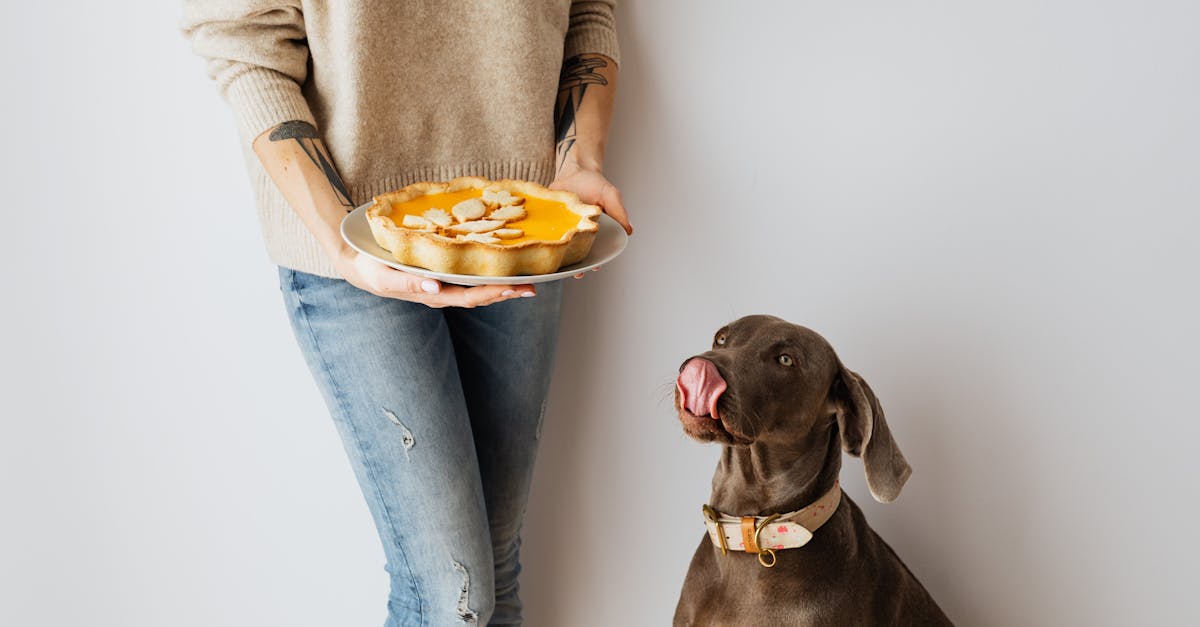
                                  Pet owners understand the struggle of keeping their homes fur-free. With innovative designs and advanced technology, today’s pet hair removers offer a quick and efficient solution. These tools not only save time but also help reduce allergies caused by pet dander. We’ll explore the best options available, from reusable rollers to brushes with gear-shaped teeth, ensuring you find the perfect tool for your needs.

                                  In this text, we’ll jump into the top pet hair remover tools on the market, their unique features, and how they can make your life easier. Whether you’re dealing with short, embedded fur or long, clingy hair, we’ve got you covered.

                                  Types of Pet Hair Remover Tools

                                  Pet hair remover tools come in various forms, each designed to tackle different surfaces and pet hair challenges. We’ve identified several categories of pet hair removers that cater to exact needs:

                                  Rollers

                                  Rollers are versatile pet hair remover tools that work well on multiple surfaces. They’re particularly effective on furniture, clothing, and car interiors. Here are some key features of roller-type pet hair removers:

                                  • Use electrostatic charge to attract and collect pet hair
                                  • Often reusable, reducing waste and long-term costs
                                  • Effective on large surfaces like couches and bedding
                                  • Easy to use and clean

                                  Handheld Brushes

                                  Handheld brushes are compact and efficient pet hair remover tools, ideal for targeted cleaning and hard-to-reach areas. These brushes offer:

                                  • Versatility in tackling different fabric types
                                  • Compact design for easy storage and travel
                                  • Effectiveness on small surfaces like armrests and pillows
                                  • Various edge designs for different hair removal needs

                                  Vacuum Attachments

                                  Many vacuum cleaners come with specialized attachments for pet hair removal. These tools offer:

                                  • Powerful suction for deep-seated pet hair
                                  • Compatibility with existing vacuum systems
                                  • Effectiveness on both furniture and floors
                                  • Often include rotating brushes for improved hair pickup

                                  Lint Brushes

                                  Lint brushes are simple yet effective pet hair remover tools, especially for clothing. Key features include:

                                  • Double-sided design for increased efficiency
                                  • Self-cleaning mechanisms for easy maintenance
                                  • Portable and lightweight for on-the-go use
                                  • Gentle on delicate fabrics

                                  Grooming Tools

                                  While not strictly hair removers, grooming tools help manage pet hair at the source:

                                  • Brushes and combs to remove loose fur during grooming
                                  • Deshedding tools to reduce overall shedding
                                  • Regular use can significantly decrease loose hair in the home
                                  • Promote healthier coat and skin for pets

                                  Brooms and Mops

                                  For pet hair on floors, specialized brooms and mops offer effective answers:

                                  • Rubber bristles that attract and collect pet hair
                                  • Telescoping handles for reach and storage convenience
                                  • Effective on both hard floors and carpets
                                  • Often washable for easy maintenance

                                  Dryer Sheets

                                  An unexpected but effective pet hair remover tool, dryer sheets can be used on various surfaces:

                                  • Static-reducing properties help loosen and collect pet hair
                                  • Effective on clothing, furniture, and car interiors
                                  • Leave a fresh scent while removing pet hair
                                  • Cost-effective and readily available

                                  Each type of pet hair remover tool offers unique benefits, and the best choice often depends on the exact surfaces and pet hair challenges in your home. By understanding these different tools, pet owners can select the most effective answers for managing pet hair and maintaining a clean living environment.

                                  Pet Hair Remover Tools

                                  Best Pet Hair Removers for Different Surfaces

                                  Pet hair removers come in various forms, each designed to tackle exact surfaces effectively. We’ve researched and tested multiple options to help you find the best pet hair remover for your needs.

                                  For Furniture and Upholstery

                                  Furniture and upholstery often trap pet hair, making removal challenging. Specialized tools like rollers and brushes are ideal for these surfaces. Some effective options include reusable rollers that collect hair in a compartment for easy disposal, and triangular-shaped brushes designed to reach crevices between cushions. These tools are gentle on fabrics while effectively removing pet hair. For deep cleaning, consider blade-like tools that can extract embedded pet hair from upholstery fibers. When dealing with leather furniture, use a soft cloth or vacuum to prevent damage, as pet hair is less likely to stick to smooth surfaces.

                                  For Carpets and Rugs

                                  Carpets and rugs require different approaches to pet hair removal. Rubber brooms are excellent for gathering hair on carpets, as the rubber bristles create static electricity that attracts pet hair. For deep-set hair, vacuum cleaners with powerful suction and specialized pet hair attachments are most effective. Some vacuums feature rubber or silicone attachments that agitate the carpet fibers, loosening stubborn pet hair. For area rugs, consider using a carpet rake before vacuuming to lift embedded hair. Regular maintenance with these tools can significantly reduce pet hair accumulation on carpets and rugs.

                                  For Clothing and Laundry

                                  Removing pet hair from clothing and laundry requires a multi-faceted approach. Lint rollers are handy for quick touch-ups on clothing before leaving the house. For more thorough removal, consider using rubber gloves or damp sponges to wipe down fabric surfaces, as the friction creates static that attracts hair. In the laundry, adding dryer sheets specifically designed for pet hair can be effective. These sheets work by reducing static cling and helping to separate pet hair from fabric fibers during the drying cycle. For heavily shed-on items, a pre-wash shake-out or brief tumble in the dryer can loosen hair before washing.

                                  For Cars and Vehicles

                                  Car interiors pose unique challenges for pet hair removal due to varied surfaces and tight spaces. Rubber-bristled brushes or gloves work well on car seats and floor mats, as they can agitate and lift hair from fabric and carpet fibers. For hard-to-reach areas like between seats or in corners, compressed air cans can blow out trapped hair. Vacuum cleaners with crevice tools are essential for thorough cleaning of car interiors. Some portable vacuums are designed specifically for car use, offering powerful suction in a compact form. For leather or vinyl surfaces, microfiber cloths can effectively wipe away loose hair without scratching the material.

                                  Features to Look for in a Pet Hair Remover

                                  When choosing a pet hair remover tool, several key features can make a important difference in its effectiveness and user experience. We’ll explore the essential aspects to consider when selecting the right pet hair remover for your needs.

                                  Reusability and Sustainability

                                  Reusable pet hair removers offer long-term value and environmental benefits. These tools, designed for multiple uses, eliminate the need for disposable sheets or refills. Many reusable options, such as roller-style removers and brushes, can be easily cleaned and reused countless times. Some models feature washable components, allowing for thorough cleaning between uses. Sustainable materials, like natural fibers or recycled plastics, are increasingly common in pet hair remover designs. By choosing a reusable and sustainable pet hair remover, pet owners can reduce waste and save money over time while effectively managing pet hair.

                                  Pet Hair Remover Tools

                                  Ease of Use and Cleaning

                                  The best pet hair removers are designed for effortless operation and maintenance. Look for tools with ergonomic handles and lightweight designs to reduce hand fatigue during extended use. Some pet hair removers feature one-handed operation, allowing for quick touch-ups on various surfaces. Easy-to-clean models often have removable collection chambers or heads that can be rinsed or wiped clean. Certain types, like electrostatic brushes, require minimal maintenance and can be cleaned with a simple wipe-down. Consider pet hair removers with self-cleaning mechanisms or those that can be easily disassembled for thorough cleaning to ensure long-lasting performance and hygiene.

                                  Effectiveness on Different Hair Types

                                  Pet hair removers must be versatile enough to handle various hair types and lengths. Look for tools with multiple surfaces or attachments designed to tackle both short, stubborn hairs and long, clingy strands. Rubber-bristled brushes often excel at removing short, fine hairs from fabrics, while metal combs or blade-like edges can effectively lift longer hairs. Some pet hair removers use electrostatic charge or microfiber materials to attract and capture hair of all types. Consider the exact needs of your pets’ hair type when selecting a remover. For multi-pet households with different hair types, opt for a versatile tool or a set of complementary removers to ensure comprehensive hair removal across all surfaces.

                                  How Pet Hair Removers Work

                                  Pet hair removers use various mechanisms to effectively remove pet hair from different surfaces. These tools employ physical, mechanical, or electrical methods to lift and collect pet hair, ensuring a clean and hair-free environment.

                                  Manual vs. Electric Tools

                                  Manual pet hair removers rely on physical interaction to remove pet hair, while electric tools use powered mechanisms for hair removal.

                                  Manual tools include:

                                  1. Brushes and combs: These create static attraction to pick up pet hair. Some have mini grooves or blade-like structures to reach embedded hair in hard-to-access areas.
                                  2. Rubber and silicone tools: These use friction to grab and collect pet hair from surfaces. The ChomChom Roller, for example, employs a rubber surface to effectively pick up pet hair.
                                  3. Lint rollers: These use adhesive sheets to capture loose pet hair from clothing and furniture.
                                  4. Rubber gloves: When dampened, these create static electricity to attract and collect pet hair.

                                  Electric tools include:

                                  1. Vacuum attachments: These use suction power to remove pet hair from various surfaces, including upholstery and carpets.
                                  2. Motorized brushes: These combine rotating bristles with suction to lift and remove pet hair effectively.
                                  3. Handheld vacuums: These portable devices provide convenient spot-cleaning for pet hair on furniture and car interiors.

                                  Both manual and electric tools have their advantages. Manual tools are often more affordable, portable, and don’t require power sources. Electric tools, while typically more expensive, can be more efficient for large areas or heavily shedding pets.

                                  Tips for Effectively Removing Pet Hair

                                  Regular Grooming

                                  Regular grooming is essential for managing pet hair. We recommend brushing your pet’s coat at least 3-4 times a week to reduce shedding. Use a deshedding brush or comb specifically designed for your pet’s coat type. This practice not only removes loose hair before it falls on surfaces but also promotes healthier skin and coat for your pet.

                                  Choose the Right Tool for Each Surface

                                  Different surfaces require exact pet hair removal tools:

                                  • Upholstery: Use a Chom Chom Pet Hair Remover or a rubber glove for effective hair pickup.
                                  • Carpets: Opt for a rubber broom or a vacuum with a pet hair attachment.
                                  • Clothing: Lint rollers or fabric brushes work best for quick touch-ups.
                                  • Hard floors: Microfiber mops or electrostatic dusters capture hair efficiently.

                                  Vacuum Strategically

                                  When vacuuming, make multiple passes in different directions to lift embedded pet hair. Use crevice tools for corners and edges where hair tends to accumulate. Empty the vacuum canister or replace the bag frequently to maintain optimal suction power.

                                  Use Static Electricity

                                  Static electricity can be a powerful ally in pet hair removal. Use dryer sheets or damp rubber gloves to wipe down surfaces. The static charge attracts and lifts hair effectively, especially on fabrics and upholstery.

                                  Pre-treat Before Washing

                                  Before washing pet-hair covered items, run them through a 10-minute no-heat dryer cycle. This loosens the hair, making it easier to remove during the wash cycle. Add 1/2 cup of white vinegar to the rinse cycle to help release any remaining pet hair from fabrics.

                                  Maintain a Clean Environment

                                  Regularly clean areas where your pet spends the most time. This includes washing pet beds, vacuuming furniture, and wiping down surfaces. A clean environment reduces the amount of loose hair circulating in your home.

                                  Use Covers and Barriers

                                  Place washable covers on furniture and in your car to create a barrier between pet hair and surfaces. These covers are easy to remove and clean, simplifying the hair removal process.

                                  Employ Air Purifiers

                                  Air purifiers with HEPA filters can capture airborne pet hair and dander, improving indoor air quality. Place these in high-traffic areas or rooms where your pet spends the most time.

                                  Damp Mop Hard Surfaces

                                  For hard floors, use a slightly damp mop to trap pet hair effectively. The moisture helps to clump the hair together, making it easier to collect and dispose of.

                                  Try Rubber Brooms

                                  Rubber brooms are particularly effective on carpets and rugs. The rubber bristles create static electricity that lifts pet hair from the fibers, making it easy to sweep up.

                                  By implementing these strategies and using the right tools, we can significantly reduce the challenge of pet hair in our homes. Remember, consistency is key in managing pet hair effectively.

                                  Maintaining Your Pet Hair Remover Tool

                                  Cleaning the Tool

                                  Pet hair remover tools require regular maintenance to ensure their continued effectiveness. We’ve found that different types of tools demand exact cleaning approaches:

                                  Rubber-Based Tools

                                  Rubber-based pet hair removers, like the Analan Mini Pet Hair Remover Brush, can be challenging to clean due to hair sticking to the rubber material. To maintain these tools:

                                  • Rinse under running water to remove loose hair
                                  • Wipe with a damp cloth regularly
                                  • Allow to air dry completely before next use

                                  Roller-Style Tools

                                  Roller-style pet hair removers, such as the ChomChom Roller, often feature a hair collection compartment. To clean these tools:

                                  • Press the release button to open the compartment
                                  • Shake out collected hair into a trash can
                                  • Wipe the roller surface with a damp cloth if needed

                                  Metal Teeth Tools

                                  Tools with metal teeth, like the Uproot Clean Cleaner Pro Pet Hair Remover, require careful cleaning:

                                  • Hold the tool at a 90-degree angle
                                  • Gently pull hair from the teeth
                                  • Avoid using on delicate fabrics to prevent damage

                                  Maintaining Effectiveness

                                  To keep your pet hair remover tool in top condition:

                                  1. Clean after each use to prevent buildup
                                  2. Store in a dry place to avoid moisture damage
                                  3. Check for wear and tear regularly
                                  4. Replace parts or the entire tool when effectiveness diminishes

                                  Prolonging Tool Life

                                  Extend the lifespan of your pet hair remover by:

                                  • Following manufacturer’s instructions for use and care
                                  • Using the right tool for each surface type
                                  • Avoiding excessive pressure during use
                                  • Performing routine maintenance checks

                                  By properly maintaining your pet hair remover tool, we ensure it remains effective in tackling pet hair challenges throughout your home. Regular cleaning and proper care not only prolong the life of the tool but also maintain its efficiency in removing pet hair from various surfaces.

                                  Environmental Considerations

                                  When selecting pet hair remover tools, it’s crucial to consider their environmental impact. We’ve analyzed various aspects to help you make an eco-friendly choice.

                                  Reusability

                                  Reusable pet hair removers offer important environmental benefits by reducing waste and the need for disposable products:

                                  • Chom Chom Roller: This tool collects pet hair in a compartment, eliminating the need for sticky sheets or disposable lint rollers.
                                  • Analan Mini Pet Hair Remover Brush: Can be rinsed off in the sink after each use, promoting long-term use.
                                  • Evriholder Pet Hair Removal Broom and FURemover Pet Hair Rubber Broom: These tools require no disposable parts, making them eco-friendly options.

                                  Material and Durability

                                  The materials used in pet hair remover tools impact their environmental footprint:

                                  • ChomChom Roller: Made from plastic but designed for longevity and easy cleaning, reducing the need for frequent replacements.
                                  • Metal or rubber-based tools: Often more durable than plastic alternatives, potentially lasting longer and minimizing waste.

                                  Energy Efficiency

                                  Consider the energy consumption of electric pet hair removers:

                                  • Manual tools: Brushes, rubber gloves, and lint rollers require no electricity, making them energy-efficient choices.
                                  • Electric tools: Vacuum attachments and motorized brushes use power but may be more efficient for large areas or heavy shedding.

                                  Recyclability

                                  The end-of-life disposal of pet hair remover tools is an important environmental factor:

                                  • Look for tools made from recyclable materials like metal or certain plastics.
                                  • Check if the manufacturer offers recycling programs for their products.

                                  Packaging

                                  Eco-friendly packaging can further reduce the environmental impact:

                                  • Minimal packaging: Choose products with reduced packaging or those using recycled materials.
                                  • Plastic-free options: Some brands offer plastic-free packaging alternatives.

                                  By considering these environmental factors, we can make more sustainable choices when selecting pet hair remover tools, reducing our ecological footprint while keeping our homes free of pet hair.

                                  Conclusion

                                  Pet hair remover tools have revolutionized how we manage our furry friends’ shedding. We’ve explored various options from rollers to vacuums each designed for exact surfaces and needs. By choosing the right tool and implementing effective strategies we can significantly reduce pet hair in our homes. Remember to consider factors like reusability sustainability and ease of use when selecting a tool. With regular maintenance and proper care these tools will help keep our living spaces clean and comfortable for both us and our beloved pets.

                                3. Dog Chiropractic Care: Unleash Your Pup’s Wellness Potential

                                  Dog Chiropractic Care: Unleash Your Pup’s Wellness Potential

                                  Did you know that your furry friend might benefit from a visit to a dog chiropractor? Just like humans, our canine companions can experience musculoskeletal issues that impact their quality of life. We’re here to discover the area of dog chiropractic care and how it can help keep your four-legged friend happy and healthy.

                                  Dog chiropractors are specialized professionals who focus on treating spinal and joint problems in our beloved pets. From easing pain after injuries to improving mobility in senior dogs, these experts offer a range of treatments customized to each animal’s needs. We’ll investigate into the qualifications to look for in a dog chiropractor, the conditions they can treat, and what to expect during a typical visit. By the end of this article, you’ll have a clear understanding of how chiropractic care might benefit your canine companion.

                                  What Is Canine Chiropractic Care?

                                  Canine chiropractic care is a specialized form of alternative therapy focused on treating musculoskeletal issues in dogs. It involves manipulating the spine, joints, and skull to address various health problems and improve overall well-being.

                                  Definition and Principles

                                  Canine chiropractic care, also known as veterinary chiropractic, is a holistic approach to treating functional, structural, and pathological changes in a dog’s spinal column. It’s based on the principle that proper alignment and movement of joints, especially in the spine, are crucial for a dog’s health.

                                  The core concept revolves around identifying and treating vertebral subluxation complexes (VSCs) and dysfunctional joints. Chiropractors use techniques adapted from human chiropractic care but customized to canine anatomy. These adjustments aim to alleviate interference in the skeletal system, allowing the body to heal naturally.

                                  Benefits of Dog Chiropractic

                                  Dog chiropractic care offers many benefits for canine health and well-being. It can help treat a wide range of conditions, including:

                                  1. Subluxations and joint dysfunctions
                                  2. Neck and back injuries
                                  3. Hip dysplasia
                                  4. Osteoarthritis relief
                                  5. Urinary incontinence
                                  6. Forelimb lameness
                                  7. Post-surgery recovery

                                  Chiropractic treatments can improve a dog’s gait, range of motion, and overall mobility. They’re particularly beneficial for senior dogs, helping them maintain quality of life as they age. Regular chiropractic care can also aid in recovery after falls, injuries, or surgeries.

                                  For active dogs involved in sports or high-impact activities, chiropractic adjustments can help prevent and treat repetitive use injuries. Some dogs may even experience improvements in bowel or bladder issues following chiropractic care.

                                  How Dog Chiropractic Works

                                  Dog chiropractic, also known as veterinary chiropractic, is a specialized form of care that focuses on diagnosing and treating vertebral subluxation complexes (VSCs) and dysfunctional joints in dogs. This practice involves a combination of evaluation techniques and targeted adjustments to improve canine health and mobility.

                                  Techniques and Procedures

                                  Dog chiropractors use exact techniques to assess and treat their patients:

                                  1. Thorough evaluation:
                                  • Review of medical history from referring veterinarian
                                  • Comprehensive physical examination
                                  • Static and ever-changing palpation of spine and extremities

                                  2. Identification of issues:

                                    • Asymmetries in musculoskeletal structure
                                    • Restricted joint movement
                                    • Subluxations (misalignments) in the spine
                                    • Changes in surrounding soft tissue

                                    3. Chiropractic adjustments:

                                      • Gentle, exact thrusts applied to affected areas
                                      • Aim to increase joint motion and reduce pain
                                      • Unlike human adjustments, audible pops or cracks are less common

                                      4. Follow-up care:

                                        • Multiple sessions often required for optimal results
                                        • Frequency depends on individual dog’s needs and condition

                                        Common Conditions Treated

                                        Dog chiropractic care addresses various musculoskeletal issues and related conditions:

                                        1. Spinal problems:
                                        • Subluxations
                                        • Neck and back injuries
                                        • Intervertebral disc disease

                                        2. Joint-related issues:

                                          • Hip dysplasia
                                          • Osteoarthritis
                                          • Forelimb lameness

                                          3. Repetitive use injuries:

                                            • Sports-related strains
                                            • Overuse from daily activities

                                            4. Post-surgical recovery:

                                              • Improved healing after orthopedic procedures
                                              • Enhanced mobility during rehabilitation

                                              5. Neurological concerns:

                                                • Urinary incontinence
                                                • Nerve-related pain or dysfunction

                                                6. Age-related conditions:

                                                  • Stiffness in senior dogs
                                                  • Reduced range of motion

                                                  7. Performance enhancement:

                                                    • Improved gait for working or sporting dogs
                                                    • Increased flexibility and coordination

                                                    8. Preventive care:

                                                      • Maintenance of spinal health
                                                      • Early detection of potential issues

                                                      By addressing these conditions, dog chiropractic care aims to improve overall canine health, reduce pain, and enhance quality of life for dogs of all ages and activity levels.

                                                      Dog Chiropractic Care

                                                      When to Consider Chiropractic for Your Dog

                                                      Chiropractic care for dogs can be a valuable treatment option for various musculoskeletal issues. We’ll explore the signs that indicate your dog may benefit from chiropractic care and identify suitable candidates for this therapy.

                                                      Signs Your Dog May Need Chiropractic Care

                                                      Dogs often exhibit exact symptoms when they require chiropractic attention. These signs include:

                                                      • Limping, weakness, or lameness in the front or hind legs
                                                      • Pain in the hip or hind legs without arthritis symptoms
                                                      • Difficulty standing or lying down
                                                      • Hunched back or yelping when lifted or pressure is applied to the chest
                                                      • Muscle spasms along the back or inability to jump
                                                      • Reduced activity or reluctance to perform routine tasks
                                                      • Uneven gait or altered movement patterns
                                                      • Neck or back pain upon palpation
                                                      • Resistance to turning their head in one direction
                                                      • Changes in behavior without apparent explanation
                                                      • Difficulty with jumping or performing previously normal activities
                                                      • Sitting or standing in an abnormal position, tilted to one side

                                                      If you notice any of these signs in your dog, it’s essential to consult with your veterinarian to determine if chiropractic care is appropriate.

                                                      Suitable Candidates for Treatment

                                                      Chiropractic care can benefit dogs in various situations:

                                                      • Recovery after fall injuries or surgeries
                                                      • Senior dogs needing improved gait and range of motion
                                                      • Dogs with jaw problems or difficulty chewing
                                                      • Pets struggling to get in and out of vehicles
                                                      • Animals experiencing bowel or bladder issues
                                                      • Dogs participating in sports and sustaining injuries
                                                      • Pets with behavioral problems potentially linked to underlying medical conditions
                                                      • Pregnant dogs requiring assistance during the birthing process
                                                      • Dogs predisposed to degenerative joint diseases
                                                      • Animals recovering from acute trauma or healed fractures
                                                      • Pets with whiplash from being chained up
                                                      • Dogs experiencing stiffness or general discomfort

                                                      Chiropractic treatment is suitable for dogs of all ages and activity levels. But, it’s crucial to consult with your veterinarian before seeking chiropractic care to ensure it’s appropriate for your dog’s exact condition. Your vet can help determine if chiropractic therapy is the best course of action or if it should be used along with other treatments.

                                                      Safety and Efficacy of Dog Chiropractic

                                                      Dog chiropractic care offers potential benefits for canine health, but it’s essential to understand its safety and efficacy. Studies suggest that chiropractic treatments can improve dogs’ well-being when performed by skilled practitioners.

                                                      Potential Risks and Side Effects

                                                      While dog chiropractic care can be effective, it’s not without risks. The potential for injury exists with any spinal manipulation technique, even when performed by skilled professionals. This risk may increase in dogs with structural diseases like intervertebral disk disease or cervical vertebral malformation.

                                                      Improper adjustments or excessive force can cause pain or irreversible damage to a dog’s musculoskeletal system. For instance, adjusting the spine of a dog with a degenerative disk carries a risk of serious spinal cord injury. To minimize these risks, it’s crucial to ensure that the chiropractor is properly trained and certified in canine chiropractic care.

                                                      Side effects are generally mild and may include temporary soreness or stiffness following treatment. But, more severe complications can occur if the procedure is performed incorrectly or on dogs with certain pre-existing conditions.

                                                      Dog Chiropractic Care

                                                      Age Restrictions for Puppies

                                                      Chiropractic care for puppies requires special consideration due to their developing musculoskeletal systems. While there’s no strict age limit, many practitioners recommend waiting until puppies are at least 8-12 weeks old before beginning chiropractic treatments.

                                                      For younger puppies, gentler techniques may be used to address any misalignments or issues. As puppies grow and their bones develop, more traditional chiropractic adjustments can be introduced gradually. It’s essential to consult with both a veterinarian and a certified canine chiropractor to determine the appropriate age and approach for individual puppies.

                                                      The frequency and intensity of treatments for puppies are typically lower than those for adult dogs. Practitioners often focus on preventive care and addressing any developmental issues early on to promote proper growth and alignment.

                                                      Choosing a Qualified Dog Chiropractor

                                                      Selecting a qualified dog chiropractor is crucial for ensuring your pet receives safe and effective treatment. We’ll explore the essential certifications and credentials to look for, as well as what to expect during a chiropractic session for your canine companion.

                                                      Required Certifications and Credentials

                                                      When choosing a dog chiropractor, it’s essential to verify their qualifications. Look for practitioners certified by reputable organizations such as the American Veterinary Chiropractic Association (AVCA) or the International Veterinary Chiropractic Association (IVCA). These certifications indicate specialized training in animal chiropractic techniques and anatomy. Certified professionals must pass rigorous written and practical exams, demonstrating their expertise in canine chiropractic care. Practitioners are required to renew their certifications every three years, ensuring they stay up-to-date with the latest techniques and practices. Before scheduling an appointment, consult with your veterinarian to confirm that chiropractic care is appropriate for your dog’s condition and to obtain a referral to a qualified animal chiropractor.

                                                      What to Expect During a Session

                                                      A typical dog chiropractic session involves a comprehensive evaluation of your pet’s musculoskeletal system. The chiropractor will assess your dog’s gait, range of motion, and overall mobility. They’ll perform gentle manipulations of the spine, joints, and skull to address any misalignments or restrictions. These adjustments aim to improve joint function, reduce pain, and enhance your dog’s overall well-being.

                                                      During the session, the chiropractor may provide at-home exercises or stretches for you to perform with your dog to support their treatment. Chiropractic care can benefit various canine conditions, including recovery from injuries or surgeries, improving mobility for senior dogs, and addressing jaw problems or chewing difficulties. The treatment is customized to your dog’s exact needs, and follow-up appointments may be recommended to monitor progress and make any necessary adjustments to the care plan.

                                                      Cost and Frequency of Treatments

                                                      Dog chiropractic treatments vary in cost and frequency depending on the individual needs of the canine patient. Understanding the typical pricing and recommended treatment schedules helps pet owners make informed decisions about their dog’s care.

                                                      Typical Pricing for Dog Chiropractic

                                                      Initial chiropractic treatments for dogs generally range from $90 to $100. This initial consultation includes a comprehensive examination, history review, and the first chiropractic adjustment. Follow-up treatments are typically less expensive, costing between $55 and $80 per session. In the UK, prices may be lower, with initial treatments starting at £45 and follow-up visits at £35. Additional fees may apply for travel expenses, particularly if the chiropractor provides in-home services. These costs can vary based on factors such as the chiropractor’s experience, location, and the exact needs of the dog.

                                                      Recommended Treatment Schedules

                                                      Treatment schedules for dog chiropractic care are customized to each individual case. Initially, dogs may require more frequent treatments to address acute issues or establish a baseline of care. A typical schedule might include weekly or bi-weekly sessions for the first 4-6 weeks. As the dog’s condition improves, the frequency of treatments often decreases. Maintenance visits may be scheduled monthly or every 6-8 weeks, depending on the dog’s response to treatment and overall health status. For dogs with chronic conditions or those in competitive sports, more frequent treatments may be necessary. It’s essential to follow the chiropractor’s recommendations and adjust the schedule based on the dog’s progress and exact needs.

                                                      Conclusion

                                                      Dog chiropractic care offers a holistic approach to improving canine health and well-being. By addressing musculoskeletal issues we can enhance our pets’ quality of life reducing pain and increasing mobility. While it’s not a cure-all it can be a valuable complement to traditional veterinary care.

                                                      We encourage pet owners to explore this option with a qualified professional. Remember to consult your veterinarian first and choose a certified dog chiropractor for the best results. With proper care our furry friends can lead happier healthier lives free from unnecessary discomfort.

                                                    1. Discover 10 Charming French Dog Breeds: From Bulldogs to Beaucerons (2025 Guide)

                                                      Discover 10 Charming French Dog Breeds: From Bulldogs to Beaucerons (2025 Guide)

                                                      Did you know that France has a rich history of dog breeding rivaling that of the British? From farm companions to hunting partners, French dog breeds have been developed to assist with various tasks or simply accompany their owners.

                                                      While many might picture Parisians strolling with pampered poodles, French dog breeds are actually quite diverse and down-to-earth. We’ll explore some of the most popular French breeds, regulated by the Société Central Canine, one of the industry’s oldest kennel clubs established in 1881. These breeds range from the adorable French Bulldog, which topped the American Kennel Club’s popularity list in 2023, to larger working dogs bred for rural life.

                                                      Popular French Dog Breeds

                                                      France has contributed several beloved dog breeds to the industry. We’ll explore five popular French dog breeds, each with unique characteristics and traits that have made them favorites among dog enthusiasts globally.

                                                      French Bulldog

                                                      The French Bulldog, or “Frenchie,” is a small, muscular dog with distinctive bat-like ears. Originally from northern France, it’s now the most popular breed in the USA. Frenchies typically stand 11-13 inches tall and weigh 16-28 pounds. Their flat faces and wrinkled skin give them a charming appearance, but can lead to breathing issues. Known for their affectionate nature and calm temperament, French Bulldogs make excellent family pets. They adapt well to apartment living and don’t require extensive exercise. Their coat colors include brindle, fawn, and white, often with unique markings.

                                                      Poodle

                                                      While the Poodle originated in Germany, it was heavily developed and popularized in France. This breed comes in three sizes: standard (15-22 inches), miniature (10-15 inches), and toy (under 10 inches). Poodles are renowned for their intelligence, elegance, and hypoallergenic coat. Their curly, low-shedding fur requires regular grooming to maintain its distinctive appearance. Poodles excel in various roles, from show dogs to working dogs and family companions. They’re highly trainable, energetic, and social, making them versatile pets. Their coat colors range from black and white to apricot and silver, adding to their striking appearance.

                                                      Dogue de Bordeaux

                                                      The Dogue de Bordeaux, also known as the French Mastiff, is a large, powerful breed with a distinctive wrinkled face. These dogs typically stand 23-27 inches tall and weigh 99-110 pounds. Known for their loyalty and protective nature, Dogues de Bordeaux make excellent guard dogs and family companions. Their short, fine coat comes in shades of fawn to mahogany, often with a red mask. Even though their imposing size, they’re generally gentle and patient with children. Dogue de Bordeaux require moderate exercise and regular training to manage their strong-willed nature.

                                                      Great Pyrenees

                                                      The Great Pyrenees, or Pyrenean Mountain Dog, is a large, majestic breed originally used to guard sheep in the Pyrenees Mountains. These dogs stand 25-32 inches tall and weigh 85-115 pounds. Their thick, weather-resistant double coat is predominantly white, sometimes with markings of gray, tan, or reddish-brown. Great Pyrenees are known for their calm, patient demeanor and protective instincts. They’re independent thinkers, which can make training challenging. These dogs require moderate exercise and regular grooming to maintain their coat. They excel as family guardians and are gentle with children.

                                                      Beauceron

                                                      The Beauceron is a large, athletic herding dog known for its intelligence and versatility. Standing 24-27.5 inches tall and weighing 70-110 pounds, these dogs have a short, dense coat that comes in black and tan or harlequin (gray, black, and tan). Beaucerons are highly energetic and require plenty of exercise and mental stimulation. They’re loyal, protective, and make excellent working dogs in various fields, including police and military work. Beaucerons are also affectionate family companions when properly trained and socialized. Their strong herding instincts may lead them to try herding family members or other pets.

                                                      Lesser-Known French Breeds

                                                      While many French dog breeds are well-known worldwide, several lesser-known breeds deserve recognition for their unique characteristics and historical significance. Let’s explore some of these hidden gems of French canine heritage.

                                                      Barbet

                                                      The Barbet is an ancient French water dog breed with a distinctive appearance and versatile skills. These medium-sized dogs are known for their curly or wavy coats, typically in black, brown, or fawn colors. Barbets possess a friendly and intelligent nature, making them excellent family pets. Originally bred for hunting and retrieving waterfowl, they excel in water-related activities due to their webbed feet and waterproof coat. With a lifespan of 10-12 years, Barbets stand 48-56 cm tall and weigh 15-20 kg. Their adaptability and skill in various tasks have contributed to the breed’s gradual revival after facing near-extinction following Industry War II.

                                                      Briard

                                                      The Briard is a large, shaggy-coated breed originating from France, where it has served as a guard dog and herder for centuries. Known for its distinctive mustache and beard, the Briard boasts a protective and loyal temperament. These intelligent dogs are highly trainable but can be wary of strangers, a trait selectively bred for their guarding role. Briards excel as family guardians and property protectors, forming strong bonds with their owners. Their versatility allows them to transition from working roles to loving family companions. With proper socialization and training, Briards make devoted and affectionate pets, combining their protective instincts with a gentle nature towards their family members.

                                                      French Dog Breeds

                                                      Berger Picard

                                                      The Berger Picard, also known as the Picardy Shepherd, is a rare French herding breed with a rustic charm. These medium-sized dogs are characterized by their wiry coat and expressive eyebrows, giving them a distinct, endearing appearance. Berger Picards are known for their intelligence, energy, and strong herding instincts. Originally bred for herding and guarding livestock, they’ve adapted well to modern family life. These dogs are loyal, affectionate with their families, and generally good with children. But, their high energy levels and need for mental stimulation require an active lifestyle and consistent training. The breed’s rarity adds to its appeal, making it an intriguing choice for dog enthusiasts seeking a unique companion.

                                                      Papillon

                                                      The Papillon, French for “butterfly,” is a small, elegant breed known for its distinctive butterfly-like ears. Even though its delicate appearance, this toy spaniel is surprisingly robust and energetic. Papillons are highly intelligent, making them easy to train and excel in various dog sports. Their friendly and outgoing nature makes them excellent companions for families and individuals alike.

                                                      These dogs typically weigh between 3-4.5 kg and have a lifespan of 12-16 years. Papillons are adaptable to various living situations, from apartments to houses with yards, as long as they receive adequate exercise and mental stimulation. Their long, silky coat requires regular grooming to maintain its beautiful appearance. With their cheerful disposition and keen intelligence, Papillons have become beloved pets worldwide.

                                                      Working French Dogs

                                                      French working dogs have a long history of assisting humans in various tasks, from hunting to herding. These breeds showcase the diversity and utility of French canine companions.

                                                      Brittany Spaniel

                                                      The Brittany Spaniel, originating from the Brittany region of France, is a versatile hunting dog known for its energy and intelligence. Standing 18.5 to 20.5 inches tall and weighing 31 to 39.5 pounds, this medium-sized breed excels in flushing and retrieving game. Brittany Spaniels have a life expectancy of 12-14 years and come in various coat colors, including orange and white, liver and white, and black and white. Their temperament is described as attentive, happy, and adaptable, making them excellent family pets when provided with adequate exercise and attention. These dogs require at least an hour of off-lead exercise daily to prevent hyperactivity and nervousness.

                                                      Basset Hound

                                                      The Basset Hound, a medium-sized scent hound, originated in France and Belgium. Developed by the friars of the Abbey of St. Hubert, this breed is known for its distinctive low-built stature. Basset Hounds typically stand 11-15 inches tall and weigh between 40-65 pounds. Their short, smooth coat comes in various colors, including tricolor, black and tan, and lemon and white. With a life expectancy of 10-12 years, Basset Hounds are renowned for their excellent sense of smell and tracking abilities. These dogs have a gentle, patient temperament and are known to be good with children, making them suitable family pets. But, their strong scenting instincts can sometimes lead to stubbornness during training.

                                                      Pyrenean Shepherd

                                                      The Pyrenean Shepherd, also known as the Pyr Shep, is a small to medium-sized herding dog originating from the French Pyrenees mountains. These agile and energetic dogs stand 15-21 inches tall and weigh between 15-30 pounds. Pyrenean Shepherds have a life expectancy of 14-17 years and come in two coat varieties: rough-faced and smooth-faced.

                                                      Their coats can be various shades of fawn, gray, brindle, or black. Known for their intelligence and versatility, these dogs excel in herding, agility, and obedience competitions. Pyrenean Shepherds are loyal and affectionate with their families but can be reserved with strangers. They require plenty of mental and physical stimulation to thrive and may not be suitable for first-time dog owners due to their high energy levels and strong herding instincts.

                                                      French Dog Breeds

                                                      Characteristics of French Dog Breeds

                                                      French dog breeds display a wide range of characteristics, reflecting their diverse origins and purposes. From loyal companions to skilled workers, these breeds showcase the rich canine heritage of France.

                                                      Temperament

                                                      French dog breeds exhibit varied temperaments, catering to different lifestyles and preferences. Many breeds, like the Beauceron, are known for their intelligence and loyalty, making them excellent family companions. The Ariegeois, for instance, is sociable and easily trained, with an affectionate nature. French working breeds often display high energy levels and independence, traits essential for their original purposes. Some, like the Great Pyrenees, are calm and protective, while others, such as the Brittany Spaniel, are more energetic and require active engagement. Overall, French breeds tend to be adaptable, with strong bonds to their families and a willingness to please their owners.

                                                      Size and Appearance

                                                      French dog breeds come in a variety of sizes and appearances, reflecting their diverse origins and purposes. Sizes range from small companion dogs to large working breeds. For example, the Ariegeois is a large breed, standing 20-23 inches tall and weighing 55-60 lbs. Their coats vary widely, from the short, dense coat of the Ariegeois to the long, shaggy fur of the Briard. Many French breeds have distinct facial features, such as the Basset Hound’s droopy ears or the French Bulldog’s flat face. Colors and patterns are equally diverse, ranging from solid coats to intricate markings. This variety in size and appearance ensures that there’s a French breed to suit almost any preference or living situation.

                                                      Exercise Needs

                                                      Exercise requirements for French dog breeds vary significantly based on their original purposes and energy levels. Working breeds like the Beauceron and Brittany Spaniel typically require extensive daily exercise to maintain their physical and mental well-being. These breeds often excel in activities such as agility, herding, or hunting.

                                                      The Ariegeois, for instance, needs thorough and regular exercise, preferably in open spaces. On the other hand, some French companion breeds, like the French Bulldog, have more moderate exercise needs and can adapt well to apartment living with daily walks. It’s crucial to match a breed’s exercise requirements with the owner’s lifestyle to ensure a happy and healthy dog. Regular physical activity helps prevent behavioral issues and promotes overall well-being in French dog breeds.

                                                      French Dog Breeds

                                                      Choosing a French Dog Breed

                                                      Selecting the right French dog breed involves careful consideration of various factors. We’ll explore key aspects to help you make an well-informed choice that aligns with your lifestyle and preferences.

                                                      Lifestyle Considerations

                                                      When choosing a French dog breed, it’s crucial to match the breed’s characteristics with your lifestyle. Activity levels vary significantly among French breeds:

                                                      • Beauceron: Requires extensive exercise and mental stimulation. Ideal for active families or individuals who can provide regular physical activity and engage in dog sports or obedience training.
                                                      • Great Pyrenees: Needs regular exercise even though their calm demeanor. Suited for families with large spaces or those able to provide daily walks and playtime.
                                                      • Berger Picard: Thrives on daily hikes and involvement in dog sports. Requires an active lifestyle to prevent boredom and behavioral issues.
                                                      • Grand Bleu de Gascogne: Energetic breed needing regular exercise to maintain physical and mental well-being.

                                                      Consider your living space, daily routine, and energy level when selecting a French dog breed to ensure a harmonious match.

                                                      Grooming Requirements

                                                      French dog breeds have diverse grooming needs, influenced by their coat types and shedding patterns:

                                                      • Short-coated breeds (e.g., French Bulldog): Require minimal grooming. Weekly brushing and occasional baths suffice.
                                                      • Long-coated breeds (e.g., Briard): Need frequent brushing to prevent matting and tangles. Regular professional grooming may be necessary.
                                                      • Double-coated breeds (e.g., Great Pyrenees): Require thorough brushing, especially during shedding seasons. Consider investing in de-shedding tools.
                                                      • Hypoallergenic breeds (e.g., Poodle): Need regular grooming to maintain coat health. Professional grooming every 4-6 weeks is recommended.

                                                      Assess your time commitment and willingness to groom regularly when choosing a French dog breed. Factor in potential grooming costs for breeds requiring professional care to ensure you can meet their maintenance needs.

                                                      Conclusion

                                                      French dog breeds offer a diverse array of companions for every lifestyle. From the charming French Bulldog to the loyal Great Pyrenees these breeds showcase France’s rich canine heritage. We’ve explored popular and lesser-known breeds each with unique traits and care requirements. Whether you’re looking for a family pet or a working dog French breeds have something to offer. Remember to consider your lifestyle exercise capacity and grooming commitment when choosing your perfect French canine companion. With their intelligence loyalty and distinct personalities French dog breeds continue to capture hearts worldwide.

                                                    2. Vaginitis in Dogs: Causes, Symptoms, and Treatment Options

                                                      Vaginitis in Dogs: Causes, Symptoms, and Treatment Options

                                                      Did you know that vaginitis affects dogs of all ages, from puppies to seniors? This common condition can cause discomfort and distress for our furry friends, making it crucial for pet owners to understand its causes, symptoms, and treatments.

                                                      We’ll explore vaginitis in dogs, a condition characterized by inflammation of the vagina. Whether you’re a concerned pet parent or simply looking to expand your canine health knowledge, we’ve got you covered. From bacterial infections to hormonal imbalances, we’ll investigate into the various causes of vaginitis and how to spot the signs early on.

                                                      Throughout this article, we’ll provide valuable insights on diagnosis, treatment options, and preventive measures to keep your dog healthy and happy. By the end, you’ll be well-equipped to identify and address this common canine health issue.

                                                      What Is Vaginitis in Dogs?

                                                      Vaginitis in dogs is inflammation of the vagina or vestibule, affecting female canines of any age, breed, and reproductive status. This condition can cause discomfort and various symptoms that pet owners should be aware of to ensure prompt treatment.

                                                      1. Juvenile (Prepuberal) Vaginitis:
                                                      • Occurs in puppies before their first heat cycle
                                                      • Often resolves on its own after the first estrus or spaying
                                                      • Symptoms include mild discharge and occasional vulvar irritation

                                                      2. Adult-Onset Vaginitis:

                                                        • Affects mature female dogs, both spayed and intact
                                                        • Can be caused by various factors, including infections and hormonal imbalances
                                                        • Symptoms may be more severe than in juvenile cases

                                                        3. Chronic Vaginitis:

                                                          • Persistent inflammation lasting for extended periods
                                                          • May be resistant to treatment or recur frequently
                                                          • Often requires thorough investigation to identify underlying causes

                                                          4. Secondary Vaginitis:

                                                            • Develops as a result of other health issues, such as urinary tract infections or anatomical abnormalities
                                                            • Treatment focuses on addressing the primary condition

                                                            5. Atrophic Vaginitis:

                                                              • Commonly seen in spayed females or older dogs
                                                              • Caused by thinning of the vaginal tissues due to low estrogen levels
                                                              • May require hormone therapy in some cases

                                                              Understanding these types of vaginitis helps veterinarians diagnose and treat the condition effectively, ensuring the best possible outcome for affected dogs.

                                                              Causes of Vaginitis in Dogs

                                                              Vaginitis in dogs stems from various factors, ranging from bacterial infections to anatomical abnormalities. Understanding these causes is crucial for proper diagnosis and treatment.

                                                              Bacterial Infections

                                                              Bacterial infections are the most common cause of vaginitis in dogs. Several bacteria can trigger this condition:

                                                              • Pasteurella
                                                              • Streptococcus
                                                              • E. coli
                                                              • Pseudomonas
                                                              • Mycoplasma
                                                              • Chlamydia

                                                              These bacteria often originate from the lower urinary tract or feces, contaminating the vagina. Recent antibiotic use can disrupt the normal bacterial balance, increasing the risk of bacterial vaginitis.

                                                              Viral Infections

                                                              Viral infections, particularly canine herpesvirus, can cause vaginitis in dogs. This virus affects the reproductive system and can lead to inflammation of the vaginal tissues.

                                                              Brucella canis

                                                              Brucella canis infection, though rare, can cause vaginitis in dogs. This bacterial infection is associated with:

                                                              • Abortion
                                                              • Infertility
                                                              • Other reproductive issues

                                                              Testing for Brucella is essential in high-risk dogs to prevent complications.

                                                              Anatomical Abnormalities

                                                              Structural abnormalities in a dog’s reproductive anatomy can lead to vaginitis. These may include:

                                                              • Abnormal position of the ureter
                                                              • Vaginal hematomas
                                                              • Underdeveloped reproductive tract

                                                              Foreign Bodies

                                                              Foreign objects in the vagina can cause irritation and inflammation. Common culprits include:

                                                              • Grass awns
                                                              • Small debris

                                                              Hormonal Imbalances

                                                              Hormonal issues, particularly in young puppies, can contribute to vaginitis. These imbalances often resolve as the dog matures.

                                                              Urinary Tract Infections (UTIs)

                                                              UTIs frequently accompany vaginitis in female dogs. The infection can spread from the urinary tract to the vagina, causing inflammation.

                                                              Urinary Incontinence

                                                              Dogs with weak urinary sphincters may experience urine leakage into the vagina, leading to irritation and vaginitis.

                                                              Chemical Imbalances

                                                              Abnormal urine pH, especially in puppies, can disrupt the vaginal environment and cause vaginitis.

                                                              Cancerous Masses

                                                              In some cases, tumors in the reproductive tract can lead to vaginitis as a secondary condition.

                                                              Medications

                                                              Certain medications, such as hormone creams, can potentially cause vaginitis as a side effect.

                                                              By recognizing these various causes, pet owners and veterinarians can better identify and address vaginitis in dogs. Early detection and proper treatment are key to managing this common canine condition effectively.

                                                              Vaginitis in Dogs

                                                              Symptoms of Canine Vaginitis

                                                              Canine vaginitis presents with a range of symptoms that can vary in severity and frequency. We’ll explore the common signs pet owners should watch for in their dogs.

                                                              Common Symptoms

                                                              1. Vulvar Discharge: This is the most prevalent symptom, occurring in up to 90% of cases. The discharge can range from:
                                                              • Clear to cloudy
                                                              • White to yellow
                                                              • May contain mucus or pus

                                                              2. Excessive Licking: Dogs often lick their vulva or groin area excessively due to:

                                                                • Discomfort
                                                                • Itching
                                                                • Irritation

                                                                3. Urination Changes: Affected dogs may experience:

                                                                  • Increased frequency of urination (pollakiuria)
                                                                  • Difficulty urinating
                                                                  • Attempts to urinate more often

                                                                  4. Behavioral Signs: Dogs might exhibit:

                                                                    • Scooting or rubbing their vulva on the ground
                                                                    • Attraction of male dogs
                                                                    • Changes in activity level or behavior

                                                                    5. Physical Changes: Observable physical symptoms include:

                                                                      • Redness and swelling of the vulva and vagina
                                                                      • Irritation of the skin around the vulva
                                                                      • In some cases, spotting or bleeding (less common)

                                                                      Symptom Variations

                                                                      • Puppies: Symptoms may wax and wane, potentially lasting from 8 weeks to 1 year of age.
                                                                      • Adult Dogs: Symptoms are often more pronounced and may require treatment.
                                                                      • Severity: Can range from mild to severe, with some dogs showing no apparent signs.
                                                                      • Most dogs with vaginitis appear otherwise healthy and maintain normal activity levels.
                                                                      • Symptoms can be intermittent but may become chronic if left untreated.
                                                                      • Secondary skin infections can exacerbate inflammation and itching.
                                                                      • Existing systemic health issues may aggravate vaginitis symptoms.

                                                                      It’s crucial to note that these symptoms can also indicate other health conditions, such as urinary tract infections, pyometra, or anal gland obstructions. Always consult a veterinarian for proper diagnosis and treatment of canine vaginitis.

                                                                      Diagnosing Vaginitis in Dogs

                                                                      Diagnosing vaginitis in dogs requires a comprehensive approach to identify the underlying cause. We’ll explore the key steps and methods veterinarians use in the diagnostic process.

                                                                      Medical History

                                                                      Veterinarians begin by collecting detailed information about the dog’s health history. This includes:

                                                                      • Spay status
                                                                      • Previous health issues
                                                                      • Exact symptoms (discharge, behavioral changes)
                                                                      • Recent treatments or medications

                                                                      Physical Examination

                                                                      A thorough physical exam is conducted to:

                                                                      • Check for signs of other health issues
                                                                      • Perform a detailed examination of the vulva and vagina
                                                                      • Identify visible signs of inflammation, discharge, or anatomical abnormalities

                                                                      Diagnostic Tests

                                                                      Several diagnostic tests are commonly used to diagnose vaginitis in dogs:

                                                                      Vaginal Cytology

                                                                      This test involves examining cells from the vaginal discharge to identify:

                                                                      • Presence of bacteria
                                                                      • Yeast
                                                                      • Other pathogens

                                                                      Urinalysis

                                                                      A urinalysis is performed to:

                                                                      • Rule out underlying conditions in the urinary bladder
                                                                      • Check for signs of infection

                                                                      Urine samples are typically collected by cystocentesis to ensure accuracy.

                                                                      Vaginitis in Dogs

                                                                      Bacterial Culture and Sensitivity

                                                                      Samples from the vaginal vault and urine are cultured to:

                                                                      • Identify exact bacteria causing the infection
                                                                      • Determine the most effective antibiotics for treatment

                                                                      Vaginoscopy

                                                                      In some cases, a vaginoscopy may be necessary. This procedure involves:

                                                                      • Using a small scope with a camera
                                                                      • Examining the inside of the genital tract
                                                                      • Collecting samples of abnormal tissue for pathological evaluation

                                                                      Additional Considerations

                                                                      When diagnosing vaginitis in dogs, veterinarians also consider:

                                                                      • Concurrent conditions (26-60% of cases involve UTIs)
                                                                      • Anatomical anomalies (present in 20-36% of cases)
                                                                      • Systemic diseases (reported in 15% of cases)

                                                                      It’s important to note that in 73% of cases, vaginitis resolves regardless of therapy. But, proper diagnosis is crucial for effective management and to rule out more serious conditions.

                                                                      By following this comprehensive diagnostic approach, veterinarians can accurately identify the cause of vaginitis in dogs and develop an appropriate treatment plan.

                                                                      Treatment Options for Dog Vaginitis

                                                                      Treating vaginitis in dogs requires a customized approach based on the underlying cause and the dog’s age. We’ll explore the different treatment options for both puppy and adult dog vaginitis, ensuring the best care for canine companions.

                                                                      Puppy Vaginitis Treatment

                                                                      Puppy vaginitis, also known as juvenile vaginitis, typically resolves on its own without medical intervention. It’s common in female puppies before their first heat cycle and often characterized by mild symptoms. Here’s how we approach treatment:

                                                                      1. Observation: Monitor the condition closely, as it usually clears up after the first heat cycle or spaying.
                                                                      2. Hygiene: Keep the vulvar area clean to prevent secondary infections.
                                                                      3. Gentle cleaning: Use unscented baby wipes or veterinarian-recommended medicated wipes to clean the area.
                                                                      4. Avoid antibiotics: Unless there’s a severe infection, antibiotics aren’t necessary for puppy vaginitis.
                                                                      5. Prevent excessive licking: An Elizabethan collar may be used if the puppy is excessively licking the area.
                                                                      6. Regular check-ups: Consult with a veterinarian to ensure the condition isn’t worsening or masking other health issues.

                                                                      Remember, puppy vaginitis is generally a benign condition that’s part of the reproductive tract’s maturation process.

                                                                      Adult Dog Vaginitis Treatment

                                                                      Adult dog vaginitis treatment focuses on addressing the underlying cause and managing symptoms. The approach varies depending on the exact condition:

                                                                      1. Identify the cause: Conduct thorough diagnostic tests to determine the root cause of vaginitis.
                                                                      2. Antibiotics: If bacterial infection is present, a course of appropriate antibiotics may be prescribed.
                                                                      3. Anti-inflammatory medications: These help reduce inflammation and provide relief from discomfort.
                                                                      4. Topical treatments: Medicated wipes or ointments can soothe irritation and keep the area clean.
                                                                      5. Probiotics: Oral probiotic supplements may help restore healthy bacteria and improve vaginitis symptoms.
                                                                      6. Surgical intervention: In rare cases of anatomical abnormalities, surgical correction may be necessary.
                                                                      7. Hormonal therapy: For cases related to hormonal imbalances, hormone replacement therapy might be considered.
                                                                      8. Addressing underlying conditions: Treat any concurrent health issues, such as urinary tract infections or urinary incontinence.
                                                                      9. Elizabethan collar: To prevent excessive licking and further irritation during recovery.
                                                                      10. Follow-up care: Regular check-ups to monitor progress and adjust treatment as needed.

                                                                      It’s crucial to work closely with a veterinarian to develop a comprehensive treatment plan customized to the individual dog’s needs and the exact type of vaginitis present.

                                                                      Managing and Preventing Vaginitis in Dogs

                                                                      Hygiene and Cleaning

                                                                      Maintaining proper hygiene is crucial in managing and preventing vaginitis in dogs. We recommend:

                                                                      • Regularly cleaning the vulvar area with unscented baby wipes or medicated wipes prescribed by a veterinarian
                                                                      • Keeping the area dry to prevent bacterial growth
                                                                      • Trimming long hair around the vulva to reduce moisture retention
                                                                      • Bathing your dog as needed, paying special attention to the genital area

                                                                      Preventing Self-Trauma

                                                                      Dogs with vaginitis often lick or chew the affected area, potentially worsening the condition. To prevent this:

                                                                      • Use an Elizabethan collar (E-collar) to restrict access to the vulvar region
                                                                      • Monitor your dog’s behavior and redirect their attention when they attempt to lick or chew
                                                                      • Provide distractions such as puzzle toys or chew toys

                                                                      Dietary Considerations

                                                                      A balanced diet can support overall health and potentially reduce the risk of vaginitis:

                                                                      • Ensure your dog receives adequate hydration to promote urinary tract health
                                                                      • Consider adding probiotics to your dog’s diet to support a healthy bacterial balance
                                                                      • Consult with your veterinarian about exact dietary recommendations for your dog’s needs

                                                                      Regular Veterinary Check-ups

                                                                      Routine veterinary visits play a crucial role in managing and preventing vaginitis:

                                                                      • Schedule regular check-ups to monitor your dog’s overall health
                                                                      • Discuss any concerns or changes in your dog’s behavior or physical condition
                                                                      • Follow your veterinarian’s recommendations for preventive care

                                                                      Environmental Factors

                                                                      Certain environmental changes can help reduce the risk of vaginitis:

                                                                      • Keep your dog’s living area clean and dry
                                                                      • Regularly wash bedding and toys to minimize bacterial growth
                                                                      • Avoid exposing your dog to potential irritants or allergens

                                                                      Exercise and Weight Management

                                                                      Maintaining a healthy weight and providing regular exercise can contribute to overall health and potentially reduce the risk of vaginitis:

                                                                      • Ensure your dog gets appropriate exercise for their age and breed
                                                                      • Monitor your dog’s weight and adjust their diet as needed
                                                                      • Consult with your veterinarian about an ideal exercise routine for your dog

                                                                      Addressing Underlying Conditions

                                                                      Managing any underlying health issues is essential in preventing recurrent vaginitis:

                                                                      • Follow treatment plans for urinary tract infections or other related conditions
                                                                      • Address hormonal imbalances as recommended by your veterinarian
                                                                      • Manage chronic conditions that may contribute to vaginitis

                                                                      By implementing these management and prevention strategies, we can help reduce the risk of vaginitis in dogs and promote overall health and well-being. Remember, each dog is unique, so it’s essential to work closely with your veterinarian to develop a customized approach for your canine companion.

                                                                      When to Seek Veterinary Care

                                                                      Recognizing the right time to seek veterinary care for vaginitis in dogs is crucial for effective treatment and your pet’s well-being. We’ve compiled key indicators to help you determine when professional medical attention is necessary.

                                                                      Symptoms Requiring Immediate Attention

                                                                      Certain symptoms of vaginitis in dogs warrant prompt veterinary care:

                                                                      • Vulvar discharge: Clear to cloudy, white, or yellow discharge, potentially containing mucus or pus
                                                                      • Excessive licking or rubbing of the vulva
                                                                      • Scooting behavior
                                                                      • Frequent urination
                                                                      • Redness and swelling of the vulva
                                                                      • Itching or pain in the vaginal area
                                                                      • Behavioral changes, such as attracting male dogs
                                                                      • Spotting or changes in urination habits

                                                                      If your dog exhibits one or more of these symptoms, it’s essential to consult a veterinarian for proper diagnosis and treatment.

                                                                      Age and Health Considerations

                                                                      The dog’s age and overall health status play important roles in determining when to seek veterinary care:

                                                                      • Puppies: Vaginitis is common in puppies who haven’t gone through their first heat cycle. While it often resolves on its own, a veterinary examination is recommended to rule out underlying issues.
                                                                      • Adult dogs: Vaginitis in adult dogs may indicate a more serious condition and requires prompt veterinary attention.
                                                                      • Dogs with pre-existing health conditions: These animals may be more susceptible to complications and should be seen by a veterinarian at the first sign of vaginitis.

                                                                      Severity and Duration of Symptoms

                                                                      The severity and duration of symptoms can help determine the urgency of veterinary care:

                                                                      • Mild symptoms: If symptoms are mild and don’t persist for more than a day or two, monitoring at home may be appropriate.
                                                                      • Moderate to severe symptoms: Seek veterinary care if symptoms are moderate to severe or persist for more than 48 hours.
                                                                      • Recurring symptoms: If vaginitis symptoms recur after initial treatment, consult a veterinarian to identify potential underlying causes.

                                                                      Changes in Behavior or General Health

                                                                      Observe your dog for any changes in behavior or overall health that may accompany vaginitis symptoms:

                                                                      • Lethargy or decreased energy levels
                                                                      • Loss of appetite
                                                                      • Increased thirst
                                                                      • Fever
                                                                      • Signs of pain or discomfort

                                                                      These changes may indicate a more serious condition and require immediate veterinary attention.

                                                                      Complications and Risk Factors

                                                                      Certain factors increase the risk of complications from vaginitis and necessitate prompt veterinary care:

                                                                      • Recent surgery or medical procedures in the genital area
                                                                      • Immunocompromised dogs
                                                                      • Breeds prone to reproductive issues
                                                                      • Dogs with a history of urinary tract infections or other genital health problems

                                                                      In these cases, early intervention by a veterinarian can prevent potential complications and ensure proper treatment.

                                                                      When in Doubt, Consult a Professional

                                                                      While dogs can live with mild to moderate vaginitis, it’s unwise to neglect this condition hoping it will resolve on its own. If you’re unsure about the severity of your dog’s symptoms or have any concerns, it’s always best to consult a veterinarian. They can provide a proper diagnosis, rule out more serious conditions, and recommend appropriate treatment options.

                                                                      Remember, early detection and treatment of vaginitis can prevent more severe health issues and ensure your dog’s comfort and well-being. By staying vigilant and seeking veterinary care when necessary, you’re taking an important step in maintaining your canine companion’s health.

                                                                      Prognosis for Dogs with Vaginitis

                                                                      The prognosis for dogs with vaginitis is generally favorable, especially when the underlying cause is identified and addressed promptly. We’ll explore the typical outcomes for both puppies and adult dogs, as well as factors that can influence recovery.

                                                                      Resolution and Recovery

                                                                      Vaginitis in puppies often resolves on its own without intervention. Many cases, particularly those in young dogs, tend to clear up after the first heat cycle or following spaying. This self-limiting nature of juvenile vaginitis means that most puppies outgrow the condition without further complications.

                                                                      For adult dogs, the prognosis is equally encouraging. Most cases of vaginitis in mature dogs respond well to conservative treatment. We typically see affected dogs return to normal within two to three weeks of initiating appropriate therapy. This quick recovery time underscores the importance of early detection and treatment.

                                                                      Treatment Outcomes

                                                                      The effectiveness of treatment largely depends on the exact cause of vaginitis. Common approaches include:

                                                                      • Antibiotics for bacterial infections
                                                                      • Vaginal douches to cleanse the area
                                                                      • Addressing underlying anatomical or systemic issues

                                                                      In many cases, these treatments prove highly effective, leading to full recovery. It’s important to note that in a important number of cases (up to 73% in one study), vaginitis resolves regardless of the exact therapy used. This statistic highlights the body’s natural ability to overcome the condition in many instances.

                                                                      Factors Affecting Prognosis

                                                                      Several factors can influence the prognosis for dogs with vaginitis:

                                                                      1. Underlying cause: Identifying and addressing the root cause is crucial for a positive outcome.
                                                                      2. Age of the dog: Puppies often have a better prognosis due to the self-limiting nature of juvenile vaginitis.
                                                                      3. Promptness of treatment: Early intervention typically leads to faster resolution and reduces the risk of complications.
                                                                      4. Overall health: Dogs in good general health usually respond better to treatment.
                                                                      5. Presence of concurrent conditions: Urinary tract infections or systemic diseases can complicate treatment and recovery.

                                                                      Chronic and Complicated Cases

                                                                      While most cases of vaginitis have a positive prognosis, some situations may present more challenges:

                                                                      • Chronic vaginitis: Persistent cases may require long-term management and monitoring.
                                                                      • Anatomical abnormalities: Dogs with conditions like recessed vulva or ectopic ureters may have a more guarded prognosis.
                                                                      • Vaginal tumors: In rare cases where vaginitis is associated with tumors, the prognosis depends on the type and stage of the tumor.

                                                                      For these more complex cases, we recommend working closely with a veterinarian to develop a comprehensive treatment plan. This approach ensures the best possible outcome for dogs with complicated vaginitis.

                                                                      By understanding the prognosis for vaginitis in dogs, we can approach treatment with confidence and provide appropriate care for our canine companions. Regular follow-ups with a veterinarian are essential to monitor progress and adjust treatment as needed, ensuring the best possible outcome for dogs affected by this condition.

                                                                      Conclusion

                                                                      Vaginitis in dogs is a manageable condition with proper care and attention. We’ve explored its causes symptoms and treatment options to help pet owners navigate this common issue. Remember early detection and prompt veterinary care are crucial for the best outcomes. By staying vigilant and working closely with your vet you can ensure your furry friend stays healthy and comfortable. With the right approach vaginitis doesn’t have to be a long-term concern for your dog’s wellbeing.

                                                                    1. Top Bird Dog Breeds: Hunting Companions for 2025

                                                                      Top Bird Dog Breeds: Hunting Companions for 2025

                                                                      Are you looking for a canine companion that’s as adventurous as you are? Bird dog breeds might be the perfect fit. These energetic and loyal pups, originally bred for hunting, have become beloved family pets known for their keen senses and adaptable nature.

                                                                      We’ll discover the area of bird dog breeds, from spaniels to pointers, and everything in between. Whether you’re an avid hunter or simply seeking an active furry friend, these dogs offer a unique blend of athleticism, intelligence, and affection. Join us as we jump into the characteristics, temperaments, and physical attributes that make bird dogs stand out in the canine industry.

                                                                      What Are Bird Dog Breeds?

                                                                      Bird dog breeds are a specialized group of canines bred specifically for hunting birds. These dogs belong to the Sporting breed group and have been selectively bred over generations to enhance their hunting abilities. Bird dogs excel in tasks such as locating, flushing, pointing, and retrieving game birds like quail, pheasants, grouse, and waterfowl.

                                                                      Definition and Purpose

                                                                      Bird dogs, also known as gun dogs, are purpose-bred to assist hunters in the field. Their primary functions include:

                                                                      1. Tracking: Using their keen sense of smell to locate birds
                                                                      2. Flushing: Driving birds out of cover and into the open
                                                                      3. Pointing: Indicating the presence and location of birds
                                                                      4. Retrieving: Bringing downed birds back to the hunter

                                                                      These versatile dogs have been developed to work in various terrains and conditions, from dense underbrush to open fields and even water.

                                                                      Types of Bird Dogs

                                                                      Bird dog breeds can be categorized into three main types based on their hunting styles:

                                                                      1. Flushing Dogs:
                                                                      • Examples: English Cocker Spaniel, English Springer Spaniel
                                                                      • Characteristics: Work closely with hunters, rely on eyesight, flush birds from dense vegetation

                                                                      2. Pointing Dogs:

                                                                        • Examples: Pointer, German Shorthaired Pointer, English Setter
                                                                        • Characteristics: Locate and indicate the presence of birds by “pointing” with their body

                                                                        3. Retrievers:

                                                                          • Examples: Labrador Retriever, Golden Retriever
                                                                          • Characteristics: Specialize in retrieving downed birds, often from water

                                                                          Physical Attributes

                                                                          Bird dog breeds possess exact physical traits that enhance their hunting abilities:

                                                                          1. Keen sense of smell: Essential for tracking and locating birds
                                                                          2. Strong, athletic build: Enables them to cover large areas and navigate challenging terrain
                                                                          3. Appropriate coat type: Often water-resistant for waterfowl retrievers
                                                                          4. Soft mouth: Allows for gentle retrieval of birds without damaging them

                                                                          These physical attributes, combined with their intelligence and trainability, make bird dogs highly effective hunting companions.

                                                                          Types of Bird Dog Breeds

                                                                          Bird dog breeds are categorized into distinct types based on their specialized hunting skills and functions. These breeds exhibit unique characteristics customized to exact aspects of bird hunting, making them invaluable companions for hunters and outdoor enthusiasts.

                                                                          Pointing Breeds

                                                                          Pointing breeds are renowned for their ability to locate and indicate the presence of game birds without flushing them. These dogs use their keen sense of smell to detect birds and then freeze in a distinctive “pointing” stance, alerting hunters to the game’s location. Popular pointing breeds include:

                                                                          • German Shorthaired Pointer (GSP): Versatile and energetic, GSPs excel in pointing, retrieving, and tracking.
                                                                          • English Setter: Known for their strong pointing instinct, English Setters are particularly adept at hunting ruffed grouse.
                                                                          • Brittany: Compact and agile, Brittanys are highly effective pointers with a strong prey drive.

                                                                          Pointing breeds typically work at varying speeds, from a quick trot to a full gallop, depending on the terrain and hunting conditions. Their animated field search and ever-changing hunting style make them valuable assets in upland bird hunting scenarios.

                                                                          Flushing and Retrieving Breeds

                                                                          Flushing and retrieving breeds work closely with hunters, specializing in flushing out birds and retrieving downed game. These dogs are essential for hunting birds that tend to run, such as pheasants. Key characteristics of flushing and retrieving breeds include:

                                                                          • Close-range work: Unlike pointing breeds, flushing dogs operate within shotgun range of the hunter.
                                                                          • Aggressive flushing: They excel at springing birds to wing, giving them little time to escape on the ground.
                                                                          • Soft mouth: Retrievers are known for their ability to carry game without damaging it.

                                                                          Notable flushing and retrieving breeds include:

                                                                          • English Springer Spaniel: Versatile flusher with excellent retrieving abilities.
                                                                          • English Cocker Spaniel: Compact and agile, ideal for dense cover.
                                                                          • Labrador Retriever: Renowned for their retrieving skills, especially in water.

                                                                          These breeds are adaptable to various hunting scenarios and are often used in both upland and waterfowl hunting. Their strong bond with handlers and eagerness to work make them popular choices for hunters and active families alike.

                                                                          Top Bird Dog Breeds

                                                                          Bird dog breeds are renowned for their exceptional hunting skills and versatility in various terrains. These breeds excel in pointing, flushing, and retrieving game birds, making them invaluable companions for hunters and outdoor enthusiasts.

                                                                          German Shorthaired Pointer

                                                                          German Shorthaired Pointers (GSPs) are versatile hunters and all-purpose gun dogs. Developed in the late 1800s, GSPs excel in pointing, retrieving, and tracking both upland game and waterfowl. Their intelligence, athleticism, and strong hunting instinct make them highly regarded in the hunting community. GSPs have a short, waterproof coat that’s ideal for various hunting conditions. These dogs are known for their friendly nature, willingness to please, and high energy levels. GSPs require regular exercise and mental stimulation to thrive, making them perfect companions for active owners who enjoy outdoor activities.

                                                                          Labrador Retriever

                                                                          Labrador Retrievers are among the most popular bird dog breeds, prized for their exceptional retrieving abilities. These versatile dogs excel in both upland and waterfowl hunting, with 18.67% of hunters owning them. Labs possess a short, water-resistant coat that helps them navigate various terrains and water bodies efficiently. Their strong swimming abilities, coupled with a soft mouth for retrieving game, make them invaluable hunting partners. Labradors are known for their intelligence, eagerness to please, and friendly temperament, which contributes to their popularity as both family pets and working dogs.

                                                                          Brittany

                                                                          Brittanys, originating from the French province of Brittany, are versatile pointing and retrieving dogs. Developed in the early 20th century, these medium-sized bird dogs are known for their exceptional intelligence and quickness in the field. Brittanys excel in hunting various game birds, including quail, pheasant, and grouse. Their high energy levels and stamina make them ideal companions for active hunters and outdoor enthusiasts. Brittanys have a distinctive liver and white or orange and white coat, which requires minimal grooming. Their compact size and friendly nature also make them adaptable to family life when provided with adequate exercise and mental stimulation.

                                                                          English Setter

                                                                          English Setters are elegant and athletic bird dogs known for their exceptional pointing abilities. These graceful dogs have a distinctive speckled coat, often referred to as “belton,” which comes in various color combinations. English Setters excel in hunting upland game birds, using their keen sense of smell to locate and point out prey. Their gentle and affectionate nature makes them excellent family companions when not in the field. English Setters require regular exercise and grooming to maintain their coat and overall health. Their intelligence and trainability make them versatile hunters and loyal partners for both experienced and novice bird hunters.

                                                                          Golden Retriever

                                                                          Golden Retrievers are versatile bird dogs renowned for their exceptional retrieving abilities and friendly disposition. Originally bred in Scotland for waterfowl hunting, these dogs excel in both land and water retrievals. Golden Retrievers possess a dense, water-repellent double coat that protects them in various hunting conditions. Their soft mouth allows them to retrieve game without damaging it. Known for their intelligence and eagerness to please, Golden Retrievers are highly trainable and adapt well to different hunting styles. These dogs also make excellent family companions due to their gentle nature and patience with children. Regular exercise and mental stimulation are essential to keep Golden Retrievers happy and healthy.

                                                                          Bird dogs Breeds

                                                                          Characteristics of Effective Bird Dogs

                                                                          Effective bird dogs possess a unique combination of physical traits, temperament, and trainability that make them invaluable companions for hunters. These characteristics enable them to excel in locating, pointing, flushing, and retrieving game birds across various terrains and conditions.

                                                                          Physical Traits

                                                                          Bird dogs boast several physical attributes that enhance their hunting abilities:

                                                                          • Keen sense of smell: A highly developed olfactory system for tracking game birds
                                                                          • Athletic build: Strong, muscular bodies for endurance in the field
                                                                          • Soft mouth: Gentle bite for retrieving birds without damaging them
                                                                          • Appropriate coat: Weather-resistant fur for protection in various conditions
                                                                          • Stamina: High energy levels for long hours of hunting
                                                                          • Agility: Quick and nimble movements for handling diverse terrains
                                                                          • Strong legs: Powerful limbs for running and swimming
                                                                          • Webbed feet: In some breeds, for efficient swimming (e.g., retrievers)
                                                                          • Floppy ears: In many breeds, to help trap scents while tracking

                                                                          These physical characteristics enable bird dogs to perform their roles effectively, whether pointing, flushing, or retrieving game birds in various hunting environments.

                                                                          Temperament and Trainability

                                                                          The temperament and trainability of bird dogs are crucial for their success in the field:

                                                                          • Strong hunting instincts: Natural drive to locate and pursue game birds
                                                                          • High intelligence: Ability to assess and adapt to changing hunting conditions
                                                                          • Eagerness to please: Desire to work closely with their human partners
                                                                          • Trainability: Quick to learn and respond to commands
                                                                          • Focus and determination: Persistent pursuit of game birds
                                                                          • Good temperament: Well-mannered and social with people and other dogs
                                                                          • Loyalty: Strong bond with their handlers
                                                                          • Versatility: Adaptable to different hunting styles and environments
                                                                          • Confidence: Self-assured in various situations
                                                                          • Prey drive: Innate desire to chase and retrieve
                                                                          • Patience: Ability to remain still when pointing or waiting for commands
                                                                          • Calm under pressure: Composed behavior in exciting or stressful situations

                                                                          These temperamental traits, combined with their trainability, make bird dogs highly effective in their roles as hunting companions. Their natural abilities, coupled with proper training, enable them to excel in various hunting scenarios and adapt to different hunting styles.

                                                                          Choosing the Right Bird Dog Breed

                                                                          Selecting the ideal bird dog breed requires careful consideration of various factors. We’ll explore the key aspects to help you make an well-informed choice.

                                                                          Hunting Style Considerations

                                                                          When choosing a bird dog breed, it’s crucial to match the dog’s abilities with your hunting style. Different breeds excel in exact areas:

                                                                          • Retrieving: Labrador Retrievers, Golden Retrievers, and Nova Scotia Duck Tolling Retrievers are excellent choices for retrieving birds and waterfowl. These breeds are known for their intelligence, energy, and trainability.
                                                                          • Flushing: English Springer Spaniels are adept at flushing out birds and waterfowl. They work closely with hunters and have a natural talent for this task.
                                                                          • Pointing: Breeds like the German Shorthaired Pointer and English Setter are skilled at locating and pointing to game birds without flushing them.

                                                                          Consider the terrain and conditions you’ll be hunting in. For water retrievals, choose breeds with water-repellent coats and strong swimming abilities. For upland game, select dogs with stamina and agility to cover ground effectively.

                                                                          Lifestyle Compatibility

                                                                          Choosing a bird dog breed that fits your lifestyle is essential for a harmonious relationship:

                                                                          • Exercise needs: Bird dogs require regular physical activity. Assess your ability to provide daily exercise, such as long walks, runs, or play sessions.
                                                                          • Living space: Consider your home environment. Some breeds adapt well to apartment living, while others need more space.
                                                                          • Grooming requirements: Factor in the time and effort you can dedicate to grooming. Short-coated breeds generally require less maintenance than long-haired ones.
                                                                          • Family compatibility: If you have children or other pets, choose a breed known for its gentle temperament and sociability.
                                                                          • Training commitment: Bird dogs need consistent training. Evaluate your willingness to invest time in obedience and hunting skill development.
                                                                          • Energy levels: Match the dog’s energy to your lifestyle. High-energy breeds may not suit those with sedentary lifestyles.

                                                                          By carefully considering these factors, we can select a bird dog breed that not only excels in hunting but also integrates seamlessly into our daily lives.

                                                                          Training Bird Dogs for Hunting

                                                                          Training bird dogs for hunting requires a combination of basic obedience and specialized field techniques. We’ll explore the essential aspects of both to help you develop a well-rounded hunting companion.

                                                                          Basic Obedience

                                                                          Basic obedience forms the foundation for successful bird dog training. We focus on command training, socialization, and leash work to create a responsive and well-behaved hunting partner.

                                                                          Command training is crucial for bird dogs. We teach essential commands like “sit,” “stay,” “come,” “heel,” and “whoa” to maintain control during hunts. These commands ensure the dog’s safety and improve hunting efficiency.

                                                                          Socialization plays a vital role in a bird dog’s development. We expose them to various environments, people, and animals to reduce anxiety and enhance adaptability in different hunting scenarios.

                                                                          Leash training is essential for pre-hunt walks and handling dense terrain. We teach bird dogs to walk without pulling, improving control and reducing fatigue during long hunting days.

                                                                          Field Training Techniques

                                                                          Field training techniques build upon basic obedience to develop exact hunting skills. We focus on scent training, retrieving, pointing, and steadiness to create a versatile and effective bird dog.

                                                                          Scent training hones a bird dog’s natural abilities. We use scent pads and planted birds to teach them to recognize and locate game birds. This training reinforces their innate tracking instincts and improves their efficiency in the field.

                                                                          Retrieving is a critical skill for bird dogs. We start with simple fetch exercises and gradually increase difficulty by introducing water retrieves and blind retrieves. This training ensures the dog can locate and bring back downed birds quickly and efficiently.

                                                                          For pointing breeds, we develop their natural instinct to freeze and indicate the presence of birds. We use live birds in controlled settings to teach the dog to hold point until released. This skill is essential for upland hunting success.

                                                                          Steadiness training teaches bird dogs to remain calm and controlled when birds flush or shots are fired. We use a combination of positive reinforcement and repetition to develop this crucial skill, which prevents the dog from chasing flushed birds prematurely.

                                                                          To simulate real hunting conditions, we incorporate realistic scenarios in our training. This includes working in various terrains, introducing gunfire, and using multiple birds. These exercises prepare the dog for the challenges they’ll face during actual hunts.

                                                                          Bird dogs Breeds

                                                                          Caring for Bird Dog Breeds

                                                                          Bird dog breeds require exact care to maintain their health and hunting abilities. We’ll explore the essential aspects of caring for these energetic and intelligent dogs, focusing on their exercise requirements and grooming needs.

                                                                          Exercise Requirements

                                                                          Bird dog breeds are high-energy dogs that need substantial daily exercise to stay healthy and happy. These breeds typically require:

                                                                          • 1-2 hours of vigorous exercise daily
                                                                          • A mix of physical activities, including running, swimming, and fetch
                                                                          • Mental stimulation through training sessions and puzzle toys

                                                                          Brittany Spaniels, for example, need plenty of socialization and exercise to prevent boredom and destructive behavior. Boykin Spaniels excel with ample physical activity and mental challenges. Labrador Retrievers thrive on various exercises, including hunting, running, and swimming.

                                                                          Regular exercise helps maintain a bird dog’s:

                                                                          • Muscle tone and overall fitness
                                                                          • Mental well-being and focus
                                                                          • Hunting skills and instincts

                                                                          Without adequate exercise, bird dogs may develop behavioral issues or become overweight. It’s crucial to provide them with opportunities to burn off energy and engage their natural instincts.

                                                                          Grooming Needs

                                                                          Bird dog breeds have varying grooming requirements depending on their coat type and hunting environment. Generally, these breeds need:

                                                                          • Regular brushing (2-3 times per week)
                                                                          • Occasional baths (every 4-6 weeks or as needed)
                                                                          • Ear cleaning and inspection (weekly)
                                                                          • Nail trimming (every 2-3 weeks)

                                                                          Water-retrieving breeds like Labrador Retrievers have water-resistant double coats that require special attention. These dogs need:

                                                                          • More frequent brushing during shedding seasons
                                                                          • Thorough drying after swimming to prevent skin issues

                                                                          Breeds with longer coats, such as English Setters, may require professional grooming every 6-8 weeks to maintain coat health and prevent matting.

                                                                          Regular grooming sessions also provide an opportunity to:

                                                                          • Check for skin issues, lumps, or parasites
                                                                          • Strengthen the bond between dog and owner
                                                                          • Maintain the dog’s overall hygiene and appearance

                                                                          Proper grooming not only keeps bird dogs looking their best but also contributes to their overall health and hunting performance.

                                                                          Conclusion

                                                                          Bird dog breeds offer a unique blend of hunting prowess and companionship. We’ve explored their diverse skills from pointing to retrieving and highlighted top breeds like the German Shorthaired Pointer and Labrador Retriever. These versatile dogs excel in the field and at home requiring proper training care and exercise. By understanding their needs and abilities hunters and families can find the perfect match. Whether you’re an avid sportsman or simply seeking an active loyal pet bird dogs are sure to bring joy and adventure to your life.

                                                                        1. Swiss Shepherd: The Gentle White Guardian | Complete Breed Guide 2025

                                                                          Swiss Shepherd: The Gentle White Guardian | Complete Breed Guide 2025

                                                                          Have you ever encountered a dog that’s as striking as it is gentle? Meet the Swiss Shepherd, a majestic breed that’s captivating dog lovers across the United States. With their pure white coats and friendly demeanor, these dogs are quickly becoming a favorite among families seeking a loyal and versatile companion.

                                                                          Originally descended from the German Shepherd, the Swiss Shepherd has carved out its own identity. We’ll explore how this breed combines the intelligence and athleticism of its ancestors with a uniquely calm temperament. From their origins in Canada to their recognition by the Fédération Cynologique Internationale, we’ll uncover the fascinating journey of the Swiss Shepherd and why they’re an excellent choice for active households.

                                                                          What Is a Swiss Shepherd?

                                                                          The Swiss Shepherd, also known as the White Swiss Shepherd Dog or Berger Blanc Suisse, is a herding breed that originated from white-coated German Shepherd lines. These medium-sized dogs are characterized by their pure white coat and gentle temperament, making them excellent family companions.

                                                                          Origins and History

                                                                          The Swiss Shepherd’s history is intertwined with that of the German Shepherd Dog. In the early 20th century, white German Shepherds were considered undesirable and excluded from breed standards. But, these white-coated dogs gained popularity in Canada and the United States. Breeders in these countries began selectively breeding white German Shepherds, leading to the development of a distinct breed. The Swiss Shepherd’s lineage can be traced back to an American-born white German Shepherd named Lobo, whelped in 1966. This dog was imported to Switzerland in 1970, becoming the foundation for the breed in Europe.

                                                                          Breed Recognition

                                                                          The Swiss Shepherd’s journey to official recognition began in Switzerland. In 1991, the Swiss Cynological Society registered the first White Shepherd, and by 2003, the breed was provisionally recognized by the Fédération Cynologique Internationale (FCI). Full recognition by the FCI came in 2011, solidifying the Swiss Shepherd’s status as a distinct breed. The United Kennel Club (UKC) in the United States recognized the breed in 1999. But, the American Kennel Club (AKC) currently recognizes white German Shepherds as part of the German Shepherd breed standard, not as a separate breed. The Swiss Shepherd continues to gain popularity worldwide, appreciated for its unique appearance and gentle temperament.

                                                                          Physical Characteristics

                                                                          The White Swiss Shepherd boasts a powerful and well-muscled build with harmonious lines. This medium-to-large breed exhibits an elongated rectangular outline, reminiscent of its German Shepherd ancestry.

                                                                          Size and Weight

                                                                          White Swiss Shepherds are substantial dogs with distinct size differences between males and females. Males typically stand 58-66 cm (22-26 inches) tall at the withers and weigh 30-40 kg (66-88 pounds). Females are slightly smaller, measuring 53-61 cm (20-25 inches) in height and weighing 25-35 kg (55-77 pounds). These dimensions contribute to the breed’s impressive and athletic appearance, making them well-suited for various activities and roles.

                                                                          Coat and Color

                                                                          The White Swiss Shepherd’s most striking feature is its thick, dense double coat. This coat comes in two varieties: medium-length and long. Both coat types provide excellent protection against various weather conditions. The outer coat may have a slight waviness, adding to the breed’s distinctive appearance. As the name suggests, White Swiss Shepherds are entirely white, with no other color variations accepted in breed standards. This pure white coat gives them a majestic and elegant look, setting them apart from other shepherd breeds.

                                                                          Distinctive Features

                                                                          White Swiss Shepherds possess several distinctive features that contribute to their unique appearance and functionality. They have a strong, elongated neck that blends smoothly into well-defined withers. Their back is sturdy and long, with a muscular loin region. The chest is moderately narrow but deep, providing ample lung capacity for endurance. A lean, tucked-up abdomen further enhances their athletic silhouette. The breed’s sloping hindquarter stance, similar to German Shepherds, contributes to their efficient gait and agility. These features combine to create a dog that’s not only visually striking but also well-equipped for various physical activities and working roles.

                                                                          Temperament and Personality

                                                                          Swiss Shepherds are known for their lively, alert, and intelligent nature. These versatile dogs possess a unique blend of traits that make them excellent family companions and working dogs.

                                                                          Loyalty and Devotion

                                                                          Swiss Shepherds exhibit unwavering loyalty and devotion to their families. Their strong bond with owners manifests in a desire to be close at all times, often following family members around the house. This clinginess stems from their deep emotional connection and sensitivity. While their protective instincts may lead to barking at strangers, Swiss Shepherds typically calm down once they become familiar with new individuals. Their vigilant nature, combined with their friendly disposition, makes them ideal watchdogs without being overly aggressive.

                                                                          Intelligence and Trainability

                                                                          Swiss Shepherds are highly intelligent dogs, making them exceptionally trainable. Their keen minds and eagerness to please their owners contribute to their success in various roles, including therapy work, search and rescue, and obedience competitions. These dogs excel in problem-solving tasks and respond well to positive reinforcement training methods. Early socialization and consistent training are crucial to harness their intelligence effectively. Swiss Shepherds thrive on mental stimulation, so providing them with puzzle toys and captivating activities helps keep their minds sharp and prevents boredom-related behaviors.

                                                                          Social Nature

                                                                          Swiss Shepherds are generally friendly and sociable dogs, but their sensitive nature requires proper socialization from an early age. When well-socialized, they interact positively with children, other pets, and strangers. But, their emotional sensitivity can lead to anxiety issues if not properly managed. Swiss Shepherds may develop separation anxiety, stranger anxiety, or general anxiety if left alone for extended periods or exposed to unfamiliar situations without proper preparation. To ensure a well-adjusted Swiss Shepherd, owners should prioritize positive experiences and gradual exposure to various environments, people, and animals throughout their dog’s life.

                                                                          Swiss Shepherd

                                                                          Care and Maintenance

                                                                          Swiss Shepherds require dedicated care to maintain their health and well-being. We’ll explore the essential aspects of caring for these beautiful dogs, including exercise, grooming, and nutrition.

                                                                          Exercise Requirements

                                                                          Swiss Shepherds are energetic dogs that need regular exercise to stay healthy and happy. We recommend at least 60-90 minutes of daily physical activity for these active pups. This can include:

                                                                          • Long walks or jogs
                                                                          • Off-leash playtime in a secure area
                                                                          • Agility training sessions
                                                                          • Swimming (if they enjoy water)
                                                                          • Fetch or frisbee games

                                                                          Mental stimulation is equally important for this intelligent breed. Incorporate puzzle toys, obedience training, or scent work into their routine. Regular exercise helps prevent boredom-related behaviors and maintains their muscular physique.

                                                                          Grooming Needs

                                                                          Swiss Shepherds have a thick, double coat that requires regular grooming. We suggest the following grooming routine:

                                                                          • Brush their coat 2-3 times a week to remove loose fur and prevent matting
                                                                          • During shedding seasons (spring and fall), increase brushing to daily
                                                                          • Bathe every 6-8 weeks or as needed, using a mild dog shampoo
                                                                          • Trim nails every 3-4 weeks
                                                                          • Clean ears weekly to prevent infections
                                                                          • Brush teeth 2-3 times a week for optimal dental health

                                                                          Regular grooming not only keeps their coat healthy but also strengthens the bond between dog and owner.

                                                                          Nutrition and Feeding

                                                                          Proper nutrition is crucial for maintaining the health and energy levels of Swiss Shepherds. We recommend:

                                                                          • High-quality, protein-rich dog food formulated for large, active breeds
                                                                          • Divide daily food intake into 2-3 meals to prevent bloat
                                                                          • Adjust portions based on age, weight, and activity level
                                                                          • Provide fresh water at all times
                                                                          • Avoid table scraps and human food to prevent obesity
                                                                          • Consider supplements like glucosamine for joint health, especially as they age

                                                                          Consult with a veterinarian to create a customized nutrition plan that meets your Swiss Shepherd’s exact needs. Monitor their weight regularly and adjust food intake as necessary to maintain a healthy body condition.

                                                                          Living Environment

                                                                          Swiss Shepherds are highly adaptable dogs that can thrive in various living environments. Their ability to adjust to different settings makes them suitable for different types of homes, provided their exercise and mental stimulation needs are met.

                                                                          Adaptability to Different Settings

                                                                          Swiss Shepherds excel in adapting to various living situations. These intelligent dogs can comfortably live in houses with yards or larger apartments, as long as they receive adequate physical and mental stimulation. Their adaptability stems from their keen intelligence and desire to please their owners. We’ve found that Swiss Shepherds can adjust well to urban or suburban environments, provided they get enough exercise and mental challenges to keep them engaged and content.

                                                                          Space Requirements

                                                                          While Swiss Shepherds don’t necessarily require a large yard, they do need sufficient space to move around and exercise. These active dogs aren’t ideal for small, confined spaces without regular outdoor activity. But, they can adapt to apartment living if given frequent walks, playtime, and other forms of exercise. We recommend providing Swiss Shepherds with access to outdoor spaces where they can engage in physical activities such as walks, hikes, or jogging. This helps manage their energy levels and ensures they remain healthy and happy. A balanced combination of indoor living space and outdoor exercise opportunities is crucial for a Swiss Shepherd’s well-being.

                                                                          Health Considerations

                                                                          Swiss Shepherds are generally healthy dogs, but like all breeds, they’re prone to certain health issues. Understanding these potential problems and implementing preventative care measures is crucial for maintaining the well-being of these beautiful white dogs.

                                                                          Common Genetic Health Issues

                                                                          Swiss Shepherds can inherit several health conditions from their German Shepherd ancestry. Hip and elbow dysplasia are common concerns, though Swiss Shepherds have a 25% lower incidence of hip dysplasia compared to German Shepherds. Degenerative myelopathy, a condition affecting the spinal cord, can lead to weakness and paralysis in older dogs. It’s recommended to test for the DM mutation. Von Willebrand’s Disease (vWD), a blood clotting disorder, is another potential issue. Regular check-ups and genetic testing can help identify and manage these conditions early on, ensuring a better quality of life for Swiss Shepherds.

                                                                          Preventative Care and Routine Check-ups

                                                                          Proactive health management is essential for Swiss Shepherds. Regular veterinary check-ups, typically twice a year, help detect potential issues early. These visits should include comprehensive physical examinations, blood tests, and dental cleanings. Vaccinations against common canine diseases must be kept up-to-date. Parasite prevention, including heartworm, flea, and tick treatments, is crucial. Dental care is particularly important, as Swiss Shepherds can be prone to dental issues. Regular brushing and providing dental chews can help maintain oral health. Weight management through proper diet and exercise is vital to prevent obesity-related health problems. Mental stimulation through training and interactive toys can contribute to overall well-being and prevent behavioral issues.

                                                                          Swiss Shepherd

                                                                          Swiss Shepherd vs. Similar Breeds

                                                                          The Swiss Shepherd, while distinct, shares similarities with other shepherd breeds. Let’s explore how this elegant white dog compares to its close relatives and other shepherd varieties.

                                                                          Comparison with White German Shepherd

                                                                          Swiss Shepherds and White German Shepherds share a common ancestry, but they’ve evolved into separate breeds. Both dogs sport a white coat, but their temperaments and physical characteristics differ. Swiss Shepherds tend to be more gentle and less intense than their German counterparts. They’re often described as friendlier and more adaptable to family life.

                                                                          In terms of build, Swiss Shepherds typically have a slightly lighter frame compared to White German Shepherds. Their facial features are also subtly different, with Swiss Shepherds often displaying a softer expression. While both breeds are intelligent and trainable, Swiss Shepherds are generally considered more suitable for therapy and service work due to their calmer nature.

                                                                          Differences from Other Shepherd Breeds

                                                                          Swiss Shepherds stand out from other shepherd breeds in several ways. Their pure white coat is their most distinguishing feature, setting them apart from the varied colorations of breeds like Australian Shepherds or Border Collies. In terms of temperament, Swiss Shepherds are often less intense and have a lower prey drive compared to many other herding breeds.

                                                                          Unlike some shepherd breeds known for their high energy levels, Swiss Shepherds tend to have a more balanced energy profile. They’re active and require regular exercise, but they’re also content to relax at home with their family. This makes them more adaptable to different lifestyles compared to some of the more high-strung shepherd varieties.

                                                                          Swiss Shepherds also differ in their approach to strangers. While many shepherd breeds are naturally wary of unfamiliar people, Swiss Shepherds are generally more approachable and sociable. They maintain a protective instinct but are less likely to show aggression towards strangers compared to breeds like the German Shepherd or Belgian Malinois.

                                                                          Choosing a Swiss Shepherd

                                                                          When selecting a Swiss Shepherd, it’s crucial to consider various factors to ensure you’re bringing home a healthy, well-adjusted companion. We’ll explore key considerations for finding a reputable breeder and important adoption factors to keep in mind.

                                                                          Finding a Reputable Breeder

                                                                          Locating a trustworthy breeder is essential when choosing a Swiss Shepherd. Reputable breeders prioritize the health and well-being of their dogs. Here are key points to consider:

                                                                          • Research breeders thoroughly, checking for certifications and memberships in breed clubs
                                                                          • Visit the breeder’s premises to assess living conditions and observe dog behavior
                                                                          • Ask for health clearances for both parents, including hip and elbow dysplasia tests
                                                                          • Inquire about genetic testing for conditions like degenerative myelopathy and Von Willebrand’s disease
                                                                          • Observe the temperament of the parents and other dogs on-site
                                                                          • Request references from previous puppy buyers
                                                                          • Ensure the breeder provides ongoing support and is willing to answer questions

                                                                          A responsible breeder will be transparent about their breeding practices and the health history of their dogs.

                                                                          Adoption Considerations

                                                                          When adopting a Swiss Shepherd, several factors warrant careful consideration:

                                                                          • Health: Request a thorough health check and vaccination records
                                                                          • Temperament: Assess the dog’s behavior and compatibility with your lifestyle
                                                                          • Exercise needs: Ensure you can provide 60-90 minutes of daily activity
                                                                          • Grooming requirements: Be prepared for regular brushing and maintenance of their white coat
                                                                          • Training: Consider the time and effort needed for proper socialization and obedience training
                                                                          • Living space: Confirm your home environment can accommodate an active, medium-to-large breed
                                                                          • Family dynamics: Evaluate how a Swiss Shepherd will fit with existing family members and pets
                                                                          • Long-term commitment: Be ready for a 10-12 year commitment to your new companion

                                                                          Adopting a Swiss Shepherd requires careful planning and preparation to ensure a successful integration into your home.

                                                                          Conclusion

                                                                          The Swiss Shepherd stands out as a remarkable breed combining intelligence loyalty and adaptability. With their striking white coats and gentle temperaments they’re gaining popularity as family companions. While sharing ancestry with German Shepherds they’ve developed distinct traits that set them apart.

                                                                          We’ve explored their history physical characteristics temperament and care needs. Whether you’re considering adding a Swiss Shepherd to your family or simply admiring the breed their unique blend of attributes makes them truly special. As with any dog breed responsible ownership and proper care are key to ensuring a happy healthy life for these beautiful and devoted companions.

                                                                        2. Harrier Dog: A Versatile Hound for Active Families

                                                                          Harrier Dog: A Versatile Hound for Active Families

                                                                          Looking for a ever-changing and versatile canine companion? Meet the Harrier, a medium-sized scent hound with a rich history and striking appearance. This breed, originating from medieval England, has captivated dog enthusiasts for centuries with its sleek physique and enthusiastic personality.

                                                                          We’ll explore the intriguing area of Harriers, from their origins as skilled hunters to their role as modern-day pets. Discover why these dogs, with their keen sense of smell and exceptional stamina, excel in scent-tracking activities. We’ll investigate into their distinctive features, including their expressive eyes, velvety ears, and weather-resistant coat, which comes in a variety of eye-catching color combinations. Whether you’re considering adding a Harrier to your family or simply curious about this remarkable breed, you’re in for a treat.

                                                                          What Is a Harrier Dog?

                                                                          The Harrier is a medium-sized hound breed with a rich history dating back to medieval England. Originally bred for hunting hares and small game in packs, these dogs have evolved into versatile companions while retaining their keen hunting instincts.

                                                                          Physical Characteristics

                                                                          Harriers possess a distinctive appearance that sets them apart from other hound breeds:

                                                                          • Size: Standing 18-22 inches tall at the shoulder and weighing 40-60 pounds, Harriers are larger than Beagles but smaller than English Foxhounds.
                                                                          • Build: They have a sturdy, large-boned structure with lean, muscular legs that contribute to their effortless gait.
                                                                          • Head: Harriers feature a medium-sized head with prominent eyebrows, giving them an expressive face.
                                                                          • Eyes: Their eyes are either brown or hazel, set far apart, and contribute to their alert expression.
                                                                          • Ears: Velvety ears lie close to their cheeks but stand straight up when the dog is alert.
                                                                          • Tail: A tapered tail usually stands upright but moves based on the dog’s mood.

                                                                          Coat and Colors

                                                                          The Harrier’s coat is designed to withstand various weather conditions:

                                                                          • Texture: Short, smooth, and dense double coat
                                                                          • Maintenance: Low-maintenance due to its natural weather-resistant properties
                                                                          • Colors: Harriers come in various color combinations, including:
                                                                          • Black, white, and tan
                                                                          • Lemon and white
                                                                          • Red and white

                                                                          This glossy, weatherproof coat protects the Harrier during outdoor activities, making them well-suited for various environments.

                                                                          Temperament and Personality

                                                                          Harriers are known for their friendly and outgoing nature:

                                                                          • Sociable: They’re highly social dogs that get along well with children and other dogs when properly socialized.
                                                                          • Energetic: With a high energy level, Harriers require regular exercise to prevent boredom and destructive behaviors.
                                                                          • Cheerful: Their people-oriented nature makes them excellent companions for active families.

                                                                          Hunting Abilities

                                                                          Even though their evolution into family pets, Harriers retain their hunting instincts:

                                                                          • Scent tracking: They excel in scent-tracking activities due to their keen sense of smell.
                                                                          • Stamina: Exceptional endurance allows them to engage in prolonged outdoor activities.
                                                                          • Pack mentality: Originally bred to work in packs, Harriers often do well in multi-dog households.

                                                                          Understanding the Harrier’s physical traits, temperament, and historical background provides valuable insight into this versatile breed. Whether as a hunting companion or a family pet, the Harrier’s unique characteristics make it a fascinating and capable canine.

                                                                          Harrier Breed History

                                                                          The Harrier breed boasts a rich and fascinating history dating back centuries. We’ll explore the origins, development, and historical use of these remarkable hounds.

                                                                          Origins

                                                                          The Harrier’s exact origins are subject to debate, with several theories proposing different ancestral lines:

                                                                          1. Bloodhound Lineage: One theory suggests early Harriers resulted from crossbreeding Bloodhounds, Talbot Hounds, and possibly Basset Hounds.
                                                                          2. Foxhound Mixture: Another perspective proposes Harriers developed from crosses between English Foxhounds, Fox Terriers, and Greyhounds.
                                                                          3. Miniature Foxhound: A third theory views Harriers as smaller versions of English Foxhounds, bred down in size for exact hunting purposes.

                                                                          Historical Use

                                                                          Harriers have been utilized for hunting since the mid-13th century, primarily for trailing hares. Their development focused on creating a versatile hound that could:

                                                                          • Be followed on foot during hunts
                                                                          • Adapt to horseback hunting with increased speed and agility
                                                                          • Trail both hares and foxes effectively

                                                                          Notable Developments

                                                                          1. Sir Elias de Midhope: In 1260 AD, he owned the first recorded Harrier hunting pack, marking a important milestone in the breed’s documented history.
                                                                          2. Penistone Pack: Established by Sir Elias Midhope, this pack existed for over 500 years, showcasing the breed’s enduring legacy.
                                                                          3. Evolution of Hunting Styles: Initially bred for foot hunts, Harriers later adapted to horseback hunting, influencing their physical characteristics and abilities.

                                                                          Breed Recognition

                                                                          The Harrier’s journey to official recognition includes several key milestones:

                                                                          • 1885: Officially recognized by the American Kennel Club (AKC)
                                                                          • 1891: Formation of the Association of Masters of Harriers and Beagles (AMHB)
                                                                          • 1992: Establishment of the Harrier Club of America

                                                                          Even though its long history, the Harrier remains a rare breed, ranking 165th in popularity among AKC-registered breeds. The Harrier Club of America continues to work towards increasing breed recognition and popularity.

                                                                          Harrier Dog

                                                                          Physical Characteristics

                                                                          Harriers are medium-sized dogs with a sturdy build and distinctive features. These hounds possess a well-balanced physique that reflects their hunting heritage and adaptability to various terrains.

                                                                          Size and Weight

                                                                          Harriers typically stand between 19 and 21 inches at the withers, placing them squarely in the medium-sized dog category. Their weight range is 45 to 65 pounds, though some sources report a broader range of 34 to 67 pounds. This size and weight combination gives Harriers a robust and athletic appearance. Their build is slightly longer from shoulder to rump than from withers to ground, resulting in an off-square profile. This structure contributes to their endurance and agility, making them well-suited for long hunting expeditions or active family life.

                                                                          Coat and Color

                                                                          Harriers boast a short, dense, and glossy coat that’s hard to the touch, except around the ears where it’s finer. This weatherproof coat serves a practical purpose, protecting the dog from various environmental conditions during outdoor activities. The breed’s coat comes in several color combinations, with the most common being black, white, and tan; lemon and white; and red and white. Interestingly, the breed standard doesn’t place important importance on exact coat colors or patterns. This variety in coat coloration adds to the Harrier’s visual appeal while maintaining its functional, low-maintenance nature.

                                                                          Harrier Temperament and Personality

                                                                          Cheerful and Sweet-Tempered Nature

                                                                          Harriers are known for their cheerful and sweet-tempered disposition. These dogs exude a friendly demeanor that makes them excellent companions for families and individuals alike. Their sociable nature stems from their history as pack hounds, making them well-suited for households with multiple pets or children.

                                                                          Social and People-Oriented

                                                                          We can’t overstate how social and people-oriented Harriers are. These dogs thrive on human company and form strong bonds with their families. Harriers don’t do well when left alone for extended periods, as they can develop separation anxiety. Their pack mentality means they prefer to be part of a group, whether it’s with humans or other dogs.

                                                                          Playful and Fun-Loving

                                                                          Harriers have a playful and fun-loving personality that endears them to many. They possess a good sense of humor and enjoy captivating in games and activities with their family members. This playful nature makes them particularly well-suited for households with children, as they’re patient and tolerant of younger family members.

                                                                          Tolerance and Adaptability

                                                                          One of the Harrier’s standout traits is their tolerance towards people and other animals. They’re generally easygoing and adapt well to various living situations. Harriers typically get along well with other dogs due to their pack-oriented mentality, making them a great choice for multi-dog households.

                                                                          Energy Levels and Exercise Needs

                                                                          Harriers are energetic dogs that require regular exercise to maintain their physical and mental well-being. Their hunting background means they have high stamina and endurance. Daily walks, playtime, and captivating activities are essential to prevent boredom and ensure a happy, well-balanced dog.

                                                                          Hunting Instincts

                                                                          While Harriers have transitioned well into family pets, it’s important to note that they retain strong hunting instincts. Their keen sense of smell and natural tracking abilities can lead to occasional distractions during walks or outdoor activities. Proper training and socialization from an early age can help manage these instincts effectively.

                                                                          Harrier Dog

                                                                          Vocal Tendencies

                                                                          Like many hound breeds, Harriers can be vocal dogs. They have a distinctive bay or howl that they may use to communicate or express excitement. While this trait can be endearing to some, it’s important to consider if you live in close quarters with neighbors who might be sensitive to noise.

                                                                          Intelligence and Trainability

                                                                          Harriers are intelligent dogs with a keen ability to learn. But, their independent nature, inherited from their hunting background, can sometimes make training a challenge. Consistent, positive reinforcement methods work best with this breed. Early socialization and obedience training are crucial for developing a well-mannered Harrier.

                                                                          Affectionate and Loyal

                                                                          We find that Harriers are affectionate dogs who form strong bonds with their families. They’re loyal companions who enjoy being part of daily activities and family life. Their loving nature extends to children, making them excellent family pets when properly socialized.

                                                                          Interaction with Other Pets

                                                                          While Harriers generally get along well with other dogs, caution is advised with non-canine pets. Their strong prey drive, inherited from their hunting background, may cause them to view smaller animals as potential quarry. Early socialization and proper introductions can help mitigate this instinct.

                                                                          By understanding the Harrier’s temperament and personality traits, potential owners can better prepare for life with this cheerful and energetic breed. Their social nature, playful disposition, and affectionate temperament make them wonderful companions for active families or individuals who can provide the attention and exercise these dogs require.

                                                                          Care Requirements

                                                                          Harrier dogs require dedicated care to maintain their health and happiness. Here’s what you need to know about their exercise, grooming, and nutritional needs.

                                                                          Exercise Needs

                                                                          Harriers are high-energy dogs that thrive on physical activity. They need at least two hours of exercise daily to stay calm and well-behaved. Long walks, jogging, cycling, and hiking are excellent activities for these active pups. Dog sports like tracking and agility provide mental and physical stimulation, tapping into their natural instincts.

                                                                          It’s crucial to keep Harriers on a leash or in a securely fenced area during outdoor activities. Their strong scenting instincts can lead them to ignore recall commands and follow interesting smells. A fenced yard allows them to explore safely while providing ample space for play and exercise.

                                                                          Regular exercise not only keeps Harriers physically fit but also helps prevent boredom-related behaviors like excessive barking or destructive chewing. Captivating them in various activities ensures they remain happy, healthy, and well-adjusted companions.

                                                                          Grooming

                                                                          Harriers have a low-maintenance coat that requires minimal grooming. Their short, smooth fur benefits from weekly brushing with a soft-bristle brush or grooming mitt. This routine removes loose fur and distributes natural skin oils, promoting a healthy coat.

                                                                          Bathing is only necessary two to three times a year or when they get particularly dirty. Over-bathing can strip their coat of essential oils, so it’s best to limit baths to when they’re truly needed.

                                                                          Regular nail trimming, typically once a month, is essential to prevent discomfort and potential issues with walking. Weekly ear checks and cleaning help prevent infections, especially important for their floppy ears. Daily tooth brushing with dog-exact toothpaste maintains good oral hygiene and prevents dental problems.

                                                                          Nutrition

                                                                          Harriers require a balanced diet to support their active lifestyle and maintain optimal health. High-quality dog food, formulated for medium-sized breeds with high energy levels, is ideal. The amount of food should be adjusted based on the dog’s age, weight, and activity level.

                                                                          Divide their daily food intake into two meals to prevent bloat, a potentially dangerous condition in deep-chested breeds like Harriers. Fresh water should always be available to keep them hydrated, especially after exercise.

                                                                          Treats can be used for training but should make up no more than 10% of their daily caloric intake. Avoid human foods that are toxic to dogs, such as chocolate, grapes, and onions. Regular weight checks help ensure they’re maintaining a healthy body condition.

                                                                          Harrier Dog

                                                                          Training and Socialization

                                                                          Harriers possess intelligence and trainability, but their independent nature and strong prey drive present unique challenges. We’ll explore effective training strategies and socialization techniques to help Harrier owners nurture well-behaved companions.

                                                                          Training Approach

                                                                          Harriers respond best to consistent, patient training methods that consider their scent hound temperament. We recommend:

                                                                          • Positive reinforcement techniques
                                                                          • Calm, loving, yet firm leadership
                                                                          • Early obedience training
                                                                          • Establishing house manners from the start

                                                                          These approaches help overcome the Harrier’s stubborn streak and foster a cooperative learning environment.

                                                                          Early Socialization

                                                                          Socializing Harriers early is crucial for their development. We suggest:

                                                                          • Exposing puppies to various people, animals, and environments
                                                                          • Enrolling in puppy classes for structured socialization
                                                                          • Encouraging positive interactions with children and other pets
                                                                          • Gradually introducing new experiences to build confidence

                                                                          Proper socialization helps Harriers become well-adjusted adults, reducing anxiety and behavioral issues.

                                                                          Off-Leash Training Challenges

                                                                          Due to their strong prey drive, off-leash training Harriers can be challenging. We advise:

                                                                          • Using securely fenced areas for training
                                                                          • Implementing recall training with high-value rewards
                                                                          • Gradually increasing distractions during training sessions
                                                                          • Never allowing off-leash time in unsecured areas

                                                                          These precautions help prevent Harriers from chasing after small animals and ensure their safety.

                                                                          Addressing Prey Drive

                                                                          Managing a Harrier’s prey drive is essential for successful training. We recommend:

                                                                          • Providing appropriate outlets for their hunting instincts
                                                                          • Using scent work games and activities
                                                                          • Teaching a solid “leave it” command
                                                                          • Redirecting their attention to acceptable behaviors

                                                                          By channeling their natural instincts positively, we can minimize unwanted chasing behaviors.

                                                                          Consistency and Patience

                                                                          Training a Harrier requires dedication and perseverance. We emphasize:

                                                                          • Maintaining consistent rules and expectations
                                                                          • Avoiding mixed signals or conflicting commands
                                                                          • Celebrating small victories and progress
                                                                          • Understanding that training is an ongoing process

                                                                          Patience and consistency are key to developing a well-trained Harrier companion.

                                                                          Socialization with Other Pets

                                                                          Harriers generally get along well with other dogs, but care should be taken with non-canine pets. We suggest:

                                                                          • Supervised introductions to other household pets
                                                                          • Teaching appropriate play behaviors
                                                                          • Providing separate spaces for different species when unsupervised
                                                                          • Reinforcing positive interactions between pets

                                                                          Proper socialization helps Harriers coexist peacefully with other animals in the home.

                                                                          Training for Hunting vs. Companionship

                                                                          While Harriers were originally bred for hunting, many now serve as family companions. We recommend tailoring training to the dog’s intended role:

                                                                          • For hunting Harriers: Focus on scent work, tracking, and recall
                                                                          • For companion Harriers: Emphasize obedience, manners, and social skills
                                                                          • For both: Incorporate mental stimulation and physical exercise

                                                                          Adapting training to the Harrier’s purpose ensures they develop the necessary skills for their lifestyle.

                                                                          By implementing these training and socialization strategies, Harrier owners can cultivate well-mannered, sociable companions while respecting their breed-exact traits and instincts.

                                                                          Health Concerns

                                                                          Harrier dogs, like many purebred canines, are prone to exact health issues. We’ll explore the primary health concerns affecting this breed, providing valuable insights for current and prospective Harrier owners.

                                                                          Canine Hip Dysplasia

                                                                          Canine hip dysplasia is the most prevalent and important health issue in Harriers. This genetic condition causes instability in the hip joints, leading to:

                                                                          • Pain and discomfort
                                                                          • Arthritis development
                                                                          • Potential leg dysfunction

                                                                          Rapid weight gain or growth spurts can exacerbate hip dysplasia. Regular veterinary check-ups and maintaining a healthy weight are crucial for managing this condition.

                                                                          Epilepsy

                                                                          Epilepsy, while less common than hip dysplasia, is another health concern for Harriers. This neurological condition is characterized by:

                                                                          • Recurring seizures
                                                                          • Potential loss of consciousness
                                                                          • Muscle spasms or twitching

                                                                          Early diagnosis and proper management through medication and lifestyle adjustments can help control epilepsy in affected Harriers.

                                                                          Perianal Fistulas

                                                                          Perianal fistulas are abnormal connections between the anus and surrounding skin. While not as prevalent as hip dysplasia, they can cause:

                                                                          • Pain and discomfort
                                                                          • Infections
                                                                          • Difficulty defecating

                                                                          Proper hygiene and regular veterinary care are essential for preventing and managing perianal fistulas in Harriers.

                                                                          Eye Problems

                                                                          Although less common, Harriers can be susceptible to various eye issues. These may include:

                                                                          • Cataracts
                                                                          • Progressive retinal atrophy
                                                                          • Glaucoma

                                                                          Regular eye examinations by a veterinary ophthalmologist can help detect and address these issues early.

                                                                          Health ConcernPrevalenceKey SymptomsManagement Strategies
                                                                          Hip DysplasiaHighPain, limping, reduced mobilityWeight management, exercise control, joint supplements
                                                                          EpilepsyModerateSeizures, loss of consciousnessMedication, lifestyle adjustments
                                                                          Perianal FistulasLow to ModeratePain, infection, defecation issuesHygiene, medical treatment, surgery if necessary
                                                                          Eye ProblemsLowVision changes, eye discomfortRegular check-ups, early intervention

                                                                          By understanding these health concerns, Harrier owners can take proactive steps to ensure their dogs lead healthy, comfortable lives. Regular veterinary check-ups, proper nutrition, and attentive care are key to managing and mitigating these potential health issues in Harriers.

                                                                          Harriers as Family Pets

                                                                          Harriers make excellent family pets due to their friendly and outgoing nature. These energetic dogs adapt well to family life, forming strong bonds with their human companions.

                                                                          With Children

                                                                          Harriers are affectionate and playful, making them ideal companions for families with children. Their energetic nature allows them to keep up with kids’ activities, providing hours of entertainment and exercise. Harriers are known for their patience and tolerance, which is beneficial when interacting with younger family members.

                                                                          Key points about Harriers with children:

                                                                          • Gentle temperament: Harriers are sweet-tempered and reliable around children of all ages.
                                                                          • Playful nature: Their fun-loving personality makes them excellent playmates for kids.
                                                                          • Supervision required: As with any dog breed, adult supervision is essential during interactions between Harriers and young children.
                                                                          • Energy levels: Harriers can match children’s energy, making them great partners for outdoor activities and games.

                                                                          Families with Harriers should teach children proper handling and respect for dogs to ensure positive interactions and a harmonious household.

                                                                          With Other Pets

                                                                          Harriers generally get along well with other pets, especially when socialized from a young age. Their pack mentality makes them adaptable to multi-pet households, but certain considerations are necessary.
                                                                          Important points about Harriers with other pets:

                                                                          • Dog-friendly: Harriers typically enjoy the company of other dogs due to their pack instincts.
                                                                          • Early socialization: Introducing Harriers to other pets early helps foster positive relationships.
                                                                          • Prey drive: Caution is advised with smaller pets like cats or rabbits due to the Harrier’s strong hunting instincts.
                                                                          • Supervision: Initial interactions between Harriers and other pets should be closely monitored.
                                                                          • Space considerations: Ensure each pet has their own space to prevent territorial disputes.

                                                                          With proper introduction and management, Harriers can coexist peacefully with other pets in the household. But, their strong prey drive may require extra attention when around smaller animals.

                                                                          Choosing a Harrier

                                                                          When selecting a Harrier, it’s crucial to consider several factors to ensure you’re bringing home the right companion for your lifestyle. Harriers are energetic, sociable dogs with a rich hunting heritage, making them unique additions to active households.
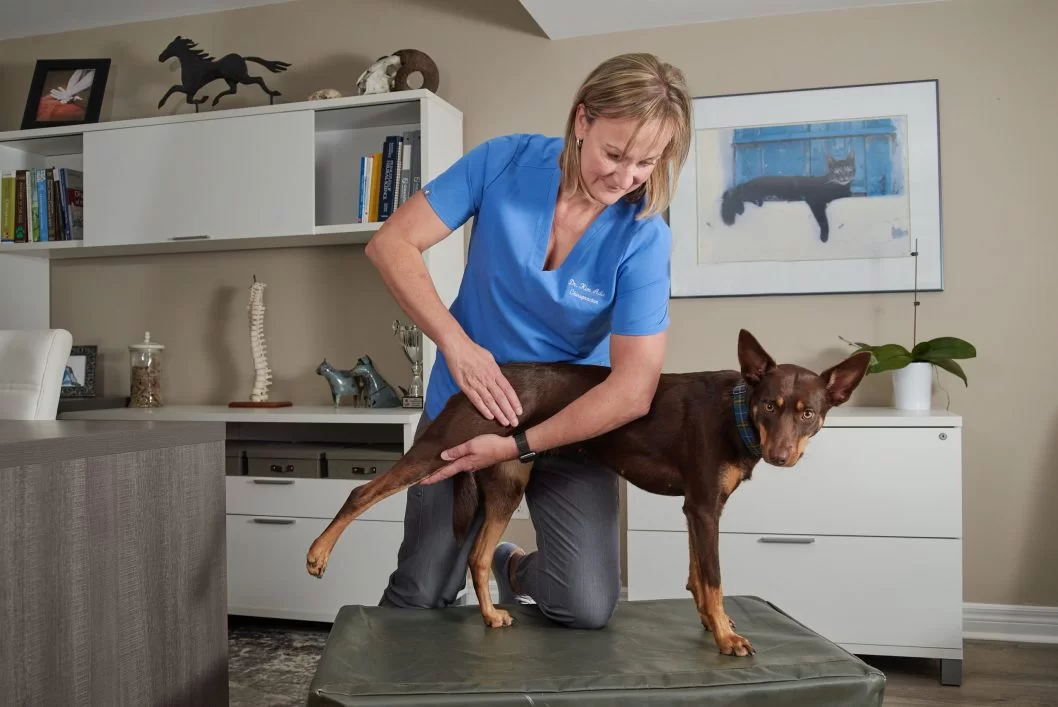
                                                                          Physical Characteristics

                                                                          Harriers are medium-sized dogs with a sturdy build, reflecting their hunting origins. Here’s what to expect:

                                                                          • Height: 19 to 21 inches at the shoulder
                                                                          • Weight: 40 to 60 pounds
                                                                          • Coat: Short, smooth, and dense
                                                                          • Colors: Various combinations including black and white, tan and white, or tri-color

                                                                          Their muscular physique and well-balanced proportions contribute to their endurance and agility. Harriers have a bold forehead, a moderate stop, and wide-set ears, giving them an alert and intelligent expression.

                                                                          Temperament and Personality

                                                                          Harriers are known for their cheerful and sweet-tempered nature. Key traits include:

                                                                          • Friendly and outgoing
                                                                          • Excellent with children
                                                                          • Tolerant and patient
                                                                          • Social with other dogs
                                                                          • High energy levels
                                                                          • Strong prey drive

                                                                          Their pack-oriented background makes them highly sociable, thriving in households with multiple pets or active families. But, their hunting instincts may require careful management around smaller animals.

                                                                          Exercise Requirements

                                                                          Harriers have high energy levels and require substantial daily exercise:

                                                                          • At least 2 hours of physical activity per day
                                                                          • Long walks or jogs
                                                                          • Opportunities for scent work or tracking
                                                                          • Playtime in a securely fenced area

                                                                          Without adequate exercise, Harriers may become bored and develop destructive behaviors. Their stamina and love for outdoor activities make them ideal companions for active individuals or families.

                                                                          Training Considerations

                                                                          When choosing a Harrier, be prepared for some training challenges:

                                                                          • Intelligent but independent-minded
                                                                          • Require consistent, positive reinforcement
                                                                          • Early socialization is crucial
                                                                          • Strong scenting instincts may distract during training
                                                                          • Benefit from obedience classes and structured training sessions

                                                                          Patient and persistent training approaches yield the best results with Harriers. Their pack mentality means they respond well to clear leadership and consistent rules.

                                                                          Living Environment

                                                                          Consider your living situation when choosing a Harrier:

                                                                          • Adaptable to various home sizes, but benefit from ample space
                                                                          • Access to a securely fenced yard is ideal
                                                                          • Not well-suited for apartment living due to exercise needs
                                                                          • Require mental stimulation to prevent boredom
                                                                          • May not be ideal for homes with small pets due to prey drive

                                                                          Harriers thrive in environments where they can expend their energy and engage their scenting abilities regularly.

                                                                          Health Considerations

                                                                          While generally healthy, Harriers are prone to certain health issues:

                                                                          • Hip dysplasia
                                                                          • Epilepsy
                                                                          • Hypothyroidism
                                                                          • Eye problems (cataracts, glaucoma)

                                                                          When choosing a Harrier puppy, ensure the breeder provides health clearances for both parents. Regular veterinary check-ups and a balanced diet are essential for maintaining your Harrier’s health.

                                                                          Grooming Needs

                                                                          Harriers have relatively low grooming requirements:

                                                                          • Weekly brushing to remove loose hair
                                                                          • Occasional baths as needed
                                                                          • Regular nail trimming and dental care
                                                                          • Ear cleaning to prevent infections

                                                                          Their short, dense coat is naturally weather-resistant and doesn’t require extensive maintenance.

                                                                          Time Commitment

                                                                          Owning a Harrier requires a important time investment:

                                                                          • Daily exercise sessions
                                                                          • Training and socialization
                                                                          • Mental stimulation activities
                                                                          • Regular veterinary care
                                                                          • Grooming and maintenance

                                                                          Harriers form strong bonds with their families and don’t do well when left alone for extended periods. They’re best suited for households where someone is home frequently or can provide regular companionship.

                                                                          Adoption vs. Purchasing

                                                                          When choosing a Harrier, consider adoption options:

                                                                          • Check local shelters and rescue organizations
                                                                          • Look for breed-exact rescue groups
                                                                          • Adoptions often include initial veterinary care and vaccinations

                                                                          If purchasing from a breeder:

                                                                          • Research reputable breeders thoroughly
                                                                          • Ensure health clearances are provided
                                                                          • Visit the breeding facility if possible
                                                                          • Ask about the puppy’s parents and lineage

                                                                          Adopting or purchasing from responsible sources helps support ethical breeding practices and gives dogs in need loving homes.

                                                                          By carefully considering these factors, you’ll be well-equipped to decide if a Harrier is the right choice for your household. Their friendly nature, high energy levels, and hunting background make them unique companions for active families or individuals who can meet their exercise and training needs.

                                                                          Conclusion

                                                                          The Harrier dog breed offers a unique blend of hunting prowess and companionship. With their friendly nature and versatile abilities, they can be excellent pets for active families. But, potential owners should carefully consider their high exercise needs and strong prey drive.

                                                                          We’ve explored the Harrier’s history, characteristics, and care requirements. By understanding these aspects, you’ll be better equipped to decide if this energetic and lovable breed is the right fit for your home. Remember, responsible ownership involves commitment to their physical and emotional well-being for a rewarding relationship.

                                                                        3. Dog Cloning Costs: What You’ll Pay to Clone Your Canine in 2024

                                                                          Dog Cloning Costs: What You’ll Pay to Clone Your Canine in 2024

                                                                          Have you ever wondered if you could bring your beloved canine companion back to life? Dog cloning, once a concept confined to science fiction, is now a reality – but at what cost?

                                                                          We’ve seen the pet cloning industry evolve rapidly over the past two decades. Initially, companies like Genetic Savings and Clone estimated the price for cloning a dog would drop to $25,000 within three years. But, the reality has been quite different. Today, the cost to clone a dog typically starts at $50,000, with some companies charging as much as $85,000 for the service.

                                                                          In this text, we’ll explore the intriguing area of dog cloning, breaking down the costs involved and the factors that influence pricing. We’ll also investigate into the ethical considerations and potential risks associated with this controversial practice, helping you make an well-informed choice about whether cloning your furry friend is the right choice for you.

                                                                          Understanding Dog Cloning

                                                                          Dog cloning is a complex scientific process that creates a genetically identical copy of a canine. It’s a procedure that’s gained attention in recent years, with pet owners considering it as a way to preserve their beloved companions.

                                                                          The Science Behind Pet Cloning

                                                                          The process of cloning a dog involves several intricate steps. Scientists start by collecting somatic cells from the donor dog, typically from skin or ear tissue. These cells are then cultured in a laboratory setting. The nucleus of a donor egg cell is removed and replaced with the nucleus from the cultured somatic cell. This reconstructed egg is then stimulated to begin dividing and developing into an embryo.

                                                                          Once the embryo reaches a suitable stage, it’s implanted into a surrogate mother dog. Multiple attempts are often necessary due to the low success rate of the procedure. For example, Snuppy, the first cloned dog, was the sole survivor out of over 1,000 embryos implanted in 123 surrogates.

                                                                          Legal and Ethical Considerations

                                                                          The legal and ethical industry surrounding dog cloning is complex and varies globally. In the United States, pet cloning is legal, but regulations on animal welfare and research practices apply. Ethical concerns include the welfare of surrogate mothers and potential health issues in cloned animals.

                                                                          Critics argue that cloning prioritizes genetics over the unique bond between pets and owners. They also point out that cloning doesn’t recreate the exact same dog, as environmental factors influence personality and behavior. Supporters, but, see it as a way to preserve exceptional qualities, such as those of working or service dogs.

                                                                          Animal welfare organizations often oppose pet cloning, citing the high number of homeless animals in shelters. They argue that resources could be better spent on adoption and animal care programs rather than creating genetic copies of existing pets.

                                                                          The Dog Cloning Process

                                                                          The dog cloning process involves several intricate steps, combining advanced scientific techniques with careful genetic manipulation. This complex procedure aims to create a genetically identical copy of a beloved canine companion.

                                                                          DNA Collection and Preservation

                                                                          DNA collection is the crucial first step in the dog cloning process. To clone a dog, veterinarians extract genetic material from the donor animal. This can be done using living tissue or, in some cases, from the body of a recently deceased dog. For deceased dogs, DNA collection is possible within 5 days of death if the body is kept cool.

                                                                          The collected DNA is then rapidly frozen and shipped to a specialized Pet Cloning Center for preservation. This genetic material can be stored indefinitely, allowing pet owners to clone their dogs at a future date. A processing and storage fee is typically charged for this service, which is separate from the full cloning cost.

                                                                          Surrogate Selection and Embryo Transfer

                                                                          Once the decision to proceed with cloning is made, the next crucial step is surrogate selection and embryo transfer. This process involves carefully choosing healthy female dogs to serve as egg donors and surrogate mothers. The selected surrogates undergo hormonal treatments to synchronize their reproductive cycles.

                                                                          Scientists then remove the nucleus from a donor egg and replace it with the nucleus containing the preserved DNA of the dog to be cloned. This creates an embryo that’s genetically identical to the original dog. The embryo is then implanted into the surrogate mother’s uterus. Multiple embryos are often transferred to increase the chances of a successful pregnancy, as the success rate for dog cloning remains relatively low.

                                                                          Cost Factors in Dog Cloning

                                                                          Dog cloning costs involve several factors beyond the base fee. We’ll explore the primary expenses and additional considerations that influence the total cost of cloning a dog.

                                                                          Base Cloning Fees

                                                                          The base fee for dog cloning is substantial, with major providers charging similar amounts:

                                                                          • ViaGen Pets: $50,000 total, paid in two equal installments
                                                                          • Sooam Biotech: Approximately $50,000 (exact fees not specified)

                                                                          These fees cover the core cloning process, including DNA extraction, embryo creation, and surrogate implantation. The cost reflects the complex scientific procedures and specialized equipment required for successful dog cloning. Even though initial predictions of price decreases, the base fee has remained relatively stable due to the intricate nature of the process and limited competition in the market.

                                                                          1. Genetic Preservation:
                                                                          • ViaGen Pets: $1,600 for dogs and cats
                                                                          • Gemini Genetics (UK): £500 + VAT for initial stage, £1,400 + VAT for cell culture

                                                                          2. Storage Fees:

                                                                            • Monthly fee of £12 (Gemini Genetics)

                                                                            3. State Sales Tax:

                                                                              • Applicable in some regions, added to the final billing

                                                                              4. Travel Expenses:

                                                                                • Potential costs for shipping genetic material or visiting cloning facilities

                                                                                5. Health Screenings:

                                                                                  • Additional tests for donor and surrogate animals

                                                                                  6. Post-Cloning Care:

                                                                                    • Veterinary check-ups and potential medical treatments for the cloned puppy

                                                                                    These additional expenses can significantly increase the total cost of dog cloning. Pet owners should carefully consider these factors when budgeting for the procedure.

                                                                                    Dog Cloning

                                                                                    Timeframe for Cloning a Dog

                                                                                    The dog cloning process involves several intricate stages, each with its own timeline. From initial DNA collection to the birth of a cloned puppy, the entire procedure can span several months. Let’s explore the key phases and their durations.

                                                                                    From DNA Collection to Birth

                                                                                    DNA collection marks the beginning of the cloning journey. This critical step involves extracting genetic material from the donor dog through a biopsy or within 5 days of the dog’s death. The genetic preservation process costs $1,600 and ensures the DNA’s viability for future cloning.

                                                                                    Following DNA collection, cell culturing begins, costing around $1,700. This stage is crucial for preparing the genetic material for the cloning process. The actual cloning involves extracting unfertilized eggs from a donor dog, removing the nucleus, and replacing it with the preserved donor dog’s DNA. Scientists then stimulate the egg to divide and implant it into a surrogate dog.

                                                                                    The gestation period for dogs typically lasts about 63 days. But, due to the complex nature of cloning, the success rate can be low, often requiring multiple attempts before a successful pregnancy occurs.

                                                                                    Post-Birth Care and Monitoring

                                                                                    After the cloned puppy’s birth, post-natal care is essential. This phase involves close monitoring of the puppy’s health and development to ensure it’s thriving. Veterinarians conduct regular check-ups to assess the puppy’s growth, administer necessary vaccinations, and address any potential health concerns.

                                                                                    The monitoring period typically extends for several weeks to months after birth. During this time, the cloning facility observes the puppy for any genetic abnormalities or health issues that may arise. This careful observation helps ensure the cloned dog’s well-being and provides valuable data for improving future cloning procedures.

                                                                                    Once the puppy reaches a certain age and health benchmarks, it’s ready to be united with its new family. The entire process, from initial DNA collection to bringing home a healthy cloned puppy, can take anywhere from several months to a year or more, depending on various factors and the success of each stage.

                                                                                    Alternatives to Dog Cloning

                                                                                    For those seeking alternatives to dog cloning, several options exist that can help preserve a beloved pet’s memory or find a similar companion. These alternatives are often more affordable and accessible than cloning, while still offering ways to honor a pet’s legacy or continue the bond with a new canine companion.

                                                                                    Genetic Preservation Options

                                                                                    Genetic preservation offers a more affordable alternative to immediate cloning. This process allows pet owners to store their dog’s DNA for potential future cloning. The cost of genetic preservation is significantly lower than full cloning, with initial fees around £500 + VAT for DNA collection and £1,400 + VAT for cell culture. Storage fees typically run about £12 per month, allowing indefinite preservation of the genetic material. This option provides flexibility, enabling pet owners to delay the decision to clone while keeping the possibility open. Companies specializing in pet genetic preservation offer services to collect and store DNA samples either before or after a pet’s passing, ensuring that the option for future cloning remains available.

                                                                                    Adopting Similar Breeds

                                                                                    Adopting a dog of a similar breed presents a compassionate alternative to cloning. This option allows pet owners to find a companion with comparable traits to their beloved pet while providing a home to a dog in need. When considering adoption, research breeds that share physical and temperamental characteristics with the original pet. Local shelters, breed-exact rescues, and reputable breeders can help match adopters with dogs that fit their preferences. Adoption fees typically range from $50 to $500, significantly less than cloning costs. This approach not only honors the memory of a past pet but also offers a new dog a loving home. Also, adopting allows for the formation of a unique bond with a new companion, creating fresh memories while carrying forward the love for the breed or type of dog.

                                                                                    Conclusion

                                                                                    Dog cloning is a complex and costly process that offers a unique way to preserve a beloved pet’s genetic legacy. While it’s now a reality, it comes with important financial, ethical, and practical considerations. We’ve explored the intricate steps, substantial costs, and potential alternatives to help you make an well-informed choice. Whether you choose cloning, genetic preservation, or adoption, remember that each option has its merits. Eventually, the choice depends on your personal circumstances, values, and the depth of your bond with your furry companion.

                                                                                  1. Bald Spots on Dogs: 5 Common Causes and How to Treat Them

                                                                                    Bald Spots on Dogs: 5 Common Causes and How to Treat Them

                                                                                    Have you noticed patches of fur missing from your dog’s coat? It’s a common concern for pet owners, and bald spots can be more than just a cosmetic issue. These patches may signal underlying health problems that require attention.

                                                                                    We’ll explore the five most common causes of bald spots on dogs, including allergies, Cushing’s disease, pressure sores, genetics, and infections or infestations. Understanding these causes is crucial for proper care and treatment. While shedding is normal, sudden or unusual hair loss warrants investigation.

                                                                                    By the end of this article, you’ll be equipped with the knowledge to identify potential issues and know when it’s time to consult a veterinarian. Let’s jump into the industry of canine bald spots and learn how to keep our furry friends healthy and happy.

                                                                                    Common Causes of Bald Spots in Dogs

                                                                                    Bald spots on dogs can stem from various factors, ranging from minor irritations to serious health issues. Understanding these causes is crucial for effective treatment and prevention. Let’s explore the common reasons behind canine hair loss.

                                                                                    Parasitic Infections

                                                                                    Parasitic infections frequently cause bald spots in dogs. Fleas, ticks, and mites are primary culprits, leading to hair loss around the eyes, ears, abdomen, and chest. Mange, caused by mites, results in itchy, inflamed skin and important hair loss. These parasites irritate the skin, prompting excessive scratching and subsequent fur loss.

                                                                                    Internal parasites like worms can indirectly contribute to hair loss by interfering with nutrient absorption. This nutritional deficiency often manifests as patchy fur or overall thinning of the coat. Regular parasite prevention and prompt treatment of infestations are essential to maintain a healthy, full coat.

                                                                                    Allergies and Skin Conditions

                                                                                    Allergies and skin conditions are major contributors to bald spots in dogs. Environmental allergies to pollen, mold, and dust mites can cause itchy skin and hair loss. Dogs may scratch excessively, leading to bald patches and skin inflammation. Food allergies can also trigger similar symptoms, often accompanied by gastrointestinal issues.

                                                                                    Skin conditions like atopic dermatitis or hot spots can result in localized hair loss. These conditions cause intense itching and inflammation, leading to self-trauma as dogs scratch or bite affected areas. Identifying and addressing the underlying cause of allergies or skin conditions is crucial for preventing recurrent bald spots.

                                                                                    Hormonal Imbalances

                                                                                    Hormonal imbalances can significantly impact a dog’s coat health. Conditions like hypothyroidism, where the thyroid gland underproduces hormones, often lead to hair thinning or loss. This typically affects both sides of the body symmetrically, resulting in a dull, thin coat.

                                                                                    Cushing’s disease, characterized by excessive cortisol production, can cause hair loss primarily on the body while leaving the head and legs unaffected. Hormonal alopecia, common in certain breeds, results in bald spots in exact areas. Addressing these imbalances through proper medical treatment is essential for coat restoration and overall health.

                                                                                    Stress and Anxiety

                                                                                    Stress and anxiety can manifest physically in dogs, leading to hair loss. Excessive licking or chewing due to stress can create bald spots, particularly on the legs or tail. This behavior, known as acral lick dermatitis, often stems from boredom, separation anxiety, or environmental changes.

                                                                                    Changes in routine, moving to a new home, or the addition of a new family member can trigger stress-related hair loss. Some dogs may develop compulsive behaviors like tail-chasing or excessive grooming, resulting in bald patches. Identifying and addressing the source of stress, along with behavioral modification techniques, can help alleviate these issues and prevent further hair loss.

                                                                                    Identifying Symptoms of Dog Hair Loss

                                                                                    Recognizing the symptoms of dog hair loss is crucial for early intervention and proper treatment. We’ll explore the key indicators to help you identify potential issues with your dog’s coat and skin health.

                                                                                    Location and Pattern of Baldness

                                                                                    The location and pattern of baldness in dogs can provide valuable clues about the underlying cause. Hair loss may occur in exact areas or be more generalized:

                                                                                    • Symmetrical baldness: Often indicates hormonal issues like hypothyroidism or Cushing’s disease
                                                                                    • Patchy hair loss: Can be a sign of allergies, infections, or parasites
                                                                                    • Circular bald spots: Commonly associated with ringworm fungal infections
                                                                                    • Thinning coat: May indicate nutritional deficiencies or age-related changes
                                                                                    • Tail and back of thighs: Flea allergy dermatitis frequently affects these areas
                                                                                    • Face and ears: Common sites for mange mite infestations
                                                                                    • Belly and chest: Allergic reactions often manifest in these regions

                                                                                    Understanding these patterns helps narrow down potential causes and guides appropriate treatment strategies.

                                                                                    Associated Skin Changes

                                                                                    Dog hair loss is often accompanied by various skin changes that can indicate the severity and nature of the underlying condition:

                                                                                    • Redness and inflammation: Suggests irritation or infection
                                                                                    • Scaling or flaking: May indicate dry skin, allergies, or hormonal imbalances
                                                                                    • Crusting or scabbing: Often seen with parasitic infestations or bacterial infections
                                                                                    • Hyperpigmentation: Darkening of the skin, common in chronic skin conditions
                                                                                    • Odor: Unpleasant smell may indicate yeast or bacterial overgrowth
                                                                                    • Lesions or sores: Can be signs of self-trauma from excessive scratching or biting
                                                                                    • Thickened skin: Often observed in chronic allergic conditions

                                                                                    These skin changes, combined with the pattern of hair loss, provide valuable information for veterinary diagnosis and treatment planning. It’s essential to monitor your dog’s skin closely and consult a veterinarian if you notice any concerning changes.

                                                                                    Bald Spots on Dogs

                                                                                    Diagnosing the Underlying Cause

                                                                                    Identifying the root cause of bald spots on dogs requires a comprehensive approach. We’ll explore the key components of diagnosis, including veterinary examination and diagnostic tests.

                                                                                    Veterinary Examination

                                                                                    A thorough veterinary examination is crucial for diagnosing bald spots on dogs. The vet starts with a physical exam, looking for signs like red, inflamed, or thickened skin, unusual odors, and abnormal skin textures. They’ll check for fleas, ticks, and flea dirt, paying close attention to areas like the feet, tail base, and flanks. The vet also gathers a detailed history, including the dog’s diet, environment, and any previous treatments. They’ll note the pattern and distribution of hair loss, examining whether hairs are shedding from the follicle or breaking off. This comprehensive approach helps identify potential causes such as parasites, allergies, or skin infections.

                                                                                    Diagnostic Tests

                                                                                    Based on the examination findings, vets may recommend various diagnostic tests to pinpoint the cause of bald spots on dogs. These tests may include:

                                                                                    1. Skin scrapes: To detect Demodectic or Sarcoptic mange
                                                                                    2. Cultures: For identifying bacterial infections
                                                                                    3. Tape preps: To examine for bacteria, yeast, and inflammatory cells
                                                                                    4. Black light and fungal cultures: To diagnose Dermatophytosis (ringworm)
                                                                                    5. Ear smears: To check for bacteria, yeast cells, or mites
                                                                                    6. Skin testing: For identifying allergies
                                                                                    7. Food trials: To rule out food-related allergies
                                                                                    8. Blood tests: To check organ function and endocrine diseases
                                                                                    9. Fecal exams: To detect parasites
                                                                                    10. Biopsies: For diagnosing autoimmune diseases or cancer

                                                                                    These tests help vets make accurate diagnoses and develop effective treatment plans for dogs with bald spots. The combination of a thorough examination and appropriate diagnostic tests ensures a comprehensive approach to addressing hair loss in dogs.

                                                                                    Treatment Options for Canine Alopecia

                                                                                    Treating canine alopecia requires a targeted approach based on the underlying cause. We’ll explore various treatment options to address this condition effectively.

                                                                                    Addressing Parasites and Infections

                                                                                    Parasites and infections are common culprits behind bald spots on dogs. To combat these issues:

                                                                                    • Use antiparasitic medications for fleas, ticks, and mites
                                                                                    • Apply topical or oral treatments to eliminate parasites
                                                                                    • Administer antifungal medications for ringworm infections
                                                                                    • Prescribe antibiotics for bacterial infections like pyoderma
                                                                                    • Treat mange with exact antiparasitic medications
                                                                                    • Carry out household-wide treatment to prevent re-infestation

                                                                                    Regular grooming and preventative measures help maintain a parasite-free environment for your dog. Consult a veterinarian for proper diagnosis and treatment plans customized to your dog’s exact condition.

                                                                                    Managing Allergies and Skin Issues

                                                                                    Allergies and skin problems often contribute to canine alopecia. Here’s how to manage these issues:

                                                                                    • Conduct food trials to identify and eliminate allergens
                                                                                    • Use antihistamines to reduce allergic reactions
                                                                                    • Apply topical therapies like medicated shampoos, sprays, or ointments
                                                                                    • Administer anti-inflammatory medications to reduce skin irritation
                                                                                    • Consider immunotherapy for long-term allergy management
                                                                                    • Carry out regular bathing routines with hypoallergenic products

                                                                                    Identifying and avoiding known allergens is crucial for preventing future hair loss. Work closely with your veterinarian to develop an effective allergy management plan for your dog.

                                                                                    Dog with bald spot under shoulder after removing tree sap. Hair loss causes: allergies, genetics, alopecia, chemotherapy infections and bacteria. Female Harrier mix dog, medium size. Selective focus.

                                                                                    Hormonal Therapy

                                                                                    Hormonal imbalances can lead to hair loss in dogs. Treatment options include:

                                                                                    • Thyroid hormone replacement for hypothyroidism
                                                                                    • Medication to manage Cushing’s disease
                                                                                    • Hormone supplements for conditions like hyperestrogenism
                                                                                    • Regular blood tests to monitor hormone levels
                                                                                    • Dietary adjustments to support hormonal balance
                                                                                    • Surgical intervention for certain endocrine disorders

                                                                                    Hormonal therapy requires ongoing monitoring and adjustment. Your veterinarian will create a customized treatment plan based on your dog’s exact hormonal imbalance and overall health status.

                                                                                    Stress Reduction Techniques

                                                                                    Stress-induced alopecia in dogs can be addressed through various techniques:

                                                                                    • Establish a consistent daily routine
                                                                                    • Provide a calm, safe environment
                                                                                    • Engage in regular exercise and playtime
                                                                                    • Use pheromone diffusers or calming aids
                                                                                    • Consider behavioral therapy for anxiety-related issues
                                                                                    • Carry out gentle massage or acupressure techniques
                                                                                    • Explore natural calming supplements, if recommended by your vet

                                                                                    Identifying and addressing sources of stress in your dog’s life is essential for long-term management of stress-related hair loss. Consult with a veterinary behaviorist for personalized strategies to reduce your dog’s stress levels and promote overall well-being.

                                                                                    Preventing Hair Loss in Dogs

                                                                                    Preventing hair loss in dogs involves a multifaceted approach. We’ll explore strategies to maintain your dog’s coat health and reduce the risk of bald spots.

                                                                                    Proper Nutrition and Grooming

                                                                                    A balanced diet is crucial for preventing hair loss in dogs. We recommend feeding high-quality dog food rich in essential nutrients like omega-3 fatty acids, vitamins A and E, and zinc. These nutrients support healthy skin and coat growth. Regular grooming is equally important. Brush your dog’s coat at least 2-3 times a week to remove loose hair, distribute natural oils, and stimulate blood flow to the skin. For breeds prone to hair loss, such as Bulldogs, Dobermans, and Greyhounds, daily brushing may be necessary. Use appropriate grooming tools for your dog’s coat type to prevent skin irritation. Bathe your dog every 4-8 weeks using a mild, hypoallergenic shampoo to avoid stripping natural oils from the skin.

                                                                                    Regular Health Check-ups

                                                                                    Scheduling regular veterinary check-ups is essential for preventing hair loss in dogs. We recommend bi-annual visits for adult dogs and more frequent check-ups for puppies and senior dogs. During these visits, your veterinarian can detect early signs of skin issues, parasitic infestations, or underlying health conditions that may lead to hair loss.

                                                                                    They’ll perform physical examinations, checking for signs of allergies, infections, or hormonal imbalances like Cushing’s disease. Your vet may also recommend preventive treatments for fleas, ticks, and other parasites that can cause hair loss. Regular blood tests can help identify nutritional deficiencies or hormonal issues before they manifest as visible hair loss. If your dog is prone to skin problems, discuss the possibility of allergy testing or dietary adjustments with your vet to prevent future hair loss episodes.

                                                                                    When to Seek Veterinary Care

                                                                                    Presence of Other Symptoms

                                                                                    Bald spots on dogs often warrant veterinary attention, especially when accompanied by additional symptoms. We recommend seeking professional care if your dog exhibits:

                                                                                    • Excessive scratching, itching, biting, or licking at the bald area
                                                                                    • Red or irritated skin around the bald spot
                                                                                    • Musky or foul odor emanating from the affected area
                                                                                    • Dry, scaly, or cracked skin in or around the bald patch
                                                                                    • Swelling or inflammation near the hair loss
                                                                                    • Discharge or blood from the skin at the bald spot

                                                                                    These symptoms may indicate an allergic reaction, parasitic infestation, or skin infection. Early intervention by a veterinarian can prevent further complications and alleviate your dog’s discomfort.

                                                                                    Infections or Infestations

                                                                                    Parasites like fleas, ticks, and mites frequently cause bald spots in dogs. We advise consulting a vet if you suspect a parasitic infestation, especially if you notice:

                                                                                    • Hair loss around the ears, eyes, and mouth
                                                                                    • Oily skin texture in the affected areas
                                                                                    • Thickened skin around the bald spots
                                                                                    • Infected crusts on or near the bald patches

                                                                                    Parasites cause important discomfort and can lead to secondary infections if left untreated. A veterinarian can accurately diagnose the exact parasite and prescribe appropriate treatment to eliminate the infestation and promote hair regrowth.

                                                                                    Sudden or Rapid Hair Loss

                                                                                    While some shedding is normal for dogs, sudden or rapid hair loss requires immediate veterinary attention. We recommend seeking professional care if:

                                                                                    • Large patches of hair fall out within a short period
                                                                                    • Multiple bald spots appear simultaneously
                                                                                    • Hair loss progresses rapidly over days or weeks

                                                                                    Sudden hair loss may indicate underlying health issues such as hormonal imbalances, autoimmune disorders, or systemic diseases. A veterinarian can perform necessary tests to identify the root cause and develop an effective treatment plan.

                                                                                    Persistent or Recurring Bald Spots

                                                                                    If your dog’s bald spots persist for an extended period or recur after initial improvement, it’s crucial to consult a veterinarian. We advise seeking professional care when:

                                                                                    • Bald spots don’t show signs of improvement after 2-3 weeks
                                                                                    • Hair regrows but falls out again in the same area
                                                                                    • New bald spots continue to appear over time

                                                                                    Persistent or recurring hair loss may indicate chronic conditions that require ongoing management. A veterinarian can assess the underlying cause and develop a long-term treatment strategy to address the issue effectively.

                                                                                    Changes in Behavior or Overall Health

                                                                                    Sometimes, bald spots in dogs are accompanied by changes in behavior or general health. We recommend veterinary consultation if you notice:

                                                                                    • Decreased appetite or changes in eating habits
                                                                                    • Increased lethargy or reduced activity levels
                                                                                    • Changes in water consumption (increased or decreased)
                                                                                    • Alterations in urination or defecation patterns
                                                                                    • Signs of pain or discomfort when touching the affected areas

                                                                                    These behavioral and health changes may signal that the hair loss is part of a larger health issue. A veterinarian can conduct a comprehensive examination to identify any underlying conditions and provide appropriate treatment.

                                                                                    Location and Pattern of Baldness

                                                                                    The location and pattern of bald spots can provide valuable insights into their cause. We advise seeking veterinary care if you observe:

                                                                                    • Symmetrical baldness on both sides of the body
                                                                                    • Circular or ring-shaped bald patches
                                                                                    • Hair loss concentrated around the eyes, mouth, or ears
                                                                                    • Bald spots along the back or tail base

                                                                                    Different patterns of hair loss are associated with exact conditions. For example, symmetrical baldness often indicates hormonal imbalances, while circular patches may suggest fungal infections like ringworm. A veterinarian can evaluate the pattern and location to narrow down potential causes and recommend appropriate diagnostic tests.

                                                                                    Age and Breed Considerations

                                                                                    Certain age groups and dog breeds are more prone to exact causes of hair loss. We recommend consulting a veterinarian if:

                                                                                    • Your senior dog develops bald spots, as they’re more susceptible to hormonal imbalances and certain skin conditions
                                                                                    • Your dog belongs to a breed predisposed to skin issues or hair loss, such as Boxers, Bulldogs, or Shar-Peis
                                                                                    • You have a young puppy with bald spots, as this may indicate congenital conditions or early-onset health issues

                                                                                    A veterinarian familiar with breed-exact and age-related concerns can provide customized advice and treatment options for your dog’s unique situation.

                                                                                    By recognizing these signs and seeking timely veterinary care, you can ensure that your dog receives prompt and effective treatment for bald spots and any underlying health issues. Remember, early intervention often leads to better outcomes and can prevent more serious complications from developing.

                                                                                    Conclusion

                                                                                    Bald spots on dogs can be a sign of various health issues ranging from allergies to hormonal imbalances. We’ve explored the common causes symptoms and treatment options for canine alopecia. Remember that early detection and proper veterinary care are crucial for your dog’s health and well-being. By maintaining good nutrition regular grooming and scheduling routine check-ups you can help prevent many causes of hair loss in your furry friend. If you notice any unusual bald patches or changes in your dog’s coat don’t hesitate to consult your veterinarian. With the right care and attention you can ensure your dog maintains a healthy vibrant coat for years to come.

                                                                                  2. Wolf Dog Breeds: Myths, Facts, and Care Tips for Hybrid Canines

                                                                                    Wolf Dog Breeds: Myths, Facts, and Care Tips for Hybrid Canines

                                                                                    Did you know that nearly 65% of wolfdogs end up in rescues or are euthanized by the age of three? This startling statistic highlights the complex nature of these fascinating yet challenging animals.

                                                                                    Wolfdogs aren’t a breed but rather a mix of wolf and domestic dog DNA. We’ll explore the unique characteristics of these animals, exploring into their genetic makeup, temperament, and the challenges they present as pets. Understanding wolfdogs is crucial for potential owners and animal enthusiasts alike.

                                                                                    In this text, we’ll uncover the truth about wolfdogs, examining their origins, behavioral traits, and the ethical considerations surrounding their breeding. We’ll also discuss why many experts advise against keeping wolfdogs as pets, providing valuable insights for those intrigued by these captivating creatures.

                                                                                    What Is a Wolf Dog Breed?

                                                                                    A wolf dog breed, also known as a wolfdog or wolf-dog hybrid, is a canine resulting from the mating of a domestic dog and a wolf. These unique animals possess a mix of characteristics from both their wild and domesticated ancestors.

                                                                                    History of Wolf-Dog Hybrids

                                                                                    Wolf-dog hybrids have a complex history rooted in human intervention. Natural occurrences of wolf-dog mating in the wild are rare due to wolves’ territorial and monogamous nature. Wolves typically protect their territories from other canines, including dogs, making natural hybridization unlikely.

                                                                                    The intentional breeding of wolfdogs began as humans sought to combine the desirable traits of wolves and dogs. This practice has led to a wide range of wolfdog types, varying in their wolf content and domestic dog ancestry. German Shepherds, Siberian Huskies, and Alaskan Malamutes are often used in wolfdog breeding programs due to their physical similarities to wolves.

                                                                                    Genetic Composition

                                                                                    Wolf dogs possess a unique genetic makeup, combining DNA from both wolves (Canis lupus) and domestic dogs (Canis lupus familiaris). The genetic composition of wolfdogs can vary significantly, depending on the percentage of wolf vs. dog DNA present in the individual animal.

                                                                                    Key aspects of wolfdog genetics include:

                                                                                    1. Shared ancestry: Dogs and wolves share a common evolutionary ancestor, resulting in nearly identical DNA.
                                                                                    2. Variable wolf content: Wolfdog genetics can range from low-content (mostly dog) to high-content (mostly wolf).
                                                                                    3. Breed influence: The exact dog breeds used in wolfdog breeding affect the genetic makeup and traits of the offspring.
                                                                                    4. Behavioral implications: The genetic composition influences the wolfdog’s temperament, with higher wolf content often resulting in more wolf-like behaviors.

                                                                                    Understanding the genetic composition of wolfdogs is crucial for predicting their physical and behavioral characteristics, as well as potential challenges in keeping them as pets.

                                                                                    Popular Wolf Dog Breeds

                                                                                    Wolf dog breeds combine the wild allure of wolves with the domesticated traits of dogs. These unique breeds offer a blend of wolf-like appearance and canine temperament. Let’s explore some popular wolf dog breeds that captivate enthusiasts worldwide.

                                                                                    Czechoslovakian Wolfdog

                                                                                    The Czechoslovakian Wolfdog, created in the 1960s, is a cross between a Carpathian Wolf and a German Shepherd Dog. This breed combines the intelligence and trainability of German Shepherds with wolf-like physical characteristics. Recognized by the Fédération Cynologique Internationale (FCI), Czechoslovakian Wolfdogs are known for their:

                                                                                    • High energy and intelligence
                                                                                    • Strong predatory instincts
                                                                                    • Adaptability to various tasks
                                                                                    • Suitability for search and rescue, tracking, and specialized work

                                                                                    These dogs require extensive training and socialization due to their wolf ancestry. Their unique blend of traits makes them a fascinating but challenging breed for experienced owners.

                                                                                    Saarloos Wolfdog

                                                                                    The Saarloos Wolfdog, developed in the Netherlands, is another wolf-dog hybrid breed. Created by crossing German Shepherds with Eurasian wolves, these dogs exhibit a strong resemblance to their wolf ancestors. Key characteristics of the Saarloos Wolfdog include:

                                                                                    • Muscular build and wolf-like appearance
                                                                                    • Independent and reserved nature
                                                                                    • High intelligence and trainability
                                                                                    • Strong pack mentality

                                                                                    Saarloos Wolfdogs require experienced handlers and extensive socialization. They’re not typically recommended as family pets due to their reserved nature and high exercise needs. But, they excel in various working roles and can form strong bonds with their owners.

                                                                                    Northern Inuit Dog

                                                                                    The Northern Inuit Dog, while not a true wolf-dog hybrid, was bred to resemble wolves closely. Developed in the UK during the 1980s, this breed combines several northern breeds to achieve a wolf-like appearance. Notable traits of the Northern Inuit Dog include:

                                                                                    • Striking resemblance to wolves
                                                                                    • Friendly and affectionate temperament
                                                                                    • High energy levels and exercise needs
                                                                                    • Strong pack instincts

                                                                                    Northern Inuit Dogs are more suitable as family pets compared to some other wolf-like breeds. They require consistent training and socialization but are generally more adaptable to domestic life. These dogs gained popularity after appearing in the TV series “Game of Thrones” as direwolves.

                                                                                    Wolf Dog Breeds

                                                                                    Physical Characteristics

                                                                                    Wolfdogs exhibit a unique blend of lupine and canine traits, resulting in distinctive physical features. Their appearance and size can vary significantly depending on their wolf content and dog breed ancestry.

                                                                                    Appearance

                                                                                    Wolfdogs are characterized by their lupine attributes, including a long, pointed muzzle, upright ears, and a lanky build. Their double coat consists of dense under-fur and glossy guard hairs, typically ranging from black to white, with agouti (gray/cream) being the most common color. Banded fur, displaying multiple colors on a single strand, is also prevalent. High-content wolfdogs often have slanted eyes with black rims, and a black nose and lips. Distinguishing features from pure dogs include eye shape and color, chest width, muzzle shape, and paw size.

                                                                                    Size and Build

                                                                                    Wolfdogs generally weigh between 60 to 120 pounds, with males typically larger than females. Their build is often described as lean and athletic, reflecting their wolf ancestry. High-content wolfdogs tend to have a more pronounced wolf-like appearance, with longer legs and a more streamlined body. Lower-content wolfdogs may exhibit a wider range of physical characteristics, depending on the dog breeds in their lineage. It’s important to note that weights exceeding 120 pounds are less common and usually observed in males during winter months when their coats are thickest.

                                                                                    Temperament and Behavior

                                                                                    Wolf-dog hybrids, also known as wolfdogs, exhibit complex and often unpredictable temperaments due to their mixed ancestry. These unique animals blend characteristics from both wolves and domestic dogs, resulting in a wide range of behavioral traits that can vary significantly between individuals.

                                                                                    General Traits

                                                                                    Wolfdogs display a combination of wolf and dog behaviors, making them challenging pets for inexperienced owners. They’re naturally cautious and wary, often exhibiting shy or fearful tendencies, especially towards new experiences and strangers. This neophobic behavior stems from their wolf ancestry and can manifest in various ways:

                                                                                    • Strong social needs: Like wolves, wolfdogs require important attention and interaction
                                                                                    • Pack mentality: They form strong bonds with their family or pack
                                                                                    • High prey drive: Small animals and children may trigger their hunting instincts
                                                                                    • Destructive tendencies: When left alone, they may suffer from separation anxiety

                                                                                    Maturation and Behavioral Changes

                                                                                    The maturation process of wolfdogs varies greatly, influenced by their genetic makeup:

                                                                                    • Wolf genes: Slow maturation, reaching adulthood between 1 to 4 years
                                                                                    • Dog genes: Faster maturation, typically around 6 to 8 months

                                                                                    This discrepancy in maturation rates can lead to unpredictable behavioral changes as the wolfdog grows. Owners must be prepared for potential shifts in temperament and energy levels throughout the animal’s development.

                                                                                    Pros and Cons as Pets

                                                                                    Wolfdogs present unique challenges and rewards as pets. Understanding these pros and cons is crucial for potential owners:

                                                                                    Pros:

                                                                                    • Intelligent and trainable with proper techniques
                                                                                    • Loyal and form strong bonds with their family
                                                                                    • Physically impressive and striking in appearance
                                                                                    • Can be excellent companions for experienced handlers

                                                                                    Cons:

                                                                                    • Unpredictable temperament due to mixed genetics
                                                                                    • High exercise and mental stimulation requirements
                                                                                    • Potential for destructive behavior if not properly managed
                                                                                    • Legal restrictions in many areas due to their wolf content
                                                                                    • Challenging to socialize and may not get along with other pets
                                                                                    • Require specialized diets and veterinary care

                                                                                    Wolfdogs demand extensive time, resources, and commitment from their owners. They’re not suitable for first-time dog owners or families with young children. Prospective owners must thoroughly research and prepare before considering a wolfdog as a pet.

                                                                                    Wolf Dog Breeds

                                                                                    Health Considerations

                                                                                    Wolf dog breeds require specialized care to maintain their health and well-being. Understanding their unique health needs is crucial for potential owners and caregivers.

                                                                                    Lifespan

                                                                                    Wolf dog hybrids typically live 12 to 14 years, comparable to large domestic dogs. Their lifespan depends on factors like diet, exercise, and living conditions. High-quality nutrition, regular veterinary check-ups, and proper exercise contribute to a longer, healthier life for these unique animals. Owners should be prepared for a long-term commitment when considering a wolf dog as a pet.

                                                                                    Common Health Issues

                                                                                    Wolf dogs face several health challenges due to their hybrid nature. Here are some common health issues to be aware of:

                                                                                    1. Dietary Needs and Digestive Issues:
                                                                                    • Require a carnivorous diet rich in raw meat and bones
                                                                                    • Prone to nutritional deficiencies if not fed properly
                                                                                    • Sensitive to sudden dietary changes
                                                                                    • Need a balanced mix of raw meat and high-quality kibble or supplements

                                                                                    2. Veterinary Care Challenges:

                                                                                      • Difficulty finding specialized veterinary care
                                                                                      • Many vets hesitant due to liability concerns
                                                                                      • Require veterinarians experienced with wolf dog hybrids

                                                                                      3. Genetic Health Concerns:

                                                                                        • Susceptible to hip dysplasia, common in large dog breeds
                                                                                        • May inherit genetic disorders from both wolf and dog lineages
                                                                                        • Potential for eye problems, including cataracts

                                                                                        4. Parasitic Infections:

                                                                                          • Higher risk of heartworm disease
                                                                                          • Susceptible to intestinal parasites
                                                                                          • Require regular deworming and preventive treatments

                                                                                          5. Behavioral Health Issues:

                                                                                            • Prone to anxiety and stress in captive environments
                                                                                            • May develop destructive behaviors if not properly stimulated
                                                                                            • Require extensive socialization to prevent aggression

                                                                                            6. Dental Problems:

                                                                                              • Susceptible to dental issues due to their strong jaws
                                                                                              • Regular dental check-ups and cleanings necessary

                                                                                              7. Exercise-Related Injuries:

                                                                                                • High energy levels can lead to sprains or strains
                                                                                                • Proper exercise management crucial to prevent injuries

                                                                                                8. Temperature Sensitivity:

                                                                                                  • May struggle in hot climates due to thick coats
                                                                                                  • Require access to shade and cool water in warm weather

                                                                                                  To ensure the health of wolf dogs, owners must:

                                                                                                  • Provide a specialized diet customized to their nutritional needs
                                                                                                  • Find a veterinarian experienced in treating wolf dog hybrids
                                                                                                  • Carry out a regular exercise routine to maintain physical and mental health
                                                                                                  • Conduct routine health screenings for genetic and breed-exact issues
                                                                                                  • Maintain a consistent preventive care regimen for parasites
                                                                                                  • Create a stimulating environment to prevent behavioral problems
                                                                                                  • Schedule regular dental check-ups and cleanings
                                                                                                  • Monitor and adjust care based on individual needs and climate conditions

                                                                                                  By addressing these health considerations, owners can help their wolf dog companions lead healthier, more fulfilling lives. But, it’s important to note that the unique needs of wolf dogs make them challenging pets, unsuitable for most households.

                                                                                                  Legal Aspects of Wolf Dog Ownership

                                                                                                  Owning a wolf dog comes with complex legal considerations that vary widely across jurisdictions. Understanding these regulations is crucial for potential owners to ensure compliance and responsible ownership.

                                                                                                  Breed-Exact Legislation

                                                                                                  Breed-exact legislation significantly impacts wolf dog ownership across different regions. In the United States, regulations vary at federal, state, and local levels:

                                                                                                  • Federal Level: U.S. Code 9 CFR Section 11 classifies wolf-dog hybrids as domestic animals.
                                                                                                  • State Level: Laws differ widely:
                                                                                                  • Some states classify hybrids as wild animals, requiring permits and specialized caging.
                                                                                                  • Others regulate them as dogs, mandating vaccinations and licenses.
                                                                                                  • A few states prohibit wolf dog ownership entirely.
                                                                                                  • Some delegate regulation to counties and cities.

                                                                                                  European legislation on wolf dog hybrids is similarly diverse and often unclear. Owners must stay informed about local laws, as regulations can change based on new definitions or incidents involving wolf dogs.

                                                                                                  Regulatory LevelExamples of Regulations
                                                                                                  FederalClassified as domestic animals
                                                                                                  StateVaries from wild animal permits to dog licenses
                                                                                                  LocalSome counties/cities set own regulations
                                                                                                  EuropeanDiverse and often unclear regulations

                                                                                                  Wolf dog owners face additional legal challenges:

                                                                                                  1. Rabies vaccination: No approved vaccine exists for wolf dogs, increasing liability risks.
                                                                                                  2. Potential euthanasia: If a wolf dog bites someone or escapes, it may be euthanized due to legal complexities.
                                                                                                  3. Rehoming difficulties: Shelters often cannot rehome wolf dogs due to liability concerns.

                                                                                                  Organizations like the American Veterinary Medical Association (AVMA) and the Humane Society of the United States (HSUS) oppose rabies vaccination approval for wolf dogs, citing concerns about encouraging ownership.

                                                                                                  Given these legal complexities, prospective wolf dog owners must thoroughly research and comply with their local regulations before considering ownership. The ever-changing nature of wolf dog laws necessitates ongoing vigilance to ensure continued legal compliance throughout the animal’s 12-15 year average lifespan.

                                                                                                  Caring for a Wolf Dog Breed

                                                                                                  Caring for a wolf dog breed requires specialized knowledge and dedication. These unique hybrids demand extensive attention to their training, socialization, exercise, and space needs.

                                                                                                  Training and Socialization

                                                                                                  Wolf dogs present unique challenges in training and socialization due to their wild instincts. Early socialization is crucial for developing well-adjusted wolf dogs. We recommend:

                                                                                                  • Starting socialization at a young age, exposing them to various people, animals, and environments
                                                                                                  • Using positive reinforcement techniques, as wolf dogs respond poorly to harsh corrections
                                                                                                  • Establishing a consistent routine and clear boundaries
                                                                                                  • Enrolling in specialized training classes designed for high-energy, intelligent breeds
                                                                                                  • Focusing on mental stimulation activities to prevent boredom and destructive behaviors
                                                                                                  • Practicing patience and persistence, as training progress may be slower compared to domestic dogs
                                                                                                  • Seeking guidance from experienced wolf dog handlers or trainers

                                                                                                  Remember, each wolf dog is an individual with varying temperaments based on their genetic makeup and early life experiences.

                                                                                                  Exercise and Space Requirements

                                                                                                  Wolf dogs have high energy levels and require ample space and exercise to thrive. We advise:

                                                                                                  • Providing a minimum of 2-3 hours of intense physical activity daily
                                                                                                  • Securing a large, fenced outdoor area of at least 1/4 acre for safe exploration
                                                                                                  • Incorporating varied activities like running, swimming, and agility exercises
                                                                                                  • Offering mentally stimulating games and puzzle toys to prevent boredom
                                                                                                  • Ensuring the enclosure has a sturdy, high fence (at least 8 feet tall) to prevent escape attempts
                                                                                                  • Creating enrichment opportunities with different terrains, climbing structures, and digging areas
                                                                                                  • Avoiding small apartments or homes with limited outdoor space
                                                                                                  • Supervising outdoor time to prevent conflicts with other animals or escape attempts
                                                                                                  • Rotating toys and activities regularly to maintain interest and engagement

                                                                                                  Meeting these exercise and space requirements is essential for the physical and mental well-being of wolf dogs, helping to minimize destructive behaviors and promote a balanced temperament.

                                                                                                  Myths and Misconceptions

                                                                                                  When discussing wolf-dog breeds, several common myths and misconceptions often lead to misunderstandings. We’ll address three prevalent myths to provide clarity on wolfdog characteristics.

                                                                                                  Black Spot on the Tail

                                                                                                  Many believe a black spot on a dog’s tail indicates wolf heritage. But, this isn’t exclusive to wolfdogs. The pre-caudal gland, responsible for this black spot, is present in all dogs. It’s particularly noticeable in:

                                                                                                  • Northern breeds
                                                                                                  • Spitz breeds
                                                                                                  • Many herding breeds

                                                                                                  This trait doesn’t definitively indicate wolf ancestry and isn’t a reliable method for identifying wolfdogs.

                                                                                                  Yellow Eyes

                                                                                                  Another misconception is that yellow eyes are a sure sign of wolf heritage. In reality, yellow or green eyes occur in various dog breeds, especially those with dilute coat colors. Even dark-pigmented breeds can have yellow eyes, including:

                                                                                                  • Black German Shepherds
                                                                                                  • Alaskan Malamutes

                                                                                                  Eye color alone isn’t a reliable indicator of wolf ancestry in dogs.

                                                                                                  Howling Behavior

                                                                                                  Howling is often mistakenly associated exclusively with wolfdogs. But, this behavior is common to all dogs, regardless of their wolf ancestry. Howling serves as a form of communication and can be triggered by various stimuli, such as:

                                                                                                  • Sirens
                                                                                                  • Music
                                                                                                  • Other dogs howling

                                                                                                  The presence or frequency of howling doesn’t necessarily indicate wolf heritage in a dog.

                                                                                                  MythReality
                                                                                                  Black tail spot indicates wolf heritagePresent in all dogs, common in exact breeds
                                                                                                  Yellow eyes signify wolf ancestryFound in various dog breeds, not exclusive to wolfdogs
                                                                                                  Howling is unique to wolfdogsAll dogs can howl; it’s a universal canine behavior

                                                                                                  Understanding these myths is crucial for accurately identifying and understanding wolfdogs. It’s important to rely on genetic testing and expert evaluation rather than these common misconceptions when determining a dog’s wolf ancestry. By dispelling these myths, we can promote a more accurate understanding of wolfdog characteristics and avoid misidentification based on superficial traits.

                                                                                                  Conclusion

                                                                                                  Wolfdogs are captivating yet complex creatures that demand careful consideration. We’ve explored their unique characteristics challenges and legal implications. While they possess remarkable traits their needs often surpass what most households can provide. Responsible ownership requires extensive knowledge resources and commitment. We urge potential owners to thoroughly research and reflect on their ability to meet a wolfdog’s needs. Eventually the well-being of these animals should be the primary concern in any decision about wolfdog ownership.

                                                                                                1. Unlock Your Dog’s Potential: Master Dog Clicker Training for Fast Results

                                                                                                  Unlock Your Dog’s Potential: Master Dog Clicker Training for Fast Results

                                                                                                  Are you struggling to train your furry friend? A dog clicker might be the game-changer you’ve been looking for. This simple yet effective tool has revolutionized pet training, making it easier and more enjoyable for both dogs and their owners.

                                                                                                  We’ve all been there – trying to teach our pups new tricks or behaviors, only to end up frustrated. That’s where the dog clicker comes in. Based on positive reinforcement, this scientifically-proven method allows us to precisely mark desired behaviors, making it crystal clear to our canine companions what we’re asking of them. With a dog clicker, we can transform training sessions into fun, rewarding experiences that strengthen the bond between us and our four-legged friends.

                                                                                                  What Is a Dog Clicker?

                                                                                                  A dog clicker is a small handheld device used in positive reinforcement training for dogs. It produces a distinct, consistent clicking sound when pressed, serving as a marker to indicate the exact moment a dog performs a desired behavior. This audible cue is immediately followed by a reward, typically a treat or toy, creating a strong association between the behavior and the positive outcome.

                                                                                                  How It Works

                                                                                                  Clicker training operates on the principles of operant and classical conditioning:

                                                                                                  1. Marker signal: The click sound acts as a precise marker, pinpointing the desired behavior.
                                                                                                  2. Reward association: The dog learns to associate the click with a reward.
                                                                                                  3. Behavior reinforcement: The dog repeats the behavior to receive the reward.

                                                                                                  This training method allows for clear communication between the handler and the dog, eliminating confusion and improving the learning process.

                                                                                                  Mechanism of Action

                                                                                                  The effectiveness of clicker training is rooted in two psychological processes:

                                                                                                  1. Classical conditioning: The dog learns to associate the click sound with a reward, creating a conditioned response.
                                                                                                  2. Operant conditioning: As training progresses, the dog learns to repeat behaviors that result in the click-reward sequence.

                                                                                                  This combination of conditioning techniques makes clicker training a powerful tool for shaping and reinforcing desired behaviors in dogs.

                                                                                                  1. Precision: The click marks the exact moment of correct behavior, providing clear feedback.
                                                                                                  2. Consistency: The sound is always the same, unlike verbal praise which can vary in tone.
                                                                                                  3. Timing: Allows for quick marking of behaviors, even at a distance.
                                                                                                  4. Versatility: Can be used to train a wide range of behaviors and commands.
                                                                                                  5. Positive approach: Focuses on rewarding good behavior rather than punishing mistakes.

                                                                                                  By using a dog clicker, trainers and pet owners can effectively communicate with their dogs, making the training process more efficient and enjoyable for both parties.

                                                                                                  The Science Behind Clicker Training

                                                                                                  Operant and Classical Conditioning

                                                                                                  Clicker training for dogs is rooted in two fundamental principles of behavioral psychology: operant and classical conditioning. These scientific concepts form the backbone of this effective training method.

                                                                                                  Classical conditioning, discovered by Ivan Pavlov, involves forming associations between stimuli. In clicker training, we pair the initially neutral click sound with a reward, typically food. Through repetition, dogs learn to associate the click with a positive outcome.

                                                                                                  Operant conditioning, on the other hand, focuses on the relationship between behaviors and their consequences. We use the clicker to mark the precise moment a dog performs a desired action. This immediate feedback helps the dog understand which behavior led to the reward, increasing the likelihood of that behavior being repeated.

                                                                                                  Positive Reinforcement

                                                                                                  Clicker training relies heavily on positive reinforcement. This approach focuses on rewarding desired behaviors rather than punishing unwanted ones. When we click and treat immediately after a dog performs a desired action, we’re reinforcing that behavior.

                                                                                                  Positive reinforcement has several advantages:

                                                                                                  Timing and Precision

                                                                                                  The clicker’s unique advantage lies in its ability to mark behaviors with pinpoint accuracy. The distinct click sound allows us to capture the exact moment a dog performs a desired action, even before we can deliver a treat.

                                                                                                  This precision in timing is crucial because:

                                                                                                  • It clarifies which exact behavior is being rewarded
                                                                                                  • It reduces confusion for the dog
                                                                                                  • It allows for shaping complex behaviors through successive approximations

                                                                                                  Marker Signal

                                                                                                  The clicker serves as a marker signal, bridging the gap between the desired behavior and the reward. This concept is based on the understanding that dogs can associate actions with consequences, even when there’s a slight delay.

                                                                                                  Key aspects of the marker signal include:

                                                                                                  • Consistency: The click always means a reward is coming
                                                                                                  • Distinctiveness: The click sound is unique and easily recognizable
                                                                                                  • Neutrality: The click itself isn’t inherently rewarding, but gains meaning through association

                                                                                                  Shaping Behaviors

                                                                                                  Clicker training excels in shaping complex behaviors through a process called successive approximation. We break down desired behaviors into smaller, achievable steps, clicking and treating for each progression.

                                                                                                  This shaping process allows us to:

                                                                                                  • Teach intricate tricks or commands
                                                                                                  • Modify existing behaviors
                                                                                                  • Encourage problem-solving and creativity in dogs

                                                                                                  By leveraging these scientific principles, clicker training offers a powerful, effective, and humane method for dog training. It transforms the learning process into an enjoyable game for both dogs and their handlers, fostering a positive training experience built on clear communication and mutual understanding.

                                                                                                  Benefits of Using a Dog Clicker

                                                                                                  Dog clickers offer many advantages in training our canine companions. These small devices enhance communication, accelerate learning, and promote positive reinforcement techniques.

                                                                                                  Improved Communication

                                                                                                  Dog clickers serve as precise markers, signaling to dogs exactly which behavior is being rewarded. This clear communication helps dogs understand the exact action that led to the reward, making the training process more efficient. Unlike verbal markers, which can vary in pitch and emphasis, clickers produce a consistent and unique sound that dogs easily associate with desired behaviors. The distinct click sound bridges the gap between the desired action and the reward, eliminating confusion and improving the dog’s understanding of what’s expected. By using a clicker, we create a universal language that transcends verbal commands, allowing for clearer and more effective communication with our furry friends.

                                                                                                  Faster Learning

                                                                                                  Clicker training accelerates the learning process by providing immediate feedback to dogs. The moment a dog performs the desired behavior, the clicker sounds, and a reward follows, reinforcing the behavior quickly and effectively. This method allows for short, frequent training sessions, which can be as brief as a few minutes a day, yet highly effective in teaching new behaviors and commands. The rapid feedback loop created by the clicker helps dogs make faster connections between their actions and positive outcomes. By marking behaviors with pinpoint accuracy, clicker training enables dogs to learn complex tasks more quickly than traditional training methods. This efficiency in learning saves time and reduces frustration for both dogs and their handlers.

                                                                                                  Positive Reinforcement

                                                                                                  Clicker training is rooted in positive reinforcement, ensuring a joyful and rewarding experience for dogs. By focusing on rewarding desired behaviors rather than punishing unwanted ones, we create a positive learning environment that motivates dogs to participate enthusiastically in training sessions. This approach reduces stress and anxiety associated with traditional training methods, fostering a stronger bond between dogs and their handlers. Positive reinforcement through clicker training encourages dogs to think creatively and offer behaviors, making the learning process more captivating and enjoyable. As dogs associate the click sound with positive outcomes, they become more confident and eager to learn, leading to faster progress and longer-lasting results in their training journey.

                                                                                                  Dog Clicker Training

                                                                                                  How to Use a Dog Clicker Effectively?

                                                                                                  Using a dog clicker effectively requires proper technique and timing. We’ll explore the key aspects of clicker training to help you get the most out of this powerful training tool.

                                                                                                  Charging the Clicker

                                                                                                  Charging the clicker is the first step in effective dog clicker training. Here’s how to do it:

                                                                                                  • Choose a quiet environment with minimal distractions
                                                                                                  • Click the device and immediately give your dog a treat
                                                                                                  • Repeat this process 5-10 times to establish the connection
                                                                                                  • Observe your dog’s reaction to the clicker sound
                                                                                                  • If your dog is sensitive, muffle the clicker by placing it in your pocket
                                                                                                  • Maintain consistency by always pairing the click with a reward
                                                                                                  • Practice in short sessions to keep your dog engaged
                                                                                                  • Gradually introduce mild distractions as your dog becomes more comfortable

                                                                                                  Remember, charging the clicker creates a positive association between the sound and rewards, laying the foundation for successful training.

                                                                                                  Timing the Click

                                                                                                  Proper timing is crucial for effective dog clicker training. Follow these guidelines:

                                                                                                  • Click the moment your dog performs the desired behavior
                                                                                                  • Aim for precise timing to mark the exact action you want to reinforce
                                                                                                  • Avoid clicking too late, as it may reinforce the wrong behavior
                                                                                                  • Practice your timing without your dog to improve accuracy
                                                                                                  • Use the clicker to capture spontaneous behaviors you want to encourage
                                                                                                  • Click for small steps towards the desired behavior (shaping)
                                                                                                  • Be patient and consistent with your timing
                                                                                                  • Adjust your timing based on your dog’s response and progress

                                                                                                  Mastering the timing of your clicks ensures clear communication with your dog, making the training process more efficient and effective.

                                                                                                  Rewarding Your Dog

                                                                                                  Rewarding your dog properly is essential for successful clicker training:

                                                                                                  • Use high-value treats your dog finds irresistible
                                                                                                  • Deliver the treat immediately after clicking to maintain the association
                                                                                                  • Vary the treats to keep your dog interested and motivated
                                                                                                  • Keep treat sizes small to prevent overfeeding during training sessions
                                                                                                  • Use praise and petting plus to treats for added reinforcement
                                                                                                  • Gradually reduce the frequency of treats as your dog masters a behavior
                                                                                                  • Introduce other rewards like toys or play sessions for variety
                                                                                                  • Always reward after clicking, even if you click accidentally

                                                                                                  Remember, the reward reinforces the behavior marked by the click. Consistent and timely rewarding strengthens the desired behaviors and encourages your dog to repeat them in the future.

                                                                                                  Common Clicker Training Mistakes to Avoid

                                                                                                  When implementing clicker training for dogs, it’s crucial to avoid common pitfalls that can hinder progress and confuse your canine companion. By steering clear of these mistakes, we ensure a more effective and enjoyable training experience for both dogs and handlers.

                                                                                                  Inconsistent Clicking

                                                                                                  Consistency is the cornerstone of successful clicker training. Inconsistent clicking can lead to confusion and slow down the learning process. To maintain consistency:

                                                                                                  • Click every time your dog performs the desired behavior
                                                                                                  • Practice clicking without cues to establish a clear association
                                                                                                  • Use the same sound and intensity for each click

                                                                                                  Poor Timing

                                                                                                  Timing is critical in clicker training. Clicking at the wrong moment can reinforce unintended behaviors. To improve timing:

                                                                                                  • Click at the exact instant your dog performs the desired action
                                                                                                  • Practice your timing with simple behaviors before moving to complex ones
                                                                                                  • Use a training partner to provide feedback on your timing

                                                                                                  Rewarding at the Wrong Time

                                                                                                  Delivering rewards at the incorrect moment can undermine the effectiveness of clicker training. To ensure proper rewarding:

                                                                                                  • Give the treat immediately after clicking
                                                                                                  • Keep treats easily accessible during training sessions
                                                                                                  • Use a treat pouch to minimize delay between click and reward

                                                                                                  Overusing the Clicker

                                                                                                  While the clicker is a powerful tool, overuse can diminish its effectiveness. To avoid this:

                                                                                                  • Use the clicker only for exact training sessions
                                                                                                  • Gradually phase out the clicker as behaviors become reliable
                                                                                                  • Incorporate verbal markers alongside the clicker

                                                                                                  Neglecting to “Charge” the Clicker

                                                                                                  Before starting training, it’s essential to establish the clicker as a positive marker. To properly charge the clicker:

                                                                                                  • Click and immediately treat without asking for any behavior
                                                                                                  • Repeat this process 20-30 times over multiple short sessions
                                                                                                  • Ensure your dog shows excitement upon hearing the click

                                                                                                  Clicking for Undesired Behaviors

                                                                                                  Accidental clicks can reinforce unwanted actions. To prevent this:

                                                                                                  • Be mindful of your clicking during training sessions
                                                                                                  • If you click by mistake, always follow through with a reward
                                                                                                  • Reset and try again if an unintended behavior is clicked

                                                                                                  Failing to Fade Out Food Rewards

                                                                                                  While treats are crucial initially, relying on them long-term can create dependency. To fade out food rewards:

                                                                                                  • Gradually reduce the frequency of treats after behaviors are learned
                                                                                                  • Introduce variable reinforcement schedules
                                                                                                  • Replace food rewards with praise, toys, or life rewards

                                                                                                  Ignoring the Dog’s Emotional State

                                                                                                  A dog’s emotional state significantly impacts learning. To address this:

                                                                                                  • Begin training sessions when your dog is calm and receptive
                                                                                                  • End sessions if your dog shows signs of stress or fatigue
                                                                                                  • Keep training sessions short and positive

                                                                                                  Not Progressing to More Challenging Environments

                                                                                                  Failing to generalize behaviors can limit their reliability. To avoid this:

                                                                                                  • Practice trained behaviors in various locations
                                                                                                  • Gradually introduce distractions during training
                                                                                                  • Proof behaviors in increasingly challenging situations

                                                                                                  Lacking Patience and Consistency

                                                                                                  Clicker training requires patience and consistent practice. To maintain progress:

                                                                                                  • Set realistic expectations for your dog’s learning pace
                                                                                                  • Maintain a regular training schedule
                                                                                                  • Celebrate small victories and incremental progress

                                                                                                  By avoiding these common clicker training mistakes, we set ourselves and our dogs up for success. Remember, effective clicker training is about clear communication, positive reinforcement, and building a strong bond with our canine companions.

                                                                                                  Choosing the Right Dog Clicker

                                                                                                  When selecting a dog clicker for training, it’s crucial to consider several factors to ensure you’re using the most effective tool for your exact needs. Here are key aspects to keep in mind:

                                                                                                  Ergonomics and Comfort

                                                                                                  The ideal dog clicker fits comfortably in your hand and is easy to use for extended periods. Look for clickers with:

                                                                                                  • Ergonomic designs that reduce hand fatigue
                                                                                                  • Lightweight materials for prolonged use
                                                                                                  • Comfortable grip to prevent slipping

                                                                                                  Sound Volume and Clarity

                                                                                                  Different clickers produce varying sound levels and tones. Consider:

                                                                                                  • Quieter clicks for noise-sensitive dogs or indoor training
                                                                                                  • Louder clicks for outdoor use or dogs with hearing impairments
                                                                                                  • Clear, distinct sounds that stand out from background noise

                                                                                                  Durability and Reliability

                                                                                                  A dependable clicker is essential for consistent training. Seek out:

                                                                                                  • High-quality materials resistant to wear and tear
                                                                                                  • Weather-resistant options for outdoor training
                                                                                                  • Consistent clicking mechanism for reliable use

                                                                                                  Portability and Convenience

                                                                                                  Training often occurs in various locations, so prioritize:

                                                                                                  • Compact designs that fit easily in pockets or training bags
                                                                                                  • Attachment options like wristbands or keychains
                                                                                                  • Multi-packs for convenient placement around your home or training area

                                                                                                  Special Features

                                                                                                  Some clickers offer additional functionality:

                                                                                                  • Built-in treat compartments for all-in-one training tools
                                                                                                  • Adjustable volume settings for versatile use
                                                                                                  • Finger-loop designs for hands-free operation

                                                                                                  Type of Training

                                                                                                  Consider your exact training goals:

                                                                                                  • Standard box clickers for general obedience training
                                                                                                  • Finger clickers for precision work or agility training
                                                                                                  • Clicker-whistle combinations for distance work or recall training

                                                                                                  By carefully evaluating these factors, you’ll be better equipped to choose a dog clicker that enhances your training sessions and helps achieve your desired results. Remember, the best clicker is one that you’re comfortable using consistently and that your dog responds to positively.

                                                                                                  Advanced Clicker Training Techniques

                                                                                                  We’ve explored the basics of clicker training, and now it’s time to investigate into more sophisticated methods. Advanced clicker training techniques build upon the foundational principles, allowing us to shape complex behaviors and capture spontaneous good actions. These techniques enhance our ability to communicate with our dogs and accelerate their learning process.

                                                                                                  Shaping Behaviors

                                                                                                  Shaping is a powerful technique that breaks down complex behaviors into smaller, manageable steps. With our clicker, we mark and reward each incremental progress toward the final behavior. For example, when teaching a dog to spin:

                                                                                                  1. Click and treat for a slight head turn
                                                                                                  2. Progress to clicking for a quarter turn
                                                                                                  3. Gradually increase the criteria to a half turn
                                                                                                  4. Finally, reward only for a full spin

                                                                                                  This step-by-step approach allows us to guide our dogs through intricate behaviors they might not naturally perform in a single attempt.

                                                                                                  Capturing Good Behavior

                                                                                                  Clicker training excels at reinforcing spontaneous desirable behaviors. We’re always ready to click and reward when our dog exhibits a behavior we want to encourage. For instance:

                                                                                                  • Lying quietly on a mat instead of begging at the table
                                                                                                  • Sitting politely when greeting people
                                                                                                  • Choosing a toy over chewing on furniture

                                                                                                  By capturing these moments, we reinforce behaviors that occur naturally, making them more likely to be repeated in the future.

                                                                                                  Chaining Behaviors

                                                                                                  Chaining involves linking a series of individual behaviors to create a more complex sequence. We use our clicker to mark the completion of each step in the chain. For example, teaching a dog to fetch a toy and put it in a basket:

                                                                                                  1. Click for picking up the toy
                                                                                                  2. Click for carrying the toy
                                                                                                  3. Click for approaching the basket
                                                                                                  4. Click for dropping the toy in the basket

                                                                                                  As the dog becomes proficient, we only click and reward after the entire sequence is completed.

                                                                                                  Targeting

                                                                                                  Targeting teaches dogs to touch a exact object with a part of their body, usually their nose or paw. We use our clicker to mark the precise moment of contact. This technique is versatile and can be used to:

                                                                                                  • Guide dogs through agility courses
                                                                                                  • Train service dogs to activate buttons or switches
                                                                                                  • Teach dogs to close doors or drawers

                                                                                                  Backchaining

                                                                                                  Backchaining involves teaching a complex behavior by starting with the last step and working backward. We use our clicker to mark each successful step. For instance, when teaching a dog to retrieve a ball and bring it back:

                                                                                                  1. Start by clicking and rewarding for dropping the ball in your hand
                                                                                                  2. Then, click for approaching with the ball
                                                                                                  3. Next, click for picking up the ball
                                                                                                  4. Finally, click for running to the ball

                                                                                                  This method ensures that the dog always knows where the behavior is leading, increasing motivation and success.

                                                                                                  Discrimination Training

                                                                                                  Discrimination training teaches dogs to distinguish between similar objects or commands. We use our clicker to mark correct choices. For example, teaching a dog to differentiate between “sit” and “down” commands:

                                                                                                  1. Give the “sit” command and click only for sitting
                                                                                                  2. Give the “down” command and click only for lying down
                                                                                                  3. Alternate between the two commands, clicking for correct responses

                                                                                                  This technique sharpens a dog’s ability to discern subtle differences in cues and commands.

                                                                                                  By incorporating these advanced clicker training techniques into our regular training sessions, we can achieve more complex and nuanced behaviors. These methods not only enhance our dogs’ learning but also deepen the bond between us and our canine companions. Remember, consistency and patience are key when implementing these advanced techniques.

                                                                                                  Clicker Training for Different Dog Behaviors

                                                                                                  Clicker training is a versatile method that can be applied to teach various dog behaviors. We’ll explore how to use this technique for common commands and more complex behaviors.

                                                                                                  Teaching Basic Commands

                                                                                                  Sit

                                                                                                  To teach a dog to sit using a clicker:

                                                                                                  1. Hold a treat above the dog’s nose
                                                                                                  2. Slowly move the treat backward over the dog’s head
                                                                                                  3. As the dog’s bottom touches the ground, click immediately
                                                                                                  4. Reward with the treat

                                                                                                  Repeat this process, gradually phasing out the treat lure while maintaining the click and reward.

                                                                                                  Stay

                                                                                                  For teaching stay:

                                                                                                  1. Ask the dog to sit
                                                                                                  2. Click and treat for a brief moment of stillness
                                                                                                  3. Gradually increase the duration before clicking
                                                                                                  4. Add distance by taking a step back before clicking
                                                                                                  5. Introduce distractions while the dog stays in position

                                                                                                  Come

                                                                                                  To teach a reliable recall:

                                                                                                  1. Start in a low-distraction environment
                                                                                                  2. Call the dog’s name in an excited tone
                                                                                                  3. Click the moment the dog turns towards you
                                                                                                  4. Reward when the dog reaches you
                                                                                                  5. Gradually increase distance and add distractions

                                                                                                  Advanced Behaviors

                                                                                                  Heel

                                                                                                  Teaching a dog to heel:

                                                                                                  1. Start with the dog in a sitting position beside you
                                                                                                  2. Take a step forward, clicking and treating if the dog moves with you
                                                                                                  3. Gradually increase the number of steps before clicking
                                                                                                  4. Add turns and changes in pace, clicking for correct positioning

                                                                                                  Fetch

                                                                                                  To teach fetch using a clicker:

                                                                                                  1. Click and treat when the dog shows interest in the toy
                                                                                                  2. Click for touching the toy, then for picking it up
                                                                                                  3. Toss the toy a short distance, clicking when the dog moves towards it
                                                                                                  4. Click for returning with the toy, then for dropping it

                                                                                                  Trick Training

                                                                                                  Clicker training excels in teaching tricks:

                                                                                                  1. Break down complex behaviors into small, achievable steps
                                                                                                  2. Click and treat for each approximation towards the final behavior
                                                                                                  3. Gradually shape the behavior by only clicking for improved performances

                                                                                                  For example, to teach “roll over”:

                                                                                                  1. Click for lying down
                                                                                                  2. Click for slight movements to the side
                                                                                                  3. Progress to clicking for more pronounced rolling motions
                                                                                                  4. Finally, click only for complete rotations

                                                                                                  Problem Behavior Modification

                                                                                                  Clicker training can also address unwanted behaviors:

                                                                                                  Jumping on People

                                                                                                  1. Ignore jumping behavior
                                                                                                  2. Click and treat when all four paws are on the ground
                                                                                                  3. Gradually increase the duration of standing before clicking

                                                                                                  Excessive Barking

                                                                                                  1. Identify the trigger for barking
                                                                                                  2. Click and treat for quiet moments in the presence of the trigger
                                                                                                  3. Increase the duration of silence required for a click and treat
                                                                                                  1. Stop walking when the leash tightens
                                                                                                  2. Click and treat when the dog creates slack in the leash
                                                                                                  3. Gradually increase the duration of loose leash walking before clicking

                                                                                                  By applying clicker training to various behaviors, we can effectively communicate with our dogs, reinforcing desired actions and modifying problematic ones. This positive reinforcement method creates a strong bond between handler and dog while making the learning process enjoyable for both parties.

                                                                                                  Conclusion

                                                                                                  Dog clickers are powerful tools that revolutionize pet training. By harnessing positive reinforcement they create a clear line of communication between handlers and their canine companions. We’ve explored the science behind clicker training its many benefits and practical techniques for implementation. From basic commands to advanced behaviors clicker training offers a versatile and effective approach to shaping desired actions. By avoiding common mistakes and selecting the right clicker handlers can maximize their training success. Eventually clicker training transforms the learning process into an enjoyable experience strengthening the bond between dogs and their owners.