Author: David Peine

  • Understanding Mucus in Dog Poop: Causes & Solutions 2025

    Understanding Mucus in Dog Poop: Causes & Solutions 2025

    Have you ever noticed a slimy film on your dog’s poop and wondered what it means? Mucus in dog poop can be an unexpected discovery, yet it’s a natural part of their digestive process. This slippery substance plays a crucial role in ensuring food moves smoothly through the intestines and protects the gut lining from irritants. While a small amount of mucus is normal, changes in its appearance or quantity can signal underlying issues.

    Understanding mucus in dog poop is essential for any pet owner aiming to keep their furry friend healthy. Our article delves into the reasons behind this phenomenon, helping you distinguish between harmless occurrences and potential health concerns. By the end, you’ll be equipped with the knowledge to assess your dog’s digestive health and take appropriate action if needed. Let’s explore what your pup’s poop might be telling you about their well-being.

    Understanding Mucus in Dog Poop

    Mucus in dog poop is a natural component of the digestive process for our pets. It performs important functions, like easing stool passage and protecting the intestines. But, identifying normal vs. abnormal mucus is crucial for assessing your dog’s health.

    Normal vs. Abnormal Mucus

    Normal mucus, appearing as a shiny slime or clear jelly on the stool, acts as a lubricant. Small amounts are typical and not usually a cause for concern. This mucus helps the feces move smoothly through the intestines and protects the colon lining from irritants.

    In contrast, excessive mucus might indicate underlying health issues, such as colitis. Colitis, inflammation of the colon, can result from stress, bacterial infections, or allergies. Signs include diarrhea, vomiting, or blood in the stool. If we see these symptoms along with abundant mucus enveloping the stool, it’s essential to consult a veterinarian. Also, important changes in appearance, like color or consistency, may signal digestive distress. Recognizing these signs allows us to promptly address potential health problems.

    Common Causes of Mucus in Dog Poop

    When we see mucus in dog poop, it can be alarming, but several common factors might be at play. Understanding these causes helps us address potential issues more effectively.

    Dietary Changes and Food Sensitivities

    We notice that introducing new food or abrupt diet changes can lead to mucus in a dog’s stool. New foods might upset their stomach, causing intestinal irritation. Abrupt diet changes often result in colitis, an inflammation of the colon, accompanied by mucus. Food allergies or intolerances present another cause of mucus in dog poop, sometimes requiring a switch to a therapeutic or hypoallergenic diet.
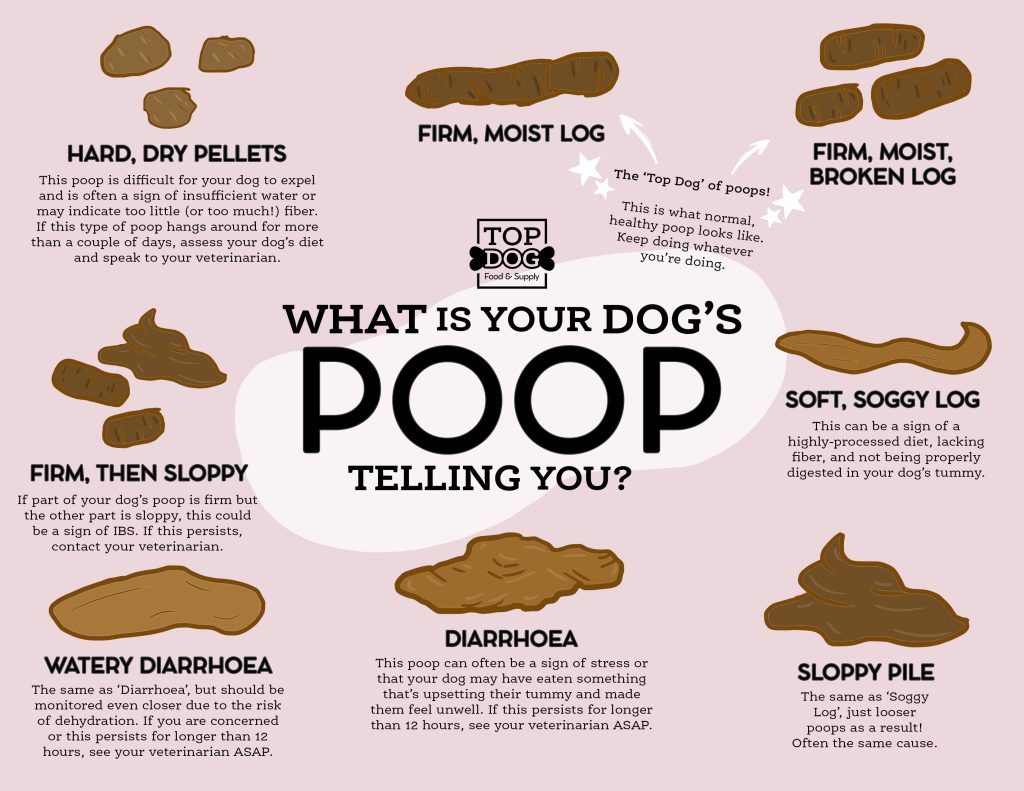
    Dog Poop

    Infections and Parasites

    Infections significantly impact the presence of mucus in dog poop. Bacterial, viral, and fungal infections like E.coli, salmonella, or parvovirus often cause mucus production. They usually pair with symptoms such as diarrhea, vomiting, and loss of appetite. Parasites can also lead to mucus, necessitating regular vet check-ups to prevent and treat these infections.

    Stress and Anxiety

    Stress and anxiety frequently contribute to mucus in dog poop. When our pups experience changes in their routine or environment, stress-induced colitis can occur. Stress leads to large bowel inflammation, which manifests as mucus in the stool. We should aim to reduce or minimize stressors to help prevent this condition.

    Inflammatory Conditions

    Inflammatory conditions like colitis cause mucus in a dog’s stool. Colitis, an inflammation of the large intestine, often comes with symptoms like loose stools, straining, and a need for frequent bathroom breaks. Recognizing these patterns assists us in determining when a veterinary consultation may be necessary to manage the condition effectively.

    Recognizing Concerning Signs

    Excess mucus in dog poop can indicate potential health issues. When there’s an increase in mucus or changes in its color, consistency, or quantity, paying attention to accompanying symptoms is crucial.

    Accompanying Symptoms

    It’s essential to observe any symptoms accompanying mucus in a dog’s poop. Diarrhea or constipation often suggests intestinal problems like infections, parasites, or inflammatory bowel disease (IBD). Vomiting, when combined with mucus, may indicate gastrointestinal infections or dietary issues. Persistent symptoms should prompt a visit to the veterinarian for a thorough diagnosis.

    Blood in Mucus

    Blood-infused mucus is a cause for concern. Red streaks or jelly-like bloody mucus can point to serious conditions, from minor lower digestive tract issues to ulcers, tumors, or parvovirus in puppies. Blood color offers clues: bright red suggests concerns lower in the gastrointestinal tract, while dark, tarry blood indicates upper tract issues. Immediate veterinary attention ensures proper diagnosis and treatment.

    Diagnosis and Testing

    When there’s excessive or persistent mucus in dog poop, diagnostic testing is vital. It helps uncover potential underlying health issues affecting our canine companions.

    Fecal Examination

    A fecal examination typically serves as the initial step to diagnose the cause of mucus in dog stool. This test involves collecting a stool sample to examine under a microscope. Various elements can be identified during this process:

    • Parasites: Detecting whipworms, tapeworms, and Giardia is crucial as these can cause chronic digestive issues and mucus production.
    • Infections: Identifying bacteria, viruses, or fungi helps pinpoint intestinal infections that may lead to excess mucus.
    • Abnormalities: Other unusual findings might indicate conditions like colitis or inflammatory bowel disease (IBD).

    This examination provides essential insights into gastrointestinal health and guides further treatment options.

    Dog Poop

    Further Diagnostic Tests

    Additional diagnostic tests may be necessary after the initial examination, depending on the results and symptoms observed:

    • Blood Tests: Evaluating white blood cell counts or identifying exact markers can indicate inflammatory responses or infections.
    • Ultrasound Imaging: This imaging helps visualize the intestines and detect structural abnormalities or obstructions causing mucus buildup.
    • Endoscopy: A more invasive option, endoscopy allows us to view the internal lining of the gastrointestinal tract directly.

    Together with the fecal examination, these tests offer a comprehensive view of the dog’s health, facilitating accurate diagnosis and effective treatment planning.

    Treatment Options

    Addressing mucus in dog poop involves several methods, with dietary adjustments and medications being common routes. Home remedies can also provide relief in certain cases.

    Dietary Adjustments

    Changing a dog’s diet often helps reduce mucus in poop. A bland diet, like baked chicken and rice, stabilizes the digestive system. Adding fiber, such as pumpkin puree, firms up the stool and decreases mucus. Cooked chicken breast or white fish with boiled rice offers digestible options. In cases of food allergies or intolerances, switching to a limited-ingredient or hypoallergenic diet helps minimize inflammation and mucus production.

    Medications

    Medications target the underlying cause of mucus in dog poop. Anti-parasite products treat worm or giardia infections, while antibiotics address bacterial infections. If severe intestinal inflammation is present, veterinarians may prescribe steroids. Dewormers prove effective against intestinal parasites causing mucus. Each medication depends on a exact diagnosis, emphasizing the importance of consulting a veterinarian for appropriate treatment.

    Home Remedies

    Certain home remedies might alleviate mucus in dog poop. Offering probiotics which promote healthy gut bacteria can improve digestion. Hydration remains critical, as sufficient water intake aids bowel movements. Bone broth serves as a gentle supplement, soothing the digestive tract and providing nutrients. But, home remedies should complement, not replace, veterinary advice or treatment, ensuring the dog’s health and comfort.

    Supporting Digestive Health

    Supporting digestive health is crucial for managing mucus in dog poop. Probiotics play an important role by maintaining a healthy balance of gut bacteria. They can be beneficial for dogs experiencing mucus issues due to their ability to support overall digestive function. Our veterinarian can recommend suitable probiotic supplements customized to each dog’s needs.

    Stress impacts a dog’s digestive system significantly. To mitigate this, identifying and minimizing stress triggers is essential. A stable routine promotes consistency, reducing anxiety-related mucus production. Regular exercise and playtime alleviate stress, benefiting mental and physical well-being.

    Dog Poop

    Keeping a close eye on your dog’s stool behavior and overall health is crucial. Regular veterinary checkups help monitor digestive health, especially for dogs on special diets or medications. These follow-ups allow for treatment adjustments, ensuring it remains effective and addressing any emerging issues promptly.

    Adjusting diet can improve digestive health. Bland diets, like baked chicken and rice, stabilize the digestive tract and reduce excessive mucus production. Adding fiber, such as pumpkin puree, firms stool consistency. Understanding food allergies remains vital; hypoallergenic diets can prevent mucus related to allergens.

    Hydration contributes to maintaining digestive health. Ensuring your dog has access to fresh water at all times supports regular bowel movements and prevents dehydration-associated digestive issues. Dogs with balanced hydration levels typically show reduced incidents of mucus in their stools.

    Environmental hygiene is another factor to consider. Keeping your dog’s living and feeding areas clean reduces exposure to pathogens that might lead to mucus-inducing infections. Regular cleaning practices help avoid bacterial and parasitic contaminants that contribute to digestive disturbances.

    Integrating these strategies effectively supports digestive health while managing the presence of mucus in dog poop. By promoting a healthy lifestyle and staying attentive to dietary and environmental factors, we can address potential underlying health issues more effectively. These efforts ensure that our dogs enjoy a healthier digestive system, reducing excessive mucus and promoting overall well-being.

    When to See a Veterinarian

    Dog Poop

    Excessive mucus in dog poop, either appearing once or persisting over time, suggests a need for veterinary evaluation. Excessive mucus might point to medical conditions like colitis, intestinal infections, or gastrointestinal issues. When mucus in dog poop is accompanied by other symptoms, prompt veterinary attention becomes crucial.

    Symptoms like diarrhea, vomiting, and blood in the stool are red flags. Poor appetite, lethargy, or noticeable weight loss can signal serious health concerns such as intestinal infections, parasites, or inflammatory bowel disease (IBD). Additional signs to watch for include abdominal pain and signs of discomfort.

    For dogs showing one or more of these symptoms alongside mucus issues, a comprehensive evaluation by a vet is essential. Early diagnosis can prevent issues from escalating and provide a clearer picture of any underlying disease process. A timely visit ensures your pet receives the appropriate care and treatment, enabling quicker recovery and improved health.

    Understanding when it’s necessary to consult a vet helps in ensuring your dog’s well-being and guarding against potential complications. Recognizing these signs and seeking professional advice when needed plays a crucial role in managing mucus in dog poop efficiently.

    Conclusion

    Understanding the role of mucus in dog poop helps us monitor our furry friends’ health more effectively. While a small amount is normal, any important changes in its appearance or quantity should prompt us to take action. By staying vigilant and recognizing potential warning signs, we can ensure our dogs receive timely veterinary care when needed. Supporting their digestive health through proper diet, stress management, and regular vet check-ups can make a industry of difference. Let’s remain proactive in our approach to their well-being, ensuring they lead happy and healthy lives.


  • Dog Diapers 2025: Essential Guide to Choosing the Right Fit

    Dog Diapers 2025: Essential Guide to Choosing the Right Fit

    Ever wonder how dog diapers can transform the lives of pet owners and their furry friends? With over 89 million pet dogs in the U.S., many face challenges like incontinence, excitable urination, or being in heat. Dog diapers have become an essential tool for maintaining a clean and comfortable home environment. As our understanding of pet care evolves, these products are gaining popularity for their convenience and practicality.

    Pet owners seek answers that offer comfort and protection for their beloved companions. Dog diapers cater to this need, providing peace of mind and ensuring our pets remain happy and healthy. In this text, we’ll explore the benefits of dog diapers, how they address common issues, and what to consider when choosing the perfect fit for your pet.

    Dog Diapers

    By understanding the value and functionality of dog diapers, we’ll help you make informed decisions that enhance the quality of life for both you and your four-legged family members.

    Overview of Dog Diapers

    Dog diapers have become indispensable for pet owners dealing with issues like incontinence, excitable urination, or dogs in heat. As the global pet diapers market grows, expected to hit $906.5 million by 2031 with a CAGR of 9.2%, the demand for these products illustrates their significance.

    Types of Dog Diapers

    Dog diapers fall into two categories: disposable and washable.

    • Disposable Diapers: Designed for single use, disposable diapers offer convenience and ease. Made from materials similar to human diapers, they’re customized to fit dogs, including an opening for the tail. These diapers are ideal for temporary use or when traveling.
    • Washable Diapers: Offering sustainability, washable diapers can be reused after laundering. Constructed from durable, waterproof materials, they’re cost-effective and eco-friendly. These are ideal for daily use and are a long-term solution for dogs with chronic issues.

    Market Adoption and Uses

    Family pets are increasingly wearing dog diapers not just for incontinence but also for house training, heat cycles, and travel. They’re practical for managing UTI issues, covering surgical wounds, and preventing pregnancy.

    Consumer Preferences

    In the U.S. market, products like washable dog diapers are highly rated. For instance, reviewed with 4.5 out of 5 stars by users, these products emphasize quality and functionality. Consumers favor reusable options as they’re more economical and reduce waste compared to disposables.

    Selection Factors

    When selecting the right dog diaper, consider factors like size, absorbency, and exact usage needs. For example, diapers for large breeds require higher absorbency while puppies may benefit from a snug fit to prevent leaks.

    By addressing these factors, pet owners can ensure comfort and hygiene for their furry companions, so maintaining a clean home environment. Through thoughtful selection and use of dog diapers, we can enhance our pets’ quality of life, supporting their health and happiness.

    Dog Diapers

    Key Features to Consider

    When selecting dog diapers, it’s crucial to understand the key features that ensure comfort and functionality. Factors like absorbency, fit, material, comfort, washability, and reusability play important roles.

    Absorbency and Fit

    Dog diapers need to handle both urine and feces effectively. Disposable options vary in absorbency. Many have a single leakproof layer, which may not prevent leaks for male dogs. Advanced designs use a dual-layer approach, with leakproof and waterproof components. Fit impacts both leak prevention and comfort. Many disposable diapers lack an anatomical fit, leading to discomfort and leaks. Elastic sides with a curve aid in securing a comfortable fit, positioning the absorbency pad where male dogs need it most.

    Material and Comfort

    The material of dog diapers affects both comfort and suitability for the dog’s activities. Breathable materials prevent irritation during prolonged use. Synthetic fabric or cotton blends are popular for providing flexibility and softness. Some designs target male dogs, ensuring that the material doesn’t constrict the penis and cause leaking or discomfort. When evaluating diapers, consider the balance between durable materials and softness.

    Washability and Reusability

    Washable dog diapers offer an eco-friendly and cost-effective alternative to disposables. These long-term options withstand multiple wash cycles without losing effectiveness. Important features include reinforced stitching and high-quality fabric that maintains absorbency. Reusability ensures fewer purchases over time while still providing a reliable barrier against leaks. They’re an ideal solution for ongoing needs like incontinence or long-term house training.

    Pros and Cons of Dog Diapers

    Pros of Dog Diapers

    • Hygiene and Cleanliness: Dog diapers maintain a clean home by absorbing urine and feces, preventing soiling of floors and furniture. Efficient odor control keeps the house smelling fresh, even after accidents.
    • Convenience: Diapers offer a solution for managing accidents, especially during travel or when constant supervision isn’t possible. They provide peace of mind for pet owners when dogs are in new environments or prone to marking.
    • Medical Issues: For dogs with incontinence due to medical conditions, injuries, or old age, dog diapers are invaluable. They help maintain dignity and hygiene, proving useful for conditions like urinary tract infections and diabetes.

    Cons of Dog Diapers

    • Cost: While disposable dog diapers are convenient, costs can accumulate over time, particularly for long-term use. In contrast, washable diapers, though eco-friendly, require regular cleaning and maintenance.
    • Fit and Comfort: Achieving the right fit can be tricky. Poor-fitting diapers might lead to leaks or discomfort, causing dogs to attempt removal. Sizing charts and adjustable closures are vital for ensuring proper fit.
    • Training Challenges: Over-reliance on diapers during house training may slow progress. It’s essential to balance usage with regular training to help dogs develop proper habits.
    Dog Diapers

    Considerations for Effective Use

    To maximize the benefits of dog diapers, we prioritize selecting the appropriate type—disposable for short-term and washable for eco-friendly, sustained use. Ensuring the correct size and fit is crucial for comfort and leak prevention. It’s important to stay attentive to the dog’s response, adjusting usage as necessary for their well-being.

    Dog diapers not only improve hygiene and convenience but also support dogs with medical issues. While there are challenges, thoughtful use enhances our dogs’ quality of life, aligning with current needs.

    Types of Dog Diapers

    Choosing the right dog diaper ensures comfort and efficacy for our furry friends. Dog diapers fall into two main categories: disposable and washable. Each type has unique benefits and considerations.

    Disposable vs. Washable

    Disposable dog diapers are designed for one-time use. They offer convenience, especially during travel or for managing temporary medical issues like incontinence or a UTI. Disposable diapers support hygiene by being easy to change and dispose of. But, they can contribute to environmental waste and may cause skin irritation in some dogs due to their materials.

    Washable dog diapers, on the other hand, provide a sustainable alternative. Made of robust materials, these diapers can be reused after laundering. They prove to be more economical over time and reduce landfill pressure. Washable options also mitigate skin irritation risks, especially if they’re crafted from hypoallergenic materials. These factors make them ideal for long-term needs such as chronic incontinence or house training.

    Male Wraps vs. Full Diapers

    Male wraps, also known as belly bands, offer coverage specifically for male dogs. They fit around the dog’s midsection, effectively preventing urine marking by securely containing any leaks. Male wraps are particularly beneficial for dogs with problematic urination habits but don’t provide coverage for feces.

    Full diapers are suitable for both male and female dogs. They provide comprehensive coverage, making them effective for containing urine, feces, or dealing with a dog in heat. These diapers wrap around the back end with an opening for the tail, ensuring a snug fit. Full diapers are versatile and can address a wider range of issues compared to male wraps, making them a preferred choice for dogs with multipurpose needs.

    How to Choose the Right Dog Diaper?

    Choosing the right dog diaper ensures comfort and effectiveness for your furry friend. Various factors come into play when selecting the ideal diaper, including purpose, type, and fit.

    Purpose and Needs

    Understanding why your dog needs diapers is crucial. Common reasons include incontinence, females in heat, excitable urination, and travel. Identifying these needs guides you to the most suitable diaper type. For example, females in heat may benefit from full coverage, while male dogs marking indoors require belly bands.

    Dog Diapers

    Type of Diaper

    The type of dog diaper directly influences its effectiveness and cost. We categorize diapers into three main types: disposable, reusable, and belly bands.

    • Disposable Diapers: Convenient and user-friendly, disposable diapers suit temporary needs and outdoor use. Technologies like SwiftDry enhance absorbency, making them apt for incontinence or travel.
    • Reusable Diapers: These washable options offer long-term cost savings. They accommodate disposable pads for extra absorbency, making them versatile for ongoing issues like incontinence or house training.
    • Belly Bands: Specifically for male dogs, these wraps help with marking or urination concerns. Reusable with adjustable straps, they offer a snug fit and are paired with pads for added absorbency.

    Fit and Comfort

    The diaper’s fit is pivotal for comfort and functionality. Measuring your dog’s waist ensures the proper size, preventing leaks and discomfort. Elastic sides and snug fastenings enhance wearability. Materials should avoid irritation; breathable fabrics prevent rashes during prolonged use.

    To select the right dog diaper, analyze your dog’s exact needs, choose the appropriate type, and ensure a proper fit. This approach not only addresses immediate challenges but also enhances your pet’s overall quality of life.

    Conclusion

    Dog diapers have undoubtedly become a vital tool for pet owners, offering practical answers for various challenges our furry friends face. As we navigate the growing market, it’s clear that choosing the right type—be it disposable or washable—depends on our dog’s exact needs and our lifestyle preferences. By focusing on key features like fit, absorbency, and material, we can ensure our pets remain comfortable while maintaining hygiene and cleanliness in our homes. Eventually, dog diapers not only address immediate issues but also contribute to an enhanced quality of life for our beloved companions.

  • Can Dogs Have Pistachios? Benefits, Risks & Safety Tips

    Can Dogs Have Pistachios? Benefits, Risks & Safety Tips

    Ever wondered if your furry friend can enjoy the same tasty snacks you do? Pistachios are a popular choice for their crunchy texture and rich flavor, but when it comes to our dogs, the question arises: can dogs have pistachios? Understanding what’s safe for our pets is crucial, and we’re here to help you navigate this tasty dilemma.

    While pistachios aren’t inherently toxic to dogs, there are important factors to consider like quality, quantity, and how they’re served. In this text, we’ll explore the potential benefits and risks of feeding pistachios to your dog, offer guidelines on safe consumption, and provide tips to ensure your pet stays healthy and happy. By the end, you’ll have a clear understanding of whether pistachios are a safe treat for your canine companion.

    Are Pistachios Safe for Dogs?

    Pistachios are not inherently toxic to dogs, but several factors determine their safety. Understanding these factors helps us make informed decisions about including pistachios in our pets’ diets.

    Health Risks of Pistachios

    Feeding pistachios to dogs poses several health risks. Firstly, pistachio shells are a important choking hazard and can cause intestinal blockages if ingested. Dogs may struggle to digest these shells, leading to severe gastrointestinal issues. Also, pistachios have a high fat content, which can trigger pancreatitis—a painful and potentially life-threatening condition characterized by inflammation of the pancreas.

    Symptoms include vomiting, diarrhea, and lethargy. The elevated fat and fiber levels in pistachios can also result in gastrointestinal distress, causing discomfort and digestive upset. Also, many pistachios are salted or seasoned, increasing the risk of salt toxicity and further exacerbating health problems. Aflatoxin poisoning is another concern, as mold can grow on pistachios, producing toxins harmful to both humans and dogs. These risks highlight why it’s crucial to exercise caution when considering pistachios as a treat for our canine companions.

    Nutritional Benefits of Pistachios

    While pistachios carry certain risks for dogs, they also offer nutritional benefits when given in moderation. Pistachios are rich in healthy fats, which contribute to a dog’s overall energy levels and support healthy skin and coat. They contain essential vitamins such as Vitamin B6, which aids in metabolism and brain function, and Vitamin E, an antioxidant that helps protect cells from damage. Also, pistachios provide minerals like potassium, which is vital for maintaining proper muscle and nerve function, and magnesium, important for bone health.

    The protein content in pistachios supports muscle development and repair. But, these benefits must be weighed against the potential health risks, such as high fat leading to pancreatitis and digestive issues. Hence, if considering pistachios as a supplement to a dog’s diet, it’s essential to offer them in small, unsalted quantities and ensure they are shelled to minimize associated dangers.

    Can Dogs Eat Pistachio Shells?

    Pistachio shells pose important risks to dogs and should never be given as treats. First, shells create a choking hazard, particularly for smaller breeds. Their hard, indigestible nature makes swallowing difficult, increasing the chance of blockage in the throat or airways. For example, a Chihuahua may struggle more with a pistachio shell than a Labrador Retriever due to size differences.

    Second, ingestion of shells can lead to intestinal blockages. If a dog swallows a shell, it may obstruct the digestive tract, causing severe symptoms like vomiting, loss of appetite, abdominal pain, and lethargy. According to veterinary experts, intestinal blockages require immediate medical attention to prevent life-threatening complications.

    Also, even without causing a full blockage, pistachio shells can result in digestive issues. Dogs may experience gastrointestinal distress, including diarrhea and vomiting, which disrupts their normal digestion and overall health. The abrasive nature of the shells can irritate the stomach lining, leading to prolonged discomfort and potential nutrient absorption problems.

    To ensure your dog’s safety, always remove pistachio shells before offering the nuts as a treat. Opt for shelled pistachios in small quantities to avoid these hazards. Proper disposal of shells is also crucial to prevent accidental ingestion. By taking these precautions, you can minimize health risks and keep your canine companion safe while enjoying occasional pistachio snacks.

    Dogs Have Pistachios

    How to Safely Feed Pistachios to Your Dog?

    Feeding pistachios to your dog requires careful consideration to ensure their safety and well-being. Follow these guidelines to minimize risks.

    Recommended Portions

    Limit pistachio intake to a small quantity. For small dogs, offer no more than one nut daily. Medium-sized dogs can handle up to three nuts, while large breeds may have up to five. Always monitor your dog for any adverse reactions after consumption. Excessive pistachios can lead to obesity, pancreatitis, or gastrointestinal issues. Incorporate pistachios infrequently into your dog’s diet to avoid nutritional imbalances. Use pistachios as an occasional treat rather than a regular snack. Ensure portions are appropriate based on your dog’s size and health status to maintain their overall well-being.

    Preparation Tips

    Prepare pistachios by removing shells thoroughly. Unsalted pistachios are essential to prevent high sodium intake, which can cause dehydration or kidney issues. Store pistachios in an airtight container to maintain freshness and reduce mold growth, minimizing aflatoxin risks. Avoid flavored or seasoned varieties, as additives can irritate your dog’s digestive system. Chop pistachios into smaller pieces for easier digestion and to prevent choking hazards. Always inspect nuts for any signs of mold or spoilage before serving. Introduce pistachios gradually, observing your dog’s tolerance and ensuring no allergic reactions occur. Prioritize safe preparation methods to enjoy the nutritional benefits pistachios offer without compromising your dog’s health.

    Potential Health Issues from Pistachios

    Feeding pistachios to dogs poses several health risks that owners must consider. Understanding these risks helps ensure the well-being of our canine companions.

    Choking Hazard

    Pistachio shells present a important choking hazard for dogs. Small breeds are especially vulnerable, as shells can block their airway. Also, ingested shells may cause intestinal blockages, leading to severe digestive issues. Symptoms of a blockage include vomiting, abdominal pain, and lethargy. To prevent these dangers, always offer shelled pistachios and ensure they are broken into manageable pieces. Monitoring your dog while they eat pistachios reduces the risk of choking and ingestion of harmful shell fragments.

    Pancreatitis Risk

    Pistachios are high in fat, increasing the risk of pancreatitis in dogs. Pancreatitis is the inflammation of the pancreas, which can be life-threatening if untreated. High-fat foods like pistachios trigger this condition, leading to symptoms such as vomiting, diarrhea, abdominal pain, and loss of appetite. Dogs with obesity or a history of pancreatitis are at greater risk. Limiting pistachio intake minimizes the chances of developing pancreatitis. Providing pistachios only as an occasional treat helps maintain your dog’s pancreatic health and prevents severe health complications.

    Dogs Have Pistachios

    What to Do If Your Dog Eats Pistachios?

    If your dog consumes pistachios, immediate action is essential to ensure their safety. Follow these steps to address the situation effectively.

    Recognizing Symptoms

    Monitor your dog for signs of distress after ingesting pistachios. Common symptoms include:

    • Vomiting and Diarrhea: Indicative of gastrointestinal upset from high fat or salt content.
    • Abdominal Pain: May signal pancreatitis caused by excessive fat intake.
    • Choking or Difficulty Breathing: Occurs if pistachio shells obstruct airways, especially in small breeds.
    • Intestinal Blockage: Symptoms include lethargy, loss of appetite, and constipation, particularly if shells are ingested.
    • Seizures or Lethargy: Potential signs of mycotoxin poisoning from mold-contaminated pistachios.
    • Increased Thirst and Urination: May result from salt toxicity affecting your dog’s electrolyte balance.

    Early detection of these symptoms allows for prompt veterinary intervention, improving your dog’s chances of recovery.

    Emergency First Aid

    Act quickly if your dog shows symptoms after eating pistachios. Follow these steps:

    1. Remove Access: Ensure no more pistachios are available to prevent further ingestion.
    2. Check Airway: If choking is suspected, carefully remove any visible shells or nuts from your dog’s mouth.
    3. Contact Your Veterinarian: Provide details about the type and quantity of pistachios consumed, along with your dog’s size and breed.
    4. Induce Vomiting: Only if advised by a veterinarian, use safe methods to induce vomiting and clear the pistachios from your dog’s system.
    5. Hydrate Your Dog: Offer fresh water to help dilute any salt or toxins ingested, unless vomiting is ongoing.
    6. Monitor Vital Signs: Keep an eye on your dog’s breathing, heart rate, and behavior while awaiting professional help.
    7. Provide a Calm Environment: Reduce stress to prevent exacerbating symptoms like seizures or anxiety.

    Following these steps promptly can mitigate the risks associated with pistachio consumption and support your dog’s recovery.

    Safe Alternatives to Pistachios for Dogs

    When seeking safe snack options for our dogs, several alternatives provide nutritional benefits without the risks associated with pistachios.

    Fruits

    • Carrots: Rich in fiber and Vitamin A, carrots support eye health and digestion.
    • Apples (without seeds): Provide Vitamin C and fiber, promoting a healthy immune system and digestive tract.
    • Blueberries: Contain antioxidants and vitamins that aid in reducing inflammation and supporting overall health.

    Vegetables

    • Green Beans: Low in calories and high in fiber, they help maintain a healthy weight.
    • Sweet Potatoes: Offer vitamins A and C, along with dietary fiber, beneficial for skin and digestion.
    • Cucumbers: Hydrating and low in calories, cucumbers are excellent for weight management.
    Dogs Have Pistachios

    Commercial Dog Treats

    Opting for treats specifically formulated for dogs ensures balanced nutrition and safety. These products are designed to meet dogs’ dietary needs without harmful additives.

    Protein-Rich Snacks

    • Lean Chicken: Cooked without seasoning provides essential protein for muscle maintenance.
    • Pumpkin Seeds: Offer fiber and antioxidants, supporting digestive health when given in moderation.

    Hydration Options

    • Coconut Water: Natural electrolytes aid in hydration and support overall well-being.
    • Broth-Based Snacks: Low-sodium broths can be used to moisten dry dog treats, improving flavor without added salts.
    AlternativeKey NutrientsBenefits
    CarrotsFiber, Vitamin ASupports eye health and digestion
    Apples (no seeds)Vitamin C, FiberBoosts immune system and aids digestion
    BlueberriesAntioxidants, VitaminsReduces inflammation, enhances overall health
    Green BeansFiberHelps maintain a healthy weight
    Sweet PotatoesVitamins A & C, Dietary FiberBenefits skin and digestive health
    Lean ChickenProteinPromotes muscle maintenance
    Pumpkin SeedsFiber, AntioxidantsSupports digestive health

    By choosing these safe alternatives, we ensure our dogs receive essential nutrients while minimizing health risks. Always consult with a veterinarian before introducing new foods into your dog’s diet to ensure their suitability and safety.

    Conclusion

    We understand that sharing treats with your furry friend is important. While pistachios can be a safe occasional snack when prepared properly, it’s crucial to prioritize your dog’s health by adhering to the guidelines we’ve discussed. Always opt for shelled and unsalted nuts, keep portions small, and monitor your pet for any adverse reactions. By making informed choices, we can ensure our dogs enjoy their treats without compromising their well-being. Remember, there are plenty of other nutritious and safer alternatives available that can keep your pet happy and healthy.

  • Can Dogs Have Shrimp in 2025? Benefits and Risks

    Can Dogs Have Shrimp in 2025? Benefits and Risks

    Did you know that shrimp, a beloved seafood delicacy, can also be a safe treat for our canine companions? Many pet owners wonder, can dogs have shrimp, and the answer is a resounding yes—but with some important considerations.

    Feeding shrimp to dogs offers benefits like high protein content and essential vitamins, supporting muscle maintenance and overall health. But, it’s vital to prepare shrimp properly and serve it in moderation to avoid potential risks such as allergies or exposure to antibiotics found in farm-raised varieties. In this text, we’ll explore the best practices for sharing shrimp with your dog, outline appropriate serving sizes based on your pet’s size, and discuss the health advantages shrimp can bring when included thoughtfully in their diet. By understanding these factors, you can make informed decisions to keep your furry friend happy and healthy.

    Can Dogs Have Shrimp?

    Dogs can safely consume shrimp when it’s properly prepared and served in moderation. Shrimp provides valuable nutritional benefits, including high protein content essential for muscle maintenance, vitamins B12 and D for nerve function and bone health, and minerals like selenium, phosphorus, iron, magnesium, zinc, copper, and manganese. Also, shrimp is low in fat and calories, making it a lean protein option for our pets.

    But, several risks and considerations must be addressed. Firstly, shrimp must be thoroughly cooked to eliminate harmful bacteria such as salmonella, vibrio, and listeria, as well as parasites like tapeworms. Raw or undercooked shrimp can pose important health hazards to dogs. Also, shrimp is high in cholesterol, which can be problematic for dogs with hyperlipidemia or those managing their weight. The sodium content varies based on the source; farm-raised shrimp may contain up to 700 mg of sodium per 100 grams, whereas wild-caught frozen shrimp typically has around 100 mg. High sodium intake can adversely affect dogs with hypertension or kidney issues.

    Allergic reactions are another critical concern. Some dogs may be allergic to shrimp, resulting in symptoms such as itching, swelling, or difficulty breathing. It’s essential to introduce shrimp gradually and monitor your dog for any adverse reactions. Also, shrimp shells should be avoided as they are difficult to digest and can cause choking, intestinal blockages, or digestive upset.

    When feeding shrimp to dogs, opt for plain, cooked, deveined, and shelled shrimp without any added salt, seasonings, oils, or dips. Fried shrimp should be strictly avoided due to the presence of breadcrumbs, preservatives, and high-fat oils, which can lead to stomach upset or pancreatitis.

    Appropriate serving sizes depend on the dog’s size and overall health:

    Dog SizeSafe Amount of Cooked Deveined Shrimp
    Small (<20 lbs)1-2 pieces
    Medium (20-50 lbs)2-3 pieces
    Large (>50 lbs)Up to ½ cup

    It’s crucial to consult with a veterinarian before introducing shrimp or any new food into your dog’s diet to ensure it aligns with their exact health needs and dietary requirements. By following these guidelines, shrimp can be a nutritious and enjoyable treat for your canine companion.

    Dogs Have Shrimp

    Health Benefits Of Shrimp For Dogs

    Including shrimp in our dogs’ diet offers many health benefits. When fed properly, shrimp supports various aspects of their well-being.

    Nutritional Value

    Shrimp provides high protein content with low fat and calories, making it ideal for dogs on a diet. A 100-gram serving contains approximately 24 grams of protein, aiding muscle maintenance and growth. Also, shrimp supplies essential vitamins and minerals, including vitamin B12, niacin (vitamin B3), phosphorus, selenium, and copper. These nutrients strengthen the immune system, support healthy bones, and help proper enzyme function. Shrimp’s antioxidants combat free radicals, reducing oxidative stress and potentially lowering the risk of chronic diseases. For dogs that can have shrimp, its comprehensive nutritional profile enhances overall health without contributing to weight gain.

    Omega-3 Fatty Acids

    Shrimp is rich in omega-3 fatty acids, crucial for heart health and reducing inflammation in dogs. These fatty acids support cardiovascular function, lowering the risk of heart disease. Omega-3s also promote healthy skin and shiny coats, minimizing dryness and dandruff. Also, they contribute to joint health, alleviating symptoms of arthritis and improving mobility in active dogs. Regular consumption of shrimp ensures dogs receive these essential fatty acids, which also aid in cognitive function, potentially decreasing the onset of brain aging. By incorporating shrimp into their diet, we provide our dogs with vital omega-3s that foster long-term health benefits.

    Potential Risks Of Feeding Shrimp To Dogs

    While shrimp can be a healthy treat for dogs, several potential risks warrant careful consideration before including it in their diet.

    Allergic Reactions

    Some dogs may experience allergic reactions to shrimp or other shellfish. Symptoms include itching, swelling, and difficulty breathing. Severe reactions can be life-threatening, requiring immediate veterinary attention. Introducing shrimp gradually helps monitor for adverse effects. Puppies and dogs with sensitive immune systems are particularly susceptible to these allergies. Also, previous exposure to shellfish can increase the likelihood of an allergic response. If a dog shows any signs of an allergic reaction after consuming shrimp, discontinue feeding shrimp immediately and consult a veterinarian. Awareness of these risks ensures safe inclusion of shrimp in a dog’s diet.

    Preparation Concerns

    Proper preparation of shrimp is crucial to minimize health risks for dogs. Shrimp must be thoroughly cooked to eliminate harmful bacteria and parasites. Raw shrimp can carry pathogens like Salmonella, posing serious health threats. Also, removing shells, tails, and veins is essential to prevent choking hazards and intestinal blockages, especially in small breeds. Farm-raised shrimp often contain higher sodium levels, which can be problematic for dogs with kidney or heart issues. Avoid adding seasonings, oils, or dips, as these can introduce excessive salt and unhealthy additives. Ensuring shrimp is plain and well-prepared helps mitigate these risks and makes it a safer treat for dogs.

    How To Safely Feed Shrimp To Your Dog

    Ensuring your dog enjoys shrimp safely involves careful preparation and appropriate portion sizes. Follow these guidelines to incorporate shrimp into your dog’s diet responsibly.

    Portion Sizes

    Proper portion control is essential when feeding shrimp to your dog. Below are recommended serving sizes based on your dog’s size:

    Dog SizeServing Size
    Small1-2 pieces per serving
    Medium2-3 pieces per serving
    LargeUp to ½ cup per serving

    Start by introducing shrimp gradually, offering small amounts to observe your dog’s reaction. Monitor for any signs of digestive upset or allergies. Adjust portions accordingly, ensuring shrimp remains a treat and does not replace a balanced diet. Remember, moderation is key to preventing potential health issues like high cholesterol. By adhering to these portion guidelines, you can safely include shrimp as a nutritious addition to your dog’s meals.

    Alternative Seafood Options For Dogs

    Dogs Have Shrimp

    When considering alternatives to shrimp, we prioritize seafood that offers similar nutritional benefits while ensuring safety for our canine companions. Below are several seafood options that are suitable for dogs when properly prepared.

    Sardines

    Sardines are small, affordable, and nutrient-rich, making them an excellent choice for dogs. They are packed with protein and omega-3 fatty acids, which support skin health and reduce inflammation. Also, sardines provide essential vitamins such as B12 and minerals like calcium and selenium.

    Salmon

    Salmon serves as a high-quality protein source for dogs, promoting muscle maintenance and joint health. It’s rich in omega-3 fatty acids, which help improve heart health and reduce allergic reactions. Ensure that salmon is thoroughly cooked and free of bones before serving to prevent choking hazards.

    Green-Lipped Mussels

    Green-lipped mussels originate from New Zealand and are renowned for their anti-inflammatory properties. They contain essential fatty acids and glycosaminoglycans, which aid in alleviating arthritis symptoms in dogs. Mussels also offer vitamins B12 and C, supporting overall immune function.

    Whitefish, Cod, or Haddock

    These whitefish varieties are lean protein sources that contribute to a healthy weight in dogs. They are low in fat and calories while providing essential amino acids necessary for tissue repair and growth. Ensure the fish is fully cooked and deboned to avoid digestive issues.

    Trout

    Dogs Have Shrimp

    Trout is another excellent option, rich in omega-3 fatty acids and high-quality protein. It supports cognitive function and maintains healthy skin and coat. As with other fish, trout should be cooked thoroughly and served without bones.

    Mackerel

    Mackerel offers a robust flavor and is densely packed with omega-3 fatty acids, which promote cardiovascular health and reduce inflammation. It also contains vitamins D and B12, essential for bone health and energy metabolism. Always cook mackerel thoroughly and remove any bones before serving.

    Herring

    Herring is a fatty fish that provides a important amount of omega-3 fatty acids and vitamin D. These nutrients contribute to strong bones and a healthy immune system. Proper preparation involves cooking the herring and ensuring it is free from bones to prevent choking or internal injuries.

    Seafood OptionProtein (g)Omega-3 Fatty Acids (mg)Vitamins & Minerals
    Sardines251,500B12, Calcium, Selenium
    Salmon222,200B12, Vitamin D, Potassium
    Green-Lipped Mussels241,300B12, C, Glycosaminoglycans
    Whitefish20900B6, Phosphorus, Selenium
    Trout211,800B12, Niacin, Phosphorus
    Mackerel192,100D, B12, Magnesium
    Herring181,700D, B12, Iron

    By incorporating these alternative seafood options into your dog’s diet, we can provide a diverse range of nutrients that support their overall health and well-being. Always consult with a veterinarian before introducing new foods to ensure they align with your dog’s exact dietary needs.

    Conclusion

    Feeding shrimp to our dogs can be a tasty and nutritious treat when done right. We recognize the benefits of high protein and essential vitamins that support their health. By preparing shrimp properly and serving it in moderation we minimize risks like allergies and high sodium. It’s important to introduce shrimp gradually and watch for any adverse reactions. Consulting with our veterinarian ensures that adding shrimp fits our dog’s exact dietary needs. With careful preparation and mindful portion sizes we can safely include shrimp as a part of our dogs’ balanced diet, improving their well-being and enjoyment.

  • Waterproof Dog Blanket: Top Choices to Protect Home 2025

    Waterproof Dog Blanket: Top Choices to Protect Home 2025

    Every dog owner knows the struggle of keeping a clean home amidst playful pups. With a 100% waterproof membrane, waterproof dog blankets catch fluids and dirt, protecting your furniture from stains caused by drool, urine, and more. These blankets aren’t just perfect for your living room—they’re also ideal for car rides after long, wet walks in the park.

    Waterproof blankets provide a practical and stylish solution for maintaining a dog-friendly home with minimal upkeep. In this text, we’ll explore the benefits of these versatile blankets, what features to look for, and how they can enhance both your pet’s comfort and your home’s cleanliness. Discover how a waterproof dog blanket can simplify your life while keeping your furry friend cozy.

    Waterproof Dog Blanket

    Materials and Construction

    Waterproof dog blankets feature a multi-layered design to ensure durability and comfort. The top layer often consists of soft materials like faux fur or Sherpa fleece, providing a cozy surface for your pet. The middle layer includes a 100% waterproof membrane, such as a polyester blend or specialized coatings, to block liquids and prevent stains. The bottom layer typically reinforces the blanket’s structure, ensuring long-lasting protection for your furniture and car seats.

    Waterproofing and Protection

    Our waterproof dog blankets offer superior protection against spills, stains, and pet accidents. The impermeable membrane stops liquids from soaking through, safeguarding your home and vehicle interiors. This barrier also contains odors and inhibits the growth of bacteria, fleas, and dust mites, maintaining a cleaner and healthier environment. Whether your dog tracks in mud after a walk or has occasional accidents, our blankets keep surfaces pristine without any seepage.

    Maintenance and Care

    Maintaining our waterproof dog blankets is effortless. They are machine washable, allowing you to clean them quickly without the need for scrubbing. The waterproof membrane remains effective even after many washes, ensuring consistent protection. Drying the blankets is simple and swift, as they are designed to dry quickly in standard home dryers. This ease of maintenance makes our blankets a practical choice for busy households.

    Health and Allergens

    Our blankets are hypoallergenic and resistant to common allergens, providing a safer resting place for your dog. The materials used prevent the accumulation of dust mites and pollen, reducing potential allergic reactions for both pets and owners. Also, the waterproof layer helps eliminate moisture that can harbor bacteria and fungi, contributing to a healthier living space.

    Versatility and Usage

    Waterproof dog blankets adapt to various settings, making them ideal for both home and travel. They protect couches, beds, and car seats from dirt, drool, and urine, ensuring your spaces remain clean and comfortable. The stylish designs complement any décor, blending seamlessly into your living areas. Whether placed on furniture or used during car rides, our blankets offer versatile protection without compromising on comfort.

    Durability and Longevity

    Designed for longevity, our waterproof dog blankets withstand regular use and washing without losing their protective qualities. The robust construction ensures that the waterproof layer remains intact, providing reliable defense against everyday messes. Investing in a high-quality blanket means you can enjoy lasting protection and comfort for your pet, reducing the need for frequent replacements.

    Waterproof Dog Blanket

    Benefits Of Waterproof Dog Blankets

    Protection Of Home Surfaces And Car Interiors

    Waterproof dog blankets shield furniture, beds, and car seats from stains, fur, and liquids. The 100% waterproof membrane blocks drool, urine, and spills, ensuring surfaces remain clean. For example, after a walk in the park, a waterproof blanket prevents mud and water from damaging car interiors. Also, these blankets guard against everyday messes, maintaining the integrity of your home and vehicle.

    Versatility In Use

    Waterproof dog blankets offer multiple functionalities, improving their value. They provide warmth after baths or winter walks, ensuring your dog stays comfortable. For puppies or dogs with health issues, these blankets act as toilet diapers, managing accidents effectively. During travel, they create a cozy resting spot, making journeys more enjoyable. Their compact design allows easy transportation, fitting conveniently in bags for on-the-go use.

    Cost-Effectiveness

    Investing in waterproof dog blankets reduces the need for separate protective covers and disposable diaper options. By serving as car seat protectors and furniture guards, they eliminate the expense of purchasing multiple products. Also, washable and reusable blankets decrease ongoing costs associated with replacing single-use items. This cost-efficient solution simplifies pet care while maintaining a clean and comfortable environment.

    Durability And Easy Maintenance

    Waterproof dog blankets are built to withstand regular use and washing. The NanoPore barrier remains intact even after hundreds of washes, ensuring long-lasting protection. Machine washable materials allow quick and effortless cleaning, eliminating the need for scrubbing surfaces repeatedly. This durability translates to fewer replacements, offering a reliable and sustainable option for pet owners.

    Health And Hygiene Benefits

    These blankets are hypoallergenic and resist bacteria, mites, and pollen allergens, promoting a healthier environment for both pets and owners. By preventing the accumulation of dirt and moisture, they reduce the risk of infections and allergic reactions. Easy sanitization through hot water washing ensures that the blankets remain clean and safe, contributing to overall household hygiene.

    Enhanced Comfort For Pets

    Designed with soft, plush materials like faux fur or Sherpa fleece, waterproof dog blankets provide a comfortable resting place for dogs. The reversible options offer both style and functionality, allowing for aesthetic integration into home décor. Whether curling up on a sofa or resting in a car, these blankets ensure pets feel secure and cozy in any setting.

    Environmental Benefits

    Reusable and durable, waterproof dog blankets contribute to environmental sustainability by minimizing waste from disposable products. Their long lifespan and ability to be sanitized through washing reduce the overall environmental footprint, making them an eco-friendly choice for conscientious pet owners.

    How it Works?

    Waterproof dog blankets offer superior protection by utilizing a multi-layered design that ensures both durability and comfort for your pet. Our blankets consist of three primary layers, each serving a distinct function to keep your furniture and car seats free from spills and accidents.

    Waterproof Dog Blanket

    Waterproof Inner Layer

    The core of our waterproof dog blanket features a PU (polyurethane) coating that acts as a formidable barrier against liquids. This water-resistant material effectively prevents liquids such as drool, urine, and spills from penetrating through to your surfaces. By blocking liquid penetration, the inner layer maintains the cleanliness of your home and vehicle interiors, ensuring that stains and odors remain at bay.

    Absorbent Outer Layers

    Surrounding the waterproof inner layer are the outer layers made from soft, absorbent materials like Sherpa fleece or faux fur. These fabrics are designed to soak up any moisture that comes into contact with the blanket, ensuring that liquids are absorbed quickly and efficiently. The absorbent layers not only enhance the comfort for your pet but also add an extra level of protection by containing liquids within the blanket itself.

    Reinforcing Bottom Layer

    Plus to the inner and outer layers, our waterproof dog blankets include a reinforcing bottom layer. This layer provides structural support, improving the blanket’s durability and longevity. It ensures that the blanket maintains its shape and integrity even after repeated use and washing, offering long-lasting protection against everyday wear and tear.

    Enhanced Protection and Comfort

    The combination of these layers works seamlessly to create a reliable barrier that keeps your home and car interiors clean. While the waterproof inner layer blocks liquids, the absorbent outer layers capture and contain moisture, preventing it from reaching your furniture. This multi-layered approach not only protects your belongings but also provides a cozy and comfortable surface for your dog to relax on.

    Easy Maintenance

    Our waterproof dog blankets are designed for convenience. The materials used are machine washable and quick-drying, allowing for easy cleaning and maintenance. This practicality ensures that the blankets remain hygienic and fresh for your pet, reducing the effort required to keep your living spaces clean.

    By integrating advanced materials and thoughtful design, waterproof dog blankets deliver effective protection while maintaining comfort and ease of use. They represent a practical solution for pet owners seeking to preserve their home’s cleanliness without compromising on their pet’s comfort.

    Key Features To Consider

    Choosing the right waterproof dog blanket involves evaluating essential features to ensure both durability and comfort for your pet. We focus on material and fabric, as well as size and fit to help you make an well-informed choice.

    Material And Fabric

    Waterproof dog blankets feature a multi-layer design for optimal protection and comfort. Typically, the top layer consists of soft fleece or Sherpa fleece, providing a cozy surface for your dog. The middle layer includes a waterproof membrane, usually made of polyurethane (PU), that blocks liquids and prevents stains from penetrating. The bottom layer often has a durable backing, such as plush or faux fur, improving the blanket’s longevity.

    Materials used in waterproof dog blankets are skin-friendly and resistant to pilling, ensuring they remain soft and intact after multiple washes. High-quality fabrics retain their texture and color, even with regular use. Also, these blankets are designed to inhibit the growth of bacteria and allergens, promoting a healthier environment for both pets and owners. By selecting blankets with robust materials, we ensure they withstand daily wear and tear, providing reliable protection for your home furnishings and maintaining your dog’s comfort.

    Waterproof Dog Blanket

    Size And Fit

    Selecting the appropriate size and fit is crucial for the effectiveness of a waterproof dog blanket. These blankets come in various sizes to accommodate different dog breeds and their exact needs. For small breeds like Chihuahuas or Pomeranians, a compact blanket measuring approximately 30×40 inches offers sufficient coverage without being cumbersome. Medium breeds, such as Beagles or Cocker Spaniels, benefit from blankets around 40×60 inches, providing ample space for movement.

    Large breeds, including Golden Retrievers or Labradors, require bigger blankets, typically measuring 60×80 inches or more, to ensure full coverage and comfort. An oversized blanket can also be versatile for use on furniture or during car rides. Also, some waterproof dog blankets offer adjustable or flexible fits, catering to dogs with varying shapes and sizes. By choosing the right size, we ensure that the blanket fits securely, preventing slipping and maximizing protection for your dog and your home surfaces.

    Choosing The Right Waterproof Blanket

    Materials And Construction

    Selecting a waterproof dog blanket starts with understanding the materials and construction. High-quality blankets feature a waterproof inner layer, often made from polyurethane (PU) or vinyl, effectively blocking liquids. The top layer includes soft fabrics like faux fur or Sherpa fleece, providing comfort and durability. For example, blankets with Sherpa fleece offer warmth for colder months, while faux fur suits dogs that enjoy curling up. Also, reinforced seams enhance the blanket’s longevity, ensuring it withstands regular use and washing. Opting for multi-layered designs guarantees both protection and coziness for your pet.

    Size And Fit

    Choosing the correct size and fit is crucial for both your dog’s comfort and effective protection of your spaces. Waterproof dog blankets come in various sizes to accommodate different areas such as couches, beds, car seats, and cargo areas. For instance, larger breeds require bigger blankets to ensure full coverage, preventing any liquid from seeping through. Measure the intended area and your pet to select a blanket that fits snugly without excessive material that might cause slipping. Proper sizing not only enhances your dog’s comfort but also maximizes the blanket’s protective capabilities.

    Ease Of Cleaning

    Maintenance plays a important role in the practicality of a waterproof dog blanket. Opt for blankets that are machine washable and dryer safe, simplifying the cleaning process. Machine washable options allow you to remove dirt, pet hair, and spills effortlessly, maintaining the blanket’s softness and quality over time. For example, blankets that dry quickly reduce downtime between washes, ensuring your pet always has a clean and comfortable place to rest. Also, easy-to-clean materials prevent the buildup of bacteria and allergens, promoting a healthier environment for both pets and their owners.

    Additional Considerations

    When choosing a waterproof dog blanket, consider additional features that enhance functionality. Non-slip backing prevents the blanket from moving on smooth surfaces, providing stability for active dogs. Reversible designs offer versatility, allowing you to switch styles based on your home décor or your pet’s preferences. Besides, lightweight blankets are ideal for travel, ensuring portability without compromising protection. By evaluating these factors, you can select a waterproof dog blanket that meets your exact needs, offering both comfort for your dog and protection for your home.

    Maintenance And Care

    Washing

    We can machine wash our waterproof dog blankets by following exact guidelines to maintain their quality. Use cold water and a mild detergent to preserve the blanket’s softness and durability. Avoid hot water, bleach, or harsh chemicals, which can damage the waterproof coating. For blankets with specialized waterproof layers, hand washing or spot cleaning ensures the material remains intact and functional.

    Drying

    Air drying our waterproof dog blankets is generally recommended to retain the integrity of the waterproof material and prevent heat damage. If machine drying is necessary, select a low heat setting to avoid compromising the fabric. Proper drying methods help extend the lifespan of the blanket and maintain its protective properties.

    Cleaning Tips

    For minor dirt and stains, spot cleaning our waterproof dog blankets with a mild detergent and a soft cloth or sponge is usually sufficient. Addressing spills promptly prevents stains from setting and keeps the blanket looking fresh. Regular maintenance through spot cleaning ensures the blanket continues to protect your furniture and car interiors effectively.

    Waterproof Dog Blanket

    Common Uses

    Protecting Furniture

    Waterproof dog blankets protect our sofas, beds, chairs, and car seats from dog hair, drool, accidents, and other messes. Acting as a barrier, they prevent stains and damage, keeping our furniture clean and well-maintained.

    Potty Training

    During potty training, waterproof dog blankets absorb and contain accidents, simplifying the process for both our dogs and us. By managing messes effectively, these blankets make training less stressful and easier to handle.

    Comfort and Warmth

    Our dogs enjoy the warmth and comfort provided by waterproof dog blankets. Crafted from soft materials like fleece, Sherpa, or faux fur, these blankets create a cozy resting space, ensuring our pets stay warm and comfortable.

    Travel

    Waterproof dog blankets are ideal for travel, especially in cars. They protect car seats from pet hair, drool, and accidents, making journeys cleaner and more enjoyable for both our dogs and us.

    Conclusion

    Choosing a waterproof dog blanket transforms the way we manage our homes and care for our pets. It seamlessly blends practicality with comfort, ensuring our furry friends have a cozy place while keeping our spaces clean and protected. We appreciate how these blankets simplify our routines, making travel and daily activities hassle-free. Investing in a quality waterproof blanket means enjoying a harmonious environment where both our pets and our living spaces thrive. Let’s embrace this smart solution to enhance our lifestyles and provide the best for our beloved dogs.

  • Can Dogs Eat Shrimp? Benefits, Risks & Safe Feeding Tips

    Can Dogs Eat Shrimp? Benefits, Risks & Safe Feeding Tips

    Did you know that shrimp isn’t just a favorite on our plates but also tempts our furry friends? As pet owners, we often want to share our favorite foods with our dogs, but when it comes to shrimp, understanding its safety and health implications is crucial. Can dogs eat shrimp? The answer isn’t a simple yes or no.

    In this text, we’ll investigate into the benefits of giving shrimp to your dog, including its high protein and omega-3 fatty acid content, while also addressing potential risks like high cholesterol and allergic reactions. We’ll provide guidelines on how to safely prepare shrimp for your canine companion and highlight the signs to watch for to ensure your pet stays healthy. By the end, you’ll have a clear understanding of whether shrimp can be a healthy treat for your dog and how to incorporate it responsibly into their diet.

    Can Dogs Eat Shrimp?

    Yes, dogs can enjoy shrimp as a treat when prepared correctly. Shrimp offers several nutritional benefits, making it a valuable addition to your dog’s diet in moderation.

    Safety and Preparation

    We ensure shrimp is safe for our dogs by thoroughly cooking it. Cooking eliminates harmful bacteria like salmonella, vibrio, and listeria. Always remove the shells and tails to prevent choking hazards and digestive issues. Serving shrimp plain, without added salt, seasonings, or oils, maintains its safety and nutritional value.

    Nutritional Benefits

    Shrimp provides high-quality protein, essential for muscle development and overall health. It contains omega-3 fatty acids, which support heart health and reduce inflammation. Also, shrimp is rich in vitamins B12 and D, selenium, and phosphorus, contributing to a balanced diet.

    Moderation

    We limit shrimp to no more than 10% of our dog’s daily food intake. This prevents nutrient imbalances and avoids excessive cholesterol intake, as shrimp contains approximately 190 mg of cholesterol per 100 grams. Overfeeding shrimp can lead to health issues such as weight gain and hyperlipidemia, especially in overweight dogs.

    Potential Risks

    While shrimp is nutritious, it poses certain risks. Shrimp shells and tails can cause choking or blockages in the intestines. Dogs may also develop allergies to shrimp, leading to symptoms like itching, swelling, or difficulty breathing. It’s crucial to introduce shrimp gradually and monitor for any adverse reactions. Also, farm-raised shrimp may contain higher sodium levels, reaching up to 700 mg per 100 grams, compared to wild-caught shrimp with around 100 mg. Opting for wild-caught shrimp reduces the risk of excessive sodium intake.

    Allergic Reactions

    Some dogs are allergic to shellfish, including shrimp. We recommend starting with a small portion to observe any allergic responses. If your dog shows signs of an allergic reaction, discontinue feeding shrimp and consult a veterinarian immediately.

    Best Practices

    To safely incorporate shrimp into your dog’s diet, always serve it cooked, peeled, and deveined. Avoid giving shrimp as a primary food source; instead, use it as an occasional treat. By following these guidelines, we can provide our dogs with the benefits of shrimp while minimizing potential risks.

    Health Benefits Of Shrimp For Dogs

    Shrimp offers several health benefits for dogs when included appropriately in their diet. Its rich nutritional profile supports overall canine health and well-being.

    Nutritional Value

    Shrimp stands out with its high protein content, providing approximately 20 grams per 3.5-ounce serving. This protein is essential for building and repairing muscle tissue, contributing to your dog’s strength and vitality. Also, shrimp is low in fat and carbohydrates, making it an ideal treat for dogs that need to manage their weight. A 3.5-ounce serving contains only about 1 gram of fat, supporting a lean physique without sacrificing essential nutrients.

    The low-calorie nature of shrimp ensures that it can be included in your dog’s diet without significantly impacting their daily caloric intake. Also, shrimp offers a variety of vitamins and minerals that play crucial roles in maintaining your dog’s overall health. By incorporating shrimp into your dog’s meals, you provide a balanced and nutritious option that promotes long-term wellness.

    Omega-3 Fatty Acids

    Omega-3 fatty acids in shrimp contribute significantly to your dog’s health. These essential fats support joint health by reducing inflammation, thereby improving mobility and comfort, especially in active or aging dogs. Omega-3s also promote healthy skin and a shiny coat, mitigating issues like dryness and dandruff. Also, they aid in cognitive function, benefiting brain health and potentially improving your dog’s behavior and learning abilities. The presence of omega-3 fatty acids in shrimp helps maintain a strong immune system, enabling your dog to better fend off illnesses and infections. By regularly including shrimp in your dog’s diet, you ensure they receive a steady supply of these vital nutrients, fostering overall physical and mental well-being.

    Vitamins And Minerals

    Shrimp is packed with essential vitamins and minerals that support various aspects of your dog’s health. It contains iodine and selenium, which are crucial for a healthy immune system and proper metabolism. Also, shrimp provides vitamins like B12 and niacin, which aid in energy production and nervous system function. Minerals such as phosphorus and copper found in shrimp contribute to strong bones and effective enzyme function. Choline, another nutrient present, supports liver health and proper cell structure. These vitamins and minerals work together to strengthen your dog’s immune system, enhance muscle and bone health, and reduce inflammation. Including shrimp in your dog’s diet ensures they receive a comprehensive range of nutrients, promoting sustained health and vitality.

    Potential Risks Of Shrimp For Dogs

    While shrimp offers nutritional benefits, several potential risks must be considered when feeding it to dogs.

    Allergic Reactions

    Dogs can develop allergies to shrimp, similar to humans. Symptoms include itching, swelling, and difficulty breathing. Introducing shrimp gradually helps monitor any adverse reactions. If a dog shows signs of an allergic response, discontinue feeding shrimp immediately and consult a veterinarian. Allergic reactions can range from mild to severe, potentially requiring emergency care. It’s essential to be vigilant, especially if the dog has a history of shellfish allergies. Testing with a small amount initially minimizes the risk of a important allergic reaction.

    Choking Hazards

    Shrimp shells and tails pose choking risks, particularly for small breeds and puppies. These parts are difficult to digest and can cause blockages or intestinal perforations. Always remove shells and tails before serving shrimp to dogs. Feeding improperly prepared shrimp increases the likelihood of choking incidents. Ensuring shrimp is fully cooked and cut into small, manageable pieces reduces these dangers. Supervision during feeding further minimizes the risk of choking or digestive blockages.

    High Cholesterol

    Shrimp contains approximately 190 mg of cholesterol per 100 grams, which can affect dogs with weight issues or hyperlipidemia. High cholesterol levels may contribute to heart disease and other health problems. Limiting shrimp intake helps manage cholesterol levels and maintain overall health. Dogs with pre-existing conditions should avoid shrimp or consume it in very small amounts. Regular veterinary check-ups can monitor cholesterol levels and adjust dietary recommendations accordingly.

    Pancreatitis

    Feeding shrimp to dogs with pancreatitis can exacerbate the condition. Shrimp is high in fat, which can trigger pancreatic inflammation. Pancreatitis symptoms include vomiting, abdominal pain, and lethargy. Dogs with a history of pancreatitis should avoid fatty foods like shrimp. Consulting a veterinarian before introducing shrimp into the diet ensures it won’t negatively impact pancreatic health. Managing fat intake is crucial for preventing flare-ups and maintaining a healthy pancreas.

    How To Safely Feed Shrimp To Your Dog?

    Feeding shrimp to your dog requires careful preparation and adherence to safety guidelines. By following these steps, we ensure shrimp serves as a healthy addition to your dog’s diet.

    Cooking Shrimp Properly

    Cooking shrimp thoroughly eliminates harmful bacteria and parasites. We steam or boil shrimp until it turns opaque, ensuring pathogens like salmonella and tapeworms are destroyed. Avoid frying or breading shrimp, as these methods introduce unhealthy fats and oils. Properly cooked shrimp reduces the risk of gastrointestinal issues and makes it safer for our dogs to consume.

    Appropriate Serving Sizes

    Serving sizes are crucial to prevent overfeeding and potential health issues. We limit shrimp to no more than 10% of your dog’s daily food intake. For example, a medium-sized dog may safely consume 1-2 shrimp pieces per meal. Introducing shrimp gradually allows us to monitor for allergic reactions or digestive upset. Adjust portions based on your dog’s size, weight, and overall health to maintain a balanced diet.

    Preparing Shrimp Without Additives

    Removing additives ensures shrimp remains safe for our dogs. We serve shrimp plain, free from oils, seasonings, and sauces that could harm your pet. Deveining and shelling shrimp is essential to prevent choking and intestinal blockages. Small breeds and puppies especially benefit from shrimp prepared without tails or shells. Plain, additive-free shrimp supports your dog’s health without introducing unnecessary risks.

    Alternatives To Shrimp For Dogs

    When considering alternatives to shrimp for dogs, several seafood and non-seafood options provide essential nutrients without the associated risks. These alternatives ensure a balanced diet and cater to dogs with exact dietary needs or allergies.

    Safe Seafood Alternatives

    • Sardines

    Sardines are high in omega-3 fatty acids, supporting skin and coat health. They also provide calcium and vitamin D, which promote strong bones.

    • Salmon

    Salmon offers a rich source of protein and omega-3 fatty acids, aiding in joint health and reducing inflammation. Ensure it’s cooked thoroughly to eliminate harmful parasites.

    • Green-Lipped Mussels

    These mussels contain glucosamine and chondroitin, beneficial for joint function. They also supply essential minerals like iron and zinc.

    • Whitefish (Cod or Haddock)

    Whitefish are lean protein sources low in fat, suitable for weight management. They provide B vitamins and selenium, supporting metabolic and immune functions.

    • Trout

    Trout is rich in protein and omega-3s, promoting cardiovascular health and cognitive function. Cooked trout is safe and nutritious for dogs.

    • Mackerel

    Mackerel offers high levels of omega-3 fatty acids and vitamin B12, essential for nerve function and energy production. Serve it cooked and deboned.

    • Herring

    Herring provides omega-3s and vitamin D, supporting heart health and bone strength. Ensure it’s prepared without added salts or seasonings.

    Non-Seafood Protein Alternatives

    • Chicken

    Chicken is a versatile protein source, aiding in muscle development. Cook it thoroughly and remove any bones to prevent choking hazards.

    • Turkey

    Turkey offers lean protein, beneficial for weight control. Serve it cooked and plain, avoiding any seasoning or additives.

    • Beef

    Beef provides essential amino acids for muscle repair and growth. Ensure it’s cooked fully and free from excess fat to maintain digestive health.

    • Lamb

    Lamb is a novel protein option, ideal for dogs with food sensitivities. Cooked lamb supports overall health without triggering allergies.

    Preparation Tips

    • Cooking Methods

    Boiling, grilling, or steaming are recommended to preserve nutrient integrity and eliminate harmful bacteria. Avoid frying or adding oils and seasonings.

    • Portion Control

    Adjust serving sizes based on your dog’s size and dietary needs. Aim to keep protein sources, including alternatives to shrimp, within 10% of the daily intake.

    • Introduce Gradually

    When adding new proteins, introduce them slowly to monitor for any adverse reactions or allergies. Observe your dog for symptoms like itching or digestive upset.

    Protein SourceKey NutrientsHealth Benefits
    SardinesOmega-3, Calcium, Vitamin DSkin health, strong bones
    SalmonProtein, Omega-3Joint and inflammatory support
    ChickenProtein, B VitaminsMuscle development, energy
    BeefAmino Acids, Iron, ZincMuscle repair, immune support
    LambProtein, Essential Amino AcidsSuitable for sensitive dogs

    By incorporating these alternatives, we ensure our dogs receive a diverse range of nutrients essential for their health and well-being.

    Conclusion

    We understand the appeal of sharing delicious treats like shrimp with our furry friends. When prepared correctly shrimp can be a nutritious addition to their diet, offering valuable proteins and omega-3 fatty acids. It’s important to serve shrimp in moderation and ensure it’s fully cooked and free from shells to keep our dogs safe. By introducing shrimp gradually and monitoring for any allergic reactions we can enjoy the benefits without unnecessary risks. Exploring alternatives like salmon or chicken can also provide variety and balance to our dogs’ meals. Eventually our careful approach ensures that our pets remain healthy happy and satisfied.

  • Librela for Dogs: Effective Treatment for Arthritic Pain

    Librela for Dogs: Effective Treatment for Arthritic Pain

    Are you struggling to manage your dog’s osteoarthritis pain? You’re not alone—over 20% of dogs suffer from this debilitating condition. Librela for dogs emerges as a promising alternative to traditional NSAIDs, offering relief for those who can’t tolerate standard medications.

    Handling pain management can be challenging, especially when considering your pet’s unique health needs. In this text, we’ll investigate into who is an ideal candidate for Librela, how the treatment works, and what potential side effects to be aware of. By understanding these aspects, you’ll be better equipped to make informed decisions about your dog’s wellbeing and explore effective pain control options.

    What Is Librela for Dogs?

    Librela for dogs (bedinvetmab injection) is an FDA-approved medication we use to manage pain associated with osteoarthritis (OA) in canines. As the first and only once-monthly, anti-NGF monoclonal antibody treatment, Librela offers a novel approach to controlling canine OA pain.

    Librela works by targeting nerve growth factor (NGF), a crucial protein involved in pain regulation for dogs with OA. By binding to NGF, Librela inhibits its biological activity, preventing pain signals from reaching the brain and thereby alleviating discomfort in affected dogs.

    We administer Librela via a subcutaneous injection once a month, based on the dog’s weight to ensure a minimum dose of 0.5 mg/kg. This professional administration guarantees accurate dosing, proper diagnosis, and ongoing monitoring of the treatment’s effectiveness and any potential adverse reactions.

    Ideal candidates for Librela treatment include dogs with uncomplicated osteoarthritis, maintaining overall health without concurrent health issues such as intervertebral disc disease, degenerative myelopathy, or lumbosacral stenosis. Librela is not suitable for pregnant, nursing, or breeding dogs, including males, nor for dogs under 12 months of age or giant breeds less than 18 months old.

    Common side effects observed in dogs receiving Librela include:

    • Increased blood urea nitrogen levels
    • Urinary tract infections
    • Bacterial skin infections
    • Skin irritation at the injection site
    • Vomiting
    • Weight loss

    We ensure that veterinarians inform dog owners about these potential adverse events before commencing Librela treatment. Also, studies indicate that dogs may show important mobility improvement and reduced pain within 7 days post-injection, although some may take up to six weeks to respond fully.

    Librela for dogs provides a valuable pain management alternative, particularly for those who cannot tolerate traditional NSAIDs, ensuring improved quality of life for canines suffering from osteoarthritis.

    How Librela Works?

    Mechanism of Action

    Librela for dog functions as a monoclonal antibody targeting nerve growth factor (NGF). NGF plays a crucial role in mediating pain signals, especially chronic pain, in dogs with osteoarthritis (OA). By binding to NGF, Librela prevents it from activating its receptors, effectively interrupting the transmission of pain signals to the brain.

    How It Reduces Pain

    We recognize that Librela reduces pain in dogs with OA through several key mechanisms:

    • Inhibition of Nerve Growth Factor (NGF): Librela binds to NGF, decreasing its ability to interact with pain receptors involved in signal transmission.
    • Reduction of Pain Signal Transmission: Without NGF activation, pain signals from affected joints do not reach the brain, resulting in lowered pain perception for the dog.
    • Decrease in Inflammation: By limiting NGF activity, Librela indirectly helps reduce inflammation within the joints, contributing to overall pain management and improved mobility.

    Librela for dog specifically targets the biological pathways responsible for chronic pain, offering a customized approach to managing osteoarthritis. This targeted inhibition ensures that pain relief is achieved without the systemic side effects commonly associated with traditional nonsteroidal anti-inflammatory drugs (NSAIDs).

    When to Use Librela?

    Indications

    Librela controls pain associated with osteoarthritis in dogs. It’s particularly effective when nonsteroidal anti-inflammatory drugs (NSAIDs) are unsuitable or ineffective. Librela targets nerve growth factor (NGF) to inhibit pain signals, providing an alternative pain management option for affected canines.

    Ideal Candidates

    The ideal candidate for Librela is a dog with uncomplicated osteoarthritis. This means the dog is generally healthy and lacks concurrent health issues such as neurological symptoms, intervertebral disc disease, degenerative myelopathy, or lumbosacral stenosis. Librela is not recommended for dogs with these conditions, ensuring that treatment focuses solely on osteoarthritis-related pain.

    Diagnostic Requirements

    Before initiating Librela treatment, we establish a diagnosis of osteoarthritis-induced pain through a comprehensive physical and orthopedic examination. This diagnostic step is crucial to confirm that osteoarthritis is the primary source of pain and to rule out other potential causes. Proper diagnosis allows us to set appropriate expectations and prognosis for the treatment.

    Administration Guidelines

    Librela is administered via subcutaneous injection once a month. The dosage is determined based on the dog’s weight, targeting a minimum dose of 0.5 mg/kg. This weight-adjusted dosing ensures effective pain management customized to each dog’s exact needs.

    Prescription and Monitoring

    Librela is available only by prescription from a licensed veterinarian. Professional expertise is required to diagnose osteoarthritis pain accurately, administer the injection, and monitor the dog’s response to the treatment. Veterinarians also oversee the safe use of Librela, including managing any adverse reactions that may occur.

    Librela for Dogs

    Contraindications

    Librela is not labeled for treating cancer pain or other types of chronic pain beyond osteoarthritis. Also, it is not recommended for acute pain management. Establishing a clear diagnosis ensures that Librela is used appropriately and effectively for managing osteoarthritis in suitable canine patients.

    Side Effects Consideration

    Common side effects may include increased blood urea nitrogen levels, urinary tract infections, bacterial skin infections, skin irritation at the injection site, vomiting, and weight loss. Veterinarians should inform owners about these potential adverse events and encourage reporting any side effects to ensure the dog’s safety and well-being.

    Administration and Dosage

    Proper administration and accurate dosing are crucial for the effectiveness of Librela for dogs. We ensure that each treatment is customized to your dog’s exact needs, optimizing pain management and overall wellbeing.

    Recommended Dosage

    The recommended dosage of Librela for dogs is based on their body weight. For dogs weighing less than 11 lb (under 5 kg), the dose is 0.045 mL per pound (0.1 mL per kg), drawn aseptically from a 5 mg/mL vial. Dogs weighing 11 lb or more (5 kg and above) receive a dose determined by their weight range, typically involving the full content of one or two vials. Administering the correct dosage ensures effective pain relief while minimizing potential side effects. Veterinarians calculate the precise amount needed, considering each dog’s unique weight and health status.

    Administration Methods

    Librela for dogs is administered subcutaneously by veterinary professionals, ensuring safe and accurate delivery. The injection is given once a month, providing sustained pain management without the need for daily medication. Preparation involves withdrawing the appropriate volume of Librela from the vial based on the dog’s weight. For dogs under 11 lb, 0.045 mL per pound is extracted into a single syringe and administered immediately. After withdrawal, the vial is discarded to maintain aseptic conditions and prevent contamination. Consistent monthly injections help maintain stable pain control, improving your dog’s mobility and comfort over time.

    Benefits and Effectiveness

    Pain Relief and Reduced Inflammation

    Librela for dogs effectively alleviates arthritic pain by targeting Nerve Growth Factor (NGF). As a monoclonal antibody, Librela blocks NGF’s role in pain signal transmission. This action significantly decreases pain perception and inflammation linked to osteoarthritis (OA). Studies show dogs may experience noticeable pain relief within seven days of administration, improving their comfort and daily functioning.

    Improved Mobility and Quality of Life

    Dogs receiving Librela often regain mobility, enabling them to engage in activities previously hindered by pain and stiffness. Enhanced movement contributes to better muscle strength and joint flexibility. Owners report that their pets resume walks, playtime, and other physical activities, leading to an improved overall quality of life. Increased mobility also supports healthier weight management, reducing additional strain on joints.

    Alternative to NSAIDs

    Librela serves as a crucial alternative for dogs that cannot tolerate non-steroidal anti-inflammatory drugs (NSAIDs). Unlike NSAIDs, Librela does not carry the same risk of gastrointestinal issues or kidney problems. This makes it a safer option for long-term pain management in sensitive dogs. Also, Librela’s once-monthly injection schedule reduces the need for daily medication administration, simplifying the treatment routine for pet owners.

    Long-Lasting Effects

    Administered monthly, Librela maintains consistent pain control over an extended period. This steady pain management helps prevent fluctuations in a dog’s comfort levels, ensuring stable mobility and well-being. The prolonged efficacy of Librela supports sustained improvement in joint function and reduces the likelihood of acute pain episodes.

    Minimal Side Effects

    Librela for dogs typically presents fewer side effects compared to traditional NSAIDs. Common side effects are mild and may include temporary injection site irritation or minor changes in blood parameters. Regular veterinary monitoring ensures any adverse reactions are promptly addressed, maintaining the dog’s health and treatment effectiveness.

    Enhanced Treatment Compliance

    The simplicity of Librela’s administration enhances treatment compliance among pet owners. A single monthly injection minimizes the hassle of frequent dosing schedules, ensuring dogs receive their pain management consistently. This ease of use supports better adherence to treatment plans, resulting in more effective long-term outcomes for dogs with osteoarthritis.

    Librela for Dogs

    Librela for dogs offers a comprehensive solution for managing osteoarthritis pain. By providing effective pain relief, improving mobility, and serving as a viable alternative to NSAIDs, Librela enhances the quality of life for affected dogs. Its long-lasting effects, minimal side effects, and ease of administration make it a preferred choice for pet owners seeking reliable pain management options.

    Potential Side Effects

    When considering Librela for dogs, it’s essential to understand the potential side effects associated with its use. While Librela offers effective pain management for osteoarthritis, some dogs may experience adverse reactions.

    Common Adverse Events

    The most frequently reported side effects in clinical studies include:

    • Urinary Tract Infections: Dogs may develop infections in the urinary system, leading to discomfort and frequent urination.
    • Bacterial Skin Infections: Infections caused by bacteria can occur, particularly around the injection site.
    • Dermatitis (Skin Irritation): Inflammation of the skin may present as redness or irritation.
    • Rash (Erythema) or Pain at the Injection Site: Localized redness and pain are common following the injection.
    • Vomiting (Emesis): Some dogs might experience nausea leading to vomiting episodes.
    • Weight Loss (Anorexia): A decrease in appetite can result in unintended weight loss.

    Other Adverse Reactions

    Beyond the common adverse events, additional reactions have been observed:

    • Increased Blood Urea Nitrogen: Elevated levels indicate changes in kidney function, necessitating monitoring.
    • Hypersensitivity Reactions: Although rare, some dogs may experience severe allergic reactions, including anaphylaxis. Immediate veterinary attention is required if such symptoms occur.

    Contraindications

    Librela is not suitable for all dogs. It is contraindicated in:

    • Breeding, Pregnant, or Lactating Dogs: Due to the role of nerve growth factor (NGF) in the normal growth and development of the nervous system, Librela should not be administered to dogs that are breeding, pregnant, or lactating.
    • Dogs with Known Hypersensitivity to Bedinvetmab: Dogs allergic to the active ingredient, bedinvetmab, should avoid using Librela to prevent severe allergic reactions.

    Monitoring and Management

    Veterinarians recommend regular monitoring of dogs receiving Librela for any signs of adverse effects. Blood tests may be necessary to check kidney function, especially if symptoms like vomiting or weight loss appear. Prompt communication with a veterinarian ensures that any side effects are managed effectively, maintaining the dog’s health and well-being while undergoing treatment.

    By being aware of these potential side effects, we can make informed decisions about using Librela for dog pain management, ensuring the safety and comfort of our canine companions.

    Librela for Dogs

    Comparison with Other Treatments

    When managing osteoarthritis in dogs, selecting the appropriate treatment is crucial for effective pain relief and overall well-being. We compare Librela with traditional treatments to highlight its distinct advantages.

    Non-Steroidal Anti-Inflammatory Drugs (NSAIDs)

    • Mechanism: NSAIDs reduce pain and inflammation by inhibiting prostaglandin synthesis.
    • Efficacy: Provide effective pain relief but require daily administration.
    • Side Effects: Long-term use can cause gastrointestinal issues, such as ulcers, and renal complications.

    Librela

    • Mechanism: Targets nerve growth factor (NGF), blocking pain signal transmission to the brain.
    • Efficacy: Offers sustained pain relief with a once-monthly injection, improving compliance.
    • Side Effects: Does not impact the gastrointestinal tract or kidneys, making it suitable for dogs intolerant to NSAIDs.

    Comparative Overview

    FeatureNSAIDsLibrela
    AdministrationDaily oral medicationMonthly subcutaneous injection
    Mechanism of ActionInhibits prostaglandin productionTargets nerve growth factor (NGF)
    Side EffectsGastrointestinal, renal issuesMinimal, no GI or renal impact
    SuitabilityDogs without pre-existing GI or renal issuesDogs intolerant to NSAIDs

    Additional Treatment Options

    • Supplements: Glucosamine and chondroitin support joint health but offer limited pain relief.
    • Physical Therapy: Enhances mobility and strength but requires consistent sessions.
    • Surgical Interventions: Address severe joint damage but involve higher risks and recovery time.

    Why Choose Librela?

    Librela stands out by providing effective, long-lasting pain relief without the adverse gastrointestinal or renal effects associated with NSAIDs. Its once-monthly injection schedule simplifies treatment for pet owners, ensuring consistent pain management and improved quality of life for dogs with osteoarthritis.

    Conclusion

    LibreLA offers a groundbreaking solution for managing osteoarthritis pain in dogs. Its targeted approach ensures effective pain relief with a convenient once-monthly injection making it a preferred choice for many pet owners.

    By prioritizing your dog’s comfort and mobility LibreLA enhances their quality of life without the adverse effects associated with traditional NSAIDs. Our commitment to informed pet care means exploring treatments like LibreLA can make a important difference in your furry friend’s wellbeing.

    Choosing LibreLA signifies taking a proactive step towards compassionate and effective pain management for your beloved dog.

  • Can Dogs Eat Pepperoni? 5 Risks Every Pet Owner Should Know

    Can Dogs Eat Pepperoni? 5 Risks Every Pet Owner Should Know

    As dog owners, we’re always on the lookout for treats to spoil our furry friends. But when it comes to pepperoni, that spicy, savory pizza topping we love, is it safe for our canine companions? Many pet parents wonder, “Can dogs eat pepperoni?”

    While it might seem like a tasty morsel to share, pepperoni isn’t the best choice for dogs. This popular Italian-American sausage, made from cured pork and beef, is seasoned with spices like black pepper, paprika, and garlic. We’ll explore why this flavorful snack poses potential health risks for our four-legged friends and offer safe alternatives to keep your pup happy and healthy.

    What Is Pepperoni?

    Pepperoni is a popular cured meat product widely used as a pizza topping and in various snacks. It’s typically made from a blend of pork and beef, though some variations include poultry. The meat is seasoned with a combination of spices, including paprika, salt, and cayenne pepper, which give pepperoni its distinctive bold, spicy flavor and vibrant red color.

    The creation of pepperoni involves a curing process that includes fermentation and drying. This process not only enhances the flavor but also contributes to pepperoni’s characteristic chewy, soft texture. Contrary to common belief, pepperoni isn’t an Italian creation. It was developed by Italian-Americans in the United States, drawing inspiration from southern Italian salamis.

    Key ingredients in pepperoni include:

    • Pork and beef (sometimes poultry)
    • Salt
    • Sugar
    • Spices (paprika, garlic powder, onion powder)
    • Preservatives (nitrates and nitrites)

    The preservatives used in pepperoni, particularly nitrites and nitrates, serve multiple purposes. They help preserve the meat, protect against certain bacteria, and maintain the product’s appealing red color. But, these additives can be problematic for dogs when consumed in large quantities.

    While pepperoni is a tasty treat for humans, it’s important to understand its composition when considering whether dogs can eat pepperoni. The high fat content, salt levels, and spices used in pepperoni make it a less-than-ideal snack for our canine companions. In the following sections, we’ll explore why pepperoni isn’t recommended for dogs and discuss healthier alternatives.

    Dogs Eat Pepperoni

    Can Dogs Eat Pepperoni?

    Dogs can’t eat pepperoni safely due to several health risks associated with its ingredients and nutritional composition. Pepperoni, a popular pizza topping and snack, contains elements that are potentially harmful to canine health.

    High-Fat Content

    Pepperoni’s high-fat content poses a important risk to dogs. The excessive fat can lead to pancreatitis, a painful inflammation of the pancreas. Symptoms of pancreatitis in dogs include:

    • Vomiting
    • Diarrhea
    • Abdominal pain
    • Loss of appetite
    • Lethargy

    In severe cases, pancreatitis can be life-threatening, requiring immediate veterinary attention.

    Spices and Seasonings

    Pepperoni contains various spices that are toxic to dogs:

    SpiceEffect on Dogs
    Garlic powderDamages red blood cells, can lead to anemia
    Onion powderToxic to dogs, can cause anemia
    PaprikaIrritates digestive system
    Chili pepperCauses digestive discomfort

    These seasonings can cause digestive upset, ranging from mild discomfort to severe gastrointestinal issues.

    Salt Toxicity

    The high salt content in pepperoni puts dogs at risk of salt poisoning (salt toxicosis). Excessive salt intake can lead to:

    • Dehydration
    • Increased thirst and urination
    • Nausea and vomiting
    • Diarrhea
    • In severe cases, seizures or kidney damage

    Preservatives

    Pepperoni often contains preservatives like nitrates and nitrites. While these are generally safe in small amounts, large quantities can be problematic for dogs, potentially leading to digestive issues or other health concerns.

    Given these risks, it’s clear that pepperoni isn’t a suitable treat for dogs. Instead, we recommend offering dog-safe alternatives that provide nutritional benefits without the potential health hazards associated with pepperoni.

    Dogs Eat Pepperoni

    Why Pepperoni Is Bad for Dogs?

    Pepperoni poses several health risks for dogs due to its ingredients and nutritional composition. Let’s explore the exact reasons why this popular pizza topping isn’t suitable for our canine companions.

    High-Fat Content

    Pepperoni’s high-fat content is a primary concern for dogs’ health. The excessive fat in pepperoni can lead to pancreatitis, a serious inflammation of the pancreas. This condition causes severe abdominal pain, vomiting, and diarrhea in dogs. In some cases, pancreatitis can be life-threatening and require immediate veterinary attention.

    Fat content in pepperoni:

    NutrientAmount per 100g
    Total Fat44g
    Saturated Fat15g

    The high-fat content also contributes to obesity in dogs, which can lead to other health issues such as joint problems, diabetes, and heart disease. Even small amounts of pepperoni can quickly add unnecessary calories to a dog’s diet.

    ComponentSafe for Dogs?Risks/Notes
    High Fat ContentNoCan cause pancreatitis
    High Salt ContentNoCan cause dehydration and electrolyte imbalances
    Spices/SeasoningsNoSome spices like garlic are toxic
    Preservatives/AdditivesNoCan cause digestive upset and other adverse health effects

    Spices and Seasonings

    Pepperoni contains various spices and seasonings that are harmful to dogs. Garlic and onion powder, common ingredients in pepperoni, are toxic to canines. These substances can damage a dog’s red blood cells, potentially leading to anemia. Symptoms of garlic or onion toxicity include weakness, lethargy, and pale gums.

    Other spices in pepperoni, such as paprika and black pepper, can irritate a dog’s digestive system. This irritation may cause:

    • Stomach upset
    • Vomiting
    • Diarrhea
    • Abdominal discomfort

    These spices can also lead to more severe gastrointestinal issues if consumed in large quantities or regularly over time.

    Excessive Sodium

    Pepperoni’s high sodium content is another important concern for dogs. Excessive salt intake can lead to various health problems, including:

    • Dehydration
    • Increased thirst and urination
    • Sodium ion poisoning (salt toxicosis)

    Sodium content in pepperoni:


    NutrientAmount per 100g
    Sodium1,761mg

    In severe cases, salt toxicosis can cause symptoms such as:

    • Vomiting
    • Diarrhea
    • Tremors
    • Seizures
    • Coma

    Prolonged exposure to high-sodium foods like pepperoni can also contribute to kidney problems and hypertension in dogs. It’s crucial to maintain a balanced sodium intake in a dog’s diet to prevent these potentially life-threatening conditions.

    Potential Health Risks for Dogs

    Feeding pepperoni to dogs can lead to several serious health issues. Let’s explore the potential risks associated with dogs consuming this popular pizza topping.

    Pancreatitis

    Pepperoni’s high fat content is a major concern for dogs’ health, particularly in relation to pancreatitis. This condition occurs when the pancreas becomes inflamed, leading to severe digestive issues. Symptoms of pancreatitis in dogs include:

    • Vomiting
    • Diarrhea
    • Abdominal pain
    • Loss of appetite
    • Lethargy

    In severe cases, pancreatitis can be life-threatening and may require immediate veterinary attention. The excessive fat in pepperoni can overload a dog’s pancreas, causing it to release digestive enzymes prematurely. This can result in the pancreas essentially starting to digest itself, leading to long-term damage and chronic health issues.

    Dogs Eat Pepperoni

    Obesity and Heart Disease

    Regular consumption of high-fat foods like pepperoni can contribute to obesity in dogs. The excessive calories and saturated fat content make pepperoni an unhealthy choice for canine diets. Obesity in dogs can lead to:

    • Joint problems
    • Decreased mobility
    • Increased risk of diabetes
    • Respiratory issues
    • Reduced lifespan

    Besides, the high fat content in pepperoni can contribute to heart disease in dogs. As dogs gain weight, their hearts must work harder to pump blood throughout their bodies. This increased strain can lead to:

    • Hypertension (high blood pressure)
    • Congestive heart failure
    • Irregular heartbeats
    • Reduced overall cardiovascular health

    Salt Toxicity

    Pepperoni’s high sodium content poses a important risk of salt toxicity in dogs. Excessive salt intake can lead to various health issues, including:

    • Dehydration
    • Increased thirst and urination
    • Nausea and vomiting
    • Diarrhea
    • Tremors or seizures

    In severe cases, salt toxicity can cause:

    • Kidney damage
    • Electrolyte imbalances
    • Fluid buildup in the brain
    • Potential fatal consequences

    To prevent salt toxicity, it’s crucial to limit a dog’s sodium intake and avoid feeding them high-salt foods like pepperoni. Always provide fresh water and consult a veterinarian if you suspect your dog has consumed excessive amounts of salt.

    What to Do if Your Dog Eats Pepperoni

    If your dog consumes pepperoni, it’s crucial to act quickly and appropriately. Here’s what you need to know about immediate steps and when to seek veterinary care.

    Immediate Steps

    1. Remove remaining pepperoni: Take away any leftover pepperoni to prevent further consumption.
    2. Assess the amount eaten: Determine how much pepperoni your dog ingested.
    3. Monitor your dog: Watch for signs of distress, such as vomiting, diarrhea, or lethargy.
    4. Provide fresh water: Encourage your dog to drink water to help flush out toxins.
    5. Don’t induce vomiting: Unless directed by a vet, avoid making your dog vomit.
    6. Note the ingredients: Check the pepperoni packaging for exact ingredients and preservatives.
    7. Contact your vet: Even if your dog seems fine, it’s best to consult a professional for advice.
    1. Immediate consultation: Contact your vet if your dog ate a large amount of pepperoni or shows any signs of distress.
    2. Symptoms to watch for:
    dog eating Pepperoni
    • Persistent vomiting or diarrhea
    • Abdominal pain or swelling
    • Lethargy or weakness
    • Excessive thirst or urination
    • Tremors or seizures
    1. Pre-existing conditions: If your dog has a history of pancreatitis or other health issues, consult your vet promptly.
    2. Small dogs and puppies: Seek veterinary advice quickly, as they’re more susceptible to salt poisoning and fat-related issues.
    3. After-hours care: Know your emergency vet options in case symptoms develop outside regular hours.

    Remember, it’s always better to err on the side of caution when it comes to your dog’s health. If you’re unsure about the severity of the situation, don’t hesitate to contact your veterinarian for professional guidance.

    Safe Alternatives to Pepperoni for Dogs

    While pepperoni isn’t suitable for dogs, there are many safe and healthy alternatives to satisfy your furry friend’s cravings. These options provide nutrition and taste without the risks associated with pepperoni consumption.

    Healthy Homemade Treats

    Homemade treats offer a great way to control ingredients and ensure your dog’s snacks are safe and nutritious. Here are some easy-to-make options:

    1. Lean meat treats: Cook small pieces of chicken or turkey without seasonings.
    2. Frozen fruit pops: Blend and freeze dog-safe fruits like blueberries or strawberries.
    3. Sweet potato chews: Slice sweet potatoes thinly and bake until crispy.
    4. Pumpkin biscuits: Mix pumpkin puree with whole wheat flour and bake into treats.
    5. Carrot sticks: Offer raw carrots as a crunchy, low-calorie snack.

    These homemade treats provide vitamins, minerals, and fiber without the harmful fats and spices found in pepperoni. Always introduce new foods gradually and in moderation to avoid digestive upset.

    dog eating Pepperoni

    Vet-Approved Snacks

    When choosing commercial treats for your dog, opt for vet-approved options that prioritize health and nutrition:

    1. Dental chews: These help clean teeth while providing a tasty treat.
    2. Freeze-dried meat treats: Made from single-ingredient meats without additives.
    3. Low-fat training treats: Small, low-calorie options for frequent rewards.
    4. Vegetable-based treats: Snacks made from dog-safe vegetables like green beans or peas.
    5. Fish-based treats: Rich in omega-3 fatty acids for coat and joint health.

    Look for treats with limited ingredients and avoid those with artificial preservatives or excessive salt. Always check the calorie content and adjust your dog’s daily food intake accordingly to maintain a healthy weight.

    Conclusion

    We’ve explored the risks of feeding pepperoni to dogs and it’s clear that this tasty human snack isn’t suitable for our furry friends. The high fat content salt and spices in pepperoni can lead to serious health issues for dogs. Instead we recommend opting for healthy alternatives that are both safe and nutritious.

    Remember if your dog accidentally consumes pepperoni it’s crucial to monitor them closely and contact your vet if you notice any concerning symptoms. By choosing dog-friendly treats and being vigilant about what our pets eat we can ensure their health and happiness for years to come.

  • Can Dogs Eat Pizza? Discover the Risks and Safe Alternatives

    Can Dogs Eat Pizza? Discover the Risks and Safe Alternatives

    Have you ever wondered if sharing your favorite slice of pizza with your furry friend is safe? With over 6,000 slices consumed per person in a lifetime, pizza is undeniably a beloved treat in the US. It’s no surprise that our dogs find that cheesy aroma irresistible and long for a taste. But can dogs eat pizza without risking their health?

    Understanding the risks behind feeding pizza to dogs is essential for every pet owner. From harmful ingredients like garlic and onions to high-fat cheese, pizza can lead to uncomfortable side effects and even severe health issues for our canine companions. In this text, we’ll explore why pizza isn’t suitable for dogs, what to do if they indulge, and offer safer snack alternatives to keep your pup happy and healthy.

    Dogs Eat Pizza?

    Pizza poses several risks for dogs due to its common ingredients and nutritional content. Understanding these dangers helps us make informed decisions about feeding our pets.

    Toxic Ingredients

    Pizza often contains ingredients that are harmful to dogs, such as:

    • Onions and Garlic: Present in the crust, sauce, and toppings, these can cause hemolytic anemia, leading to weakness and digestive issues.
    • Tomato Sauce: While tomatoes themselves are safe, store-bought sauces may include onions, garlic, and added sugars, contributing to obesity and diabetes.
    • Cheese: High in fat and sodium, excessive cheese intake can result in pancreatitis and sodium ion poisoning.

    Nutritional Concerns

    The nutritional profile of pizza is unsuitable for dogs. Key issues include:

    • High Salt Content: Excessive salt can lead to electrolyte imbalances, causing vomiting, diarrhea, and seizures.
    • Fat and Carbohydrates: Elevated levels contribute to obesity, diabetes, and heart disease in dogs.
    • Raw Dough: Consumption of raw pizza dough can expand in the stomach, causing bloating, and produce ethanol from yeast fermentation, which is toxic.

    Potential Health Issues

    Feeding pizza to dogs can result in various health problems:

    • Digestive Upset: Symptoms include vomiting, diarrhea, and abdominal pain.
    • Pancreatitis: High-fat foods like pizza can trigger inflammation of the pancreas, requiring immediate veterinary attention.
    • Neurological Symptoms: In severe cases, dogs may experience tremors, seizures, or coma due to ingredient toxicity.
    • Gastrointestinal Distress: Vomiting, diarrhea, or lack of appetite.
    • Behavioral Changes: Lethargy, weakness, or uncoordinated movements.
    • Seek Veterinary Care: For any severe or persistent symptoms, contact your veterinarian promptly.

    Harmful Ingredients in Pizza

    Understanding the harmful ingredients in pizza is essential when considering if dogs can eat pizza. Various components pose health risks to our canine friends.

    Cheese

    Cheese appears safe in small quantities, but excessive amounts can harm dogs. High-fat cheeses like mozzarella increase calorie intake, leading to weight gain. According to PetMD, too much fat can trigger pancreatitis, a severe and potentially fatal condition. Also, some dogs are lactose intolerant, causing stomach upset, vomiting, or diarrhea. Low-fat cheese might be less problematic, but it’s crucial to limit portions to prevent digestive issues and maintain a healthy weight for your dog.

    Sauce

    Pizza sauce contains ingredients that can be toxic to dogs. While tomatoes are generally safe in moderation, many sauces include garlic and onions. Both garlic and onions are harmful, causing hemolytic anemia by damaging red blood cells. Also, store-bought sauces often have added sugar and salt, contributing to obesity and other health problems. High sodium levels can lead to electrolyte imbalances, resulting in symptoms like excessive thirst, urination, and even seizures. Choosing plain, low-sodium sauces can reduce risks, but it’s best to avoid pizza sauce altogether.

    Crust

    The pizza crust poses several hazards to dogs. Often containing onions, garlic, and various herbs, the crust can be toxic. Also, the high carbohydrate content contributes to rapid weight gain and obesity, increasing the risk of diabetes and joint issues. Plain crust without harmful additives is slightly safer, but its texture can cause gastrointestinal blockages, especially in smaller dogs. Processed dough may also contain preservatives and artificial flavors harmful to dogs. Monitoring your dog’s intake and avoiding crust ensures their safety and well-being.

    Toppings

    Pizza toppings vary, and many are dangerous for dogs. Common toppings like pepperoni and sausage are high in fat and salt, leading to digestive upset and long-term health issues such as pancreatitis and heart disease. Vegetables like onions and garlic are toxic, while others like mushrooms can be harmful depending on the type. Also, processed toppings may contain preservatives and additives that negatively affect your dog’s health. Selecting dog-safe toppings, such as plain vegetables without seasoning, can mitigate some risks, but it’s advisable to refrain from feeding pizza toppings to ensure your dog’s safety.

    Potential Health Risks

    Feeding pizza to dogs introduces several health risks due to its ingredients and nutritional profile.

    Toxic Ingredients

    Pizza contains ingredients that pose important dangers to dogs. Onions and garlic, common pizza toppings, belong to the Allium family and can damage red blood cells, leading to anemia. Also, processed meats like pepperoni and sausage often include seasonings and preservatives harmful to dogs. High salt levels in pizza can result in dehydration, elevated blood pressure, and kidney issues. Even small amounts of these toxic ingredients can have serious health implications for our pets.

    Digestive Issues

    Consuming pizza can disrupt a dog’s digestive system. High-fat cheese and greasy toppings may cause pancreatitis, a painful and potentially life-threatening condition. Overeating pizza’s rich ingredients can lead to gastrointestinal upset, including vomiting and diarrhea. Pizza dough, particularly if it contains yeast, can expand in the stomach, causing bloat or gastric torsion. Besides, lactose intolerance in some dogs exacerbates digestive discomfort after ingesting cheese or dairy-based toppings. These digestive disturbances highlight the risks associated with feeding pizza to dogs.

    What To Do If Your Dog Eats Pizza?

    If your dog eats pizza, take immediate action to ensure their safety. Begin by assessing the amount consumed. A small piece might cause minor digestive upset, but larger quantities can lead to serious health issues.

    Monitor for Symptoms

    Watch your dog closely for any signs of distress, including:

    • Vomiting and Diarrhea: Common after ingesting fatty or salty foods.
    • Lethargy: Indicates discomfort or more severe conditions.
    • Abdominal Pain: May signal pancreatitis, a dangerous inflammation of the pancreas.
    • Excessive Thirst or Urination: Could result from high salt intake.

    Contact Your Veterinarian

    Reach out to your vet immediately if your dog shows any symptoms. Provide details about the quantity and type of pizza ingested. Your vet may recommend:

    • Inducing Vomiting: If done promptly, it can prevent further absorption of harmful ingredients.
    • Activated Charcoal: Helps limit toxin absorption in the gastrointestinal tract.
    • Intravenous Fluids: Necessary for severe cases like pancreatitis or electrolyte imbalances.

    Do Not Induce Vomiting Without Guidance

    Never attempt to induce vomiting unless instructed by a veterinary professional. Incorrect methods can cause additional harm or complications.

    Provide Supportive Care

    Ensure your dog has access to plenty of fresh water to prevent dehydration. Avoid feeding them any more pizza or rich foods until fully recovered. Stick to their regular diet or vet-recommended bland meals like boiled chicken and rice.

    Prevent Future Incidents

    To avoid recurrence, keep pizza and other human foods out of your dog’s reach. Secure trash bins and supervise your dog during meal times to prevent counter-surfing or scavenging.

    Emergency Signs to Watch For

    Seek urgent veterinary care if your dog experiences:

    • Severe Vomiting or Diarrhea: Persistent and uncontrollable.
    • Signs of Pain: Whimpering, restlessness, or inability to get comfortable.
    • Collapse or Weakness: Could indicate life-threatening conditions.

    By acting quickly and following these steps, you can mitigate the risks associated with your dog eating pizza. Always prioritize professional veterinary advice to ensure your pet’s health and well-being.

    Safe Alternatives to Pizza for Dogs

    Instead of sharing pizza, offer these dog-safe options that ensure your canine enjoys tasty snacks without health risks:

    Fruits

    • Apples: Serve bite-sized pieces without seeds or core.
    • Bananas: Provide potassium and fiber in moderation.
    • Watermelon: Offer seedless slices without the rind.
    • Blueberries: Rich in antioxidants and vitamins.
    • Strawberries: Contain vitamin C and fiber.
    • Melon: Include cantaloupe or honeydew in small portions.

    Vegetables

    • Carrots: Crunchy and low in calories.
    • Green Beans: High in fiber and vitamins.
    • Sweet Potatoes: Cooked for easier digestion.
    • Broccoli: Rich in vitamins C and K.
    • Bell Peppers: Provide vitamins A and C.

    Plain Snacks

    • Unsalted Popcorn: Air-popped and plain.
    • Plain Rice Cakes: Low-fat and unflavored.

    Homemade Treats

    • Dog-Friendly Pizza-Inspired Treats: Use cauliflower crust, low-fat cheese, and boiled chicken.
    • Homemade Dog Biscuits: Made with safe ingredients like whole wheat flour and pumpkin puree.
    • Frozen Yogurt Bites: Use plain, unsweetened yogurt suitable for dogs.
    • Plain Chicken: Boiled and unseasoned for a protein boost.
    • Pineapple: Offer in small, manageable pieces without the core.
    • Mushrooms: Serve plain and cooked to avoid digestive issues.

    By selecting these alternatives, we ensure our dogs receive nutritious and enjoyable snacks without the harmful effects of pizza ingredients. These options support their overall health and well-being while satisfying their cravings for a tasty treat.

    Conclusion

    We prioritize our dogs’ health by making informed choices about their diet. Keeping harmful foods like pizza out of their reach helps prevent serious health issues. Opting for dog-friendly treats ensures they enjoy tasty snacks safely. By staying vigilant and choosing nutritious alternatives we support our pets’ well-being and happiness.

  • Can Dogs Eat Figs? Key Benefits and Safe Feeding Tips

    Can Dogs Eat Figs? Key Benefits and Safe Feeding Tips

    Can dogs enjoy the sweet delight of figs? Many pet owners wonder if this tasty fruit is safe for their furry companions. Understanding whether dogs can eat figs is crucial for ensuring their health and happiness.

    Figs offer several benefits, including promoting a healthy gut with their prebiotics and providing essential vitamins like potassium and magnesium. But, moderation is key. Fresh figs are the best choice, as they’re lower in sugar and calories compared to dried varieties, which can pose choking hazards and contribute to obesity. In this text, we’ll investigate into the benefits and precautions of feeding figs to your dog, how to introduce them safely, and what alternatives to consider. By the end, you’ll have a clear understanding of whether figs are a good fit for your pet’s diet.

    Can Dogs Eat Figs?

    Yes, dogs can eat figs when offered in moderation. Figs are not toxic to dogs, but excessive consumption may cause digestive issues like diarrhea, vomiting, and abdominal pain due to their high fiber and sugar content.

    Safety and Moderation

    Feeding figs to dogs requires careful moderation. Overfeeding can lead to gastrointestinal upset. It’s best to limit figs to a few times per week, ensuring they remain an occasional treat rather than a regular part of your dog’s diet.

    Fresh vs. Dried Figs

    Fresh Figs
    Fresh figs are the recommended choice for dogs. They have lower sugar and calorie levels compared to dried figs and reduce the risk of choking. Fresh figs also retain more vitamins A and C.

    Dried Figs
    Avoid feeding dried figs to dogs. They contain higher concentrations of sugars and calories, increasing the risk of obesity and dental issues. Also, their chewy texture poses a choking hazard.

    Parts of the Fig to Avoid

    Dogs should only consume the flesh of the fig. Avoid giving them fig leaves, stems, or sap, as these parts contain ficin, which can irritate a dog’s mouth and digestive system.

    Health Benefits

    Figs offer several health benefits for dogs:

    • Vitamins and Minerals: Figs are rich in vitamins A and C, iron, calcium, potassium, and magnesium, supporting overall health.
    • Prebiotics: These promote a healthy gut microbiome, aiding digestion.
    • Energy Boost: Natural sugars in figs provide a quick energy source for active dogs.
    • Fiber: Insoluble fiber helps improve bowel movements and can alleviate occasional constipation.

    Serving Sizes

    Dog SizeRecommended Serving Size
    Small BreedsUp to ½ fresh fig
    Large Breeds2-3 fresh figs

    Potential Risks

    While figs provide nutritional benefits, they also carry risks if not fed properly. High sugar content can lead to weight gain and dental cavities. Dogs prone to urinary oxalate stones should consume figs in very small amounts due to their oxalate content.

    Introducing Figs Safely

    When introducing figs to your dog’s diet, start with a small amount to monitor for any adverse reactions. Observe your dog for signs of sensitivity, such as itching, swelling, or gastrointestinal upset.

    By following these guidelines, figs can be a safe and beneficial occasional treat for your dog, improving their diet with essential vitamins and minerals.

    Dogs Eat Figs

    Benefits of Figs for Dogs

    Figs offer several health benefits for dogs when included in their diet in moderation.

    Digestive Aid

    Figs contain prebiotics and dietary fiber, promoting a healthy gut microbiome. This fiber content supports digestion by helping maintain regular bowel movements and alleviating constipation. A recent study indicated that fig paste can effectively reduce constipation in dogs, improving their overall digestive health.

    Energy Boost

    The natural sugars present in figs provide a quick energy boost for our dogs. Unlike refined sugars, the sugars in figs release energy steadily, preventing the sugar crash that can occur with processed treats. This makes figs an excellent option for active dogs needing a sustainable energy source.

    Source of Vitamins and Minerals

    Figs are rich in essential vitamins and minerals that contribute to a dog’s overall health. They provide potassium, which supports nerve function and muscle control, magnesium for bone health, and calcium for strong teeth and bones. Also, figs supply vitamins A and C, which are vital for immune system function and skin health. Iron in figs aids in oxygen transport within the blood, while copper supports cardiovascular and nervous system health.

    Phytochemicals and Antioxidants

    Figs contain beneficial plant compounds like epicatechin, rutin, and gallic acid. These phytochemicals offer anti-inflammatory, antioxidant, anticancer, and antibacterial properties, which can help protect dogs against various health issues. The antioxidants in figs also support cognitive function and may help in retaining spatial memory.

    Weight Management and Dental Health

    When given in appropriate amounts, figs can be a low-calorie treat option that contributes to weight management. Their natural fiber content aids in feeling full, reducing the likelihood of overeating. Besides, the texture of fresh figs can help in maintaining dental health by reducing plaque buildup.

    Nutrient Density

    Even though their small size, figs pack a substantial nutrient profile. They deliver a concentrated dose of vital nutrients without adding excessive calories to a dog’s diet. This nutrient density makes figs a valuable supplement to a balanced diet, providing health benefits beyond basic nutrition.

    Incorporating figs into your dog’s diet a few times a week can enhance their health, provided you adhere to the recommended serving sizes and prioritize fresh figs over dried varieties. Always consult with your veterinarian before introducing new foods to ensure they align with your dog’s exact health needs.

    Dogs Eat Figs

    Risks and Considerations

    While figs offer nutritional benefits, it’s essential to understand the potential risks associated with feeding them to dogs.

    Allergic Reactions

    Dogs can develop allergies to figs, though such cases are rare. Signs of an allergic reaction include itching, swelling, and redness around the face or paws. Also, gastrointestinal symptoms like vomiting and diarrhea may occur. If our dog exhibits any of these signs after consuming figs, we should discontinue feeding them immediately and consult a veterinarian. Monitoring our pet for any unusual behavior after introducing figs ensures their safety and well-being.

    Toxicity and Side Effects

    Figs are not toxic to dogs, but excessive consumption can lead to adverse effects. Overeating figs may cause digestive issues such as diarrhea, vomiting, and abdominal discomfort. The high fiber content can also result in bloating or gas. Also, figs contain natural sugars that, when consumed in large amounts, can contribute to weight gain and dental problems. To prevent these side effects, we should adhere to the recommended serving sizes and avoid giving our dogs dried figs or fig-based products, which have higher sugar concentrations and pose greater health risks.

    How to Safely Feed Figs to Your Dog?

    To safely include figs in your dog’s diet, follow these guidelines:

    Choose Fresh Figs

    Only offer fresh figs to your dog. Fresh figs contain lower sugar and calorie levels compared to dried figs, reducing the risk of weight gain and dental issues.

    Determine Appropriate Serving Sizes

    Adjust the number of figs based on your dog’s size:

    • Small Dogs: Serve no more than half a fresh fig.
    • Large Breeds: Offer two to three fresh figs.

    Limit Feeding Frequency

    Incorporate figs into your dog’s diet a few times per week. This moderation helps prevent digestive upset and maintains balanced nutrition.

    Remove Harmful Parts

    Ensure you provide only the fig flesh. Avoid leaves, stems, and sap from the fig plant, as they contain ficin and fucosin, which can irritate your dog’s mouth and digestive system.

    Monitor for Adverse Reactions

    After introducing figs, observe your dog for any signs of allergies or sensitivities, such as:

    • Drooling
    • Vomiting
    • Diarrhea
    • Itching or swelling

    Introduce Figs Gradually

    Start with a small portion to assess your dog’s tolerance. If no adverse reactions occur, gradually increase the serving size within the recommended limits.

    Consult Your Veterinarian

    Before adding figs to your dog’s diet, discuss with your veterinarian, especially if your dog has existing health conditions like diabetes or weight issues.

    Avoid Dried Figs and Fig-Based Products

    Refrain from feeding dried figs or products like Fig Newtons. Dried figs have concentrated sugars and calories, posing risks of obesity and dental problems.

    Dogs Eat Figs

    Provide Fresh Water

    Ensure your dog has access to fresh water, especially when consuming high-fiber foods like figs, to support healthy digestion.

    Store Figs Properly

    Keep fresh figs refrigerated and discard any that show signs of spoilage, such as mold or an off smell, to prevent foodborne illnesses.

    By following these steps, you can safely incorporate figs into your dog’s diet, offering a tasty and nutritious treat while minimizing potential health risks.

    Recommended Serving Sizes

    When considering whether dogs can eat figs, it’s essential to adhere to recommended serving sizes to ensure their safety and well-being. Fresh figs are the ideal choice, as dried figs contain high sugar and calorie levels and may present choking hazards.

    Serving Quantities by Dog Size

    Dog SizeMaximum Fresh Figs Per WeekExample Breeds
    Extra-Small (2-20 lbs)< ½ fresh figYorkies, Chihuahuas, Pomeranians, Pugs
    Small (21-30 lbs)Up to ½ fresh figBeagles, French Bulldogs, Shih Tzus
    Medium (31-50 lbs)Up to 1 fresh figBasset Hounds, Border Collies, Australian Cattle Dogs
    Large (51-90 lbs)Up to 2 fresh figsPit Bulls, German Shepherds, Labrador Retrievers, Australian Shepherds
    Extra-Large (91+ lbs)Up to 3 fresh figsNewfoundlands, Bernese Mountain Dogs, Saint Bernards, Great Pyrenees

    Key Considerations

    • Fresh Figs Only: We recommend offering only fresh figs to your dog. Fresh figs have lower sugar and calorie content compared to dried varieties and reduce the risk of choking.
    • Portion Control: Adjust the number of figs based on your dog’s size. Smaller dogs should receive fewer figs to prevent digestive issues, while larger breeds can handle slightly more.
    • Frequency: Limit figs to a few times per week. Regularly exceeding these amounts can lead to weight gain and gastrointestinal problems such as diarrhea or vomiting.
    • Preparation: Always serve figs in small, manageable pieces. Remove the stems, leaves, and any sap to avoid potential irritation or choking hazards.
    • Monitoring: Introduce figs gradually into your dog’s diet and observe for any adverse reactions, including itching, swelling, or digestive distress. If you notice any negative symptoms, discontinue feeding figs and consult your veterinarian.

    Benefits of Moderation

    Providing figs in controlled portions can offer nutritional benefits without compromising your dog’s health. Figs supply essential vitamins like A and C, minerals such as potassium and magnesium, and dietary fiber, which support digestive health and overall well-being. By following these serving size guidelines, you can safely include figs as a tasty and nutritious treat in your dog’s diet.

    Adhering to these recommended serving sizes ensures that your dog enjoys the benefits of figs without the associated risks. Always prioritize your pet’s health by offering fresh, appropriately portioned figs and consulting your veterinarian when introducing new foods into their diet.

    Signs to Watch For

    Dogs Eat Figs

    When dogs consume figs, we monitor for exact signs indicating adverse reactions.

    • Skin Rashes: Appear when dogs come into contact with fig plant parts.
    • Excessive Drooling: Signals irritation from fig components like ficin affecting the mouth.
    • Vomiting and Diarrhea: Reflect digestive system distress caused by figs.
    • Lethargy: Shows a severe reaction, making the dog unusually tired.
    • Difficulty Breathing: Indicates a life-threatening situation requiring immediate attention.
    • Swelling of the Face or Limbs: Points to a possible allergic response.
    • Loss of Appetite: Results from gastrointestinal discomfort due to fig consumption.

    Conclusion

    We can enjoy sharing figs with our furry friends when done correctly Figs offer health benefits that support our dogs’ well-being but it’s crucial to keep portions small and serve them fresh By being mindful of the quantity and observing our dogs for any adverse reactions we ensure their safety and happiness Always consult with a veterinarian before introducing new foods to their diet to make informed decisions Ensuring our pets lead healthy lives includes mindful treats like figs used responsibly can contribute positively to their overall health

  • Can Dogs Eat Plums? Benefits, Risks & Safety Tips

    Can Dogs Eat Plums? Benefits, Risks & Safety Tips

    Can dogs safely enjoy a juicy plum as part of their diet? With plums packed with fiber, vitamins A and C, and antioxidants, it’s no wonder pet owners are curious about sharing this delicious fruit with their furry friends. We understand the importance of providing healthy treats, and knowing whether plums are a good choice can make all the difference in your dog’s well-being.

    In this text, we’ll explore the benefits and potential risks of feeding plums to dogs, offering practical tips on how to incorporate them safely into your pet’s diet. From preparation guidelines to monitoring for adverse reactions, we cover everything you need to ensure your dog can enjoy plums without any harm. By the end, you’ll have a clear understanding of whether plums are a suitable treat for your canine companion and how to do so responsibly.

    Can Dogs Eat Plums?

    Safety of Plum Flesh

    Plum flesh is safe for dogs when consumed in moderation. Plums offer fiber, vitamins A and C, and potassium, supporting your dog’s overall health. Fiber aids digestion, vitamins boost the immune system, and potassium maintains healthy muscle and nerve function. Introducing small pieces of plum into your dog’s diet can provide these nutritional benefits without overwhelming their system.

    Risks Associated with Plum Pits

    Plum pits pose important dangers to dogs. They contain toxic compounds like hydrogen cyanide, amygdalin, prunasin, and cyanogen, which can lead to cyanide poisoning if ingested. Even a single pit is hazardous. Also, plum pits present a choking risk and may cause intestinal blockages, requiring surgical intervention. It’s crucial to ensure that all pits are thoroughly removed before offering plums to your pet.

    Precautions and Guidelines

    To safely include plums in your dog’s diet, follow these guidelines:

    1. Remove Pit and Stem: Always eliminate the pit and stem to prevent toxicity and choking hazards.
    2. Serve in Small Pieces: Cut plums into bite-sized portions, reducing the risk of choking and aiding digestion.
    3. Wash Thoroughly: Rinse plums well to remove pesticides and chemicals that could harm your dog.
    4. Introduce Gradually: Start with a small amount to monitor for adverse reactions like upset stomach or allergies.
    5. Use as Treats Only: Plums should complement your dog’s regular diet, not replace it.

    Incorporating Plums into Your Dog’s Diet

    There are various ways to integrate plums safely:

    • Fresh Slices: Offer fresh, small pieces as a healthy snack.
    • Homemade Recipes: Create dog-friendly smoothies or frozen fruit pops for a refreshing treat.
    • Plum Paste: Mix two plums with a tablespoon of sugar-free, xylitol-free nut butter. Spread the paste on a lick mat for an captivating snack.

    Monitoring and Veterinary Advice

    After introducing plums, observe your dog for any signs of adverse reactions, such as changes in behavior or digestive issues. Consult your veterinarian before adding new foods, especially if your dog has pre-existing health conditions or is on a prescription diet. Ensuring these precautions helps maintain your dog’s health while allowing them to enjoy the occasional plum treat.

    Nutritional Benefits

    Plums are rich in essential nutrients:

    NutrientBenefit
    FiberAids digestion and promotes healthy bowel movements
    Vitamin ASupports vision and immune function
    Vitamin CBoosts immune system and antioxidant protection
    PotassiumMaintains muscle and nerve function

    Incorporating plums correctly can enhance your dog’s nutritional intake, contributing to their overall well-being.

    Health Risks of Plums for Dogs

    While plums offer some nutritional benefits, they present important health risks for dogs that owners must consider.

    Toxicity of Plum Pits

    Plum pits pose the highest risk when considering if dogs can eat plums. These pits contain amygdalin, prunasin, and cyanogen, which convert to hydrogen cyanide upon chewing. Cyanide disrupts cellular respiration, leading to severe health issues. If a dog ingests a plum pit, it can result in respiratory collapse and potentially death. Symptoms include reddened gums, tongue, and mouth, as well as difficulty breathing. Also, the sharp edges of the pit can damage the digestive tract. Even if the pit is swallowed whole, it can cause intestinal blockages requiring surgical intervention. Hence, it’s crucial to remove plum pits before offering the fruit to dogs to prevent accidental ingestion and poisoning.

    Cyanide Poisoning

    Cyanide poisoning from plum pits is a critical concern for dogs. When a dog chews on a plum pit, cyanide is released into their system, interfering with the body’s ability to use oxygen. This can lead to asphyxiation at the cellular level. Signs of cyanide poisoning include heavy panting, tremors, seizures, and collapse. Immediate veterinary attention is necessary if ingestion is suspected. Even small amounts of cyanide are toxic, making it unsafe for dogs to consume plum pits. Owners should be vigilant in keeping plums and their pits out of dogs’ reach to prevent accidental poisoning and ensure their pets’ safety.

    Digestive Issues and Choking Hazards

    Dogs Eat Plums

    Plum pits present important digestive risks and choking hazards for dogs. The hard pits can easily get lodged in a dog’s throat, especially in smaller breeds with narrow esophagi. This obstruction can cause choking, leading to difficulty breathing and distress. Also, even if the pit passes the throat, it can become stuck in the digestive tract, resulting in an intestinal blockage. Such blockages are life-threatening and often require surgical removal. Symptoms of an intestinal blockage include vomiting, loss of appetite, and abdominal pain. To minimize these risks, always remove plum pits and supervise dogs when they consume plum flesh to prevent choking and digestive complications.

    High Sugar Content

    While plums have some nutritional value, their high sugar content makes them unsuitable for regular dog consumption. Excessive sugar intake can lead to obesity, dental issues, and even diabetes in dogs. Although plums have a low glycemic index, the natural sugars can still affect a dog’s blood sugar levels, especially in breeds prone to metabolic disorders. Also, high sugar levels can cause gastrointestinal upset, including diarrhea and stomach pain. It’s essential to limit the amount of plum given to dogs and use them only as occasional treats. Providing a balanced diet with appropriate nutrients is crucial for maintaining a dog’s overall health and preventing sugar-related health problems.

    What To Do If Your Dog Eats a Plum

    Immediate Actions

    If your dog consumes a plum, follow these steps promptly to ensure their safety:

    1. Remove Any Remaining Plum
      Ensure your dog doesn’t have access to more plum flesh or pits. Secure the area to prevent further ingestion.
    2. Assess the Ingestion
      Determine how much plum your dog ate and whether the pit was included. Remove the pit if it’s still present in your dog’s mouth, but do not induce vomiting unless instructed by a veterinarian.
    3. Cut into Small Pieces
      If your dog ate plum flesh, cut the remaining pieces into small, bite-sized portions to prevent choking, especially for smaller breeds.
    4. Monitor Your Dog Closely
      Observe your dog for any signs of distress or adverse reactions. Common symptoms include:
    • Gastrointestinal Issues: Vomiting, diarrhea
    • Respiratory Problems: Difficulty breathing, heavy panting
    • Neurological Signs: Tremors, seizures
    • Other Symptoms: Red gums, dilated pupils, loss of appetite

    Recognizing Symptoms of Toxicity

    Being aware of the symptoms can help you act swiftly if your dog experiences any adverse effects:

    SymptomDescription
    Difficulty BreathingLabored or rapid breathing
    Red GumsUnusually red or inflamed gums
    Vomiting and DiarrheaFrequent vomiting or loose stools
    Tremors and SeizuresInvoluntary muscle movements or seizures
    CollapseSudden loss of strength or consciousness
    Dilated PupilsEnlarged pupils not responding to light changes

    When to Contact a Veterinarian

    Seek professional help immediately under the following circumstances:

    • Ingestion of Plum Pits:
      Plum pits contain amygdalin, which converts to hydrogen cyanide, a lethal toxin.
    • Presence of Severe Symptoms:
      If your dog shows signs of cyanide poisoning or experiences choking, call your veterinarian without delay.
    • Large Amounts Consumed:
      Even without pits, excessive plum intake can lead to serious health issues.

    Contact Information:

    • Prevent Future Incidents:
      Always remove pits and stems before sharing plums with your dog. Store plums out of your pet’s reach to avoid accidental ingestion.
    • Use as Treats Only:
      Offer plums sparingly, ensuring they make up no more than 5-10% of your dog’s daily caloric intake to prevent obesity and dental issues.
    • Consult Your Veterinarian:
      Before introducing any new food, including plums, discuss it with your veterinarian, especially if your dog has existing health conditions like diabetes.

    By following these guidelines, you can minimize the risks associated with your dog eating plums and ensure their safety and well-being.

    How to Safely Feed Plums to Your Dog

    Ensuring your dog enjoys plums safely involves proper preparation and mindful serving sizes. Follow these guidelines to incorporate plums into your pet’s diet responsibly.

    Preparing Plums Properly

    To safely feed plums to your dog, always remove the pit, stem, and seeds. Plum pits contain cyanogenic glycosides, which release cyanide and pose a poisoning risk. After cleaning, cut the plum flesh into small, bite-sized pieces. This step prevents choking and makes the fruit easier for your dog to eat. Also, wash the fruit thoroughly to eliminate pesticides, dirt, and germs that could harm your pet’s health. By preparing plums correctly, we minimize health risks and ensure a safe treat for our dogs.

    Dogs Eat Plums

    Appropriate Serving Sizes

    Serving plums in moderation is crucial to avoid health issues. For small dogs (under 20 pounds), offer no more than 1-2 small slices per day. Medium dogs (20-50 pounds) can enjoy up to 2-3 small slices daily, while large dogs (over 50 pounds) may have 3-4 small slices each day. Plums should serve as occasional treats and not replace a balanced diet. Monitoring the quantity helps prevent obesity, dental problems, and digestive disturbances. By adhering to these serving size guidelines, we can safely include plums in our dogs’ diets without adverse effects.

    Alternatives to Plums for Dogs

    When considering safe fruit alternatives for dogs, several options provide nutritional benefits without the associated risks of plums. Here are some excellent choices:

    Apples

    Apples are a popular alternative, rich in fiber and vitamins A and C. Ensure you remove the seeds and core before serving. Slice into small pieces to prevent choking.

    Blueberries

    Blueberries offer antioxidants that support a dog’s immune system. Serve them fresh or frozen as a low-calorie treat. Their small size reduces the risk of choking.

    Carrots

    Carrots are low in calories and high in beta-carotene and fiber. They can be given raw or cooked, sliced into manageable pieces. Chewing carrots can also promote dental health.

    Bananas

    Bananas provide potassium and vitamins but should be given in moderation due to their high sugar content. Peel and slice into small portions to avoid digestive issues.

    Watermelon

    Watermelon is hydrating and contains vitamins A, B6, and C. Remove all seeds and rind before offering it to your dog. Serve in bite-sized pieces to ensure safe consumption.

    Strawberries

    Strawberries are rich in fiber and vitamin C. They can be served fresh or frozen, sliced to prevent choking. Limit portions to avoid excess sugar intake.

    Pumpkin

    Pumpkin supports digestive health with its high fiber content. Use plain, cooked pumpkin without additives. Serve a small spoonful mixed with your dog’s regular food.

    Cucumbers

    Cucumbers are low in calories and provide hydration due to their high water content. Slice into thin rounds to make them easy for dogs to eat safely.

    Pears

    Pears are another safe fruit option, offering fiber and vitamins. Remove seeds and core, then slice into small pieces to minimize choking hazards.

    Dogs Eat Plums

    Sweet Potatoes

    Sweet potatoes are nutrient-dense, offering vitamins A, C, and B6, along with fiber. Cook thoroughly and cut into small cubes before serving.

    Green Beans

    Green beans are low in calories and high in vitamins and fiber. Serve them steamed or raw, ensuring they are cut into small, manageable pieces.

    Conclusion-Free Tips

    Always introduce new fruits gradually to monitor for any adverse reactions. Consult your veterinarian before adding new treats to your dog’s diet, especially if your dog has underlying health conditions. Providing a variety of safe fruits ensures your dog enjoys tasty treats while maintaining optimal health.

    Safe Treat Practices

    When offering these alternatives, adhere to the following guidelines:

    • Portion Control: Limit treats to 10% of your dog’s daily caloric intake.
    • Preparation: Wash all fruits thoroughly to remove pesticides and contaminants.
    • Monitoring: Observe your dog for any signs of allergies or digestive upset after introducing new foods.

    By choosing these healthy fruit alternatives, you can safely expand your dog’s diet, offering delicious and nutritious options without the risks associated with plums.

    Conclusion

    We understand the desire to share healthy treats with our furry friends and plums can be a safe option when prepared correctly. By removing pits and serving in moderation we can offer a tasty addition to their diet without the risks. Always stay vigilant for any adverse reactions and consult with a veterinarian to ensure your dog’s well-being. Choosing plums responsibly allows us to enhance our pets’ nutrition while keeping them safe and happy.

  • Mometamax for Dogs: Ultimate Guide to Treating Canine Ear Infections

    Mometamax for Dogs: Ultimate Guide to Treating Canine Ear Infections

    Is your furry friend suffering from persistent ear infections? Mometamax for dogs might be the solution you’ve been searching for. This FDA-approved medication for dogs combines three powerful ingredients to tackle bacterial and fungal ear infections while reducing inflammation.

    We’ll explore how Mometamax works, its benefits, and proper usage for your canine companion. From its active components to potential off-label uses, we’ll cover everything you need to know about this versatile ear treatment. Whether you’re dealing with your dog’s first ear infection or looking for a more effective solution, our comprehensive guide will help you make an well-informed choice about Mometamax.

    What Is Mometamax Otic Suspension?

    Mometamax Otic Suspension is a prescription medication specifically designed for treating external ear infections in dogs. This FDA-approved veterinary medication, produced by Merck Animal Health, combines three active ingredients to effectively combat bacterial and fungal ear infections while reducing inflammation.

    Active Ingredients

    Mometamax Otic Suspension contains three key components:

    1. Gentamicin Sulfate: A broad-spectrum antibiotic that targets and eliminates bacteria causing infections. It’s effective against various bacteria, including Pseudomonas spp., coagulase-positive staphylococci, Enterococcus faecalis, Proteus mirabilis, and beta-hemolytic streptococci.
    2. Mometasone Furoate Monohydrate: A potent corticosteroid that reduces inflammation, itching, and swelling in the ear, alleviating symptoms associated with ear infections.
    3. Clotrimazole: An antifungal agent that combats fungal infections in the ear.

    This combination of ingredients provides a comprehensive approach to treating canine ear infections, addressing bacterial and fungal causes while managing inflammation.

    Intended Use for Dogs

    Mometamax Otic Suspension is primarily intended for dogs suffering from external ear infections. It’s particularly effective for:

    1. Acute and chronic otitis externa: Inflammation of the external ear canal caused by bacteria or fungi.
    2. Mixed infections: Cases where both bacterial and fungal agents are present.
    3. Inflammatory conditions: Situations where ear inflammation is a important concern.

    The medication comes in a dropper bottle with a long tip, designed for easy administration directly into the dog’s ear canal. Veterinarians typically prescribe Mometamax for a exact duration based on the severity and type of ear infection. While primarily used for dogs, it may be prescribed for other animals under veterinary guidance in certain circumstances.

    Mometamax for Dogs

    How Mometamax Works?

    Mometamax Otic Suspension is a powerful medication for treating external ear infections in dogs. It combines three active ingredients to effectively combat various aspects of ear infections.

    Anti-Inflammatory Action

    Mometamax contains Mometasone Furoate Monohydrate, a potent corticosteroid that targets inflammation in the ear canal. This ingredient reduces swelling, redness, and itching associated with ear infections. By calming the inflamed tissues, Mometasone Furoate Monohydrate helps alleviate discomfort and promotes healing. The anti-inflammatory action of Mometamax is crucial in breaking the cycle of irritation and scratching that often exacerbates ear infections in dogs. This component also helps decrease the production of excess ear wax, which can contribute to ongoing ear problems.

    Antifungal Activity

    Clotrimazole, the antifungal agent in Mometamax, plays a vital role in treating and preventing fungal infections in the ear. It’s particularly effective against yeast, a common culprit in canine ear infections. Clotrimazole works by disrupting the cell membranes of fungi, eventually leading to their destruction. This broad-spectrum antifungal activity ensures that Mometamax can address a wide range of fungal pathogens that may be present in the dog’s ear. By eliminating these fungal organisms, Clotrimazole helps prevent the recurrence of infections and promotes a healthy ear environment.

    Antibacterial Effect

    The third active ingredient in Mometamax, Gentamicin Sulfate, is a powerful antibiotic that targets and eliminates bacteria causing ear infections. Gentamicin Sulfate is effective against a wide range of bacteria commonly responsible for otitis externa in dogs. It works by interfering with bacterial protein synthesis, preventing the growth and reproduction of harmful bacteria. This antibacterial action is crucial in clearing up existing infections and preventing secondary bacterial infections that can occur due to the compromised state of the ear canal. The inclusion of Gentamicin Sulfate in Mometamax ensures comprehensive treatment of bacterial components in mixed ear infections.

    Indications and Benefits

    Mometamax is a powerful otic suspension specifically designed for treating ear infections in dogs. It’s formulated to combat various causes of otitis externa while providing relief from inflammation and discomfort.

    Treatable Conditions

    Mometamax effectively treats otitis externa in dogs caused by susceptible strains of yeast and bacteria. It’s particularly effective against Malassezia pachydermatis, Pseudomonas spp., coagulase-positive staphylococci, Enterococcus faecalis, Proteus mirabilis, and beta-hemolytic streptococci. The Mometamax Ultra variant targets acute otitis externa or acute exacerbation of recurrent otitis externa caused by mixed infections involving Staphylococcus pseudintermedius and Malassezia pachydermatis. This broad-spectrum coverage makes Mometamax a versatile solution for various ear infection scenarios in dogs.

    Mometamax for Dogs

    Advantages Over Other Treatments

    Mometamax offers several advantages over other ear infection treatments for dogs. Its triple-action formula combines an antibiotic (Gentamicin Sulfate), an antifungal agent (Clotrimazole), and a corticosteroid (Mometasone Furoate Monohydrate). This unique combination allows Mometamax to simultaneously target bacterial and fungal infections while reducing inflammation. The medication’s effectiveness against a wide range of pathogens reduces the need for multiple treatments or medication switches. Mometamax’s easy-to-use otic suspension format ensures precise application directly into the dog’s ear canal, maximizing its therapeutic effects. Its FDA approval provides veterinarians and pet owners with confidence in its safety and efficacy profile.

    Administration and Dosage

    Mometamax Otic Suspension is administered directly into the infected ear canal of dogs. Proper application technique and adherence to recommended treatment duration are crucial for effective results.

    Proper Application Technique

    To apply Mometamax correctly:

    1. Clean and dry the external ear canal thoroughly before treatment.
    2. Ensure the tympanic membrane is intact through veterinary examination.
    3. Shake the bottle well before use.
    4. For dogs under 30 lbs:
    • Instill 4 drops from 7.5 g, 15 g, and 30 g bottles
    • Use 2 drops from the 215 g bottle

    5. For dogs 30 lbs or more:

      • Instill 8 drops from 7.5 g, 15 g, and 30 g bottles
      • Use 4 drops from the 215 g bottle

      6. Administer once daily into the ear canal.

        Proper application prevents further infection and ensures effective treatment. Always follow your veterinarian’s instructions for the best results.

        Recommended Treatment Duration

        The recommended treatment duration for Mometamax varies based on the severity and type of ear infection. Typically, treatment lasts 7-14 days. But, your veterinarian may adjust the duration based on your dog’s exact condition and response to treatment. It’s crucial to complete the full course of medication as prescribed, even if symptoms improve before treatment ends. This approach helps prevent recurrence and antibiotic resistance. Regular follow-up visits allow your veterinarian to monitor progress and make necessary adjustments to the treatment plan.

        Potential Side Effects

        Mometamax Otic Suspension, while effective in treating ear infections in dogs, can cause certain side effects. Understanding these potential reactions helps dog owners monitor their pets and ensure proper treatment.

        Common Reactions

        Mometamax can lead to several common side effects in dogs:

        • Topical irritation at the application site, including redness, swelling, and itching
        • Temporary hearing loss or deafness, particularly in older or sensitive dogs
        • Behavioral changes such as increased appetite, thirst, and urination
        • Gastrointestinal issues like vomiting and diarrhea
        • Systemic effects including immunosuppression and delayed wound healing

        These reactions often result from the steroid component in Mometamax. It’s important to note that while some side effects are temporary, others may persist or require veterinary attention.

        When to Consult a Veterinarian

        Dog owners should contact their veterinarian if:

        • Symptoms worsen or persist beyond the treatment period
        • New or unexpected reactions occur
        • Signs of an allergic reaction appear, such as severe itching or difficulty breathing
        • The dog shows signs of hearing loss that doesn’t improve
        • There’s a important change in the dog’s behavior or appetite
        • Symptoms of Cushing’s syndrome develop, especially with prolonged use

        Prompt veterinary consultation ensures proper management of side effects and adjustments to the treatment plan if necessary. Regular follow-ups during the course of treatment allow for monitoring and early intervention if complications arise.

        Important Safety Information

        Mometamax for dogs requires careful consideration of safety precautions and potential interactions. Here’s essential information to ensure safe and effective use of this medication.

        Precautions and Warnings

        Mometamax should not be used in dogs with known hypersensitivity to any of its ingredients. The safety of Mometamax in pregnant or breeding dogs is unestablished, so use it cautiously in these cases. Prolonged use or large amounts of Mometamax may lead to systemic corticosteroid effects. If the ear infection doesn’t respond to Mometamax, reevaluate the diagnosis. Always clean and dry the dog’s ears before applying Mometamax. Avoid using in dogs with perforated eardrums. Monitor for signs of hearing loss or vestibular dysfunction during treatment. Discontinue use and consult a veterinarian if irritation or sensitization occurs.

        Drug Interactions

        When using Mometamax, be aware of potential drug interactions. Concurrent use with other ototoxic drugs may increase the risk of ear toxicity. Avoid combining Mometamax with other topical ear medications unless directed by a veterinarian. Systemic corticosteroids may interact with Mometamax’s mometasone component, potentially increasing the risk of adrenal suppression. Use caution when administering Mometamax to dogs on other medications, particularly those affecting the immune system or hormone balance. Always inform your veterinarian about all medications and supplements your dog is taking before starting Mometamax treatment. This helps prevent adverse reactions and ensures the most effective treatment plan for your dog’s ear infection.

        Mometamax for Dogs

        Storage and Handling

        Proper storage and handling of Mometamax Otic Suspension are crucial for maintaining its effectiveness and safety. Here’s what you need to know about storing this medication for your dog’s ear infections.

        Proper Storage Conditions

        Mometamax Otic Suspension requires exact storage conditions to maintain its potency. Store the medication at room temperature, away from direct sunlight and moisture. Keep it in its original packaging to protect it from light and environmental factors. Avoid exposing Mometamax to extreme temperatures or freezing conditions, as this can compromise its efficacy. Always store the suspension out of reach of children and pets to prevent accidental ingestion. Before applying Mometamax, ensure your dog’s external ear canal is thoroughly cleaned and dried for optimal treatment effectiveness.

        Shelf Life and Expiration

        The shelf life of Mometamax Otic Suspension is clearly indicated on its packaging with an expiration date. It’s essential to check this date before each use to ensure the medication’s safety and effectiveness. Using expired Mometamax can lead to reduced efficacy or potential harm to your dog. Once opened, the suspension typically remains effective until the expiration date, provided it’s stored correctly. If you notice any changes in color, consistency, or smell, discard the product immediately. Always follow your veterinarian’s instructions about the duration of use, even if the expiration date hasn’t been reached.

        Conclusion

        Mometamax stands out as a powerful solution for canine ear infections. Its triple-action formula effectively combats bacteria fungi and inflammation providing comprehensive relief for our furry friends. We’ve explored its benefits proper usage and potential side effects to help pet owners make informed decisions.

        Remember to always consult with a veterinarian before starting any treatment. By following professional guidance and adhering to proper administration techniques we can ensure the best possible outcomes for our dogs’ ear health. Mometamax offers a promising path to happier healthier ears for our canine companions.

      1. Previcox for Dogs: Effective Pain Relief for Canine Arthritis

        Previcox for Dogs: Effective Pain Relief for Canine Arthritis

        Are you tired of seeing your furry friend struggle with joint pain and inflammation? We’ve got good news for dog owners dealing with canine osteoarthritis. Previcox for dogs, a veterinary prescription nonsteroidal anti-inflammatory drug (NSAID), is changing the game for dogs suffering from this painful condition.

        Osteoarthritis affects countless dogs, causing limping, decreased activity, and stiffness. That’s where Previcox comes in. This innovative medication works by targeting the COX-2 enzyme, effectively reducing pain, inflammation, and fever in our canine companions. We’ll explore how Previcox can help improve your dog’s quality of life, its benefits, and what you need to know before considering this treatment option.

        What Is Firocoxib for Dogs?

        Firocoxib, marketed under the brand name Previcox, is a non-steroidal anti-inflammatory drug (NSAID) specifically designed for dogs. It’s primarily used to manage pain and inflammation associated with osteoarthritis and post-operative recovery.

        Understanding NSAIDs in Veterinary Medicine

        NSAIDs play a crucial role in veterinary medicine, providing relief for dogs suffering from various painful conditions. These medications work by inhibiting exact enzymes involved in the inflammatory process. Firocoxib, as a selective NSAID, targets the COX-2 enzyme, which is responsible for producing inflammatory chemicals in the body.

        Unlike traditional NSAIDs, firocoxib’s selective action on COX-2 generally results in fewer side effects. This selectivity allows it to reduce inflammation, fever, and pain without significantly affecting the COX-1 pathway, which is important for maintaining normal bodily functions such as digestion, kidney health, and blood clotting.

        Veterinarians often prescribe firocoxib for dogs with chronic pain conditions like osteoarthritis or to manage post-operative pain and inflammation following soft-tissue and orthopedic surgeries. Its once-daily dosing regimen makes it convenient for pet owners to administer, potentially improving compliance with the prescribed treatment plan.

        While firocoxib is generally well-tolerated, it’s essential to use it under veterinary supervision. Regular blood work checks are recommended for dogs on long-term firocoxib therapy to monitor liver and kidney function. As with any medication, the benefits of firocoxib must be weighed against potential risks, and dosage should be customized to each individual dog’s needs.

        How Firocoxib Works

        Firocoxib, the active ingredient in Previcox, is a non-steroidal anti-inflammatory drug (NSAID) designed to alleviate pain and inflammation in dogs. Its unique mechanism of action sets it apart from traditional NSAIDs, offering effective relief with potentially fewer side effects.

        Mechanism of Action

        Firocoxib operates as a selective COX-2 inhibitor, targeting the cyclooxygenase-2 (COX-2) enzyme pathway. This selective action is key to its effectiveness and safety profile:

        • COX-2 Inhibition: Firocoxib blocks the COX-2 enzyme, which is responsible for producing prostaglandins that cause inflammation, pain, and fever in dogs. By inhibiting this pathway, firocoxib effectively reduces these symptoms.
        • COX-1 Sparing: Unlike traditional NSAIDs, firocoxib is highly selective for the COX-2 pathway. This selectivity helps preserve the COX-1 pathway, which is associated with important protective functions in the body, including gastric mucosal protection, platelet aggregation, and renal perfusion.
        • Reduced Side Effects: The COX-1 sparing action of firocoxib potentially leads to fewer gastrointestinal and other side effects commonly associated with non-selective NSAIDs.
        • Targeted Pain Relief: By focusing on the COX-2 pathway, firocoxib provides effective pain relief and anti-inflammatory action where it’s needed most, without significantly impacting other bodily functions.

        This selective mechanism allows firocoxib to offer pain relief and anti-inflammatory benefits while potentially minimizing the risk of adverse effects on the digestive system, kidneys, and other organs. But, it’s important to note that while firocoxib is designed to be safer than traditional NSAIDs, it still requires veterinary supervision and regular monitoring, especially for dogs on long-term therapy.

        Previcox for Dogs

        Uses and Benefits

        Previcox offers important advantages for dogs suffering from various painful conditions. Its targeted approach to pain management makes it a valuable tool in veterinary medicine.

        Managing Osteoarthritis Pain

        Previcox (firocoxib) is an FDA-approved NSAID specifically designed for controlling osteoarthritis pain in dogs. It selectively inhibits the COX-2 pathway, reducing inflammation-triggering chemicals and providing effective pain relief. Clinical studies demonstrate impressive results, with 96% of pet owners and 93% of veterinarians observing improvements in dogs after 30 days of Previcox use. This medication can be used long-term for osteoarthritis management, with veterinarians recommending the lowest effective dose for the shortest duration consistent with individual response. Previcox’s ability to improve mobility and reduce pain significantly enhances the quality of life for dogs suffering from this chronic condition.

        Post-Surgical Pain Relief

        Previcox plays a crucial role in post-operative pain management for dogs. Its anti-inflammatory properties help reduce swelling and discomfort following surgical procedures, promoting faster recovery. The once-daily dosing regimen of Previcox simplifies post-surgical care for pet owners, ensuring consistent pain relief throughout the day. Veterinarians often prescribe Previcox for short-term use after surgeries to manage acute pain and inflammation, allowing dogs to heal more comfortably. By effectively controlling post-surgical pain, Previcox helps dogs return to normal activities sooner, reducing the risk of complications associated with prolonged immobility.

        Dosage and Administration

        Proper dosage and administration of Previcox are crucial for effective pain management in dogs. The recommended dosage is consistent across all indications, including osteoarthritis and postoperative pain.

        Proper Dosing Guidelines

        The recommended dosage of Previcox for dogs is 2.27 mg/lb (5.0 mg/kg) body weight once daily. This dosage applies to all indications, including osteoarthritis and postoperative pain associated with soft-tissue and orthopedic surgery. For surgical use, dogs can be treated with Previcox approximately two hours before surgery, with treatment continuing once daily for up to three days to control postoperative pain and inflammation. It’s important to note that dogs weighing less than 12.5 lb (5.7 kg) cannot be accurately dosed due to tablet sizes and scoring limitations. Always follow your veterinarian’s instructions for proper dosing.

        Chewable Tablet Options

        Previcox is available in chewable tablet form, designed for convenient administration. The tablets can be given with or without food, though co-administration with food may delay drug absorption and decrease peak concentrations. But, this does not affect the overall oral bioavailability at the recommended dose. The chewable tablets are barbecue-flavored, which may enhance palatability for dogs. This once-daily dosing regimen simplifies the administration process for pet owners, potentially improving compliance with the prescribed treatment plan. As with any medication, it’s essential to store Previcox chewable tablets as directed and keep them out of reach of children and pets.

        Potential Side Effects

        Previcox, while effective for managing pain and inflammation in dogs, can cause certain side effects. It’s crucial for pet owners to be aware of these potential reactions to ensure their dog’s safety and well-being during treatment.

        Common Adverse Reactions

        The most frequent side effects of Previcox in dogs involve the digestive system. Vomiting and decreased appetite are the most commonly reported reactions. Other gastrointestinal issues include diarrhea and dark or tarry stools. Some dogs may experience increased water consumption and urination. These reactions are typically mild and often resolve on their own, but it’s important to monitor your dog closely and report any persistent or severe symptoms to your veterinarian. If you notice any changes in your dog’s behavior or eating habits while on Previcox, consult with your vet to determine if adjustments to the treatment plan are necessary.

        Previcox for Dogs

        Serious Risks and Warnings

        While Previcox is generally well-tolerated, it can pose serious risks in some cases. Gastrointestinal ulceration or perforation, though rare, can occur and may be life-threatening. Signs include vomiting blood, black tarry stools, or severe abdominal pain. Liver and kidney damage are potential serious side effects, especially in dogs with pre-existing conditions or those on long-term therapy. Symptoms of liver issues include jaundice (yellowing of the gums, skin, or eyes), while kidney problems may manifest as changes in urination habits or increased thirst.

        Some dogs may experience neurological side effects such as incoordination, seizures, or behavioral changes. Allergic reactions, though uncommon, can occur and may present as itching, hives, or difficulty breathing. In rare cases, Previcox can cause bone marrow suppression, leading to anemia (pale gums) or increased susceptibility to infections.

        It’s crucial to use Previcox only as prescribed by a veterinarian and to report any concerning symptoms immediately. Dogs with a history of bleeding disorders, liver or kidney disease, or those taking certain medications may be at higher risk for adverse reactions. Regular blood work to monitor liver and kidney function is recommended for dogs on long-term Previcox therapy.

        Pet owners should be aware that Previcox, like other NSAIDs, can mask signs of infection or illness. Hence, it’s important to maintain regular veterinary check-ups and to be vigilant for any changes in your dog’s health while on this medication. If you suspect an overdose or accidental ingestion, contact your veterinarian or an animal poison control center immediately.

        Safety Considerations

        When using Previcox for dogs, it’s crucial to prioritize safety. This section outlines important safety considerations, contraindications, and potential drug interactions to ensure the well-being of dogs receiving this medication.

        General Safety

        Previcox (firocoxib) Chewable Tablets are exclusively for canine use and must be kept out of reach of children and other pets. As a cyclooxygenase inhibitory NSAID, Previcox may be associated with gastrointestinal, kidney, or liver side effects. Serious adverse reactions can occur with or without warning and, in rare cases, result in death. Before Previcox treatment, dogs should be evaluated for pre-existing conditions and current medications, with regular monitoring during therapy.

        Previcox can cause severe adverse effects, including death, when administered at doses exceeding the recommended amount in puppies under 7 months old. The safety of Previcox in pregnant, lactating, or breeding dogs hasn’t been evaluated. Dogs weighing less than 12.5 lb (5.7 kg) can’t be accurately dosed due to tablet sizes and scoring limitations.

        Contraindications

        Previcox is contraindicated in dogs with known hypersensitivity to firocoxib or other NSAIDs. It’s not recommended for dogs with active gastrointestinal ulceration or bleeding, as it may exacerbate these conditions. Dogs with impaired hepatic or renal function should not receive Previcox, as it can further compromise organ function. Dehydrated or hypovolemic dogs are at increased risk of renal toxicity and should not be given this medication. Previcox is also contraindicated in dogs with coagulation disorders, as it may interfere with platelet function and increase bleeding risk.

        Drug Interactions

        Previcox may interact with other medications, potentially altering their effectiveness or increasing the risk of adverse effects. Concurrent use of Previcox with other NSAIDs or corticosteroids is not recommended due to the increased risk of gastrointestinal ulceration and bleeding. Caution is advised when administering Previcox with ACE inhibitors, as this combination may increase the risk of renal toxicity.

        Previcox may reduce the effectiveness of diuretics and antihypertensive medications. When used with anticoagulants or antiplatelet drugs, Previcox can increase the risk of bleeding. Concurrent use with nephrotoxic drugs, such as aminoglycosides, should be avoided. Previcox may also affect the metabolism of certain drugs processed by the liver, potentially altering their effectiveness or toxicity.

        It’s essential to inform your veterinarian about all medications, supplements, and herbal products your dog is taking before starting Previcox treatment. Regular monitoring and adjustments to the treatment plan may be necessary to ensure the safe and effective use of Previcox in combination with other medications.

        Previcox for Dogs

        Monitoring and Long-Term Use

        When using Previcox for dogs, it’s crucial to monitor their health and understand the long-term implications of the medication. Regular check-ups and proper treatment duration are essential for ensuring the safe and effective use of Previcox.

        Regular Veterinary Check-ups

        Regular veterinary check-ups are vital for dogs on Previcox, especially those with pre-existing conditions like dehydration, gastrointestinal, liver, kidney, or heart disease. These check-ups allow veterinarians to monitor the dog’s response to the medication and adjust the treatment plan as needed. During these visits, vets typically assess the dog’s overall health, perform blood tests to check liver and kidney function, and evaluate the effectiveness of the treatment. It’s recommended to schedule check-ups every 3-6 months for dogs on long-term Previcox therapy. Pet owners should also watch for any changes in their dog’s behavior or health between visits and report them promptly to their veterinarian.

        Duration of Treatment

        The duration of Previcox treatment varies depending on the dog’s condition and individual response. For osteoarthritis management, Previcox can be used long-term, but it’s crucial to administer the lowest effective dose for the shortest duration necessary. Veterinarians typically start with a standard dose and adjust it based on the dog’s response and any side effects. In post-operative cases, Previcox is usually prescribed for a short period, often up to 3 days after surgery. For chronic conditions, treatment may extend beyond 90 days, but there’s limited information on long-term safety beyond this period. Continuous monitoring and regular veterinary consultations are essential to assess the ongoing need for Previcox and to ensure the benefits outweigh any potential risks associated with extended use.

        Alternatives and Comparisons

        While Previcox is an effective NSAID for dogs, veterinarians may recommend alternative treatments based on a dog’s exact needs. Let’s explore other pain management options and compare them to Previcox.

        Other Pain Management Options for Dogs

        When it comes to managing pain in dogs, there are several alternatives to Previcox that veterinarians may consider:

        1. Alternative NSAIDs: Other FDA-approved NSAIDs for dogs include Metacam (meloxicam), Rimadyl (carprofen), and Galliprant (grapiprant). These medications work similarly to Previcox by reducing inflammation and pain.
        2. Opioids: In cases of severe pain, veterinarians may prescribe opioid medications. These are typically used for short-term pain management, such as post-surgery recovery.
        3. Gabapentin: This medication is often used to manage chronic pain, particularly neuropathic pain, and can be used along with NSAIDs.
        4. Amantadine: Originally developed as an antiviral drug, amantadine has shown efficacy in managing chronic pain in dogs, especially when combined with NSAIDs.
        5. Nutraceuticals: Supplements like glucosamine, chondroitin, and omega-3 fatty acids can help support joint health and reduce inflammation in dogs with osteoarthritis.
        6. Physical therapy: Rehabilitation exercises, hydrotherapy, and massage can help improve mobility and reduce pain in dogs with joint issues.
        7. Acupuncture: This alternative therapy has gained popularity in veterinary medicine for managing chronic pain and improving overall well-being in dogs.
        8. Weight management: Maintaining a healthy weight is crucial for reducing stress on joints and managing pain associated with conditions like osteoarthritis.
        Previcox for Dogs

        Each of these options has its own benefits and potential risks. The choice of treatment depends on the individual dog’s condition, overall health, and the veterinarian’s assessment. It’s important to note that while some pain relief options for humans are available over-the-counter, it’s dangerous to give these to dogs without consulting a veterinarian first.

        Conclusion

        Previcox offers a powerful solution for managing pain and inflammation in dogs with osteoarthritis or post-surgical discomfort. Its targeted action on the COX-2 enzyme provides effective relief while minimizing potential side effects. We’ve explored the benefits dosage and safety considerations of this prescription NSAID.

        While Previcox can significantly improve a dog’s quality of life it’s crucial to use it under veterinary supervision. Regular monitoring and awareness of potential side effects are essential for safe long-term use. For pet owners seeking alternatives we’ve outlined various options to discuss with your vet.

        Eventually the goal is to find the most suitable pain management strategy for your furry friend ensuring they lead a comfortable and active life.

      2. Drontal for Dogs: Complete Guide to Effective Deworming

        Drontal for Dogs: Complete Guide to Effective Deworming

        Are you worried about protecting your furry friend from harmful parasites? As responsible pet owners, we know how crucial it is to keep our dogs healthy and worm-free. That’s where Drontal for dogs comes in.

        Drontal is a broad-spectrum dewormer that’s been trusted by veterinarians for years. It’s designed to combat a variety of intestinal parasites, including tapeworms, roundworms, hookworms, and whipworms. We’ll explore how this powerful medication works, its key ingredients, and why it’s an essential part of your dog’s healthcare routine. Plus, we’ll discuss how Drontal not only safeguards your pet but also helps protect your entire family from potential parasitic infections.

        What Is Drontal for Dogs?

        Drontal for dogs is a broad-spectrum dewormer designed to treat and control various intestinal parasites in dogs and puppies. It’s an oral medication available in tablet and chewable forms, often flavored for easier administration.

        Active Ingredients

        Drontal contains three powerful active ingredients:

        1. Praziquantel: Damages the parasite’s internal skin, causing disintegration and removal by the dog’s immune system.
        2. Pyrantel Pamoate: Acts as a depolarizing neuromuscular blocking agent, causing sudden contraction and paralysis of parasites, particularly effective against hookworms and ascarids.
        3. Febantel: Converts to fenbendazole in the dog’s body, blocking parasites’ energy production and starving them, especially effective against nematode parasites like whipworms.

        These ingredients work synergistically to provide comprehensive protection against a wide range of intestinal worms.

        Types of Worms Treated

        Drontal effectively treats and controls the following gastrointestinal worms in dogs:

        1. Roundworms: Toxocara canis and Toxascaris leonina
        2. Hookworms: Ancylostoma caninum, Ancylostoma braziliense, Ancylostoma ceylanicum, and Uncinaria stenocephala
        3. Whipworms: Trichuris vulpis
        4. Tapeworms: Echinococcus granulosus (hydatid tapeworm), Dipylidium caninum (common flea tapeworm), and various Taenia species

        Also, Drontal helps control the shedding of Giardia cysts, a common protozoan parasite in dogs. Its broad-spectrum activity makes it an effective solution for multiple worm infestations, providing comprehensive protection against intestinal parasites.

        How Drontal Works

        Drontal is a powerful deworming medication designed to combat various intestinal parasites in dogs. Its effectiveness stems from a unique combination of active ingredients that work synergistically to eliminate worms and protect your canine companion’s health.

        Mechanism of Action

        Drontal’s potent formula contains three key active ingredients: praziquantel, pyrantel pamoate, and febantel. Each component targets parasites differently:

        1. Praziquantel damages the parasite’s internal skin, causing it to disintegrate. The dog’s immune system then removes the disintegrated parasite.
        2. Pyrantel pamoate acts as a depolarizing neuromuscular blocking agent. It causes sudden contraction followed by paralysis of hookworms and ascarids, making them lose their grip on the intestinal wall.
        3. Febantel blocks the parasites’ energy metabolism, leading to energy exchange breakdown and inhibited glucose uptake. This action is particularly effective against nematode parasites, including whipworms.

        These ingredients work independently without interference, providing a comprehensive approach to parasite elimination.

        Drontal for Dogs

        Effectiveness Against Various Parasites

        Drontal’s broad-spectrum formula effectively targets and eliminates a wide range of intestinal parasites in dogs:

        1. Tapeworms: Praziquantel is highly effective against cestodes, including Dipylidium caninum, Taenia pisiformis, and Echinococcus species. It causes tapeworms to lose their ability to resist digestion, leading to their elimination.
        2. Roundworms: The combination of pyrantel pamoate and febantel effectively removes ascarids such as Toxocara canis and Toxascaris leonina.
        3. Hookworms: Pyrantel pamoate specifically targets Ancylostoma caninum and Uncinaria stenocephala, causing paralysis and elimination of these parasites.
        4. Whipworms: Febantel is particularly effective against Trichuris vulpis, disrupting their energy metabolism and leading to their removal from the dog’s system.

        Drontal’s multi-faceted approach ensures comprehensive protection against these common and potentially harmful parasites, promoting overall canine health and well-being.

        Dosage and Administration

        Proper dosing and administration of Drontal for dogs are crucial for effective parasite control. This section outlines the correct dosage for different dog sizes and the recommended method of administration to ensure optimal results.

        Proper Dosing for Different Dog Sizes

        Drontal dosage varies based on a dog’s weight:

        • Small Dogs (2-25 lbs):
        • Tablets contain 22.7 mg praziquantel, 22.7 mg pyrantel pamoate, 113.4 mg febantel
        • 1/2 tablet for 2-4 lbs, 1 tablet for 5-7 lbs, 1 1/2 tablets for 8-12 lbs, 2 tablets for 13-18 lbs, 2 1/2 tablets for 19-25 lbs
        • Medium Dogs (26-60 lbs):
        • Tablets contain 68 mg praziquantel, 68 mg pyrantel pamoate, 340.2 mg febantel
        • 1 tablet for 26-30 lbs, 1 1/2 tablets for 31-44 lbs, 2 tablets for 45-60 lbs
        • Large Dogs (45 lbs and over):
        • Tablets contain 136 mg praziquantel, 136 mg pyrantel pamoate, 680.4 mg febantel
        • 1 tablet for 45-60 lbs, 1 1/2 tablets for 61-90 lbs, 2 tablets for 91-120 lbs

        Method of Administration

        Administering Drontal to dogs requires careful attention to ensure proper dosage and effectiveness:

        1. Confirm parasites: Laboratory fecal examination confirms parasite presence before treatment.
        2. Weigh the dog: Accurate weight measurement ensures correct dosage.
        3. Single oral treatment: Administer the proper dosage as a single oral treatment.
        4. Mixing with food: Tablets may be mixed with food for easier administration.
        5. Age restrictions: Do not use in puppies less than 3 weeks of age or dogs weighing less than 2 lbs.
        6. Follow dosage chart: Use the provided dosage chart to determine the correct number of tablets based on the dog’s weight.
        7. Veterinary guidance: Consult a veterinarian for exact dosing instructions and any potential contraindications.
        Drontal for Dogs

        Benefits and Indications

        Drontal Plus offers many advantages for dog owners seeking effective parasite control. This comprehensive dewormer provides a range of benefits and is indicated for various parasitic infections in dogs.

        Broad Spectrum Protection

        Drontal Plus delivers broad spectrum protection against multiple intestinal parasites in dogs. It effectively eliminates tapeworms, hookworms, roundworms, and whipworms, providing a comprehensive solution for canine parasite management. The medication’s three active ingredients work synergistically to target different parasites, ensuring thorough protection. Drontal Plus’s wide-ranging efficacy reduces the need for multiple treatments, simplifying parasite control for pet owners. Its single-dose effectiveness against most parasite species enhances convenience and compliance. For dogs with continuous exposure to certain parasites, like Echinococcus multilocularis, regular retreatment may be necessary to maintain optimal protection.

        Treating Existing Infections

        Drontal Plus excels in treating existing parasitic infections in dogs. It rapidly eliminates adult worms, providing quick relief from infestations. The medication’s potent formula targets both mature and immature stages of various parasites, ensuring thorough eradication. Drontal Plus’s efficacy extends to treating mixed infections, addressing multiple parasite types simultaneously. Its fast-acting nature helps alleviate symptoms associated with parasitic infections, such as diarrhea and weight loss. The treatment’s comprehensive approach not only eliminates existing parasites but also helps prevent reinfection by interrupting the parasite life cycle. For optimal results, it’s crucial to follow veterinary guidelines about dosage and treatment frequency when using Drontal Plus to treat existing infections in dogs.

        Potential Side Effects

        Drontal Plus for dogs is generally well-tolerated, but like any medication, it can cause side effects in some animals. We’ll explore the common reactions and when to contact your veterinarian if you notice any concerning symptoms.

        Common Reactions

        The most frequently reported side effects of Drontal Plus include gastrointestinal issues. Dogs may experience nausea, vomiting, and diarrhea after administration. In some cases, blood or mucus in the stools may occur. Less common reactions include hyperactivity, particularly in breeds like Labradors and Golden Retrievers. It’s important to note that these side effects are typically mild and short-lived. If your dog has a large worm load, there’s a slight risk of bowel impaction, especially in puppies or small dogs. Always follow the recommended dosage and consult your veterinarian if you have concerns about your dog’s reaction to Drontal Plus.

        When to Contact Your Veterinarian

        Contact your veterinarian immediately if you observe severe or persistent side effects after administering Drontal Plus. Signs that warrant immediate attention include prolonged vomiting or diarrhea lasting more than 24 hours, signs of abdominal pain, lethargy, loss of appetite, or any unusual behavior. If you notice blood in your dog’s stool or vomit, seek veterinary care promptly. In rare cases, dogs may experience an allergic reaction to Drontal Plus. Symptoms of an allergic reaction can include facial swelling, difficulty breathing, or hives. These require immediate medical attention. Always consult your veterinarian before administering Drontal Plus if your dog is pregnant, nursing, or has any pre-existing health conditions.

        Safety Considerations

        When using Drontal for dogs, it’s crucial to prioritize safety and follow proper guidelines. We’ll explore the contraindications and precautions for use to ensure your pet’s well-being.

        Contraindications

        Drontal Plus is not suitable for all dogs in all situations. Pregnant dogs should not receive Drontal Plus, as studies have shown it can cause fetal abnormalities and increase the risk of abortion. The medication is also contraindicated for puppies less than 3 weeks old and dogs weighing under 2 pounds. These age and weight restrictions are in place to protect young and small dogs from potential adverse effects. Always consult with a veterinarian before administering Drontal Plus, especially if your dog falls into these categories or has any pre-existing health conditions.

        Drontal for Dogs

        Precautions for Use

        When using Drontal for dogs, it’s essential to follow proper dosage guidelines. Administer the medication according to the specified dosage charts to avoid adverse effects. Overdosing can lead to clinical signs such as vomiting and non-formed stools. In severe cases, elevated liver enzyme levels have been observed.

        Handling feces requires strict hygienic precautions, especially if the dog is suspected of harboring parasites like E. multilocularis. To prevent potential transmission of parasites, incinerate, autoclave, or treat feces with a sodium hypochlorite solution to destroy eggs.

        Monitor your dog closely after administering Drontal. While generally well-tolerated, some dogs may experience gastrointestinal issues. If you notice severe or persistent side effects, such as prolonged vomiting, abdominal pain, or unusual behavior, contact your veterinarian immediately.

        For pregnant or nursing dogs, consult with a veterinarian before using Drontal. The safety of the medication in these cases may vary, and professional guidance is crucial to ensure the health of both the mother and puppies.

        When administering Drontal, accurate weight measurement is essential for proper dosing. Use a reliable scale to determine your dog’s weight and follow the dosage instructions carefully. If you’re unsure about the correct dosage, consult your veterinarian for guidance.

        To confirm the presence of parasites and determine the most effective treatment plan, consider having a laboratory fecal examination performed before administering Drontal. This step can help ensure that you’re targeting the exact parasites affecting your dog.

        For dogs that have difficulty swallowing tablets, Drontal can be mixed with food to ease administration. But, always follow your veterinarian’s recommendations for the best method of giving the medication to your pet.

        Remember that Drontal is part of a comprehensive parasite control program. Regular veterinary check-ups, appropriate hygiene practices, and preventive measures are all essential components of keeping your dog parasite-free and healthy.

        Storage and Handling

        Proper storage and handling of Drontal Plus for dogs are crucial to maintain its effectiveness and ensure your pet’s safety. We’ll explore the correct storage conditions, shelf life, and disposal methods for this medication.

        Proper Storage Conditions

        Drontal Plus tablets require exact storage conditions to maintain their potency. Store the medication at controlled temperatures between 59°F and 86°F (15°C and 30°C). Keep the container tightly closed to protect the tablets from moisture and light. Choose a dark, dry location at room temperature for optimal storage. It’s essential to keep Drontal Plus out of reach of children and pets to prevent accidental ingestion. By following these storage guidelines, you’ll help preserve the medication’s efficacy and ensure it remains safe for your dog’s use.

        Shelf Life and Disposal

        While there’s no exact mention of shelf life in our sources, it’s crucial to adhere to the expiration date printed on the Drontal Plus packaging. Proper storage conditions help maintain the medication’s effectiveness until its expiration date. When disposing of unused or expired Drontal Plus, follow local regulations and guidelines for medication disposal. Although exact disposal instructions aren’t provided in our sources, it’s generally recommended to consult with your veterinarian or local pharmacy for proper disposal methods. This ensures environmental safety and prevents accidental ingestion by pets or wildlife.

        Veterinary Guidance

        Veterinary guidance is crucial when using Drontal Plus for dogs. This section outlines important considerations for pet owners and veterinarians about the use of this medication.

        Prescription Requirements

        Drontal Plus is a prescription-only medication for dogs. Federal law in the U.S.A. restricts its use to licensed veterinarians or their orders. Pet owners can’t purchase Drontal Plus over the counter and must consult a veterinarian to obtain a prescription. This requirement ensures proper diagnosis and appropriate treatment for each dog’s exact needs. Veterinarians consider factors such as the dog’s health status, age, weight, and parasite history before prescribing Drontal Plus. They also provide instructions on proper dosage and administration to maximize the medication’s effectiveness and minimize potential side effects.

        Importance of Professional Diagnosis

        Professional diagnosis is essential before administering Drontal Plus to dogs. Veterinarians typically perform laboratory stool (fecal) tests to confirm the presence of susceptible intestinal parasites. This diagnostic step ensures targeted treatment and prevents unnecessary medication use. Fecal testing identifies exact parasites, allowing veterinarians to tailor the treatment plan accordingly. Professional diagnosis also helps detect underlying health issues that may contribute to parasite susceptibility or affect the dog’s ability to tolerate the medication. Also, veterinarians can assess the severity of the infestation and determine if multiple treatments are necessary. By relying on professional diagnosis, pet owners can ensure their dogs receive appropriate care and avoid potential complications from misdiagnosis or improper treatment.

        Treatment Schedule

        Drontal Plus offers an effective treatment schedule for deworming dogs. The dosage and frequency of administration depend on the dog’s weight and the exact parasite infestation being treated.

        Drontal for Dogs

        Initial Dosing

        Drontal Plus is administered based on a dog’s weight, ensuring precise and effective treatment. For dogs weighing 2-4 lbs, give 1/2 tablet as a single dose. Dogs between 5-7 lbs require 1 tablet, while those 8-12 lbs need 1.5 tablets. For 13-18 lb dogs, administer 2 tablets, and 19-25 lb dogs receive 2.5 tablets. Dogs weighing 26-30 lbs get 1 tablet, 31-45 lbs receive 1.5 tablets, and 45-60 lb dogs need 2 tablets. For larger dogs weighing 61-90 lbs, administer 1 tablet per 22 lbs of body weight. Always consult a veterinarian for accurate dosing, especially for dogs outside these weight ranges.

        Retreatment Guidelines

        Retreatment with Drontal Plus depends on the type of parasite infestation and the risk of reinfection. For most intestinal parasites, a single dose is often sufficient. But, in cases of persistent or severe infestations, veterinarians may recommend follow-up treatments. Typically, retreatment occurs 2-3 weeks after the initial dose to eliminate any newly matured worms. For ongoing parasite prevention, dogs in high-risk environments may require regular deworming every 3-4 months. It’s crucial to follow your veterinarian’s advice for retreatment, as overuse of dewormers can lead to parasite resistance. Always combine Drontal Plus treatments with good hygiene practices and regular fecal examinations to ensure effective parasite control.

        Conclusion

        Drontal stands out as a powerful ally in protecting our canine companions from harmful intestinal parasites. Its comprehensive formula effectively targets a wide range of worms ensuring our dogs stay healthy and parasite-free. By following proper dosing guidelines and veterinary advice we can maximize Drontal’s benefits while minimizing potential risks.

        Remember that Drontal is just one part of a complete parasite control strategy. Regular check-ups fecal examinations and preventive measures all play crucial roles in maintaining our dogs’ well-being. With Drontal as part of our pet care routine we’re taking a important step towards ensuring our furry friends lead happy healthy lives.

      3. Tresaderm for Dogs: Effective Ear and Skin Treatment Guide

        Tresaderm for Dogs: Effective Ear and Skin Treatment Guide

        Is your furry friend struggling with ear or skin issues? Tresaderm might be the solution you’re looking for. This prescription medication has been a go-to treatment for veterinarians across the United States, helping countless dogs find relief from various dermatological conditions.

        We’ll explore how Tresaderm works, its proper application, and what pet owners need to know before using it. From dosage guidelines to potential side effects, we’ll cover all the essential information to help you make an well-informed choice about your dog’s health. Whether you’re dealing with ear infections or skin lesions, understanding this powerful medication can be a game-changer in your pet care routine.

        What Is Tresaderm and How Does It Work?

        Tresaderm is a veterinarian-prescribed topical solution designed to treat exact skin and ear infections in dogs and cats. It’s formulated to address bacterial, fungal, and inflammatory conditions affecting the skin and ears.

        Active Ingredients

        Tresaderm contains three active ingredients that work synergistically to combat various infections:

        1. Thiabendazole: A broad-spectrum antifungal agent that targets common yeast and fungal organisms.
        2. Dexamethasone: A synthetic adrenocorticoid steroid that reduces inflammation in the ear canal and skin.
        3. Neomycin sulfate: An antibacterial agent effective against several common bacteria, including Staphylococcus aureus, Proteus vulgaris, and Pseudomonas aeruginosa.

        These ingredients combine to provide a comprehensive treatment for dermatitis and otitis externa caused by various infectious agents.

        Mechanism of Action

        Tresaderm’s effectiveness stems from the unique actions of its three active ingredients:

        1. Thiabendazole inhibits fungal growth by interfering with the organism’s cellular processes.
        2. Dexamethasone suppresses the inflammatory response, reducing swelling, redness, and itching.
        3. Neomycin sulfate disrupts bacterial protein synthesis, effectively eliminating susceptible bacteria.

        The formulation combines these activities to control discomfort and directly treat skin and ear infections. Tresaderm works by moistening the affected area, allowing the active ingredients to penetrate and combat the underlying causes of infection and inflammation. This multi-faceted approach makes Tresaderm an effective solution for various dermatological and otic conditions in dogs and cats.

        Tresaderm for Dogs

        Benefits for Dogs

        Tresaderm Dermatologic Solution offers multiple advantages for dogs suffering from skin and ear conditions. This prescription medication combines powerful ingredients to provide effective relief and treatment.

        Types of Conditions Treated

        Tresaderm treats a wide range of dermatological and otic issues in dogs:

        • Fungal infections: Ringworm, yeast infections
        • Bacterial infections: Pyoderma, otitis externa
        • Inflammatory conditions: Dermatitis, allergic reactions
        • Ear problems: Ear mites, chronic otitis

        The antifungal agent thiabendazole targets fungal infections, while neomycin combats bacterial growth. Dexamethasone, a corticosteroid, reduces inflammation and alleviates itching. This triple-action formula makes Tresaderm effective against complex skin and ear conditions that may have multiple underlying causes.

        Effectiveness on Different Dog Breeds

        Tresaderm’s effectiveness isn’t limited to exact dog breeds. It’s suitable for use across various breeds, from small to large dogs. But, certain factors can influence its efficacy:

        • Coat type: Dogs with thick, dense coats may require more thorough application to ensure the solution reaches the skin
        • Ear shape: Breeds with floppy ears or narrow ear canals might need additional care during application
        • Skin sensitivity: Some breeds are more prone to skin sensitivities and may require careful monitoring

        While Tresaderm is generally effective across breeds, it’s essential to consult with a veterinarian for proper diagnosis and treatment recommendations. They’ll consider breed-exact factors and individual health conditions to ensure the most appropriate use of Tresaderm for each dog.

        Proper Usage and Administration

        Proper usage and administration of Tresaderm are crucial for effective treatment of skin and ear infections in dogs. This section outlines the dosage guidelines and application methods to ensure optimal results when using this veterinary medication.

        Dosage Guidelines

        Tresaderm dosage varies depending on the condition being treated:

        • Ear Infections: Apply 5 to 15 drops into the affected ear twice daily. The exact amount depends on the size of the dog and severity of the infection.
        • Skin Infections: Use 2 to 4 drops per square inch of affected skin, applied twice daily. The total volume needed varies based on the size of the lesion.

        Always follow your veterinarian’s exact instructions, as they may adjust the dosage based on your dog’s individual needs. Treatment duration typically ranges from 7 to 14 days, but may be extended in severe cases.

        Tresaderm for Dogs

        Application Methods

        For effective application of Tresaderm:

        1. Ear infections:
        • Clean the ear canal thoroughly before application.
        • Gently pull the ear flap upward to straighten the canal.
        • Instill the prescribed number of drops into the ear.
        • Massage the base of the ear to distribute the medication.

        2. Skin infections:

          • Clean and dry the affected area before applying Tresaderm.
          • Apply the solution directly to the lesion, ensuring complete coverage.
          • Gently massage the medication into the skin.

          For both applications, wear gloves to avoid skin contact. Don’t allow your dog to lick or scratch the treated areas. If treating multiple conditions, apply Tresaderm to the ears first, then the skin, to prevent cross-contamination. Always wash your hands thoroughly after administering the medication.

          Potential Side Effects and Precautions

          Tresaderm, while effective for treating various skin and ear conditions in dogs, can cause side effects in some cases. Pet owners should be aware of potential reactions and take necessary precautions when using this medication.

          Common Side Effects

          Tresaderm may cause localized irritation at the application site. Dogs might experience redness, itching, or discomfort where the medication is applied. Some dogs are sensitive to neomycin, one of Tresaderm’s active ingredients, leading to erythema that can last 24 to 48 hours. Transient discomfort, especially when applied to fissured or denuded areas, may occur and typically lasts 2 to 5 minutes. In rare cases, extensive and prolonged use of Tresaderm can lead to systemic side effects. These include salt and water retention or potassium excretion, manifesting as increased thirst, weakness, lethargy, oliguria, gastrointestinal disturbances, or tachycardia.

          When to Consult Your Veterinarian

          Contact your veterinarian immediately if your dog shows signs of an allergic reaction to Tresaderm, such as difficulty breathing, swelling of the face, or hives. Seek professional advice if the treated area becomes increasingly irritated, painful, or shows signs of infection. If your dog experiences any systemic side effects like excessive thirst, lethargy, or changes in urination habits, consult your vet promptly. It’s crucial to inform your veterinarian if your dog’s condition doesn’t improve or worsens after several days of treatment. Also, if your dog ingests Tresaderm or shows any unusual behavior following application, contact your vet for guidance.

          Storage and Handling Instructions

          Storage

          Tresaderm requires proper storage to maintain its effectiveness. We recommend keeping it in the refrigerator when not in use. This medication should never be frozen, as it can alter its composition and reduce its efficacy. Refrigeration helps preserve the active ingredients and extends the product’s shelf life.

          Tresaderm for Dogs

          Handling

          Proper handling of Tresaderm ensures optimal results for your dog’s treatment. Before application, we emphasize the importance of cleaning the affected area thoroughly. Remove any ceruminous material, pus, or foreign objects from the ear canal. For skin conditions, clear away any crusts associated with dermatoses. This preparation allows for better absorption of the medication.

          Application

          Tresaderm’s container features a specially designed nozzle for safe, partial insertion into the ear canal, facilitating easy administration. For ear infections, instill 5 to 15 drops into the ear twice daily. When treating skin disorders, moisten the affected area with 2 to 4 drops per square inch, applying twice a day. Ensure even coverage for maximum effectiveness.

          Precautions

          To prevent potential complications, we advise taking certain precautions when using Tresaderm. Avoid contact with your dog’s eyes during application. After administering the medication, wash your hands thoroughly to remove any residue. Keep Tresaderm out of reach of children and pets to prevent accidental ingestion or misuse.

          Duration of Use

          We recommend limiting the use of Tresaderm to periods no longer than one week. Extended use may lead to adverse effects or antibiotic resistance. If your dog’s condition persists or worsens after a week of treatment, consult your veterinarian for further guidance and potential alternative treatments.

          Comparing Tresaderm to Other Treatments

          Tresaderm stands out among veterinary treatments for its unique combination of active ingredients. This triple-action formula offers distinct advantages over single-ingredient medications for treating complex skin and ear conditions in dogs.

          Advantages and Disadvantages

          Tresaderm’s primary advantage is its broad-spectrum effectiveness against bacterial, fungal, and inflammatory conditions. The combination of neomycin, thiabendazole, and dexamethasone allows for simultaneous treatment of multiple issues. This reduces the need for separate medications, simplifying the treatment process for pet owners.

          But, Tresaderm’s potency can be a double-edged sword. The steroid component, while effective for reducing inflammation, may suppress the immune system with prolonged use. This can potentially lead to increased susceptibility to infections. Also, some dogs may be sensitive to neomycin, risking allergic reactions.

          Unlike some over-the-counter treatments, Tresaderm requires a veterinary prescription. This ensures proper diagnosis and dosage but may be less convenient for immediate treatment. The medication’s refrigeration requirement also adds a storage consideration not present with many alternatives.

          Cost Considerations

          Tresaderm’s cost varies depending on the size of the bottle and the veterinary clinic. Generally, it’s priced higher than single-ingredient topical treatments due to its multi-action formula. A typical 15ml bottle ranges from $25 to $40, which can treat multiple episodes of ear infections or small skin lesions.

          While the initial cost may be higher, Tresaderm’s effectiveness can lead to cost savings in the long run. By addressing multiple issues simultaneously, it may reduce the need for additional medications or repeated veterinary visits. But, for chronic conditions requiring long-term management, the cumulative cost of Tresaderm can be important.

          Generic alternatives to Tresaderm are available, often at a lower price point. These generics contain the same active ingredients and can be a cost-effective option for pet owners. It’s essential to consult with a veterinarian to determine if a generic alternative is suitable for your dog’s exact condition.

          Conclusion

          Tresaderm stands out as a versatile and effective solution for treating various skin and ear conditions in dogs. Its unique triple-action formula addresses multiple issues simultaneously making it a valuable tool in pet healthcare. While it offers many benefits we’ve highlighted the importance of proper usage veterinary guidance and awareness of potential side effects. By understanding Tresaderm’s applications and limitations pet owners can make informed decisions about their dog’s treatment. Remember that every dog is unique and consulting with a veterinarian is crucial for the best care possible.

        1. Clindamycin for Dogs: Effective Antibiotic Treatment Guide 2025

          Clindamycin for Dogs: Effective Antibiotic Treatment Guide 2025

          Have you ever wondered about the go-to antibiotic for your furry friend’s infections? Clindamycin, an FDA-approved medication for dogs, might just be the answer you’re looking for. This powerful antibiotic is widely used to treat various bacterial infections in our canine companions.

          We’ll explore the ins and outs of clindamycin for dogs, from its uses and effectiveness to potential side effects and precautions. As pet owners, it’s crucial to understand the medications our four-legged friends may need. Clindamycin, available under brand names like Clintabs and Antirobe, is a versatile antibiotic that targets a wide range of bacterial pathogens. We’ll investigate into how it works, when it’s prescribed, and what you need to know to ensure your dog’s safety and well-being.

          What Is Clindamycin?

          Clindamycin is an antibiotic medication approved by the FDA for use in dogs to treat various bacterial infections. It’s available in multiple formulations, including tablets, capsules, and liquid oral answers, making it versatile for different canine patients.

          How Clindamycin Works in Dogs

          Clindamycin is a bacteriostatic antibiotic belonging to the lincosamide class. It functions by inhibiting bacterial protein synthesis, effectively stopping the growth and spread of bacteria in a dog’s body. Here’s a detailed look at its mechanism of action:

          1. Binding to Ribosomes: Clindamycin binds to the 50S subunit of bacterial ribosomes.
          2. Protein Synthesis Inhibition: This binding prevents the formation of peptide bonds, halting protein production.
          3. Bacterial Growth Suppression: By disrupting protein synthesis, clindamycin stops bacteria from multiplying.
          4. Irreversible Modification: Unlike some antibiotics, clindamycin causes irreversible changes to the protein-synthesizing elements of bacteria.
          5. Broad-Spectrum Activity: It’s effective against various aerobic and anaerobic bacterial pathogens.

          While primarily bacteriostatic, clindamycin can also exhibit bactericidal activity in certain conditions. This dual action makes it a potent tool in fighting bacterial infections in dogs.

          Bacteria TypeClindamycin Effectiveness
          Gram-positiveHigh
          AnaerobicHigh
          Gram-negativeLimited

          Clindamycin’s efficacy extends to several types of infections in dogs, including:

          • Skin infections (pyoderma)
          • Dental and oral infections
          • Bone infections (osteomyelitis)
          • Wounds and abscesses
          • Deep staphylococcal infections

          Also, it’s used to treat certain protozoal infections like toxoplasmosis and babesiosis. This versatility makes clindamycin a valuable tool in veterinary medicine for managing various canine health issues.

          Uses of Clindamycin for Dogs

          Clindamycin is a versatile antibiotic that effectively treats various infections in dogs. Its broad-spectrum activity makes it a valuable tool in veterinary medicine for combating both bacterial and protozoal infections.

          Common Infections Treated

          Clindamycin is prescribed for a wide range of infections in dogs:

          • Skin infections: It’s highly effective against superficial and deep skin infections, including pyoderma and cellulitis.
          • Wounds and abscesses: Clindamycin helps treat infected wounds and abscesses, particularly those caused by Staphylococcus aureus or Staphylococcus intermedius.
          • Dental infections: It’s commonly used for oral infections related to dental disease, such as gingivitis and periodontitis.
          • Bone infections: Clindamycin is effective in treating osteomyelitis, a severe bone infection.
          • Respiratory infections: It can be prescribed for certain upper and lower respiratory tract infections.
          • Intra-abdominal sepsis: Clindamycin is useful in treating infections within the abdominal cavity.
          • Protozoal infections: It’s effective against toxoplasmosis, babesiosis, hepatozoonosis, and neosporosis.

          Clindamycin’s efficacy against both aerobic and anaerobic bacteria makes it a go-to antibiotic for many veterinarians. It’s particularly potent against gram-positive bacteria like Staphylococcus and Streptococcus species, as well as various anaerobic bacteria. This broad coverage allows for treatment of complex infections that may involve multiple bacterial species.

          When prescribing clindamycin for dogs, veterinarians consider factors such as the exact infection, its severity, and the dog’s overall health. The antibiotic’s ability to penetrate various tissues, including bone, makes it valuable for treating deep-seated infections that other antibiotics might struggle to reach.

          Clindamycin for Dogs

          Dosage and Administration

          Proper administration of clindamycin for dogs is crucial for effective treatment. The dosage and administration guidelines vary depending on the type and severity of the infection being treated.

          Proper Dosing Guidelines

          Clindamycin dosage for dogs varies based on the condition being treated:

          • For infected wounds, abscesses, and dental infections:
          • Oral dosage: 2.5-15.0 mg/lb body weight every 12 hours
          • Treatment duration: Up to 28 days maximum
          • For osteomyelitis:
          • Oral dosage: 5.0-15.0 mg/lb body weight every 12 hours
          • Treatment duration: Minimum 28 days

          Clindamycin is available in different capsule strengths:

          • ANTIROBE 25 mg: 1-6 capsules every 12 hours per 10 pounds of body weight
          • ANTIROBE 75 mg: 1-6 capsules every 12 hours per 30 pounds of body weight
          • ANTIROBE 150 mg: 1-6 capsules every 12 hours per 60 pounds of body weight

          It’s essential to follow the veterinarian’s prescribed dosage and complete the full course of treatment, even if symptoms improve before the medication is finished.

          What to Do If You Miss a Dose

          If you miss a dose of clindamycin for your dog:

          1. Administer the missed dose as soon as you remember.
          2. If it’s close to the time for the next scheduled dose, skip the missed dose.
          3. Never give your dog two doses at once to make up for a missed dose.
          4. Return to the regular dosing schedule for subsequent doses.
          5. If you’re unsure about what to do, contact your veterinarian for guidance.

          Consistency in medication administration is key for effective treatment. Set reminders or create a medication schedule to help ensure your dog receives clindamycin at the prescribed intervals.

          Side Effects and Precautions

          Clindamycin, while effective for treating various bacterial infections in dogs, can cause side effects. It’s crucial for pet owners to be aware of these potential reactions and know when to seek veterinary care.

          Common Side Effects

          Clindamycin can cause several side effects in dogs:

          • Gastrointestinal upset: Diarrhea, vomiting, and bloody stools are common due to GI irritation.
          • Loss of appetite: Dogs may experience decreased food intake.
          • Difficulty swallowing: Esophageal irritation or ulcers can occur if tablets become lodged in the throat.
          • Allergic reactions: Although rare, symptoms like difficulty breathing may occur.

          To minimize these effects, administer clindamycin with food. If gastrointestinal symptoms persist, consult your veterinarian about using probiotics or alternative antibiotics. Always follow the prescribed dosage and complete the full course of treatment to ensure effective infection control.

          When to Contact Your Veterinarian

          Contact your veterinarian immediately if you notice:

          • Severe gastrointestinal symptoms: Persistent vomiting, diarrhea, or bloody stools.
          • Signs of an allergic reaction: Difficulty breathing, swelling, or hives.
          • Unusual behavior: Lethargy, loss of coordination, or seizures.
          • Prolonged loss of appetite: Refusal to eat for more than 24 hours.
          • Yellowing of the eyes or skin: This may indicate liver problems.

          If your dog experiences any of these symptoms, discontinue the medication and seek veterinary care. Your vet may need to adjust the dosage, switch to a different antibiotic, or provide supportive care to manage side effects. Regular check-ups during treatment can help monitor your dog’s response to clindamycin and ensure the infection is resolving properly.

          Safety Considerations

          When administering clindamycin to dogs, it’s crucial to be aware of potential safety concerns. We’ll explore key factors to consider, including drug interactions and contraindications, to ensure the safe and effective use of this antibiotic.

          Drug Interactions

          Clindamycin can interact with other medications, potentially affecting its efficacy or increasing the risk of side effects. Here are some important drug interactions to be aware of:

          • Erythromycin and other macrolide antibiotics: These can reduce the effectiveness of clindamycin.
          • Neuromuscular blocking agents: Clindamycin may enhance their effects, potentially leading to prolonged muscle relaxation.
          • Cyclosporine: Clindamycin can decrease its blood levels, reducing its immunosuppressive effects.
          • Antidiarrheals: These may interfere with clindamycin’s absorption and effectiveness.
          • Kaolin/pectin products: These can reduce clindamycin absorption in the gut.

          Always inform your veterinarian about any medications or supplements your dog is taking to avoid potential interactions.

          Contraindications

          Certain conditions may preclude the use of clindamycin in dogs. Here are some contraindications to consider:

          • Liver disease: Clindamycin is primarily metabolized by the liver. Dogs with liver disease may have difficulty processing the drug, leading to higher blood concentrations and potential toxicity.
          • Kidney disease: While not as critical as liver disease, caution is advised in dogs with kidney issues.
          • Gastrointestinal disorders: Dogs with a history of severe gastrointestinal disease, especially colitis, may be at higher risk for adverse effects.
          • Allergies: Dogs with known allergies to clindamycin or other lincosamide antibiotics should not receive this medication.
          • Pregnancy and lactation: Use in pregnant or nursing dogs should be carefully considered due to potential risks to developing puppies.

          Regular blood work and monitoring are essential for dogs on long-term clindamycin treatment, especially those with pre-existing liver or kidney conditions. Always consult with your veterinarian to determine if clindamycin is appropriate for your dog’s exact health situation.

          Pharmacology

          Clindamycin’s pharmacology in dogs involves its mechanism of action, absorption, distribution, metabolism, and excretion. This broad-spectrum antibiotic effectively inhibits bacterial protein synthesis, making it a valuable tool in veterinary medicine.

          Absorption and Distribution

          Clindamycin demonstrates excellent oral absorption in dogs, with a bioavailability of at least 73%. It’s well-distributed throughout various tissues, including:

          • Skin
          • Soft tissue
          • Bone
          • Joints
          • Respiratory tissue
          • Heart
          • Pleura
          • Peritoneal fluid
          • Abscesses

          In cases of meningeal inflammation, clindamycin crosses the blood-brain barrier, reaching important levels in the central nervous system (CNS). But, in healthy animals, CNS levels are approximately 40% of serum levels. This wide distribution makes clindamycin effective against a range of infections, particularly those involving deep-seated or difficult-to-reach areas.

          Clindamycin for Dogs

          Metabolism and Excretion

          Clindamycin undergoes hepatic metabolism in dogs. The liver plays a crucial role in processing the drug, which affects its elimination from the body. This metabolic pathway is important for veterinarians to consider, especially when treating dogs with liver conditions or those taking other medications that might interact with clindamycin’s metabolism.

          While exact details about clindamycin’s excretion in dogs are limited in the provided context, it’s generally understood that metabolized drugs are typically eliminated through urine or feces. Regular monitoring of liver function may be necessary for dogs on long-term clindamycin treatment to ensure proper metabolism and excretion of the drug.

          Storage and Handling

          Storage

          Proper storage of clindamycin for dogs is crucial to maintain its effectiveness. We recommend storing clindamycin in a cool, dry place away from direct sunlight and moisture. This practice helps preserve the medication’s potency and ensures it remains safe for administration to your pet.

          The exact storage requirements may vary depending on the formulation:

          • Capsules and tablets: Keep in a tightly closed container at room temperature
          • Liquid formulations: Store as directed on the label, usually at room temperature or in the refrigerator

          Always follow the storage instructions provided on the medication label or as directed by your veterinarian. Improper storage can lead to degradation of the antibiotic, potentially reducing its efficacy in treating your dog’s infection.

          Handling

          When handling clindamycin for dogs, it’s essential to take proper precautions to maintain the medication’s integrity and ensure safe administration:

          1. Clean hands: Always wash your hands thoroughly before handling the medication
          2. Capsules and tablets: Handle with care to avoid damage or contamination
          3. Liquid formulations: Shake well before use and close the bottle tightly after each use
          4. Measuring: Use the provided measuring device for accurate dosing of liquid formulations
          5. Contamination prevention: Avoid touching the medication directly or exposing it to potential contaminants

          For liquid formulations like ANTIROBE AQUADROPS, extra caution is necessary due to the presence of ethyl alcohol. We advise:

          Clindamycin for Dogs
          • Keeping the medication away from open flames or sparks
          • Avoiding spills, which can lead to exposure or loss of potency
          • Storing out of reach of children and pets

          When administering clindamycin to your dog, it’s best to use clean utensils or hands to avoid introducing bacteria or other contaminants. If you’re using a liquid formulation, ensure the dropper or syringe doesn’t come into contact with your dog’s mouth or any other surfaces.

          By following these storage and handling guidelines, you’ll help maintain the effectiveness of clindamycin and ensure your dog receives the full benefit of the medication throughout the course of treatment. Remember, proper storage and handling contribute significantly to the overall success of your dog’s antibiotic therapy.

          Conclusion

          Clindamycin is a powerful antibiotic that plays a crucial role in treating various bacterial and protozoal infections in dogs. Its effectiveness against a wide range of conditions makes it a valuable tool in veterinary medicine.

          While clindamycin offers important benefits it’s essential to use it responsibly. Following proper dosage guidelines monitoring for side effects and maintaining regular check-ups with your veterinarian are key to ensuring your dog’s safety and treatment success.

          By understanding the uses safety considerations and proper administration of clindamycin we can better care for our furry companions and support their recovery from infections.

        2. Sucralfate for Dogs: A Powerful Treatment for Canine Stomach Ulcers

          Sucralfate for Dogs: A Powerful Treatment for Canine Stomach Ulcers

          Is your furry friend suffering from stomach ulcers or other gastrointestinal issues? Sucralfate for dogs might be the solution you’re looking for. This medication has become a go-to treatment for canine gastrointestinal problems, offering relief and promoting healing for our four-legged companions.

          We’ll explore how sucralfate works to protect and heal your dog’s digestive tract. From its ability to form a protective barrier over ulcers to its potential use in preventing future issues, we’ll cover everything you need to know about this versatile medication. Whether your pup has been diagnosed with ulcers or you’re seeking preventive measures, understanding sucralfate’s benefits and applications can help you make informed decisions about your dog’s health.

          What Is Sucralfate?

          Sucralfate is a medication used to treat and prevent ulcers and other gastrointestinal disorders in dogs. It’s a sucrose aluminum hydroxide compound that forms a protective barrier over damaged tissues in the digestive tract.

          How Sucralfate Works

          Sucralfate functions by creating a physical barrier over ulcerated or eroded areas in the gastrointestinal tract. Here’s a detailed look at its mechanism of action:

          • Acidic Environment Reaction:
          • In the stomach’s acidic environment, sucralfate reacts with hydrochloric acid.
          • This reaction forms a paste-like or gel-like substance.
          • Binding to Damaged Tissue:
          • The gel-like substance adheres tightly to epithelial cells.
          • It binds particularly well to the base of erosions and ulcers.
          • Sucralfate’s affinity for injured tissue is 5 times greater than for normal mucosa.
          • Protective Barrier Formation:
          • The adhered substance creates a physical barrier.
          • This barrier protects the ulcer from pepsin and bile acids.
          • It can remain in place for up to 6 hours.
          • Stimulation of Healing Factors:
          • Sucralfate stimulates local production of prostaglandins.
          • It binds to epidermal growth factor, promoting mucosal repair.
          • Reduction of Pepsin Activity:
          • Sucralfate decreases pepsin activity in the stomach.
          • Enhancement of Protective Mechanisms:
          • It increases mucosal blood flow.
          • Sucralfate stimulates increased mucus production and viscosity.
          Sucralfate EffectsBenefits
          Forms protective barrierShields ulcers from stomach acid
          Stimulates prostaglandin productionPromotes healing
          Binds to epidermal growth factorEnhances mucosal repair
          Decreases pepsin activityReduces further damage
          Increases mucosal blood flowImproves tissue health
          Enhances mucus productionStrengthens natural defenses

          Sucralfate’s unique properties make it particularly effective for treating various gastrointestinal issues in dogs, including ulcers, severe vomiting and diarrhea, and esophagitis. Its ability to form a protective barrier and stimulate healing processes makes it a valuable tool in veterinary medicine for managing and preventing digestive tract damage.

          Uses of Sucralfate for Dogs

          Sucralfate serves multiple purposes in canine veterinary medicine. It’s primarily used to treat and prevent gastrointestinal issues, but its applications extend beyond this primary function.

          Treating Gastrointestinal Ulcers

          Sucralfate’s main use in dogs is treating and preventing ulcers and erosions in the gastrointestinal tract. This includes the mouth, esophagus, stomach, and small intestine. The medication forms a protective barrier over ulcers, shielding them from stomach acids and promoting healing.

          Common causes of GI erosion and ulceration in dogs include:

          • Medications (NSAIDs and corticosteroids)
          • Toxic chemical ingestion
          • Liver disease
          • Renal failure
          • Carcinoma
          • Stress
          • Inflammatory bowel disease
          • Conditions causing excessive gastric acid secretion

          Sucralfate’s protective action makes it particularly effective in managing these conditions, reducing discomfort and facilitating recovery.

          Sucralfate for Dogs

          Other Medical Applications

          Beyond treating gastrointestinal ulcers, sucralfate has several other medical applications in dogs:

          • Severe Vomiting and Diarrhea: It’s used in cases of severe vomiting and diarrhea, especially when blood is present, as it protects the gut lining.
          • Esophagitis: Sucralfate helps reduce irritation and promote healing in cases of esophageal inflammation due to acid reflux or other irritants.
          • Preventive Measure: For dogs with a history of GI ulcers, particularly those on medications known to cause gastrointestinal issues, sucralfate can be used as a preventive treatment.
          • Oral Ulcers: It can be applied directly to mouth ulcers to promote healing and reduce pain.

          These diverse applications make sucralfate a versatile medication in veterinary medicine, addressing various gastrointestinal issues in dogs.

          Administering Sucralfate to Dogs

          Sucralfate is an anti-ulcer medication that forms a protective barrier over the stomach and intestinal lining in dogs. It’s commonly used to treat and prevent ulcers, severe vomiting, diarrhea, and other gastrointestinal issues.

          Proper Dosage

          The dosage of sucralfate for dogs varies based on the condition’s severity and the dog’s size. Veterinarians typically prescribe it in tablet or liquid form. The usual dosage ranges from 0.5 to 1 gram for medium to large dogs, given 2-4 times daily. Smaller dogs may receive 0.25 to 0.5 grams per dose. It’s crucial to administer sucralfate on an empty stomach, either 1 hour before or 2 hours after a meal. This timing ensures optimal effectiveness by allowing the medication to form a protective coating on the affected areas.

          Administration Guidelines

          To administer sucralfate effectively, follow these guidelines:

          1. Empty stomach: Give the medication 1 hour before or 2 hours after meals.
          2. Liquid form: Shake well before use. Use a syringe or dropper for accurate dosing.
          3. Tablet form: Crush and mix with a small amount of water if needed.
          4. Frequency: Administer 2-4 times daily as prescribed by your veterinarian.
          5. Duration: Continue treatment for the full course, even if symptoms improve.
          6. Separate medications: Give sucralfate at least 2 hours apart from other drugs.
          7. Monitoring: Watch for side effects like constipation and contact your vet if they occur.
          8. Storage: Keep at room temperature, away from moisture and light.
          9. Missed dose: Give as soon as remembered, unless it’s close to the next scheduled dose.
          10. Endoscopy: Discontinue sucralfate 12-24 hours before the procedure for accurate results.

          Always consult your veterinarian for exact instructions customized to your dog’s needs.

          Benefits and Effectiveness

          Sucralfate offers many benefits and demonstrates high effectiveness in treating various gastrointestinal issues in dogs. This medication forms a protective barrier over ulcers and damaged areas, promoting healing and providing relief from GI distress.

          Speed of Action

          Sucralfate acts quickly to provide relief for dogs suffering from gastrointestinal issues. Within 1-2 hours of administration, it forms a protective gel-like barrier over ulcerated or damaged areas in the stomach and esophagus. This rapid action helps alleviate discomfort and reduce further irritation caused by stomach acid. While immediate relief is often observed, the full therapeutic effects of sucralfate typically become apparent within 3-5 days of consistent use. For optimal results, it’s crucial to administer the medication as prescribed by a veterinarian, usually on an empty stomach to maximize its adherence to affected areas.

          Long-Term Use Considerations

          Long-term use of sucralfate in dogs requires careful monitoring and consideration of several factors. While generally safe for extended periods, prolonged administration may lead to constipation in some dogs. Regular veterinary check-ups are essential to assess the ongoing need for treatment and adjust dosages if necessary. In cases of chronic conditions like kidney disease, where sucralfate is used as a phosphate binder, long-term use is often beneficial but requires close monitoring of blood phosphate levels. It’s important to note that sucralfate can interact with other medications, potentially affecting their absorption. Hence, spacing out the administration of sucralfate and other oral medications is crucial for maintaining their effectiveness.

          Potential Side Effects and Precautions

          Sucralfate is generally well-tolerated in dogs, but it’s essential to be aware of potential side effects and safety concerns. We’ll explore common side effects and important precautions to ensure your dog’s safety when using this medication.

          Common Side Effects

          Sucralfate rarely causes side effects in dogs, but some mild reactions may occur. The most common side effect is constipation, which is typically temporary and resolves on its own. Vomiting and diarrhea are less frequent but possible reactions. These gastrointestinal disturbances usually subside as the dog’s body adjusts to the medication. If side effects persist or worsen, consult your veterinarian promptly. They may recommend adjusting the dosage or exploring alternative treatments to manage your dog’s condition effectively.

          Safety Concerns

          When administering sucralfate to dogs, it’s crucial to consider potential safety concerns. Allergic reactions, though rare, can occur in dogs with hypersensitivity to sucralfate. Signs of an allergic reaction include difficulty breathing, swelling, or severe skin irritation. If you notice these symptoms, discontinue use and seek immediate veterinary care.

          Drug interactions pose a important safety concern with sucralfate. This medication can interfere with the absorption of various drugs, including:

          • NSAIDs
          • H2 receptor antagonists
          • Fluoroquinolones
          • Digoxin
          • Ketoconazole
          • Levothyroxine
          • Penicillamine
          • Tetracyclines
          • Fat-soluble vitamins
          • Warfarin

          To avoid these interactions, separate the administration of sucralfate from other oral medications by at least 2 hours. This precaution ensures optimal absorption and effectiveness of all prescribed medications. Always inform your veterinarian about any other drugs or supplements your dog is taking to prevent potential complications.

          Drug Interactions

          Sucralfate, commonly prescribed for dogs with gastrointestinal issues, can interact with various medications. These interactions primarily stem from sucralfate’s ability to form a protective barrier over ulcerated tissues, which can affect the absorption of other oral drugs.

          Medications to Avoid

          When administering sucralfate to dogs, it’s crucial to be aware of potential drug interactions. Several types of medications should be avoided or administered with caution:

          1. NSAIDs (Nonsteroidal Anti-Inflammatory Drugs): Sucralfate can reduce the absorption of these pain-relieving and anti-inflammatory medications.
          2. H2 Receptor Antagonists: Drugs like cimetidine and ranitidine, used for reducing stomach acid, may bind with sucralfate, diminishing their effectiveness.
          3. Fluoroquinolone Antibiotics: Sucralfate can interfere with the absorption of antibiotics such as ciprofloxacin, potentially reducing their efficacy in treating bacterial infections.
          4. Digoxin: This heart medication’s absorption may be impaired when taken concurrently with sucralfate.
          5. Ketoconazole: The effectiveness of this antifungal medication can be reduced due to sucralfate’s binding properties.
          6. L-Thyroxine: Thyroid hormone replacement medications may not be absorbed properly when taken with sucralfate.
          7. Phenytoin and Quinidine: These medications, used for controlling seizures and heart rhythm respectively, can interact with sucralfate.
          8. Tetracycline: The absorption of this antibiotic can be significantly hindered by sucralfate.
          9. Theophylline: This medication used for respiratory diseases may have reduced efficacy when combined with sucralfate.

          To mitigate these interactions, it’s recommended to administer other medications at least 2 hours before giving sucralfate. This gap allows for proper absorption of other drugs before sucralfate enters the system and starts binding in the gastrointestinal tract.

          Natural Alternatives to Sucralfate

          Dietary Changes

          Altering a dog’s diet can significantly impact gastrointestinal health. We recommend feeding a balanced, easily digestible diet to alleviate symptoms. Foods rich in omega-3 fatty acids, such as fish oil, reduce inflammation and support healing. A temporary switch to a bland diet or a gastrointestinal-friendly commercial dog food eases digestive stress.

          Probiotics

          Probiotics maintain a healthy gut microbiome, essential for digestive health. They’re found in certain dog foods or given as supplements. Probiotics support overall gastrointestinal function and may help manage conditions similar to those treated with sucralfate.

          Sucralfate for Dogs

          Herbal Remedies

          Several herbs offer potential benefits for canine digestive health:

          • Slippery elm bark soothes and protects the digestive tract
          • Marshmallow root reduces inflammation and coats the stomach lining
          • Licorice root has anti-inflammatory properties and may help heal ulcers
          • Chamomile tea calms the digestive system and reduces inflammation

          Bone Broth

          Homemade bone broth provides easily digestible nutrients and promotes gut health. It’s rich in gelatin, which supports the intestinal lining and aids digestion.

          L-Glutamine

          This amino acid supports intestinal cell regeneration and helps maintain the gut barrier. It’s often used to treat leaky gut syndrome and may benefit dogs with gastrointestinal issues.

          Aloe Vera Juice

          Pure, organic aloe vera juice soothes the digestive tract and may help heal ulcers. It’s important to use only the inner leaf juice, as the outer part can be toxic to dogs.

          Cabbage Juice

          Fresh cabbage juice contains L-glutamine and gefarnate, compounds that support the healing of stomach ulcers. It’s best to introduce this gradually and in small amounts.

          Coconut Oil

          Medium-chain triglycerides in coconut oil possess anti-inflammatory properties and may help soothe the digestive tract. It also supports nutrient absorption.

          Sucralfate for Dogs

          Caution and Veterinary Guidance

          While these natural alternatives offer potential benefits, they’re not substitutes for veterinary care. We emphasize consulting a veterinarian before implementing any new treatments or supplements, especially for dogs with existing health conditions or those taking medications. Natural remedies may interact with other treatments or be contraindicated for certain conditions.

          Monitoring and Adjustment

          When using natural alternatives, closely monitor your dog’s response. Adjust dosages or discontinue use if adverse reactions occur. Regular check-ups with a veterinarian ensure the chosen approach effectively manages your dog’s gastrointestinal health.

          Combining Approaches

          In some cases, a combination of natural alternatives and conventional treatments like sucralfate may provide optimal results. A holistic veterinarian can help develop a comprehensive treatment plan customized to your dog’s exact needs.

          Conclusion

          Sucralfate stands out as a valuable treatment for dogs with gastrointestinal issues. We’ve explored its mechanism safety profile and wide range of applications in canine health. While it’s generally well-tolerated proper administration and monitoring are crucial for optimal results.

          Remember to consult your veterinarian before starting any new treatment. They’ll help tailor the approach to your dog’s exact needs. With the right care sucralfate can significantly improve your furry friend’s digestive health and overall well-being.

        3. Famotidine for Dogs: Benefits, Dosage, and Side Effects [2025 Guide]

          Famotidine for Dogs: Benefits, Dosage, and Side Effects [2025 Guide]

          Did you know that famotidine, a common human medication, can also be a lifesaver for our canine companions? As pet owners, we’re always on the lookout for safe and effective treatments for our furry friends’ health issues.

          Famotidine, also known by its brand name Pepcid, is an antihistamine that’s gaining popularity in veterinary medicine. It’s primarily used to treat gastrointestinal problems in dogs, including stomach ulcers, acid reflux, and other conditions involving excess stomach acid. By binding to membrane proteins that stimulate acid secretion, famotidine effectively suppresses stomach acid production, providing relief for our four-legged friends.

          In this text, we’ll explore the uses, dosage recommendations, and efficacy of famotidine for dogs. We’ll also address some common questions pet owners have about this medication, helping you make informed decisions about your dog’s health care.

          What Is Famotidine?

          Famotidine, commonly known as Pepcid or Pepcid AC, is an anti-ulcer medication belonging to the histamine receptor-2 (H2) antagonist class. It’s widely used in veterinary medicine to reduce gastric acid secretion in dogs, treating various gastrointestinal issues.

          How Famotidine Works in Dogs

          Famotidine functions by blocking the histamine H2 receptors located on the gastric parietal cells in a dog’s stomach. This mechanism of action effectively reduces stomach acid production, providing relief from various gastrointestinal conditions.

          • Acid Reduction: When a dog consumes food, H2 receptors are typically activated, triggering stomach acid secretion. Famotidine inhibits this process by binding to these receptors, decreasing acid production.
          • Gastrointestinal Protection: By lowering stomach acid levels, famotidine helps protect the stomach lining and esophagus from excessive acid exposure, promoting healing of ulcers and reducing inflammation.
          • Symptom Relief: The medication alleviates symptoms associated with excessive stomach acid, such as nausea, vomiting, and discomfort.

          Famotidine’s effectiveness in treating various gastrointestinal issues makes it a valuable tool in veterinary medicine. It’s commonly prescribed for conditions including:

          1. Stomach ulcers
          2. Esophagitis
          3. Gastric reflux
          4. Esophageal reflux
          5. Helicobacter infections
          6. Chronic vomiting

          Also, famotidine can be beneficial in managing conditions like inflammatory bowel disease, acute pancreatitis, and infections such as canine parvoviral enteritis.

          ConditionFamotidine’s Role
          Stomach UlcersReduces acid exposure, promoting healing
          Gastric RefluxDecreases acid production, minimizing reflux symptoms
          Chronic VomitingAlleviates nausea, reducing vomiting episodes
          Inflammatory Bowel DiseaseHelps manage symptoms by reducing stomach acid

          By understanding how famotidine works in dogs, pet owners can better appreciate its role in managing their canine companions’ gastrointestinal health. But, it’s crucial to consult with a veterinarian before administering any medication, as they can provide proper dosage instructions and monitor the dog’s response to treatment.

          Uses and Benefits of Famotidine for Dogs

          Famotidine, commonly known as Pepcid, is an H2-receptor antagonist that reduces gastric acid secretion in dogs. It’s widely used in veterinary medicine to treat various gastrointestinal issues.

          Common Conditions Treated

          Famotidine effectively treats several gastrointestinal conditions in dogs:

          • Gastrointestinal Ulcers: It helps heal and prevent ulcers in the stomach and upper small intestine by reducing acid production.
          • Acute Vomiting: By decreasing stomach acid, famotidine alleviates symptoms of acute vomiting, including bilious vomiting (yellow or green bile).
          • Esophagitis and Gastric Reflux: It manages these conditions by minimizing acid flow back into the esophagus.
          • Stomach Inflammation: Famotidine aids in treating gastritis caused by kidney disease or kidney failure.
          • Mast Cell Tumors: Dogs with these tumors often benefit from famotidine, as these tumors can produce excessive histamine.
          • Nausea and Decreased Appetite: It’s prescribed to combat various causes of nausea and stimulate appetite in dogs.
          • Megaesophagus: Famotidine reduces injury to the esophagus in dogs with this condition.

          By addressing these conditions, famotidine improves dogs’ digestive health and overall well-being. It’s crucial to consult a veterinarian for proper diagnosis and dosage recommendations, as famotidine’s use in dogs is off-label.

          Famotidine for Dogs

          Dosage and Administration

          Proper dosing and administration of famotidine for dogs are crucial for effective treatment. We’ll explore the recommended dosage guidelines and methods of administration to ensure the best possible outcomes for canine patients.

          Proper Dosing Guidelines

          The standard dosage of famotidine for dogs is 0.25 to 0.5 mg per pound of body weight, administered once or twice daily. For metric measurements, this translates to 0.5 to 1 mg per kilogram. Dosage can vary based on the condition being treated and the individual dog’s needs. For example, a 20-pound dog might receive 10 mg of famotidine up to twice daily.

          To simplify dosing, here’s a general chart based on a dog’s weight:

          WeightDosage
          Under 10 lbs2.5 mg
          10-19 lbs5 mg
          20-29 lbs10 mg
          30-39 lbs15 mg
          40-59 lbs20 mg
          60-79 lbs30 mg
          80-100 lbs40 mg
          101-119 lbs50 mg
          120 lbs and over60 mg

          It’s essential to consult with a veterinarian for precise dosing customized to your dog’s exact needs and condition.

          Methods of Administration

          Famotidine for dogs can be administered through various methods, ensuring flexibility in treatment. The most common forms include tablets, oral suspension, and injectable answers. Tablets are typically given orally, either whole or crushed and mixed with food. For dogs that resist taking pills, compounding pharmacies can create flavored liquid suspensions.

          When administering famotidine:

          • Give the medication on an empty stomach, about 30 minutes before meals
          • Provide fresh water after administration
          • Follow the veterinarian’s instructions about frequency and duration of treatment
          • Use pill pockets or treats to make ingestion easier for reluctant dogs

          For injectable forms, administration should only be performed by a veterinary professional. This method is often reserved for clinical settings or severe cases requiring immediate action.

          Remember, consistency in dosing and proper administration techniques are key to maximizing famotidine’s effectiveness in treating your dog’s gastrointestinal issues.

          Efficacy of Famotidine in Dogs

          Famotidine’s efficacy in dogs has been the subject of various clinical studies. These studies provide valuable insights into the medication’s effectiveness for treating gastrointestinal issues in canines.

          Clinical Studies and Results

          Clinical studies on famotidine’s efficacy in dogs have yielded mixed results, particularly about long-term use. Research has shown that famotidine is effective in the short term for reducing stomach acid and treating related conditions. The standard dosage of 0.5 to 1 milligram per kilogram of body weight daily has been found to be effective in most cases.

          A study conducted at the University of Tennessee College of Veterinary Medicine examined the long-term efficacy of famotidine in dogs. The research focused on measuring the mean percent time (MPT) that intragastric pH was maintained at levels 3 and 4. Results indicated that famotidine’s effectiveness decreased significantly over time.

          On day 2 of the study, famotidine administration achieved an MPT intragastric pH ≥3 of 74% and pH ≥4 of 64%. But, by days 12 and 13, the gastric acid-suppressing effects of famotidine declined significantly. The medication failed to meet either pH goal for sustained acid suppression.

          Study DayMPT pH ≥3MPT pH ≥4
          Day 274%64%
          Days 12-13Important declineImportant decline

          These findings suggest that famotidine may lose its efficacy as an acid suppressant over time when administered twice daily in dogs. The researchers concluded that caution is advised when recommending long-term oral administration of famotidine in canines.

          It’s important to note that while famotidine may show reduced effectiveness over time, it remains a valuable treatment option for short-term use. The medication’s mechanism of action, blocking histamine from binding to H2 receptors on the stomach lining, is still effective for immediate acid reduction.

          Veterinarians often recommend administering famotidine on an empty stomach, approximately 30 minutes before the dog’s first meal of the day. This timing helps maximize the medication’s effectiveness in reducing stomach acid production.

          Famotidine for Dogs

          While these clinical studies provide important insights, it’s crucial to remember that individual dogs may respond differently to famotidine. Factors such as the exact condition being treated, the dog’s overall health, and potential interactions with other medications can all influence the drug’s efficacy.

          Given the potential for decreased effectiveness over time, veterinarians may consider alternative treatments or adjusted dosing schedules for dogs requiring long-term acid suppression therapy. Regular monitoring and follow-up appointments are essential to assess the ongoing efficacy of famotidine treatment in individual cases.

          Considering these findings, pet owners should work closely with their veterinarians to determine the most appropriate treatment plan for their dogs. This may involve periodic reassessment of famotidine’s effectiveness and consideration of alternative therapies if long-term acid suppression is required.

          Potential Side Effects

          Famotidine is generally well-tolerated in dogs, but it can cause some side effects and interact with other medications. Understanding these potential issues helps pet owners make informed decisions about their dog’s treatment.

          Common Side Effects

          Common side effects of famotidine in dogs are typically mild and may include:

          • Decreased appetite
          • Lethargy or drowsiness
          • Mild gastrointestinal upset (vomiting or diarrhea)
          • Constipation
          • Dry mouth

          These effects are usually temporary and resolve on their own. If they persist or worsen, it’s important to consult with a veterinarian. In some cases, adjusting the dosage or administration time can help alleviate these side effects.

          Rare but Serious Reactions

          While rare, some dogs may experience more serious reactions to famotidine:

          • Severe allergic reactions (anaphylaxis)
          • Rapid heartbeat or irregular heart rhythm
          • Difficulty breathing
          • Seizures
          • Liver dysfunction

          These reactions require immediate veterinary attention. It’s crucial to monitor dogs closely when starting famotidine treatment, especially during the first few doses.

          Famotidine can also interact with other medications, potentially reducing their efficacy. For example:

          • It can decrease the absorption of drugs that require an acidic environment, such as itraconazole, ketoconazole, and oral iron supplements.
          • Antibiotics like cefpodoxime may be less effective when given with famotidine.

          To avoid these interactions, we recommend separating the administration of famotidine and these medications by at least 1-2 hours. Always inform your veterinarian about all medications and supplements your dog is taking to prevent potential drug interactions.

          Important Considerations

          When using famotidine for dogs, there are several crucial factors to consider. These include proper dosage, administration methods, and potential interactions with other medications. Let’s explore these considerations in detail.

          Drug Interactions

          Famotidine can interact with several medications, potentially altering their effectiveness. It may reduce the absorption of certain drugs, including:

          • Ketoconazole
          • Itraconazole
          • Iron supplements
          • Thyroid medications

          Famotidine can also increase the absorption of:

          • Sucralfate
          • Dasabuvir

          When administering famotidine to dogs, we recommend spacing it at least 2 hours apart from these medications. Also, famotidine may interact with:

          • Antacids
          • Proton pump inhibitors
          • Other H2 blockers

          It’s crucial to inform your veterinarian about all medications your dog is taking to prevent potential interactions and ensure optimal treatment effectiveness.

          Precautions and Contraindications

          While famotidine is generally safe for dogs, certain precautions and contraindications exist:

          1. Liver or kidney disease: Dogs with impaired liver or kidney function may require dosage adjustments.
          2. Pregnancy and lactation: The safety of famotidine in pregnant or nursing dogs hasn’t been fully established.
          3. Allergic reactions: Some dogs may be allergic to famotidine or other H2 blockers.
          4. Gastrointestinal bleeding: Famotidine may mask symptoms of more serious conditions like gastrointestinal bleeding.
          5. Long-term use: Prolonged use of famotidine may lead to decreased effectiveness over time.
          6. Geriatric dogs: Older dogs may be more sensitive to the effects of famotidine and may require lower doses.
          7. Breed-exact sensitivities: Some breeds may be more prone to side effects or have different metabolic responses to famotidine.

          We recommend closely monitoring your dog’s response to famotidine, especially during the initial treatment period. If you notice any unusual symptoms or side effects, contact your veterinarian immediately. Regular check-ups and blood tests may be necessary for dogs on long-term famotidine therapy to ensure ongoing safety and effectiveness.

          Alternatives to Famotidine for Dogs

          When famotidine isn’t the ideal choice for treating a dog’s gastrointestinal issues, several alternatives are available. These options provide veterinarians and pet owners with flexibility in managing canine digestive health.

          Proton Pump Inhibitors (PPIs)

          PPIs offer a more potent approach to reducing stomach acid compared to famotidine. They’re particularly useful for long-term treatment of gastrointestinal problems.

          • Omeprazole (Prilosec): This PPI is commonly prescribed when famotidine’s effectiveness diminishes after about two weeks of use. It’s highly effective in treating chronic acid-related conditions in dogs.
          • Lansoprazole, pantoprazole, and esomeprazole: These PPIs serve as alternatives to famotidine or can be used in combination with it for more severe or persistent gastrointestinal issues.

          Other H2 Receptor Antagonists

          While famotidine is a popular H2 blocker, other options in this class can be considered:

          • Ranitidine (Zantac): Even though its withdrawal from the human market due to safety concerns, ranitidine may still be prescribed in veterinary medicine under exact circumstances. Veterinarians carefully weigh the benefits and risks before recommending this alternative.
          Famotidine for Dogs

          Natural Alternatives

          For pet owners seeking non-pharmaceutical options, some natural alternatives can help manage mild gastrointestinal issues in dogs:

          • Slippery elm bark: This herb has a soothing effect on the digestive tract and can help alleviate inflammation.
          • Probiotics: These beneficial bacteria support digestive health and can help maintain a balanced gut microbiome in dogs.
          • Digestive enzymes: Supplementing with digestive enzymes can aid in the breakdown of food and improve nutrient absorption.

          Dietary Modifications

          In some cases, changes to a dog’s diet can be as effective as medication in managing gastrointestinal issues:

          • Hypoallergenic diets: For dogs with food sensitivities, switching to a hypoallergenic diet can reduce digestive distress.
          • Low-fat diets: Dogs with pancreatitis or other fat-sensitive conditions may benefit from low-fat dietary options.
          • Easily digestible foods: Specialized diets with highly digestible ingredients can help dogs with sensitive stomachs.

          Combination Therapies

          In more complex cases, veterinarians may recommend a combination of treatments:

          • PPI + H2 blocker: Using a PPI like omeprazole along with an H2 blocker can provide more comprehensive acid suppression.
          • Medication + dietary changes: Combining pharmacological treatment with dietary modifications often yields better results in managing chronic gastrointestinal conditions.

          When considering alternatives to famotidine for dogs, it’s crucial to consult with a veterinarian. They’ll assess the dog’s exact condition, medical history, and any potential drug interactions to determine the most appropriate treatment plan. Regular monitoring and follow-up appointments ensure the chosen alternative effectively manages the dog’s gastrointestinal issues while minimizing potential side effects.

          Conclusion

          Famotidine can be an effective treatment for various gastrointestinal issues in dogs. While it’s generally well-tolerated, it’s crucial to use it under veterinary guidance. We’ve explored its benefits, proper dosing, and potential side effects. Remember that famotidine’s effectiveness may decrease over time, so regular monitoring is essential. For long-term acid suppression, alternatives might be necessary. Always consult your vet to determine the best treatment plan for your furry friend’s exact needs. With proper care and attention, we can help our canine companions lead healthier, happier lives.

        4. Can Dogs Eat Radishes? Benefits and Risks for Your Canine Companion

          Can Dogs Eat Radishes? Benefits and Risks for Your Canine Companion

          Have you ever wondered if your furry friend can share in your love for crisp, peppery radishes? As pet owners, we’re always on the lookout for safe, healthy treats to add variety to our dogs’ diets. The good news is that dogs can indeed eat radishes!

          We’ll explore the benefits and potential risks of feeding radishes to your canine companion. From their nutritional value to proper serving sizes, we’ll cover everything you need to know about incorporating this crunchy vegetable into your dog’s diet. While radishes are generally safe for dogs, it’s important to understand how to serve them correctly and be aware of any potential allergies or digestive issues they may cause.

          Can Dogs Eat Radishes?

          Yes, dogs can eat radishes. These crunchy root vegetables are safe for canine consumption when served properly. Radishes offer several nutritional benefits for dogs, including vitamins, minerals, and fiber. But, it’s crucial to understand the appropriate ways to feed radishes to your furry friend.

          Safety and Moderation

          Radishes are non-toxic to dogs and can be a healthy treat when given in moderation. They’re low in calories and rich in essential nutrients such as:

          • Calcium
          • Potassium
          • Vitamin C
          • Fiber

          These nutrients support digestive and immune health in dogs. But, moderation is key. Excessive consumption of radishes may lead to gastrointestinal issues like upset stomach or diarrhea due to their high fiber content.

          Types of Radishes

          Not all radish varieties are equally suitable for dogs:

          • Domestically grown radishes: Safe for dogs
          • Wild radishes: Avoid these
          • Horseradish: Not a true radish and should be avoided

          Stick to common varieties like red, white, or daikon radishes when feeding your dog.

          Preparation

          Proper preparation is essential when feeding radishes to dogs:

          1. Wash thoroughly to remove dirt and potential pesticides
          2. Remove greens (leaves) as they can cause gastrointestinal upset
          3. Dice or grate into small pieces to prevent choking hazards
          4. Serve raw or cooked, depending on your dog’s preference

          Serving Suggestions

          To make radishes more appealing to your dog:

          • Mix small amounts with their regular food
          • Use as a low-calorie training treat
          • Freeze for a refreshing summer snack

          Remember to introduce radishes gradually into your dog’s diet to monitor for any adverse reactions.

          Can Dogs Eat Radishes

          Potential Risks

          While radishes are generally safe, be aware of these potential risks:

          1. Choking hazard if not cut properly
          2. Digestive upset if overfed
          3. Allergic reactions in some dogs (rare)
          4. Bladder stones from excessive consumption due to oxalate content

          Always observe your dog after introducing any new food and consult your veterinarian if you notice any concerning symptoms.

          By following these guidelines, you can safely incorporate radishes into your dog’s diet as an occasional, nutritious treat. Remember, radishes should complement, not replace, your dog’s balanced diet.

          Nutritional Benefits of Radishes for Dogs

          Radishes offer several nutritional benefits for dogs when incorporated into their diet in moderation. These crunchy vegetables pack a surprising punch of nutrients that contribute to canine health and well-being.

          High in Fiber

          Radishes are rich in dietary fiber, which plays a crucial role in maintaining a dog’s digestive health. The fiber content helps:

          • Promote regular bowel movements
          • Prevent constipation
          • Support overall digestive system function

          By including radishes in your dog’s diet, you can help ensure they maintain a healthy digestive tract.

          Essential Vitamins and Minerals

          Radishes are loaded with vital nutrients that support various aspects of canine health:

          NutrientBenefits
          Vitamin CSupports immune system, acts as an antioxidant
          CalciumPromotes strong bones and teeth
          PotassiumMaintains proper muscle function and fluid balance

          These nutrients work together to strengthen your dog’s immune system and promote overall health.

          Low-Calorie Treat Option

          For dogs watching their weight or those prone to obesity, radishes offer a low-calorie snack alternative. They’re virtually fat-free, making them an excellent option for:

          • Filling up your dog without adding excess calories
          • Use as training treats without contributing to weight gain
          • Supplementing meals for dogs on calorie-restricted diets

          Dental Health Support

          Raw radishes can contribute to your dog’s dental health in two ways:

          1. Their crunchy texture helps remove plaque from teeth
          2. The chewing action stimulates saliva production, which aids in maintaining oral hygiene

          Antioxidant Properties

          Radishes contain antioxidants that provide several health benefits for dogs:

          • Help flush out free radicals from the body
          • Support cell health
          • May contribute to cancer prevention
          Can Dogs Eat Radishes

          Hydration Boost

          With their high water content, radishes can help keep your dog hydrated, especially during hot weather or for dogs who don’t drink enough water.

          While radishes offer these nutritional benefits, it’s essential to remember that they should be given in moderation as part of a balanced diet. Always consult with your veterinarian before making important changes to your dog’s diet or introducing new foods.

          Potential Risks and Considerations

          While radishes are generally safe for dogs, there are potential risks to consider. Let’s explore the allergies, sensitivities, and digestive issues that may arise when feeding radishes to your canine companion.

          Allergies and Sensitivities

          Allergic reactions to radishes in dogs are rare but possible. It’s crucial to introduce radishes slowly into your dog’s diet and monitor for any adverse reactions. Signs of an allergic response may include:

          • Nausea
          • Upset stomach
          • Itching
          • Hot spots
          • Lethargy

          If you notice any of these symptoms after feeding your dog radishes, discontinue use immediately and consult your veterinarian. Some dogs may also be sensitive to the strong flavor and odor of radishes, which can cause discomfort or aversion to the vegetable.

          Digestive Issues

          Radishes are high in fiber, which can be both beneficial and problematic for dogs. While fiber aids in digestion and can help with constipation, excessive consumption may lead to digestive issues. Here are some potential concerns:

          • Diarrhea and loose stools: Too much fiber can cause gastrointestinal upset, potentially leading to dehydration.
          • Gastrointestinal distress: Radish greens should be avoided as they can cause vomiting and diarrhea in dogs.
          • Difficulty digesting raw radishes: Some dogs may struggle with the strong smell and flavor of raw radishes, making them harder to stomach.

          To minimize these risks, we recommend:

          1. Serving radishes in moderation
          2. Removing radish greens before feeding
          3. Cutting radishes into small, manageable pieces
          4. Introducing radishes gradually to assess your dog’s tolerance

          By being aware of these potential risks and taking appropriate precautions, you can safely incorporate radishes into your dog’s diet as an occasional treat.

          Safe Types of Radishes for Dogs

          When considering radishes for dogs, it’s essential to choose the right varieties and preparation methods. Not all radishes are created equal when it comes to canine consumption. Let’s explore the safe options and best practices for serving radishes to our furry friends.

          Raw vs. Cooked Radishes

          Both raw and cooked radishes are safe for dogs to eat, but each form offers different benefits. Raw radishes provide a crunchy texture that can help clean dogs’ teeth and freshen their breath. They’re also rich in vitamin C and fiber, which support immune and digestive health. But, some dogs may find raw radishes too spicy or difficult to digest.

          Cooked radishes, on the other hand, are often more palatable for dogs. Roasting, steaming, or sautéing radishes can reduce their spiciness and make them easier to digest. When cooking radishes for dogs, avoid using oils, spices, or seasonings that may be harmful to them. Simply cook the radishes plain and let them cool before serving.

          Can Dogs Eat Radishes

          Daikon and Other Varieties

          While the common red radish is safe for dogs, other varieties can also be beneficial. Daikon radishes, also known as white radishes or winter radishes, are an excellent option for dogs. They’re milder in flavor and often easier on the digestive system than their red counterparts.

          Other safe radish varieties for dogs include:

          1. Watermelon radishes
          2. French Breakfast radishes
          3. White Icicle radishes

          When introducing any new radish variety to your dog’s diet, start with small amounts and monitor for any adverse reactions. Always remove the radish greens before serving, as they can cause stomach upset in some dogs. Remember to wash all radishes thoroughly and cut them into small, bite-sized pieces to prevent choking hazards.

          How to Safely Introduce Radishes to Your Dog’s Diet

          Introducing radishes to your dog’s diet requires careful consideration and planning. We’ll guide you through the process, ensuring a safe and positive experience for your furry friend.

          Portion Sizes and Frequency

          When introducing radishes to your dog’s diet, start with small portions and gradually increase. Begin with a teaspoon-sized amount for small dogs and a tablespoon for larger breeds. Offer radishes no more than 2-3 times a week as a treat, not exceeding 10% of their daily caloric intake.

          Monitor your dog’s reaction closely after each serving. If no adverse effects occur, slowly increase the portion size over time. For small dogs, limit intake to 1-2 small radishes per week. Medium to large dogs can safely consume 2-3 radishes weekly.

          Remember, every dog is unique. Some may tolerate radishes better than others. Always observe your pet’s response and adjust portions accordingly. If any digestive issues arise, reduce the amount or discontinue feeding radishes altogether.

          Preparation Methods

          Proper preparation of radishes is crucial for your dog’s safety and enjoyment. Start by thoroughly washing the radishes to remove any dirt or pesticides. Remove the greens, as they can cause gastrointestinal upset in dogs.

          Cut the radishes into small, bite-sized pieces to prevent choking hazards. For smaller dogs, grate or finely chop the radishes. This also makes them easier to digest.

          Raw radishes offer a crunchy texture that can help clean your dog’s teeth. But, some dogs may prefer cooked radishes. To cook, steam or boil the radishes until soft, but avoid adding salt, oil, or seasonings.

          Freeze small radish pieces for a refreshing summer treat. This can be particularly appealing for dogs who enjoy crunchy textures. Always supervise your dog when offering frozen treats to prevent choking.

          Consider mixing small amounts of prepared radishes into your dog’s regular food. This can help mask the strong flavor and make it more appealing. Start with a tiny amount and gradually increase based on your dog’s acceptance.

          Alternative Vegetables for Dogs

          While radishes can be a healthy treat for dogs, there are many other vegetables that can provide similar nutritional benefits. Here are some safe and nutritious alternatives to consider:

          Carrots

          Carrots are an excellent low-calorie snack for dogs. They’re rich in beta-carotene, fiber, and vitamins A, K, and B6. Benefits include:

          • Improved dental health due to their crunchy texture
          • Support for eye health and immune function
          • Aid in digestion and promoting regular bowel movements

          Serve carrots raw or lightly steamed, cut into small, manageable pieces to prevent choking.

          Cucumber

          Cucumbers are a hydrating, low-calorie vegetable that’s safe for dogs. They contain vitamins K and C, as well as potassium. Advantages include:

          • High water content, perfect for hot days
          • Low in calories, ideal for overweight dogs
          • Crunchy texture helps clean teeth

          Remove seeds and cut into small slices before offering to your dog.

          Green Beans

          Green beans are a nutritious, low-calorie vegetable that many dogs enjoy. They’re rich in vitamins A, C, and K, as well as fiber and manganese. Benefits include:

          • Aid in weight management due to low calorie content
          • Support for bone health and immune function
          • Promotion of healthy digestion

          Serve green beans raw, steamed, or frozen as a crunchy treat.

          Can Dogs Eat Radishes

          Sweet Potatoes

          Sweet potatoes are a nutrient-dense vegetable that’s safe for dogs when cooked. They’re high in fiber, vitamins A, B6, and C. Advantages include:

          • Support for digestive health
          • Promotion of healthy skin and coat
          • Boost to immune function

          Always cook sweet potatoes thoroughly and serve in small, manageable pieces.

          Pumpkin

          Pumpkin is a versatile vegetable that’s beneficial for dogs. It’s rich in fiber, vitamins A and C, and potassium. Benefits include:

          • Aid in digestive health, particularly for dogs with diarrhea or constipation
          • Support for weight management due to high fiber content
          • Promotion of eye health and immune function

          Use plain, canned pumpkin (not pie filling) or cook and puree fresh pumpkin.

          Feeding Guidelines

          When introducing new vegetables to your dog’s diet:

          1. Start with small amounts to assess tolerance
          2. Cut vegetables into appropriate sizes to prevent choking
          3. Introduce one new vegetable at a time to identify any potential allergies
          4. Consult with your veterinarian before making important changes to your dog’s diet

          Remember, while these vegetables are safe for most dogs, individual reactions may vary. Always monitor your dog after introducing new foods and adjust portions based on their size and nutritional needs.

          Conclusion

          Radishes can be a safe and nutritious treat for dogs when offered in moderation. We’ve explored their benefits including fiber vitamin C and dental health support. Remember to introduce radishes gradually remove greens and cut them into small pieces to prevent choking. While generally safe allergic reactions can occur so monitor your dog closely. Radishes should complement not replace a balanced diet. Always consult your veterinarian before making important changes to your dog’s diet. With proper preparation and portion control radishes can be a healthy addition to your furry friend’s treat rotation.

        5. Can Dogs Eat Lettuce? Safe, Nutritious Snack for Your Pup

          Can Dogs Eat Lettuce? Safe, Nutritious Snack for Your Pup

          Have you ever caught your furry friend eyeing your salad with longing? As pet parents, we often wonder if it’s safe to share our favorite foods with our canine companions. Today, we’ll tackle a common question: Can dogs eat lettuce?

          We’ll explore the potential benefits and risks of feeding lettuce to dogs, covering different types of greens and how to introduce them safely. From romaine to iceberg, we’ll help you navigate the leafy industry of canine nutrition. By the end of this article, you’ll have a clear understanding of how lettuce fits into your dog’s diet and the precautions you should take when offering this crunchy treat to your four-legged friend.

          Can Dogs Eat Lettuce Safely?

          Dogs can safely eat lettuce in moderation. Lettuce varieties such as romaine, arugula, iceberg, and butter lettuce are non-toxic and generally well-tolerated by canines. But, it’s crucial to understand the proper ways to incorporate this leafy green into your dog’s diet.

          Safety and Tolerance

          Lettuce poses no important health risks for dogs when fed appropriately. Its high water content (approximately 90%) makes it a hydrating snack, especially on hot days. The fiber in lettuce can aid digestion, potentially helping dogs maintain regular bowel movements.

          Nutritional Benefits

          While not a nutritional powerhouse for dogs, lettuce does offer some health benefits:

          NutrientBenefit
          Vitamin ASupports eye health and immune function
          Vitamin CBoosts immune system
          Vitamin KAids in blood clotting
          IronEssential for red blood cell production
          FiberPromotes digestive health
          ChlorophyllMay improve digestion and reduce bad breath

          Moderation is Key

          Even though its benefits, lettuce should only be an occasional treat in a dog’s diet. It lacks essential nutrients like high-quality proteins and fats that dogs need for optimal health. Overfeeding lettuce can lead to nutritional imbalances and potentially cause digestive upset.

          Proper Preparation

          To ensure safe consumption of lettuce for your dog:

          1. Wash thoroughly to remove pesticides, fertilizers, and potential contaminants like E. coli or Listeria
          2. Chop or tear into small, bite-sized pieces to prevent choking
          3. Serve plain, without added oils, dressings, or seasonings
          4. Introduce gradually to monitor for any adverse reactions

          Choosing the Right Lettuce

          While all lettuce varieties are safe, some offer more nutritional benefits than others:

          • Romaine: Higher in nutrients compared to iceberg
          • Arugula: Rich in antioxidants and vitamins
          • Butter lettuce: Easy to digest and nutrient-dense
          • Iceberg: Lower in nutrients but high in water content

          Avoid feeding kale regularly, as it can contribute to bladder issues in some dogs due to calcium oxalate crystal formation.

          Portion Control

          Lettuce should make up no more than 10% of your dog’s daily calorie intake, combined with other treats. For most dogs, a few small pieces or leaves are sufficient. Always monitor your dog after introducing any new food and consult your veterinarian if you notice any unusual symptoms or digestive issues.

          By following these guidelines, you can safely incorporate lettuce into your dog’s diet as an occasional, healthy treat. Remember that a balanced, high-quality dog food should remain the primary source of nutrition for your canine companion.

          Dogs Eat Lettuce

          Nutritional Benefits of Lettuce for Dogs

          Lettuce offers several nutritional benefits for dogs when given in moderation. While it’s not a staple food, it can be a healthy, low-calorie treat that provides hydration and essential nutrients.

          Hydration and Low Calories

          Lettuce is an excellent source of hydration for dogs, with approximately 90% water content. This high water content makes it a refreshing and hydrating snack, especially during hot weather or after physical activity. As a low-calorie food, lettuce is an ideal treat for dogs on weight management plans or those prone to obesity. A cup of chopped lettuce typically contains only 5-10 calories, making it a guilt-free option for pet owners looking to reward their dogs without adding excessive calories to their diet. The combination of high water content and low calorie density can help dogs feel full and satisfied while maintaining a healthy weight.

          Vitamins and Minerals

          Lettuce contains several essential vitamins and minerals that can contribute to a dog’s overall health. It’s a source of vitamins A, C, and K, as well as minerals like potassium and iron. Vitamin A supports healthy vision and immune function in dogs. Vitamin C acts as an antioxidant, protecting cells from damage caused by free radicals. Vitamin K plays a crucial role in blood clotting and bone metabolism.

          Potassium is an essential electrolyte that supports heart, nerve, and muscle function. Iron contributes to healthy red blood cell production. While the concentrations of these nutrients in lettuce are not high enough to meet a dog’s daily requirements, they can supplement a balanced diet and provide additional nutritional benefits when offered as an occasional treat.

          Fiber Content

          The fiber content in lettuce can be beneficial for a dog’s digestive health. Dietary fiber aids in maintaining regular bowel movements and can help prevent constipation. It also supports the growth of beneficial gut bacteria, promoting a healthy digestive system. For dogs with occasional digestive issues, the gentle fiber in lettuce may help alleviate mild diarrhea or constipation. But, it’s important to introduce lettuce gradually into a dog’s diet to avoid potential digestive upset.

          The fiber in lettuce can also contribute to a feeling of fullness, which may be helpful for dogs on weight management plans. While lettuce shouldn’t replace high-fiber dog foods or supplements recommended by veterinarians, it can be a nutritious, fibrous addition to a dog’s treat rotation when given in appropriate amounts.

          Potential Risks of Feeding Lettuce to Dogs

          While lettuce is generally safe for dogs, it’s important to be aware of potential risks. Here are some concerns to consider when feeding lettuce to your canine companion:

          Digestive Issues

          Lettuce can cause digestive problems in some dogs due to its fibrous nature. The high fiber content may lead to:

          • Diarrhea
          • Gas
          • Bloating
          • Stomach upset

          To minimize these risks, introduce lettuce slowly into your dog’s diet. Start with small amounts and gradually increase the portion size. If your dog shows signs of digestive discomfort, discontinue feeding lettuce and consult your veterinarian. Some dogs may tolerate other leafy greens better, such as spinach or kale, but always introduce new foods cautiously.

          Choking Hazards

          While not a major risk, lettuce can pose a choking hazard, especially for smaller dogs or those who tend to gulp their food. To prevent this:

          • Chop lettuce into small, manageable pieces
          • Remove thick stems or ribs from lettuce leaves
          • Supervise your dog while they eat lettuce

          For larger dogs, tearing the lettuce into bite-sized pieces may be sufficient. Always ensure your dog has access to fresh water when eating lettuce to aid in swallowing and digestion.

          Dogs Eat Lettuce

          Contamination Concerns

          Lettuce can harbor harmful microorganisms that pose health risks to dogs. Common contaminants include:

          • E. coli
          • Listeria
          • Salmonella

          To mitigate these risks:

          1. Thoroughly wash all lettuce before feeding it to your dog
          2. Choose organic lettuce to reduce exposure to pesticides and herbicides
          3. Store lettuce properly to prevent bacterial growth

          If you’re unsure about the safety of the lettuce, it’s best to err on the side of caution and avoid feeding it to your dog. Always prioritize your pet’s health and well-being when introducing new foods to their diet.

          Best Types of Lettuce for Dogs

          When it comes to feeding lettuce to dogs, not all varieties are created equal. We’ve compiled a list of the best types of lettuce that are safe and nutritious for your canine companion:

          1. Romaine Lettuce
            Romaine lettuce is the top choice for dogs. It’s packed with vitamins A, C, and K, as well as fiber. This nutrient-dense option provides the most health benefits among lettuce varieties.
          2. Iceberg Lettuce
            While not as nutritionally rich as romaine, iceberg lettuce is safe for dogs. It’s low in calories and high in water content, making it a hydrating snack. But, it offers fewer vitamins and minerals compared to other types.
          3. Butterhead Lettuce
            Butterhead varieties, such as Boston or Bibb lettuce, are safe for dogs. They offer a good balance of vitamins A, C, and K, along with iron. Their soft texture makes them easy for dogs to chew and digest.
          4. Red Leaf Lettuce
            Red leaf lettuce is another excellent option for dogs. It’s high in vitamin A and contains more iron and vitamin K than green leaf varieties. The vibrant color indicates a higher concentration of antioxidants.
          5. Arugula
            While technically not a lettuce, arugula is a leafy green that’s safe for dogs. It’s rich in vitamins and minerals, offering a peppery flavor that some dogs may enjoy.
          Lettuce TypeKey NutrientsBenefits for Dogs
          RomaineVitamins A, C, K, FiberMost nutrient-dense option
          IcebergWater, Low caloriesHydrating, good for weight management
          ButterheadVitamins A, C, K, IronSoft texture, easy to digest
          Red LeafVitamin A, Iron, Vitamin KRich in antioxidants
          ArugulaVarious vitamins and mineralsPeppery flavor, nutrient-rich

          When offering these lettuce varieties to your dog, remember:

          • Wash thoroughly to remove potential contaminants
          • Cut into small, manageable pieces to prevent choking
          • Introduce gradually to avoid digestive upset
          • Offer in moderation as part of a balanced diet

          By choosing these dog-friendly lettuce types, you’re providing a safe, low-calorie treat that can contribute to your pet’s overall health. Always consult with your veterinarian before making important changes to your dog’s diet.

          How to Prepare Lettuce for Your Dog

          Proper preparation of lettuce is crucial for your dog’s safety and enjoyment. We’ll guide you through the essential steps to ensure your furry friend can safely consume this leafy green treat.

          Washing and Chopping

          Thoroughly washing lettuce is a critical first step in preparing it for your dog. Rinse the leaves under cool running water, gently rubbing them to remove any dirt, pesticides, or potential contaminants like E. coli or listeria. For extra precaution, soak the lettuce in a mixture of water and vinegar for a few minutes before rinsing again. After washing, chop the lettuce into small, bite-sized pieces. This step is essential to prevent choking hazards and aid in digestion, especially given the fibrous nature of lettuce. Smaller pieces are easier for dogs to manage and reduce the risk of intestinal blockage.

          Dogs Eat Lettuce

          Serving Suggestions

          When it comes to serving lettuce to your dog, moderation is key. Introduce lettuce gradually into your dog’s diet, starting with small amounts to gauge their reaction. Lettuce should be treated as a low-calorie snack or treat, not a meal replacement. Mix chopped lettuce with your dog’s regular food or use it as a topper to add variety to their diet. For a refreshing summer treat, freeze small pieces of lettuce in ice cubes. Remember, lettuce should make up no more than 10% of your dog’s daily calorie intake. Always monitor your dog after introducing any new food and consult your veterinarian if you notice any signs of digestive upset.

          How Much Lettuce Can Dogs Eat?

          Determining the appropriate amount of lettuce for dogs is crucial for their health and well-being. We’ve compiled guidelines based on dog size to help pet owners make informed decisions about incorporating lettuce into their canine companions’ diets.

          Safe Amounts by Dog Size

          Dog SizeWeight RangeDaily Lettuce Allowance
          Extra-small2-20 pounds1/4 cup
          Small21-30 pounds1/2 cup
          Medium31-50 pounds1 cup
          Large51-90 pounds2 cups
          Extra-largeOver 90 pounds2 1/4 cups

          These amounts refer to washed, chopped lettuce and should be considered as maximum daily servings. It’s important to remember that lettuce should be an occasional treat, not a staple in a dog’s diet.

          Frequency and Portion Control

          We recommend offering lettuce to dogs no more than once every few days. This frequency helps prevent potential digestive issues while still allowing dogs to enjoy the benefits of this low-calorie snack. When introducing lettuce, start with smaller portions and gradually increase to the recommended amount based on your dog’s size and tolerance.

          Preparation Tips

          To ensure safe consumption, follow these preparation guidelines:

          1. Wash thoroughly: Remove pesticides, fertilizers, and potential contaminants like E. coli or listeria.
          2. Chop finely: Cut lettuce into small pieces to aid digestion and prevent choking.
          3. Serve raw: Lettuce is best served fresh and uncooked.
          4. Mix with food: Incorporate chopped lettuce into your dog’s regular meals for added texture and nutrients.

          Moderation is Key

          While lettuce can be a healthy addition to a dog’s diet, it should never replace high-quality, AAFCO-approved dog food. Lettuce should make up no more than 10% of a dog’s daily calorie intake. This ensures that your dog receives all the necessary nutrients from their primary diet while enjoying lettuce as a low-calorie treat.

          Monitoring and Adjusting

          After introducing lettuce to your dog’s diet, observe their reaction. Some dogs may experience mild digestive issues, such as gas or loose stools. If you notice any adverse effects, reduce the amount or frequency of lettuce offered. Always consult with your veterinarian if you have concerns about your dog’s diet or if they show signs of illness after consuming lettuce.

          By following these guidelines, we can safely incorporate lettuce into our dogs’ diets, providing them with a crunchy, hydrating treat while maintaining their overall nutritional balance.

          Other Safe Green Vegetables for Dogs

          While lettuce is a safe option for dogs, there are several other green vegetables that can provide additional nutritional benefits. Here’s a list of dog-friendly green vegetables and their potential health advantages:

          Spinach

          Spinach is a nutrient-dense leafy green that’s safe for dogs in moderation. It’s rich in:

          • Vitamins A, B, C, and K
          • Iron
          • Antioxidants

          But, spinach contains oxalic acid, which can interfere with calcium absorption. Feed sparingly to avoid potential kidney issues.

          Kale

          Kale is another nutritious green vegetable that dogs can eat in small amounts. It offers:

          • Vitamins A, C, and K
          • Antioxidants
          • Fiber

          Like spinach, kale contains oxalates, so it should be given in moderation to prevent kidney and bladder stone formation.

          Broccoli

          Broccoli is a crunchy, low-calorie vegetable that’s safe for dogs. It provides:

          • Vitamin C
          • Fiber
          • Antioxidants

          Offer small, bite-sized pieces to prevent choking and limit intake to avoid potential stomach upset.

          Green Beans

          Green beans are a healthy, low-calorie snack for dogs. They’re packed with:

          • Vitamins A, C, and K
          • Fiber
          • Manganese

          These crunchy vegetables can be served raw, steamed, or frozen as a refreshing treat.

          Cucumber

          Cucumbers are a hydrating, low-calorie vegetable that’s safe for dogs. They contain:

          • Vitamins K and C
          • Potassium
          • Magnesium

          Slice cucumbers into small pieces to prevent choking, especially for smaller dogs.

          Dogs Eat Lettuce

          Celery

          Celery is a crunchy, low-calorie vegetable that can be a healthy snack for dogs. It offers:

          • Vitamins A, C, and K
          • Folate
          • Potassium

          Cut celery into small pieces to prevent choking and remove strings if necessary.

          Brussels Sprouts

          Brussels sprouts are nutrient-dense vegetables that dogs can eat in moderation. They provide:

          • Vitamins C and K
          • Fiber
          • Antioxidants

          Feed sparingly, as they may cause gas in some dogs.

          Feeding Guidelines for Green Vegetables

          When introducing new green vegetables to your dog’s diet:

          1. Start with small amounts to avoid digestive upset
          2. Wash thoroughly to remove pesticides and contaminants
          3. Cut into small, bite-sized pieces to prevent choking
          4. Serve plain, without added oils, seasonings, or dressings
          5. Monitor your dog for any adverse reactions

          Remember that while these green vegetables are safe for dogs, they should only make up a small portion of their diet. A balanced, high-quality dog food should remain the primary source of nutrition for your canine companion.

          Conclusion

          Lettuce can be a safe and healthy treat for dogs when given in moderation. It’s low in calories hydrating and offers some nutritional benefits. But it’s crucial to introduce lettuce gradually and prepare it properly to avoid potential risks.

          Remember that lettuce should never replace a balanced dog food diet. Always consult with your veterinarian before making important changes to your dog’s diet. By following these guidelines you can safely incorporate lettuce as an occasional snack improving your furry friend’s diet with a crunchy green treat.

        6. Can Dogs Have Pomegranate? Safety Tips and Alternatives

          Can Dogs Have Pomegranate? Safety Tips and Alternatives

          Have you ever wondered if it’s safe to share your favorite antioxidant-rich fruit with your furry friend? We’re here to answer the question: can dogs have pomegranate?

          Pomegranates are packed with nutrients, including antioxidants, potassium, and fiber. While they offer many health benefits for humans, the story’s a bit different for our canine companions. As responsible pet owners, it’s crucial to understand which human foods are safe for dogs and which ones might pose risks. In this text, we’ll explore the potential effects of pomegranates on dogs, discuss safe alternatives, and provide you with the knowledge you need to make informed decisions about your pup’s diet.

          Can Dogs Safely Eat Pomegranate?

          While pomegranates aren’t toxic to dogs, they’re not an essential part of their diet. It’s crucial to understand the potential risks and benefits before offering this fruit to your canine companion.

          Nutritional Profile of Pomegranates

          Pomegranates are nutrient-dense fruits packed with beneficial compounds. A 100g serving of pomegranate contains:

          NutrientAmount
          Calories83 kcal
          Protein1.67 g
          Fat1.17 g
          Carbohydrates18.70 g
          Fiber4.0 g
          Sugar9.18 g

          Pomegranates are rich in vitamin C, vitamin K, folate, and potassium. They’re also high in antioxidants, particularly polyphenols, which have anti-inflammatory properties. These nutrients contribute to the fruit’s potential health benefits for both humans and dogs.

          Potential Health Benefits for Dogs

          While dogs have different nutritional needs than humans, some components of pomegranates may offer health benefits:

          1. Antioxidant support: The high antioxidant content in pomegranates can help combat oxidative stress in dogs, potentially supporting overall health.
          2. Anti-inflammatory effects: Some studies suggest pomegranates have anti-inflammatory properties, which may aid in managing certain canine health conditions.
          3. Heart health: The potassium in pomegranates can contribute to heart health by helping regulate blood pressure in dogs.

          But it’s important to note that these potential benefits aren’t exclusive to pomegranates. Many dog-exact foods and treats can provide similar nutritional advantages without the risks associated with feeding human foods to pets.

          Risks and Considerations

          Feeding pomegranates to dogs comes with potential risks and considerations. While not toxic, these fruits can cause various issues for canines. Let’s explore the exact concerns pet owners should be aware of when considering pomegranates for their dogs.

          Digestive Issues and Choking Hazards

          Pomegranates can trigger digestive problems in dogs, particularly when consumed in large amounts. The high fiber content may lead to diarrhea, vomiting, and stomach discomfort. The seeds, which are the edible part of the fruit, are difficult for dogs to digest and can cause gastrointestinal upset. Also, the peel and white membrane are hard to digest and may result in intestinal blockages if ingested.

          Choking is another important risk, especially for smaller dogs or those that tend to gulp their food. The small seeds pose a serious choking hazard. To mitigate this risk, it’s crucial to separate the seeds and offer them in manageable amounts if you decide to give pomegranate to your dog.

          Can Dogs Have Pomegranate

          Toxicity Concerns

          While pomegranates aren’t toxic to dogs, they contain compounds that can be harmful in large quantities. Tannins, found in pomegranates, can cause digestive upset and potentially lead to more serious issues if consumed in excess. The fruit’s high sugar content may also be problematic for dogs with diabetes or weight issues.

          It’s important to note that the leaves, bark, and roots of the pomegranate plant contain higher concentrations of potentially harmful compounds. These parts should never be given to dogs. Always consult with a veterinarian before introducing new foods, including pomegranates, into your dog’s diet to ensure it’s safe and appropriate for your pet’s exact health needs.

          Safe Ways to Feed Pomegranate to Dogs

          While pomegranates aren’t toxic to dogs, they require careful preparation and moderation. Here are safe methods to incorporate this fruit into your dog’s diet.

          Proper Preparation and Serving Sizes

          To safely feed pomegranate to dogs:

          1. Remove seeds from the white pith
          2. Wash seeds thoroughly
          3. Serve in small quantities (1-2 teaspoons for small dogs, 1-2 tablespoons for large dogs)
          4. Introduce gradually to monitor for adverse reactions

          Avoid giving the rind, stem, or leaves, as these parts can cause digestive issues. Always remove any damaged or moldy seeds. For easier digestion, consider mashing the seeds or using pomegranate extract instead of whole seeds.

          Serving sizes depend on your dog’s size and overall health. Start with a few seeds and observe your dog’s reaction. If there’s no digestive upset, you can gradually increase the amount, but never exceed 10% of their daily calorie intake from treats.

          Pomegranate-Based Dog Treats

          Create safe, homemade pomegranate treats for your dog:

          • Frozen Pomegranate Yogurt Bites:
          • Mix plain, low-fat yogurt with mashed pomegranate seeds
          • Freeze in small portions for a refreshing treat
          • Pomegranate and Pumpkin Biscuits:
          • Combine whole wheat flour, pumpkin puree, and pomegranate seeds
          • Bake until crisp for a crunchy snack
          • Pomegranate-Infused Water:
          • Add a few pomegranate seeds to your dog’s water bowl
          • Provides subtle flavor and encourages hydration

          When making treats, use only dog-safe ingredients and avoid added sugars or artificial sweeteners. Always consult your veterinarian before introducing new foods or treats to your dog’s diet, especially if they have existing health conditions or dietary restrictions.

          Can Dogs Have Pomegranate

          Alternative Fruits for Dogs

          When considering safe and healthy treats for our canine companions, there are several fruit options that offer nutritional benefits without the risks associated with pomegranates. Here’s a list of dog-friendly fruits that can be safely incorporated into your pet’s diet:

          • Apples
          • Rich in vitamins A and C
          • High in fiber
          • Remove seeds and core before serving
          • Blueberries
          • Packed with antioxidants
          • Low in calories
          • Can be served fresh or frozen
          • Watermelon
          • High water content for hydration
          • Contains vitamins A, B6, and C
          • Remove seeds and rind before offering
          • Strawberries
          • Good source of fiber and vitamin C
          • Contains an enzyme that can help whiten teeth
          • Serve in moderation due to sugar content
          • Bananas
          • High in potassium and vitamins
          • Can be a good energy boost
          • Best served in small quantities due to high sugar content
          • Cantaloupe
          • Rich in beta-carotene and vitamins
          • Low in calories
          • Remove seeds and rind before serving
          • Pears
          • High in copper, vitamins C and K
          • Good source of fiber
          • Remove seeds and core before offering
          • Raspberries
          • Low in sugar and calories
          • High in fiber and vitamin C
          • Contain anti-inflammatory properties

          When introducing any new fruit to your dog’s diet, it’s crucial to:

          • Start with small amounts to monitor for any adverse reactions
          • Always remove seeds, pits, stems, and rinds
          • Cut fruits into bite-sized pieces to prevent choking
          • Avoid fruits with high sugar content for dogs with diabetes or weight issues
          • Consult with your veterinarian before making important changes to your dog’s diet

          By offering these alternative fruits, we can provide our dogs with safe, nutritious treats that complement their regular diet. Remember, while fruits can be a healthy addition, they should only make up a small portion of a dog’s overall food intake. The majority of their nutrition should come from a balanced, species-appropriate diet recommended by a veterinarian.

          What to Do if Your Dog Eats Pomegranate?

          If your dog consumes pomegranate, it’s essential to take appropriate action. Here’s what we recommend:

          Assess the Situation

          Determine how much pomegranate your dog has eaten. Small amounts of the fruit’s flesh are generally not cause for immediate concern. But, if your dog has consumed a large quantity, including seeds, rind, or stem, it’s time to be more cautious.

          Monitor for Symptoms

          Watch your dog closely for signs of digestive distress:

          • Vomiting
          • Diarrhea
          • Lethargy
          • Disorientation
          • Loss of appetite
          • Abdominal pain or discomfort

          Remove Access to Pomegranates

          Ensure your dog can’t access any more pomegranates. Store the fruit out of reach or in secure containers to prevent further consumption.

          Contact Your Veterinarian

          If you notice any concerning symptoms or if your dog has eaten an important amount of pomegranate, call your veterinarian immediately. They’ll provide guidance based on your dog’s size, health status, and the amount consumed.

           Pomegranates

          Provide Water

          Offer your dog fresh water to help prevent dehydration, especially if vomiting or diarrhea occurs.

          Don’t Induce Vomiting

          Unless specifically instructed by a veterinarian, don’t try to induce vomiting. This can sometimes cause more harm than good.

          Collect Important Information

          If you need to visit the vet, gather information about:

          • The amount of pomegranate consumed
          • Which parts were eaten (seeds, flesh, rind, stem)
          • When the pomegranate was eaten
          • Any symptoms observed

          Follow Veterinary Advice

          If your vet recommends bringing your dog in, do so promptly. They may perform tests or provide treatments to address any potential issues.

          Prevention for the Future

          To avoid future incidents:

          • Store pomegranates securely
          • Dispose of rinds and stems in closed trash containers
          • Educate family members about the risks of feeding pomegranates to dogs

          By following these steps, we can effectively manage situations where dogs consume pomegranates and ensure their health and safety.

          Conclusion

          We’ve explored the complex relationship between dogs and pomegranates. While this fruit offers potential health benefits, it’s not without risks. Moderation and proper preparation are key if you choose to share pomegranates with your furry friend. Remember there are many safe fruit alternatives that can provide similar nutritional benefits. Always prioritize your dog’s overall health and consult with a veterinarian before introducing new foods. A balanced diet customized to your dog’s exact needs remains the best approach for optimal canine nutrition and well-being.

        7. Can Dogs Eat Marshmallows? 5 Risks Every Pet Owner Should Know

          Can Dogs Eat Marshmallows? 5 Risks Every Pet Owner Should Know

          Have you ever been tempted to share a gooey marshmallow with your furry friend? As dog owners, we often wonder if our favorite treats are safe for our canine companions. When it comes to marshmallows, the answer isn’t as simple as you might think.

          We’ll explore the potential risks and implications of feeding marshmallows to dogs. While these sugary pillows aren’t toxic in small amounts, they’re far from a healthy snack for our four-legged friends. We’ll investigate into the nutritional content of marshmallows, discuss potential health concerns, and offer safer alternatives for treating your pup. By the end of this article, you’ll have a clear understanding of why marshmallows should remain a human-only indulgence.

          Can Dogs Eat Marshmallows?

          Marshmallows aren’t recommended for dogs, even though their appealing texture and taste. While not inherently toxic, these sugary treats offer no nutritional value and can pose health risks to our canine companions.

          Ingredients and Nutritional Value

          Marshmallows primarily consist of sugar, corn syrup, gelatin, and air. They’re high in calories but lack essential nutrients that dogs need. A typical marshmallow contains:

          IngredientPurposeNutritional Impact
          SugarSweetenerEmpty calories
          Corn syrupTextureHigh glycemic index
          GelatinStructureMinimal nutritional value
          AirVolumeNone

          These ingredients provide no beneficial nutrients for dogs and can contribute to weight gain if consumed regularly.

          Health Risks

          Feeding marshmallows to dogs can lead to several health issues:

          1. Obesity: The high sugar content can contribute to weight gain.
          2. Diabetes: Regular consumption may increase the risk of developing diabetes.
          3. Dental problems: Sugar promotes tooth decay and gum disease.
          4. Digestive upset: Some dogs may experience vomiting or diarrhea.
          5. Choking hazard: Large marshmallows can pose a choking risk, especially for small dogs.

          Sugar-free marshmallows are particularly dangerous. They often contain xylitol, an artificial sweetener that’s highly toxic to dogs. Xylitol can cause:

          • Rapid drop in blood sugar
          • Seizures
          • Liver failure
          • Potential death if not treated promptly

          Even a small amount of xylitol can be life-threatening to dogs, making it crucial to keep sugar-free marshmallows out of their reach.

          Occasional Consumption

          While it’s best to avoid giving marshmallows to dogs, an occasional small piece is unlikely to cause serious harm to a healthy dog. But, it’s important to consider:

          1. Dog’s size: Larger dogs may tolerate small amounts better than smaller breeds.
          2. Individual sensitivities: Some dogs may have more sensitive digestive systems.
          3. Existing health conditions: Dogs with diabetes or weight issues should never be given marshmallows.

          We always recommend consulting with a veterinarian before introducing any new treats to your dog’s diet.

          By understanding the potential risks associated with marshmallows, we can make informed decisions about our dogs’ diets and choose healthier treat options that contribute to their overall well-being.

          Can Dogs Eat Marshmallows-1

          Potential Dangers of Marshmallows for Dogs

          Marshmallows pose several risks to dogs’ health and well-being. Let’s explore the potential dangers associated with feeding these sweet treats to our canine companions.

          Sugar Content and Health Risks

          Marshmallows contain extremely high levels of sugar, which can lead to many health issues in dogs. The excessive sugar content contributes to:

          • Obesity: Regular consumption of high-calorie treats like marshmallows can cause rapid weight gain, leading to obesity-related problems such as joint pain and decreased life expectancy.
          • Dental problems: The sugar in marshmallows accelerates plaque and tartar formation, increasing the risk of cavities and gum disease.
          • Diabetes: Long-term high sugar intake can raise the likelihood of developing diabetes in dogs.
          • Gastrointestinal upset: Dogs may experience bloating, gas, diarrhea, and vomiting due to the high sugar content.

          Also, the empty calories in marshmallows provide no nutritional value, potentially displacing healthier foods in a dog’s diet.

          Artificial Sweeteners: The Xylitol Threat

          Sugar-free marshmallows often contain xylitol, an artificial sweetener that’s highly toxic to dogs. Xylitol poses a severe threat to canine health:

          • Rapid insulin release: Xylitol causes a quick and massive release of insulin in dogs, leading to dangerous drops in blood sugar levels (hypoglycemia).
          • Quick onset: Symptoms of xylitol poisoning can appear within 10-60 minutes of ingestion.
          • Severe symptoms: Dogs may experience vomiting, loss of coordination, seizures, and even coma.
          • Small amounts are dangerous: Even tiny quantities of xylitol can be life-threatening to dogs.

          If you suspect your dog has ingested xylitol-containing marshmallows, seek immediate veterinary care. The rapid onset of symptoms makes quick action crucial.

          Other Harmful Ingredients

          Marshmallows may contain additional ingredients that can be harmful to dogs:

          • Gelatin: While not toxic, gelatin can be difficult for dogs to digest, potentially causing gastrointestinal discomfort.
          • Artificial flavors and colors: These additives may trigger allergic reactions or sensitivities in some dogs.
          • Corn syrup: This ingredient contributes to the high sugar content and associated health risks.
          • Choking hazard: The sticky texture of marshmallows can pose a choking risk, especially for small dogs or those who tend to gulp their food.
          • Potential allergens: Some marshmallows may contain ingredients like soy or wheat, which can be allergens for certain dogs.

          Given these potential dangers, it’s best to avoid feeding marshmallows to dogs and opt for healthier, dog-exact treats instead.

          Can Dogs Eat Marshmallows-1

          What Happens if a Dog Eats Marshmallows?

          Dogs eating marshmallows can lead to various health issues. The effects depend on factors like the quantity consumed, the dog’s size, and the marshmallow’s ingredients.

          Immediate Effects

          When dogs eat marshmallows, they may experience immediate digestive upset. Plain marshmallows without xylitol typically cause mild symptoms like vomiting, diarrhea, and stomach pain due to their high sugar content. But, marshmallows containing xylitol pose a severe threat. Xylitol ingestion can cause a rapid drop in blood sugar levels, leading to seizures, loss of coordination, and potential liver failure. Large marshmallows also present a choking hazard, especially for smaller dogs. If a marshmallow expands in the stomach or throat, it can cause bloat or obstruction, requiring urgent veterinary care. Dogs may exhibit increased thirst, restlessness, or lethargy after consuming marshmallows.

          Long-Term Health Consequences

          Regular marshmallow consumption can lead to important long-term health issues in dogs. The high sugar content contributes to obesity, dental problems, and diabetes. Excess sugar intake can cause weight gain, leading to joint stress, decreased mobility, and increased risk of cardiovascular diseases. Dental issues may arise from sugar buildup, resulting in tooth decay, gum disease, and potential infections. Chronic exposure to high sugar levels can lead to insulin resistance and diabetes, affecting the dog’s overall quality of life. Digestive problems may persist, causing chronic gastrointestinal discomfort and nutrient absorption issues. In cases of xylitol ingestion, dogs may suffer long-term liver damage or failure if not treated promptly.

          What to Do if Your Dog Ate Marshmallows

          If your dog has consumed marshmallows, it’s crucial to take appropriate action. While plain marshmallows aren’t typically toxic, they can still cause health issues. Here’s what you need to know and do if your dog eats marshmallows.

          When to Contact Your Vet

          Contact your vet immediately if:

          • Your dog ate sugar-free marshmallows containing xylitol
          • Your dog consumed a large quantity of marshmallows
          • Your dog shows signs of distress, including:
          • Vomiting
          • Diarrhea
          • Lethargy
          • Loss of coordination
          • Seizures
          • Your dog has pre-existing health conditions like diabetes
          • Your dog is a small breed and ate large marshmallows

          For small amounts of plain marshmallows, monitor your dog closely. If symptoms persist or worsen, consult your vet.

          1. Remove remaining marshmallows: Ensure your dog can’t access any more.
          2. Assess the situation: Determine the type and quantity of marshmallows consumed.
          3. Monitor your dog: Watch for signs of distress or unusual behavior.
          4. Provide water: Encourage your dog to drink to help flush out their system.
          5. Don’t induce vomiting: Unless instructed by a vet, as it may cause choking.
          6. Collect information: Note the marshmallow ingredients, packaging, and time of ingestion.
          7. Call your vet: Provide all relevant information and follow their instructions.
          8. Emergency vet visit: If advised or if symptoms are severe, take your dog to the vet immediately.

          Remember, prevention is key. Keep marshmallows and other sugary treats out of your dog’s reach to avoid future incidents.

          Safe Alternatives to Marshmallows for Dogs

          While marshmallows aren’t suitable for dogs, there are many safe and healthy alternatives. These options provide nutritional benefits and satisfy your dog’s sweet tooth without the risks associated with marshmallows.

          Healthy Sweet Treats

          Dogs can enjoy a variety of safe, sweet treats that are both nutritious and delicious. Fresh fruits like cantaloupe chunks, watermelon, and strawberries offer natural sweetness and important nutrients. Cantaloupe provides vitamins A and C, while watermelon is hydrating and packed with potassium. Strawberries are low in fat and sugar but high in vitamins and fiber.

          Frozen orange sections can be a refreshing treat, offering potassium and fiber. Apples, rich in potassium and vitamin A, can be served fresh, dried, or as unsweetened applesauce. Mangoes are another excellent option, providing vitamins A, B6, C, and E, along with dietary fiber and antioxidants. Always remove seeds and pits from fruits before offering them to your dog, and introduce new foods gradually to prevent digestive upset.

          Can Dogs Eat Marshmallows-1

          Homemade Dog-Friendly Snacks

          Creating homemade treats allows you to control ingredients and tailor snacks to your dog’s preferences. Simple recipes include frozen yogurt pops made with plain, low-fat yogurt and mashed banana or pumpkin. Baked sweet potato chips offer a crunchy alternative to commercial treats. Mix oats, peanut butter (xylitol-free), and mashed banana for no-bake cookies.

          Homemade chicken or beef jerky, prepared without seasoning, provides a protein-rich option. Pumpkin and oat biscuits combine fiber and nutrients. Always avoid ingredients toxic to dogs, such as chocolate, xylitol, grapes, and onions. Consult your veterinarian before introducing new homemade treats, especially for dogs with exact dietary needs or health conditions. Remember to account for treat calories in your dog’s daily food intake to maintain a healthy weight.

          Preventing Your Dog from Eating Marshmallows

          Keep Marshmallows Out of Reach

          We recommend storing marshmallows in secure, high places where dogs can’t access them. Place these treats in sealed containers on top shelves or in locked cabinets. This simple step prevents accidental ingestion and reduces temptation for curious pups.

          Educate Family Members

          It’s crucial to inform all household members about the dangers of feeding marshmallows to dogs. We suggest holding a family meeting to discuss which human foods are off-limits for pets. Emphasize the importance of keeping treats like marshmallows away from dogs to maintain their health and safety.

          Train Your Dog

          Teaching your dog commands like “leave it” and “not for you” can be highly effective. We encourage consistent training sessions to reinforce these behaviors. When your dog successfully ignores tempting treats, reward them with dog-appropriate snacks to reinforce positive behavior.

          Be Cautious During Gatherings

          Social events often involve marshmallows, especially during summer barbecues or holiday celebrations. We advise keeping a close eye on your dog during these gatherings. Consider confining your pet to a separate room or using a crate if supervision becomes challenging.

          Can Dogs Eat Marshmallows-1

          Choose Dog-Friendly Alternatives

          Instead of marshmallows, we recommend offering your dog healthy, dog-exact treats. Fresh fruits like strawberries or small pieces of apple (without seeds) can satisfy your dog’s sweet tooth safely. Always introduce new treats gradually and in moderation.

          Practice Proper Disposal

          Discard marshmallow wrappers and packaging securely in a trash can with a tight-fitting lid. We caution against leaving any residue or crumbs that might attract your dog. Regular cleaning of areas where marshmallows are consumed helps eliminate lingering smells that could entice your pet.

          Create a Dog-Safe Kitchen

          Designate exact areas in your kitchen for dog-safe foods and treats. We suggest using clear labels or separate storage containers to avoid confusion. This organization method helps prevent accidental feeding of marshmallows or other unsafe human foods to your dog.

          By implementing these preventive measures, we can significantly reduce the risk of dogs consuming marshmallows and ensure their safety and well-being.

          Conclusion

          While marshmallows aren’t toxic to dogs in small amounts they’re far from a healthy treat. The risks associated with these sugary snacks including obesity diabetes and potential choking hazards outweigh any momentary enjoyment. We strongly advise against feeding marshmallows to dogs especially sugar-free varieties containing xylitol. Instead we recommend exploring healthier alternatives like fresh fruits or homemade dog-friendly treats. By prioritizing our pets’ health and implementing preventive measures we can ensure our furry friends stay safe and happy without compromising on treats they’ll love.

        8. My Dog Ate Chocolate: Signs to Watch For (Even If They Seem Fine)

          My Dog Ate Chocolate: Signs to Watch For (Even If They Seem Fine)

          Imagine this: You’ve just discovered your beloved pup has raided your secret chocolate stash. Panic sets in, but your dog seems perfectly fine. What now? We’re here to guide you through this nerve-wracking situation.

          Did you know that in 2021, the ASPCA Animal Poison Control Center handled over 103 cases of chocolate ingestion per day? That’s more than one case every 15 minutes! If you’re thinking, “My dog ate chocolate but is acting fine,” you’re not alone. But, it’s crucial to understand that even if your furry friend appears okay, they might not be out of the woods yet. Theobromine, a chemical found in chocolate, can be highly toxic to dogs, and symptoms may not appear immediately.

          Understanding Chocolate Toxicity in Dogs

          Why Chocolate is Toxic to Dogs

          Chocolate contains theobromine and caffeine, compounds toxic to dogs. These stimulants affect the nervous and cardiovascular systems, causing various clinical signs. Dogs metabolize these compounds slowly, leading to prolonged exposure and increased toxicity. Theobromine, the primary culprit, is particularly dangerous for canines.

          Types of Chocolate and Their Toxicity Levels

          Different chocolate types pose varying levels of risk to dogs:

          1. Cacao powder: Extremely toxic
          2. Baking chocolate: Highly toxic
          3. Dark chocolate: Medium-high toxicity
          4. Milk chocolate: Medium-low toxicity
          5. White chocolate: Low toxicity
          Type of ChocolateToxicity LevelNotes
          Cacao powderExtremeAs little as 0.3 ounces per pound of body weight can be fatal
          Baking chocolateHighOne ounce per pound of body weight can be fatal
          Dark chocolateMedium-highEven an ounce can be fatal to dogs
          Milk chocolateMedium-lowOne milk chocolate bar can be deadly for a 10-pound dog
          White chocolateLowCan still cause digestive upset due to sugar and milk content

          The darker and more bitter the chocolate, the higher its toxicity. Unsweetened baking chocolate, cocoa powder, and dark chocolate are particularly dangerous due to their high theobromine content. While milk chocolate is less toxic, it still poses a important risk, especially in large quantities.

          Factors Affecting Chocolate Toxicity in Dogs

          Several factors influence the severity of chocolate poisoning in dogs:

          1. Type of chocolate ingested
          2. Amount of chocolate consumed
          3. Dog’s body weight
          4. Individual sensitivity to theobromine

          Smaller dogs are at higher risk due to their lower body weight. Even a small amount of dark chocolate can be harmful to a small breed. Larger dogs may tolerate slightly higher amounts, but all chocolate consumption is potentially dangerous.

          Calculating Toxicity Risk

          To determine the potential risk, consider the following:

          1. Identify the type of chocolate ingested
          2. Estimate the amount consumed
          3. Note the dog’s weight
          4. Consult with a veterinarian for accurate assessment

          Veterinarians use exact calculations to determine the toxic dose based on the dog’s weight and the type of chocolate consumed. It’s crucial to seek professional guidance rather than relying on general guidelines.

          Common Sources of Chocolate Exposure

          Dogs may encounter chocolate in various forms:

          1. Candy bars and chocolate treats
          2. Baked goods (cookies, cakes, brownies)
          3. Cocoa mulch in gardens
          4. Holiday-exact chocolates (Easter eggs, Christmas Santas, Halloween candy)
          5. Chocolate-flavored medications or supplements
          My Dog Ate Chocolate

          Pet owners should be vigilant, especially during holidays when chocolate is more prevalent in households. Secure all chocolate products and educate family members about the dangers of sharing chocolate with pets.

          By understanding chocolate toxicity in dogs, we can better protect our canine companions from potential harm. Even if a dog appears fine after ingesting chocolate, it’s essential to monitor them closely and consult a veterinarian promptly to ensure their safety and well-being.

          What Makes Chocolate Dangerous for Dogs?

          Chocolate contains two compounds that are toxic to dogs: theobromine and caffeine. These substances affect a dog’s central nervous system, cardiovascular system, and respiratory system, making chocolate consumption potentially life-threatening for our canine companions.

          Types of Chocolate and Their Toxicity Levels

          Chocolate toxicity in dogs varies depending on the type and amount consumed. Here’s a breakdown of different chocolate types and their toxicity levels, from least to most dangerous:

          Type of ChocolateToxicity LevelNotes
          White chocolateLowWhile less toxic, it can still cause digestive upset due to high sugar content
          Milk chocolateMedium-lowCan be deadly if consumed in large quantities
          Dark chocolateMedium-highEven small amounts can be fatal
          Baking chocolateHighHighly toxic, with as little as one ounce per pound of body weight being potentially fatal
          Cacao powderExtremeThe most dangerous form, with as little as 0.3 ounces being potentially lethal

          The darker and more bitter the chocolate, the higher its theobromine content and toxicity level. But, all forms of chocolate pose risks to dogs, and pet owners should seek veterinary care if their dog ingests any amount of chocolate, regardless of the type.

          My Dog Ate Chocolate But Is Acting Fine: What to Do

          When a dog ingests chocolate, immediate action is crucial, even if they appear fine. Theobromine, the toxic compound in chocolate, can affect dogs hours after consumption. Here’s what to do if your dog ate chocolate but is acting fine.

          Assessing the Situation

          Evaluate the type and amount of chocolate consumed. Dark chocolate and baking chocolate contain higher levels of theobromine, making them more toxic than milk or white chocolate. Calculate the amount ingested based on your dog’s weight. Symptoms of chocolate poisoning may take 1-2 hours to appear and include vomiting, diarrhea, excessive thirst, restlessness, and an elevated heart rate. Monitor your dog closely for these signs, even if they seem fine initially. Keep in mind that smaller dogs are at higher risk due to their size. Collect any remaining chocolate or packaging to provide accurate information to your veterinarian.

          When to Call the Veterinarian

          Call your veterinarian immediately after discovering your dog has eaten chocolate, regardless of their current behavior. Provide details about the type and amount of chocolate consumed, your dog’s weight, and the time of ingestion. Even if your dog is acting fine, professional advice is essential as symptoms may develop later. Your vet might recommend at-home monitoring for mild cases or suggest bringing your dog in for examination and treatment. In severe cases or if symptoms appear, emergency veterinary care may be necessary. Don’t wait for symptoms to worsen before seeking help. Prompt action can prevent complications and ensure the best outcome for your dog’s health.

          Signs of Chocolate Poisoning in Dogs

          Recognizing the signs of chocolate poisoning in dogs is crucial for early intervention. Even if your dog appears fine after ingesting chocolate, symptoms can develop within hours or days. Here’s what to look out for:

          Immediate Symptoms

          Chocolate poisoning symptoms typically appear within 6 to 12 hours after ingestion. Early signs include:

          • Vomiting: Often one of the first symptoms, occurring within a few hours.
          • Diarrhea: Accompanies vomiting due to gastrointestinal irritation.
          • Increased thirst and urination: Dogs may drink and urinate excessively.
          • Restlessness and agitation: Your dog may become hyperactive or anxious.
          • Elevated heart rate: The heart may beat faster than normal.
          • Muscle tremors: Slight shaking or trembling may be noticeable.
          • Panting: Increased breathing rate can occur.

          These symptoms can vary in severity depending on the type and amount of chocolate consumed, as well as your dog’s size and overall health.

          Delayed Reactions

          Some symptoms of chocolate poisoning may not appear immediately and can develop over time:

          • Seizures: Can occur in severe cases, usually within 24 hours.
          • Muscle rigidity: Stiffness or tension in muscles may develop.
          • Elevated body temperature: A fever may set in as the poisoning progresses.
          • Low blood pressure: This can be life-threatening if not addressed promptly.
          • Irregular heartbeat: Arrhythmias may develop, especially in older dogs or those with pre-existing heart conditions.
          • Coma: In extreme cases, dogs may lose consciousness.

          These delayed reactions can be more serious and may occur up to 72 hours after chocolate ingestion. It’s essential to monitor your dog closely and seek veterinary care immediately if you suspect chocolate poisoning, even if initial symptoms seem mild.

          Factors Affecting Chocolate Toxicity

          Several key factors influence the severity of chocolate toxicity in dogs. Understanding these factors is crucial for assessing the potential risk to your pet’s health.

          Dog Size and Weight

          A dog’s size and weight significantly impact their susceptibility to chocolate poisoning. Smaller dogs are at higher risk due to their lower body mass.

          • Toy breeds like Chihuahuas or Yorkshire Terriers can experience severe symptoms from even small amounts of chocolate.
          • Large breeds such as Great Danes or German Shepherds may tolerate larger quantities without showing immediate signs of distress.
          • A 7 kg Maltipoo could face severe symptoms from an amount of chocolate that might not affect a 50 kg Malamute/German Shepherd cross.

          The dog’s weight determines how quickly their body processes and eliminates theobromine, the toxic compound in chocolate. Smaller dogs metabolize theobromine more slowly, increasing their risk of poisoning.

          Amount and Type of Chocolate Consumed

          The quantity and type of chocolate ingested play crucial roles in determining toxicity levels. Different chocolates contain varying concentrations of theobromine and caffeine, the primary toxic compounds for dogs.

          Here’s a breakdown of theobromine and caffeine concentrations in various chocolate products:

          Chocolate TypeTheobromine ConcentrationCaffeine Concentration
          Baking chocolate (unsweetened squares)377 mg/oz232 mg/oz
          Dark chocolate (70-85% cacao)227 mg/oz227 mg/oz
          Dry cocoa powder (unsweetened)222 mg/oz248 mg/oz
          Semisweet chocolate138 mg/oz176 mg/oz
          Milk chocolate58.2 mg/oz5.7 mg/oz
          White chocolate0.25 mg/oz0 mg/oz

          As the table shows, darker chocolates and cocoa products contain higher concentrations of toxic compounds. White chocolate poses the least risk due to its minimal theobromine content.

          The amount consumed relative to the dog’s weight determines the severity of poisoning. Even small quantities of dark chocolate or cocoa powder can be dangerous for small dogs, while larger dogs may tolerate more milk chocolate without immediate symptoms.

          Treatment Options for Chocolate Poisoning

          When a dog eats chocolate but appears fine, prompt action is crucial. Treatment options focus on removing the toxin and managing symptoms. Here’s what to expect:

          Veterinary Interventions

          Veterinarians employ several strategies to treat chocolate poisoning in dogs:

          • Induce vomiting: If the ingestion occurred within 2 hours, the vet may use drugs like apomorphine to make the dog vomit and expel the chocolate.
          • Administer activated charcoal: This binds to theobromine, preventing further absorption into the bloodstream.
          • Provide supportive care: IV fluids help maintain hydration and support organ function.
          • Monitor vital signs: Vets closely watch heart rate, blood pressure, and body temperature.
          • Treat symptoms: Medications may be given to control seizures, heart arrhythmias, or other complications.
          • Blood tests: These help assess organ function and guide treatment decisions.

          In severe cases, dogs may require hospitalization for intensive monitoring and care.

          My Dog Ate Chocolate

          At-Home Care (Under Vet Guidance)

          While professional care is essential, vets may recommend some at-home measures:

          • Withhold food: Follow the vet’s instructions on when to resume feeding.
          • Provide water: Ensure access to fresh water to prevent dehydration.
          • Monitor for symptoms: Watch for vomiting, diarrhea, restlessness, or unusual behavior.
          • Administer medications: Give any prescribed medications as directed.
          • Restrict activity: Keep the dog calm and limit exercise during recovery.
          • Follow-up care: Schedule and attend any recommended follow-up appointments.

          Remember, at-home care should only be done under direct veterinary guidance. Never attempt to treat chocolate poisoning without professional advice.

          Preventing Future Incidents

          Preventing chocolate ingestion in dogs is crucial for their health and safety. By implementing safe storage practices and training your dog, you can significantly reduce the risk of future incidents.

          Safe Storage Practices

          To prevent your dog from accessing chocolate, carry out these storage practices:

          • Store all chocolate products in high cabinets or locked containers
          • Keep pantry doors closed and secured
          • Use child-proof locks on cabinets containing chocolate
          • Avoid leaving chocolate items on countertops or tables
          • Educate family members and guests about proper chocolate storage
          • Dispose of chocolate wrappers in sealed trash containers
          • Be extra vigilant during holidays when chocolate is more prevalent
          • Store baking ingredients like cocoa powder in airtight containers
          • Keep chocolate-flavored medications out of reach
          • Regularly check and organize storage areas to ensure no chocolate is accessible

          By following these practices, you’ll create a safer environment for your dog and minimize the risk of accidental chocolate ingestion.

          My Dog Ate Chocolate
          Border collie / australian shepherd dog on couch under blanket looking sad bored lonely sick

          Training Your Dog

          Training your dog to avoid chocolate is an essential part of prevention:

          • Teach a strong “leave it” command for dropped food items
          • Use positive reinforcement to reward dogs for ignoring chocolate
          • Practice recall commands to redirect your dog from potential hazards
          • Train your dog to stay out of the kitchen and dining areas during meals
          • Socialize your dog to resist begging for human food
          • Carry out consistent rules about not feeding dogs from the table
          • Use deterrent sprays on areas where chocolate is commonly stored
          • Teach your dog to recognize and avoid toxic foods through scent training
          • Practice impulse control exercises to improve overall obedience
          • Enroll in obedience classes for professional guidance on food avoidance

          By combining these training techniques with safe storage practices, you’ll create a comprehensive approach to preventing chocolate ingestion and keeping your dog safe.

          Conclusion

          We’ve explored the crucial aspects of chocolate toxicity in dogs from ingestion to treatment. While a dog may seem fine after eating chocolate it’s essential to act swiftly. Remember the type and amount of chocolate as well as your dog’s size greatly influence the risk. Always consult a veterinarian immediately if you suspect chocolate ingestion. By understanding the dangers implementing preventive measures and knowing how to respond you’ll be better equipped to keep your furry friend safe. Stay vigilant and prioritize your dog’s well-being to ensure many happy healthy years together.

        9. Can Dogs Eat Edamame? Benefits, Risks, and Safe Serving Tips

          Can Dogs Eat Edamame? Benefits, Risks, and Safe Serving Tips

          Ever wondered if you can share your edamame snack with your furry friend? As dog owners, we’re always curious about what human foods are safe for our canine companions. Edamame, those delicious green soybeans, have gained popularity as a healthy snack, but can dogs eat them too?

          We’ve got good news for you and your pup! Dogs can indeed eat edamame, but there are some important considerations to keep in mind. In this text, we’ll explore the potential benefits and risks of feeding edamame to your dog, how to serve it safely, and what to watch out for. We’ll also discuss the nutritional value of edamame for dogs and provide expert advice on incorporating this tasty treat into your pet’s diet.

          Can Dogs Eat Edamame?

          Dogs can eat edamame in moderation, but there are important considerations to keep in mind. Let’s explore what edamame is and how it can affect our canine companions.

          What Is Edamame?

          Edamame is an immature soybean harvested before the beans have hardened. It’s a popular snack and side dish in Asian cuisine, particularly Japanese. Here are key facts about edamame:

          • Composition: Edamame beans are legumes, related to peas, beans, and lentils.
          • Availability: Found frozen, canned, or fresh in supermarkets, often in Asian markets.
          • Nutritional profile: Rich in protein, fiber, vitamins (C and K), and minerals (calcium, iron, zinc).
          • Serving: Typically served in pods, which are not meant to be eaten.
          • Culinary uses: Eaten as a snack, added to salads, or used in various recipes.

          Edamame’s nutritional density makes it a healthy option for humans, but its effects on dogs require careful consideration.

          Nutritional Benefits of Edamame for Dogs

          Edamame offers several nutritional benefits for dogs when fed in moderation. Here’s a breakdown of the key nutrients and their advantages:

          Protein-Rich Source

          Edamame is an excellent protein source for dogs. A 100g serving of cooked edamame contains 11g of protein, supporting:

          • Muscle maintenance and growth
          • Healthy skin and coat
          • Strong nails
          • Immune system function
          • Enzyme production

          Fiber for Digestive Health

          With 5.2g of fiber per 100g serving, edamame aids in:

          • Maintaining regular bowel movements
          • Preventing constipation
          • Supporting overall digestive health
          • Helping maintain a healthy weight

          Essential Vitamins

          Edamame is packed with vital vitamins, including:

          VitaminAmount per 100gBenefits
          Vitamin K49.5µgPromotes healthy blood clotting and bone strength
          Vitamin CPresentActs as an antioxidant, reducing inflammation
          Folate (Vitamin B9)122µgEnsures healthy metabolic processes

          Mineral Content

          Edamame provides essential minerals that support various bodily functions:

          MineralAmount per 100gBenefits
          CalciumPresentEssential for skeletal and nervous system health
          Iron2.1mgSupports oxygen transport in the blood
          Manganese1.9mgAids in enzyme function and metabolism

          Omega-3 Fatty Acids

          Edamame contains omega-3 fatty acids, which contribute to:

          • Healthy skin
          • Shiny coat
          • Reduced inflammation

          Low-Calorie Treat Option

          With only 14 calories per tablespoon of shelled beans, edamame is a low-calorie treat option for dogs, making it suitable for:

          • Weight management
          • Portion-controlled snacking

          Antioxidant Properties

          Edamame contains antioxidants that:

          • Support the immune system
          • Help fight free radicals
          • Potentially reduce cellular damage

          While edamame offers these nutritional benefits, it’s crucial to remember that it should be given as an occasional treat and not as a primary food source. Always introduce new foods gradually and in moderation to avoid digestive issues. If your dog has soy allergies or sensitivities, it’s best to avoid edamame altogether.

          Can Dogs Eat Edamame

          Potential Health Risks of Edamame for Dogs

          While edamame isn’t toxic to dogs, it can pose several health risks when consumed improperly or in large quantities. Let’s explore the potential concerns associated with feeding edamame to dogs.

          Digestive Issues

          Edamame’s high fiber content can cause gastrointestinal problems in dogs, especially when consumed in large amounts. Dogs unaccustomed to high-fiber foods may experience:

          • Diarrhea
          • Constipation
          • Gas
          • Vomiting

          The sudden increase in dietary fiber can overwhelm a dog’s digestive system, leading to these adverse effects. To minimize digestive issues, introduce edamame gradually and in small quantities. Monitor your dog’s reaction and discontinue feeding if any digestive problems occur. It’s crucial to consult with a veterinarian before adding edamame to your dog’s diet, particularly if they have a sensitive stomach or existing digestive conditions.

          Choking Hazards

          Edamame pods present a important choking risk for dogs, especially smaller breeds. The fibrous, tough, and chewy nature of the pods makes them difficult to digest and potentially dangerous. To prevent choking:

          • Always remove beans from the pods before feeding
          • Cut the beans into smaller, manageable pieces
          • Supervise your dog while they eat edamame

          Even if ingested, the pods can cause intestinal blockages, particularly if consumed in large quantities. This obstruction can lead to severe health complications and may require surgical intervention. To ensure your dog’s safety, only offer the edible bean portion and discard the pods responsibly.

          Allergies

          Some dogs may develop allergic reactions to soy products, including edamame. Signs of a soy allergy in dogs can include:

          • Itching and skin irritation
          • Ear infections
          • Gastrointestinal upset
          • Difficulty breathing (in severe cases)

          To safely introduce edamame, start with a small amount and observe your dog for any adverse reactions. If you notice any signs of an allergic response, discontinue feeding immediately and consult your veterinarian. Dogs with known soy allergies or sensitivities should avoid edamame entirely. It’s also worth noting that soy contains phytoestrogens, which may affect hormone levels in some dogs. While the impact is generally minimal with occasional consumption, it’s something to consider, especially for breeding dogs or those with hormonal imbalances.

          Can Dogs Eat Edamame

          How to Safely Prepare Edamame for Dogs

          Remove the Pods

          We can’t stress enough the importance of removing edamame beans from their pods before offering them to your dog. The pods are tough, fibrous, and pose a important choking hazard. They’re also difficult for dogs to digest, potentially causing gastrointestinal issues. Always take the time to pop the beans out of the pods to ensure your dog’s safety.

          Keep It Plain and Unseasoned

          When preparing edamame for dogs, it’s crucial to keep it completely plain. Avoid adding salt, oils, sauces, or any other seasonings. These additives can be harmful or even toxic to dogs. If you’ve purchased pre-seasoned edamame, rinse it thoroughly to remove any salt or other seasonings before serving it to your furry friend.

          Cooking Methods

          Edamame can be served to dogs in various forms:

          • Raw
          • Steamed
          • Cooked
          • Frozen

          If using frozen edamame, let it thaw slightly or cook it before serving. Steaming or boiling are excellent cooking methods, as they don’t require any additional oils or seasonings.

          Portion Control

          Moderation is key when feeding edamame to dogs. Here’s a general guideline for portion sizes based on your dog’s weight:

          Dog SizeWeight RangeEdamame Portion
          Extra-small2-20 lbs0.5-1 tablespoon
          Small21-30 lbs1-2 tablespoons
          Medium31-50 lbs2-3 tablespoons
          Large51-90 lbs3-4 tablespoons
          Extra-large90+ lbs4-5 tablespoons

          Remember, these portions are meant to be occasional treats, not daily servings. Offer edamame no more than once or twice a week.

          Introducing Edamame to Your Dog’s Diet

          When introducing edamame to your dog for the first time:

          1. Start with a small amount
          2. Observe your dog for any adverse reactions
          3. Gradually increase the portion if no issues arise

          Watch for signs of allergies or digestive upset, such as itching, vomiting, or diarrhea. If you notice any of these symptoms, discontinue feeding edamame and consult your veterinarian.

          By following these guidelines, we can safely incorporate edamame into our dogs’ diets as an occasional, nutritious treat. Always remember that while edamame can be a healthy addition, it shouldn’t replace your dog’s regular, balanced diet.

          Serving Sizes and Frequency

          When it comes to feeding edamame to dogs, moderation is key. We’ll break down the recommended serving sizes and frequency to ensure your canine companion enjoys this treat safely.

          Recommended Serving Sizes

          Serving sizes for edamame vary based on your dog’s size and weight. Here’s a general guideline:

          • Small dogs (under 20 pounds): 1-2 edamame beans
          • Medium dogs (20-50 pounds): 2-3 edamame beans
          • Large dogs (over 50 pounds): 3-4 edamame beans

          For larger breeds, you can follow the rule of thumb of 1 tablespoon of edamame beans for every 10 pounds of body weight. But, it’s crucial to start with smaller amounts and observe your dog’s reaction.

          Can Dogs Eat Edamame

          Frequency of Feeding

          Edamame shouldn’t be a daily treat for dogs. Here’s how often you can safely offer this snack:

          • Once or twice a week maximum
          • As an occasional treat, not a regular part of their diet
          • Limit to no more than 10% of your dog’s daily caloric intake

          Remember, a balanced dog food already provides all the necessary nutrients your pet needs. Edamame should complement, not replace, their regular meals.

          Introducing Edamame to Your Dog’s Diet

          When first offering edamame to your dog:

          1. Start with a single bean
          2. Monitor for any adverse reactions (e.g., digestive issues, allergies)
          3. If no issues occur, gradually increase the portion size
          4. Always remove the pods before serving

          By following these guidelines, you’ll ensure that your dog can safely enjoy the occasional edamame treat without compromising their overall nutrition or health.

          Alternative Safe Vegetables for Dogs

          While edamame can be a healthy treat for dogs, there are many other vegetables that are safe and beneficial for canine consumption. These alternatives provide a variety of nutrients and can be incorporated into a dog’s diet to promote overall health and well-being.

          Carrots

          Carrots are an excellent choice for dogs. They’re low in calories, high in fiber, and packed with vitamins A, K, and B6. Dogs can enjoy carrots raw or cooked, making them a versatile snack option. The crunchy texture of raw carrots can help clean teeth and promote oral health.

          Bell Peppers

          Bell peppers, particularly red ones, are rich in vitamins A and C. They’re a great source of antioxidants and can support a dog’s immune system. Remove the seeds and stem before serving, and cut the pepper into small, manageable pieces to prevent choking.

          Can Dogs Eat Edamame

          Broccoli

          Broccoli is high in fiber and vitamin C, offering many health benefits for dogs. It’s best served in small quantities, as too much can cause digestive upset. Steam or lightly cook broccoli to make it easier for dogs to digest.

          Cucumber

          Cucumbers are a low-calorie, hydrating snack for dogs. They’re particularly beneficial on hot days or for overweight dogs. Rich in vitamins K, C, and B1, cucumbers also contain minerals that support bone health.

          Green Beans

          Green beans are a nutritious, low-calorie vegetable that many dogs enjoy. They’re high in fiber, vitamins C and K, and manganese. Serve them raw, steamed, or canned (without added salt) as a healthy treat or food topper.

          VegetableKey BenefitsServing Suggestions
          CarrotsVitamin A, dental healthRaw or cooked, in small pieces
          Bell PeppersVitamins A and C, antioxidantsRemove seeds, cut into small pieces
          BroccoliFiber, vitamin CSteamed or lightly cooked, in small amounts
          CucumberHydration, low calorieRaw, sliced
          Green BeansFiber, vitamins C and KRaw, steamed, or canned (no salt)

          When introducing new vegetables to a dog’s diet, it’s crucial to start with small amounts and monitor for any adverse reactions. Always consult with a veterinarian before making important changes to a dog’s diet, especially for dogs with existing health conditions or dietary restrictions.

          Remember, while these vegetables are safe for dogs, they should be given in moderation as treats or supplements to a balanced diet. Vegetables should not replace a dog’s primary nutrition source, which should be high-quality dog food formulated to meet their exact nutritional needs.

          Conclusion

          We’ve explored the ins and outs of feeding edamame to dogs. While it’s safe in moderation this protein-packed treat comes with considerations. Remember to remove pods avoid seasonings and introduce slowly. Portion control is key with recommended serving sizes based on your dog’s weight. Edamame shouldn’t replace balanced dog food but can be an occasional healthy snack. As always consult your vet before making dietary changes. With proper care you can safely share this nutritious veggie with your furry friend.