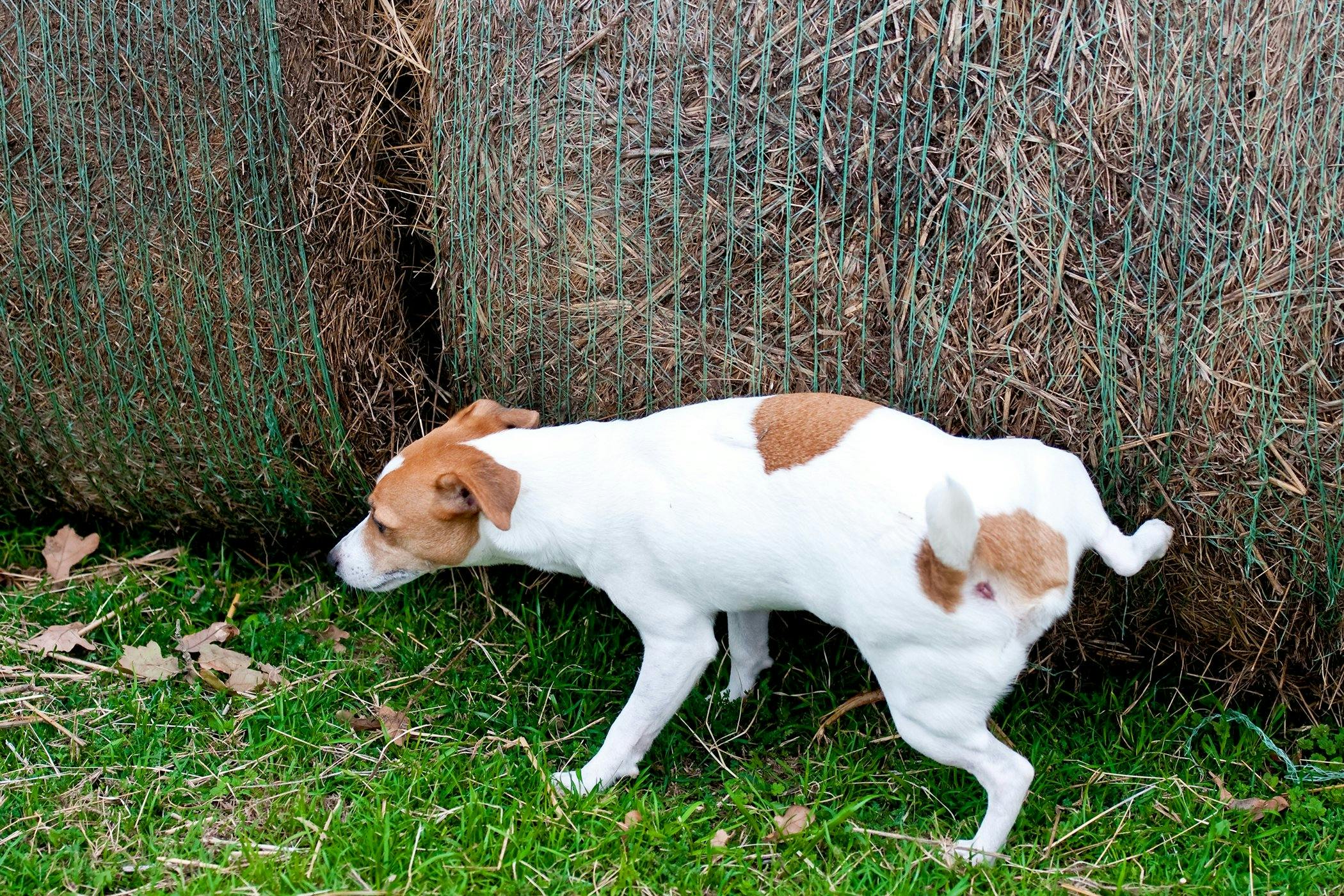
Ever wondered how long a dog can go without peeing? It’s a question that many pet owners ponder, especially when juggling busy schedules and furry friends’ needs. Understanding this aspect of canine care is crucial for ensuring our pets’ health and comfort. While adult dogs can sometimes hold their pee for up to 10 to 12 hours, it’s not ideal for their well-being. Frequent bathroom breaks are essential to prevent discomfort and potential health issues like urinary tract infections or stones.
Our exploration into this topic will help you grasp the various factors influencing a dog’s need to urinate, such as age and health status. We’ll also discuss the risks associated with prolonged urine retention and offer practical advice for maintaining your dog’s urinary health. By the end, you’ll have a clearer understanding of how to best support your furry companion’s bathroom habits, ensuring they stay happy and healthy.
How Long a Dog Can Go Without Peeing?
The time a dog can hold its pee varies greatly. Age, size, and overall health are key factors that influence this.
Puppy Urination Needs
Puppies need frequent bathroom breaks due to their immature bladder control. Under one month, they struggle with bladder control. From 1-3 months, they might hold it for 1-3 hours. As they reach 3-6 months, this increases to 2-4 hours. By 6-9 months, they’re capable of lasting 2-6 hours between breaks. As they approach one year, puppies often manage to hold it for 6-8 hours but may still need more frequent trips outside during training.
Adult Dogs’ Bathroom Breaks
Healthy adult dogs typically manage to hold their pee for about 6-8 hours during the day. Overnight, they might extend this to 8-10 hours while sleeping. Though some adult dogs can hold it for up to 12 hours, this is occasionally due to extenuating circumstances. Frequent urination helps flush toxins and bacteria, reducing urinary tract infection risks. Hence, regular breaks are important for their health. Dogs generally need to urinate 3-5 times daily, depending on hydration levels and routine.
How Long a dog Can Go Without Peeing? Expert Insights 2025 5
Impact of Age and Health
Age and health significantly impact a dog’s bathroom schedule. As dogs age, they may experience more frequent or unpredictable needs to urinate due to health changes. Illnesses like diabetes can require more frequent urination, and medications might increase the need to relieve themselves. Overweight dogs might have lower exercise tolerance, affecting their bathroom habits. It’s essential we monitor any changes in our dogs’ bathroom habits and consult a veterinarian to maintain their urinary health and comfort.
Factors Influencing Urination Frequency
Several factors affect how long a dog can go without peeing and the frequency of urination. Understanding these factors helps us manage their health and comfort effectively.
Size and Breed
Smaller breeds often need to urinate more often due to their smaller bladders. For example, a Chihuahua may require more frequent bathroom breaks compared to a Great Dane. While the breed itself isn’t a major determinant unless related to renal issues, size impacts bladder capacity. Larger breeds have larger bladders that can hold urine longer, allowing them to go extended periods between breaks. But, we should always monitor individual needs beyond general breed characteristics.
Diet and Water Intake
Diet and water intake significantly influence urination frequency in dogs. Dogs on a wet-food diet, like canned dog food, urinate more often due to higher moisture content. Those drinking ample water also need frequent breaks to eliminate excess fluids and maintain hydration levels. Conversely, a dry food diet may lead to fewer urination needs as it contains less moisture. Monitoring water and food intake ensures adequate hydration while managing urinary health.
Environment and Activity Level
The environment and a dog’s activity level play key roles in how often they need to pee. Active dogs exercising regularly urinate more frequently due to increased water intake and metabolic activity. Environmental factors, such as temperature, also impact urination. Higher temperatures can lead to increased water consumption and frequent urination. Also, stress or excitement triggers sudden urination, especially during travel or new surroundings. Keeping a consistent routine and understanding environmental influences helps regulate their bathroom schedule.
How Long a dog Can Go Without Peeing? Expert Insights 2025 6
Potential Risks of Holding Pee Too Long
Understanding the risks of a dog holding its pee is crucial for maintaining their health. Prolonged holding can lead to several health issues, impacting a dog’s quality of life.
Health Implications
When dogs consistently hold their pee for extended periods, they’re at risk for urinary tract infections (UTIs). Bacteria thrives when urine stays in the bladder too long, potentially spreading and leading to infections or kidney stones. Over time, this can also increase the likelihood of urinary cancer, as carcinogens in urine have more time to affect bladder cells. Veterinary advice suggests regular bathroom breaks are essential to flush out toxins and maintain urinary health.
Dog Age/Life Stage
Typical Time Without Peeing
Puppy (<6 months)
1–3 hours
Puppy (6–8 months)
2–8 hours
Adult
6–10 hours (8–12 overnight)
Senior
4–6 hours (sometimes less)
Recognizing Signs of Discomfort
Dogs experiencing discomfort from holding pee too long may show signs like restlessness, panting, or increased attempts to urinate. Accidents around the house, even though previous training, may indicate bladder health issues or discomfort. Observing changes in urination patterns, such as straining or decreased output, is important. If these signs appear, consulting a vet promptly helps identify and resolve underlying medical problems. By doing so, we can prevent further complications and ensure our dogs’ well-being.
Helping Your Dog Manage Urination
Regular bathroom habits keep dogs healthy and comfortable. Key factors include routine and training.
Establishing a Bathroom Routine
Creating a consistent bathroom schedule is crucial for a dog’s well-being. We recommend taking dogs out at regular intervals to prevent discomfort and potential health issues. For example, adult dogs should have breaks every 6-8 hours during the day, while puppies need breaks more frequently due to their smaller bladders and developing control. Setting exact times for bathroom breaks, such as after meals and before bed, ensures predictability for both the dog and owner, reducing accidents and stress.
Training Tips and Tools
Training aids and tools can significantly improve a dog’s bathroom habits. We suggest using positive reinforcement techniques, like giving treats or praise, to encourage timely urination. Training apps or planners help set reminders for walks, making them part of your everyday routine. For example, placing pads inside can aid puppies or small dogs in learning indoor spots during harsh weather. Access to tools like a leash or potty training aids makes teaching more efficient, ensuring your dog learns and retains proper bathroom behavior.
When to Consult a Veterinarian
Owners should observe their dog’s urination habits to ensure health and comfort. If a dog’s urination patterns change significantly, consulting a veterinarian is critical. Some signs that indicate the need for veterinarian advice include frequent urination, straining to urinate, blood in urine, or prolonged periods without peeing. These symptoms could suggest health issues like urinary tract infections (UTIs), bladder stones, or other underlying medical conditions.
How Long a dog Can Go Without Peeing? Expert Insights 2025 7
Sometimes, behavioral changes accompany urinary problems. For instance, if a dog suddenly starts avoiding certain spots where they usually relieve themselves, or if they appear restless or distressed, these might be red flags needing professional attention. A veterinarian assessment helps identify any potential issues and suggest the necessary interventions.
Frequency of urination varies based on factors like age and diet, but abrupt changes require veterinary consultation. Puppies and senior dogs, due to their age-related physiological differences, might have irregular urination patterns, yet any drastic alteration warrants medical advice. A comprehensive evaluation can reveal if the dog’s age or health condition affects their ability to hold urine.
For persistent issues such as house soiling or leakage, veterinarians can propose diagnostic tests. These tests could include urinalysis or imaging. Diagnosis determines whether the urinary system is functioning properly or if there are exact concerns that need addressing. Tests also help in ruling out conditions like diabetes or kidney disease which can impact urination.
Dietary factors also contribute to urinary health. If diet changes lead to increased or decreased urination, veterinary guidance ensures proper nutrition and hydration balance. Customized advice helps maintain their overall health and manage any existing urinary problems effectively.
Conclusion
Understanding our dogs’ urination needs is crucial for their health and comfort. By recognizing the factors influencing their bathroom habits, we can better support them in maintaining a healthy routine. Regular bathroom breaks are essential to prevent health issues like UTIs and kidney stones. Establishing a consistent schedule helps manage their needs effectively, ensuring they aren’t holding it for too long. Observing any changes in their urination patterns and consulting a veterinarian when necessary can address potential health concerns early. Let’s prioritize our furry friends’ well-being by staying attentive to their bathroom habits and providing the care they deserve.
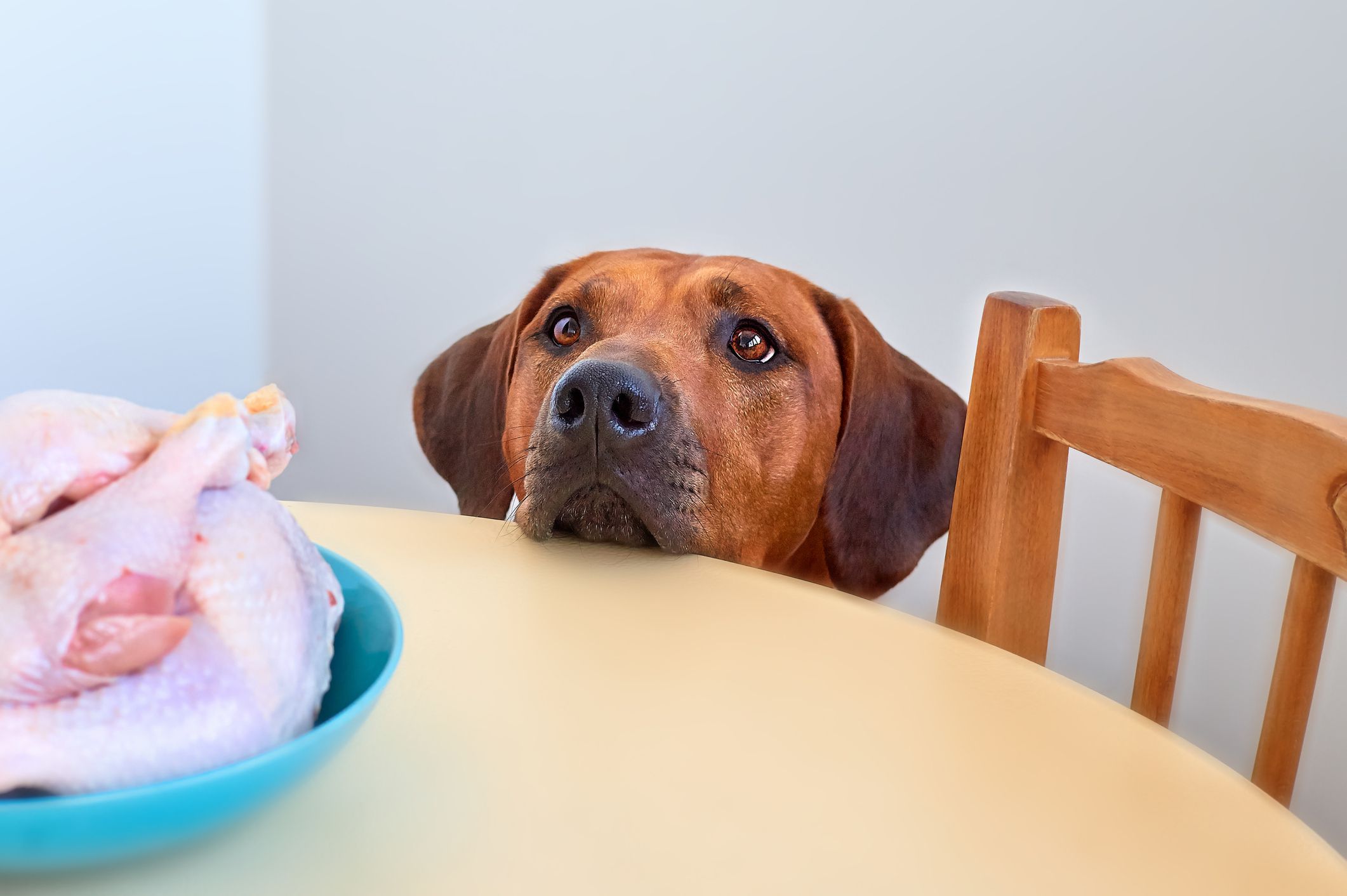
Is raw chicken safe for our furry friends, or does it pose hidden dangers? As dog owners, we’re always on the lookout for the best nutrition options for our pets. With the rise of raw food diets, many are questioning whether can dogs eat raw chicken, can be a healthy addition to their dog’s meals. This topic is crucial because it directly impacts our dogs’ health and well-being.
Dogs, descendants of wolves, have some tolerance for raw meat, but that doesn’t mean it’s without risks. Concerns about bacterial contamination and choking hazards from bones often leave us wondering about the best approach. Our article dives into the pros and cons of feeding raw chicken to dogs, providing insights into its nutritional benefits and potential dangers.
We’ll explore expert opinions, discuss safety measures, and help you make informed decisions about your dog’s diet. Join us as we unravel the complexities of feeding raw chicken to our canine companions.
Can Dogs Eat Raw Chicken?
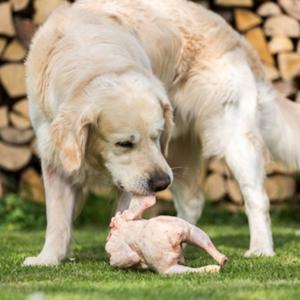
Raw chicken for dogs is a topic that sparks interest due to its potential benefits and important risks. Dogs, as descendants of wolves, have a natural tolerance for raw meat. Yet, raw chicken poses several health challenges mainly due to bacterial infections. Salmonella and Campylobacter are common contaminants in raw chicken, and they can lead to severe gastrointestinal problems in dogs, causing symptoms like vomiting and diarrhea.
Another important consideration in feeding dogs raw chicken is polyradiculoneuritis (APN). This rare but serious nerve disorder has been linked to raw chicken consumption. APN can lead to symptoms ranging from hind limb weakness to paralysis, and in severe cases, it can be fatal. It’s crucial for dog owners to be aware of this potential risk when considering raw chicken as a diet option.
Nutritional deficiencies also arise from a raw chicken diet. While raw chicken is rich in high-quality proteins and vital amino acids such as arginine and taurine, it lacks essential nutrients necessary for a dog’s health. Raw chicken alone doesn’t provide a complete and balanced diet, making it unsuitable as the sole food source for dogs.
Even though these risks, some dog owners choose raw diets because raw chicken bones, unlike cooked ones, maintain flexibility and reduce the risk of choking. But, handling raw chicken requires meticulous care to manage contamination risks. Consulting with a veterinarian ensures that a dog receives the right balance of nutrients while considering raw chicken as part of their diet. Overall, while dogs can eat raw chicken under exact conditions, potential health risks must not be overlooked, highlighting the importance of well-informed choice-making for the health of our pets.
Can Dogs Eat Raw Chicken? Learn the Pros and Cons 12
Is Raw Chicken Good for Dogs?
Raw chicken’s suitability for dogs is debated, balancing nutritional advantages with notable health risks. While some advocate for raw diets given dogs’ carnivorous ancestry, domesticated dogs differ from their wild counterparts.
Nutritional Benefits
Raw chicken provides a high-quality protein source, a vital component of a dog’s diet. Protein is essential for muscle development, skin health and overall growth. But, while rich in proteins and amino acids, raw chicken lacks a balanced range of nutrients. Dogs also need vitamins, minerals and other essential nutrients not present in plain raw chicken. For optimal health, it’s crucial to supplement raw chicken with other foods that complete a dog’s nutritional requirements.
Potential Risks
The primary concern with feeding dogs raw chicken lies in bacterial infections. Though dogs have evolved to handle certain bacteria, salmonella and Campylobacter in raw chicken pose important risks of gastrointestinal issues. These infections can lead to severe symptoms, including diarrhea and vomiting. Also, raw chicken consumption is linked to acute polyradiculoneuritis (APN), a rare but serious nerve disorder. While some pet owners appreciate raw chicken bones’ flexibility, potentially reducing choking risks, the threat of bacterial contamination must be carefully managed. Always consult a veterinarian to assess individual risks before incorporating raw chicken into a dog’s diet.
Health Risks of Raw Chicken
Feeding dogs raw chicken introduces important health risks, primarily due to bacterial contamination and potential bone hazards.
Salmonella and Campylobacteriosis
Raw chicken often harbors harmful bacteria like Salmonella and Campylobacter, causing infections in dogs. Salmonella is linked to symptoms such as vomiting, diarrhea, fever, and lethargy. Up to 20% of chicks may test positive for this bacteria, increasing the risk of gastrointestinal infections. Campylobacteriosis, another common bacterial infection from raw chicken, results in digestive distress with symptoms like diarrhea, abdominal pain, bloody stool, and fever. This infection can persist for five to fifteen days, posing a serious threat to canine health. While dogs generally have greater tolerance to such bacteria compared to humans, the risk of infection remains a important concern when feeding raw chicken to our pets.
Bone Hazards
Feeding raw chicken bones can pose a choking risk and may cause internal injuries if not managed carefully. While some pet owners prefer raw chicken bones due to their flexibility, there’s still a danger of splintering which can result in blockages or perforations in a dog’s digestive tract. This can lead to severe complications requiring medical intervention. To mitigate risks, bones should be appropriately sized for the dog’s breed and chewed under supervision. Incorporating bones into a dog’s diet necessitates balancing safety with nutritional needs, ensuring the health and well-being of our canine companions.
Guidelines for Feeding Raw Chicken
Feeding raw chicken to dogs involves several considerations to ensure safety and health benefits. Proper selection and preparation can mitigate risks of bacterial infections and nutritional deficiencies.
Can Dogs Eat Raw Chicken? Learn the Pros and Cons 13
Choosing Quality Sources
Select high-quality sources to minimize health risks when feeding raw chicken. Ensure the chicken is fresh and stored correctly; it’s vital to choose whole cuts rather than ground meat which might contain a higher bacteria load. Local farms or organic brands can be more trustworthy, offering better quality and hygiene. Verifying expiry dates before purchase reduces the chance of contamination. Reliable suppliers help ensure that meat is free from harmful bacteria such as Salmonella and Campylobacter. Quality assurance is key to maintaining safety standards.
Safe Preparation and Serving
Handle raw chicken correctly to prevent contamination. Keep the chicken frozen and thaw only the portion needed for 3 to 5 days. Use a fridge for thawing to maintain a safe temperature and reduce bacterial growth. After feeding, discard leftovers after an hour unless refrigerated. Clean the dog’s bowl thoroughly to prevent bacterial build-up. Avoid feeding raw chicken bones, as they can splinter and cause injury. Supplement raw chicken with a balanced diet to meet nutritional requirements, using additional protein sources like raw beef cubes or lamb. Consulting a veterinary dietician can provide guidance customized to your dog’s needs.
How to Introduce Raw Chicken to Your Dog’s Diet
Introducing raw chicken into your dog’s diet should be done gradually and with careful attention to your pet’s health and nutritional needs. Always consult with a veterinarian before making important dietary changes for your dog.
Monitoring Health and Reactions
Regular observation is crucial when introducing raw chicken. Look for any signs of gastrointestinal issues like vomiting or diarrhea. If adverse reactions occur, discontinue the raw chicken and contact your vet for advice. Check for signs of allergies, which might include itching or skin irritations. It’s critical to ensure raw chicken is just a part of a broader, balanced diet to avoid nutritional deficiencies. Supplementing with other protein sources and essential vitamins is advisable. Always verify the quality and freshness of raw chicken and practice safe handling to minimize health risks.
Alternatives to Raw Chicken
Feeding dogs raw chicken poses important health risks due to bacterial infections and potential nutritional imbalances. To ensure our dogs receive a safe and balanced diet, we should consider these alternatives:
Cooked Chicken
Cooked chicken offers a safe, nutritious option. Proper cooking eliminates harmful bacteria such as Salmonella and Campylobacter. Opt for boneless chicken, as cooked bones can also splinter and pose risks. Unseasoned grilled, boiled, or baked chicken can be easily mixed with a dog’s regular meal or served as a standalone treat.
Commercial Dog Food
Commercial dog food comes formulated to meet all nutritional needs. Various brands offer balanced options featuring chicken as a primary protein source, ensuring dogs receive essential vitamins and minerals without the risks associated with raw meat.
Balanced Homemade Meals
We can create homemade meals with components such as cooked chicken, healthy grains like brown rice, and vegetables safe for dogs like carrots and green beans. This approach allows us to control ingredients and adjust portions to meet our pet’s dietary needs.
Alternative Protein Sources
Introducing other protein sources diversifies a dog’s diet and reduces dependence on chicken alone. Consider lean meats such as turkey or lamb or fish like salmon, ensuring variety and a range of essential nutrients without exposing dogs to the bacteria often found in raw chicken.
Can Dogs Eat Raw Chicken? Learn the Pros and Cons 14
Consultation with a Veterinarian
Before making important dietary changes, consulting with a veterinarian ensures the chosen diet is nutritionally complete and customized to our dog’s health needs. This consultation helps us avoid potential allergies or dietary deficiencies while providing expert guidance on portion sizes and balanced diet plans.
These alternatives provide safer, balanced options for maintaining our dog’s health, allowing us to avoid the risks associated with feeding raw chicken while supporting overall well-being.
Conclusion
Feeding dogs raw chicken presents a complex decision that requires careful consideration of both benefits and risks. While it’s true that raw chicken offers valuable protein and amino acids, the potential for bacterial infections and other health issues cannot be ignored. We must weigh these factors carefully and make informed choices to ensure our pets’ safety and well-being.
Exploring alternatives like cooked chicken or commercial dog foods can provide a balanced diet without the associated risks of raw chicken. Consulting with a veterinarian remains crucial in tailoring a diet that meets our dog’s nutritional needs. By prioritizing safety and nutritional balance, we can support our furry friends’ health and happiness effectively.
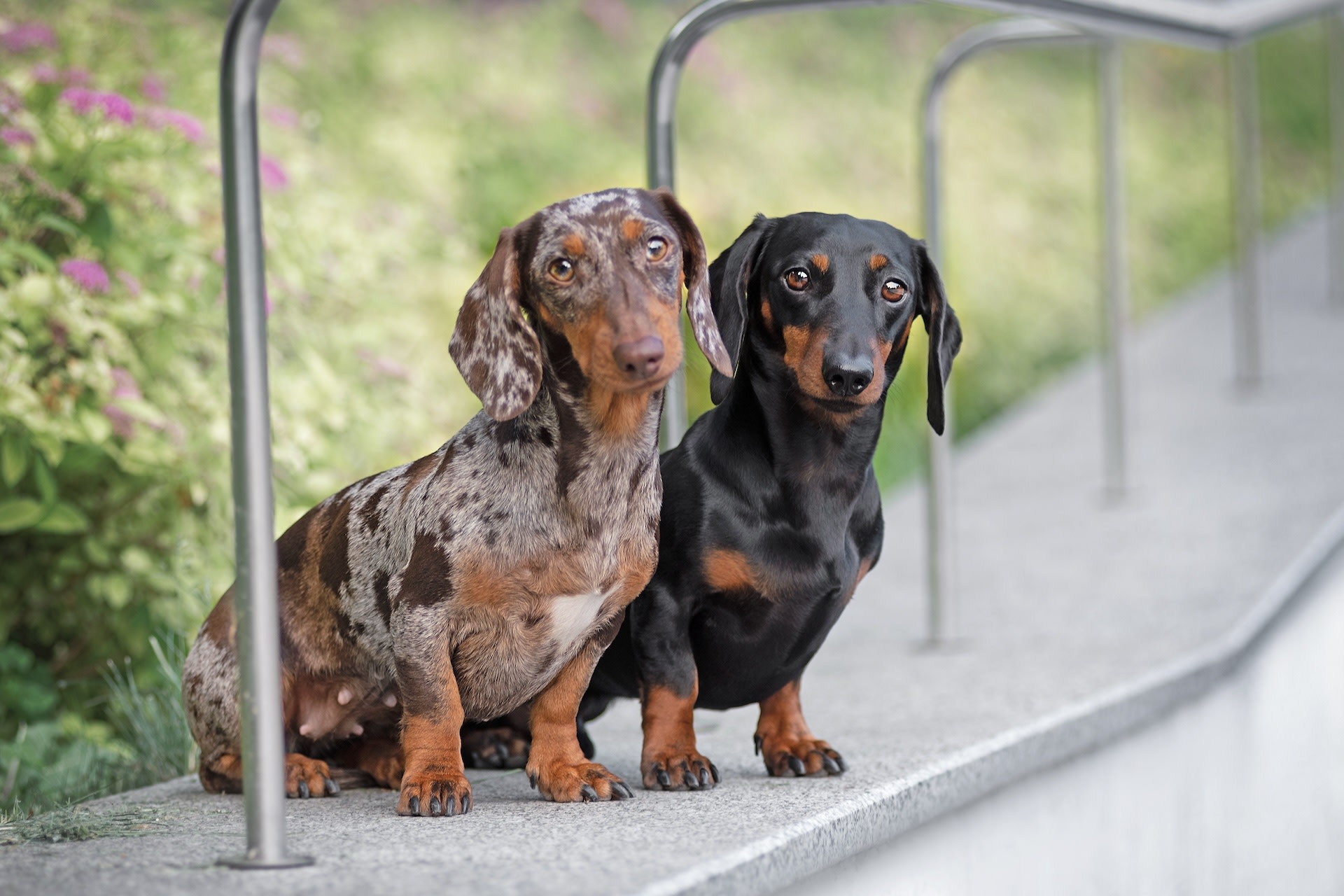
Ever wondered why the Mini Dachshunds, affectionately known as the wiener dog, has captured the hearts of pet lovers across the globe? With their distinctive long bodies, short legs, and expressive eyes, these little hounds are more than just a cute face. Their adaptability makes them perfect companions for both cozy apartments and spacious homes, allowing us to enjoy their playful antics anywhere we go.
Miniature Dachshunds aren’t just adorable; they’re also steeped in history and charm. Originally bred in the late 1800s to chase rabbits, their clever and courageous nature has made them popular among royalty and common folk alike. For those of us seeking a loyal, social, and low-maintenance pet, these dogs offer a delightful blend of companionship and character.
In this text, we’ll explore what makes the Miniature Dachshund a beloved choice for pet owners and how we can provide the best care for our four-legged friends.
Characteristics and Personality
Miniature Dachshunds exhibit a blend of distinctive traits that endear them to many. Their unique personality and characteristics define their interactions with humans and their environment.
Size and Appearance
Miniature Dachshunds are known for their small and compact frame, typically weighing around 11 pounds with a height of about 5-7 inches. Their long bodies and short legs give them a distinctive, charming appearance. Coat variations include smooth, long-haired, and wire-haired, each requiring a different grooming approach. Even though their diminutive size, these dogs carry themselves with an air of confidence befitting their hunting heritage.
Temperament and Behavior
Their temperament reflects intelligence coupled with a streak of independence, making training an interesting venture. Miniature Dachshunds thrive on positive reinforcement with treats while showing aversion to harsh discipline. Their affectionate and loyal nature makes them wonderful family companions, often forming strong bonds with their owners. These dogs display medium to high energy levels, needing daily exercise such as walks and playtime to maintain good health. Early socialization plays a vital role in helping them feel comfortable around unfamiliar dogs and people, minimizing their protective, sometimes aggressive tendencies.
Discover the Charm of Mini Dachshunds: Care Tips 2025 19
Living Needs
Mini Dachshunds, known for their unique traits, require exact living conditions that cater to their adaptability and exercise needs.
Adaptability to Apartment Living
Our Mini Dachshunds, small yet adaptable, fit seamlessly into apartment settings. Their compact size makes them ideal for limited spaces. Their ability to adjust to various living situations, from cozy apartments to larger homes, showcases their flexibility. Although they’re generally quiet, their vocal nature might occasionally disturb neighbors. Providing them with enough mental stimulation can help manage this tendency. An essential aspect of apartment dwelling is addressing their potty needs, as Mini Dachshunds shouldn’t be left alone for more than four hours without a break. Utilizing indoor dog potty systems, like the Fresh Patch Disposable Dog Potty, can be effective for ensuring cleanliness, especially when weather conditions are unfavorable.
Exercise and Enrichment
Mini Dachshunds exhibit moderate exercise needs, thriving on routine activities that stimulate their bodies and minds. Regular, manageable walks benefit their health, aiding weight management and muscle tone. Beyond physical exercise, it’s vital to engage them with enriching activities that challenge their intelligence. Interactive toys, puzzles, and varied play sessions offer necessary mental engagement. Through consistent exercise and enrichment, we ensure our Mini Dachshunds explore their energetic side, promoting overall well-being while maintaining manageable energy levels.
Mini Dachshund Key Facts
Attribute
Details
Weight
11 lbs (5 kg) or less
Height
5–6 inches (13–18 cm)
Coat Types
Smooth, wirehaired, longhaired
Colors
Wide variety (black/tan, red, cream, etc.)
Lifespan
12–16 years
Temperament
Affectionate, alert, playful, loyal
Exercise Needs
At least 1 hour daily
Health Concerns
Prone to back problems (IVDD), obesity
Best For
Families, singles, apartment dwellers
Grooming and Care
Mini Dachshunds require exact grooming and care to maintain their health and appearance. Their unique coat types, including smooth, long-haired, and wire-haired, determine their grooming needs.
Coat Maintenance
For smooth-haired Mini Dachshunds, grooming is relatively simple. We brush them 1-2 times a week with a soft-bristled brush or rubber grooming mitt to remove loose hairs and keep their coat clean. Monthly baths suffice unless they get dirty sooner.
Long-haired Mini Dachshunds need daily brushing using a slicker brush to detangle, and a bristle or pin brush to maintain shine. Regular trims prevent matting, especially around the ears, feet, and underbelly. We avoid shaving as it alters the coat’s growth pattern. Monthly bathing is advised.
Discover the Charm of Mini Dachshunds: Care Tips 2025 20
Diet and Nutrition
Mini Dachshunds thrive on a balanced diet suited to their energy levels and size. We provide high-quality dog food rich in proteins, fats, and essential nutrients to support their active lifestyle and maintain their lean body mass. It’s crucial to monitor their food portions to prevent obesity, which can lead to health issues such as joint problems and diabetes.
Including vegetables and fruits like carrots and blueberries offers additional vitamins and antioxidants. Fresh water should always be available, and treats should be given sparingly. Consulting with a veterinarian helps tailor a diet that suits their individual needs and keeps them healthy.
Training Tips
Training Miniature Dachshunds involves a mix of early training, socialization, positive reinforcement, and consistent methods. Starting early, ideally between 8 to 12 weeks, lays a solid foundation. During this critical period, focus on socialization, potty training, and basic commands like “come” and “sit.” This sets the stage for a well-behaved adult mini dachshund.
Positive reinforcement plays a vital role in training. We recommend using treats, praise, and favorite toys to encourage good behavior. This approach builds a happy and confident pet. Consistent rewards for tasks help reinforce learning, and your mini dachshund will associate training with positivity.
Housetraining should begin immediately. Establish a regular schedule and praise the puppy for using the designated potty area. This consistency helps avoid accidents. For crate training, start early and gradually increase time spent in the crate. Use a single command like “crate” and entice them with treats to ensure the crate becomes a positive space. This teaches them to enjoy their personal area.
Effective training requires patience and persistence. Given their independent nature, mini dachshunds can be challenging to train at times. But, maintaining a positive atmosphere and sticking to these strategies will help foster an obedient and happy companion.
By focusing on these training tips, we can build a strong bond with our mini dachshund, ensuring they grow into well-mannered adults. These methods improve their confidence, socialize them effectively, and create a harmonious home environment.
Health Considerations
Miniature Dachshunds charm us with their long bodies and small size, but they also face unique health issues due to these features.
Common Health Issues
Discover the Charm of Mini Dachshunds: Care Tips 2025 21
Miniature Dachshunds often experience health problems linked to their distinctive body shape. Intervertebral Disc Disease (IVDD) is a severe concern, as it’s up to 12 times more common in Dachshunds compared to other breeds. Typically occurring between the ages of 5-7 years, IVDD causes spinal pressure, affecting mobility and comfort. Also, various back problems arise from their elongated body, making them prone to spinal injuries from simple actions. Ramps and steps can help prevent these injuries by easing their movements.
Lifespan and Care Tips
On average, Mini Dachshunds live 12-16 years, provided they receive proper care. Regular vet check-ups are essential to catch potential health issues early. A balanced diet, such as high-quality dog food supplemented with fruits and vegetables, maintains their optimal health while monitoring their portions helps prevent obesity, a risk factor for several health issues. Regular exercise, including walks and playtime, keeps them fit and reduces the risk of injuries. Providing mental stimulation via interactive toys enhances their well-being, encouraging a happy and healthy life.
Conclusion
Mini Dachshunds truly embody a blend of charm and character, making them delightful companions for a range of lifestyles. With their unique physical traits and spirited personalities, they bring joy and warmth to any home. By understanding their exact needs—from grooming to exercise and training—we can ensure they thrive as healthy and happy pets. Through consistent care and attention, we create a loving environment where our Mini Dachshunds can flourish, enriching our lives with their loyalty and affection.
Dog muzzles often spark debate, but they’re more essential than you might think. While many associate muzzles with aggression, experts agree that every dog might need one at some point for safety reasons. Whether it’s handling an injured pet or managing unexpected stressors, a muzzle can be a crucial tool in ensuring safety for both dogs and humans.
Our goal is to shed light on the importance of dog muzzles, helping you understand when and why they’re necessary. By exploring the benefits and addressing common misconceptions, we’ll guide you on how to properly introduce and use a muzzle. This knowledge ensures that if the need arises, both you and your dog will be prepared and stress-free.
In this text, we’ll cover everything from selecting the right muzzle to training your dog to wear it comfortably. Let’s equip ourselves with the right information to keep our furry friends and those around them safe.
Understanding Dog Muzzles
Understanding dog muzzles is crucial for every responsible dog owner. Muzzles commonly carry a stigma due to their association with aggression, yet their purpose extends far beyond this misconception. Often, we encounter situations where dog muzzles become essential for safety. When a dog is injured, for instance, they might bite out of pain or fear. In such cases, a muzzle protects both the animal and those providing care. So, recognizing the importance of dog muzzles helps manage these scenarios effectively.
Types of Dog Muzzles
Basket Muzzles
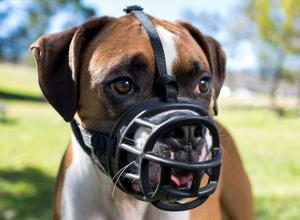
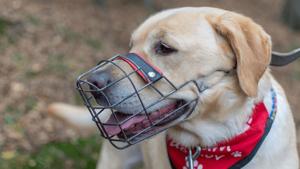
Basket muzzles are ideal for extended use, as they’re designed to allow panting, drinking, and eating treats. Their structure provides security without compromising the dog’s ability to breathe and stay hydrated. Made from materials like hard plastic, metal, or biothane, these muzzles use leather or nylon straps for secure fastening. They balance safety and comfort, making them a preferred option for longer durations.
Understanding Dog Muzzles: Essential Safety Guide 2025 27
Soft or “Sleeve” Muzzles
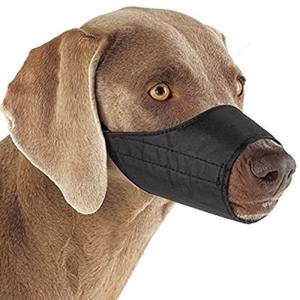
Soft muzzles or “sleeve” muzzles are made for short-term use, typically during procedures like nail trimming. They fit snugly, limiting a dog’s ability to pant and drink. Made of fabric or mesh, these muzzles are not suited for extended wear due to their restrictive nature. Nonetheless, they provide a temporary solution when restraint is essential.
Gauze Muzzles
Gauze muzzles offer a quick fix in emergencies. Composed of materials like roll gauze or ribbon, they’re not meant for prolonged use. They serve to restrain a dog temporarily, often in unexpected situations where safety becomes a priority.
Type
Description
Materials
Key Features
Use Case
Basket Muzzle
Basket-shaped, allows panting, drinking, and sometimes eating
Leather, wire, plastic, rubber
Secure, comfortable, best for longer wear
General safety, walks, training
Soft Muzzle
Wraps around mouth, holds jaw closed, restricts panting and drinking
Nylon, mesh, leather
Should be used only briefly, not for hot weather
Short vet/grooming visits
Homemade Muzzle
Improvised in emergencies from gauze, leash, or pantyhose
Various
Temporary, only for emergencies
Emergency only
Benefits and Considerations
Proper fit and function are important when choosing a muzzle. Each type serves exact needs, and ensuring the right fit prevents stress. Muzzles are typically sized based on snout length and circumference, allowing room to pant. Dogs with unique face shapes may require custom designs. We should remember that muzzles don’t ensure complete safety, and supervision is always necessary.
Using dog muzzles responsibly means training and teaching dogs to wear them comfortably. This proactive approach ensures that if circumstances call for a muzzle, our dogs are already familiar and less stressed. With knowledge and preparation, dog muzzles emerge as invaluable tools in various situations.
When to Use a Dog Muzzle
Understanding the proper circumstances for using a dog muzzle is crucial for both the safety of the dog and those around them. Muzzles aren’t just for aggressive dogs; they’re tools to address exact situations safely.
Understanding Dog Muzzles: Essential Safety Guide 2025 28
Emergency Situations
Dog muzzles play a crucial role in emergencies. Dogs in pain or fear might bite unexpectedly, even if they’re usually calm. For instance, an injured dog’s chance of biting rises significantly during treatment. This makes having a muzzle ready important for transporting or caring for them. Training our dogs to tolerate muzzles beforehand helps in such scenarios, reducing stress for both the dog and us.
Preventing Biting Incidents
Muzzles can prevent biting incidents, ensuring safety in environments where dogs might become overstimulated. Scenarios include group playtimes or instances where they may lunge at passersby. If our dog has a history of biting, using a muzzle is wise when interacting with others. While a muzzle doesn’t solve aggression issues, it allows us to manage situations safely while working on behavioral adjustments.
Grooming and Veterinary Visits
During grooming and veterinary visits, muzzles help prevent biting. Even friendly dogs might react unpredictably to unfamiliar procedures. At a vet’s office or groomer, having our dog accustomed to a muzzle means fewer surprises and safer interactions. Cultivating a positive association with the muzzle in comfortable settings ensures our dog feels less anxious, making these visits smoother for everyone involved.
Training Your Dog to Wear a Muzzle
Training a dog to wear a muzzle helps ensure that they’re comfortable and reduces stress. It’s important to approach the process with patience and consistency. Our step-by-step guide simplifies muzzle training.
Introduction to the Muzzle
Introduce the muzzle by associating it with positive experiences. Let your dog sniff it freely and reward them with treats. As dogs often associate positive experiences with rewards, this association helps build a positive perception of the muzzle.
Familiarization Stage
Once the dog is comfortable around the muzzle, gently place it on the dog’s nose for a brief moment without fastening it. Use treats or favorite toys to keep the dog focused on positive outcomes. Repeating this process reinforces familiarity.
Gradual Wear Time Increase
Begin fastening the muzzle loosely for a few seconds. Gradually increase the duration, rewarding the dog during and after each session. This progressive increase helps dogs adapt without stress.
Environmental Adjustment
Introduce the dog to different environments while wearing the muzzle. Start with quiet spaces, then gradually incorporate more stimulating environments like parks. This step helps in building resilience and comfort in new settings.
Distraction Integration
Engage your dog in activities like walking or basic commands while wearing the muzzle. This engagement diverts their attention from the muzzle and helps normalize its presence during routine activities.
Regular Practice
Consistency ensures long-term muzzle acceptance. Regular practice sessions, even when it’s not immediately necessary, refine the comfort level. Maintaining this habit prevents any setback in progress.
By following these training steps, we help our dogs love wearing muzzles, turning what might be an unpleasant accessory into a simple part of their routine. This approach not only safeguards against potential issues but also enhances the overall experience for both the dog and the owner.
Properly Fitting a Muzzle
A well-fitted dog muzzle ensures comfort, safety, and effectiveness. Incorrectly fitted muzzles can cause restricted breathing and discomfort, leading to negative behavioral effects. When fitting a muzzle, we must consider several key points.
Importance of Measurements
Rely on exact measurements rather than breed-type guidelines to choose the right size. Measure the dog’s snout length and circumference for accuracy. This prevents the muzzle from being too tight or too loose, ensuring proper fit and comfort.
Understanding Dog Muzzles: Essential Safety Guide 2025 29
Basket Muzzles
Basket muzzles are ideal for prolonged use as they allow dogs to pant, drink, and eat. When fitting a basket muzzle, ensure space between the dog’s nose and the muzzle’s end. This allows natural movement and prevents abrasion. The padded portion should rest flat along the nose bridge without creating a gap that might impede airflow.
Soft Muzzles
Soft muzzles, suitable for short-term use, should fit snugly without restricting airflow. They’re often used during activities like nail trimming. Although they limit panting, they’re convenient for brief tasks. Ensuring the muzzle isn’t too tight prevents discomfort and helps maintain the dog’s composure.
Adjusting for Comfort
Understanding Dog Muzzles: Essential Safety Guide 2025 30
Ensure the padded portion of a muzzle sits below the eyes, avoiding any contact with tear ducts or causing squinting, which indicates discomfort. Adjustable straps help achieve the desired fit, offering maximum comfort and preventing the muzzle from moving out of place.
Practical Tips
If a muzzle is uncomfortable, adaptations like added padding or widened sides can improve fit. Custom options also exist for unique facial shapes, such as brachycephalic breeds. The goal is to ensure ease and comfort for the dog throughout wear time.
Ensuring a snug yet comfortable muzzle fit enhances the dog’s experience and ensures safety for both the dog and those around them. By understanding the importance of fit and making necessary adjustments, we contribute to the responsible and effective use of muzzles.
Conclusion
Understanding the role of dog muzzles is crucial for ensuring the safety and well-being of both pets and people. By dispelling misconceptions and embracing muzzles as valuable tools, we can manage various situations more effectively. Selecting the right type and ensuring a proper fit are essential steps in promoting comfort and safety. Through positive reinforcement and gradual training, we can help our dogs adapt to wearing muzzles without stress. As responsible pet owners, it’s our duty to equip ourselves with the knowledge needed to use muzzles appropriately, fostering a safer environment for everyone involved.
Are we truly aware of what goes into our pet’s food bowl? With the pet industry booming, the concept of fresh, human-grade dog food like Farmers Dog Food has captured the curiosity of many dog owners. It’s a topic of increasing relevance as we strive to provide the best for our furry friends.
Our exploration of Farmers Dog Food delves into whether this fresh food option lives up to its promise. As pet parents, we seek to understand the balance between quality and cost while ensuring our dogs’ health and happiness.
Through this article, we’ll weigh the pros and cons of Farmers Dog, examine its impact on our pets’ well-being, and consider if it’s a viable choice for the average pet owner. Join us as we navigate the industry of fresh dog food and uncover what truly benefits our beloved companions.
Overview Of Farmers Dog Food
Founding and Mission
The Farmer’s Dog entered the market in 2015. Founded by dog lovers Brett and Jonathan, it arose from dissatisfaction with processed dog foods. Our mission prioritizes providing healthy, convenient, and nutritionally complete dog food. We guide our efforts with science and our love for dogs.
Food Quality and Ingredients
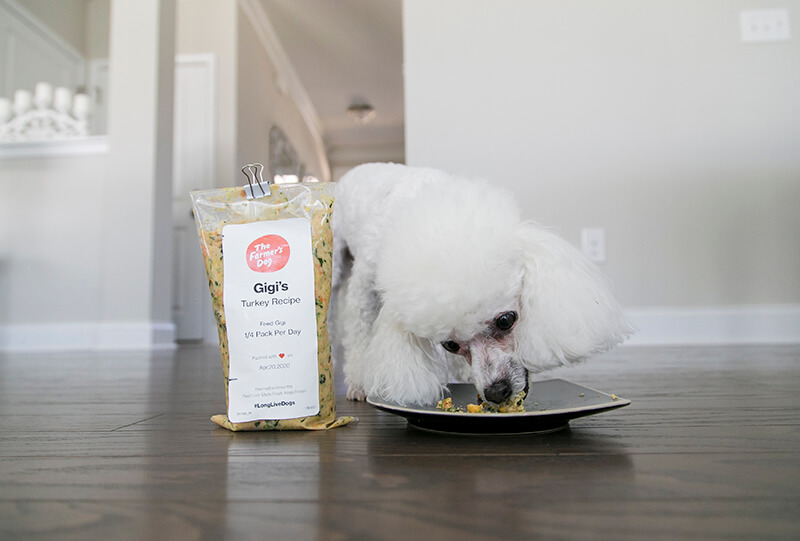
The Farmer’s Dog food stands out as 100% human-grade, using simple recipes without compromising on nutrition. Ingredients include USDA human-grade meats like beef, turkey, pork, and chicken, alongside vegetables such as carrots, green beans, Brussels sprouts, and broccoli. Fiber-rich foods like chickpeas, sweet potatoes, and lentils also add value. While the recipes avoid ground bone, Tricalcium Phosphate adds essential calcium. This approach ensures safety and nutritional integrity.
Customer Experience and Feedback
We aim for a customer-centric approach, focusing on quality and satisfaction. Feedback highlights positive impacts on dogs’ health. Customers often mention improvements in digestion and coat health. For example, some note that switching to The Farmer’s Dog made managing their pet’s weight easier. But, packaging concerns exist, with some finding it messy.
Impact on Pet Health
High-quality ingredients and balanced nutrition contribute to improved pet well-being. Our food supports regular digestion and promotes consistent stool firmness. Customers also observe enhancements in their pets’ energy levels. These outcomes reflect our commitment to wellness.
Positive digestion improvements
Enhanced pet energy
Easy weight management
Concerns about packaging waste
Efforts to address packaging concerns continue, aiming to offer a more sustainable solution without compromising convenience. Overall, the feedback underscores the positive influences of our approach on pets’ lives.
Farmers Dog Food 2024: Is It the Best Choice for Your Pet? 36
Features And Benefits
Exploring the features and benefits of The Farmer’s Dog reveals why pet owners are increasingly turning to this fresh dog food option. With fresh ingredients and personalized plans, it brings customized nutrition to our pets’ bowls.
Fresh Ingredients
The Farmer’s Dog boasts USDA human-grade fresh ingredients, ensuring wholesome meals for our pets. The recipes feature various proteins, including beef, turkey, pork, chicken, and liver combinations. These meats are paired with fresh vegetables, such as carrots, green beans, Brussels sprouts, and broccoli. Fiber-rich foods, like chickpeas, sweet potatoes, and lentils, complete the recipes. Meeting AAFCO standards, these meals cater to dogs at all life stages, assuring balanced nutrition. Our focus on quality ingredients reflects the dedication to offering safe and nutritious food.
Personalized Plans
The Farmer’s Dog tailors meal plans based on our dogs’ unique profiles. Users complete a short quiz that considers the number of dogs, breed details, age, weight, dietary restrictions, activity levels, and diet history. From this, an appropriate meal plan with recommended recipes and weekly pricing is crafted. This personalized approach ensures that each pet receives meals suited to their exact nutritional needs. By customizing plans, we’re able to provide dogs with healthier and more satisfying food options.
Nutritional Value And Quality
The Farmer’s Dog food stands out for its commitment to nutritional value and quality. Through the use of fresh, whole, human-grade ingredients, the food ensures optimal nutrition for dogs.
Protein Content
Farmers Dog Food 2024: Is It the Best Choice for Your Pet? 37
The protein content in The Farmer’s Dog food is notably high, averaging 39% on a dry matter basis. Real meats form the core of this protein-rich diet, providing essential amino acids that support muscle development and overall health. The food’s formulation, backed by board-certified veterinary nutritionists, ensures that it meets the complete and balanced needs of dogs at all life stages. This high-protein diet is particularly beneficial for active dogs that require sustained energy levels. As a comparison point, typical wet dog foods contain lower protein levels, making The Farmer’s Dog an exceptional choice for pet owners focused on high-quality protein intake.
Vitamins And Minerals
In terms of vitamins and minerals, The Farmer’s Dog food features a well-rounded profile derived from whole fruits and vegetables. These ingredients contribute essential micronutrients like vitamins A, C, and E, as well as important minerals such as potassium and magnesium. The inclusion of fresh produce in the recipes not only enhances palatability but also supports immune function, skin health, and metabolic processes. The board-certified veterinary nutritionists responsible for developing the food ensure that each meal delivers the necessary components for comprehensive canine nutrition. By focusing on these natural sources, The Farmer’s Dog maintains the integrity and quality crucial for a balanced diet.
Independent Reviews & Studies
The Farmer’s Dog is widely recommended by veterinarians and has a strong reputation among pet owners.
The company recently completed a year-long feeding study with Cornell University, with results expected later in 2025.
Comparison Table
Feature
The Farmer’s Dog
Ingredient Quality
Human-grade, real meat & veggies
Recipe Variety
5 recipes (1 grain-inclusive)
Customization
Personalized by dog’s profile
Nutritional Standards
AAFCO & WSAVA compliant
Delivery
Nationwide, recurring, flexible
Price (50 lb dog)
~$7.66/day (varies by dog/recipe)
Packaging
Eco-friendly, vacuum-sealed pouches
Vet Recommended
Yes
Recall History
None reported
Ordering And Delivery Process
Handling the ordering and delivery process with The Farmer’s Dog is simple and customized to each dog’s needs. Our streamlined approach ensures quality fresh dog food with every order.
Subscription Plans
Farmers Dog Food 2024: Is It the Best Choice for Your Pet? 38
We start by inviting pet owners to complete a personalized questionnaire on The Farmer’s Dog website. This assessment gathers essential details like age, weight, activity level, and health considerations. With this information, we create a custom meal plan to meet each dog’s unique dietary needs. Users can then choose from flexible subscription plans that adjust to varying budgets and requirements. Consistent with our focus on convenience, the subscription is seamless—billing is monthly via credit card, and plans can be paused or canceled easily online.
Shipping And Packaging
After finalizing the subscription plan, customers receive their trial box, a 2-week supply, allowing observation of their pet’s adaptation to the new diet. We ensure each order is prepared fresh and shipped promptly, arriving within days. Our commitment to transparency means customers receive email updates and a tracking link for their shipment. Packaging is designed to maintain freshness and minimize waste, reflecting our ongoing efforts to enhance sustainability. Each meal arrives in insulated materials, keeping the food fresh until it reaches your door.
Customer Experience
Pros
Dogs typically show enthusiasm for the food, with reported improvements in energy, coat quality, digestion, and reduced tear staining.
Meals are easy to serve and visually resemble real, home-cooked food.
Cons
Farmers Dog Food 2024: Is It the Best Choice for Your Pet? 39
The website can be difficult to navigate, especially when seeking detailed recipe information before purchase.
Limited grain-inclusive options.
Not the most budget-friendly option, especially for large or multiple dogs; however, it is less expensive than some other fresh food competitors.
Pricing
For a 50 lb moderately active adult dog, the cost is approximately $7.66 per day, $53.60 per week, or $229.18 per month (using the least expensive recipe).
Pricing varies based on your dog’s size, activity level, and selected recipes.
Conclusion
Farmers Dog Food has carved a niche in the pet food industry by offering fresh, human-grade meals that cater to the unique needs of our furry friends. With its commitment to quality ingredients and personalized meal plans, it stands out as a promising option for those seeking healthier alternatives for their dogs. The positive feedback from pet owners about improved health and vitality reinforces its value. While some concerns about packaging persist, the benefits for our pets’ well-being are hard to ignore. As we continue to prioritize our pets’ health, Farmers Dog provides a compelling choice in the evolving industry of dog nutrition.
Is your furry friend getting the best nutrition possible? With the rise of specialized pet food services, Ollie dog food is making waves by offering customized meal plans for our canine companions. This trend isn’t just about convenience; it’s about ensuring our pets receive meals customized to their unique needs, from age and breed to activity levels.
As pet owners, we know the importance of providing high-quality nutrition to support a healthy weight and lifestyle for our dogs. Ollie’s approach promises human-grade meals prepared under strict standards, but is it truly worth the investment? In this text, we’ll explore the ins and outs of Ollie dog food, examining its claims and how it stacks up in the pet food market.
Join us as we investigate into the details of Ollie’s offerings, share insights from our own experience, and help you decide if this service is the right choice for your beloved pet.
What Is Human-Grade Dog Food?
Human-grade dog food represents a important advancement in pet nutrition by adhering to regulations set by the FDA and USDA for human food. It is prepared in USDA-compliant kitchens, ensuring safety and quality standards equivalent to those upheld for human food. This compliance ensures that the meals are safe and nutritious for our furry companions.
The ingredient quality in human-grade dog food distinguishes it from conventional pet food. Brands like Ollie use high-quality, whole ingredients, including human-grade meat, fruits, vegetables, and grains. These ingredients are sourced from reputable suppliers, which means they exclude by-products, fillers, artificial flavors, or preservatives. This commitment to quality ingredients ensures our dogs receive meals that support their health and vitality.
Is Ollie Dog Food Worth It? Honest Review for 2025 45
Another defining characteristic of human-grade dog food is minimal processing. The goal is to maintain the nutritional integrity of the ingredients, so providing a natural and wholesome diet for dogs. Reduced processing steps help preserve essential nutrients, similar to how we value fresh and less-processed foods in our diets.
While investing in human-grade dog food like Ollie’s may be more costly compared to regular kibble, it provides several benefits. Its impact on a dog’s gut health and overall well-being can be substantial, even though limited evidence on important differences in skin, coat, or gene health. It’s advisable to consult a veterinarian before transitioning to these meals to ensure they’re suitable for your dog’s exact needs.
Providing a diet aligned with high standards can make us feel more confident in the nutrition we offer our pets. Although Ollie and similar services offer a customized experience that feels special, overall, the focus remains on delivering a diet that prioritizes health without unnecessary additives.
How Ollie Dog Food Works
Ollie dog food adopts a personalized approach to pet nutrition. By gathering detailed information about your dog, Ollie creates customized meal plans that cater to exact dietary needs.
The Intake Survey
The process starts with an intake survey collecting essential data on your dog. This survey asks about age, gender, breed, weight, and activity level. It’s crucial for Ollie to understand potential allergies or health concerns. These details help Ollie’s team design a meal plan that aligns with your dog’s unique nutrition requirements. By using this customized data, Ollie ensures meals support your dog’s health and lifestyle effectively.
Curating Your Box
After the survey, Ollie crafts a personalized box of dog food. Meal plans are customized with the help of veterinary nutritionists to meet nutritional guidelines for dogs. They consider factors like the dog’s life stage and health conditions when developing the meal plan. Options include a fully fresh plan, a mixed bowl plan (50% fresh, 50% Ollie dry food), or a half fresh plan (50% Ollie, 50% your current food). These customizable plans ensure optimal nutrition and convenience, catering specifically to your dog’s needs.
Is Ollie Dog Food Worth It? Honest Review for 2025 46
Ingredients And Recipes
Ollie dog food prioritizes top-tier nourishment with its recipes, emphasizing 100% human-grade ingredients and minimal processing. Each recipe is crafted to preserve essential nutrients, ensuring our furry friends get the nutrition they deserve.
Fresh Beef Dog Food
The Fresh Beef recipe combines several nutrient-rich ingredients. Beef forms the primary protein source, complemented by sweet potatoes, peas, carrots, beef kidneys, beef livers, chickpeas, and spinach. These whole ingredients ensure a balanced diet suitable for dogs of all ages. To enhance nutritional value, the recipe includes a range of supplements. Tricalcium phosphate, salmon oil, salt, taurine, and zinc gluconate support bone health and a shiny coat. Additional vitamins and minerals like vitamin E supplement and ferrous sulfate bolster immune function.
Baked Beef Dog Food
The Baked Beef variant offers a hearty alternative with outstanding flavors and nutrients. Key ingredients include beef, oats, and chickpeas, which together ensure a steady energy supply and protein intake. Pea flour, beef livers, sweet potatoes, carrots, and coconut oil enhance this formula with fiber and essential fatty acids. Nutrient enrichment is achieved with supplements such as tricalcium phosphate, dicalcium phosphate, and fish oil. Calcium carbonate and spinach provide additional nutritional support for overall well-being.
These Ollie dog food recipes reflect our commitment to high-quality, human-grade dog food. By focusing on nutrient-rich, minimally processed ingredients, we aim to enhance pet health with each meal.
Customer Experiences
Positive Feedback
Many customers have shared positive experiences with Ollie dog food. High quality and health benefits stand out, with many dogs seeing important improvements. Skin allergies, digestive issues, and picky eating habits often improve with Ollie. For example, most dogs with skin allergies develop softer, shinier coats after switching. On the digestive front, Ollie’s food resolves gastrointestinal issues like diarrhea and vomiting swiftly. The fresh and baked recipes receive enthusiastic reviews from dogs, and owners praise the variety and flexibility in Ollie’s meal plans. The convenience and ease of managing subscriptions add to the overall positive experience.
Areas For Improvement
While many customers express satisfaction, a few areas for improvement have been noted. Some find the cost of Ollie dog food higher than average, raising concerns about affordability. Even though Ollie’s high quality, the price point might be prohibitive for some dog owners. Also, delivery times occasionally fall short of expectations, causing inconvenience. Improving the consistency of delivery experiences could bolster overall satisfaction. Finally, some dogs may not adapt to every recipe, so offering more customizable options could address occasional taste preferences.
Is Ollie Dog Food Worth It? Honest Review for 2025 47
Pricing And Value
Ollie dog food prices vary according to each dog’s individual needs, taking into account size, breed, age, activity level, and body composition. With a pricing structure that accounts for these variables, Ollie provides options customized to fit different budgets and dog types. The monthly costs range from $60 for smaller dogs (10–20 lbs) up to $360 for large ones (65 lbs+). This flexibility aims to ensure owners find the best value for their pets’ nutritional needs.
Meal plan options offer an additional layer of customization. The Fresh (Premium) plan, starting at $1.57 per meal, includes real meat, fruits, veggies, and grains, providing a wholesome diet. For those seeking cost-effective alternatives, the Half Fresh Plan begins at $1.00 per meal and supplements existing meals. The Mixed option, at $1.36 per meal, combines fresh and baked food to add variety to a dog’s diet.
Ollie enhances convenience with flexible subscription plans. Deliveries can be scheduled on a weekly, bi-weekly, or monthly basis, accommodating our busy schedules. Opting for less frequent deliveries reduces overall expenses, making premium nutrition more accessible. This subscription model ensures a steady supply of fresh food without the need for frequent grocery trips, aligning with modern pet care demands.
How Ollie Stacks Up Against Competitors
Ollie stands out in the crowded pet food market by prioritizing high-quality, human-grade ingredients, setting it apart from many competitors. Unlike some brands that include by-products and fillers, Ollie uses whole, minimally processed ingredients that enhance nutritional integrity. This focus on top-notch ingredients helps us align with FDA and USDA regulations, reassuring pet owners about food safety and quality, a cornerstone where many others might falter.
Customization and personalization also distinguish Ollie from other options. By tailoring meal plans based on factors like age, breed, weight, and allergies, Ollie offers a personalized approach akin to veterinary recommendations. Competitors often present generic answers, whereas we offer meal plans specifically curated to meet the nutritional needs of each dog. This specialization attracts dog owners seeking nutrition that reflects individual canine characteristics rather than one-size-fits-all options.
Is Ollie Dog Food Worth It? Honest Review for 2025 48
In comparing cost, Ollie’s pricing may initially seem steep, yet it’s important to recognize the value behind the investment. Competitors offering lower-priced alternatives frequently rely on mass-produced kibble with artificial additives which can compromise quality. Meanwhile, Ollie’s premium options provide tangible benefits like enhancements in a dog’s digestive health and coat condition as reported by many of our customers. For instance, Ollie’s plans range from $60 to $360 per month, depending on dog size, which is a worthwhile expenditure considering the customization and ingredient quality that differentiate our product in the market.
While some customers voice concerns about cost and delivery frequency, our subscription model competes effectively in terms of flexibility and convenience, offering weekly, bi-weekly, or monthly delivery schedules. This model keeps steady supply without sacrificing our commitment to fresh nutrition. Also, Ollie’s diverse meal options—including Fresh, Half Fresh, and Mixed Plans—cater to various dietary needs and financial considerations, a level of adaptability that many traditional pet food providers lack.
Summarizing, Ollie’s dedication to high-quality ingredients, customized meal plans, and a flexible subscription model firmly positions us as a leader in the pet food industry, addressing both canine nutritional needs and owner expectations in ways that set us apart from our competitors.
Final Thoughts
Ollie dog food, a standout in the area of specialized pet nutrition, offers a unique blend of quality, personalization, and convenience. Our review highlights how this service aligns with modern pet care expectations by delivering customized recipes that cater to an individual dog’s nutritional needs. By consistently using human-grade ingredients, Ollie not only ensures the highest quality but also sets itself apart from competitors that rely on fillers and by-products.
Customer feedback frequently mentions improvements in dogs’ gut health, coat shine, and skin conditions, making Ollie a noteworthy option for pet owners seeking holistic benefits. Though some customers note its higher price point, the investment is often justified by the visible improvements in dogs’ health and well-being. The subscription model further enhances convenience with its flexible delivery schedules, which align seamlessly with busy lifestyles.
For those considering a nutritious upgrade for their furry companions, Ollie dog food delivers value through its commitment to quality and customization. As more pet owners recognize the benefits of specialized dog food, this service remains a strong contender within the pet food industry, promising both nutritional integrity and user satisfaction.
Conclusion
Choosing the right dog food is crucial for our pets’ health and happiness. Ollie dog food offers a compelling option with its focus on high-quality, human-grade ingredients and personalized meal plans. While it might come at a higher cost, many pet owners find the benefits to their dogs’ health and well-being justify the investment. By prioritizing nutrition and convenience, Ollie stands out as a leader in specialized pet nutrition. Whether you’re considering a change for your furry friend or simply exploring options, Ollie provides a thoughtful approach to feeding our dogs the best.
Did you know that playing with balls is one of the most effective ways to keep our furry friends healthy and happy? With countless options available, choosing the right ball for our dogs can feel overwhelming. From tennis balls to high-bounce rubber toys, each type offers unique benefits customized to different play styles and preferences.
As dog owners, we’re always on the lookout for toys that not only entertain but also promote physical activity and mental stimulation. Balls for dogs are more than just a simple toy; they’re a tool for bonding and training. Whether it’s a squeaky tennis ball or a durable rubber ball designed for super chewers, there’s something for every pup out there.
In this text, we’ll explore the various types of dog balls, their benefits, and how to select the best one for your pet’s needs. Let’s jump into the industry of dog balls and discover which ones will bring joy to our four-legged companions.
Why Choose Balls for Dogs?
Balls are a popular and versatile toy option for dogs, offering many benefits. Providing both entertainment and stimulation, they help maintain our dogs’ health and happiness. Here are some key reasons to choose balls for your canine companion:
Durability and Longevity
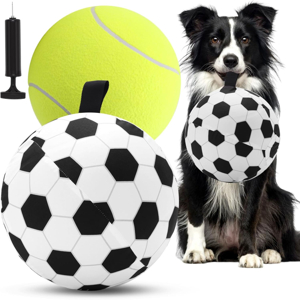
Many dog balls are crafted from durable materials like rubber, ensuring they withstand aggressive chewing and rough play. For instance, BIONIC Balls are made from a proprietary rubber free from harmful substances, such as BPA and phthalates. These balls undergo durability testing to ensure they can last longer. The CollieBall, made from PVC and rubber with a ballistic nylon cover, is specially designed to offer extra durability. Its dual-layer construction makes it particularly tough and resistant to wear.
Safety
Selecting the right ball minimizes potential health risks. Rubber balls, such as those by Chuckit!, are smooth and safe for chewing, reducing the risk of dental damage compared to tennis balls, which are often covered in felt. The Jolly Soccer Ball, made of JollyFlex material, emphasizes safety and durability. The CollieBall offers an added layer of safety for herding breeds due to its bouncy, nose-friendly design.
Engagement and Stimulation
Balls provide diverse ways to engage our dogs. They can be used for fetch, chasing, or even herding, depending on the ball type. The CollieBall is perfect for herding and working breeds, satisfying their natural instincts while burning excess energy. This specialized ball allows herding dogs, like Border Collies and German Shepherds, to enjoy a stimulating workout, addressing their need for both physical and mental activity. Regular play with balls can also result in fewer behavioral issues, such as excessive barking or chewing, by channeling energy into positive play.
Choosing the right ball for our dogs involves considering both safety and stimulation needs. Balls not only serve as a source of fun and exercise but also help bonding and training, improving our pets’ overall quality of life.
Top Balls for Dogs 2025: Keep Your Pup Active & Safe 53
Types of Dog Balls
Different types of dog balls enrich playtime by catering to a variety of needs and behaviors. Exploring these options ensures a fun and captivating experience for pets.
Interactive Balls
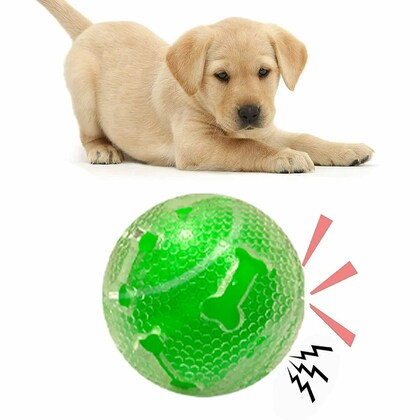
Interactive dog balls stimulate dogs both mentally and physically. Treat-dispensing balls, like KONG Squeaker Balls, keep dogs entertained by challenging them to extract treats. Motion-activated options, such as the BARHOMO Dog Balls, offer automated movement that maintains a dog’s interest. These features make interactive balls ideal for solo play, providing both entertainment and cognitive exercise.
Squeaky Balls
Squeaky balls delight dogs with their sound, offering an auditory element to play. The Chuckit Squeaker Balls come in different sizes, making them versatile for any breed. This type of ball effectively engages dogs that respond well to auditory cues, encouraging them to chase and pounce. Squeaky balls can be particularly beneficial in training sessions, helping to capture and maintain a dog’s attention.
Ball Type
Description & Key Features
Best For
Tennis Balls
Classic fetch ball, soft enough for most dogs, widely available.
General play, fetch
Rubber Balls
Durable, often chew-resistant, can be bouncy or spiky for gum massage.
Chewers, energetic dogs
Squeaky Balls
Contain squeakers to engage dogs’ interest and encourage play.
Dogs who enjoy sound stimuli
Spiky Balls
Textured surface helps clean teeth and massage gums.
Dental health, chewers
Treat Dispensing Balls
Hollow, can be filled with treats to encourage independent play and mental stimulation.
Dogs left alone, enrichment
Floating Balls
Made of buoyant materials for water play, brightly colored for visibility.
Water-loving dogs, beach play
Glow-in-the-Dark Balls
Glow for visibility during evening or early morning play sessions.
Low-light play
Large/Heavy Duty Balls
Oversized or extra-durable for large breeds and heavy chewers.
Large, strong dogs
Durable Rubber Balls
Durable rubber balls withstand aggressive chewers, providing lasting playtime enjoyment. These balls, designed for longevity, ensure minimal wear even with heavy use. Brands like BIONIC Balls focus on durability, catering to dogs that enjoy vigorous play sessions. Durable rubber options also promote safety by minimizing the risk of ingestion or choking, making them a reliable choice for high-energy pets.
Floating Balls
Floating balls enhance water-based activities, adding variety to a dog’s exercise regime. Designed for buoyancy, these balls are excellent for swimming sessions or beach outings. The visibility of bright-colored floating balls ensures they stand out against the water, making them easy to retrieve. They cater to dogs that enjoy aquatic play, effectively combining exercise with the thrill of retrieval games.
Benefits of Using Dog Balls
Dog balls are more than just toys; they offer various benefits that contribute to a dog’s overall well-being. Thoughtfully designed for physical, mental, and dental benefits, these balls cater to multiple aspects of canine health.
Physical Exercise
Dog balls provide important physical exercise, crucial for dogs’ health. Herding balls mimic livestock movements, helping manage weight and maintain optimal muscle condition. Regular play with these balls reduces the risk of obesity and associated health issues like heart disease and diabetes. Incorporating dog balls into a routine, especially for high-energy breeds, builds stamina and strength. According to a study by the American College of Veterinary Sports Medicine, daily exercise reduces obesity risks by up to 40%.
Top Balls for Dogs 2025: Keep Your Pup Active & Safe 54
Mental Stimulation
Interactive and herding balls offer ample mental stimulation. These toys engage dogs’ natural instincts, promoting mental exertion vital for cognitive health. Herding balls challenge dogs by requiring problem-solving skills and providing a sense of accomplishment. The American Journal of Veterinary Research notes that captivating toys can decrease anxiety-related behaviors by 30%. By satisfying curiosity and instincts, these balls contribute to a dog’s psychological well-being.
Dental Health
Dog balls also aid in dental health by providing a mechanical cleaning effect on teeth. Rubber balls, compared to felt-covered tennis balls, reduce dental damage. A study in the Journal of Veterinary Dentistry found dogs captivating with durable rubber toys exhibited better oral hygiene. These balls help prevent plaque build-up and control tartar, promoting overall oral health. Regular use of such toys can lead to fresher breath and healthier gums.
Features to Consider
When selecting balls for dogs, we must consider various features to ensure they are safe and suitable for our furry friends. Size, weight, material safety, bounce, and floatability are fundamental aspects that influence a ball’s effectiveness.
Size and Weight
Choosing the correct size and weight of the dog ball prevents choking hazards and ensures easy handling. Large dogs, for instance, require larger balls to avoid accidents like throat lodging, while small dogs manage better with appropriately sized lighter balls. The weight must also be suitable, as heavy balls can cause injuries if thrown at a high speed or if a dog trips during playtime.
Material Safety
Our ball’s material significantly impacts the safety and enjoyment of play. Tennis balls, with their abrasive nylon-like coverings, can wear down a dog’s teeth and may cause blockages if pieces are ingested. Opt for balls made from non-toxic materials that are gentle on teeth and resist breaking or shredding, ensuring safe interaction during play.
Bounce and Floatability
Bounce and floatability enrich the dog’s play experience. High-bounce balls, such as rubber balls, encourage active play by keeping dogs engaged with unpredictable motion patterns, while floatable balls serve water-loving dogs, improving retrieval activities in pools or lakes. Choosing balls with features customized to a dog’s preferences keeps them entertained and safely active.
How to Introduce Ball Play?
Introducing ball play to our dogs involves several key steps and considerations for a safe and enjoyable experience.
Choose the Right Ball
Selecting the correct ball type is essential for safety and engagement. We must pick balls that suit our dog’s size, age, and preferences. Balls made from durable materials like BIONIC Rubber ensure safety and a desirable bounce. We avoid balls with felt or fuzz, as some dogs might rip off and ingest these materials, which can be harmful. Balls with treat pockets, such as the BIONIC Ball, keep our dogs entertained and motivated.
Size: Select a ball appropriate for your dog’s breed and mouth size. Too small can be a choking hazard for large dogs, while too large may be difficult for small breeds to carry.
Material: Rubber and durable plastics are best for chewers, while softer materials may suit gentle dogs or puppies.
Surface Texture: Smooth balls roll well, while textured or spiky balls can aid dental health.
Special Features: Consider features like floating, squeaking, or treat-dispensing based on your dog’s preferences and play environmen
Supervise and Inspect
Supervision of our dogs when they first encounter a new ball is vital to ensure safety. We need to inspect the ball for damage regularly. If parts are separated or broken, we promptly remove and replace the ball to prevent potential injury or ingestion.
Start with Simple Play
Introducing ball play through simple activities helps our dogs acclimate. We begin with short and gentle throws or rolls, then gradually increase the distance and speed as our dogs become comfortable and enthusiastic. This gradual introduction ensures that they are not overwhelmed and can enjoy the activity fully.
By making informed choices and observing key precautions, we create a rewarding ball play experience that is both safe and captivating for our dogs.
Common Safety Tips
When it comes to dog balls, ensuring your pet’s safety is our top priority. Selecting and using these toys correctly can prevent potential harm and promote safe play.
Material Safety
Choose dog balls made from non-toxic materials. Selecting options like BIONIC Balls, which lack BPA, lead, and phthalates, offers peace of mind about material safety. These exact selections ensure we use products that are inherently safer for our pets.
Top Balls for Dogs 2025: Keep Your Pup Active & Safe 55
Dental Health
Consider the potential for dental damage. Some owners avoid tennis balls because their abrasive felt can wear down teeth. Opting for smoother alternatives, like rubber balls, lessens the risk of dental issues while improving our pet’s chewing experience.
Supervision
We always supervise our dogs while they play with balls. Watching for any signs of toy wear or changes in behavior allows us to intervene promptly, reducing risks and fostering a secure environment.
Inspection and Maintenance
Regular inspection of balls is essential. Examining toys for damage, such as broken parts or separations, lets us immediately replace defective items and avoid serious injuries. Keeping our pet’s toys in good condition is key to their safe use.
Size and Fit
Select balls that are the right size for our dog’s breed and mouth. Proper sizing minimizes choking hazards and ensures easy play. Choose a size large enough to prevent accidental swallowing yet manageable for our pet to carry.
Summary
Choosing the right ball for our dogs is more than just picking a toy; it’s about improving their physical and mental well-being. With many options available, from durable rubber balls to interactive treat-dispensing toys, we can tailor playtime to our pets’ unique needs. Prioritizing safety and engagement ensures that our furry friends remain healthy, happy, and entertained. By understanding the benefits and features of different dog balls, we can create enriching experiences that strengthen our bond and contribute to our dogs’ overall health. Let’s invest in the right tools to keep our dogs active and joyful.
Have you ever noticed a hazy film developing over your dog’s eyes? Cloudy eyes in dogs can be more than just a cosmetic issue; they might signal underlying health problems that require prompt attention. As our furry friends age, conditions like cataracts, nuclear sclerosis, and dry eye become more prevalent, potentially affecting their vision and overall well-being.
Understanding the causes of cloudy eyes is crucial for any pet owner. Not only can this condition cause discomfort and anxiety for dogs, but it might also lead to important behavioral changes. We’re here to shed light on why your dog’s eyes might appear cloudy and what steps you can take to address it.
In this text, we’ll explore the common causes of cloudy eyes in dogs, the symptoms to watch out for, and the treatment options available. Our goal is to equip you with the knowledge needed to ensure your pet’s eyes remain clear and healthy.
What Are Cloudy Eyes in Dogs?
Cloudy eyes in dogs refer to the hazy film or discoloration that develops over an eye’s transparent cornea or lens. This cloudiness often coexists with other ocular symptoms, including red eyes, discomfort, and vision issues. Our furry companions may experience anxiety and behavioral changes due to impaired vision, which can cause them to navigate their familiar environment awkwardly.
Several eye conditions contribute to cloudy eyes. Common causes include cataracts, nuclear sclerosis, glaucoma, and dry eye. Cataracts present as white, opaque opacities affecting the lens, potentially leading to partial or complete vision loss. Nuclear sclerosis, typically seen in older dogs, manifests as a bluish haze on the lens but rarely affects vision significantly.
Glaucoma involves increased pressure within the eye, potentially damaging the optic nerve, while chronic dry eye, or keratoconjunctivitis sicca (KCS), results from insufficient tear production, which can cause scarring over time. These conditions make the cornea appear cloudy and require prompt veterinary attention to prevent permanent damage.
Cloudiness may occur on one or both eyes and can cover the entire surface area of the eyeball or appear as a small spot. Noticeable symptoms include a white or gray tint above the eye lens. These issues may affect a dog’s ability to see, causing them to bump into furniture or miss stairs.
Age-related changes also play a role in eye cloudiness. Nuclear sclerosis, for example, is a normal aging process that usually doesn’t impair a dog’s vision but can impact depth perception. Understanding these causes enables us to take informed actions to maintain our dogs’ eye health.
A thorough veterinary examination is crucial to determine the underlying cause of cloudy eyes. Addressing symptoms early, we can manage various conditions effectively, employing treatment options such as topical eye drops, ointments, systemic medications, surgery, or eye supplements. Taking a proactive approach helps ensure our dogs maintain the best possible eye health and quality of life.
Common Causes of Cloudy Eyes
Cloudy eyes in dogs can arise from various conditions, necessitating a deeper understanding of each to ensure proper care. Recognizing the symptoms and seeking veterinary advice is crucial when managing these conditions.
Nuclear Sclerosis
Nuclear sclerosis, or lenticular sclerosis, appears as a blue-gray haziness in older dogs’ eyes. It’s a result of hardening within the lens, caused by continuous growth of lens fibers. Unlike cataracts, this isn’t painful and generally doesn’t lead to blindness, though it may affect depth perception. Diagnosis often involves a simple ophthalmic exam where the vet checks for distinct opacities to differentiate from cataracts.
Cataracts
Cataracts form when proteins clump within the lens, obstructing light and impairing vision. This condition, particularly prevalent in aging dogs, can stem from genetics, diabetes, or trauma. The opacity is denser compared to nuclear sclerosis and can lead to important vision loss if untreated. Cataract surgery, which has a success rate of about 95%, remains the primary treatment.
Glaucoma
Glaucoma occurs due to increased intraocular pressure (IOP), leading to enlarged eyeballs and cloudiness. It causes important discomfort and can result in blindness if not addressed promptly. Symptoms include tearing and squinting, often requiring medications or surgery to alleviate pressure and prevent further damage.
Corneal Ulcers
Corneal ulcers are open sores on the eye’s surface, usually resulting from trauma, pawing, or foreign objects. These ulcers cause pain, redness, and light sensitivity and can progress to vision deficits without timely treatment. They are often managed with topical antibiotics and, in severe cases, surgical intervention to promote healing.
Cloudy Eyes in Dogs: Causes, Treatments & Prevention 2025 61
Dry Eye (Keratoconjunctivitis Sicca)
Dry eye, medically known as keratoconjunctivitis sicca (KCS), results from inadequate tear production, causing inflammation and cloudiness. Symptoms include redness, mucus discharge, and a dull appearance. Treatment typically involves lubricating eye drops and medications to stimulate tear production and manage inflammation.
Anterior Uveitis
Anterior uveitis is inflammation affecting the eye’s inner front structures, including the iris and ciliary body. This condition causes cloudiness, tearing, and sensitivity to light. It can be triggered by infections, trauma, or autoimmune disorders. Management involves anti-inflammatory medications and addressing any underlying causes to prevent complications.
Recognizing Symptoms of Cloudy Eyes
Cloudy eyes in dogs aren’t just a cosmetic issue; they often indicate underlying health problems. Recognizing these symptoms helps ensure timely veterinary care, reducing the risk of permanent damage.
Eye Discharge
Eye discharge is a frequent companion to cloudy eyes in dogs. This discharge may be clear, yellow, or green. Abnormal discharge could signal issues like dry eye (keratoconjunctivitis sicca) or infections. We might notice our dog’s eyes looking cloudy with crusty buildup at the corners or stickiness around the eyes. Discharge is an indication of irritation, so prompt veterinary attention is advisable.
Cloudy Eyes in Dogs: Causes, Treatments & Prevention 2025 62
Cloudiness in the Eyes
Cloudiness in the eyes is a noticeable sign of ocular issues. This can appear as a milky white, gray, or blue haze over parts or all of the eye. Both corneal and lens involvement are common; for instance, nuclear sclerosis affects the lens, causing a blue-gray haziness. If we observe changes in eye appearance, especially if sudden, seeking veterinary advice ensures proper diagnosis and treatment.
Behavioral Changes
Behavioral changes often accompany visual impairment from cloudy eyes. Affected dogs might struggle with navigation, particularly in unfamiliar settings, but not at home. As the cloudiness progresses, we may notice signs like bumping into objects or hesitations when moving. Dogs experiencing vision loss might also show anxiety or reluctance to explore. Recognizing these changes helps us identify underlying eye conditions early, ensuring timely care.
Diagnosing Cloudy Eyes in Dogs
Diagnosing cloudy eyes in dogs involves a thorough veterinary examination to pinpoint the exact cause of the cloudiness. The cloudiness, characterized by a hazy film or discoloration, is often a symptom of various eye conditions. It’s crucial to recognize these signs early, as they might indicate underlying health issues that affect your dog’s vision and overall quality of life.
Observing the Eyes
We start by closely observing the eyes in good lighting. Look for a whitish, grayish, or blue haze that can vary in transparency. Cloudy eyes may impact one or both eyes and could present in various colors, such as a milky white, gray, or blue haze, often accompanied by redness if inflammation is present. This cloudiness can stem from conditions like nuclear sclerosis or cataracts, and in some cases, it may indicate something more severe.
Common Causes
Understanding the causes of cloudy eyes is essential. Some of the most common ones include:
Nuclear Sclerosis: Presenting as blue-gray cloudiness, this age-related change in older dogs typically does not severely affect vision.
Cataracts: These opacities obstruct light, causing vision impairment. Cataracts can arise from genetics, diabetes, or trauma and require surgical intervention to restore vision.
These conditions vary in severity, necessitating professional evaluation to differentiate minor issues from those that could lead to blindness.
Cloudy Eyes in Dogs: Causes, Treatments & Prevention 2025 63
Veterinary Examination
It’s vital that our pets receive a detailed veterinary examination. A veterinarian can distinguish between conditions requiring immediate attention and those that are benign. Diagnostic tests such as the Schirmer tear test measure tear production, while fluorescein stain checks for corneal ulcers, and tonometry assesses intraocular pressure for glaucoma.
These assessments guide treatment decisions, which might include topical eye drops, systemic medications, or surgery depending on the diagnosis. The goal is to ensure a comprehensive treatment plan that not only addresses the symptoms but also the root cause of the cloudy eyes in our dogs.
Treatment Options for Cloudy Eyes
Cloudy eyes in dogs often indicate underlying health issues. Effective treatment hinges on early detection, appropriate diagnosis, and customized interventions.
Veterinary Interventions
Veterinary care is crucial for managing cloudy eyes. For cataracts, surgery serves as the only definitive solution. It involves removing the cloudy lens and may restore sight when performed promptly. Glaucoma requires topical medications to lower intraocular pressure and prevent vision loss. In cases of corneal ulcers, veterinarians typically recommend topical antimicrobial medications, while severe ulcers might necessitate surgical intervention. For dry eye, veterinarians prescribe artificial tears alongside topical immunosuppressants to manage tear production. Each condition demands exact diagnostic procedures to determine the most effective treatment plan.
At-Home Care Strategies
At-home care plays a supplementary role in treating cloudy eyes. Maintaining eye hygiene helps prevent infections; gently clean your dog’s eyes with a damp, soft cloth to remove discharge. Administer prescribed eye drops consistently, as skipping doses can hinder progress. Feeding a balanced diet enriched with antioxidants and omega fatty acids supports eye health. Supplements, combined with veterinary treatment, provide added support. Monitor your dog for any changes and report them to your veterinarian promptly, ensuring timely adjustments to the treatment plan.
Preventing Cloudy Eyes in Dogs
Preventing cloudy eyes in dogs involves consistent care and awareness of factors influencing their eye health. Regular veterinary visits are crucial since early detection of issues like cataracts or glaucoma can prevent severe complications. During these exams, we can identify symptoms of eye cloudiness and address the root causes promptly.
Routine Examinations
Scheduling routine veterinary examinations plays a pivotal role in preventing cloudy eyes. Annual or biannual check-ups allow veterinarians to detect conditions before they worsen, particularly in senior dogs prone to issues like nuclear sclerosis. These examinations involve comprehensive eye checks, where the vet assesses eye clarity and overall health.
Managing Underlying Conditions
Cataracts and glaucoma require management to prevent cloudiness. We can help by keeping our dog’s diabetes under control, as it reduces the risk of cataract formation. Protecting their eyes from injuries, particularly during play or physical activities, minimizes damage that could lead to glaucoma. Also, maintaining a balanced diet supports overall eye health.
Addressing Eye Infections and Allergies
Eye infections and allergies in dogs can lead to symptoms like redness and cloudiness. For dogs prone to allergies, limiting exposure to allergens and regularly cleaning their eyes reduces the likelihood of allergic conjunctivitis. Immediate vet care for signs of infection ensures conditions are managed before leading to cloudiness.
Understanding Genetic Factors
Some eye conditions are genetic. While prevention isn’t always possible, knowing if a breed carries a risk can guide monitoring efforts. Breeds predisposed to cataracts or glaucoma benefit from targeted eye care strategies and early veterinary consultations for potential symptoms.
Cloudy Eyes in Dogs: Causes, Treatments & Prevention 2025 64
Supplements and Eye Care Products
Although no supplements can specifically prevent cloudy eyes, omega-3s and vitamins help maintain general eye health. Nevertheless, consulting with a vet before administering supplements ensures they’re suitable for our dog’s exact needs. Eye care products promising brighter eyes should be approached cautiously and used after professional advice.
At-Home Eye Care
We should clean our dog’s eyes gently and frequently to prevent accumulation of debris and discharge, which can exacerbate eye issues. Using a soft cloth dampened with warm water helps maintain hygiene. This regular care, combined with a proactive approach toward any changes in eye appearance, safeguards their vision and comfort.
Conclusion
Understanding the causes and symptoms of cloudy eyes in dogs is crucial for maintaining their overall health and well-being. Recognizing early signs and seeking prompt veterinary care can make a important difference in treatment outcomes. Our furry friends rely on us to safeguard their vision, so regular check-ups and attentive observation are essential.
By staying informed about potential eye conditions and their treatments, we can ensure our pets enjoy a high quality of life. Let’s commit to proactive care, including proper eye hygiene and a balanced diet, to help prevent issues before they arise. Together, we can support our dogs’ eye health and keep their industry as clear and vibrant as possible.
Ever feel like your home is drowning in pet hair? For pet owners, managing the constant onslaught of fur, feathers, and dander can be a challenging job. That’s where the Miele Dog Vacuum steps in—a top-of-the-line solution designed to tackle the messiest of pet-friendly homes. With its durable construction and innovative features, this vacuum is a game-changer for those of us who share our space with furry companions.
Key Features of Miele Dog Vacuum
The Miele Dog Vacuum, specifically designed for pet owners, boasts features that ensure homes remain clean and fresh, even with the presence of furry friends.
Pet Hair Removal Efficiency
Equipped with a 1200-watt Vortex Motor, the Miele Dog Vacuum offers robust suction that effectively tackles pet hair on both hard floors and carpets. The Electro Plus floorhead, featuring a five-level height adjustment, complements this by deep cleaning carpets and refreshing crushed carpet nap effortlessly. Further improving its efficiency, the SBB 300-3 parquet brush swiftly gathers dog or cat hair, ensuring no stray fur remains on your hard floor surfaces. This tool’s generous surface area and swivel neck allow for quick and thorough cleaning. Also, its advanced AirClean GN FilterBag™ combined with an Active AirClean Filter helps maintain a pet odor-free environment while retaining allergens.
Miele Dog Vacuum: Best Pet Hair Solution for 2025 70
Ease of Use and Versatility
The Miele Dog Vacuum’s user-friendly design simplifies cleaning tasks. Its compact canister stores essential attachments like the dusting brush, crevice tool, and upholstery tool, ensuring they’re always within reach during cleaning. The vacuum is versatile, seamlessly transitioning from one type of flooring to another due to multiple adjustment settings. The electrified floorhead with variable height adaptation allows for easy movement across surfaces while maintaining optimal suction power. This ease of use makes the Miele Dog Vacuum an ideal choice for pet owners seeking efficiency and convenience in their cleaning routine.
Performance and Functionality
Our Miele Cat & Dog Vacuum, known for high performance and advanced functionality, stands out in providing powerful cleaning answers for pet owners.
Quiet Operation
This vacuum operates quietly compared to other models. Its 1200 Watt Vortex suction motor delivers strong performance while minimizing noise levels. Even at maximum power settings, we can comfortably hold conversations without overwhelming background noise. Ideal for households with pets, its quiet operation keeps environments calm.
Effectiveness on Multiple Surfaces
Equipped with six suction settings, the Miele Dog Vacuum efficiently tackles various surfaces. It transitions seamlessly from curtains to thick pile carpets, making cleaning smooth and efficient. The SEB 228 Electro Plus powerbrush handles carpets with ease, while the SBB300-3 Parquet Twister excels on hardwood floors. These attachments work together to ensure comprehensive cleaning across multiple surfaces, meeting the unique challenges of pet-friendly homes.
Miele Dog Vacuum: Best Pet Hair Solution for 2025 71
Design and Build Quality
The Miele Dog Vacuum stands out with impeccable design and build quality, customized for pet owners. Its robust construction and premium materials ensure longevity and reliability, making it a favored choice for removing pet hair and allergens from homes.
Durability and Reliability
Miele vacuums are famous for lasting durability. The Miele Complete C3 series is a prime example, using high-grade materials like stainless steel and quality plastics. This ensures the vacuum endures years of use without performance decline. The sealed design of the Miele C3 effectively contains allergens, providing a cleaner, healthier home environment. Users often report no issues after extended use, showcasing its reliability in tackling pet hair and related challenges.
Compact and User-Friendly Design
Miele vacuums boast a compact and intuitive design, improving user experience. The Miele Triflex HX2 Pro/Cat & Dog offers versatility with its three-in-one design, facilitating multiple cleaning configurations. It’s highly maneuverable, crucial for cleaning tight spaces and varied surfaces in pet-friendly homes. With features like easy-to-use controls and adjustable settings, our design focuses on simplifying the cleaning process while maintaining effectiveness. This user-friendly approach makes handling pet hair and debris more manageable and efficient.
Maintenance and Hygiene
The Miele Cat & Dog vacuums excel in easy maintenance and superior hygiene. With motorized brush heads designed for simple cleaning, they maintain peak performance by disassembling the brush to remove debris.
Dust Bag Capacity and Disposal
Miele Cat & Dog vacuums feature large dust bags, minimizing replacement frequency and improving convenience. These dust bags, part of the AirClean GN system, capture and retain fine particles. When full, quick replacement due to self-sealing collars is possible, ensuring no dust escapes. This feature promotes a cleaner disposal process while maintaining indoor air quality. The high capacity caters to pet-friendly homes by efficiently handling pet-related debris.
Filtration Systems
The hygiene-focused Miele Cat & Dog vacuums use advanced filtration systems. They include a sealed airflow designed to prevent any allergens from leaking into the environment. The Active AirClean Filter tackles pet odors by incorporating activated charcoal layers. Combined with the sealed system, it ensures maximum air cleanliness. The result is an effective barrier against allergens, supporting a healthier indoor environment—a crucial aspect for homes with pets. This efficient filtration benefits allergy sufferers and pet owners alike by maintaining allergen-free, fresh air.
Miele Dog Vacuum: Best Pet Hair Solution for 2025 72
Pros and Cons of the Miele Dog Vacuum
The Miele Dog Vacuum, popular in homes with pets, offers a balance of advantages and disadvantages. This section explores its main features to help potential buyers make informed decisions.
Advantages
Miele Dog Vacuum models like the Blizzard CX1 and Classic C1 are known for their high suction power. The CX1 generates an airflow of 100 km/hour, making it effective at picking up pet hair and debris from various surfaces such as hardwood floors, carpets, and upholstery. Its versatile attachments, including upholstery nozzles and crevice tools, handle various cleaning tasks efficiently. Also, the HEPA filtration system traps 99.97% of microscopic particles, including pet dander, which benefits households with allergy sufferers. The quiet operation and durable construction, featuring a 3-year warranty on the Cat & Dog series, also appeal to many users looking for long-lasting performance in a pet-friendly environment.
Miele Dog Vacuum: Best Pet Hair Solution for 2025 73
Disadvantages
Even though its strengths, there are a few drawbacks to consider with the Miele Dog Vacuum. For those accustomed to bagless vacuums, adjusting to its bag-based system might take some time. These bags, though designed to contain allergens, add ongoing costs for replacements. Although the vacuum is quieter than some competitors, it may still not suit those seeking ultra-quiet cleaning answers. The premium quality of Miele vacuums can also lead to a higher upfront cost compared to other brands, which might deter budget-conscious customers. But, for those prioritizing durability and effective cleaning, the investment often proves valuable.
Conclusion
The Miele Dog Vacuum stands out as a top choice for pet owners seeking a reliable solution to manage pet hair and allergens. Its powerful performance, advanced features, and user-friendly design make it an invaluable tool in maintaining a clean and healthy home. While the initial investment and maintenance costs may be higher, the benefits of durability and efficiency outweigh these considerations for many. With its robust construction and comprehensive cleaning capabilities, the Miele Dog Vacuum is a worthwhile investment for those committed to creating a pet-friendly environment without compromising on cleanliness or convenience.
Ever thought about transforming that unused corner or spare room into a haven for your furry friend? Dog rooms are the latest trend in home decor, offering a blend of style and practicality. As we increasingly treat our homes as sanctuaries, it only makes sense to extend this comfort to our four-legged family members. Dog room ideas cater to both the aesthetic and functional needs of pet owners, ensuring that muddy paws and puppy drool are no longer a concern.
Creating a dedicated space for our pets isn’t just about luxury—it’s about improving their well-being and simplifying our lives. From durable, stain-proof furniture to specialized feeding stations and dog-sized showers, there are endless possibilities to explore. Our article dives into innovative dog room ideas that promise to inspire and guide you in crafting a space that’s as stylish as it is practical. Join us as we explore how to make your home truly dog-friendly.
Creative Dog Room Ideas
Designing a dog room involves creativity, functionality, and consideration of our dog’s unique needs. Different locations and layouts can transform underutilized spaces into cozy canine havens. For instance, the area under the stairs often goes unused. We can convert this nook into a snug dog room, complete with a dog bed and storage for toys and treats.
Stylish Dog Room Ideas For a Cozy Pup Haven 2025 79
Alternatively, converting a spare closet into a dog room offers a practical solution. By removing the door or using a doorstop, our pets gain easy access to this cozy retreat. Utilizing an entire room, if space allows, can provide a spacious sanctuary equipped with a bed, a feeding station, and even a dog shower.
Innovative features enhance the function and style of dog rooms. Integrated feeding stations seamlessly blend with the room’s design, offering a tidy solution for meals. Crisp Architects, for instance, designed a pullout feeding station in a mudroom, keeping the space elegant and organized. Adding a dog shower can further enhance our pet’s comfort. Dina Bandman Interiors designed a compact dog shower in a laundry room, showcasing how stylish elements and function can coexist.
Adding unique design elements like a portal window promotes interactivity. Studio North’s design features a round cutout that lets dogs observe the living room activities from a comfortable perch. This approach ensures our pets remain engaged and feel included.
Overall, these creative dog room ideas demonstrate the blend of style and practicality. Implementing these concepts ensures our dog rooms meet our pets’ needs while improving our home’s overall design.
Stylish Dog Room Ideas For a Cozy Pup Haven 2025 80
Designing the Perfect Space
Creating the perfect dog room involves blending comfort with functionality while utilizing the available space effectively. Ensure the space reflects both your pet’s needs and your home’s aesthetic.
Utilizing Negative Space
When designing a dog room, consider transforming underused areas like the nook beneath stairs, a storage closet, or a mudroom section into a functional dog haven. These spaces, often overlooked, can become cozy retreats for dogs when optimized. Incorporating compact furniture like multi-tiered storage answers can help maximize space. For instance, vertical shelving provides room for toys and supplies without cluttering the floor. Using interchangeable décor elements, like removable wall decals, can add a personal touch that evolves with your pet’s changing needs.
Adding Comfort and Functionality
Integrating comfort and functionality ensures that a dog room caters to your pet’s lifestyle. Essential elements include a comfy, enclosed dog bed that offers a sense of security and a designated play area stocked with favorite toys. Custom features such as feeding stations keep mealtime organized, while a dog shower simplifies cleaning routines. Including storage options for food and supplies keeps everything accessible and clutter-free. Aligning these features with your pet’s preferences will enhance their daily comfort and make your life as a dog owner more convenient.
Stylish Storage Solutions
Creating a dog room that combines practicality with aesthetics is key. Well-thought-out storage answers ensure the space isn’t just functional but also fashionable.
Repurposed Dog Furniture
With some creativity, existing furniture can be transformed into stylish dog essentials. For instance, an old chest of drawers becomes a dual-purpose pet bed and storage unit. By removing the bottom drawers, there’s ample space for a cozy bed while maintaining a home for toys and accessories. Also, turning a kitchen cabinet into a feeding station offers a solution for organizing food and water bowls. Both ideas maximize on-hand materials, promoting sustainability while improving the dog room’s style.
Stylish Dog Room Ideas For a Cozy Pup Haven 2025 81
Built-in Storage Options
Incorporating built-in storage can seamlessly integrate your pet’s essentials with your home’s decor. Open shelves allow treats and toys to be both visible and easily accessible, blending functionality with interior design. Multi-functional furniture like crates doubling as tables offers compactness without compromising style. For a personalized touch, consider leash and collar displays integrated into cabinetry, streamlining organization. Built-in elements not only maintain tidiness but also enhance the room’s chic appeal, ensuring a functional yet aesthetically pleasing environment.
Incorporating Practical Features
Designing a dog room goes beyond aesthetics; it’s about integrating elements that enhance comfort and utility. Practical features ensure our furry friends enjoy their space while their needs are met efficiently.
Feeding Stations and Hydration
Feeding stations keep dog meals organized and accessible. Integrating a built-in feeding platform or a designated feeding area simplifies cleanup and refilling tasks. We can incorporate elevated feeding bowls to aid digestion, especially for large breeds. Using spill-proof mats or trays under bowls minimizes mess. Hydration remains vital; a well-positioned water dispenser or a hydration station ensures easy access to fresh water. Automatic dispensers can provide a steady water flow if we’re away for extended periods. These systems add convenience and maintain cleanliness in the dog room.
Dog Shower and Grooming Areas
Adding a dog shower facilitates easy grooming and increases our pets’ hygiene. A dedicated shower space with a handheld sprayer accommodates various dog sizes and simplifies rinsing. An elevated shower area minimizes the need for us to bend, providing comfort during bath time. Including shelves or waterproof cabinets nearby offers accessible storage for shampoos and grooming tools. This setup streamlines the grooming process and keeps the dog room tidy. Incorporating these features makes regular maintenance easier and ensures our pets stay clean and happy.
Stylish Dog Room Ideas For a Cozy Pup Haven 2025 82
Decoration and Aesthetics
Creating an appealing dog room involves blending both style and utility to cater to our pets’ needs and enhance home aesthetics.
Wall Art and Murals
Choosing the right wall art for the dog room adds personality and vibrancy. Pet-friendly murals featuring playful designs or nature scenes can bring relaxation and joy to the space. We can incorporate wall decals with dog motifs or personalized artwork that resonates with our home’s theme. Canvas prints showcasing delightful dog images or inspirational quotes create an inviting atmosphere.
Matching Décor Themes
To maintain a cohesive look, align the dog room’s décor with existing themes in our home. Consider using complementary colors and textures that mirror other rooms. For example, if our living room boasts a mid-century modern style, we could integrate gold accents and jewel-toned elements into the dog room. A consistent style ensures the dog area complements the rest of our living space while providing comfort and functionality.
Conclusion
Creating a dedicated dog room is more than just a trend; it’s a thoughtful way to enhance our pets’ lives while maintaining a stylish home. By incorporating innovative ideas and practical features, we can design spaces that cater to our dogs’ needs and our aesthetic preferences. Whether it’s transforming unused nooks or integrating multifunctional furniture, the possibilities are endless. Let’s embrace these creative answers to create dog rooms that are both functional and fashionable, ensuring our furry friends have a comfortable sanctuary that seamlessly blends with our home’s decor.
Looking for a pint-sized pup with a big personality? Meet the Pomchi, a delightful blend of Pomeranian and Chihuahua charm. These adorable little dogs have been stealing hearts with their fluffy coats, expressive eyes, and confident attitudes.
We’ll explore the intriguing area of Pomchis, from their unique appearance to their spirited temperament. At just 6 to 9 inches tall and weighing 3 to 7 pounds, these tiny dynamos pack a lot of love into a small package. Whether you’re a first-time pet owner or a seasoned dog lover, we’ll guide you through everything you need to know about this playful and devoted breed. From their exercise needs to their compatibility with families and other pets, we’ve got you covered on all things Pomchi.
What Is a Pomchi?
A Pomchi is a delightful mixed-breed dog resulting from the crossbreeding of a Pomeranian and a Chihuahua. This charming hybrid combines the best traits of both parent breeds, creating a small, fluffy companion with a big personality.
Origin of the Pomchi Breed
The Pomchi is a relatively new designer breed, gaining popularity in recent years. While the exact origins are unclear, it’s believed that Pomchis were first intentionally bred in the United States during the late 20th century. The breed standard was approved by the Pomchi Club of America on June 18, 1998, officially recognizing this adorable hybrid.
Pomchis inherit characteristics from both parent breeds:
Pomeranians: Descendants of German Spitz dogs, hailing from the Pomerania region in Germany
Chihuahuas: Ancient breed originating in Mexico, known for their small size and feisty temperament
The combination of these two beloved breeds has resulted in a dog that’s not only cute but also intelligent and alert. Pomchis are sometimes referred to by other names, including Pomachi, Chiranian, and Chiapom, reflecting their mixed heritage.
As a hybrid breed, Pomchis aren’t recognized by major kennel clubs like the American Kennel Club. But, they’ve quickly gained a following among dog enthusiasts who appreciate their compact size and lively personalities.
Physical Characteristics
Pomchis are small, adorable dogs that blend the best features of Pomeranians and Chihuahuas. Their compact size and unique coat make them stand out among other designer breeds.
Size and Weight
Pomchis are tiny dogs, typically measuring 5 to 9 inches in height at the shoulder. Their weight ranges from 3 to 10 pounds, with most falling between 3 to 7 pounds. These compact canines have a well-proportioned body that’s slightly longer than it is tall. Their head is round with a delicate face, featuring an elegant pointed muzzle and a dainty black nose. Pomchis boast large, round eyes and erect ears with slight feathering on the edges. Their legs are short, strong, and slender, ending in small rounded paws.
Coat Types and Colors
Pomchis inherit their coat characteristics from their parent breeds, resulting in diverse coat types and colors. The two primary coat types are:
Heavy coat: Long, thick, and silky hair reminiscent of the Pomeranian parent. This coat type requires regular grooming to maintain its luxurious appearance.
Smooth coat: Short, flat, and smooth fur similar to the Chihuahua parent. This coat type is easier to maintain but may not provide as much warmth in colder climates.
Pomchi coat colors vary widely, including solid colors like black, white, brown, and cream, as well as combinations such as black and tan, brown and white, or tricolor patterns. Their eye colors can range from dark brown to amber, adding to their unique and charming appearance.
Pomchi Breed: The Adorable Pomeranian-Chihuahua Mix You Need to Know 90
Temperament and Personality
Pomchis, the delightful hybrid of Pomeranians and Chihuahuas, possess unique and vibrant personalities that make them stand out among small dog breeds. These pint-sized pups combine traits from both parent breeds, resulting in a charming and sometimes sassy companion.
Affectionate and Loyal
Pomchis are known for their unwavering affection and loyalty towards their family members. These little dogs form strong bonds with their owners, often seeking attention and physical closeness. They’ll happily curl up in your lap for cuddles or follow you around the house, always eager to be part of the action.
Sassy and Bold
Even though their small stature, Pomchis have big personalities. They inherit a sassy and bold nature from both parent breeds, often displaying a confident and sometimes feisty attitude. This trait can make them entertaining and endearing, but it’s important to provide proper training to prevent any bossy behavior.
Intelligent and Alert
Pomchis are highly intelligent dogs with keen observational skills. Their alertness makes them excellent watchdogs, quickly noticing and reacting to unusual sights or sounds. This trait, combined with their vocal nature, means they’ll readily bark to alert their owners of potential intruders or unfamiliar situations.
Playful and Energetic
These lively little dogs have an abundance of energy and love to play. Pomchis enjoy interactive games, toys, and short bursts of activity throughout the day. Regular play sessions and mental stimulation are essential to keep them happy and prevent boredom-induced destructive behaviors.
Pomchi Breed: The Adorable Pomeranian-Chihuahua Mix You Need to Know 91
Stubbornness
Training a Pomchi can be challenging due to their stubborn streak. They may test boundaries and resist commands, especially if they’re not in the mood to cooperate. But, with patience, consistency, and positive reinforcement techniques, Pomchis can learn and follow commands effectively.
Compatibility with Families and Other Pets
Pomchis can make excellent family pets when properly socialized and trained. They often form strong bonds with their primary caregiver but can be affectionate towards all family members. Here’s what to consider about their compatibility:
Children: Pomchis can get along well with older children who understand how to interact gently with small dogs. But, supervision is necessary with younger children to prevent accidental injury to the dog.
Other Dogs: With proper socialization, Pomchis can coexist peacefully with other dogs. They may be wary of larger breeds initially, but many learn to enjoy canine companionship.
Cats: Pomchis’ compatibility with cats varies. Some may chase cats due to their prey drive, while others can form friendly relationships. Early socialization and gradual introductions are key.
Small Pets: Caution is advised when introducing Pomchis to small pets like rodents or birds. Their hunting instincts may be triggered, so close supervision is essential.
Seniors: The Pomchi’s small size and affectionate nature can make them suitable companions for seniors, provided their exercise needs are met.
It’s important to note that every Pomchi is unique, and individual personalities can vary. Early socialization, consistent training, and positive experiences with various people and animals are crucial for developing a well-rounded and compatible Pomchi.
Care and Maintenance
Caring for a Pomchi requires attention to their exercise, grooming, and overall health needs. These small but energetic dogs thrive with proper care and maintenance customized to their unique characteristics.
Exercise Requirements
Pomchis have moderate energy levels and need daily exercise to stay healthy and happy. A 30-minute walk or two 15-minute play sessions typically suffice for these small dogs. Indoor activities like fetch or puzzle toys can provide mental stimulation and physical exercise, especially in apartments. Pomchis enjoy short bursts of activity, making them ideal for quick play sessions throughout the day. Even though their small size, they benefit from outdoor exploration in secure areas.
Regular exercise helps prevent obesity, a common issue in small breeds. Pomchis also excel in agility training, which combines physical activity with mental challenges. It’s important to monitor their exercise intensity, as their short muzzles can lead to breathing difficulties during strenuous activities.
Pomeranian Chihuahua Mix Standing on Brick Sidewalk
Grooming Needs
Pomchis require regular grooming to maintain their coat and overall health. Brush their coat 2-3 times a week for smooth-coated Pomchis and daily for long-coated ones to prevent matting and reduce shedding. Bathe your Pomchi every 4-6 weeks, using a gentle dog shampoo to avoid skin irritation. Trim their nails every 2-3 weeks or as needed to prevent discomfort and potential walking issues. Clean their ears weekly with a vet-approved solution to prevent infections.
Brush their teeth daily, as small breeds are prone to dental problems. During shedding seasons, which occur twice a year, increase brushing frequency to manage excessive hair loss. Pay special attention to the areas behind their ears and under their legs, where mats commonly form. For long-coated Pomchis, consider professional grooming every 6-8 weeks to maintain coat health and appearance.
Training and Socialization
Positive Reinforcement Techniques
Pomchi training thrives on positive reinforcement. We use delicious treats and praise to encourage good behavior. This approach proves more effective than punishment, which can lead to defensive reactions. Consistency and patience are key, as Pomchis can be stubborn. We establish a routine and stick to it, rewarding desired behaviors promptly.
Addressing Stubborn Tendencies
Pomchis’ intelligence often comes with a stubborn streak. We tackle this challenge by:
Breaking training sessions into short, captivating bursts
Varying rewards to maintain interest
Using clicker training for precise timing
Incorporating play into learning sessions
For inexperienced owners, professional training or group classes offer valuable guidance.
Preventing Small Dog Syndrome
Early training prevents small dog syndrome in Pomchis. We focus on:
Teaching proper leash manners
Enforcing consistent rules
Discouraging excessive barking
Promoting calm greetings with people and other dogs
These steps help develop a well-behaved Pomchi, regardless of size.
Socialization Strategies
Proper socialization is crucial for Pomchis. We introduce them to various:
People (of different ages, genders, and appearances)
Animals (dogs, cats, and other pets)
Environments (parks, streets, and different homes)
Sounds (traffic, appliances, and household noises)
This exposure builds confidence and reduces fearfulness or aggression.
Early Training Techniques
We start training Pomchis as early as 8 weeks old. Key focus areas include:
Basic commands (sit, stay, come)
Potty training
Crate training
Handling exercises (touching paws, ears, and mouth)
Early training establishes good habits and strengthens the bond between Pomchi and owner.
Pomchi Breed: The Adorable Pomeranian-Chihuahua Mix You Need to Know 92
Advanced Training Options
For Pomchis mastering basics, we explore advanced options:
Agility training
Trick training
Scent work
Therapy dog certification
These activities provide mental stimulation and reinforce obedience skills.
Addressing Exact Behavioral Issues
We target common Pomchi behavioral issues through targeted training:
Separation anxiety: gradual desensitization to alone time
Excessive barking: teaching “quiet” command and redirecting attention
Resource guarding: positive association with sharing toys and food
Leash reactivity: controlled exposure and reward-based training
Consistent application of these techniques helps manage and resolve problematic behaviors.
Health Considerations
Pomchis, like all dog breeds, have exact health considerations that owners should be aware of. Understanding these issues helps ensure proper care and a good quality of life for these adorable mixed-breed dogs.
Common Health Issues
Pomchis are prone to several health issues inherited from their parent breeds. Tracheal collapse is a important concern, causing breathing problems and exercise intolerance. Patellar luxation, a displacement of the kneecap, can lead to discomfort and lameness. Dental problems are common, requiring regular dental hygiene to prevent tartar build-up and gum infections. Hypoglycemia, particularly in smaller Pomchis, can cause lethargy and shivering due to low blood sugar. Regular veterinary check-ups and a balanced diet are crucial for managing these health issues. Owners should also watch for signs of allergies, eye problems, and heart conditions, which can affect this breed.
Lifespan
Pomchis typically have a lifespan of 12 to 16 years, reflecting the longevity of both parent breeds. Proper care, including a nutritious diet, regular exercise, and routine veterinary check-ups, can help extend their life expectancy. Factors such as genetics, environment, and overall health management play important roles in determining a Pomchi’s lifespan. Regular dental care is particularly important, as dental issues can impact overall health and longevity. With attentive care and a loving home, many Pomchis can live well into their teens, providing years of companionship to their owners.
Adopting a Pomchi
Adopting a Pomchi can be an exciting experience for potential dog owners. These adorable mixed-breed dogs combine the best traits of Pomeranians and Chihuahuas, making them popular companions. Let’s explore the process of finding a reputable breeder and understanding the costs associated with adopting a Pomchi.
Pomchi Breed: The Adorable Pomeranian-Chihuahua Mix You Need to Know 93
Finding a Reputable Breeder
When searching for a Pomchi breeder, it’s crucial to prioritize those with a strong reputation and ethical breeding practices. Reputable breeders are registered and genuinely care for their dogs’ health. They’re knowledgeable about Pomchi genetics and can provide health clearances for the puppy’s parents.
Key questions to ask potential breeders include:
How long have you been breeding Pomchis?
Can you provide health certifications for the parents?
Are the puppies up-to-date on vaccinations?
What socialization methods do you use?
Can we meet the puppy’s parents?
Responsible breeders allow you to visit their facilities and meet the parent dogs. They’ll also offer references from previous buyers and provide a health guarantee with a contract.
Adoption Costs
The cost of adopting a Pomchi varies widely, typically ranging from $150 to $1,500. On average, expect to pay around $500 for a Pomchi puppy. Well-bred individuals from reputable breeders can cost up to $5,000 or more.
Factors influencing the price include:
Breeder reputation
Pedigree of parent dogs
Coat color and quality
Geographic location
Remember, a higher price doesn’t always guarantee better health or quality. It’s essential to focus on the breeder’s credentials and the puppy’s overall health rather than solely on the price tag.
Additional costs to consider:
Initial veterinary check-ups
Vaccinations and preventive medications
Supplies (food, bed, toys, etc.)
Training classes
By thoroughly researching breeders and understanding the associated costs, you’ll be better prepared to welcome a healthy, happy Pomchi into your home.
Is a Pomchi Right for You?
Lifestyle Compatibility
Pomchis thrive in various living situations, making them adaptable companions. They’re well-suited for apartment dwellers, seniors, and families with older children. Their small size and moderate exercise needs allow them to fit comfortably in compact spaces. But, Pomchis require daily attention and interaction to prevent boredom and potential behavioral issues.
Time Commitment
Owning a Pomchi demands a important time investment. These dogs need:
Daily exercise (30-minute walks or two 15-minute play sessions)
Regular grooming (2-3 times weekly for smooth coats, daily for long coats)
Consistent training and socialization
Frequent companionship to prevent separation anxiety
Consider your schedule and availability before bringing a Pomchi into your home.
Financial Considerations
The cost of owning a Pomchi extends beyond the initial purchase price:
Expense Category
Estimated Annual Cost
Food and Treats
$200 – $400
Veterinary Care
$300 – $600
Grooming
$200 – $500
Toys and Supplies
$100 – $200
Training
$200 – $500
Factor in these ongoing expenses when deciding if a Pomchi fits your budget.
Living Space Requirements
Pomchis adapt well to various living environments:
Apartments
Houses with small yards
Urban or suburban settings
They don’t require large outdoor spaces but benefit from secure areas for supervised play.
Family Dynamics
Pomchis can integrate well into different family structures:
Singles and couples
Families with older children
Seniors seeking companionship
Their small size necessitates careful handling, making them less suitable for families with very young children.
Other Pets
With proper introduction and socialization, Pomchis can coexist with:
Other dogs
Cats
Exercise caution with smaller pets due to the Pomchi’s potential prey drive.
Energy Level Match
Assess your own energy level and lifestyle:
Moderate daily exercise required
Indoor play sessions
Mental stimulation through training and puzzle toys
Pomchis balance playfulness with periods of relaxation, suiting both active and laid-back owners.
Grooming Commitment
Consider your willingness to maintain your Pomchi’s coat:
Smooth coats: Brush 2-3 times weekly
Long coats: Daily brushing required
Regular baths, nail trims, and dental care
Factor in professional grooming costs if you’re unable to manage these tasks yourself.
Training Dedication
Pomchis require consistent training due to their intelligence and potential stubbornness:
Early socialization crucial
Positive reinforcement techniques work best
Address potential small dog syndrome
Patience needed for housebreaking
Evaluate your commitment to ongoing training and behavior management.
Pomchi Breed: The Adorable Pomeranian-Chihuahua Mix You Need to Know 94
Noise Tolerance
Pomchis can be vocal dogs:
Alert barking common
May be reactive to unfamiliar sounds
Training can help manage excessive barking
Consider your living situation and noise restrictions before adopting a Pomchi.
Travel and Lifestyle
If you travel frequently, assess how a Pomchi fits into your plans:
Portable size makes them good travel companions
May experience separation anxiety if left alone
Pet-sitters or doggy daycare might be necessary for longer trips
Ensure your lifestyle accommodates the needs of a Pomchi.
Health Considerations
Be prepared for potential health issues common in Pomchis:
Regular veterinary check-ups required
Potential for inherited conditions from parent breeds
Dental care crucial due to small mouths
Factor in the costs and commitment of managing these health concerns.
Long-Term Commitment
Pomchis have a lifespan of 12 to 16 years:
Consider your ability to provide care for over a decade
Evaluate potential life changes that might affect pet ownership
Ensure all family members are committed to long-term care
A Pomchi is a long-term responsibility requiring dedication and love.
By carefully considering these factors, you’ll be better equipped to decide if a Pomchi is the right fit for your lifestyle, family, and home. Remember, responsible pet ownership involves meeting both the physical and emotional needs of your furry companion throughout their lifetime.
Conclusion
The Pomchi is a delightful blend of Pomeranian and Chihuahua charm packed into a small package. We’ve explored their unique characteristics temperament and care requirements. While they’re adaptable and loving companions they’re not for everyone. Potential owners should carefully consider their lifestyle energy level and long-term commitment before bringing a Pomchi home. With proper care training and love these pint-sized pups can bring joy and companionship for many years to come. If you’re ready for a loyal energetic and affectionate pet a Pomchi might just be the perfect addition to your family.
Ever wondered why your furry friend’s bark can shake the windows? We’re diving into the industry of canine communication to uncover the mysteries behind those loud woofs.
Dogs bark far more than their wild wolf cousins, with canine vocalizations described as “hypertrophic” compared to wolves. While wolf barks make up only 2-4% of their vocal repertoire, our domesticated pals bark in many social situations. This difference isn’t just noisy – it’s a fascinating glimpse into how domestication has shaped our four-legged companions. We’ll explore why dogs bark so loudly, what they’re trying to tell us, and how we can better understand our vocal pets.
Understanding Loud Dog Barking
Dogs bark louder and more frequently than their wild ancestors, wolves. This hypertrophic vocalization is a result of domestication and serves various purposes in canine communication.
Why Dogs Bark Excessively
Dogs bark excessively due to a combination of genetic predispositions, environmental factors, and emotional states. Certain breeds, like German Shepherds and Doberman Pinschers, are genetically inclined to bark more due to their historical roles as guard dogs. Environmental influences, such as interactions with humans and other animals, shape a dog’s barking habits. Emotional triggers, including excitement, boredom, fear, and anxiety, can lead to excessive barking. For example, dogs may bark due to loneliness or a desire for interaction. Understanding these underlying causes is crucial for addressing loud barking effectively.
Common Triggers for Loud Barking
Several common triggers can lead to loud barking in dogs:
Territorial defense: Dogs often bark to protect their perceived territory, including their home, yard, or even their owner’s car.
Alarm responses: Unfamiliar sights or sounds can trigger alarm barking, regardless of the dog’s location.
Attention-seeking behavior: Dogs may bark to gain attention or rewards from their owners, such as food, toys, or playtime.
Greeting behavior: Excited barking when seeing people or other dogs is a common form of greeting.
Separation anxiety: Dogs left alone may bark excessively due to stress or anxiety.
Boredom or frustration: Lack of mental or physical stimulation can lead to excessive barking.
Social facilitation: Hearing other dogs bark can trigger a dog to join in, even from a distance.
Medical issues: Pain or discomfort from illness or injury can cause increased vocalization.
Compulsive behavior: Some dogs develop repetitive barking habits, often accompanied by repetitive movements.
Breed-exact tendencies: Certain breeds are more prone to barking than others due to their genetic makeup.
Understanding these triggers helps dog owners identify the root cause of loud barking and develop appropriate strategies to address the behavior effectively.
Health-Related Causes of Excessive Barking
Excessive barking in dogs often signals underlying health issues. Understanding these causes helps pet owners address their dog’s needs effectively and improve their quality of life.
Medical Conditions That Increase Barking
Dogs experiencing pain or discomfort may bark excessively. Common medical conditions leading to increased vocalization include:
Arthritis: Joint pain can cause dogs to bark more frequently
Dental problems: Tooth decay or gum disease can result in painful barking
Injuries: Acute or chronic injuries may trigger excessive barking
Canine senility: Older dogs with cognitive decline often bark more
Brain diseases: Neurological issues can affect a dog’s barking behavior
Sensory changes: Age-related hearing or vision loss may increase barking
Other health-related triggers include bee stings and ongoing pain from various sources. Senior dogs are particularly prone to these issues, as they experience changes in their perception of the environment.
Why Dogs Bark So Loud: Understanding Your Noisy Canine Companion 99
Addressing Anxiety and Fear-Based Barking
Anxiety and fear often contribute to excessive barking in dogs. Common anxiety-related causes include:
Separation anxiety: Dogs bark when left alone or separated from their owners
Environmental changes: New surroundings or unfamiliar stimuli can trigger barking
Past traumatic experiences: Dogs may bark excessively due to previous negative events
To address anxiety and fear-based barking:
Identify triggers: Observe situations that cause your dog to bark excessively
Desensitization: Gradually expose your dog to anxiety-inducing stimuli in a controlled manner
Counterconditioning: Associate positive experiences with previously fear-inducing situations
Provide a safe space: Create a comfortable area where your dog can retreat when feeling anxious
Consistent routine: Maintain a predictable daily schedule to reduce stress
Consulting a veterinarian or professional dog trainer can help develop a customized plan to address anxiety-related barking and improve your dog’s overall well-being.
Training Techniques to Reduce Loud Barking
Effective training techniques can significantly reduce loud barking in dogs. By implementing positive reinforcement methods and redirecting attention-seeking behavior, we can help our canine companions learn to control their vocalizations.
Positive Reinforcement Methods
Positive reinforcement is a powerful tool for managing loud barking. We can use rewards to encourage quiet behavior and teach our dogs when it’s appropriate to vocalize. Here are key strategies:
Reward quiet behavior:
Offer treats or praise when the dog stops barking
Use a “Quiet” command followed by immediate rewards
Gradually increase the duration of silence before rewarding
Teach “Speak” and “Quiet” commands:
Start with the “Speak” command to control barking
Introduce the “Quiet” command once “Speak” is mastered
Practice alternating between the two commands
Clicker training:
Use a clicker to mark the exact moment of desired behavior
Click and treat when the dog stops barking
Gradually increase the time between clicks and treats
Involve all family members in the training process
Maintain patience and persistence for lasting results
Ignore attention-seeking barks:
Avoid eye contact, talking, or touching the dog
Wait for a moment of silence before giving attention
Reward quiet behavior with praise or treats
Provide alternative activities:
Offer puzzle toys or chew toys to keep the dog occupied
Engage in interactive play sessions to prevent boredom
Establish a routine for exercise and mental stimulation
Teach alternative communication methods:
Train the dog to use a bell or exact gesture for needs
Reward non-vocal communication attempts
Gradually phase out barking as a means of communication
Address underlying needs:
Ensure the dog’s basic needs are met (food, water, exercise)
Create a consistent schedule for feeding and walks
Provide adequate social interaction and mental stimulation
Use timeouts for persistent barking:
Calmly remove the dog from the situation
Place in a quiet, neutral area for a short period
Release and resume normal activities when quiet
Why Dogs Bark So Loud: Understanding Your Noisy Canine Companion 100
Environmental Factors Affecting Barking Volume
Environmental factors play a crucial role in influencing the volume and frequency of dog barking. Understanding these factors is essential for managing and reducing excessive vocalization in our canine companions.
Impact of Living Spaces on Dog Vocalization
Living spaces significantly affect a dog’s barking behavior. In kennel settings, noise levels can range from 85 to 122 dB, with a single dog’s bark reaching up to 100 dB. This high-noise environment often creates a self-reinforcing cycle of barking. Overcrowding and lack of control over their surroundings can lead to increased vocalization due to frustration, fear, or anxiety.
Dogs in densely populated urban areas have more opportunities for socialization, which can trigger barking as a form of communication or territorial response. The frequent presence of intruders near a dog’s territory in urban settings may also stimulate warning barks. Also, kenneled dogs may exhibit increased barking as a way to help social behavior in an environment with limited social interaction.
Managing External Stimuli
Managing external stimuli is crucial for controlling barking volume. High temperatures and humidity levels can stress dogs, leading to increased vocalization. To mitigate this, we should ensure proper ventilation and temperature control in indoor spaces.
Reducing exposure to triggering stimuli can help decrease barking. This includes:
Using sound-absorbing materials in kennels or indoor spaces
Creating visual barriers to limit dogs’ exposure to external movement
Providing environmental enrichment to keep dogs mentally stimulated
Establishing a consistent routine to reduce anxiety and uncertainty
We can also carry out positive reinforcement techniques to reward quiet behavior and teach alternative forms of communication. By addressing the environmental factors that contribute to excessive barking, we can create a more peaceful living environment for both dogs and their human companions.
Breed-Specific Barking Tendencies
Dog breeds exhibit varying propensities for barking, influenced by their genetic makeup and historical roles. Understanding these tendencies helps owners choose breeds that align with their lifestyle and manage their pets’ vocal behaviors effectively.
Naturally Vocal Dog Breeds
Some dog breeds are inherently more prone to barking due to their original purposes or genetic traits:
Guard Breeds: German Shepherds, Doberman Pinschers, and Rottweilers are known for their sharp, repetitive alarm barks, intended to alert owners and deter potential threats.
Terrier Breeds: Yorkshire Terriers and Boston Terriers often bark frequently, stemming from their hunting and alerting instincts.
Small Breeds: Chihuahuas, Poodles, and Pomeranians tend to be more vocal, often captivating in attention-seeking or alerting barks.
Herding Breeds: Australian Shepherds and Border Collies may bark to control livestock or alert their owners to changes in their environment.
These breeds’ barking tendencies are deeply rooted in their genetic predispositions and historical roles, making vocalization a natural part of their behavior.
Quieter Dog Breeds for Noise-Sensitive Environments
For those seeking less vocal companions, certain breeds are known for their quieter nature:
Basenji: Often called the “barkless dog,” Basenjis produce unique yodel-like sounds instead of traditional barks.
Greyhound: These gentle giants are typically quiet and reserved, making them excellent apartment dogs.
Bulldog: Known for their calm demeanor, Bulldogs are generally quiet unless provoked.
Cavalier King Charles Spaniel: These affectionate dogs are usually quiet and adaptable to various living situations.
Bernese Mountain Dog: Even though their size, these dogs are known for their gentle and quiet nature.
While no dog is completely silent, these breeds tend to be less vocal, making them suitable for noise-sensitive environments or owners who prefer quieter companions.
Why Dogs Bark So Loud: Understanding Your Noisy Canine Companion 101
When to Seek Professional Help
Professional help becomes necessary when a dog’s loud barking persists even though attempts at training and management. We’ll explore two key avenues for addressing persistent barking issues: working with a dog behaviorist and seeking veterinary interventions.
Working with a Dog Behaviorist
Dog behaviorists specialize in understanding and modifying canine behavior patterns. They’re equipped to assess the root causes of excessive barking and develop customized strategies to address them. When working with a behaviorist, we can expect:
Comprehensive behavioral assessment
Identification of exact barking triggers
Customized training plans
Guidance on environmental modifications
Strategies for managing anxiety or stress-related barking
Behaviorists employ scientifically-backed methods to modify behavior, including desensitization and counterconditioning techniques. They’ll work closely with us to carry out consistent training routines and monitor progress over time. For complex cases involving compulsive barking or deep-seated anxiety, a Certified Applied Animal Behaviorist (CAAB) or a veterinary behaviorist may be the most appropriate choice.
Veterinary Interventions for Persistent Barking
When behavioral interventions alone aren’t sufficient, veterinary care may be necessary to address underlying medical issues contributing to excessive barking. Veterinarians can:
Conduct thorough physical examinations
Perform diagnostic tests to rule out medical conditions
Prescribe medications for anxiety or pain management
Recommend dietary changes or supplements
Collaborate with behaviorists for a holistic approach
Medical conditions like cognitive dysfunction, hormonal imbalances, or chronic pain can manifest as increased vocalization. Veterinarians may prescribe medications such as anxiolytics or pain relievers to manage these underlying issues. In some cases, they might recommend alternative therapies like acupuncture or physical therapy to address discomfort that may be triggering excessive barking.
Conclusion
Understanding why dogs bark loudly is crucial for every pet owner. We’ve explored various factors including genetics environmental influences and emotional states that contribute to excessive barking. By recognizing these triggers and implementing effective training techniques we can better manage our dogs’ vocal behaviors. Remember that each dog is unique and may require a customized approach. If persistent barking issues arise don’t hesitate to seek professional help from a veterinarian or dog behaviorist. With patience understanding and the right strategies we can foster a harmonious relationship with our canine companions while respecting both their needs and our living environment.
Ever wrestled with the dilemma of balancing style and functionality when it comes to dog crates? As pet owners, we understand that a foldable dog crate isn’t just a convenient travel accessory—it’s a game-changer for both home aesthetics and pet comfort. With the rise of compact living and the need for versatile answers, investing in a foldable dog crate has never been more relevant.
Our furry friends deserve a safe and cozy space, whether we’re at home or on the go. Foldable dog crates offer the perfect blend of portability and ease of use, making them ideal for outdoor adventures and seamless storage. In this text, we’ll explore the benefits of these innovative crates, share tips on choosing the right size, and highlight key features that ensure our pets’ safety and comfort. Let’s jump into the industry of foldable dog crates and discover how they can enhance our lives and our pets’ experiences.
Benefits of Foldable Dog Crates
Foldable dog crates offer a range of advantages that cater well to both dogs and their owners. This innovative design combines usability and convenience for pet lovers. Here are some of the primary benefits that make foldable dog crates an essential investment.
Portability and Ease of Transport
Foldable dog crates, with their lightweight construction, provide excellent portability. They are easy to fold and unfold, taking up minimal space in vehicles or storage areas, which makes traveling with pets more manageable. The ability to quickly set up a safe and comfortable space for your dog means you can focus on enjoying your adventures together.
Ease of Storage
These crates can be compactly stored when not in use. Their collapsible nature allows them to fit into small spaces like closets, under beds, or other discreet areas at home. This feature is especially beneficial in living situations with limited space, ensuring readiness for use without cluttering the home environment.
Versatility
Versatile use stands as another key advantage of foldable dog crates. Many options offer soft-sided designs that work well at home, in hotels, or at outdoor events. Built with multiple entry points and mesh windows for ventilation, they adapt to various environments, ensuring comfort for your pets wherever you go.
Durability and Safety
Even though their lightweight nature, many foldable dog crates are designed to withstand the rigors of daily use. The inclusion of durable materials and stable designs ensures safety and longevity. For example, certain crates use commercial-grade hardware and a quality powder-coated finish to prevent dog escapes. These designs provide peace of mind, guaranteeing pets are secure while ensuring easy cleaning.
Space Efficiency
Foldable dog crates maximize space in both their setup and storage forms. Some models even offer stackable options, improving space efficiency further. This characteristic makes them an ideal choice for households with multiple pets or those who need flexible space management answers.
By incorporating these benefits, foldable dog crates play a important role in improving our experience as pet owners, covering essential aspects like safety, functionality, and aesthetics.
Best Foldable Dog Crate: Stylish, Portable & Safe 107
Key Features to Consider
Exploring foldable dog crates requires attention to several key features. Each aspect contributes to the overall convenience, safety, and durability of the crate we choose for our pets.
Size Options
Selecting the right size for a foldable dog crate is crucial for pet comfort and safety. The Veehoo Collapsible Dog Crate offers ample space, although exact dimensions aren’t provided; it’s roomy enough for larger mixes like greyhounds/Chesapeakes. The DogGoods Foldable Dog Crate provides three sizes: Small (24 x 17 x 17 inches), fitting Terriers or Beagles; Large (42 x 27 x 27 inches), ideal for Labrador Retrievers; and Extra Large (48 x 33 x 33 inches), suitable for breeds like German Shepherds. The Revol Dog Crate by Diggs Pet includes two sizes, with the smaller one accommodating dogs up to 70 pounds.
Material and Durability
Material quality impacts a foldable dog crate’s longevity and reliability. We want a crate crafted from robust materials that can withstand daily use, ensuring our pet’s safety and comfort. Metal frames provide excellent support, while durable fabric offers flexibility. Models like the Veehoo and DogGoods are known for their solid construction, often using high-grade materials that resist wear and tear.
Portability
The portability of foldable dog crates makes them indispensable for pet owners on the go. Lightweight designs allow easy transportation, which benefits frequent travelers. Many foldable crates include handles or wheels for added convenience. For instance, some crates, like the Revol by Diggs Pet, incorporate innovative collapsible features that reduce hassle during assembly or disassembly.
Safety Features
Prioritizing safety features enhances a pet’s security within the crate. We look for elements such as secure locks, rounded edges, and breathable materials. The Revol Dog Crate, for example, often integrates a baby industry standard design, emphasizing safety. Ensuring the crate has proper ventilation and stable construction minimizes risks and creates a comfortable environment for our pets.
How to Choose the Right Size
Best Foldable Dog Crate: Stylish, Portable & Safe 108
Selecting the appropriate size for a foldable dog crate ensures comfort and safety for your pet. Our first step is measuring our dog’s dimensions. We measure the length from the tip of the nose to the base of the tail. Adding a few inches to this measurement ensures ample space for turning around and lying down. Height is crucial too; measure from the ground to the tallest point, usually the head or ears. Width is less critical, but it influences overall comfort.
Breed and weight offer additional guidance in choosing a suitable size. Small dogs weighing up to 30lbs, such as Dachshunds and French Bulldogs, fit comfortably in crates measuring 25″L x 17″W x 19″H. For medium-sized dogs weighing up to 50lbs, like Basset Hounds and Cocker Spaniels, a crate sized 32″L x 20″W x 22″H offers a perfect fit. Larger breeds like Golden Retrievers or German Shepherds, weighing up to 90lbs, require more space, making a 44″L x 28″W x 30″H crate ideal.
Avoiding an overly large crate is just as important as avoiding a small one. If the crate’s too large, dogs might use one end as a restroom, which can disrupt training. Choosing the right size supports effective training and keeps our pet comfortable.
Material also plays a role in crate selection. Durable materials like steel or heavy-duty plastic ensure the crate supports the pet’s weight and activity level. Opting for a foldable dog crate made of sturdy material ensures it lasts longer and withstands daily use. With size, breed, weight, and material considerations, we balance comfort and convenience, optimizing our dog’s travel and home environment.
Incorporating these sizing guidelines when selecting a foldable dog crate provides a safe and inviting space for our pets. This approach keeps our dog’s needs at the forefront, aligning with overall crate functionality.
How to Assemble a Foldable Dog Crate
Assembling a foldable dog crate involves several straightforward steps, ensuring both functionality and ease of transport. We follow a structured approach to set up these practical pet enclosures with efficiency and precision.
General Steps
Unfold the Crate
Begin by lifting one side of the crate, followed by the other. Some models require pulling out central or end pieces for full expansion. Ensure the structure is evenly unfolded.
Secure the Sides
Make sure the sides are fully extended and locked into place. This usually involves pushing hooks or latches to secure the sides and top, providing stability to the crate.
Attach the Top
Lift the top panel, securing it to the sides with hooks or clips. Double-check that it’s firmly in place to ensure your pet’s safety and security within the crate.
Add Additional Components
If the crate includes airline rails or dividers, insert them into designated slots and secure with the provided latches or clips. This adds modularity and can accommodate pets of different sizes comfortably.
Measure for Perfect Fit
To maximize comfort, measure your pet’s length from nose to tail base and height from ground to top of the shoulder. Our foldable crates cater to varying sizes, from small to XXL, ensuring compatibility with most pet breeds.
Fold and Store with Ease
Disassembling is as simple as reversing the setup steps. With dimensions like 48″ L x 33″ H x 29″ W for larger models, these crates fold to a minimal footprint, making storage and transport hassle-free.
Innovative Features
Best Foldable Dog Crate: Stylish, Portable & Safe 109
Many models include lightweight frames, washable interiors, and strategic ventilation. Our crates blend style and functionality, improving both home decor and travel convenience while keeping pets safe and secure.
We ensure our guides cover all necessary steps and considerations for an optimal setup experience. With quality materials and intuitive design, our foldable dog crates provide a reliable and stylish solution for pet owners.
Comparing Foldable Dog Crates
Foldable dog crates combine functionality and style, catering to the needs of pet owners on the go. These versatile travel kennels offer various benefits worth considering.
Pros and Cons
Portability: Many foldable crates, like the DogGoods Travel Kennel, are quick to set up and break down. This makes them ideal for travel and events.
Hygiene: Some models feature water-resistant materials and washable interiors, making cleaning easy.
Comfort: Options include features like blackout shades and soft padding, turning the crate into a cozy retreat for pets.
Durability: Though practical, fabric models may not be as robust as metal crates. Dogs who chew or are more active might test their limits.
Size Constraints: Not all crates offer versatility in sizing. Ensuring a fit for your dog’s breed and weight is crucial for effectiveness.
Foldable dog crates so cater to diverse needs, balancing ease of transport with essential safety and comfort features. Understanding these aspects assists in making informed choices.
Caring for Your Foldable Dog Crate
Proper maintenance of foldable dog crates ensures durability and functionality. Understanding the best practices for setup, cleaning, and storage is essential for maximizing their benefits.
Setup and Assembly
Foldable dog crates often feature easy-to-use designs, making assembly straightforward. Popular models like the Purism Collapsible Hard-Sided Dog Crate and the DogGoods Foldable Dog Kennel have intuitive setups. Releasing a few side clips, pulling up the handle, and securing the end panels completes the process in seconds. Using these simple steps, our crates can be ready for use or quickly folded for storage, providing both convenience and ease for pet owners on the move.
Cleaning and Maintenance
Maintaining a clean interior is crucial for pet health. Most foldable dog crates, including DogGoods Foldable Dog Kennel, come with stain-resistant and washable materials. Owners can dismantle and wash the canvas fabric shell, ensuring a hygienic environment. This feature simplifies the cleaning process, allowing quick removals of dirt, odors, and pet hair.
Storage and Portability
Best Foldable Dog Crate: Stylish, Portable & Safe 110
Foldable dog crates offer space-saving advantages, easily collapsing for compact storage when not in use. Our models, designed with lightweight frames and robust lock mechanisms, ensure easy transport and secure setup during travel. With designs accommodating easy stacking, these crates can be stored in minimal spaces, making them ideal for travel.
Considerations for Longevity
Longevity stems from routine checks and maintenance. Inspections for wear and securing of locks, along with regular cleaning, maintain structural integrity. By focusing on these details, we ensure that the crate remains a safe, reliable, and comfortable haven for our dogs. Emphasizing these care practices not only prolongs the life of the crate but also enhances the safety and comfort for our pets.
Conclusion
Foldable dog crates offer a perfect blend of practicality and style for pet owners looking to enhance their living spaces while ensuring their furry friends’ comfort and safety. With their ease of transport and storage, these crates are not only ideal for travel but also for maintaining a tidy home environment.
As we navigate the industry of foldable dog crates, it’s clear that selecting the right size and material is crucial for our pets’ well-being. By considering key features like portability and safety, we can make informed decisions that benefit both our pets and our lifestyles. Investing in a quality foldable dog crate means creating a safe haven for our pets while enjoying the convenience and style these innovative products bring to our homes.
Have you ever wondered, can dogs eat kiwi? As pet owners, we constantly seek tasty and healthy treats for our furry friends. Kiwi, with its vibrant flavor and nutritional profile, often comes to mind as a potential snack option. But is it truly safe and beneficial for dogs?
In this text, we’ll explore the ins and outs of feeding kiwi to your canine companion. From understanding the appropriate portion sizes to recognizing the potential risks, we cover everything you need to make an well-informed choice. Whether you’re considering introducing kiwi into your dog’s diet or simply curious about its effects, our comprehensive guide provides the answers you’re looking for.
Can Dogs Eat Kiwi?
Yes, dogs can safely enjoy kiwi as a treat when given in moderation and properly prepared. We ensure that kiwi is introduced to our pets’ diets thoughtfully to maximize its benefits while minimizing any potential risks.
Safety and Preparation
To prevent choking, especially in larger breeds, we cut kiwi into small, manageable pieces or thin slices. Removing the skin is advisable as it contains high levels of insoluble fiber, which might cause gastrointestinal upset. While kiwi seeds are not toxic in small quantities, excessive ingestion could pose a risk due to compounds that may produce cyanide. Hence, we ensure that both the skin and seeds are removed before offering kiwi to our dogs.
Nutritional Benefits
Kiwi serves as a nutritious snack for dogs, providing essential vitamins and minerals. Below is a table outlining the key nutritional components of kiwi:
Nutrient
Amount per 100g
Vitamin C
92.7 mg
Vitamin K
40.3 µg
Potassium
312 mg
Dietary Fiber
3.0 g
These nutrients contribute to our dogs’ overall health by supporting immune function, blood clotting, and maintaining healthy muscle and nerve function.
Potential Risks
While kiwi offers nutritional benefits, it’s crucial to limit its intake. Kiwis contain a important amount of natural sugars, which can be detrimental to dogs, particularly those with diabetes or weight management issues. Also, excessive fiber from the skin, if consumed, may lead to digestive disturbances such as diarrhea or constipation. We recommend that treats, including kiwi, make up no more than 10% of our dogs’ daily caloric intake to maintain a balanced diet.
Consultation with Veterinarian
Before introducing kiwi or any new food into our dogs’ diets, consulting with a veterinarian is essential. Each dog’s health history is unique, and certain conditions or medications may interact negatively with new foods. Professional guidance ensures that kiwi is a safe and beneficial addition to our pets’ nutrition plan.
By following these guidelines, we can confidently include kiwi as a healthy and enjoyable treat for our dogs, improving their diet with its rich nutritional profile.
Nutritional Benefits of Kiwi
Vitamins and Minerals
Kiwi delivers essential vitamins and minerals, including vitamins C, E, and K, alongside potassium, calcium, and magnesium. These nutrients support our dogs’ immune systems, bone strength, and overall health.
Vitamin C
Kiwi contains 93 mg of vitamin C per 100 grams, comparable to oranges. While dogs synthesize their own vitamin C, additional intake can enhance immune function and reduce inflammation.
Potassium
With 312 mg of potassium per 100 grams, kiwi helps maintain healthy muscle and nerve function. Potassium supports cardiovascular health and ensures proper bodily operations in our pets.
Fiber
Kiwi provides 3 grams of fiber per 100 grams, offering both soluble and insoluble types. This fiber promotes digestive health, regulates bowel movements, and alleviates occasional constipation in dogs.
Antioxidants
Rich in antioxidants like beta carotene, folate, and lutein, kiwi protects cells from damage. These antioxidants support eye health, reduce cancer risk, and slow the aging process in our dogs.
Nutrient
Amount per 100g
Benefits for Dogs
Vitamin C
93 mg
Immune support, reduces inflammation
Vitamin E
1.5 mg
Antioxidant protection
Vitamin K
40 µg
Blood clotting, bone health
Potassium
312 mg
Muscle and nerve function
Fiber
3 g
Digestive health
Calcium
34 mg
Bone strength
Magnesium
17 mg
Muscle and nerve function
Folate
25 µg
Cell growth and regeneration
By incorporating kiwi into our dogs’ diets in moderation, we provide them with these nutritional benefits, improving their overall well-being.
Potential Risks of Feeding Kiwi to Dogs
While kiwi can be a healthy treat for dogs, several risks must be considered to ensure their safety and well-being.
Allergic Reactions
Introducing kiwi to our dogs’ diet requires vigilance for allergic reactions. Dogs may exhibit symptoms such as frequent scratching, skin rashes, vomiting, or diarrhea after consuming kiwi. In severe cases, drooling and swelling can occur. Starting with a small piece helps us monitor any adverse reactions. If our dog shows signs of an allergy, we should discontinue feeding kiwi immediately and contact our veterinarian. Recognizing these symptoms early ensures we can address any potential health issues promptly.
Kiwis pose a choking risk, especially for larger dog breeds. Whole kiwis can become lodged in a dog’s throat, blocking airways and requiring immediate attention. To prevent this, we must cut kiwi into small, manageable slices or pieces before offering it to our pets. Supervising our dogs while they eat kiwi reduces the likelihood of choking incidents. Ensuring proper preparation helps us provide kiwi as a safe and enjoyable treat.
Sugar and Weight Gain
Kiwis contain high levels of natural sugars, which can contribute to weight gain in dogs if consumed in excess. Dogs with diabetes or kidney issues should avoid kiwi to prevent complications related to elevated sugar intake. Also, excessive sugar can lead to obesity, affecting our dogs’ overall health. We should limit kiwi to occasional treats, ensuring it does not exceed 10% of their daily caloric intake. Consulting our veterinarian helps us determine the appropriate amount of kiwi for our dog’s exact health needs.
How to Safely Feed Kiwi to Your Dog?
Feeding kiwi to your dog can be a healthy treat when done correctly. Follow these guidelines to ensure your pet’s safety and enjoyment.
Preparing Kiwi Properly
Cut the kiwi into small pieces to prevent choking, especially for larger breeds. Remove the skin, as it’s high in insoluble fiber and may cause digestive upset. While kiwi seeds aren’t toxic, they can still pose a choking hazard, so it’s best to remove them if possible. Peel the fruit thoroughly, discarding any rinds, pits, leaves, or stems before offering it to your dog. Slice the kiwi into manageable sizes, ensuring your dog can chew them easily. If you prefer, mash the kiwi to a semi-smooth consistency for added safety. Always supervise your dog while they’re enjoying kiwi to avoid any swallowing issues.
Appropriate Serving Sizes
Feed kiwi to your dog in moderation as an occasional treat. Treats, including kiwi, should make up no more than 10% of their daily caloric intake. Start with a small piece to monitor for any adverse reactions, such as allergies or digestive disturbances. For small breeds, one to two small slices are sufficient, while larger dogs can handle a few more pieces. Avoid making kiwi a regular part of their diet to prevent weight gain and maintain balanced nutrition. Remember, excessive fiber from kiwi can lead to gastrointestinal issues, so keeping portions controlled is essential for your dog’s health.
Alternatives to Kiwi for Dogs
When seeking healthy treat alternatives to kiwi for dogs, several fruits provide similar nutritional benefits without the associated risks.
Blueberries
Blueberries are rich in antioxidants, vitamins C and K, and fiber. They support immune health and promote healthy digestion. Offer fresh or frozen blueberries in moderation to reduce sugar intake.
Apples
Apples contain vitamins A and C, as well as fiber and potassium. Remove the seeds and core before serving to prevent choking and potential toxicity. Slice apples into bite-sized pieces for safe consumption.
Carrots
Carrots are low in calories and high in fiber and beta-carotene. They aid in dental health by reducing plaque buildup. Serve raw or cooked carrots, ensuring they are cut into appropriate sizes to avoid choking.
Pumpkin
Pumpkin supports digestive health due to its high fiber content and contains vitamins A, C, and E. Use plain, cooked pumpkin without added sugars or spices. Incorporate small amounts into meals or as a standalone treat.
Green beans are low in calories and high in vitamins C and K, as well as fiber. They help maintain a healthy weight and support digestive health. Serve steamed or raw, avoiding any added salts or seasonings.
Strawberries
Strawberries provide vitamin C, fiber, and antioxidants. They promote dental health and boost the immune system. Offer fresh strawberries, ensuring they are sliced to prevent choking hazards.
Bananas
Bananas are a good source of potassium, vitamins B6 and C, and fiber. They support muscle and nerve function. Serve in small slices to manage sugar intake and reduce the risk of digestive issues.
Watermelon
Watermelon is hydrating and contains vitamins A, B6, and C, along with potassium. Remove seeds and rind before serving to prevent choking and digestive blockages. Offer in small, manageable pieces.
Pears
Pears provide vitamins C and K, fiber, and copper. They aid in digestion and support overall health. Remove seeds and core, then slice into small pieces to ensure safe consumption.
Cantaloupe is rich in vitamins A and C, potassium, and fiber. It supports immune function and hydration. Serve without seeds and rind, cutting into bite-sized portions for easy eating.
By incorporating these alternatives, we offer our dogs a variety of nutritious and safe treats that support their overall health and well-being.
Conclusion
Sharing kiwi with our dogs can be a delightful and healthy treat when done correctly. We ensure their safety by preparing the fruit properly and offering it in moderation. Watching for any adverse reactions helps us keep our pets happy and healthy.
Exploring various fruit options allows us to provide a balanced and enjoyable diet for our furry friends. By staying informed and consulting with veterinarians, we make the best choices for our dogs’ well-being. Embracing these practices, we can enhance our pets’ lives with nutritious and tasty treats they love.
Have you ever wondered how to protect your furry friend from that persistent, hacking cough that can spread like wildfire at the dog park? Enter the kennel cough vaccine, a crucial tool in your pet’s health arsenal.
We’ll discover the area of kennel cough vaccines, from oral to intranasal options, and why they’re essential for your dog’s wellbeing. While no vaccine offers complete immunity, these preventative measures can significantly reduce the severity and spread of this highly contagious respiratory disease.
As responsible pet owners, it’s our duty to understand the best ways to keep our dogs healthy. Join us as we jump into the facts about kennel cough vaccines, their effectiveness, and how to make informed decisions with your veterinarian to ensure your canine companion stays happy and healthy.
What Is Kennel Cough?
Kennel cough, also known as canine infectious tracheobronchitis, is a highly contagious respiratory disease that affects dogs. It’s characterized by a persistent, hacking cough that can last for days or weeks. This condition is often compared to the common cold in humans due to its widespread nature and typical mild severity.
Causes
Kennel cough is primarily caused by a combination of pathogens:
Bacteria:Bordetella bronchiseptica is the most common bacterial cause
Viruses: Canine adenovirus type 2 and parainfluenza virus often contribute
These pathogens work together to inflame the dog’s upper respiratory system, leading to the characteristic symptoms.
Symptoms
The main symptoms of kennel cough include:
A loud, honking cough (often described as sounding like a goose)
Sneezing
Runny nose
Lethargy
Fever (in some cases)
While most dogs remain alert and active even though the cough, the persistent hacking can be bothersome and disruptive to both the dog and its owners.
Transmission
Kennel cough spreads rapidly in environments where dogs congregate, such as:
Kennels
Dog parks
Boarding facilities
Grooming salons
Dog daycare centers
Veterinary waiting rooms and wards
Kennel Cough Vaccine: Protect Your Dog from This Common Respiratory Disease 122
The disease is transmitted through:
Direct contact with an infected dog’s cough or sneeze
Contact with contaminated surfaces or objects (e.g., food bowls, toys)
Airborne droplets
The highly contagious nature of kennel cough means that if one dog in a household becomes infected, other dogs in the same environment are likely to contract the disease as well.
While kennel cough can be a nuisance, it’s important to note that most cases resolve on their own within a few days to weeks. But, young puppies, older dogs, and those with compromised immune systems may be at higher risk for more severe complications, such as pneumonia. In these cases, veterinary intervention may be necessary to manage symptoms and prevent secondary infections.
Understanding the Kennel Cough Vaccine
Kennel cough vaccines protect dogs against a contagious respiratory disease caused by various pathogens. These vaccines target the most common culprits: Bordetella bronchiseptica bacteria and canine parainfluenza virus.
Types of Vaccines Available
Two primary types of kennel cough vaccines are available:
Intranasal (IN) Vaccines:
Administered directly into the nostrils
Provide rapid, localized mucosal protection
Contain live, attenuated strains of B. bronchiseptica
May include canine parainfluenza virus and canine adenovirus
Develop protective immunity within 4 days of a single dose
Oral Vaccines:
Given orally
Highly effective in preventing disease
Reduce shedding of B. bronchiseptica
Some vaccines, like the DA2PP vaccine, offer protection against adenovirus type 2 and parainfluenza. Bordetella vaccines are available separately and may be referred to as “Bord” in veterinary records.
How the Vaccine Works?
Kennel cough vaccines stimulate the dog’s immune system to produce antibodies against exact pathogens. The intranasal and oral vaccines work by mimicking natural infection, triggering a localized immune response in the respiratory tract.
These vaccines contain weakened or modified forms of the target pathogens, allowing the dog’s body to recognize and develop immunity without causing the actual disease. The immune system creates memory cells that can quickly respond to future infections.
While no vaccine offers complete protection, kennel cough vaccines significantly reduce the risk of infection and minimize symptom severity if infection occurs. They’re particularly effective against the most common strains of Bordetella bronchiseptica and canine parainfluenza virus.
For optimal protection, veterinarians often recommend a combination of vaccines to cover multiple pathogens associated with kennel cough. The exact vaccine protocol may vary based on the dog’s risk factors, lifestyle, and local prevalence of different strains.
Kennel Cough Vaccine: Protect Your Dog from This Common Respiratory Disease 123
Benefits of Vaccination
Kennel cough vaccination offers many advantages for dogs and their owners. Let’s explore the key benefits of this preventive measure.
Protection for Individual Dogs
Kennel cough vaccines significantly reduce the risk and severity of respiratory infections in dogs. Vaccinated dogs are more likely to experience mild symptoms if they contract kennel cough, minimizing discomfort and potential complications. The vaccine targets primary pathogens like Bordetella bronchiseptica, parainfluenza virus, and adenovirus type 2, providing comprehensive protection. Intranasal vaccines offer rapid immunity within 48-72 hours, ideal for dogs needing immediate protection. This swift response is particularly beneficial for puppies, senior dogs, and those with compromised immune systems, who are more susceptible to severe cases of kennel cough.
Preventing Outbreaks in Kennels and Shelters
Vaccination plays a crucial role in preventing widespread kennel cough outbreaks in group settings. In kennels and shelters, where dogs are in close proximity, the highly contagious nature of kennel cough can lead to rapid transmission. Vaccinated dogs are less likely to contract and spread the disease, creating a barrier against outbreaks. This protection extends to boarding facilities, dog daycare centers, and animal shelters, where maintaining a healthy environment is essential. By reducing the overall infection rate, vaccination helps minimize the economic impact of outbreaks on these facilities, including treatment costs and potential closures. Also, it contributes to the well-being of shelter animals, improving their chances of adoption by keeping them healthy.
When to Vaccinate Your Dog
Timing is crucial when vaccinating dogs against kennel cough. The optimal vaccination schedule varies depending on the dog’s age, lifestyle, and risk factors. Here’s what you need to know about vaccinating puppies and adult dogs.
Puppies vs. Adult Dogs
Puppies require early protection against kennel cough. Vaccinations typically start at 6-8 weeks of age, with intranasal vaccines administered as early as 6 weeks. These provide rapid, localized protection within 4 days of a single dose. Adult dogs at high risk of exposure, such as those attending dog shows or staying in boarding facilities, should be vaccinated before potential exposure. Intranasal vaccines offer protection within days, while subcutaneous vaccines may take 10-14 days for partial immunity. Adult dogs often need a second dose 2-4 weeks after the initial vaccination for full protection.
Frequency of Vaccination
The frequency of kennel cough vaccination depends on the dog’s risk level and the exact vaccine used. Puppies typically receive a series of vaccinations over their first few months. Adult dogs generally need annual boosters to maintain immunity. High-risk dogs, such as those frequently boarded or attending dog shows, may require more frequent vaccinations. Intranasal vaccines often provide protection for up to 12 months, while injectable vaccines may offer immunity for 6-12 months. It’s essential to consult with a veterinarian to determine the most appropriate vaccination schedule based on your dog’s individual needs and lifestyle.
Administering the Vaccine
Administering the kennel cough vaccine correctly is crucial for its effectiveness. We’ll explore the different methods of administration and their exact applications.
Oral and Injectable Options
Oral kennel cough vaccines offer a convenient and stress-free administration method. The Recombitek Oral Bordetella vaccine has demonstrated 100% protection against kennel cough in studies, with no vaccinated dogs developing spontaneous cough. This oral vaccine also significantly reduces tracheal and nasal shedding of Bordetella bronchiseptica.
Injectable kennel cough vaccines are administered subcutaneously or intramuscularly. They’re often preferred when dogs are already visiting a veterinarian for other vaccinations or medical care. The choice between oral and injectable forms depends on factors such as the dog’s age, health status, and vaccination history.
Intranasal Application
Intranasal (IN) vaccines are a common and effective method for preventing kennel cough. These vaccines typically contain Bordetella bronchiseptica and may include additional antigens like canine-parainfluenza virus and canine-adenovirus type 2. IN vaccines produce rapid, localized mucosal protection, developing protective immunity within 4 days following a single dose.
The intranasal application is particularly beneficial for puppies, senior dogs, and those with compromised immune systems due to its quick onset of immunity. This method mimics the natural route of infection, stimulating a strong immune response in the respiratory tract where kennel cough pathogens typically enter the body.
Potential Side Effects and Risks
While kennel cough vaccines are generally safe and effective, they can cause some side effects. It’s important for dog owners to be aware of these potential reactions and understand when to seek veterinary care.
Common Reactions
Kennel cough vaccines typically cause mild, short-lived side effects in dogs. These common reactions include:
Lethargy and discomfort: Dogs may experience mild malaise, lethargy, or discomfort for 1-2 days after vaccination.
Fever: A slight increase in body temperature is normal and usually resolves within 48 hours.
Injection site reactions: For injectable vaccines, lumps, bumps, and tenderness at the injection site can occur.
Respiratory symptoms: Dogs receiving intranasal vaccines may exhibit sneezing, coughing, or a runny nose for 1-2 days.
Reduced appetite: Some dogs may eat less for a day or two following vaccination.
These reactions are generally not cause for concern and resolve on their own within a few days. But, if symptoms persist or worsen, consult a veterinarian.
Rare Complications
While uncommon, more serious reactions to kennel cough vaccines can occur:
Allergic reactions: Symptoms include facial swelling, difficulty breathing, or hives. These require immediate veterinary attention.
Anaphylaxis: This severe, life-threatening allergic reaction is extremely rare but requires emergency treatment.
Prolonged respiratory issues: In some cases, dogs may experience persistent coughing or other respiratory symptoms beyond the expected timeframe.
Immune-mediated disorders: Very rarely, vaccines can trigger immune system reactions, leading to conditions like immune-mediated hemolytic anemia.
Neurological symptoms: In extremely rare instances, dogs may exhibit neurological issues such as seizures or changes in behavior.
It’s crucial to monitor your dog closely after vaccination and report any unusual or severe symptoms to your veterinarian promptly. While these complications are rare, early intervention can significantly improve outcomes if they do occur.
Effectiveness of the Kennel Cough Vaccine
The kennel cough vaccine is highly effective in preventing and reducing the severity of canine infectious tracheobronchitis. Studies have shown that vaccinated dogs have a significantly lower risk of contracting kennel cough and experience milder symptoms if infected.
Kennel Cough Vaccine: Protect Your Dog from This Common Respiratory Disease 124
Factors Affecting Efficacy
The effectiveness of the kennel cough vaccine depends on several factors:
Timing: Proper vaccination timing is crucial for optimal protection. Puppies typically start their vaccination series at 6-8 weeks old.
Type of vaccine: Intranasal vaccines provide rapid immunity within 48-72 hours, while injectable vaccines may take longer to develop protection.
Exposure risk: Dogs in high-risk environments, such as kennels or dog shows, may require more frequent vaccinations.
Individual immune response: Each dog’s immune system may react differently to the vaccine, affecting its overall efficacy.
Strain coverage: The vaccine’s effectiveness varies depending on its ability to target prevalent strains of Bordetella bronchiseptica and other pathogens.
Limitations of Vaccination
While the kennel cough vaccine is highly effective, it’s important to understand its limitations:
Incomplete protection: No vaccine provides 100% immunity against all strains of kennel cough pathogens.
Duration of immunity: Protection may wane over time, necessitating booster shots for continued effectiveness.
Breakthrough infections: Vaccinated dogs can still contract kennel cough, though symptoms are usually milder.
Evolving pathogens: New strains of bacteria or viruses may emerge that aren’t covered by existing vaccines.
Individual variations: Some dogs may not develop a strong immune response to the vaccine, reducing its effectiveness.
Even though these limitations, the kennel cough vaccine remains a crucial tool in preventing and controlling the spread of this common canine respiratory disease.
Alternatives to Vaccination
While vaccination remains the most effective protection against kennel cough, some pet owners seek alternatives. Here are other preventive measures and natural immunity boosters that can complement vaccination strategies.
Preventive Measures
Reducing exposure to kennel cough pathogens is crucial for unvaccinated dogs. Keep dogs away from high-traffic areas like dog parks, kennels, and grooming facilities. Use individual water bowls and toys to prevent sharing. Regularly clean and disinfect your dog’s living space, including bedding and toys. Improve indoor air quality with proper ventilation and air purifiers. Minimize stress, as it can weaken the immune system. Consider using a humidifier to keep respiratory passages moist. Avoid exposing your dog to cigarette smoke or other airborne irritants. Carry out a quarantine period for new dogs entering your household.
Natural Immunity Boosters
Supporting your dog’s immune system can help fight off infections. Provide a balanced, nutrient-rich diet with high-quality protein sources. Supplement with omega-3 fatty acids to reduce inflammation. Include antioxidant-rich foods like blueberries and spinach. Consider probiotics to support gut health and immune function. Ensure adequate vitamin C intake through foods or supplements. Incorporate herbs like echinacea and astragalus, known for immune-boosting properties. Maintain regular exercise routines to promote overall health. Ensure proper hydration with clean, fresh water. Manage stress through consistent routines and calming activities. Consult with a holistic veterinarian for personalized natural immunity support plans.
Conclusion
Kennel cough vaccines play a vital role in protecting our canine companions from this common respiratory illness. While not foolproof they significantly reduce the risk and severity of infections. We encourage pet owners to discuss vaccination options with their veterinarians considering their dog’s lifestyle and risk factors. Remember that vaccines work best when combined with other preventive measures like good hygiene and a healthy lifestyle. By staying informed and proactive we can help keep our furry friends happy healthy and cough-free.
Are you looking for a secure and comfortable space for your furry friend? A high-quality dog kennel might just be the solution you need. With the pet industry booming, more of us are seeking ways to ensure our pets are safe and happy, both indoors and outdoors. A well-designed dog kennel not only provides a safe haven but also gives us peace of mind knowing our pets are protected from the elements and potential dangers.
Dog kennels have evolved significantly, offering features like sturdy locks, UV and water-resistant covers, and even removable roofs for flexibility. As pet owners, we want to make informed choices that suit our pets’ needs and our lifestyle. In this text, we’ll explore the benefits of modern dog kennels, what to look for when choosing one, and how they can enhance our pets’ quality of life. Let’s jump into the industry of dog kennels and discover the best options available.
Overview of Dog Kennels
A dog kennel is a shelter designed for housing dogs safely. Dog kennels come in various forms, each serving different purposes and meeting exact needs.
Dog Crate Kennels provide a secure, den-like space for managing dogs during travel or training. Constructed from materials like plastic, wire, or fabric, they’re portable and replicate a dog’s natural habitat.
Dog Breeding Kennels are specialized facilities under strict regulations from bodies like the Canadian Kennel Club. They focus on breeding purebred dogs, ensuring comfort and quality care, while meeting necessary structural and procedural standards.
Dog Boarding Kennels offer temporary housing when owners are away. Many facilities provide basic needs like shelter and food, while others include premium services such as grooming and custom diet plans.
By understanding the different types of dog kennels, we can choose the best option for our canine companions, improving their quality of life and ensuring their safety.
Types of Dog Kennels
Different types of dog kennels cater to various needs, providing secure and comfortable environments for our furry friends. These kennels can be categorized based on purpose, location, and construction.
Indoor Dog Kennels
Indoor dog kennels are essential for maintaining a safe and controlled environment within the home. These kennels, such as dog crate kennels, offer a secure, den-like space for dogs that helps with training and managing behavior. Materials vary, with options like plastic, metal, and soft dog crates, each suited to exact needs. Plastic crates give durability and ease of cleaning, whereas metal crates ensure sturdiness for more persistent chewers. Soft crates cater to small breeds that don’t chew. Features such as well-ventilated designs and portability make them suitable choices for indoor use.
Top Dog Kennels 2025: Secure, Comfortable Spaces for Pets 129
Outdoor Dog Kennels
Outdoor dog kennels provide space for exercise and fresh air while ensuring dogs stay secure. Large metal structures often make up these kennels, designed to withstand the elements with features like UV and water-resistant covers. Examples include heavy-duty metal enclosures and customizable designs fitting patio, deck, or yard spaces. They often include revolving feeder doors, removable roofs for weather protection, and secure locks. These outdoor options enhance flexibility and safety, accommodating other animals like cats or chickens, creating versatile pet management answers.
Features to Consider
When selecting a dog kennel, several critical features impact your dog’s comfort and safety. Let’s explore the key aspects to ensure a suitable choice for your pet.
Size and Space Requirements
Appropriate kennel dimensions ensure your dog can move freely, reducing stress. For single dogs, the kennel should exceed the dog’s dimensions by exact margins: 9 inches taller, 18 inches longer, and 12 inches wider. When housing multiple dogs, the kennel and accompanying run space should expand significantly to prevent crowding. A well-sized run offers dogs the chance to enjoy fresh air and exercise safely within a confined area.
Material and Durability
Material choice influences the kennel’s longevity and your dog’s safety. Steel and metal kennels provide strength and resistance against escape attempts but may need rust prevention. Plastic kennels offer lightweight alternatives, captivating during travel but may lack durability. Ensuring materials are UV and water-resistant increases the kennel’s lifespan, particularly when placed outdoors. The aim is to combine strength with suitable material to meet your needs.
Ventilation and Safety
Proper ventilation is crucial to keep the kennel environment healthy, maintaining air circulation and preventing heat buildup. Ventilation gaps, often found in metal and some plastic kennels, enable this circulation while ensuring safety. Safety features like secure locks prevent escapes and unwelcome access. Besides, gap-free designs eliminate the risk of paw entrapment, improving overall protection. Ensuring good airflow paired with safety measures creates optimal living conditions for your pet.
Top Dog Kennels 2025: Secure, Comfortable Spaces for Pets 130
Benefits of Using a Dog Kennel
Dog kennels provide a range of advantages for our furry friends, improving their well-being and safety. From offering secure spaces to aiding in behavioral training, kennels have become essential assets in pet care.
Training and Behavioral Management
Dog kennels support training and behavioral improvement. They offer a defined space for potty training, reducing indoor accidents. With features like built-in drainage, clean-up becomes easier. Kennels also help alleviate separation anxiety by providing comforting, familiar environments. Gradual introduction ensures pets feel secure when left alone. For active minds, kennels double as structured training zones where dogs access mental stimulation. These setups assist in addressing behavioral issues effectively.
Safety and Security
Safety and security stand paramount in dog kennels, creating hazard-free zones for pets. They shield dogs from external threats like other animals, traffic, or unfavorable weather. By containing pets, kennels prevent potential property damage or escape incidents. Durable materials, such as rust-resistant welded steel, enhance kennel integrity. Many kennels include secure locks and designs to avert escapes, maintaining a high level of safety. Using a kennel ensures pets stay protected while exploring their environment.
Traveling Convenience
Dog kennels simplify traveling with pets, maximizing convenience. Designed for easy portability, many options are lightweight and easy to assemble, making them ideal for travel. Kennels provide a familiar, secure space that reduces stress during trips, whether short outings or long journeys. Customizable designs accommodate various vehicle spaces, ensuring a perfect fit. Features like removable roofs and viewing windows enhance comfort and monitoring during travel. With convenient feeding doors, pets receive consistent care without disrupting routines.
Common Challenges and Solutions
Running a dog kennel presents several challenges, but each has a solution. Understanding financial hurdles is crucial. Establishing a kennel involves important investment. Expenses include renting or purchasing a facility, buying equipment, and obtaining insurance. If capital is limited, securing a loan or partnering with an investor is a practical option.
Compliance with local laws cannot be ignored. Each state enforces unique requirements concerning zoning, licensing, and health codes. To operate legally, ensuring adherence to these regulations is essential. Obtaining necessary permits and staying informed about any changes in compliance requirements prevents legal issues.
Top Dog Kennels 2025: Secure, Comfortable Spaces for Pets 131
Client and dog screening is vital in maintaining a harmonious environment. By implementing strict screening processes for both owners and their dogs, we mitigate future problems. Verifying medical certificates helps address potential health concerns. If owners or dogs pose a risk due to behavioral issues, it’s wise to address these concerns upfront.
Dealing with difficult dogs and owners is inevitable. Developing strategies to manage dogs that don’t socialize well is critical for safety. Staff training in handling various dog temperaments creates a peaceful atmosphere. When encountering challenging dog owners, maintaining professionalism and setting clear kennel policies outlines expectations and resolves conflicts efficiently.
By addressing these common challenges, a successful dog kennel operation is achievable. Balancing financial management, compliance, and client interactions ensures a safe and thriving environment for dogs.
Conclusion
Dog kennels play a crucial role in ensuring our pets’ safety and comfort. By understanding the various types and features of modern kennels, we can make informed decisions that enhance our dogs’ quality of life. Whether for training, travel, or daily living, a well-chosen kennel offers a secure and comfortable space customized to our pets’ needs. As we navigate the challenges of running or choosing a kennel, focusing on quality, safety, and compliance helps us create a nurturing environment. Let’s continue prioritizing our pets’ well-being by investing in the right kennel answers.
Ever wondered what goes into making truly exceptional dog food? Fromm dog food might just hold the answer. With a focus on fresh, high-quality ingredients and meticulous preparation, Fromm has become a staple in the pet industry for those of us who want nothing but the best for our furry family members. As pet owners increasingly seek balanced nutrition for their dogs, Fromm offers a holistic approach that’s hard to beat.
Our dogs deserve meals that are as thoughtfully prepared as our own, and that’s where Fromm shines. By preparing recipes in small batches with fresh ingredients delivered daily, they ensure each meal is packed with nutrients. In this text, we’ll explore what sets Fromm dog food apart, from its commitment to quality to its unique preparation methods. Join us as we jump into why Fromm could be the perfect choice for your pet’s dining experience.
Overview Of Fromm Dog Food
Fromm Family Pet Food, a fifth-generation company in Wisconsin, has a rich history in pet nutrition. Established in 1910, it transitioned from a canning company to a food manufacturer by 1925 and introduced its first dry dog food in 1949. Our commitment to quality ensures that every pet receives nutritious meals, highlighting Fromm’s dedication to pet health.
Manufacturing Facilities
We operate facilities in three Wisconsin locations: Mequon, Columbus, and Eden. These plants ensure comprehensive oversight from ingredient testing to distribution. Rigorous in-house lab analysis guarantees product safety and nutritional quality. Our facilities’ proximity allows efficient daily processing of fresh ingredients for all Fromm dog food products.
Product Lines and Recipes
Fromm offers a diverse range of dog food recipes. Our selections include both grain-inclusive and grain-free options, catering to various dietary needs. The FourStar line delivers top-notch recipes with high levels of meat, fish, fruits, and vegetables. For example, pet owners can enjoy the flexibility of rotating meals without digestive issues. The Gold recipes blend duck, chicken, and lamb enhanced with Wisconsin cheese, promoting a balanced nutritional profile. Classic family recipes focus on simplicity with chicken, brown rice, and real whole eggs.
This repertoire ensures an enriched dining experience while adhering to holistic and well-rounded nutritional principles. By preparing our foods in small batches, we maintain freshness and quality, ensuring superior taste and digestibility for pets.
Product Range
The product range of Fromm dog food showcases our dedication to high-quality nutrition customized for dogs’ diverse needs. We emphasize providing balanced meals through an array of thoughtfully crafted lines.
Fromm Gold Line
We highlight the Fromm Gold line for its high-quality, balanced nutrition specifically designed for various life stages and needs of dogs. Comprising nine recipes, such as Gold Adult and Gold Puppy, this line maintains an average rating of 4.5 stars. Elements include premium protein like chicken and beef, healthy fats such as salmon oil, and carbohydrates like brown rice. The Gold line caters to weight management and large and small breed needs, ensuring comprehensive support for different stages of a dog’s life.
Discover the Quality of Fromm Dog Food: 2025 Review 135
Fromm Four-Star Line
The Fromm Four-Star line offers an impressive nutritional variety, perfect for dogs’ well-being. This line combines the highest meat inclusion levels with fresh fruits and vegetables, providing a holistic approach to nutrition. Each recipe, prepared in small batches, allows easy rotation without digestive issues. Proteins like duck and lamb are paired with Wisconsin cheese and whole eggs, creating a delicious and nutritionally complete meal plan for dogs with discerning tastes.
Fromm Classic Line
Our Fromm Classic line embodies time-tested, balanced recipes for pet nutrition. With carefully selected ingredients like chicken and fresh whole eggs, this line offers essential nutritional value combined with brown rice. Prepared in small batches, each formula ensures consistency and freshness. This line’s reliance on simple yet effective components highlights its dedication to supporting dogs’ fundamental dietary needs throughout their lives.
Quality And Ingredient Analysis
Nutritional Value
Fromm dog food, recognized for its diverse formulations, faces scrutiny over its nutritional value. Many dry food lines exhibit high carbohydrate content, reaching around 37-38%. Dogs don’t have a nutritional requirement for carbohydrates, and excessive starch can result in increased insulin levels and potential obesity risks. Besides, recipes tend to include added vitamins and minerals, often indicating lower quality or highly processed ingredients when nutrients should ideally derive from whole food sources. Recipes incorporating plant proteins as a cost-effective alternative to animal proteins further present concerns, as these can be less digestible and lack complete amino acid profiles found in animal proteins.
Ingredient Sourcing
Ingredient sourcing significantly influences Fromm’s reputation in the dog food market. While Fromm prides itself on using quality ingredients, issues arise from the inclusion of processed additives. Emphasizing whole food sources over synthetic vitamins and minerals would potentially elevate product quality. The use of plant proteins as substitutes for animal proteins might reduce cost but sacrifices digestibility and nutrition density. Yet, the brand’s small-batch preparation process suggests an effort towards product freshness and better ingredient integration, providing essential nutrients from select meat, fish, fruits, and vegetables. Balancing cost and quality remains a challenge impacting overall ingredient sourcing success.
Customer Feedback
Consumers share varied experiences with Fromm dog food, emphasizing both its benefits and challenges, providing a balanced view of its reputation.
Positive Feedback
Many customers express satisfaction with Fromm dog food, highlighting that their dogs not only find it tasty but also maintain good health. For instance, many users report healthy, shiny coats and excellent overall health after years of feeding their dogs Fromm products. Digestive health improvements are often noted, and there’s an appreciation for the consistent quality and absence of fillers. The natural ingredients in Fromm dog food contribute significantly to dogs’ health and well-being, according to some pet owners.
Discover the Quality of Fromm Dog Food: 2025 Review 136
Negative Feedback
But, some consumers raise concerns, particularly about reports of diet-related Dilated Cardiomyopathy (DCM). A few dogs reportedly developed DCM while consuming Fromm, with health improvements observed after switching brands. This has drawn attention to the potential implications of their grain-free options. Concerns are balanced against the many positive reviews, indicating a mixed reputation.
Popularity And Reputation
Fromm enjoys a strong reputation in the pet food market thanks to its legacy of quality and innovation in dog nutrition. Founded in 1910, Fromm remains influential, fueled by its commitment to delivering top-grade ingredients. Its popularity is sustained by customer trust in its carefully crafted recipes. Even though recent scrutiny over DCM links, Fromm’s dedication to quality and safety keeps it reputable in the competitive pet food industry. Its small-batch preparation stands out, maintaining freshness and taste, appealing to those focused on their pets’ nutritional needs.
Conclusion
Fromm dog food stands as a distinguished choice in the pet food industry due to its dedication to quality ingredients and meticulous preparation. Our exploration reveals that even though some concerns, Fromm’s commitment to small-batch production and diverse product lines offers a compelling option for pet owners. The brand’s legacy of innovation and quality continues to resonate with those prioritizing their dogs’ nutritional needs. As we consider the varied customer feedback and the company’s strong reputation, it’s clear that Fromm’s holistic approach remains a important factor in its enduring appeal.
Have you ever marveled at the striking beauty of a pure white dog? These pearly-coated canines are not just visually stunning; they come in a variety of sizes and temperaments, each with its own unique charm. From the majestic Great Pyrenees to the friendly Bichon Frise, white dog breeds offer something for every dog lover.
We’ll discover the area of white dog breeds, uncovering their fascinating histories and distinctive characteristics. Whether you’re considering adding a snowy companion to your family or simply curious about these eye-catching canines, we’ve got you covered. Join us as we investigate into the small, medium, and large white dog breeds that have captured hearts around the globe, and discover which one might be the perfect match for your lifestyle.
Understanding White Dog Breeds
Genetic Factors Behind White Coats
White coats in dogs are primarily the result of genetic mutations. The Microphthalmia Associated Transcription Factor (MITF) gene plays a crucial role in determining a dog’s coat color. Mutations in this gene affect the development of pigment cells, leading to white markings or entirely white coats.
Types of White Patterning
White patterning in dogs comes in various forms:
Piebald/White Spotting: This pattern is characterized by asymmetrical white markings.
Solid White: Some breeds have been selectively bred for all-white coats.
Albinism: A rare genetic condition resulting in a complete lack of pigmentation.
The S locus is associated with piebald patterning, which can be inherited in different ways:
S/S genotype: Extensive white patterning
N/S genotype: Some white patterning
N/N genotype: No piebald patterning
Breed-Exact White Coats
White coats appear in various dog breeds, each with unique characteristics:
Small Breeds:
Bichon Frise
Maltese
West Highland White Terrier
2. Medium Breeds:
Samoyed
American Eskimo Dog
Japanese Spitz
3. Large Breeds:
Great Pyrenees
Kuvasz
Dogo Argentino
Advantages of White Coats
White coats in certain breeds may have evolved for exact reasons:
Camouflage: In snowy environments, white coats provide natural camouflage.
Temperature Regulation: Light-colored coats can reflect sunlight, helping dogs stay cool.
Visibility: White coats make dogs more visible in low-light conditions, beneficial for herding or working dogs.
Care and Maintenance
White dog breeds require special care to maintain their pristine coats:
Regular Grooming: Frequent brushing and bathing to prevent staining and matting.
Stain Prevention: Using protective products around eyes and mouth to prevent tear and saliva stains.
Sun Protection: Applying dog-safe sunscreen to prevent sunburn on exposed skin.
Health Considerations
Some health issues can be more prevalent in white dog breeds:
Deafness: White dogs with blue eyes are more prone to congenital deafness.
Skin Sensitivity: Lighter skin can be more susceptible to sunburn and skin irritations.
Eye Problems: Certain white breeds may be predisposed to eye conditions.
By understanding these aspects of white dog breeds, we can better appreciate their unique characteristics and provide appropriate care for these striking canine companions.
Small White Dog Breeds
Small white dog breeds are popular choices for many dog lovers due to their charming appearance and manageable size. These breeds often make excellent companions for various living situations, from apartments to larger homes.
Maltese
White Dog Breeds: 9 Stunning Canine Companions 147
The Maltese is an ancient breed originating from Malta, known for its long, silky white coat. These tiny dogs typically weigh 4-8 pounds and stand 8-10 inches tall at the shoulder. Maltese dogs are gentle, playful, and affectionate, often described as sweet and docile. Their coat requires regular grooming to prevent matting, making them high-maintenance in terms of appearance.
Maltese are intelligent and respond well to positive reinforcement training, though they can be challenging to housebreak. While they’re generally healthy, Maltese can be prone to issues like hypoglycemia, dental problems, and luxating patellas. Their adaptability and low-shedding coat make them suitable for allergy sufferers and various living situations.
West Highland White Terrier
White Dog Breeds: 9 Stunning Canine Companions 148
The West Highland White Terrier, commonly known as the Westie, is a Scottish breed originally developed for hunting small game. These sturdy little dogs weigh 15-20 pounds and stand 10-11 inches tall at the shoulder. Westies sport a distinctive double coat of white fur, which requires regular grooming to maintain its appearance. Their compact size and alert nature make them excellent watchdogs. Westies are known for their confident, friendly, and sometimes stubborn personalities.
They’re intelligent and respond well to consistent training, though their terrier instincts can make them prone to digging and barking. Westies are generally healthy but can be susceptible to skin allergies and other breed-exact issues. Their adaptable nature makes them suitable for various living situations, from apartments to houses with yards.
Bichon Frise
White Dog Breeds: 9 Stunning Canine Companions 149
The Bichon Frise is a charming small white dog breed known for its fluffy, cloud-like appearance. These peppy little dogs typically weigh 12-18 pounds and stand 9.5-11.5 inches tall at the shoulder. Bichons have a soft, dense undercoat and a coarser, curlier outer coat that requires regular grooming to maintain its signature look. They’re known for their cheerful, affectionate nature and do well with families, including those with children.
Bichons are intelligent and respond well to positive reinforcement training, making them relatively easy to train. They have moderate exercise needs and adapt well to various living situations. While generally healthy, Bichons can be prone to certain health issues like allergies and eye problems. Their hypoallergenic coat makes them a good choice for allergy sufferers, but regular grooming is essential to prevent matting and skin issues.
Medium White Dog Breeds
Medium white dog breeds offer a perfect balance of size and striking appearance. These breeds are often known for their intelligence, loyalty, and adaptability to various living situations. Let’s explore some popular medium-sized white dog breeds.
American Eskimo
White Dog Breeds: 9 Stunning Canine Companions 150
The American Eskimo Dog is a stunning medium-sized breed with a pure white, fluffy coat. They come in three sizes: Toy, Miniature, and Standard. The Standard size stands between 18 and 19 inches tall and weighs 35-55 pounds. American Eskimos are intelligent, active dogs that require regular exercise and mental stimulation.
Their loyalty and affection towards their families make them excellent companions. These dogs have a thick double coat that needs regular grooming to prevent matting. Originally bred as guard dogs, American Eskimos are good with children and alert their owners to potential threats, though they may sometimes be overzealous in their barking.
Japanese Spitz
White Dog Breeds: 9 Stunning Canine Companions 151
The Japanese Spitz is a charming medium-sized dog with a pure white coat. They typically stand between 12 and 15 inches tall and weigh 11-20 pounds, though some can be slightly larger. Known for their friendly and outgoing personalities, Japanese Spitz dogs are gentle and playful companions. These dogs have a thick, fluffy coat that requires regular grooming to maintain its pristine appearance.
Japanese Spitz are intelligent and easy to train, making them ideal for first-time dog owners. They’re adaptable to various living situations, from apartments to houses with yards, as long as they receive adequate exercise and mental stimulation.
Bull Terrier
White Dog Breeds: 9 Stunning Canine Companions 152
The Bull Terrier is a unique medium-sized breed that can sport a pure white coat. These muscular dogs stand 21-22 inches tall and weigh 50-70 pounds. Bull Terriers are known for their distinctive egg-shaped heads and strong, athletic builds. Even though their tough appearance, they’re playful, affectionate, and great with children when properly socialized.
Bull Terriers require regular exercise and mental stimulation to prevent boredom and destructive behavior. Their short, dense coat is relatively low-maintenance, needing only occasional brushing. These dogs are intelligent but can be stubborn, so consistent training and socialization from an early age are essential for well-behaved Bull Terriers.
Large White Dog Breeds
Large white dog breeds are known for their striking appearance and powerful presence. These majestic canines often have a rich history of working alongside humans in various roles. Let’s explore three notable large white dog breeds: the Samoyed, Great Pyrenees, and Kuvasz.
White Dog Breeds: 9 Stunning Canine Companions 153
Samoyed
Samoyeds are stunning white dogs originating from Russia. These fluffy giants boast a thick, double-layered coat that’s pure white and incredibly soft. Samoyeds typically weigh between 35-65 pounds and stand 19-23 inches tall. Known for their friendly “Sammy smile,” these dogs are intelligent, energetic, and social companions.
Samoyeds require regular exercise and mental stimulation to thrive. Their thick coats need frequent brushing to prevent matting and reduce shedding. While generally healthy, Samoyeds may be prone to hip dysplasia and eye problems. These Arctic dogs excel in cold climates but can adapt to warmer weather with proper care. Their friendly nature makes them great family pets, but their high energy levels demand an active lifestyle.
Great Pyrenees
White Dog Breeds: 9 Stunning Canine Companions 154
The Great Pyrenees, hailing from the Pyrenees Mountains between France and Spain, is a majestic white dog breed. These gentle giants can weigh up to 100-160 pounds and stand 25-32 inches tall. Their thick, weather-resistant white coats often have subtle shades of gray, tan, or reddish-brown.
Great Pyrenees are known for their calm and patient demeanor, making them excellent family guardians. They’re independent thinkers, which can sometimes be mistaken for stubbornness. These dogs require moderate exercise and thrive in cooler climates. Regular grooming is essential to maintain their luxurious coats. Great Pyrenees are generally healthy but may be prone to hip dysplasia and bloat. Their protective nature makes them excellent livestock guardians and devoted family companions.
Kuvasz
White Dog Breeds: 9 Stunning Canine Companions 155
The Kuvasz is a large white dog breed originating from Hungary. These powerful dogs typically weigh between 70-115 pounds and stand 26-30 inches tall. Their dense, white double coat is designed to protect them in harsh weather conditions. Kuvaszok (plural) have a noble bearing and are known for their loyalty and protective instincts.
These intelligent dogs were originally bred as livestock guardians, making them naturally wary of strangers. Kuvaszok require early socialization and consistent training to manage their independent nature. They need regular exercise but are generally calm indoors. Their coats shed heavily twice a year and require weekly brushing. Kuvaszok are generally healthy but may be prone to hip dysplasia and osteochondritis dissecans. These devoted dogs make excellent protectors for families who can provide firm, loving leadership.
Unique Characteristics of White Dogs
White dog breeds possess distinct features that set them apart from other canines. These unique traits extend beyond their striking appearance, encompassing various aspects of their physical attributes and care requirements.
Coat Types and Grooming Needs
White dogs exhibit diverse coat types, each requiring exact grooming attention. Samoyeds boast thick, fluffy double coats that demand regular brushing to prevent matting and control shedding. Great Pyrenees have dense, weather-resistant coats needing weekly brushing and occasional baths. West Highland White Terriers (Westies) sport wiry double coats that benefit from regular brushing and professional grooming every few months. Regardless of coat type, white dogs often require more frequent bathing to maintain their pristine appearance. Sun protection is crucial for white dogs, as their pale skin is susceptible to sunburn. Regular ear cleaning and nail trimming are essential grooming practices for all white dog breeds.
Health Considerations
White dog breeds face unique health challenges. Deafness is more prevalent in white dogs, particularly those with pigmentation-related genes. Regular hearing tests are recommended, especially for breeds like Bull Terriers and Dalmatians. Skin sensitivity is another concern, with white dogs prone to allergies, hot spots, and sunburn. Owners should monitor their pets for signs of skin irritation and use pet-safe sunscreen when necessary. Eye problems, including cataracts and progressive retinal atrophy, are more common in some white breeds. Regular veterinary check-ups are crucial for early detection and management of these issues. Some white dogs, like the Samoyed, may be predisposed to certain genetic conditions, emphasizing the importance of purchasing from reputable breeders who conduct health screenings.
Popular White Mixed Breeds
White mixed breeds offer the best of both worlds, combining the unique traits of their parent breeds. These dogs often inherit the striking white coat that many pet owners adore. Let’s explore two popular white mixed breeds that have captured the hearts of dog lovers.
Maltipoo
Maltipoos are a charming cross between a Maltese and a Poodle, typically a Toy or Miniature Poodle. These small, fluffy companions weigh between 4-8 pounds and stand 8-14 inches tall. Their coats are often white or predominantly white, though they can also come in black, gray, or apricot. Maltipoos are known for their friendly, affectionate nature and high intelligence, making them excellent pets for various households.
These hypoallergenic dogs shed minimally, thanks to their Poodle heritage, but require regular grooming to maintain their soft, luxurious coats. Maltipoos are adaptable and do well in apartments or houses with small yards. They’re energetic and playful but don’t need extensive exercise, making them ideal for less active owners or families with older children.
Sheepadoodle
Sheepadoodles are a delightful mix of Old English Sheepdog and Poodle, usually a Standard Poodle. These larger mixed breeds can weigh between 60-80 pounds and stand 22-27 inches tall. Their coats are often a beautiful blend of black and white, creating a unique, eye-catching appearance. Some Sheepadoodles can be predominantly white, especially as they age.
Known for their intelligence and gentle nature, Sheepadoodles inherit the best traits from both parent breeds. They’re highly trainable, thanks to their Poodle lineage, and possess the Old English Sheepdog’s calm and affectionate demeanor. These dogs are excellent family companions, getting along well with children and other pets.
Sheepadoodles require regular exercise and mental stimulation to stay happy and healthy. Their coats are typically low-shedding but need consistent grooming to prevent matting. With proper care and attention, these lovable mixed breeds make wonderful, loyal pets for active families or individuals seeking a larger, intelligent companion.
Choosing the Right White Dog for Your Lifestyle
Selecting the perfect white dog breed requires careful consideration of various factors. We’ll explore key aspects to help you make an well-informed choice that aligns with your lifestyle and preferences.
Size Considerations
White dog breeds come in various sizes, each suited to different living situations:
Small breeds (under 20 pounds):
Ideal for apartments or small homes
Easier to travel with
Lower food and medication costs
2. Medium breeds (20-50 pounds):
Suitable for houses with small yards
Balance between portability and presence
3. Large breeds (over 50 pounds):
Best for spacious homes with large yards
Require more exercise and food
Size Category
Weight Range
Ideal Living Space
Small
Under 20 lbs
Apartments, small homes
Medium
20-50 lbs
Houses with small yards
Large
Over 50 lbs
Spacious homes, large yards
Energy Levels and Exercise Needs
White dog breeds vary in their activity requirements:
Low energy:
Suitable for less active owners
Require minimal exercise (short daily walks)
2. Moderate energy:
Need regular exercise (30-60 minutes daily)
Enjoy interactive play sessions
3. High energy:
Demand extensive exercise (1-2 hours daily)
Thrive with active owners
Match the breed’s energy level to your lifestyle to ensure a harmonious relationship.
Grooming Requirements
White coats often require exact care:
Low maintenance:
Short-haired breeds
Weekly brushing suffices
2. Moderate maintenance:
Regular brushing (2-3 times per week)
Occasional professional grooming
3. High maintenance:
Daily brushing to prevent matting
Frequent professional grooming
Consider your time and budget when selecting a white dog breed with exact grooming needs.
Temperament and Personality
White dog breeds exhibit diverse temperaments:
Friendly and outgoing:
Great for families and social environments
Easy to train and socialize
2. Independent and aloof:
Suitable for experienced owners
Require consistent training
3. Protective and loyal:
Excellent for security-conscious owners
Need early socialization
Choose a breed whose personality complements your lifestyle and family dynamics.
Exact Breed Examples
Bichon Frise
Size: Small (9-12 inches, 7-12 pounds)
Energy: Moderate
Grooming: High maintenance
Temperament: Friendly, playful
Lifespan: 14-15 years
Bichon Frises are hypoallergenic, easy to train, and great with kids. They require daily brushing to prevent matting.
Maltese
Size: Small (8-10 inches, 4-8 pounds)
Energy: Moderate
Grooming: High maintenance
Temperament: Affectionate, gentle
Lifespan: 12-15 years
Maltese dogs are suitable for older kids and adults. They respond well to reward-based training and need regular grooming.
West Highland White Terrier (Westie)
Size: Small (10-11 inches, 15-20 pounds)
Energy: High
Grooming: Moderate maintenance
Temperament: Confident, independent
Lifespan: 13-15 years
Westies are compact, energetic dogs with a double coat of white fur. They’re intelligent and make excellent companions for active owners.
Health Considerations
When choosing a white dog breed, be aware of potential health issues:
Deafness: More common in white dogs due to pigmentation-related genes
Skin sensitivity: Increased risk of sunburn and skin irritations
Eye problems: Some white breeds are prone to eye conditions
Regular veterinary check-ups are essential for maintaining your white dog’s health.
Living Environment
Consider your home and surroundings:
Urban environments:
Choose smaller, adaptable breeds
Look for dogs that tolerate apartment living
2. Suburban or rural areas:
Larger breeds with more space to roam
Consider breeds that enjoy outdoor activities
3. Climate:
Cold climates: Breeds with thick coats (e.g., Samoyed)
Hot climates: Breeds with shorter coats or those that tolerate heat well
Time Commitment
Assess your availability:
Limited time:
Low-energy breeds
Dogs with minimal grooming needs
2. Moderate time:
Breeds with regular exercise requirements
Dogs needing weekly grooming sessions
3. Ample time:
High-energy breeds requiring extensive exercise
Dogs with demanding grooming needs
Allergies and Shedding
If allergies are a concern:
Hypoallergenic breeds:
Bichon Frise
Maltese
Poodle (white variety)
2. Low-shedding breeds:
West Highland White Terrier
American Eskimo Dog
Choose breeds that minimize allergic reactions and shedding if these factors are important to you.
Training and Socialization
Consider your experience and willingness to train:
Easily trainable breeds:
Poodle (white variety)
Bichon Frise
2. Breeds requiring consistent training:
Great Pyrenees
Kuvasz
Ensure you’re prepared to invest time in training and socializing your chosen white dog breed.
Family Dynamics
Your family structure influences breed selection:
Families with young children:
Patient, gentle breeds (e.g., Bichon Frise)
Sturdy breeds that tolerate rough play (e.g., Samoyed)
2. Households with other pets:
Sociable breeds that get along with other animals
Consider the size difference between existing pets and the new dog
3. Single-person households:
Breeds that form strong bonds with one person
Dogs that can adapt to your work schedule
Cost Considerations
Factor in long-term expenses:
Initial costs:
Purchase price or adoption fees
Initial veterinary expenses
2. Ongoing costs:
Food and treats
Regular veterinary care
Grooming expenses (especially for high-maintenance white coats)
Training classes or equipment
Expense Category
Small Breeds
Medium Breeds
Large Breeds
Annual Food Cost
$100-$300
$200-$500
$300-$700
Grooming (Professional)
$30-$50 per session
$40-$75 per session
$50-$100 per session
Veterinary Care
$100-$300 annually
$200-$500 annually
$300-$700 annually
These figures are estimates and can vary based on location and exact needs.
By carefully considering these factors, you’ll be well-equipped to choose the perfect white dog breed that complements your lifestyle and brings joy to your home. Remember, each dog is unique, and breed characteristics are general guidelines. Spend time with potential dogs before making your final decision to ensure a compatible match.
Conclusion
White dog breeds offer a stunning array of choices for potential pet owners. From small lap dogs to large guardians these beautiful canines come in various sizes temperaments and care requirements. We’ve explored their unique characteristics grooming needs and health considerations to help you make an well-informed choice.
Whether you’re drawn to the fluffy Samoyed the elegant Maltese or a charming mixed breed like the Maltipoo there’s a white dog that’s perfect for your lifestyle. Remember to consider factors such as size energy level and grooming needs when choosing your new companion. With proper care and attention these magnificent white dogs will bring joy and companionship to your home for years to come.
Have you ever heard of a dog breed that’s not only a national treasure but also has its own holiday? Meet the Alabai dog, a gentle giant with a fascinating history and impressive capabilities.
We’ll discover the area of this remarkable livestock guardian breed, also known as the Central Asian Shepherd Dog or Turkmen Wolfhound. Even though its intimidating size – weighing up to 160 pounds – the Alabai is known for its gentle nature towards family members. As Turkmenistan’s national dog, it holds a special place in the country’s culture and tradition.
In this guide, we’ll investigate into the Alabai’s unique characteristics, temperament, and care needs. Whether you’re considering adding one to your family or simply curious about this extraordinary breed, we’ve got you covered with all the essential information you need to know.
What Is an Alabai Dog?
The Alabai dog, also known as the Central Asian Shepherd Dog, is a formidable livestock guardian breed with a rich history spanning thousands of years. These dogs are renowned for their protective instincts, loyalty, and independent nature.
Origin and History
Originating from Central Asia, the Alabai dog’s roots can be traced back over 5,000 years. These dogs have been shaped by natural selection rather than human intervention, resulting in a breed perfectly adapted to its environment. Alabai dogs hail from regions including Turkmenistan, Kazakhstan, Kyrgyzstan, Tajikistan, Uzbekistan, and parts of Afghanistan and Northwest China. Historically, they were used to protect livestock, families, and property, a role they continue to excel in today.
Physical Characteristics
Alabai dogs are impressive in size and stature, with a robust build that reflects their working dog heritage. Males typically stand 25-27 inches tall at the shoulder, while females are slightly smaller at 24-26 inches. Their weight can range from 88 to 160 pounds, making them one of the larger dog breeds. Alabai dogs have a strong, muscular body with a thick, double coat that can be short or medium in length. Their coat comes in various colors, including white, fawn, black, or brindle, often with distinctive markings. They have a large head with a broad skull, small ears, and alert, expressive eyes that contribute to their imposing presence.
Temperament and Personality
The Alabai dog, also known as the Central Asian Shepherd Dog, possesses a unique temperament characterized by intelligence, independence, and a strong protective instinct. These traits make them excellent guardians but require careful handling and socialization.
Protective Nature
Alabai dogs are renowned for their exceptional protective instincts, which form a core part of their personality. Their natural guarding abilities stem from centuries of breeding as livestock protectors. These dogs are:
Vigilant and alert, constantly monitoring their surroundings
Fearless in the face of perceived threats
Quick to react to potential dangers
Fiercely loyal to their family and property
Alabais exhibit a calm and confident demeanor, rarely captivating in unnecessary activity. Their protective nature extends to both family members and territory, making them excellent watchdogs. But, this strong protective instinct requires proper training and socialization to ensure they can differentiate between genuine threats and normal situations.
Interaction with Children and Other Pets
Alabai dogs can be gentle giants when it comes to interacting with children and other pets, but their size and protective nature necessitate careful supervision. Here’s what to consider:
With children:
Generally patient and tolerant
Protective of family children
May be wary of unfamiliar children
Supervision is essential due to their large size
With other pets:
Early socialization is crucial
Can coexist peacefully with other dogs if raised together
May exhibit dominance towards unfamiliar dogs
Strong prey drive may pose risks to smaller pets
Proper introductions and consistent training are key to fostering positive relationships between Alabais and other household members. Their independent nature means they may not always seek out affection, but they form strong bonds with their families when given time and patience.
Training and Exercise Needs
Training and exercising Alabai dogs require a balanced approach that considers their intelligence, independence, and physical attributes. Here’s what you need to know about these crucial aspects of Alabai care:
Alabai Dog: The Gentle Giant Guardian of Central Asia 160
Intelligence and Trainability
Alabai dogs are highly intelligent, but their independent nature can make training challenging. Early socialization and obedience training are essential for these protective dogs. We recommend starting training during puppyhood to establish good behaviors and mitigate their strong territorial instincts. Experienced owners or professional trainers often achieve the best results with Alabais due to their wariness of newcomers and need for careful socialization.
Positive reinforcement techniques work well with Alabais, as they respond better to rewards than punishment. Consistency and patience are key when training these dogs. Their eagerness to please can be an advantage, but their protective instincts may sometimes override commands. Focus on reinforcing desired behaviors and redirecting unwanted ones to create a well-mannered Alabai.
Exercise Requirements
Even though their large size, Alabai dogs don’t require excessive exercise. Regular physical activity is crucial for maintaining their fitness and mental well-being. We recommend daily walks and playtime to keep your Alabai healthy and content. Here’s a breakdown of their exercise needs:
Daily walks: Two 30-minute walks per day
Playtime: 15-20 minutes of interactive play
Mental stimulation: Puzzle toys or training sessions
Providing a spacious, securely fenced yard allows Alabais to roam and patrol, satisfying their natural guardian instincts. While they don’t need intense exercise, regular activity prevents boredom and potential destructive behaviors. Remember to adjust exercise routines based on your Alabai’s age, health, and individual energy levels.
Care and Maintenance
Alabai dogs require exact care and maintenance due to their large size and unique characteristics. Proper attention to their grooming, health, and nutrition is essential for their well-being and longevity.
Alabai Dog: The Gentle Giant Guardian of Central Asia 161
Grooming Needs
Alabai dogs have a thick, double coat that sheds moderately throughout the year. Their grooming needs are relatively low-maintenance compared to some other breeds. Brushing their coat 2-3 times a week helps remove loose hair and distribute natural oils. During shedding seasons, daily brushing may be necessary to manage the increased hair loss. Bathe Alabais only when necessary, as frequent bathing can strip their coat of natural oils. Trim their nails regularly, clean their ears weekly, and brush their teeth several times a week to maintain overall hygiene. Pay special attention to their facial wrinkles, cleaning them gently to prevent moisture buildup and potential skin infections.
Health Concerns
Alabai dogs are generally healthy, but like all large breeds, they’re prone to certain health issues. Hip dysplasia is a common concern, which can lead to arthritis and mobility problems. Regular vet check-ups and maintaining a healthy weight can help mitigate this risk. Bloat, a potentially life-threatening condition, is another concern for deep-chested breeds like the Alabai.
Feeding smaller meals throughout the day and avoiding exercise immediately after eating can help prevent bloat. Eye problems, such as entropion and ectropion, may also occur. Regular eye examinations are crucial for early detection and treatment. Some Alabais may develop skin allergies or sensitivities, requiring careful attention to their diet and environment. As a large breed, they’re also susceptible to joint issues, making proper exercise and nutrition essential for their long-term health.
Nutrition and Feeding
Proper nutrition is crucial for maintaining the health and well-being of Alabai dogs. As large, active breeds, they require a diet high in protein to support their muscular build and energy needs. Choose high-quality dog food formulated for large breeds, ensuring it contains essential nutrients like omega-3 fatty acids for coat health and glucosamine for joint support. Divide their daily food intake into two or three meals to help prevent bloat.
Monitor their calorie intake carefully, as Alabais can be prone to obesity, which can exacerbate joint issues. Adjust their food portions based on age, activity level, and overall health. Fresh water should always be available, especially during hot weather or after exercise. Avoid feeding table scraps or foods toxic to dogs, such as chocolate, onions, and grapes. Consult with a veterinarian to develop a customized nutrition plan that meets your Alabai’s exact needs and helps maintain their ideal weight.
Is an Alabai Dog Right for You?
Owning an Alabai dog requires careful consideration due to their unique characteristics and needs. These large, protective dogs demand exact living conditions and a important investment of time and effort.
Alabai Dog: The Gentle Giant Guardian of Central Asia 162
Living Space Considerations
Alabai dogs need ample space to thrive. A large, securely fenced yard is essential for these dogs to roam and patrol. They’re not suited for apartment living or small homes with limited outdoor areas. Alabais require at least 1,000 square feet of outdoor space to exercise and fulfill their guardian instincts. Indoor living areas should be spacious, with room for the dog to move freely without feeling confined. Sturdy fencing, at least 6 feet high, is crucial to prevent escapes and ensure the safety of both the dog and passersby. Consider climate when housing an Alabai; while they’re adaptable, they prefer cooler temperatures due to their thick double coat.
Time and Effort Commitment
Owning an Alabai dog demands substantial time and effort. Daily exercise is crucial, with at least 60 minutes of physical activity required. This includes long walks, playtime, and mental stimulation exercises. Training an Alabai is time-intensive due to their independent nature. Expect to spend 30-45 minutes daily on training sessions, especially during the first two years. Socialization is paramount, requiring consistent effort to expose the dog to various people, animals, and situations.
Grooming needs are moderate, with brushing sessions 2-3 times a week lasting about 20 minutes each. During shedding seasons, daily brushing may be necessary. Regular vet check-ups, nail trims, and dental care add to the time commitment. Alabais also need important attention and interaction from their family, though they’re not overly demanding of affection.
Conclusion
The Alabai dog stands as a remarkable breed with a rich history and unique characteristics. We’ve explored their impressive size powerful guardian instincts and gentle nature with family. While they make excellent protectors their independent spirit requires dedicated training and socialization. Potential owners should carefully consider the space time and commitment needed to raise an Alabai. For those ready to embrace this majestic breed the rewards of a loyal and devoted companion are immeasurable. The Alabai truly embodies the spirit of its Central Asian heritage making it a fascinating addition to the industry of dog breeds.
Is your usually playful dog shaking and acting strange? It’s a concerning sight that can leave any pet parent feeling worried and confused. We understand how alarming it can be when your furry friend’s behavior changes unexpectedly.
Dogs, like humans, can experience a range of emotions and physical reactions. When your dog is shaking and acting weird all of a sudden, it could be due to various factors, from simple nervousness to more serious health issues. In this text, we’ll explore the common causes behind this unusual behavior and provide insights to help you identify what might be troubling your canine companion.
We’ll guide you through potential reasons for your dog’s strange behavior, discuss when it’s time to seek veterinary attention, and offer tips to support your pet during these unsettling moments. By the end, you’ll be better equipped to understand and address your dog’s sudden shaking and unusual actions.
Common Causes of Sudden Dog Shaking and Unusual Behavior
Dogs can exhibit sudden shaking and unusual behavior due to various factors. Understanding these causes helps pet owners identify potential issues and seek appropriate care. Here are some common reasons for a dog’s unexpected trembling and strange actions:
Anxiety and Stress
Anxiety and stress frequently trigger shaking and unusual behavior in dogs. Environmental changes, loud noises, separation anxiety, or unfamiliar situations often cause these symptoms. Signs of anxiety include:
Trembling or shaking
Excessive panting
Hiding or seeking shelter
Unusual vocalizations (whining, barking)
Restlessness or pacing
To alleviate anxiety-related symptoms:
Create a calm environment
Provide a safe space for your dog
Use positive reinforcement techniques
Consider behavioral training
Consult a veterinarian about anti-anxiety medications
Identifying and addressing the source of stress helps reduce your dog’s anxiety and associated behaviors.
Pain and Discomfort
Pain or discomfort often causes dogs to shake and act unusually. Common sources of pain include:
Injuries from accidents or physical trauma
Underlying health issues (e.g., arthritis, pancreatitis)
Dental problems or toothaches
Gastrointestinal distress
Signs that your dog may be experiencing pain:
Limping or favoring a particular limb
Vocalizing when touched or moved
Reluctance to move, eat, or engage in normal activities
Tense facial expression or unusual body posture
Excessive licking or biting at a exact area
If you suspect your dog is in pain, consult a veterinarian immediately for proper diagnosis and treatment. Pain management options may include medications, physical therapy, or addressing the underlying condition.
Why Is My Dog Shaking? 7 Causes of Sudden Strange Behavior 168
Cold Temperatures
Exposure to cold temperatures can cause dogs to shake and behave unusually. This is especially common in:
Small breeds
Short-haired dogs
Senior dogs
Dogs with underlying health conditions
Signs of cold-related shaking:
Visible trembling or shivering
Seeking warm spots or curling up tightly
Reluctance to go outside
Cold ears, paws, or body
To prevent cold-related issues:
Provide warm, draft-free sleeping areas
Use doggy sweaters or coats for outdoor activities
Limit exposure to extreme cold temperatures
Dry your dog thoroughly after walks in wet conditions
Monitor your dog’s behavior and body temperature, especially during colder months, to ensure they stay comfortable and healthy.
If you suspect your dog has ingested a toxic substance:
Contact your veterinarian or an animal poison control center immediately
Collect any remaining substance or packaging for identification
Follow professional advice for immediate care and treatment
Prompt action is crucial in cases of suspected poisoning to prevent serious complications or fatalities.
Why Is My Dog Shaking? 7 Causes of Sudden Strange Behavior 169
Neurological Issues
Neurological problems can cause sudden shaking and unusual behavior in dogs. Common neurological issues include:
Epilepsy
Brain tumors
Vestibular disease
Spinal cord injuries
Signs of neurological problems:
Tremors or involuntary muscle movements
Loss of balance or coordination
Head tilting or circling
Changes in mental alertness
Seizures or convulsions
Diagnosing neurological issues often requires:
Physical and neurological examinations
Blood tests
Imaging studies (e.g., MRI, CT scan)
Cerebrospinal fluid analysis
Treatment depends on the exact condition and may include medications, surgery, or supportive care. Early detection and intervention are crucial for managing neurological disorders and improving your dog’s quality of life.
Medical Conditions That May Cause Shaking
Dogs can experience sudden shaking and unusual behavior due to various medical conditions. Understanding these potential causes is crucial for pet owners to identify when their dog needs veterinary attention. Let’s explore some exact medical conditions that may lead to shaking in dogs.
Generalized Tremor Syndrome (GTS)
Generalized Tremor Syndrome, also known as steroid-responsive tremor syndrome or white shaker dog syndrome, is a neurological condition that causes full-body tremors in dogs. GTS typically affects small white dogs but can occur in any breed or size. Symptoms usually start between 9 months and 2 years of age, with dogs experiencing involuntary muscle movements that vary in severity. These tremors can impact the entire body or be more noticeable in certain areas, such as the head or limbs. While the exact cause remains unknown, it’s believed to be an inflammatory condition affecting the central nervous system. Treatment often involves corticosteroids like prednisone, with results often visible within a week of starting therapy.
Canine Distemper
Canine distemper is a highly contagious viral disease that can cause shaking and neurological symptoms in dogs. This severe illness affects multiple body systems, including the respiratory, gastrointestinal, and nervous systems. Initial symptoms may include fever, coughing, and discharge from the eyes and nose. As the disease progresses, it can lead to neurological signs such as tremors, seizures, and muscle twitches. Puppies and unvaccinated dogs are at highest risk for contracting distemper. The virus spreads through airborne exposure or direct contact with infected animals. While there’s no cure for canine distemper, supportive care and treatment of symptoms can help some dogs recover. Prevention through vaccination is crucial in protecting dogs from this potentially fatal disease.
Why Is My Dog Shaking? 7 Causes of Sudden Strange Behavior 170
Seizures and Epilepsy
Seizures and epilepsy can cause sudden shaking and unusual behavior in dogs. Epilepsy is a neurological disorder characterized by recurrent seizures, which can manifest as full-body convulsions, focal twitching, or even brief periods of altered consciousness. During a seizure, dogs may exhibit uncontrolled shaking, drooling, loss of bladder or bowel control, and disorientation. Seizures can be caused by various factors, including genetic predisposition, brain tumors, head trauma, or metabolic imbalances. Idiopathic epilepsy, where the cause is unknown, is the most common form in dogs. If your dog experiences a seizure, it’s crucial to consult a veterinarian for proper diagnosis and treatment. Management often involves anti-epileptic medications to reduce the frequency and severity of seizures.
Ear Infections
Ear infections can cause dogs to shake their heads vigorously and exhibit unusual behavior. These infections can affect the outer, middle, or inner ear, leading to discomfort and balance issues. Common symptoms include head shaking, ear scratching, redness or swelling of the ear canal, and a foul odor from the ears. In severe cases, dogs may tilt their heads, lose balance, or experience nystagmus (rapid eye movements).
Ear infections can be caused by various factors, including allergies, excess moisture, foreign objects, or parasites. Certain breeds with floppy ears or excessive hair in the ear canal are more prone to infections. If you suspect an ear infection, it’s important to seek veterinary care promptly. Treatment typically involves cleaning the ears and administering appropriate medications to address the underlying cause and alleviate symptoms.
Age-Related Factors
As dogs age, they’re prone to various health issues that can cause shaking and unusual behavior. We’ll explore some common age-related factors that might explain why an older dog is shaking and acting weird all of a sudden.
Cognitive Dysfunction in Older Dogs
Cognitive Dysfunction Syndrome (CDS) is a condition similar to dementia in humans that affects older dogs. Dogs with CDS often exhibit:
Disorientation
Changes in sleep patterns
Decreased activity levels
Increased anxiety
Shaking or tremors
CDS can cause confusion, forgetfulness, and altered interactions with the environment and family members. Older dogs might pace, show restlessness, or shake due to cognitive decline. If you notice these symptoms in your senior dog:
Consult a veterinarian immediately
Maintain a consistent daily schedule
Provide a calm and comfortable environment
Some drugs and supplements can help manage CDS and improve your dog’s quality of life. Early diagnosis and treatment are crucial for managing this condition effectively.
When to Seek Veterinary Help
While occasional shaking in dogs can be normal, persistent or sudden shaking accompanied by unusual behavior warrants attention. We’ll outline exact scenarios that require immediate veterinary intervention.
Severe Anxiety and Stress
Anxiety-induced shaking typically resolves once the stressor is removed. But, if your dog’s anxiety symptoms persist or intensify, it’s time to consult a veterinarian. Severe anxiety can manifest as:
Uncontrollable trembling
Excessive panting
Inability to settle or relax
Loss of appetite
Aggressive behavior
Prolonged anxiety can impact your dog’s overall health, making professional guidance crucial for effective management.
Medical Emergencies
Certain medical conditions cause shaking and require immediate veterinary care:
Hypoglycemia
Low blood sugar is particularly dangerous for small breed dogs and puppies. Symptoms include:
Severe shaking or trembling
Weakness or lethargy
Confusion or disorientation
Loss of consciousness
If you suspect hypoglycemia, seek emergency veterinary care immediately.
Neurological Disorders
Shaking can indicate serious neurological issues, such as:
Epilepsy
Brain tumors
Spinal cord injuries
Additional symptoms may include:
Seizures
Loss of coordination
Changes in behavior or personality
Any suspected neurological problem requires prompt veterinary evaluation.
Severe Pain or Injury
Shaking can be a sign of severe pain. If your dog exhibits these symptoms, seek veterinary help:
Vocalization when touched
Reluctance to move
Aggression when approached
Visible injuries or swelling
Early intervention can prevent complications and ensure proper pain management.
Why Is My Dog Shaking? 7 Causes of Sudden Strange Behavior 171
Poisoning or Toxicity
If you suspect your dog has ingested a toxic substance, immediate veterinary care is crucial. Signs of poisoning include:
Sudden onset of shaking
Vomiting or diarrhea
Drooling
Difficulty breathing
Seizures
Have information about the potential toxin ready for the veterinarian.
Prolonged or Worsening Symptoms
If your dog’s shaking and unusual behavior persist for more than 24 hours or worsen over time, it’s essential to seek veterinary help. This includes:
Refusal to eat or drink
Lethargy or weakness
Difficulty walking or standing
Changes in urination or defecation habits
These symptoms could indicate an underlying health issue requiring diagnosis and treatment.
By recognizing these signs and acting promptly, we can ensure our dogs receive the necessary care when they’re shaking and acting weird. Remember, when in doubt, it’s always best to consult with a veterinary professional for personalized advice and treatment options.
Diagnosing the Cause of Shaking and Unusual Behavior
Identifying the root cause of your dog’s sudden shaking and strange behavior requires a systematic approach. We’ll explore key steps to help diagnose the issue and determine when veterinary intervention is necessary.
Observe and Document Symptoms
The first step in diagnosing your dog’s condition is careful observation. Take note of:
Documenting these symptoms provides valuable information for your veterinarian and helps track patterns over time.
Consider Recent Changes
Reflect on any recent changes that might have triggered your dog’s behavior:
New pets or family members
Relocation or home renovations
Changes in routine or schedule
Exposure to loud noises (e.g., thunderstorms, fireworks)
These factors can contribute to anxiety-related shaking and unusual behavior in dogs.
Assess Environmental Factors
Evaluate your dog’s immediate environment:
Room temperature (especially for small or short-haired breeds)
Presence of potential toxins or hazards
Access to unfamiliar objects or substances
Environmental factors often play a important role in sudden behavioral changes.
Check for Physical Injuries
Carefully examine your dog for any visible signs of injury:
Limping or favoring a particular limb
Swelling or bruising
Cuts or abrasions
Sensitivity to touch in exact areas
Physical injuries can cause pain-related shaking and unusual behavior.
Monitor Vital Signs
If possible, check your dog’s vital signs:
Heart rate
Respiratory rate
Body temperature
Abnormal vital signs can indicate underlying health issues requiring immediate attention.
Consult a Veterinarian
When in doubt, it’s always best to consult a professional. A veterinarian can:
Perform a comprehensive physical examination
Order diagnostic tests (e.g., blood work, x-rays)
Provide expert insight into potential causes
Recommend appropriate treatment options
Veterinary expertise is crucial for accurately diagnosing complex health issues in dogs.
Consider Diagnostic Tests
Depending on the symptoms, your veterinarian may recommend exact diagnostic tests:
Blood tests to check for infections, organ function, or hormonal imbalances
Urinalysis to assess kidney function and detect urinary tract infections
Imaging studies (x-rays, ultrasounds) to identify internal abnormalities
Neurological exams for dogs showing signs of seizures or cognitive dysfunction
These tests help pinpoint the underlying cause of your dog’s shaking and unusual behavior.
Evaluate Behavioral Factors
Sometimes, a dog’s shaking and strange behavior stem from behavioral issues:
Anxiety or stress-related behaviors
Attention-seeking behaviors
Learned responses to certain stimuli
A thorough behavioral assessment can help distinguish between medical and psychological causes.
By following these diagnostic steps, we can better understand the reasons behind a dog’s sudden shaking and unusual behavior. Remember, early detection and prompt veterinary care are key to ensuring your dog’s health and well-being.
Treatment Options
When a dog is shaking and acting weird suddenly, various treatment options are available depending on the underlying cause. We’ll explore strategies for managing anxiety, providing pain relief, and addressing exact health issues.
Managing Anxiety and Stress
Anxiety and stress often cause shaking and unusual behavior in dogs. To manage these issues:
Create a calm environment with a safe space, like a crate or quiet room, for your dog to retreat to when feeling overwhelmed.
Carry out behavioral training techniques to help your dog cope with stressors.
Consider anti-anxiety medications prescribed by a veterinarian for severe cases.
Use consistent reassurance and positive reinforcement to build your dog’s confidence.
Reduce exposure to known stress triggers, such as loud noises or unfamiliar situations.
Establish a regular routine for feeding, walks, and playtime to provide structure and security.
Use calming aids like pheromone diffusers or anxiety wraps to help soothe your dog.
Pain Relief and Medical Interventions
When pain or discomfort causes shaking in dogs, identifying and addressing the source is crucial:
Consult a veterinarian to diagnose the underlying cause of pain, which may include injuries, arthritis, or internal issues like pancreatitis.
Follow the prescribed treatment plan, which may include pain medications, anti-inflammatories, or exact therapies.
For arthritis, consider joint supplements, physical therapy, or acupuncture to manage pain and improve mobility.
In cases of injury, provide appropriate rest and follow rehabilitation exercises as recommended.
Monitor your dog’s response to treatment and report any changes or concerns to your veterinarian.
Carry out lifestyle changes, such as weight management or dietary adjustments, to support overall health and reduce pain.
For Generalized Tremor Syndrome (GTS), corticosteroids may be prescribed to manage symptoms.
Canine distemper requires supportive care, including fluid therapy and antibiotics for secondary infections.
Seizures are typically managed with anticonvulsant medications and regular veterinary check-ups.
Ear infections are treated with antibiotics, antifungals, or anti-inflammatory medications, depending on the cause.
Cognitive Dysfunction Syndrome (CDS) in older dogs may be managed with medications, dietary changes, and environmental enrichment.
Hypoglycemia requires immediate glucose administration and addressing the underlying cause.
For poisoning or toxicity, treatment depends on the exact toxin and may include induced vomiting, activated charcoal, or exact antidotes.
Preventive Measures for Dog Health and Well-Being
Proactive care is essential for maintaining your dog’s health and preventing sudden episodes of shaking and unusual behavior. Here are key preventive measures to consider:
Regular Veterinary Check-Ups
Regular veterinary check-ups are crucial for maintaining your dog’s health and preventing issues that could cause shaking or unusual behavior. Schedule annual wellness exams to catch potential health problems early. These check-ups typically include:
Physical examinations
Vaccinations
Blood tests
Dental checks
Early detection of conditions like infections, parasites, or dental issues can prevent more serious health problems. Your vet can provide personalized advice on preventive care, nutrition, and exercise customized to your dog’s exact needs. Don’t hesitate to consult your veterinarian if you notice any changes in your dog’s behavior or health between regular check-ups.
Creating a Safe Environment
A safe, comfortable environment is essential for your dog’s well-being and can help prevent stress-induced shaking and unusual behavior. Here’s how to create a secure space:
Remove potential toxins: Keep household chemicals, certain plants, and toxic foods out of reach.
Provide a quiet space: Create a designated area where your dog can retreat when feeling anxious or overwhelmed.
Minimize loud noises: Use sound-dampening techniques or white noise machines to reduce stress from external sounds.
Maintain a consistent routine: Regular feeding, walking, and playtime schedules help reduce anxiety.
Use positive reinforcement: Reward calm behavior to encourage a relaxed state.
By creating a safe, stress-free environment, you can significantly reduce the likelihood of anxiety-induced shaking and unusual behavior in your dog.
Proper Diet and Exercise
A balanced diet and regular exercise are fundamental to your dog’s overall health and can help prevent issues that may cause shaking or unusual behavior. Consider these guidelines:
Balanced nutrition:
Feed a high-quality, age-appropriate diet
Consult your vet for personalized nutrition advice
Avoid overfeeding to maintain a healthy weight
2. Regular exercise:
Provide daily walks or playtime
Engage in activities that suit your dog’s breed and energy level
Mental stimulation through puzzles and training sessions
3. Hydration:
Ensure access to fresh, clean water at all times
4. Blood sugar regulation:
Feed smaller, more frequent meals to maintain stable blood sugar levels
Consider low-carbohydrate, high-protein diets for dogs prone to hypoglycemia
By maintaining proper nutrition and regular exercise, you can help prevent health issues that may lead to shaking or unusual behavior in your dog. Always consult your veterinarian before making important changes to your dog’s diet or exercise routine.
Conclusion
We’ve explored the various reasons why your dog might suddenly start shaking and acting weird. From anxiety and pain to neurological issues and age-related conditions, there are many potential causes. Remember, your dog’s well-being is paramount. If you notice persistent or severe symptoms, don’t hesitate to seek veterinary care. By staying vigilant, maintaining regular check-ups, and providing a safe, loving environment, you’ll be better equipped to handle any unexpected changes in your furry friend’s behavior. Trust your instincts and always prioritize your dog’s health and happiness.
Have you ever caught your furry friend giving you a sideways peek that seems almost… human? You’re not alone! Dog side eye, also known as “whale eye,” is a fascinating canine behavior that’s captured the hearts of pet lovers and meme enthusiasts alike. But there’s more to this seemingly comical expression than meets the eye.
We’ll jump into the science behind dog side eye, exploring its various meanings and the context in which it occurs. From curiosity to discomfort, this subtle facial expression can convey a range of emotions. By understanding the nuances of dog body language, we’ll help you better interpret your pup’s nonverbal cues and strengthen your bond. Get ready to become a pro at decoding your dog’s side eye and improving your communication with your four-legged friend.
What Is Dog Side Eye?
Dog side eye, also known as “whale eye,” is a distinctive facial expression and body language cue that dogs use to communicate various emotions and intentions. This behavior occurs when a dog turns their head slightly away while keeping their eyes fixed on a person or object, often revealing the whites of their eyes.
Anatomy of Dog Side Eye
Dog side eye involves the movement of the iris, the colored part of the eye, to reveal more of the sclera, the white part. This eye movement is voluntary and differs from involuntary eye movements like strabismus. Dogs have a wider field of vision than humans, allowing them to use their peripheral vision when displaying side eye. The expression is often accompanied by other nonverbal cues, such as flattened ears and a slight turning away of the head, which provide additional context for interpreting the dog’s emotional state.
Differentiating Side Eye from Other Looks
Side eye in dogs can be distinguished from other facial expressions by its exact characteristics and the context in which it occurs. Unlike a direct gaze, which may indicate focus or aggression, side eye often suggests a more nuanced emotional state. It’s important to differentiate side eye from normal eye movements or medical conditions:
Curiosity: Side eye with perked ears and a relaxed body posture may indicate intrigue or interest.
Wariness: When accompanied by a tense body posture, side eye can signal caution or skepticism.
Mild annoyance: A relaxed side eye might communicate slight irritation without escalating the situation.
Medical conditions: Consistent, involuntary eye movements to the side may indicate strabismus and require veterinary attention.
Understanding these distinctions helps pet owners accurately interpret their dog’s body language and respond appropriately to their needs.
Reasons Dogs Give Side Eye
Dogs communicate through various body language cues, and side eye is a common expression they use to convey different messages. Let’s explore the reasons behind this intriguing behavior.
Communicating Discomfort or Anxiety
Dog side eye often signals discomfort or anxiety. When dogs feel threatened or uneasy, they use this expression to keep an eye on the source of their distress while avoiding direct confrontation. This behavior is particularly common in stressful situations, such as:
Encountering unfamiliar people or animals
Visiting the veterinarian’s office
Being in crowded or noisy environments
Experiencing resource guarding (protecting food or toys)
The side eye, also known as “whale eye,” allows dogs to monitor potential threats without appearing aggressive. It’s their way of saying they’re uncomfortable and prefer to be left alone.
Dog Side Eye: What It Means and When to Worry 176
Expressing Curiosity or Alertness
Dogs may give side eye when they’re curious or alert to their surroundings. This expression is often accompanied by other signs of interest, including:
Perked ears
Relaxed body posture
Subtle head tilts
Slightly raised eyebrows
In these instances, the side eye isn’t a sign of distress but rather a way for dogs to gather information about their environment. They use their peripheral vision to observe without making direct eye contact, allowing them to stay aware of their surroundings while appearing relaxed or focused on something else.
Showing Playfulness
Side eye can also be a playful gesture in dogs. When combined with other friendly body language, it may indicate an invitation to play or a mischievous mood. Signs of playful side eye include:
A relaxed, open mouth (often resembling a “smile”)
A wagging tail
A playful bow (front end lowered, rear end raised)
Soft, relaxed eyes
In these situations, the side eye is often accompanied by quick glances or head turns, as if the dog is trying to engage their human or canine companion in a game. It’s essential to read the overall body language to distinguish between playful side eye and other forms of communication.
Seeking Attention
Dogs are masters at nonverbal communication, and side eye is one of their tactics for seeking attention. When your dog wants something, they might:
Climb up next to you on the couch
Put their back against you
Lean over and give you a side eye
This behavior is often their subtle way of asking for:
Food
A walk
Affection or playtime
https://genghiscollar.com/victor-dog-food/Attention-seeking side eye is typically accompanied by other behaviors like pawing, whining, or gentle nudging. These signals are your dog’s way of communicating their needs and desires.
Establishing Boundaries
Dogs use side eye as a way to establish boundaries and communicate their comfort levels. This behavior helps them:
Assert personal space
Express mild annoyance or displeasure
Indicate when they’ve had enough interaction
When a dog gives side eye in this context, it’s often accompanied by:
A slightly stiffened body posture
Lips pulled back slightly
Ears positioned slightly back or to the side
It’s crucial to respect these signals and give the dog space when they display this type of side eye. By doing so, we prevent potential escalation and maintain a positive relationship with our canine companions. Understanding and responding appropriately to these subtle cues helps strengthen the bond between dogs and their human families.
Dog Side Eye: What It Means and When to Worry 177
Common Scenarios for Dog Side Eye
Dog side eye is a common behavior observed in various situations. Understanding these scenarios helps pet owners interpret their dog’s emotions and respond appropriately. Here are four common instances where dogs may exhibit side eye:
New People or Pets
Dogs often display side eye when encountering unfamiliar individuals or animals. This behavior, characterized by turning their head away while keeping their eyes fixed on the newcomer, serves as a cautionary response. The whites of their eyes become visible, signaling potential discomfort or wariness. It’s a subtle warning that the dog feels uneasy and may become defensive if not given space. When introducing dogs to new people or pets, it’s crucial to recognize this sign and allow the dog to adjust at their own pace, ensuring a positive interaction.
Unfamiliar Environments
In new or unfamiliar settings, dogs frequently exhibit side eye as a coping mechanism. This behavior is common in places like veterinary offices, crowded areas, or unexplored locations during walks. The side eye allows dogs to monitor their surroundings without direct confrontation, indicating their desire for space and comfort. It’s essential to provide reassurance and allow dogs time to acclimate to new environments. Gradually exposing them to different settings can help reduce anxiety and minimize the occurrence of side eye in unfamiliar places.
During Feeding Time
Side eye during feeding is often associated with resource guarding behavior. Dogs may display this expression to monitor their surroundings while eating, particularly if they feel their food is threatened. This behavior can be more pronounced in dogs with a history of food scarcity or competition. To mitigate this, establish a calm feeding routine and respect the dog’s space during mealtimes. If resource guarding becomes a persistent issue, consult a professional dog trainer for guidance on addressing the behavior safely and effectively.
Around Toys or Objects
Dogs may exhibit side eye when interacting with toys or objects they value. This behavior can indicate possessiveness or a desire to gauge their owner’s reaction before captivating with the item. Side eye in this context often serves as a test of boundaries, especially in dogs trained to follow certain rules. It’s important to maintain consistent boundaries and positive reinforcement to prevent resource guarding tendencies. Encouraging sharing and teaching the “drop it” command can help manage possessive behaviors and reduce the occurrence of side eye around valued objects.
Interpreting Dog Side Eye
Dog side eye, also known as “whale eye,” is a important aspect of canine communication. This expression can convey various emotions and intentions, depending on the context and accompanying body language.
Reading Full Body Language
Interpreting dog side eye accurately requires considering the dog’s entire body language. Observe the following cues:
Ear position: Flattened or pulled back ears often indicate stress or fear
Tail posture: A tucked tail suggests anxiety, while a relaxed, wagging tail indicates comfort
Muscle tension: Stiff body posture may signal discomfort or alertness
Lip licking or yawning: These are often signs of stress or nervousness
Paw lifting: This can indicate uncertainty or anticipation
By analyzing these factors alongside the side eye, we gain a more comprehensive understanding of the dog’s emotional state and intentions.
Context Matters
The situation in which dog side eye occurs greatly influences its meaning. Consider these contextual factors:
Unfamiliar environments: Side eye may indicate curiosity or wariness
Presence of strangers: It could signal discomfort or protective behavior
During play: Side eye might be part of playful communication
Resource guarding: It may occur when a dog feels possessive of food or toys
Routine changes: Side eye could express confusion or uncertainty
Understanding the context helps us interpret the side eye more accurately and respond appropriately to our dog’s needs.
Side Eye vs. Whale Eye
While often used interchangeably, side eye and whale eye have distinct characteristics:
Side eye:
Subtle peek from the corner of the eye
Less of the white (sclera) visible
Can indicate curiosity, mild discomfort, or attention-seeking
Whale eye:
More pronounced expression with wider eyes
Larger portion of the sclera visible
Often signals important stress, fear, or potential aggression
Recognizing these differences helps us better assess our dog’s emotional state and respond accordingly, ensuring their comfort and safety.
Dog Side Eye: What It Means and When to Worry 178
How to Respond to Dog Side Eye
When a dog displays side eye, it’s crucial to respond appropriately to maintain trust and prevent escalation. Here’s how to effectively address this behavior and ensure a positive relationship with your canine companion.
Building Trust and Security
Building trust is essential when responding to dog side eye. We should:
Remain calm and avoid sudden movements
Use a soft, reassuring tone of voice
Offer treats or toys as positive reinforcement
Gradually expose the dog to triggers in controlled environments
Provide consistent routines and boundaries
Use positive reinforcement training techniques
Engage in regular bonding activities like play or grooming
By implementing these strategies, we create a secure environment where the dog feels comfortable and learns to associate potentially stressful situations with positive experiences.
Respecting Their Space
Respecting a dog’s personal space is crucial when they display side eye. We recommend:
Immediately give the dog space when side eye is observed
Avoid direct eye contact, which can be perceived as threatening
Don’t force interaction or physical contact
Allow the dog to approach on their own terms
Create safe zones or retreat areas in the home
Use baby gates or crates to provide separation when needed
Teach children and visitors to respect the dog’s boundaries
By honoring the dog’s need for space, we demonstrate respect for their feelings and help reduce stress and anxiety.
Safe Interaction Practices
To ensure safe interactions when a dog exhibits side eye, we should:
Assess the situation to identify potential triggers
Remove the dog from stressful environments if possible
Use distraction techniques like toys or commands to redirect attention
Avoid punishment, which can escalate negative behavior
Encourage calm behavior through reward-based training
Slowly desensitize the dog to triggers using positive associations
Consult a professional dog trainer or behaviorist for persistent issues
Monitor body language for signs of escalating stress or aggression
Teach proper greeting and interaction techniques to family and friends
By implementing these safe interaction practices, we create a positive environment that promotes trust and reduces the likelihood of side eye and other stress-related behaviors in dogs.
The Importance of Socialization
Socialization plays a crucial role in shaping a dog’s behavior and reducing the likelihood of side eye and other stress-related responses. Proper socialization helps dogs become more comfortable in various situations, minimizing anxiety and fear-based reactions.
Early and Ongoing Socialization
Early socialization is key to developing a well-adjusted dog. We recommend exposing puppies to diverse environments, people, and animals between 3 and 16 weeks of age. This critical period helps form positive associations and reduces the chances of fearful responses like side eye later in life. Ongoing socialization throughout a dog’s life reinforces these early experiences and maintains their confidence.
Socialization activities include:
Controlled interactions with different people
Exposure to various sounds and sights
Positive experiences with other animals
Visits to different locations (parks, streets, stores)
Regular socialization helps prevent anxiety-driven behaviors and promotes a more relaxed demeanor in unfamiliar situations.
Professional Training Options
Professional training offers structured approaches to socialization and behavior modification. We recommend exploring these options for dogs exhibiting frequent side eye or other stress-related behaviors:
Group classes: Provide controlled environments for dogs to interact with others
Private sessions: Offer personalized attention for exact issues
Puppy socialization classes: Focus on early positive experiences
Behavior modification programs: Address exact anxiety or fear-related behaviors
Professional trainers use positive reinforcement techniques to build confidence and reduce stress responses like side eye. They can also guide owners in interpreting and responding to their dog’s body language effectively.
Training benefits include:
Improved communication between dogs and owners
Enhanced social skills with other dogs and people
Reduced anxiety in new situations
Better overall behavior and obedience
By investing in professional training, we can help our dogs become more comfortable in various environments, minimizing the occurrence of side eye and other stress-related behaviors.
When to Seek Professional Help
Dog side eye can sometimes indicate serious issues that require professional intervention. We’ll explore concerning behaviors and when to consult experts for your dog’s well-being.
Identifying Concerning Behaviors
Dog side eye becomes concerning when accompanied by:
Aggressive postures: Stiff body, raised hackles, or bared teeth
Extreme avoidance: Hiding, cowering, or attempting to flee
Resource guarding: Growling or snapping when approached near food or toys
Sudden behavior changes: Increased side eye frequency or intensity
Physical symptoms: Eye discharge, redness, or visible discomfort
These behaviors may indicate underlying anxiety, fear, or health issues requiring professional attention.
Consulting a Veterinarian or Trainer
When dog side eye persists or is accompanied by concerning behaviors:
Veterinary check-up:
Rule out medical issues (eye problems, pain, neurological conditions)
Discuss behavioral concerns and potential causes
Explore treatment options or referrals to specialists
2. Professional dog trainer or behaviorist:
Assess underlying causes of stress or anxiety
Develop customized behavior modification plans
Teach proper socialization techniques
Address exact triggers or situations causing side eye
3. Combination approach:
Collaborate with both veterinarian and trainer for comprehensive care
Address physical and behavioral aspects simultaneously
Ensure consistent management and training strategies
Early intervention is crucial. Seeking professional help promptly can prevent escalation of behavioral issues and improve your dog’s overall well-being.
Conclusion
Dog side eye is a fascinating aspect of canine communication. By understanding its nuances we can better interpret our furry friends’ emotions and needs. Remember that context and overall body language are key to accurately reading this behavior. With patience and attentiveness we can strengthen our bonds with our dogs and create a more harmonious relationship. Whether it’s curiosity playfulness or discomfort proper interpretation of dog side eye allows us to respond appropriately and ensure our pets feel safe and understood in any situation.
Are you searching for a dog food that’s backed by science and designed to foster a healthy life for your active canine companion? Look no further than Victor dog food. We’ve explored this brand’s commitment to creating super-premium pet nutrition that’s both accessible and packed with quality ingredients.
Victor’s formulas are uniquely balanced for active dogs, featuring high levels of protein from multiple meat sources. Their classic line and professional formula cater to various life stages, from growing puppies to pregnant females and high-performing adult dogs. We’ll investigate into how Victor’s nutrient-dense recipes promote sustained energy, support immune function, and maintain healthy skin and coats.
Understanding Victor Dog Food
Victor dog food stands out in the pet nutrition market with its science-based approach and commitment to quality. Let’s explore the brand’s history, philosophy, and product offerings to better understand what sets Victor apart.
Brand History and Philosophy
Victor dog food, a brand under Mid America Pet Food, has rapidly grown to become a leader in the pet specialty segment. The company’s philosophy centers on a scientific approach to pet nutrition, ensuring every ingredient serves a purpose. Victor’s commitment to research-backed formulas is evident in their VPRO Blend, which includes selenium yeast, mineral complexes, prebiotics, and probiotics. These components are carefully selected to provide exact health benefits, supporting the overall well-being of dogs at various life stages.
Product Lines Overview
Victor offers a diverse range of dog food products designed to meet the nutritional needs of different dogs. Their Classic line features a blend of multiple protein sources and grains, balanced for active dogs. These formulas are packed with high-quality protein from various meats, promoting sustained energy for active dogs and puppies. Victor’s nutrient-dense recipes cater to different life stages, including growing puppies, pregnant and lactating females, and high-performing adult dogs. The brand’s commitment to fostering healthy lives for active pets is reflected in their formulations, which are designed to support immune health, digestive systems, and maintain optimal energy levels.
Nutritional Analysis
Victor dog food offers a range of formulas designed to meet the nutritional needs of various dog breeds and life stages. We’ll examine the nutritional components of two popular Victor formulas: Victor Professional and Victor Hi-Pro Plus.
Ingredient Quality
Victor dog food prioritizes high-quality ingredients in their formulas. They use premium protein sources, including beef meal, chicken meal, and fish meal, which are concentrated forms of protein. The inclusion of nutrient-dense ingredients like sweet potato, peas, and flaxseed provides essential vitamins, minerals, and fiber. Victor’s proprietary VPRO Blend incorporates prebiotics, probiotics, selenium yeast, and mineral complexes to support digestive health and immune function. The absence of artificial preservatives, colors, and flavors in Victor’s recipes demonstrates their commitment to using wholesome ingredients. Also, the inclusion of L-Carnitine in their formulas supports healthy metabolism and weight management.
Protein Sources
Victor dog food formulas feature multiple high-quality protein sources to support muscle development and maintenance. The Victor Professional formula contains a minimum of 26.0% crude protein, while the Hi-Pro Plus formula boasts a higher protein content of 30.0%. These protein levels are derived from a combination of animal-based sources, including beef meal, chicken meal, pork meal, and fish meal. The use of meal-based proteins ensures a concentrated source of essential amino acids. Victor also incorporates whole meats like chicken and fish in some formulas, providing additional protein variety. The inclusion of diverse protein sources helps to create a complete amino acid profile, supporting overall canine health and vitality.
Victor Dog Food: No, 1 Premium Nutrition for Active Canines 183
Grain Content
Victor dog food offers both grain-inclusive and grain-free options to cater to different dietary preferences and needs. In their grain-inclusive formulas, Victor uses wholesome grains like brown rice, millet, and sorghum. These grains provide complex carbohydrates for sustained energy and are sources of essential nutrients and fiber. The grain content in Victor’s formulas is carefully balanced to complement the high protein levels. For dogs with grain sensitivities, Victor offers grain-free options that substitute grains with alternative carbohydrate sources like sweet potatoes and peas. These ingredients provide necessary energy and fiber without compromising nutritional value. Victor’s approach to grain content allows pet owners to choose formulas that best suit their dogs’ individual needs and preferences.
Health Benefits and Features
Victor dog food offers many health benefits and features that cater to the exact nutritional needs of dogs. Let’s explore the key advantages of Victor’s formulas, focusing on digestive support, coat and skin health, and joint and muscle care.
Digestive Support
Victor dog food excels in promoting optimal digestive health for canines. The formulas incorporate scientifically advanced additives from Alltech, designed to support excellent digestion and immune system function. These additives include natural sources and probiotics such as Bacillus coagulans and Bacillus subtilis, providing a minimum of 80,000,000 CFU/lb of total microorganisms. This probiotic blend enhances digestibility, ensuring dogs efficiently absorb nutrients from their food. Victor’s commitment to digestive health extends to their ingredient selection, using gluten-free grains and avoiding common allergens like corn, wheat, and soy. This approach reduces the likelihood of digestive issues in dogs with sensitivities, making Victor an excellent choice for pets with delicate stomachs.
Coat and Skin Health
Victor dog food prioritizes coat and skin health through its exclusive VPRO Blend of ingredients. This proprietary mix is specifically designed to promote superior digestibility, immune system function, and healthy skin and coat. The VPRO Blend includes essential fatty acids, vitamins, and minerals that work synergistically to support optimal skin and coat condition. These nutrients help maintain a shiny, lustrous coat and promote healthy skin by reducing inflammation and supporting the skin’s natural barrier function. The balanced fatty acid profile in Victor dog food contributes to reducing skin irritations and allergies, while also promoting a soft, manageable coat. By addressing coat and skin health, Victor helps dogs look their best while supporting their overall well-being.
Joint and Muscle Care
Victor dog food formulas are crafted to support joint and muscle health, catering to dogs of all life stages and activity levels. The recipes include key nutrients like glucosamine and chondroitin, which are essential for maintaining healthy joints and cartilage. These ingredients help reduce inflammation and support joint flexibility, particularly beneficial for active dogs and senior pets. Victor’s high-quality protein sources, including beef meal, chicken meal, and fish meal, provide the necessary amino acids for muscle development and maintenance. The balanced protein-to-fat ratio in Victor formulas ensures dogs receive optimal nutrition for lean muscle mass and sustained energy. Also, the inclusion of L-carnitine in some formulas aids in fat metabolism, promoting healthy weight management and muscle function.
Victor Dog Food: No, 1 Premium Nutrition for Active Canines 184
Feeding Guidelines
Victor dog food provides customized nutrition for dogs at various life stages and activity levels. Proper feeding ensures optimal health and performance for your canine companion.
Portion Recommendations
Victor dog food portions vary based on a dog’s weight and life stage. For adult dogs, feeding amounts range from 1/2 cup for 5-pound dogs to 4 7/8 cups for 100-pound dogs daily. Puppies require more frequent feedings, starting at 3-4 weeks old with moistened food. Feed puppies four times daily, offering as much as they’ll eat in 20 minutes. Mix puppy food with water, broth, or milk in a 3:1 ratio. Remove moistened food after 30 minutes to prevent spoilage. Adjust portions based on your dog’s activity level, age, and body condition. Monitor your dog’s weight regularly and consult with your veterinarian to fine-tune feeding amounts.
Transitioning to Victor Dog Food
Transitioning to Victor dog food requires a gradual approach to prevent digestive upset. Begin by mixing 25% Victor food with 75% of the current food for 2-3 days. Increase the Victor food proportion to 50% for the next 2-3 days, then to 75% for another 2-3 days. Finally, transition to 100% Victor food. Observe your dog’s response during the transition period. If digestive issues occur, slow down the transition process. Ensure fresh water is always available. For puppies or dogs with sensitive stomachs, extend the transition period to 10-14 days. Monitor your dog’s stool consistency and energy levels throughout the transition.
Special Dietary Considerations
Victor dog food caters to various dietary needs with its diverse product lines. For pregnant or lactating females, increase food intake by 25-50% to support milk production and puppy growth. Active sporting dogs may require higher calorie intake from protein-rich formulas. Senior dogs or those with weight management needs benefit from specially formulated options with adjusted calorie and nutrient levels. Dogs with food sensitivities can explore grain-free options or limited ingredient diets within the Victor range. Always consult with your veterinarian before making important changes to your dog’s diet, especially for dogs with health conditions or exact nutritional requirements. Adjust feeding amounts based on your dog’s individual needs, activity level, and health status.
Safety and Quality Control
Victor Dog Food prioritizes safety and quality in their product manufacturing process. Their comprehensive approach ensures that every bag of dog food meets high standards for nutrition and safety.
Manufacturing Practices
Victor Dog Food’s manufacturing practices are centered around quality and consistency. Mid America Pet Food, the owner of Victor Dog Food, operates its own facility in Mt. Pleasant, Texas. This control over production allows for strict oversight of the entire manufacturing process.
The company implements a comprehensive pet food safety plan that includes quality control measures at every step. From raw material screening to final packaging, each stage is carefully monitored. Victor works with an in-house nutrition team and third-party nutritionists to formulate recipes that comply with regulatory standards. All ingredients are selected based on scientific testing, ensuring optimal nutritional value.
Victor’s VPRO Difference is a key component of their manufacturing process. This proprietary blend includes exact ingredients like selenium yeast, mineral complexes, prebiotics, and probiotics. These additives are carefully incorporated to promote overall health and well-being in dogs.
Recall History and Response
Victor Dog Food has maintained a strong track record in terms of product safety. As of our latest information, there have been no reported recalls of Victor dog food products. This spotless recall history speaks to the effectiveness of their quality control measures and manufacturing practices.
The company’s commitment to safety is evident in their proactive approach to potential issues. They maintain open lines of communication with customers and regulatory bodies, ready to respond swiftly should any concerns arise. This vigilance helps ensure that any potential problems are identified and addressed quickly, maintaining the trust of pet owners who rely on Victor for their dogs’ nutrition.
Customer Experiences and Reviews
Victor dog food has garnered a range of customer experiences and reviews. These insights provide valuable information for pet owners considering this brand for their furry companions.
Positive Feedback
Victor dog food has received many positive reviews from satisfied customers. Many users report noticeable improvements in their dogs’ overall health and well-being after switching to Victor. Owners have observed softer, shinier coats and increased energy levels in their pets. The Victor Hi Pro Plus formula has been particularly praised for its effectiveness in managing allergies, as it’s grain-inclusive and legume-free.
This has proven beneficial for dogs with sensitivities to common ingredients like rice, barley, flax, oats, and peas. Customers appreciate Victor’s affordability compared to other premium brands, noting that it offers similar or better quality at a lower price point than competitors like Pro Plan. The high protein density of Victor dog food has made it a popular choice for owners of working and sport dogs, who require a nutrient-rich diet to support their active lifestyles.
Victor Dog Food: No, 1 Premium Nutrition for Active Canines 185
Common Concerns
While Victor dog food has received widespread praise, some customers have expressed concerns. A few owners have reported digestive issues in their dogs after switching to Victor, including occasional loose stools or gas. It’s important to note that these reactions can occur with any dietary change and may not be exact to Victor. Some customers have mentioned that their picky eaters were initially reluctant to try Victor, though many eventually adapted to the new food.
A small number of users have commented on the strong smell of certain Victor formulas, particularly those with high fish content. While this is often an indication of fresh, high-quality ingredients, it may be off-putting to some dogs and owners. Also, a few customers have noted that the kibble size in some Victor formulas may be too large for very small breeds or dogs with dental issues. Even though these concerns, the majority of reviews remain positive, with many customers praising Victor’s quality and value.
Comparing Victor to Other Brands
Victor dog food stands out in the competitive pet food market, but it’s essential to compare it with other brands to make an well-informed choice. We’ll examine how Victor measures up in terms of price, nutritional value, and brand reputation.
Price Point Analysis
Victor dog food is positioned at the higher end of the price spectrum, reflecting its premium ingredients and formulation. While it may be more expensive than some mainstream brands, it’s often more affordable than ultra-premium options. For example, Sport Dog Elite offers similar ingredients at a lower price point, providing a cost-effective alternative. Black Gold, another comparable brand, is known for its high digestibility and appropriate nutrient levels for large breed dogs, often at a competitive price. When considering Victor’s cost, it’s crucial to weigh the potential long-term health benefits against the initial investment, as high-quality nutrition can lead to fewer veterinary expenses over time.
Nutritional Value Comparison
Victor dog food formulas are known for their high protein content and nutrient-dense ingredients, which set them apart from many other brands. The Victor Professional formula contains a minimum of 26.0% crude protein, while the Hi-Pro Plus formula boasts 30.0%, surpassing many competitors in this aspect. These protein levels are derived from premium sources such as beef meal, chicken meal, and fish meal, providing essential amino acids for muscle development and maintenance.
Victor’s proprietary VPRO Blend, which includes selenium yeast and probiotics, offers additional nutritional benefits that may not be present in all competing brands. This blend supports digestive health and immune function, potentially giving Victor an edge in overall nutritional value.
When comparing Victor to brands like Purina, Hills, Royal Canine, Iams, and Eukanuba, it’s important to note that these alternatives often have broader availability and perceived reliability. But, Victor’s focus on active dogs and exact life stages may provide more targeted nutrition for certain canine populations.
Victor offers both grain-inclusive and grain-free options, catering to different dietary needs. The grain-inclusive formulas use wholesome grains like brown rice and millet for sustained energy, while grain-free options incorporate sweet potatoes and peas. This flexibility allows pet owners to choose the best option for their dogs’ individual requirements, which may not be available in all competing brands.
In terms of additives, Victor’s inclusion of glucosamine and chondroitin for joint health is comparable to many premium brands. But, the concentration and bioavailability of these supplements can vary between brands, making direct comparisons challenging without detailed analysis.
It’s worth noting that while Victor has faced concerns about a high rate of Dilated Cardiomyopathy (DCM) cases, this issue is not unique to Victor and has affected various grain-free dog food brands. The FDA has not listed Victor in its official DCM reports, but pet owners should stay informed about ongoing research in this area.
When evaluating nutritional value, it’s crucial to consider your dog’s exact needs, age, activity level, and any health concerns. While Victor offers high-quality nutrition, other brands may be more suitable for certain dogs based on individual factors. Consulting with a veterinarian can help determine the most appropriate food choice for your pet’s unique requirements.
Conclusion
Victor dog food stands out as a top choice for pet owners seeking high-quality nutrition for their canine companions. With its scientifically backed formulas customized to various life stages and dietary needs, Victor offers a range of options to support dogs’ overall health and well-being. We’ve explored the brand’s commitment to quality ingredients, safety standards, and innovative VPRO Blend. While individual experiences may vary, Victor’s positive reputation and competitive pricing make it a worthy consideration for discerning pet owners. As always, we recommend consulting with a veterinarian to determine the best food choice for your dog’s exact needs.
Have you ever wondered why female dogs are often described as more nurturing and easier to train? We’ll explore the intriguing area of female canines and uncover the unique traits that set them apart from their male counterparts.
Female dogs are known for their loyalty, attentiveness, and natural nurturing instincts. They tend to stay closer to their owners on walks and may require less exercise than males. We’ll investigate into the research that reveals female dogs’ heightened attentiveness to humans and discuss how this impacts their behavior and trainability.
In this text, we’ll examine the advantages of owning a female dog, explore appropriate terminology, and highlight important health considerations. Whether you’re a first-time dog owner or an experienced enthusiast, you’ll gain valuable insights into the industry of female dogs and their special place in our hearts and homes.
Understanding Female Dogs: An Overview
Female dogs possess unique characteristics that set them apart from their male counterparts. Let’s explore the biological differences and terminology associated with female dogs to gain a comprehensive understanding of these remarkable canines.
Biological Differences Between Male and Female Dogs
Female dogs exhibit distinct biological traits that influence their behavior and care requirements. They experience a reproductive cycle known as “estrus” or “heat,” which occurs several times a year depending on the dog’s size. Small breeds may enter heat up to four times annually, while larger breeds might only cycle once every 18 months. During this period, female dogs display physical and behavioral changes, including:
Vaginal bleeding or discharge lasting 7-10 days
Increased urination frequency with stronger-smelling urine
Heightened alertness and jitteriness
Mood changes and clinginess
Female dogs remain fertile for 2-4 weeks after bleeding starts, producing secretions that attract male dogs. These biological differences necessitate exact care considerations, especially during heat cycles.
Terminology: The Scientific Term for Female Dogs
The scientific term for a female dog is “bitch.” This term, while sometimes considered offensive in colloquial usage, is the correct and widely accepted terminology in veterinary medicine, breeding, and professional dog circles. It’s important to note that:
“Bitch” refers specifically to female dogs, regardless of their reproductive status
The term is used in scientific literature, kennel club registrations, and pedigree records
Alternative terms like “dam” or “female” are often used in casual conversations
Understanding and using the correct terminology demonstrates respect for the canine industry and facilitates clear communication in professional settings. But, it’s essential to be mindful of the context and audience when using these terms to avoid potential misunderstandings or offense.
Female Dogs 101: Unique Traits, Care Tips, and Health Insights 190
Female Dog Behavior and Personality Traits
Female dogs exhibit unique behavioral traits and personalities that set them apart from their male counterparts. These characteristics influence their interactions with humans and other dogs, as well as their trainability and overall temperament.
Temperament Characteristics
Female dogs are often described as calmer and more gentle compared to males. They typically display a more independent nature, sometimes appearing aloof, but can also be affectionate and loving towards their owners. This balance of independence and affection makes them ideal companions for those seeking a dog that’s not overly clingy.
Female dogs mature more quickly than males, becoming more settled and restful around one year of age. This early maturation contributes to their reputation for being more trainable and attentive to their owners’ commands. Their eagerness to please and focused attention make them excellent candidates for various training programs.
Social Interactions with Other Dogs
In social settings, female dogs tend to exhibit more nuanced behavior compared to males. They’re generally less inclined to roam or mark their territory, which can result in fewer conflicts with other dogs. Female dogs often display a protective nature towards their owners, sometimes walking cautiously in front of them during walks.
Research indicates that female dogs show more attentiveness to humans than male dogs, which can translate to stronger bonds with their owners. This heightened awareness of human cues and emotions can lead to more effective communication between female dogs and their human companions. When interacting with other dogs, females may be more selective in their playmates and less likely to engage in dominance-based behaviors.
The Reproductive Cycle of Female Dogs
The reproductive cycle of female dogs, known as the estrous cycle, is a complex biological process that affects their behavior and health. This cycle consists of distinct phases that repeat throughout a dog’s reproductive life.
Anestrus: The resting period between cycles, lasting 100-150 days.
Understanding these stages helps owners better manage their female dog’s reproductive health and behavior.
Signs and Symptoms of a Dog in Heat
Recognizing when a female dog is in heat is crucial for proper care. Common signs include:
Physical changes:
Swollen vulva
Blood-tinged vaginal discharge
Increased urination
2. Behavioral changes:
Restlessness or anxiety
Increased attention-seeking behavior
Receptiveness to male dogs
Tail-flagging (holding the tail to the side)
3. Hormonal changes:
Mood swings
Changes in appetite
Increased vocalization
These signs may vary in intensity between individual dogs and cycles. Owners should monitor their female dogs closely during this time to ensure their comfort and prevent unwanted pregnancies.
Female Dogs 101: Unique Traits, Care Tips, and Health Insights 191
Caring for a Dog During Heat
Proper care during a female dog’s heat cycle is essential for her health and well-being:
Hygiene management:
Use doggy diapers or pants to contain discharge
Regularly clean the genital area to prevent infections
2. Exercise and supervision:
Keep the dog on a leash during walks
Avoid off-leash areas to prevent unwanted mating
3. Diet and nutrition:
Provide a balanced diet to support hormonal changes
Ensure access to fresh water at all times
4. Emotional support:
Offer extra attention and comfort
Provide mental stimulation through toys and games
5. Medical considerations:
Consult a veterinarian for any concerns or abnormal symptoms
Discuss spaying options if breeding isn’t planned
By following these guidelines, owners can ensure their female dog’s comfort and safety during her heat cycle while minimizing potential complications.
Health Considerations for Female Dogs
Female dogs have unique health needs that require special attention. Understanding these considerations helps ensure a long, healthy life for our canine companions.
Common Health Issues
Female dogs face several health challenges, particularly those that aren’t spayed. Pyometra, a severe uterine infection, affects older unspayed females and requires immediate veterinary intervention. Symptoms include vaginal discharge, increased thirst, and lethargy. Mammary tumors pose another important risk, with unspayed females more susceptible to developing these growths. Spaying before the first heat cycle drastically reduces this risk. Uterine and ovarian tumors can also occur in intact females, leading to serious complications. Regular veterinary check-ups are crucial for early detection and treatment of these conditions. Owners should be vigilant for any unusual symptoms and seek prompt medical attention when necessary.
Spaying: Benefits and Considerations
Spaying offers many health benefits for female dogs. This surgical procedure eliminates the risk of pyometra and significantly reduces the chances of mammary tumors. It also prevents unwanted pregnancies and eliminates heat cycles, which can be messy and inconvenient. The cost of spaying typically ranges from $250 to $2,000, depending on factors like location and the dog’s size.
While it’s a considerable expense, it often proves cost-effective in the long run by preventing potential health issues. But, spaying isn’t without considerations. It can affect a dog’s metabolism, potentially leading to weight gain if diet and exercise aren’t adjusted accordingly. Some studies suggest a slightly increased risk of certain cancers and joint problems in dogs spayed very early. Consulting with a veterinarian helps determine the optimal time for spaying based on the individual dog’s breed, size, and overall health.
Training and Socialization
Training and socialization are crucial for female dogs to develop into well-behaved and confident adults. We’ll explore effective techniques for housetraining and behavioral training to ensure your female dog becomes a well-adjusted companion.
Housetraining Female Dogs
Housetraining female dogs requires consistency and positive reinforcement. Establish a routine for potty breaks, taking your dog out frequently, especially after meals, naps, and playtime. Use a exact command or phrase when it’s time to go outside. When she eliminates in the designated area, offer praise and treats immediately. Create a consistent feeding schedule to regulate her bathroom habits. If accidents occur, clean thoroughly with an enzymatic cleaner to remove odors. Avoid punishment for accidents, as it may lead to anxiety or fear. Instead, interrupt mistakes calmly and redirect her to the appropriate spot. With patience and persistence, most female dogs can be successfully housetrained within a few weeks to a few months.
Behavioral Training Tips
Behavioral training for female dogs focuses on positive reinforcement and consistency. Start training early, as female dogs often mature faster than males. Use treats, praise, and toys as rewards for desired behaviors. Keep training sessions short and fun, lasting 5-10 minutes several times a day. Focus on basic commands like sit, stay, come, and leave it. Incorporate these commands into daily activities to reinforce learning. Address any exact behavioral issues, such as excessive barking or jumping, with targeted training techniques.
Socialization is crucial during the critical period of 3 to 16-20 weeks. Expose your female dog to various people, animals, and environments to build confidence. Enroll in puppy classes or obedience training for structured socialization opportunities. Consistently enforce rules and boundaries to prevent dominance issues. Remember that each dog is unique, so tailor your approach to your female dog’s personality and needs.
Female Dogs 101: Unique Traits, Care Tips, and Health Insights 192
Caring for Female Dogs Throughout Their Life Stages
Caring for female dogs requires understanding their unique needs at different life stages. We’ll explore key milestones from puppyhood to adulthood and discuss essential care for senior female dogs.
Puppy to Adult: Key Milestones
Female puppies go through several important stages as they grow into adults. From birth to weaning, they rely on their mother’s milk for the first 3 to 8 weeks. At 7-8 weeks, puppies transition to solid food, with feeding schedules changing as they grow. Puppies eat 4 times a day for 2-3 months, 3 times a day for 3-6 months, and 2 times a day from 6 months to 1 year (or up to 24 months for larger breeds).
House training begins after weaning, but accidents may occur until 4-6 months. Spaying is recommended for small breeds at six months or before the first heat cycle, while larger breeds should be spayed after growth stops (9-15 months). This helps prevent health issues like breast cancer and pyometra.
Senior Care for Aging Female Dogs
As female dogs age, they experience hormonal changes and physical challenges. We adjust their exercise and diet to suit their slowing metabolism. Senior dogs benefit from a customized exercise routine that maintains muscle tone without straining joints. We consider supplements for joint health to support mobility and comfort.
Regular veterinary check-ups become even more crucial for senior female dogs. These visits help detect age-related issues early, such as arthritis, dental problems, or cognitive decline. We monitor their weight closely, as obesity can exacerbate health problems in older dogs.
Nutrition plays a vital role in senior care. We switch to a senior-exact diet that provides balanced nutrients, supports joint health, and maintains a healthy weight. Some senior female dogs may require specialized diets to manage conditions like kidney disease or diabetes.
Conclusion
Female dogs offer unique qualities that make them wonderful companions. Their nurturing instincts loyalty and attentiveness set them apart. We’ve explored their biological differences behavioral traits and health considerations providing insights into their care needs. From puppyhood through senior years proper training socialization and healthcare are crucial for their well-being. By understanding and addressing the exact needs of female dogs we can ensure they lead happy healthy lives as cherished members of our families. Whether spayed or intact female dogs bring joy and companionship to countless households worldwide.
Have you ever wondered if your furry friend needs a little extra protection for their paws? Dog shoes might just be the solution you’re looking for. From scorching sidewalks to icy trails, our canine companions face various challenges that can harm their sensitive paw pads.
We’ll explore why dog shoes are more than just a fashion statement. These practical accessories can shield your pup’s paws from extreme temperatures, rough terrain, and harmful substances. Whether you have a Pitbull, a French Bulldog, or a large breed, we’ll guide you through choosing the right shoes for your dog’s needs. We’ll also share tips on how to introduce your pet to their new footwear, ensuring a comfortable and safe experience for both of you.
Why Dogs Might Need Shoes?
Dog shoes serve crucial purposes beyond mere fashion. They protect canine paws from various environmental hazards and aid in recovery from injuries. Let’s explore the exact reasons why dogs might benefit from wearing shoes.
Protection from Extreme Weather
Dog shoes provide essential protection against extreme weather conditions. In hot weather, they shield paw pads from burns caused by scorching pavements, sand, and other heated surfaces. Temperatures as low as 77°F (25°C) can be uncomfortable for dogs, while 125°F (52°C) can cause severe burns within 60 seconds of contact.
During winter, dog boots prevent paws from absorbing cold, protecting them from ice, snow, and rock salt. These harsh winter conditions can cause cracks, dryness, and irritation to sensitive paw pads. Dog shoes also offer insulation, maintaining a comfortable temperature for your pet’s feet in freezing environments.
Also, dog shoes protect paws from moisture during rainy seasons, reducing the risk of fungal infections and keeping your dog’s feet dry and comfortable. By providing a barrier against extreme temperatures and moisture, dog shoes ensure your furry friend can enjoy outdoor activities year-round.
Injury Prevention and Recovery
Dog shoes play a vital role in preventing injuries and aiding recovery. They protect paws from sharp objects such as rocks, glass, and thorns, which can cause cuts, punctures, and other painful injuries. This protection is especially important when hiking or walking on rough terrain.
For dogs recovering from paw injuries or surgeries, shoes provide a clean, protective barrier that prevents further damage and supports the healing process. They can also be used to cover bandages and keep them dry and clean during walks.
Dog shoes offer additional traction on slippery surfaces, reducing the risk of falls and injuries, particularly for older dogs or those with mobility issues. This extra grip can be crucial on smooth floors, icy sidewalks, or wet surfaces.
Besides, dog shoes can protect paws from allergens and irritants that may cause discomfort or allergic reactions. By creating a barrier between the paw and potential irritants, shoes can help manage skin conditions and reduce the risk of allergic responses.
Types of Dog Shoes
Dog shoes come in various styles, each designed for exact purposes and environments. Here’s an overview of the main types of dog shoes available:
Hiking and Walking Boots
Best Dog Shoes: Protect Paws in Style | Ultimate Guide for Pet Parents 197
Hiking and walking boots for dogs are rugged and durable, designed to protect paws during outdoor adventures. These boots feature non-marking soles with excellent traction, making them ideal for backpacking, hiking, and walking on hot or rugged surfaces. The soles provide stability and grip on various terrains, including rocky paths and slippery slopes. Many hiking boots for dogs are made with waterproof materials to keep paws dry in wet conditions. Some models offer additional features like reflective trim for visibility in low-light situations and adjustable closures for a secure fit.
Winter Boots
Winter boots for dogs are specifically designed to protect paws from cold temperatures, ice, and snow. These boots typically feature insulated materials to keep paws warm and comfortable in frigid conditions. The soles of winter boots often have enhanced traction to prevent slipping on icy surfaces. Many winter boots are waterproof or water-resistant to keep paws dry in snowy environments. Some models extend higher up the leg to provide additional protection from deep snow. Winter boots also help protect paws from potentially harmful de-icing salts and chemicals used on roads and sidewalks during winter months.
Non-Slip and Orthopedic Shoes
Non-slip and orthopedic shoes for dogs are designed to provide comfort and support for dogs with mobility issues or those recovering from injuries. These shoes feature specially designed soles with enhanced grip to prevent slipping on smooth surfaces like hardwood or tile floors. Orthopedic models often include extra cushioning and support to alleviate pressure on joints and paws. Some non-slip shoes are designed with breathable materials to promote air circulation and prevent overheating. These types of dog shoes are particularly beneficial for senior dogs, those with arthritis, or dogs recovering from surgeries or injuries affecting their paws or legs.
Choosing the Right Dog Shoes
Selecting the perfect dog shoes involves considering various factors to ensure optimal protection and comfort for your furry friend. We’ll guide you through the essential aspects of choosing dog shoes that fit well and meet your pet’s exact needs.
Measuring Your Dog’s Paws
Accurate paw measurements are crucial for finding the right fit. To measure your dog’s paws:
Place your dog’s paw on a piece of paper
Lift the opposite paw of the same set (front or rear)
Mark the two sides of the weight-bearing paw
Measure the width between the marks
Remember, front and back paws may differ in size. Some dogs might need different sizes for front and rear shoes. Measure all four paws to ensure the best fit. For accuracy, take measurements when your dog is standing, as weight distribution affects paw shape.
Best Dog Shoes: Protect Paws in Style | Ultimate Guide for Pet Parents 198
Considering Your Dog’s Needs
When selecting dog shoes, consider your pet’s exact requirements:
Activity level: Choose durable boots for active dogs or lightweight options for casual walks
Terrain: Opt for rugged soles for hiking or softer materials for indoor use
Weather conditions: Select insulated boots for cold climates or breathable materials for hot weather
Paw sensitivities: Consider orthopedic shoes for dogs with joint issues or allergies
Breed-exact needs: Some breeds may require specialized fits due to unique paw shapes
For hot weather, look for shoes with breathable fabrics to prevent overheating. In cold conditions, insulated boots protect against frostbite and irritation from ice and salt. Consider water-resistant materials for rainy climates or water activities. Always prioritize comfort and ensure the shoes don’t restrict your dog’s natural movement.
How to Introduce Dogs to Wearing Shoes?
Introducing dogs to wearing shoes requires patience and a gradual approach. By following these training tips and addressing common challenges, you can help your furry friend adjust to their new footwear comfortably.
Training Tips and Techniques
Gradual introduction: Start by letting your dog sniff and inspect the shoes. Place them near their favorite spots or incorporate them into playtime.
Positive reinforcement: Use treats and praise to encourage acceptance. Reward your dog when they remain calm or show interest in the shoes.
Short sessions: Begin with brief periods of wear, such as a few minutes indoors. Gradually increase duration as your dog becomes more comfortable.
Indoor practice: Allow your dog to wear the shoes during everyday activities inside the house before venturing outdoors.
Proper fit: Ensure the shoes fit correctly to prevent discomfort or slipping. Measure your dog’s paws accurately and choose appropriate sizes.
Distraction techniques: Use toys or games to divert your dog’s attention from the shoes during initial wear.
Refusal to walk: Start with one shoe at a time and encourage movement with treats. Gradually add more shoes as your dog adjusts.
Chewing or pawing at shoes: Redirect attention with toys or treats. Consider using bitter spray on the shoes to discourage chewing.
Discomfort or awkward gait: Ensure proper fit and allow time for adjustment. Choose flexible, lightweight shoes that mimic natural paw movement.
Difficulty putting shoes on: Practice handling your dog’s paws regularly. Use treats to create positive associations with the process.
Overheating: Opt for breathable materials and remove shoes periodically to allow paws to cool down.
Slipping or tripping: Select shoes with adequate traction and ensure a snug fit to prevent accidents.
Best Dog Shoes: Protect Paws in Style | Ultimate Guide for Pet Parents 199
Caring for Dog Shoes
Proper care and maintenance of dog shoes ensure their longevity and effectiveness in protecting your furry friend’s paws. Regular cleaning, proper storage, and timely replacement are essential aspects of dog shoe care.
Cleaning and Maintenance
Cleaning dog shoes after each use prevents dirt buildup and extends their lifespan. For rubber and neoprene boots, use mild soap and water, rinsing thoroughly to remove residue. Dry the boots immediately with a clean towel or mitt dryer to prevent mold growth. Store dog shoes in a cool, dry place away from direct sunlight and extreme temperatures. Wipe rubber boots with a damp cloth for quick cleaning, using mild detergent for deeper cleansing. Regularly inspect the shoes for wear and tear, paying attention to the soles and fastening mechanisms. Brush off dirt and debris after outdoor use to maintain the shoes’ appearance and functionality.
When to Replace
Replace dog shoes when signs of important wear appear. Check for worn-out soles, frayed straps, or loose stitching that compromise protection and comfort. If the shoes no longer fit properly due to your dog’s growth or weight changes, it’s time for new ones. Inspect the waterproofing and insulation properties regularly; replace if these features deteriorate. Typically, high-quality dog shoes last 6-12 months with regular use. But, active dogs or those in harsh environments may need replacements more frequently. Replace immediately if you notice your dog experiencing discomfort or if the shoes fail to provide adequate protection. Keep spare pairs on hand to ensure continuous paw protection during replacement periods.
Conclusion
Dog shoes are more than just a fashion statement; they’re essential for protecting our furry friends’ paws. We’ve explored their benefits from weather protection to injury prevention and even aiding in recovery. Choosing the right shoes involves considering your dog’s exact needs activity level and environmental factors. Remember to measure paws accurately and introduce shoes gradually with patience and positive reinforcement. With proper care and maintenance these protective accessories can significantly enhance your dog’s comfort and safety. By investing in quality dog shoes we’re taking a crucial step in ensuring our canine companions’ well-being during all their adventures.