Have you ever wondered how long you should wait before taking your furry friend for a walk after mealtime? It’s a common question among dog owners, and for good reason. The timing of post-meal activities can significantly impact your pup’s health and comfort.
We’ll explore the ideal waiting period between your dog’s meals and outdoor activities. From preventing bloat to understanding digestive processes, we’ll cover everything you need to know to keep your canine companion happy and healthy. Whether you have a high-energy athlete or a laid-back lounger, we’ll help you determine the best schedule for your dog’s unique needs. By the end of this article, you’ll have the knowledge to create a safe and enjoyable routine for your four-legged friend.
Understanding Canine Digestion
Canine digestion is a complex process that impacts when to take your dog out after eating. Let’s explore the intricacies of your dog’s digestive system and the factors that influence digestion time.
The Dog’s Digestive Process
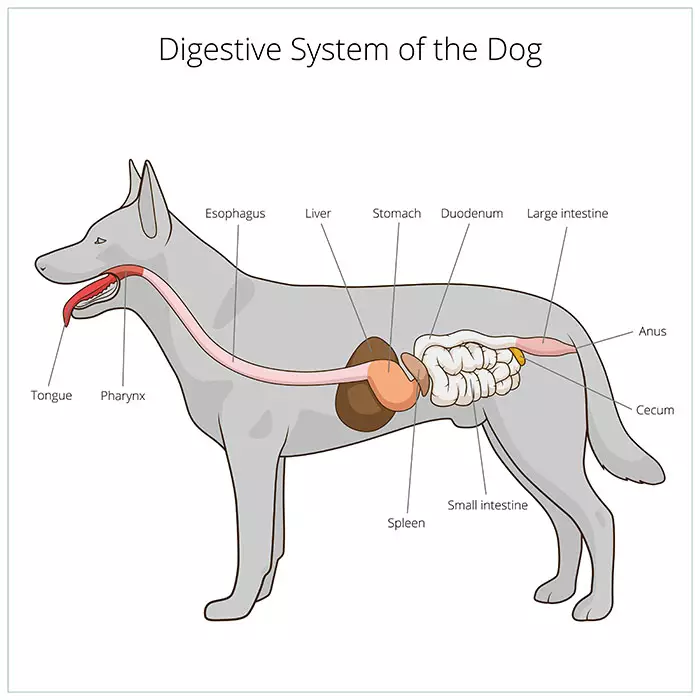
The canine digestive process begins immediately upon food consumption. Enzymes in the saliva start breaking down food as the dog chews. Once swallowed, the food travels to the stomach, where strong acids and enzymes further break down proteins and fats. The partially digested food, called chyme, then moves to the small intestines for nutrient absorption. Any remaining components pass into the large intestines for final processing before being eliminated as waste. This entire process, from ingestion to elimination, typically takes 10 to 24 hours, with an average gastrointestinal transit time of about 24 hours for most dogs.
Factors Affecting Digestion Time
Several factors influence a dog’s digestion time:
Food type: Wet food generally digests faster (4-6 hours) than dry kibble (6-10 hours). Raw food is often the most digestible option.
Breed size: Larger breeds typically have slower digestion rates compared to smaller breeds.
Age: Younger dogs usually digest food faster than older dogs.
Activity level: More active dogs tend to have quicker digestion times.
Health status: Certain medical conditions can affect digestion speed.
Meal size: Larger meals take longer to digest than smaller ones.
Fiber content: High-fiber diets may slow down digestion.
Understanding these factors helps determine the optimal waiting time before taking your dog out after eating, ensuring their comfort and reducing the risk of digestive issues.
Risks of Walking Dogs After Eating
Taking your dog for a walk immediately after eating can pose several health risks. It’s crucial to understand these potential hazards to ensure your pet’s safety and well-being.
Bloat and Gastric Dilatation-Volvulus (GDV)
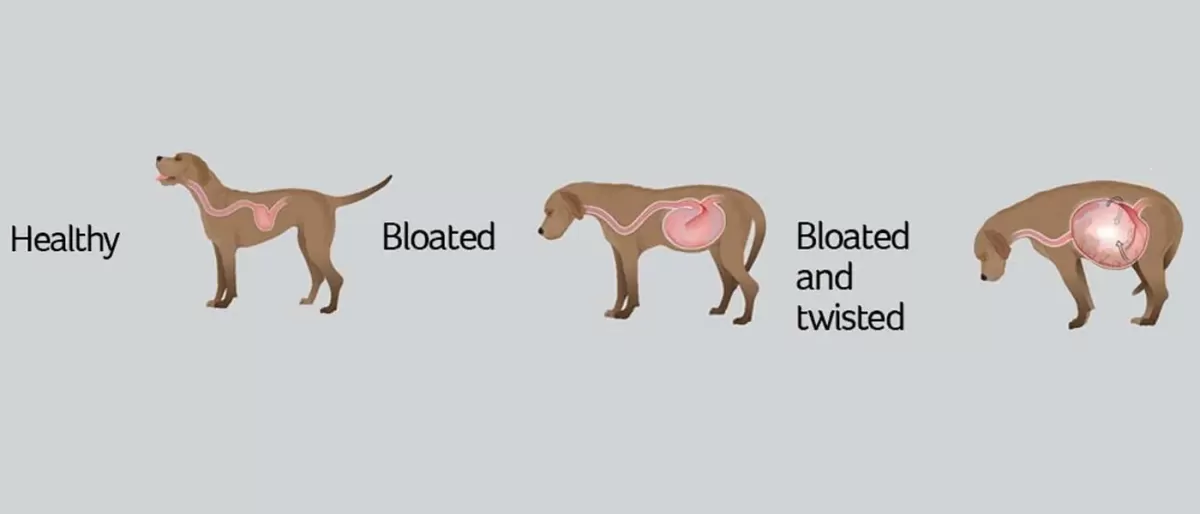
Bloat, also known as gastric dilatation-volvulus (GDV), is a severe condition that can occur when dogs exercise too soon after eating. This condition happens when the stomach fills with food, gas, or fluid and twists, cutting off blood supply to the gut. GDV is particularly dangerous and can be fatal if not treated promptly.
Large breeds with deep chests, such as Great Danes, are more susceptible to bloat. The risk increases when dogs eat large meals and engage in vigorous activity shortly after. To prevent bloat, we recommend waiting at least 30 minutes to 2 hours after meals before walking your dog, depending on the meal size and your dog’s breed.
Other Potential Hazards
Walking dogs immediately after eating can lead to additional health concerns:
Digestive discomfort: Vigorous activity can disrupt the normal digestion process, causing gastrointestinal distress and discomfort.
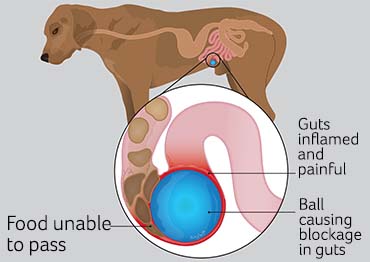
Stomach inflammation: An active walk after eating may agitate your dog’s stomach lining, leading to inflammation and pain.
Ingestion of harmful objects: Post-meal walks can heighten a dog’s curiosity, increasing the likelihood of picking up and potentially ingesting harmful objects.
Vomiting and diarrhea: Exercise on a full stomach can cause food to move through the digestive system too quickly, resulting in vomiting or diarrhea.
Gastric reflux: Physical activity soon after eating may increase the risk of gastric reflux, causing discomfort and potential long-term health issues.
To minimize these risks, we advise establishing a routine that allows for proper digestion before captivating in physical activity. This approach ensures your dog’s walks are both enjoyable and safe.
Recommended Waiting Times
Determining the appropriate waiting time before taking your dog out after eating is crucial for their health and comfort. We’ve compiled essential guidelines to help you make informed decisions about post-meal activities for your canine companion.
General Guidelines
Generally, it’s best to wait 1 to 2 hours after a meal before walking your dog or captivating in strenuous activities. For smaller meals or snacks, you can reduce the waiting time to 30 minutes to 1 hour. The size of the meal plays a important role in determining the appropriate waiting period. After a small meal, waiting 1 hour is often sufficient, while medium to large meals require a 2 to 3 hour wait.
Digestion time in dogs typically ranges from 6 to 10 hours, varying based on food type. Wet food digests faster, usually taking 4 to 6 hours, compared to dry food. These guidelines help minimize the risk of digestive issues and ensure your dog’s comfort during walks or exercise.
Breed-Exact Considerations
Different dog breeds have varying digestive needs and susceptibilities to health issues, which influence recommended waiting times after meals. Large breeds with deep chests, such as Great Danes, Saint Bernards, and Weimaraners, are more prone to bloat or gastric dilatation-volvulus (GDV). For these breeds, it’s crucial to wait at least 2 to 3 hours after eating before captivating in physical activity.
Smaller breeds generally have faster metabolisms and may be ready for walks sooner, typically within 30 minutes to 1 hour after eating. But, brachycephalic breeds like Bulldogs, Pugs, and Boston Terriers may need additional time due to their unique respiratory systems. For these breeds, waiting 1 to 2 hours is advisable to prevent potential breathing difficulties during exercise.
Active working breeds, such as Border Collies or Australian Shepherds, might benefit from slightly longer waiting periods of 1.5 to 2.5 hours to ensure proper digestion before intense activity. Senior dogs or those with existing health conditions may require extended waiting times, up to 3 hours, to accommodate their slower digestive processes.
Benefits of Post-Meal Walks
While waiting after meals is crucial, gentle post-meal walks offer several benefits for dogs. Let’s explore how these walks can positively impact your dog’s health and well-being.
Exercise and Mental Stimulation
Post-meal walks provide dogs with moderate exercise and mental stimulation. A leisurely stroll 1-2 hours after eating helps burn calories and keeps your dog engaged with their environment. These walks offer opportunities for:
Sniffing and exploring, which stimulates your dog’s mind
Socializing with other dogs or people, improving their social skills
Practicing obedience commands in different settings
Strengthening the bond between you and your dog
Remember to keep the pace gentle and the duration short, typically 15-20 minutes, to avoid overexertion. This light activity supports your dog’s overall fitness without risking digestive issues.
Digestive Health
Gentle post-meal walks can aid your dog’s digestive process when timed correctly. Walking 1-2 hours after eating:
Promotes smoother digestion by gently stimulating the digestive system
Helps prevent constipation by encouraging regular bowel movements
Reduces the risk of bloating in susceptible breeds
Supports better nutrient absorption through increased blood flow
Always observe your dog for signs of discomfort during these walks. If you notice any issues, consult your veterinarian to adjust your walking routine. By incorporating these benefits into your dog’s schedule, you’ll contribute to their overall health and happiness.
https://youtu.be/vgA9i98exeM
Alternative Walking Schedules
Creating a flexible walking schedule for your dog can help maintain their health and accommodate your lifestyle. By considering different options, you can find a routine that works best for both you and your furry friend.
Walking Before Meals
Walking your dog before meals offers several advantages. This approach reduces the risk of bloat and digestive issues associated with exercise immediately after eating. Pre-meal walks can also:
Stimulate your dog’s appetite
Provide mental stimulation before food
Establish a consistent routine
Help with weight management
For optimal results, aim to walk your dog 30 minutes to an hour before feeding time. This allows them to settle down and relax before their meal. If you have a high-energy dog, a pre-meal walk can help burn off excess energy, promoting better behavior during feeding time.
Timing Walks Around Your Dog’s Routine
Adapting your dog’s walking schedule to their daily routine can improve their overall well-being. Consider the following factors when planning walks:
Your dog’s feeding schedule
Their energy levels throughout the day
Your work or personal commitments
Weather conditions
A balanced approach might include a short morning walk before breakfast, a longer midday walk, and a relaxed evening stroll. For dogs prone to bloat, schedule longer walks at least two hours after meals. Adjust walk durations based on your dog’s age, breed, and fitness level. Remember to maintain consistency in your routine to help your dog feel secure and comfortable.
Best Practices for Dog Walking
Implementing proper dog walking practices ensures your furry friend’s health and happiness. Let’s explore key strategies to optimize your dog’s walking routine.
Avoiding Overexertion
Overexertion after meals can lead to serious health issues for dogs. Here are essential guidelines to follow:
Wait at least 1 hour after feeding before walking your dog
For larger meals, extend the waiting period to 1.5-2 hours
Avoid intensive exercise immediately after eating
Stick to light walks rather than strenuous activities post-meal
Be aware of bloating and gastric dilatation-volvulus (GDV) risks
Adjust waiting times based on meal size and your dog’s breed
Consider shorter, gentler walks for the first outing after a meal
Monitor your dog’s energy levels and adjust activity accordingly
Gradually increase walk intensity as digestion progresses
https://youtu.be/qQEXD137fwI
Provide access to water before and after walks to prevent dehydration
Pay attention to signs of discomfort or fatigue
Look for excessive panting, drooling, or reluctance to continue walking
Notice any changes in gait or posture that may indicate distress
Be alert for attempts to eat grass, which can signal digestive issues
Watch for excessive sniffing or marking, which may indicate anxiety
Observe your dog’s energy levels throughout the walk
Note any unusual bathroom habits or changes in stool consistency
Be aware of your dog’s interactions with other animals or people
Monitor for signs of overheating, especially in warm weather
Recognize when your dog is ready to return home and respect their limits
Conclusion
We’ve explored the crucial aspects of timing your dog’s walks after meals. By waiting the recommended 30 minutes to 2 hours depending on your dog’s size breed and meal type you’ll help prevent serious health issues like bloat.
Remember that every dog is unique. Observe your furry friend closely and adjust your walking schedule as needed. Gentle post-meal walks can offer many benefits when done correctly.
By following these guidelines you’ll create a safe and enjoyable routine that supports your dog’s digestive health and overall well-being. Always consult with your veterinarian for personalized advice customized to your dog’s exact needs.
Ever wondered which canine could leave even the speediest humans in the dust? The industry of fast dogs is a fascinating area where nature’s engineering meets athletic prowess. We’re about to jump into the exhilarating industry of the fastest dogs, where speed isn’t just a trait—it’s a way of life.
What Makes a Dog Fast?
A dog’s speed is determined by a combination of physical attributes and genetic factors. Let’s explore the key elements that contribute to a dog’s swiftness and the breeds that exemplify these traits.
Anatomy and Physiology of Speed
The speed of a dog is primarily influenced by its body structure, musculature, and cardiovascular system. Dogs with lean, long-legged bodies and deep chests tend to be the fastest, as this build allows for longer strides and efficient oxygen intake. Muscular dogs, especially those with powerful leg muscles, generate more force and speed. Also, dogs with larger hearts and higher levels of red blood cells can deliver more oxygen to their muscles, improving their endurance and speed. For example, Greyhounds have larger hearts relative to their body size, contributing to their exceptional speed.
Breeds Built for Speed
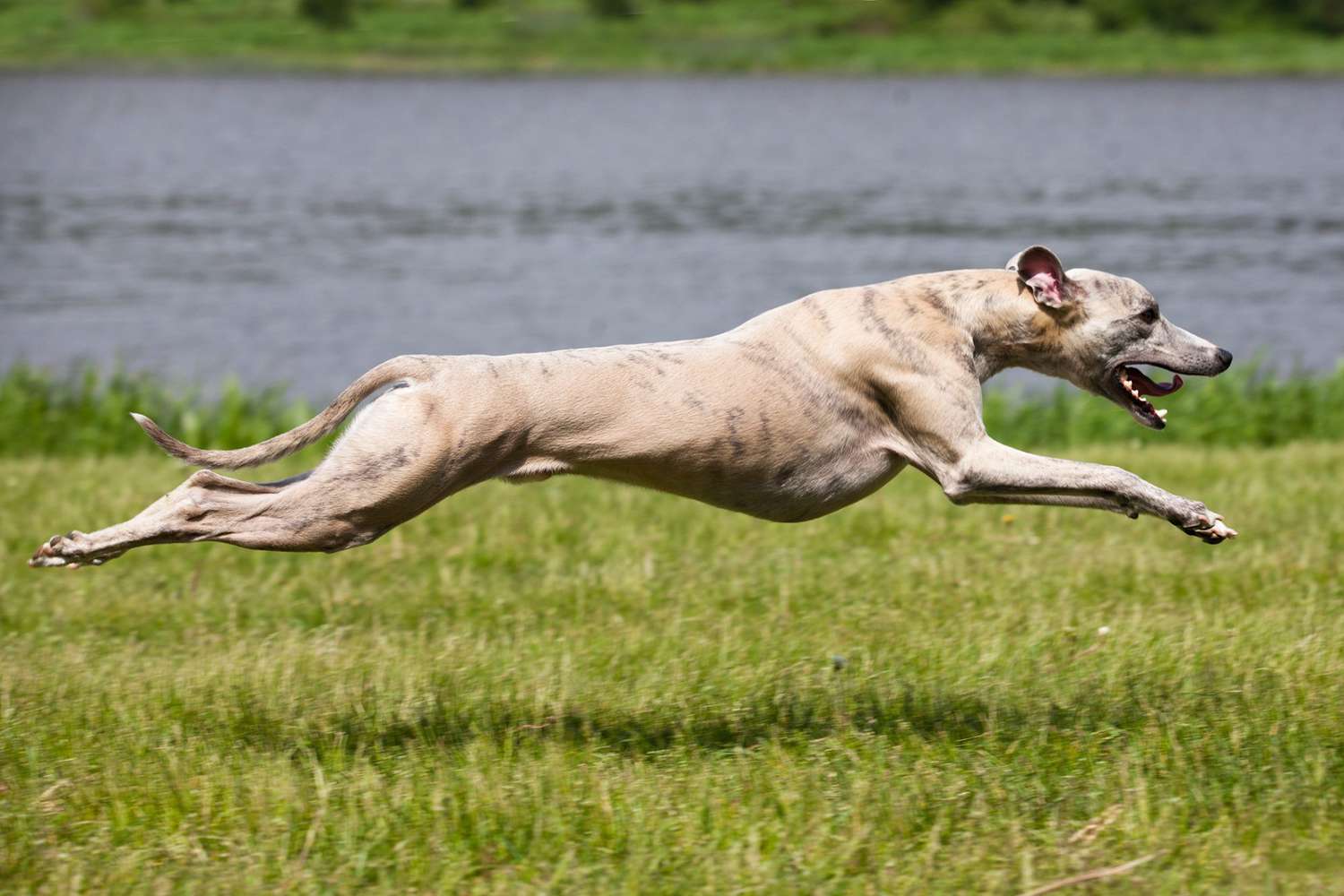
Several dog breeds have been selectively bred for speed over generations. The Greyhound is widely recognized as the fastest dog breed, capable of reaching speeds up to 45 mph. Other swift breeds include the Saluki, Whippet, and Afghan Hound. These breeds share common characteristics such as a streamlined body, long legs, and a deep chest. Working dogs like the Border Collie and Australian Cattle Dog also exhibit impressive speed, combining agility with endurance. While many of these breeds were originally bred for exact tasks, they now excel in activities like lure coursing and agility competitions, showcasing their natural speed and athleticism.
Top 5 Fastest Dogs Breeds
When it comes to speed, these five dog breeds stand out from the pack. Each breed has unique characteristics that contribute to their impressive velocity, making them the fastest dogs in the industry.
Greyhound: The Speedster Champion
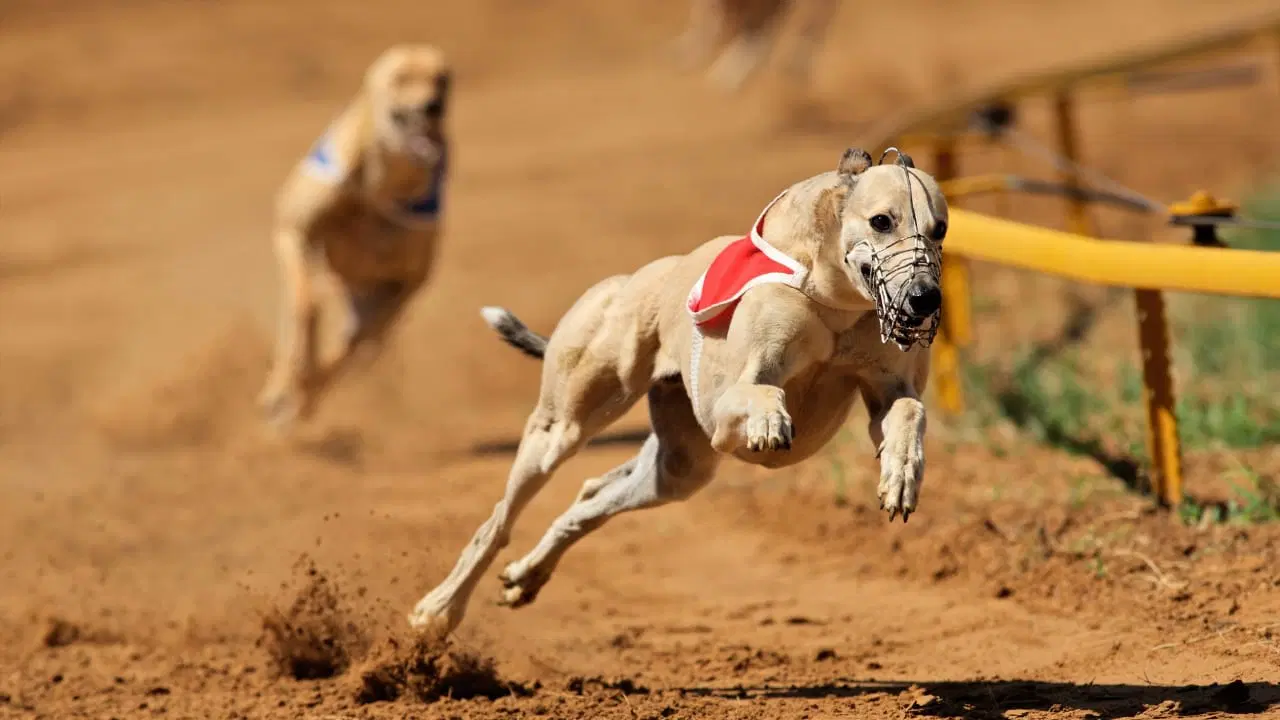
Greyhounds reign supreme as the fastest dog breed, clocking in at an astonishing 45 miles per hour (mph). These sleek canines are built for speed, with:
A thin, aerodynamic build
Well-defined muscle tone
A flexible spine for maximum stride length
Greyhounds can reach top speed within just six strides, showcasing their incredible acceleration. Their bodies are engineered for sprinting rather than endurance running. Even though their lightning-fast capabilities, Greyhounds are known for their gentle nature and enjoy spending much of their time relaxing.
Saluki: The Ancient Racer
The Saluki, an ancient breed from Egypt, takes second place with speeds of 42-45 mph. These elegant dogs share similarities with Greyhounds:
Sleek, aerodynamic body shape
Deep chest for enhanced lung capacity
Agile and built for hunting
Salukis are sighthounds, relying on their keen eyesight rather than scent for hunting. Their endurance surpasses that of Greyhounds, allowing them to maintain high speeds over longer distances. This made them valuable hunting companions in the Middle East, where they were used to chase down swift prey like gazelles and hares.
Afghan Hound: Elegant and Swift
Afghan Hounds combine grace with speed, reaching velocities of up to 40 mph. These regal dogs feature:
A long, silky coat
Powerful legs for quick acceleration
Excellent agility and maneuverability
Originally bred for hunting in the mountainous regions of Afghanistan, Afghan Hounds possess both speed and stamina. Their unique appearance, with flowing locks and dignified stance, often belies their athletic prowess. Even though their independent nature, Afghan Hounds excel in lure coursing and agility competitions.
Vizsla: The Versatile Sprinter
Vizslas are known for their versatility and can reach speeds of up to 40 mph. These Hungarian hunting dogs boast:
Muscular, lean bodies
High energy levels and stamina
Excellent nose for tracking
While not typically associated with racing, Vizslas possess remarkable speed and agility. Their endurance allows them to maintain high speeds for extended periods, making them excellent companions for active owners. Vizslas excel in various dog sports, including tracking, obedience, and agility trials.
Whippet: The Miniature Missile
Whippets, often called “miniature Greyhounds,” can hit speeds of up to 35 mph. These small but mighty dogs feature:
A compact, muscular build
Deep chest for efficient oxygen intake
Incredible acceleration and agility
Even though their smaller size, Whippets pack a punch in terms of speed. Their ability to accelerate quickly and change direction on a dime makes them formidable competitors in lure coursing and racing events. Whippets combine their speedy nature with a gentle, affectionate personality, making them popular both as athletes and family companions.
Other Notable Fast Dog Breeds
While not topping the speed charts, several other dog breeds demonstrate impressive velocity. These breeds combine speed with unique traits, making them versatile and captivating companions.
Jack Russell Terrier
Jack Russell Terriers are known for their explosive speed, even though their small size. These energetic dogs can reach speeds of up to 30-38 mph, showcasing their impressive agility. Originally bred for hunting foxes, Jack Russells possess a sturdy and tough physique that belies their compact frame. Their protective instincts and high energy levels make them excellent working dogs and active companions. Jack Russells require regular exercise and mental stimulation to prevent boredom and potential destructive behavior. Their speed and agility make them well-suited for activities like agility courses and competitive sports, where they can channel their natural athleticism and intelligence.
Dalmatian
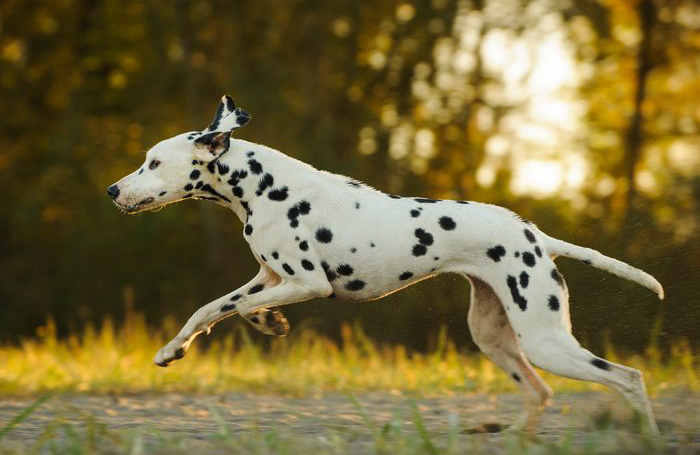
Dalmatians are highly athletic and energetic dogs capable of reaching speeds of 37 mph. Their muscular bodies and remarkable endurance allow them to maintain their pace for extended periods. This trait made them valuable companions for running alongside carriages to protect against highwaymen in the past. Dalmatians’ distinctive spotted coat and elegant stature make them visually striking as they sprint. These dogs have a high energy level and require regular exercise to stay healthy and content. Their protective instincts and alertness, combined with their speed, make them excellent watchdogs and active family companions. Dalmatians excel in various dog sports and activities that leverage their athleticism and endurance.
Borzoi
Borzoi, also known as Russian Wolfhounds, are elegant and swift sighthounds capable of impressive speeds. These graceful dogs can reach velocities of up to 35-40 mph, making them formidable hunters and competitors in coursing events. Borzoi possess a unique combination of speed, strength, and agility, allowing them to chase down prey over long distances. Their long, silky coats and regal appearance belie their athletic prowess. Originally bred for hunting wolves and other large game in Russia, Borzoi retain their strong prey drive and love of running. Even though their size, they’re generally calm and gentle indoors, making them adaptable companions. Borzoi require regular exercise and opportunities to run in safely enclosed areas to maintain their physical and mental well-being.
Measuring Canine Speed
Measuring canine speed requires specialized techniques and equipment to accurately capture the incredible velocities achieved by the fastest dog breeds. We’ll explore the top speeds achieved by various breeds and the methods used to test their speed.
Top Speeds Achieved
The fastest dog breeds showcase remarkable speed, with some reaching velocities that rival those of many other animals:
Greyhound: 45 mph
Saluki: 43 mph
Ibizan Hound: 40 mph
Vizsla: 40 mph
Whippet: 35-40 mph
These breeds, primarily sighthounds, share physical characteristics that contribute to their speed: long legs, sleek bodies, deep chests, and tucked-in waists. Their ability to sprint at high velocities stems from their hunting heritage and selective breeding for coursing competitions.
Methods of Speed Testing
Accurately measuring canine speed involves various techniques:
Track Racing: Greyhounds and whippets are often timed on oval tracks, providing consistent conditions for speed measurement.
Lure Coursing: This method uses a mechanical lure to simulate prey, allowing dogs to chase at top speeds while being timed over a set distance.
Radar Guns: Similar to those used in sports, radar guns can measure a dog’s speed during short sprints.
GPS Tracking: Advanced GPS collars can record a dog’s speed and distance traveled during runs or hunting activities.
High-Speed Cameras: Slow-motion footage analysis helps researchers study canine gait and calculate speed with precision.
These methods ensure accurate speed measurements, contributing to our understanding of canine athleticism and helping breeders refine traits for working and sporting dogs.
Training Fast Dogs
Training fast dogs requires a unique approach that capitalizes on their natural speed and agility. We’ll explore methods to enhance their innate abilities and prepare them for competitive racing.
Improving Natural Speed
To enhance a fast dog’s natural speed, we focus on exact training techniques. Interval training is crucial, alternating between short sprints and rest periods to build endurance and explosive power. Hill training strengthens leg muscles and improves overall speed. We incorporate agility exercises to enhance coordination and quick directional changes. Proper nutrition is essential, with high-protein diets supporting muscle development and recovery. Regular veterinary check-ups ensure the dog’s health and prevent injuries that could impede speed. Consistency in training is key, with sessions customized to the dog’s breed and individual capabilities. By combining these methods, we can maximize a fast dog’s potential and help them reach peak performance.
Competitive Racing
Competitive racing for fast dogs involves structured training and adherence to exact rules. We start with early socialization to familiarize dogs with racing environments. Training focuses on start box procedures, teaching dogs to burst out quickly when gates open. Lure training is essential, using mechanical lures to simulate prey and encourage pursuit. We carry out strict conditioning regimens to build stamina and prevent injuries. Race strategy training helps dogs navigate tracks efficiently and maintain focus.
Regular practice runs on official tracks prepare dogs for actual race conditions. Proper equipment, including specialized racing muzzles and jackets, is crucial for safety and performance. We also emphasize post-race cool-down routines and recovery practices to maintain the dog’s health and longevity in the sport. Adhering to racing regulations and ethical practices ensures fair competition and the well-being of these exceptional canine athletes.
Benefits and Challenges of Owning a Fast Dog
Owning a fast dog brings unique advantages and responsibilities. These swift companions offer exciting experiences but require exact care and attention. Let’s explore the exercise requirements and safety considerations for fast dog breeds.
Exercise Requirements
Fast dog breeds demand customized exercise routines to maintain their physical and mental well-being. Greyhounds, even though their speed, need short, intense bursts of activity and can be content with minimal exercise. They often sleep up to 18 hours a day. Belgian Malinois, on the other hand, are highly energetic and require regular, intense exercise. Daily hikes, runs, long games of fetch, or agility exercises keep them physically and mentally stimulated. Border Collies, known for their intelligence and energy, need substantial exercise and mental stimulation. These breeds thrive with active owners who can dedicate time to their physical and mental needs.
Safety Considerations
Ensuring the safety of fast dogs requires vigilance and proper precautions. Fast breeds like Greyhounds and Whippets have thin skin, making them prone to injuries during high-speed activities. It’s crucial to inspect their paws and body for cuts or abrasions after exercise. These dogs also have a strong prey drive, which can lead them to chase small animals at high speeds. Secure, fenced areas are essential for off-leash activities to prevent them from running into dangerous situations. Also, fast dogs may overheat quickly due to their intense exercise, so monitoring their temperature and providing adequate hydration is vital. Regular vet check-ups help maintain their cardiovascular health, crucial for their speed capabilities.
Conclusion
Fast dogs captivate us with their incredible speed and agility. From Greyhounds to Whippets these breeds showcase nature’s engineering at its finest. We’ve explored their unique traits training methods and the challenges of owning these swift companions. Whether you’re a competitive racer or simply an admirer of canine athleticism understanding these amazing animals enriches our appreciation for the diversity of the dog industry. As we’ve seen owning a fast dog requires dedication and care but the rewards of companionship with these remarkable athletes are truly unparalleled.
Are you eagerly awaiting the arrival of puppies? Recognizing the visual signs of dog labor is crucial for ensuring a smooth delivery process. As experienced pet owners, we know how exciting and nerve-wracking this time can be.
In this text, we’ll guide you through the telltale signs that your furry friend is about to give birth. From a drop in body temperature to restless behavior and nesting instincts, we’ll cover the key indicators that labor is imminent. We’ll also explore the three stages of dog labor and what to expect during each phase. By understanding these visual cues, you’ll be better prepared to support your dog through this miraculous journey and know when it’s time to seek veterinary assistance if needed.
Understanding Dog Pregnancy and Labor
Duration of Dog Pregnancy
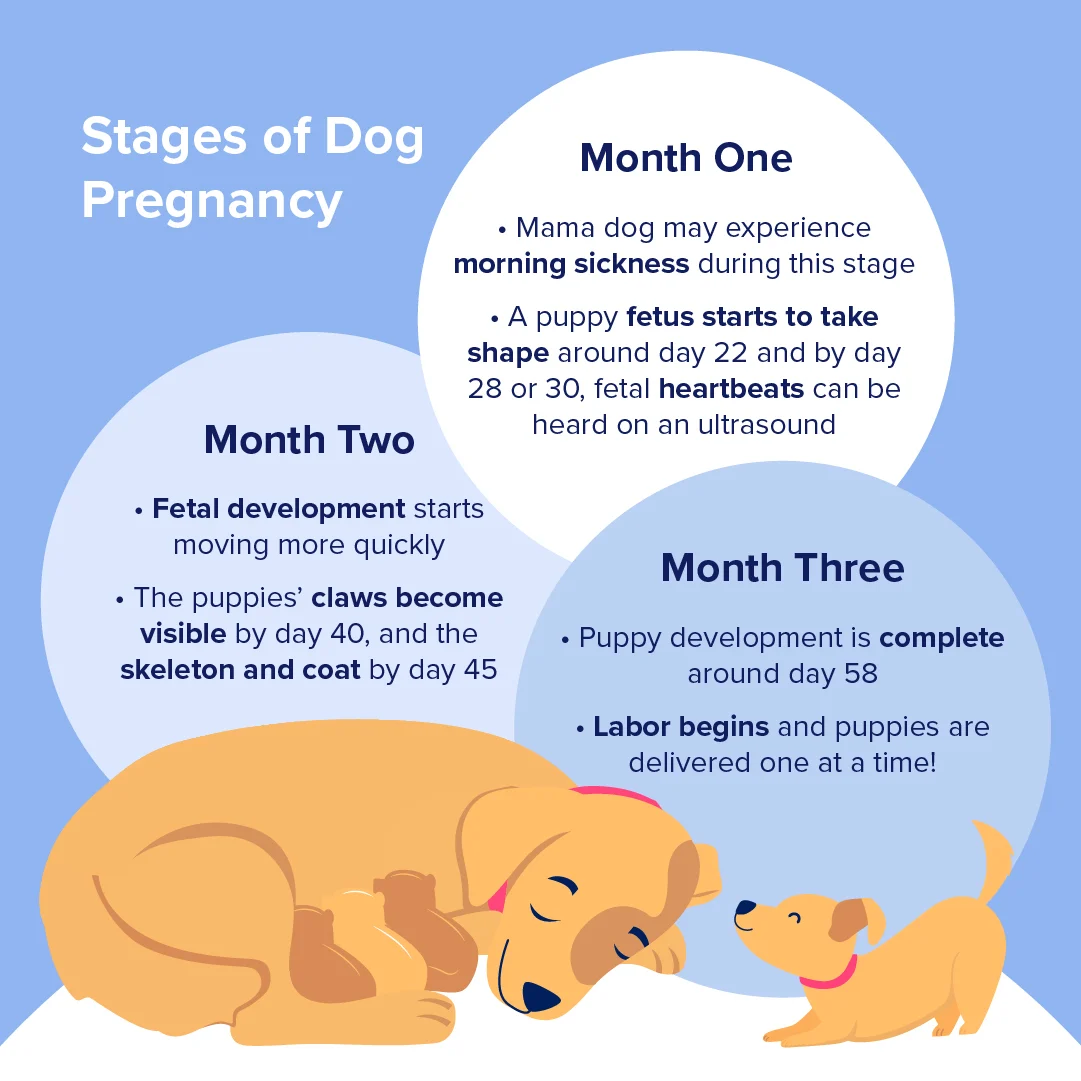
A dog’s pregnancy lasts approximately 63 days from ovulation. This two-month gestation period is shorter than human pregnancies, making it crucial for dog owners to be aware of the signs of impending labor. Unlike humans, dogs are more than one-third of the way through their pregnancy before it can be confirmed. Typically, an ultrasound can detect a dog’s pregnancy at around 25 days.
Physiological Changes During Pregnancy
As a dog’s pregnancy progresses, several physiological changes occur:
Increased heart rate
Elevated respiratory rate
Hormonal shifts to maintain pregnancy
Preparation for birthing and nursing
These changes help the dog’s body support the growing puppies and prepare for the upcoming labor and delivery process.
Importance of Veterinary Care
Regular veterinary consultations are essential during a dog’s pregnancy. Early and consistent check-ups can help ensure a smooth pregnancy and labor. Veterinarians can:
Monitor the dog’s health
Provide guidance on nutrition
Offer advice on preparing for the birthing process
Identify potential complications early
Recognizing Normal vs. Abnormal Labor
Understanding the normal canine birthing process is crucial for detecting potential problems. If you’re unsure whether labor is progressing normally or if your dog is experiencing difficulty giving birth (dystocia), seek veterinary care immediately. Some signs that may indicate a problem include:
Prolonged labor without producing a puppy
Excessive straining without results
Green or black discharge before the first puppy is born
Excessive bleeding
Preparing for Labor
As the due date approaches, it’s important to prepare a comfortable birthing area for your dog. Here are some steps to take:
Set up a quiet, private space in your home
Introduce a whelping box before labor begins
Ensure the area is warm and draft-free
Provide soft, clean bedding
By creating a safe and comfortable environment, you’ll help your dog feel more at ease during the birthing process.
Behavioral Changes Before Labor
In the days leading up to labor, you may notice several behavioral changes in your pregnant dog:
Restlessness and anxiety
Nesting behavior (digging, shredding bedding)
Changes in appetite
Increased clinginess or desire for solitude
These behaviors are normal and indicate that your dog is preparing for the impending birth of her puppies.
By understanding the various aspects of dog pregnancy and labor, you’ll be better equipped to support your pet through this exciting yet challenging time. Remember to stay calm and consult with your veterinarian if you have any concerns or questions throughout the process.
Early Signs of Approaching Labor
As your dog nears the end of her pregnancy, it’s crucial to recognize the early signs of approaching labor. These visual and behavioral cues help you prepare for the arrival of puppies and ensure a smooth delivery process.
Temperature Drop
A important temperature drop is one of the most reliable indicators of imminent labor in dogs. Normally, a dog’s body temperature ranges from 101 to 102.5°F (38.3 to 39.2°C). About 24 hours before labor begins, the temperature typically drops to around 98 to 99°F (36.7 to 37.2°C). To monitor this change:
Use a rectal thermometer twice daily during the final week of pregnancy
Record temperature readings to track any sudden decreases
Be alert when the temperature falls below 100°F (37.8°C)
Prepare for labor if the temperature stays low for more than 24 hours
This temperature drop signals the onset of hormonal changes that trigger the birthing process.
Nesting Behavior
Nesting behavior is a clear visual sign that your dog is preparing for labor. This instinctive action involves creating a safe, comfortable space for delivering and caring for puppies. Common nesting behaviors include:
Dragging blankets or fabric to a preferred area
Rearranging bedding or pillows
Digging or scratching at surfaces
Showing a strong preference for a exact location, such as a whelping box
Increased restlessness and inability to settle
Provide your dog with a quiet, secluded area where she feels safe to nest. This helps reduce stress and ensures a more comfortable birthing experience.
Changes in Appetite
Appetite changes are another noticeable sign of approaching labor in dogs. As the delivery date nears, you may observe:
A gradual decrease in food intake
Complete loss of interest in meals
Refusal to eat favorite treats
Increased water consumption
Occasional vomiting or regurgitation
These changes occur due to hormonal shifts and the puppies taking up more space in the abdomen. While a temporary loss of appetite is normal, prolonged refusal to eat or excessive vomiting warrants veterinary attention. Ensure fresh water is always available to prevent dehydration during this critical period.
Physical Indicators of Labor
As a dog approaches labor, several physical signs become apparent. These indicators help pet owners recognize when their dog is about to give birth and prepare for the arrival of puppies.
Visible Contractions
Visible contractions are a clear sign that a dog is in active labor. Here’s what to look for:
Abdominal tightening: The dog’s belly muscles visibly contract and relax.
Straining: The dog may appear to be pushing, similar to having a bowel movement.
Frequency: Contractions typically occur every 15-30 minutes during early labor.
Duration: Each contraction lasts about 30-60 seconds.
Intensity: Contractions become stronger and more frequent as labor progresses.
It’s important to time contractions and monitor their progression. If contractions continue for more than 2-3 hours without producing a puppy, contact a veterinarian immediately.
Enlarged Mammary Glands
As labor approaches, a dog’s mammary glands undergo noticeable changes:
Size increase: The glands swell and become more prominent.
Milk production: Colostrum, the first milk, may start to leak from the nipples.
Tenderness: The area around the mammary glands may be sensitive to touch.
Color change: The nipples often become darker and more pronounced.
Temperature: The mammary glands may feel warmer than usual.
These changes typically occur in the last week of pregnancy and intensify as labor nears. Enlarged mammary glands ensure the dog is ready to nurse her puppies immediately after birth.
Vaginal Discharge
Vaginal discharge is a key indicator of imminent labor in dogs:
Clear mucus: A clear, odorless discharge may appear 24-48 hours before labor begins.
Color changes: The discharge may turn pinkish or have streaks of blood as labor approaches.
Quantity: The amount of discharge typically increases as labor progresses.
Consistency: It may become thicker and more gelatinous closer to delivery.
Timing: Heavy bleeding or greenish discharge before puppies are born requires immediate veterinary attention.
Monitoring vaginal discharge helps determine the stage of labor. A sudden gush of clear fluid often signals the rupture of fetal membranes and indicates that puppies will arrive soon.
Behavioral Changes During Labor
As a dog enters labor, distinct behavioral changes become apparent. These changes signal the start of the birthing process and help owners prepare for the arrival of puppies. Let’s explore the key behavioral indicators of dog labor.
Restlessness and Discomfort
Restlessness and discomfort are prominent signs of a dog in labor. Dogs often pace, pant heavily, and struggle to find a comfortable position. This restlessness typically lasts 6 to 12 hours during the first stage of labor. You’ll notice your dog:
Frequently changing positions
Getting up and lying down repeatedly
Appearing anxious or unsettled
Showing signs of mild discomfort or pain
Refusing to eat or drink
These behaviors indicate that contractions have begun and the cervix is dilating. It’s crucial to monitor your dog closely during this time, as prolonged restlessness without progress may signal complications.
Increased Panting
Panting intensifies as labor progresses, serving multiple purposes for the laboring dog. You’ll observe:
More frequent and intense panting episodes
Rapid, shallow breathing
Open-mouthed breathing with the tongue out
Panting that increases with contractions
This increased panting helps regulate body temperature and provides oxygen to the muscles involved in labor. It’s a natural response to the physical exertion of giving birth. But, excessive panting combined with distress or discomfort may indicate problems. Monitor your dog’s breathing patterns closely and contact your veterinarian if you notice any concerning changes.
Seeking Isolation or Attention
Dogs in labor often exhibit contrasting behaviors about companionship. You may observe your dog:
Retreating to a quiet, secluded area
Seeking out dark, enclosed spaces
Becoming more clingy and demanding attention
Following you around the house
Whining or vocalizing more than usual
Some dogs prefer isolation during labor, instinctively seeking a safe, private space to give birth. Others become more dependent on their owners, seeking comfort and reassurance. Respect your dog’s preferences while ensuring she’s in a safe, comfortable environment. Provide a quiet, warm whelping area with soft bedding and minimal disturbances. Stay nearby to offer support and monitor progress, but allow her space if she seems to prefer it.
The Three Stages of Dog Labor
Dog labor is divided into three distinct stages, each with its own set of visual signs and characteristics. Understanding these stages helps dog owners prepare for and support their pet during the birthing process.
Stage 1: Early Labor
Early labor is characterized by subtle changes in the dog’s behavior and physiology. The most notable sign is a important drop in body temperature, typically from 101-102°F to 98-99°F, occurring about 24 hours before labor begins. Dogs may exhibit restlessness, panting, pacing, and shivering. Nesting behavior is common, with the dog arranging bedding or dragging blankets to a safe area. Loss of appetite and occasional vomiting may occur. The abdomen feels firmer and harder to the touch as contractions begin. This stage can last 6 to 12 hours, but if labor hasn’t started within 24 hours of these signs, veterinary assistance is recommended.
Stage 2: Active Labor and Puppy Delivery
Active labor marks the beginning of puppy delivery. During this stage, visible contractions intensify, and the dog actively pushes to expel puppies. Clear discharge from the vulva is common. Each puppy is typically delivered within 20-30 minutes of active pushing, though intervals between puppies can extend up to 2 hours. The entire process of delivering all puppies may take several hours. It’s crucial to monitor the dog closely during this stage, ensuring comfort and normal progression. If active contractions last longer than 30 minutes without producing a puppy, or if there’s a gap of more than 4 hours between puppies, veterinary intervention may be necessary.
Stage 3: Afterbirth
The final stage of dog labor involves the delivery of placentas. Each puppy has its own placenta, which should be expelled within 15 minutes after the birth of each puppy. The placentas appear greenish-black and shouldn’t have a foul odor. Dogs alternate between stages two and three until all puppies and placentas are delivered. It’s important to count the placentas to ensure all have been expelled, as retained placentas can lead to complications. The mother dog typically removes the protective fetal membrane from each puppy, stimulating them to breathe. If she doesn’t, gentle assistance may be required. This stage concludes the birthing process, but owners should continue monitoring the mother and puppies for any signs of distress or complications.
Warning Signs of Complications
While most dog labors progress smoothly, it’s crucial to recognize warning signs that indicate potential complications. We’ll explore key indicators that require immediate veterinary attention.
Prolonged Labor Without Progress
Prolonged labor without progress is a serious concern in dog labor. Active labor typically lasts 3-12 hours, with puppies born every 30-60 minutes. If contractions continue for more than 30 minutes without producing a puppy, it’s a red flag. This could indicate:
Puppy malposition
Uterine inertia
Obstruction in the birth canal
Monitor the time between puppies closely. If more than 4 hours pass between deliveries, contact your veterinarian. Prolonged labor increases the risk of:
Fetal distress
Maternal exhaustion
Potential need for cesarean section
Always err on the side of caution and seek professional help if labor seems unusually prolonged or unproductive.
Excessive Bleeding
Some bleeding during dog labor is normal, but excessive bleeding is a dangerous complication. Normal discharge during labor is typically dark green to black. Bright red blood in large amounts is a cause for concern. Watch for:
Continuous bright red bleeding
Blood-soaked bedding
Weakness or collapse in the mother
Excessive bleeding may indicate:
Uterine rupture
Placental abruption
Postpartum hemorrhage
These conditions can be life-threatening for both mother and puppies. If you observe heavy bleeding or large blood clots, seek immediate veterinary care. Time is critical in managing bleeding complications during labor.
Signs of Distress in Mother or Puppies
Recognizing signs of distress in the mother dog or puppies is crucial for a safe delivery. For the mother, watch for:
Extreme lethargy or weakness
Fever (temperature above 103°F)
Vomiting or diarrhea
Refusal to care for puppies
Excessive panting or difficulty breathing
For puppies, be alert for:
Lack of movement or responsiveness
Abnormal color (blue or pale gums)
Failure to nurse
Constant crying
If you observe any of these signs, don’t hesitate to contact your veterinarian. Quick action can prevent serious complications and ensure the health of both mother and puppies. Remember, a smooth labor typically results in active, nursing puppies and an attentive mother.
When to Contact Your Veterinarian
While most dog labors proceed without complications, it’s crucial to know when professional help is needed. We’ll outline exact situations that warrant immediate veterinary attention during your dog’s labor.
Prolonged Labor Without Progress
Contact your veterinarian if:
Active labor lasts more than 24 hours without puppy delivery
Contractions continue for over 30 minutes without producing a puppy
More than 2 hours pass between puppy deliveries
These scenarios may indicate uterine inertia or obstruction, requiring prompt medical intervention.
Excessive Bleeding
Mild bleeding is normal during labor, but excessive bleeding is a red flag. Call your vet if you observe:
Heavy, bright red bleeding that doesn’t stop
Large blood clots
Bleeding that continues for more than 10 minutes
Excessive bleeding can lead to shock and requires immediate medical attention.
Signs of Distress in the Mother
Watch for these signs of distress in the mother dog:
Extreme lethargy or collapse
Persistent vomiting
High fever (above 103°F or 39.4°C)
Severe abdominal pain
Difficulty breathing
These symptoms may indicate complications such as eclampsia or uterine rupture, necessitating urgent veterinary care.
Abnormal Puppy Presentation
Contact your vet if you notice:
A puppy stuck in the birth canal for more than 10 minutes
Green or black discharge before the first puppy is born
Foul-smelling discharge
These signs could indicate fetal distress or potential infection, requiring professional intervention.
Failure to Deliver All Puppies
Seek veterinary help if:
X-rays or ultrasounds indicated more puppies than delivered
Labor stops before all expected puppies are born
Mother shows signs of distress after delivering some puppies
Retained puppies can lead to serious complications and require immediate attention.
Postpartum Complications
After delivery, watch for:
Retained placentas (not all are delivered within 24 hours)
Fever or lethargy in the mother
Lack of interest in the puppies
Swollen or painful mammary glands
These issues can indicate postpartum infections or other complications that need prompt treatment.
By recognizing these signs and seeking timely veterinary care, we can ensure the best possible outcome for both the mother dog and her puppies during the labor process.
Conclusion
Recognizing the visual signs of dog labor is crucial for ensuring a safe and successful birthing experience. We’ve explored key indicators from early symptoms to active labor and afterbirth. By understanding these signs pet owners can better support their dogs through this exciting yet challenging process. Remember to stay vigilant monitor your dog closely and don’t hesitate to seek veterinary help if you notice any concerning symptoms. With proper preparation and knowledge you’ll be well-equipped to welcome your new furry family members into the industry.
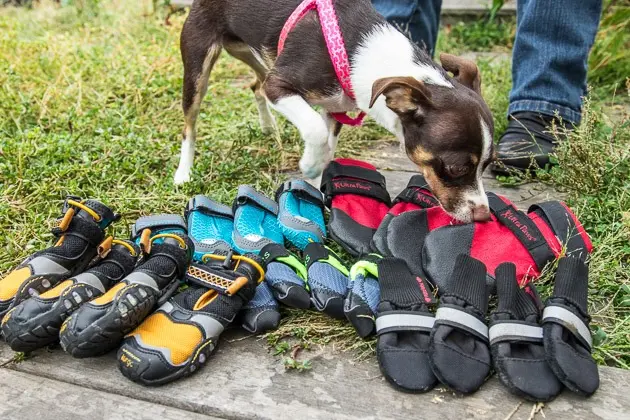
Are you tired of your furry friend tracking snow and mud into your home after winter walks? We’ve got you covered! Dog boots for winter aren’t just a fashionable accessory; they’re essential gear for protecting your pup’s paws from harsh elements.
Winter can be tough on our canine companions’ sensitive paw pads. From icy sidewalks to salt-covered roads, the cold season presents many challenges. That’s where dog snow boots come in handy. These waterproof wonders not only keep your dog’s feet clean and dry but also provide much-needed warmth and traction on slippery surfaces.
In this text, we’ll explore the best dog boots for winter, their benefits, and how to choose the right pair for your four-legged friend. Whether you’re dealing with deep snow or just want to protect your pup from the cold, we’ll help you find the perfect solution to keep those paws cozy and protected all season long.
Why Dogs Need Winter Boots
Winter conditions pose unique challenges for our canine companions, making dog boots an essential accessory for the colder months. Here’s why winter boots are crucial for dogs:
Protection from Cold and Ice
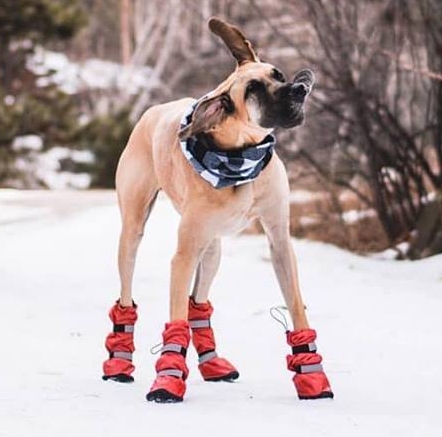
Winter boots provide vital insulation and warmth for dogs’ paws, shielding them from extreme cold and icy surfaces. These boots act as a barrier against frigid temperatures, preventing frostbite and discomfort. The insulated design keeps paw pads warm, allowing dogs to enjoy outdoor activities even in harsh winter conditions.
Traction and Stability
Icy and slippery surfaces can be treacherous for dogs, leading to potential injuries. Winter boots offer superior traction, helping dogs maintain their balance on frozen ground, snow, and ice. The enhanced grip provided by these boots allows dogs to navigate winter terrain with confidence, reducing the risk of slips and falls.
Protection from Snow and Moisture
Keeping paws dry is crucial for dogs’ comfort and health during winter. Snow can accumulate between paw pads, forming painful ice balls. Winter boots create a waterproof barrier, preventing snow and slush from coming into direct contact with paws. This protection ensures that dogs’ feet remain dry and comfortable throughout their winter adventures.
Guard Against De-icing Chemicals
Many cities use salt and other de-icing chemicals on roads and sidewalks during winter. These substances can irritate and dry out dogs’ paw pads, potentially leading to cracking or chemical burns. Winter boots provide a protective layer, keeping these harmful substances away from sensitive paw skin.
Prolonged Outdoor Activity
With proper winter boots, dogs can enjoy longer periods of outdoor activity without discomfort. This extended playtime helps maintain their physical and mental well-being during the winter months when outdoor exercise opportunities might otherwise be limited.
Prevention of Snow and Ice Accumulation
Winter boots prevent snow and ice from building up between dogs’ toes and around their paw pads. This accumulation can be uncomfortable and potentially harmful, causing dogs to lick their paws excessively or attempt to remove the snow themselves, which may lead to injury.
By addressing these winter-exact concerns, dog boots play a crucial role in keeping our furry friends safe, comfortable, and active during the colder months. When selecting winter boots for dogs, it’s important to choose ones that offer appropriate insulation, traction, and waterproofing to ensure maximum protection against harsh winter elements.
Types of Winter Dog Boots
Winter dog boots come in various styles, each designed to address exact cold-weather challenges. We’ll explore three essential types of winter dog boots that provide crucial protection for your furry friend’s paws during the colder months.
Waterproof Boots
Waterproof boots are essential for keeping your dog’s paws dry in snowy and wet conditions. These boots feature water-resistant or waterproof materials that prevent moisture from seeping inside. The upper fabric is often made of a waterproof, windproof, and breathable softshell material, ensuring your dog’s paws stay dry and warm. Waterproof boots are particularly effective in protecting against snow, ice, and de-icing chemicals used on roads and sidewalks. They’re ideal for dogs who love to play in the snow or take long walks in wet winter weather. By keeping paws dry, these boots help prevent frostbite and discomfort, allowing your dog to enjoy outdoor activities safely.
Insulated Boots
Insulated boots provide an extra layer of warmth, making them perfect for extremely cold weather conditions. These boots typically feature a thick, insulated lining that traps heat and keeps your dog’s paws cozy. The insulation is often made of materials like fleece or synthetic fibers designed to retain warmth even in sub-zero temperatures. Insulated boots are particularly beneficial for dogs with short coats or those sensitive to cold. They’re also great for extended outdoor activities in frigid weather, such as winter hiking or playing in deep snow. Some insulated boots combine waterproof properties with insulation, offering comprehensive protection against both cold and moisture.
Anti-Slip Boots
Anti-slip boots are crucial for maintaining traction on icy or slippery surfaces. These boots feature specially designed outsoles with enhanced grip patterns to provide stability and prevent slipping. The soles are often made of durable, non-marking rubber with a winter-exact lug pattern that offers superior traction on various surfaces, including ice, packed snow, and wet pavement. Anti-slip boots are particularly important for older dogs or those with mobility issues, as they help prevent falls and injuries on slick winter surfaces. They also provide confidence to dogs who may be hesitant to walk on unfamiliar or slippery terrain. Some anti-slip boots incorporate reflective trim for increased visibility during low-light conditions, adding an extra safety feature for winter walks.
Key Features to Look for in Winter Dog Boots
When choosing winter dog boots, it’s crucial to consider exact features that ensure comfort, protection, and durability. We’ll explore the essential elements to look for in high-quality winter dog boots.
Durable Materials
Winter dog boots require robust materials to withstand harsh conditions. Look for boots made from waterproof or water-resistant fabrics that protect paws from snow, ice, and de-icing chemicals. Neoprene is an excellent choice, as it repels snow and retains heat even when wet. For extreme cold, insulated boots with fleece lining provide extra warmth. Opt for materials like PVC or natural rubber that resist water and prevent moisture buildup between your dog’s toes. These durable options ensure longevity and effective protection throughout the winter season.
Secure Fastening System
A reliable fastening system is critical to keep boots in place during walks. Velcro straps offer both convenience and a snug fit, allowing quick and easy adjustment. Some boots feature adjustable bungee closures for added security. Look for designs with wide openings that make it easier to put the boots on and take them off. Reflective strips on the straps enhance visibility in low-light conditions, improving safety during evening walks. A well-designed fastening system prevents boots from slipping off, ensuring consistent paw protection in various winter conditions.
Proper Sizing and Fit
Correct sizing is paramount for winter dog boots to function effectively. Measure your dog’s paws carefully, considering both width and length. Many brands offer size charts to help you select the right fit. The boots should be snug but not tight, allowing for natural movement and flexibility. Look for boots with a bit of stretch to accommodate different paw shapes. A proper fit prevents chafing, discomfort, and the risk of boots falling off during walks. Consider adjustable options that can be fine-tuned for a perfect fit, especially if your dog’s paws are between sizes or have unique proportions.
How to Choose the Right Winter Boots for Your Dog
Selecting the perfect winter boots for your dog requires careful consideration of several factors. We’ll guide you through the essential steps to ensure your furry friend’s paws stay protected and comfortable during cold weather adventures.
Measuring Your Dog’s Paws
Accurate paw measurements are crucial for finding the right fit in winter dog boots. Here’s how to measure your dog’s paws:
Measure while standing: Have your dog stand on a flat surface to get the most accurate dimensions.
Use a ruler or printable chart: Measure the length from the back of the pad to the nail tip and the width across the widest part.
Consider front and rear paws: Many dogs have wider front paws, so measure each paw individually.
Mark the widest point: Press your dog’s paw onto paper and trace around it, then measure the widest part.
Allow for growth: Add a small buffer (1/8 inch) to accommodate nail growth and between-toe fur.
By following these steps, you’ll ensure a snug fit that won’t slip off during winter walks.
Considering Your Dog’s Activity Level
Your dog’s winter activities play a crucial role in selecting the right boots. Here’s what to consider:
Light activity: For short walks, choose lightweight, flexible boots with basic traction.
Moderate activity: Dogs who enjoy longer walks need boots with better insulation and water resistance.
High activity: Active dogs require durable boots with excellent traction and weather protection.
Indoor/outdoor use: If your dog frequently transitions between indoors and outdoors, opt for boots that are easy to put on and take off.
Terrain types: Consider boots with specialized soles for icy sidewalks, snowy trails, or rough terrain.
Match the boot features to your dog’s winter routine to ensure comfort and protection during all activities.
Introducing Your Dog to Winter Boots
Introducing winter boots to your dog requires patience and a strategic approach. We’ll explore effective techniques to help your furry friend adjust comfortably to their new footwear.
Gradual Acclimation Techniques
Start the acclimation process at home, where your dog feels safe and relaxed. Place the boots near your dog’s favorite spots or during mealtimes to familiarize them with the sight and smell. Next, put one boot on your dog for short periods indoors, gradually increasing to all four boots. This step-by-step approach helps your dog adjust to the feel and weight of the boots without outdoor distractions.
To ease the transition, consider using dog socks or boot liners that match your dog’s paw anatomy. These lightweight options minimize bulk and help your dog get used to wearing something on their paws. Gradually increase the duration your dog wears the boots indoors, starting with a few minutes and working up to longer periods.
Positive Reinforcement Methods
Positive reinforcement is key to making the boot-wearing experience enjoyable for your dog. Use treats, praise, and playtime to create positive associations with the boots. When your dog shows interest in the boots or allows you to put them on, immediately reward this behavior with their favorite treats or toys.
Engage your dog in fun activities while wearing the boots indoors. Play fetch, practice obedience commands, or simply walk around the house together. This approach helps your dog associate the boots with positive experiences. Be patient and consistent with your training, always keeping sessions short and enjoyable to prevent overwhelming your dog.
As your dog becomes more comfortable, gradually introduce outdoor walks with the boots. Start with brief outings on familiar terrain, rewarding your dog frequently for their cooperation. Over time, extend the duration of these walks and vary the surfaces to build your dog’s confidence in their winter boots.
Alternatives to Dog Boots for Winter
While dog boots offer excellent protection during winter, some dogs may not adapt well to wearing them. Fortunately, there are alternative methods to safeguard your canine companion’s paws from harsh winter conditions.
Paw Balms and Waxes
Paw balms and waxes provide a protective barrier for your dog’s paw pads without the need for boots. These products create a thin, invisible layer that shields paws from ice, snow, and salt. Apply the balm or wax before heading outdoors, focusing on the paw pads and between the toes. Look for natural, non-toxic ingredients like beeswax, shea butter, and vitamin E. Reapply as needed, especially after prolonged exposure to winter elements. Paw balms and waxes not only protect against cold and irritants but also moisturize the paw pads, preventing cracking and dryness. For dogs that resist boots, these alternatives offer a less intrusive solution while still providing essential winter protection.
Paw Cleaning Routines
Establishing a proper paw cleaning routine is crucial for winter paw care, especially when boots aren’t an option. After each outdoor excursion, gently wipe your dog’s paws with a warm, damp cloth to remove snow, ice, and salt residue. Pay special attention to the spaces between the toes and paw pads. For stubborn ice or snow buildup, briefly soak the paws in lukewarm water.
Use a mild, pet-safe soap if necessary to remove de-icing chemicals. After cleaning, thoroughly dry the paws to prevent moisture-related issues. Regular inspection during the cleaning process allows you to check for any cuts, cracks, or irritation. Trim the fur between paw pads to reduce ice accumulation. Consistent paw cleaning not only removes harmful substances but also helps maintain your dog’s overall paw health throughout the winter season.
Maintaining and Cleaning Winter Dog Boots
Winter dog boots require proper care to ensure they last through the season and continue to protect your furry friend’s paws. We’ll guide you through the essential steps for maintaining and cleaning these essential winter accessories.
Cleaning the Boots
Keeping your dog’s winter boots clean is crucial for their longevity and effectiveness. Here’s how to clean them properly:
Use mild detergent and water for cleaning the upper fabric of the boots
Gently wipe down the boots with a damp cloth
Avoid harsh chemicals or abrasive materials that could damage the fabric
For rubber soles, use a soft brush to remove debris or ice
Clean the boots after each use to prevent buildup of dirt and salt
Drying the Boots
Proper drying is essential to maintain the boots’ shape and insulating properties:
Allow the boots to air dry naturally
Avoid exposing them to direct heat sources
Don’t use a dryer, as high heat can damage materials like neoprene
Place the boots in a well-ventilated area to dry thoroughly
Storing Winter Dog Boots
When not in use, store your dog’s winter boots properly:
Keep them in a cool, dry place
Avoid storing in direct sunlight
Use a breathable bag or container to prevent moisture buildup
Ensure the boots are completely dry before storing
Inspecting for Wear and Tear
Regular inspections help identify any damage early:
Check for loose stitching or tears in the fabric
Examine the soles for excessive wear or separation
Inspect closures like Velcro straps or zippers for functionality
Replace boots if they show signs of important wear to maintain protection
By following these maintenance and cleaning tips, you’ll extend the life of your dog’s winter boots and ensure they continue to provide optimal protection throughout the cold season.
Comparison Table
Boot Type
Material
Insulation
Traction
Secure Fit
Ruffwear Polar Trex
Softshell + Vibram
Yes
Excellent
Zip + Gaiter
Muttluks Original
Fleece + Leather
Yes
Good
Velcro Strap
Pawz Dog Boots
Natural Rubber
No
Good
Slip-on
Dog Booties
Cordura Fabric
No
Moderate
N/A
Canada Pooch Soft Shield
Water-resistant Fabric
Yes
Good
Wide Opening
Conclusion
Winter dog boots are essential for protecting our furry friends’ paws during harsh weather. They offer more than just style providing warmth traction and safeguarding against harmful chemicals. By choosing the right boots and introducing them properly we can ensure our dogs stay comfortable and safe during winter walks.
Remember alternatives like paw balms can work for dogs who resist boots. With proper care and maintenance these boots will keep our canine companions happy and healthy throughout the cold season. Let’s prioritize our dogs’ paw health and make the most of winter adventures together.
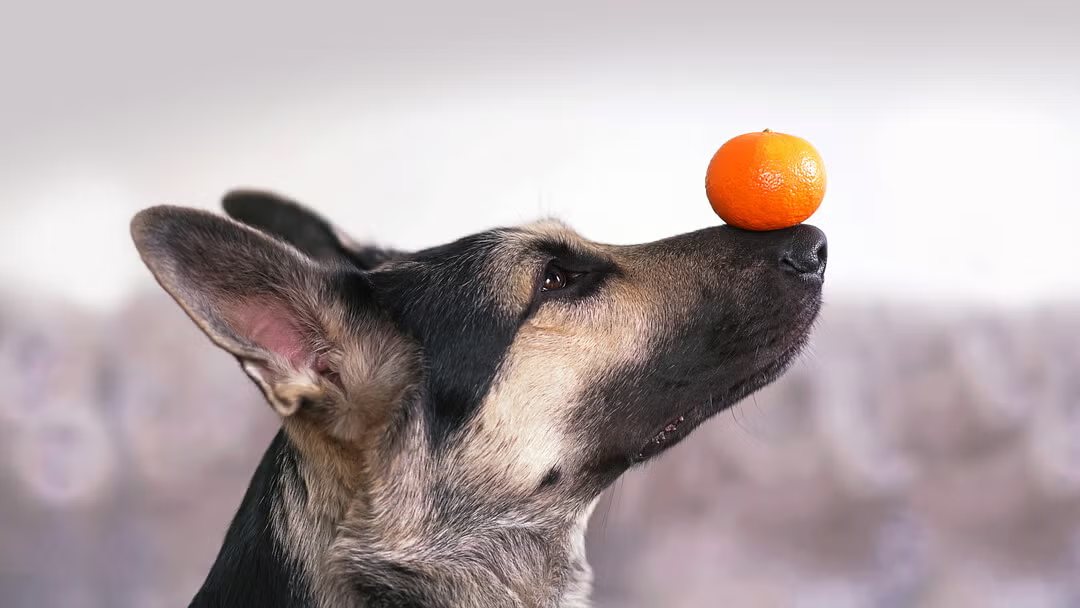
We often share our favorite fruits with our furry friends, but can dogs eat oranges? It’s a question many pet owners ask, and the answer might surprise you.
While dogs can safely enjoy oranges in moderation, it’s important to understand the potential benefits and risks. These citrus fruits are packed with vitamin C, potassium, and fiber, which can be beneficial for your pup’s health. But, too many oranges can lead to digestive issues due to their high sugar content. In this text, we’ll explore the dos and don’ts of feeding oranges to dogs, helping you make informed decisions about your pet’s diet and overall well-being.
Can Dogs Eat Oranges?
Dogs can eat oranges in moderation, but it’s crucial to prepare them correctly and limit their intake. Oranges offer several nutritional benefits for canines, including vitamin C, fiber, and potassium. But, excessive consumption can lead to digestive issues due to their high sugar content.
Safety and Non-Toxicity
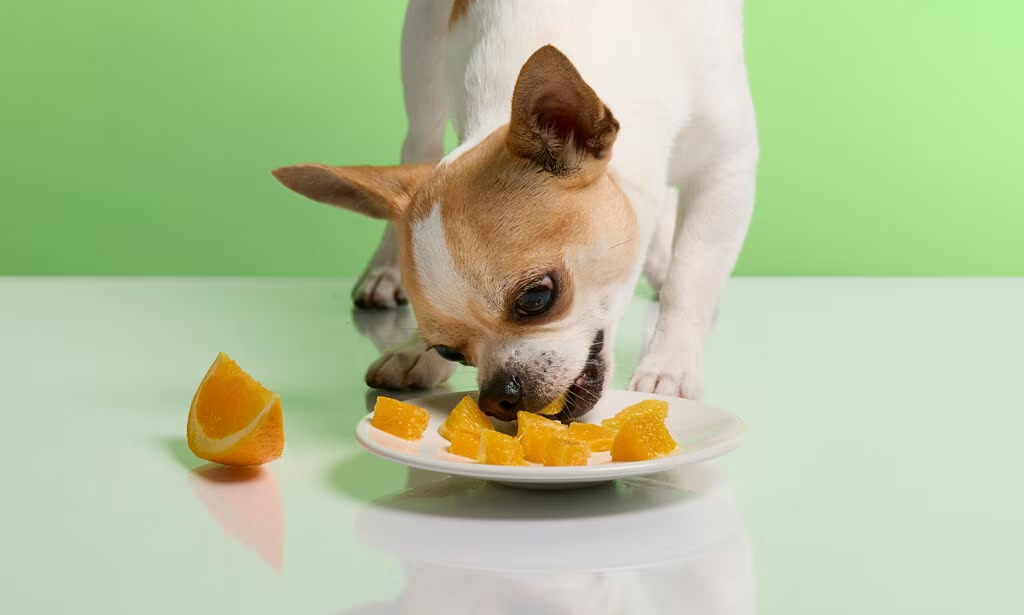
Oranges aren’t toxic to dogs, making them a safe occasional treat. The fruit’s flesh is non-poisonous and can be a tasty, nutritious snack for your furry friend. But, it’s essential to remove the peel and seeds before offering oranges to your dog.
Preparation
To safely feed oranges to your dog:
Peel the orange completely
Remove all seeds
Separate the fruit into segments
Offer small pieces as a treat
Removing the peel and seeds is crucial because they can cause gastrointestinal upset or intestinal blockages. The peel may also contain trace amounts of pesticides and essential oils harmful to dogs.
Benefits
Oranges provide several nutritional benefits for dogs:
Vitamin C: While dogs produce their own vitamin C, an extra boost can support immune function during stress or illness.
Fiber: Aids in digestion and regulates bowel movements.
Potassium: Supports muscle and nerve function.
Antioxidants: Helps protect cells from damage.
Moderation is Key
While oranges offer health benefits, it’s essential to limit their intake. Treats, including oranges, should make up no more than 10% of a dog’s daily calorie intake. This restriction helps prevent digestive upset and weight gain.
Potential Risks
Some dogs may not enjoy the tart taste or strong citrus smell of oranges. Others may eat anything offered, including the peel. It’s crucial to monitor your dog’s reaction to oranges and discontinue feeding if you notice any unusual behavior.
By following these guidelines, you can safely incorporate oranges into your dog’s diet as an occasional treat, providing them with a nutritious and enjoyable snack.
Benefits of Oranges for Dogs
Oranges offer several health benefits for dogs when given as an occasional treat. These citrus fruits are packed with essential nutrients that can support your dog’s overall well-being.
Nutritional Value
Oranges are rich in vital vitamins and minerals that contribute to a dog’s health. They contain:
Vitamin C: While dogs produce their own vitamin C, an extra boost can support immune function.
Potassium: Essential for muscle and nerve function.
Fiber: Aids in digestion and regulates bowel movements.
Calcium: Supports strong bones and teeth.
Folate: Important for cell growth and metabolism.
Vitamins B1, B2, and B3: Contribute to energy production and nervous system health.
These nutrients work together to promote metabolism, strengthen teeth and bones, and regulate organ and neural function in dogs.
Hydration and Fiber
Oranges are an excellent source of hydration and fiber for dogs. Here’s how they benefit canine health:
Hydration: With nearly 90% water content, oranges provide a refreshing and hydrating snack, especially on hot days.
Fiber: The high fiber content in oranges supports digestive health by:
Promoting regular bowel movements
Helping regulate constipation and diarrhea
Supporting overall gut health
Weight management: Due to their high water and fiber content, oranges can be a good low-calorie treat alternative for dogs on weight loss plans.
Electrolyte balance: Oranges contain important electrolytes like calcium and potassium, which help maintain proper bodily functions in dogs.
When offering oranges to dogs, remember to remove the peel and seeds, and always introduce new foods gradually to monitor for any adverse reactions.
Potential Risks of Feeding Oranges to Dogs
While oranges aren’t toxic to dogs, they can pose certain risks when consumed in excess. Let’s explore the potential dangers associated with feeding oranges to our canine companions.
High Sugar Content
Oranges contain moderate to high levels of sugar, which can be problematic for dogs. Excessive sugar intake may lead to obesity and dental issues in our furry friends. Dogs with diabetes or those at risk of developing the condition are particularly vulnerable, as the sugar in oranges can disrupt blood sugar regulation and cause health complications.
For diabetic dogs, it’s crucial to avoid oranges altogether due to their potential to spike insulin levels. Even for healthy dogs, the high sugar content in oranges should be a concern, especially if consumed regularly or in large quantities. To maintain our dogs’ overall health and prevent weight gain, it’s essential to limit their intake of sugary fruits like oranges.
Digestive Issues
Feeding oranges to dogs can sometimes result in gastrointestinal upset. The natural sugars and acidic nature of oranges may cause symptoms such as vomiting, diarrhea, and decreased appetite. Dogs with sensitive stomachs are particularly susceptible to these digestive issues.
The citric acid in oranges can also irritate a dog’s stomach, especially if consumed in large amounts. To minimize the risk of digestive problems, it’s crucial to introduce oranges slowly and in small quantities. If we notice any signs of gastrointestinal distress after feeding our dog oranges, it’s best to discontinue offering them and consult with a veterinarian.
Remember, every dog is unique, and some may be more sensitive to oranges than others. Always monitor your dog’s reaction when introducing new foods and consult with a veterinarian if you have any concerns about including oranges in your dog’s diet.
Safe Ways to Feed Oranges to Dogs
While dogs can safely enjoy oranges, it’s crucial to follow proper preparation and serving guidelines. Here’s how to safely incorporate this citrus fruit into your dog’s diet.
Proper Preparation
When feeding oranges to dogs, proper preparation is essential to ensure safety and digestibility. Start by thoroughly washing the orange to remove any pesticides or contaminants. Peel the orange completely, removing all traces of the outer skin and white pith. These parts can be difficult for dogs to digest and may contain harmful substances.
Next, carefully remove all seeds, as they pose a choking hazard and contain small amounts of cyanide compounds. Cut the orange into small, bite-sized pieces appropriate for your dog’s size. This step prevents choking and makes it easier for your dog to eat and digest the fruit. By following these preparation steps, you’ll minimize potential risks and maximize the nutritional benefits of oranges for your canine companion.
Recommended Serving Size
When it comes to feeding oranges to dogs, moderation is key. Oranges should be considered an occasional treat rather than a staple in your dog’s diet. A general guideline is to limit orange consumption to no more than 10% of your dog’s daily caloric intake.
For most dogs, this translates to 1-3 small segments of orange per day, depending on the size of your dog. Large breeds may tolerate slightly more, while smaller dogs should receive less. It’s important to introduce oranges gradually, starting with a small piece and observing your dog’s reaction. If no adverse effects occur, you can slowly increase the amount. Always monitor your dog for any signs of digestive upset, such as vomiting or diarrhea. Remember that every dog is unique, and some may be more sensitive to new foods than others. If you’re unsure about the appropriate serving size for your dog, consult with your veterinarian for personalized advice.
Orange Parts to Avoid
While oranges can be a healthy treat for dogs, certain parts of the fruit should be avoided. Let’s explore the exact components that can pose risks to our canine companions.
Peels and Seeds
Orange peels are off-limits for dogs. They’re difficult to digest and can cause gastrointestinal upset, including vomiting and diarrhea. In severe cases, peels may lead to intestinal blockages, especially in smaller dogs. Peels also contain essential oils and potential pesticide residues that are harmful to dogs. Seeds, while not toxic, are best removed before feeding oranges to dogs. They can be a choking hazard and may cause digestive discomfort. When preparing oranges for your dog, always peel the fruit completely and remove all seeds to ensure a safe treat.
Orange Juice
Orange juice isn’t toxic to dogs, but it’s not recommended as a regular treat. The high sugar content in orange juice can lead to obesity and dental problems if consumed frequently. It’s also more concentrated than whole oranges, potentially causing digestive issues due to the increased acidity. If you’re considering giving your dog orange juice, it’s best to stick with small amounts of fresh, pulp-free juice as an occasional treat. But, whole orange segments, when properly prepared, are a healthier option for dogs than juice.
Other Citrus Fruits for Dogs
When considering citrus fruits for dogs, it’s important to understand that not all citrus varieties are equally suitable. While oranges can be a safe treat in moderation, other citrus fruits have different characteristics and potential effects on canine health.
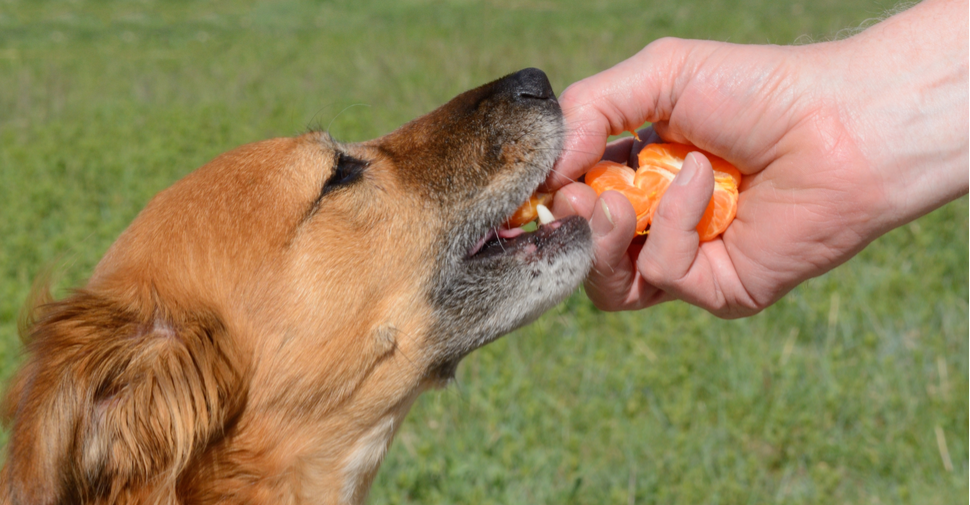
Mandarins and Tangerines
Mandarins and tangerines are smaller, sweeter relatives of oranges. Dogs can eat these fruits, but their higher sugar content requires extra caution:
Feed in smaller quantities than regular oranges
Limit to 1-2 segments for small dogs, 3-4 for larger breeds
Avoid giving to diabetic or overweight dogs
Remove peels and seeds before offering
Clementines
Clementines, another small orange variety, are safe for dogs in moderation:
Offer only small chunks or segments
Limit to occasional treats due to high sugar content
Never give dogs the peel, as it’s difficult to digest
Monitor for signs of gastrointestinal upset
Lemons and Limes
While not toxic, lemons and limes are generally not recommended for dogs:
Highly acidic nature can cause stomach upset
Most dogs dislike the tart taste and strong smell
Peels and seeds pose choking hazards
No nutritional benefits outweigh potential risks
Grapefruits
Grapefruits are safe for dogs but not typically enjoyable:
Extremely tart flavor deters most dogs
High acidity may cause digestive issues
Remove peel and seeds if offering small amounts
Monitor for adverse reactions
Citrus Juices
Citrus juices, including orange juice, are not recommended for dogs:
High sugar content without beneficial fiber
Can cause blood sugar spikes in diabetic dogs
Lack nutritional benefits of whole fruits
May lead to dental issues with regular consumption
When introducing any citrus fruit to a dog’s diet, it’s crucial to start with small amounts and observe for any adverse reactions. Always consult with a veterinarian before making important changes to a dog’s diet, especially for dogs with existing health conditions or dietary restrictions.
Conclusion
Oranges can be a safe and nutritious treat for dogs when offered in moderation. We’ve explored the benefits nutritional value and potential risks associated with feeding oranges to our canine companions. By following proper preparation guidelines and serving sizes we can ensure our dogs enjoy this citrus fruit safely. Remember to introduce oranges gradually monitor your dog’s reaction and consult with your veterinarian for personalized advice. With the right approach oranges can be a healthy addition to your dog’s diet contributing to their overall well-being and happiness.
We’ve all been there – enjoying a movie night with a big bowl of popcorn when our furry friend gives us those irresistible puppy eyes. But can dogs eat popcorn? It’s a question that’s popped up for many pet owners, and we’re here to unravel this kernelly conundrum.
While plain, air-popped popcorn isn’t toxic to dogs, it’s not exactly a nutritional powerhouse for our canine companions. Sure, it contains some minerals like magnesium and zinc, but these benefits are minimal compared to a well-balanced dog diet. We’ll explore the potential risks and benefits of sharing this popular snack with your pup, and provide guidance on safer alternatives to keep your movie nights both fun and pet-friendly.
Can Dogs Eat Popcorn?
Dogs can eat plain, air-popped popcorn in moderation. But, it’s crucial to understand the potential benefits and risks before sharing this snack with your furry friend.
Nutritional Benefits for Dogs
Popcorn offers minimal nutritional value for dogs. It contains small amounts of fiber, which can aid digestion when consumed in moderation. Popcorn also provides trace amounts of minerals like magnesium and zinc. Antioxidants present in popcorn may help combat free radicals in dogs’ bodies, potentially reducing oxidative stress. But, these benefits are negligible compared to a balanced dog diet. It’s important to note that popcorn should never replace regular dog food, which is specially formulated to meet canines’ nutritional needs.
Potential Risks and Concerns
Feeding popcorn to dogs comes with several risks. Unpopped or partially popped kernels pose a choking hazard, especially for small breeds. These kernels can also cause dental damage or intestinal blockages if swallowed. Seasonings and additives commonly found on popcorn, such as butter, salt, and sugar, are harmful to dogs. Excessive salt intake can lead to dehydration or sodium ion poisoning, while butter and oil may cause pancreatitis. Flavored popcorn varieties often contain artificial ingredients that can be toxic to dogs. Also, overconsumption of popcorn can contribute to weight gain and obesity in dogs, leading to various health issues. It’s essential to monitor portion sizes and avoid sharing popcorn as a regular treat.
Types of Popcorn to Avoid
While plain, air-popped popcorn can be safe for dogs in moderation, certain types of popcorn pose important risks to their health. It’s crucial to understand which varieties to avoid to keep our canine companions safe.
Buttered and Seasoned Popcorn
Buttered and seasoned popcorn is a no-go for dogs. Plain, air-popped popcorn may be safe in small amounts, but adding butter, salt, or other seasonings can be harmful. Butter can lead to stomach issues, obesity, or even pancreatitis in dogs. Excessive salt intake can result in salt poisoning, causing symptoms like increased thirst, vomiting, and in severe cases, seizures. Seasonings containing garlic, onions, or chives are toxic to dogs and must be avoided entirely. These ingredients can cause digestive upset and more serious health problems. To keep our furry friends safe, it’s best to stick to plain, unseasoned popcorn if sharing at all.
Kettle Corn and Caramel Popcorn
Kettle corn and caramel popcorn are definitely off-limits for dogs. These sweet varieties contain high levels of sugar and often include additional preservatives that can be harmful to our canine companions. The excessive sugar content can lead to various digestive issues in dogs, including gas, stomach pain, diarrhea, and vomiting. Also, these types of popcorn may contain ingredients that are toxic to dogs, such as chocolate or xylitol, an artificial sweetener that’s extremely dangerous for canines. Even small amounts of these substances can cause severe health problems. To ensure our dogs’ safety, it’s best to keep all flavored popcorn, especially sweet varieties like kettle corn and caramel popcorn, out of their reach.
Safe Ways to Feed Popcorn to Dogs
While plain, air-popped popcorn can be safe for dogs in moderation, it’s crucial to follow exact guidelines to ensure your furry friend’s safety. Let’s explore the proper preparation methods and recommended serving sizes for feeding popcorn to dogs.
Proper Preparation Methods
To safely feed popcorn to dogs, follow these steps:
Use an air popper: Invest in a kitchen appliance designed specifically for popping popcorn without oil.
Remove unpopped kernels: Carefully sift through the popped corn to eliminate any unpopped or partially popped kernels.
Avoid additives: Don’t add butter, salt, sugar, or any other seasonings to the popcorn.
Cool before serving: Allow the popcorn to cool completely before offering it to your dog.
Break into smaller pieces: For smaller dogs, break the popcorn into bite-sized pieces to prevent choking.
By following these preparation methods, you’ll minimize potential risks associated with feeding popcorn to your canine companion.
Recommended Serving Sizes
When offering popcorn to dogs, consider these serving size guidelines:
Small dogs (under 20 lbs): 1-3 pieces of popcorn
Medium dogs (20-50 lbs): 5-10 pieces of popcorn
Large dogs (over 50 lbs): 10-20 pieces of popcorn
Remember, popcorn should only be an occasional treat, not a regular part of your dog’s diet. Treats, including popcorn, shouldn’t exceed 10% of your dog’s daily caloric intake. Always monitor your dog when introducing new foods and consult with your veterinarian if you have concerns about your dog’s diet or nutritional needs.
Health Considerations
When considering whether dogs can eat popcorn, it’s essential to understand the health implications. While plain, air-popped popcorn isn’t toxic to dogs, there are several factors to consider before sharing this snack with your furry friend.
Choking Hazards and Dental Issues
Popcorn poses important choking risks for dogs, particularly unpopped or partially popped kernels. These hard kernels can easily become lodged in a dog’s throat or airways, leading to potentially life-threatening situations. Also, kernels can get stuck between teeth, causing discomfort and potential dental issues. Larger pieces of popped corn may also be difficult for smaller dogs to chew properly, increasing the risk of choking. To minimize these risks, we recommend removing all unpopped kernels and breaking larger pieces into smaller, manageable sizes before offering popcorn to your dog.
Corn Allergies in Dogs
Corn allergies are relatively common in dogs, and popcorn can trigger adverse reactions in sensitive individuals. Symptoms of corn allergies in dogs may include skin irritations, itching, gastrointestinal upset, and in severe cases, difficulty breathing. If you’re introducing popcorn to your dog for the first time, start with a small amount and monitor their behavior closely. Signs of an allergic reaction may include excessive scratching, vomiting, diarrhea, or changes in behavior. If you notice any of these symptoms, discontinue feeding popcorn immediately and consult your veterinarian. For dogs with known corn allergies, it’s best to avoid popcorn altogether and opt for corn-free treats and food options to ensure their health and well-being.
Alternatives to Popcorn for Dogs
While plain popcorn can be a safe occasional treat for dogs, there are healthier and safer alternatives that provide more nutritional benefits. We’ve compiled a list of dog-friendly snacks that can be used as substitutes for popcorn during movie nights or as everyday treats:
Carrots:
Low in calories and high in fiber
Rich in vitamin A for eye health
Crunchy texture helps clean teeth
2. Apple slices:
Good source of vitamins A and C
Contain antioxidants
Remove seeds and core before serving
3. Blueberries:
Packed with antioxidants
Low in calories
Can be served fresh or frozen
4. Green beans:
Low in calories and high in fiber
Good source of vitamins C and K
Can be served raw or steamed
5. Sweet potato chunks:
Rich in vitamins A, B6, and C
High in fiber
Serve cooked and plain, without seasoning
6. Pumpkin:
High in fiber and low in calories
Rich in vitamins A and C
Can aid in digestion
7. Cucumber slices:
Low in calories and high in water content
Good for hydration
Crunchy texture dogs enjoy
8. Zucchini:
Low in calories and high in fiber
Good source of vitamins C and B6
Can be served raw or cooked
9. Watermelon:
High water content for hydration
Contains vitamins A and C
Remove seeds before serving
10. Plain, air-popped rice cakes:
Low in calories
Crunchy texture similar to popcorn
Break into small pieces for easy consumption
When offering these alternatives:
Introduce new foods gradually
Serve in moderation as part of a balanced diet
Remove any seeds, pits, or cores
Cut into appropriate sizes to prevent choking
Avoid adding salt, sugar, or seasonings
Treat
Calories per serving
Key nutrients
Carrots (1 medium)
25
Vitamin A, Fiber
Apple slices (1/4 cup)
15
Vitamins A and C
Blueberries (1/4 cup)
20
Antioxidants
Green beans (1/4 cup)
10
Vitamins C and K
Sweet potato (1/4 cup cooked)
40
Vitamins A, B6, C
These alternatives provide a range of nutritional benefits while satisfying your dog’s desire for treats. They’re safer options compared to popcorn, especially for dogs with corn allergies or sensitivities. Always consult with your veterinarian before introducing new foods into your dog’s diet, particularly if your pet has exact health concerns or dietary restrictions.
Conclusion
While plain air-popped popcorn isn’t toxic to dogs it’s not an ideal treat. We’ve explored the potential risks and proper serving methods. Remember that popcorn should only be an occasional snack given in moderation. For dogs with corn allergies or those at risk of choking it’s best to avoid popcorn entirely. Instead we recommend healthier alternatives like carrots or blueberries that offer more nutritional benefits. Always consult your vet before introducing new foods to your dog’s diet to ensure their health and safety.
Did you know that dogs’ curious nature can sometimes lead to life-threatening situations? Intestinal blockages in dogs are a serious concern that every pet owner should be aware of. These obstructions can occur when our furry friends swallow foreign objects, potentially causing severe health issues if left untreated.
We’ll explore the telltale signs of intestinal blockage in dogs, helping you identify this dangerous condition early. From vomiting and loss of appetite to abdominal pain and changes in bowel movements, recognizing these symptoms could save your pup’s life. By understanding what to look for, you’ll be better equipped to seek prompt veterinary care when it matters most.
What Is an Intestinal Blockage in Dogs?
An intestinal blockage in dogs, also known as a bowel obstruction, is a serious and potentially life-threatening condition where the stomach or intestines become partially or completely blocked. This obstruction prevents the normal passage of food, water, and waste through the gastrointestinal tract.
Intestinal blockages can occur anywhere along the digestive system, from the esophagus to the large intestine. Some obstructions may pass into the esophagus but not into the stomach, while others might reach the stomach but become lodged in the intricate twists and turns of a dog’s intestines.
The most common cause of intestinal blockages in dogs is the ingestion of foreign objects. Dogs are naturally curious and may swallow a variety of items, including:
Toys
Socks
Underwear
Dish towels
Rocks
Bones
Fruit pits
String, yarn, and rope fibers are particularly dangerous as they can cause intestinal twisting, leading to a more severe form of obstruction.
In older dogs, intestinal blockages can also result from masses or tumors. Other less common causes include:
Strictures (narrowing of intestines due to scar tissue)
Adhesions (bands of scar tissue from previous surgery)
Intussusception (telescoping of the intestines)
Severe intestinal parasite infestation
Hernias
Torsion (twisting of the intestines)
Severe inflammation of the small intestines
An intestinal blockage can quickly become a medical emergency. It prevents the absorption of water and nutrients, leading to dehydration and electrolyte imbalances. Also, the obstruction can damage the intestinal wall, causing tissue death (necrosis) or even rupture of the bowel.
The severity and progression of an intestinal blockage depend on various factors, including the location of the obstruction, its size, and how long it has been present. In some cases, a blockage can become fatal in as little as 3-7 days after it occurs.
Given the serious nature of intestinal blockages in dogs, it’s crucial for pet owners to be aware of the signs and symptoms associated with this condition. Prompt recognition and veterinary intervention can make a important difference in the outcome for affected dogs.
Common Causes of Intestinal Blockages
Intestinal blockages in dogs can occur due to various reasons, with foreign objects being the most frequent culprit. Here’s a detailed look at the common causes:
Foreign Objects
Dogs’ curious nature often leads them to ingest non-food items, resulting in blockages:
Toys (especially small parts)
Bones
Rocks
Clothing (socks, underwear)
Dish towels
Fruit pits
Tampons
Linear objects (string, yarn, thread, ribbons)
Linear objects pose a particular risk as they can cause intestinal twisting, leading to severe complications.
Tumors and Masses
In older dogs, intestinal blockages may result from:
Intestinal tumors
Abnormal tissue growths
These obstructions can develop gradually, making early detection crucial.
Other Causes
While less common, these factors can also lead to intestinal blockages:
Strictures: Narrowing of intestines, often due to scar tissue
Adhesions: Bands of scar tissue from previous surgeries
Intussusception: Telescoping of intestines, where one portion slides into an adjacent section
Severe intestinal parasite infestations
Hernias
Torsion: Twisting of the intestines
Severe inflammation of the small intestines
Location of Blockages
Obstructions can occur at various points along the digestive tract:
Esophagus
Stomach
Small intestines
Large intestines
Some objects may pass partially through the digestive system before becoming lodged, while others may cause immediate obstruction.
Understanding these causes helps dog owners recognize potential risks and take preventive measures to protect their pets from intestinal blockages. Regular veterinary check-ups and prompt attention to any unusual symptoms are essential for maintaining a dog’s digestive health.
Signs and Symptoms of Intestinal Blockage
Recognizing the signs of intestinal blockage in dogs is crucial for prompt treatment. Here are the key symptoms to watch for:
Loss of Appetite
Loss of appetite is often the first noticeable sign of intestinal blockage in dogs. Dogs with blockages typically:
Show decreased interest in food
Refuse to eat their regular meals
Ignore treats they usually enjoy
May still drink water but avoid solid food
This loss of appetite occurs because the blockage prevents food from moving through the digestive system, causing discomfort and a feeling of fullness. If your dog suddenly stops eating or shows a important decrease in food intake, it’s essential to monitor them closely and consult a veterinarian, especially if other symptoms are present.
Vomiting and Diarrhea
Vomiting and diarrhea are common symptoms of intestinal blockage in dogs. These signs manifest as:
Frequent vomiting, especially after eating or drinking
Regurgitation of undigested food
Inability to keep food or water down
Diarrhea, which may be watery or contain mucus
Straining to defecate with little or no stool produced
The blockage prevents food and water from passing through the digestive tract, leading to repeated vomiting. Diarrhea may occur as the body attempts to clear the obstruction. In some cases, dogs may alternate between vomiting and diarrhea. These symptoms can quickly lead to dehydration, making it crucial to seek veterinary care promptly.
Abdominal Pain and Bloating
Dogs with intestinal blockages often experience abdominal pain and bloating. Signs include:
Visible distension of the abdomen
Tenderness when the abdomen is touched
Whining or yelping when picked up or touched around the midsection
Hunched posture or reluctance to move
Difficulty getting comfortable or lying down
The blockage causes gas and fluid to accumulate in the intestines, leading to bloating and discomfort. As pressure builds, the abdomen becomes painful to the touch. Some dogs may guard their abdomen by tensing up or showing aggression when the area is approached. These symptoms indicate a potentially serious condition requiring immediate veterinary attention.
Behavioral Changes
Intestinal blockages can cause important behavioral changes in dogs. Look for:
Lethargy or depression
Restlessness or inability to get comfortable
Increased irritability or aggression, especially when touched
Reluctance to play or exercise
Excessive drooling or lip-licking
Pacing or inability to settle
These behavioral changes occur due to the discomfort and pain associated with the blockage. Dogs may become withdrawn or unusually aggressive as they try to cope with their distress. Some may seek isolation or show signs of anxiety. If you notice sudden, unexplained changes in your dog’s behavior, particularly in combination with other symptoms, it’s important to consult a veterinarian to rule out an intestinal blockage or other serious conditions.
Diagnosis of Intestinal Blockages in Dogs
Veterinarians employ several diagnostic techniques to identify intestinal blockages in dogs. These methods help pinpoint the location, severity, and nature of the obstruction, enabling prompt and effective treatment.
Physical Examination
A thorough physical exam is the first step in diagnosing intestinal blockages. Vets assess the dog’s overall health and look for exact signs:
Palpating the abdomen to check for pain, discomfort, or unusual masses
Listening for abnormal gut sounds or lack thereof
Examining the dog’s gums for signs of dehydration
Checking vital signs, including temperature, heart rate, and respiratory rate
Blood Tests
Blood work provides crucial information about the dog’s overall health and can indicate complications from an intestinal blockage:
Complete Blood Count (CBC): Reveals infection, inflammation, or anemia
Blood Chemistry Panel: Checks for electrolyte imbalances, dehydration, and organ function
Packed Cell Volume (PCV): Assesses hydration status
Imaging Techniques
Advanced imaging plays a vital role in confirming and locating intestinal blockages:
X-rays
X-rays offer a quick overview of the abdominal cavity:
Reveal the presence of foreign objects
Show gas patterns indicative of obstruction
Identify areas of intestinal dilation
Ultrasound
Ultrasound provides a detailed view of the intestines:
Visualizes intestinal wall thickness and motility
Detects fluid accumulation
Identifies foreign objects not visible on X-rays
Contrast Studies
In some cases, contrast agents are used to enhance imaging:
Barium or iodine-based answers are administered orally or rectally
X-rays taken at intervals track the contrast agent’s progress
Helps pinpoint the exact location of the blockage
Endoscopy
Endoscopy is both a diagnostic and potential treatment tool:
A small camera attached to a flexible tube is inserted through the mouth
Allows direct visualization of the esophagus, stomach, and upper intestines
Can sometimes be used to remove foreign objects without surgery
Exploratory Surgery
In severe cases or when other methods are inconclusive, exploratory surgery may be necessary:
Provides direct access to the entire gastrointestinal tract
Allows for immediate removal of blockages
Enables assessment and treatment of any tissue damage
By utilizing these diagnostic techniques, veterinarians can accurately identify intestinal blockages in dogs, leading to prompt and appropriate treatment. Early diagnosis significantly improves the prognosis for dogs with this potentially life-threatening condition.
Treatment Options for Canine Intestinal Blockages
Treating intestinal blockages in dogs requires prompt action and careful assessment. The approach depends on the severity, location, and nature of the obstruction. Here are the main treatment options veterinarians consider:
Medical Management
Medical management is a non-surgical approach for treating intestinal blockages in dogs. It’s typically considered for partial obstructions or when the foreign object is small enough to pass through the digestive system naturally. This method involves:
Intravenous fluid therapy to maintain hydration and electrolyte balance
Medications to manage pain and reduce inflammation
Monitoring through repeated X-rays or ultrasounds to track the object’s movement
Withholding food to prevent further complications
Administering laxatives or stool softeners to help passage of the object
In some cases, induced vomiting may be attempted if the object is still in the stomach. But, this approach carries risks and is only performed under strict veterinary supervision.
Surgical Intervention
Surgical intervention is often necessary for complete intestinal blockages or when medical management fails. The procedure, known as exploratory laparotomy, involves:
Administering general anesthesia
Making an incision in the abdomen to access the digestive tract
Locating and removing the foreign object or mass
Repairing any damage to the intestinal wall
Checking for additional blockages or complications
In severe cases, a portion of the damaged intestine may need to be removed. Post-surgical care includes:
Intravenous fluids and pain management
Antibiotics to prevent infection
Gradual reintroduction of food and water
Close monitoring for potential complications
Recovery time varies depending on the severity of the blockage and the extent of the surgery. Most dogs require hospitalization for several days following the procedure.
Recovery and Prognosis
The recovery process and prognosis for dogs with intestinal blockages vary depending on the severity of the obstruction, the duration before treatment, and the chosen intervention method. We’ll explore the typical recovery timeline, potential complications, and long-term outlook for affected dogs.
Recovery Timeline
The recovery timeline for dogs with intestinal blockages differs based on whether they underwent medical management or surgical intervention:
Medical Management Recovery
Initial 24-48 hours: Dogs receive intensive care, including IV fluids and pain management.
3-5 days: Monitoring for passage of the obstruction and gradual reintroduction of small amounts of water and bland food.
7-10 days: Most dogs return to normal eating habits and activity levels.
Surgical Intervention Recovery
First 24-72 hours: Post-operative care in the hospital, including pain management and monitoring for complications.
5-7 days: Restricted activity at home, with careful monitoring of the incision site.
10-14 days: Gradual return to normal activities, with follow-up veterinary checks.
2-4 weeks: Full recovery for most dogs, barring complications.
Potential Complications
While many dogs recover successfully from intestinal blockages, some may experience complications:
Wound infections
Dehiscence (separation of surgical incision)
Peritonitis (inflammation of the abdominal lining)
Intestinal adhesions
Short bowel syndrome (if extensive intestinal resection was required)
Recurrence of obstruction
Long-Term Prognosis
The long-term prognosis for dogs that have experienced intestinal blockages is generally favorable, especially when:
Early detection and prompt treatment occur
No important complications arise during or after treatment
Proper post-treatment care and follow-up are provided
But, some factors may affect the long-term outlook:
Extent of intestinal damage: Dogs requiring extensive intestinal resection may face ongoing digestive issues.
Underlying health conditions: Pre-existing health problems can impact recovery and long-term health.
Risk of recurrence: Dogs with a history of ingesting foreign objects may be prone to future blockages.
Prevention Strategies
To minimize the risk of future intestinal blockages, we recommend implementing the following prevention strategies:
Remove small objects from the dog’s environment
Supervise playtime with toys and bones
Use puzzle feeders to slow eating and prevent swallowing large chunks of food
Regular training to discourage destructive chewing behaviors
Routine veterinary check-ups to monitor digestive health
Follow-Up Care
Proper follow-up care is crucial for ensuring a full recovery and preventing future issues:
Regular veterinary visits: Schedule check-ups to monitor healing and overall health.
Dietary management: Follow veterinary recommendations for appropriate food choices and feeding schedules.
Activity restrictions: Adhere to guidelines for gradually increasing activity levels post-treatment.
Medication compliance: Complete all prescribed medications as directed by the veterinarian.
By following these guidelines and maintaining vigilant care, most dogs can expect a positive recovery and favorable long-term prognosis after experiencing an intestinal blockage. But, it’s essential to remain attentive to any signs of recurrence or ongoing digestive issues and seek prompt veterinary care if concerns arise.
Preventing Intestinal Blockages in Dogs
Preventing intestinal blockages in dogs is crucial for their health and well-being. By implementing the following strategies, we can significantly reduce the risk of our canine companions experiencing this potentially life-threatening condition.
Secure the Environment
Creating a safe environment is the first step in preventing intestinal blockages. We recommend:
Keeping small objects out of reach
Storing toys, clothing, and household items securely
Using childproof locks on cabinets and trash cans
Regularly inspecting play areas for potential hazards
Choose Appropriate Toys
Selecting the right toys is essential for preventing intestinal blockages. We suggest:
Opting for toys that are too large to swallow whole
Avoiding toys with small, detachable parts
Regularly inspecting toys for signs of wear and tear
Replacing damaged toys promptly
Supervise Playtime
Vigilant supervision during playtime can prevent dogs from ingesting foreign objects. We advise:
Monitoring dogs closely during play sessions
Removing any objects that could be swallowed
Teaching “drop it” and “leave it” commands
Intervening immediately if a dog attempts to eat non-food items
Proper Training and Obedience
Training plays a crucial role in preventing intestinal blockages. We recommend:
Teaching dogs not to chew on inappropriate items
Reinforcing good behavior with positive rewards
Consistently correcting unwanted behavior
Seeking professional help for persistent chewing issues
Dietary Management
Proper diet and feeding practices can help prevent intestinal blockages. We suggest:
Feeding appropriately sized kibble or wet food
Avoiding bones or treats that can splinter
Using puzzle feeders to slow down eating
Providing plenty of fresh water to aid digestion
Regular Exercise
Adequate exercise can reduce destructive behavior that may lead to intestinal blockages. We advise:
Providing daily walks and play sessions
Offering mental stimulation through games and training
Adjusting exercise routines based on age and breed
Consulting with a veterinarian for personalized exercise plans
Routine Veterinary Check-ups
Regular veterinary visits are essential for early detection and prevention of intestinal issues. We recommend:
Scheduling annual wellness exams
Discussing any changes in behavior or eating habits
Staying up-to-date on deworming treatments
Following veterinary advice on preventive care
Breed-Exact Considerations
Some dog breeds are more prone to intestinal blockages. We suggest:
Researching breed-exact risks and tendencies
Implementing targeted prevention strategies for high-risk breeds
Consulting breed-exact forums or clubs for advice
Working closely with veterinarians familiar with breed-exact issues
By following these preventive measures, we can significantly reduce the risk of intestinal blockages in our canine companions. But, it’s important to remain vigilant and seek immediate veterinary care if any signs of intestinal blockage occur, as early intervention is crucial for successful treatment and recovery.
Conclusion
Intestinal blockages in dogs are serious but manageable with prompt action. We’ve explored the signs symptoms and treatment options for this condition. By staying vigilant and implementing preventive measures we can safeguard our furry friends from this potentially life-threatening issue. Remember early detection and swift veterinary care are crucial for a positive outcome. Let’s prioritize our dogs’ digestive health through regular check-ups proper diet and a safe environment. With knowledge and proactive care we can ensure our canine companions lead happy healthy lives free from the dangers of intestinal blockages.
Have you ever heard of a dog breed with a name as unique as its heritage? Meet the Potcake Dog, a lovable companion with roots in the Caribbean islands. These charming canines have captured the hearts of many with their friendly nature and adaptable personality.
Potcake Dogs originated in the Bahamas and Turks and Caicos Islands, where they earned their quirky name from the local practice of feeding them the caked remains of cooking pots. We’ll explore how these resilient pups have evolved from island strays to beloved family pets, known for their intelligence, loyalty, and gentle temperament. Throughout this article, we’ll investigate into their fascinating history, distinctive characteristics, and why they might be the perfect addition to your home.
What Is a Potcake Dog?
A Potcake dog is a mixed-breed canine native to several Caribbean islands, including the Bahamas and Turks & Caicos. These unique dogs derive their name from a local culinary tradition and have a fascinating history that spans centuries.
Origin and Name
Potcake dogs emerged from a diverse lineage of canines brought to the Caribbean by various groups. Their ancestry includes dogs introduced by the Arawak people, terriers used for pest control on ships, and dogs that arrived with Loyalists during the American Revolutionary War. The name “Potcake” originates from the local practice of feeding these dogs the congealed rice mixture or leftovers from the bottom of cooking pots, known as “potcakes.” This dish, typically made of seasoned rice and pigeon peas, became so common that its remnants became a staple food for the island dogs, eventually giving them their distinctive moniker.
Breed Characteristics
Potcake dogs are known for their exceptional versatility and adaptability, making them ideal companions for various living situations. These intelligent canines are quick learners, responding well to training and easily fitting into different lifestyles. Potcakes typically exhibit a friendly nature, often displaying patience and gentleness, especially with children. Their social demeanor extends to other pets, provided they receive proper socialization from an early age.
In terms of appearance, Potcake dogs can vary widely due to their mixed heritage. But, they generally have a medium build, short coats, and expressive eyes. Their sizes range from small to medium, with adults typically weighing between 35 to 55 pounds. Coat colors can include various shades of brown, black, and white, often in unique combinations.
Potcakes are known for their loyalty and affection towards their owners, forming strong bonds with their families. They thrive in environments where they’re treated as part of the family, enjoying interaction and participation in daily activities. While generally calm, these dogs can be alert and protective of their home and loved ones, showcasing a balanced mix of affection and watchfulness.
Their adaptability extends to different living spaces, from apartments to houses with yards, making them a flexible choice for many potential dog owners. But, like all dogs, Potcakes benefit from regular exercise and mental stimulation to maintain their physical and emotional well-being.
History and Background
Potcake dogs have a rich history deeply rooted in Caribbean culture. These unique mixed-breed canines originated in the Bahamas and Turks & Caicos Islands, evolving from a diverse lineage of dogs brought by various settlers and travelers.
Caribbean Island Roots
Potcake dogs are native to the Bahamas and Turks & Caicos Islands, where they’ve thrived for centuries. Their name comes from the local practice of feeding them leftover “potcake” – a hardened mixture of rice, peas, and meat scraped from cooking pots. This culinary tradition shaped not only their name but also their adaptability to survive on limited resources.
The breed’s ancestry is a fascinating mix, including dogs brought by:
Arawak people (indigenous inhabitants)
Spanish settlers
British Loyalists fleeing the American Revolutionary War
Sailors and merchants (who introduced terriers for rodent control)
This diverse genetic pool resulted in the resilient, intelligent Potcake dogs we know today. Their ability to adapt to various environments and their friendly nature have made them beloved companions throughout the Caribbean.
Overpopulation Issues
Potcake dogs face important overpopulation challenges in their native islands. The lack of widespread spay and neuter programs has led to uncontrolled breeding, resulting in large populations of stray dogs. Key factors contributing to this issue include:
Limited resources for animal control
Cultural attitudes towards pet ownership
Insufficient veterinary care in remote areas
To address these problems, several organizations have initiated:
Spay and neuter clinics
Adoption programs (both local and international)
Education initiatives on responsible pet ownership
These efforts aim to manage the Potcake population humanely while preserving the breed’s unique characteristics. Even though challenges, Potcake dogs continue to capture hearts with their resilience and affectionate nature, both in their Caribbean homeland and beyond.
Potcake Dog Temperament
Potcake dogs are known for their exceptional temperament, combining intelligence, loyalty, and adaptability. These unique Caribbean canines possess a blend of traits that make them stand out as versatile companions.
Personality Traits
Potcake dogs exhibit a remarkable mix of intelligence, loyalty, and affection. They’re quick learners, responding well to positive reinforcement training methods. Their adaptability allows them to thrive in various environments, from tropical climates to snowy conditions. Potcakes display a balanced energy level, capable of being both playful and calm. They enjoy activities like running, playing fetch, and following scents, showcasing their athletic abilities. These dogs are also known for their alertness, often serving as effective watchdogs while maintaining their friendly nature. Their eagerness to please and strong bond with owners make them devoted companions.
Suitability for Families
Potcake dogs excel as family pets due to their gentle and sociable nature. They’re typically patient and gentle with children, making them ideal playmates. Their friendly demeanor extends to other pets, promoting harmonious households when properly socialized. Potcakes thrive on family interaction, eagerly participating in activities and enjoying being part of daily routines. Their adaptability suits various living situations, from apartments to houses with yards. While protective of their home and loved ones, they maintain a balanced temperament. Early socialization is crucial for developing their social skills and ensuring comfort around new people and animals. With their mix of affection and watchfulness, Potcake dogs integrate seamlessly into family life, providing companionship and security.
Physical Characteristics
Potcake dogs exhibit a diverse range of physical traits due to their mixed-breed heritage. These Caribbean canines possess unique features that make them stand out among other dog breeds.
Appearance and Size
Potcake dogs typically have a medium to large build, with males weighing 45-55 pounds and females 35-45 pounds. They stand 22-24 inches tall at the shoulder. Their appearance varies, but common features include:
Floppy or erect ears
Long faces with expressive almond-shaped eyes
Terrier-shaped faces and hound-like rib cages
Smooth, short coats (some may have longer or rougher fur)
Diverse coat colors: black, brown, tan, white, and brindle patterns
These dogs often display traits from shepherds, retrievers, terriers, and spaniels, resulting in a unique and appealing look. Their distinctive physical characteristics reflect their mixed ancestry and contribute to their charm as Caribbean companion animals.
Hip dysplasia: A common concern in medium to large-sized dogs
Heartworm disease: Prevalent in tropical climates
Skin allergies: Due to environmental factors in their native islands
Dental problems: Regular teeth cleaning is essential
To maintain optimal health:
Schedule regular veterinary check-ups
Provide a balanced diet suitable for their size and activity level
Ensure proper vaccinations and parasite prevention
Engage in regular exercise to maintain a healthy weight
While Potcakes are generally hardy, their mixed-breed nature can lead to unexpected health issues. Responsible ownership, including proper care and attention to their exact needs, helps ensure these Caribbean dogs lead long, healthy lives.
Care and Maintenance
Potcake dogs require attentive care and maintenance to thrive. We’ll explore their dietary needs, exercise requirements, and grooming essentials to ensure these resilient Caribbean canines stay healthy and happy.
Diet and Nutrition
Potcake dogs need a balanced diet customized to their size, age, and activity level. A high-quality dog food rich in protein, with a proper balance of carbohydrates and healthy fats, forms the foundation of their nutrition. Adult Potcakes typically require two meals daily, while puppies may need more frequent feeding. Fresh water should be available at all times.
When selecting food for Potcakes, consider:
Protein sources: Chicken, fish, or lamb as primary ingredients
Grain-free options for dogs with sensitivities
Appropriate portion sizes to maintain a healthy weight
Avoiding table scraps and human food, which can lead to obesity
Incorporating supplements if recommended by a veterinarian
Regular monitoring of your Potcake’s weight and adjusting food intake accordingly helps prevent obesity-related health issues. Consult with a veterinarian to develop a personalized nutrition plan that meets your Potcake’s exact needs.
Exercise Requirements
Potcake dogs possess a moderate energy level, requiring regular exercise to maintain physical and mental well-being. Daily activities should include:
30-60 minutes of moderate exercise
Brisk walks or jogs
Playtime in a securely fenced yard
Interactive games like fetch or tug-of-war
Mental stimulation through puzzle toys or training sessions
Exercise routines for Potcakes should consider:
Age and health status of the dog
Weather conditions, especially in hot climates
Variety in activities to prevent boredom
Gradual increase in intensity for puppies or senior dogs
Socialization opportunities with other dogs or people
Regular exercise helps prevent behavioral issues stemming from boredom or excess energy. It also strengthens the bond between Potcakes and their owners, promoting a happy, well-adjusted pet.
Grooming Needs
Potcake dogs have relatively low-maintenance grooming requirements, but regular care is essential for their overall health. Their short, smooth coats benefit from:
Daily teeth brushing or dental chews for oral health
Additional grooming considerations include:
Checking for skin issues or parasites during brushing sessions
Using a damp cloth to wipe eyes and remove any discharge
Adjusting grooming frequency during shedding seasons
Professional grooming services for thorough cleaning and coat maintenance
Consistent grooming not only keeps Potcakes looking their best but also allows owners to detect any health concerns early. Establishing a grooming routine from a young age helps Potcakes become comfortable with handling, making future veterinary visits less stressful.
Adoption and Rescue
Adopting a Potcake dog offers a chance to provide a loving home to a unique and resilient breed. These Caribbean canines are available through specialized rescue organizations and adoption processes designed to ensure the best match between dog and owner.
Rescue Organizations
Potcake Place K9 Rescue, located in Providenciales, Turks & Caicos Islands, stands out as a prominent non-profit organization dedicated to rescuing Potcake dogs. This charity focuses on reducing the number of homeless Potcakes on the island through adoption efforts. They place 100% of their rescues in approved, screened homes across the Turks and Caicos Islands and North America. Potcake Place relies entirely on donations and volunteers to operate, highlighting the community-driven nature of Potcake rescue efforts. Other organizations in the Bahamas and Caribbean islands also work tirelessly to rescue and rehome these special dogs, contributing to the overall welfare of the Potcake population.
Adoption Process
The adoption process for Potcake dogs involves several key steps to ensure a successful match. Initially, potential adopters research reputable rescue centers or adoption agencies specializing in Potcake dogs. It’s crucial to assess lifestyle compatibility, ensuring your home and habits suit a Potcake’s needs. Understanding the long-term responsibilities of dog ownership is essential before committing to adoption. Preparing your home for the new arrival includes setting up a welcoming environment with essential supplies.
Many rescue organizations conduct thorough screenings of potential adopters, which may include home visits, reference checks, and interviews. This process helps ensure that Potcakes are placed in suitable, loving homes. Patience is key during the adoption process, as it allows time for proper adjustment and bonding. Educating yourself about the breed’s exact needs and characteristics is also crucial for a successful adoption experience.
Potcake Dogs in Modern Culture
Potcake dogs have evolved from Caribbean strays to beloved companions, gaining recognition worldwide. Their unique history and characteristics have shaped their role in modern culture, both locally and globally.
Local Impact
Potcake dogs significantly influence Caribbean communities, particularly in the Bahamas and Turks and Caicos Islands. These islands face challenges with stray dog populations, often comprising potcakes. Local organizations have implemented spay and neuter programs to address overpopulation issues. Potcakes play a crucial role in island ecosystems, adapting to various environments from beaches to urban areas. Their presence has sparked tourism initiatives, with some visitors participating in “Potcake Puppy Therapy” programs. These dogs have become cultural icons, featured in local art, literature, and even on postage stamps, reflecting their deep integration into island life and identity.
Global Recognition
Potcake dogs have garnered international attention, transcending their Caribbean origins. Animal welfare organizations worldwide have initiated adoption programs, facilitating the relocation of potcakes to homes across North America and Europe. Celebrity endorsements and social media campaigns have raised awareness about these unique dogs, leading to increased adoption rates. Potcakes have been featured in documentaries and news segments, highlighting their resilience and adaptability.
Their mixed-breed status aligns with growing preferences for rescue dogs, appealing to adopters seeking distinctive pets with rich backgrounds. This global recognition has not only benefited potcakes but also raised awareness about responsible pet ownership and the importance of supporting animal welfare initiatives in developing regions.
Conclusion
Potcake dogs have captured our hearts with their unique charm and resilient spirit. From their humble Caribbean origins to their growing popularity worldwide these loyal companions embody adaptability and affection. We’ve explored their rich history distinctive traits and the challenges they face. By adopting or supporting Potcake dogs we’re not just gaining a loving pet but also contributing to animal welfare efforts. Their journey from island strays to beloved family members showcases the groundbreaking power of compassion and responsible pet ownership.
Have you ever wondered why your furry friend seems obsessed with licking your feet? It’s a common behavior that can range from amusing to downright ticklish, but it’s more than just a quirky habit. In fact, when your dog licks your feet, they’re captivating in a complex form of communication and bonding.
We’ll explore the fascinating reasons behind this peculiar canine behavior. From showing affection to seeking attention, there’s a lot more to those wet, slobbery kisses than meets the eye. We’ll investigate into the science behind your dog’s powerful sense of smell and taste, and how it plays a role in their foot-licking tendencies. By understanding this behavior, we can strengthen our bond with our four-legged companions and better interpret their needs.
Why Dogs Lick Human Feet
Dogs licking human feet is a common behavior that often puzzles pet owners. This action serves multiple purposes and is deeply rooted in canine instincts and communication. Let’s explore the science behind this behavior and how it relates to canine communication.
The Science Behind Foot Licking
Dogs have a highly developed sense of smell and taste, enhanced by a special organ called the Jacobson’s organ. This organ connects their nasal cavity to the roof of their mouth, allowing them to simultaneously taste and smell. Human feet, being sweaty and salty, provide a rich source of sensory information for dogs. The combination of scents and tastes from feet can be particularly appealing to our canine companions, triggering their natural instinct to investigate through licking.
Licking is a fundamental form of communication for dogs, rooted in their early development. Puppies experience licking from their mothers as a means of cleaning, nurturing, and bonding. As dogs grow, they continue to use licking as a way to express themselves and interact with their environment.
When dogs lick human feet, they’re often communicating various messages:
Affection: Foot licking can be a sign of love and bonding, similar to how dogs lick their puppies.
Attention-seeking: Dogs may lick feet to initiate interaction or playtime with their owners.
Submission: In some cases, licking feet can be a submissive gesture, acknowledging the owner’s authority.
Stress relief: The act of licking can have a calming effect on dogs, helping them cope with anxiety or excitement.
Understanding these communication signals can help pet owners better interpret their dog’s needs and strengthen the bond between them. While foot licking is generally harmless, it’s important to monitor the behavior and ensure it doesn’t become excessive or compulsive.
Common Reasons for Foot Licking
Dogs lick their owners’ feet for various reasons, each rooted in their natural instincts and behaviors. Let’s explore the most common explanations for this intriguing canine habit.
Seeking Attention or Affection
Dogs often lick feet as a way to seek attention or show affection. This behavior serves as a communication tool, indicating their desire for interaction or bonding with their owners. When a dog licks your feet, it’s likely trying to convey its need for attention or express its love. Foot licking can become a learned behavior if owners respond positively, even unintentionally. For instance, laughing or speaking to the dog while it licks your feet reinforces the action, associating it with positive interaction. This creates a cycle where the dog continues to lick feet as a reliable method of gaining attention and affection from its human companions.
Exploring Scents and Tastes
Dogs possess a highly developed sense of smell and taste, enhanced by the Jacobson’s organ. This unique structure connects their nasal cavity to the roof of their mouth, allowing them to process scents more thoroughly. Human feet are a rich source of olfactory information, emitting various scents, including pheromones and sweat. The salt content in sweat is particularly appealing to dogs, making feet an attractive target for licking. By licking feet, dogs gather valuable information about their environment and their owners. This behavior satisfies their natural curiosity and helps them understand the industry around them through scent and taste, making foot licking an important sensory experience for our canine companions.
Social Bonding Behavior
Foot licking plays a important role in social bonding for dogs. In canine packs, mutual grooming is a common behavior that strengthens relationships and establishes social hierarchies. When dogs lick their owners’ feet, they’re often replicating this natural bonding ritual. It’s their way of showing respect, affection, and a desire to be close to their human family members. For smaller dogs or puppies, feet might be the most accessible part of their owners to reach, making them a prime target for this bonding behavior. By captivating in foot licking, dogs are essentially treating their human companions as part of their pack, reinforcing the social bond between pet and owner.
Stress Relief and Comfort
Dogs may turn to foot licking as a method of stress relief and comfort-seeking. The act of licking releases endorphins in a dog’s brain, creating a calming effect that can help alleviate anxiety or stress. In situations where a dog feels uneasy or overwhelmed, licking their owner’s feet can serve as a self-soothing mechanism. This behavior might be more noticeable during times of change, such as moving to a new home or when encountering unfamiliar situations. Also, the familiar scent of their owner’s feet can provide a sense of security and comfort. While occasional foot licking for stress relief is normal, excessive or compulsive licking might indicate underlying anxiety issues that require attention from a veterinarian or animal behaviorist.
Is It Okay to Let Your Dog Lick Your Feet?
Allowing your dog to lick your feet is generally harmless and can even strengthen your bond. But, there are potential health concerns and situations where excessive licking may indicate underlying issues.
Potential Health Concerns
While dog saliva isn’t inherently harmful, it can pose some risks. Dogs’ mouths harbor bacteria that may cause infections if they come into contact with open wounds or cuts on your feet. Also, if you’ve applied topical medications, such as psoriasis creams, allowing your dog to lick your feet could be dangerous for them. It’s crucial to ensure your feet are healthy and free from any substances that could be toxic to your pet.
For individuals with compromised immune systems, extra caution is necessary. The bacteria in dog saliva, while typically harmless to healthy individuals, could potentially lead to more serious infections in immunocompromised people. In these cases, it’s best to consult with a healthcare professional about the safety of allowing your dog to lick your feet.
When Foot Licking Becomes Excessive
Occasional foot licking is normal dog behavior, but excessive licking can be a cause for concern. If your dog becomes obsessed with licking your feet, it may indicate underlying issues such as anxiety, boredom, or a need for attention. Excessive licking can also be a sign of compulsive behavior, which may require professional intervention.
To address excessive foot licking:
Observe your dog’s behavior closely to identify potential triggers or patterns.
Ensure your dog receives adequate mental and physical stimulation through regular exercise and playtime.
Use positive reinforcement techniques to redirect your dog’s attention when they start licking excessively.
Maintain good foot hygiene to make your feet less appealing to your dog.
If the behavior persists, consult with a veterinarian or a professional dog behaviorist to rule out any underlying medical conditions or address potential anxiety issues.
Remember, while foot licking is often harmless, it’s essential to monitor the behavior and ensure it doesn’t negatively impact your dog’s well-being or your own comfort.
How to Stop Your Dog from Licking Your Feet
While foot licking is often harmless, excessive licking can become problematic. Here are effective strategies to curb this behavior and maintain a healthy relationship with your canine companion.
Redirecting the Behavior
Redirecting your dog’s foot-licking behavior is key to breaking the habit. When your dog starts licking your feet, offer an alternative activity or toy. Use chew toys, puzzle feeders, or lick mats to provide a more appropriate outlet for their licking instinct. Consistently redirect their attention each time they attempt to lick your feet. This technique helps your dog associate the urge to lick with a different, more acceptable behavior. Over time, they’ll learn that licking feet isn’t as rewarding as the alternatives you provide. Remember, patience and consistency are crucial in successfully redirecting this behavior.
Using Positive Reinforcement
Positive reinforcement is a powerful tool in modifying your dog’s behavior. Reward your dog with treats, praise, or affection when they refrain from licking your feet. This creates a positive association with not licking. Use a command like “leave it” when they approach your feet, and reward them immediately when they comply. Gradually increase the duration they must wait before receiving the reward. Avoid punishing or scolding your dog for licking, as this can increase anxiety and reinforce the behavior. Instead, focus on rewarding the desired behavior to encourage its repetition.
Providing Mental and Physical Stimulation
A well-exercised and mentally stimulated dog is less likely to engage in excessive licking. Increase your dog’s daily exercise through walks, runs, or playtime in the yard. Engage them in interactive games like fetch or tug-of-war. Provide puzzle toys and treat-dispensing toys to keep their mind active. Consider obedience training or agility exercises to challenge them mentally and physically. Regular grooming sessions can also satisfy their need for physical contact and attention. By ensuring your dog’s physical and mental needs are met, you reduce the likelihood of them seeking stimulation through foot licking.
When to Be Concerned About Foot Licking
While occasional foot licking is normal, excessive or compulsive licking can indicate underlying issues. We’ll explore signs of health problems and compulsive behaviors to help you determine when to seek professional help.
Signs of Underlying Health Issues
Excessive foot licking may signal underlying health problems in dogs. Look for these warning signs:
Changes in appetite or lethargy
Skin irritation, redness, or swelling
Wounds or bare spots from excessive licking
Whining or scratching while licking
Unusual behaviors accompanying the licking
If you notice any of these symptoms, it’s time to consult your veterinarian. They can rule out medical conditions and address the root cause of your dog’s discomfort. Potential health issues include allergies, infections, or pain in the paws or other body parts.
Compulsive Licking Behaviors
Compulsive licking is characterized by:
Frequent, prolonged licking sessions
Difficulty interrupting the behavior
Licking that interferes with daily activities
Signs of stress or anxiety during licking
https://youtu.be/YHXFELudJmo
Compulsive behaviors often stem from stress, anxiety, or boredom. If your dog’s foot licking appears obsessive, consider these factors:
Recent changes in environment or routine
Lack of mental or physical stimulation
History of anxiety or stress-related behaviors
To address compulsive licking:
Identify and remove potential triggers
Provide mental and physical enrichment
Use positive reinforcement to redirect behavior
Consider consulting a professional dog behaviorist
Remember, compulsive behaviors may require professional intervention. If the licking persists even though your efforts, consult your veterinarian or a certified animal behaviorist for customized guidance and treatment options.
Conclusion
Dogs licking our feet is a fascinating behavior rooted in their instincts and communication methods. We’ve explored the various reasons behind this quirky habit from affection to stress relief. Understanding why our furry friends engage in foot licking can help us better interpret their needs and strengthen our bond with them.
While generally harmless it’s important to monitor this behavior for any excessive or compulsive tendencies. By implementing positive reinforcement techniques and providing mental and physical stimulation we can guide our dogs towards more appropriate behaviors. Remember if you’re concerned about your dog’s foot-licking habits consulting with a veterinarian or professional behaviorist is always a wise choice.
Have you ever heard of a dog breed that’s as rare as it’s beautiful? Meet the Blue Lacy, a medium-sized working dog with a fascinating history and a unique appearance. Originating in Texas in the mid-1800s, this breed carries a rare blue-color gene that sets it apart from other canines.
We’ll explore the Blue Lacy’s distinctive traits, from its sleek, glossy coat to its striking almond-shaped eyes. Known for their high energy and intelligence, these dogs are more than just pretty faces. They’re hardworking companions with a rich heritage in herding and droving livestock. Whether you’re a potential owner or simply curious about unique dog breeds, you’ll find the Blue Lacy’s story captivating.
What Is a Blue Lacy?
The Blue Lacy is a medium-sized working dog breed that originated in Texas during the mid-19th century. Developed by the Lacy brothers (Frank, George, Ewin, and Harry) in Burnet County, Texas, in 1858, this versatile breed was created to assist with various ranch tasks, including herding and hunting.
Physical Characteristics
Blue Lacys are known for their distinctive appearance:
Size: They typically stand 18 to 25 inches (46 to 64 cm) tall at the withers.
Weight: Females weigh 25 to 55 pounds (11 to 25 kg), while males range from 35 to 55 pounds (16 to 25 kg).
Coat: Their short, smooth, and tight coat comes in three permissible colors:
Blue: Any shade of gray from light silver to dark charcoal
Red: Ranging from light cream to rust
Tri-colored: A blue base with distinct red markings
Markings: White markings may appear on the brisket, stomach, and paws.
Eyes: Bright and distinctive, ranging from bright yellow to rich amber.
Temperament and Abilities
Blue Lacys are renowned for their:
High energy levels
Intelligence
Trainability
Strong work ethic
These traits make them excellent working dogs, particularly suited for:
Herding livestock (including cattle and hogs)
Hunting
Ranch work
Watchdog duties
Their adaptability and quick learning abilities allow them to handle various tasks efficiently. But, these same traits make them unsuitable for apartment living or novice owners due to their high intensity and energy requirements.
Recognition and Breed Status
The Blue Lacy is officially recognized by the National Kennel Club (NKC). In Texas, it holds a special status as the official State Dog Breed, acknowledging its deep roots in Texan history and culture.
Characteristic
Rating
Affection Level
Medium
Friendliness
Medium
Kid-Friendly
High
Pet-Friendly
Medium
Exercise Needs
High
Playfulness
High
Energy Level
High
Trainability
High
Intelligence
High
Tendency to Bark
Medium
Amount of Shedding
Low
The Blue Lacy’s unique combination of physical attributes, temperament, and working abilities make it a fascinating breed for those interested in active, intelligent dogs with a strong working heritage.
History and Origin of the Blue Lacy
The Blue Lacy, also known as the Lacy Dog or Texas Blue Lacy, boasts a rich history deeply rooted in the Lone Star State. This unique breed emerged in the mid-19th century, specifically designed to meet the demands of Texas ranchers and hunters.
Founding Brothers
The Blue Lacy’s story begins with the Lacy brothers: Frank, George, Ewin, and Harry. In 1858, these enterprising siblings migrated from Kentucky to Texas, settling in Burnet County. The brothers established themselves in the granite hills near Marble Falls, in the heart of the Texas Hill Country.
Breed Development
Recognizing the need for a versatile working dog, the Lacy brothers set out to create a breed that could handle the diverse tasks of ranch life. They aimed to develop a dog with:
Herding capabilities for free-roaming hogs and cattle
Tracking and treeing skills for small game
Hunting prowess for wild deer and hogs
Watchdog abilities for homestead protection
To achieve these goals, the Lacy brothers crafted a unique genetic blend. They combined:
Greyhounds: For speed and agility
Scenthounds: To enhance tracking abilities
Coyotes: To add intelligence and adaptability
While the exact type of scenthound used remains a topic of debate, theories suggest the inclusion of breeds such as:
Redbone hounds
Italian Greyhounds
July hounds
This carefully curated mix resulted in a dog breed perfectly suited to the demanding Texas environment and the diverse needs of ranchers and hunters.
Recognition and Legacy
The Blue Lacy quickly gained popularity among Texas ranchers, proving its worth in various working roles. It’s said that one Blue Lacy could perform the work of five cowboys, showcasing the breed’s exceptional efficiency and versatility.
Key milestones in the Blue Lacy’s history include:
Year
Event
Mid-1800s
Breed development by the Lacy brothers
1975
Concerted efforts to preserve the breed begin
2005
Blue Lacy named the official state dog of Texas
Even though a period of decline as the demand for ranch dogs decreased, dedicated breeders and enthusiasts worked tirelessly to preserve this unique Texas heritage. Their efforts paid off, leading to the Blue Lacy’s official recognition and its status as a symbol of Texas’s rich ranching history.
Today, the Blue Lacy remains primarily associated with Texas, rarely found outside the state. This geographic concentration has helped maintain the breed’s original characteristics and working abilities, ensuring that modern Blue Lacys still embody the vision of their creators, the Lacy brothers.
Physical Characteristics
The Blue Lacy boasts distinct physical traits that make it an ideal working dog. Let’s explore the size, build, coat, and colors that define this unique breed.
Size and Build
Blue Lacys are medium-sized dogs with a light, balanced, yet powerful build. They stand between 18 to 25 inches (46 to 64 cm) in height, with males typically being larger than females. These dogs weigh between 25 to 50 pounds (11 to 23 kg), with females generally on the lighter end of the spectrum. Their physique indicates great speed, strength, and dexterity, making them well-suited for various working tasks. The breed’s athletic build allows them to excel in activities such as herding, hunting, and ranch work, showcasing their versatility as a working breed.
Coat and Colors
Blue Lacys have a short, smooth, and sleek coat that’s low maintenance and requires minimal grooming. Even though their name, these dogs come in three distinct color varieties:
Blue: Any shade of gray from light silver to dark charcoal
Red: Ranges from light cream to rust
Tri-colored: Combines a blue base with distinct red markings
All Blue Lacys possess the blue-color gene, regardless of their coat color. White markings are common on the chest, stomach, and paws, but excessive white is discouraged. The breed’s coat colors often accentuate their sharp, alert eyes, which range from bright yellow to rich amber. It’s worth noting that an excessively long or rough coat is considered a disqualification in the breed standard. Blue Lacys shed an average amount, with heavier shedding occurring seasonally.
Temperament and Personality
Intelligence and Trainability
Blue Lacys are highly intelligent dogs with exceptional trainability. These quick learners respond well to positive reinforcement techniques, making them a joy to work with for experienced handlers. We’ve found that Blue Lacys excel in obedience training, picking up new commands rapidly and eagerly. Their keen intelligence extends beyond simple obedience, as they’re capable of learning complex tasks and solving problems efficiently.
But, it’s important to note that Blue Lacys are sensitive to harsh training methods. We recommend using rewards-based training approaches to get the best results. Consistency and patience are key when working with these intelligent canines. Their sensitivity also means they’re attuned to their owner’s emotions, making them excellent companions for those who appreciate a dog that’s in tune with their moods.
Energy and Activity Level
Blue Lacys are renowned for their high energy levels and need for constant activity. These dogs aren’t content with a leisurely stroll around the block; they require vigorous daily exercise to maintain their physical and mental well-being. We’ve observed that Blue Lacys thrive when given ample opportunities to run, play, and engage in challenging activities.
Ideal activities for Blue Lacys include:
Long runs or hikes
Agility training
Fetch games
Swimming
Herding exercises
Without sufficient physical and mental stimulation, Blue Lacys may become restless and potentially destructive. We recommend at least 1-2 hours of intense exercise daily to keep these energetic dogs happy and balanced.
Work Ethic and Drive
The Blue Lacy’s work ethic is deeply ingrained in their DNA, reflecting their origins as versatile ranch dogs in Texas. These dogs possess an unwavering dedication to their tasks, whether it’s herding livestock, tracking game, or assisting in various farm duties. We’ve found that Blue Lacys approach their work with enthusiasm and determination, often going above and beyond to complete their assigned tasks.
Their strong work drive makes Blue Lacys excellent partners for:
Ranchers and farmers
Hunters
Search and rescue teams
Law enforcement agencies
It’s worth noting that this intense work drive can be challenging in a typical family setting. Blue Lacys need a job to do, and without proper outlets for their energy and intelligence, they may become bored and potentially problematic. We recommend providing these dogs with regular, structured activities that simulate work environments to keep them mentally stimulated and physically satisfied.
To conclude, the Blue Lacy’s temperament and personality are characterized by their exceptional intelligence, high energy levels, and strong work ethic. These traits make them ideal working dogs but also require owners who can provide ample exercise, mental stimulation, and purposeful activities. With the right environment and training, Blue Lacys can be loyal, affectionate, and highly capable companions.
Care Requirements
Blue Lacy dogs require dedicated care to thrive. Their high energy levels and intelligence demand exact attention to exercise, grooming, and nutrition. Here’s what you need to know about caring for these vibrant working dogs.
Exercise Needs
Blue Lacys have high exercise requirements due to their energetic nature. They need at least 60-90 minutes of vigorous activity daily. Long walks, runs, or high-intensity games like fetch are essential. Mental stimulation is equally important; activities such as agility training, herding exercises, or puzzle toys keep their minds engaged. Without proper exercise, Blue Lacys may become destructive or develop behavioral issues. Swimming, hiking, and flirt pole sessions are excellent ways to expend their energy. Regular exercise not only maintains their physical health but also strengthens the bond between dog and owner.
Grooming
Blue Lacys have a short, smooth coat that’s relatively low-maintenance. They shed moderately year-round, with heavier shedding during seasonal changes. Weekly brushing with a soft-bristled brush or grooming mitt helps remove loose hair and distribute natural oils. Bathe them only when necessary, typically every 2-3 months, to avoid stripping their coat of essential oils. Regular nail trimming, ear cleaning, and teeth brushing are crucial for overall health. Check their paws after outdoor activities for any debris or injuries. Their coat’s natural weather resistance means they don’t require frequent bathing, making grooming a straightforward task for owners.
Nutrition and Feeding
Proper nutrition is crucial for maintaining the Blue Lacy’s high energy levels and overall health. Feed them high-quality, protein-rich dog food appropriate for their age, size, and activity level. Adult Blue Lacys typically require 2-3 cups of dry food daily, divided into two meals. But, adjust portions based on individual needs, considering factors like age, weight, and exercise routine. Avoid overfeeding, as Blue Lacys can be prone to weight gain if inactive. Fresh water should always be available. Consider supplements like omega-3 fatty acids for coat health and joint support, especially for working dogs. Consult with a veterinarian to create a customized nutrition plan that meets your Blue Lacy’s exact needs.
Training and Socialization
Intellect and Trainability
Blue Lacys possess exceptional intelligence and remarkable trainability. These dogs excel in various activities, including obedience, agility, herding, hunting, and tracking. Their keen minds and physical prowess make them ideal candidates for diverse challenges.
Effective Training Methods
When training Blue Lacys, we recommend the following approaches:
Use firm yet gentle commands
Avoid yelling, as Blue Lacys are sensitive to harsh tones
Carry out positive reinforcement with treats and praise
Maintain consistency and patience throughout the training process
Consider using check cords and shock collars cautiously, if necessary
Blue Lacys respond well to stern but soft commands. Their sensitivity requires a balanced approach to training, combining firmness with kindness. Positive reinforcement techniques prove highly effective, encouraging desired behaviors through rewards and praise.
Consistency and Socialization
To ensure optimal development of Blue Lacys, we emphasize:
Daily training sessions for mental and physical stimulation
Regular obedience training to reinforce good behavior
Providing challenging tasks that engage their working instincts
Early and ongoing socialization with people and other animals
Consistent training is crucial for Blue Lacys. These dogs thrive on mental challenges and physical activities. Incorporating daily training sessions helps maintain their focus and prevents boredom-related behavioral issues.
Addressing Potential Challenges
While training Blue Lacys, we may encounter:
Headstrong behavior
Testing of boundaries
High energy levels requiring proper channeling
To overcome these challenges, we recommend:
Establishing clear boundaries early in training
Providing ample physical exercise to manage energy levels
Incorporating mentally stimulating activities in training sessions
Remaining patient and consistent in reinforcing desired behaviors
By addressing these potential hurdles proactively, we can ensure a well-balanced and obedient Blue Lacy.
Advanced Training Opportunities
For owners seeking to maximize their Blue Lacy’s potential, we suggest exploring:
Agility training courses
Herding trials and competitions
Search and rescue training programs
Scent work and tracking exercises
These advanced training opportunities tap into the Blue Lacy’s natural abilities and provide an excellent outlet for their energy and intelligence.
Socialization Strategies
Proper socialization is vital for Blue Lacys. We recommend:
Exposing them to various environments from an early age
Introducing them to different people, animals, and situations
Enrolling in puppy socialization classes
Regularly visiting dog parks or arranging playdates
Early and ongoing socialization helps Blue Lacys develop into well-adjusted adult dogs, comfortable in diverse settings and situations.
By following these training and socialization guidelines, we can harness the full potential of Blue Lacys, ensuring they become well-mannered, versatile, and happy companions.
Health Concerns
Blue Lacys are generally healthy dogs, but they’re prone to certain genetic health issues. Understanding these potential concerns helps owners provide better care and maintain their dog’s well-being.
Common Health Issues
Blue Lacys are susceptible to several health conditions:
Color Dilution Alopecia (CDA): This genetic condition affects blue-colored dogs, causing hair loss, skin problems, and bare patches. Symptoms include thinning hair, bald spots, flaky skin, and discoloration.
Food Allergies: Blue Lacys may develop allergies to certain proteins or ingredients in commercial dog food, leading to skin issues and other health problems.
Hip and Elbow Dysplasia: These joint conditions can cause lameness and mobility issues, affecting the dog’s quality of life.
Hypothyroidism: This endocrine disorder results from inadequate thyroid hormone production, impacting the dog’s overall health and metabolism.
Regular veterinary check-ups and awareness of these potential issues can help owners detect and address health concerns early.
Lifespan and Preventive Care
Blue Lacys typically live 12-16 years with proper care. To ensure a long, healthy life:
Schedule regular veterinary check-ups
Maintain a balanced diet customized to the dog’s age and activity level
Provide daily exercise to keep them physically and mentally stimulated
Practice good dental hygiene with regular teeth brushing
Keep vaccinations and parasite prevention up-to-date
Early detection and treatment of health issues significantly improve outcomes. By following these preventive care measures, owners can help their Blue Lacys live full, active lives.
Blue Lacy as a Working Dog
The Blue Lacy’s reputation as an exceptional working dog stems from its versatile skill set and unwavering dedication to tasks. These intelligent and energetic canines excel in various roles, making them invaluable assets to ranchers, hunters, and law enforcement agencies.
Herding and Livestock Management
Blue Lacys demonstrate remarkable proficiency in herding and managing livestock. Their agility and stamina allow them to effectively control cattle, sheep, and other farm animals. Ranchers often rely on Blue Lacys to:
Round up scattered herds
Drive livestock to designated areas
Assist in separating animals for medical treatment or transport
Their natural herding instincts, combined with their swift movements, enable Blue Lacys to efficiently manage even large herds with minimal human intervention.
Hunting and Tracking
The Blue Lacy’s keen sense of smell and athletic build make it an excellent hunting companion. These dogs are particularly adept at:
Tracking wounded game
Treeing small animals
Retrieving downed birds
Hunters appreciate the Blue Lacy’s ability to work in various terrains and weather conditions, from dense forests to open fields. Their persistence and stamina ensure they can maintain focus throughout extended hunting expeditions.
Search and Rescue Operations
Law enforcement agencies and search and rescue teams often employ Blue Lacys for their tracking abilities and endurance. These dogs excel in:
Locating missing persons
Detecting contraband substances
Assisting in disaster recovery efforts
Their intelligence and trainability allow Blue Lacys to quickly learn and execute complex search patterns, making them valuable assets in time-sensitive situations.
Ranch Work and Property Protection
On ranches and large properties, Blue Lacys serve multiple purposes:
Assisting with daily chores
Alerting owners to potential threats or intruders
Helping to maintain fences and boundaries
Their versatility and strong work ethic make Blue Lacys indispensable partners for ranchers and property owners who require assistance with various tasks throughout the day.
Adaptability to Different Working Environments
Blue Lacys demonstrate remarkable adaptability, allowing them to perform effectively in diverse settings:
Rural ranch environments
Urban search and rescue scenarios
Wilderness hunting expeditions
This flexibility makes Blue Lacys valuable working dogs across a wide range of industries and applications.
Training for Working Roles
To maximize their potential as working dogs, Blue Lacys require consistent training and socialization from an early age. Key aspects of their training include:
Obedience training to establish a strong foundation
Task-exact training for their intended working role
Regular exercise and mental stimulation to maintain their focus and stamina
With proper training and guidance, Blue Lacys can develop into highly skilled and reliable working companions, capable of tackling a variety of challenging tasks with enthusiasm and precision.
Adopting or Buying a Blue Lacy
When considering bringing a Blue Lacy into your home, it’s essential to understand the options available and the responsibilities that come with ownership. We’ll explore the adoption process, what to look for in a reputable breeder, and key factors to consider before making your decision.
Adoption Options
Adopting a Blue Lacy from a rescue organization or shelter is a commendable choice. It provides a loving home to a dog in need and often comes with several benefits:
Lower initial costs compared to purchasing from a breeder
Adult dogs with established personalities and basic training
Support from rescue organizations during the transition period
To find adoptable Blue Lacys:
Check local animal shelters
Contact breed-exact rescue organizations
Search online adoption platforms
Attend adoption events in your area
Choosing a Reputable Breeder
If adoption isn’t feasible, purchasing from a reputable breeder is crucial. A responsible breeder:
Prioritizes the health and temperament of their dogs
Conducts necessary health screenings
Provides a nurturing environment for puppies
Offers support throughout the dog’s life
When selecting a Breeder:
Research their reputation and breeding practices
Visit their facility to observe living conditions
Ask for health clearances and genetic testing results
Meet the puppy’s parents to assess temperament
Inquire about socialization efforts for puppies
Considerations Before Bringing Home a Blue Lacy
Before adopting or purchasing a Blue Lacy, evaluate your lifestyle and living situation:
Space requirements: Blue Lacys need ample room to exercise and play
Time commitment: They require important daily physical and mental stimulation
Training experience: Blue Lacys are intelligent but may challenge novice owners
By thoroughly researching and preparing for a Blue Lacy, you’ll be better equipped to provide a loving, suitable home for this energetic and intelligent breed. Whether adopting or purchasing, ensuring you’re ready for the commitment will lead to a rewarding relationship with your new canine companion.
Is a Blue Lacy Right for You?
Origin and History
The Blue Lacy’s roots trace back to mid-19th century Texas, where the Lacy brothers developed this versatile working breed. Originally bred for herding cattle, hogs, and other livestock, as well as hunting, Blue Lacys have a rich history deeply intertwined with Texas ranching culture.
Physical Characteristics
Blue Lacys are medium-sized dogs with a distinctive appearance:
Height: 18-25 inches
Weight: 30-50 pounds
Coat: Short, smooth, and glossy
Colors: Blue (light silver to dark charcoal), red (light cream to rust), or tri-colored
Eyes: Sharp and alert, typically bright yellow or rich amber
Their sleek build and unique coat colors make Blue Lacys stand out among other breeds.
Temperament and Personality
Blue Lacys possess a range of traits that make them excellent working dogs:
Intelligence: Highly intelligent and quick learners
Trainability: Respond well to positive, rewards-based training
Energy level: High energy, requiring plenty of exercise
Work ethic: Strong drive to work and perform tasks
Loyalty: Devoted to their families
Alertness: Natural watchdogs
These traits make Blue Lacys well-suited for active owners who can provide ample mental and physical stimulation.
Exercise Needs
Blue Lacys have high exercise requirements:
Daily exercise: 60-90 minutes of vigorous activity
Activities: Long runs, agility training, herding exercises
Mental stimulation: Puzzle toys, obedience training
Failing to meet their exercise needs can lead to boredom and potential behavioral issues.
Living Environment
Blue Lacys thrive in environments that offer:
Ample space: Large yards or access to open areas
Active lifestyle: Families or individuals who enjoy outdoor activities
Stimulating environment: Opportunities for work or play
They’re not well-suited for apartment living or sedentary lifestyles.
Training and Socialization
Effective training for Blue Lacys involves:
Positive reinforcement techniques
Consistency and patience
Early socialization
Firm but gentle commands
Avoiding harsh training methods
Their intelligence makes them quick learners, but their sensitivity requires a thoughtful approach to training.
Health Considerations
While generally healthy, Blue Lacys can be prone to certain issues:
Color Dilution Alopecia
Food allergies
Hip and elbow dysplasia
Hypothyroidism
Regular veterinary check-ups and awareness of these potential issues are crucial for maintaining their health.
Grooming Needs
Blue Lacys have relatively low-maintenance grooming requirements:
Weekly brushing
Occasional baths
Regular nail trimming and dental care
Their short coat sheds moderately, with heavier shedding occurring seasonally.
Ideal Owner Profile
The ideal Blue Lacy owner is:
Active and outdoorsy
Experienced with high-energy dogs
Committed to providing mental and physical stimulation
Able to offer consistent training and socialization
Living in a spacious environment
Interested in working dog activities or sports
Considerations Before Adopting
Before bringing a Blue Lacy into your home, consider:
Your lifestyle and activity level
Available living space
Time commitment for exercise and training
Experience with working breeds
Long-term commitment to the dog’s care
By carefully evaluating these factors, you can determine if a Blue Lacy is the right fit for your household and lifestyle.
Conclusion
The Blue Lacy stands out as a remarkable breed with a rich history and versatile skill set. We’ve explored their unique characteristics, from their striking appearance to their exceptional working abilities. These intelligent and energetic dogs require dedicated owners who can provide ample exercise, consistent training, and proper care. While not suitable for everyone, Blue Lacys make loyal and capable companions for those ready to meet their needs. With the right approach, these Texas treasures can thrive in various roles, from family pets to working dogs, continuing their legacy as a true American breed.
Is your dog scratching incessantly, but you can’t find any fleas? You’re not alone. While fleas are often the culprit behind a dog’s itching, they’re not always the cause. In fact, there are many reasons why your furry friend might be feeling uncomfortable.
We understand how frustrating it can be to see your pet in distress. That’s why we’re here to help you uncover the mystery behind your dog’s itching when fleas aren’t to blame. From allergies to skin conditions, we’ll explore the most common causes of “dog itching no fleas” and provide you with practical answers to bring relief to your canine companion. By the end of this article, you’ll be equipped with the knowledge to identify potential issues and take the necessary steps to keep your dog happy and itch-free.
Common Causes of Dog Itching Without Fleas
While fleas are often the culprit behind a dog’s itching, there are several other common causes that can lead to this discomfort. Let’s explore the various reasons why dogs may experience itching without the presence of fleas.
Allergies: Environmental and Food
Environmental allergies, also known as atopic dermatitis, are a frequent cause of itching in dogs. These allergies are triggered by substances like pollen, mold spores, and dust mites. Dogs with environmental allergies often show signs of itchiness around their face, belly, and paws. Seasonal changes can exacerbate these allergies, leading to increased discomfort.
Food allergies are another common culprit. Dogs can develop allergies to exact ingredients in their diet, such as beef, chicken, or dairy products. These allergies typically manifest as skin irritation and itching, particularly around the paws, face, armpits, and belly. Identifying and eliminating the allergen from the dog’s diet is crucial for managing food-related itching.
Skin Conditions and Infections
Various skin conditions and infections can cause intense itching in dogs. Bacterial and fungal infections, such as yeast infections or ringworm, are common culprits. These infections often result in inflamed, oozing skin and may be accompanied by a strong odor. Mange, caused by mites, is another skin condition that can lead to severe itching and hair loss.
To diagnose these conditions, veterinarians may perform skin cytology (scrapings) or blood tests. Treatment typically involves addressing the underlying cause and may include topical or oral medications to alleviate symptoms and clear the infection.
Parasites Other Than Fleas
While fleas are the most well-known parasites causing itching in dogs, other parasites can also be responsible. Ticks, mites, and intestinal parasites can all cause discomfort and itching. These parasites may be picked up from the environment or through contact with other infected animals.
Each type of parasite requires a exact treatment approach, so it’s essential to get a proper diagnosis from a veterinarian. Preventive measures, such as regular use of anti-parasitic medications, can help protect dogs from many of these pests and reduce the likelihood of parasite-related itching.
Stress and Anxiety
Psychological factors like stress and anxiety can also contribute to excessive itching in dogs. When dogs are anxious or stressed, they may engage in repetitive behaviors, including excessive scratching or licking. This behavior can lead to skin irritation and even create hot spots, further exacerbating the itching problem.
Identifying and addressing the underlying causes of stress or anxiety is crucial for managing this type of itching. Environmental changes, behavioral modification techniques, and in some cases, anxiety-reducing medications prescribed by a veterinarian can help alleviate stress-induced itching in dogs.
Identifying Symptoms of Itchy Skin in Dogs
When dogs experience itchy skin without fleas, it’s crucial to recognize the signs. We’ll explore behavioral and physical indicators that can help identify the underlying cause of your dog’s discomfort.
Behavioral Signs
Dogs with itchy skin often exhibit exact behaviors that signal their discomfort. These include:
Excessive scratching of various body parts
Persistent licking or biting of affected areas
Rubbing against surfaces like floors or furniture
Increased restlessness or irritability
Head shaking or ear scratching
Paw chewing or licking
Scooting or dragging their bottom on the ground
Sudden changes in temperament or agitation
Difficulty sleeping or settling down
Frequent attempts to reach areas they can’t easily scratch
These behaviors can lead to further skin irritation and potential infections if left unchecked. It’s essential to monitor your dog’s actions and consult a veterinarian if these signs persist.
Physical Indications
Plus to behavioral signs, physical symptoms can provide valuable clues about your dog’s itchy skin:
Skin redness or inflammation in affected areas
Hair loss or thinning coat, particularly in scratched regions
Dry, flaky, or scaly skin patches
Hot spots or moist dermatitis
Skin thickening or darkening (hyperpigmentation)
Visible rashes, bumps, or hives
Swelling around eyes, muzzle, or paws
Ear discharge or strong odor
Changes in skin texture, such as roughness or scaliness
Presence of small red or white bumps on the skin
Discoloration of fur, especially around licked areas
Crustiness or scabbing in affected regions
These physical indications can vary depending on the underlying cause of the itching. Regular grooming and skin checks can help you spot these signs early, allowing for prompt veterinary attention and appropriate treatment.
Diagnosing the Root Cause of Itching
Identifying the underlying cause of a dog’s itching without fleas requires a systematic approach. We’ll explore when to seek professional help and common diagnostic procedures veterinarians use to pinpoint the source of discomfort.
When to Consult a Veterinarian
Persistent itching in dogs warrants veterinary attention. Contact a vet if your dog exhibits:
Excessive scratching lasting more than a few days
Visible skin changes (redness, rashes, or hot spots)
Hair loss or patchy fur
Unusual odors from the skin or ears
Changes in behavior or energy levels
Signs of discomfort or pain while scratching
Skin infections or open sores
Early intervention prevents complications and provides relief for your itchy dog. Veterinarians have the expertise to diagnose and treat various skin conditions effectively.
Common Diagnostic Procedures
Veterinarians employ several diagnostic methods to determine the cause of a dog’s itching:
Physical Examination: A thorough check of the dog’s skin, coat, and overall health.
Skin Scraping: Collects samples to identify parasites or mites under a microscope.
Allergy Testing:
Blood tests to detect environmental or food allergies
Intradermal skin tests for exact allergens
Skin Cytology: Examines skin cells for signs of bacterial or fungal infections.
Skin Biopsy: Analyzes a small skin sample for deeper issues.
Food Elimination Trials: Identifies potential food allergies through a controlled diet.
Thyroid Function Tests: Checks for hormonal imbalances affecting skin health.
Fecal Analysis: Rules out internal parasites that may cause skin irritation.
These procedures help veterinarians diagnose conditions like atopic dermatitis, food allergies, and skin infections. Accurate diagnosis leads to effective treatment plans, providing relief for itchy dogs and peace of mind for their owners.
Treatment Options for Itchy Dogs
When a dog is itchy without fleas, various treatment options can provide relief. These range from medications and topical treatments to dietary changes and environmental modifications. Here’s a comprehensive look at effective answers for itchy dogs:
Medication and Topical Treatments
Medications play a crucial role in managing itchiness in dogs. Prescription steroids, such as glucocorticoids, effectively reduce itching but may cause side effects like increased urination and thirst. Anti-itch medications, including cyclosporine and oclacitinib, are commonly prescribed to manage symptoms. While antihistamines aren’t highly effective for environmental allergies in dogs, they’re sometimes used under veterinary guidance. For bacterial or fungal infections causing itchiness, antibiotics may be necessary.
Topical treatments offer localized relief. Oatmeal baths soothe itchy skin and reduce inflammation. Medicated shampoos, conditioners, and sprays containing ingredients like hydrocortisone or aloe vera can alleviate discomfort. Essential fatty acid supplements, applied topically or given orally, improve skin health and reduce inflammation.
Dietary Changes and Supplements
Dietary modifications can significantly impact a dog’s skin health and itchiness. Eliminating common allergens like beef, dairy, or wheat from the diet may help identify and manage food allergies. Introducing novel protein sources or hypoallergenic dog foods can reduce allergic reactions and subsequent itching.
Supplements play a vital role in supporting skin health. Omega-3 fatty acids, found in fish oil, reduce inflammation and improve coat quality. Probiotics support gut health, which is linked to overall immune function and can help manage allergic reactions. Vitamin E and zinc supplements boost skin health and immune function.
Adding fresh fruits and vegetables to a dog’s diet provides essential nutrients and antioxidants that support skin health. But, it’s crucial to consult a veterinarian before making important dietary changes or starting any supplement regimen.
Environmental Modifications
Environmental changes can significantly reduce itching in dogs. Regular vacuuming and washing of bedding eliminates dust mites and other allergens. Using air purifiers with HEPA filters improves indoor air quality, reducing airborne allergens. Wiping a dog’s paws and coat after outdoor activities removes pollen and other irritants.
Maintaining optimal humidity levels (between 30-50%) helps prevent dry skin, which can exacerbate itching. During dry seasons, using a humidifier can be beneficial. Conversely, dehumidifiers help in humid environments to prevent moisture-related skin issues.
Identifying and removing potential allergens from the dog’s environment, such as certain plants or cleaning products, can provide relief. Using hypoallergenic bedding and avoiding scented products in the home can also help reduce skin irritation and itching in sensitive dogs.
Home Remedies to Relieve Dog Itching
Home remedies offer natural, cost-effective answers for relieving dog itching without fleas. These methods can provide temporary relief while addressing underlying causes. Let’s explore some effective natural soothing techniques and grooming practices to help alleviate your dog’s discomfort.
Natural Soothing Techniques
Apple cider vinegar is an effective natural remedy for itchy dogs. Mix equal parts water and organic, raw, unfiltered apple cider vinegar in a spray bottle. Apply this solution to hot spots and rashes, avoiding open wounds. The acidity helps combat yeast-related skin issues.
Coconut oil serves as a topical treatment for itchy skin. Apply it once a week, let it absorb for 5 minutes, then rinse thoroughly. Its anti-inflammatory properties can provide relief from irritation.
Omega-3 fatty acids have anti-inflammatory effects that may help reduce itching. Consider adding fish oil supplements to your dog’s diet after consulting with your veterinarian.
Oatmeal baths can soothe irritated skin. Use colloidal oatmeal in warm water, allowing your dog to soak for 10-15 minutes. This natural remedy helps moisturize and calm itchy skin.
Grooming and Hygiene Practices
Regular grooming plays a crucial role in maintaining your dog’s skin health and preventing itching. Establish a routine of either at-home or professional grooming sessions to protect against irritants and promote overall well-being.
Frequent bathing with a hypoallergenic shampoo can soothe itchy and inflamed skin. These baths also help rinse away allergens that may be causing discomfort. Choose a gentle, veterinarian-recommended shampoo suitable for your dog’s skin type.
Brushing your dog’s coat regularly removes dead skin cells, distributes natural oils, and improves circulation. This practice helps maintain a healthy coat that acts as a barrier against irritants.
Keep your dog’s living area clean to reduce exposure to potential allergens. Regularly wash bedding, vacuum floors, and dust surfaces to minimize environmental triggers that may cause itching.
Maintain proper humidity levels in your home to prevent dry skin, which can lead to itching. Consider using a humidifier in dry climates or during winter months when indoor heating can cause skin dryness.
Preventing Itchy Skin in Dogs
Preventing itchy skin in dogs involves addressing potential causes and maintaining a healthy lifestyle. Regular preventive measures can significantly reduce the likelihood of skin irritation and discomfort for our canine companions.
Regular Health Check-ups
Regular veterinary check-ups are crucial for preventing itchy skin in dogs. These visits allow vets to detect early signs of skin issues, allergies, or parasites that may cause itching. During check-ups, vets perform thorough skin examinations, looking for redness, inflammation, or abnormalities. They may also conduct tests to identify underlying health conditions contributing to skin problems. Routine blood work can reveal nutritional deficiencies or hormonal imbalances affecting skin health. Veterinarians often recommend preventive treatments for fleas, ticks, and other parasites, which are common causes of itching. By addressing potential issues early, regular check-ups help maintain optimal skin health and prevent the development of chronic itching problems in dogs.
Maintaining a Healthy Diet and Lifestyle
A balanced diet and healthy lifestyle are essential for preventing itchy skin in dogs. Proper nutrition supports skin health and boosts the immune system, reducing the likelihood of allergic reactions and skin irritations. High-quality, hypoallergenic dog food can help minimize food-related allergies, which often manifest as skin issues. Incorporating omega-3 fatty acids into a dog’s diet can improve skin and coat health, reducing inflammation and itching.
Regular exercise promotes overall health and helps maintain a strong immune system, which is crucial for preventing skin problems. Proper grooming practices, including regular brushing and bathing with appropriate shampoos, help remove allergens and keep the skin clean. Maintaining a clean living environment by regularly washing bedding and vacuuming can reduce exposure to environmental allergens that may cause itching. Adequate hydration is also vital for skin health, so ensuring dogs have access to fresh water is essential.
Conclusion
We’ve explored the multifaceted issue of dog itching without fleas. From allergies and skin conditions to stress and parasites, there are many potential causes. Understanding these factors is crucial for effective treatment and prevention.
Remember, persistent itching warrants a veterinary visit. Through proper diagnosis and customized treatments, we can provide relief for our furry friends. Home remedies and preventive measures also play a vital role in maintaining skin health.
By staying vigilant and proactive, we can ensure our dogs lead comfortable, itch-free lives. Let’s prioritize their well-being and give them the care they deserve.
Have you ever wished for a dog that combines the striking appearance of a wolf with the friendly temperament of a family pet? Look no further than the Northern Inuit Dog, a breed that’s been capturing hearts with its unique blend of wild beauty and gentle nature.
We’ll explore the intriguing area of Northern Inuit Dogs, from their origins in the United Kingdom to their growing popularity as companion animals. These intelligent, loyal, and pack-oriented dogs boast a dense double coat, erect ears, and a bushy tail that contribute to their wolf-like appearance. Even though their rugged looks, Northern Inuits are known for their affectionate nature and good rapport with children. We’ll investigate into their temperament, physical characteristics, and what it takes to be a responsible Northern Inuit owner.
The Northern Inuit Dog: An Overview
The Northern Inuit Dog is a unique breed that combines wolf-like appearance with a friendly temperament. This distinctive canine has gained popularity as a family companion due to its striking looks and gentle nature.
Origins and History
The Northern Inuit Dog emerged in England during the 1980s as a result of a carefully planned breeding program. Breeders aimed to create a dog with wolf-like features and a domesticated disposition. They achieved this by crossing various northern breeds, including German Shepherd Dogs, Siberian Huskies, Alaskan Malamutes, Labrador Huskies, and Canadian Eskimo Dogs. The goal was to produce a canine that resembled a wolf in appearance while maintaining a friendly and adaptable temperament suitable for modern family life. This deliberate mixing of breeds resulted in the Northern Inuit Dog we know today, a breed that captures the essence of its wild ancestors while thriving in domestic environments.
Physical Characteristics
Northern Inuit Dogs possess a striking resemblance to wolves, with their athletic build and distinctive features. These medium to large-sized dogs have a robust physique that reflects their northern heritage. Males typically stand between 25-30 inches (64-81 cm) tall and weigh 79-110 pounds (36-48 kg), while females are slightly smaller, measuring 23-28 inches (58-71 cm) in height and weighing 55-84 pounds (25-38 kg).
The breed’s most notable feature is its dense, plush double coat, which measures approximately 4 cm in length. This thick fur provides excellent insulation against harsh weather conditions. Northern Inuit Dogs come in various colors, including pure white, shades of grey, silver, black, and apricot. Some individuals display distinctive mask markings on their faces, adding to their wolf-like appearance.
Their heads feature slightly domed skulls, strong muzzles, and flat cheeks. The ears are triangular-shaped, erect, and set relatively wide apart. Northern Inuit Dogs have oval-shaped eyes that come in a range of colors, including yellow, amber, brown, and blue. Their bushy tails are straight, never curling like those of Malamutes or Spitz breeds, further emphasizing their wolf-like silhouette.
Northern Inuit Dogs are known for their affectionate and good-natured temperament. These loyal canines form strong bonds with their families, making them excellent companions for households with children. Their pack mentality ensures they integrate well into family life, often viewing their human family as their pack.
While generally friendly, Northern Inuits require proper socialization from an early age to ensure they’re comfortable around strangers. Their natural curiosity and intelligence make them adaptable to various social situations when properly introduced. Even though their imposing appearance, these dogs rarely exhibit aggressive behavior, instead showcasing a gentle demeanor that endears them to family members and visitors alike.
Exercise and Activity Needs
Northern Inuit Dogs have high energy levels and require substantial daily exercise to maintain their physical and mental well-being. These active canines thrive on a combination of physical activities and mental stimulation to prevent boredom and potential behavioral issues.
A minimum of 60-90 minutes of vigorous exercise per day is essential for Northern Inuits. This can include long walks, jogging, hiking, or captivating in interactive play sessions. Their intelligence and working dog heritage make them excellent candidates for activities like agility training, obedience trials, or even skijoring in suitable climates.
Mental stimulation is equally important for these intelligent dogs. Puzzle toys, training sessions, and games that challenge their problem-solving skills help keep their minds sharp and prevent destructive behaviors that may result from boredom. Regular exercise and mental engagement not only keep Northern Inuits physically fit but also contribute to their overall happiness and well-adjusted temperament.
Care and Maintenance
Northern Inuit Dogs require exact care and maintenance to thrive. We’ll explore their nutritional requirements, grooming needs, and health considerations to help owners provide the best care for these unique dogs.
Nutritional Requirements
Northern Inuit Dogs have sensitive stomachs and exact dietary needs. They thrive on high-quality food, either a raw diet or premium kibble with high protein content. Puppies under six months old need 3-4 meals daily, while those over six months can transition to twice-daily feedings. Daily calorie intake ranges from 700 to 1300 calories, depending on the dog’s size, gender, and age. Avoid sugary foods as they can be detrimental to the dog’s health. Consult a veterinarian to determine the best diet for your Northern Inuit Dog, as individual needs may vary. Proper nutrition is crucial for maintaining their health and energy levels, especially given their high activity requirements.
Grooming Needs
Northern Inuit Dogs have a dense, thick double coat with a slightly coarse texture. Regular brushing is essential to remove loose fur and prevent matting. Brush their coat at least 2-3 times a week, increasing frequency during shedding seasons. This helps distribute natural oils and keeps their skin healthy. Bathe them only when necessary, using dog-exact shampoos to avoid stripping essential oils. Trim their nails regularly and check their ears for signs of infection. While professional grooming isn’t typically required, maintaining their coat at home is crucial for their overall health and appearance. Consistent grooming also provides an opportunity to bond with your Northern Inuit Dog and check for any skin issues or abnormalities.
Health Considerations
Northern Inuit Dogs are generally healthy, but they’re prone to certain genetic health issues. Hip dysplasia, a common concern in large breeds, can affect their mobility. Regular exercise and maintaining a healthy weight help mitigate this risk. Eye problems, including progressive retinal atrophy, may occur, so routine eye exams are important. These dogs can also be sensitive to anesthesia, which veterinarians should be aware of before any procedures. Regular check-ups, vaccinations, and preventive care are essential for maintaining their health.
Monitor their weight closely, as obesity can exacerbate joint issues. Due to their thick coat, they’re more comfortable in cooler climates and may struggle in hot weather. Provide plenty of shade and water during warm months to prevent overheating. By addressing these health considerations, owners can help ensure their Northern Inuit Dogs lead long, healthy lives.
Training and Socialization
Northern Inuit Dogs require consistent training and early socialization to become well-behaved family companions. Their intelligence and independent nature demand a patient, firm approach to training, while proper socialization helps them develop into confident, friendly adults.
Obedience Training Techniques
Northern Inuit Dogs respond best to positive reinforcement techniques. We recommend using treats, praise, and toys as rewards for good behavior. Short, captivating training sessions keep these intelligent dogs focused and prevent boredom. Consistency is key – establish clear rules and boundaries from the start. Teach basic commands like sit, stay, and come using repetition and rewards. Address any stubborn behavior with patience and persistence. Enroll your Northern Inuit in puppy classes or work with a professional trainer to establish a solid foundation. Ongoing training throughout their lives helps maintain good behavior and strengthens the bond between dog and owner.
Socialization with Children and Other Pets
Early socialization is crucial for Northern Inuit Dogs to develop into well-rounded adults. Expose them to various people, animals, and environments from a young age. Introduce them to children carefully, supervising all interactions. Teach children how to approach and handle the dog respectfully. Northern Inuits generally get along well with other pets when raised together. Introduce new pets gradually in neutral territory. Encourage positive interactions through treats and praise. Socialize your Northern Inuit at dog parks, on walks, and in obedience classes to build confidence around unfamiliar people and animals. Regular socialization throughout their lives helps maintain their friendly, adaptable nature.
Comparing Northern Inuit Dogs to Similar Breeds
Northern Inuit Dogs share characteristics with several other breeds, particularly those with wolf-like appearances. We’ll explore how they compare to some similar breeds, highlighting key differences and similarities.
Differences from Huskies and Malamutes
Northern Inuit Dogs differ from Huskies and Malamutes in several ways. While all three breeds have a wolf-like appearance, Northern Inuits were bred primarily as companion animals, not working dogs. This affects their energy levels and exercise needs. Northern Inuits require less intense exercise than Huskies or Malamutes, often content with a run at the dog park followed by cuddle time. They also have less wanderlust, making them less likely to run away.
In terms of temperament, Northern Inuits are generally more laid-back and easier to train than Huskies or Malamutes. They’re also more adaptable to various living situations. But, they retain some working abilities, such as pulling sleds, though they can’t sustain this activity as long as their working breed counterparts.
Northern Inuit vs. Tamaskan Dogs
Northern Inuit Dogs and Tamaskan Dogs share similar origins, both bred to resemble wolves while maintaining friendly temperaments. But, there are notable differences between these breeds. Tamaskan Dogs typically look more wolf-like than Northern Inuits, which can sometimes resemble Huskies or German Shepherds.
Physically, Northern Inuits may have blue eyes, which isn’t allowed in the Tamaskan breed standard. Tamaskans also adhere to a stricter breeding standard, resulting in more consistent appearance and temperament across the breed. In contrast, Northern Inuits can vary more in looks and personality.
Genetically, Tamaskans have some Finnish racing Husky in their lineage, while Northern Inuits don’t. This difference in breeding history can affect traits like endurance and working ability. Both breeds are intelligent and friendly, but individual temperaments can vary widely within each breed.
Adopting a Northern Inuit Dog
Northern Inuit Dogs are loyal, intelligent, and versatile companions that require careful consideration before adoption. These wolflike dogs have exact needs and characteristics that potential owners should understand.
Finding Reputable Breeders
When seeking a Northern Inuit Dog, it’s crucial to find a reputable breeder who prioritizes the health and well-being of their dogs. Reputable breeders conduct genetic health screenings for conditions like Degenerative Myelopathy (DM), hip dysplasia, and Oculoskeletal Dysplasia (OSD). They provide a nurturing environment for puppies and focus on producing dogs with sound temperaments.
To locate a trustworthy breeder:
Research extensively and contact the Northern Inuit Society for recommendations
Visit the breeder’s facility to assess living conditions
Ask for health certificates and genetic test results
Observe the puppies’ behavior and interaction with their mother
Request references from previous adopters
Choosing a responsible breeder ensures you’re bringing home a healthy, well-socialized Northern Inuit puppy.
Rescue Organizations
Adopting a Northern Inuit Dog from a rescue organization is a rewarding alternative to purchasing from a breeder. Rescue dogs often come with unique challenges but can make excellent companions with proper care and training.
Benefits of adopting from a rescue:
Providing a loving home to a dog in need
Lower adoption fees compared to breeder prices
Adult dogs may already have basic training
When considering rescue adoption:
Research Northern Inuit-exact rescue organizations
Be prepared for potential behavioral issues due to past experiences
Understand the dog’s history and any special needs
Meet the dog multiple times before committing to adoption
Ensure your home is suitable for a rescue Northern Inuit’s needs
Rescue organizations often provide support and resources to help integrate your new Northern Inuit Dog into your family successfully.
Conclusion
The Northern Inuit Dog is a captivating breed that combines wolf-like looks with a gentle temperament. We’ve explored their origins history characteristics and care requirements to help potential owners understand what to expect. These loyal and affectionate companions thrive in active families willing to invest time in their exercise training and grooming needs. Whether you choose to adopt or purchase from a breeder it’s crucial to research thoroughly and prepare your home for this unique and lovable breed.
Are you tired of wrestling with your furry friend during grooming sessions? A high-quality dog grooming kit can be a game-changer for pet owners. We understand the challenges of keeping your canine companion looking their best, which is why we’re exploring the industry of dog grooming tools.
Pet grooming has evolved significantly, with innovative answers making the process easier and more efficient. From electric clippers to vacuum-powered brushes, today’s dog grooming kits offer a range of features designed to simplify hair management and maintain a clean home environment. We’ll jump into the benefits of these all-in-one systems, including their time-saving capabilities and effectiveness in tackling shedding issues.
What Is a Dog Grooming Kit?
A dog grooming kit is a comprehensive collection of tools and products designed to maintain a dog’s hygiene, health, and appearance. These kits typically include essential items for trimming, brushing, and cleaning a dog’s coat, nails, and overall body. We’ll explore the key components that make up a standard dog grooming kit.
Essential Tools
Dog grooming kits contain several crucial tools:
Clippers and Trimmers: These are fundamental for cutting and trimming a dog’s fur. Most kits include adjustable blade clippers with various blade sizes (#4, #5, #7, #10) to accommodate different coat lengths and types.
Brushes and Combs: Slicker brushes, stainless steel combs, and deshedding rakes are essential for detangling fur, removing loose hair, and distributing skin oils. These tools help maintain a healthy, shiny coat.
Shears and Scissors: Grooming kits feature different types of scissors, including straight grooming scissors and thinning shears. They come in various lengths and handle styles (offset handles, swivel thumbs) for comfort and precision during grooming sessions.
Nail Grinders: These tools are crucial for maintaining a dog’s nails. They help smooth and trim nails, ensuring they’re well-maintained and safe for both the dog and its surroundings.
Grooming Products
Plus to tools, dog grooming kits often include:
Shampoos and Conditioners: Specially formulated for dogs, these products clean and nourish the coat.
Ear Cleaners: Answers to maintain ear hygiene and prevent infections.
Toothbrushes and Toothpaste: For dental care and fresh breath.
Deodorizing Sprays: To keep the dog smelling fresh between baths.
Specialized Items
Some advanced dog grooming kits may include:
Grooming Tables: Portable or foldable tables for a stable grooming surface.
Dryers: Professional-grade dryers for efficient coat drying after baths.
Grooming Aprons: To protect the groomer’s clothing during the process.
A well-equipped dog grooming kit enables pet owners to maintain their dog’s appearance and health effectively, saving time and money on professional grooming services.
Essential Components of a Dog Grooming Kit
A comprehensive dog grooming kit contains various tools to maintain your pet’s hygiene and appearance. We’ll explore the essential components every kit should include, focusing on brushes, clippers, nail care tools, and bathing supplies.
Brushes and Combs
Brushes and combs are crucial for maintaining your dog’s coat health. Different types serve exact purposes:
Bristle brushes: Suitable for most coat types, with varying bristle hardness
Slicker brushes: Ideal for removing tangles and mats in thin, fine, or short hair
Wire pin brushes: Best for long-haired dogs to work out tangles and matting
Shedding brushes: Designed to remove excess fur from double coats
Combs complement brushes and include:
Fine-toothed combs: For dogs with thin hair
Wide-toothed or medium-toothed combs: For thick or coarse hair
Slicker combs: To find and remove tangles and dead hair
Flea combs: To remove fleas and ticks from your dog’s coat
Choose brushes and combs based on your dog’s exact coat type and grooming needs.
Clippers and Trimmers
Electric clippers and trimmers are essential for maintaining your dog’s coat length and appearance. Key features to consider include:
Blade types: Detachable or adjustable blades for versatility
Motor power: Stronger motors for thick coats, quieter motors for nervous dogs
Corded or cordless: Cordless for flexibility, corded for continuous use
Heat dissipation: Look for models with efficient cooling systems
Ergonomic design: Comfortable grip for extended grooming sessions
Include scissors or shears for detailed trimming around sensitive areas like the face and paws. Opt for rounded tips for safety.
Choose clippers with variable speeds and interchangeable blades to accommodate different coat types and grooming styles. Regular maintenance of clippers ensures optimal performance and longevity.
Nail clippers: Choose between guillotine-style or scissors-style clippers
Nail grinders: Electric tools for smoothing rough edges after clipping
Styptic powder: To stop bleeding if you accidentally cut the quick
Nail file: For smoothing rough edges after clipping or grinding
When selecting nail care tools, consider your dog’s size and nail thickness. Opt for ergonomic designs that provide a secure grip and precise control.
Always familiarize yourself with proper nail trimming techniques to ensure your dog’s safety and comfort during the process. Regular nail maintenance prevents overgrowth and associated discomfort.
Bathing Supplies
Bathing supplies are essential for keeping your dog clean and fresh. Key items include:
Dog-exact shampoo: Choose formulas suited to your dog’s skin and coat type
Conditioner: For detangling and moisturizing, especially for long-haired breeds
Bathing brushes: To work shampoo into the coat and remove loose fur
Non-slip bath mat: Provides traction for your dog during bath time
Towels or microfiber drying cloths: For quick and efficient drying
Blow dryer: Use a pet-exact dryer with adjustable heat settings
Include ear cleaners and cotton balls for ear maintenance during bath time. Consider waterproof grooming gloves for massaging shampoo into your dog’s coat.
Choose tear-free shampoo formulas for sensitive areas around the eyes and face. Always rinse thoroughly to prevent skin irritation from residual products.
Choosing the Right Dog Grooming Kit
Selecting an appropriate dog grooming kit is crucial for maintaining your pet’s health and appearance. We’ll explore key factors to consider and different types of kits available to help you make an well-informed choice.
Factors to Consider
When choosing a dog grooming kit, several elements require attention:
Breed and coat type: Different breeds have unique grooming needs. Heavy shedders like lab-husky mixes benefit from deshedding tools and vacuums.
Quality and durability: Opt for high-quality materials that withstand regular use and maintain effectiveness over time.
Included tools: Look for comprehensive kits with clippers, combs, brushes, shears, and deshedding rakes. Adjustable blade clippers and detachable blades offer versatility.
Ease of use and storage: Select kits that are user-friendly and easy to store.
Dog’s size: Ensure tools are appropriate for your dog’s size and weight.
Grooming frequency: Consider how often you’ll groom your dog to determine the kit’s complexity.
Different Types of Kits
Dog grooming kits come in various configurations:
Basic kits: Include essential tools like brushes, combs, and nail clippers. Ideal for regular maintenance between professional grooming sessions.
Professional kits: Offer a wide range of specialized tools, including electric clippers, scissors, and grooming tables. Suitable for experienced groomers or those looking to perform comprehensive grooming at home.
Breed-exact kits: Customized to meet the needs of particular breeds, containing tools designed for exact coat types and grooming requirements.
All-in-one systems: Combine multiple grooming functions into a single unit, often including vacuums for hair collection. These kits save time and reduce mess during grooming sessions.
Travel kits: Compact sets with essential tools for on-the-go grooming. Perfect for trips or quick touch-ups.
Specialty kits: Focus on exact aspects of grooming, such as nail care or dental hygiene. These kits offer specialized tools for targeted grooming needs.
Benefits of Using a Complete Grooming Kit
A complete dog grooming kit offers many advantages for both pets and their owners. We’ve identified several key benefits that make investing in a comprehensive grooming kit worthwhile:
Physical Health Benefits
Regular use of a complete grooming kit contributes significantly to a dog’s physical well-being:
Improved Hygiene and Infection Prevention: The tools in a grooming kit, such as brushes, bathing supplies, and cleaning implements for eyes, ears, and teeth, help maintain optimal hygiene. This regular maintenance reduces the risk of infections and keeps dogs healthy.
Enhanced Coat Health: Brushing tools in a grooming kit effectively remove dead hair, minimize shedding, and prevent matting. This consistent care promotes a lustrous, well-maintained coat and reduces the likelihood of skin irritations and infections.
Early Detection of Skin Issues: Grooming sessions provide opportunities to inspect a dog’s skin closely. This hands-on approach allows for early identification of potential problems like lumps, lesions, or rashes. Also, regular grooming aids in spotting and addressing flea and tick infestations promptly.
Time and Cost Efficiency
A complete grooming kit proves to be a time and cost-effective solution:
Reduced Professional Grooming Visits: With a comprehensive kit at home, owners can perform many grooming tasks themselves, reducing the frequency of professional grooming appointments. This saves both time and money in the long run.
Convenience of At-Home Grooming: Having all necessary tools readily available allows for quick touch-ups or full grooming sessions at home, eliminating the need for travel to a grooming salon.
Strengthened Bond Between Owner and Pet
Regular grooming using a complete kit fosters a stronger connection:
Positive Interaction: Grooming sessions provide opportunities for one-on-one time, helping to build trust and deepen the bond between dogs and their owners.
Stress Reduction: Consistent at-home grooming can help dogs feel more comfortable with the process, reducing anxiety often associated with professional grooming visits.
Customized Care
A complete grooming kit allows for personalized grooming routines:
Breed-Exact Needs: Different dog breeds have unique grooming requirements. A comprehensive kit enables owners to address these exact needs effectively, whether it’s managing a long, silky coat or maintaining a wire-haired texture.
Customized Products: Owners can select grooming products that best suit their dog’s skin and coat type, addressing individual sensitivities or allergies.
Environmental Control
Using a complete grooming kit at home offers better control over the grooming environment:
Reduced Allergens: Regular grooming helps control shedding and dander, which can significantly reduce allergens in the home environment.
Cleaner Living Spaces: Consistent grooming keeps dogs cleaner overall, which in turn helps maintain cleaner living spaces for both pets and their owners.
By incorporating these benefits into your dog care routine, a complete grooming kit becomes an invaluable asset for maintaining your pet’s health, appearance, and overall well-being. The advantages extend beyond the dog, positively impacting the owner’s lifestyle and the home environment.
Brushing and de-shedding are crucial steps in dog grooming. Start by selecting the appropriate brush for your dog’s coat type. Use a slicker brush for long-haired breeds, a bristle brush for short-haired dogs, or a combination brush for versatility. Begin brushing in the direction of hair growth, working through any tangles or mats gently. For heavy shedders, use a de-shedding tool to remove loose undercoat. Regular brushing distributes natural oils, prevents matting, and reduces shedding. Brush your dog 2-3 times a week for short-haired breeds and daily for long-haired breeds. Pay extra attention to areas prone to matting, such as behind the ears and under the legs.
Trimming and Clipping
Trimming and clipping maintain your dog’s coat and prevent overgrowth. Before starting, ensure your dog is comfortable and secure. Use electric clippers with the appropriate guard size for your desired coat length. Begin with a longer guard and gradually decrease the length if needed. Clip in the direction of hair growth, moving slowly to avoid irritation. For sensitive areas like the face and paws, switch to scissors or trimming shears for precision. Trim around the eyes, ears, and paw pads carefully. If you’re unsure about exact breed cuts, consult a professional groomer or watch instructional videos for guidance. Remember to take breaks if your dog becomes anxious or restless during the process.
Nail Care
Proper nail care is essential for your dog’s comfort and mobility. Use a nail clipper designed for dogs, choosing between guillotine-style or scissors-style based on your preference. Identify the quick (the pink part of the nail containing blood vessels) and avoid cutting into it. If your dog has dark nails, clip small amounts at a time to prevent over-cutting. Hold your dog’s paw firmly but gently, and clip at a 45-degree angle. After clipping, use a nail file to smooth any rough edges. For dogs sensitive to clippers, consider using a nail grinder instead. Aim to trim nails every 2-4 weeks, depending on your dog’s activity level and nail growth rate.
Bathing and Drying
Bathing keeps your dog clean and helps maintain a healthy coat. Use a dog-exact shampoo suited to your pet’s skin and coat type. Wet your dog thoroughly with lukewarm water, avoiding the eyes and ears. Apply shampoo from neck to tail, massaging it into the coat. Rinse thoroughly to remove all soap residue. For dogs with skin sensitivities, consider using an oatmeal-based or hypoallergenic shampoo. After bathing, towel-dry your dog gently.
For long-haired breeds, use a blow dryer on a low, cool setting, brushing simultaneously to prevent tangles. Bathe your dog every 4-8 weeks, or as needed, depending on their lifestyle and coat type. Always reward your dog with treats and praise after grooming to create a positive association with the experience.
Maintaining Your Dog Grooming Kit
Cleaning and Sanitizing Tools
We recommend cleaning your dog grooming tools after each use. Brushes and combs accumulate hair, dirt, and oils that can harbor bacteria. Remove hair from brushes using a comb or brush cleaner. Wash combs and brushes in warm, soapy water, rinse thoroughly, and air dry. For metal tools, use a disinfectant spray or wipe designed for grooming equipment.
Caring for Clippers
Clippers require regular maintenance to ensure optimal performance. Clean the blades after each use by removing hair with a small brush. Apply clipper oil to the blades before and after use to reduce friction and prevent overheating. For cordless clippers, follow the manufacturer’s guidelines for battery care and charging to maximize lifespan.
Sharpening Scissors and Blades
Sharp tools are essential for effective grooming. Dull blades can pull on your dog’s coat, causing discomfort. We suggest having your scissors and clipper blades professionally sharpened every 6-12 months, depending on frequency of use. Between professional sharpenings, use a honing stone to maintain the edge of your scissors.
Storing Your Grooming Kit
Proper storage extends the life of your grooming tools and keeps them organized. Store your kit in a dry, cool place to prevent rust and mold growth. Use a dedicated grooming bag or toolbox with compartments to keep items separated and easily accessible. Ensure tools are completely dry before storing to prevent moisture-related damage.
Replacing Worn Items
Regularly inspect your grooming tools for signs of wear. Replace brushes when bristles become bent or fall out, and discard combs with missing or bent teeth. Clipper blades typically last 6-12 months with regular use before needing replacement. Nail clippers should be replaced when they become dull or misaligned.
Maintaining Electrical Components
For electric clippers and dryers, check cords regularly for fraying or damage. Keep motors clean by removing hair and debris after each use. If your clipper has a removable blade drive, lubricate it according to the manufacturer’s instructions to ensure smooth operation.
By following these maintenance practices, we ensure our dog grooming kit remains in top condition, providing effective and safe grooming sessions for our furry friends.
Conclusion
A dog grooming kit is an essential investment for every pet owner. We’ve explored the components benefits and proper use of these kits highlighting their role in maintaining your dog’s health and appearance. By choosing the right kit and learning to use it effectively you’ll save time and money while strengthening your bond with your furry friend. Remember regular maintenance of your grooming tools ensures their longevity and your dog’s safety. With the right kit and knowledge you’re well-equipped to keep your canine companion looking and feeling their best.
Is your furry friend panting excessively in the summer heat? A dog cooling mat might be the solution you’re looking for. These innovative products are designed to help prevent overheating and keep our canine companions comfortable during hot weather.
We’ve explored various types of cooling mats, from gel-filled to water-based options, to bring you the most comprehensive information. Our research shows that these mats can be up to 10 times more effective than traditional bedding in reducing your dog’s body temperature. Whether you have a small pup or a large breed, there’s a cooling mat size to fit your needs.
In this text, we’ll jump into the different types of dog cooling mats, their effectiveness, and how to choose the best one for your four-legged friend. We’ll also share insights from our testing to help you make an well-informed choice for your pet’s comfort and safety.
What Is a Dog Cooling Mat?
A dog cooling mat is a specialized pet accessory designed to help regulate a dog’s body temperature, particularly during hot weather or after physical activity. These mats provide a cool surface for dogs to rest on, helping them stay comfortable and preventing overheating.
Types of Cooling Mats
Gel-Based Cooling Mats
Gel-based cooling mats contain a non-toxic gel substance that absorbs and dissipates heat from a dog’s body. The gel typically consists of water, alginic acid, polyacrylamide, and carboxymethyl cellulose. When a dog lies on the mat, the gel absorbs the heat, and when the dog leaves, the heat disperses into the air or the surface below, allowing the mat to cool down again.
Water-Based Cooling Mats
Water-based cooling mats use water as the cooling medium. They feature multiple layers, including a breathable top layer, a middle layer with a water reservoir, and a waterproof bottom layer. The water absorbs heat from the dog’s body, while the breathable top layer allows for evaporation, improving the cooling effect.
Ice-Filled Cooling Mats
Some cooling mats incorporate ice or frozen elements for enhanced cooling. These mats often feature a triple-layer cooling system, including:
A soft waterbed cushion that distributes cooling power and provides comfort
An ice sheet containing built-in ice cubes (made from purified water)
A layer of closed-cell foam insulation to block heat from underneath
Ice-filled cooling mats can be up to 10 times more effective than gel pads in preventing heat stress in dogs.
How Dog Cooling Mats Work
Dog cooling mats work by creating a cooling barrier between the dog and the hot floor or surface. The thick gel or water filling absorbs body heat slower than regular dog beds, hot porches, or concrete patios, effectively lowering the dog’s body temperature.
In our testing, we found that beds with thicker fillings tended to heat up slower than their thinner counterparts. For example, after 30 minutes of use, one gel-filled mat showed only a 2.8-degree heat transfer, significantly less than observed with most other mats.
Effectiveness and Recharging
The effectiveness of a dog cooling mat depends on various factors, including the type of mat, its thickness, and the duration of use. Some manufacturers recommend recharging the mat after three hours of continuous use. Recharging typically involves pausing use for about 20 minutes to allow the gel or water to regain its cooling abilities.
By understanding the different types of dog cooling mats and how they work, we can better choose the most suitable option for our furry friends, ensuring their comfort and safety during hot weather.
Benefits of Using a Cooling Mat for Dogs
Heat Regulation and Comfort
Dog cooling mats play a crucial role in regulating canine body temperature, especially during hot weather. Dogs primarily cool down through panting and heat loss from their paw pads and nose. Cooling mats provide a cool surface that absorbs excess heat from the dog’s body, effectively preventing overheating and heat stroke.
These mats create a comfortable resting place for dogs, offering relief from high temperatures. By providing a cool surface, they help dogs maintain a healthy body temperature, reducing the risk of heat-related illnesses.
Extended Cooling Effect
Many cooling mats, particularly those filled with non-toxic gel, offer long-lasting cooling effects. Some mats provide cooling for up to 3 hours before needing a recharge. This extended cooling period ensures that dogs can enjoy prolonged comfort during hot days or in warm environments.
The recharging process is typically quick and effortless. Most cooling mats recharge within 15-20 minutes of non-use, making them ready for the next cooling session. This feature allows for continuous use throughout the day, providing consistent temperature regulation for dogs.
Portability and Versatility
Cooling mats are designed with convenience in mind. They’re often portable, foldable, and easy to store, making them ideal for various situations. Dog owners can easily take these mats on trips, to dog shows, competitions, or camping adventures.
The versatility of cooling mats extends to their use in different environments. They can be placed in crates, on floors, or even in outdoor settings, providing a cool spot for dogs wherever they go. This adaptability makes cooling mats a valuable accessory for dog owners who enjoy an active lifestyle with their pets.
Types of Dog Cooling Mats
Dog cooling mats come in various designs, each offering unique benefits for keeping pets comfortable in warm weather. We’ll explore three main types of dog cooling mats: gel-based, water-filled, and phase-change material mats.
Gel-Based Mats
Gel-based cooling mats are popular for their convenience and effectiveness. These mats contain a non-toxic gel that absorbs and dissipates heat from a dog’s body. The gel recharges automatically when not in use, making them low-maintenance and energy-efficient.
Key features of gel-based mats include:
Self-recharging capability
No electricity, water, or refrigeration required
Effective cooling for several hours
Portable and suitable for indoor and outdoor use
Durable and easy to clean
Gel mats work by absorbing heat when a dog lies on them and releasing it when the dog moves away. This cycle allows the mat to cool down and be ready for use again. The cooling effect typically lasts for 3-4 hours before needing a short recharge period.
Water-Filled Mats
Water-filled cooling mats use the principle of heat transfer to cool dogs. These mats consist of a vinyl exterior filled with water, creating a cool surface for dogs to rest on.
Characteristics of water-filled mats include:
Customizable cooling intensity by adjusting water temperature
Long-lasting cooling effect
Suitable for both indoor and outdoor use
Durable and puncture-resistant material
Easy to clean and maintain
To use a water-filled mat, simply fill it with cool water and place it in a shaded area. The water absorbs heat from the dog’s body, providing a refreshing surface. Some models feature a multi-layer design that enhances cooling through evaporation.
Phase-Change Material Mats
Phase-change material (PCM) mats represent an advanced cooling solution for dogs. These mats contain special materials that change from solid to liquid at exact temperatures, absorbing heat in the process.
Notable features of PCM mats include:
Consistent cooling temperature
No refrigeration or electricity required
Long-lasting cooling effect
Reusable and eco-friendly
Suitable for various environments
PCM mats work by absorbing excess heat when a dog lies on them. As the material changes phase, it maintains a constant temperature, typically around 80°F (27°C). This provides a cool surface without being uncomfortably cold. When the dog moves away, the material solidifies again, ready for the next use.
Key Features to Look for in a Dog Cooling Mat
When selecting a dog cooling mat, several essential features ensure optimal cooling, comfort, and durability. We’ll explore the crucial aspects to consider when choosing the right cooling mat for your furry friend.
Size and Portability
Size is a critical factor in selecting a dog cooling mat. The mat should be large enough to accommodate your dog’s entire body comfortably, with extra space for movement. Measure your dog’s length and width when fully stretched out, then add a few inches to ensure adequate coverage. Portability is equally important, especially for pet owners who travel or use the mat in various locations. Look for lightweight, foldable mats that are easy to carry and store. Some mats come with convenient carrying cases or handles, making transportation a breeze. Consider your lifestyle and how you plan to use the mat when evaluating its portability features.
Durability and Material Quality
Durability is crucial for a dog cooling mat to withstand regular use and potential wear and tear. High-quality materials ensure longevity and effectiveness. Look for mats made with sturdy, puncture-resistant outer layers that can withstand your dog’s nails and occasional chewing. Non-toxic gel or liquid fillings are essential for safety in case of accidental ingestion. Some mats feature reinforced edges or double-layered construction for added durability. Consider the mat’s weight capacity to ensure it can support your dog’s size. Quality materials also contribute to better heat absorption and dissipation, maintaining the mat’s cooling properties over time.
Ease of Cleaning
A dog cooling mat’s ease of cleaning is vital for maintaining hygiene and extending its lifespan. Look for mats with smooth, non-porous surfaces that resist dirt, hair, and bacteria buildup. Many high-quality mats feature water-resistant or waterproof coverings that can be easily wiped clean with a damp cloth or mild soap solution. Some mats have removable, machine-washable covers for thorough cleaning. Consider mats with antimicrobial properties to inhibit the growth of odor-causing bacteria. Avoid mats with complex textures or materials that trap dirt and make cleaning difficult. Regular cleaning not only keeps the mat hygienic but also helps maintain its cooling effectiveness by removing any insulating dirt or debris.
How Dog Cooling Mats Work
Gel-Based Mats
Gel-based cooling mats for dogs use a specialized gel substance to absorb and dissipate heat. These mats contain a mixture of materials such as carboxymethyl cellulose, water, polyacrylamide, and alginic acid. When a dog lies on the mat, the gel absorbs body heat, creating a cooling sensation.
The heat absorption process continues as long as the dog remains on the mat. Once the dog moves, the absorbed heat dissipates into the surrounding air or the surface beneath the mat. This self-recharging mechanism allows the mat to cool down and prepare for the next use.
Gel-based dog cooling mats offer several advantages:
No electricity required
No need for water or ice
Suitable for indoor and outdoor use
Portable and lightweight
But, these mats may lose effectiveness in direct sunlight or after prolonged use. Most gel-based mats provide cooling effects for up to three hours before needing a 15-20 minute recharge period.
Water-Filled Mats
Water-filled cooling mats for dogs operate on a different principle. These mats consist of a vinyl exterior filled with water. The water acts as a heat sink, absorbing warmth from the dog’s body and providing a cool surface.
Key features of water-filled dog cooling mats include:
Customizable cooling intensity by adjusting water temperature
Long-lasting cooling effects
Durable vinyl construction
To use a water-filled mat, simply fill it with the desired amount of cool water. The mat will maintain its cooling properties until the water reaches room temperature.
Phase-Change Material (PCM) Mats
PCM cooling mats for dogs incorporate advanced temperature-regulating technology. These mats contain materials that change from solid to liquid at exact temperatures, absorbing heat in the process.
Characteristics of PCM dog cooling mats:
Consistent cooling temperature
No electricity or refrigeration required
Reusable and long-lasting
PCM mats work by absorbing excess heat from the dog’s body as the material changes phase. Once the dog moves, the mat naturally recharges as the PCM solidifies.
Triple-Layer Cooling System
Some advanced dog cooling mats employ a triple-layer cooling system for enhanced performance. This system typically includes:
A soft waterbed cushion for comfort and heat distribution
A layer containing ice or cooling elements
An insulating layer to prevent heat transfer from the ground
These mats offer powerful cooling capabilities, often claimed to be up to 10 times more effective than standard gel pads.
Cooling Mechanism
Regardless of the type, dog cooling mats work by creating a temperature differential between the mat’s surface and the dog’s body. This differential facilitates heat transfer from the dog to the mat, helping to lower the animal’s body temperature.
The effectiveness of dog cooling mats varies based on factors such as:
Mat type and size
Ambient temperature
Dog’s size and coat thickness
Duration of use
Most cooling mats provide relief for several hours before requiring recharging. But, it’s important to monitor your dog and ensure they have access to fresh water and shade, especially in extreme heat conditions.
By understanding how dog cooling mats work, pet owners can make informed decisions about which type best suits their dog’s needs. Whether choosing a gel-based, water-filled, or PCM mat, these cooling answers offer a practical way to help keep dogs comfortable during hot weather.
Choosing the Right Cooling Mat for Your Dog
Selecting the ideal cooling mat for your dog involves considering several key factors. We’ll explore how your dog’s size and breed, as well as the intended usage environment, play crucial roles in making the best choice.
Considering Your Dog’s Size and Breed
The size and breed of your dog are critical factors when choosing a cooling mat. Large breeds require spacious mats that accommodate their full body length and width, while smaller breeds can use more compact options. For example, a Great Dane needs a significantly larger mat than a Chihuahua. Consider your dog’s sleeping habits, as some dogs stretch out while others curl up.
Breed-exact considerations include coat type and body composition. Dogs with thick fur or brachycephalic breeds (flat-faced dogs like Bulldogs) are more prone to overheating and may benefit from larger or more efficient cooling mats. Short-haired breeds might be comfortable with standard-sized mats. Always measure your dog’s length from nose to tail and add a few inches for optimal comfort.
Indoor vs. Outdoor Use
The intended use environment for your dog’s cooling mat impacts your selection. Indoor mats typically focus on comfort and aesthetics, while outdoor mats prioritize durability and weather resistance. For indoor use, consider non-slip bottoms to prevent sliding on smooth floors and materials that complement your home decor.
Outdoor cooling mats should be made of tough, water-resistant materials to withstand various weather conditions. Look for UV-resistant fabrics to prevent fading and degradation from sun exposure. Some outdoor mats feature elevated designs to improve airflow, improving the cooling effect. For versatility, choose a mat suitable for both indoor and outdoor use, allowing your dog to stay cool in multiple environments.
Proper Use and Maintenance of Dog Cooling Mats
Selection and Placement
Choosing the right cooling mat for your dog ensures optimal comfort and effectiveness. We recommend considering the following factors when selecting and placing a dog cooling mat:
Type of mat: Gel-based, water-based, and air-based cooling mats each have unique advantages. Gel mats are convenient and self-recharging, making them suitable for indoor and outdoor use, including car travel. Water-based mats offer effective cooling but may require refilling or freezing. Air-based mats promote airflow and are lightweight, though they may not provide as much cooling as gel or water-based options.
Size: Select a mat that’s large enough for your dog to stretch out comfortably. Measure your dog’s length from nose to tail and add 6 inches for an ideal size.
Location: Place the cooling mat in a shaded or cool area to maximize its effectiveness. Direct sunlight can heat up the mat, reducing its cooling efficiency.
Surface: For outdoor use, place the mat on a flat, clean surface away from direct sunlight. Indoors, choose a spot with good air circulation, such as near a fan or air conditioning vent.
Usage Guidelines
To ensure your dog gets the most benefit from their cooling mat, follow these usage guidelines:
Introduce gradually: Allow your dog to explore the mat at their own pace. Some dogs may need time to adjust to the new texture and sensation.
Monitor use: Observe your dog’s behavior when using the mat. If they seem uncomfortable or avoid the mat, try placing a thin towel over it to adjust the temperature.
Rotation: For gel-based mats, the cooling effect activates by the dog’s weight and body heat. These mats typically need a 20-minute break to recharge after four hours of use.
Hydration: Always provide fresh water nearby, as the cooling mat complements but doesn’t replace proper hydration.
Travel use: When using the mat in a car, secure it to prevent sliding and ensure it doesn’t interfere with your dog’s safety harness or carrier.
Cleaning and Maintenance
Regular cleaning and proper maintenance extend the life of your dog’s cooling mat and ensure it remains hygienic:
Cleaning frequency: Clean the mat at least once a week, or more often if visibly soiled.
Cleaning method: For most mats, wiping with a damp cloth and mild soap is sufficient. Avoid harsh chemicals that could irritate your dog’s skin.
Drying: Allow the mat to air dry completely before use to prevent mold growth.
Storage: When not in use, store the mat in a cool, dry place away from direct sunlight to prevent degradation of the cooling materials.
Inspection: Regularly check for signs of wear, tears, or leaks. Replace the mat if you notice any damage to ensure your dog’s safety.
By following these guidelines for proper use and maintenance, you’ll help ensure your dog’s cooling mat remains an effective tool for keeping them comfortable in warm weather.
Safety Considerations
When choosing a dog cooling mat, safety is paramount. We’ll explore key safety aspects to ensure your furry friend stays cool and protected.
Material Safety
Dog cooling mats must be made from non-toxic, pet-safe materials. Gel-based mats should contain non-toxic gels to prevent harm if accidentally ingested. Water-based mats need to be free from harmful chemicals and feature a waterproof layer to prevent leakage. We recommend checking the product specifications for certifications or statements confirming the use of pet-safe materials.
Choking Hazards
Dogs prone to chewing pose a risk of ingesting small parts or the contents of cooling mats. Water-based mats may be safer for these dogs, but close supervision is essential regardless of the mat type. We advise:
Monitoring your dog’s behavior around the cooling mat
Removing the mat when unsupervised
Replacing the mat if signs of damage appear
Durability and Puncture Resistance
A dog cooling mat should withstand regular use and your pet’s activities. Look for mats with the following features:
Puncture-resistant materials
Reinforced seams
Tear-resistant outer layers
Regularly inspect your dog’s cooling mat for:
Frayed edges
Loose seams
Cracks in the material
Any signs of wear and tear
Replace the mat if you notice any damage to maintain its safety and effectiveness.
By considering these safety factors, we can help ensure that dog cooling mats provide a safe and comfortable solution for keeping our pets cool in warm weather.
Alternatives to Dog Cooling Mats
While dog cooling mats are effective for keeping pets comfortable in hot weather, there are several alternatives that can help regulate your dog’s body temperature. We’ve compiled a list of effective methods to keep your furry friend cool during those scorching summer days.
Water Immersion
Water immersion is one of the most efficient ways to cool down dogs, especially after intense physical activity. A study published on PubMed found that partial immersion in water significantly reduces postexercise heat stress in dogs. This method cools dogs faster than using a cooling mat or relying on natural cooling processes.
To use water immersion:
Fill a shallow kiddie pool with cool water
Encourage your dog to stand or lie in the water for a few minutes
Supervise your pet throughout the process to ensure safety
Shaded Areas and Cool Surfaces
Providing access to shaded areas and cool surfaces is an effective alternative to cooling mats. These options include:
Concrete driveways
Tile floors
Hardwood floors
These surfaces tend to be cooler than the ambient temperature, especially when in the shade. They can absorb heat from your dog’s body, helping to lower their temperature naturally.
Cooling Vests and Bandanas
Cooling vests and bandanas are wearable alternatives to cooling mats. These products work by:
Evaporative cooling
Reflecting sunlight
Providing a barrier between your dog and the heat
To use:
Soak the vest or bandana in cool water
Wring out excess water
Place on your dog’s body or around their neck
Elevated Beds
Elevated beds, also known as cot-style beds, provide several cooling benefits:
Improved air circulation around your dog’s body
Reduced contact with warm surfaces
Lightweight and portable for indoor and outdoor use
Frozen Treats and Chew Toys
Frozen treats and chew toys can help cool your dog from the inside out. Try:
Freezing low-sodium chicken broth in ice cube trays
Stuffing a Kong toy with peanut butter and freezing it
Making frozen fruit popsicles (using dog-safe fruits)
Cooling Fans
Portable or stationary fans can provide relief for dogs in hot weather:
Place fans in areas where your dog frequently rests
Use battery-operated fans for outdoor cooling
Combine with a misting system for enhanced cooling effect
Indoor Climate Control
While not always feasible, maintaining a cool indoor environment is ideal for keeping your dog comfortable:
Use air conditioning during the hottest parts of the day
Install blackout curtains to reduce heat from sunlight
Use dehumidifiers to reduce moisture in the air
By providing these alternatives to dog cooling mats, you can ensure your pet stays comfortable and safe during hot weather. Remember to always monitor your dog for signs of overheating and provide plenty of fresh water, regardless of the cooling method you choose.
Conclusion
Dog cooling mats are an excellent investment for pet owners looking to keep their furry friends comfortable during hot weather. We’ve explored various types, from gel-based to PCM mats, each offering unique benefits. Remember to consider your dog’s size, breed, and environment when choosing a mat.
Safety and proper maintenance are crucial for maximizing the effectiveness of these cooling answers. While cooling mats are fantastic, we’ve also highlighted several alternatives to help you keep your dog cool in various situations.
By prioritizing your dog’s comfort and safety during warm weather, you’ll ensure they stay happy and healthy all summer long.
Are you searching for a dog food brand that’s been trusted by pet owners for over half a century? Look no further than Eukanuba. With its commitment to high-quality ingredients and balanced nutrition, Eukanuba has become a staple in the pet food industry.
We’ll explore why Eukanuba dog food stands out in a crowded market. From its specialized formulas for different breeds and life stages to its focus on animal proteins, we’ll uncover what makes this brand a popular choice among dog owners. We’ll also jump into customer reviews, ingredient quality, and the company’s dedication to fueling your dog’s potential through proper nutrition.
Understanding Eukanuba Dog Food
Eukanuba dog food stands out in the pet nutrition market with its commitment to high-quality ingredients and scientifically-backed formulas. Let’s investigate into the brand’s history and nutritional philosophy to better understand what sets Eukanuba apart.
History and Brand Overview
Eukanuba entered the pet food scene in 1969, founded by Paul F. Iams. The name “Eukanuba,” derived from jazz culture, means “the tops” or “the best,” reflecting the brand’s dedication to superior pet nutrition. Initially part of the Iams company, Eukanuba was acquired by Procter & Gamble in 1999. In 2014, Mars, Incorporated took over the brand for most global markets, while Spectrum Brands manages it in Europe. With over 50 years of experience, Eukanuba has established itself as a trusted name in dog nutrition, offering specialized formulas for various breeds and life stages.
Nutritional Philosophy
Eukanuba’s nutritional philosophy centers on the belief that dogs are descendants of carnivores and require high-quality animal proteins as their primary nutrient source. This approach aligns with their commitment to feeding dogs as nature intended. Eukanuba never uses vegetable or cereal-based proteins as the main protein source in their products. The brand focuses on fueling a dog’s potential through complete and balanced nutrition, using high-quality organic ingredients. All Eukanuba dog food products meet AAFCO and manufacturing standards, ensuring consistent quality. Their recipes include protein, cereal, and fat sourced from Europe, New Zealand, and the United States, with ingredients that can be traced back to their origin for transparency.
Key Ingredients in Eukanuba Formulas
Eukanuba dog food formulas are designed with high-quality ingredients to support canine health and well-being. These formulas focus on providing essential nutrients and supplements customized to different life stages and activity levels.
High-Quality Protein Sources
Eukanuba prioritizes animal-based proteins in their formulas, reflecting their belief in dogs’ carnivorous nature. Their recipes feature:
Chicken as the first ingredient in Adult Small Breed Dog Food
Lamb, chicken, and fish meal in Adult Large Breed Lamb & Rice formula
Chicken by-product meal in Premium Performance 30/20 Sport Dry Dog Food
These protein sources contribute to lean muscle development and maintenance. Eukanuba’s commitment to using animal proteins aligns with their nutritional philosophy, ensuring dogs receive the amino acids essential for optimal health. By offering a variety of protein sources, Eukanuba caters to different dietary needs and preferences while maintaining a high protein content across their product range.
Essential Nutrients and Supplements
Eukanuba formulas incorporate a range of essential nutrients and supplements to support overall canine health:
Protein: Important levels to promote muscle strength and development
Fats: Balanced omega-3 and omega-6 fatty acids for skin and coat health
Carbohydrates: Carefully selected sources for energy and digestive health
Vitamins and Minerals: Comprehensive blend for immune system support
Prebiotics: To aid in digestion and nutrient absorption
Glucosamine and Chondroitin: For joint health, especially in large breed formulas
Antioxidants: To support the immune system and overall cellular health
These nutrients work synergistically to provide complete and balanced nutrition, meeting AAFCO standards. Eukanuba’s focus on essential nutrients ensures that their formulas support various aspects of canine health, from energy production to immune function.
Product Lines and Varieties
Eukanuba dog food offers a diverse range of products to meet various nutritional needs of dogs. Their product lines include dry and wet food options, as well as specialized formulas for exact health concerns.
Breed-Exact Formulas
Eukanuba provides breed-exact dog foods customized to meet the unique nutritional demands of various breeds. These formulas are designed for popular breeds but can also be suitable for other breeds of similar size and condition. For example:
Labrador Retriever Formula: Contains L-carnitine to support lean muscle mass and a balanced fiber system for optimal digestion.
German Shepherd Formula: Includes glucosamine and chondroitin for joint health, crucial for this breed’s active lifestyle.
Yorkshire Terrier Formula: Features smaller kibble size and contains biotin for coat health, addressing the exact needs of this small breed.
By offering breed-exact options, Eukanuba ensures that dogs receive targeted nutrition that supports their breed’s characteristics and potential health concerns.
Life Stage and Size-Exact Options
Eukanuba’s product line includes formulas designed for different life stages and dog sizes, ensuring optimal nutrition throughout a dog’s life:
Puppy Formulas: Contain DHA for brain development and high-quality protein for growth.
Adult Formulas: Balanced nutrition for maintaining optimal health in adult dogs.
Senior Formulas: Include antioxidants and joint support for aging dogs.
Size-exact options include:
Small Breed: Smaller kibble size and higher energy density.
Medium Breed: Balanced nutrition for average-sized dogs.
Large Breed: Contains glucosamine and chondroitin for joint health.
These customized options allow pet owners to choose the most appropriate formula for their dog’s exact needs, promoting overall health and well-being at every stage of life.
Benefits for Canine Health and Performance
Eukanuba dog food offers many advantages for canine health and performance. Its carefully formulated recipes cater to the exact needs of active dogs, promoting overall well-being and supporting athletic performance.
Supporting Athletic Dogs
Eukanuba’s Premium Performance line is specifically designed to meet the demands of active and athletic dogs. The formulas provide high-quality nutrition to support energy needs and post-exercise recovery:
Energy-dense formulas: The 26/16 Exercise and 30/20 Sport recipes contain elevated levels of protein and fat to fuel sustained activities.
Optimal nutrient profile: A minimum of 26-30% protein and 16-20% fat supports muscle maintenance and endurance.
Customized nutrition: Formulas are designed for dogs engaged in regular activities like running, hiking, and service work.
Recovery support: Specialized nutrients help defend against exercise-induced stress and promote faster recovery.
By providing targeted nutrition, Eukanuba helps athletic dogs maintain peak performance and recover efficiently from intense physical activities.
Promoting Overall Well-being
Eukanuba’s commitment to canine health extends beyond athletic performance, focusing on overall well-being:
High-quality ingredients: Nutritious components in each recipe contribute to dogs’ health and vitality.
Balanced nutrition: Formulas provide complete and balanced nutrition for various life stages and breed sizes.
Essential nutrients: Incorporation of vitamins, minerals, and antioxidants supports immune function and overall health.
Digestive health: Prebiotics promote healthy digestion and nutrient absorption.
Joint support: Glucosamine and chondroitin in select formulas help maintain joint health, especially in larger breeds.
These carefully selected ingredients and balanced formulations work together to support dogs’ overall health, ensuring they look and feel their best.
Comparing Eukanuba to Other Premium Brands
Eukanuba stands out among premium dog food brands with its customized nutritional formulas and emphasis on high-quality animal proteins. Let’s explore how Eukanuba compares to other premium brands in terms of price, value, quality, and ingredient sourcing.
Price Point and Value
Eukanuba’s pricing aligns with other premium dog food brands, reflecting its high-quality ingredients and specialized formulas. While not the cheapest option, Eukanuba offers value through:
Breed-exact and life-stage formulas
3D DentaDefense System for oral health
High-quality animal proteins as primary ingredients
Compared to brands like Royal Canin or Hill’s Science Diet, Eukanuba provides similar premium features at a competitive price point. The brand’s focus on customized nutrition and dental health adds value, potentially reducing long-term veterinary costs.
Quality and Ingredient Sourcing
Eukanuba prioritizes ingredient quality and responsible sourcing:
High-quality animal proteins (chicken, lamb) as primary ingredients
No artificial preservatives, colors, or flavors
Sourcing from reputable suppliers adhering to strict quality standards
Unlike some competitors that use plant-based proteins, Eukanuba emphasizes animal-based proteins to align with dogs’ carnivorous nature. This approach sets it apart from brands like Blue Buffalo or Wellness, which may incorporate more plant-based ingredients.
Eukanuba’s manufacturing facilities in Ohio meet rigorous quality control standards, ensuring consistent product quality. While some premium brands like Orijen source ingredients locally, Eukanuba focuses on selecting the best ingredients regardless of origin, balancing quality and accessibility.
Where to Purchase Eukanuba Dog Food
Eukanuba dog food is widely available through various retail and online channels. This accessibility ensures that pet owners can easily find the right formula for their dogs’ exact needs.
Retail Availability
Eukanuba dog food is stocked in many brick-and-mortar stores across the United States. PetSmart is a major retailer that carries a wide range of Eukanuba products, including dry and wet food options for puppies, adult dogs, and seniors. Their selection also includes specialized formulas for dental care, immune support, weight control, and breed-exact needs. Local pet supply stores and boutiques often stock Eukanuba products as well. To assist customers in finding nearby retailers, Eukanuba provides a convenient “Where to Buy” feature on their website, allowing pet owners to locate the closest stores carrying their preferred Eukanuba formulas.
Online Options
For those who prefer the convenience of online shopping, Eukanuba dog food is readily available through several e-commerce platforms. PetSmart’s online store offers a comprehensive selection of Eukanuba products, with added benefits such as curbside pickup, in-store pickup, and same-day delivery through DoorDash in most areas. They also provide an Autoship program for regular purchases, ensuring pet owners never run out of their dogs’ favorite food. Other popular online retailers, including Amazon, Chewy, and Petco, also stock a wide range of Eukanuba products, often offering competitive prices and subscription options for added convenience and savings.
Conclusion
Eukanuba stands out as a premium dog food brand with a rich history and commitment to canine nutrition. We’ve explored their diverse product range customized to different breeds life stages and health needs. With high-quality animal proteins and essential nutrients Eukanuba supports overall canine well-being. While priced competitively among premium brands Eukanuba offers value through specialized formulas and quality ingredients. Widely available both in-store and online Eukanuba provides accessible nutrition options for dog owners seeking to optimize their pets’ health and performance.
Imagine your beloved furry friend suddenly starts choking. Would you know what to do? The Heimlich maneuver for dogs can be a lifesaving technique every pet owner should know.
We’ll guide you through the essential steps of performing the dog Heimlich maneuver safely and effectively. Whether you have a small lapdog or a large breed, understanding this crucial first-aid technique can mean the difference between life and death in an emergency. From proper positioning to the correct pressure application, we’ll cover everything you need to know to help your canine companion in a choking situation. Let’s jump into this vital information that could one day save your dog’s life.
Signs Your Dog Is Choking
Recognizing the signs of choking in dogs is crucial for quick intervention. Dogs exhibit several distinct behaviors when they’re struggling with an obstructed airway.
Common Choking Hazards for Dogs
Dogs are naturally curious and often explore their environment with their mouths, which can lead to choking incidents. Here are some common choking hazards:
Bones: Small bones, especially from chicken or fish, can easily become lodged in a dog’s throat.
Toys: Soft toys can be chewed apart quickly, while small plastic toys can get stuck if swallowed during excited play.
Food: Inappropriately sized food for a dog’s breed or size can pose a choking risk.
Treats: Rawhides, large chunks of treats, or sticks can become lodged in the throat.
Household items: Small objects like balls, children’s toys, or other household items can be swallowed accidentally.
Collars: An excessively tight collar or one that tightens when a dog pulls on its leash can be a choking hazard.
To prevent choking, we recommend supervising your dog during playtime, providing appropriately sized toys and treats, and keeping small objects out of reach. It’s also important to ensure that collars fit properly, allowing two fingers to slip underneath comfortably.
Performing Dog Heimlich
The Heimlich maneuver for dogs is a critical first-aid technique that can save a choking canine’s life. We’ll explain how to perform this lifesaving maneuver on dogs of different sizes.
Heimlich for Small Dogs
For small dogs, the Heimlich maneuver requires a gentle yet firm approach. Here’s how to perform it:
Position the dog: Place the small dog on your lap, carefully rolling them onto their back.
Apply pressure: Use the palm of your hand to press firmly on the abdomen, just below the rib cage.
Thrust upwards: Push inwards and upwards in a quick, thrusting motion five times.
Check the mouth: Roll the dog onto their side and examine their mouth for the dislodged object.
Repeat if necessary: Continue the process until the obstruction is removed.
Remember, small dogs are more delicate, so adjust your force accordingly. Always be prepared to seek veterinary care immediately after performing the Heimlich maneuver.
Standing position: If possible, lift the dog onto its hind legs with its back against your chest.
Fist placement: Make a fist and place it just below the rib cage on the abdomen.
Thrusting motion: Push inward and upward with quick, firm thrusts.
Alternative method: For dogs too heavy to lift, lay them on their side and use the heel of your hand to apply thrusts to the abdomen.
Check the mouth: After each set of thrusts, check the dog’s mouth for the dislodged object.
Repeat if needed: Continue the process until the obstruction is cleared or you reach veterinary care.
For very large dogs, you may need to use both hands to apply sufficient force. Always be cautious and seek professional help as soon as possible after performing the Heimlich maneuver.
What to Do After Clearing the Obstruction
Immediate Care
After successfully clearing an obstruction from a dog’s airway using the Heimlich maneuver or manual removal, it’s crucial to take immediate action. Even if the dog appears to be breathing normally, contacting a veterinarian right away is essential. Choking incidents can cause internal injuries that aren’t immediately visible, such as damage to the throat or airway.
Medical Evaluation
A thorough medical evaluation is necessary following a choking episode. Veterinarians often recommend a comprehensive examination, which may include a bronchoscopy. This procedure allows for a detailed inspection of the throat and airway, helping to identify any internal damage that may have occurred during the choking incident. Such evaluations are critical because choking can lead to painful and potentially serious injuries that aren’t apparent to pet owners.
Monitoring for Complications
If a dog experienced oxygen deprivation during the choking incident, veterinary hospitalization might be necessary. This allows for close monitoring of potential complications, such as:
Respiratory distress
Secondary injuries
Swelling in the throat or airway
Aspiration pneumonia
Neurological issues due to lack of oxygen
Continuous observation helps detect and address any emerging health concerns promptly, ensuring the best possible outcome for the dog following a choking emergency.
Preventing Future Choking Incidents
Choosing Appropriate Toys and Chews
We know that selecting the right toys and chews is crucial in preventing choking hazards for dogs. It’s essential to match toys to your dog’s size and chewing habits. Avoid items that can break into smaller, swallowable pieces. Instead, opt for sturdy toys that don’t easily break apart.
For example, the KONG® Classic chew toy is an excellent choice. It’s available in various sizes, ensuring you can find the perfect fit for your furry friend. Size-appropriate toys are key to preventing them from becoming potential choking hazards.
Safe Feeding Practices
Implementing safe feeding practices is another vital step in preventing choking incidents. For small dogs, pay close attention to kibble size. Feed a diet specifically designed for their size to avoid choking on large pieces of food.
We recommend monitoring dog treats, especially rawhide. Remove these treats when they become too small to prevent choking risks. To slow down dogs who eat too quickly, use slow-feeder bowls or puzzle feeders. These tools can significantly reduce the risk of choking on food.
Safe Feeding Practice
Benefit
Size-appropriate kibble
Prevents choking on large pieces
Monitored treat consumption
Reduces risk of choking on small pieces
Slow-feeder bowls
Slows down rapid eaters, reducing choking risk
Home Safety
Dog-proofing your home is a critical step in preventing choking incidents. Keep small objects out of your dog’s reach. This includes items like children’s toys, small household objects, and even certain types of plants.
Regularly inspect your dog’s play area for potential hazards. Remove any objects that could be swallowed or chewed into smaller, dangerous pieces. By creating a safe environment, we can significantly reduce the risk of choking incidents in our canine companions.
When to Seek Emergency Veterinary Care
Emergency veterinary care is crucial when a dog’s choking situation becomes severe or unresolvable at home. We’ll outline exact scenarios that require immediate professional intervention.
Unsuccessful Heimlich Maneuver
If the Heimlich maneuver doesn’t yield results after five firm abdominal thrusts, it’s time to seek emergency care. Every second counts in these situations, so don’t delay in getting professional help.
Persistent Breathing Difficulties
Even if you’ve successfully removed the obstruction, persistent coughing, gasping, or labored breathing are signs that emergency veterinary care is necessary. These symptoms may indicate residual damage or complications.
Loss of Consciousness
If your dog loses consciousness during a choking episode, it’s a critical emergency. Immediate veterinary attention is essential to prevent potential brain damage or death.
Visible Trauma
After performing the Heimlich maneuver, check your dog’s mouth and throat for any visible injuries. If you notice bleeding, swelling, or other signs of trauma, seek emergency care promptly.
Inability to Remove the Object
If you can see the object causing the obstruction but can’t safely remove it, don’t attempt further removal at home. This situation requires professional tools and expertise to avoid causing additional harm.
Post-Choking Symptoms
Even if your dog seems fine after a choking incident, watch for symptoms like lethargy, loss of appetite, or difficulty swallowing in the following hours or days. These could indicate internal injuries that require veterinary assessment.
Preparing for Emergency Care
When rushing to emergency care, call ahead if possible to alert the veterinary staff about your incoming choking dog. This allows them to prepare necessary equipment and personnel for immediate treatment upon your arrival.
Remember, it’s always better to err on the side of caution when dealing with potential choking emergencies. Prompt veterinary care can make a important difference in your dog’s recovery and prevent potential complications.
Conclusion
Knowing how to perform the Heimlich maneuver on dogs is crucial for every pet owner. We’ve covered the signs of choking essential steps for different-sized dogs and the importance of immediate veterinary care. Remember prevention is key – choose appropriate toys supervise playtime and create a safe environment. By being prepared and proactive we can significantly reduce choking risks and ensure our furry friends’ safety. Stay informed stay prepared and be ready to act swiftly if needed. Your dog’s life may depend on it.
Looking for a furry companion without very costly? We’ve got great news for budget-conscious dog lovers! There are plenty of affordable canine breeds that offer all the love and companionship you crave, without the hefty price tag.
When it comes to cheap dog breeds, it’s not just about the initial cost. We’ll explore options that are also economical in terms of long-term care, grooming needs, and potential health issues. From the tiny Chihuahua to the energetic Beagle, we’ll guide you through a variety of breeds that combine affordability with lovable personalities. Whether you’re a first-time dog owner or an experienced pet parent looking to expand your furry family, we’ve got you covered with a comprehensive list of budget-friendly breeds that’ll steal your heart without emptying your wallet.
Understanding Budget Friendly Dog Breeds
Cheap dog breeds offer budget-friendly companionship without compromising on love and affection. When we talk about affordable canines, we’re considering various factors that contribute to the overall cost of ownership.
Factors Affecting Dog Breed Affordability
Several elements determine whether a dog breed is considered cheap:
Initial purchase price
Grooming requirements
Food costs
Health care expenses
Size and space needs
Initial Purchase Price
The upfront cost of acquiring a dog varies significantly among breeds. Some affordable options include:
Chihuahuas: Average purchase price of $650
Pugs: Range from $350 to $1,600
Rat Terriers: Typically around $350
Harriers: One of the cheapest at approximately $300
Papillons: Average purchase price of $400
Miniature Pinschers: Cost around $500
Grooming Costs
Grooming expenses can add up quickly for some breeds. Low-maintenance breeds that are easier on the wallet include:
Chihuahuas: Average bathing cost of $23, with minimal grooming needs
Beagles: Low grooming requirements, average bathing cost of $23
Pugs: Short, smooth coat with estimated bathing costs of $27
Food Expenses
A dog’s size and activity level directly impact food costs. Smaller breeds generally consume less food, making them more economical in the long run.
Health Care Considerations
Some breeds are prone to exact health issues, which can lead to higher veterinary bills. Choosing a breed with fewer genetic health concerns can result in lower long-term costs.
Size and Space Requirements
Larger breeds often require more space, which can translate to higher housing costs or the need for a bigger yard. Smaller breeds are typically more adaptable to various living situations.
By considering these factors, we can better understand what makes certain dog breeds more affordable than others. It’s important to remember that while initial costs may be low, responsible pet ownership involves ongoing expenses throughout a dog’s lifetime.
Factors That Influence Dog Breed Costs
Several factors impact the overall cost of owning a dog, extending beyond the initial purchase price. Understanding these factors helps potential dog owners make informed decisions about which breed best fits their budget and lifestyle.
Purchase Price
The purchase price of a dog varies significantly based on breed popularity, availability, and breeding costs. Purebred dogs from reputable breeders typically cost more due to the extensive care and genetic testing involved in breeding. For example:
Chihuahuas: $500 to $1,500
Toy Manchester Terriers: $500 to $1,500
Beagles: $500 to $1,500
Indian Spitz: ₹5,000 to ₹20,000 (approximately $60 to $250 USD)
Breeder prestige and pedigree influence pricing, with dogs from renowned kennels commanding higher prices. Reputable breeders invest more in their litters, covering expenses such as medical exams, vaccines, and breed-exact genetic screening tests.
Ongoing Care Expenses
Long-term care costs often surpass the initial purchase price and vary based on the breed’s exact needs. Key factors include:
Size and food requirements: Larger breeds consume more food, increasing monthly expenses.
Grooming needs: Breeds with high-maintenance coats require regular professional grooming, adding to overall costs.
Health care: Some breeds are prone to exact health issues, potentially leading to higher veterinary bills.
Exercise and space requirements: Active breeds may need additional resources for exercise and entertainment.
Lifespan: Longer-lived breeds incur more lifetime expenses.
Consider these ongoing costs when choosing a breed to ensure it aligns with your long-term budget. Selecting a breed with fewer genetic health concerns and lower maintenance needs can help minimize expenses over the dog’s lifetime.
Top Affordable Dog Breeds
We’ve compiled a list of top affordable dog breeds across various sizes. These breeds offer a balance of low initial costs, manageable maintenance expenses, and generally good health, making them ideal for budget-conscious pet owners.
Small Breeds
Small breeds often come with lower food costs and space requirements, making them excellent choices for economical pet ownership. The Chihuahua, with an average purchase price of $650, tops our list of affordable small breeds. These tiny dogs have minimal grooming needs, costing around $23 for a bath, and their small size translates to low food expenses.
Beagles, while slightly larger, are another cost-effective option. They have moderate food costs and are known for their sturdy health, potentially reducing veterinary expenses. Jack Russell Terriers, often available in shelters, require minimal grooming and have low to moderate food costs due to their small to medium size. Rat Terriers, with a purchase price of about $350 and minimal grooming needs, round out our list of budget-friendly small breeds.
Medium Breeds
Medium-sized breeds offer a balance between the cost-effectiveness of small dogs and the sturdiness of larger breeds. While exact medium breeds weren’t mentioned in the context, we can infer that breeds in this category would have moderate food costs and grooming needs. These dogs typically require more exercise than small breeds, which can contribute to their overall health and potentially reduce veterinary costs. Medium breeds often have longer lifespans compared to large breeds, providing companionship for many years. When considering a medium-sized breed, it’s important to factor in their energy levels and space requirements, as these can impact long-term care costs.
Large Breeds
Large breeds, while not typically associated with low costs, can still be affordable options for dog owners with the right care strategies. These breeds generally have higher food costs due to their size, but some may have lower grooming needs or fewer health issues, balancing out overall expenses. Large breeds often have shorter lifespans compared to smaller dogs, which can affect long-term care costs.
When considering a large breed, it’s crucial to factor in their exercise requirements and space needs, as these can impact both initial and ongoing expenses. Even though potentially higher food costs, some large breeds may offer savings in other areas, such as reduced need for professional training or lower susceptibility to certain health issues common in smaller breeds.
Adopting vs. Buying from Breeders
When considering cheap dog breeds, it’s essential to weigh the options of adopting versus buying from breeders. Both choices have their merits, but adoption often proves more cost-effective for those seeking affordable canine companions.
Cost Savings
Adopting a dog from a shelter or rescue organization typically costs significantly less than purchasing from a breeder. Adoption fees range from $50 to $200, varying based on the organization, dog’s age, health, and breed. This initial cost saving can be substantial, especially for budget-conscious pet owners.
Health and Genetic Considerations
Mixed-breed dogs, commonly found in shelters, often have fewer genetic health issues compared to purebreds. This reduced susceptibility to breed-exact conditions can lead to lower veterinary costs over the dog’s lifetime. Potential owners looking for cheap dog breeds benefit from this health advantage, as it contributes to long-term affordability.
Availability of Affordable Breeds
Many shelters and rescue organizations house a variety of cheap dog breeds. Popular affordable options like Beagles, Cane Corsos, and Jack Russell Terriers are frequently available for adoption. These breeds, often surrendered due to various circumstances, make excellent pets for those seeking budget-friendly options.
Breeder Considerations
While buying from a breeder typically costs more upfront, it can offer certain advantages:
Predictable traits: Purebred dogs from reputable breeders often have more predictable physical and behavioral characteristics.
Health guarantees: Some breeders offer health guarantees for genetic conditions.
Exact breed availability: If you’re set on a particular cheap dog breed, a breeder may be your best option.
But, these benefits come at a higher initial cost, which can impact the overall affordability of owning a dog.
Adoption Benefits
Adopting a dog offers several advantages beyond cost savings:
Saving a life: Adopting gives a home to a dog in need.
Variety of ages: Shelters often have dogs of various ages, including adults who may be calmer and already trained.
Support services: Many shelters offer post-adoption support and resources.
These factors contribute to making adoption an attractive option for those seeking cheap dog breeds.
Long-term Costs
When comparing adoption to buying from breeders, consider long-term expenses:
Food costs
Grooming needs
Veterinary care
Training requirements
Adopted mixed-breed dogs often have lower grooming needs and fewer health issues, potentially resulting in long-term savings.
Making the Decision
To choose between adopting and buying from a breeder:
Assess your budget for both initial and ongoing costs.
Consider your lifestyle and the type of dog that fits best.
Research local shelters and reputable breeders in your area.
Visit potential dogs to gauge compatibility.
By carefully weighing these factors, you’ll be better equipped to make an well-informed choice that aligns with your budget and lifestyle when seeking cheap dog breeds.
Health Considerations for Budget-Friendly Breeds
When choosing affordable dog breeds, it’s crucial to consider their long-term health to ensure cost-effectiveness. We’ve compiled essential health information for some popular budget-friendly breeds:
Chihuahuas
Chihuahuas are generally healthy, with a lifespan of 14 to 16 years. But, they’re prone to:
Hypoglycemia
Patellar luxation
Heart problems
Regular veterinary check-ups help manage these conditions effectively.
Beagles
Beagles are known for their robust health, but they can face:
Obesity (if not properly fed)
Eye problems
Allergies
Hip dysplasia
A balanced diet and regular exercise mitigate these issues significantly.
Border Collies
Border Collies are hardy dogs with minimal long-term veterinary expenses. They’re less prone to genetic health issues compared to other breeds.
Mixed Breeds
Mixed-breed dogs often have fewer genetic health issues due to their diverse gene pool. This can lead to lower long-term veterinary costs.
Health Management Tips
To keep healthcare costs low for budget-friendly breeds:
Schedule regular check-ups
Maintain a proper diet
Provide adequate exercise
Stay up-to-date on vaccinations
Practice good dental hygiene
By considering these health factors, we can choose a budget-friendly breed that remains cost-effective throughout its lifetime. Remember, initial savings shouldn’t lead to higher future expenses due to health issues.
Training and Socialization Tips
When it comes to cheap dog breeds, proper training and socialization are crucial for ensuring well-behaved and well-adjusted pets. We’ll explore effective strategies for two popular affordable breeds: Beagles and Chihuahuas.
Beagles
Beagles are friendly, gentle dogs that require consistent training due to their occasional stubbornness. Here’s how to approach their training and socialization:
Training Tips:
Use positive reinforcement techniques
Start early with basic commands
Focus on housebreaking from day one
Keep training sessions short and captivating
Repeat commands consistently for better retention
Socialization Strategies:
Expose Beagles to various environments regularly
Introduce them to different people and animals
Arrange playdates with other dogs
Take them on walks in diverse settings
Enroll in puppy socialization classes
Chihuahuas
Chihuahuas, even though their small size, can be challenging to train. Here’s how to effectively train and socialize these tiny companions:
Training Techniques:
Employ positive reinforcement methods
Keep training sessions brief and fun
Use treats as motivation
Be patient and consistent with housebreaking
Focus on one command at a time
Start socialization early to prevent fearfulness
Expose them to various sounds and experiences
Carry them in a bag to new environments
Arrange controlled interactions with other small dogs
Gradually introduce them to larger breeds
By following these training and socialization tips, we can help ensure that these affordable dog breeds become well-mannered and socially adept companions. Remember, investing time in training and socialization can lead to important long-term benefits, regardless of the breed’s initial cost.
Cost-Saving Strategies for Dog Owners
Choose Low-Maintenance Breeds
Selecting a low-maintenance breed is a key strategy for cost-conscious dog owners. Breeds like Chihuahuas and German Wirehaired Pointers offer important savings in grooming and care expenses. Chihuahuas, known for their small size, require less food and have minimal grooming needs. German Wirehaired Pointers, even though their larger size, boast robust health and a low-maintenance coat, reducing overall care costs.
Adopt from Shelters
Adopting from shelters is often more economical than purchasing from breeders. Shelter adoption fees typically range from $50 to $200, which includes initial vaccinations and often spaying or neutering. This approach not only saves money but also provides a loving home to a dog in need.
DIY Grooming
Learning to groom your dog at home can lead to substantial savings. Many breeds, such as the Manchester Terrier with its smooth, sleek coat, require minimal grooming that can be easily managed at home. Invest in basic grooming tools and learn proper techniques to reduce or eliminate professional grooming expenses.
Preventive Health Care
Regular check-ups and preventive care can save money in the long run by catching health issues early. Breeds like the Pembroke Welsh Corgi, known for their generally good health, benefit from consistent preventive care to maintain their well-being and avoid costly medical interventions.
Smart Food Choices
Opt for high-quality, nutritionally balanced dog food appropriate for your breed’s size and activity level. While it may seem more expensive initially, it can prevent health issues related to poor nutrition, saving on veterinary costs over time. For smaller breeds like Chihuahuas, food costs are naturally lower due to their size.
Home Training
Take advantage of the intelligence of breeds like the German Wirehaired Pointer to conduct training at home. Use online resources, books, and videos to guide your training efforts, reducing or eliminating the need for costly professional trainers.
Exercise Efficiently
Regular exercise is crucial for maintaining your dog’s health and can prevent obesity-related health issues. Breeds like the Pembroke Welsh Corgi require consistent exercise to maintain a healthy weight. Incorporate dog walks into your daily routine or use playtime in a fenced yard to meet their exercise needs without additional costs.
DIY Toys and Enrichment
Create homemade toys and enrichment activities using household items. This approach not only saves money but also provides mental stimulation for intelligent breeds like the German Wirehaired Pointer, preventing boredom-related behavioral issues that could lead to property damage.
By implementing these cost-saving strategies, dog owners can enjoy the companionship of their chosen breed while maintaining a budget-friendly approach to pet care. Remember, the goal is to provide a loving, healthy environment for your dog without unnecessary financial strain.
Conclusion
Choosing an affordable dog breed doesn’t mean compromising on love or companionship. We’ve explored various budget-friendly options and strategies to make dog ownership accessible to all. Remember that the initial cost is just one factor; ongoing care expenses play a crucial role in long-term affordability. Whether you opt for a Chihuahua Beagle or a mixed-breed rescue each choice comes with its unique joys and challenges. By considering factors like health grooming and training needs you’ll find the perfect furry friend that fits both your heart and your wallet. With proper care and attention any dog can become a cherished family member regardless of its price tag.
You’re slicing an avocado for your salad when a piece falls to the floor, and your dog gobbles it up in a flash. Panic sets in – can dogs eat avocado? We’ve all been there, and it’s a question that’s become increasingly relevant as avocado consumption in the U.S. has tripled since 2001.
While avocados are packed with nutrients for humans, they contain a compound called persin that can be harmful to some animals. But what about our canine companions? In this text, we’ll jump into the facts about dogs and avocados, exploring the potential risks and benefits. We’ll also provide guidance on what to do if your furry friend accidentally indulges in this trendy fruit. Stay tuned as we unravel the truth about dogs and avocados, helping you make informed decisions about your pet’s diet.
Can Dogs Eat Avocado: Understanding the Risks and Benefits
While dogs can consume small amounts of avocado flesh, it’s crucial to understand the potential risks and benefits associated with this fruit. Let’s explore the nutritional value and potential dangers of avocados for our canine companions.
Nutritional Value of Avocados for Dogs
Avocados offer several nutrients that can benefit dogs when consumed in moderation:
Vitamins A, C, E, and B6: Support skin, coat, bone, and eye health
Omega-3 and omega-6 fatty acids: Promote a shiny, healthy coat
Fiber: Aids digestion and supports gut health
Antioxidants: Help fight various diseases
Potassium: Essential for proper muscle and nerve function
Even though these benefits, it’s important to note that dogs can obtain these nutrients from other, safer sources specifically formulated for their dietary needs.
The Dangers of Persin Toxicity
Persin, a fungicidal toxin found in avocados, poses potential risks to dogs:
Present in leaves, skin, pit, and flesh (in lower amounts)
Can cause vomiting, diarrhea, and gastrointestinal upset
May lead to myocardial damage in severe cases
Dogs are more resistant to persin than other animals, but large amounts can still be harmful
Additional risks include:
Choking hazards: The pit can cause blockages in the digestive tract
High fat content: May lead to pancreatitis in some dogs
To minimize risks, remove the skin and pit, and only offer small amounts of ripe avocado flesh as an occasional treat. Always monitor your dog for any adverse reactions when introducing new foods.
Potential Health Hazards for Dogs
Feeding avocados to dogs presents several health risks that pet owners should be aware of. While some parts of the avocado are more dangerous than others, it’s crucial to understand the potential hazards associated with this fruit.
Choking and Internal Blockage Risks
The avocado pit poses a important choking and internal blockage risk for dogs. Due to its size and hardness, the pit can easily become lodged in a dog’s throat or digestive tract. If swallowed, it may cause an obstruction in the esophagus, stomach, or intestines, leading to severe complications. These blockages often require surgical intervention to remove the pit and can be life-threatening if not addressed promptly. Also, the pit’s sharp edges can cause internal injuries as it passes through the digestive system. To prevent these risks, always remove the pit before considering offering any avocado to your dog, and ensure it’s kept out of their reach.
Excessive Fat Content Concerns
Avocados are known for their high fat content, which can be problematic for dogs. While healthy fats are essential in a dog’s diet, the excessive amount found in avocados can lead to several health issues. Consuming too much fat can cause gastrointestinal upset, including vomiting and diarrhea. More seriously, it may trigger pancreatitis, an inflammation of the pancreas that can be acute or chronic.
Pancreatitis in dogs is painful and potentially life-threatening, often requiring hospitalization and intensive treatment. The high calorie content of avocados can also contribute to weight gain and obesity in dogs, leading to a host of other health problems. For these reasons, it’s best to limit or avoid giving avocados to dogs, especially those prone to digestive issues or weight problems.
Safe Ways to Feed Avocado to Dogs
While dogs can eat avocado in moderation, it’s crucial to follow exact guidelines to ensure their safety. Here are some safe ways to incorporate avocado into your dog’s diet:
Recommended Portions and Frequency
When feeding avocado to dogs, it’s essential to control portions and frequency. Offer only small amounts of ripe avocado flesh as an occasional treat. Start with a few small pieces, about 1-2 teaspoons for small dogs or 1-2 tablespoons for larger breeds. Introduce avocado gradually and observe your dog for any adverse reactions. Limit avocado treats to once or twice a week at most. Always remove the skin and pit before serving, as these parts contain higher concentrations of persin and pose choking hazards. Consult your veterinarian before adding avocado to your dog’s diet, especially if they have exact health conditions or dietary needs.
Avocado Oil as an Alternative
Avocado oil offers a safer alternative to whole avocados for dogs. Unlike the fruit, avocado oil doesn’t contain persin and is considered non-toxic to dogs. It’s rich in omega-3 fatty acids and vitamin E, which can help reduce inflammation and promote skin and coat health. But, avocado oil is still high in fat, so use it sparingly.
Add a small amount, about 1/4 teaspoon per 10 pounds of body weight, to your dog’s food once or twice a week. Always consult your veterinarian before introducing avocado oil to your dog’s diet. While avocado oil can be beneficial, it’s not a substitute for a balanced diet. Use it as a supplement rather than a primary food source for your canine companion.
What to Do If Your Dog Eats Avocado
If your dog consumes avocado, it’s essential to stay calm and assess the situation. The following information will guide you on what symptoms to watch for and when to seek veterinary care.
Symptoms to Watch For
Keep an eye out for these signs after your dog eats avocado:
Vomiting
Diarrhea
Loss of appetite
Lethargy
Abdominal pain or discomfort
Difficulty breathing
Coughing
Irregular heartbeat
Monitor your dog closely for 24-48 hours after avocado consumption. If you notice any of these symptoms, especially if they persist or worsen, contact your veterinarian immediately.
When to Contact Your Veterinarian
Contact your vet immediately if:
Your dog ingested a large amount of avocado
Your dog ate the pit, skin, or leaves
Your dog shows any of the symptoms listed above
Your dog has a history of pancreatitis or gastrointestinal issues
Even if your dog appears fine, it’s best to consult your vet for guidance. They may recommend bringing your dog in for an examination or advise you on home monitoring. Always err on the side of caution when it comes to your pet’s health. Remember, early intervention can prevent more serious complications.
Proper storage and handling of avocados are essential to protect your dog from potential risks. Here are some practical tips to ensure your avocado-loving household remains dog-friendly:
Store avocados in high cabinets or closed pantries: Keep avocados in areas your dog can’t reach, such as upper shelves or behind closed doors.
Use sealed containers: Place whole avocados or prepared avocado dishes in airtight containers to prevent curious noses from detecting them.
Dispose of avocado pits and skins properly: Discard these parts in a secure trash can with a tight-fitting lid to prevent your dog from accessing them.
Clean up immediately: Wipe down counters and floors after preparing avocados to remove any residue that might attract your dog.
Educate household members: Inform family members and guests about the potential dangers of avocados for dogs to ensure everyone follows safe practices.
Keep outdoor avocado trees fenced: If you have avocado trees in your yard, consider fencing them off to prevent your dog from accessing fallen fruit or leaves.
Use dog-proof garbage cans: Invest in trash cans with secure lids to prevent your dog from rummaging through and finding discarded avocado parts.
By implementing these safe storage and handling tips, you’ll significantly reduce the risk of your dog encountering avocados and potentially harmful situations.
Healthy Alternatives to Avocado for Dogs
While avocados offer nutritional benefits, their potential risks make it essential to consider safer alternatives for dogs. We’ve compiled a list of healthy, dog-friendly foods that provide similar nutritional benefits without the associated risks:
Nutrient-Rich Fruits
Blueberries: Packed with antioxidants and fiber
Apples (without seeds): Rich in vitamins A and C
Watermelon (seedless): Hydrating and contains vitamins A and C
Bananas: High in potassium and vitamins
Vegetables for Canine Health
Carrots: Excellent source of beta-carotene and fiber
Sweet potatoes: Rich in vitamins A, B6, and C
Green beans: Low-calorie and high in fiber
Pumpkin: Supports digestive health and rich in fiber
Protein-Rich Options
Lean meats: Chicken, turkey, or lean beef (cooked, unseasoned)
Fish: Salmon or sardines (cooked, boneless)
Eggs: Cooked and served in moderation
Healthy Fats for Dogs
Coconut oil: Supports skin and coat health
Fish oil: Rich in omega-3 fatty acids
Flaxseed: Contains omega-3s and fiber
Peanut butter (xylitol-free): High in protein and healthy fats
Chia seeds: Rich in omega-3s and fiber
Pumpkin seeds: Contains zinc and omega-3s
When introducing new foods to your dog’s diet:
Start with small amounts to assess tolerance
Monitor for any adverse reactions
Consult your veterinarian before making important dietary changes
Nutrient
Alternative Food Sources
Vitamin A
Carrots, sweet potatoes, pumpkin
Vitamin C
Blueberries, apples, watermelon
Vitamin E
Fish oil, pumpkin seeds
Fiber
Green beans, pumpkin, chia seeds
Omega-3s
Fish oil, flaxseed, chia seeds
Protein
Lean meats, eggs, peanut butter
By offering these nutritious alternatives, we can ensure our dogs receive essential nutrients without the risks associated with avocados. Always remember to introduce new foods gradually and in moderation to maintain a balanced diet for your canine companion.
Conclusion
We’ve explored the complexities of feeding avocados to dogs. While small amounts of avocado flesh can be safe, it’s crucial to weigh the potential risks against the benefits. Moderation is key, and there are safer alternatives that offer similar nutritional value.
Always prioritize your dog’s safety by properly storing avocados, monitoring their intake, and seeking veterinary advice when needed. Remember, every dog is unique, so what works for one may not suit another. By staying informed and cautious, we can ensure our furry friends enjoy a balanced and healthy diet.
Are you concerned about managing your dog’s pain or anxiety? Gabapentin, a versatile medication, has become increasingly popular in veterinary medicine for treating various conditions in our canine companions.
As pet owners, we’re always looking for safe and effective ways to improve our dogs’ quality of life. Gabapentin offers promising results for managing nerve pain, epilepsy, and anxiety in dogs. But, determining the right dosage is crucial for optimal results and minimizing side effects. In this text, we’ll explore gabapentin dosage for dogs, covering different conditions and factors that influence dosing. We’ll also discuss the medication’s metabolism, absorption, and potential uses to help you make informed decisions about your furry friend’s health.
What Is Gabapentin for Dogs?
Gabapentin is a versatile medication commonly used in veterinary medicine for dogs. It’s an off-label prescription drug, meaning it’s not FDA-approved specifically for pets. Veterinarians prescribe gabapentin for various conditions in dogs, including pain management, seizure control, and anxiety relief.
Uses of Gabapentin for Dogs
Seizure Management
Gabapentin functions as an anticonvulsant, helping to control and reduce the frequency of seizures in dogs. It’s particularly beneficial for:
Dogs with refractory seizures
Cases where current seizure medications aren’t sufficiently effective
Complementing other anticonvulsant therapies
Pain Relief
Veterinarians often prescribe gabapentin for pain relief in dogs, especially when other medications prove ineffective or aren’t well-tolerated. It’s used to treat pain associated with:
Cancer
Arthritis
Intervertebral disk disease
Chronic pain conditions
Anxiety and Behavioral Issues
Gabapentin helps manage various anxiety-related conditions in dogs, including:
Generalized anxiety
Impulsivity
Phobias
Panic disorders
Compulsive disorders
Metabolism and Absorption
Gabapentin’s metabolism and absorption in dogs are crucial factors in its effectiveness:
By understanding gabapentin’s uses and characteristics, we can better appreciate its role in veterinary medicine and its potential benefits for dogs with various health conditions.
Uses of Gabapentin in Dogs
Gabapentin is a versatile medication used in veterinary medicine to address various health issues in dogs. Its primary applications include seizure prevention, pain management, and anxiety relief.
Seizure Prevention
Gabapentin serves as an effective anticonvulsant for dogs, helping to reduce the frequency and severity of seizures. It’s particularly useful for maintaining treatment in dogs with epilepsy or other seizure disorders. The typical dosage for seizure management ranges from 10-20 mg/kg every eight hours, though this can be adjusted based on the individual dog’s response and the severity of their condition. Veterinarians often prescribe gabapentin as an add-on medication when first-line treatments like phenobarbital or potassium bromide prove ineffective. Other adjunct treatments may include valproic acid, felbamate, or clonazepam. It’s important to note that gabapentin’s effectiveness in seizure control can vary, and it’s often used in combination with other anticonvulsant medications for optimal results.
Pain Management
Gabapentin plays a crucial role in managing various types of pain in dogs, especially when other medications are ineffective or poorly tolerated. It’s particularly effective for treating neuropathic pain associated with conditions such as cancer, arthritis, and intervertebral disk disease. For pain management, the dosage typically starts at 5-15 mg/kg every 12 hours and can be gradually increased to 40 mg/kg every eight to 12 hours if necessary.
In some cases, veterinarians may prescribe gabapentin as part of a multimodal pain management approach, combining it with other analgesics for enhanced effectiveness. Recent studies have shown promising results when gabapentin is used in combination with cannabidiol, anti-inflammatory drugs, and amitriptyline for managing osteoarthritis-related pain over a 12-week period. But, its efficacy in postoperative pain management, such as after mastectomies or amputations, has shown mixed results in clinical trials.
Anxiety Relief
Gabapentin has emerged as a valuable tool for managing anxiety in dogs, particularly in situational contexts. It’s commonly used to alleviate stress associated with veterinary visits, grooming appointments, or other anxiety-inducing events. For anxiety relief, gabapentin is typically administered at a dose of 30-60 mg/kg, given one to two hours before the anticipated stressful event. This approach allows the medication to reach its peak effectiveness when it’s most needed.
Veterinarians may recommend gabapentin for dogs with various anxiety-related issues, including noise phobias, separation anxiety, or general nervousness. It’s important to note that while gabapentin can be effective for short-term anxiety management, it’s not typically used as a long-term solution for chronic anxiety disorders. In these cases, it’s often combined with behavioral modification techniques and other anxiety management strategies for comprehensive treatment.
Gabapentin Dosage for Dogs
Gabapentin dosage for dogs varies based on weight and the condition being treated. We’ll explore dosage recommendations by weight, for different conditions, and maximum safe dosages to ensure proper administration of this medication.
Dosage by Weight
Gabapentin dosage for dogs typically ranges from 5-30 mg/kg up to three times daily. Here’s a breakdown of starting and maximum dosages by weight:
Dog Weight
Starting Dosage
Maximum Dosage
5-10 lbs
50 mg
100 mg
11-20 lbs
100 mg
200 mg
21-30 lbs
150 mg
300 mg
31-40 lbs
200 mg
400 mg
41-50 lbs
250 mg
500 mg
51-60 lbs
300 mg
600 mg
61-70 lbs
350 mg
700 mg
71-80 lbs
400 mg
800 mg
81-90 lbs
450 mg
900 mg
91-100 lbs
500 mg
1000 mg
For dogs over 100 lbs, consult a veterinarian for appropriate dosing.
Dosage for Different Conditions
Gabapentin dosages vary depending on the condition being treated:
Seizures: 10-20 mg/kg every eight hours, with higher doses possible for seizure control.
Nerve pain: 3-20 mg/kg taken orally two to three times daily.
Anxiety: 5-30 mg/kg taken orally three times daily as an adjunctive treatment.
Situational anxiety or phobias: 30-60 mg/kg taken orally two hours before a stressful event.
For epilepsy maintenance, dosages range from 10-15 mg/kg taken orally three times daily, potentially increasing to 30-50 mg/kg three to four times daily.
Maximum Safe Dosage
The maximum safe dosage of gabapentin for dogs depends on factors such as weight, condition severity, and individual response. Generally, doses up to 50 mg/kg taken two to three times daily are considered safe for most dogs. But, it’s crucial to follow veterinary guidance and not exceed prescribed dosages. Higher doses may be used in exact cases, such as 120 mg/kg every 12 hours for certain conditions, but only under strict veterinary supervision. Always start with lower doses and gradually increase if necessary, monitoring for side effects. Regular check-ups and blood tests help ensure the dog’s safety and the medication’s effectiveness at the prescribed dosage.
Administering Gabapentin to Dogs
Proper administration of gabapentin is crucial for its effectiveness in treating various conditions in dogs. We’ll explore the frequency of dosing and guidelines for missed doses to ensure optimal treatment outcomes.
Frequency of Dosing
Gabapentin is typically administered to dogs 2-4 times per day, depending on the condition being treated and the veterinarian’s recommendations. The medication can be given with or without food, as absorption isn’t affected by meals. For most conditions, the dosing frequency is as follows:
Twice daily: Common for maintenance therapy in chronic conditions
Three times daily: Often prescribed for more severe pain or anxiety management
Four times daily: May be recommended in certain cases, particularly for seizure control
The short elimination half-life of gabapentin (3-4 hours) necessitates frequent dosing to maintain therapeutic levels. Maximum blood levels are achieved within 1-3 hours after administration, providing relatively quick relief for acute conditions.
Missed Dose Guidelines
If a dose of gabapentin is missed, follow these guidelines:
Administer the missed dose as soon as you remember, unless it’s close to the next scheduled dose.
If it’s almost time for the next dose, skip the missed one and continue with the regular dosing schedule.
Never give a double dose to make up for a missed one, as this can lead to potential side effects.
For dogs on a twice-daily regimen, if more than 8 hours have passed since the missed dose, wait until the next scheduled dose.
For thrice-daily dosing, if more than 4 hours have passed, wait for the next scheduled dose.
Consistency in dosing is key for gabapentin’s effectiveness. Set reminders or create a dosing chart to help maintain the prescribed schedule. If doses are frequently missed, consult your veterinarian to discuss potential adjustments to the dosing regimen or alternative treatment options.
Side Effects of Gabapentin in Dogs
Common Side Effects
Gabapentin is generally safe for dogs, but it’s important to be aware of potential side effects. The most common side effect is drowsiness, which can be managed by starting with a low dosage and gradually increasing it. Most dogs become tolerant of this effect with continued use.
Other common side effects of gabapentin in dogs include:
Increased thirst
Lethargy
Mild loss of coordination
Increased appetite
These effects are typically mild and often subside as the dog’s body adjusts to the medication. It’s crucial to provide plenty of fresh water to combat increased thirst.
Less Common Side Effects
While less frequent, some dogs may experience:
Nausea and vomiting
Diarrhea
Agitation
Memory loss
Tremors
Nystagmus (involuntary eye movement)
Vertigo
Dry mouth
Behavioral changes
Muscle spasms
These side effects are more likely to occur at higher doses. If you notice any of these symptoms, consult your veterinarian promptly.
Serious Side Effects
Serious side effects of gabapentin in dogs are rare but can include:
Severe allergic reactions (hives, difficulty breathing, swelling)
Important changes in behavior or mood
Persistent vomiting or diarrhea
Severe ataxia (loss of coordination)
If your dog experiences any of these serious side effects, seek immediate veterinary attention.
Long-Term Use Considerations
There are no reports of serious side effects in dogs on long-term gabapentin therapy. But, regular check-ups and monitoring are essential to ensure the medication’s ongoing safety and effectiveness.
Dosage and Side Effects
The occurrence and severity of side effects often correlate with the dosage. Higher doses may lead to more pronounced sedation and imbalance. Always follow your veterinarian’s prescribed dosage to minimize the risk of adverse effects.
Pronounced sedation, important coordination issues, possible GI upset
Special Considerations
Liver or Kidney Disease: Gabapentin should be used carefully in dogs with important liver or kidney disease, as the effects may take longer to wear off.
Pregnant or Lactating Dogs: Avoid using gabapentin in pregnant and lactating dogs unless specifically prescribed by a veterinarian.
Drug Interactions: Inform your vet about any other medications your dog is taking to avoid potential interactions.
Start with a low dose and gradually increase as recommended by your veterinarian.
Administer gabapentin with food to reduce the likelihood of gastrointestinal side effects.
Monitor your dog closely, especially during the initial stages of treatment or after dose adjustments.
Keep a record of any side effects observed and report them to your veterinarian.
By being aware of these potential side effects and following your veterinarian’s guidance, you can help ensure that gabapentin is used safely and effectively to manage your dog’s condition.
Drug Interactions and Precautions
Gabapentin, while generally safe for dogs, can interact with other medications and may require special considerations for certain health conditions. Understanding these interactions and precautions is crucial for ensuring the safety and effectiveness of gabapentin treatment in dogs.
Common Drug Interactions
Gabapentin interactions with other medications are relatively uncommon, but some drugs can affect its efficacy:
Antacids: These can interfere with gabapentin absorption, reducing its effectiveness. Administer gabapentin at least two hours apart from antacids.
Opioids: These can increase gabapentin’s effects, potentially leading to enhanced sedation.
Hydrocodone: Gabapentin may decrease the effectiveness of this opioid.
Sedatives: Drugs causing drowsiness or sedation can intensify these side effects when combined with gabapentin.
Be cautious when administering gabapentin alongside:
Antihistamines
Benzodiazepines
CBD (cannabidiol)
Always inform your veterinarian about all medications and supplements your dog is taking to avoid potential interactions.
Safety for Dogs with Existing Health Conditions
Gabapentin’s safety profile makes it suitable for many dogs with pre-existing conditions, but certain precautions are necessary:
Kidney disease: Since gabapentin is primarily excreted through the kidneys, dogs with renal impairment may require dosage adjustments.
Liver disease: Gabapentin is generally safe for dogs with hepatic issues as it’s not metabolized by the liver.
Pregnant or nursing dogs: Limited data exists on gabapentin’s safety during pregnancy or lactation. Use only under strict veterinary guidance.
Elderly dogs: Older dogs may be more sensitive to gabapentin’s effects and may require lower initial doses.
Dogs with diabetes: Monitor blood glucose levels closely, as gabapentin can affect appetite and weight.
Dogs with heart conditions: While generally safe, consult with a veterinarian to ensure gabapentin doesn’t interfere with cardiac medications.
Always consult with a veterinarian before starting gabapentin treatment, especially if your dog has any pre-existing health conditions. Regular check-ups and monitoring are essential to ensure the medication’s safety and effectiveness.
Monitoring Your Dog on Gabapentin
Monitoring your dog’s response to gabapentin is crucial for ensuring effective treatment and minimizing side effects. We’ll explore key signs of effectiveness and when to adjust the dosage.
Signs of Effectiveness
When gabapentin is working effectively, you’ll notice improvements in your dog’s condition. For pain management, look for increased mobility, reduced limping, and a more relaxed demeanor. Dogs with anxiety may show decreased restlessness, improved sleep patterns, and less reactivity to stressors. In cases of seizure management, you should observe a reduction in seizure frequency and severity.
Monitor your dog’s behavior closely. Positive signs include:
Increased willingness to engage in activities
Improved appetite
Better sleep quality
Reduced signs of discomfort or distress
More relaxed body language
Remember, the full effects of gabapentin may take several days to become apparent. Keep a journal of your dog’s symptoms and behaviors to track progress over time.
When to Adjust Dosage
Adjusting your dog’s gabapentin dosage may be necessary to achieve optimal results. Consider dosage adjustments in the following situations:
Insufficient improvement: If your dog’s symptoms aren’t adequately controlled after 1-2 weeks, a dosage increase may be needed.
Excessive sedation: If your dog seems overly drowsy or lethargic, a dosage reduction might be appropriate.
Changes in condition: As your dog’s health evolves, dosage adjustments may be required to maintain effectiveness.
Weight changes: Important weight gain or loss can affect the appropriate dosage.
Always consult your veterinarian before making any changes to your dog’s gabapentin regimen. They’ll assess your dog’s response and may recommend:
Gradual dosage increases or decreases
Adjusting the frequency of administration
Combining gabapentin with other medications for enhanced effects
Regular check-ups are essential for monitoring your dog’s progress and making necessary adjustments. Your vet may perform blood tests to ensure the medication isn’t causing any adverse effects on organ function.
https://youtu.be/2clxNSqADPc
Alternatives to Gabapentin for Dogs
Other Medications for Pain Management
When gabapentin isn’t suitable for a dog, several alternative medications can effectively manage pain:
Pregabalin (Lyrica): This medication works similarly to gabapentin but has a longer-lasting effect. It’s often used for neuropathic pain and seizures.
Amantadine: Primarily used for chronic pain conditions, especially in cases of arthritis or disk disease.
Nonsteroidal Anti-Inflammatory Drugs (NSAIDs): These medications, such as carprofen or meloxicam, are commonly used for pain and inflammation.
Opioids: For severe pain, opioids like tramadol or buprenorphine may be prescribed.
Alternative Treatments for Anxiety
For dogs with anxiety issues, alternatives to gabapentin include:
Trazodone: An antidepressant that can help with anxiety and behavioral issues.
Fluoxetine: An SSRI that’s effective for various anxiety disorders in dogs.
Clomipramine: A tricyclic antidepressant used for separation anxiety and obsessive-compulsive behaviors.
Natural and Holistic Options
Some pet owners prefer natural alternatives:
CBD Oil: May help with pain and anxiety, though research is ongoing.
Acupuncture: Can be effective for pain management and anxiety reduction.
Physical Therapy: Beneficial for dogs with chronic pain or mobility issues.
Massage: Can help relieve muscle tension and promote relaxation.
Choosing the Right Alternative
When considering alternatives to gabapentin:
Consult with a veterinarian to determine the best option based on the dog’s exact condition and health status.
Consider the underlying cause of pain or anxiety to select the most appropriate treatment.
Be aware that some alternatives may have different side effects or contraindications compared to gabapentin.
Monitor the dog’s response to any new treatment closely and report any concerns to the veterinarian.
Remember, the effectiveness of alternatives can vary depending on the individual dog and the exact condition being treated. A comprehensive treatment plan often involves a combination of approaches for optimal results.
Conclusion
Gabapentin can be a valuable medication for managing pain anxiety and seizures in dogs when used correctly. We’ve explored its dosage recommendations side effects and potential interactions to help pet owners make informed decisions. Remember that proper dosing and administration are crucial for your dog’s safety and the medication’s effectiveness. Always work closely with your veterinarian to determine the best treatment plan for your furry friend. By understanding gabapentin’s benefits and risks you’ll be better equipped to support your dog’s health and well-being.
Have you ever seen a dog prancing around in socks? It’s not just a cute fashion statement – dog socks serve a practical purpose too. As pet owners, we’re always looking for ways to keep our furry friends comfortable and protected, and that’s where these nifty accessories come in.
Dog socks aren’t just for show – they offer a range of benefits for our canine companions. From providing traction on slippery floors to protecting paws from hot pavement or cold snow, these versatile items are becoming increasingly popular among pet owners. We’ll explore the various types of dog socks available, from anti-slip options for indoor wear to waterproof designs for outdoor adventures. Whether you’re looking to keep your pup’s paws warm in winter or provide extra grip for an older dog, we’ve got you covered.
What Are Dog Socks?
Dog socks are specialized footwear designed for canines, offering a lightweight and comfortable alternative to traditional dog boots. These socks are typically made from elastic, cotton, and sometimes silicone materials, allowing for natural movement while providing essential protection.
Benefits of Dog Socks
Dog socks offer many advantages for our furry companions:
Improved Traction: They provide grip on slippery surfaces like hardwood or tile floors, reducing the risk of accidents.
Paw Protection: Socks shield paws from hot pavements, cold surfaces, and rough terrains during walks.
Comfort: The soft, breathable materials conform to the dog’s foot, allowing for natural movement.
Indoor Cleanliness: They help keep floors clean by preventing dirt and debris from being tracked inside.
Wound Protection: Socks can cover and protect injuries or hotspots on paws, promoting faster healing.
Allergy Relief: For dogs with allergies, socks can minimize contact with allergens on the ground.
Slippery Surfaces: Use them indoors on smooth floors to prevent slipping, especially for older dogs or those with mobility issues.
Extreme Temperatures: Protect paws from hot pavements in summer or cold, icy surfaces in winter.
Post-Surgery Recovery: Socks can aid in recovery by keeping bandages clean and dry.
Allergies or Sensitivities: Use them to minimize contact with allergens or irritants on various surfaces.
Outdoor Activities: Provide protection during hikes or walks on rough terrain.
Anxiety Relief: Some dogs find the gentle pressure of socks calming, similar to anxiety wraps.
Preventing Licking or Chewing: Socks can deter dogs from excessively licking or chewing their paws.
Types of Dog Socks
Dog socks come in various styles, each designed for exact purposes. We’ll explore three main categories: protective socks, non-slip socks, and decorative socks.
Protective Socks
Protective dog socks safeguard canine paws from environmental hazards and extreme temperatures. These socks feature durable materials that shield paws from rough surfaces, hot pavement, and cold ground. Some protective socks incorporate waterproof elements, making them ideal for outdoor activities in wet conditions. They often have reinforced soles for added durability and protection against sharp objects. Breathable fabrics in protective socks help regulate paw temperature and prevent moisture buildup, reducing the risk of skin irritations. Many designs include adjustable straps or elastic bands to ensure a secure fit, preventing the socks from slipping off during walks or playtime.
Non-Slip Socks
Non-slip dog socks are engineered to provide traction on slippery surfaces, improving stability for dogs indoors. These socks typically feature rubberized soles or silicone patterns on the bottom, offering grip on hardwood floors, tiles, and other smooth surfaces. Non-slip socks are particularly beneficial for senior dogs or those with mobility issues, helping prevent accidents and injuries. The knit or cotton upper portion of these socks allows for breathability while keeping paws warm. Some non-slip socks come with reinforced toe areas for added durability. They’re available in various sizes to accommodate different breed sizes, from small to large dogs.
Decorative Socks
Decorative dog socks combine fashion with function, allowing pet owners to express their dog’s personality through stylish designs. These socks often feature fun patterns, vibrant colors, and even holiday-themed motifs. While primarily aesthetic, many decorative socks also incorporate non-slip elements for practicality. Some designs mimic human sock styles, such as crew socks or ankle socks, adapted for canine anatomy. Decorative socks can be made from various materials, including soft cotton blends for comfort. They’re popular for special occasions, photo shoots, or simply adding a touch of whimsy to a dog’s everyday look. Many pet owners choose decorative socks that complement their dog’s coat color or match their own style.
Choosing the Right Dog Socks
Selecting the perfect dog socks involves considering various factors to ensure comfort, functionality, and safety for your furry friend. We’ll explore key aspects to help you make an well-informed choice when purchasing dog socks.
Size and Fit
Proper sizing is crucial for dog socks to be effective and comfortable. Ill-fitting socks can cause discomfort and restrict movement, defeating their purpose. To ensure the right fit:
Measure your dog’s paws accurately, including width and length
Refer to brand-exact sizing charts for the best match
Consider the shape of your dog’s paws, as some breeds have unique foot structures
Look for socks with adjustable straps or elastic tops for a secure fit
Choose socks that come in various sizes, including extra-large options for bigger breeds
Ensure the socks aren’t too tight, which could impede circulation
Allow for some wiggle room to accommodate natural paw movement
Remember, a proper fit is essential for your dog’s comfort and the socks’ effectiveness in providing traction and protection.
Material Considerations
The materials used in dog socks play a important role in their performance and your pet’s comfort. Key factors to consider include:
Breathability: Opt for materials like cotton, elastic, and mesh that allow air circulation to prevent overheating and moisture buildup
Comfort: Choose soft, flexible materials such as cotton and elastic for maximum comfort during wear
Durability: Look for robust materials that can withstand regular use and washing
Water resistance: For outdoor use, consider socks with water-resistant properties to keep paws dry
Non-toxic materials: Ensure the socks are made from pet-safe materials to prevent any adverse reactions
Stretch: Socks with some elasticity can provide a better fit and allow for natural paw movement
Thermal properties: For cold weather, consider materials with insulating properties to keep paws warm
By selecting the right materials, you’ll ensure your dog’s socks are comfortable, functional, and long-lasting.
Design Features
When choosing dog socks, consider these essential design features for optimal functionality:
Non-slip soles: Look for rubber or silicone grips on the bottom to provide traction on slippery surfaces
Reinforced toes and heels: These areas experience more wear and tear, so reinforcement can extend the socks’ lifespan
Reflective elements: For nighttime visibility, choose socks with reflective strips or patterns
Adjustable closures: Velcro straps or elastic bands help keep the socks in place
Waterproof or water-resistant exteriors: Ideal for outdoor use in wet conditions
Padded soles: Extra cushioning can provide comfort for dogs with sensitive paws or joint issues
Machine washable: Opt for socks that are easy to clean and maintain
Breathable mesh panels: These allow for air circulation and prevent overheating
Colorfast dyes: Ensure the socks won’t bleed color onto your dog’s fur or your floors
Consider your dog’s exact needs and lifestyle when selecting socks with these design features to ensure the best possible protection and comfort.
How to Put Socks on Your Dog?
Putting socks on your dog requires patience and the right technique. Here’s a step-by-step guide to help you and your furry friend navigate this process successfully.
Training Your Dog to Wear Socks
Introducing dog socks gradually is key to a positive experience. Start by letting your dog sniff and investigate the socks. Gently touch their paws with the socks, rewarding them with treats for calm behavior. Progress to slipping the socks on for short periods, extending the duration over time. Use positive reinforcement consistently, offering praise and treats when your dog tolerates the socks. Practice in a calm environment, free from distractions. If your dog shows signs of stress, take a break and try again later. With patience and persistence, most dogs adapt to wearing socks within a few weeks.
Keeping Socks in Place
Ensuring dog socks stay on is crucial for their effectiveness. Choose socks with secure fasteners, such as Velcro straps or elastic bands. Adjust the fasteners snugly, but not too tight to restrict circulation. For added stability, consider socks with non-slip soles that extend up the leg. If your dog has dewclaws, select socks designed to accommodate them. Regularly check the fit and readjust as needed during wear. For active dogs, look for socks with reinforced areas to prevent slipping. Some pet owners find success using a thin, breathable wrap over the socks for extra security. Remember, properly fitted socks are less likely to slip off during activity.
Caring for Dog Socks
Dog socks require proper care to maintain their effectiveness and longevity. Regular maintenance ensures your dog’s comfort and protects their paws effectively.
Cleaning and Maintenance
Proper cleaning and maintenance of dog socks are crucial for hygiene and durability. Most dog socks are machine washable, making maintenance easier. Wash them regularly to remove dirt, bacteria, and odors. Use a gentle cycle with mild detergent and cold water to preserve the fabric’s integrity. Avoid using bleach or harsh chemicals that may irritate your dog’s skin.
After washing, air dry the socks thoroughly to prevent moisture buildup. Avoid using a dryer, as high heat can damage the elastic and non-slip materials. Inspect the socks regularly for signs of wear, such as thin spots or loose threads. Trim any loose threads carefully to prevent unraveling.
Store clean, dry socks in a cool, dry place to maintain their shape and prevent mold growth. Rotate between multiple pairs to extend their lifespan and ensure you always have a clean set available.
When to Replace
Knowing when to replace dog socks is essential for maintaining their effectiveness and your dog’s comfort. Replace socks when you notice important wear and tear, such as holes, thinning fabric, or stretched-out elastic. These issues can compromise the socks’ ability to protect your dog’s paws and provide traction.
Look for signs of decreased performance, like reduced grip on slippery surfaces or less effective paw protection. If the socks no longer stay in place or frequently slip off, it’s time for a new pair. Typically, dog socks last 3-6 months with regular use, depending on your dog’s activity level and the socks’ quality.
Replace socks immediately if you notice any allergic reactions or skin irritation on your dog’s paws. This may indicate a worn-out fabric or accumulated allergens. Always have spare pairs on hand to ensure uninterrupted paw protection for your furry friend.
Photo printing on dog socks allows pet owners to showcase their furry friends in a fun and practical way. High-quality photos with good lighting and clear visibility of the dog’s face work best for printing. It’s recommended to use images taken straight on, avoiding obstructions that might obscure the dog’s features. Some custom sock providers offer the option to print up to three faces on a single pair, allowing for multiple pets or different expressions of the same dog. When selecting photos, consider the sock’s color and design to ensure the printed image stands out effectively.
Personalization Ideas
Personalization options for custom dog socks extend beyond photo printing. Pet owners can incorporate their dog’s name, breed, or a favorite quote onto the socks. Color combinations can be chosen to match the dog’s coat or the owner’s preferences. For a more artistic approach, cartoon-style illustrations of the dog can be used instead of photos. Special occasions like birthdays or holidays can be commemorated with themed designs. Some providers offer the option to add accessories like hats or glasses to the printed image, adding a playful touch. For multi-pet households, creating socks with a collage of all pets can be a charming way to represent the entire furry family.
Conclusion
Dog socks are more than just cute accessories. They’re practical tools that enhance our furry friends’ comfort safety and health. From protecting paws to providing traction these versatile items offer many benefits for dogs of all ages and sizes.
By choosing the right socks and learning how to use them properly we can significantly improve our dogs’ quality of life. Whether it’s for medical reasons everyday protection or simply adding a touch of style dog socks are a valuable addition to any pet care routine.
Remember: happy paws mean happy dogs. So why not give your canine companion the gift of comfort with a pair of well-fitted dog socks?
Have you ever noticed a painful, swollen lump on your furry friend? It might be a dog abscess, a common yet potentially serious condition that affects many canines. We’ll explore what dog abscesses are, their causes, and why prompt attention is crucial for your pet’s health.
Dog abscesses are pockets of pus that can develop anywhere on a dog’s body, from just under the skin to internal organs. They’re often caused by bacterial infections resulting from puncture wounds or other injuries. While skin abscesses are the most common, these painful swellings can also occur in anal glands, teeth roots, and even vital organs like the liver or brain. Understanding the signs and risks of abscesses is essential for every dog owner to ensure their pet’s well-being.
What Is a Dog Abscess?
A dog abscess is a localized collection of pus that forms beneath the skin or within body tissues. It’s typically caused by a bacterial infection, often resulting from puncture wounds, bites, or other injuries. Abscesses can develop in various parts of a dog’s body, including:
Under the skin
In anal glands
Around tooth roots
Internal organs (e.g., liver, brain)
The formation of an abscess is the body’s attempt to wall off an infection. As the immune system fights the invading bacteria, white blood cells accumulate, creating a pocket of pus. This process leads to swelling, inflammation, and pain in the affected area.
Characteristics of dog abscesses include:
Swelling: A noticeable lump or bump on the body
Heat: The affected area feels warm to the touch
Pain: Dogs may show discomfort when the area is touched
Redness: Inflammation causes the surrounding skin to appear red
Discharge: If the abscess ruptures, it may release pus and blood
It’s crucial to recognize that abscesses can occur both externally and internally. While skin abscesses are more common and easily noticeable, internal abscesses in organs like the liver or brain can be more challenging to detect and potentially more dangerous.
Left untreated, a dog abscess can lead to more severe complications, including:
Chronic infection
Spread of infection to other body parts
Sepsis (a life-threatening systemic infection)
Prompt veterinary attention is essential when a dog develops an abscess. Early diagnosis and treatment can prevent the condition from worsening and ensure a faster recovery for the affected dog.
Common Causes of Abscesses in Dogs
Abscesses in dogs can develop from various sources, often resulting from bacterial infections. Understanding these common causes helps pet owners identify potential risks and seek prompt veterinary care when needed.
Bite Wounds and Injuries
Bite wounds and injuries are frequent culprits in abscess formation in dogs. These incidents compromise the skin barrier, allowing bacteria to enter and multiply:
Puncture wounds from animal bites or sharp objects create ideal entry points for bacteria
Scratches from other animals or environmental hazards can lead to infections
Foreign objects like sticks, grass seeds, or needles can penetrate the skin and introduce bacteria
Insect bites, particularly from ticks and mosquitoes, may cause localized infections
Skin allergies resulting in excessive licking or chewing can create hot spots, a type of surface abscess
Active dogs face a higher risk of encountering potentially harmful objects or situations that could lead to abscess-causing injuries.
Dental Issues
Dental problems are a important contributor to abscess formation in dogs, particularly in the oral cavity:
Dental abscesses often develop due to infections at the root of a tooth
Tartar accumulation and gingival inflammation increase the risk of dental abscesses
Fractured or damaged teeth provide entry points for bacteria
Poor oral hygiene can lead to bacterial overgrowth and subsequent infections
Periodontal disease, if left untreated, may progress to abscess formation
Regular dental check-ups and proper oral care are crucial in preventing dental-related abscesses in dogs.
Anal Gland Problems
Anal gland issues can lead to abscess formation in dogs, causing discomfort and potential complications:
Impacted anal glands can become infected, leading to abscess development
Anal gland abscesses often result from blockages preventing normal secretion
Bacterial overgrowth in the anal sacs can contribute to infection and abscess formation
Dogs with chronic anal gland problems are at higher risk of developing abscesses
Certain breeds, particularly small breeds, are more prone to anal gland issues
Regular anal gland expression and proper hygiene can help prevent anal gland abscesses in susceptible dogs.
Signs and Symptoms of Dog Abscesses
Dog abscesses present various signs and symptoms depending on their location and severity. Recognizing these indicators is crucial for early detection and prompt treatment.
General Symptoms
Dog abscesses typically exhibit several common symptoms:
Swelling and redness: A noticeable lump or swollen area, often warm to the touch
Pain and discomfort: Dogs may lick, bite, or chew the affected area
Hair loss: Fur may thin or fall out around the abscess site
Pus and discharge: Rupturing abscesses release a foul-smelling fluid
Systemic symptoms: Fever, reduced appetite, lethargy, or vomiting in severe cases
These signs can vary in intensity, but any combination should prompt immediate veterinary attention to prevent complications and ensure proper treatment.
Exact Symptoms by Location
Abscesses in different parts of a dog’s body present unique symptoms:
Skin abscesses:
Visible lumps under the skin
Redness and warmth in the affected area
Localized hair loss
Constant licking or biting of the site
2. Dental abscesses:
Swelling below the eye
Bad breath and drooling
Chewing on one side of the mouth
Reluctance to eat or be touched on the face
3. Anal gland abscesses:
Pain and swelling around the anus
Scooting or rubbing bottom on the ground
Excessive biting and hair loss around the rear
Straining during defecation
4. Internal abscesses:
Difficulty urinating or defecating
Blood in urine
Abdominal pain
Reluctance to walk or move
Recognizing these location-exact symptoms helps pinpoint the abscess type, enabling faster diagnosis and targeted treatment.
Diagnosis of Dog Abscesses
Diagnosing dog abscesses involves a comprehensive approach combining physical examination, clinical symptoms assessment, and additional diagnostic tests. Veterinarians use various methods to accurately identify and evaluate abscesses in dogs.
Physical Examination and Clinical Symptoms
Physical examination is the primary tool for diagnosing dog abscesses. Vets look for:
Swelling: Localized areas of inflammation
Redness: Discoloration of the affected area
Warmth: Increased temperature in the abscess region
Pain: Discomfort when the area is touched
Licking or biting: Dog’s attention to the affected area
Hair loss: Thinning or absence of fur around the abscess
For skin abscesses, vets palpate the area to feel for soft or firm lumps. The abscess site often feels warmer than surrounding skin. Internal or body cavity abscesses may present with:
Fever
Lethargy
Reduced appetite
Exact signs based on location (e.g., scooting for anal gland abscesses, reluctance to eat for tooth abscesses)
Diagnostic Tests
To confirm the diagnosis and determine the underlying cause, vets may employ several diagnostic tests:
Blood tests: Assess overall health and detect signs of infection
Microscopic examination: Analyze fluid from the abscess
Bacterial culture: Identify the exact bacteria causing the infection
X-rays: Detect internal abscesses or foreign objects
Ultrasound: Visualize internal abscesses and surrounding tissues
Surgical biopsies: Obtain tissue samples for detailed analysis
For challenging cases, especially internal abscesses, vets may use a combination of these advanced diagnostic methods.
Exact Diagnostic Approaches
Different types of abscesses require customized diagnostic approaches:
Skin abscesses:
Visual inspection
Palpation
Needle aspiration for fluid analysis
2. Dental abscesses:
Oral examination
Dental X-rays
Probing of gum pockets
3. Anal gland abscesses:
Rectal examination
Palpation of anal glands
Evaluation of anal gland secretions
4. Internal abscesses:
Comprehensive blood tests
Urinalysis
Imaging studies (X-rays, ultrasound, CT scans)
Diagnostic Challenges
Certain factors can complicate the diagnosis of dog abscesses:
Deep-seated abscesses: May not show obvious external signs
Multiple abscesses: Can mask individual characteristics
Chronic abscesses: May have atypical presentations
Breed-exact factors: Some breeds (e.g., Labradors, English Bulldogs) are more prone to certain types of abscesses
In these cases, vets may need to employ a combination of diagnostic techniques for accurate assessment.
Importance of Prompt Diagnosis
Early and accurate diagnosis of dog abscesses is crucial for:
Preventing spread of infection
Minimizing pain and discomfort
Avoiding complications like sepsis
Determining appropriate treatment plans
Ensuring faster recovery
By utilizing a comprehensive diagnostic approach, veterinarians can effectively identify and treat dog abscesses, promoting better health outcomes for affected pets.
Treatment Options for Dog Abscesses
Dog abscesses require prompt and effective treatment to prevent complications and alleviate discomfort. Treatment options typically involve a combination of veterinary care and home management strategies.
Veterinary Treatment
Veterinary treatment for dog abscesses involves a comprehensive approach to diagnose, drain, and treat the infection. The diagnosis typically begins with a physical examination, which may be supplemented by diagnostic tools such as fine needle aspirates, blood tests, and bacterial cultures. Once diagnosed, the primary treatment involves draining the abscess. This procedure is usually performed under sedation or anesthesia to minimize pain. The veterinarian will clip the hair around the swelling, disinfect the area, and lance the abscess to drain the pus. After draining, the abscess is flushed with saline or another tissue-friendly solution to clean out the infected pocket. Antibiotic therapy is a crucial component of treatment, with oral antibiotics commonly prescribed to combat the bacterial infection.
Home Care and Management
While veterinary treatment is essential for dog abscesses, proper home care and management play a vital role in the recovery process. Once your dog has received appropriate medication from the veterinarian, there are several steps you can take to support their healing:
Medication adherence: Administer prescribed medications as directed, ensuring you complete the full course of antibiotics.
Wound care: If recommended by your vet, clean the open abscess with saline solution.
Diet management: Ensure your dog maintains a good appetite, offering soft or highly palatable food if necessary.
Monitoring: Observe your dog closely for any changes in the abscess or overall condition.
Follow-up care: Attend all scheduled follow-up appointments with your veterinarian.
It’s important to note that most abscesses require professional veterinary care and shouldn’t be treated solely at home. Home care should complement, not replace, veterinary treatment. If you notice any signs of systemic infection, such as lethargy, loss of appetite, or fever, seek immediate veterinary attention.
Potential Complications of Untreated Abscesses
Untreated dog abscesses can lead to severe complications, affecting the overall health and well-being of our canine companions. We’ll explore some of the most common and serious potential outcomes of neglecting these infections.
Systemic Infection
When a dog abscess remains untreated, bacteria can spread through the bloodstream, causing systemic infection. This condition, known as sepsis, can be life-threatening. Signs of systemic infection include:
Lethargy
Loss of appetite (hyporexia)
Vomiting
Elevated body temperature
For example, in hepatic abscesses, bacteria like Escherichia coli can enter the bloodstream, leading to these severe symptoms. Prompt treatment is crucial to prevent the infection from spreading and causing widespread organ damage.
Neurologic Dysfunction
Spinal abscesses pose a important risk to a dog’s nervous system. If left untreated, they can cause severe neurologic deficits due to spinal cord compression. Symptoms of neurologic dysfunction include:
Acute spinal pain
Paraparesis (partial paralysis of the hind limbs)
Paraplegia (complete paralysis of the hind limbs)
Lethargy
Anorexia
Early diagnosis and aggressive treatment are essential to prevent permanent neurologic damage. These complications can severely impact a dog’s quality of life and may lead to long-term mobility issues.
Organ Dysfunction
Abscesses in vital organs, such as the liver, can cause important organ dysfunction if not addressed promptly. In the case of hepatic abscesses, we may observe:
Elevated liver enzymes
Hypoalbuminemia (low blood albumin levels)
Hyperbilirubinemia (high blood bilirubin levels)
Hypoglycemia (low blood sugar)
These symptoms indicate liver dysfunction and can lead to serious health issues if left untreated. Regular veterinary check-ups and prompt attention to any signs of illness can help prevent these complications.
Chronic Pain and Discomfort
Untreated abscesses can cause persistent pain and discomfort for dogs. This chronic condition can lead to:
Decreased activity levels
Altered behavior
Reduced quality of life
Addressing abscesses early can prevent long-term suffering and ensure our canine companions maintain their usual happy and active lifestyles.
Spread of Infection to Surrounding Tissues
When dog abscesses are left untreated, the infection can spread to nearby tissues and organs. This spread can result in:
Larger, more complex abscesses
Multiple abscesses in different locations
Involvement of deeper tissues or adjacent organs
Treating abscesses promptly helps contain the infection and prevents it from affecting a wider area of the body.
Delayed Healing and Scarring
Untreated abscesses can lead to prolonged healing times and extensive scarring. This can result in:
Permanent hair loss at the abscess site
Skin discoloration
Tissue damage and deformity
Early intervention and proper treatment can minimize scarring and promote faster healing, preserving the dog’s skin and coat integrity.
Compromised Immune System
Chronic, untreated abscesses can weaken a dog’s immune system, making them more susceptible to other infections and diseases. This compromised immunity can lead to:
Increased vulnerability to opportunistic infections
Slower recovery from illnesses
Overall decreased health and vitality
Maintaining a strong immune system is crucial for a dog’s long-term health, and addressing abscesses promptly plays a important role in this.
By understanding these potential complications, we can better appreciate the importance of early detection and treatment of dog abscesses. Regular veterinary check-ups, prompt attention to any signs of illness, and proper home care are essential in preventing these serious outcomes and ensuring our furry friends lead healthy, happy lives.
Preventing Abscesses in Dogs
Preventing abscesses in dogs requires a proactive approach to their health and well-being. While not all abscesses are preventable, we can take several measures to minimize the risk of these painful infections.
Identifying and Managing Risk Factors
Understanding the common causes of abscesses helps us take preventive action. Here are key risk factors and prevention strategies:
Foreign Bodies
Foreign bodies, such as sticks, grass, or plant material, can penetrate a dog’s oral mucosa and migrate into the neck, causing cervical abscesses. To reduce this risk:
Discourage dogs from chewing on sticks or foreign objects
Provide safe, appropriate chew toys
Regularly inspect your dog’s mouth for any signs of injury or embedded objects
Trauma
Oropharyngeal trauma can lead to abscess formation. To minimize this risk:
Supervise dogs during play to prevent injuries
Avoid rough play that could cause cuts or punctures
Promptly clean and disinfect any wounds from fights or bites
Infections
Bacterial infections are a primary cause of abscesses. To prevent these:
Keep your dog’s vaccinations up to date
Maintain good hygiene practices, including regular bathing and grooming
Address any skin irritations or injuries promptly
Dental Care and Hygiene
Proper dental care is crucial in preventing dental abscesses:
Brush your dog’s teeth regularly with dog-friendly toothpaste
Provide dental chews and toys designed to promote oral health
Schedule professional dental cleanings with your veterinarian at least every 6 months
Use special dental food if recommended by your vet
Wound Care and Management
Proper wound care can prevent abscesses from forming:
Clean any cuts, scratches, or bites immediately with an antiseptic solution
Keep wounds clean and dry
Monitor healing progress and seek veterinary care if signs of infection appear
Environmental Precautions
Taking environmental precautions can reduce the risk of abscesses:
Keep your yard free of hazardous objects that could cause puncture wounds
Regular Health Check-ups
Regular veterinary check-ups are essential for preventing and detecting potential abscess-causing conditions:
Schedule routine health examinations at least twice a year
Address any health concerns promptly
Keep up with recommended vaccinations and preventive treatments
Anal Gland Care
Proper anal gland care can prevent anal gland abscesses:
Learn to recognize signs of anal gland problems, such as scooting or excessive licking
Consider adding fiber supplements to your dog’s diet if recommended by your vet
Have your dog’s anal glands checked and expressed regularly if they’re prone to issues
Neutering
For male dogs, neutering can help prevent prostate abscesses:
Discuss the benefits of neutering with your veterinarian
Consider neutering at an appropriate age to reduce the risk of prostate issues
First Aid Preparedness
Being prepared for emergencies can help prevent minor injuries from developing into abscesses:
Keep a pet first aid kit stocked with essentials like tweezers and sterile saline
Learn basic wound cleaning techniques
Know when to seek professional veterinary care
By implementing these preventive measures, we can significantly reduce the risk of abscesses in dogs. While it’s impossible to prevent all abscesses, a proactive approach to your dog’s health and safety can go a long way in minimizing their occurrence and ensuring your pet’s overall well-being.
When to Seek Emergency Veterinary Care
Recognizing when a dog abscess requires immediate medical attention is crucial for preventing severe complications. We’ll outline exact scenarios that necessitate emergency veterinary care for dog abscesses.
Systemic Infection Signs
Systemic infection symptoms indicate a need for urgent veterinary attention:
Lethargy or listlessness
Loss of appetite
Fever (temperature above 103°F or 39.4°C)
Severe pain or discomfort
These signs suggest the infection has spread beyond the abscess site, potentially leading to life-threatening conditions like sepsis.
Abscess Location Concerns
Certain abscess locations pose higher risks and require immediate veterinary care:
Near the eyes
Around the ears
In the genital area
Close to the anus
Abscesses in these areas can quickly spread to vital organs or cause severe complications if left untreated.
Healing Complications
Seek veterinary attention if:
The abscess doesn’t show signs of healing within 2-3 days of home treatment
The area around the abscess becomes increasingly swollen or painful
There’s a foul odor emanating from the abscess
The discharge changes color or consistency
These signs may indicate antibiotic resistance or the presence of a foreign object in the wound.
Neurological Symptoms
For potential spinal abscesses, watch for:
Acute paraparesis (partial paralysis of the hind limbs)
Paraplegia (complete paralysis of the hind limbs)
Spinal pain
Abnormal gait or difficulty walking
These symptoms require immediate veterinary evaluation to prevent permanent neurological damage.
Liver Abscess Indicators
Signs that may indicate a liver abscess include:
Persistent vomiting
Jaundice (yellowing of the skin, gums, or eyes)
Abdominal pain or swelling
Dark urine or pale stools
Liver abscesses can lead to organ dysfunction and require prompt medical intervention.
Retrobulbar Abscess Signs
For abscesses behind the eye, look out for:
Protrusion of the eye
Swelling around the eye area
Discharge from the eye
Difficulty opening the eye or keeping it open
These symptoms can indicate a retrobulbar abscess, which needs immediate attention to prevent vision loss.
Ruptured Abscess Management
If an abscess ruptures:
Keep the area clean to prevent further contamination
Don’t allow the wound to close prematurely
Avoid covering the area with bandages that prevent drainage
While drainage is beneficial, a ruptured abscess still requires veterinary care to ensure proper healing and prevent infection spread.
Blood Test Abnormalities
Consider emergency care if blood tests reveal:
Neutrophilia (elevated white blood cell count)
Toxic changes in blood cells
Anemia
Thrombocytopenia (low platelet count)
Elevated liver enzymes
These abnormalities can indicate a severe systemic infection requiring immediate treatment.
By understanding these critical signs, we can ensure timely veterinary intervention for dog abscesses, significantly improving the chances of a full recovery and preventing potentially life-threatening complications.
Conclusion
Dog abscesses require prompt attention and proper care. We’ve explored their causes symptoms diagnosis and treatment highlighting the importance of early intervention. By understanding preventive measures and recognizing warning signs pet owners can safeguard their dogs’ health. Remember that professional veterinary care is crucial for managing abscesses effectively. Stay vigilant monitor your pet’s health and don’t hesitate to seek help when needed. With the right approach we can ensure our furry companions lead happy healthy lives free from the discomfort of abscesses.
Did you know there’s a canine species so elusive it was once thought extinct? Meet the bush dog, a fascinating creature that’s captured the imagination of wildlife enthusiasts worldwide.
These small, stout canids are a marvel of nature, perfectly adapted to their South American habitat. With their reddish-brown fur, bear-like face, and webbed feet, bush dogs are built for both land and water. Standing just 7-12 inches tall, they’re low to the ground but pack a punch in the animal kingdom. We’ll explore their unique characteristics, from their carnivorous diet to their pack-hunting behavior, and uncover why they’re considered one of the rarest canids in the industry.
Physical Characteristics of the Bush Dog ( Speothos venaticus )
Bush dogs possess unique physical traits that set them apart from other canids. These characteristics enable them to thrive in their native South American habitats, combining terrestrial and aquatic adaptations.
Appearance and Size
Bush dogs are small to medium-sized canids with a distinctive appearance. They measure 57-75 cm (22-29 inches) in body length, excluding their short, bushy tail, which adds another 12.5-15 cm (5-6 inches). Standing at a shoulder height of 20-30 cm (8-12 inches), these compact canines weigh between 5-8 kg (11-18 pounds). Their dense, soft fur is predominantly brownish-tan, with a lighter reddish tinge on the head, neck, and back. The underside and tail often display darker hues, creating a unique color gradient. A notable feature is the light patch of fur under their throat, contrasting with their overall coloration.
Adaptations for Semi-Aquatic Life
Bush dogs exhibit remarkable adaptations for a semi-aquatic lifestyle. Their most distinctive feature is their partially webbed feet, which significantly enhance their swimming abilities. This adaptation allows them to navigate tropical rivers and wetlands with ease, making them proficient in both aquatic and terrestrial environments. Their short, robust legs and squat body structure, often described as bear-like, contribute to their agility in water and on land. These physical traits enable bush dogs to dive underwater, a unique capability among canids. Their dense, water-resistant fur provides insulation and protection in wet conditions, further supporting their semi-aquatic nature.
Habitat and Distribution
The bush dog, a rare and elusive canine species, has a diverse habitat range across South America. We’ll explore the geographic distribution and preferred ecosystems of this unique animal.
Geographic Range
Bush dogs inhabit a vast area spanning from eastern Central America to northern South America. Their range extends south to Paraguay and northeastern Argentina, covering countries such as Panama, Colombia, Ecuador, French Guiana, Guyana, Bolivia, Brazil, and Argentina. This extensive distribution showcases the bush dog’s adaptability to various environments across the continent. Even though their wide range, bush dogs remain elusive, making it challenging for researchers to study their population density and movement patterns in different regions.
Preferred Ecosystems
Bush dogs demonstrate a strong preference for exact ecosystems within their geographic range:
Native Vegetation: Studies indicate that 95% of recorded bush dog sightings occur in native habitats, including savannahs and forests. This preference highlights the importance of preserving these natural environments for the species’ survival.
Forested Habitats: Bush dogs frequently inhabit lowland forested areas, including:
Primary forests
Gallery forests
Semi-deciduous forests
Seasonally flooded forests (e.g., Igapó or black water flooded forests)
These diverse forest types provide bush dogs with the necessary cover, prey availability, and water sources essential for their survival. The animals’ adaptations, such as webbed feet and water-resistant fur, make them well-suited for handling both terrestrial and aquatic environments within these ecosystems.
Behavior and Social Structure
Bush dogs exhibit fascinating social behaviors and complex pack dynamics. Their social structure revolves around tight-knit family units, showcasing a high level of cooperation and communication within the group.
Pack Dynamics
Bush dog packs typically consist of 2-12 individuals, with an average size of 6-8 members. These groups are usually extended families led by a dominant breeding pair. Only the alpha female and male reproduce, while subordinate members assist in rearing and guarding pups. This monogamous structure is maintained through the suppression of reproductive cycles in subordinate females.
Within the pack, a clear dominance hierarchy exists, with the breeding pair at the top. This hierarchy influences access to resources and mates. Bush dogs are diurnal hunters, known for their cooperative hunting behavior. Their pack structure allows them to work together effectively when pursuing prey, showcasing the importance of their social bonds in survival.
Communication Methods
Bush dogs employ various communication methods to maintain pack cohesion and coordinate activities. Vocalizations play a crucial role in their social interactions. They use a range of sounds, including high-pitched whines, barks, and whistles, to convey different messages within the pack. These vocalizations help alert pack members to potential threats, signal the location of food sources, or coordinate movements during hunts.
Scent marking is another essential form of communication for bush dogs. They use scent glands to mark their territory and communicate with other pack members. This olfactory communication helps establish boundaries and convey information about an individual’s status within the pack hierarchy.
Body language also plays a important role in bush dog communication. Tail position, ear movements, and facial expressions are used to express emotions and intentions. Submissive behaviors, such as lowering the body or avoiding eye contact, help maintain pack harmony and reduce conflicts.
Diet and Hunting Habits
Bush dogs are hypercarnivores with a diet consisting primarily of vertebrate tissues. Their hunting habits and dietary preferences are closely tied to their pack-based social structure and habitat.
Prey Preferences
Bush dogs prefer prey larger than themselves but manageable when hunted in packs. Their diet includes:
Large rodents: Pacas, agoutis, and capybaras contribute significantly to their biomass intake
Other mammals: Armadillos, peccaries, and occasionally larger prey like tapirs
Birds: Tinamous and other ground-dwelling species
Reptiles: Various species found in their habitat
Pacas and agoutis are among their favorite prey, often targeted for their size and nutritional value. Bush dogs occasionally consume fruits, such as Cecropia, though this is likely opportunistic rather than a dietary staple.
Hunting Techniques
Bush dogs employ cooperative hunting strategies, leveraging their pack structure to take down larger prey. Their hunting techniques include:
Pack coordination: Bush dogs work together to surround and isolate prey
Ambush tactics: They use their small size and stealth to surprise unsuspecting animals
Burrow hunting: Bush dogs enter burrows to flush out prey like armadillos
Aquatic pursuits: Their webbed feet and swimming abilities allow them to chase prey in water
These carnivores are diurnal hunters, actively seeking prey during daylight hours. Their pack-based approach enables them to tackle prey up to 1.5 times their size, showcasing the effectiveness of their cooperative hunting strategy.
Reproduction and Life Cycle
Bush dogs exhibit unique reproductive patterns and family structures that set them apart from other canids. Their breeding habits and pup development are closely tied to their social dynamics, contributing to the species’ survival in diverse South American habitats.
Breeding Patterns
Bush dogs mate throughout the year, displaying an aseasonal breeding pattern uncommon among canids. Female bush dogs have an estrous cycle lasting up to 12 days, occurring every 15 to 44 days. The presence of a male influences the female’s reproductive cycle, shortening interestrous intervals and increasing estrous cycles. Males produce sperm year-round, supporting this non-seasonal breeding pattern. Mating involves a copulatory tie, a characteristic shared with other canid species. The gestation period for bush dogs ranges from 65 to 83 days, with litters typically consisting of 3 to 6 pups. In some cases, litters of up to 10 pups have been reported, showcasing the species’ reproductive potential.
Pup Development
Bush dog pups are born blind and helpless, weighing between 125 to 190 grams (4.4 to 6.7 oz). As they grow, pups rely on their pack for protection and care. The breeding pair takes a leading role in pup rearing, consistent with their leadership in group hunts. This structure ensures that offspring don’t become freeriders within the pack, maintaining the cooperative nature of bush dog social groups. The development of bush dog pups is closely tied to the pack’s social dynamics, reinforcing the importance of family units in the species’ survival and success in their diverse habitats across South America.
Conservation Status
The bush dog (Speothos venaticus) is currently listed as Near Threatened by the International Union for Conservation of Nature (IUCN). This classification is based on an estimated population decline of 20-25% over the last 12 years, approaching the threshold for a Vulnerable listing.
Current Population Trends
Bush dog populations are declining across their extensive geographic range. Even though their wide distribution, these canids are rare in most areas, with only a few countries like Guyana and Peru reporting them as common. Many countries within their range report declining or unknown population trends. For example:
Paraguay and Venezuela: Declining trends
Panama and Venezuela: Unknown status
The overall population trend across the entire range is decreasing due to various threats. This decline is particularly concerning given the bush dog’s already rare status and the challenges in studying their population dynamics due to their elusive nature.
Threats to Survival
Bush dogs face many threats that contribute to their declining population:
Habitat loss and fragmentation: Deforestation and land conversion for agriculture and urban development are primary threats, reducing suitable habitats for bush dogs.
Human-wildlife conflict: As human populations expand, encounters with bush dogs increase, sometimes leading to retaliatory killings.
Disease transmission: Contact with domestic dogs can expose bush dogs to diseases like canine distemper and parvovirus.
Climate change: Alterations in temperature and precipitation patterns may affect bush dog habitats and prey availability.
Hunting and poaching: Although not a primary target, bush dogs may be caught in traps set for other animals or hunted opportunistically.
Road mortality: Increased infrastructure development leads to more frequent road crossings, resulting in vehicle collisions.
Prey depletion: Overhunting of bush dogs’ preferred prey species can indirectly affect their survival.
Water pollution: Contamination of aquatic habitats can impact bush dogs due to their semi-aquatic nature.
Inbreeding depression: Small, isolated populations may suffer from reduced genetic diversity, affecting long-term viability.
Competition with invasive species: Introduced predators may compete with bush dogs for resources in some areas.
Addressing these threats requires a multi-faceted approach, including habitat protection, conservation education, and sustainable land-use practices. Continued research and monitoring efforts are crucial for developing effective conservation strategies for this unique and vulnerable canid species.
Human Interactions and Economic Impact
Bush dogs, even though their rarity, have unique interactions with humans and impact local economies. Their elusive nature contributes to both positive and negative effects on communities and conservation efforts.
Positive and Negative Effects
Positive Effects
Bush dogs generally receive neutral to positive attitudes from the public and governments in their native range. Countries like Argentina, Bolivia, Brazil, Ecuador, French Guiana, Guyana, Peru, and Venezuela view bush dogs as valuable assets to their ecosystems. This positive perception has led to several beneficial outcomes:
Legal Protection: Governments have implemented laws to safeguard bush dogs from hunting, trapping, and capture. While enforcement may be inconsistent, these legal measures represent a crucial step in bush dog conservation.
Public Interest: When people encounter bush dogs in zoos or through photographs, they often develop a positive attitude towards the species. This increased interest can lead to greater support for conservation efforts.
Ecotourism Potential: Although bush dogs are rarely seen in the wild, their presence in protected areas can contribute to the overall biodiversity appeal for ecotourism initiatives.
Negative Effects
Even though the positive aspects, bush dogs face several challenges in their interactions with humans:
Habitat Loss: Human activities, such as deforestation and agricultural expansion, continue to encroach on bush dog habitats, reducing their available living space.
Human-Wildlife Conflict: In areas where bush dogs come into contact with livestock, they may be perceived as a threat, leading to retaliatory killings.
Disease Transmission: Proximity to domestic dogs increases the risk of disease transmission to bush dog populations, potentially impacting their health and survival.
Indirect Hunting Pressure: While not typically targeted by hunters, bush dogs can fall victim to traps or snares set for other animals.
By understanding these positive and negative effects, we can develop more effective strategies to mitigate human-wildlife conflicts and promote coexistence between bush dogs and local communities. Conservation efforts should focus on balancing the needs of both humans and wildlife to ensure the long-term survival of this unique canid species.
Conclusion
The bush dog’s unique adaptations and social structure make it a fascinating species in the canine industry. Even though their elusive nature we’ve gained valuable insights into their behavior diet and habitat. But their Near Threatened status underscores the urgent need for conservation efforts. As we continue to study and protect these remarkable animals we must balance human activities with the preservation of their natural habitats. By fostering coexistence and implementing sustainable practices we can help ensure the survival of bush dogs for generations to come.
Is your furry friend’s smile losing its sparkle? Dog tartar removal might be the solution you’re looking for. As pet owners, we often overlook our canine companions’ dental health, but it’s crucial for their overall well-being.
Tartar buildup can lead to serious health issues for our four-legged friends, from bad breath to gum disease and even tooth loss. But don’t worry – we’ve got you covered. In this text, we’ll explore effective methods for dog tartar removal, from at-home techniques to professional cleaning options. We’ll also discuss prevention strategies to keep your pup’s pearly whites in top shape.
Understanding Dog Tartar
Dog tartar is a common dental issue that can lead to serious health problems if left untreated. It’s crucial for dog owners to understand what tartar is, how it forms, and how it differs from plaque to maintain their pet’s oral health.
What Is Tartar and How Does It Form?
Tartar, also known as calculus, is a hardened deposit that forms on dogs’ teeth. It develops through a two-stage process:
Plaque formation: After a meal, a sticky film called plaque forms on the teeth within hours. This film consists of bacteria, saliva, food particles, and minerals.
Mineralization: If plaque isn’t removed, it begins to harden and mineralize within 24 to 72 hours, depending on the saliva’s mineral content. This hardened plaque becomes tartar.
Tartar has a rough surface, making it easier for new bacteria to adhere and continue the layer’s growth. When it becomes very hard and visible to the naked eye, it’s called tartar. This buildup can have serious consequences for a dog’s dental health if not addressed promptly.
Plaque vs. Tartar: Key Differences
Understanding the differences between plaque and tartar is essential for effective dog dental care:
Plaque:
Appearance: Off-white, sticky substance
Formation: Develops within hours after meals
Removal: Can be brushed away with daily dental care
Tartar:
Appearance: Yellow, brown, or black; hard and rough texture
Formation: Results from mineralized plaque, taking days to weeks to form
Removal: Requires professional cleaning by a veterinarian
Plaque is softer and easier to remove through regular brushing, dental wipes, or chews. Tartar, on the other hand, is much harder and typically requires professional intervention. Recognizing these differences helps dog owners take appropriate preventive measures and seek timely professional care when needed.
Health Implications of Tartar Buildup
Tartar buildup in dogs can lead to serious health issues affecting both oral and overall well-being. Understanding these implications is crucial for maintaining your dog’s health and quality of life.
Common Dental Issues in Dogs
Tartar accumulation often results in various dental problems for dogs:
Gingivitis: Inflammation of the gums, causing redness, swelling, and bleeding
Periodontal disease: Advanced gum infection affecting the tissues supporting the teeth
Tooth decay: Erosion of tooth enamel leading to cavities
Tooth loss: Severe cases of untreated tartar can result in teeth becoming loose and falling out
Bad breath: Persistent halitosis due to bacterial growth on tartar
Gum recession: Exposure of tooth roots as gums pull away from teeth
Tooth sensitivity: Pain or discomfort when eating or drinking
These issues can cause important discomfort for dogs, making it difficult for them to eat and affecting their overall quality of life.
Impact on Overall Health
Tartar buildup doesn’t just affect a dog’s mouth; it can have far-reaching consequences on their entire body:
Systemic infections: Bacteria from tartar can enter the bloodstream, potentially affecting organs like the heart, liver, and kidneys
Cardiovascular problems: Oral bacteria may contribute to heart disease and endocarditis
Kidney and liver dysfunction: Prolonged oral infections can strain these vital organs
Weakened immune system: Chronic oral infections can compromise the body’s defense mechanisms
Nutritional deficiencies: Dental pain can lead to reduced food intake and poor nutrition
Increased inflammation: Oral bacteria can trigger systemic inflammation, affecting overall health
Behavioral changes: Dental discomfort may cause irritability or aggression
Regular dental care, including tartar removal, is essential for preventing these serious health issues and ensuring your dog’s long-term well-being.
Identifying Tartar in Dogs
Recognizing tartar in dogs is crucial for maintaining their oral health. We’ll explore the visual signs of tartar buildup and the behavioral changes that may indicate dental issues in your canine companion.
Visual Signs of Tartar
Tartar in dogs presents as visible deposits on the teeth, particularly near the gum line. Here are key visual indicators to look for:
Yellow, brown, or black discoloration on teeth
Rough, calcified buildup along the gum line
Swollen, red, or bleeding gums (gingivitis)
Visible plaque as a sticky, off-white substance on teeth
Gum recession, exposing more of the tooth root
Teeth staining or discoloration due to tartar accumulation
Regular dental check-ups and at-home inspections help identify these signs early, allowing for prompt intervention and preventing more severe dental issues.
Behavioral Changes to Watch For
Dogs with tartar buildup may exhibit behavioral changes that signal discomfort or pain. Pay attention to these signs:
Decreased appetite or reluctance to eat
Pawing at the mouth or rubbing face against surfaces
Excessive drooling or bloody saliva
Bad breath (halitosis)
Difficulty picking up or chewing food
Favoring one side of the mouth while eating
Dropping food while eating
Reduced interest in chew toys or bones
Increased irritability or aggression when touched near the mouth
Observing these behaviors along with visual signs of tartar warrants a veterinary dental examination. Early detection and treatment of tartar can prevent more serious dental problems and ensure your dog’s overall health and well-being.
At-Home Tartar Removal Techniques
While professional cleaning is often necessary for severe tartar buildup, there are several at-home techniques dog owners can use to manage and reduce tartar formation. These methods help maintain oral hygiene and prevent the rapid accumulation of tartar on your dog’s teeth.
Proper Tooth Brushing Methods
Regular tooth brushing is the most effective at-home technique for tartar control. Use a dog-exact toothbrush with soft bristles and enzymatic toothpaste designed for canines. Start by letting your dog taste the toothpaste, then gently massage their teeth and gums in circular motions. Focus on the outer surfaces of the teeth, where tartar tends to accumulate. Brush for 30 seconds to 1 minute per side, aiming for daily brushing or at least 3-4 times a week. Be patient and reward your dog with praise or treats to create a positive association with the brushing routine. For dogs resistant to brushing, try finger brushes or dental wipes as alternatives.
Dental Chews and Toys
Dental chews and toys offer a fun way to reduce tartar buildup. Look for products with the Veterinary Oral Health Council (VOHC) seal of approval. These items are designed with textures that help scrape away plaque and tartar as your dog chews. Rawhide alternatives, rubber toys with ridges, and rope toys can all contribute to dental health. Offer these chews for 15-20 minutes daily, supervising your dog to prevent choking hazards. Some dental chews contain enzymes or other ingredients that help break down plaque. Interactive toys filled with dog-safe toothpaste or treats can encourage longer chewing sessions, maximizing the dental benefits.
Oral Rinses and Water Additives
Oral rinses and water additives provide an easy way to supplement your dog’s dental care routine. These products contain ingredients that help reduce bacteria in the mouth and slow tartar formation. For oral rinses, apply the solution directly to your dog’s teeth and gums using a soft cloth or spray bottle. Water additives are simply mixed into your dog’s drinking water daily. Both methods help freshen breath and maintain overall oral health. Look for products containing chlorhexidine, zinc gluconate, or cetylpyridinium chloride for effective tartar control. Always follow the manufacturer’s instructions for dosage and frequency. While these products are helpful, they shouldn’t replace regular brushing and professional cleanings.
Professional Tartar Removal
Professional tartar removal is essential for maintaining optimal dental health in dogs. While at-home care is crucial, veterinary intervention becomes necessary when tartar buildup becomes important or causes health issues.
When to Seek Veterinary Care
Professional tartar removal is crucial when:
Visible tartar and plaque accumulate on teeth
Gums show signs of gingivitis or bleeding
Dogs experience toothaches or refuse to eat
Regular dental checkups (every 6-12 months) are due
These indicators signal the need for veterinary intervention to prevent serious dental and overall health problems. Discoloration, plaque, or tartar on teeth are clear signs it’s time to consult a veterinarian. Inflamed or bleeding gums, along with signs of gingivitis, necessitate professional cleaning. If dogs show signs of dental discomfort or food refusal, immediate veterinary care is required. Even without visible issues, regular dental cleanings are recommended to maintain oral health and prevent tartar buildup.
What to Expect During a Professional Cleaning
During a professional tartar removal procedure:
Pre-cleaning examination: The veterinarian assesses the dog’s overall health and dental condition.
Anesthesia administration: To ensure safety and thorough cleaning, dogs are placed under general anesthesia.
Scaling: Using specialized tools, the vet removes tartar above and below the gum line.
Polishing: Teeth are polished to smooth surfaces and prevent future plaque buildup.
Fluoride treatment: A fluoride application strengthens tooth enamel.
X-rays: Dental x-rays may be taken to identify hidden issues.
Extractions: If necessary, damaged or decayed teeth are removed.
Post-procedure care: The vet provides instructions for at-home care and follow-up visits.
Professional cleanings typically last 45-75 minutes, depending on the extent of tartar buildup and any additional procedures required. The anesthesia allows for a thorough cleaning without causing stress or discomfort to the dog. After the procedure, dogs may experience mild grogginess but usually recover quickly. Regular professional cleanings, combined with consistent at-home care, help maintain optimal dental health and prevent serious oral issues in dogs.
Natural Remedies for Tartar Control
Natural remedies can complement professional dental care and regular brushing to help control tartar buildup in dogs. These methods focus on using readily available items and dietary modifications to promote better oral health.
Diet Modifications for Dental Health
A dog’s diet plays a crucial role in maintaining dental health and controlling tartar buildup. We recommend incorporating the following dietary changes:
Raw diet: Feeding raw meaty bones can help scrape away plaque and tartar naturally.
Crunchy kibble: Dry food with an abrasive texture can assist in cleaning teeth.
Dental diets: Specially formulated foods designed to reduce plaque and tartar formation.
Probiotics: Adding probiotics to your dog’s diet can promote a healthy oral microbiome.
Avoid sugary treats: Limit sugary snacks that contribute to plaque formation.
Increase water intake: Proper hydration helps flush away food particles and bacteria.
By making these dietary adjustments, we can support our dogs’ oral health and reduce the likelihood of tartar accumulation.
Beneficial Fruits and Vegetables
Incorporating certain fruits and vegetables into your dog’s diet can aid in tartar control and promote overall dental health. We recommend the following options:
Carrots: Crunchy texture helps clean teeth and gums while providing vitamins.
Apples: Rich in fiber and help remove plaque (remove seeds and core).
Celery: Acts as a natural toothbrush and freshens breath.
Pumpkin: Contains vitamins that support gum health.
Blueberries: Packed with antioxidants that fight bacteria in the mouth.
Parsley: Natural breath freshener and rich in chlorophyll.
Coconut oil: Has antibacterial properties that can reduce plaque formation.
Remember to introduce these foods gradually and in moderation. Always consult with your veterinarian before making important changes to your dog’s diet, especially if they have existing health conditions or dietary restrictions.
Preventing Tartar Buildup
Preventing tartar buildup in dogs is crucial for maintaining their oral health. By implementing effective strategies, we can significantly reduce the risk of dental problems and ensure our furry friends maintain healthy teeth and gums.
Daily Dental Care Routines
Establishing a daily dental care routine is essential for preventing tartar buildup in dogs. We recommend brushing your dog’s teeth at least 3-4 times a week using a dog-exact toothbrush and enzymatic toothpaste. This regular brushing helps remove plaque before it hardens into tartar. Plus to brushing, provide dental chews and toys designed to scrape away plaque and massage gums. Water additives and oral rinses can supplement these efforts by reducing bacteria in the mouth. Remember to introduce these routines gradually, making them positive experiences for your dog. Consistency is key in maintaining oral hygiene and preventing rapid tartar accumulation.
Regular Veterinary Check-ups
Scheduling regular veterinary check-ups is crucial for maintaining your dog’s dental health and preventing tartar buildup. We recommend annual dental exams, or more frequent visits if your dog is prone to dental issues. During these check-ups, veterinarians can identify early signs of tartar formation and address them before they become serious problems. Professional cleanings, typically performed under anesthesia, may be necessary to remove existing tartar. These cleanings include scaling, polishing, and fluoride treatment, ensuring a thorough removal of tartar and protection against future buildup. Regular check-ups also allow veterinarians to assess your dog’s overall oral health, detect any underlying issues, and provide personalized advice on home care routines to prevent tartar buildup effectively.
Special Considerations for Different Breeds
Different dog breeds have unique dental care needs due to their varying anatomical structures and genetic predispositions. Understanding these differences is crucial for effective tartar removal and prevention.
Breeds Prone to Tartar Formation
Certain dog breeds are more susceptible to tartar buildup due to their physical characteristics. Small breeds, such as Yorkshire Terriers, Poodles, and Chihuahuas, often experience dental issues due to their compact jaw size and crowded teeth, which help plaque and tartar accumulation. These breeds require more frequent dental care and may need professional cleanings more often.
Large breeds like Alaskan Huskies and German Shepherds can also be prone to dental problems, although for different reasons. Their larger teeth and powerful jaws can lead to more rapid tartar formation if proper dental hygiene isn’t maintained. Also, toy and short-nosed breeds have unique mouth shapes that prevent their teeth from meeting their jaw properly, reducing the natural cleaning effect of chewing.
Tailoring Dental Care to Your Dog’s Needs
To effectively manage tartar in different breeds, we must tailor our approach to each dog’s exact needs. For small breeds with crowded teeth, daily brushing is essential to prevent rapid tartar buildup. We recommend using a small, soft-bristled toothbrush designed for toy breeds to reach all areas of their compact mouths.
Large breeds benefit from a combination of regular brushing and chew toys designed for tartar control. We suggest incorporating dental chews specifically formulated for larger dogs, as these can help scrape away plaque before it hardens into tartar. For short-nosed breeds, special attention should be paid to their unique dental structure. We advise using finger brushes or specially designed toothbrushes that can navigate their distinctive mouth shape more easily.
Regardless of breed, we emphasize the importance of starting dental care routines early in a dog’s life. This helps acclimate them to the process and prevents tartar from forming in the first place. For breeds prone to tartar, we recommend more frequent veterinary check-ups to monitor dental health and catch any issues early.
Conclusion
Maintaining our dog’s dental health is crucial for their overall well-being. By understanding tartar formation and implementing a comprehensive dental care routine we can significantly reduce the risk of serious health issues. Regular brushing at-home care techniques and professional cleanings are essential components of effective tartar control.
We shouldn’t overlook the power of natural remedies and diet modifications in supporting our furry friend’s oral health. By combining these strategies with breed-exact considerations we’ll be well-equipped to keep our dog’s teeth clean and healthy. Remember a proactive approach to dental care ensures our dogs can enjoy life with a happy healthy smile for years to come.
As winter’s chill sets in, have you considered how your furry friend stays warm during those brisk walks? Dog coats aren’t just a fashion statement; they’re essential for keeping our four-legged companions cozy and protected from harsh weather.
We understand the importance of finding the perfect outerwear for your pup. From lightweight jackets for chilly nights to heavy-duty winter parkas, there’s a wide range of options to suit every dog’s needs. These coats do more than just look cute; they provide insulation, trap your dog’s natural body heat, and act as a barrier against cold, wet, and windy conditions.
In this text, we’ll discover the area of dog coats, helping you understand why they’re necessary and how to choose the right one for your canine companion. We’ll cover everything from materials and styles to sizing and fit, ensuring your pup stays warm, dry, and stylish all season long.
Types of Dog Coats
Dog coats come in various styles and serve different purposes. Here’s an overview of the main types of dog coats designed to keep our furry friends comfortable and protected in various weather conditions.
Winter Coats and Sweaters
Winter coats and sweaters are essential for keeping dogs warm during cold weather. These coats typically feature insulating materials like fleece, wool, or synthetic fibers to trap body heat. Many winter coats have a waterproof outer layer to protect against snow and sleet. For added warmth, some designs include a high collar or hood to shield the neck and ears. Winter coats often have adjustable straps or elastic bands to ensure a snug fit around the chest and belly. Some popular features include reflective strips for visibility during nighttime walks and harness-compatible openings for easy leash attachment.
Raincoats and Waterproof Jackets
Raincoats and waterproof jackets are designed to keep dogs dry during wet weather. These coats are typically made from water-resistant or waterproof materials like nylon or polyester with a waterproof coating. Many raincoats feature a hood or collar to protect the dog’s head and neck from rain. Some designs include a full-length belly panel for additional coverage. Raincoats often have lightweight, breathable construction to prevent overheating during mild weather. Many waterproof jackets include reflective elements for improved visibility in low-light conditions. Some raincoats are designed with a packable feature, allowing easy storage when not in use.
Drying Coats
Drying coats are specially designed to help dogs dry off quickly after swimming, bathing, or walking in wet conditions. These coats are typically made from highly absorbent materials like microfiber or toweling fabric. The design often features a full-body coverage to maximize moisture absorption from the dog’s coat. Many drying coats have adjustable straps or velcro closures to ensure a snug fit and prevent slipping. Some models include a hood to help dry the dog’s head and ears. Drying coats are particularly useful for dogs with thick or long coats that take longer to air dry naturally. These coats not only speed up the drying process but also help prevent the dog from getting chilled after exposure to water.
Choosing the Right Dog Coat
Selecting the perfect dog coat involves considering various factors to ensure your furry friend stays comfortable and protected. We’ll guide you through the essential steps to find the ideal coat for your canine companion.
Measuring Your Dog for a Proper Fit
Accurate measurements are crucial for choosing a well-fitting dog coat. To measure your dog:
Chest girth: Measure around the widest part of the chest, typically just behind the front legs.
Back length: Measure from the base of the neck to the base of the tail.
Neck circumference: Measure around the neck where a collar typically sits.
Use a flexible tape measure for precise results. It’s important to allow some room for movement, typically adding 1-2 inches to chest and neck measurements. Consult brand-exact size charts, as they may vary between manufacturers. A properly fitting coat ends at the base of the tail and doesn’t gap in the chest area.
Considering Your Dog’s Breed and Coat Type
Different dog breeds have distinct coat types, each with unique needs when it comes to selecting a coat:
Double-coated breeds (e.g., Siberian Huskies): These dogs have a thick undercoat and may require coats that provide protection from extreme cold while allowing breathability to prevent overheating.
Short-coated breeds (e.g., Greyhounds): Dogs with short, smooth coats often need lighter, wind-resistant coats for adequate protection.
Curly or wiry-coated breeds (e.g., Poodles, Terriers): These dogs may benefit from coats that are easy to clean and maintain, as their fur is prone to matting and tangling.
Consider your dog’s natural coat thickness and insulation properties when selecting a coat. Breeds with thicker fur may only need lightweight protection, while those with thinner coats might require more insulation. Also, factor in your dog’s activity level and the exact environmental conditions they’ll encounter to choose a coat that provides optimal comfort and protection.
Benefits of Dog Coats
Dog coats offer many advantages for our canine companions. These protective garments provide essential benefits that enhance a dog’s comfort, safety, and overall well-being.
Protection from Weather Elements
Dog coats shield pets from harsh weather conditions, ensuring their comfort and health. They’re particularly beneficial for:
Cold weather: Insulated coats keep dogs warm, especially those with thin or short fur like Chihuahuas, Greyhounds, and French Bulldogs. Senior dogs, puppies, and those with medical conditions also benefit from extra warmth.
Rain and snow: Waterproof or water-resistant coats prevent fur from getting wet, maintaining its insulating effect. This is crucial in rainy or snowy conditions.
Wind: Lightweight coats block chilling winds, providing additional comfort for dogs in breezy environments.
By protecting against these elements, dog coats help maintain body temperature and prevent weather-related discomfort or health issues.
Increased Visibility and Safety
Dog coats enhance visibility and safety during outdoor activities:
Reflective materials: Many coats feature reflective strips or patches, making dogs more visible in low-light conditions.
Bright colors: Vibrant-colored coats increase visibility during daytime walks or in areas with heavy foliage.
GPS attachments: Some coats include pockets for GPS trackers, adding an extra layer of safety for adventurous dogs.
Identification tags: Coats often have designated spots for attaching ID tags, ensuring quick identification if a dog gets lost.
These features significantly improve a dog’s safety during walks, hikes, or other outdoor activities, especially in busy urban areas or during nighttime outings.
Keeping Your Dog Clean and Dry
Dog coats play a crucial role in maintaining cleanliness and dryness:
Mud protection: Coats act as a barrier against mud, reducing the need for frequent baths that can dry out a dog’s skin and strip essential oils from their coat.
Quick clean-ups: With a coat, simple wipe-downs or spot cleaning suffice between full washes, keeping the dog’s fur fresh and retaining natural oils.
Burr and debris shield: Coats prevent burrs, sticks, and grass seeds from tangling in fur, minimizing painful removal and extensive grooming sessions.
Drying assistance: Specialized drying coats, made from absorbent materials like microfiber or bamboo-viscose, help dry dogs quickly after swims or baths, reducing the risk of chills and unpleasant odors.
By keeping dogs clean and dry, coats contribute to better hygiene, reduced grooming time, and improved overall health.
Caring for Dog Coats
Proper care for dog coats ensures their longevity and effectiveness. Regular maintenance keeps your dog’s coat clean, functional, and in good condition.
Cleaning and Maintenance Tips
Caring for dog coats starts with understanding the coat type. Different breeds require exact care routines. Brush your dog’s coat regularly to distribute natural oils and prevent matting. Use appropriate brushes: slicker brushes for short-haired dogs, pin brushes for long-haired breeds. Bathe your dog as needed, depending on their lifestyle and coat type. Use dog-exact shampoos to maintain coat health. For curly-haired breeds like Portuguese Water Dogs, frequent brushing prevents tangles. Wire-haired dogs may need coat stripping to maintain texture. After outdoor activities, inspect the coat for debris and brush out any dirt or tangles. Trim long-haired dogs’ coats to prevent matting and reduce shedding. Clean your dog’s coat after swimming to remove chlorine or salt water.
Storage Recommendations
Proper storage of dog coats extends their lifespan and maintains their quality. After use, brush off any dirt or debris before storing. Ensure the coat is completely dry to prevent mold and mildew growth. Hang coats on sturdy hangers to maintain their shape and prevent creasing. Use breathable garment bags for long-term storage, protecting coats from dust and pests.
Store coats in a cool, dry place away from direct sunlight to prevent fabric degradation. For seasonal coats, clean thoroughly before storing and use cedar blocks to repel moths. Keep waterproof coats separate from other garments to prevent moisture transfer. Regularly inspect stored coats for signs of wear or damage. When traveling, roll coats instead of folding to minimize wrinkles. Store accessories like harnesses or leashes separately to avoid snagging the coat fabric.
When to Use a Dog Coat
Dog coats serve various purposes, protecting our canine companions from different weather conditions and improving their comfort during exact activities. Understanding when to use a dog coat ensures our furry friends stay safe and comfortable in diverse situations.
Seasonal Considerations
Dog coats are essential during cold weather, especially for short-haired or thin breeds. Research shows that lighter coat colors, which evolved in ancient canids, may not provide sufficient insulation in cold environments. In these cases, a coat becomes necessary to keep dogs warm and comfortable.
Waterproof dog coats are beneficial during rainy or windy conditions, keeping dogs dry and protected from the elements. These coats prevent moisture from seeping into the dog’s fur, which can lead to discomfort and potential health issues.
In hot weather, lightweight, breathable dog coats can protect dogs from the sun’s harmful rays. This is particularly important for dogs with light-colored coats or those with skin conditions that make them more susceptible to sunburn.
Special Occasions and Activities
Dog coats are useful for various special occasions and activities beyond everyday wear. For outdoor adventures like hiking or camping, specially designed coats provide protection from rough terrain, branches, and underbrush. These coats often feature durable materials and additional coverage for the dog’s chest and belly.
During sporting events or competitions, performance-improving dog coats can help regulate body temperature and improve visibility. These coats often incorporate reflective materials for safety during low-light conditions.
For formal occasions or holiday celebrations, decorative dog coats add a festive touch while still providing warmth and comfort. These coats come in various styles and designs, allowing dogs to participate in special events while staying cozy.
Conclusion
Dog coats are more than just a fashion statement; they’re essential for our furry friends’ comfort and well-being. We’ve explored the various types available, from winter parkas to lightweight jackets, and learned how to choose the perfect fit. Remember, the right coat can protect your dog from harsh weather, enhance visibility, and even make clean-up easier. By considering your dog’s unique needs and following proper care instructions, you’ll ensure your canine companion stays warm, dry, and stylish in any weather. Invest in a quality dog coat today and watch your pup enjoy the outdoors with newfound comfort and confidence.