Debunking the Myth: A Modern Guide to Your Dog Age
For decades, the simple “one dog year equals seven human years” rule has been the go-to method for calculating a dog’s age. It’s an easy-to-remember formula, but modern veterinary science has shown that it’s an oversimplification that doesn’t accurately reflect how dogs mature. A dog’s journey from puppyhood to their senior years is a much more complex and fascinating process, one that varies significantly based on their size and breed. This guide, along with our advanced calculator, will help you understand the modern science of canine aging, giving you a much more accurate picture of your dog’s true life stage.
Why the 7-Year Rule is Outdated
The 7-year rule was likely created by comparing the average lifespan of a human (around 70 years at the time) to that of a dog (around 10 years). While a neat concept, it fails to account for the reality of a dog’s development. For instance, a one-year-old dog has reached full sexual maturity and is more akin to a 15-year-old human than a 7-year-old child. Conversely, dogs age more slowly in their middle years. A more nuanced approach is needed to truly understand their age equivalence.
The Modern Approach: Size Matters
Veterinarians now understand that dogs of different sizes age at vastly different rates, especially after their initial puppy phase. While most dogs mature rapidly in their first two years, their aging process diverges significantly after that.
The First Two Years: The first year of a dog’s life is roughly equivalent to 15 human years. The second year adds about another 9 human years. This means that by age two, most dogs are approximately 24 in human years.
After Year Two: This is where size becomes the critical factor. Smaller dogs tend to live longer and age more slowly than their larger counterparts. Our calculator uses a multi-stage formula that reflects this:
Small Breeds: Add about 4 human years for every dog year.
Medium Breeds: Add about 5 human years for every dog year.
Large Breeds: Add about 6 human years for every dog year.
Giant Breeds: Add about 7-8 human years for every dog year.
This size-based model provides a much more accurate and insightful look into your dog’s developmental stage than the old 7-year myth.
Understanding Your Dog’s Life Stage
Knowing your dog’s equivalent human age helps you better understand their needs at different points in their life.
Puppyhood (0-1 year)
This is a time of rapid growth, learning, and socialization. A puppy’s needs are intense, requiring consistent training, proper nutrition for development, and frequent veterinary visits for vaccinations.
Adolescence (1-2 years)
Think of this as the “teenage” phase. Your dog might test boundaries and have boundless energy. Consistent training and plenty of physical and mental exercise are key during this stage.
Adulthood (2-7 years)
During these years, your dog is in their prime. They are physically mature and have settled into their personality. The focus shifts to maintaining a healthy weight, providing regular exercise, and continuing with annual veterinary check-ups.
Senior Years (7+ years)
The age at which a dog is considered “senior” varies by size, with large breeds entering this phase earlier than small breeds. Senior dogs may slow down and are more prone to age-related health issues like arthritis, dental disease, and changes in vision or hearing. They benefit from more frequent vet visits (twice a year is often recommended), a comfortable environment, and gentle exercise to keep their joints mobile.
A Tool for Compassionate Care
By using a more accurate method to calculate your dog’s age, you can be more attuned to their changing needs. This calculator is a tool to deepen your understanding and strengthen the bond you share. It helps you anticipate the shifts in their health, energy, and behavior, allowing you to provide the most compassionate and appropriate care for your loyal companion at every stage of their beautiful life.
Navigating the Toughest Decision: A Guide to Assessing Your Dog’s Quality of Life
One of the most difficult and emotional responsibilities we face as pet owners is knowing when it might be time to say goodbye. When a beloved dog is aging or battling a chronic illness, their quality of life can decline. The decision-making process is fraught with love, grief, and uncertainty. To bring a measure of objectivity to this deeply personal journey, veterinarians often use a “Quality of Life Scale.” This framework helps owners assess their pet’s well-being across several key categories, providing a clearer picture to guide conversations with their veterinary team.
Our calculator is based on the widely respected “HHHHHMM Scale,” developed by Dr. Alice Villalobos. It is designed not to give you a definitive answer, but to serve as a structured tool to evaluate your dog’s situation. By scoring each category, you can track changes over time and identify specific areas of concern, empowering you to make the most compassionate and informed decisions for your cherished companion.
Breaking Down the HHHHHMM Quality of Life Scale
The scale focuses on seven key criteria, each scored from 0 (poorest quality) to 10 (excellent quality). A total score above 35 is generally considered acceptable, but the individual scores are just as important as the total.
HURT (Score 0-10)
This category assesses pain management. Is your dog’s pain well-controlled? Chronic pain can be subtle. Look for signs like whimpering, limping, reluctance to move, hiding, or changes in posture. Effective pain management, often involving medication prescribed by your vet, is fundamental to a good quality of life. A low score here is a major concern.
HUNGER (Score 0-10)
Is your dog eating enough? A good appetite is a strong indicator of well-being. A dog who refuses food or is hand-fed with difficulty may have a declining quality of life. Nausea, dental pain, or underlying disease can all affect appetite. It’s important to differentiate between pickiness and a genuine lack of interest in food.
HYDRATION (Score 0-10)
Is your dog adequately hydrated? Dehydration can occur if a dog is not drinking enough, perhaps due to nausea or weakness. You can check for dehydration by gently pinching the skin on their back; if it doesn’t spring back quickly, they may be dehydrated. Consistent dehydration is a serious issue that requires veterinary intervention.
HYGIENE (Score 0-10)
Can your dog be kept clean and comfortable? Dogs who are immobile or incontinent are at risk for pressure sores, urine scald, and infections. If they can no longer groom themselves and you are unable to keep them clean and dry, their quality of life and dignity are compromised.
HAPPINESS (Score 0-10)
Does your dog show joy and interest in their surroundings? A happy dog engages with their family, enjoys favorite activities (even if modified), and responds to affection. A dog who is consistently withdrawn, anxious, isolated, or seems to get no pleasure from life has a poor happiness score.
MOBILITY (Score 0-10)
Can your dog get up and move around on their own? While some stiffness is normal in older dogs, an inability to get up without help, stumbling, or a desire to lie in one place all day indicates a significant mobility problem. While mobility aids can help, the ability to move without pain is a key factor.
MORE GOOD DAYS THAN BAD (Score 0-10)
This is perhaps the most important category. When you step back and look at the big picture, are the good days outnumbering the bad? A “good day” might be one where your dog eats well, is comfortable, and engages with you. A “bad day” might be filled with pain, vomiting, or distress. Keeping a simple journal can help you track this objectively. When the bad days consistently outnumber the good, it may be time for a serious conversation with your vet.
Using This Scale as a Guide for Compassionate Care
This calculator is a tool for you, the owner. It helps you translate your love and concern into a more structured assessment. Use it to monitor your dog’s condition, identify areas where you can provide more support, and, most importantly, to facilitate an open and honest dialogue with your veterinarian. They are your best partner in navigating this difficult journey, providing medical expertise, palliative care options, and compassionate guidance to help you make the best possible decision for your loyal friend.
The Hidden Danger in Your Kitchen: Onion Toxicity in Dogs
Onions, garlic, chives, and leeks are staple ingredients in kitchens around the world, adding flavor and depth to countless human dishes. However, for our canine companions, these common vegetables pose a serious and often underestimated threat. Known collectively as Allium species vegetables, they contain compounds that are toxic to dogs, leading to a dangerous medical condition. This guide, along with our calculator, will help you understand the risks, recognize the signs, and know what to do in an emergency.
Why Are Onions Dangerous for Dogs?
The toxicity of onions and other Alliums comes from a group of sulfur-containing compounds. When ingested by a dog, these compounds can cause oxidative damage to their red blood cells. This damage leads to the formation of Heinz bodies, which the dog’s body recognizes as foreign invaders and destroys. This process, called hemolysis, results in a dangerously low red blood cell count, a condition known as hemolytic anemia. Essentially, the dog’s body is destroying its own ability to carry oxygen through the bloodstream.
It’s a common misconception that cooked onions are safe. Unfortunately, cooking does not neutralize the toxic compounds. All forms of onion—raw, cooked, fried, dehydrated, and powdered—are dangerous for dogs. This includes foods that contain onion powder as a flavoring, such as some broths, soups, and baby foods.
Understanding the Toxic Dose
The general rule of thumb is that a toxic dose of onion is approximately 15 to 30 grams of onion per kilogram of a dog’s body weight. To put that in perspective, a medium-sized onion is about 200-250 grams. This means that for a 45-pound (20 kg) dog, ingesting a single medium onion could be enough to cause serious problems.
However, it’s crucial to understand two key points:
Sensitivity Varies: Some breeds, particularly Japanese breeds like the Akita and Shiba Inu, are known to be more sensitive to onion toxicity.
Toxicity is Cumulative: It’s not just about a single large ingestion. Feeding small amounts of onion over several days can also lead to the gradual development of anemia as the damage to red blood cells accumulates.
Recognizing the Signs of Onion Toxicity
Symptoms of onion poisoning may not appear for several days after ingestion, as it takes time for the red blood cell damage to become significant. This delay can make it difficult for owners to connect the symptoms to something their dog ate. Be vigilant for the following signs:
Lethargy, weakness, or a reluctance to move
Pale or bluish gums
Rapid breathing or an elevated heart rate
Vomiting and diarrhea
Red or brown-colored urine (a sign of red blood cells being destroyed)
Loss of appetite
If you notice any of these signs, especially if you know your dog may have had access to onions, it is a medical emergency.
What to Do if Your Dog Eats Onion
If you catch your dog in the act or suspect they have eaten onions, time is of the essence. Do not wait for symptoms to appear.
Gather Information: Try to determine how much onion was eaten and in what form (raw, cooked, powder).
Use the Calculator: Enter your dog’s weight and the estimated amount consumed to get a quick assessment of the potential danger level.
Contact Your Veterinarian Immediately: This is the most critical step. Your vet or an emergency animal hospital is your best resource. They may instruct you on how to induce vomiting if the ingestion was recent, or they will advise you to bring your dog in for immediate care, which can include activated charcoal to absorb toxins and supportive care like IV fluids and oxygen therapy.
Prevention is the Best Strategy
The most effective way to protect your dog is through prevention. Ensure that all members of your household, including guests, understand the danger. Keep onions, garlic, and other Alliums stored securely out of your dog’s reach. Be cautious about sharing table scraps, as many human foods contain hidden onion or garlic powder. By treating these common ingredients with the caution they deserve, you can keep your kitchen a safe and healthy environment for your dog.
A Guide to Metacam for Dogs: Safety, Dosage, and Administration
Watching a beloved dog suffer from pain or inflammation is heartbreaking for any owner. Fortunately, veterinary medicine offers effective solutions to manage discomfort and improve quality of life. One of the most commonly prescribed medications for this purpose is Metacam (the brand name for meloxicam). As a Non-Steroidal Anti-Inflammatory Drug (NSAID), it plays a crucial role in managing pain associated with conditions like arthritis, as well as post-operative recovery. However, its effectiveness is directly tied to its correct and safe administration.
This guide, in conjunction with our calculator, is designed to provide clarity on how Metacam dosages are determined. It is essential to understand that this tool is for informational purposes only. Metacam is a potent, prescription-only medication, and you must never administer it to your dog without the explicit guidance and prescription of a licensed veterinarian.
What is Metacam and How Does It Work?
Metacam belongs to a class of drugs known as NSAIDs. It works by inhibiting specific enzymes called COX enzymes, which are responsible for producing prostaglandins—compounds that cause pain and inflammation in the body. By reducing the production of these prostaglandins, Metacam effectively alleviates pain and swelling, helping dogs with chronic conditions like osteoarthritis or those recovering from surgery to feel more comfortable and maintain better mobility.
The Critical Difference: Initial vs. Maintenance Dosing
One of the most important aspects of administering Metacam is understanding the two-phase dosing protocol that veterinarians often prescribe. This is not a medication where one size fits all, and the dosage changes after the first day.
The Initial Dose: On the very first day of treatment, a veterinarian will typically prescribe a higher “loading dose.” The standard initial dose is 0.09 mg per pound (or 0.2 mg per kg) of body weight. This higher dose is designed to quickly build up a therapeutic level of the medication in the dog’s bloodstream, providing rapid pain and inflammation relief.
The Maintenance Dose: After the first day, the dosage is reduced by half for the remainder of the treatment period. The standard maintenance dose is 0.045 mg per pound (or 0.1 mg per kg) of body weight, given once daily. This lower dose is sufficient to maintain the therapeutic effect while minimizing the risk of potential side effects.
Our calculator allows you to switch between these two dosage types to see how the prescribed amount changes. Adhering to this two-step process is crucial for the safety and efficacy of the treatment.
How to Administer Metacam Safely
Metacam for dogs is typically supplied as a flavored oral suspension, which most dogs will readily accept. It comes with a special dosing syringe that is marked with pounds or kilograms, making accurate administration straightforward. Always use the syringe provided by the manufacturer. Do not use household teaspoons or other measuring devices, as this can lead to inaccurate dosing.
It is vital to give Metacam with food. Administering it on an empty stomach significantly increases the risk of gastrointestinal side effects, such as vomiting, diarrhea, or even stomach ulcers.
Recognizing Potential Side Effects
While Metacam is generally safe when used as prescribed, like all medications, it can have side effects. It is essential to monitor your dog closely and contact your veterinarian immediately if you notice any of the following:
Vomiting or diarrhea (especially if it looks black or tarry, which can indicate bleeding)
Loss of appetite or changes in eating habits
Lethargy or unusual tiredness
Changes in drinking or urination habits (increased or decreased)
Yellowing of the gums or whites of the eyes (jaundice)
These can be signs of serious gastrointestinal, kidney, or liver issues that require immediate medical attention.
Your Veterinarian is Your Most Important Resource
This calculator can help you understand the dosage your vet has prescribed, but it can never replace a professional diagnosis and treatment plan. A veterinarian performs a thorough physical exam and may run blood tests to ensure your dog is a good candidate for NSAID therapy. They will provide the exact dosage, monitor for side effects, and adjust the treatment as needed. Always follow their instructions precisely to ensure the health and safety of your dog.
Understanding Your Dog’s Heat Cycle: A Comprehensive Guide
For owners of intact female dogs, understanding the estrous (or heat) cycle is a fundamental part of responsible pet ownership. It’s a natural, biological process, but it comes with a unique set of responsibilities, from managing messes to preventing unwanted pregnancies. This guide, along with our calculator, will help you understand the stages of the heat cycle, recognize the signs, and predict when your dog’s next cycle might occur, empowering you to be a prepared and informed owner.
The Four Stages of the Canine Estrous Cycle
Unlike humans, dogs don’t have a monthly cycle. The average is about every six months, but this can vary significantly. The cycle is divided into four distinct stages:
1. Proestrus (The “Getting Ready” Stage)
This is the beginning of the heat cycle, typically lasting around 9 days. During this time, the female’s body is preparing for potential breeding. You may notice several key signs:
Swelling of the Vulva: This is often the first and most obvious sign.
Bloody Discharge: The discharge is typically bright red at the beginning of this stage.
Behavioral Changes: She may become more clingy or anxious. She will also start attracting male dogs but will not yet be receptive to them, often tucking her tail or sitting down if they approach.
2. Estrus (The “Fertile” Stage)
This is the active mating phase of the cycle, also lasting around 9 days on average. This is the only time the female is fertile and can become pregnant. The key signs of estrus include:
Change in Discharge: The bloody discharge will lighten to a pinkish or straw-colored hue.
“Flagging” Behavior: When a male dog approaches, she will now be receptive. She may lift her tail to the side, a behavior known as “flagging,” to signal her readiness to mate.
Ovulation: The female will ovulate during this stage, releasing eggs for fertilization.
3. Diestrus (The “Post-Mating” Stage)
This stage follows the fertile period and lasts for about two months, regardless of whether the dog is pregnant. Her body will act as if it’s pregnant, producing hormones like progesterone. If she is not pregnant, this phase will end, and her body will begin to reset. If she is pregnant, diestrus will end with the whelping (birth) of the puppies.
4. Anestrus (The “Resting” Stage)
This is the longest phase of the cycle, a period of reproductive inactivity that typically lasts for three to five months. During this time, the uterus repairs itself, and there are no outward signs of hormonal activity. The cycle begins anew with the start of the next proestrus phase.
Factors That Influence the Heat Cycle
While the average cycle occurs every six months, several factors can cause variations:
Breed and Size: Smaller breeds may cycle three or even four times a year, while giant breeds like Great Danes or Mastiffs might only cycle once every 12 to 18 months.
Age: A young dog’s first few cycles can be irregular. As they mature, their cycle will typically become more regular.
Health and Nutrition: An underweight, overweight, or unhealthy dog may experience irregular cycles. Proper nutrition is key to reproductive health.
Managing a Dog in Heat and the Importance of Spaying
Managing a dog in heat requires vigilance. To prevent unwanted pregnancies, she must be kept away from intact male dogs at all times. This means leash walks only (no dog parks) and secure fencing at home. Doggy diapers can be helpful for managing the discharge indoors.
Unless you are a responsible, registered breeder, the best and healthiest option for your female dog is to have her spayed. Spaying (ovariohysterectomy) is a surgical procedure that removes the ovaries and uterus. This not only prevents unwanted litters but also eliminates the risk of uterine infections (pyometra) and significantly reduces the risk of mammary cancer, especially when done before the first heat cycle. It’s a routine procedure that contributes to a longer, healthier life for your companion.
Finding the Perfect Fit: The Ultimate Guide to Dog Harness Sizing
A well-fitting harness is more than just an accessory; it’s a vital piece of equipment for your dog’s safety, comfort, and training. Unlike a collar, a harness distributes pressure across the chest and shoulders, reducing strain on the delicate neck and throat area. This is especially important for small breeds prone to tracheal collapse and for strong pullers. But with a sea of options available, how do you find the perfect one? This guide, along with our calculator, will demystify the process and help you choose a harness that both you and your dog will love.
Why a Properly Fitted Harness is a Game-Changer
The benefits of a good harness are immense. It provides better control on walks, reduces the risk of your dog slipping out and escaping, and prevents injuries associated with pulling on a collar. However, an ill-fitting harness can be just as problematic as a collar.
Too Loose: A loose harness can be a serious safety hazard. Your dog could easily back out of it, putting them at risk in traffic or other dangerous situations. It can also chafe and rub uncomfortably if it shifts around too much.
Too Tight: A harness that is too tight will restrict your dog’s natural movement, causing discomfort and potentially leading to skin irritation or even sores. It can also impede their breathing and make walks a stressful experience.
The ideal harness fits snugly but allows you to comfortably slip two fingers between it and your dog’s body at any point. This ensures it’s secure without being restrictive.
How to Measure Your Dog for a Harness: The Girth is Key
While weight can give you a general idea of size, the single most important measurement for a harness is the girth. This is the circumference of the widest part of your dog’s chest, right behind their front legs. Getting this measurement right is crucial for a perfect fit.
Use a Soft Measuring Tape: A flexible, soft measuring tape (like one used for sewing) is the best tool for this job. If you don’t have one, you can use a piece of string and then measure the string with a ruler.
Find the Widest Point: Have your dog stand up. Locate the broadest part of their rib cage, typically an inch or two behind their front armpits.
Wrap and Measure: Wrap the tape measure around their chest at this point. It should be snug, but not tight. Make sure the tape is flat and not twisted.
Record the Measurement: Note down the number. This is your dog’s girth measurement. Use this number in our calculator to get a recommended size.
Understanding Different Types of Harnesses
Not all harnesses are designed the same. The type you choose can influence your dog’s walking behavior.
Back-Clip Harnesses
These are the most common type, with a D-ring for the leash on the dog’s back. They are easy to put on and are comfortable for most dogs. They are an excellent choice for calm walkers and small dogs who don’t pull.
Front-Clip Harnesses
These harnesses have a leash attachment point on the chest strap. They are a popular choice for training dogs not to pull. When the dog pulls forward, the harness gently redirects them back towards you, discouraging the behavior without causing any pain or choking.
Dual-Clip Harnesses
Offering the best of both worlds, these harnesses have attachment points on both the back and the chest. This provides maximum flexibility, allowing you to use the front clip for training and the back clip for relaxed, everyday walks.
Final Check: The Most Important Step
Our calculator provides an excellent starting point based on general sizing standards. However, just like with human clothing, sizes can vary significantly between different brands. Once you have your dog’s measurements and a recommended size, always refer to the specific sizing chart provided by the harness manufacturer. This final check is the most critical step to ensure you purchase a harness that is safe, secure, and perfectly comfortable for your furry best friend.
Beyond the Scoop: A Comprehensive Guide to Dog Food Nutrition
Choosing the right food for your dog is one of the most impactful decisions you’ll make for their long-term health. The aisles are filled with countless options, each boasting unique benefits. This guide, paired with our advanced calculator, aims to empower you to look beyond the marketing and understand the core principles of canine nutrition. By calculating your dog’s specific needs and learning to interpret food labels, you can create a feeding plan that truly supports their well-being from puppyhood to their golden years.
Understanding Macronutrients: The Building Blocks of Health
Just like our own food, dog food is composed of three main macronutrients: protein, fat, and carbohydrates. Each plays a vital role in your dog’s health, and the ideal balance can vary based on age, breed, and activity level.
The Role of Protein
Protein is essential for building and repairing tissues, including muscles, skin, and hair. It’s also crucial for immune function. Look for high-quality, animal-based protein sources like chicken, beef, fish, or lamb listed as the first few ingredients on the label. The required protein percentage varies, with puppies and highly active dogs needing more than sedentary or senior dogs.
Fats: The Energy Source
Fat is the most concentrated source of energy for your dog. It’s also vital for absorbing fat-soluble vitamins (A, D, E, and K) and for maintaining a healthy coat and skin. Omega-3 and Omega-6 fatty acids are particularly important. Sources like fish oil and flaxseed provide these essential fats, which can help reduce inflammation and support cognitive function.
Carbohydrates: Fuel and Fiber
Carbohydrates are a source of readily available energy and dietary fiber. While dogs don’t have a strict requirement for carbs, healthy sources like sweet potatoes, peas, and whole grains provide essential nutrients and fiber, which aids in digestion. For most dogs, a diet that includes 30-60% carbohydrates is perfectly healthy.
How to Read a Dog Food Label Like an Expert
A dog food label contains a wealth of information, but it can be confusing. Focusing on three key areas will help you make an informed choice.
1. The Ingredient List
Ingredients are listed by weight, from heaviest to lightest. The most important thing to look for is a named, high-quality protein source as the first ingredient (e.g., “deboned chicken,” not “meat by-product”). This indicates that the food is based on real, quality meat.
2. The Guaranteed Analysis
This section tells you the minimum percentages of crude protein and fat, and the maximum percentages of crude fiber and moisture. While helpful, it doesn’t tell you about the quality or digestibility of the ingredients. Use it to compare the basic nutritional profiles of different foods, but don’t let it be your only guide.
3. The AAFCO Statement
The Association of American Feed Control Officials (AAFCO) sets nutritional standards for pet foods. Look for a statement that says the food is “complete and balanced” for your dog’s life stage (e.g., “for maintenance of adult dogs” or “for all life stages”). This ensures the food meets the minimum nutritional requirements.
Wet Food vs. Dry Food: Making the Right Choice
The debate between wet and dry food is common among dog owners. Both have their pros and cons, and the best choice often depends on your dog’s individual needs and your lifestyle.
Pros and Cons of Kibble (Dry Food)
Kibble is convenient, cost-effective, and has a long shelf life. The crunchy texture can also help to reduce plaque and tartar buildup on a dog’s teeth. However, it’s highly processed and lower in moisture, which might not be ideal for dogs prone to urinary tract issues.
Benefits and Drawbacks of Wet Food
Wet food is highly palatable and has a high moisture content, which is great for hydration. It’s often a good choice for picky eaters or senior dogs with dental problems. On the downside, it’s more expensive, has a shorter shelf life once opened, and doesn’t provide the dental benefits of kibble.
Your Veterinarian: The Most Important Partner in Your Dog’s Health
This calculator provides a sophisticated, personalized estimate of your dog’s needs. However, it is not a substitute for professional veterinary advice. Every dog is an individual, and factors like breed predispositions, health conditions, and metabolic rate can influence their dietary needs. Use the results from this calculator as the foundation for a productive conversation with your veterinarian. Together, you can fine-tune a feeding plan that ensures your beloved companion has the precise nutrition they need to thrive.
The Ultimate Guide to Choosing the Perfect Dog Crate
Choosing a dog crate can feel overwhelming. With so many styles, materials, and sizes on the market, it’s easy to get lost. However, selecting the right crate is one of the most important decisions you can make for your dog’s comfort, safety, and training. A crate is not a cage; it’s a den—a personal space where your dog can feel secure and relaxed. Getting the size right is the critical first step to ensuring the crate serves as a happy sanctuary rather than a source of stress.
Why Crate Size Matters So Much
The “Goldilocks principle” applies perfectly to dog crates: not too big, not too small, but just right. An incorrectly sized crate can undermine your training efforts and create discomfort for your dog.
Too Small: A crate that is too small is uncomfortable and restrictive. Your dog won’t be able to stand up, turn around, or lie down naturally. This can lead to anxiety, stiffness, and a negative association with the crate, making training incredibly difficult.
Too Big: While it might seem kinder to give your dog extra space, a crate that is too large can defeat the purpose of house training. A dog’s natural instinct is to keep their sleeping area clean. If the crate is big enough, they may designate one end as a “potty area” and the other for sleeping, which complicates the house-training process.
Just Right: The perfect crate is large enough for your adult dog to stand up straight without hitting their head, turn around comfortably, and lie down with their paws stretched out. This provides a sense of security without offering enough space for an in-crate accident.
How to Accurately Measure Your Dog
To use our calculator effectively, you need two key measurements. For the most accurate results, use a soft, flexible measuring tape and have your dog stand in a natural, relaxed position.
Measuring Length: Place the end of the measuring tape at the tip of your dog’s nose. Run it along their back to the base of their tail (where the tail meets the body). Do not include the tail itself in this measurement. This gives you their body length.
Measuring Height: Have your dog sit or stand. Measure from the floor to the very top of their head (including their ears if they stand erect). This ensures they have adequate headroom to sit and stand comfortably without crouching.
Once you have these two numbers, our calculator will add 2 to 4 inches (or 5 to 10 cm) to each dimension. This crucial buffer provides the necessary extra space for comfort and movement, creating the ideal den-like environment.
Choosing the Right Crate for a Puppy
Buying a crate for a puppy presents a unique challenge: they grow quickly! It’s not practical to buy a new crate every few months. The best solution is to purchase a crate that will be the appropriate size for your puppy when they are fully grown. To make this work, look for a crate that comes with a divider panel.
A divider panel is a removable wall that allows you to adjust the amount of usable space inside the crate. You can start with a small section for your puppy and gradually move the divider back as they grow. This provides them with a correctly sized space at every stage of their development, which is essential for successful house training, all while saving you the expense of buying multiple crates.
Beyond Size: Final Considerations
While size is paramount, also consider the crate’s material (wire, plastic, or soft-sided) and ventilation. Ensure it’s placed in a quiet, low-traffic area of your home where your dog can relax without being disturbed. By using our calculator to find the perfect dimensions and following these tips, you can provide your dog with a safe, comfortable den that will be a cherished space for years to come.
Chocolate and Dogs: A Guide to Understanding the Dangers
It’s a scenario that strikes fear into the heart of any dog owner: a moment of inattention, a dropped piece of dessert, and suddenly your dog has eaten chocolate. Panic sets in as you try to remember what you’ve heard about the dangers. Is it a little bit? A lot? Does the type of chocolate matter? This guide, paired with our toxicity calculator, is designed to give you immediate, clear, and actionable information to help you navigate this stressful situation.
The Culprit: Theobromine and Caffeine
The primary reason chocolate is toxic to dogs is a compound called theobromine. Humans can easily metabolize it, but dogs process it much more slowly, allowing it to build up to toxic levels in their system. Caffeine, a related chemical also present in chocolate, contributes to the problem. These compounds are stimulants that can wreak havoc on a dog’s central nervous system and heart.
Not All Chocolate is Created Equal
The concentration of theobromine varies dramatically depending on the type of chocolate, which is the most critical factor in determining the level of danger. Understanding this difference is key.
Baker’s and Unsweetened Chocolate: This is the most dangerous, containing a massive 390-450 mg of theobromine per ounce. Even a small amount can be lethal for a small dog.
Dark Chocolate and Cocoa Powder: Also highly toxic, dark chocolate contains around 130-150 mg of theobromine per ounce. The darker and more bitter the chocolate, the more dangerous it is.
Milk Chocolate: While less toxic, it can still cause problems, especially in large quantities. It contains about 44-60 mg of theobromine per ounce.
White Chocolate: This contains a negligible amount of theobromine (less than 1 mg per ounce) and is unlikely to cause true chocolate poisoning, though the high fat and sugar content can still lead to pancreatitis or an upset stomach.
Recognizing the Signs of Chocolate Toxicity
Symptoms of chocolate poisoning can appear within 6 to 12 hours of ingestion and can last for several days. The severity depends on the amount and type of chocolate eaten relative to the dog’s weight.
Mild Signs: Vomiting, diarrhea, increased thirst, and restlessness.
Serious Signs: Hyperactivity, excessive urination, muscle tremors, and a rapid heart rate.
Dangerous/Severe Signs: Seizures, cardiac arrhythmias (irregular heartbeat), and collapse. In the most severe cases, it can be fatal.
What to Do if Your Dog Eats Chocolate: A Step-by-Step Guide
If you suspect your dog has eaten chocolate, acting quickly is crucial. Follow these steps:
Stay Calm: Your dog will pick up on your panic. Try to remain as calm as possible.
Gather Information: Determine what kind of chocolate was eaten and how much. Check the wrapper for the weight in ounces or grams. Estimate when it was ingested.
Use the Calculator: Input your dog’s weight, the chocolate type, and the amount into the calculator above for a quick assessment of the potential toxicity level.
Contact Your Vet Immediately: This is the most important step, regardless of what the calculator says. Call your veterinarian or the nearest emergency vet clinic. Have the information you gathered ready. They may advise you to induce vomiting at home or to bring your dog in for immediate treatment. Never induce vomiting without explicit instructions from a veterinary professional.
Prevention: The Best Medicine
The easiest way to avoid a chocolate-related emergency is through prevention. Treat all chocolate like a dangerous substance and keep it well out of your dog’s reach. Store baking supplies in high cupboards, be mindful of candy dishes, and educate family members and guests about the risks. During holidays like Easter and Christmas, be extra vigilant. By taking these precautions, you can ensure your home remains a safe space for your beloved companion.
Have you ever wondered if you’re tying out your dog the right way? Tying out a dog isn’t just about keeping them in one spot—it’s about ensuring their safety and well-being. As responsible pet owners, we strive to create environments where our dogs can enjoy the outdoors without risking their health or freedom.
In today’s fast-paced industry, many of us seek effective answers for managing our dogs when we’re away. Incorporating the right tie out methods can make a important difference. In this text, we’ll investigate into the best practices for tying out your dog, discuss the essential gear you need, and highlight common mistakes to avoid.
By the end, you’ll understand how to balance security with comfort, ensuring your dog remains happy and safe whether they’re in the yard or elsewhere. Let’s explore how to make tying out your dog a positive experience for both you and your furry companion.
What Is a Dog Tie Out?
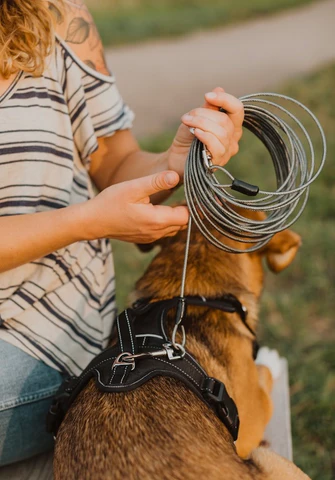
A dog tie out restrains a dog to a exact area, typically outdoors, ensuring safety and preventing escape. We use a tie out dog by fastening it to a stationary object like a stake, post, or tree with a durable chain, cable, or rope. This setup allows dogs to sit and lie down comfortably without roaming freely. Single dog tie outs cater to individual pets, featuring a single stake and chain combination. In contrast, multiple dog tie outs, also known as chain gangs, accommodate several dogs by connecting smaller cables to a main line.
Essential components of a tie out dog system include a thick, hardened steel stake, usually 24 to 30 inches long, with a swivel top to avoid tangling. The chain or cable should measure around 2 feet, providing enough length for comfort while minimizing the risk of injury or entanglement. High-quality tie out dog setups use rust-resistant materials, ensuring longevity and reliability in various outdoor conditions. When installing a tie out dog system, we prioritize ease of installation and secure attachment to withstand strong pulls from large dogs, sometimes up to 200 pounds.
Properly maintained tie out dogs contribute to responsible pet ownership by balancing a dog’s need for freedom with safety and containment. Also, tie out dog systems serve as valuable training tools, helping dogs understand boundaries and fostering good behavior. By selecting the right type and components for a dog tie out, we create a secure and comfortable environment for our pets, whether in the yard, at the beach, or during camping trips.
Types of Tie Outs
Choosing the right tie out dog system ensures your pet’s safety and comfort outdoors. We explore the primary types to help you make an well-informed choice.
Chain Tie Outs
Chain tie outs use thick, heavy chains to secure dogs to a stationary object. They often replace lighter tethers when dogs chew through or escape earlier restraints. Chains provide robust durability, especially for strong or determined dogs. But, they pose important risks.
Chains can cause raw, sore necks and collars may dig painfully into a dog’s skin. Also, dogs tethered by chains face dangers like entanglement, strangulation, and attacks from other animals or people. Chains generally weigh more, which can be cumbersome when managing multiple dogs. If you require a tie out for many pets, the combined weight may become a nuisance.
Also, unless using high-quality, rust-resistant chains, they can deteriorate quickly when exposed to the elements. We must consider these factors to ensure the safety and well-being of our dogs when selecting chain tie outs.
Cable Tie Outs
Cable tie outs use lighter ropes, cables, or pulley systems to restrain dogs. This method serves as a partial restraint, making it more prevalent than chaining. Cables are easier to manage, reducing the risk of tangling and simplifying installation. They are lighter, which becomes advantageous when tying out multiple dogs simultaneously.
For instance, managing 68 dogs with chains can be impractical due to their combined weight, whereas cables offer a more efficient solution. Also, cable tie outs often feature rubber-wrapped materials, improving durability and minimizing wear from active retrievers.
Unlike chains, cables are less likely to cause injuries like sore necks or collars digging into the skin. They also resist rust when made from high-quality materials, ensuring longevity. Our experience shows that cable tie outs provide effective restraint while maintaining ease of use and safety for both single and multiple dog setups.
Benefits of Using Tie Outs
Providing Outdoor Freedom and Exercise
Tie out dog systems grant our dogs the freedom to explore within a set boundary. They enable pets to play, run, and satisfy their curiosity safely. Energetic breeds, such as retrievers and herding dogs, benefit from extensive physical activity. For example, overhead trolley systems allow multiple dogs to exercise simultaneously, ensuring each dog receives adequate movement. This freedom helps maintain physical health and reduces behavioral issues caused by pent-up energy.
Safety and Security
Tie out dog answers enhance our dogs’ safety by restricting access to potential dangers. They prevent escapes, keeping dogs away from traffic, wild animals, and hazardous areas. Stake-style tie outs offer a fixed attachment point, while spiral tie outs provide extra anchoring for strong pullers. According to industry standards, using a hardened steel stake reduces the risk of the tie out being pulled out by the dog. Also, stainless steel tie out components resist rust, ensuring long-term security and reliability.
Training and Behavioral Management
Tie out dog tools play a crucial role in training and managing behavior. They help our dogs learn boundaries and respond to commands effectively. During training sessions, tie outs allow dogs to cool down and recover without the risk of overheating or dehydration.
For instance, after an intense training exercise, a tie out provides a safe space for dogs to rest and hydrate. Also, when managing multiple dogs, tie outs help correct unwanted behaviors like barking, whining, and digging by keeping each dog within view. This visibility allows us to address issues promptly, reinforcing positive behaviors and discouraging negative ones.
Easy Monitoring and Maintenance
Using tie out dog systems simplifies the monitoring of multiple dogs. We can oversee each dog’s activities, ensuring they remain safe and behave appropriately. Cable tie outs, in particular, are lightweight and less prone to tangling compared to chain tie outs. This ease of maintenance allows for quick adjustments and repositioning as needed. Also, choosing the right tie out length, typically around two feet, minimizes the risk of entanglement and injury, maintaining a safe environment for our pets.
Durability and Cost-Effectiveness
Investing in high-quality tie out dog equipment offers long-term benefits. Durable materials like stainless steel and reinforced cables withstand harsh weather conditions and high energy dogs. This durability reduces the need for frequent replacements, making tie outs a cost-effective solution for pet owners. Besides, versatile tie out systems can accommodate different dog sizes and breeds, providing flexibility and value for various training and outdoor activities.
By integrating tie out dog systems into our routine, we ensure our pets enjoy outdoor freedom while maintaining their safety and fostering good behavior.
Potential Risks and Safety Considerations
Risk of Entanglement and Strangulation
Tying out a dog can lead to entanglement in the cable or chain, causing injuries or fatalities. Unsupervised dogs may wrap around trees or become hooked on hidden objects, increasing the danger. Securing the tie-out system properly minimizes these risks and ensures the dog’s safety.
Physical and Psychological Harm
Continuous tethering can result in physical issues like raw necks and collars that grow into the dog’s skin. Also, dogs may experience insect bites, parasites, and lack proper veterinary care. Psychologically, tied-out dogs often become anxious, aggressive, and experience reduced social interaction, leading to behavioral problems.
Inadequate Shelter and Protection
Dogs on tie-outs frequently lack access to adequate shelter, exposing them to extreme weather conditions such as intense heat, freezing temperatures, rain, or snow. Providing a secure and weather-resistant shelter is essential to protect tied-out dogs from environmental hazards.
Best Practices for Tie Out Usage
Ensuring the safety and comfort of our dogs when using a tie out requires following several best practices. By implementing these guidelines, we promote a secure and enjoyable environment for our pets.
Supervision and Duration
Supervision is crucial when tying out our dogs. We avoid leaving them unattended for extended periods to prevent accidents and ensure their safety. Regularly checking the tie out area allows us to address any potential issues promptly.
Dog Tie Out Safety: Essential Tips and Best Practices 3
Selecting Appropriate Equipment
Choosing the right equipment is essential for effective tie out usage. We use sturdy materials like plastic-coated steel cables or flat stock webbing with secure clips. Avoiding chain links and see-through wire minimizes visual stress and reduces the risk of injury. Heavy-duty metal rings or T-posts enhance stability, preventing the lead from twisting or the dog from escaping.
Proper Installation
Correct installation of the tie out system ensures its effectiveness. We install posts at least 5 feet above the ground and secure them firmly to withstand the dog’s movements. Positioning the tie out away from high-traffic areas reduces distractions and stress for our dogs.
Utilizing Swivels
Incorporating a swivel beneath the tie-out point is a best practice that prevents leash tangling. Swivels help smooth movement, allowing our dogs to explore without getting entangled in the lead. This addition enhances the overall functionality of the tie out system.
Providing Shelter and Shade
We ensure that tied-out dogs have access to adequate shelter and shade. Installing a dog house or a canopy protects them from extreme weather conditions, maintaining their comfort and well-being during outdoor activities.
Regular Equipment Maintenance
Maintaining tie out equipment is vital for long-term safety. We routinely inspect cables, clips, and posts for signs of wear or damage. Promptly replacing any compromised components prevents potential hazards and extends the lifespan of the tie out system.
Training and Boundaries
Using tie outs as training tools helps our dogs understand boundaries. We establish clear limits within the tie out area, promoting good behavior and reducing anxiety. Consistent training reinforces the intended boundaries, making the tie out experience positive for our pets.
Monitoring Multiple Dogs
When managing multiple dogs, we use individual tie outs to prevent conflicts and ensure each dog’s safety. Organizing separate areas for each dog minimizes competition and promotes harmony among pets.
By adhering to these best practices, we create a safe, secure, and comfortable tie out environment for our dogs, improving their outdoor experiences and overall well-being.
Camping with your Dog Just got Easier.
Camping with our dogs becomes seamless when we use a reliable tie out dog system. Setting up a tie out dog anchor ensures our pets enjoy the outdoors safely. We choose spiral stakes made of stainless steel, which twist securely into various soil types, providing a stable base for the tie out cable.
Selecting the appropriate cable is crucial for a hassle-free camping experience. Vinyl-coated aircraft cables offer durability and resist tangling, allowing our dogs to roam freely within the designated area. We typically opt for 30ft cables, providing ample space while maintaining control over our dogs’ movements.
Implementing a swivel leash enhances the functionality of the tie out dog setup. Swivels prevent the leash from twisting, reducing discomfort for our pets and minimizing wear on the cable. This feature is especially beneficial during active camping activities, where dogs may move unpredictably.
Safety remains a top priority when camping with a tie out dog setup. We ensure the anchor point is away from potential hazards such as water sources or steep drops. Regularly inspecting the tie out system helps us identify any signs of wear or damage, maintaining the integrity of the setup throughout the trip.
Providing adequate shelter is essential for our tied-out dogs. We position portable dog tents or shade structures within the tie out radius, protecting our pets from extreme weather conditions. Access to fresh water and secure bedding further enhances their comfort during camping adventures.
Managing multiple dogs requires strategic tie out dog arrangements. Using separate anchors for each pet prevents entanglement and reduces conflicts, promoting a harmonious camping environment. We coordinate anchor placements to ensure each dog has sufficient space while remaining within our supervision range.
Portable tie out anchors simplify the transportation and setup process. Lightweight and collapsible designs allow us to carry the tie out system effortlessly, adapting to different camping sites with ease. Investing in high-quality, portable equipment ensures our camping trips remain enjoyable and stress-free for both us and our dogs.
By integrating these practices, camping with our dogs becomes more manageable and enjoyable. A well-planned tie out dog system provides the freedom our pets crave while maintaining their safety and our peace of mind.
Is a Chain or Cable Better for Dog Tie-Outs?
When choosing between a chain or cable for dog tie-outs, several factors determine the best option for your needs.
Weight and Portability
Chain tie-outs generally weigh more than cable tie-outs. For instance, a single chain can weigh up to 5 pounds, making it cumbersome when managing multiple dogs. In contrast, a cable tie-out typically weighs around 1.5 pounds, offering greater portability, especially when tying out up to eight dogs.
Ease of Installation
Cables are easier to install and maintain untangled compared to chains. Chains can become tangled, requiring extra effort to lay out correctly. Cables, wrapped in rubber, remain organized and simplify the setup process, saving time during installation.
Durability
Both chains and cables offer durability, but their maintenance differs. High-quality chains resist wear but can rust without proper care. Cables, particularly those with rubber coatings, demonstrate excellent resistance to weather elements and remain durable even under high-energy activity from retrievers.
Safety and Tangle Risk
Safety is paramount when using dog tie-outs. Chains pose a higher risk of causing severe injuries if a dog becomes entangled. Conversely, cables reduce this risk due to their flexible nature, making them a safer option for preventing injuries and minimizing tangling incidents.
Comparative Table
Factor
Chain Tie-Outs
Cable Tie-Outs
Weight
Heavier, up to 5 lbs per chain
Lighter, around 1.5 lbs per cable
Portability
Cumbersome for multiple dogs
Easier to manage for up to 8 dogs
Installation
Prone to tangling, difficult setup
Simple, stays untangled
Durability
Rusty without maintenance
Durable, weather-resistant
Safety
Higher injury risk from tangles
Lower injury risk, safer choice
Practical Implications
For single dog tie-outs, the weight difference may be negligible. But, when managing multiple dogs, cables prove more practical due to their lighter weight and ease of installation. Also, cables’ enhanced safety features make them preferable for environments where dogs are active and prone to movement.
By evaluating these factors, we find that cable tie-outs offer important advantages in terms of portability, installation ease, durability, and safety, making them the better choice for most dog owners.
What Behaviors you Don’t Want on Tie Outs
Maintaining proper behavior while tied out ensures your dog’s safety and the preservation of your property. We focus on addressing common issues that can arise when using a tie out dog system.
Digging
Digging should be addressed immediately when your dog is on a tie out. This behavior can create hazardous holes and damage your yard. Consistently correcting digging prevents it from becoming a habit. If your dog starts to dig, intervene firmly to stop the behavior. Providing adequate exercise and mental stimulation reduces the urge to dig. Also, ensuring the tie out area is secure minimizes the chances of your dog escaping to dig elsewhere. Monitoring your dog closely helps identify and address digging tendencies early. Implementing training techniques reinforces boundaries and discourages destructive digging. Using deterrents around the tie out can also help manage this behavior effectively.
Noise
Noise, such as barking and whining, disrupts both your dog’s peace and the neighborhood’s tranquility. Continuous barking may indicate frustration, boredom, or anxiety while tied out. To manage noise effectively, we teach the “quiet” command consistently. Positive reinforcement techniques help your dog understand when to stop barking. Providing sufficient physical and mental stimulation minimizes boredom-induced noise. Ensuring the tie out environment is comfortable and secure reduces anxiety-related sounds. Regular training sessions reinforce calm behavior during tie out periods. Addressing noise promptly prevents it from becoming a persistent issue. By maintaining a quiet tie out environment, we promote a more harmonious experience for both your dog and the surrounding community.
Conclusion
Ensuring our dogs are safely tied out allows them to enjoy the outdoors while giving us peace of mind. Choosing the right tie out system makes all the difference in their comfort and security. By selecting durable materials and understanding the pros and cons of each type, we can create a safe environment for our pets. Implementing best practices not only prevents common issues but also strengthens our bond with our dogs through responsible management. As we continue to prioritize their well-being, our dogs can thrive and explore their surroundings safely and happily.
Fueling Your Friend: A Guide to Understanding Your Dog’s Calorie Needs
Just like humans, every dog has unique energy requirements. Feeding them too much or too little can lead to significant health problems, from obesity and joint pain to malnourishment and low energy. Understanding your dog’s specific daily calorie needs is the cornerstone of responsible pet ownership. It empowers you to make informed decisions about their diet, ensuring they get the precise amount of fuel they need to live a long, vibrant, and healthy life.
This calculator is designed to cut through the confusion of generic feeding guides found on dog food bags. Those guides are a starting point, but they can’t account for the individual factors that make your dog unique, such as their activity level and current body condition. By providing these details, you get a much more accurate and personalized recommendation, helping you take control of your dog’s nutritional well-being.
The Science Behind the Numbers: RER Explained
At the heart of this calculator is a scientific formula used by veterinarians worldwide: the Resting Energy Requirement, or RER. The RER represents the number of calories a dog needs to keep its body functioning at rest—powering essential processes like breathing, circulation, and digestion. It’s the baseline energy cost of living.
The formula, RER = 70 * (weight in kg)^0.75, might look complex, but it’s a highly accurate way to determine this baseline. It accounts for the fact that larger animals are more energy-efficient per pound than smaller ones. However, no dog spends all day at rest. To find their true daily needs, we must consider their lifestyle.
This is where the multipliers for spay/neuter status, activity, and body condition come in:
Spayed/Neutered Status: This procedure can lower a dog’s metabolic rate. A neutered dog typically requires fewer calories than an intact dog of the same size and activity level.
Activity Level: An active Border Collie herding sheep will burn far more calories than a senior Basset Hound who prefers napping. Our calculator adjusts the RER based on whether your dog is inactive, normally active, or a high-energy working dog.
Body Condition Goal: A dog’s current weight goal is also critical. An underweight dog needs extra calories to build healthy mass, while an overweight dog requires a calorie deficit to safely lose weight. The “Maintain” option is for dogs already at their ideal weight.
By combining the RER with these crucial lifestyle factors, the calculator provides a comprehensive and actionable daily calorie target.
Putting Knowledge into Practice: Reading Food Labels and Managing Treats
Knowing your dog’s daily calorie target is the first step. The next is translating that number into the right amount of food. This requires a bit of detective work on the dog food label.
Decoding the Dog Food Label
Every bag of dog food is required to list the calorie content, usually expressed as “kilocalories per cup” or “kcal/cup.” A kilocalorie is the same as a regular calorie. Once you find this number, the math is simple. For example, if your dog needs 800 calories per day and their food has 400 kcal/cup, you should feed them two cups per day, split between meals.
Always use a standard 8-ounce measuring cup for accuracy. A coffee mug or a scoop can vary wildly in size, leading to unintentional overfeeding or underfeeding.
The Truth About Treats
We all love to spoil our dogs, but treats can quickly derail a balanced diet. It’s crucial to account for them in your dog’s daily calorie budget. A common rule of thumb recommended by veterinarians is the 10% rule: treats should make up no more than 10% of your dog’s total daily calorie intake.
If your dog’s daily target is 500 calories, a maximum of 50 of those calories should come from treats. This ensures they are still getting the vast majority of their essential nutrients from their complete and balanced dog food. Be mindful of high-calorie treats like cheese or peanut butter, as a small amount can use up the treat budget very quickly. Opt for low-calorie commercial treats or healthy alternatives like baby carrots or green beans.
Your Veterinarian: The Most Important Partner in Your Dog’s Health
This calculator is an incredibly powerful tool for managing your dog’s nutrition, but it is not a substitute for professional veterinary advice. Always use this information as a starting point for a conversation with your vet. They can perform a physical exam, assess your dog’s body condition score, and help you create a feeding plan that is perfectly tailored to your dog’s specific age, breed, and any underlying health conditions. By working together, you can ensure your furry friend has the best possible foundation for a long and joyful life.
A Guide to Raw Feeding: Unlocking Your Dog’s Ancestral Diet
The concept of feeding dogs a raw diet has gained immense popularity as owners seek more natural and holistic approaches to their pets’ nutrition. The core idea is simple: feed dogs a diet that mimics what their ancestors, wolves, would have eaten in the wild. This typically consists of raw muscle meat, bones, and organs. Proponents of raw feeding report numerous benefits, from improved skin and coat health to cleaner teeth and higher energy levels. However, embarking on a raw feeding journey requires careful research and commitment to ensure it’s done safely and provides complete nutrition.
The Principles of a Raw Diet: BARF vs. PMR
There are two primary models for raw feeding that you’ll encounter:
BARF (Biologically Appropriate Raw Food): This model includes muscle meat, bones, organs, and also incorporates fruits, vegetables, and supplements to provide a wide range of nutrients.
PMR (Prey Model Raw): This model, which our calculator is based on, aims to replicate the composition of a whole prey animal. It follows a general guideline of 80% muscle meat, 10% raw edible bone, and 10% organs.
The PMR model is often favored for its simplicity, but it requires careful attention to ensure all nutritional needs are met over time through a variety of protein sources.
Calculating the Right Amount: The Starting Point
The first step in raw feeding is determining how much to feed. This is typically calculated as a percentage of your dog’s ideal body weight. Our calculator uses the following standard starting points:
Adult Dogs: A common starting point is 2-3% of their ideal body weight per day. Our calculator uses 2.5% and adjusts it based on activity level. An inactive dog might need closer to 2%, while a highly active or working dog might need 3% or more.
Puppies: Puppies have much higher energy needs to fuel their rapid growth. A common guideline for a 4-6 month old puppy is around 5% of their current body weight per day. This amount needs to be adjusted frequently as the puppy grows.
It’s crucial to monitor your dog’s body condition and adjust the total amount as needed. You should be able to easily feel their ribs but not see them, and they should have a visible waist when viewed from above.
The Core Components of a PMR Diet
A balanced PMR diet is built on three pillars, each providing essential nutrients.
1. Muscle Meat (80%)
This forms the bulk of the diet and provides essential proteins, amino acids, and water-soluble vitamins. It’s vital to rotate protein sources to ensure a broad range of nutrients. Good options include beef, chicken, turkey, lamb, and pork. Heart and tongue, while technically organs, are nutritionally classified as muscle meat in a raw diet.
2. Raw Edible Bone (10%)
This is a non-negotiable part of the diet. Raw, edible bones are a natural source of calcium, phosphorus, and other minerals crucial for skeletal health. They also provide an excellent workout for the jaw and are fantastic for cleaning teeth. “Edible” bones are the softer, pliable bones that a dog can chew and digest completely, such as chicken wings, necks, and backs, or turkey necks. Never feed cooked bones, as they can splinter and cause serious internal injury.
3. Organs (10%)
Organs are the nutrient-dense superfoods of the raw diet. They are packed with vitamins and minerals that are not found in sufficient quantities in muscle meat alone. The 10% organ portion should be split into two halves:
5% Liver: Liver is a powerhouse of Vitamin A and must be included.
5% Other Secreting Organs: This includes organs like kidney, spleen, pancreas, and brain. Feeding a variety of these organs is essential for a balanced diet.
Safety and Consultation: The Keys to Success
Transitioning to a raw diet is a significant commitment. Safe food handling is paramount to prevent bacterial contamination for both you and your dog. Meticulously clean all surfaces, bowls, and utensils after every meal. Most importantly, a raw diet can be nutritionally incomplete if not properly balanced. It is strongly recommended to consult with a veterinarian or a certified veterinary nutritionist before you begin. They can help you formulate a diet that is complete, balanced, and perfectly suited to your dog’s individual needs, ensuring your journey into raw feeding is a safe and healthy one.
As devoted dog owners, we want nothing more than to see our furry friends happy, healthy, and full of life. We monitor their diet, ensure they get enough exercise, and shower them with affection. But one of the most critical aspects of their well-being—their weight—can often be misunderstood. For years, simple weight charts were the go-to method, but they often fail to account for the vast diversity among dog breeds. This is where the Dog Body Mass Index (BMI) comes in, offering a more nuanced and accurate way to assess your dog’s physical condition.
This calculator is designed to be a powerful first step in understanding your dog’s health. By considering not just weight but also height and breed type, it provides a more personalized assessment. This article will guide you through understanding what your dog’s BMI score means, why it’s a superior metric, and what practical steps you can take to ensure your companion stays in peak condition.
Why Traditional Weight Charts Fall Short
Imagine using a single height-weight chart for all humans, from a professional basketball player to a gymnast. It wouldn’t work, because it ignores crucial factors like body composition, frame size, and muscle mass. The same logic applies to our canine companions. A 60-pound Greyhound is a picture of slender athleticism, while a 60-pound Bulldog is a bundle of stocky muscle. A simple weight chart might incorrectly label one as underweight and the other as overweight.
The Dog BMI calculator addresses this by incorporating breed-specific body types:
Slender Breeds: Think Greyhounds, Whippets, and Dobermans. These dogs are naturally lean with deep chests and tucked abdomens. Their healthy BMI range is lower to account for their elegant, athletic build.
Normal Breeds: This category includes a wide range of dogs like Labradors, German Shepherds, and Beagles, who have a more standard, balanced physique.
Stocky Breeds: Bulldogs, Rottweilers, and Mastiffs fall into this group. They are characterized by broad shoulders, muscular builds, and dense bone structure, which naturally results in a higher healthy BMI range.
By using this categorized approach, the BMI provides a much clearer picture than weight alone, helping you avoid the pitfalls of one-size-fits-all health advice.
Interpreting Your Dog’s BMI Score: A Guide to Action
Once you have your dog’s BMI score, the next step is to understand what it means and what to do with that information. The score places your dog into one of three main categories, each with its own set of considerations.
Underweight (Below the Healthy Range)
An underweight dog may not be getting enough nutrients or could have an underlying health issue. While some dogs are naturally picky eaters, a consistently low BMI warrants attention. Potential risks include a weakened immune system, loss of muscle mass, and poor skin and coat health. If your dog falls into this category, it’s essential to consult your veterinarian. They can rule out medical problems like parasites, dental issues, or metabolic disorders and help you formulate a plan to achieve a healthy weight, which may involve a higher-calorie diet or more frequent meals.
Healthy Weight (Within the Healthy Range)
Congratulations! A dog in the healthy BMI range is at a significantly lower risk for many chronic diseases. They have more energy, better mobility, and a higher quality of life. The goal now is maintenance. Continue providing a balanced diet with proper portion control, ensure they get regular, breed-appropriate exercise, and schedule routine wellness exams with your vet. This is the sweet spot where your dog can thrive, so keep up the great work!
Overweight (Above the Healthy Range)
This is a serious health concern that should be addressed immediately. Even a few extra pounds can put significant strain on a dog’s body. The health risks associated with being overweight are substantial and include:
Joint Problems: Excess weight puts immense pressure on joints, leading to arthritis and pain.
Diabetes and Heart Disease: Obesity is a leading cause of these life-threatening conditions in dogs.
Reduced Lifespan: Studies have shown that overweight dogs live, on average, two years less than their healthy-weight counterparts.
Decreased Quality of Life: Overweight dogs often struggle with breathing, have low energy, and can’t enjoy activities like running and playing.
If your dog’s BMI is in the overweight category, it’s time to partner with your vet. They are your most important ally in creating a safe and effective weight-loss plan. This will typically involve a combination of a calorie-controlled diet and a gradual increase in low-impact exercise, like swimming or leash-walking.
A Holistic Approach to Your Dog’s Health
The Dog BMI calculator is a powerful diagnostic tool, but it’s just one piece of the puzzle. True health comes from a holistic approach that combines diet, exercise, and professional medical care. Use the information from this calculator as the starting point for a productive conversation with your veterinarian. Together, you can create a personalized plan that ensures your beloved companion enjoys a long, happy, and healthy life by your side.
A Guide to Benadryl for Dogs: Safety, Dosage, and Proper Use
Benadryl (and its generic form, diphenhydramine) is one of the few over-the-counter human medications that veterinarians sometimes recommend for dogs. It’s an antihistamine known for its ability to alleviate symptoms of mild to moderate allergies. While it can be a helpful tool in your pet care arsenal, it’s crucial to understand that it should never be administered without first consulting your veterinarian. This guide, along with our calculator, will help you understand how Benadryl works, how dosages are determined, and why professional guidance is essential.
What is Benadryl Used for in Dogs?
As an antihistamine, Benadryl’s primary function is to block the effects of histamine, a substance released by the body during an allergic reaction. This makes it useful for a variety of situations:
Allergies: It can help relieve symptoms of environmental allergies, such as itchy skin, hives, and sneezing.
Allergic Reactions: It’s often used to manage mild reactions to insect bites, stings, or vaccinations.
Motion Sickness: One of Benadryl’s common side effects is drowsiness, which can help calm anxious dogs and reduce nausea during car travel.
Anxiety: The sedative effect can also be beneficial for dogs with mild anxiety, such as during thunderstorms or fireworks.
It is critical to note that for severe allergic reactions, such as facial swelling or difficulty breathing (anaphylaxis), Benadryl is not enough. This is a life-threatening emergency that requires immediate veterinary intervention.
How is Benadryl Dosage Calculated for Dogs?
The correct dosage of Benadryl is based entirely on the dog’s body weight. The standard veterinary recommendation is 1 milligram (mg) of diphenhydramine per pound (lb) of body weight, given 2-3 times per day (every 8-12 hours).
Our calculator uses this standard formula to determine the appropriate amount for a single dose. You can then choose between the two most common forms:
Tablets: Standard Benadryl tablets typically come in a 25 mg size. Our calculator will tell you how many tablets (or half-tablets) are needed to reach the correct dose.
Children’s Liquid: This is often easier to administer, especially for small dogs. The standard concentration is 12.5 mg of diphenhydramine per 5 milliliters (mL) of liquid.
Crucially, you must ensure the Benadryl product you use contains ONLY diphenhydramine. Many combination cold and sinus medications contain other active ingredients, like decongestants (pseudoephedrine) or pain relievers (acetaminophen), which are highly toxic to dogs.
The Importance of Veterinary Consultation
While Benadryl is available over-the-counter, it is still a medication with potential side effects and contraindications. It is never safe to give it to your dog without first speaking to your vet.
Potential Side Effects
The most common side effect is drowsiness. However, some dogs may experience the opposite effect (hyper-excitability). Other potential side effects include:
Dry mouth and increased thirst
Urinary retention
Vomiting or diarrhea
When Benadryl Should NOT Be Used
Your veterinarian needs to know your dog’s full health history, as Benadryl can be dangerous for dogs with certain conditions, including glaucoma, high blood pressure, and cardiovascular disease. It should also be used with caution in pregnant or nursing dogs.
Your Veterinarian is Your Partner in Health
This calculator is a tool to help you understand how a typical Benadryl dosage is calculated. It is not a prescription. Your veterinarian is the only person qualified to determine if Benadryl is safe and appropriate for your dog’s specific situation. They can confirm the correct dosage, advise you on how often to administer it, and ensure it won’t interact with any other medications your dog may be taking. Always prioritize a professional consultation to ensure the health and safety of your beloved pet.
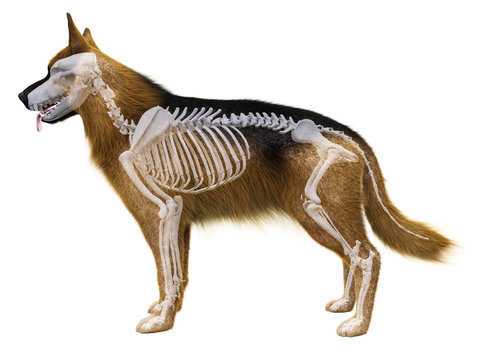
Have you ever wondered what lies beneath your furry friend’s coat? A dog’s skeleton is a fascinating structure that reveals the intricate design of canine anatomy. We’ll discover the area of dog skeletons, from their educational value to their use in veterinary medicine.
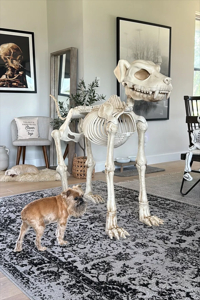
Dog skeletons aren’t just for Halloween decorations – they’re valuable tools for understanding canine anatomy and physiology. Whether you’re a veterinary student, a curious pet owner, or an anatomy enthusiast, learning about dog skeletons can provide insights into how our four-legged companions move, grow, and function. We’ll jump into the structure of dog skeletons, their similarities to human skeletons, and how this knowledge can improve pet care and veterinary practices.
Anatomy of the Canine Skeleton
The canine skeleton forms the foundation of a dog’s body, providing structure, support, and protection for vital organs. It’s composed of many bones that work together to enable movement and maintain the dog’s shape. Let’s explore the major bone groups and how they differ from human skeletons.
Major Bone Groups
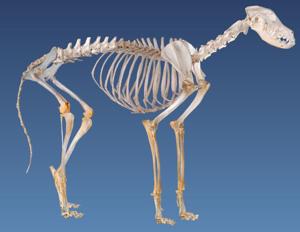
The canine skeleton is divided into two main sections: the axial skeleton and the appendicular skeleton. The axial skeleton includes the skull, vertebral column, and rib cage. The skull comprises multiple fused bones, with movable jaws (maxillae, premaxillae, and mandible) that hold the teeth. The spinal column consists of 7 cervical, 13 thoracic, 7 lumbar, 3 fused sacral, and 20-23 coccygeal vertebrae. The cervical vertebrae, including the Atlas (C1) and Axis (C2), support head movement. Thoracic vertebrae attach to ribs, protecting the heart and lungs, while lumbar vertebrae protect abdominal organs.
Differences from Human Skeletons
While dogs and humans share some skeletal similarities, there are notable differences. Dogs have elongated skulls and jaws adapted for their carnivorous diet, unlike humans’ flatter faces. Their spinal column is horizontal, contrasting with humans’ vertical spine. Dogs possess a tail (coccygeal vertebrae), which humans lack. Their forelimbs are structured differently, with dogs walking on their toes (digitigrade) and humans on the soles of their feet (plantigrade). Dogs have four weight-bearing limbs, while humans are bipedal. These differences reflect the evolutionary adaptations of each species to their respective environments and lifestyles.
Dog Skeleton: Unveiling the Canine Frame's Secrets and Significance 8
Functions of a Dog’s Skeletal System
A dog’s skeletal system serves multiple crucial functions, providing the foundation for the animal’s body structure and enabling various physiological processes. Let’s explore the key roles of this intricate system in canines.
Support and Protection
The skeletal system in dogs offers a robust framework that supports the body and safeguards internal organs. Bones act as a structural scaffold, maintaining the dog’s shape and protecting vital structures. The ribcage, consisting of 13 curved bones on each side, shields the heart, lungs, and other thoracic organs while facilitating breathing through chest cavity expansion. The skull protects the brain and eyes, and the vertebral column, comprising cervical, thoracic, lumbar, sacral, and coccygeal vertebrae, encases the spinal cord. Also, bones house bone marrow, where blood cell production occurs, and serve as a reservoir for essential minerals like calcium and phosphorus.
Movement and Locomotion
The skeletal system is fundamental to a dog’s movement and locomotion, providing a framework for muscle attachment. This intricate network of bones and joints enables dogs to perform various actions, from walking and running to jumping and swimming. The appendicular skeleton, which includes the limbs and their connecting structures, is particularly crucial for locomotion. Dogs’ digitigrade stance, where they walk on their toes, allows for quick and agile movements. The flexible spine and powerful leg bones contribute to their ability to change direction rapidly and maintain balance during various activities.
Key Components of the Dog Skeleton
The dog skeleton consists of several key components that work together to provide structure, support, and mobility. These components include the skull and jaw structure, spine and ribcage, and limbs and paws. Let’s explore each of these essential parts in detail.
Skull and Jaw Structure
The dog’s skull and jaw structure form the foundation of its head and facial features. The skull comprises the cranium, which protects the brain, and the facial bones. The jaw structure consists of the mandible (lower jaw) and maxilla (upper jaw). Dogs have a heterodont dentition, meaning they possess different types of teeth adapted for various functions. These include incisors for biting, canines for tearing, and premolars and molars for crushing and grinding food. The temporomandibular joint (TMJ) connects the mandible to the cranium, allowing for jaw movement. This complex structure enables dogs to perform essential functions such as eating, breathing, and vocalizing.
Spine and Ribcage
The spine and ribcage are crucial components of a dog’s skeletal system. The vertebral column, or spine, is divided into five distinct regions: cervical (7 vertebrae), thoracic (13 vertebrae), lumbar (7 vertebrae), sacrum (3 fused vertebrae), and coccyx (variable number of fused vertebrae). This segmented structure provides flexibility and support for the dog’s body. The thoracic vertebrae are associated with 13 pairs of ribs, forming the ribcage. The ribcage plays a vital role in protecting internal organs, such as the heart and lungs, while also facilitating breathing through its expansion and contraction. The spine’s unique structure allows dogs to perform various movements, including running, jumping, and turning.
Limbs and Paws
The limbs and paws of a dog are essential for locomotion and interaction with the environment. Dogs have four limbs: two forelegs and two hind legs. Each limb consists of long bones, such as the humerus, radius, and ulna in the forelegs, and the femur, tibia, and fibula in the hind legs. These bones are connected by joints that allow for a wide range of motion.
The paws, located at the end of each limb, contain multiple small bones called phalanges. Dogs typically have four toes on each hind paw and five toes on each front paw, with one being the dewclaw. The arrangement of bones in the limbs and paws enables dogs to walk, run, and perform various activities with agility and precision.
Variations in Dog Skeletons
Dog skeletons exhibit remarkable diversity across breeds, reflecting centuries of selective breeding. These variations significantly impact the structure, function, and health of different dog breeds.
Breed-Exact Differences
Skull shape and size vary drastically among dog breeds. Brachycephalic breeds like Pekingese and French Bulldogs have shortened rostrums, wide zygomatic arches, and rounded neurocrania. In contrast, dolichocephalic breeds such as Borzois and Greyhounds possess longer, narrower rostrums and reduced zygomatic arch width. Body size and proportions also differ significantly. Chihuahuas have smaller, more delicate skeletons compared to Great Danes, affecting limb bone length and width. These variations extend to other skeletal features, including:
Spine curvature
Rib cage shape
Limb proportions
Tail length and structure
The diversity in dog skeletons highlights the extensive genetic variability within the species, resulting from human-guided breeding practices.
Dog Skeleton: Unveiling the Canine Frame's Secrets and Significance 9
Impact on Health and Mobility
Skeletal variations among dog breeds significantly influence their health and mobility. Brachycephalic breeds often experience respiratory issues due to their shortened skulls, while breeds with elongated spines may be prone to intervertebral disc problems. Large breeds with rapid growth rates are susceptible to developmental orthopedic diseases, such as:
Hip dysplasia
Elbow dysplasia
Osteochondrosis
Conversely, small breeds frequently face issues like patellar luxation and tracheal collapse. These breed-exact skeletal characteristics can impact:
Gait and movement patterns
Susceptibility to certain injuries
Overall lifespan and quality of life
Understanding these variations is crucial for veterinarians, breeders, and pet owners to provide appropriate care and management strategies for different dog breeds.
Common Skeletal Issues in Dogs
Dogs face various skeletal issues throughout their lives, ranging from genetic disorders to injury-related problems. These issues can significantly impact a dog’s quality of life and mobility. Let’s explore some of the most common skeletal problems in dogs.
Genetic Disorders
Genetic disorders play a crucial role in canine skeletal health, often resulting from selective breeding practices. Hip dysplasia, a common genetic condition, affects the hip joint, causing the femur to fit improperly in the pelvic socket. This disorder is more prevalent in larger breeds and can lead to arthritis and mobility issues. Craniofacial diversity among dog breeds also contributes to skeletal problems. Brachycephalic breeds, with their shortened rostrums, may experience respiratory difficulties, while dolichocephalic breeds with elongated skulls can be prone to dental overcrowding. Other genetic skeletal issues include elbow dysplasia, patellar luxation, and intervertebral disc disease, each affecting different parts of a dog’s skeletal structure.
Injury-Related Problems
Injury-related skeletal problems in dogs often result from accidents, overexertion, or age-related wear and tear. Fractures are common, particularly in active or elderly dogs, and can occur in any bone but frequently affect the limbs. Sprains and strains, especially in the joints and ligaments, can cause temporary or chronic mobility issues.
Cruciate ligament ruptures, often seen in the knee joint, are a frequent injury in active dogs and may require surgical intervention. Osteoarthritis, while not strictly an injury, often develops as a result of joint trauma or overuse, causing pain and reduced mobility. Spinal injuries, such as intervertebral disc herniation, can lead to severe pain and potential paralysis if left untreated. It’s crucial for dog owners to be aware of these potential problems and seek veterinary care promptly when injuries occur to prevent long-term complications and ensure the best possible outcome for their pets.
Maintaining Skeletal Health in Dogs
Maintaining skeletal health is crucial for a dog’s overall well-being and longevity. Proper nutrition and regular exercise are key factors in promoting strong bones and joints throughout a dog’s life.
Proper Nutrition
Proper nutrition plays a vital role in maintaining a dog’s skeletal health. A balanced diet rich in essential nutrients supports bone strength and joint function. Here are key nutritional considerations:
Calcium and phosphorus: These minerals are critical for bone development and maintenance. The optimal calcium-to-phosphorus ratio in a dog’s diet is 1.2:1 to 1.4:1.
Vitamin D: This nutrient aids calcium absorption and bone mineralization. Dogs synthesize vitamin D through sun exposure, but dietary sources are also important.
Protein: High-quality protein sources provide amino acids necessary for collagen production and bone matrix formation.
Omega-3 fatty acids: These anti-inflammatory nutrients support joint health and may help reduce the risk of arthritis.
Antioxidants: Vitamins C and E, along with selenium, protect against oxidative stress that can damage bones and joints.
It’s essential to avoid over-supplementation, as excessive intake of certain nutrients can lead to skeletal abnormalities. Always consult with a veterinarian to determine the appropriate diet for your dog’s exact needs.
Dog Skeleton: Unveiling the Canine Frame's Secrets and Significance 10
Exercise and Physical Activity
Regular exercise and physical activity are essential for maintaining a dog’s skeletal health. Appropriate exercise helps strengthen bones, improve joint flexibility, and maintain a healthy weight. Here are key points to consider:
Weight-bearing exercises: Activities like walking, running, and hiking help stimulate bone density and strength.
Low-impact activities: Swimming and controlled play sessions provide joint-friendly options for dogs with existing skeletal issues.
Age-appropriate exercise: Puppies require different exercise routines than adult or senior dogs to support proper skeletal development.
Warm-up and cool-down: Gradually increasing activity levels and including stretching exercises can help prevent injury and improve flexibility.
Avoid overexertion: Excessive exercise, particularly in growing puppies, can lead to skeletal stress and potential long-term damage.
Consistency: Regular, moderate exercise is more beneficial than sporadic intense workouts.
Surface considerations: Vary exercise surfaces to provide different stimuli for bones and joints. Avoid prolonged activity on hard surfaces like concrete.
Remember to tailor exercise routines to your dog’s breed, age, and health status. Always consult with a veterinarian before starting a new exercise program, especially for dogs with pre-existing skeletal conditions.
Conclusion
We’ve explored the intricate industry of dog skeletons from structure to health. Understanding canine anatomy is crucial for pet care and veterinary practices. The diversity across breeds highlights the importance of customized approaches to skeletal health. By focusing on proper nutrition exercise and regular veterinary check-ups we can help our furry friends maintain strong bones and joints. Remember every dog’s skeleton is unique and deserves individualized attention to ensure a happy healthy life.
Did you know that the right chew bone can keep your dog entertained for hours while promoting dental health? Dog bones are more than just treats; they’re essential tools for your furry friend’s physical and mental well-being.
We understand the importance of finding the perfect bone for your canine companion. From peanut butter-filled beef bones to natural shin bones stuffed with tasty flavors, there’s a wide variety of options to suit every dog’s preference. These chews not only satisfy your pup’s natural urge to gnaw but also provide crucial benefits like teeth cleaning and stress relief.
In this text, we’ll discover the area of dog bones, helping you choose the best option for your four-legged friend. We’ll cover everything from safety considerations to the nutritional benefits of different types of bones, ensuring your pup stays happy, healthy, and thoroughly entertained.
Types of Dog Bones
Dog bones come in various forms, each offering unique benefits for canine companions. We’ll explore two main categories: natural bones and synthetic bones, detailing their characteristics and uses.
Natural Bones
Natural bones, derived from animal sources, provide dogs with a satisfying chewing experience. These bones often contain marrow, a nutrient-rich substance that dogs find irresistible. Archaeological findings, such as the canine humerus discovered in Erralla Cave, Spain, dated between 17,410 and 17,096 years ago, highlight the long-standing relationship between dogs and bones.
Natural bones offer dental benefits, helping to clean teeth and massage gums as dogs chew. They’re available in different sizes to suit various breeds, from small shin bones to large femur bones. But, it’s crucial to monitor dogs while they chew natural bones due to potential splintering risks. Studies have shown that bone structure and density in dogs vary based on breed and size, with smaller dogs often having higher bone-mineral density than larger breeds.
Synthetic Bones
Synthetic bones offer a safe alternative to natural bones, designed to mimic the texture and appeal of real bones without the associated risks. These artificial chews come in various materials, including nylon, rubber, and specially formulated plastics. Synthetic bones provide consistent durability, reducing the risk of splintering or breaking during use.
They’re often infused with flavors like chicken, beef, or peanut butter to enhance their appeal to dogs. Many synthetic bones feature textured surfaces that help clean teeth and promote good oral hygiene. Unlike natural bones, synthetic options don’t contain marrow or other organic matter, making them a cleaner choice for indoor use. They’re available in different shapes and sizes to cater to various dog breeds and chewing preferences, from small teething puppies to aggressive adult chewers.
Best Dog Bones for Happy, Healthy Pups: Ultimate Guide to Canine Chews 16
Benefits of Dog Bones
Dog bones offer many advantages for canine health and well-being. They provide essential dental care and mental stimulation, contributing to overall wellness.
Dental Health
Dog bones play a crucial role in maintaining canine oral hygiene. Chewing on bones helps remove tartar and plaque from teeth, preventing gum disease and keeping teeth and gums clean. This natural teeth-cleaning process is particularly effective for hard-to-reach areas in a dog’s mouth. Also, the act of gnawing stimulates saliva production, which has antimicrobial properties that further clean the mouth and reduce the risk of dental issues. Regular bone chewing can significantly decrease the incidence of canine tooth disease, promoting overall oral health. The mechanical action of chewing also strengthens jaw muscles and massages gums, contributing to improved dental hygiene and reducing the need for professional cleanings.
Mental Stimulation
Bones provide essential mental stimulation for dogs, satisfying their natural urge to chew. This instinctive behavior, when directed towards appropriate objects like bones, can help prevent destructive chewing of household items. Chewing on bones offers dogs a positive outlet for stress and anxiety, promoting relaxation and reducing boredom. The act of working on a bone engages a dog’s mind, providing a form of problem-solving that can be both challenging and rewarding. This mental exercise is particularly beneficial for high-energy breeds or dogs left alone for extended periods. Also, the variety of textures and flavors in different types of bones can keep dogs interested and engaged, further improving the mental stimulation benefits.
Choosing the Right Bone for Your Dog
Selecting the appropriate bone for your dog is crucial for their safety and enjoyment. Various factors influence this choice, including your dog’s size, breed, age, and chewing habits.
Size and Breed Considerations
When choosing bones for dogs, size and breed play a important role. Small or fine-boned dogs don’t necessarily have weaker bones than larger breeds. Studies show that smaller dogs often have higher bone-mineral density and a larger ratio of dense outer layer to hollow core in their bones. But, it’s essential to select bones that match your dog’s size to prevent choking hazards or gastrointestinal blockages. For larger breeds, especially those experiencing rapid growth, bones can provide a balanced mix of minerals like calcium and phosphorus. Consider your dog’s jaw strength and chewing style when selecting bone size and density to ensure a safe and enjoyable chewing experience.
Age and Chewing Habits
A dog’s age and chewing habits greatly influence the type of bone that’s suitable for them. Puppies, particularly those of large breeds, require a diet rich in high-quality protein, fat, and exact mineral ratios for proper bone development. As dogs age, their chewing habits and nutritional needs change. Senior dogs may benefit from softer bones or chews that are gentler on their teeth and jaws.
Aggressive chewers need durable bones that can withstand intense chewing sessions, while gentle chewers might prefer softer options. It’s crucial to monitor your dog’s chewing behavior and adjust the type of bone accordingly. Remember, persistent chewers can generate important jaw muscle power, potentially causing bones to splinter. Always supervise your dog during chewing sessions and remove the bone if it shows signs of breaking into pieces.
Best Dog Bones for Happy, Healthy Pups: Ultimate Guide to Canine Chews 17
Popular Dog Bone Materials
Dog bones come in various materials, each offering unique benefits for canine dental health and entertainment. Let’s explore some popular options that cater to different dog preferences and chewing habits.
Beef Bones
Beef bones are a classic choice for dog chews, prized for their durability and palatability. These bones come from different parts of cattle, including femurs, ribs, and knuckles. Rich in nutrients like calcium and phosphorus, beef bones support dental health by scraping away plaque and tartar. Their dense structure provides a long-lasting chewing experience, satisfying even the most persistent chewers. But, it’s crucial to choose appropriately sized beef bones for your dog to prevent choking hazards. Always supervise your dog while they’re enjoying a beef bone and remove it if it starts to splinter or crack.
Chicken and Poultry Bones
Chicken and poultry bones are not recommended as chew toys for dogs due to their fragile nature. These bones can easily splinter, posing serious risks such as choking, internal injuries, or intestinal blockages. The hollow structure of bird bones makes them prone to breaking into sharp fragments when chewed. Instead of raw poultry bones, consider safer alternatives like specially designed synthetic bones that mimic the texture of poultry bones without the associated dangers. These alternatives often come infused with chicken or poultry flavors to appeal to dogs who enjoy these tastes, providing a safer chewing experience while still offering dental benefits.
Bison and Exotic Meats
Bison and exotic meat bones offer a novel chewing experience for dogs, often appealing to those with food sensitivities or allergies to more common proteins. Bison bones are denser than beef bones, providing a longer-lasting chew. They’re rich in nutrients and can help maintain dental health through prolonged gnawing. Exotic meat bones, such as those from elk or venison, offer similar benefits while introducing unique flavors. These bones are typically sourced from free-range animals, which may appeal to pet owners seeking natural options. As with all bones, it’s essential to choose the appropriate size for your dog and supervise chewing sessions to ensure safety.
Safety Concerns and Precautions
When giving dogs bones, it’s crucial to understand the potential risks and carry out proper safety measures. We’ll explore the exact hazards associated with different types of bones and provide guidelines for safe supervision during chewing sessions.
Potential Risks
Bones pose several dangers to dogs if not carefully selected and monitored. Cooked bones, especially from poultry, are particularly hazardous due to their tendency to splinter. These sharp fragments can cause serious injuries to a dog’s mouth, throat, or digestive tract. Raw bones, while generally safer, carry the risk of bacterial contamination, potentially leading to foodborne illnesses. Large bones may cause choking or intestinal blockages, particularly in smaller breeds. Aggressive chewers might break off large pieces, increasing the risk of obstruction. Dental injuries are also a concern, as excessively hard bones can crack or chip teeth. Also, some dogs may experience digestive upset, including constipation or diarrhea, when introduced to new bone types.
Best Dog Bones for Happy, Healthy Pups: Ultimate Guide to Canine Chews 18
Supervision Guidelines
To ensure safe bone chewing, close supervision is essential. Always observe your dog during their first few encounters with a new bone type to assess their chewing style and any potential issues. Remove the bone if your dog shows signs of aggressive chewing or attempts to swallow large pieces. Limit chewing sessions to 10-15 minutes to prevent overindulgence and reduce the risk of digestive problems.
Regularly inspect bones for wear and tear, discarding them if they become small enough to swallow whole or develop sharp edges. When introducing raw bones, practice proper food safety by washing your hands and cleaning surfaces afterward to minimize bacterial spread. For dogs with sensitive stomachs or those new to bone chewing, start with short sessions and gradually increase duration as tolerance improves. Always have fresh water available during chewing sessions to aid in digestion and prevent choking.
Alternatives to Traditional Bones
While traditional bones offer many benefits for dogs, there are alternatives that provide similar advantages with reduced risks. These options cater to different preferences and safety concerns while still satisfying a dog’s natural urge to chew.
Chew Toys
Chew toys are durable alternatives to traditional bones that satisfy a dog’s chewing instinct. Made from materials like rubber, nylon, or hard plastic, these toys withstand aggressive chewing and are less likely to splinter or cause obstruction if ingested in small pieces. Chew toys come in various shapes and sizes, catering to different breeds and chewing preferences. Many are designed with textures that promote dental health by cleaning teeth and massaging gums. Some chew toys feature treat-dispensing capabilities or can be filled with peanut butter, providing extended mental stimulation and engagement. The diversity of chew toys available ensures that dogs remain interested and entertained while reaping the benefits of chewing.
Best Dog Bones for Happy, Healthy Pups: Ultimate Guide to Canine Chews 19
Dental Treats
Dental treats offer a tasty alternative to traditional bones while promoting oral health. These treats are specifically formulated to reduce plaque and tartar buildup, freshening breath and supporting overall dental hygiene. Unlike bones, dental treats are fully digestible and designed to break down safely in a dog’s digestive system. They come in various flavors and textures, appealing to different canine preferences. Many dental treats contain ingredients that support teeth and gum health, such as chlorophyll for breath freshening or calcium for tooth strength. Some are shaped to maximize contact with teeth and gums during chewing, improving their cleaning effect. Dental treats provide a convenient way to supplement a dog’s dental care routine while offering a satisfying chewing experience.
Conclusion
Dog bones are essential for our canine companions’ health and happiness. They provide dental benefits mental stimulation and satisfy natural chewing instincts. Whether choosing natural or synthetic options it’s crucial to consider your dog’s size breed and chewing habits. Always prioritize safety by supervising chewing sessions and selecting appropriate bone sizes. With the right choice our furry friends can enjoy the many benefits of chewing while staying safe and healthy. Remember alternatives like durable chew toys and dental treats can also offer similar advantages. By making informed decisions we can ensure our dogs’ well-being and keep their tails wagging.
Have you ever heard of a dog breed that can weigh up to 200 pounds and still make a fantastic family pet? Meet the Sarabi dog, a giant livestock guardian breed with a fascinating history and unique characteristics.
Originating from Sarab County in Iran’s East Azerbaijan province, the Sarabi has been used for centuries by local shepherds to protect their herds from predators like bears and wolves. Even though their intimidating size and protective nature, these intelligent and affectionate dogs can be loving companions when properly trained and socialized. We’ll explore the Sarabi’s traits, care requirements, and suitability for different households, helping you decide if this remarkable breed might be the right fit for your family.
Breed Overview of the Sarabi Dog
Origin
The Sarabi Dog, also known as the Persian Mastiff or Iranian Mastiff, hails from Sarab County in Iran’s East Azerbaijan Province. This ancient breed’s lineage traces back to the Persian Empire, with roots likely stemming from large Assyrian dogs or Ancient Persian war dogs. Sarabi dogs have been integral to Iranian shepherds for centuries, protecting livestock from formidable predators like bears and wolves.
Physical Characteristics
Sarabi dogs are known for their imposing size and strength, making them one of the industry’s largest dog breeds. Here’s a breakdown of their key physical traits:
Height
Males: 32-35 inches (81-89 cm)
Females: 28-32 inches (71-81 cm)
Weight
Males: 143-198 pounds (65-90 kg), with some exceeding 220 pounds (100 kg)
Females: 110-154 pounds (50-70 kg)
Coat
Sarabi dogs boast a dense, double-layered coat that’s short to medium in length. Common colors include:
Fawn
Sable
Black
Tawny
Cream
Brown
Some Sarabi dogs may have white markings on their chest. A distinctive black mask is also a common feature of the breed.
Temperament
Sarabi dogs exhibit a complex temperament that combines their guardian instincts with affectionate family traits:
Loyal and protective towards family members
Alert and watchful of their surroundings
Wary and potentially suspicious of strangers
Calm and gentle when properly socialized
Independent thinkers, which can be perceived as stubbornness
Courageous and unafraid to defend their family
Generally good with children and other pets when socialized early
These dogs form strong bonds with their families and can be excellent companions for various activities, including hunting. Their protective nature makes them ideal guardians for both property and livestock.
Suitability as Family Pets
While Sarabi dogs can make wonderful family pets, their size and temperament require careful consideration:
Best suited for experienced dog owners who can provide firm, consistent leadership
More appropriate for households with older children due to their large size
Require ample space, making them better suited for homes with large yards
Need early socialization and training to manage their independent nature
Thrive in families that can engage them in activities that use their guarding and hunting instincts
Sarabi Dog: The Gentle Giant Guardian from Iran's Ancient Lands 25
Health Considerations
Currently, there are no known breed-exact genetic conditions associated with Sarabi dogs. But, as with all large breeds, they may be prone to certain health issues:
Hip dysplasia
Elbow dysplasia
Bloat (gastric dilatation-volvulus)
Responsible breeders conduct genetic screening to identify potential health risks. Regular veterinary check-ups and a balanced diet are crucial for maintaining the health of these giant dogs.
Care Requirements
Caring for a Sarabi dog involves meeting their physical and mental needs:
Regular exercise to maintain their physical health and mental well-being
Consistent training to manage their independent nature
Proper socialization from an early age to ensure good behavior around strangers and other animals
Regular grooming to maintain their coat and check for any skin issues
A balanced diet appropriate for large, active breeds
Secure, spacious living environment that allows them to fulfill their guarding instincts
By understanding the unique characteristics and needs of the Sarabi dog, potential owners can determine if this majestic breed aligns with their lifestyle and capabilities. While their size and protective nature may seem intimidating, Sarabi dogs can be loving and loyal companions when provided with proper care, training, and socialization.
History and Origin
The Sarabi dog, also known as the Persian Mastiff or Iranian Mastiff, boasts a rich heritage deeply rooted in Iranian culture. This majestic breed originated in Sarab County, located in the East Azerbaijan Province of Iran. The name “Sarabi” directly stems from the city of Sarab, where these impressive dogs were initially developed.
Ancient Lineage
Sarabi dogs have an ancient lineage that can be traced back over 3,000 years. Archaeological evidence suggests that large dogs resembling the Sarabi existed during the early Babylonian times and throughout the Achaemenid (Persian) Empire, which ruled from 550 to 330 BC. This long-standing history underscores the breed’s significance in the region’s cultural and economic industry.
Molosser Group Ancestry
The Sarabi dog belongs to the molosser group, a category of working dogs historically used for guarding and protecting livestock and property. This classification links the Sarabi to other well-known molosser breeds such as:
Kangal
Great Danes
Mastiffs
Shar Peis
These connections highlight the Sarabi’s shared ancestry with other large, powerful breeds known for their protective instincts and loyalty.
Sarabi Dog: The Gentle Giant Guardian from Iran's Ancient Lands 26
Traditional Role
Throughout their history, Sarabi dogs have played a crucial role in Iranian agriculture and pastoral life. Shepherds have long relied on these formidable guardians to protect their flocks from predators such as bears and wolves. The breed’s size, strength, and protective nature made them ideal for this challenging task, ensuring the safety of valuable livestock in rugged terrain.
Modern Recognition
While the Sarabi dog has been a staple in Iranian culture for millennia, it’s only recently gained recognition on the global stage. As interest in rare and ancient breeds grows, the Sarabi is attracting attention from dog enthusiasts worldwide. But, it’s important to note that the breed is not yet recognized by major international kennel clubs, which impacts its availability outside of Iran.
Preservation Efforts
In recent years, there’s been a concerted effort to preserve the Sarabi breed and maintain its unique characteristics. Iranian breeders and enthusiasts are working to establish breeding standards and promote the Sarabi dog’s recognition as a distinct and valuable breed. These efforts aim to ensure that this ancient guardian continues to thrive in the modern industry while maintaining its historical integrity.
Physical Characteristics
The Sarabi dog, also known as the Persian Mastiff, is a giant breed with impressive physical attributes. These powerful dogs are known for their large size, muscular build, and distinctive coat.
Size and Weight
Sarabi dogs are massive, with males typically standing 32-35 inches (81-89 cm) tall at the shoulder. Females are slightly smaller, ranging from 28-32 inches (71-81 cm) in height. The weight of these dogs is equally impressive. Male Sarabis can weigh between 143-198 pounds (65-90 kg), with some exceptional specimens tipping the scales at over 220 pounds (100 kg). Female Sarabis are generally lighter, weighing 110-154 pounds (50-70 kg), though some may be heavier. These substantial dimensions make the Sarabi dog an imposing presence and contribute to their effectiveness as livestock guardians.
Coat and Colors
The Sarabi dog boasts a thick, double coat that provides protection from harsh weather conditions. Their coat comes in two main lengths: short and medium. This dense fur requires regular brushing to maintain its condition and minimize shedding, which is moderate throughout the year.
The most common coat colors for Sarabi dogs include various shades of brown with a distinctive black mask. Solid black coats are also seen in the breed. Some Sarabis may have white markings on their chest, adding to their unique appearance. Less frequent but still present in the breed are colors such as fawn, sable, and brindle. The diversity in coat colors and patterns contributes to the Sarabi dog’s striking visual appeal, making each individual dog unique.
Temperament and Personality
Sarabi dogs possess a complex temperament that blends loyalty, protectiveness, and intelligence. These Persian Mastiffs exhibit unique personality traits that make them both formidable guardians and affectionate companions.
Intelligence
Sarabi dogs demonstrate high levels of intelligence, combining mental acuity with physical strength. Their sharp minds make them highly trainable, responding well to consistent, positive reinforcement-based methods. These dogs excel in problem-solving tasks and quickly learn commands, but their independent nature requires a firm, patient approach to training. Sarabi dogs’ intelligence extends to their awareness of their surroundings, making them excellent watchdogs. They’re capable of assessing situations and responding appropriately, a trait that stems from their history as livestock guardians. To keep their minds engaged, Sarabi dogs benefit from mental stimulation through interactive toys, puzzles, and varied training exercises.
Family Friendliness
Even though their imposing size, Sarabi dogs can be gentle giants within their family unit. They form strong bonds with their owners and often show a calm, patient demeanor with children when properly socialized. But, their protective instincts necessitate early and ongoing socialization to ensure they distinguish between genuine threats and normal social interactions. Sarabi dogs thrive in households with clear leadership and consistent rules. They’re loyal to a fault and will go to great lengths to protect their family members. While generally affectionate with their immediate family, they may be reserved or wary around strangers, a trait that underscores their effectiveness as guard dogs.
Sarabi Dog: The Gentle Giant Guardian from Iran's Ancient Lands 27
Interaction with Other Pets
Sarabi dogs’ interactions with other pets require careful management and socialization. Their strong protective instincts and large size can be intimidating to smaller animals. Early exposure to various pets and positive experiences are crucial for developing good interspecies relationships. When properly introduced, Sarabi dogs can coexist peacefully with other dogs, especially those of similar size. But, their prey drive may make them less suitable for homes with small pets like cats or rabbits. Supervision is essential during interactions with other animals, particularly in the early stages of introduction. With consistent training and positive reinforcement, Sarabi dogs can learn to be gentle and respectful towards other household pets, but their natural guarding tendencies should always be considered in multi-pet environments.
Care Requirements
Sarabi dogs require dedicated care to thrive. Their size and temperament demand exact attention to exercise, grooming, and nutrition. Here’s what you need to know about caring for these majestic dogs.
Exercise Needs
Sarabi dogs have high exercise requirements due to their large size and working dog heritage. Daily walks are essential, with these powerful dogs needing to heel beside or behind their handler to establish clear leadership. A large yard is ideal for Sarabi dogs, as they’re not suited for apartment living. They need ample space to move and burn off energy. Without proper exercise, Sarabi dogs may become restless or develop behavioral issues. Captivating them in activities that stimulate both their body and mind, such as obedience training or scent work, can help meet their exercise needs while strengthening the bond with their owners.
Grooming
Sarabi dogs have a dense, double-layered coat that requires regular grooming. Their coat can be short or medium in length and comes in various colors, including brown, black, fawn, sable, and brindle. Brush your Sarabi dog at least 2-3 times a week to manage shedding and maintain coat health. During shedding seasons, daily brushing may be necessary. Bathe your Sarabi dog as needed, typically every 6-8 weeks, using a dog-exact shampoo. Regular nail trims, ear cleaning, and dental care are also crucial parts of their grooming routine. Proper grooming not only keeps your Sarabi dog looking their best but also provides an opportunity to check for any skin issues or abnormalities.
Nutritional Needs
Sarabi dogs require a balanced diet customized to their large size and activity level. High-quality, protein-rich dog food formulated for large breeds is essential to support their muscular build and overall health. Divide their daily food intake into two meals to help prevent bloat, a potentially life-threatening condition in large breeds. The amount of food will vary based on age, weight, and activity level, but generally, adult Sarabi dogs need about 4-6 cups of dry food per day. Avoid overfeeding, as obesity can lead to joint problems in large breeds. Fresh water should always be available. Consult with a veterinarian to create a personalized nutrition plan that meets your Sarabi dog’s exact needs and helps maintain their ideal weight.
Training and Socialization
Training and socializing a Sarabi dog are crucial aspects of raising a well-behaved and balanced companion. These large, intelligent dogs require consistent guidance and positive reinforcement to reach their full potential as loyal family members and effective guardians.
Training Techniques
Sarabi dogs respond well to structured training programs that incorporate positive reinforcement methods. We’ve observed important improvements in their behavior and obedience within a short period. For instance, one Sarabi named Sarabi showed noticeable progress by her fourth day of training.
Professional training facilities, such as Argos Board and Train, offer specialized programs for Sarabi dogs. These programs focus on:
Athletic training: Improving physical abilities and control
Reactive training: Addressing and modifying unwanted reactions
Obedience training: Establishing basic and advanced commands
Training equipment plays a vital role in the process. The Herm Sprenger Prong Dog Training Collar Ultra Plus is one tool used by some trainers to aid in behavior modification and obedience training.
Socialization Strategies
While training often takes center stage, socialization is equally important for Sarabi dogs. Early and ongoing socialization helps these protective giants distinguish between genuine threats and normal interactions. Effective socialization strategies include:
Exposure to various environments
Controlled interactions with different people
Supervised meetings with other dogs
Gradual introduction to new sights, sounds, and experiences
Integrating socialization into the training regimen ensures a well-rounded approach to developing a Sarabi dog’s temperament and behavior.
Importance of Consistency
Consistency is key when training and socializing Sarabi dogs. Their independent nature requires a firm yet gentle approach. We recommend:
Establishing clear rules and boundaries
Maintaining a regular training schedule
Involving all family members in the training process
Reinforcing learned behaviors in various situations
By combining structured training with comprehensive socialization, Sarabi dogs can develop into well-adjusted, obedient, and sociable companions that excel in their roles as both family pets and protective guardians.
Health Considerations
Sarabi dogs, like all large breeds, have exact health considerations that owners should be aware of. Regular veterinary check-ups and a balanced diet are crucial for maintaining their overall health and well-being.
Common Health Issues
Sarabi dogs are prone to several health issues common in large breeds:
Hip Dysplasia: This genetic condition affects the hip joints, potentially leading to arthritis and mobility problems.
Bloat: A life-threatening condition where the stomach fills with gas and twists, requiring immediate veterinary attention.
Obesity: Due to their size, Sarabi dogs can easily become overweight, leading to various health complications.
Eye Disorders: Progressive retinal atrophy and other eye troubles may affect Sarabi dogs.
Elbow Dysplasia: Similar to hip dysplasia, this condition affects the elbow joints, causing pain and mobility issues.
Arthritis: This can develop over time, especially if the dog suffers from hip or elbow dysplasia.
Regular exercise, a proper diet, and maintaining a healthy weight can help prevent or manage some of these issues.
Lifespan
Sarabi dogs typically have a lifespan of 10-12 years, which is average for large breed dogs. Their longevity depends on various factors, including genetics, diet, exercise, and overall care. Regular veterinary check-ups, a balanced diet, and proper exercise can contribute to a longer, healthier life for Sarabi dogs. Early detection and management of health issues can also significantly impact their lifespan and quality of life.
Sarabi Dog: The Gentle Giant Guardian from Iran's Ancient Lands 28
The Sarabi Dog’s Role in Iranian Culture
The Sarabi dog, also known as the Persian Mastiff or Iranian Mastiff, holds a important place in Iranian culture and history. This ancient breed has been an integral part of Persian society for centuries, serving various roles that have shaped its cultural importance.
Historical Significance
In ancient Persia, dogs were highly valued and considered a divine gift. The Sarabi dog, originating from the Sarab region of Iran, was particularly prized by Persian nobility. These majestic canines were often featured in art and literature, symbolizing loyalty, strength, and protection.
Guardian of Livestock and Property
Sarabi dogs have played a crucial role in Iranian agriculture for generations. Their primary function has been to protect livestock from predators such as wolves, bears, and jackals. Local shepherds have relied on these powerful dogs to safeguard their flocks in the rugged terrains of Iran, making them an indispensable part of rural life.
Hunting Companion
Beyond their guardian duties, Sarabi dogs were also valued for their hunting prowess. Their strength and agility made them excellent companions for hunting large game, including wild boar and deer. This versatility further cemented their importance in Iranian culture, particularly among the nobility who enjoyed hunting as a leisure activity.
Symbol of Status and Prestige
The Sarabi dog’s impressive size and noble bearing made it a symbol of status in Iranian society. Owning a Sarabi was often seen as a mark of prestige, with these dogs frequently given as gifts to foreign dignitaries and royalty. This practice helped spread the breed’s reputation beyond Iran’s borders and contributed to its cultural significance.
Role in Modern Iranian Society
Today, while the Sarabi dog’s traditional roles have diminished, its cultural importance remains. Many Iranians still value the breed for its historical significance and protective instincts. Efforts are being made to preserve the Sarabi dog as an important part of Iran’s national heritage, with breeding programs aimed at maintaining its unique characteristics.
Influence on Iranian Art and Literature
The Sarabi dog has left its mark on Iranian art and literature. Depictions of these noble canines can be found in various forms of Persian art, from ancient sculptures to modern paintings. In literature, the Sarabi’s loyalty and bravery have been celebrated in poetry and prose, further solidifying its place in Iranian cultural identity.
By understanding the Sarabi dog’s role in Iranian culture, we gain insight into the deep connection between this ancient breed and the people of Iran. From its practical uses in agriculture and hunting to its symbolic significance in art and society, the Sarabi dog continues to be an important part of Iran’s cultural tapestry.
Ethical Considerations
Sarabi dogs, with their powerful nature and historical significance, raise several ethical considerations that warrant our attention. We’ll explore these concerns to provide a comprehensive understanding of the challenges associated with this breed.
Use in Dog Fighting
The use of Sarabi dogs in illegal dog fighting rings is a important ethical concern. Their size, strength, and protective instincts make them targets for this inhumane activity. Dog fighting:
Causes severe physical and psychological trauma to the animals
Often results in serious injury or death
Is illegal in many countries
Perpetuates animal cruelty and exploitation
Efforts to combat dog fighting involving Sarabi dogs include:
Stricter law enforcement
Education and awareness campaigns
Rehabilitation programs for rescued dogs
Collaboration between animal welfare organizations and local authorities
Treatment and Welfare
Ethical treatment of Sarabi dogs extends beyond preventing their use in illegal activities. These powerful dogs require:
Experienced handlers capable of managing their independent nature
Proper training using positive reinforcement techniques
Adequate space for exercise and mental stimulation
Regular veterinary care to address breed-exact health concerns
Responsible ownership of Sarabi dogs involves:
Providing a balanced diet customized to their size and activity level
Ensuring regular exercise to prevent obesity and behavioral issues
Grooming their dense coat 2-3 times a week
Early socialization to promote good behavior with people and other animals
Breeding Practices
Ethical breeding of Sarabi dogs is crucial for maintaining the breed’s health and preserving its unique characteristics. Responsible breeding practices include:
Ethical Breeding Considerations
Importance
Health screenings for genetic disorders
Prevents passing on hereditary conditions
Limiting breeding frequency
Protects the health of breeding dogs
Carefully selecting breeding pairs
Maintains breed standards and improves overall health
Providing proper care for pregnant dogs and puppies
Ensures healthy litters and reduces complications
Unethical breeding practices to avoid:
Overbreeding for profit
Inbreeding, which can lead to genetic health issues
Neglecting health screenings and certifications
Breeding dogs with known genetic disorders
Cultural Sensitivity
Given the Sarabi dog’s significance in Iranian culture, ethical considerations extend to cultural respect and preservation:
Recognizing the breed’s historical importance in Persian society
Supporting efforts to preserve the Sarabi as part of Iran’s national heritage
Promoting understanding of the breed’s traditional roles and symbolic value
Respecting cultural practices while prioritizing animal welfare
Responsible Ownership
Ethical ownership of Sarabi dogs involves:
Committing to the dog’s lifelong care (10-12 years on average)
Providing appropriate training and socialization
Ensuring the dog’s living environment meets its physical and mental needs
Being prepared for potential health issues common in large breeds
Responsible owners should:
Research the breed thoroughly before adoption
Obtain Sarabi dogs from reputable breeders or rescue organizations
Invest time and resources in proper training and socialization
Be aware of local laws and regulations about large dog breeds
Animal Welfare Legislation
Ethical treatment of Sarabi dogs is supported by animal welfare legislation in many countries. Key aspects include:
Laws against animal cruelty and neglect
Regulations on breeding practices
Requirements for proper housing and care
Restrictions on the use of animals in fighting or other harmful activities
Owners and breeders should familiarize themselves with local animal welfare laws to ensure compliance and ethical treatment of Sarabi dogs.
Public Safety Considerations
Given the Sarabi dog’s size and protective nature, ethical ownership also involves ensuring public safety:
Proper containment in secure, fenced areas
Use of leashes and appropriate control measures in public spaces
Training to respond reliably to commands
Educating the public about appropriate interactions with large, protective breeds
Responsible owners must balance their dog’s needs with the safety of others in the community.
Ethical Training Methods
Training Sarabi dogs ethically is crucial for their well-being and social integration. Ethical training methods include:
Positive reinforcement techniques
Reward-based training to encourage desired behaviors
Avoiding harsh punishments or dominance-based methods
Consistent, patient approach customized to the breed’s independent nature
Unethical training practices to avoid:
Physical punishment or intimidation
Excessive use of aversive stimuli
Neglecting mental stimulation and enrichment
Forcing the dog into uncomfortable situations for training purposes
Rescue and Rehabilitation
Ethical considerations extend to the rescue and rehabilitation of Sarabi dogs:
Supporting breed-exact rescue organizations
Providing resources for rehabilitation of abused or neglected Sarabi dogs
Educating potential adopters about the breed’s exact needs
Ensuring proper placement in homes equipped to handle large, protective dogs
Rescue efforts should prioritize the dog’s welfare and match them with suitable, experienced owners.
Environmental Impact
Considering the environmental impact of owning a large breed like the Sarabi dog is an ethical responsibility:
Managing the dog’s carbon footprint through sustainable feeding practices
Properly disposing of waste to minimize environmental contamination
Considering the impact on local wildlife, especially in rural areas
Balancing the dog’s exercise needs with conservation of natural habitats
Responsible ownership includes being mindful of the broader ecological implications of keeping a large, active breed.
By addressing these ethical considerations, we can ensure that Sarabi dogs are treated with respect, provided proper care, and integrated responsibly into society. These majestic animals deserve our commitment to their welfare and the preservation of their unique breed characteristics.
Conclusion
The Sarabi dog stands out as a remarkable breed with a rich history and unique characteristics. These gentle giants offer unwavering loyalty and protection making them ideal companions for experienced owners. While they require dedicated care training and socialization their affectionate nature and intelligence make them truly special.
As we’ve explored the Sarabi’s physical traits temperament and care needs it’s clear that responsible ownership is key. By understanding and meeting their requirements we can ensure these majestic dogs thrive in modern homes while preserving their cultural significance.
Eventually the Sarabi dog represents a fascinating blend of ancient heritage and modern companionship offering a rewarding experience for those ready to embrace this extraordinary breed.
The Miracle of Life: A Week-by-Week Guide to Dog Pregnancy
For breeders and loving pet owners alike, the prospect of a new litter of puppies is a thrilling experience. The journey of canine gestation is a condensed and fascinating biological marvel. From the moment of conception to the day of whelping, a pregnant dog (or dam) undergoes remarkable changes. Understanding the timeline and the key milestones of this journey is crucial for ensuring the health and well-being of both the mother and her impending offspring. This guide, combined with our calculator, will provide a week-by-week look into the world of dog pregnancy.
The Basics of Dog Gestation
The average gestation period for a dog is approximately 63 days, or nine weeks. This can vary slightly, just as it does in humans. The countdown begins from the day of ovulation, but since that can be hard to pinpoint, breeders often count from the day of the first mating. Our calculator uses this 63-day average to provide an estimated due date, which serves as a vital tool for planning and preparation.
A Week-by-Week Journey Through Pregnancy
Each week of a dog’s pregnancy brings significant developments for the growing embryos.
Weeks 1-3: The Silent Beginning
In the first few weeks, you likely won’t notice any outward changes in your dog. Internally, however, the magic is happening. Fertilized eggs travel to the uterus and implant themselves in the uterine lining around the end of the third week. Your dog’s routine can remain normal during this period.
Week 4: The First Confirmation
This is a milestone week. A veterinarian can now confirm the pregnancy through an ultrasound, which can detect the fetal heartbeats. You might start to notice subtle changes, such as a slight increase in appetite or clear vaginal discharge. The developing fetuses are now about the size of a grape.
Week 5: Development Ramps Up
The puppies’ development accelerates. Their organs, limbs, and facial features are beginning to form. This is a crucial time for nutrition. Your vet will likely recommend transitioning your dog to a high-quality puppy or performance dog food to provide the extra calories and nutrients needed to support the growing litter.
Week 6: Paws, Claws, and Pigment
The puppies are starting to look like miniature dogs. Their skeletons are solidifying, and their skin pigment is developing. The mother’s belly will become noticeably larger and firmer. Her nipples will darken and enlarge in preparation for nursing.
Week 7: Getting Ready for Birth
The puppies are now well-developed and are putting on their final weight. You may even be able to see or feel them moving in the mother’s abdomen. She will likely have a significant appetite but may prefer smaller, more frequent meals as the puppies take up more abdominal space.
Week 8: Nesting and X-Rays
This is the time for a final veterinary check-up. An X-ray can be performed to get an accurate count of the number of puppies, which is crucial information for the whelping process. At home, the mother will begin to exhibit “nesting” behaviors. She may start digging in her bed or other soft surfaces, preparing a safe space for her litter.
Week 9: Whelping is Imminent
The puppies are fully formed and can be born at any time. The mother’s appetite may decrease as the time for labor approaches. One of the most reliable signs of impending labor is a drop in her rectal temperature. A normal temperature is around 101-102.5°F (38.3-39.2°C). About 12-24 hours before labor begins, her temperature will drop below 100°F (37.8°C). This is your signal to get ready.
Preparing for the Big Day
As the due date approaches, prepare a whelping box in a quiet, warm, and secluded area of your home. Line it with clean blankets or towels. Have your veterinarian’s emergency contact information readily available. While most dogs deliver their puppies without complications, it’s essential to be prepared and knowledgeable about the signs of distress. To track the exact timeline and schedule your preparations precisely, you can use a helpful calculadora de fecha de parto para perros to keep everything organized. By understanding the stages of pregnancy and preparing properly, you can provide the best possible support for your dog as she brings a new generation of furry friends into the world.
Losing a beloved furry friend is never easy, but understanding the costs associated with their final farewell can help ease the burden during a difficult time. If you’re wondering about dog cremation costs, you’re not alone. We’ll guide you through the various options and price ranges to help you make an well-informed choice.
Dog cremation prices typically range from $30 to $250, depending on factors like your pet’s size, the type of cremation, and your location. This affordability makes cremation an increasingly popular choice for pet owners compared to traditional burial. In this text, we’ll break down the different cremation types, explain what influences the costs, and provide insights to help you choose the best option for your beloved companion’s final journey.
Understanding Dog Cremation Costs
Dog cremation costs vary widely based on several factors. Understanding these variables helps pet owners make informed decisions during a difficult time.
Factors Affecting Pricing
The cost of cremating a dog is influenced by:
Dog size: Larger dogs typically cost more to cremate due to the need for larger equipment and more time.
Cremation type:
Communal cremation (most affordable)
Semi-private cremation (mid-range)
Private cremation (most expensive)
Location: Prices differ based on local market rates and available services.
Additional services: Urns, memorial items, or home pick-up can increase costs.
Crematorium: Different facilities may have varying price structures.
These factors combine to determine the final cost of dog cremation services.
Average Cost Range
Dog cremation costs typically fall within the following ranges:
Cremation Type
Small Dog
Medium Dog
Large Dog
Communal
$30-$70
$70-$100
$100-$150
Semi-Private
$135
$150
$165
Private
$150-$200
$200-$250
$250-$310
Communal cremation is the most budget-friendly option, with prices starting at $30 for small dogs. Private cremation, which ensures you receive only your dog’s ashes, ranges from $150 to $310 depending on size. Semi-private cremation offers a middle ground, with prices between $135 and $165.
These price ranges provide a general guideline, but actual costs may vary based on location and exact crematorium policies. It’s advisable to contact local pet cremation services for precise quotes customized to your situation.
Types of Dog Cremation Methods
Dog cremation methods vary in cost and process. We’ll explore three main types: communal, individual, and private cremation, each offering different levels of service and pricing.
Communal Cremation
Communal cremation is the most affordable option for pet owners. In this process, multiple dogs are cremated together, and the ashes aren’t returned to individual owners. The cost ranges from $35 to $200, depending on the dog’s size and location:
Small dogs (0-30 pounds): $45 to $75
Medium to large dogs (31-90 pounds): $50 to $150
Extra-large dogs (over 90 pounds): $150 to $200
This method’s lower cost is due to shared expenses among multiple pet owners. While it’s budget-friendly, it doesn’t allow for the return of individual pet ashes, making it suitable for those who don’t wish to keep their dog’s remains.
Dog Cremation Costs: What to Expect When Saying Goodbye 32
Individual Cremation
Individual cremation, also known as partitioned cremation, offers a middle-ground option. Multiple pets are cremated simultaneously, but partitions prevent ash mixing. This method is slightly more expensive than communal cremation but less costly than private cremation. Costs vary based on dog size and location:
Small dogs (0-30 pounds): Starting at $110
Medium to large dogs: Prices increase with size
Individual cremation allows pet owners to receive their dog’s ashes while keeping costs lower than private cremation. It’s an ideal choice for those who want their pet’s remains but are working within a budget.
Private Cremation
Private cremation is the most expensive option but offers the highest level of personalized service. In this method, only one dog is cremated at a time, ensuring that the ashes returned belong solely to that pet. The cost of private cremation varies widely based on location and dog size, but generally ranges from $150 to $310. Factors affecting the price include:
Dog’s size and weight
Crematorium’s location and services
Additional options like urns or memorial items
This method provides peace of mind for pet owners who want to ensure they receive only their dog’s ashes. It’s ideal for those seeking a more individualized farewell for their beloved companion, even though the higher cost.
Cost Breakdown by Dog Size
The cost of cremating a dog varies significantly based on the animal’s size. We’ll break down the typical cremation costs for small, medium, and large breeds to help you understand what to expect.
Small Breeds
Cremation costs for small breeds are generally the most affordable. These dogs, weighing up to 30 pounds, include breeds like Chihuahuas, Jack Russell Terriers, and Yorkshire Terriers. For communal cremation, prices range from $30 to $70. Partial-private cremation costs between $50 and $150, while private cremation typically runs from $175 to $200. Small breeds often require less cremation time and resources, resulting in lower overall costs. But, prices may vary depending on location and exact crematorium policies.
Medium Breeds
Medium-sized dogs, weighing between 30 and 60 pounds, include breeds such as American Cocker Spaniels, Basset Hounds, and Border Collies. Cremation costs for these breeds are slightly higher than for small breeds. Communal cremation ranges from $30 to $100, partial-private cremation costs between $100 and $200, and private cremation averages $200 to $225. The increased size of medium breeds requires more cremation time and resources, contributing to the higher costs. As with small breeds, prices may fluctuate based on location and crematorium services.
Large Breeds
Large breed dogs, weighing over 60 pounds, include popular breeds like Labrador Retrievers, German Shepherds, and Golden Retrievers. Cremation costs for these dogs are typically the highest due to their size. Communal cremation for large breeds ranges from $30 to $100, similar to medium breeds. Partial-private cremation costs between $150 and $250, while private cremation can range from $225 to $250 or more. Some crematoriums may charge even higher fees for extra-large breeds weighing over 120 pounds. The increased cremation time, energy, and resources required for large breeds contribute to these higher costs.
Dog Weight
Communal Cost
Partial/Individual Cost
Private Cost
Small (0–35 lbs)
$50-$80
$150-$250
$300-$450
Medium (36–65 lbs)
$80-$100
$250-$300
$400-$500
Large (66–100 lbs)
$100-$150
$300-$350
$500-$550
Extra Large (100+ lbs)
$150-$200
$350-$400
$550-$600
Additional Expenses to Consider
When cremating a dog, several additional costs may arise beyond the basic cremation fee. These expenses can significantly impact the overall price of the service. Let’s explore some common additional costs to keep in mind.
Urns and Keepsakes
Urns and keepsakes are popular options for preserving a dog’s ashes. Prices for urns range from $50 to $500, depending on material and design. Basic wooden or ceramic urns cost $50 to $100, while custom-made or artistic urns can exceed $300. Keepsakes like paw print impressions or fur clippings typically cost $20 to $50. Some crematoriums offer package deals that include an urn with the cremation service. Pet memorial jewelry, such as pendants that hold a small portion of ashes, range from $30 to $200. Consider these options when budgeting for your dog’s cremation to ensure you have a meaningful way to remember your pet.
Dog Cremation Costs: What to Expect When Saying Goodbye 33
Transportation Fees
Transportation fees for dog cremation services vary based on distance and provider policies. Many crematoriums charge a pickup fee ranging from $30 to $100 for collecting the deceased pet from a veterinary clinic or home. Some offer free pickup within a certain radius, typically 10-20 miles, with additional charges for longer distances. After-hours or emergency pickup services often incur extra fees, ranging from $50 to $150. If you choose to transport your pet yourself, there’s usually no additional charge. But, some facilities may offer home euthanasia and cremation packages that include transportation, which can cost between $300 and $800 depending on location and services provided.
Viewing Services
Viewing services allow pet owners to say a final goodbye before cremation. Costs for these services typically range from $50 to $250, depending on the facility and duration. Basic viewing sessions lasting 15-30 minutes may be included in some cremation packages or cost an additional $50-$100. Extended viewing periods or private ceremonies can cost $150-$250. Some crematoriums offer specialized viewing rooms with comfortable seating and peaceful decor for an extra $75-$150. Facilities may also provide options for pet owners to be present during the cremation process, which can cost $100-$300 extra. These services often include time for a small memorial service or ritual, allowing families to gather and honor their pet’s memory before the cremation.
Comparing Cremation to Burial
When deciding on the final arrangements for a beloved dog, pet owners often consider cremation and burial options. Both methods have distinct cost differences and unique advantages and disadvantages.
Cost Differences
Cremation typically costs less than burial for dogs. Private cremation ranges from $100 to $450, depending on the dog’s size. Communal cremation is even more affordable, with prices between $35 and $200. In contrast, pet burials can be significantly more expensive. A basic pet burial plot costs $400 to $600, with additional fees for caskets, headstones, and perpetual care. Home burials may seem cost-effective but often require permits and have associated expenses for digging and proper containment. The long-term costs of maintaining a burial site also contribute to the overall expense, making cremation a more budget-friendly option for many pet owners.
Pros and Cons
Cremation offers several advantages. It’s generally more affordable and provides flexibility in memorializing a pet. Owners can keep the ashes, scatter them in meaningful locations, or create keepsakes. Cremation also requires less space and is more environmentally friendly than traditional burials. But, some pet owners may find the process less personal or struggle with not having a physical grave to visit.
Burial, on the other hand, provides a tangible location for remembrance and can feel more traditional. It allows for a more ceremonial farewell and gives families a exact place to visit. But, burials are often more expensive, require more planning, and may not be feasible for those living in apartments or with limited outdoor space. Also, if the family moves, they can’t take the burial site with them.
Both options have emotional considerations. Some find comfort in having ashes to keep close, while others prefer the idea of returning their pet to nature through burial. Eventually, the choice between cremation and burial depends on personal preferences, financial considerations, and individual circumstances.
What to Do with Your Dog’s Ashes
After cremating your dog, you’ll need to decide how to honor their memory with the ashes. There are several thoughtful options available, from scattering to creating memorials.
Scattering Options
Scattering your dog’s ashes offers a meaningful way to say goodbye. Here are some popular options:
Natural settings: Scatter ashes in your dog’s favorite park, beach, or hiking trail.
Water scattering: Release ashes into a lake, river, or ocean.
Home garden: Create a special spot in your yard or garden.
Pet cemetery: Many offer designated scattering areas.
Before scattering, check local regulations. Some areas require permits or have restrictions on ash dispersal. Consider wind direction and choose a calm day to ensure a respectful scattering experience.
Creating Memorials
Creating a memorial with your dog’s ashes provides a lasting tribute. Consider these options:
Cremation jewelry: Incorporate small amounts of ashes into pendants, rings, or bracelets.
Glass art: Commission custom glass pieces with ashes infused into the design.
Tree planting: Use biodegradable urns that nurture a tree seedling with the ashes.
Decorative urns: Display a specially chosen urn in your home.
Photo frames: Some frames include a compartment for ashes behind the photo.
Garden stones: Create personalized stepping stones with embedded ashes.
When selecting a memorial, consider your personal preferences and what best reflects your dog’s personality. Many pet cremation services offer customization options to create a truly unique tribute to your beloved companion.
Conclusion
We’ve explored the various aspects of dog cremation costs including different methods options and additional expenses. Understanding these factors helps pet owners make informed decisions during a difficult time. Whether choosing communal individual or private cremation each option offers unique benefits to suit different needs and budgets. Remember that prices can vary based on location and exact services so it’s always best to contact local crematoriums for accurate quotes. Eventually the choice of how to memorialize your beloved pet is a personal one that should reflect your bond and cherished memories.
Is your furry friend shivering in the cold? A dog hoodie might be just what they need! We’ve seen a growing trend in pet fashion, with dog hoodies becoming a popular choice for keeping pups warm and stylish.
We’ll discover the area of dog hoodies, from their practical benefits to the wide array of designs available. Our collection features everything from classic plaid patterns to trendy tie-dye and color-blocked options, ensuring there’s a perfect hoodie for every pup’s personality. We’ll also discuss the materials used, like fleece and sherpa, which provide both comfort and protection against chilly weather. Whether you’re looking for everyday wear or special holiday-themed options, we’ve got you covered.
What Is a Dog Hoodies?
A dog hoodie is a specialized garment designed for canines, mimicking the style of human hoodies. These wearable items serve multiple purposes, combining fashion with functionality for our furry companions. Dog hoodies typically feature a body-covering design with a hood, providing extra warmth around the head and ears.
Dog hoodies are crafted from various materials, including cotton, fleece, and sherpa. These fabrics offer a balance of comfort, warmth, and durability. Some designs incorporate additional features like velvet lining for enhanced insulation, making them ideal for colder weather conditions.
The primary function of a dog hoodie is to provide warmth and protection, especially for breeds with thin or sparse coats. Small dogs, lean breeds, and older canines often benefit from the extra layer of insulation these garments provide. For example, Chihuahuas, short-haired terriers, and similar breeds with less natural protection against cold temperatures find dog hoodies particularly useful.
Beyond their practical applications, dog hoodies have become a popular fashion statement in the pet industry. They come in a wide array of designs, from classic plaid patterns to trendy tie-dye and color-blocked options. This variety allows pet owners to express their dog’s personality through clothing choices, matching their pet’s style to their own or to exact occasions.
The global market for dog hoodies has experienced important growth, driven by the increasing trend of pet humanization. Many pet owners now view their dogs as family members and seek ways to pamper them, including dressing them in stylish outfits. This shift in perception has led to a surge in demand for fashionable yet functional dog apparel, with hoodies being a popular choice.
It’s important to note that while dog hoodies offer many benefits, they’re not suitable for all dogs or situations. Breeds with thick, dense coats may overheat if dressed in additional layers. Always monitor your dog for signs of discomfort or overheating when wearing a hoodie, especially during physical activity or in warmer environments.
Benefits of Dog Hoodies
Dog hoodies offer many advantages for our canine companions. These versatile garments provide practical benefits while allowing pet owners to express their dog’s personality through fashion.
Warmth and Comfort
Dog hoodies excel at providing warmth and comfort, especially for dogs that struggle to maintain body heat. They’re particularly beneficial for older dogs, small breeds, and those with thin or no fur, such as Chinese Crested or Whippets. During cold weather, these garments offer an additional layer of insulation, helping to keep dogs cozy and comfortable. The hood feature is especially useful, providing extra warmth around the ears and head, which are often susceptible to cold temperatures. Made from materials like fleece and sherpa, dog hoodies create a soft, protective barrier against chilly winds and low temperatures, ensuring our furry friends stay warm during outdoor activities or walks in cooler climates.
Cozy Dog Hoodies: Trendy Pet Fashion for Cold Weather Protection 40
Style and Fashion
Dog hoodies have become a popular fashion statement in the pet industry, allowing owners to showcase their dog’s unique personality. These garments come in a wide array of designs, colors, and materials, catering to various tastes and styles. From classic plaid patterns to trendy tie-dye and stylish color-blocked options, there’s a hoodie to suit every dog’s look.
Special holiday-themed hoodies for occasions like Christmas and Halloween add a festive touch to a dog’s wardrobe. The variety of designs available ensures that pet owners can find hoodies that not only keep their dogs warm but also reflect their personal style. A well-fitted, fashionable dog hoodie can draw positive attention and serve as a conversation starter, improving the bond between pets and their owners.
Anxiety Relief
While not their primary purpose, dog hoodies can offer a form of comfort that may help ease anxiety in some dogs. The snug fit of a hoodie can create a sense of security, similar to the calming effect of thunder shirts or anxiety wraps. This gentle pressure may help reduce stress in anxious dogs during potentially unsettling situations, such as thunderstorms or fireworks displays.
But, it’s important to note that the anxiety-relieving effects of dog hoodies vary from one dog to another. Some dogs may find the extra layer soothing, while others might prefer to be free of clothing. As with any new item introduced to a dog’s routine, it’s crucial to monitor their behavior and comfort level when wearing a hoodie for anxiety relief purposes.
Choosing the Right Dog Hoodie
Selecting the perfect dog hoodie involves considering several key factors. We’ll explore the essential aspects of sizing, materials, and design features to help you make the best choice for your furry friend.
Sizing and Fit
A well-fitting dog hoodie is crucial for your pet’s comfort and safety. Proper sizing ensures full range of motion without restricting movement. Small dogs, puppies, and lean breeds benefit most from hoodies due to their larger body surface area relative to mass, which causes faster heat loss. Measure your dog’s neck, chest, and length from base of neck to tail for accurate sizing. Check size charts provided by manufacturers, as sizes can vary between brands. Allow for slight looseness to accommodate layering and prevent overheating. Adjustable features like elastic bands or drawstrings help achieve a snug fit. Remember, a too-tight hoodie can cause discomfort or chafing, while a too-loose one may pose a tripping hazard.
Material and Durability
Cozy Dog Hoodies: Trendy Pet Fashion for Cold Weather Protection 41
The material of a dog hoodie significantly impacts both comfort and longevity. Common fabrics include cotton, hemp, and synthetic blends, chosen for their breathability and softness. Cotton provides natural comfort and is suitable for mild weather. Fleece and sherpa offer excellent insulation for colder temperatures. Synthetic materials often provide better moisture-wicking properties and quick-drying capabilities. Durability is essential for withstanding regular use and washing. Look for reinforced stitching at stress points and high-quality zippers or closures. Some hoodies feature water-resistant or waterproof outer layers for added protection in wet conditions. Consider hypoallergenic materials for dogs with sensitive skin. Eco-friendly options made from sustainable or recycled materials are increasingly available for environmentally conscious pet owners.
Design Features
Dog hoodies come in a variety of designs to suit different needs and preferences. A well-designed hood provides extra warmth around the ears and head, crucial for protection against cold winds. Look for hoodies with leash holes or attachments for convenient walks. Reflective elements enhance visibility during low-light conditions, improving safety for evening outings.
Some hoodies feature removable liners for versatility across seasons. Pockets can be useful for storing small items like treats or waste bags. Consider hoodies with full-length zippers for easy on and off, especially beneficial for older dogs or those with mobility issues. Patterns and colors range from classic plaids to trendy tie-dyes, allowing expression of your dog’s personality. Special occasion hoodies, such as holiday-themed designs, add a festive touch to your pet’s wardrobe. Ensure any embellishments or decorations are securely attached to prevent choking hazards.
How to Measure Your Dog for a Hoodie
Measuring your dog accurately is crucial for finding the perfect fit for a dog hoodie. We’ll guide you through the essential measurements to ensure your furry friend stays comfortable and stylish.
Measuring the Neck
The neck measurement is vital for a comfortable fit around your dog’s collar area. Here’s how to do it:
Locate where your dog’s collar typically sits.
Wrap a soft measuring tape around this area.
Allow for two fingers of space between the tape and your dog’s neck for comfort.
Measuring the Chest/Girth
The chest or girth measurement is often the most critical for dog apparel, including hoodies:
Find the widest part of your dog’s chest, usually just behind the front legs.
Wrap the measuring tape around this area.
Ensure the tape is snug but not tight.
Measuring the Length
The length measurement determines how far down the hoodie will cover your dog’s back:
Start at the base of your dog’s neck, where it meets the shoulders.
Measure along the spine to the base of the tail or to where you want the hoodie to end.
Additional Measurements
Some dog hoodie brands may require extra measurements for a more precise fit:
Waist: Measure around your dog’s body just in front of the hind legs.
Breastbone to tail base: This helps determine the overall body length.
Use a soft, flexible measuring tape for accuracy.
Keep your dog in a standing position during measurements.
Take each measurement at least twice to ensure consistency.
Record all measurements in inches or centimeters, depending on the brand’s size chart.
By following these guidelines, we ensure you’ll have all the necessary measurements to find a dog hoodie that fits perfectly. Remember, a well-fitted hoodie not only looks great but also provides optimal comfort and warmth for your canine companion.
Cozy Dog Hoodies: Trendy Pet Fashion for Cold Weather Protection 42
Popular Types of Dog Hoodies
Dog hoodies come in various styles to suit different needs and preferences. Here are three popular types of dog hoodies that offer both functionality and fashion for your furry friend.
Classic Sweatshirt Style
Classic sweatshirt-style dog hoodies resemble human sweatshirts, providing comfort and warmth for canines. These hoodies feature a simple pullover design with a hood, making them easy to put on and take off. They’re typically made from soft, cozy materials like cotton or fleece, ensuring your dog stays warm in cooler weather. Classic sweatshirt hoodies often come in a wide range of colors and patterns, allowing you to choose one that matches your dog’s personality or your own style preferences. Some designs include pockets or decorative elements, adding both functionality and flair. This style is particularly suitable for small to medium-sized dogs and those with short coats who need extra warmth.
Zip-Up Hoodies
Zip-up hoodies for dogs offer convenience and ease of use, making them a popular choice among pet owners. These hoodies feature a full-length zipper along the back or underside, allowing for quick and stress-free dressing and undressing. The zipper closure provides flexibility in adjusting the fit, making them suitable for dogs of various shapes and sizes. Zip-up hoodies often come with additional features like leash holes, pockets, or reflective strips for added safety during nighttime walks. They’re available in a variety of materials, including water-resistant options for rainy days. This style is particularly beneficial for dogs who may be uncomfortable with pullover designs or those with mobility issues.
Pullover Hoodies
Pullover hoodies are a classic and versatile option for dogs, offering a snug fit and maximum coverage. These hoodies slip over the dog’s head and typically have a stretchable opening for the front legs. Pullover styles often provide more warmth than zip-up versions due to their seamless design, making them ideal for colder climates or dogs that need extra insulation. Many pullover hoodies feature ribbed cuffs and waistbands for a secure fit, preventing cold air from seeping in. They come in various materials, from lightweight cotton blends for mild weather to thick fleece or sherpa-lined options for winter. Pullover hoodies are excellent for active dogs as they stay in place during play and exercise.
Caring for Your Dog’s Hoodie
Checking the Care Label
Before washing your dog’s hoodie, read the care label. Different materials have exact washing instructions, so always follow the label’s guidance. This step ensures your pet’s favorite garment stays in top condition, maintaining its warmth and style.
Washing Method
Machine Washing
For cotton or fleece dog hoodies, use a gentle cycle with cold water and a pet-safe, mild detergent. Place the hoodie in a mesh laundry bag to prevent tangling and protect the fabric. This method works well for most everyday dog hoodies, keeping them clean and fresh for your furry friend.
Close all buttons, zippers, and poppers before washing to prevent snagging and loose threads. This extra step preserves the hoodie’s structure and extends its lifespan, ensuring your pup stays cozy and stylish for longer.
Hand Washing
For delicate materials like wool, velvet, or cashmere dog hoodies, hand washing is recommended. Fill a basin with lukewarm water, add mild detergent, and gently scrub the hoodie. Rinse thoroughly and air dry. This gentle approach preserves the softness and shape of premium dog hoodies.
Drying Your Dog’s Hoodie
Air drying is the safest method for most dog hoodies. Lay the hoodie flat on a clean towel away from direct sunlight or heat sources. This technique prevents shrinkage and maintains the hoodie’s shape, ensuring a comfortable fit for your canine companion.
For quick-drying materials, hang the hoodie on a padded hanger. This method allows air to circulate, speeding up the drying process while preserving the hoodie’s form.
Cozy Dog Hoodies: Trendy Pet Fashion for Cold Weather Protection 43
Storing Your Dog’s Hoodie
Store clean, dry dog hoodies in a cool, dry place. Fold them neatly or hang them on padded hangers to maintain their shape. This storage method keeps your pet’s hoodies ready for the next chilly day or fashionable outing.
For seasonal storage, place hoodies in breathable garment bags to protect them from dust and pests. This practice ensures your dog’s cold-weather wardrobe stays in pristine condition year-round.
Removing Pet Hair
Before washing, remove excess pet hair from your dog’s hoodie using a lint roller or pet hair remover brush. This step prevents hair from clogging your washing machine and ensures a thorough clean.
For stubborn pet hair, try using rubber gloves or a damp sponge to gather loose fur before washing. These techniques keep your dog’s hoodie looking fresh and clean, ready for their next wear.
Treating Stains
Address stains on your dog’s hoodie promptly. For mud or dirt stains, let them dry completely before brushing off excess and spot cleaning with a pet-safe stain remover. This method preserves the hoodie’s color and fabric integrity.
For organic stains, use a mixture of water and pet-safe enzymatic cleaner. Apply the solution to the stain, let it sit for a few minutes, then wash as usual. This approach effectively removes odors and stubborn marks from your pet’s hoodie.
Maintaining Shape and Fit
To maintain your dog’s hoodie shape, avoid hanging it by the hood. Instead, fold it or use a wide, padded hanger that supports the shoulders. This practice prevents stretching and ensures the hoodie retains its cozy fit for your furry friend.
For hoodies with elastic elements, store them unfolded to prevent the elastic from losing its stretch. This technique keeps the hoodie snug and comfortable for your dog’s next outdoor adventure.
By following these care instructions, you’ll extend the life of your dog’s hoodie, keeping it warm, stylish, and ready for countless cozy outings with your furry companion.
Cozy Dog Hoodies: Trendy Pet Fashion for Cold Weather Protection 44
When to Use a Dog Hoodie
Dog hoodies serve both practical and fashionable purposes, but knowing when to use them is crucial for your pet’s comfort and safety. We’ll explore the appropriate times to dress your furry friend in a cozy hoodie.
Protection from Extreme Weather
Dog hoodies provide essential protection during cold weather, especially for certain breeds:
Small dogs with minimal body fat
Lean breeds like greyhounds and whippets
Senior dogs with low activity levels
Hairless breeds such as Chinese Crested and Xoloitzcuintli
These dogs benefit from the extra insulation a hoodie offers against chilly temperatures. For hairless breeds, hoodies also protect against sun exposure.
Comfort for Vulnerable Dogs
Some dogs are more susceptible to cold and benefit from wearing a hoodie:
Puppies with developing immune systems
Older dogs with arthritis or joint pain
Dogs recovering from illness or surgery
Breeds with short coats like Pitbulls and French Bulldogs
A well-fitted dog hoodie provides warmth and comfort, helping these vulnerable pups maintain their body temperature.
Indoor Warmth
Dog hoodies aren’t just for outdoor use. They’re helpful indoors too:
In homes with drafty areas or cold floors
For dogs that get chilly easily, even in temperature-controlled environments
During the night when temperatures drop
An indoor dog hoodie ensures your pet stays cozy throughout the day and night.
Anxiety Relief
Some dogs find comfort in the snug fit of a hoodie:
During thunderstorms or fireworks
In new or unfamiliar environments
For dogs with separation anxiety
The gentle pressure of a hoodie can have a calming effect, similar to anxiety wraps or thunder shirts.
Special Occasions
Dog hoodies are perfect for festive events and photo opportunities:
Holiday celebrations (Christmas, Halloween)
Family photoshoots
Themed parties or gatherings
Dressing your dog in a stylish hoodie adds a fun element to special occasions while keeping them comfortable.
Considerations for Using Dog Hoodies
While dog hoodies offer many benefits, it’s essential to use them appropriately:
Avoid using hoodies on dogs with thick fur, like Alaskan Malamutes
Monitor your dog for signs of overheating or discomfort
Ensure the hoodie fits properly and doesn’t restrict movement
Remove the hoodie when indoors if it’s warm enough
By following these guidelines, you’ll ensure your dog enjoys the benefits of their hoodie without any drawbacks.
Conclusion
Dog hoodies have become a must-have accessory for pet owners looking to keep their furry friends warm and stylish. We’ve explored their benefits practical uses and care instructions highlighting how they cater to various breeds and situations. From choosing the right size and material to understanding when to use them dog hoodies offer both function and fashion. By following our guidelines you’ll be well-equipped to select the perfect hoodie for your canine companion ensuring they stay cozy and fashionable in any weather.
Are you a dog owner in Salt Lake City looking for the perfect spot to let your furry friend run free? You’re in luck! Salt Lake City boasts an impressive array of dog parks, each offering unique features for both you and your canine companion.
Top Dog Parks in Salt Lake City
Salt Lake City offers many dog parks where furry friends can run, play, and socialize off-leash. These parks provide a safe environment for dogs to exercise and interact with other canines while their owners enjoy the outdoor spaces.
Popular Off-Leash Areas
Herman Franks Park, located at 1371 S 700 E, is a top choice for dog owners in Salt Lake City. It features a fully enclosed off-leash area, ensuring pets’ safety while they roam freely. The Memory Grove Off-Leash Area at Freedom Trail, situated at 375 North Canyon Road, offers a more natural setting with scenic trails and a creek for dogs to splash in. Cottonwood Park Off-Leash Area, found at 1580 W North Star Dr, provides a fully fenced space where dogs can run on green grass under mature trees. These parks cater to various preferences, from urban settings to nature-inspired environments, giving pet owners ample options to exercise their dogs off-leash.
Unique Features and Amenities
Each dog park in Salt Lake City boasts distinctive features and amenities to enhance the experience for both pets and their owners. Herman Franks Park stands out with its obstacle course pieces, allowing dogs to engage in agility training while playing. It also offers a drinking fountain specifically designed for pets, ensuring they stay hydrated during their visit.
Memory Grove Off-Leash Area provides a unique combination of light hiking trails and creek access, perfect for dogs who enjoy water activities and exploring nature. Cottonwood Park Off-Leash Area offers a mix of recreational facilities, including basketball and volleyball courts, playgrounds, and a paved path for handicap accessibility. These parks are equipped with essential amenities such as waste bag dispensers, shaded benches for owners, and picnic tables, making them ideal for extended visits and family outings with furry companions.
Cottonwood Dog Park
Best Dog-Friendly Hiking Trails
Salt Lake City offers a variety of dog-friendly hiking trails for outdoor enthusiasts and their canine companions. From easy city trails to challenging canyon paths, there’s something for every skill level and preference.
City Trails
Salt Lake City boasts several excellent dog-friendly hiking trails within its urban industry. The Bonneville Shoreline Trail, stretching 9.1 miles from Emigration Canyon Road to City Creek, offers an easy hike with 1,466 ft of elevation gain. It’s a popular choice for dog owners, earning a 4.2-star rating. For a moderate challenge, the Ensign Ridge Trail provides a 2.8-mile out-and-back experience with 1,020 ft of elevation gain and a 4.3-star rating. The Memory Grove Trail is another fantastic option, featuring an off-leash area where dogs can run freely. This trail offers large wooded areas, open green spaces, and amenities such as walking paths, restrooms, drinking fountains, and picnic tables.
Canyon Trails
For those seeking more adventurous hikes, Salt Lake City’s canyon trails offer breathtaking scenery and challenging terrain. Millcreek Canyon is a paradise for dog owners, allowing off-leash dogs on odd-numbered days. The canyon features a variety of trails ranging from easy to challenging, surrounded by lush forests and streams.
After a hike, dogs can cool off in the creek, and there are plenty of picnic spots for a well-deserved break. For a more strenuous experience, the Grandeur Peak East Trail from Church Fork offers a 5.9-mile out-and-back trail with 2,365 ft of elevation gain and a impressive 4.6-star rating. Another challenging option is the Ferguson Canyon Trail to Upper Meadow, a 4.3-mile out-and-back trail with 2,303 ft of elevation gain and a 4.2-star rating.
Salt Lake City’s Top Dog Parks
Salt Lake City offers a variety of excellent dog parks, many with off-leash areas, catering to different preferences and dog sizes. Here are some of the top dog parks in the city:
Fairmont Dog Park Located at 1104 S Ashton Ave, Fairmont Dog Park is popular for its spacious, fully fenced off-leash area with separate sections for small and large dogs. It features shade, water stations (seasonal), benches, and grassy terrain great for running and playing.
Lindsey Gardens Park At 426 M St, Lindsey Gardens offers a designated off-leash area with open grassy fields and scenic views of the Salt Lake Valley. It is known for its community vibe, picnic areas, and is wheelchair accessible.
Rotary Glen Dog Park Located at 65 Emigration Canyon Rd, this dog park is set in a quieter, scenic area with trails and open spaces in Emigration Canyon, ideal for adventurous dogs. It has water and waste bag supplies, though bringing your own is recommended.
Herman Franks Dog Park This well-maintained park at 1371 S 700 E has fully fenced areas separated by dog size, water fountains, shade trees, and is a favorite among local dog owners for its community feel.
Cottonwood Dog Park Nestled within Cottonwood Park at 1580 W North Star Dr, it’s a large, fenced off-leash area with agility equipment and water stations. It’s good for training and socialization, with picnic tables and a family-friendly atmosphere.
Memory Grove Park At 300 N Canyon Rd, it offers a designated off-leash area near City Creek Canyon with open fields and creeks for dogs to splash in seasonally. It combines natural beauty with urban convenience, though leashes are required outside specific off-leash zones.
Wasatch Hollow Park This green space at 1650 E 1700 S includes a designated off-leash area for dogs but has restrictions in the nature preserve zone. It is quieter early in the day and offers trails and open fields for relaxed outings.
Run-a-Muk Dog Park (nearby) Although in Park City at 3399 Olympic Pkwy, it offers 43 acres with a two-mile trail and a fully fenced area, suitable for very active dogs who want to roam freely.
Dayland Dog Park (nearby) Located just outside Salt Lake City in Draper, it features creeks, grass, and shaded areas, ideal for water-loving dogs and those seeking a natural environment.
For small dog owners, parks like West Jordan Dog Park and Dayland Dog Park have designated small dog areas to ensure safe play among similar-sized dogs.
Many of these parks are wheelchair accessible and have amenities such as restrooms, picnic tables, and areas suitable for children, making them great for family outings as well. Always check individual park rules regarding leash requirements, hours, and seasonal amenities before visiting.
This variety ensures that dog owners in Salt Lake City can find parks suited to their dogs’ energy levels, social needs, and preferences, from urban green spaces to scenic canyon retreats.
Herman Franks Dog Park
Rules and Regulations for Salt Lake City Dog Parks
Salt Lake City offers many dog parks with exact rules and regulations to ensure safety and enjoyment for all visitors. These guidelines help maintain a clean, friendly environment for both dogs and their owners.
Off-Leash Hours and Restrictions
Salt Lake City’s dog parks have designated off-leash areas and hours. Dogs are allowed off-leash only in exact parks, including Cottonwood Park, Fairmont Park, Freedom Trail, Herman Franks Park, Jordan Park, Lindsey Gardens, Parley’s Historic Nature Park, Pioneer Park, Rotary Glen Park, and Warm Springs Park. Some parks, like Cottonwood Park, Herman Franks Park, and Jordan Park, are fully fenced, while others may not have complete fencing.
Time-limited off-leash areas exist in certain parks, typically operating from 5am-10am and 5pm-10pm. Jefferson Park, Parley’s Way Park, and Wasatch Hollow Park are examples of parks with these restricted hours. Most dog parks are open during daylight hours, but it’s essential to check the exact off-leash times for each location.
Etiquette and Safety Guidelines
When visiting Salt Lake City’s dog parks, it’s crucial to follow proper etiquette and safety guidelines. Always keep your dog under voice control and within sight. Clean up after your pet immediately, using provided waste bags and disposal bins. Ensure your dog is up-to-date on vaccinations and wearing a current license tag.
Aggressive dogs should not be brought to the park. If your dog shows signs of aggression, remove it immediately. Children under 8 years old must be supervised by an adult at all times. Avoid bringing food into the off-leash areas to prevent conflicts between dogs.
Respect the park’s capacity limits and don’t overcrowd the area. During busy times, limit your visit to allow others to enjoy the park. Always carry a leash with you, even in off-leash areas, in case of emergencies or when exiting the park.
Cottonwood Park
Indoor Dog Parks in Salt Lake City
While Salt Lake City boasts many outdoor dog parks, indoor options are limited. Currently, there’s only one facility that offers an indoor dog park experience in the area:
Utah Dog Park, located at 1977 W North Temple St, provides a unique indoor-outdoor dog park environment. Here’s what you need to know:
Cost: $17 for a half-day (5 hours) or $22 for a full day
Monthly passes: Available for unlimited access
Features: Cageless doggy daycare and boarding facility
Play areas: Separate zones based on dogs’ activity level, age, temperament, and size
Socialization: Dogs are free to play and interact, except during meal and nap times
Location: Conveniently situated near the airport
This facility caters to dogs of all sizes, offering distinct areas for small and large breeds, as well as spaces for senior dogs and more energetic pups. Utah Dog Park welcomes friendly dogs that get along well with both people and other canines.
While indoor options are scarce, Salt Lake City’s climate allows for year-round use of outdoor dog parks. The city’s plans to improve off-leash areas with enhanced facilities, pet hydration stations, and sun protection will make these outdoor spaces even more appealing in the future.
For dog owners seeking indoor alternatives during extreme weather conditions, some pet-friendly businesses and pet stores in Salt Lake City may offer indoor play areas or socialization events. It’s worth checking with local pet communities and businesses for any pop-up indoor dog park events or temporary facilities, especially during winter months.
Swimming Spots for Dogs
Salt Lake City offers several options for dog owners looking to give their furry friends a refreshing swim. While swimming with dogs can be challenging due to watershed rules, we’ve found some excellent spots where your canine companion can take a dip.
Willow Creek Dog Park
Located in Park City, Willow Creek Dog Park is a premier destination for dogs who love to swim. Though it’s a bit of a drive from Salt Lake City, this park features:
A fully fenced, large swimming pond specifically for dogs
A dock for dogs to practice jumping
A separate fenced dry area with basic agility gear
Grassy areas for drying off before heading home
The park’s size and amenities make it an ideal spot for dogs to cool off and play in the water. It’s particularly popular during hot summer days when both dogs and their owners appreciate a refreshing swim.
Dayland Dog Park
While not primarily a swimming spot, Dayland Dog Park in Draper offers a small creek that runs through the park. This can be a pleasant area for dogs to cool off and play in the water. The park’s features include:
A fenced area with grass and gravel
A seasonally running creek
Multiple drinking fountains for dogs
Doggy bags for easy clean-up
It’s important to note that Dayland Dog Park has limited shade, so we recommend visiting during cooler parts of the day and ensuring your dog stays hydrated.
Other Parks with Water Features
While not all parks in Salt Lake City offer swimming opportunities, some provide water features that can help keep your dog cool:
Cottonwood Park:
Dog park area
Doggie water fountain for hydration
No exact swimming spot
Herman Franks Park:
Water stations available
No dedicated swimming areas
These parks, while not ideal for swimming, can still provide a refreshing experience for dogs on hot days.
When visiting any of these locations, we recommend:
Bringing towels to dry off your dog after swimming or playing in water
Supervising your dog at all times, especially around water
Respecting park rules and other visitors
Cleaning up after your pet to maintain the cleanliness of the area
By following these guidelines, you and your dog can enjoy a safe and fun swimming experience in and around Salt Lake City.
Lindsey Gardens Park
Dog Park Facilities and Maintenance
Salt Lake City offers a variety of dog parks with diverse facilities and maintenance standards. These parks cater to different needs, providing spaces for dogs to exercise, socialize, and enjoy the outdoors.
Fenced vs. Unfenced Areas
Salt Lake City’s dog parks feature both fenced and unfenced areas. Herman Franks Park and Jordan Park boast fully fenced off-leash areas, ensuring a secure environment for dogs to roam freely. These enclosed spaces provide peace of mind for pet owners, particularly those with energetic or easily distracted dogs. In contrast, Lindsey Gardens offers an unfenced off-leash area, allowing for a more open experience. This park requires owners to maintain strict voice control over their pets. Fenced areas typically include amenities like water stations and waste bags, while unfenced areas often integrate with larger park spaces, offering more diverse landscapes for dogs to explore.
Waste Management and Cleanliness
Maintaining cleanliness in Salt Lake City’s dog parks is a top priority. Parks like Herman Franks and Jordan Park are equipped with waste stations and provide poop bags to encourage responsible pet ownership. Regular maintenance schedules ensure these facilities remain clean and hygienic. Cottonwood Park, known for its lush green grass, benefits from consistent upkeep to preserve its appealing environment. Many parks feature trash cans strategically placed throughout the area, making it convenient for owners to dispose of waste properly. The city encourages a “leave no trace” policy, reminding visitors to clean up after their pets to maintain the parks’ cleanliness and safety for all users.
Seasonal Considerations for Dog Parks
Cottonwood Park Off-Leash Area
Cottonwood Park, located at 1580 W North Star Dr, Salt Lake City, UT 84116, offers year-round benefits for dog owners. In summer, the park’s mature trees provide ample shade, keeping dogs cool during hot days. The abundant grass cover minimizes dust, creating a comfortable environment for both pets and their owners. During winter, these same features help reduce mud formation, making Cottonwood Park a preferred destination for dog walking even in colder months.
Memory Grove Park
Memory Grove Park, situated at 300 N Canyon Rd, Salt Lake City, UT 84103, presents unique seasonal challenges and opportunities. Spring visitors should exercise caution due to the high and swift water in the creek during runoff season. This natural feature, while beautiful, requires extra vigilance to ensure dogs’ safety. Summer at Memory Grove Park is particularly appealing, as the shaded areas and creek provide excellent spots for dogs to cool off during hot days.
Herman Franks Park Off-Leash Dog Area
Herman Franks Park, found at 1371 S 700th E, Salt Lake City, UT 84105, has exact considerations for summer visits. The gravel surface in the off-leash area can become dusty on hot days, which may be less comfortable for some dogs and their owners. To mitigate this, we recommend visiting during cooler hours of the day or bringing water to help settle the dust.
General Seasonal Tips
When visiting dog parks in Salt Lake City throughout the year, consider these seasonal tips:
Spring: Be prepared for muddy conditions as snow melts and rain falls. Bring towels to clean your dog before heading home.
Summer: Visit parks early in the morning or later in the evening to avoid peak heat. Always bring water and portable bowls for your dog.
Fall: Watch for fallen leaves and debris that might hide potential hazards. The cooler temperatures make this an ideal time for longer park visits.
Winter: Check park conditions before visiting, as some areas may close due to snow or ice. Dress your dog appropriately if needed, especially short-haired breeds.
By considering these seasonal factors, dog owners can ensure safe and enjoyable visits to Salt Lake City’s dog parks year-round. Each park’s unique characteristics offer different advantages depending on the season, allowing for varied experiences throughout the year.
Community Events at Salt Lake City Dog Parks
Salt Lake City’s dog parks aren’t just for our four-legged friends; they’re also hubs for community gatherings and events. While the primary focus remains on providing safe, off-leash areas for dogs, some parks offer facilities that accommodate various community activities.
Cottonwood Park Off-Leash Area
Cottonwood Park, located at 1580 W North Star Dr, Salt Lake City, UT 84116, stands out as a versatile space for both dogs and community events. This park boasts:
Picnic tables and pavilions
Volleyball courts
Basketball courts
Restroom facilities
These amenities make Cottonwood Park an ideal location for family gatherings and community events. The spacious layout allows for various activities while dogs enjoy the off-leash area.
Herman Franks Park Off-Leash Dog Area
Herman Franks Park, situated at 1371 S 700 E, Salt Lake City, UT 84105, offers a unique blend of dog-friendly spaces and community facilities:
Baseball fields
Concession stands
Playground area
This combination of features makes Herman Franks Park a popular spot for local sports events and family outings. The off-leash dog area provides a space for pets to play while community members enjoy the park’s other amenities.
Utah Dog Park Airport, A Thrive
Organizing Community Events
While exact regular events aren’t mentioned for these dog parks, their facilities present opportunities for community engagement. Here are potential community events that could be organized:
Dog training workshops
Pet adoption fairs
Community picnics
Local sports tournaments
Family fun days
When planning events at these parks, it’s crucial to balance the needs of dog owners with those of other community members. Organizers should coordinate with local authorities to ensure compliance with park regulations and to maintain a safe environment for all park users.
By utilizing these multi-purpose spaces, Salt Lake City residents can foster a sense of community while enjoying time with their canine companions. The combination of off-leash areas and community facilities in these parks creates unique opportunities for social interaction and outdoor recreation.
Conclusion
Salt Lake City offers a wealth of options for dog owners to enjoy quality time with their furry friends. From well-maintained parks to scenic hiking trails there’s something for every pup and their human. We’ve explored the top dog parks amenities seasonal considerations and community aspects of these spaces. By following local regulations and embracing the diverse offerings Salt Lake City provides dog owners can ensure safe enjoyable experiences year-round. Whether you’re looking for a quick romp in a fenced area or an adventurous hike these dog-friendly spaces foster both canine happiness and community connections.
Have you ever wondered about those majestic lion-like statues guarding Chinese restaurants? Known as Foo Dogs, these striking figures have a rich history and deep symbolic meaning that goes far beyond mere decoration.
We’ll explore the intriguing area of Foo Dogs, from their origins to their significance in Chinese culture. These guardians always come in pairs, representing the balance of yin and yang. We’ll uncover why they’re often mistaken for dogs, even though being lions, and reveal the hidden symbolism in their design. By the end of this article, you’ll understand why these protective statues have become popular worldwide and how they’re believed to bring prosperity and protection to homes and businesses.
What Are Foo Dogs?
Foo Dogs, even though their name, are not actually dogs but stylized lion statues with deep cultural roots in Chinese tradition. These imposing figures serve as symbolic guardians, often found in pairs at the entrances of buildings, temples, and homes.
Origins and Cultural Significance
Foo Dogs trace their origins to the Chinese Han Dynasty in the second century B.C. Their concept emerged from the introduction of Asiatic lions through the Silk Road trade route. These majestic creatures, kept by emperors, inspired the creation of imperial guardian lion sculptures. In Chinese feng shui, Foo Dogs are believed to ward off negative energy and evil spirits, serving as protective symbols. The statues typically come in pairs, representing the balance of yin and yang. The female Foo Dog protects the inhabitants, while the male guards the property and structures. This duality reflects the Chinese philosophy of complementary opposing forces.
Terminology and Names
Foo Dogs are known by various names, each reflecting different aspects of their identity and cultural significance. In Chinese, they’re called “shí” (石獅), meaning “stone lion,” or “shíshī” (石獅子), translating to “lion-lion.” The term “Foo Dog” is a Western interpretation, likely derived from the Chinese word “Fó” (佛), referring to Buddha, or “Fú” (福), meaning prosperity. They’re also commonly referred to as Chinese guardian lions, imperial guardian lions, or Fu Dogs. In feng shui practices, these statues are recognized as powerful symbols of protection and good fortune. The diversity in terminology highlights the widespread cultural impact and adoption of these iconic figures across different regions and traditions.
Foo Dogs: Unveiling the Mystery of Chinese Guardian Lions 55
History of Foo Dogs
Foo Dogs, also known as Chinese Guardian Lions, have a rich history spanning centuries. Their origins trace back to ancient China, evolving from realistic depictions to more mythical representations over time.
Ancient Chinese Roots
Foo Dogs emerged during the Han Dynasty (206 BC-220 AD) through increased trade along the Silk Road. Introduced as real Asiatic lions, they arrived in China as pelts and live tributes, accompanied by stories from Buddhist priests and travelers. Initially, artists depicted these guardian lions based on actual lions.
But, as direct contact with real lions diminished, the representations became more mythical. By the Ming Dynasty, artists relied on previous generations’ visual depictions and oral interpretations, leading to romanticized portrayals. Foo Dogs are typically presented in pairs, symbolizing the balance of yin and yang. The male lion, holding a ball under his paw, represents yang, embodying strength and protection. The female, often depicted with a cub, represents yin, symbolizing nurture and care.
Spread to Other Asian Cultures
As Foo Dogs gained popularity in China, their influence spread across Asia through cultural and religious exchanges along the Silk Road. In Korea, they’re known as Haetae, while other Buddhist-influenced cultures adopted these guardian beasts with unique regional touches. The journey of Foo Dogs across Asia showcases the exchange of ideas and beliefs among different cultures.
Japanese art and culture, for instance, incorporated Foo Dogs into their own artistic traditions, adapting their appearance and symbolism to fit local preferences. The resurgence of interest in Feng Shui and Eastern spirituality in the West has further elevated the status of Foo Dogs. They’re now seen as protectors and symbols of positive energy in homes and businesses worldwide, believed to bring strength, prosperity, and protection against negative forces.
Symbolism and Meaning
Foo dogs, also known as Chinese guardian lions, are deeply symbolic figures with rich historical significance. These statues embody multiple layers of meaning, serving as powerful symbols in various cultures across Asia.
Guardianship and Protection
Foo dogs are primarily recognized as guardians and protectors. They’re strategically placed at entrances of shrines, temples, palaces, and important buildings to ward off evil spirits and negative energy. In feng shui practices, foo dogs are believed to create a protective barrier, safeguarding inhabitants and property alike. Their fierce expressions and muscular forms serve as visual deterrents, symbolizing strength and vigilance. Many believe that foo dogs not only protect physical spaces but also shield against metaphysical threats, creating a harmonious environment for those within their domain.
Yin and Yang Representation
Foo dogs embody the concept of balance through their representation of yin and yang. Typically displayed in pairs, these statues symbolize the harmonious duality of opposing forces. The male foo dog, representing yang energy, is often depicted with an open mouth and a paw resting on a ball symbolizing the industry.
In contrast, the female foo dog, embodying yin energy, has a closed mouth and protects a cub, representing nurture and growth. This pairing reflects the cosmic balance of masculine and feminine energies, strength and nurture, and protection of both external and internal realms. The yin-yang symbolism extends to their placement, with the male usually positioned on the right and the female on the left, creating a balanced entryway that promotes positive energy flow.
Foo Dogs: Unveiling the Mystery of Chinese Guardian Lions 56
Artistic Depictions
Foo Dogs, also known as Chinese guardian lions or Shishi, have a rich history of artistic representation that reflects their symbolic and protective roles. These depictions have evolved over time, showcasing various styles and cultural influences.
Traditional Chinese Sculptures
Traditional Chinese sculptures of Foo Dogs typically feature a male and female pair. The male Foo Dog often has a paw on a beribboned ball or sphere, symbolizing strength and protection of the industry. In contrast, the female Foo Dog is depicted with a paw on a cub, signifying nurture and protection of offspring. These sculptures evolved during the Ming and Qing Dynasties, becoming more dog-like with features such as scaled feet, curled tongues, and long, floppy ears. This transformation resulted from the loss of direct visual references to real lions, leading artists to rely on previous interpretations and oral traditions.
Influence on Asian Art and Architecture
Foo Dogs’ influence extended beyond China, impacting art and architecture across Asia. In Korea, the Haetae emerged as a variation of the Foo Dog concept. Japanese culture also adapted these guardian figures, incorporating them into their artistic traditions. The Metropolitan Museum of Art’s 2017 exhibition, “Age of Empires: Chinese Art of the Qin and Han Dynasty,” showcased two lion sculptures that exemplify the artistic evolution of Foo Dogs. The exhibition featured a Han Dynasty sculpture with a semi-realistic, elongated, and rigid depiction, contrasting with a Northern Qi Dynasty (550-577 CE) sculpture displaying a more naturalistic roundness and stylized mane pattern. This later style became the standard for subsequent generations of lion stone sculptures.
Foo Dogs: Unveiling the Mystery of Chinese Guardian Lions 57
Foo Dogs in Modern Times
Foo Dogs continue to captivate people’s imagination and serve practical purposes in contemporary settings. Their enduring popularity stems from their rich cultural heritage and symbolic significance, which have been adapted to suit modern aesthetics and lifestyles.
Contemporary Uses and Interpretations
Foo Dogs have found new roles in modern homes and businesses. They’re often placed at entranceways, such as front doors, foyers, or indoor spaces like mantels and bookshelves, serving both decorative and protective functions. In Feng Shui practices, Foo Dogs remain integral for balancing and harmonizing energy (chi) in a space. Their fierce expressions and muscular forms symbolize strength and vigilance, creating a sense of security for occupants. Contemporary interpretations of Foo Dogs include stylized versions in various materials, from traditional stone to modern metals and resins, catering to diverse design preferences.
Popularity in Western Decor
Foo Dogs have gained important traction in Western interior design. Their exotic appeal and rich symbolism make them attractive statement pieces in eclectic, Asian-inspired, and even modern minimalist decor schemes. Western designers often incorporate Foo Dogs as bookends, table lamps, or standalone sculptures, adapting their traditional forms to complement contemporary aesthetics. The resurgence of interest in Eastern spirituality and Feng Shui has further elevated Foo Dogs’ status in Western homes. They’re now recognized globally as protectors and symbols of positive energy, believed to bring strength, prosperity, and protection against negative forces. This blend of cultural significance and visual appeal has cemented Foo Dogs’ place in modern Western decor.
Placement and Feng Shui
Foo dogs play a crucial role in Feng Shui, with exact guidelines for their placement to maximize their protective powers. These traditional practices have evolved over time, adapting to modern sensibilities while maintaining their core principles.
Traditional Placement Guidelines
Foo dogs are traditionally placed in pairs, with one male and one female statue. The male foo dog, representing Yang energy, is positioned on the right side with his paw on a ball. The female, embodying Yin energy, is placed on the left side with her paw protecting a cub. Both statues face outward from the entrance they guard, serving as vigilant protectors against negative energies. This arrangement is crucial for maintaining the balance of Yin and Yang forces. Feng Shui practitioners recommend placing foo dogs at the main entrance of homes, businesses, temples, or palaces to create a powerful barrier against unwanted influences.
Modern Adaptations
In contemporary settings, foo dog placement has evolved to accommodate diverse architectural styles and personal preferences. While traditional guidelines are still respected, modern adaptations offer flexibility in positioning these guardians. Some homeowners opt to place foo dogs inside their homes, such as in entryways or living rooms, to create a focal point and distribute protective energy throughout the space. In urban apartments, smaller foo dog statues or artistic representations may be used on balconies or near windows.
Businesses often incorporate foo dog imagery into their logos or interior design elements, blending ancient symbolism with modern branding. Feng Shui consultants now consider the overall energy flow of a space when recommending foo dog placement, sometimes suggesting unconventional locations to address exact energy imbalances. Even though these adaptations, the core principle of using foo dogs in pairs and facing outward remains consistent, preserving their symbolic role as guardians of positive energy.
Conclusion
Foo Dogs stand as enduring symbols of protection and balance in Chinese culture. Their rich history and deep symbolism have allowed them to transcend their origins evolving into globally recognized icons. We’ve explored their cultural significance artistic representations and modern adaptations.
From ancient temple guardians to contemporary decor pieces Foo Dogs continue to captivate and protect. Their enduring appeal lies in their ability to blend tradition with modern aesthetics. As we embrace diverse cultural influences Foo Dogs remain powerful reminders of the timeless search for harmony and protection in our living spaces.
Have you ever heard of a dog breed that’s both a royal guardian and a skilled hunter? Meet the Rajapalayam, a majestic Indian breed that’s as striking as it’s unique. With its pure white coat, pink nose, and long legs, this canine beauty stands out in any crowd.
Native to southern India, particularly the Tamil Nadu region, the Rajapalayam is more than just a pretty face. Standing 25-30 inches tall at the shoulder, these dogs are known for their athletic elegance and protective nature. We’ll explore the fascinating history of this breed, its distinctive characteristics, and why it’s gaining attention beyond its homeland. Whether you’re a dog enthusiast or simply curious about rare breeds, you’ll find the Rajapalayam’s story captivating.
History and Origin of the Rajapalayam Dog
The Rajapalayam dog, also known as the Polygar Hound or Indian Ghost Hound, boasts a rich heritage deeply rooted in southern India. This majestic breed originated in the town of Rajapalayam, located in Tamil Nadu’s Virudhunagar district. The name “Rajapalayam” stems from the Tamil words “raja” (king) and “palayam” (fortified town), reflecting the breed’s noble lineage.
Rajapalayam dogs trace their ancestry back to ancient times, with some accounts suggesting their development during the Pandya dynasty around 300 BC. But, the breed’s formal development is more commonly associated with the Nayak dynasty, which ruled the region in the 16th century. The Nayak rulers specifically bred these dogs for hunting wild boars and guarding their estates, establishing the breed’s reputation for loyalty, intelligence, and bravery.
During the 18th century, historical records indicate the recognition of approximately 50 different dog breeds in the Indian subcontinent, with the Rajapalayam being one of them. The breed’s prowess extended beyond hunting and guarding, as evidenced by its role in the Poligar wars of Karnataka from 1799 to 1805. During this conflict, Rajapalayam dogs played a crucial role by attacking and disabling horses, demonstrating their effectiveness in battle situations.
The Rajapalayam’s historical significance isn’t limited to warfare. These dogs served as invaluable assets to villagers in ancient times, protecting agricultural crops, livestock, and produce. This versatility contributed to the breed’s popularity, making it one of India’s most beloved dog breeds.
Rajapalayam Dog: India's Majestic White Guardian Breed 63
In recent years, efforts have been made to preserve and promote the Rajapalayam breed. The Indian Army has recognized the breed’s capabilities and incorporated them into their forces. Also, the Animal Husbandry Department of the Government of Tamil Nadu established a dog breeding unit in Saidapet, Chennai, during 1980-81, focusing on native breeds including the Rajapalayam.
To raise awareness and encourage the rearing of native breeds, the department participates in dog shows and has established cooperative breeding programs. The Indian Postal Department has also contributed to the breed’s recognition by featuring the Rajapalayam on postage stamps, alongside other native Indian breeds.
The Kennel Club of India has taken up the cause of preserving the Rajapalayam, launching the “Save the Rajapalayam Project” in collaboration with other organizations. These initiatives have successfully brought the breed back from the brink of extinction, ensuring that the Rajapalayam’s legacy continues to thrive in modern India.
Physical Characteristics
The Rajapalayam dog boasts distinctive physical features that set it apart from other breeds. Let’s explore the key characteristics that make this Indian breed unique and visually striking.
Size and Weight
Rajapalayam dogs are large, impressive canines with a commanding presence. They typically stand between 25–30 inches (65–75 cm) at the withers, making them one of the taller dog breeds. These majestic animals weigh between 30–45 kg (approximately 66–99 lbs), giving them a substantial yet athletic build. Their size and weight contribute to their reputation as formidable guard dogs and efficient hunters. The Rajapalayam’s physical stature reflects its historical role in protecting estates and assisting in boar hunts, showcasing a perfect balance of strength and agility.
Rajapalayam Dog: India's Majestic White Guardian Breed 64
Coat and Color
The Rajapalayam’s coat is one of its most striking features. These dogs possess a short, dense, and glossy coat that’s generally single-layered and fine in texture. The breed’s signature color is pure white, although some individuals may display faint brown markings or a slight off-white or cream hue. This pristine white coat not only enhances their regal appearance but also served a practical purpose in their hunting history, making them easily visible to their handlers during nighttime hunts.
Grooming requirements for Rajapalayam dogs are minimal. A thorough but gentle brushing two to three times a week is sufficient to control shedding and maintain their coat’s lustrous appearance. This low-maintenance grooming routine makes the Rajapalayam an appealing choice for dog owners who prefer a breed that doesn’t require extensive coat care.
Temperament and Personality
Rajapalayam dogs possess a unique blend of characteristics that make them exceptional companions. These majestic canines exhibit a range of traits that endear them to their owners and make them well-suited for various roles.
Loyalty and Affection
Rajapalayams are renowned for their unwavering loyalty and deep affection towards their human family. Once they form a bond with their owners, these dogs become fiercely devoted companions. Their affectionate nature shines through in their interactions with family members, often seeking physical closeness and expressing their love through gentle nuzzles and attentive behavior. Rajapalayams thrive on human companionship and form strong emotional connections with their owners, making them ideal for families seeking a devoted pet.
Protective Nature
The protective instincts of Rajapalayam dogs are deeply ingrained, stemming from their historical role as estate guardians. These alert and vigilant canines possess a natural inclination to safeguard their territory and loved ones. While affectionate with family, Rajapalayams maintain a reserved demeanor around strangers, making them excellent watchdogs. Their imposing presence and deep, resonant bark serve as effective deterrents to potential intruders. But, proper socialization is crucial to ensure their protective nature doesn’t lead to excessive wariness or aggression towards unfamiliar people.
Intelligence and Independence
Rajapalayam dogs exhibit a remarkable blend of intelligence and independence. Their sharp minds enable them to quickly grasp commands and adapt to various situations, making them highly trainable. These dogs excel in problem-solving tasks and respond well to positive reinforcement techniques. But, their independent streak means they may occasionally display stubbornness or a tendency to make their own decisions. This combination of intelligence and autonomy requires owners to establish consistent training routines and provide mental stimulation through interactive toys and challenging activities to keep their Rajapalayam engaged and well-behaved.
Rajapalayam Dog: India's Majestic White Guardian Breed 65
Training and Socialization
Basic Obedience Training
Rajapalayam dogs excel in basic obedience training due to their friendly and obedient nature. These intelligent canines respond well to consistent training methods, making them an ideal choice for both novice and experienced dog owners.
Start early: Begin training Rajapalayam puppies as young as 3 months old
Focus on basics: Teach commands like “come” and “sit” first
Advance gradually: By 6 months, Rajapalayams can learn more complex obedience skills
Use positive reinforcement: Reward good behavior with treats and praise
Be consistent: Establish a regular training schedule for best results
Socialization Techniques
Proper socialization is crucial for Rajapalayam dogs to develop into well-adjusted adult companions. Early and ongoing socialization helps prevent excessive wariness towards strangers and promotes confidence in various environments.
Expose to various stimuli: Introduce Rajapalayams to different people, animals, and environments
Start young: Begin socialization as early as possible, ideally during puppyhood
Use positive experiences: Create enjoyable interactions to build confidence
Gradual approach: Introduce new experiences slowly to avoid overwhelming the dog
Continuous process: Continue socialization throughout the Rajapalayam’s life
Advanced Training
Once Rajapalayam dogs master basic obedience, they can progress to more advanced training exercises. Their intelligence and adaptability make them well-suited for various activities and roles.
Agility training: Capitalize on their athletic build with obstacle courses
Scent work: Engage their hunting instincts through tracking exercises
Guard dog training: Refine their natural protective instincts
Trick training: Challenge their minds with complex commands and routines
Therapy dog training: Use their gentle nature for comforting others
Training Challenges
While Rajapalayam dogs are generally trainable, they may present some challenges due to their independent nature and strong-willed personality.
Address stubbornness: Use patience and consistency to overcome willful behavior
Maintain engagement: Keep training sessions short and interesting to hold their attention
Avoid harsh methods: Rajapalayams respond poorly to punitive training techniques
Establish leadership: Use firm but gentle guidance to assert your role as the pack leader
Tailor approach: Adapt training methods to suit individual Rajapalayam personalities
Mental Stimulation
Rajapalayam dogs thrive on mental challenges. Incorporating mental stimulation into their daily routine helps prevent boredom and associated behavioral issues.
Puzzle toys: Offer food-dispensing toys to engage problem-solving skills
Hide-and-seek games: Encourage use of their scenting abilities
Obedience drills: Regularly practice and expand on known commands
New experiences: Introduce novel objects, sounds, and environments
Training variety: Rotate between different types of training exercises
By implementing these training and socialization strategies, Rajapalayam owners can nurture well-behaved, confident, and socially adept companions. The breed’s inherent intelligence and friendly disposition make them receptive to various training approaches, resulting in loyal and obedient family members.
Exercise and Activity Requirements
Rajapalayam dogs require substantial physical activity to maintain their health and well-being. Their hunting background and guardian role demand a rigorous exercise regimen. We’ve compiled essential information about their exercise needs and activity requirements to help owners provide optimal care for these unique Indian breeds.
Daily Exercise Needs
Rajapalayam dogs thrive on regular, vigorous exercise. Their muscular build and deep chest indicate a need for intense physical activity. We recommend:
60-90 minutes of daily exercise
Two to three walks or jogs, each lasting 20-30 minutes
Off-leash playtime in a secure area for 30-45 minutes
These activities help maintain their physical fitness and prevent boredom-related behavioral issues.
Types of Activities
To keep Rajapalayam dogs engaged and healthy, we suggest incorporating a variety of activities:
Brisk walks or jogs
Fetch games
Swimming (if they enjoy water)
Agility training
Scent work exercises
These activities cater to their hunting instincts and provide mental stimulation alongside physical exercise.
Mental Stimulation
Rajapalayam dogs benefit from activities that challenge their minds:
Puzzle toys
Hide-and-seek games
Obedience training sessions
Nose work exercises
Mental stimulation prevents boredom and helps maintain their sharp hunting instincts.
Exercise Considerations
When exercising Rajapalayam dogs, we must consider:
Climate: Their short coat offers minimal protection from extreme temperatures
Age and health: Adjust exercise intensity for puppies, seniors, or dogs with health issues
Individual preferences: Some may prefer longer walks, while others enjoy intense play sessions
Tailoring the exercise routine to each dog’s needs ensures they receive appropriate physical activity without overexertion.
Benefits of Regular Exercise
Consistent exercise for Rajapalayam dogs offers many benefits:
Maintains muscle tone and overall fitness
Prevents obesity and related health issues
Reduces destructive behavior caused by pent-up energy
Enhances the bond between dog and owner
Improves sleep quality
Regular exercise contributes to a happier, healthier Rajapalayam dog.
By providing appropriate exercise and activities, we ensure that Rajapalayam dogs maintain their physical prowess and mental acuity, honoring their heritage as skilled hunters and guardians while adapting to modern companionship roles.
Rajapalayam Dog: India's Majestic White Guardian Breed 66
Health and Lifespan
Rajapalayam dogs typically enjoy a lifespan of 10 to 14 years. While generally healthy, they’re prone to certain health issues that require attention and proper care.
Common Health Issues
Rajapalayams are susceptible to several health conditions:
Hip Dysplasia: This genetic condition affects the hip joints, leading to arthritis and mobility problems.
Bloat: A serious condition where the stomach twists and fills with gas, requiring immediate veterinary attention.
Skin Problems: Early grooming is crucial to prevent skin issues and reduce aggressive responses during handling.
Deafness: Regular veterinary check-ups are essential due to the breed’s predisposition to hearing loss.
Infectious Diseases: Vaccination against canine distemper, leptospirosis, and parvovirus is vital for protection.
To maintain their health, we recommend regular veterinary check-ups, a balanced diet, and prompt attention to any unusual symptoms.
Proper Care and Maintenance
Proper care for Rajapalayam dogs involves:
Regular Exercise: Daily walks and playtime to maintain their physical and mental health.
Balanced Diet: High-quality dog food customized to their size, age, and activity level.
Grooming: Weekly brushing to maintain their short, dense coat and reduce shedding.
Dental Care: Regular teeth brushing and dental check-ups to prevent oral health issues.
Parasite Prevention: Monthly flea, tick, and heartworm preventatives.
Nail Trimming: Regular nail trims to prevent discomfort and mobility issues.
Ear Cleaning: Weekly ear checks and cleaning to prevent infections.
Mental Stimulation: Puzzle toys and training sessions to keep them mentally engaged.
By following these care guidelines, we can help ensure our Rajapalayam companions lead healthy, happy lives throughout their 10-14 year lifespan.
Grooming Needs
Rajapalayam dogs have relatively low-maintenance grooming requirements, thanks to their short, smooth coats. We’ll explore the essential aspects of their grooming routine to help keep these majestic dogs looking their best.
Coat and Shedding
Rajapalayams possess a short, smooth coat that’s easy to maintain. They’re average shedders, which means regular grooming helps control loose hair. Their coat type contributes to their sleek appearance and requires minimal upkeep compared to long-haired breeds.
Brushing
Regular brushing is crucial for Rajapalayam dogs. We recommend brushing their coat two to three times a week to prevent matting and reduce shedding. This routine not only keeps their coat healthy but also distributes natural oils, promoting a shiny appearance.
Bathing
Rajapalayams don’t need frequent baths. Bathing every few weeks is sufficient to keep their skin clean and odor-free. Over-bathing can strip their coat of natural oils, potentially leading to skin issues. Use a mild dog shampoo to maintain their coat’s natural luster.
Nail and Ear Care
Proper nail and ear care are essential for Rajapalayam dogs’ overall health and comfort. Regular nail trimming prevents discomfort and potential gait issues. Clean their ears weekly to prevent infections, using a veterinarian-approved ear cleaner.
Dental Care
Dental hygiene is crucial for Rajapalayams. Regular teeth brushing prevents bad breath and maintains oral health. Aim to brush their teeth at least 2-3 times a week using dog-exact toothpaste. Dental chews and toys can supplement their oral care routine.
Skin Care
Rajapalayams can be prone to skin problems, making early grooming and handling crucial. Regular grooming sessions allow you to monitor their skin health and detect any issues early. Pay attention to any rashes, bumps, or changes in skin color during grooming.
By following these grooming practices, we ensure that Rajapalayam dogs maintain their regal appearance and overall health. Regular grooming sessions also provide an opportunity to bond with these loyal companions while keeping them comfortable and happy.
Rajapalayam as a Working Dog
The Rajapalayam dog, originating from Tamil Nadu, India, excels as a versatile working breed. These dogs have a rich history of serving various roles, showcasing their exceptional abilities in hunting and guarding.
Hunting Abilities
Rajapalayam dogs are renowned for their exceptional hunting prowess, particularly in pursuing wild boar. These skilled hunters operate independently, in pairs, or as part of a pack, demonstrating their versatility in the field. Their unique ability to hunt by both sight and scent makes them effective in diverse terrains and conditions.
When on the hunt, Rajapalayams display relentless pursuit, undeterred by complex landscapes or water bodies. They’re capable of taking down prey directly or, if unable to do so, will injure and corner the target until their handler arrives. This combination of independence and teamwork makes them invaluable hunting companions.
Guard Dog Qualities
Historically, Rajapalayam dogs served as formidable guard dogs, protecting agricultural crops, livestock, and farmhouses from wild animals and intruders. Their natural vigilance and alertness make them excellent watchdogs, readily identifying potential threats.
These dogs possess a strong territorial instinct, coupled with an imposing physical presence that deters unwanted visitors. Their protective nature extends to their human families, forming deep bonds and showing unwavering loyalty. While naturally wary of strangers, proper socialization ensures they can differentiate between genuine threats and benign visitors, making them reliable and effective guardians.
Caring for a Rajapalayam
Caring for a Rajapalayam requires attention to their unique needs. These majestic dogs thrive with proper grooming, health care, diet, and exercise. Here’s what you need to know to keep your Rajapalayam healthy and happy.
Diet and Nutrition
A balanced diet is crucial for Rajapalayams at all life stages. We recommend high-quality dog food that’s appropriate for their size, age, and activity level. Rajapalayams benefit from protein-rich diets to support their muscular build and energy needs. Include lean meats, fish, and vegetables in their meals. Portion control is essential to prevent obesity, which can lead to health issues. Divide their daily food intake into two meals to aid digestion. Fresh water should always be available. Consult with a veterinarian to tailor the diet to your Rajapalayam’s exact needs, especially if they have any health concerns or allergies. Avoid human foods that are toxic to dogs, such as chocolate, onions, and grapes. Supplements may be beneficial, but only under professional guidance.
Exercise Routine
Rajapalayams are active dogs that require regular exercise to maintain their physical and mental health. We recommend 60-90 minutes of daily activity to keep them fit and prevent boredom. Their exercise routine should include:
Brisk walks: Two 30-minute walks daily help maintain cardiovascular health.
Jogging: For more intense exercise, accompany your Rajapalayam on a 20-30 minute jog.
Off-leash play: Allow 30 minutes of free running in a secure area to satisfy their need for speed.
Fetch: Engage their hunting instincts with 15-20 minutes of fetch games.
Swimming: If accessible, 20-30 minutes of swimming provides low-impact exercise.
Agility training: Set up an obstacle course for 15-20 minutes of mental and physical stimulation.
Scent work: Hide treats or toys for 10-15 minutes to engage their tracking abilities.
Tailor the routine to your Rajapalayam’s age, health, and energy level. Puppies and seniors may require shorter, less intense sessions. In hot weather, exercise during cooler hours to prevent overheating. Always provide fresh water before, during, and after exercise. Regular activity not only keeps Rajapalayams physically fit but also reduces destructive behaviors and strengthens the bond between dog and owner. Remember to incorporate mental stimulation through puzzle toys and obedience training to keep their minds sharp and prevent boredom.
Challenges of Owning a Rajapalayam
Owning a Rajapalayam dog comes with unique challenges that potential owners must consider. These majestic Indian hounds require exact care and attention to thrive in a domestic environment.
Health Issues
Rajapalayam dogs are prone to several genetic health problems:
Hip dysplasia
Deafness
Skin allergies
Bloat
Inbreeding has exacerbated these issues, leading to a higher incidence of health complications. Regular veterinary check-ups and a keen eye for symptoms are essential for maintaining a Rajapalayam’s health.
Training and Socialization
Rajapalayams are intelligent but can be independent thinkers, making training a challenge:
Require firm, consistent training
May exhibit stubbornness
Need early socialization to prevent aggression towards strangers
Benefit from positive reinforcement techniques
Early obedience training and socialization are crucial to prevent behavioral issues and ensure a well-adjusted adult dog.
Exercise and Energy Levels
These dogs have high energy levels and require substantial physical activity:
Need 60-90 minutes of daily exercise
Thrive with activities like brisk walks, jogging, and off-leash play
Benefit from mental stimulation through puzzle toys and obedience drills
Failing to meet their exercise needs can lead to destructive behavior and restlessness.
Space Requirements
Rajapalayams are large dogs that need ample space:
Ideal for homes with large, fenced yards
Not well-suited for apartment living
Require room to move and stretch indoors
Their size and energy levels make them challenging pets for those with limited living space.
Climate Sensitivity
Even though their short coats, Rajapalayams can be sensitive to extreme weather:
Prone to overheating in hot climates
May need extra protection in cold weather
Require access to shade and water during outdoor activities
Owners must be vigilant about their dog’s comfort in various weather conditions.
Grooming Needs
While Rajapalayams have relatively low-maintenance coats, they still require regular grooming:
Need brushing 2-3 times a week to control shedding
Require regular nail trimming and ear cleaning
Benefit from routine dental care to prevent oral health issues
Consistent grooming helps maintain their regal appearance and overall health.
Dietary Considerations
Rajapalayams have exact nutritional needs:
Require a balanced, high-quality diet
Prone to bloat, necessitating careful feeding practices
May have food sensitivities or allergies
Owners must be attentive to their dog’s dietary requirements and feeding schedule.
By understanding and preparing for these challenges, potential Rajapalayam owners can provide the best care for these unique and loyal companions. With proper attention to their health, training, exercise, and care needs, Rajapalayams can thrive as beloved family pets.
Preserving the Breed
The Rajapalayam dog, a treasured breed from Tamil Nadu, India, faces important challenges in its preservation. We’ll explore the efforts being made to protect this unique canine and ensure its survival for future generations.
Historical Significance
Rajapalayam dogs boast a rich heritage dating back to the 16th century. Developed by the Nayak dynasty, these majestic canines were prized for their hunting prowess and guarding abilities. Today, their historical importance and cultural significance make preserving the breed crucial.
Current Status
Even though their esteemed past, Rajapalayam dogs are experiencing a concerning decline in population. This decrease, coupled with various health issues, has raised alarms among breed enthusiasts and conservationists.
Health Challenges
Preserving the Rajapalayam breed involves addressing several health concerns:
Hip dysplasia: A genetic condition affecting the hip joints
Bloat: A serious condition causing the stomach to twist and fill with gas
Skin allergies: Various dermatological issues that can affect quality of life
Deafness: A genetic predisposition to hearing loss in some lines
Regular veterinary check-ups and preventive care are essential to catch these issues early and maintain the breed’s overall health.
Conservation Efforts
Several initiatives are underway to preserve and promote the Rajapalayam breed:
Government support: The Tamil Nadu government has implemented programs to encourage breeding and maintenance of Rajapalayam dogs.
Kennel Club recognition: The Kennel Club of India has recognized the breed, helping to standardize breeding practices.
Indian Army involvement: The breed’s inclusion in the Indian Army has raised its profile and encouraged conservation efforts.
Breeding programs: Controlled breeding programs aim to maintain genetic diversity and reduce the risk of inherited health issues.
Genetic Diversity
Maintaining genetic diversity is crucial for the long-term health of the Rajapalayam breed. Efforts include:
Outcrossing: Carefully introducing unrelated lines to broaden the gene pool
DNA testing: Identifying carriers of genetic disorders to make informed breeding decisions
Studbook management: Maintaining detailed records of lineages to guide breeding choices
Education and Awareness
Raising public awareness about Rajapalayam dogs is vital for their preservation:
Breed clubs: Establishing and supporting clubs dedicated to Rajapalayam dogs
Educational programs: Informing potential owners about the breed’s unique needs and characteristics
Cultural events: Showcasing Rajapalayam dogs at cultural festivals and dog shows
Responsible Ownership
Encouraging responsible ownership is key to preserving the Rajapalayam breed:
Proper care: Educating owners on the exact needs of Rajapalayam dogs
Spaying/neutering: Promoting responsible breeding practices to control population
Training and socialization: Ensuring Rajapalayam dogs are well-behaved and adaptable
Future Prospects
The future of the Rajapalayam breed depends on continued conservation efforts:
Research: Ongoing studies into genetic health and breed characteristics
International recognition: Seeking recognition from global kennel clubs to raise the breed’s profile
Collaboration: Fostering partnerships between breeders, veterinarians, and conservationists
By implementing these strategies and maintaining a dedicated focus on preservation, we can help ensure that the noble Rajapalayam dog continues to thrive and maintain its place in India’s rich cultural tapestry.
Conclusion
The Rajapalayam dog stands as a testament to India’s rich canine heritage. We’ve explored its striking appearance, loyal temperament, and historical significance. From its roots in Tamil Nadu to its role in hunting and guarding, this breed has proven its versatility and adaptability.
While facing challenges, conservation efforts are ensuring the Rajapalayam’s future. With proper care, training, and attention to their unique needs, these majestic dogs can thrive as beloved companions. Their legacy continues to captivate dog enthusiasts and history buffs alike, securing their place in India’s cultural tapestry.
Did you know that elevating your dog’s bed can significantly improve their sleep quality and overall health? We’ve seen firsthand how these innovative beds have transformed the lives of countless pups, providing comfort and support where it’s needed most.
Elevated dog beds are more than just a trend; they’re a practical solution for pet owners looking to enhance their furry friends’ well-being. By allowing air to circulate beneath the bed, these raised platforms help regulate temperature, reduce joint stress, and keep pets dry and clean. We’ll explore the many benefits of elevated dog beds, from their easy-to-clean designs to their ability to accommodate dogs of all sizes and breeds. Whether you’re dealing with an aging pet or simply want to upgrade your dog’s sleeping arrangement, we’ve got you covered with everything you need to know about these game-changing beds.
What Are Elevated Dog Beds?
Elevated dog beds are raised sleeping surfaces designed to keep dogs off the floor. These beds typically feature a cot-style design with a frame that lifts the sleeping area, allowing for airflow underneath and providing several advantages over traditional dog beds.
Benefits of Raised Sleeping Surfaces for Dogs
Elevated dog beds offer many benefits for canine companions:
Improved air circulation: The raised design allows air to flow freely beneath the bed, helping regulate temperature and prevent overheating.
Joint support: By distributing weight evenly, elevated beds reduce pressure on joints, benefiting dogs with arthritis or other orthopedic issues.
Insulation from cold surfaces: Raised beds keep dogs off cold floors, providing insulation and comfort in various environments.
Easy cleaning: Many elevated beds feature removable, machine-washable covers, making maintenance simple and hygienic.
Durability: These beds often use sturdy materials like metal or aluminum frames, designed to withstand regular use and resist chewing.
Versatility: Suitable for both indoor and outdoor use, elevated dog beds adapt to various settings and weather conditions.
Pest prevention: Raising the sleeping surface helps protect dogs from fleas, ticks, and other ground-dwelling pests.
Space-saving: Some elevated beds are designed to be stackable, making them ideal for multi-dog households or kennels with limited space.
Reduced allergen exposure: By keeping dogs off the floor, elevated beds minimize contact with dust and allergens that accumulate on ground surfaces.
Comfort for senior dogs: The raised design makes it easier for older dogs to get in and out of bed, reducing strain on their joints.
By providing these benefits, elevated dog beds contribute to better sleep quality and overall health for dogs of all sizes and breeds.
Types of Elevated Dog Beds
Elevated dog beds come in various styles to suit different needs and preferences. Here’s an overview of the main types available:
Indoor vs. Outdoor Options
Elevated dog beds are versatile and can be used both indoors and outdoors. Indoor options often feature more aesthetically pleasing designs and materials that complement home decor. These beds are ideal for keeping dogs off cold floors and providing a comfortable sleeping spot in living rooms or bedrooms. Outdoor elevated beds are typically more durable and weather-resistant. They’re made with materials that can withstand the elements, such as UV-resistant fabrics and rust-proof frames. Outdoor beds are perfect for patios, decks, or yards, offering dogs a cool and comfortable place to relax outside. Some models are designed for dual use, allowing easy transition between indoor and outdoor settings.
Elevated Dog Beds: Boost Your Pup's Comfort and Health 73
Size and Weight Considerations
When choosing an elevated dog bed, size and weight capacity are crucial factors. Beds come in various sizes to accommodate different breeds, from small Chihuahuas to large Great Danes. It’s important to measure your dog and choose a bed that allows them to stretch out comfortably. The bed should be at least 6 inches longer than your dog’s body length. Weight capacity is equally important, especially for larger breeds or multiple dogs sharing a bed.
Most elevated beds clearly state their weight limits, ranging from 30 to 150 pounds or more. Consider your dog’s current size and weight, as well as potential growth for puppies. Some beds offer adjustable heights, which can be beneficial for dogs with mobility issues or senior pets.
Key Features to Look For
When shopping for an elevated dog bed, it’s essential to consider several key features that contribute to its quality and effectiveness. Let’s explore the most important aspects to keep in mind when making your selection.
Durability and Material Quality
Elevated dog beds are built to withstand heavy use, featuring robust construction and high-quality materials. The frame is typically made of metal, providing stability and support for dogs of various sizes. Look for beds with reinforced corners and joints to ensure longevity. The sleeping surface is often constructed from durable, breathable fabrics like canvas or textilene. These materials resist wear and tear, making them suitable for dogs who like to chew or scratch. Opt for beds with UV-resistant fabrics if you plan to use them outdoors. Some premium models incorporate ripstop fabric, which prevents small tears from expanding and extends the bed’s lifespan.
Comfort and Support
Elevated dog beds excel in providing comfort and support for canine companions. The raised design promotes air circulation, keeping dogs cool in warm weather and insulated from cold surfaces in winter. This feature is particularly beneficial for dogs with thick coats or those prone to overheating. The taut sleeping surface offers orthopedic benefits by evenly distributing the dog’s weight, reducing pressure points on joints and muscles. This support is crucial for senior dogs or those with arthritis, hip dysplasia, or other joint issues. Some elevated beds come with optional padded surfaces or allow for the addition of a cushion, providing extra comfort for dogs who prefer a softer sleeping area.
Ease of Cleaning and Maintenance
Elevated dog beds are designed for easy cleaning and maintenance, making them a practical choice for pet owners. The raised design prevents dirt, hair, and debris from accumulating on the bed, simplifying the cleaning process. Most elevated beds feature removable, machine-washable covers that can be easily cleaned and replaced. The frame and sleeping surface can be wiped down with mild soap and water, eliminating the need for deep cleaning associated with traditional dog beds. Some models are designed to be hosed down, making them ideal for outdoor use. The quick-drying properties of the materials used in elevated beds help prevent mold and mildew growth, ensuring a hygienic sleeping environment for your dog.
Elevated Dog Beds: Boost Your Pup's Comfort and Health 74
Ideal Users of Elevated Dog Beds
Elevated dog beds offer benefits for a wide range of canines, making them suitable for various types of dogs. These beds provide comfort, support, and improved air circulation, catering to exact needs of different dogs.
Senior Dogs and Arthritis Relief
Elevated dog beds are particularly beneficial for senior dogs and those suffering from arthritis. The raised design reduces pressure on joints, making it easier for older dogs to get on and off the bed. The firm, even support provided by elevated beds helps alleviate pain and discomfort associated with arthritis and other joint conditions. The improved air circulation beneath the bed also helps regulate temperature, which can be soothing for achy joints. Senior dogs often experience greater mobility, especially when first waking up and moving off their raised beds, as the elevation reduces the strain of standing up from a lower surface.
Large Breed Comfort
Large breed dogs benefit significantly from elevated dog beds. The sturdy construction and raised design support their weight more effectively than traditional floor beds. This even distribution of weight helps prevent pressure points and promotes better spinal alignment, reducing the risk of joint and muscle issues. Elevated beds for large breeds often feature reinforced frames and durable materials to withstand the extra weight and size. The additional space beneath the bed allows for better air circulation, which is particularly important for large dogs that generate more body heat. This design helps keep them cool and comfortable, especially during warmer months.
Cooling Answers for Hot Climates
Elevated dog beds excel as cooling answers for dogs in hot climates. The raised design allows air to circulate freely underneath, creating a cooler sleeping surface compared to traditional floor beds. This feature is especially beneficial for dogs with thick coats or those prone to overheating. The space between the bed and the floor helps dissipate body heat more efficiently, preventing dogs from becoming too warm during sleep. Many elevated beds designed for hot climates use breathable, quick-drying materials that further enhance cooling properties. Some models even incorporate mesh or ventilated surfaces to maximize airflow, ensuring dogs remain comfortable in high temperatures.
How to Choose the Right Elevated Bed
Selecting the perfect elevated dog bed involves considering your pet’s exact needs and measurements. We’ll guide you through the essential factors to ensure you pick the ideal bed for your furry friend.
Measuring Your Dog for Proper Fit
Elevated Dog Beds: Boost Your Pup's Comfort and Health 75
To choose the right elevated dog bed, start by measuring your pet accurately. Measure your dog’s length from nose to tail base, and add 6-12 inches for comfort. For width, measure your dog at its widest point when lying down and add 3-6 inches. Consider your dog’s weight to ensure the bed can support it adequately. Remember, larger breeds need sturdier frames and more surface area. Elevated beds come in various sizes, so use these measurements to find the best fit. A properly sized bed allows your dog to stretch out comfortably without hanging over the edges.
Evaluating Your Dog’s Needs
When selecting an elevated dog bed, consider your pet’s exact requirements. Age is a crucial factor; senior dogs or those with joint issues benefit from beds with orthopedic support. For dogs with thick coats or those in warm climates, choose beds with breathable materials to enhance cooling. If your dog is an aggressive chewer, opt for beds with durable, chew-resistant fabrics. Consider your dog’s sleeping habits; some prefer to curl up, while others stretch out. For outdoor use, select weather-resistant materials. If your dog has allergies, hypoallergenic fabrics are ideal. Evaluate the bed’s portability if you travel frequently with your pet. By assessing these needs, you’ll ensure the elevated bed provides maximum comfort and functionality for your dog.
DIY Elevated Dog Beds
We’ve designed an easy, cost-effective way to build elevated dog beds. These DIY beds provide comfort and promote better health for dogs in shelters or at home. Here’s what you’ll need and how to build one.
Materials and Tools Needed
To construct an elevated dog bed, gather these materials:
2x2s or 5×5 cm² lumber for the frame and legs
3/4″ plywood for the bottom panel and sides
Construction screws (70 mm / 3″ and 30 mm / 1.2″)
L-shaped brackets for leg stability
Brad nails for securing plywood
Wood glue for reinforcing joints
Paint, stain, or clear coat poly (optional)
Foam pad or dog mattress to fit the bed
Tools required:
Saw (circular or hand saw)
Drill with screwdriver bits
Measuring tape
Pencil for marking
Sander or sandpaper
Safety equipment (goggles, gloves)
Measure and cut the lumber:
Cut four pieces of 2×2 lumber for the legs
Cut four pieces for the frame’s length and width
Assemble the frame:
Lay out the frame pieces in a rectangle
Attach corners using wood glue and screws
Reinforce corners with L-shaped brackets
Elevated Dog Beds: Boost Your Pup's Comfort and Health 76
Attach the legs:
Position a leg at each corner of the frame
Secure with screws and L-brackets for stability
Create the bed surface:
Measure and cut plywood to fit the frame
Attach plywood to the frame using brad nails and wood glue
Sand and finish:
Sand all surfaces to remove rough edges
Apply paint, stain, or clear coat as desired
Add comfort:
Cut foam padding or place a dog mattress on the bed
Final touches:
Check all connections for security
Place the bed in a suitable location for your dog
By following these steps, we’ve created a sturdy, comfortable elevated dog bed. This design keeps dogs off cold, wet floors and provides better support for their joints. Our DIY approach allows for customization to fit any space or dog size, ensuring a perfect fit for your furry friend.
Proper Use and Care
Elevated dog beds offer many benefits, but proper use and care are essential to maximize their effectiveness and longevity. Here’s how to set up, clean, and maintain your elevated dog bed for optimal performance and your pet’s comfort.
Setting Up Your Elevated Dog Bed
Setting up an elevated dog bed correctly ensures your pet’s safety and comfort. Place the bed on a level surface to prevent tipping, especially for large or energetic dogs. Choose a comfortable, accessible location, such as a quiet corner or near your bed, to make your dog feel secure. For outdoor use, position the bed under a shaded area or canopy to protect your pet from direct sunlight and harsh weather.
Elevated Dog Beds: Boost Your Pup's Comfort and Health 77
Ensure the bed’s height allows easy access for your dog, particularly if they’re senior or have mobility issues. Adjust the legs if your bed has this feature, and check that all components are securely fastened before use. Adding a non-slip mat underneath can provide extra stability on smooth floors.
Cleaning and Maintenance Tips
Regular cleaning and maintenance of your elevated dog bed are crucial for hygiene and longevity. Remove the bed cover weekly and machine wash it according to the manufacturer’s instructions. For beds without removable covers, wipe down the surface with a pet-safe disinfectant. Vacuum or brush the bed frame to remove hair and debris.
Inspect the bed regularly for signs of wear, such as frayed fabric or loose screws, and address issues promptly. For outdoor beds, clean more frequently and store them in a dry area when not in use to prevent weather damage. Rotate the bed periodically to ensure even wear. If the bed has a mesh surface, check for tears or stretching and replace if necessary. Encourage your dog to use their bed by placing familiar toys or blankets on it, making it a positive and comfortable space.
Conclusion
Elevated dog beds offer many benefits for our canine companions. From improved air circulation to joint support and easy maintenance these beds are a practical choice for pet owners. Whether you opt for a store-bought model or tackle a DIY project we’re confident that an elevated bed can enhance your dog’s comfort and well-being. By considering your pet’s exact needs and properly caring for the bed you’ll ensure a cozy and healthier sleeping environment for your furry friend. It’s clear that elevated dog beds are more than just a trend they’re a valuable investment in your pet’s quality of life.