Author: David Peine

  • Hmong Dog: Ancient Breed with Loyal Spirit | Care Guide & History

    Hmong Dog: Ancient Breed with Loyal Spirit | Care Guide & History

    Have you ever heard of a dog breed that’s both ancient and rare, with a fascinating history tied to the Hmong people of Vietnam? Let us introduce you to the Hmong dog, a unique breed that’s capturing the attention of dog enthusiasts worldwide.

    The Hmong dog, also known as the Hmong docked-tail dog, is a medium to large-sized breed with a distinctive appearance. These intelligent and loyal companions have served as hunting partners for generations. With their short, dense coats in black, brown, or white, and their striking almond-shaped eyes, Hmong dogs are truly a sight to behold. We’ll explore their origins, characteristics, and why they’re gaining recognition as a remarkable breed worth knowing about.

    Origins and History of the Hmong Dog

    The Hmong Dog, also known as the Hmong Bobtail Dog or Vietnamese Hmong Dog, boasts a fascinating history deeply intertwined with the Hmong ethnic group. This ancient breed’s origins can be traced back to the mountainous regions of Vietnam and Laos, with ancestral roots in southern China.

    The Hmong Dog’s lineage is believed to stem from natural bobtail dogs that accompanied the Hmong people during their migration from China to Southeast Asia. These dogs played crucial roles as companions, hunters, and guardians for the Hmong people, adapting to various environments and challenges along the way.

    Historical records and Hmong traditions suggest that the breed’s ancestors originated near the Yellow River region in China. But, political turmoil and persecution by the Qing Dynasty in the 18th and 19th centuries forced the Hmong people to seek refuge in the mountainous areas of northern Vietnam.

    During this migration, the Hmong Dogs interbred with native Vietnamese jackals, resulting in a unique genetic makeup that contributed to their exceptional health, disease resistance, and adaptability to extreme temperatures. This hybridization likely played a important role in shaping the breed’s distinctive characteristics and resilience.

    Today, Hmong Dogs thrive in several northern Vietnamese provinces, including Hà Giang, Tuyên Quang, Lào Cai, and Yên Bái. These regions provide the ideal environment for the breed to showcase its remarkable traits, including an impressive average lifespan of 15-20 years.

    The Hmong Dog’s history is not just a tale of survival but also a testament to the strong bond between humans and their canine companions. As the breed continues to gain recognition worldwide, its rich heritage and unique characteristics make it a fascinating subject for dog enthusiasts and historians alike.

    Physical Characteristics

    Hmong dogs possess a distinctive appearance that sets them apart from other breeds. Their unique physical traits contribute to their charm and functionality as working dogs.

    Size and Weight

    Hmong dogs are medium-sized canines with a sturdy, muscular build. They typically stand between 18 to 22 inches at the shoulder, showcasing their compact yet powerful stature. These dogs weigh between 35 to 55 pounds on average, reflecting their well-proportioned body structure. Their robust frame is characterized by a broad back, notable chest, and strong ribs, all of which contribute to their agility and strength. The Hmong dog’s muscular legs further emphasize its athletic capabilities, making it well-suited for various tasks and activities.
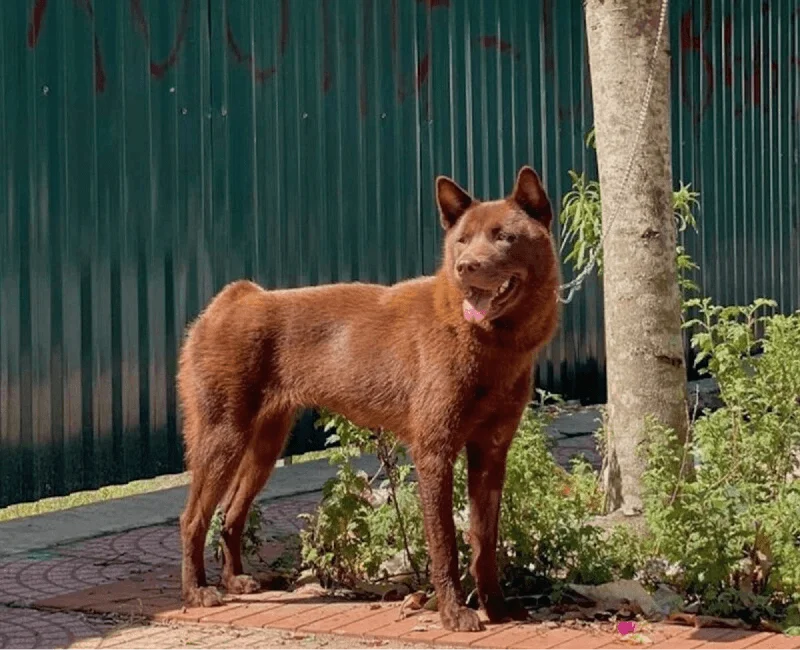
    Coat and Colors

    Hmong dogs boast a short, dense coat that’s both practical and attractive. Their fur is typically smooth and lies close to the body, requiring minimal grooming. This coat type is well-adapted to various climates, providing insulation in cold weather and protection from the elements. While exact color variations aren’t extensively documented, Hmong dogs often display solid colors or combinations that reflect their diverse genetic background. The breed’s coat contributes to its overall appearance, complementing its muscular physique and adding to its distinctive look.

    Temperament and Personality

    Hmong dogs possess a unique blend of traits that make them exceptional companions. Their temperament combines loyalty, intelligence, and protective instincts, creating a ever-changing and captivating pet. Let’s explore the various aspects of their personality and how they interact with their environment.

    Intelligence

    Hmong dogs are remarkably intelligent, demonstrating quick learning abilities and adaptability. Their sharp minds allow them to excel in training sessions, grasping new commands with ease. This intelligence stems from their historical role as hunting partners, where problem-solving and attentiveness were crucial. Hmong dogs require mental stimulation to prevent boredom, thriving on puzzle toys and interactive games. Their cognitive abilities also make them excellent at reading human emotions, allowing them to respond appropriately to their owners’ moods. This intelligence, coupled with their loyalty, creates a strong bond between Hmong dogs and their families.

    Family Compatibility

    Hmong dogs exhibit strong family compatibility, forming deep connections with their human companions. Their protective nature makes them excellent guardians, always alert to potential threats. These dogs are particularly gentle with children, displaying patience and a nurturing attitude. But, early socialization is key to ensuring they interact appropriately with all family members. Hmong dogs thrive on attention and affection, becoming integral parts of the family unit. Their energetic nature means they’re always ready for playtime, making them ideal for active families. While they can adapt to various living situations, Hmong dogs prefer homes with ample space for exercise and exploration.

    Interaction with Other Pets

    When it comes to interacting with other pets, Hmong dogs require careful introduction and supervision. Their strong prey drive, inherited from their hunting ancestry, can sometimes lead to chasing smaller animals. But, with proper socialization from a young age, Hmong dogs can coexist peacefully with other pets. They tend to get along well with dogs of similar size, often forming strong bonds. Interactions with cats and smaller pets should be monitored closely, especially during initial introductions. Hmong dogs’ territorial nature may cause some initial tension with new pets, but their intelligence allows them to learn and adapt to new social dynamics quickly. Consistent training and positive reinforcement are essential for fostering harmonious relationships between Hmong dogs and other household pets.

    Care Requirements

    Hmong dogs require dedicated care to thrive. We’ll explore their exact needs in exercise, grooming, nutrition, and health to ensure these unique companions lead happy, healthy lives.

    Exercise Needs

    Hmong dogs are energetic and require ample exercise to maintain their physical and mental well-being. They need at least 60-90 minutes of daily activity, including:

    • Brisk walks or jogs
    • Off-leash playtime in a secure area
    • Fetch or frisbee games
    • Agility training sessions

    These dogs excel in activities that challenge their intelligence and agility. We recommend:

    • Hiking trails
    • Swimming
    • Scent work exercises

    Providing varied exercise routines prevents boredom and helps channel their energy positively. Mental stimulation through puzzle toys and training sessions is equally important for these intelligent dogs.

    Grooming

    Hmong dogs have low-maintenance coats that require minimal grooming. Their short, dense fur is naturally self-cleaning, but regular care enhances their appearance and health. We suggest:

    • Brushing 1-2 times per week to remove loose hair and distribute natural oils
    • Bathing every 6-8 weeks or as needed
    • Checking and cleaning ears weekly to prevent infections
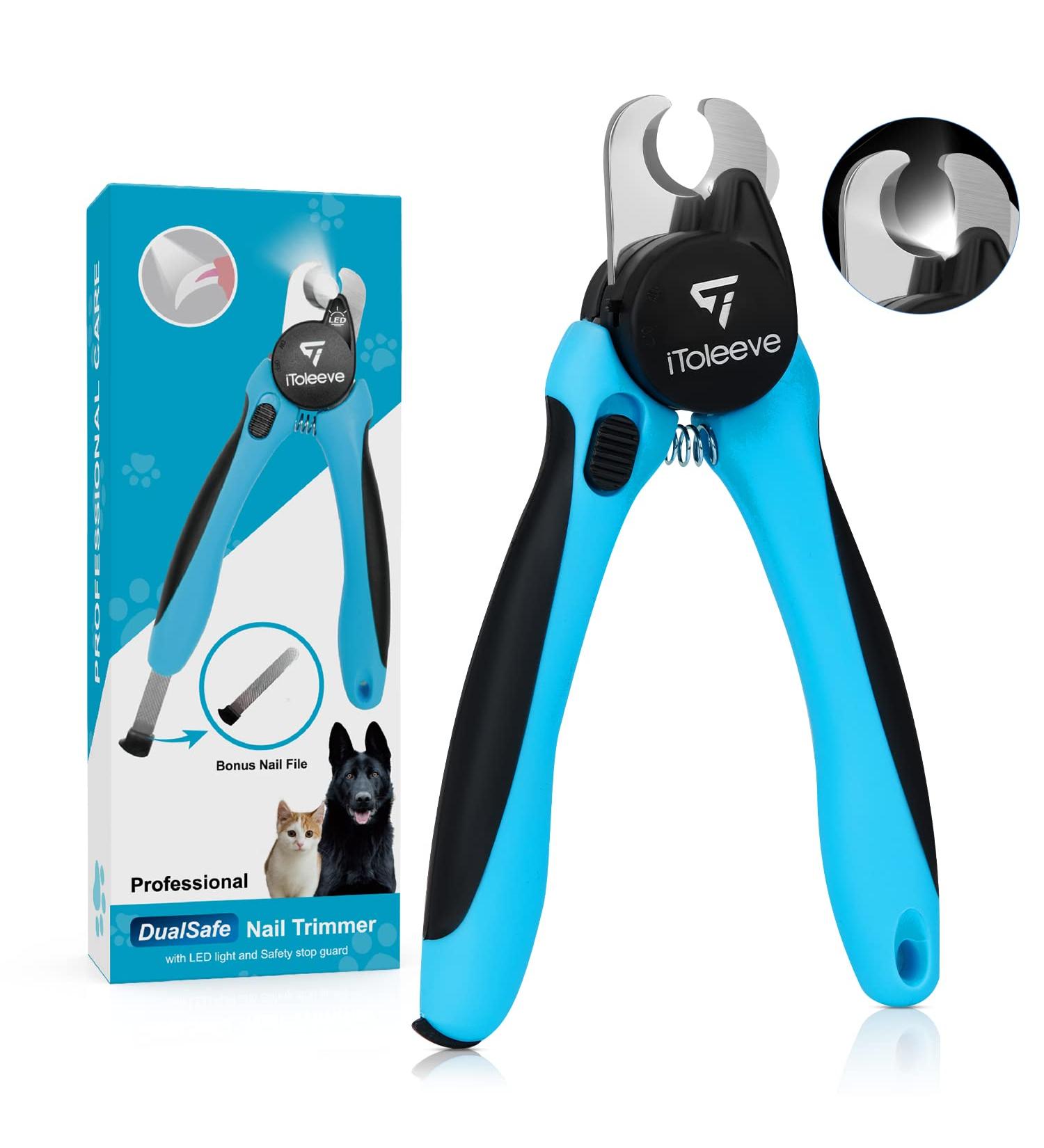
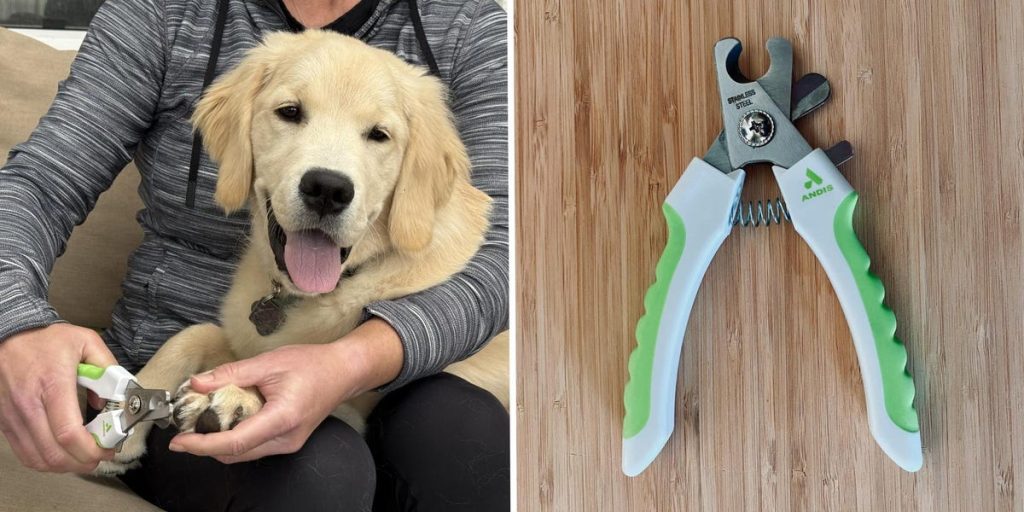
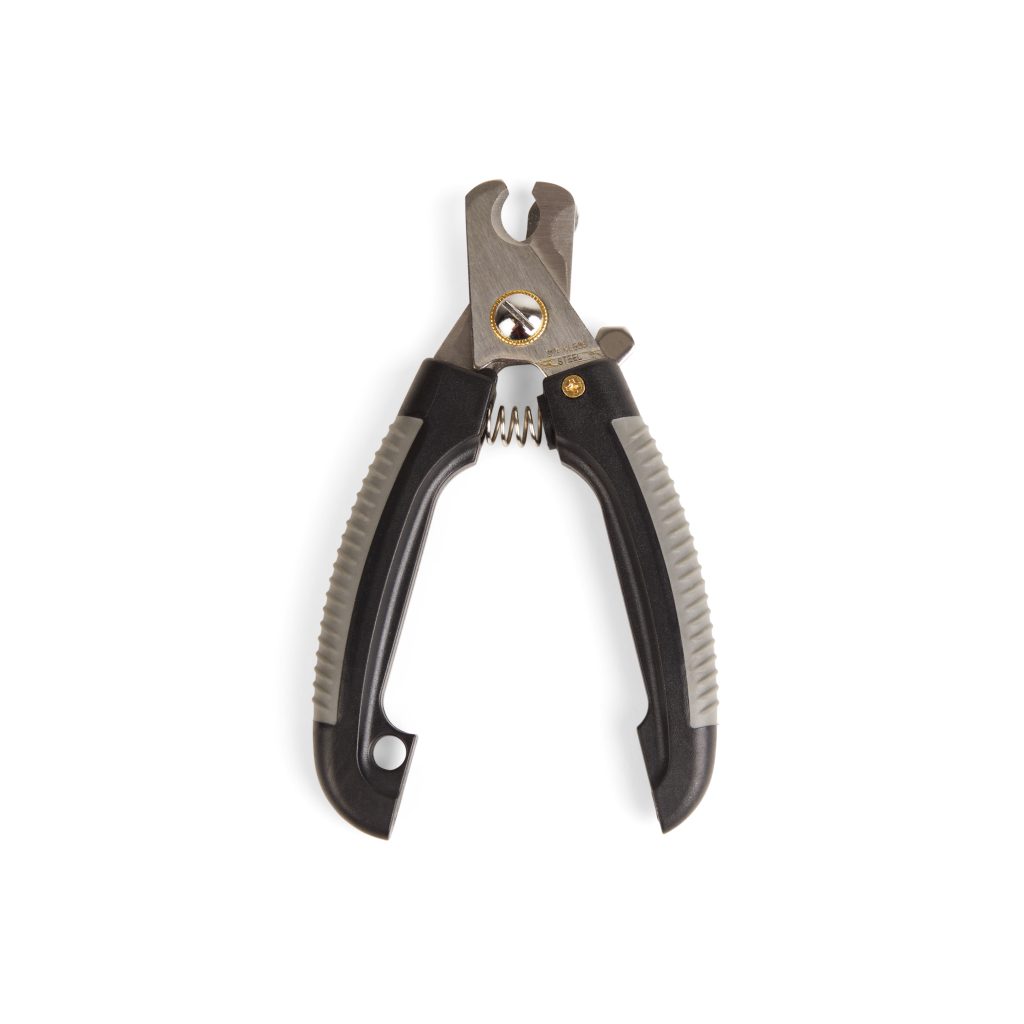
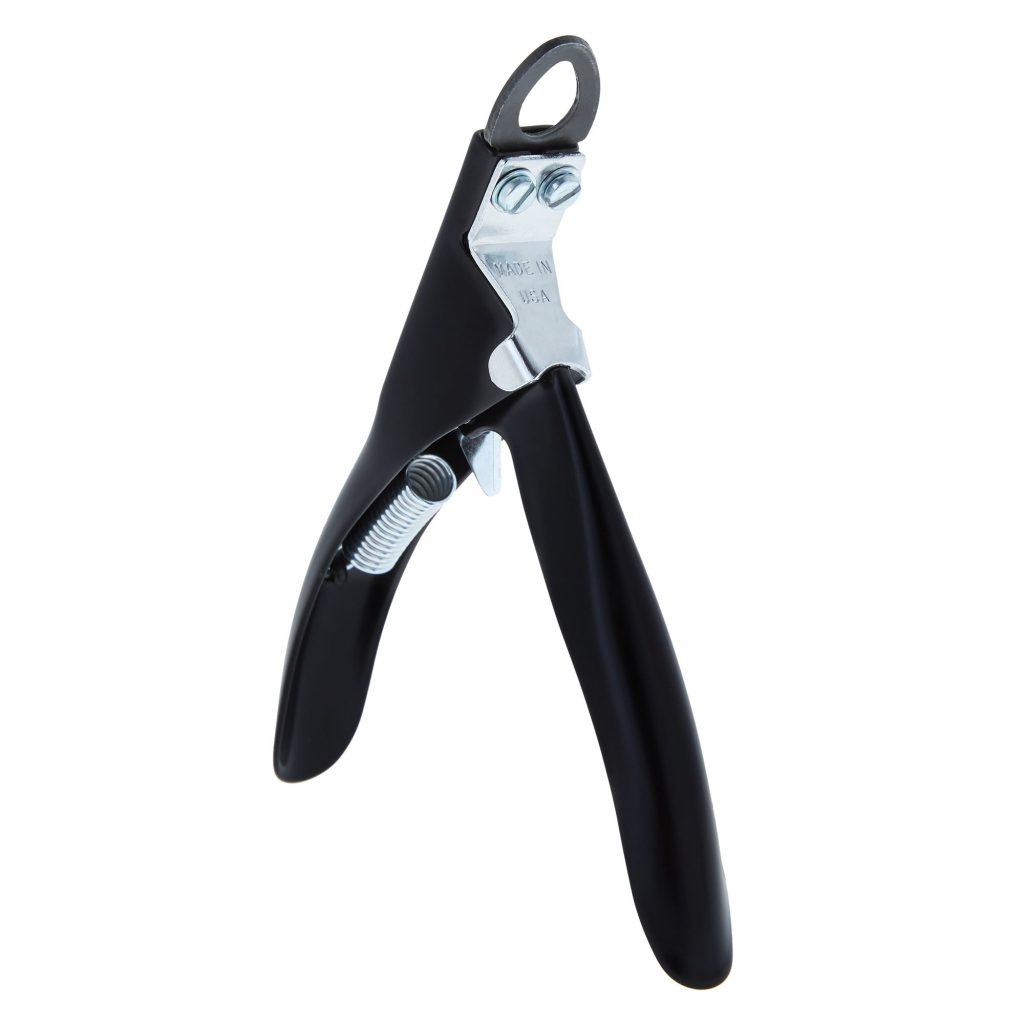
    • Trimming nails every 2-3 weeks or when you hear clicking on hard floors
    • Brushing teeth 2-3 times per week to maintain oral health

    During shedding seasons, increase brushing frequency to manage loose fur. Pay attention to their skin for any signs of allergies or infections, which they’re prone to developing.

    Nutrition and Feeding

    A balanced diet is crucial for Hmong dogs’ health and longevity. We recommend:

    • High-quality, protein-rich dog food formulated for medium to large active breeds
    • Feeding twice daily to prevent bloat
    • Adjusting portions based on age, weight, and activity level
    • Avoiding table scraps and human food to prevent obesity and digestive issues
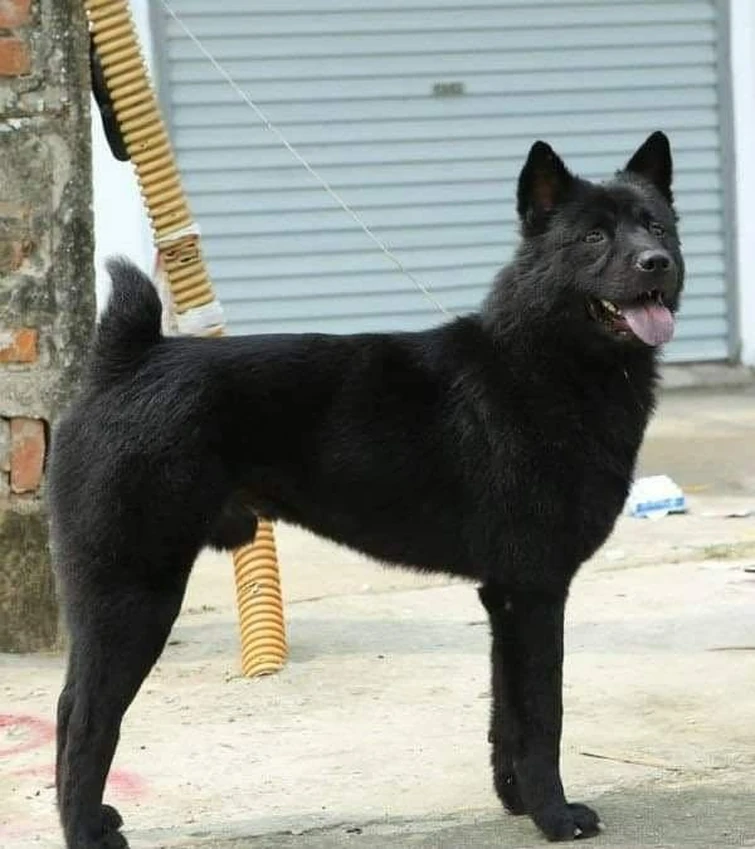
    Hmong Dog

    For puppies, feed cooked meat to mitigate gastrointestinal diseases. Adult Hmong dogs typically require:

    • 2-3 cups of dry food daily, divided into two meals
    • Fresh water available at all times

    Monitor their weight and adjust food intake accordingly. Consult a veterinarian for personalized nutrition advice, especially if your Hmong dog has exact health concerns or allergies.

    Training and Socialization

    Intelligence and Trainability

    Hmong dogs possess remarkable intelligence, making them highly trainable companions. Their keen minds and eagerness to learn create an ideal foundation for effective training. We’ve found that positive reinforcement techniques work exceptionally well with this breed. Treats and rewards serve as powerful motivators, encouraging Hmong dogs to master new commands and behaviors quickly.

    Early training is crucial for Hmong dogs. Their formative years provide the best opportunity to instill good habits and obedience. We recommend starting training sessions as soon as you bring your Hmong dog home. Consistency and patience are key factors in successfully training these intelligent canines.

    Positive Reinforcement

    When training Hmong dogs, positive reinforcement is the most effective approach. We strongly advise against using punishment-based methods, as they can lead to undesirable behaviors and damage the bond between dog and owner. Instead, focus on rewarding good behavior to encourage learning and obedience.

    Here are some effective positive reinforcement techniques for training Hmong dogs:

    • Treat rewards for correct responses to commands
    • Verbal praise and affection for good behavior
    • Clicker training to mark desired actions
    • Play sessions as a reward for successful training

    Socialization

    Early socialization is vital for Hmong dogs to develop into well-rounded companions. This breed can be naturally reserved with strangers and may develop strong protective instincts if not properly socialized. We recommend starting the socialization process as early as possible to ensure your Hmong dog interacts well with other dogs and humans.

    Effective socialization techniques for Hmong dogs include:

    • Exposing them to various people, animals, and environments
    • Enrolling in puppy socialization classes
    • Arranging playdates with other well-behaved dogs
    • Taking them on regular walks in different neighborhoods
    • Introducing them to various sounds, sights, and textures

    By implementing these socialization strategies, you’ll help your Hmong dog become more confident and adaptable in various situations. This early exposure helps curb potential aloofness and ensures they develop into well-adjusted adult dogs.

    Remember, the key to successful training and socialization of Hmong dogs lies in consistency, patience, and positive reinforcement. With proper guidance and care, these intelligent and loyal companions will thrive in their roles as devoted family members.

    Health Considerations

    Hmong dogs are generally hardy and healthy, but they’re not immune to certain health issues. Understanding these potential concerns and providing proper care is crucial for maintaining their well-being throughout their lives.

    Common Health Issues

    Hmong dogs are prone to several health conditions that owners should be aware of:

    1. Allergies: These dogs can develop allergies to pollen, food, and dust mites, often manifesting as skin rashes or excessive scratching.
    2. Gastrointestinal diseases: Hmong puppies are particularly sensitive to digestive issues. Feeding them cooked meat can help prevent gastrointestinal problems.
    3. Tick-borne diseases: Due to their love for outdoor activities, Hmong dogs are at risk for Lyme disease and canine bartonellosis. Regular coat checks for ticks and mites are essential.
    4. Skin infections: Their thick, long coats can lead to skin infections if not properly maintained. Regular grooming is crucial to prevent these issues.

    To mitigate these health concerns, we recommend:

    • Regular veterinary check-ups
    • A balanced, high-quality diet
    • Consistent grooming routines
    • Prompt treatment of any emerging health issues

    Lifespan and Aging

    Hmong dogs boast an impressive lifespan of 15-20 years, reflecting their robust health and adaptability. This longevity is attributed to their diverse genetic makeup, resulting from interbreeding with native Vietnamese jackals during historical migrations.

    As Hmong dogs age, they may experience:

    1. Reduced energy levels
    2. Joint stiffness or arthritis
    3. Dental issues
    4. Vision or hearing loss

    To support healthy aging in Hmong dogs, we suggest:

    • Adapting exercise routines to their changing needs
    • Providing joint supplements when recommended by a veterinarian
    • Maintaining regular dental care
    • Adjusting their diet to meet their evolving nutritional requirements

    By addressing these health considerations and providing attentive care throughout their lives, we can help ensure that Hmong dogs remain healthy, happy companions for many years.

    Unique Traits of the Hmong Dog

    The Hmong Dog, also known as the Hmong Docked Tail Dog, possesses several distinctive characteristics that set it apart from other breeds. We’ll explore these unique traits, highlighting what makes this ancient breed so special.
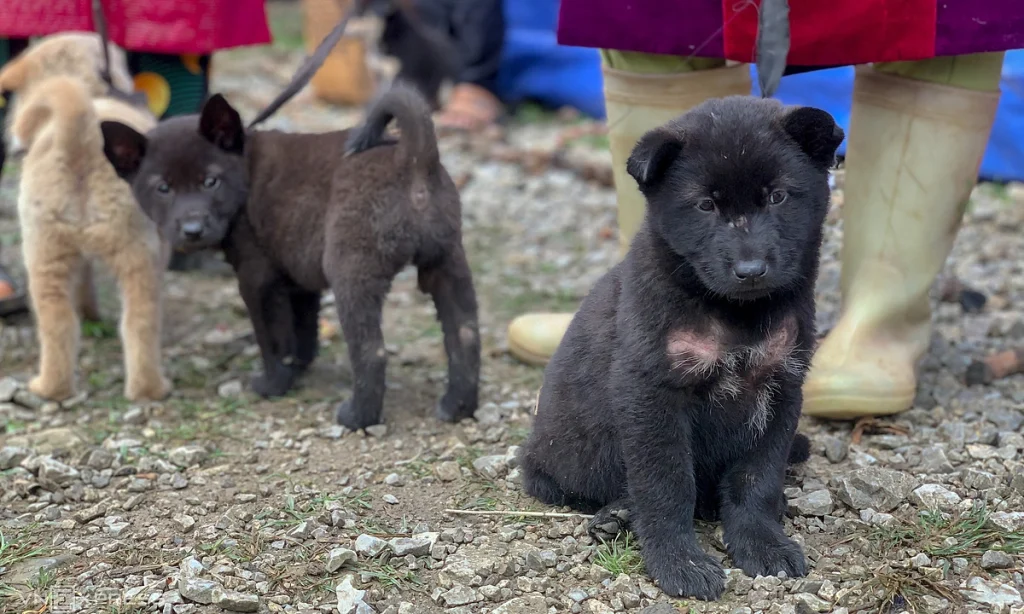
    Hmong Dog

    Physical Attributes

    Hmong Dogs boast a sturdy, muscular build that contributes to their impressive strength and agility. Their broad, prominent back is a key feature, enabling them to maintain a strong and steady gait. This physical structure makes them well-suited for various activities, including hunting and guarding.

    One of the most striking features of the Hmong Dog is its coat. These dogs have a thick, double coat that’s dense and rough to the touch. The outer layer often has an oily texture, providing excellent protection against harsh weather conditions, particularly cold temperatures. This unique coat comes in a variety of colors, including:

    • White
    • Black
    • Gray
    • Brown
    • Yellow
    • Brindle

    A rare brownish-red coat color is particularly prized among Hmong Dog enthusiasts.

    Perhaps the most distinctive physical trait of the Hmong Dog is its tail – or lack thereof. These dogs are either born tailless or with a short, stubby tail measuring only 1 to 2 inches in length. This characteristic has earned them the alternative name of Hmong Docked Tail Dog.

    The Hmong Dog’s head is adorned with erect, pointed ears that contribute to their alert and attentive expression. These ears, combined with their muscular build and unique tail, create a striking silhouette that’s easily recognizable.

    Intelligence and Trainability

    Hmong Dogs are renowned for their high intelligence and quick learning abilities. These traits make them exceptionally trainable, especially when proper techniques are employed. Early socialization and positive reinforcement methods yield the best results when training Hmong Dogs.

    Their intelligence extends beyond mere trainability. Hmong Dogs demonstrate remarkable problem-solving skills and adaptability, traits that have served them well in their traditional roles as hunting and guard dogs. These qualities also make them excellent companions for active households that can provide mental stimulation and engage in regular training sessions.

    Temperament and Personality

    While Hmong Dogs are known for their loyalty and affection towards their families, they also possess a strong protective instinct. This combination of traits makes them excellent guardians, but it also necessitates proper socialization from an early age to ensure they interact positively with strangers and other animals.

    Even though their protective nature, well-socialized Hmong Dogs can be gentle and patient with children, making them potential family pets for experienced dog owners. But, their high energy levels and need for mental stimulation mean they’re best suited to active households that can provide ample exercise and engagement.

    Adaptability and Resilience

    The Hmong Dog’s history as a working breed in challenging environments has contributed to its remarkable adaptability and resilience. These dogs can thrive in various climates, thanks in part to their weather-resistant coat. But, they do best in homes with ample space for exercise and play.

    Their resilience extends to their health as well. While all dogs can potentially face health issues, Hmong Dogs are generally hardy and long-lived, with proper care and nutrition contributing to their overall well-being.

    By understanding these unique traits of the Hmong Dog, potential owners can better appreciate the special qualities of this ancient breed. From their distinctive physical attributes to their keen intelligence and loyal nature, Hmong Dogs offer a combination of characteristics that make them truly one-of-a-kind companions for the right households.

    Adoption and Ownership Considerations

    Adopting a Hmong dog requires careful consideration of their unique needs and temperament. These intelligent and loyal companions demand dedicated care and attention to thrive in a family setting.

    Cost of Ownership

    Owning a Hmong dog involves various expenses beyond the initial adoption or purchase price. Here’s a breakdown of potential costs:

    • Initial expenses: $500-$1,000 (adoption fees, supplies, initial vet visit)
    • Annual medical costs: $300-$500 (routine check-ups, vaccinations)
    • Food: $400-$600 per year
    • Grooming: $200-$300 annually (minimal grooming needs)
    • Training: $500-$1,000 (professional training sessions)
    • Exercise equipment: $100-$200 (toys, leashes, harnesses)

    Long-term costs may include unexpected medical expenses, pet insurance, and boarding fees. Hmong dogs’ 15-20 year lifespan means a important financial commitment over time. Budgeting for these expenses ensures proper care and a happy, healthy companion.

    Finding a Reputable Breeder

    Locating a reputable Hmong dog breeder requires diligence and research. Here are key steps to find a trustworthy source:

    1. Research extensively: Look for breeders specializing in Hmong dogs
    2. Check credentials: Verify breeder’s memberships in recognized kennel clubs
    3. Request health certifications: Ask for proof of genetic testing and health screenings
    4. Visit the breeding facility: Observe living conditions and interaction with dogs
    5. Ask questions: Inquire about breeding practices, socialization, and after-sale support
    6. Meet the parents: Assess temperament and health of parent dogs
    7. Review contracts: Understand terms, health guarantees, and return policies
    8. Seek references: Contact previous buyers for their experiences
    9. Avoid red flags: Be wary of unusually low prices or reluctance to answer questions

    Reputable breeders prioritize the health and well-being of their dogs, conduct necessary health screenings, and provide a nurturing environment for puppies. This approach ensures you bring home a healthy, well-socialized Hmong dog while discouraging unethical breeding practices.

    Conclusion

    The Hmong dog stands as a testament to the enduring bond between humans and canines. We’ve explored their rich history loyal nature and unique characteristics that make them exceptional companions. While owning a Hmong dog requires careful consideration and commitment their intelligence and devotion make them truly special pets.

    For those ready to welcome a Hmong dog into their lives proper research and preparation are key. By understanding their needs and working with reputable breeders we can ensure these remarkable dogs continue to thrive and bring joy to families for generations to come.
  • Ultimate Dog Paw Cleaner Guide: Keep Your Home Spotless

    Ultimate Dog Paw Cleaner Guide: Keep Your Home Spotless

    Ever wonder why your floors seem to be a magnet for muddy paw prints? As dog lovers, we know the struggle of keeping our homes clean while letting our furry friends enjoy their outdoor adventures. Enter the dog paw cleaner—a game-changer for maintaining a spotless home without sacrificing your pet’s playtime.

    With dirt and allergens lurking outside, a paw cleaner is essential for every dog owner. Not only does it keep our living spaces tidy, but it also helps reduce allergens that could affect our pets and us. Whether we’re city dwellers or countryside explorers, a reliable paw cleaner saves us from the hassle of constant mopping and scrubbing.

    What Is a Dog Paw Cleaner?

    A dog paw cleaner is a tool designed to clean and maintain a dog’s paw hygiene. After outdoor activities, paws often become dirty, collecting mud, dirt, and allergens. With a paw cleaner, we can effectively clean our dog’s paws, keeping our living spaces cleaner and reducing allergens inside the home.

    Types of Dog Paw Cleaners

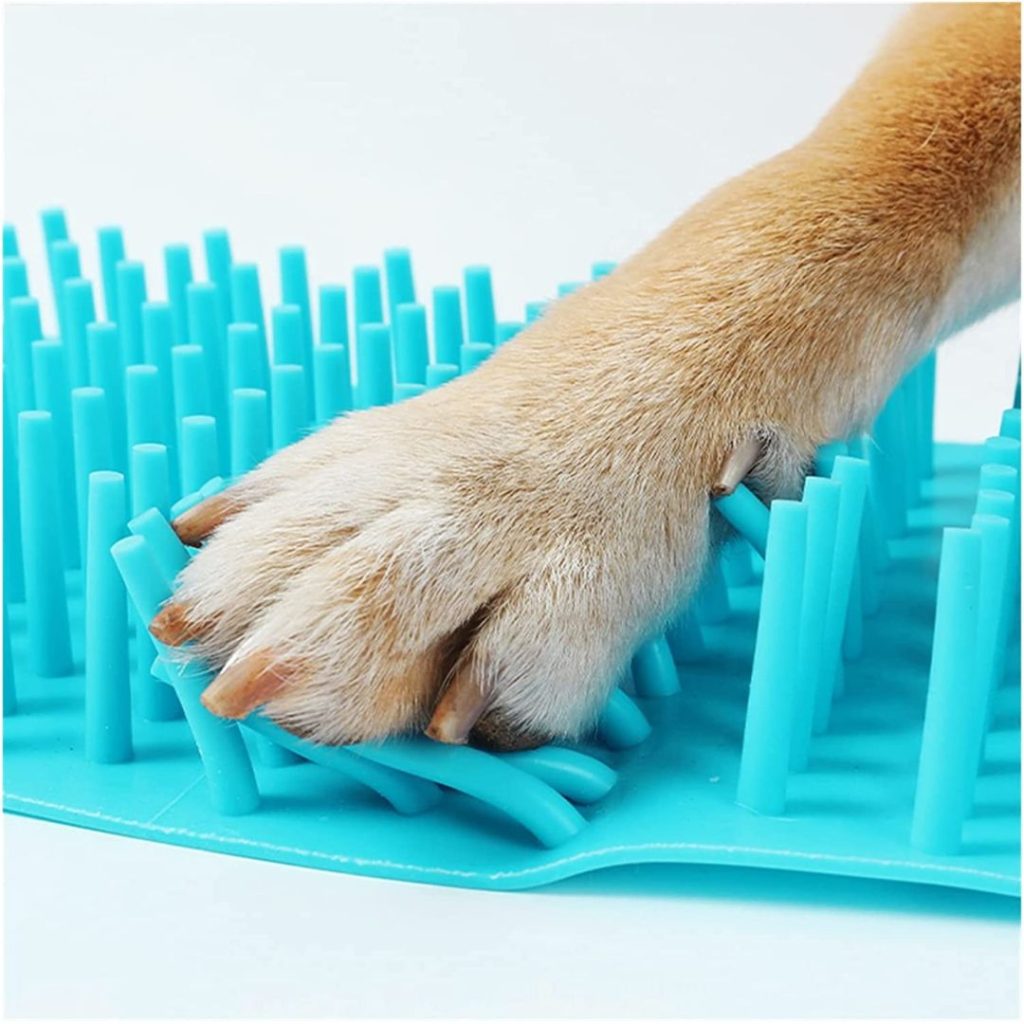
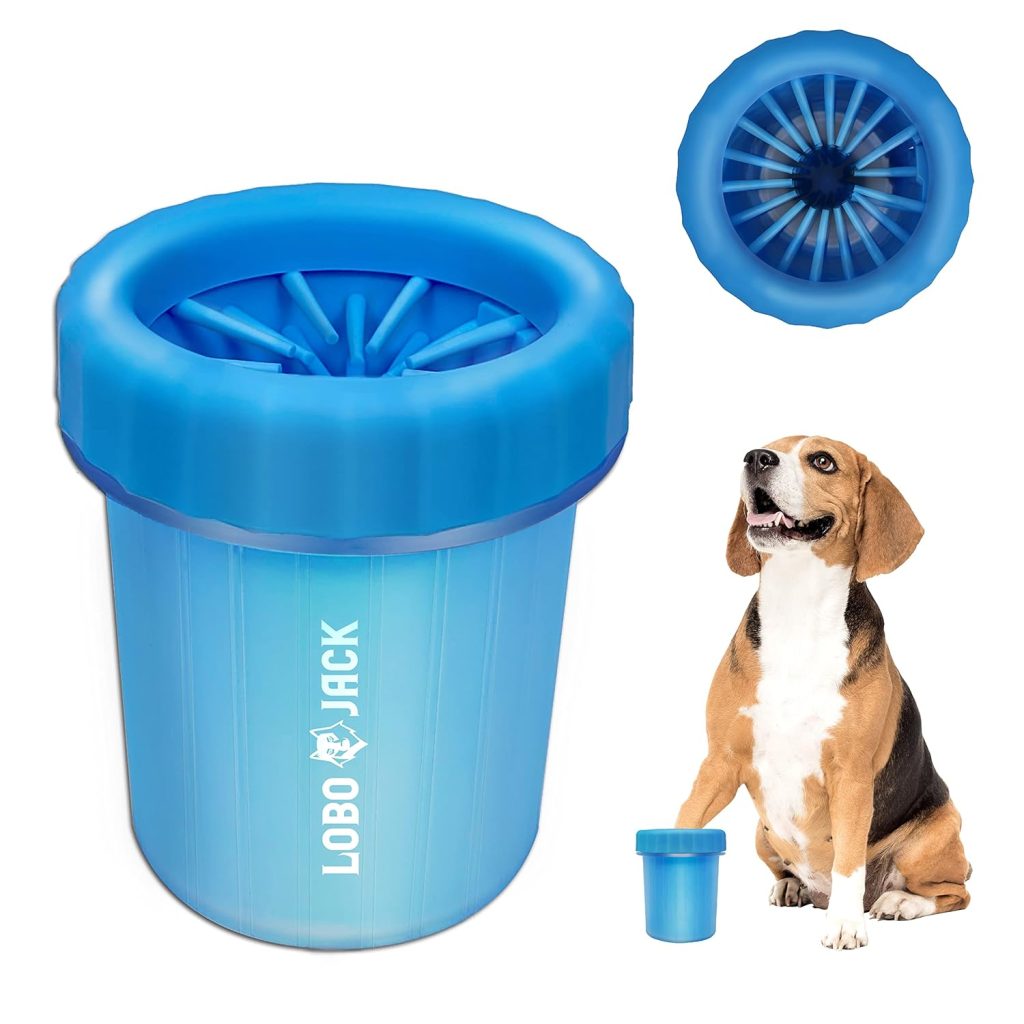
    • Manual Dog Paw Cleaners: These handheld tools usually feature gentle silicone bristles. By inserting the paw and twisting, they loosen dirt and mud effectively. They’re simple yet effective, ideal for us when we need a quick clean.
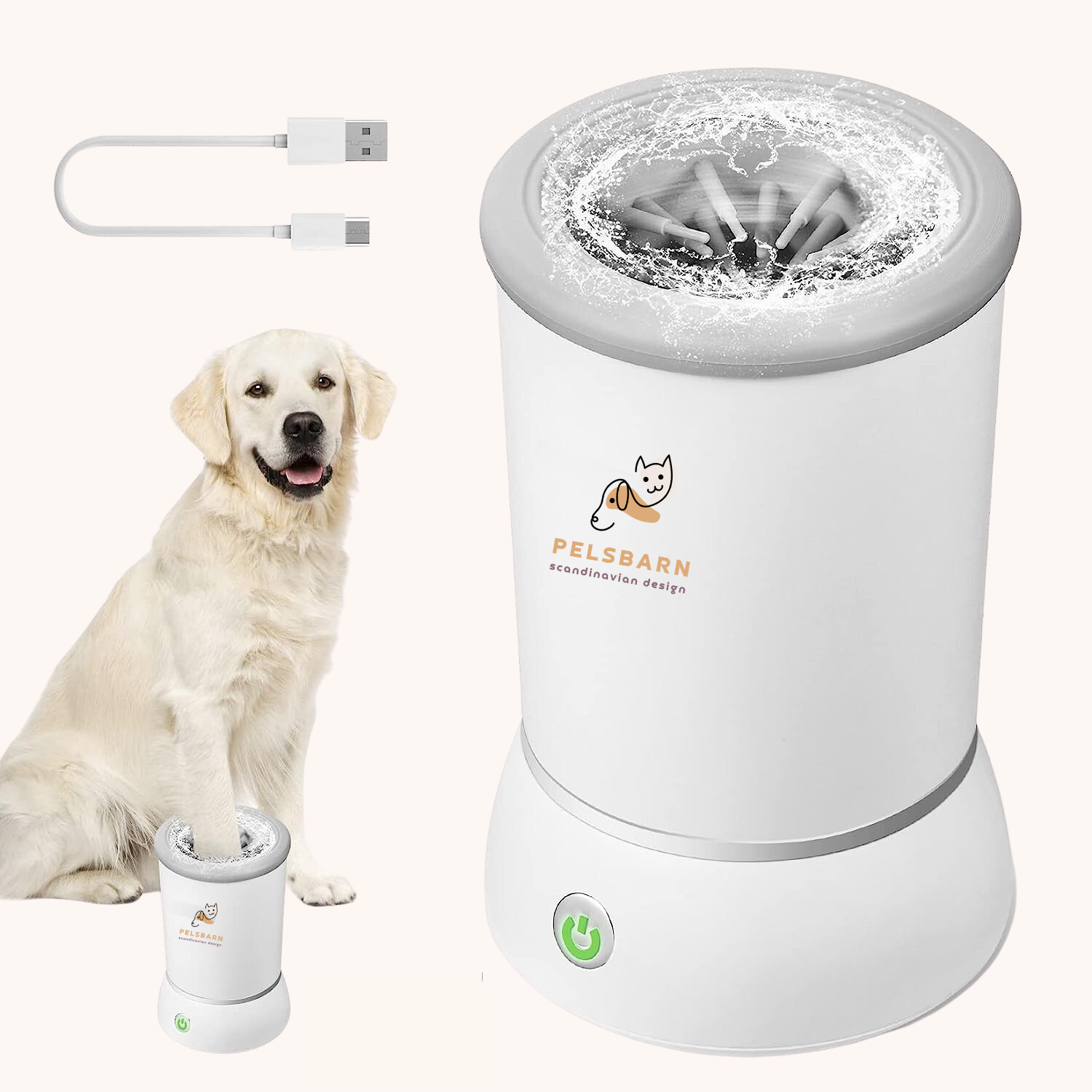
    • Automatic Dog Paw Cleaners: Advanced devices offer ease of use through features like 360-degree rotation. Automatic paw cleaners use water and soap to rotate and clean paws thoroughly, reducing our cleaning time.
    Methods of Cleaning

    • Wet Wipes: Easy to use and portable, wet wipes provide a quick cleaning method. Perfect for a touch-up before entering the house, they effectively remove surface dirt.
    • Microfiber Towel: After a walk, drying paws with a microfiber towel helps ensure all moisture and dirt are removed. They’re particularly useful when coming back from muddy environments.

    Benefits of a Dog Paw Cleaner

    Using a dog paw cleaner eliminates the hassle of constant floor cleaning. These tools are practical for environments ranging from city streets to countryside mud. Regular use also minimizes allergens we might bring indoors, improving the living experience for both pets and us. Whether it’s after a rainy day or a hike, a paw cleaner proves invaluable in maintaining cleanliness.

    Benefits of Using a Dog Paw Cleaner

    Dog paw cleaners offer many benefits, significantly improving both pet and owner experiences. These tools effectively maintain cleanliness and hygiene, crucial for households that enjoy outdoor adventures with their dogs.

    • Cleaning and Hygiene: Dog paw cleaners remove dirt, mud, and debris from a dog’s paws, keeping them clean and dry. This is particularly beneficial after walks in muddy conditions, preventing germs from tracking into the house. Paw cleaners also minimize the hassle of daily mopping and protect floors and furniture from muddy prints.
    • Health and Safety: Regular use of a paw cleaner aids in examining paws for injuries, including cuts or lumps. This ensures early detection and treatment of health issues. Anti-bacterial options eliminate bacteria and pathogens from walks, reducing the risk of diseases such as leptospirosis and parvovirus, which protects both canine and human house inhabitants from infections.
    • Convenience and Efficiency: With features like gentle silicone bristles and 360-degree rotation, paw cleaners efficiently scrub away dirt. They offer ease of use, requiring a simple water-filled chamber and a twist. Some cleaners are portable, making them ideal for trips to parks and adventurous outings, ensuring clean paws anytime, anywhere.
    • Promotes Positive Experience: Providing treats or enrichment during paw-cleaning sessions can make them a positive experience for dogs. Products with natural ingredients ensure gentleness for dogs with skin sensitivities, and they can replace methods like wipes or towels.

    Using a paw cleaner not only saves time but also maintains a healthier home environment. By embracing these tools, pet owners can enjoy outdoor activities without the stress of returning to a dirty home.

    Types of Dog Paw Cleaners

    Dog paw cleaners are essential tools for maintaining a clean home and ensuring a dog’s paw hygiene after outdoor adventures. We’ll explore the two main types: manual and automatic cleaners.

    Dog Paw Cleaner

    Manual Cleaners

    Manual dog paw cleaners require direct involvement using various tools. One popular method involves using wet wipes to quickly clean paws at the door, especially after walks. Microfiber towels serve well for drying paws and removing dirt and debris. Cleaning paws in a sink, bath, or shower with dog-safe shampoo offers a thorough clean, especially for heavily soiled paws. Home remedies like diluted apple cider vinegar or baking soda can effectively clean and deodorize paws. These methods allow customization based on a dog’s size and cleaning needs.

    Automatic Cleaners

    Automatic dog paw cleaners offer convenience with minimal effort. These devices often feature a 360-degree cleansing cup with gentle silicone bristles to remove dirt and mud effectively. Simply placing the paw in the device initiates a rotating action, thoroughly cleaning the paw’s surface and reaching between the toes. The emphasis on skin-friendly materials ensures safety during use. These cleaners prove ideal for frequent use and are perfect for keeping by the backdoor or taking on outdoor adventures. They’re efficient, saving time while ensuring paws stay clean and healthy.

    Factors to Consider When Choosing a Dog Paw Cleaner

    Selecting the right dog paw cleaner involves considering several factors to ensure it meets your dog’s needs. Accurate information aids in picking a cleaner that optimizes both convenience and effectiveness.

    Dog Size

    The size of your dog significantly impacts the type of paw cleaner suited for them. Smaller dogs, like Chihuahuas or Yorkshire Terriers, benefit from portable paw cleaners or even wet wipes, which are effective for limited dirt. Larger breeds, such as Golden Retrievers or Labradors, require a more robust cleaning method, like an automatic paw cleaner with features designed for thorough cleaning. Properly assessing dog size is key to ensuring the cleaner is both efficient and comfortable for use.

    Environment Suitability

    Environmental conditions play a crucial role in choosing a paw cleaner. In urban areas, where dogs encounter more concrete and debris, a cleaner with a sturdy build is ideal. In rural or suburban settings, where there’s more dirt and mud, a cleaner equipped to handle heavier residues is beneficial. Whether facing rain, snow, or dry conditions, selecting a cleaner that adapts to varied environments ensures lasting performance and helps keep your dog’s paws consistently clean.

    Skin Sensitivities

    Addressing your dog’s skin sensitivities is essential when choosing a paw cleaner. If a dog has cracked or irritated skin, select cleaners with gentle materials, such as silicone bristles, to avoid further irritation. Some cleansers offer antibacterial answers for dogs prone to infections. By focusing on the exact needs of a dog’s paw sensitivity, we ensure their cleaning experience is both safe and comfortable, reducing the risk of adverse reactions.

    How to Use a Dog Paw Cleaner Effectively

    Selecting the right dog paw cleaner ensures a safe and efficient cleaning process. Our first step is choosing a cleanser specifically made for dogs. Human shampoos or harsh detergents might cause irritation or allergies. We focus on products with natural ingredients to maintain healthy paw condition while tackling dirt.

    Gathering all necessary materials before we start prevents interruptions. We use lukewarm water combined with dog-safe cleaning agents to enhance comfort. This preparation is crucial, especially after walks in snowy or muddy areas.

    Steps for Cleaning

    1. Wet Wipes: For quick cleanups, especially post-short walks, we use wet wipes. They’re convenient at the door and effective for removing surface dirt without a full wash.
    2. Microfiber Towels: Ideal for smaller dogs or rapid drying sessions. Microfiber towels offer gentle cleaning and drying, reducing moisture and debris after outdoor fun.
    3. Washing in Sink/Bath/Shower: For deeper cleaning, especially after muddy activities, we wash paws in a sink, bath, or shower. Smaller dogs fit well in kitchen sinks, but for larger breeds, a bath or shower works best. The key is gentle brushing to remove grime without harming the paws.

    Using Advanced Cleaners

    • Bealy Dog Paw Cleaner: This device, similar to the MudBuster, effectively removes salt and mud through gentle silicone bristles. We insert the paw into the container and twist gently. It’s simple and efficient for urban environments with salted sidewalks.
    • 360-Degree Rotating Cleaners: Perfect for an all-around clean. Automatic rotation cleans multiple surfaces, ensuring deep dirt removal. These usually use skin-friendly silicone, offering a thorough yet gentle cleaning.
    Dog Paw Cleaner

    Improving the Experience

    To ensure our dogs find this process enjoyable, we introduce treats or enrichment activities during cleaning. Lick mats, for instance, keep them distracted and happy, making the cleaning part of a positive routine. Regular paw hygiene not only keeps floors clean but also prevents allergens and saves us from unnecessary paw licking or irritation down the line.

    Alternatives to Dog Paw Cleaners

    Dog paw cleaning doesn’t always require specialized products. Certain alternatives offer effective paw hygiene without the need for dedicated cleaners, catering to different preferences and situations.

    Baby Wipes

    Baby wipes offer a gentle cleaning solution for dog paws. Hypoallergenic and natural baby wipes stand out due to their skin-friendly nature. They’re ideal for quick cleanups after city walks or a day in the park. Easy to carry, they fit conveniently into a car’s glove compartment or a backpack. Besides paws, they clean other dog body parts such as the coat, making them versatile. But, it’s vital to choose natural and hypoallergenic options to avoid skin irritation, especially for dogs with sensitive skin.

    Moist Cloth or Paper Towel

    A moist cloth or paper towel provides a simple method of cleaning. By dampening the cloth or towel with water, dirt and dust can be effectively removed from a dog’s paws. This approach suits lightly soiled paws but struggles with thick mud or embedded debris. Its ease and speed make it a favored option for minor dirt removal. Also, a quick wipe using water prevents the skin from drying out, keeping the paws moisturized naturally, which is perfect for routine paw maintenance.

    Dog Shampoo

    Dog shampoo, used with water, ensures deep cleaning for excessively dirty paws. It acts effectively with muddy paws post-hike or after playing in the rain. By gently massaging the shampoo into the paws, debris and dirt can be thoroughly rinsed away. Opting for a mild, dog-safe shampoo protects against irritation and ensures safe cleaning. After shampooing, remembering to rinse properly is crucial, preventing soap residue from causing dryness or irritation. Adjust frequency based on activity level and need for maintaining hygiene without overdoing it.

    Conclusion

    Dog paw cleaners have emerged as indispensable tools for pet owners who want to keep their homes clean without curbing their dogs’ outdoor adventures. By effectively removing dirt and allergens, these cleaners not only maintain hygiene but also enhance the health and safety of our furry friends. With various options available, from manual to automatic cleaners, we can find the perfect fit for our dogs’ needs. Incorporating treats and positive reinforcement makes the cleaning process enjoyable, ensuring regular paw hygiene becomes a simple, rewarding routine. Eventually, investing in a dog paw cleaner enriches our pets’ lives and creates a cleaner, healthier living environment for everyone.

  • Histiocytoma In Dogs: Symptoms, Causes & Treatments Guide

    Histiocytoma In Dogs: Symptoms, Causes & Treatments Guide

    Did you know that histiocytoma tumors affect up to half of all dogs at some point? These benign growths typically appear on the head and legs of dogs aged between five months and thirteen years. Understanding histiocytoma dog is essential for pet owners to recognize and address this common condition effectively.

    We explore the causes, symptoms, and treatment options for canine histiocytomas, providing clear and actionable information. Whether you’re noticing a lump on your dog’s skin or seeking to learn more about their health, our guide offers valuable insights and practical advice. From natural regression to when surgical intervention is needed, we’ll cover everything you need to know to support your pet’s well-being.

    Join us as we uncover the key aspects of histiocytoma dog, empowering you to make informed decisions for your furry friend’s health.

    What Is Histiocytoma in Dogs?

    Histiocytoma in dogs is a benign skin tumor originating from Langerhans cells, a type of dendritic cell present in the epidermis. These tumors display epidermal tropism, meaning they primarily affect the outer layers of the skin. Histiocytomas express exact leukocyte antigens, including CD1a, CD1b, CD1c, and CD11c, which are characteristic markers of Langerhans cells.

    Clinically, histiocytomas typically present as solitary, well-circumscribed lesions. They most commonly appear on the head and limbs, though they can occasionally develop on the chest. The size of these tumors ranges from 0.2 to 3 centimeters in diameter. While histiocytomas can occur in dogs of any age, they are predominantly seen in younger dogs, with incidence rates significantly declining after three years of age.

    In a study involving 30 dogs, histiocytomas were evenly distributed between males and females, and the median age varied across different groups based on lymphocytic infiltration. Tumors were classified into four groups, with median ages ranging from 0.5 to 10 years, depending on the degree of immune cell presence within the tumor.

    Histiocytoma dog tumors exhibit a rapid growth phase followed by spontaneous regression in most cases. This regression is facilitated by the dog’s immune system, particularly through the action of CD4⁺ and CD8⁺ T cells and the expression of Th1 cytokines. Approximately half of the tumors resolve within two to three months without intervention. But, surgical removal may be necessary if the tumor does not regress naturally or if it enlarges rapidly.

    It is crucial to avoid treating histiocytomas with intralesional corticosteroids, as such treatment can suppress the immune response required for spontaneous remission. Instead, if intervention is needed, options include surgical excision or cryotherapy, especially for non-regressing or non-resectable lesions in older dogs.

    Immunohistochemical staining plays a vital role in distinguishing histiocytomas from other similar-appearing tumors, such as lymphoma or mast cell tumors. Accurate diagnosis through these methods ensures appropriate treatment and prognosis. Most dogs with histiocytoma have a favorable outlook, provided the tumor is managed correctly and does not metastasize.

    By understanding the characteristics and behavior of histiocytoma in dogs, pet owners can make informed decisions about their pet’s health and seek timely veterinary care when necessary.

    Symptoms of Histiocytoma in Dogs

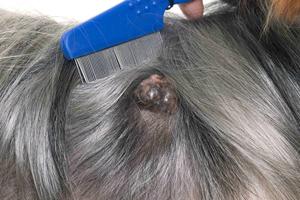
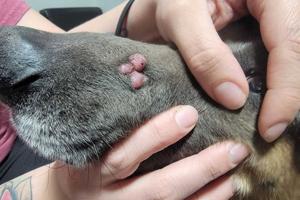
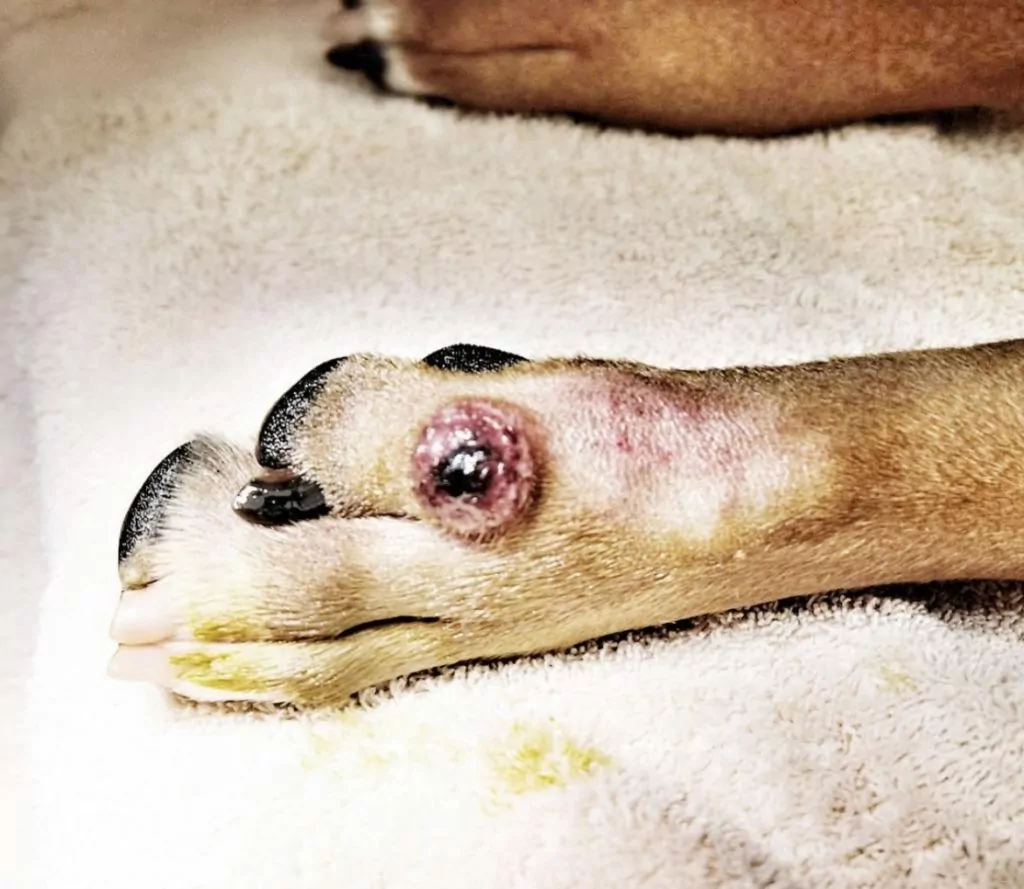
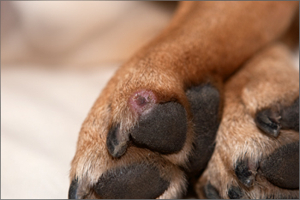
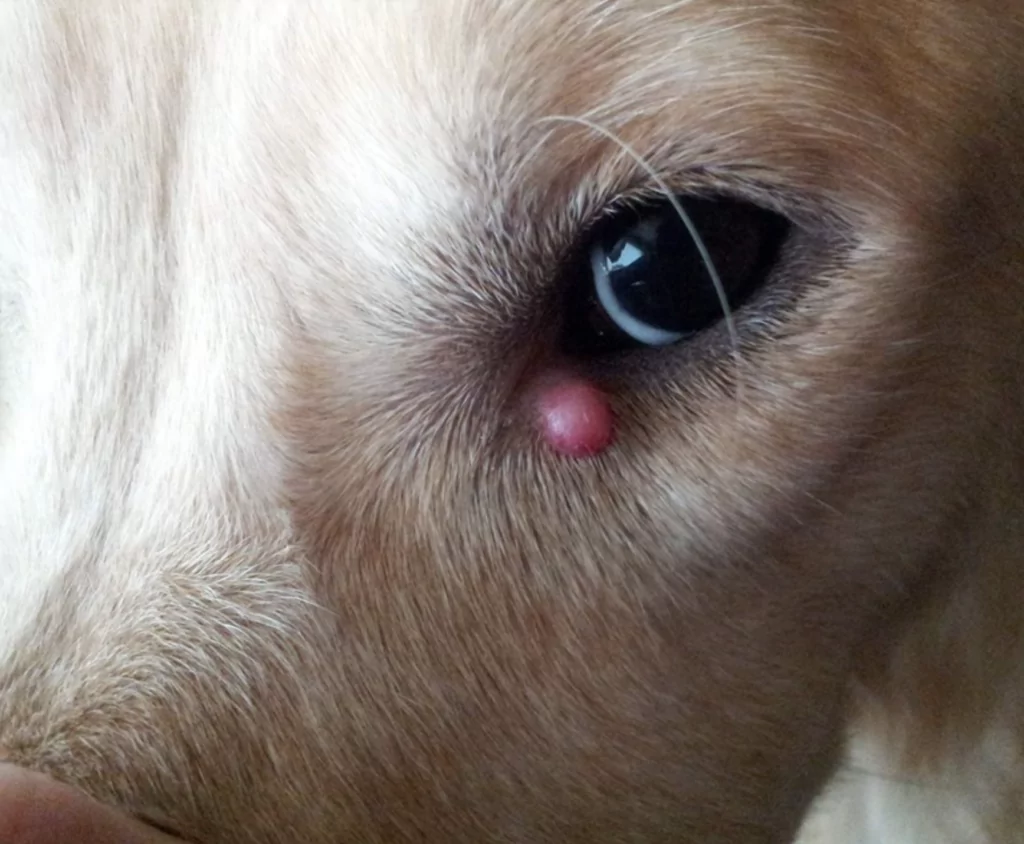
    Histiocytoma in dogs presents through distinct symptoms that aid in identification. These tumors appear as small, raised, button-like or dome-shaped masses on the skin. Typically, they exhibit a pink or red coloration and lack hair. Most histiocytomas occur as solitary growths, though multiple lesions can develop in some cases.

    Common Locations

    Histiocytomas frequently locate on the head, ears, face, and limbs. Data from studies reveal that the majority of tumors originate on the head and legs, with rare instances on the chest. Understanding these common sites helps in early detection and monitoring.

    Growth Patterns

    Histiocytoma growth is rapid within the first one to four weeks after appearance. During this period, the mass can increase in size noticeably. Recognizing the swift development aids owners in seeking timely veterinary evaluation.

    Surface Characteristics

    The surface of a histiocytoma is usually smooth. But, it may ulcerate or develop crusts and scabs, especially if the dog licks or scratches the area. These surface changes can indicate irritation or secondary issues requiring attention.

    Pain and Discomfort

    Generally, histiocytomas do not cause pain or itchiness. Nonetheless, some dogs may exhibit licking or chewing behavior if the tumor becomes irritated. Monitoring these behaviors is essential to prevent further complications.

    Infection and Complications

    Infected histiocytomas exhibit additional symptoms such as bleeding, open sores with pus, and swelling around the lump. Infection necessitates prompt veterinary care to avoid more severe health issues. Recognizing these signs ensures appropriate intervention and treatment.

    Demographic Factors

    Histiocytoma primarily affects young dogs under four years old, though it can occur in older dogs. Studies show a median age range from nine to ten years across various groups. There are no important breed or sex predilections, although Sharpei and Sharpei crosses may develop multiple histiocytomas concurrently.

    Clinical Presentation

    A typical histiocytoma presents as a solitary plaque or dome-shaped nodule less than 2.5 centimeters in diameter. Lesions may become alopecic and ulcerated over time. Most cutaneous histiocytomas undergo spontaneous regression within several weeks, highlighting the importance of accurate diagnosis and monitoring.

    SymptomDescription
    AppearanceSmall, raised, button-like or dome-shaped masses
    ColorPink or red, hairless
    Common LocationsHead, ears, face, limbs
    Growth RateRapid growth in 1-4 weeks
    Surface CharacteristicsSmooth, may ulcerate or develop crusts
    Pain and DiscomfortGenerally painless, may lick or chew if irritated
    Infection IndicatorsBleeding, open sores with pus, swelling

    By understanding these symptoms, we equip ourselves to recognize histiocytoma in dogs promptly, ensuring timely veterinary consultation and effective management.

    Causes of Histiocytoma in Dogs

    Immune System Involvement

    Histiocytoma dog tumors result from the proliferation of Langerhans cells, a type of immune cell in the skin. This overgrowth leads to benign tumor formation. These cells typically regulate immune responses, but their unchecked multiplication causes the development of histiocytomas. Understanding immune system involvement helps in diagnosing and managing these tumors effectively.

    Age and Breed Predisposition

    Histiocytoma dog tumors primarily affect younger dogs, especially those under three years of age. But, they can occur in dogs up to thirteen years old. Certain breeds show higher susceptibility, including:

    • Boxers
    • Labrador Retrievers
    • Staffordshire Terriers
    • English Bulldogs
    • Scottish Terriers
    • Greyhounds
    • Boston Terriers
    • Chinese Shar Peis
    • Dachshunds

    These breeds account for a important percentage of histiocytoma cases, indicating a strong breed predisposition. Most tumors are localized on the head and legs, with fewer instances on the chest. Both male and female dogs are equally affected.

    Genetic Component

    A genetic component contributes to the development of histiocytoma dog tumors. Breeds with a genetic predisposition show a higher incidence, suggesting inherited factors play a role. Studies indicate that certain genetic markers may increase the risk of tumor formation in predisposed breeds. This genetic link underscores the importance of monitoring at-risk breeds for early detection and management.

    Additional Risk Factors

    Besides immune and genetic factors, other elements contribute to histiocytoma dog tumors:

    • Age: Younger dogs are more frequently affected, but older dogs can develop tumors as well.
    • Localization: Tumors commonly appear on the head, especially the ears, and limbs.
    • Health Status: Most dogs with histiocytomas are healthy otherwise, with the tumor being the primary concern.
    CauseDescription
    Immune SystemOverproliferation of Langerhans cells leading to benign tumor formation.
    Age PredispositionMost common in dogs under three years, though they can appear in older dogs up to thirteen years.
    Breed PredispositionHigher incidence in breeds like Boxers, Labrador Retrievers, and Staffordshire Terriers.
    Genetic FactorsInherited genetic markers increase the risk in certain breeds.

    Understanding these causes helps in early diagnosis and effective management of histiocytoma dog tumors, ensuring better health outcomes for affected pets.

    Diagnosis of Histiocytoma in Dogs

    Diagnosing a histiocytoma in dogs involves multiple steps to confirm the skin mass and differentiate it from other conditions.

    Physical Examination

    We start with a comprehensive physical examination, focusing on the skin mass. Histiocytomas present as small, round, pink, button-like lesions, typically found on the head, ears, and limbs. These tumors are most common in dogs under two years of age.

    Fine Needle Aspirate (FNA)

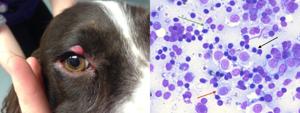
    A fine needle aspirate assists in the initial assessment. The veterinarian collects a cell sample from the mass using a needle, then examines it under a microscope. While FNA can indicate a histiocytoma, it doesn’t always provide a definitive diagnosis.

    Biopsy

    For a conclusive diagnosis, a biopsy is necessary. This procedure involves removing part or all of the mass and sending it to a laboratory for histopathological analysis. Histopathology, combined with immunohistochemical staining, accurately identifies histiocytomas by detecting exact markers such as CD1a, CD1b, CD1c, MHC Class II, CD11c, and Ecadherin.

    Study Data

    A study analyzed 30 histiocytomas from 30 dogs, comprising 15 males and 15 females. The dogs’ ages ranged from five months to thirteen years. Tumors were primarily located on the head and legs, with rare instances on the chest.

    AttributeData
    Number of Dogs30
    Gender15 male, 15 female
    Age Range5 months to 13 years
    Tumor LocationsHead, legs, rarely chest
    Diagnostic MethodsPhysical Exam, FNA, Biopsy

    Histiocytomas are usually diagnosed easily through cytopathologic examination. But, histopathologic examination with immunohistochemical staining provides a definitive diagnosis. This process identifies the tumor as a localized epidermal Langerhans cell tumor, ensuring accurate differentiation from other skin tumors like mast cell tumors.

    Diagnostic Markers

    Histiocytomas express several markers, including:

    • CD1a
    • CD1b
    • CD1c
    • MHC Class II
    • CD11c
    • Ecadherin

    Ecadherin expression is unique to Langerhans cells among leukocytes, specifically identifying canine histiocytoma. These markers are analyzed on snap-frozen sections or formalin-fixed paraffin sections, facilitating reliable diagnosis by practitioners.

    Accurate diagnosis through these methods ensures appropriate treatment and effective management of histiocytomas in dogs.

    Treatment of Histiocytoma in Dogs

    Effective treatment of histiocytoma in dogs involves both veterinary interventions and home management to ensure optimal recovery. We assess each case individually to determine the most suitable approach for our canine companions.

    Veterinary Treatment Options

    Surgical removal serves as the primary treatment when a histiocytoma doesn’t regress within two to three months. This method offers a permanent cure by excising the tumor entirely. Post-surgery, the tissue undergoes pathological examination to confirm it’s a cutaneous histiocytoma and to ensure complete removal.

    Cryotherapy provides an alternative for tumors in sensitive areas, such as near the eyes or between toes, by freezing the tumor to minimize surgical risks. Accurate diagnosis is crucial; hence, we perform fine needle aspirates, punch biopsies, or full excision biopsies. These samples are analyzed by veterinary pathologists to differentiate histiocytomas from other tumors. Also, if the tumor becomes infected or ulcerated, surgical intervention becomes necessary to prevent further complications. Our veterinary team ensures that each procedure is followed by appropriate aftercare to promote healing and prevent recurrence.

    Home Care and Management

    Monitoring your dog’s histiocytoma at home is essential if the lesion remains stable and isn’t causing discomfort. We recommend regular inspections to ensure the tumor isn’t growing or becoming irritated. If your dog scratches or licks the area, it might exacerbate the condition, requiring us to intervene.

    In cases where a scab or discharge forms, bathing the lump with a saline solution (1 teaspoon of salt in 500ml of cooled boiled water) twice daily can aid healing. Alternatively, a dilute chlorhexidine solution (0.02%) may be applied to prevent infection. Avoid intralesional corticosteroids, as they can suppress the immune response necessary for natural remission. Providing a calm environment and preventing your dog from irritating the affected area supports the body’s ability to resolve the histiocytoma naturally. By following these home care guidelines, you help help your dog’s recovery and reduce the need for invasive treatments.

    Prevention of Histiocytoma in Dogs

    Preventing histiocytoma in dogs remains challenging due to the unclear causes of these benign skin tumors. While we cannot eliminate the risk entirely, we can carry out strategies to minimize irritation and infection, supporting our dogs’ overall skin health.

    Regular Skin Inspections

    Conducting routine skin checks allows us to detect histiocytomas early. Focus on areas where tumors commonly appear, such as the head, ear edges, and limbs. Early detection facilitates prompt veterinary consultation, ensuring timely intervention if necessary.

    Maintain Good Hygiene

    Keeping our dogs’ skin clean helps prevent infections that could complicate histiocytomas. Regular bathing with mild, veterinarian-recommended shampoos reduces the risk of skin irritation. If a histiocytoma is present, using a saline solution or a dilute antiseptic like chlorhexidine can prevent secondary infections.

    Monitor High-Risk Breeds

    Certain breeds, including Labrador Retrievers, Boxers, and Staffordshire Terriers, are more susceptible to developing histiocytomas. We should be particularly vigilant with these breeds, regularly inspecting their skin for any unusual lumps or growths.

    Prevent Trauma to the Skin

    Protecting our dogs from skin injuries minimizes the chances of irritation around existing histiocytomas. Avoid activities that may cause excessive rubbing or scratching, which can lead to complications. Providing a calm environment reduces stress, supporting the immune system’s role in tumor regression.

    Prompt Veterinary Care

    When we notice any signs of irritation, infection, or rapid growth in a histiocytoma, seeking veterinary advice promptly is crucial. Early veterinary intervention can determine the appropriate course of action, whether it involves monitoring the tumor or considering surgical removal.

    Support a Healthy Immune System

    A robust immune system aids in the spontaneous regression of histiocytomas. Ensuring our dogs receive a balanced diet, regular exercise, and necessary vaccinations supports their overall health and immune function.

    Avoid Corticosteroids

    We should refrain from using intralesional corticosteroids to treat histiocytomas. These medications can suppress the immune response needed for the natural regression of the tumor. Instead, rely on veterinary-recommended treatments that align with supporting the body’s ability to manage the condition.

    By implementing these preventive measures, we can better manage the occurrence and progression of histiocytomas in our dogs, ensuring their skin health and overall well-being.

    Recovery and Prognosis

    Spontaneous Resolution

    Histiocytoma dog tumors are benign and often resolve without treatment. Most tumors regress and disappear within two to three months. This natural remission occurs as the immune system targets and eliminates the proliferating Langerhans cells. We monitor the tumor’s progress to ensure it follows the typical regression pattern without complications.

    Prevention of Complications

    Preventing complications is crucial for effective recovery in histiocytoma dog cases. Restricting dogs from licking or biting the tumor reduces risks of inflammation, bleeding, and infection. We may use an Elizabethan collar or other protective devices to limit access. If the tumor area becomes ulcerated or shows signs of infection, such as increased redness, swelling, or discharge, veterinary intervention becomes necessary. Treatments include antibiotics to combat bacterial infections and medicated washes to cleanse the affected area, promoting healing and preventing further issues.

    Surgical Removal

    When a histiocytoma in a dog doesn’t regress within three months or becomes infected, ulcerated, or causes important irritation, surgical removal is recommended. Cryotherapy serves as an alternative for tumors located in sensitive or difficult-to-access areas. This treatment involves freezing the tumor cells, destroying them without needing an incision. Surgical excision typically provides a permanent cure by removing the entire tumor and allowing the site to heal quickly. Post-surgical care includes monitoring the incision site for signs of infection and ensuring the dog doesn’t disrupt the healing process. The likelihood of recurrence after surgical removal is minimal, making it an effective treatment option for persistent or problematic histiocytoma dog tumors.

    Prognosis

    The prognosis for dogs with histiocytoma is generally excellent. With proper management, most dogs recover fully without long-term issues. Spontaneous resolution successfully eliminates the tumor in the majority of cases, while surgical removal offers a definitive cure for non-regressing tumors. Early detection and timely veterinary care enhance recovery outcomes, ensuring dogs maintain good skin health and overall well-being.

    Conclusion

    Handling a histiocytoma diagnosis in our dogs can seem daunting, but understanding this common condition empowers us to take the best steps for our pets’ health. By staying vigilant and maintaining regular check-ups we can catch these tumors early and ensure timely treatment if needed. Remember that most histiocytomas resolve on their own, highlighting the importance of a supportive and informed approach. Together we can provide our furry friends with the care they deserve, promoting their well-being and ensuring they stay happy and healthy.

  • Acana Dog Food Review: Benefits, Ingredients & Pricing 2025

    Acana Dog Food Review: Benefits, Ingredients & Pricing 2025

    Did you know that many dogs suffer from food allergies that can impact their health and happiness? We believe every pet deserves a diet that supports their well-being, which is why Acana Dog Food is a top choice for dog owners. Made with the highest quality fresh regional ingredients, Acana Dog Food eliminates common allergens like wheat, corn, and soy, ensuring your pup gets the nutrition they need without compromise.

    In this text, we’ll jump into the unique benefits of Acana Dog Food, from its rich protein content and healthy fats to its inclusion of probiotics for digestive health. We’ll also examine the brand’s trusted reputation in the pet food industry and how their dedication to quality sets them apart. Join us as we explore how Acana can help keep your dog healthy, active, and thriving.

    Overview of Acana Dog Food

    Manufacturer and Reputation

    Acana dog food is produced by Champion Petfoods, a Canadian manufacturer renowned for high-quality pet nutrition. Champion Petfoods also produces Orijen dog food, sharing the same commitment to excellence. The company maintains a flawless recall history, reflecting its dedication to pet safety and product integrity. By overseeing every step of production, Acana ensures that each batch meets strict quality standards, reinforcing its trustworthy reputation in the pet food industry.

    Ingredients and Nutrition

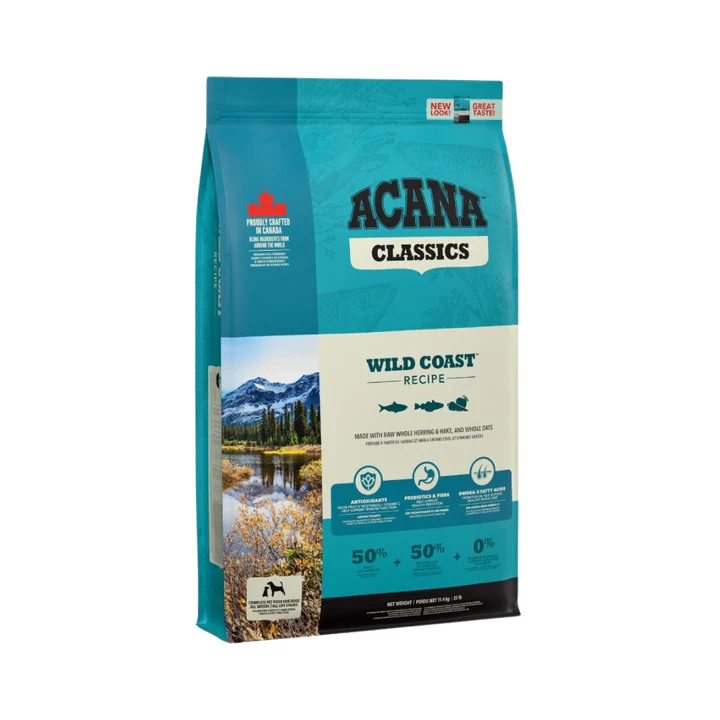
    Acana dog food emphasizes high animal ingredient content, with most recipes comprising 50% to 90% animal proteins. The remaining ingredients include quality fruits and vegetables, supporting a balanced diet. Acana offers both grain-free and grain-inclusive options, catering to various dietary needs. Their “whole food nutrition” approach incorporates fresh and frozen meats, whole vegetables, and nutrient-rich produce, ensuring comprehensive nourishment.

    Key ingredients in Acana dog food feature named meat meals such as chicken meal and turkey meal, alongside fresh meats like fresh chicken and fresh eggs. Organ meats, including chicken liver and turkey livers, provide essential vitamins and minerals. Acana prioritizes biologically appropriate diets, replicating the natural eating habits of dogs. This formulation supports optimal digestion, muscle development, and overall health.

    Acana sources its ingredients from trusted suppliers, including freerun poultry, cage-free eggs, wild-caught fish, and ranch-raised meat. These ingredients supply the necessary proteins and nutrients dogs need to thrive. Acana prepares its pet food in award-winning kitchens equipped with state-of-the-art processing technologies. Proper refrigeration preserves red meats, whole fruits and vegetables, wholesome grains, and naturally grown botanicals, maintaining ingredient integrity and nutritional value.

    By focusing on nutrient-rich recipes, Acana ensures that dogs receive essential vitamins, minerals, and antioxidants. This meticulous preparation process guarantees that every meal supports a dog’s well-being, making Acana dog food a leading choice for pet owners seeking quality and balanced nutrition.

    Ingredients and Nutritional Analysis

    ACANA dog food combines high-quality ingredients to provide balanced nutrition customized to your dog’s needs. Our formulations emphasize both animal proteins and essential nutrients to support overall health and well-being.

    Protein Sources

    We prioritize premium protein sources in our ACANA dog food, ensuring that each recipe contains approximately 60% animal ingredients. Our selections include fresh or raw chicken, turkey, and fish such as flounder and herring. These proteins are complemented by chicken meal, turkey meal, and herring meal, providing concentrated amino acids essential for muscle maintenance and growth. By incorporating a variety of meat types, we deliver a diverse amino acid profile that supports your dog’s active lifestyle.

    Also, our grain-free recipes avoid common allergens, focusing instead on nutrient-dense proteins that promote optimal digestion and energy levels. This high protein content not only satisfies your dog’s natural dietary requirements but also contributes to a healthy coat, strong immune system, and overall vitality. We ensure that all protein sources are sourced from trusted suppliers, maintaining the integrity and quality that ACANA dog food is known for.

    Acana Dog Food

    Vitamins and Minerals

    Our ACANA dog food is enriched with essential vitamins and minerals to support comprehensive canine health. We include vitamins such as A, D, and E, which are crucial for vision, bone health, and immune function. B-vitamins play a vital role in energy metabolism, while minerals like calcium and phosphorus support strong bones and teeth. Also, our recipes feature antioxidants from fruits and vegetables like apples, pears, and collard greens, which help combat oxidative stress and promote cellular health.

    We also incorporate natural preservatives and probiotics to enhance digestive health and nutrient absorption. By balancing these vitamins and minerals with high-quality ingredients, we ensure that your dog receives a complete and balanced diet. Our commitment to whole food nutrition means that every nutrient is naturally derived and bioavailable, maximizing the benefits for your pet’s overall well-being. This comprehensive nutritional approach makes ACANA dog food a reliable choice for maintaining your dog’s health and longevity.

    Product Varieties

    ACANA Dog Food offers a diverse range of products customized to meet the unique nutritional needs of dogs.

    Dry Kibble

    ACANA Dog Food’s dry kibble replicates a dog’s natural diet with biologically appropriate recipes. Each formula includes high-quality proteins such as free-run poultry, wild-caught fish, and ranch-raised meat. We provide various bag sizes, including 4lb, 13lb, 17lb, 22.5lb, and 25lb, to accommodate different dog sizes and household needs.

    Our dry kibble options feature both grain-free and limited ingredient recipes, ideal for dogs with food sensitivities or allergies by excluding common allergens like wheat, corn, and soy. Also, some formulas incorporate wholesome grains to support balanced nutrition. Designed for different breeds, sizes, and life stages, ACANA Dog Food ensures that each dog receives the exact nutrients required for optimal health. For example, the ACANA Light Fit Recipe Adult Dry Dog Food contains 60% high-quality animal ingredients and 40% wholesome fruits and vegetables, enhanced with a freeze-dried coating that adds delicious flavor.

    Wet Food

    ACANA Dog Food’s wet food selection delivers a nutrient-rich diet that supports overall canine health. Our wet food recipes are crafted with the same high-quality ingredients found in our dry kibble, including fresh meats and organ meats to provide essential vitamins and minerals. We offer a variety of flavors and textures to keep mealtime exciting and appealing for dogs.

    ACANA Dog Food’s wet options are designed to meet the needs of different life stages, ensuring that puppies, adults, and senior dogs receive the appropriate nutrition. These recipes often feature higher moisture content, which aids in hydration and supports digestive health. By incorporating probiotic-rich ingredients, ACANA wet food promotes a healthy gut microbiome. Whether your dog prefers chunky pieces or pâté-style meals, our wet food varieties offer balanced nutrition to help maintain a long and happy life.

    Acana Dog Food

    Benefits of Acana Dog Food

    Acana dog food offers many advantages that support your dog’s health and wellbeing. By prioritizing high-quality protein sources, Acana ensures your pet receives essential amino acids necessary for muscle maintenance and growth. For instance, the Highest Protein Wild Atlantic Recipe lists whole mackerel, herring, and redfish among its top ingredients, providing a robust protein profile.

    Biologically appropriate nutrition is another key benefit of Acana dog food. Each recipe is meticulously formulated to match the nutritional levels established by the AAFCO Dog Food Nutrient Profiles. This approach guarantees balanced and complete nutrition customized to various life stages, from puppies to senior dogs. By replicating a dog’s natural diet, Acana supports optimal digestion, energy levels, and overall health.

    Grain-free and limited ingredient options make Acana dog food suitable for dogs with food sensitivities. Many recipes exclude common allergens like soy, corn, wheat, and tapioca, reducing the risk of allergic reactions and promoting better digestive health. For example, Acana’s Regionals line offers grain-free formulas that cater to dogs requiring a restricted ingredient diet without compromising on taste or nutrition.

    The use of fresh and raw ingredients sets Acana apart from other brands. Ingredients are either refrigerated or frozen at peak freshness to preserve vital nutrients. This commitment ensures that your dog receives food that retains maximum nutritional value, contributing to a healthier coat, stronger immune system, and increased energy levels. Acana’s dedication to fresh ingredients means fewer artificial additives, supporting your dog’s natural health.

    Acana also incorporates probiotics into their dog food, improving digestive health and nutrient absorption. Probiotics help maintain a balanced gut flora, essential for efficient digestion and immune function. By supporting your dog’s digestive system, Acana dog food contributes to overall vitality and longevity.

    Nutrient-rich recipes are a hallmark of Acana dog food. Each recipe is designed to deliver essential vitamins, minerals, and antioxidants, ensuring your dog receives comprehensive nutrition. Ingredients like fresh meats, organ meats, fruits, and vegetables work together to provide a well-rounded diet that promotes overall health and wellbeing.

    Choosing Acana dog food means selecting a brand committed to quality and transparency. With a focus on natural ingredients, balanced nutrition, and customized diets, Acana supports your dog’s health at every life stage. Our confidence in Acana dog food stems from its proven ability to deliver superior nutrition, fostering a happy, active, and healthy life for your beloved pet.

    Potential Drawbacks

    Ingredient Quality and Safety

    Acana Dog Food recipes include ingredients that may contain high pesticide and herbicide residues. Legumes such as lentils and chickpeas, along with grains like sorghum, oats, and millet, often carry residues unless sourced organically. Residues like glyphosate can disrupt beneficial gut bacteria and are linked to various health issues in dogs. Also, the inclusion of natural flavor in Acana recipes raises concerns. Natural flavors may comprise low-quality ingredients like monosodium glutamate (MSG) or animal digest, which lack comprehensive safety studies.

    High Carbohydrate Content

    Certain Acana Dog Food lines, particularly Wholesome Grains and Singles, feature moderately high carbohydrate levels. Elevated carbohydrate intake can lead to gut imbalances and result in lower protein diets. High-carb diets are generally considered less optimal for dogs, potentially affecting their overall health and energy levels.

    Limited Organic Options

    While Acana offers a range of products, not all recipes use organic ingredients. This limitation increases the risk of exposure to pesticide and herbicide residues in non-organic options, impacting dogs sensitive to these chemicals.

    Potential Allergens

    Even though avoiding common allergens like wheat, corn, and soy, some Acana recipes still contain alternative allergens such as legumes and certain grains. Dogs with exact sensitivities may experience adverse reactions, necessitating careful ingredient reviews by pet owners.

    Use of Fillers

    Some Acana Dog Food formulas incorporate fillers to bulk up the food. These fillers can dilute the nutritional content, providing fewer essential nutrients per serving and potentially affecting the overall diet quality.

    Acana Dog Food

    Cost Considerations

    Acana Dog Food is positioned in the premium market segment, making it more expensive than many other dog food brands. The higher cost may be a barrier for some pet owners seeking quality nutrition within a limited budget.

    Limited Availability

    Depending on the region, Acana Dog Food may have limited availability. This restriction can make it challenging for pet owners to consistently access their preferred recipes, potentially disrupting their dogs’ dietary routines.

    Conclusion

    While Acana Dog Food offers many benefits, including high-quality proteins and a commitment to whole food nutrition, it is essential to consider these potential drawbacks. Pet owners should evaluate their dogs’ exact needs and consult with veterinarians to determine the best dietary choices.

    Pricing and Value

    We evaluate Acana dog food’s pricing and the value it offers across various formats and recipes. Acana provides a diverse range of products customized to meet different dietary needs, reflected in its pricing structure.

    Dry Dog Food

    Acana’s dry dog food lineup features multiple recipes with prices varying by ingredients and bag size. Below is a breakdown of their dry options:

    ProductPrice Range (USD)
    Acana Red Meat Dry Dog Food$20.99 – $80.99 per 25-lb bag
    Acana Freshwater Fish Blend Dry Dog FoodFrom $22.99
    Acana Highest Protein Meadowlands Dry Dog FoodApproximately $90
    Acana Limited Ingredient Beef & Pumpkin Dry Dog FoodFrom $33.00
    Acana Free Run Poultry Dry Dog FoodFrom $21.00

    Canned Dog Food

    Acana offers premium grain-free canned options, ensuring high-quality nutrition in a convenient format:

    ProductPrice (USD) per can
    Acana Premium Chunks Grain Free (Beef, Poultry, Pork, Duck)$4.40 per can

    Freeze-Dried Treats

    For nutritious and tasty snacks, Acana’s freeze-dried treats are an excellent choice:

    ProductPrice (USD) per bag
    Acana Freeze-Dried Beef & Pumpkin, Lamb & Apple, Duck & Pear$15.50 per bag
    Acana Dog Food

    Value Proposition

    Acana dog food prices align with its commitment to high-quality, regionally sourced ingredients. The varied pricing across product lines ensures that pet owners can select options that fit their budget while providing optimal nutrition. With a focus on biologically appropriate diets, Acana delivers important value through its nutrient-dense recipes, supporting dogs’ overall health and well-being.

    Conclusion

    Choosing the right food is crucial for our dogs’ health and happiness Acana offers a range of high-quality options that cater to various dietary needs Its commitment to fresh ingredients and balanced nutrition makes it a standout choice We appreciate their dedication to transparency and quality ensuring our pets receive the best possible care While there are some considerations like cost and ingredient sourcing it’s clear that Acana prioritizes our dogs’ wellbeing Overall Acana dog food supports our pets’ vitality and longevity making it a reliable option for dedicated pet owners

  • Top Dog Doors 2025: Boost Pet Independence & Home Efficiency

    Top Dog Doors 2025: Boost Pet Independence & Home Efficiency

    Ever wondered how a dog door can transform your pet’s daily routine? With more pet owners seeking independence for their furry friends, dog doors have become a staple in many homes. They provide the freedom for pets to roam while offering convenience and improving your home’s functionality.

    We understand that choosing the right dog door can be overwhelming with so many options available. In this text, we’ll investigate into the various types of dog doors, from automatic and electronic models to those with enhanced security features. You’ll gain insights into what to look for to ensure safety, energy efficiency, and ease of use. Whether you’re a first-time buyer or looking to upgrade, we’re here to help you make an well-informed choice.

    Why Dog Door is Required?

    Convenience and Independence

    Dog doors provide our pets the freedom to enter and exit the home without our assistance. This feature is especially beneficial for busy households where owners may not always be available to manage their pet’s access. By installing a dog door, we ensure that our dogs can move freely, improving their independence and reducing the need for constant supervision.

    Health and Hygiene

    With a dog door, our pets can relieve themselves outside, minimizing indoor accidents. This is crucial for dogs prone to health issues like urinary tract infections (UTIs) or older dogs with decreased bladder control. By facilitating regular outdoor breaks, dog doors help maintain a clean and hygienic living environment, promoting our pets’ overall health.

    Reduced Stress and Increased Well-being

    Allowing our dogs to go outside as needed through a dog door decreases their stress and anxiety levels. This autonomy enables them to engage in natural behaviors such as exploring and exercising, which are essential for their mental and physical well-being. Providing this level of access contributes to happier, healthier pets and a more harmonious household.

    Types Of Dog Doors

    Choosing the right dog door enhances your pet’s freedom and ensures your home’s functionality. We offer a variety of options to meet diverse needs and preferences.

    Single Flap Vs. Double Flap

    Single flap dog doors are the most common type, featuring one flap that pets push through to enter or exit. They are simple and cost-effective, making them a popular choice for many households. But, single flap doors can be less energy-efficient, potentially allowing more air leakage, dust, and unwanted critters into the home.

    In contrast, double flap dog doors include two flaps with magnetic seals, providing superior insulation and reducing air leakage. This design makes double flap doors more energy-efficient, helping maintain indoor temperatures during winter and summer. Also, double flap doors offer enhanced security against unwanted animals and weather elements, making them a reliable choice for pet owners seeking durability and efficiency.

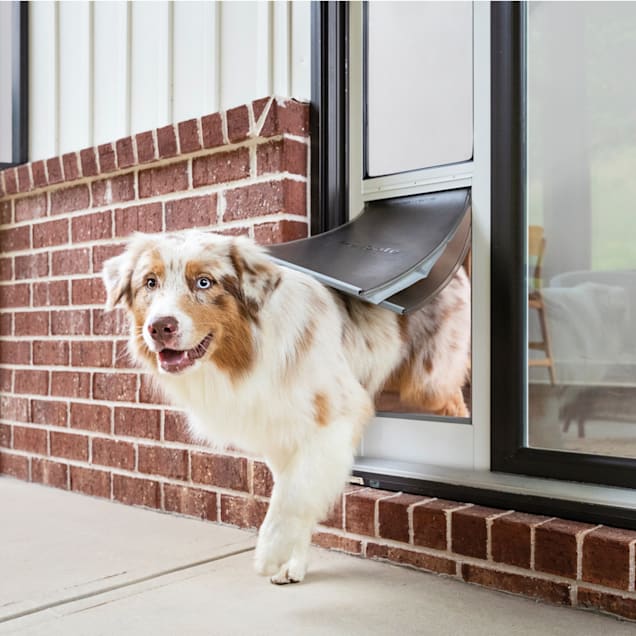
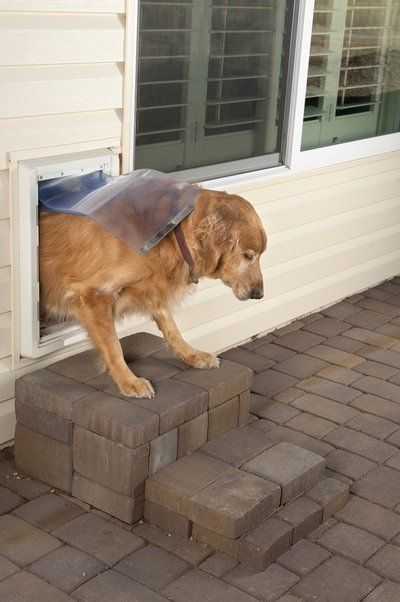
    Top Dog Doors

    Automatic Vs. Manual Doors

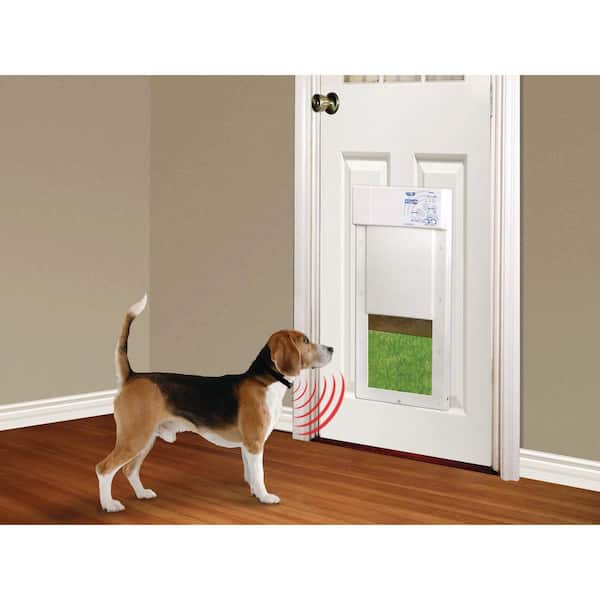
    Automatic dog doors use advanced technologies like RFID, Bluetooth, or motion sensors to identify and authorize pets. These smart doors offer convenience by allowing seamless access for your pets without manual operation. For instance, microchip pet doors ensure that only your pet can enter or exit, improving security and preventing unwanted animals from gaining access.

    Manual dog doors require your pet to physically push the flap open to move through. While they are straightforward and generally more affordable, manual doors lack the advanced security features of automatic models. But, they remain a reliable option for pet owners who prefer a simple, no-tech solution. By selecting the appropriate type, whether automatic or manual, you can ensure both ease of use and security customized to your household’s needs.

    Installation Considerations

    Proper installation ensures your dog door functions safely and efficiently. We address key factors to consider during the setup process.

    Sizing And Door Dimensions

    Selecting the correct size is crucial for your pet’s comfort and safety. Below is a table outlining standard dimensions:

    Size CategoryPet Opening (in)Rough Opening (in)Frame Size (in)
    Small6 x 10.1515 x 25.525.5 x 37
    Medium9 x 13.2323 x 3333 x 45
    Large11 x 17.2828 x 4343 x 54.5
    XL16 x 2330 x 7450 x 76

    We recommend sizing the door based on your tallest dog to prevent stress on their back and knees. Testing the opening at home can help determine the best fit for your pet.

    Mounting Options

    Mounting your dog door correctly avoids structural and utility interference. We recommend:

    • Frame Mounting: Secures the door within the door frame, maintaining structural integrity. Ensure at least 8 inches from edges.
    • Wall Mounting: Ideal for homes without suitable door frames. Use a stud finder to locate studs and avoid electrical or plumbing lines.

    Use appropriate tools like jigsaws or reciprocating saws, and wear safety glasses during installation. Cutting from the outside minimizes interior debris, ensuring a clean setup.

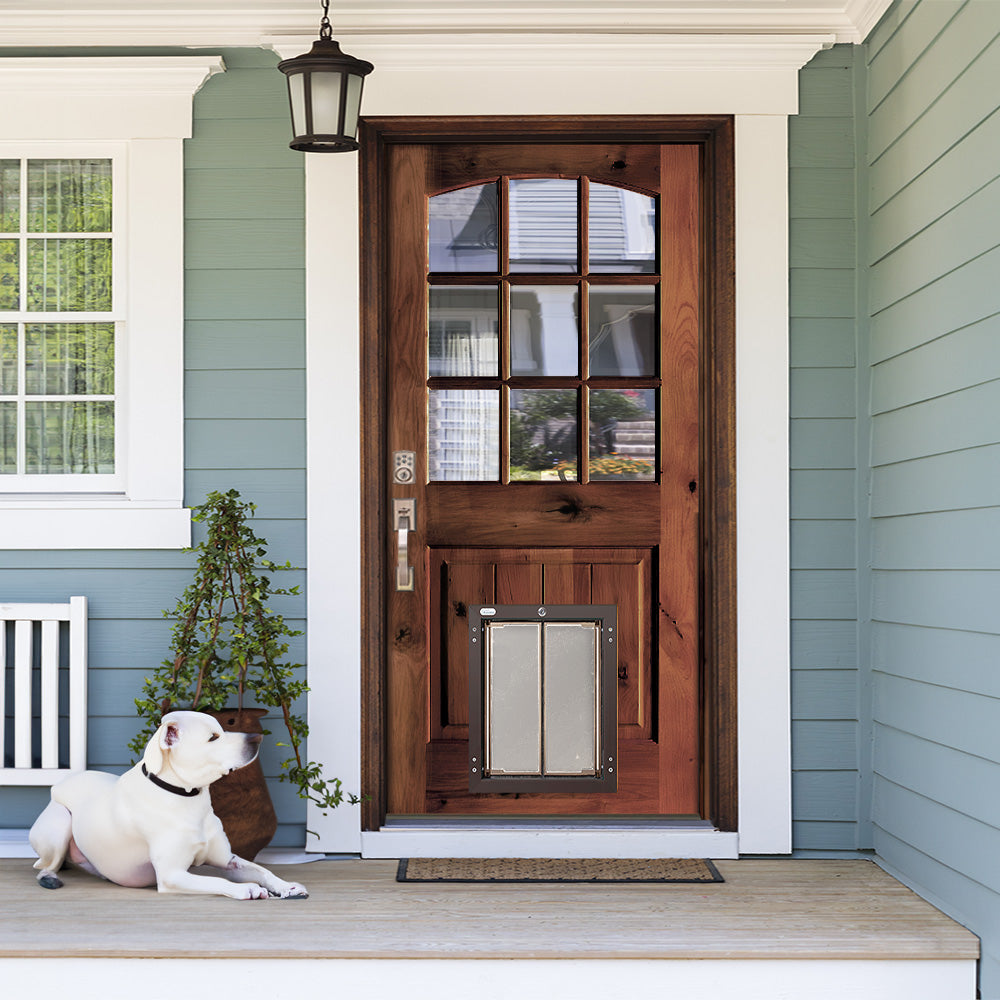
    Top Dog Doors

    Security And Safety Features

    Ensuring the security and safety of your home while installing a dog door is paramount. We prioritize features that protect both your household and your pet.

    Locking Mechanisms

    Modern dog doors incorporate advanced locking mechanisms to enhance security. Many models include locking latches, slide bolts, or security covers that secure the pet door when not in use. Positive action steel pin locks attach directly to the frame, preventing unauthorized access from the outside. Also, electronic dog doors offer sensor-activated locks that open and close automatically as your pet approaches, utilizing collar-based sensors for precise operation. These electronic systems can be controlled remotely via smartphones or IoT devices, providing added convenience and security. By selecting a dog door with robust locking features, we ensure that our home remains secure while granting our pets the freedom to move safely.

    Preventing Critter Entry

    Preventing unwanted critters from entering through the dog door is crucial for maintaining household safety. High-quality dog doors feature sturdy materials and tight seals that deter pests such as raccoons, squirrels, and rodents. Double-flap doors offer enhanced insulation and create a barrier that is difficult for small animals to penetrate. Also, some models incorporate magnetic or weighted flaps that close swiftly, minimizing the chance of entry by nocturnal creatures. Installing a dog door in a wall rather than a traditional door location further reduces the risk of critter infiltration, as it limits access points for unwanted animals. By choosing a dog door with effective pest prevention features, we protect our home environment while providing a safe passage for our pets.

    Prices and Sizes Chart

    Choosing the right dog door involves understanding the available sizes and their respective dimensions. We provide a comprehensive chart for Hale Pet Door™ to assist in selecting the optimal fit for your pet and home.

    Hale Pet Door™ Sizes

    Size CategoryDog Door (W x H)Rough Cut (W x H)Frame (W x H)
    Small5 1/2″ x 7 1/2″7 3/8″ x 9 3/8″8 3/8″ x 10 3/8″
    Small Medium6 1/2″ x 9 1/2″8 1/2″ x 11 1/2″9 9/16″ x 12 9/16″
    Medium8 1/2″ x 12 1/2″10 1/2″ x 14 1/2″11 9/16″ x 15 3/8″
    Tall Medium8 1/2″ x 16″10 1/2″ x 18″11 9/16″ x 19 1/16″
    Large11″ x 16″13″ x 18″14 1/16″ x 19 1/16″
    Tall Large11″ x 19 1/2″13″ x 21 5/8″14 1/16″ x 22 9/16″
    Tall Large Plus11″ x 23 1/2″13″ x 25 5/8″14 1/16″ x 26 9/16″
    Extra Large14″ x 19 1/2″16″ x 21 5/8″17 1/16″ x 22 9/16″
    Size CategoryPrice Range (USD)
    Small$70 – $90
    Small Medium$90 – $110
    Medium$110 – $130
    Tall Medium$130 – $150
    Large$150 – $170
    Tall Large$170 – $190
    Tall Large Plus$190 – $210
    Extra Large$210 – $230

    We recommend selecting a dog door size based on your pet’s dimensions. Measuring your dog’s height and width ensures a comfortable fit, reducing stress on their joints. Also, consider the installation area to accommodate the frame dimensions listed in the chart. Hale Pet Door™ offers a range of sizes to suit various breeds and home setups, ensuring both functionality and security.

    For accurate installation, refer to the rough cut dimensions to prepare the space, and ensure the frame size fits snugly within your chosen location. Investing in the appropriate size enhances energy efficiency by minimizing drafts and maintaining your home’s insulation. By carefully reviewing the Prices and Sizes Chart, we help informed decisions that align with your pet’s needs and your home’s specifications.

    Insulation And Energy Efficiency

    Proper insulation and energy efficiency are critical when selecting a dog door. We prioritize models that minimize energy loss and maintain indoor comfort. High-quality insulation prevents drafts, reducing heating and cooling costs by up to 15%. For instance, the PetSafe Extreme Weather Pet Door features a three-flap system, improving energy efficiency by 3.5 times compared to traditional single-flap doors.

    Top Dog Doors

    Key Features Improving Energy Efficiency

    • Triple-Flap Design: Our top-rated dog doors include a triple-flap mechanism that effectively blocks external temperatures. This design maintains indoor temperatures, ensuring your home remains energy-efficient year-round.
    • Insulated Flaps: Each flap is crafted from durable, insulated materials, providing a robust barrier against extreme weather. The center insulated flap offers additional protection, suitable for temperatures ranging from -10°F to 100°F.
    • Weather Seals: Advanced weather seals ensure airtight closures, preventing unwanted drafts and maintaining energy efficiency. These seals are essential in regions with fluctuating temperatures.
    • Snap-On Closing Panels: Our models offer snap-on closing panels, allowing precise control over pet access. These panels add an extra layer of insulation, further improving energy savings.

    Energy Savings Statistics

    FeatureEnergy Efficiency Impact
    Triple-Flap System3.5× more efficient than single-flap
    Temperature RangeEffective from -10°F to 100°F
    Insulated MaterialsReduces energy loss by up to 15%
    Weather SealsPrevents drafts and improves insulation

    Benefits of Energy-Efficient Dog Doors

    Investing in energy-efficient dog doors offers many advantages:

    • Cost Savings: Reduced energy consumption leads to lower utility bills.
    • Comfort: Consistent indoor temperatures enhance overall home comfort.
    • Environmental Impact: Lower energy usage contributes to a smaller carbon footprint.
    • Durability: High-quality, insulated dog doors withstand harsh weather, ensuring long-term performance.

    By choosing insulated and energy-efficient dog doors, we ensure our homes remain comfortable and energy-efficient, regardless of external weather conditions. These features not only protect our living spaces but also provide a safe and secure passage for our pets.

    Materials And Durability

    When selecting a dog door, the materials and durability of both the frame and flaps significantly impact performance and longevity.

    Flexible Flaps

    Flexible dog door flaps are crafted from materials like rubber, vinyl, or soft plastic. These materials bend or fold as pets pass through, ensuring safety and comfort. Flexible flaps operate quietly and open effortlessly, ideal for hesitant or nervous pets. For example, rubber flaps provide excellent elasticity, while vinyl options offer easy cleaning. But, durability varies with material choice. Soft plastics may wear quickly if exposed to harsh weather or heavy use. Also, pets that chew frequently might damage flexible flaps faster, necessitating regular inspections and potential replacements.

    Rigid Flaps

    Rigid dog door flaps use hard materials such as plastic or Plexiglas, swinging open and closed on hinges. These flaps enhance insulation, maintaining indoor temperatures more effectively than flexible options. For instance, Plexiglas flaps offer superior transparency and durability, resisting scratches and wear. Rigid flaps also provide better resistance against chewing, making them suitable for strong chewers. But, they might require more force to open, which could be challenging for smaller or older pets. Ensuring the flap’s proper installation can maximize its durability and functionality.

    Frame Materials

    The frame of a dog door must complement the flap’s durability. Common frame materials include aluminum, wood, and PVC. Aluminum frames offer lightweight strength and resistance to corrosion, suitable for various climates. Wooden frames provide aesthetic appeal and sturdiness but may require more maintenance to prevent weather damage. PVC frames are cost-effective and resistant to moisture, making them ideal for high-humidity areas. Selecting a frame material that aligns with the flap’s characteristics ensures the entire dog door system withstands daily use and environmental factors.

    Additional Considerations

    Durability also depends on installation quality and environmental exposure. Securing the dog door properly prevents undue stress on flaps and frames. Also, choosing materials with UV resistance and weatherproofing can extend the lifespan of the dog door. For instance, UV-treated plastics resist fading and brittleness from sunlight, while weather-sealed frames guard against rain and snow intrusion. Regular maintenance, such as cleaning and inspecting for wear, further ensures the dog door remains functional and durable over time.

    By carefully evaluating the materials and durability of both the flaps and frame, we can select a dog door that meets our pets’ needs and withstands the demands of everyday use.

    Additional Features

    Safety and Security

    Ensuring the safety of both children and pets is paramount when selecting a dog door. Traditional pet doors allow easy access, which poses risks for young children. To mitigate these dangers, manufacturers introduce advanced locking mechanisms. For instance, radio frequency technology in modern dog doors restricts unauthorized entry, improving household security. These features prevent children under three from accessing hazardous areas, such as swimming pools, while maintaining your pet’s freedom.

    Energy Efficiency and Air Sealing

    Dog doors can impact a home’s energy efficiency by allowing air leakage. But, contemporary models prioritize insulation and sealing to minimize this effect. Advanced materials and construction techniques ensure that your dog door maintains the home’s thermal performance. Features like double-flap designs and high-quality seals reduce energy consumption, keeping indoor temperatures stable. This not only lowers utility bills but also enhances overall comfort within your home.

    Smart Technology Integration

    Integrating smart technology elevates the functionality of dog doors. Automated systems equipped with sensors respond to your pet’s collar, allowing seamless access without compromising security. These smart pet doors can be controlled via smartphone apps, offering customizable settings such as access schedules and activity logs. By incorporating technology, we provide a more convenient and secure way for your pets to navigate your home.

    Top Dog Doors

    Customization Options

    Customization plays a crucial role in selecting the right dog door for your household. Available in various sizes and styles, dog doors can be customized to fit different door types, including wood, vinyl, and glass. Also, options like insulated flaps and decorative frames ensure that the pet door complements your home’s aesthetics while providing practical benefits. By offering customizable features, we help you find a dog door that meets both your functional and design needs.

    Durability and Maintenance

    Choosing a durable dog door ensures long-term performance and reduces the need for frequent replacements. High-quality materials such as aluminum frames and weather-resistant flaps withstand harsh weather conditions and daily wear. Also, easy-to-clean surfaces simplify maintenance, keeping your dog door in optimal condition. Investing in a durable model guarantees reliability and longevity, making it a worthwhile addition to your home.

    Accessibility and Ease of Use

    Accessibility features enhance the usability of dog doors for pets of all sizes and abilities. Adjustable hinges and flexible flaps allow easy entry and exit for puppies, senior dogs, and pets with mobility issues. Smooth-operating mechanisms ensure that your dog door functions effortlessly, providing a hassle-free experience for both you and your pet. By prioritizing ease of use, we ensure that the dog door serves your household efficiently.

    Enhanced Privacy Features

    Privacy is another essential consideration when installing a dog door. Models with strategic placement and minimal visibility prevent outsiders from viewing into your home. Frosted or tinted flaps obscure the interior, maintaining your privacy while allowing your pet to move freely. These enhanced privacy features offer peace of mind, ensuring that your home remains secure and private.

    By incorporating these additional features, dog doors become more than just a way for pets to access the outdoors. They offer enhanced safety, energy efficiency, smart integration, and customization, ensuring that both your home and your pets benefit from this valuable addition.

    Conclusion

    Choosing the right dog door transforms both our lives and our pets’ daily routines. It’s about finding the perfect balance between convenience and security, ensuring our homes remain comfortable while giving our dogs the freedom they deserve.

    With the variety of options available, we can tailor our selection to match our exact needs and our pets’ personalities. From energy-efficient models to advanced security features, there’s a dog door that fits seamlessly into our lifestyle.

    Investing in a quality dog door means improving the well-being of our furry friends and simplifying our own lives. It’s a smart addition that offers lasting benefits, making our homes more adaptable and our pets happier. Let’s embrace the ease and joy that a well-chosen dog door brings to our everyday lives.

  • Slow Feeder Dog Bowls: Healthier Eating for Your Pup 2025

    Slow Feeder Dog Bowls: Healthier Eating for Your Pup 2025

    Is your dog wolfing down meals faster than you can say “dinnertime”? A slow feeder dog bowl might be the solution you’ve been looking for. These innovative feeding tools are designed to regulate your pup’s eating speed, promoting healthier habits and improved digestion.

    We’ll jump into the industry of slow feeder dog bowls, exploring their unique designs and the myriad benefits they offer. From preventing gulping to providing mental stimulation during mealtime, these bowls are transforming the way dogs eat. Whether you’re dealing with a speed-eating champion or simply want to enhance your furry friend’s dining experience, we’ll show you why a slow feeder bowl might be the perfect addition to your pet care routine.

    What Is a Slow Feeder Dog Bowl?

    A slow feeder dog bowl is a specially designed feeding dish that regulates a dog’s eating pace. Unlike traditional bowls, these innovative feeders feature intricate patterns, ridges, or maze-like structures that create obstacles for dogs to navigate while eating. The unique design forces dogs to work for their food, encouraging a slower and more controlled eating experience.

    Slow feeder bowls are typically crafted from durable materials such as:

    • High-quality plastic
    • Food-grade silicone
    • Stainless steel

    These materials ensure the bowl’s longevity and resistance to wear and tear from daily use and cleaning.

    The primary purpose of a slow feeder dog bowl is to address common issues associated with rapid eating in dogs:

    1. Reducing the risk of choking
    2. Preventing bloat (gastric dilatation-volvulus)
    3. Improving digestion
    4. Promoting better portion control

    By slowing down the eating process, these bowls help dogs feel fuller with smaller portions, potentially aiding in weight management for overweight pets.

    Slow feeder bowls come in various designs to suit different dog sizes and preferences:

    • Spiral patterns
    • Raised islands
    • Intricate mazes
    • Flower-shaped obstructions

    These designs not only slow down eating but also provide mental stimulation, turning mealtime into an captivating activity for dogs.

    Dog Bowl

    The benefits of using a slow feeder dog bowl extend beyond physical health. They offer:

    • Mental enrichment through problem-solving
    • Reduced anxiety around mealtimes
    • Increased satisfaction from the eating experience

    Slow feeder bowls are suitable for all dog breeds and sizes, from small toy breeds to large working dogs. Manufacturers produce these bowls in various sizes to accommodate different kibble sizes and muzzle shapes, ensuring that every dog can benefit from slower eating.

    When introducing a slow feeder bowl, it’s important to:

    1. Choose the right size for your dog
    2. Select an appropriate difficulty level
    3. Monitor your dog’s initial interactions with the new bowl
    4. Gradually transition from a regular bowl to the slow feeder

    By incorporating a slow feeder dog bowl into your pet’s routine, you’re taking a proactive step towards improving their overall health and well-being. These innovative feeding answers offer a simple yet effective way to address common eating-related issues in dogs while providing an enriching mealtime experience.

    Benefits of Using Slow Feeder Bowls

    Slow feeder dog bowls offer many advantages for canine health and well-being. These innovative feeding devices are designed to address common issues associated with rapid eating, providing a range of benefits for dogs of all breeds and sizes.

    Slowing Down Eating

    Slow feeder bowls effectively reduce a dog’s eating pace, preventing them from gulping down their food quickly. This slower eating process offers several key benefits:

    • Reduced choking risk: By forcing dogs to eat more slowly, these bowls minimize the chance of large food pieces getting stuck in their throat.
    • Safer mealtime experience: The controlled eating pace ensures a more relaxed and secure feeding environment for dogs.
    • Improved food enjoyment: Dogs have more time to savor their meals, improving their overall dining experience.

    Improved Digestion

    The slower eating pace promoted by these bowls significantly impacts a dog’s digestive health:

    • Better nutrient absorption: When dogs eat slowly, their digestive system has more time to process and absorb essential nutrients from their food.
    • Reduced risk of vomiting: Slower eating decreases the likelihood of regurgitation after meals, a common issue with fast eaters.
    • Minimized gastrointestinal discomfort: By preventing the ingestion of large air pockets, these bowls help reduce bloating and gas.

    Reduced Risk of Bloat

    One of the most critical benefits of slow feeder bowls is their potential to prevent bloat, also known as gastric dilatation and volvulus (GDV):

    • Less air swallowing: The design of these bowls minimizes the amount of air dogs swallow while eating, a primary factor in bloat development.
    • Decreased stomach expansion: Slower eating reduces rapid stomach expansion, which can contribute to bloat.
    • Potentially life-saving: By lowering the risk of bloat, a life-threatening condition, slow feeder bowls play a crucial role in maintaining a dog’s long-term health.

    By incorporating these benefits, slow feeder dog bowls prove to be an invaluable tool for promoting healthier eating habits and overall well-being in dogs. Their design not only addresses immediate concerns like choking and digestion but also contributes to long-term health by reducing the risk of serious conditions such as bloat.

    Dog Bowl

    Types of Slow Feeder Dog Bowls

    Slow feeder dog bowls come in various designs to cater to different dogs’ needs and preferences. These innovative feeding answers help regulate eating speed and promote healthier habits. Let’s explore three popular types of slow feeder dog bowls.

    Puzzle Bowls

    Puzzle bowls are ingenious slow feeder dog bowls designed with complex patterns and obstacles. These bowls challenge dogs to problem-solve, mimicking their natural foraging behavior. The intricate designs force dogs to work for their food, slowing down their eating pace and providing mental stimulation.

    Key features of puzzle bowls include:

    • Raised obstacles and ridges
    • Spiral or flower-shaped patterns
    • Multiple compartments

    Puzzle bowls offer several benefits:

    1. Encourage slower eating
    2. Reduce the risk of bloat and choking
    3. Provide mental enrichment during mealtime
    4. Promote better digestion

    These bowls are suitable for various dog sizes and breeds, making them a versatile choice for pet owners seeking to improve their dogs’ eating habits.

    Maze Bowls

    Maze bowls are slow feeder dog bowls featuring labyrinth-like designs that create a challenging eating experience. These bowls incorporate winding paths and compartments that dogs must navigate to access their food. By forcing dogs to eat kibble piece by piece, maze bowls effectively slow down the eating process.

    Characteristics of maze bowls include:

    • Interconnected paths and channels
    • Multiple entry points
    • Varying depths and widths

    Benefits of using maze bowls:

    1. Prevent gulping and reduce choking risk
    2. Alleviate digestive issues
    3. Extend mealtime and increase satisfaction
    4. Stimulate problem-solving skills

    Maze bowls are particularly effective for fast eaters and dogs prone to digestive problems, offering a fun and captivating way to promote healthier eating habits.

    Snuffle Mats

    Snuffle mats are unique slow feeder dog bowls that simulate natural foraging behavior. These mats feature multiple fabric flaps or strands where food can be hidden, encouraging dogs to use their noses to find and eat their meals. Snuffle mats provide an excellent combination of mental stimulation and controlled feeding.

    Key aspects of snuffle mats:

    • Soft, fabric construction
    • Multiple hiding spots for food
    • Portable and easy to store

    Advantages of using snuffle mats:

    1. Engage a dog’s sense of smell
    2. Provide mental and physical stimulation
    3. Slow down eating pace
    4. Reduce anxiety and boredom

    Snuffle mats are ideal for dogs that enjoy puzzles and nose work. They’re also great for travel, offering a familiar and captivating feeding experience away from home. But, it’s important to supervise dogs during use and regularly clean the mat to maintain hygiene.

    Dog Bowl

    How Slow Feeder Bowls Work

    Slow feeder dog bowls operate on a simple yet effective principle: they create obstacles that make it challenging for dogs to access their food quickly. These innovative bowls incorporate various design elements to slow down a dog’s eating pace, promoting healthier dining habits and providing mental stimulation.

    Design Features

    Slow feeder bowls come in a variety of designs, each aimed at increasing the time it takes for a dog to consume their meal:

    • Ridges and valleys
    • Maze-like patterns
    • Spiral configurations
    • Flower-shaped obstructions

    These features force dogs to navigate through the bowl’s obstacles, preventing them from gulping down large mouthfuls of food at once. The intricate patterns require dogs to use their tongues and paws to access food from different areas of the bowl, effectively slowing their eating speed.

    Eating Process

    When using a slow feeder bowl, dogs must:

    1. Locate food within the bowl’s crevices
    2. Use their tongue to extract small portions
    3. Navigate around obstacles to reach different sections
    4. Engage in problem-solving to access all the food

    This process naturally extends the duration of mealtime, often doubling or tripling the time it takes for a dog to finish their food compared to using a traditional bowl.

    Material Considerations

    The effectiveness of slow feeder bowls is also influenced by the materials used in their construction:

    MaterialBenefits
    Durable plasticLightweight, easy to clean
    Food-grade siliconeFlexible, dishwasher-safe
    Stainless steelLong-lasting, hygienic

    These materials ensure the bowls can withstand regular use while maintaining their structural integrity, crucial for preserving the obstacles that slow down eating.

    Adaptability and Customization

    Many slow feeder bowls offer adjustable difficulty levels, allowing pet owners to customize the eating experience based on their dog’s needs:

    • Interchangeable inserts
    • Adjustable maze patterns
    • Varying depths of ridges and valleys

    This adaptability ensures that the bowl remains challenging as dogs become more adept at handling the obstacles, maintaining its effectiveness over time.

    By incorporating these design elements and features, slow feeder dog bowls successfully regulate eating speed, promoting better digestion and reducing the risk of bloat and other eating-related issues. The mental stimulation provided by these bowls also serves as a form of enrichment, making mealtime a more captivating and satisfying experience for dogs.

    Choosing the Right Slow Feeder for Your Dog

    When selecting a slow feeder dog bowl, we consider several factors to ensure it’s the perfect fit for our furry friend. Here’s what to keep in mind:

    Size and Capacity

    The size of the slow feeder bowl is crucial. We match the bowl’s capacity to our dog’s meal size and physical dimensions. Larger breeds require bowls with more volume, while smaller dogs need compact options. A properly sized bowl ensures comfort during mealtime and adequate food distribution.

    Material and Durability

    Slow feeder dog bowls come in various materials:

    • Plastic: Lightweight and affordable
    • Silicone: Flexible and easy to clean
    • Stainless steel: Durable and chew-resistant
    • Ceramic: Stylish and heavy-duty

    We opt for BPA-free, food-grade materials that withstand regular use and cleaning. Durability is key, especially for enthusiastic eaters or dogs prone to chewing.

    Design Complexity

    The design’s complexity affects how effectively it slows down eating:

    • Simple ridges: Suitable for beginners or less food-motivated dogs
    • Maze patterns: Challenging for intermediate level eaters
    • Spiral designs: Highly effective for fast eaters
    • Multiple obstacles: Best for experienced slow feeder users

    We choose a design that challenges our dog without causing frustration. It’s important to start with simpler designs and gradually increase complexity as our dog adapts.

    Ease of Cleaning

    Regular cleaning is essential for hygiene. We look for slow feeder dog bowls with:

    • Dishwasher-safe materials
    • Smooth surfaces without deep crevices
    • Removable parts for thorough cleaning

    Bowls that are easy to clean help maintain our dog’s health and make our lives easier.

    Non-Slip Base

    A stable bowl prevents spills and sliding during mealtime. We ensure the slow feeder has:

    • Rubber or silicone grips on the bottom
    • Sufficient weight to stay in place
    • Wide base for stability

    These features keep the bowl stationary, reducing mess and frustration for our dog.

    Compatibility with Your Dog’s Needs

    We consider our dog’s exact needs:

    • Flat-faced breeds: Choose shallower designs to accommodate their unique facial structure
    • Dogs with dental issues: Opt for softer materials to prevent discomfort
    • Puppies: Select simpler designs that encourage proper eating habits early on

    By tailoring our choice to our dog’s individual requirements, we ensure a positive slow feeding experience.

    Portability

    For dogs on the go, we consider portable slow feeder options:

    • Collapsible designs for easy storage
    • Lightweight materials for travel
    • Attachable bowls for kennels or crates

    Portable slow feeders maintain healthy eating habits even when away from home.

    By carefully evaluating these factors, we select a slow feeder dog bowl that enhances our pet’s mealtime experience, promotes healthier eating habits, and fits seamlessly into our daily routine. The right choice leads to a happier, healthier dog and peace of mind for us as pet owners.

    Using Slow Feeders with Different Types of Food

    Slow feeders are versatile tools that adapt to various types of dog food. They’re designed to slow down eating, promote better digestion, and provide mental stimulation regardless of the food type used.

    Dry Kibble

    Slow feeders excel with dry kibble, offering many benefits for dogs and their owners. These feeders typically feature intricate patterns, ridges, and obstacles that challenge dogs to pick up kibble pieces individually. This design significantly slows down eating pace, reducing the risk of bloating, vomiting, and choking.

    The health benefits of using slow feeders with dry kibble are substantial. By promoting slower eating, these bowls aid in better digestion and can help with weight management by preventing overeating. The design also encourages dogs to work for their food, providing mental stimulation during mealtime.

    Most slow feeders for dry kibble are easy to use and clean. While some designs with complex patterns may require extra attention during cleaning, the overall maintenance is straightforward. The durability of materials like high-quality plastic or stainless steel ensures these feeders can withstand regular use with dry kibble.

    Wet Food

    Slow feeders can also be effectively used with wet food, though with some considerations. When using wet food in a slow feeder, it’s crucial to choose a design that’s easy to clean and doesn’t trap food in hard-to-reach areas. Silicone or stainless steel slow feeders often work well with wet food due to their non-porous surfaces.

    The benefits of using slow feeders with wet food include preventing gulping and promoting better portion control. But, wet food can be messier in a slow feeder, potentially leading to more cleanup. To mitigate this, some pet owners freeze wet food in the slow feeder, creating a longer-lasting and more challenging meal experience for their dogs.

    When using wet food in a slow feeder, it’s important to monitor the cleanliness of the bowl and wash it thoroughly after each use to prevent bacterial growth. Even though these challenges, many dogs benefit from the mental stimulation and slower eating pace provided by using slow feeders with wet food.

    Tips for Introducing a Slow Feeder Bowl

    Introducing a slow feeder bowl to your dog requires a thoughtful approach. We’ve compiled essential tips to ensure a smooth transition:

    Choose the Right Bowl

    Select a slow feeder bowl that matches your dog’s needs:

    • Consider the design, material, and size
    • Ensure it’s effective and safe for your dog
    • Choose a bowl compatible with your dog’s diet (wet or dry food)

    Gradual Introduction

    Introduce the slow feeder bowl gradually to prevent frustration:

    • Place the slow feeder next to the regular bowl
    • Fill both bowls with food
    • Allow your dog to become familiar with the new bowl

    Start with Partial Meals

    Begin the transition by offering partial meals in the slow feeder:

    • Use a combination of the regular bowl and slow feeder
    • Place a portion of food in each bowl
    • Gradually increase the amount in the slow feeder over time

    Monitor and Adjust

    Observe your dog’s reaction and make necessary adjustments:

    • Watch for signs of frustration or confusion
    • Provide extra guidance if needed
    • Start with shorter meals to help acclimation
    Dog Bowl

    Encourage and Praise

    Positive reinforcement is key during the transition:

    • Offer verbal praise when your dog engages with the slow feeder
    • Use gentle petting or treats as rewards
    • Create positive associations with the new feeding experience

    Familiarize Your Dog with the Bowl

    Before mealtime, let your dog explore the slow feeder:

    • Place the bowl in your dog’s feeding area
    • Allow them to investigate at their own pace
    • This helps build comfort and curiosity

    Gradually Increase Proportion

    Over time, increase the food portion in the slow feeder:

    • Start with a smaller amount in the slow feeder
    • Reduce the quantity in the regular bowl
    • This gradual transition helps your dog adjust without feeling overwhelmed

    Monitor Eating Behavior

    Keep a close eye on your dog’s eating habits:

    • Observe how they interact with the slow feeder
    • Note any changes in eating speed or enjoyment
    • Adjust the introduction process if needed

    By following these tips, we can help our dogs transition smoothly to using a slow feeder bowl. This approach ensures a positive experience and sets the foundation for healthier eating habits.

    Cleaning and Maintenance

    Proper cleaning and maintenance of slow feeder dog bowls are essential for ensuring your pet’s health and the longevity of the product. We’ll explore the best practices for keeping these specialized bowls in top condition.

    Design and Material Considerations

    Slow feeder bowls come in various materials, each with unique cleaning requirements:

    • Plastic and ceramic slow feeders: Often dishwasher safe, offering convenient cleaning options
    • Silicone or rubber slow feeders: May be dishwasher safe but require thorough inspection for trapped food particles
    • Stainless steel slow feeders: Typically dishwasher safe and resistant to bacterial growth

    The intricate designs of slow feeder bowls, while effective for slowing down eating, can present cleaning challenges. Grooves, ridges, and maze-like patterns can trap food particles, necessitating thorough cleaning to prevent bacterial growth.

    Cleaning Techniques

    To maintain hygiene and prevent odors, follow these cleaning techniques:

    • Dishwasher-safe bowls:
    • Rinse thoroughly before placing in the dishwasher
    • Use the top rack to prevent warping
    • Run on a hot water cycle for optimal sanitization
    • Hand-washing:
    • Use warm, soapy water and a soft brush or sponge
    • Pay extra attention to crevices and hard-to-reach areas
    • Rinse thoroughly to remove all soap residue
    • Deep cleaning:
    • Soak the bowl in a mixture of warm water and pet-safe disinfectant
    • Use a toothbrush to scrub intricate patterns
    • Rinse well and dry completely before next use

    Maintenance Tips

    Regular maintenance ensures the longevity of your slow feeder dog bowl:

    • Inspect the bowl regularly for signs of wear or damage
    • Replace the bowl if you notice cracks or deep scratches that can harbor bacteria
    • Store the bowl in a clean, dry place when not in use
    • For outdoor use, choose UV-resistant materials to prevent degradation

    By following these cleaning and maintenance guidelines, we can ensure that slow feeder dog bowls remain hygienic and effective tools for promoting healthier eating habits in our canine companions.

    Potential Drawbacks of Slow Feeder Bowls

    While slow feeder dog bowls offer many benefits, it’s important to consider potential drawbacks before incorporating them into your pet’s feeding routine. Understanding these challenges helps make informed decisions about using slow feeders for your furry friend.

    Cleaning Challenges

    Slow feeder bowls often feature complex designs with multiple compartments, making them more difficult to clean than standard dog bowls. The intricate patterns and ridges can trap food particles, potentially leading to bacterial growth if not cleaned thoroughly. This increased complexity requires extra attention during cleaning to maintain proper hygiene.

    To address this issue:

    • Use a soft-bristled brush to reach into crevices
    • Soak the bowl in warm, soapy water before cleaning
    • Consider dishwasher-safe options for easier maintenance

    Cost Considerations

    Slow feeder bowls can be more expensive than traditional dog bowls, especially those with advanced features or high-quality materials. The price difference reflects the specialized design and potential benefits, but it may be a factor for budget-conscious pet owners.

    Cost variations include:

    • Basic plastic slow feeders: $10-$20
    • Premium stainless steel or ceramic options: $30-$50+
    • Interactive puzzle feeders: $20-$40

    Potential Frustration for Dogs

    Some dogs may find certain slow feeder designs challenging or frustrating, particularly if the bowl is too difficult for their skill level or if food gets stuck in hard-to-reach areas. This frustration can lead to:

    • Reluctance to eat
    • Pawing or tipping the bowl
    • Increased stress during mealtime

    To mitigate this:

    • Start with simpler designs and gradually increase difficulty
    • Monitor your dog’s behavior and adjust as needed
    • Ensure the bowl size and design are appropriate for your dog’s breed and eating habits

    Material Safety Concerns

    When selecting a slow feeder bowl, it’s crucial to consider the safety of the materials used. Some concerns include:

    • Plastic bowls may contain harmful chemicals like BPA
    • Low-quality materials can chip or break, posing ingestion risks
    • Certain materials may cause allergic reactions in sensitive dogs

    To address these concerns:

    • Choose bowls made from food-grade, non-toxic materials
    • Opt for durable options like stainless steel or high-quality silicone
    • Regularly inspect the bowl for signs of wear and replace as needed

    Adaptation Period

    Introducing a slow feeder bowl requires an adjustment period for dogs accustomed to traditional bowls. During this time:

    • Dogs may take longer to finish meals
    • Some may show initial resistance to the new feeding method
    • Patience and positive reinforcement are essential for successful transition

    To ease the adaptation process:

    • Gradually introduce the slow feeder alongside the regular bowl
    • Use treats or favorite foods to create positive associations
    • Adjust the difficulty level based on your dog’s progress

    By considering these potential drawbacks and implementing appropriate answers, we can ensure that slow feeder bowls provide a positive and beneficial feeding experience for our canine companions. It’s important to weigh these factors against the many advantages offered by slow feeders, such as improved digestion and mental stimulation, to determine if they’re the right choice for your dog’s needs.

    Conclusion

    Slow feeder dog bowls offer a simple yet effective solution for promoting healthier eating habits in our canine companions. By slowing down mealtime we’re not just preventing potential health issues but also improving our dogs’ overall well-being. With a variety of designs and materials available there’s a slow feeder suited for every dog’s needs.

    Remember to introduce these bowls gradually and maintain them properly to ensure long-lasting benefits. While there might be a few challenges they’re far outweighed by the advantages. By incorporating slow feeders into our dogs’ routines we’re taking a proactive step towards better health and happier mealtimes for our furry friends.

  • Stay Warm: Best Heated Dog Houses for Winter 2025

    Stay Warm: Best Heated Dog Houses for Winter 2025

    As temperatures drop, keeping our furry friends warm becomes a top priority. Enter the heated dog houses, a game-changer for pet owners who want to ensure their dogs stay cozy during the cold months. These innovative shelters, equipped with electric, solar, or propane heating systems, offer a snug retreat for dogs of all sizes, providing protection from the harsh elements.

    For those of us seeking peace of mind, heated dog houses are more than just a luxury—they’re a necessity. They not only shield our pets from the biting cold but also offer relief for dogs with arthritis, making them an excellent investment. In this text, we’ll explore the various types of heated dog houses, the benefits they offer, and how to choose the perfect one for your canine companion. Get ready to discover how these shelters can transform your dog’s outdoor experience, ensuring comfort and warmth all year round.

    Understanding Heated Dog Houses

    As temperatures drop, heated dog houses offer a vital solution for keeping our pets warm and comfortable. These innovative shelters ensure protection from harsh weather and enhance our furry friends’ overall outdoor experience.

    What Are Heated Dog Houses?

    Heated dog houses provide a cozy shelter for pets, especially during cold weather. They feature heating elements and insulation designed to maintain a warm interior temperature. These houses are particularly beneficial for outdoor dogs or breeds less tolerant of cold environments, such as Chihuahuas or Greyhounds. Options range from standalone structures to existing dog houses integrated with accessories like space heaters or heated mats.

    How Do Heated Dog Houses Work?

    Heated dog houses operate using a mix of insulation and heating technology. Insulation materials such as fiberglass, cellulose, and EPS help maintain warmth by reducing heat loss. Heating systems, powered by electricity, solar energy, or propane, further enhance comfort. Electrical options might include heating pads or embedded wall heaters, providing consistent heat without the risk of overheating. In solar-powered designs, solar panels collect sunlight, converting it into stored energy used to warm the interior. This combination keeps our pets snug and safe during chilly weather.

    Benefits of a Heated Dog House

    Comfort and Safety for Your Pet

    Heated dog houses significantly enhance your pet’s comfort and safety, especially during cold weather. They maintain a consistent warm temperature, which helps in alleviating joint discomfort in older or arthritic dogs. This warmth enhances mobility and leads to a better quality of life. The stable temperature also supports your dog’s immune system by conserving energy. Besides, these houses provide a secure retreat, notably reducing stress and anxiety in dogs. This comforting environment is essential to ensure pets feel safe and relaxed during harsh weather conditions.

    All-Year-Round Usability

    A heated dog house offers usability throughout the year, making it a versatile investment. In winter, the built-in heating systems prevent the interior from becoming uncomfortably cold, while in milder weather, insulation retains a balanced temperature inside. This efficiency saves energy and reduces heating costs, letting your pet enjoy outdoor settings comfortably. Heated houses cater to various dog sizes and breeds, providing an adaptable environment regardless of external climate changes. This feature is particularly beneficial in regions experiencing important seasonal temperature variances.

    Key Features to Look For

    Choosing the right heated dog house means considering essential features for comfort and safety. Each component impacts your dog’s well-being and the house’s effectiveness.

    Insulation and Weatherproofing

    Robust insulation is crucial for a cozy heated dog house. Look for options with thick, high-grade insulation, like the Dog Palace Insulated Dog House, which uses 2 to 4 inches of industrial-grade material. Effective insulation reduces heat loss and ensures a warm interior, critical during cold weather.

    Weatherproofing offers protection against harsh elements. Although some dog houses aren’t fully waterproof, placing them in covered areas like garages or porches enhances their insulation properties. For entryways, a protective flap or door helps maintain warmth while blocking cold air. This feature is essential for safeguarding your dog from chilly drafts.

    Heated Dog Houses

    Appropriate Heating System

    An appropriate heating system is vital for maintaining consistent warmth. Electric heaters are popular for their efficiency and ease of use. They provide steady heat but require proximity to a power source. Solar heaters offer an eco-friendly alternative, useful in sunny regions but dependent on weather conditions.

    Propane heaters serve well for off-grid locations, offering flexibility and powerful heating capabilities. When selecting a heating system, consider your exact environment and energy availability. Each type has its own set of advantages suited for different needs, ensuring your pet stays warm and comfortable.

    Safety Considerations

    In heated dog houses, ensuring safety is paramount for the well-being of our pets. It’s important to address electrical and fire safety to provide a secure environment for our pets.

    Ensuring Safe Heating Options

    Choosing safe heating options is crucial in heated dog houses. It’s vital to pick a system with safety features like automatic shutoff and overheating protection to prevent accidents. Electric heating systems are common, but they need careful handling. It’s essential to use cable protectors to secure wires and place them out of your dog’s reach to avoid electrical shocks or fires. Also, placing the heated dog house away from water sources minimizes the risk of water damage.

    Heated Dog Houses

    Regular Maintenance and Monitoring

    Regular maintenance and monitoring keep heated dog houses safe. It’s important to frequently inspect heating elements and cords for any signs of wear to prevent accidents. Keeping the dog’s habitat clean and free from debris reduces fire risk. Ensuring a fire safety plan in place with accessible extinguishers is crucial for quick action. Training family members in emergency procedures adds an extra layer of safety, promoting a safe and comfortable space for our dogs year-round.

    Selecting the Right Heated Dog House

    Choosing the perfect heated dog house involves several considerations, ensuring the comfort and safety of our pets. Let’s explore the key aspects under size and design, as well as material and durability.

    Size and Design Considerations

    The size of the heated dog house should suit your dog’s needs, allowing enough room to stand, turn, and lie comfortably. A smaller interior maintains heat more effectively, provided insulation is adequate. Design features like a plastic “doggie door” can help sustain the interior temperature by minimizing drafts. Heater placement is also vital; wall-mounted heaters are convenient for saving space and ensuring effective heat distribution. Evaluating these elements will maximize the house’s efficiency and your dog’s comfort.

    Heated Dog Houses

    Material and Durability

    Selecting the right material ensures longevity and weather resistance. Durable options like wood, plastic, or metal withstand harsh conditions, preventing damage from rain, wind, or snow. Wood provides natural insulation but requires treatment for weatherproofing. Plastic is lightweight and resistant to decay, making it low-maintenance. Metal offers strength and durability but may need insulation enhancements against cold. Considering each material’s pros and cons aids in making the right choice, ensuring the heated dog house remains a reliable shelter through various seasons.

    Conclusion

    Choosing the right heated dog house is essential for ensuring our furry friends stay warm and comfortable throughout the colder months. By considering factors like insulation, weatherproofing, and safety features, we can provide a secure and cozy environment for our pets. These houses not only protect against harsh weather but also support our dogs’ health and well-being, making them a worthwhile investment. Let’s prioritize our pets’ comfort and safety by selecting a heated dog house that meets their exact needs and enhances their outdoor living experience year-round.

  • The Ultimate Morkie Breed Guide: Health, Care & Traits

    The Ultimate Morkie Breed Guide: Health, Care & Traits

    Ever noticed how the Morkie breed has captured the hearts of so many dog lovers? We’re excited to jump into what makes these small, friendly dogs so special. Standing 7 to 9 inches tall and weighing between 5 to 7 pounds, Morkies are perfect for families, seniors, and apartment dwellers alike.

    With a lifespan of 12 to 15 years, these playful and outgoing companions offer both loyalty and a low-shedding coat, making them ideal for first-time pet owners. Their medium intelligence and active energy levels ensure they stay engaged and happy in any environment. In this text, we’ll explore the unique traits of the Morkie breed, from their temperament and care needs to their charming appearance and adaptability. Whether you’re considering adding a Morkie to your family or simply curious about this adorable hybrid, we’ve got you covered.

    Overview

    The Morkie breed stands out as a popular designer dog, blending traits from the Maltese and Yorkshire Terrier. Originating in the United States during the late 1990s, this crossbreed combines the best characteristics of both parent breeds to create a charming and adaptable companion.

    Morkies classify within toy breeds, typically measuring 6 to 10 inches (15-25 cm) at the withers and weighing between 4 to 13 pounds (2-6 kg). This compact size makes them ideal for various living situations, including apartments and family homes.

    Their coats exhibit a soft, long, and silky texture, available in colors such as white, black, tan, or mixed combinations. To maintain coat health, daily brushing and regular grooming prevent matting and tangling.

    Appearance in the Morkie breed varies based on inherited traits. Common features include striking dark eyes and a fine-boned structure, contributing to their elegant and appealing look.

    Morkies typically live between 12 to 15 years, offering long-term companionship. Their loyal nature, combined with low-shedding coats, suits families, first-time dog owners, and individuals seeking an affectionate and adaptable pet.

    CharacteristicDetails
    Size6-10 inches (15-25 cm) tall
    Weight4-13 pounds (2-6 kg)
    Lifespan12-15 years
    CoatSoft, long, silky; white, black, tan
    OriginUnited States, late 1990s
    AppearanceStriking dark eyes, fine-boned

    History of the Morkie Breed

    The Morkie breed emerged in the United States during the late 20th and early 21st centuries as part of the growing trend of designer dog breeds. Breeders intentionally crossed the Maltese and Yorkshire Terrier to combine desirable traits from both parent breeds, creating a small, affectionate companion dog suitable for various living environments.

    The Maltese, one parent breed of the Morkie, boasts a history spanning over 2,000 years. Originating in the central Mediterranean region, likely on the island of Malta, the Maltese was revered by ancient civilizations for its elegance and affectionate nature. This breed was a favorite among aristocrats and was often depicted in art and literature, highlighting its long-standing reputation as a cherished companion.

    On the other hand, the Yorkshire Terrier, the second parent breed, originated in England during the Industrial Revolution. Developed as a working dog, the Yorkshire Terrier was initially bred to catch rats in textile mills. Over time, its spirited personality and compact size made it a popular choice among urban dwellers. The Yorkshire Terrier’s intelligence and lively demeanor contributed significantly to the Morkie’s energetic and playful nature.

    Morkie Breed

    The intentional hybridization of these two distinct breeds aimed to produce a dog that inherited the Maltese’s gentle temperament and the Yorkshire Terrier’s spirited energy. This combination resulted in a breed that is not only small and low-shedding but also highly adaptable to different living situations, including apartments and family homes. The Morkie’s confident disposition allows it to interact well with larger breeds, while its loyal and friendly nature makes it an excellent companion for individuals and families alike.

    Since their introduction, Morkies have gained popularity for their manageable size, typically standing 7 to 9 inches tall and weighing between 5 to 7 pounds. Their lifespan ranges from 12 to 15 years, offering long-term companionship. The breed’s hypoallergenic coat and minimal shedding make it an attractive option for those with allergies or limited grooming time. Also, Morkies are known for their strong loyalty and tendency to form close bonds with their owners, further cementing their status as a beloved designer breed.

    Overall, the history of the Morkie breed reflects a successful blend of ancient and modern dog breeding practices, resulting in a versatile and endearing companion that continues to capture the hearts of dog enthusiasts.

    Characteristics

    The Morkie breed combines the best traits of the Maltese and Yorkshire Terrier, resulting in a charming and versatile companion.

    Appearance

    Morkies exhibit a petite and elegant appearance, reflecting their hybrid lineage. Their coats are long, silky, and low-shedding, typically seen in colors such as white, black, tan, or a mix of these hues. Regular grooming is essential to maintain their coat’s health and prevent matting. Their expressive eyes and perky ears contribute to their alert and lively demeanor. Morkies often have a compact build, showcasing the graceful structure inherited from both parent breeds. This attractive appearance makes the Morkie breed a popular choice for those seeking a stylish and affectionate pet.

    Temperament

    The Morkie breed is known for its friendly and loyal nature, making them excellent companions. They possess a high energy level, enjoying playtime and interactive activities, yet their small size allows them to adapt to moderate exercise routines. While generally sociable, Morkies can exhibit an independent spirit and occasional stubbornness, requiring consistent training and positive reinforcement. Their intelligence enables them to learn commands and tricks efficiently, fostering a strong bond with their owners. Also, their affectionate disposition makes the Morkie breed well-suited for families and individuals alike.

    Size

    Morkies are a small breed, typically standing between 6 to 10 inches tall at the shoulder and weighing between 4 to 13 pounds. This compact size allows them to thrive in various living environments, including apartments and homes with limited space. Even though their diminutive stature, Morkies are sturdy and resilient, carrying the robust traits of the Yorkshire Terrier while maintaining the delicate features of the Maltese. Their manageable size also contributes to their adaptability, making the Morkie breed an ideal choice for first-time dog owners and those seeking a portable and affectionate pet.

    Morkie Breed

    Care

    Caring for a Morkie breed involves consistent attention to grooming, exercise, and training. Proper care ensures our Morkies stay healthy and thrive in our homes.

    Grooming

    Morkies require regular grooming to maintain their soft, silky coats. Daily brushing prevents matting and reduces shedding, keeping their fur manageable. We use high-quality brushes specifically designed for long-haired dogs to ensure thorough grooming. Professional grooming every six to eight weeks is recommended to keep their coats tidy and free from tangles.

    Bathing should occur monthly or as needed, using a gentle dog shampoo to protect their skin and fur. Also, routine nail trimming and ear cleaning are essential to prevent discomfort and infections. Dental care is crucial for the Morkie breed; brushing their teeth daily helps prevent dental issues like gum disease and tooth decay. Regular grooming not only keeps our Morkies looking their best but also promotes overall health and well-being.

    Exercise Needs

    Meeting the exercise needs of a Morkie breed ensures they remain active and healthy. These small dogs benefit from daily walks, typically lasting 20 to 30 minutes, to provide physical activity and mental stimulation. Interactive play sessions, such as fetch or tug-of-war, help burn off excess energy and strengthen our bond with them.

    Morkies also enjoy indoor activities like puzzle toys and agility training to keep their minds engaged. While they are active, Morkies do not require extensive exercise routines, making them suitable for apartment living and busy lifestyles. Regular exercise helps prevent obesity, promotes cardiovascular health, and reduces behavioral issues caused by boredom or excess energy. By incorporating a balanced mix of physical and mental activities, we ensure our Morkies stay fit, happy, and well-adjusted.

    Training Tips

    Effective training is essential for the Morkie breed to develop good behavior and social skills. We start with basic obedience training, focusing on commands like sit, stay, and come, using positive reinforcement techniques such as treats and praise. Consistency is key; short, frequent training sessions help reinforce desired behaviors and prevent confusion.

    Socialization is also important; exposing our Morkies to various environments, people, and other animals from a young age fosters confidence and reduces anxiety. Crate training provides them with a safe space and aids in housebreaking. Addressing stubbornness with patience and persistence ensures successful training outcomes. Also, teaching leash manners and reducing unwanted behaviors like excessive barking or jumping enhances their adaptability in different settings. By implementing structured training routines, we cultivate well-behaved and obedient Morkies, making them enjoyable companions for our families.

    Health

    Maintaining the health of the Morkie breed ensures a long, happy life for your companion. Understanding common health issues and implementing preventative care are essential for their well-being.

    Common Health Issues

    Morkies can encounter several health problems due to their small size and genetic background. Collapsing Trachea affects their airway, causing persistent coughing, especially during exercise. Dental Disease is prevalent because of their small jaws, leading to tartar build-up and periodontal issues. Regular dental care mitigates these risks. Portosystemic Shunt involves abnormal blood flow bypassing the liver, resulting in toxin buildup that affects overall health. Also, Morkies may develop Patellar Luxation, where the kneecap slips out of place, and Hypoglycemia, particularly in puppies, causing weakness and seizures. Early detection and veterinary intervention are crucial in managing these conditions, ensuring the Morkie breed remains healthy and active.

    Morkie Breed

    Preventative Care

    Preventative care is vital for the Morkie breed’s longevity and quality of life. Regular veterinary check-ups help identify and address health issues early. Dental Hygiene is essential; daily brushing and professional cleanings prevent dental disease. Maintaining a Healthy Weight through a balanced diet and consistent exercise reduces the risk of collapsing trachea and joint problems. Vaccinations and Parasite Control protect against common illnesses and infestations. Regular grooming not only keeps their coat healthy but also allows for early detection of skin issues. Socialization and Training contribute to their mental well-being, preventing stress-related health problems. By prioritizing these preventative measures, we ensure that our Morkies thrive and enjoy a vibrant, healthy life.

    Diet and Nutrition

    Nutritional Requirements

    Morkies require a diet rich in animal protein and high-quality animal fats to support their active lifestyles. Our meals prioritize nutrition by minimizing fillers like corn, soy, and wheat, which can be challenging for Morkies to digest and may trigger allergies. We select foods with substantial animal protein content, excluding artificial preservatives, colorings, and unidentified chemicals. This approach ensures our Morkies receive the essential nutrients needed for their overall health and vitality.

    Feeding Schedule

    Establishing a consistent feeding schedule is vital for maintaining our Morkies’ health. Puppies need frequent meals to prevent hypoglycemia, a condition characterized by low blood sugar levels. As they mature, our adult Morkies transition to fewer meals. Collaborating with a veterinarian allows us to create a balanced feeding plan customized to each Morkie’s age, weight, and health status.

    Life StageFeeding Frequency
    Puppies3–4 times daily
    Adults2–3 times daily

    Maintaining this schedule supports our Morkies’ energy levels and metabolic needs, promoting long-term well-being.

    Conclusion

    Choosing a Morkie means welcoming a loyal and affectionate companion into your home. Their charming personalities and adaptable nature make them ideal for various lifestyles. We appreciate their low-shedding coats and manageable size, perfect for both families and individuals. By providing the right care, grooming, and training, Morkies thrive and bring joy to their owners. Investing time in their well-being ensures a healthy and happy life together. Embracing the unique qualities of the Morkie breed enriches our lives with endless love and companionship.

  • Best Dog Nail Clippers 2025: Top Picks for Safe Trimming

    Best Dog Nail Clippers 2025: Top Picks for Safe Trimming

    Ever wondered why your dog’s nails need regular trimming? It’s not just about aesthetics; it’s crucial for their health and comfort. Without the best dog nail clippers, overgrown nails can lead to painful conditions, including curling into the paw pad. As pet owners, we want to ensure our furry friends are comfortable and safe, which is why choosing the right tool is essential.

    Handling the industry of dog nail clippers can be daunting, with options ranging from plier-style to guillotine and grinders. Each type offers its own benefits, and finding the perfect fit for your pet can make the grooming process less stressful for both of you. Our guide will walk you through the top choices, ensuring you have the knowledge to make an well-informed choice.

    Join us as we explore the best dog nail clippers, designed to keep your pet’s nails neat and healthy while making the experience as smooth as possible.

    Top Picks for Best Dog Nail Clippers

    Choosing the right dog nail clippers enhances our pet grooming routine by ensuring a safe and efficient experience. Here are our top picks based on rigorous testing and reviews from authoritative sources.

    Millers Forge Pet Nail Clipper

    The Millers Forge Pet Nail Clipper is a standout performer thanks to its simplicity and functionality. It’s valued for:

    • Sharp Blades: Made from stainless steel, these blades offer precision and durability.
    • Comfort and Safety: The safety guard helps prevent cutting into the quick, and the lock feature allows safe storage.
    • Affordability: Cost-effective for most dog owners, making it accessible to many.

    But, the clipper’s small blade opening isn’t ideal for very large dogs or extremely thick nails, and rubber grips may sometimes slip.

    Bissell Dog and Cat Nail Clippers

    Praised for handling large, thick nails efficiently, the Bissell Dog and Cat Nail Clippers feature:

    • Quiet Cutting: Reduces anxiety for noise-sensitive pets.
    • Non-slip Grip: Enhances stability during the clipping process.
    • Safety Feature: A safety guard prevents overcutting, safeguarding your dog’s quick.

    A one-year limited warranty further supports the product’s reliability. These clippers outperform others, particularly for large dogs due to their comfortable grip and reasonable price.

    Safari Professional Nail Trimmer

    Ideal for beginners, the Safari Professional Nail Trimmer provides a reliable cut with its:

    • Nonslip Handle: Offers both right and left-handed comfort.
    • Safety Stop Guide: Aids in avoiding the quick, ensuring safer trims.

    This tool’s design makes it suitable for various dog sizes except for the extremely large.

    Dog Nail Clippers

    Resco Original Deluxe Dog Nail Clippers

    Known for quiet operation, these clippers offer:

    • Replaceable Blades: Ensures longevity with technology allowing blade swaps.
    • Smooth Cuts: Sharpness remains consistent, providing a clean cut every time.

    It’s suitable for various dog breeds and sizes, with a focus on ease of use.

    Dremel PawControl 7760-PGK Pet Nail Trimming Kit

    For those preferring grinders, the Dremel PawControl kit provides versatility with:

    • Attachments Variety: Makes it easy to achieve desired nail smoothness.
    • Ergonomic Design: Suitable for novice and professional use with adjustable speeds.

    These options collectively ensure you find the best fit for your dog’s nail trimming needs while maintaining their comfort and safety.

    Factors to Consider When Choosing Dog Nail Clippers

    Selecting the right dog nail clippers is crucial for ensuring a safe, effective grooming experience. Understanding the key aspects helps us make informed choices customized to a dog’s exact needs.

    Clipper Styles: Guillotine, Plier, Scissor, and Grinder

    Different clipper styles suit varying expertise levels and dog sizes. Guillotine clippers, like the Resco Original Deluxe, feature a single blade ideal for small to medium nails but aren’t beginner-friendly. Plier-style clippers, such as the Millers Forge Professional Nail Clip, offer a scissor-like action, making them user-friendly and suitable for most dogs. Scissor styles cater to their exact functions beyond regular trimming but aren’t typically for ordinary nail care. Grinders, like the Dremel Grinder, are versatile and help smooth rough edges, making them preferable for those who find traditional clippers cumbersome.

    Dog Nail Clippers

    Size and Blade Sharpness

    Correct size ensures smooth cuts and prevents discomfort. Smaller dogs benefit from small clippers, while larger breeds require robust tools for effective trimming. Blade sharpness is vital for cutting precision and avoiding jagged edges that could lead to splintering. Stainless steel blades, like those in the Safari Professional Nail Trimmer, resist rusting and provide durability. Sharply honed blades minimize pressure on the nail, offering a cleaner cut, reducing the risk of cutting the quick.

    Safety Features

    Safety guards protect dogs from accidental injury. Plier-style clippers often include a quick-guard to prevent overcutting, essential for novices. Guillotine clippers lack such features, so caution is vital during use. Ergonomically designed handles enhance grip, reducing hand fatigue for longer trimming sessions. Safety stop guides, found in trimmers like those by Safari, add a layer of security, making it easier for beginners to maintain control. Grinders may offer caps to guard against excessive trimming, ensuring the angle aligns naturally with a dog’s paw shape.

    How to Use Dog Nail Clippers Safely?

    Using dog nail clippers safely ensures a smooth and stress-free grooming session for both the dog and the owner. Proper technique is crucial to prevent injury and discomfort.

    Caring for the Quick

    The quick is a sensitive nerve ending inside the dog’s nail. Avoiding it is essential during trimming, as cutting into it can cause pain and bleeding. To identify the quick, look for a pinkish area within lighter nails. For dogs with dark nails, trim a small bit at a time. Check the cut surface after each clip; a lighter-colored circle indicates proximity to the quick. Use clippers like the Safari Professional Nail Trimmer which includes a safety stop guide to minimize the risk of cutting the quick. Regular trimming helps maintain shorter quicks, reducing the chance of accidental cuts.

    1. Prepare the Area: Gather dog nail clippers, a grinder or file for smoothing edges, and styptic powder for stopping any accidental bleeding.
    2. Familiarize Your Dog: Allow the dog to get comfortable with the clippers by letting them sniff and investigate while offering treats.
    3. Position Your Dog: Sit the dog in a stable position, either beside you or on a grooming table, depending on the size.
    4. Clip Small Sections: Start by clipping the tip of the nail. For dark nails, take off small bits and observe closely after each cut.
    5. Smooth Edges: Use a file or grinder to smooth any sharp edges. Devices like the Dremel PawControl offer gentle filing and ensure a polished finish.

    By following these steps and understanding the importance of the quick, we can trim our dog’s nails safely and effectively.

    Alternatives to Traditional Nail Clippers

    When exploring alternatives to traditional dog nail clippers, it’s valuable to consider options that reduce stress for pets and simplify the grooming process for us. Several innovative tools offer unique features that cater to different needs and preferences.

    Electric Nail Grinders

    Dog Nail Clippers

    Electric nail grinders, like the Dremel PawControl 7760-PGK, provide a gradual approach to nail trimming. They grind the nail down instead of cutting it, which reduces the risk of hitting the quick. These tools are particularly beneficial for dogs with large or thick nails. The adjustable speed settings offer control over the grinding intensity, making them suitable for nervous or skittish dogs.

    Guillotine-Style Clippers

    Guillotine-style clippers present a single blade that slides across a stationary ring. This design ensures a clean cut and is often recommended for small to medium dogs due to ease of use. Brands like Resco Original Deluxe provide replaceable blades, maintaining sharpness over repeated use. But, precise handling is necessary since the blade’s cut relies on accurate positioning.

    Scissor-Style Clippers

    Scissor-style clippers resemble regular scissors, offering a familiar grip and leverage. These are excellent for precision cuts, especially for small dogs or cats. Their design supports a controlled approach, reducing the likelihood of cutting too much nail. An example includes the Miller’s Forge Professional Nail Clip, noted for its affordability and effectiveness.

    Nail Files and Pencils

    Nail files and pencils create a gentle alternative for small trimmings or smoothing rough edges after clipping. These tools are less intimidating than clippers or grinders, making them ideal for daily maintenance or for dogs uncomfortable with other methods. They offer precision without noise, perfect for easily stressed pets.

    Styptic Powder

    Though not a tool for trimming, styptic powder acts as an emergency complement to any nail trimming method, stopping bleeding should a cut be too deep. This is a valuable addition to any pet grooming kit, preventing distress to both pets and us.

    Considering these alternatives expands our ability to provide the best care when grooming. Each option has distinct benefits that cater to different canine personalities and trimming needs, ensuring a stress-free experience for both us and our furry friends.

    How We Tested the Dog Nail Clippers?

    We evaluated 24 dog nail clippers through a comprehensive testing process, assessing various factors to find the best options. Each product underwent examination for sharpness and cutting performance, ease of use, and safety features, ensuring both effectiveness and reliability.

    Sharpness and Cutting Performance

    Clippers were tested on bamboo skewers, which mimic the resistance and texture of dog nails. This method allowed us to gauge sharpness and cutting efficiency. Dull blades often crushed or splintered the skewers, highlighting the importance of sharp edges for a clean, quick cut. Our testing confirmed that sharp clippers produce smooth edges and reduce the chance of discomfort for the dog.

    Ease of Use

    We considered the comfort and ergonomics of each clipper’s design. Handles with non-slip grips facilitated secure handling, especially during extended grooming sessions. We tested each clipper’s suitability for both right- and left-handed users, and options like the plier-style and guillotine-style cutters were easy for beginners to maneuver. Clippers that fit naturally in the hand improved the grooming process, ensuring control and precision.

    Dog Nail Clippers

    Safety Features

    Preventing accidental injury was a priority, so we paid close attention to safety features. Clippers equipped with safety guards or stop guides scored highly, as they helped avoid the quick, the sensitive part of the nail. Testing real dogs later confirmed the practicality of these features, showcasing their effectiveness in preventing over-trimming.

    Field Testing

    After preliminary tests, we used selected clippers on different dog breeds, including a 50-pound Lab-Whippet mix and a 15-pound Doxiepin. This real-industry testing was crucial to confirm that our top choices performed well under realistic conditions. Each clipper’s performance in maintaining dog comfort without compromising safety was evaluated, ensuring we recommended the best products for stress-free at-home grooming.

    By thoroughly testing these aspects, we confidently recommend options that protect your pet’s safety and your peace of mind.

    Conclusion

    Choosing the right dog nail clippers is crucial for maintaining our furry friends’ health and well-being. With a variety of options available from plier-style to grinders, it’s essential to select a tool that suits both our dog’s needs and our grooming skills. The top picks we’ve explored offer a range of features from sharp blades to ergonomic designs ensuring a safe and effective trimming experience.

    By understanding the importance of factors like size, blade sharpness, and safety features, we can make informed decisions that enhance our pets’ comfort. Whether we prefer traditional clippers or modern grinders, the right choice can transform nail trimming into a stress-free routine. Let’s prioritize our pets’ grooming needs with confidence and care.

  • Zignature Dog Food 2025: Premium Nutrition for Sensitive Pets

    Zignature Dog Food 2025: Premium Nutrition for Sensitive Pets

    Are you searching for a dog food that truly understands your canine companion’s needs? With so many options on the market, finding the right fit can be daunting. Enter Zignature dog food—a brand committed to delivering high-quality, well-balanced diets customized specifically for our furry friends. This grain-free, limited-ingredient formula boasts no potatoes, chicken, or soy, focusing instead on single animal protein sources that cater to even the most sensitive pups.

    Our readers are often looking for dog food that not only nourishes but also supports a healthy lifestyle. Zignature’s unique blend of proteins, antioxidants, and essential vitamins and minerals does just that, promoting strong muscles and overall well-being. In this text, we’ll explore the benefits of Zignature’s formulations, why they’re a standout choice for pet owners, and how they can help maintain your dog’s optimal health. Let’s jump into the industry of Zignature and discover what sets it apart.

    Overview of Zignature Dog Food

    Zignature Dog Food prides itself on limited-ingredient recipes designed to support dogs with food sensitivities. Our philosophy focuses on a select number of high-quality ingredients. Each formula highlights meat, poultry, or fish as the first ingredient for superior nutrition.

    • Single-Protein Sources: Each recipe features a distinct single-protein source, such as turkey, lamb, kangaroo, or salmon. By minimizing protein variation, the risk of allergies decreases. For example, a turkey meal offers concentrated protein content.
    • No Common Allergens: Our formulations steer clear of potatoes, grains, chicken, eggs, glutens, tapioca, corn, and soy. These ingredients often trigger allergies in sensitive dogs. This careful selection supports digestion and reduces reactions.

    Zignature offers several product lines, with the Zignature Original series featuring 13 unique meat-first and limited-ingredient formulas.

    • Ingredient Integrity: Meat meals, like turkey meal, ensure high protein levels, helping dogs maintain strong muscles. Antioxidants from fruits, legumes, and vegetables, coupled with added vitamins and minerals, aid in maintaining optimal health.
    • Palatability: Our single animal protein formulas encourage a healthy appetite, making meals enjoyable. Providing a balanced diet customized to a dog’s needs enhances their overall well-being.

    Incorporating LSI keywords such as “pet nutrition,” “hypoallergenic dog food,” and “digestive health,” we ensure Zignature Dog Food remains a preferred choice for pet owners seeking optimal nutrition for their canine companions. With a focus on quality and simplicity, Zignature stands out as a premium option in the dog food market.

    Key Features

    Zignature dog food stands out with its unique features, offering answers for dogs with food sensitivities and dietary needs. These key attributes set it apart in the pet nutrition market.

    Limited Ingredient Recipes

    Zignature dog food offers limited ingredient recipes that minimize food sensitivity risks, ideal for sensitive dogs. Each recipe includes a single protein source like meat, fish, or poultry as the primary ingredient. This approach aids in easily identifying and avoiding potential allergens. With fewer ingredients, these recipes ensure a balanced diet without unnecessary additives. High-quality proteins promote muscle health, while carefully chosen fruits and vegetables offer essential vitamins. This precision in ingredient selection supports hypoallergenic diets, improving canine digestive health.

    Grain-Free Formulas

    Zignature Dog Food

    Grain-free formulas are a hallmark of Zignature dog food, catering to dogs with grain sensitivities. Common allergens like chicken, corn, wheat, soy, and potatoes are notably absent. This formulation supports dogs thriving on diets free from these irritants. But, Zignature now includes grain-inclusive options with oats and quinoa for diverse dietary preferences. These recipes maintain nutritional integrity, providing essential fatty acids and antioxidants. The grain-free approach contributes to optimal pet nutrition, positioning Zignature as a leader in hypoallergenic dog food.

    Nutritional Value

    Zignature dog food’s commitment to quality nutrition is evident in its protein-rich, grain-free formulas. Optimal for sensitive dogs, these recipes ensure a balanced diet with high-quality ingredients.

    Protein Sources

    We highlight Zignature’s diverse protein sources in its formulas. The Turkey Formula features turkey, abundant in Riboflavin and Selenium. The Goat Formula, with goat as its main protein source, offers 50% less fat than beef and 40% less saturated fat than chicken while packed with vitamins and minerals. The Whitefish Formula prioritizes whitefish, a great source of Omega-3 fatty acids that benefit heart health. With a unique choice, the Kangaroo Formula incorporates kangaroo and legumes like peas and chickpeas.

    Fat and Carbohydrate Content

    Zignature formulas, maintaining nutritional balance, cater to dogs’ energy and health needs. While exact fat content is unlisted for some recipes, the Goat Formula assures a minimum 10.0% crude fat, promoting lean muscle and energy. The low-fat Turkey Formula minimizes weight gain risks. Zignature emphasizes legumes like peas for carbohydrates, ensuring a steady energy source without common allergens. This combination supports digestion and overall health, catering to dogs’ exact dietary needs.

    Product Range

    Zignature offers a variety of dog food options designed to meet the diverse needs of our furry friends. Each product line reflects our commitment to high-quality, limited-ingredient diets.

    Dry Dog Food Options

    The Zignature Original line features 12 limited-ingredient recipes, with each formula prioritizing meat, fish, or poultry as the first ingredient. These recipes are rich in protein and omega fatty acids, improving muscle strength and skin health. Notable ingredients include taurine and Vitamin E, which support heart health. The range includes dry and wet formats, ensuring versatility in feeding. Some recipes, such as those incorporating oats and quinoa, offer grain-inclusive options to cater to broader dietary needs. Also, the Zignature Small Bites selection provides smaller kibble sizes for dogs that prefer petite portions.

    Canned Dog Food Options

    Our canned dog food range includes various formulas focused on high-quality protein sources like duck, lamb, and turkey. These options emphasize single animal proteins, helping manage and reduce allergy risks. The recipes incorporate chickpeas and peas, ensuring a balanced dietary intake without common allergens like potatoes and soy. Ingredients like sunflower oil and flaxseed contribute essential fatty acids for improved coat condition. Each formula aims to provide complete nutrition with a pleasing taste, meeting daily nutritional requirements while promoting optimal health and wellbeing in your pet.

    Quality and Safety Standards

    Zignature Dog Food

    Zignature dog food aligns with stringent quality and safety standards. Our recipes match nutritional requirements specified by the Association of American Feed Control Officials (AAFCO), ensuring complete and balanced diets for dogs. Under a Ph.D. animal nutritionist’s guidance and with a team of veterinarians and food scientists’ review, we ensure our formulas meet the highest standards.

    Ingredient quality is a central focus. Zignature uses high-quality meat, poultry, or fish as the primary ingredients in all formulas. By concentrating on meat as the main nutrition source, we cater to dogs’ carnivorous needs while reducing potential allergens. Our ingredient selection prioritizes limiting numbers to minimize the risk of allergies and sensitivities, aligning with our philosophy of avoiding unnecessary fillers like potatoes and grains.

    This dedication to ingredient quality supports hypoallergenic diets, as we offer grain-free options with meat-first formulations. For dogs without grain sensitivities, our grain-inclusive lines using oats and quinoa provide variety. Our approach maintains balance by excluding common allergens while ensuring optimal nutrient intake from antioxidant-rich fruits, legumes, and vegetables. Essential vitamins and minerals further support dogs’ immune systems and overall health.

    Besides quality and safety in formulation, rigorous testing supports our commitment. Each diet either meets AAFCO nutrient profiles or passes AAFCO feeding trials, ensuring safety and efficacy. Our palatable single-animal protein formulas promote a healthy appetite, improving well-being and accommodating dogs with exact dietary needs.

    Zignature’s focus on quality and safety extends beyond formulation and ingredient standards. Our procedures involve careful monitoring from sourcing through production, guaranteeing our products meet the highest safety protocols. This vigilant process aids in manufacturing reliable dog food that pet owners can trust, positioning Zignature as a leading choice in the hypoallergenic dog food market. With an unwavering commitment to quality, our dog food supports digestive health, strong muscles, and vibrant coats, offering a top choice for dog owners aiming for premium nutrition.

    Feeding Guidelines and Recommendations

    Feeding dogs appropriately with Zignature dog food requires understanding their exact needs. Adult and senior dogs benefit from twice-daily meals. Puppies require more frequent feedings—three to five times daily—because of their growth and energy requirements. For pregnant dogs, a minimal increase in food is necessary during the first six weeks, with a 20-25% increase from weeks seven to nine to support their developing pups.

    Lactating dogs have increased nutritional requirements. They need up to 50% more food immediately after birthing, and up to 30% more during peak lactation at four to five weeks, divided into three equal meals daily.

    Zignature Dog Food

    Feeding Amounts

    The amount of Zignature dog food varies according to a dog’s weight and activity level.

    • Toy breeds (18 lbs or less): These small dogs require ¼ to 1 cup of dry food or ¾ to 1 ¼ cans of wet food per day.
    • Small breeds (25 lbs): These slightly larger dogs need between 1 and 1 2/5 cups of dry food or 1 ¼ to 1 ½ cans of wet food daily.
    • Medium breeds (50 lbs): For medium-sized dogs, 2 to 2 2/3 cups of dry food or 1 ½ to 2 cans of wet food are appropriate.

    Zignature’s recommended feeding amounts ensure that dogs receive the right nutrients for their size and energy levels. Maintaining a consistent feeding schedule promotes healthy digestion and meets the dietary demands of all life stages. By adhering to these guidelines, we can ensure our furry friends thrive on their Zignature diets, balancing their nutritional needs with their breed-exact characteristics.

    Conclusion

    Zignature dog food stands out as a top choice for pet owners seeking nutritious, hypoallergenic options for their dogs. With its focus on high-quality, grain-free, and limited-ingredient recipes, Zignature addresses the unique dietary needs of sensitive dogs. By offering diverse protein sources and adhering to stringent quality standards, it ensures balanced nutrition and optimal health. Whether you’re dealing with allergies or simply want the best for your pet, Zignature provides a reliable solution that supports your dog’s well-being. As we continue to prioritize our pets’ health, Zignature remains a trusted partner in pet nutrition.

  • Dog Stye Eye Care: Symptoms, Treatment, & Prevention 2025

    Dog Stye Eye Care: Symptoms, Treatment, & Prevention 2025

    Ever noticed a painful red bump on your dog’s eyelid? This could be a dog stye eye, a common condition that can cause important discomfort and even affect your dog’s vision. These styes occur when oil glands in the eyelid become impacted and infected, similar to a pimple. Understanding how to identify and treat these styes early can prevent them from worsening and ensure your furry friend stays comfortable.

    As pet owners, it’s crucial for us to recognize the signs of a dog stye eye, such as swelling or discharge, to seek timely treatment. While many styes resolve on their own with basic care, others might require professional intervention. Our article will guide you through recognizing symptoms, initial home treatments, and when to consult a veterinarian.

    By the end, you’ll be equipped with the knowledge to manage this condition effectively, ensuring your dog’s eye health and overall well-being.

    Understanding Dog Stye Eye

    Dog stye eye, also called a hordeolum, looks like a red bump on a dog’s eyelid. It happens when the oil glands in the eyelid get impacted by bacteria, similar to pimples in humans. Staphylococcus bacteria are common culprits, leading to swelling, irritation, and potential vision problems for our furry friends.

    Recognizing a dog stye eye early is crucial. Symptoms include noticeable swelling, discharge from the eye, and discomfort. Sometimes fur can hide styes until they enlarge or significantly bother the dog. When untreated, a stye can affect your dog’s ability to see clearly.

    Several factors contribute to the development of dog stye eye. Besides bacterial infections and blocked oil glands, allergies, viruses, and other irritants like dirt or debris can play a role. Occasional eye injuries or autoimmune diseases might also trigger stye formation.

    Initial treatment for dog stye eye often involves simple home remedies. Washing the affected area gently with a clean cloth or gauze pad helps remove debris or bacteria. Warm compresses can also provide relief, although not every dog likes them due to discomfort. But, if the stye worsens or significantly bothers the dog, professional veterinary care is advisable. Interventions might involve removing the stye with a sterilized instrument and ensuring the area stays clean with saline answers.

    It’s important to distinguish dog stye eye from conditions like cherry eye, which appear similar but require different treatments. Cherry eye involves the prolapse of the third eyelid and often needs surgical intervention. When in doubt, seeing a veterinarian helps confirm the condition and determine the best care strategy.

    Managing dog stye eyes involves understanding the condition, recognizing symptoms, and knowing when to seek professional help. Our dogs depend on us to keep them healthy, so monitoring eye health is vital. Taking early action and providing appropriate care ensures our pets stay comfortable and maintain good vision.

    Differentiating Styes from Other Eye Issues

    ConditionDistinctive SignWhen to Seek Vet Assistance
    StyeSmall, pimple-like bump on eyelid marginIf it grows, is very painful, or persists
    ChalazionFirm lump inside eyelid, less painfulIf it blocks vision or causes discomfort
    Eyelid TumorFirm, irregular growth, may bleedIf size increases rapidly or impairs sight
    InfectionGeneral redness/swelling, pronounced dischargeIf redness spreads or discharge worsens

    Causes of Dog Eye Styes

    Dog eye styes, or hordeolums, are painful, red bumps forming on the eyelid. They arise from infected or blocked oil glands, often due to Staphylococcus aureus bacteria. Understanding the factors contributing to their development is essential.

    Bacterial Infections: The leading cause of dog eye styes is bacterial infection, notably from Staphylococcus aureus. These bacteria invade the oil glands on the eyelids, causing blockages and the formation of styes. This infection is not typically contracted through direct contact; rather, it’s often linked to changes in the dog’s immune system or eye trauma.

    Blockage of Oil Glands: Another common trigger is the blockage of Meibomian glands. These glands produce oils that lubricate and protect the eyes. When blocked, the accumulated oil can infect, leading to a stye. Environmental factors, like allergies or debris near the eyes, can contribute to such blockages.

    Understanding Dog Stye Eye

    Compromised Immune System: Dogs with weakened immune systems are more susceptible to styes. Conditions like autoimmune disorders or side effects from chemotherapy can make dogs vulnerable to bacterial infections. The immune deficiency increases the risk of bacteria affecting the eye’s oil glands.

    Environmental Factors and Trauma: Swelling and irritation caused by allergies, foreign substances, or trapped debris around the eyes can predispose dogs to styes. Eye injuries or rubbing can exacerbate the situation, aggravating the eyelids and fostering an environment where bacteria thrive.

    These causes emphasize the need for awareness and prevention. By understanding the underlying factors, we can better protect our furry friends from painful styes and ensure effective treatment when necessary. Recognizing the signs early, seeking appropriate veterinary care, and maintaining a clean environment can help mitigate the risk of styes in dogs.

    Recognizing Symptoms of Stye in Dogs

    Identifying a stye in dogs early can prevent complications. This section outlines common signs and when to seek a veterinarian’s help.

    Common Signs

    A stye in dogs, clinically known as a hordeolum, often manifests as a small, red bump on the eyelid. This bump might look like a pimple, either pink or pale, and generally appears on the eyelid margin. Eyelid swelling is another typical symptom, with the area becoming puffy and red due to inflammation. Discharge from the affected eye is common; you might notice excessive tearing or thick pus-like secretions. Signs of pain, such as rubbing or itching, often occur due to discomfort around the stye. Also, dogs may blink excessively or squint due to irritation. These indicators can guide you in determining if your dog has a stye, emphasizing early detection.

    When Consultation is Necessary

    Consulting a veterinarian becomes crucial when symptoms persist or worsen. If the swelling extends beyond the bump or involves the entire eyelid, medical assessment is advised. Persistent discharge, especially if it’s thick or white, can signal an infection requiring professional treatment. Behavioral changes, like excessive face rubbing or sustained discomfort, also warrant a vet visit. A vet can rule out other conditions that mimic styes, such as cherry eye or parasitic infections. Veterinary intervention ensures correct diagnosis and treatment, maintaining your dog’s eye health. While noticing the symptoms offers a preliminary understanding, only a professional can confirm a stye and recommend appropriate care.

    Diagnosing Dog Stye Eye

    Accurate diagnosis of dog stye eyes begins with a visual inspection. Dog styes appear as small red bumps on the upper or lower eyelid. Signs like swelling and discharge often accompany these bumps, especially if the stye becomes infected. Our dogs might exhibit behaviors such as rubbing or itching their face and squinting due to eyelid pain.

    Veterinary examination is essential if a stye is suspected. A veterinarian performs a physical examination to determine whether the red bump is truly a stye or another eyelid condition like cherry eye or a tumor. Sometimes, other conditions such as autoimmune diseases can mimic stye symptoms. Understanding these differences is crucial because each condition requires exact management.

    If the initial examination suggests a stye, the vet may further assess the dog’s eye health. Procedures like bacterial cultures or ophthalmic exams help verify the involvement of the eyelid glands. Identifying the correct condition ensures that the recommended treatment effectively addresses the issue.

    Understanding Dog Stye Eye

    While some styes resolve without intervention, professional guidance aids in managing them safely. Initial home care entails warming compresses and keeping the dog’s eyes clean. If the stye persists or worsens, it’s best to follow a vet’s advice. A possible progression might involve topical or systemic antibiotics prescribed to clear the infection, often within two weeks.

    In severe cases unresponsive to home care, a vet might perform surgical drainage under anesthesia to alleviate discomfort. Understanding these diagnostic steps empowers us to anticipate our dogs’ needs and seek appropriate care when necessary. Accurate diagnosis enhances the likelihood of successful treatment and minimizes complications, ensuring our dog’s eye stays healthy and comfortable.

    Treatment Options for Dog Stye Eye

    Treating a dog stye eye often involves a combination of home remedies and veterinary treatments. It’s essential to start with home care measures to ensure early-stage intervention.

    Home Remedies

    Home remedies offer an initial approach for treating dog stye eyes. Washing the affected area gently with a clean cloth or gauze pad removes debris that contributes to blockage or infection. Warm compresses applied a few times daily can relax pores and help glands drain, reducing swelling. Available options for this include using a moist washcloth, teabags, or microwaved rice packs. If a stye ruptures, ensuring pus is carefully cleaned helps prevent the infection from spreading. While effective in many cases, consult a veterinarian if the stye persists or worsens even though home care.

    Veterinary Treatments

    In circumstances where home remedies aren’t sufficient, veterinary treatments become necessary. A veterinarian might prescribe topical or systemic antibiotics customized to the stye’s severity. Anti-inflammatory medications can also alleviate discomfort. Veterinarians can perform procedures like bacterial cultures or ophthalmic exams to confirm involvement and prescribe appropriate treatment. In severe cases, a physical removal may be required. Safety precautions, such as wearing gloves during treatment, keep both the pet and caregiver safe. While some styes resolve with minimal intervention, professional guidance ensures optimal care for your dog’s eye health.

    Preventing Dog Eye Styes

    Preventing dog eye styes involves several proactive measures focusing on maintaining eye hygiene and monitoring your dog’s health. Regularly cleaning the eyes helps avoid the buildup of dirt and debris, reducing infection risks. Use a warm, moist washcloth to gently remove crust and dirt from around the eyes, ensuring no further irritation is caused. This simple routine aids in keeping the glands functioning properly.

    Understanding Dog Stye Eye

    Managing environmental allergies also plays a important role. Allergies can increase irritation and swelling of the eyelids, making styes more likely. Discuss potential allergies with your veterinarian, who can suggest appropriate treatments. Avoid exposing your dog to known allergens to mitigate this risk.

    Limiting irritation sources can prevent styes. While letting dogs stick their heads out of car windows is popular, it exposes their eyes to dust and wind, increasing stye risk. Instead, keep windows closed to protect their eyes. Also, never allow your dog to swim in dirty water, which could lead to eye infections.

    Monitoring your dog’s overall health aids in early detection. During cuddle time, check for lumps, bumps, or other abnormalities, especially around the eyes. If you notice anything unusual, consult your veterinarian promptly. Early intervention helps address eye issues before they become severe.

    Proper grooming and a clean environment contribute significantly to eye health. Regular grooming, particularly trimming hair around the eyes, prevents bacteria buildup. Keeping your dog’s living area clean and free of irritants further supports eye well-being.

    Finally, a balanced diet strengthens your dog’s immune system, reducing infection susceptibility. Providing nutritious meals supports overall eye health, helping keep styes at bay.

    Preventing dog eye styes hinges on hygiene, proactive management of allergens, and reducing exposure to irritants. By incorporating these simple practices into your routine, you bolster your dog’s eye health and comfort.

    When to Seek Veterinary Care

    Determining when to seek veterinary care for a dog stye eye depends on observing exact symptoms. Eye swelling and redness are critical signs indicating that it is time to consult a veterinarian. Important inflammation around the eye might signal a developing issue beyond just a stye, warranting professional examination.

    Understanding Dog Stye Eye

    Discharge or pus from the affected eye requires immediate attention. This kind of secretion often points to an infection that needs medical intervention. Discharge or an oozy appearance can complicate a stye’s condition if ignored.

    Pain or discomfort in dogs is another essential indicator. When dogs experience pain, they tend to rub their face or avoid touching the affected area. Such behavior suggests the stye is causing important discomfort and necessitates a veterinary visit.

    Vision impairment is a serious symptom. If it appears the stye is affecting our dog’s vision or forces them to squint frequently, this urgency should prompt us to seek a veterinarian’s expertise. Allowing the stye to interfere with vision without addressing it can lead to further complications.

    Being vigilant about these symptoms can ensure timely veterinary care. It helps us prevent the escalation of a dog stye eye into more severe conditions. Proper veterinary intervention provides an accurate diagnosis and a well-structured treatment plan, maintaining our dog’s eye health and overall well-being.

    Conclusion

    Dog stye eyes, though common, require our attention and timely care to ensure our furry friends remain comfortable and healthy. By staying alert to the symptoms and understanding the potential causes, we can take proactive steps in managing and preventing this condition. It’s crucial to maintain good eye hygiene and seek veterinary advice when necessary to avoid complications. With the right approach, we can help our dogs overcome styes and maintain their eye health, ensuring they can enjoy their daily adventures without discomfort. Let’s prioritize their well-being by being informed and prepared to act when needed.

  • Chinese Crested Dog 2025: Comprehensive Care & Breed Guide

    Chinese Crested Dog 2025: Comprehensive Care & Breed Guide

    Have you met the Chinese Crested Dog, a breed that effortlessly captures hearts with its unique charm? We’re excited to investigate into what makes these elegant companions so special. Known for their striking appearance, Chinese Cresteds come in two varieties: the hairless with silky tufts on the head, tail, and feet, and the powder puff with a full coat. With a lifespan of 12 to 13 years, these lively and loving dogs are perfect for those seeking a devoted and affectionate pet.

    As we explore the fascinating history and distinctive traits of the Chinese Crested Dog, you’ll discover what makes them stand out in the canine industry. From their ancient roots as skilled ship dogs to their modern role as beloved family members, our guide will provide valuable insights into their temperament, care requirements, and more. Join us as we uncover everything you need to know about this captivating breed.

    Overview of the Chinese Crested Dog

    The Chinese Crested Dog stands out with its unique appearance and affectionate nature. This breed comes in two distinct varieties: the Hairless and the Powder Puff. Hairless Chinese Cresteds feature a smooth body with tufts of hair on the head, tail, and ankles, while Powder Puffs possess a soft, silky coat covering their entire body.

    Origin and History

    Originating from ancient China, the Chinese Crested Dog likely descended from larger hairless dogs brought from Africa. These dogs evolved into their current smaller size, weighing between 5 and 12 pounds and standing 11 to 13 inches tall. Historically, they served as ratting dogs on Chinese ships, earning the name “Chinese Ship Dogs.” Their role in controlling vermin during maritime journeys highlighted their agility and intelligence.

    In the 19th century, the breed gained recognition in the West, spreading to various European countries through trade routes. Even though their Chinese origins, Chinese Cresteds became popular family pets in Europe, transitioning from working companions to beloved household members.

    Physical Characteristics

    Chinese Cresteds exhibit two body types:

    • Deer Type: Racy and fine-boned, these dogs have a graceful build.
    • Cobby Type: Heavier in body and bone, offering a more robust appearance.

    Their distinctive head features include wedge-shaped heads with tapered muzzles and large, upright ears, adding to their elegant look.

    Lifespan and Temperament

    These dogs have a lifespan of 12 to 13 years. Known for their lively and loving disposition, Chinese Cresteds quickly become cherished companions. Their lack of body hair allows them to generate more body heat, making them excellent lap dogs. But, they require protection from extreme temperatures, both hot and cold.

    Care Requirements

    Both Hairless and Powder Puff varieties need regular grooming. Hairless Chinese Cresteds require routine cleaning to maintain their skin health, while Powder Puffs need frequent brushing to keep their coat in good condition. Also, regular nail clipping is essential for both types to ensure their overall well-being.

    Popularity and Legacy

    Today, the Chinese Crested Dog remains a sought-after breed due to its captivating appearance and friendly nature. Families and dog enthusiasts appreciate their unique traits and devotion, making them a favorite among those seeking a distinctive and affectionate canine companion.

    AttributeDetails
    Height11-13 inches
    Weight5-12 pounds
    Lifespan12-13 years
    VarietiesHairless, Powder Puff
    OriginAncient China, Africa

    The Chinese Crested Dog continues to enchant with its blend of elegance, charm, and loving personality, maintaining a cherished place in the hearts of dog lovers worldwide.

    Varieties and Physical Characteristics

    The Chinese Crested Dog features two distinct varieties, each with unique physical traits and grooming needs.

    Hairless Variety

    The Hairless Chinese Crested showcases smooth, pink skin across most of its body, complemented by tufts of hair on the head, tail, and paws. Skin colors range from pale flesh to black, requiring regular care to prevent sunburn and skin issues like blackheads. Frequent bathing maintains healthy skin, while consistent moisturizing helps keep the skin supple. These dogs often have humanlike skin and may display facial hair or a beard, improving their expressive appearance.

    The hairless trait stems from an incomplete dominant gene, making all Hairless Chinese Cresteds heterozygous. They typically have a single coat, distinguishing them from their Powderpuff counterparts. Also, Hairless Chinese Cresteds may lack a full set of premolar teeth, although this does not affect their overall health or temperament. Proper skin care is essential to ensure these dogs remain comfortable and thrive as affectionate companions.

    Powderpuff Variety

    The Powderpuff Chinese Crested Dog is adorned with a long, silky double coat that covers its entire body. This variety exhibits minimal shedding and remains odor-free, making it a low-maintenance option for many owners. Powderpuffs require regular brushing to prevent matting, especially when their coat reaches full length. Weekly baths and consistent grooming help maintain their elegant appearance.

    The Powderpuff’s coat can be styled in various ways, with many opting for a pony cut that leaves hair on the legs, tail, head, and crest for easy upkeep. Unlike the Hairless variety, Powderpuffs have a thick, soft coat that does not continuously grow, allowing for manageable grooming routines. These dogs are playful and entertaining, making them excellent family pets. Their graceful demeanor and striking appearance make the Powderpuff a beloved choice among Chinese Crested Dog enthusiasts.

    Chinese Crested Dog

    Personality and Temperament

    Affectionate and Playful

    Chinese Crested dogs exhibit an exceptionally affectionate and playful nature. They seek attention from their families and engage in play whenever invited. Often referred to as “Velcro dogs,” these companions remain close to their owners, improving their bond and loyalty. Their playful demeanor makes them delightful partners for interactive games and daily activities, ensuring a lively household environment.

    Intelligent and Trainable

    We find Chinese Crested dogs to be highly intelligent and easily trainable. They respond effectively to positive reinforcement, thriving with patience and gentle training methods. Consistent training sessions help them learn commands and behaviors swiftly. Avoiding harsh training techniques is crucial, as these dogs are sensitive and may become anxious or lose trust if subjected to negative methods. Their intelligence allows them to excel in obedience and agility exercises when trained appropriately.

    Social and Companionable

    Chinese Crested dogs display an intensely social disposition, quickly bonding with their immediate family or pack. They thrive in environments where they receive ample social interaction and companionship. But, they may exhibit wariness towards strangers and unfamiliar settings, requiring gradual exposure to new people and places. Ensuring positive social experiences helps them maintain a balanced and confident temperament, making them well-adjusted companions in various household dynamics.

    Health Issues

    Understanding the health challenges our Chinese Crested Dogs may face is crucial for their well-being.

    Common Health Problems

    Chinese Crested Dogs encounter several prevalent health issues:

    • Dental Problems: These dogs often experience early tooth loss, gum disease, and periodontal disease. Their small mouths and crowded teeth contribute to these issues. Regular dental cleanings and daily brushing help prevent these conditions.
    • Eye Problems: Conditions such as progressive retinal atrophy (PRA), primary lens luxation (PLL), cataracts, and dry eye are common. PRA leads to gradual blindness, while PLL and cataracts may require surgical intervention. Dry eye causes irritation and necessitates veterinary care.
    • Orthopedic Issues: Patellar luxation, where the kneecap dislocates, frequently affects Chinese Crested Dogs. Maintaining a healthy weight and avoiding high-impact activities can reduce the risk of this condition.

    Preventative Care

    Implementing preventative measures ensures our Chinese Crested Dogs maintain optimal health:

    • Regular Veterinary Check-ups: Schedule annual examinations to detect and address health issues early. Early detection improves treatment outcomes for dental, eye, and orthopedic problems.
    • Dental Care: Perform tooth brushing several times a week and provide dental chews to prevent dental disease. Consistent dental hygiene minimizes the risk of tooth loss and gum disease.
    • Eye Protection: Keep their eyes clean and monitor for signs of irritation or infection. Prompt treatment of eye conditions prevents worsening symptoms and preserves vision.
    • Weight Management: Maintain a balanced diet and regular exercise to prevent obesity. Managing weight reduces the likelihood of orthopedic issues like patellar luxation.
    • Skin Maintenance: For hairless varieties, apply moisturizer regularly to prevent dry skin. Powderpuff Chinese Crested Dogs require frequent brushing to avoid matting and skin problems. Proper skin care maintains overall health and comfort.

    By addressing these health issues proactively, we ensure our Chinese Crested Dogs lead healthy and happy lives.

    Chinese Crested Dog

    Care and Grooming

    Proper care and grooming ensure our Chinese Crested Dogs remain healthy and comfortable. We focus on their unique needs based on their variety.

    Skin and Coat Care

    For Hairless Chinese Cresteds, meticulous skin care is essential. Protect their skin from the sun with dog-safe sunscreen or clothing to prevent sunburn. Regular bathing every one to two weeks prevents skin irritations and acne. After bathing, massage oil or cream into their skin to keep it moisturized and protected. Apply moisturizing lotion every other day or post-bath using hypoallergenic or oil-free products to maintain soft, smooth skin. Coconut oil treatments benefit skin health, even for dogs not showing issues.

    Conversely, Powderpuff Chinese Cresteds have a full double coat requiring regular brushing a few times a week to prevent matting and tangling. Schedule routine grooming appointments to trim their long, silky locks. Maintaining their coat not only enhances their appearance but also supports their overall skin health.

    Nail and Ear Maintenance

    Regular nail and ear care are crucial for our Chinese Crested Dogs’ well-being. Trim their nails every 2-3 weeks to prevent overgrowth and discomfort. Use proper nail clippers and be cautious to avoid cutting the quick. Inspect ears weekly for signs of infection, such as redness or discharge. Clean ears with dog-safe wipes or a damp cloth, especially for the hairless variety, to remove debris and reduce the risk of infections. Hairless Chinese Cresteds may require more frequent ear cleaning due to exposed skin, while Powderpuffs benefit from regular grooming to keep ear areas free from excess hair. Proper nail and ear maintenance prevent potential health issues and keep our dogs comfortable and happy.

    Nutrition and Feeding

    Nutritional Needs

    Chinese Crested Dogs require a balanced diet customized to their unique physiology and health needs. Protein is essential, with high-quality sources such as chicken, beef, and fish supporting lean muscle mass and physical activity. Including these proteins ensures our dogs maintain their vitality and strength.

    A balanced intake of fats and carbohydrates is crucial. Essential fats provide the necessary energy, while easily digestible carbohydrates support sustained activity levels. This balance helps meet their daily energy requirements without contributing to excess weight.

    Vitamins and minerals play a important role in overall health. Incorporating omega-3 fatty acids from fish oil, taurine, and turmeric into their diet helps mitigate potential health issues like eye and joint problems. Antioxidants further support their immune system, ensuring our Chinese Crested Dogs remain healthy and resilient.

    Life Stage Nutrition

    Proper nutrition varies with each life stage of a Chinese Crested Dog.

    • Puppies: Our puppies need a diet rich in protein and fat to support rapid growth. Feeding them three to four times daily ensures they receive the energy required for their high activity levels and development.
    • Adults: Adult Chinese Crested Dogs benefit from a balanced diet that maintains muscle mass and energy levels. Consistent feeding schedules and portion control help prevent weight gain and related health issues.
    • Seniors: As our dogs age, their dietary needs change. Senior Chinese Crested Dogs require diets lower in calories but still rich in essential nutrients to support joint health and overall well-being. Incorporating supplements like glucosamine can aid in maintaining mobility and comfort.

    Monitoring weight and adjusting food intake based on activity level and health status ensures our Chinese Crested Dogs thrive throughout their lives. Regular consultations with a veterinarian help tailor their diet to meet evolving nutritional needs, promoting long-term health and happiness.

    Feeding Schedule

    Establishing a consistent feeding schedule supports digestive health and energy management. For puppies, three to four meals daily accommodate their growth and activity. Adults typically thrive on two meals per day, while seniors may benefit from smaller, more frequent feedings to ease digestion and maintain steady energy levels.

    NutrientRecommended Sources
    ProteinChicken, Beef, Fish
    FatsFish Oil, Essential Fat Blends
    CarbohydratesSweet Potatoes, Brown Rice
    Vitamins & MineralsOmega-3, Taurine, Turmeric, Antioxidants

    Choosing high-quality dog food that includes these components ensures our Chinese Crested Dogs receive comprehensive nutrition customized to their exact needs.

    Training and Socialization

    Training Chinese Crested Dogs requires exact approaches customized to their intelligent and trainable nature. We use positive reinforcement as the most effective method, rewarding good behavior with praise, treats, and playtime. This strategy helps our Chinese Crested Dogs associate desired actions with positive outcomes.

    Consistency remains crucial in training. We ensure that all household members use the same commands and rewards, preventing confusion and reinforcing learning. Short, captivating training sessions suit their limited attention span. Typically, we conduct sessions lasting 10-15 minutes, 2-3 times daily.

    Clear commands help understanding. We employ simple, one-word instructions such as “sit,” “stay,” and “come,” minimizing potential confusion. Patience is essential, as Chinese Crested Dogs may display stubbornness and require more time to grasp certain commands.

    Socialization plays a vital role in developing a balanced temperament. We gradually expose our dogs to various environments, people, and other animals, ensuring they remain confident and well-adjusted. Early and consistent socialization helps our Chinese Crested Dogs become affectionate and playful companions while managing their wariness of strangers.

    Chinese Crested Dog

    We incorporate structured play and interactive activities to engage our Chinese Crested Dogs mentally and physically. Activities like agility training, puzzle games, and obedience exercises enhance their cognitive abilities and strengthen our bond. Regular exposure to different stimuli prevents behavioral issues and promotes adaptability.

    Maintaining a routine enhances our training efforts. We establish consistent training schedules, meal times, and daily activities, providing our Chinese Crested Dogs with a sense of stability and security. This routine supports effective learning and reinforces desired behaviors.

    By implementing these training and socialization techniques, we foster a strong bond with our Chinese Crested Dogs, ensuring they thrive in interactive and loving environments. Our commitment to positive reinforcement, consistency, clear communication, and gradual socialization cultivates well-behaved and emotionally balanced companions.

    Exercise Needs

    Duration and Frequency

    Chinese Crested dogs require moderate exercise, typically 30 to 45 minutes per day. We spread this duration throughout the day with short walks and play sessions. Also, they benefit from up to one hour of exercise daily, which includes daily walks, interactive play sessions, and mental stimulation activities.

    Exercise DurationFrequency
    30 to 45 minutes/dayShort walks and multiple play sessions
    Up to one hour/dayDaily walks, interactive play, mental activities

    Types of Exercise

    Chinese Crested dogs enjoy a variety of exercises that cater to their size and energy levels. They benefit from short walks, playtime with toys, and light indoor games. These activities keep them physically active without overexertion, as they are not suited for long-distance jogging.

    Agility training provides both mental and physical stimulation. We adapt agility courses to match their size and energy, ensuring they remain engaged and challenged. This type of training strengthens their coordination and reinforces positive behaviors.

    Indoor play sessions also play a crucial role in their exercise routine. Games like fetch with a soft toy or hide and seek promote both mental and physical health. These activities are especially useful during inclement weather or when outdoor exercise isn’t feasible. By incorporating a mix of physical activities and mental challenges, we ensure our Chinese Crested dogs stay healthy, happy, and well-balanced.

    Compatibility with Families and Other Pets

    Temperament and Suitability for Families

    The Chinese Crested dog exhibits an affectionate, playful, and gentle nature, making them ideal for families with older children. Their small size and delicate skin require careful handling, ensuring that interactions remain safe and enjoyable for both the dog and family members.

    Interaction with Children

    These dogs thrive as companions for older kids who understand how to handle them gently. Supervision is essential when young children interact with Chinese Cresteds to prevent accidental injuries caused by rough play. Educating children on proper pet interaction fosters a respectful and loving relationship.

    Compatibility with Other Pets

    Chinese Cresteds generally coexist well with other pets, including dogs and cats. Early introductions and gradual socialization are crucial for establishing harmonious relationships. Their friendly demeanor allows them to adapt easily to multi-pet households, promoting a peaceful environment.

    Training and Socialization

    Early socialization and positive reinforcement training ensure that Chinese Cresteds interact safely and gently with both family members and other pets. They respond well to gentle training methods, which enhances their ability to integrate seamlessly into diverse household settings. Consistent training practices help maintain their well-mannered behavior.

    Family Dynamics

    In households where Chinese Cresteds receive ample attention and affection, they flourish and strengthen family bonds. Their loyal and social nature contributes positively to the overall harmony of the household. These dogs enjoy being part of family activities, making them excellent companions for engaged and loving families.

    Managing Multi-Pet Households

    Successfully managing a multi-pet household with a Chinese Crested involves establishing clear boundaries and routines. Providing separate spaces for each pet ensures that everyone feels secure and respected. Regular interactions and shared activities help build trust and camaraderie among all pets in the home.

    Health and Well-Being in a Family Setting

    Maintaining the health and well-being of a Chinese Crested in a family environment includes regular veterinary check-ups, a balanced diet, and consistent grooming. Ensuring their physical and emotional needs are met allows them to remain happy and energetic members of the family.

    Chinese Crested Dog

    Creating a Pet-Friendly Home

    Designing a pet-friendly home for a Chinese Crested involves safe spaces for play and rest, along with accessible grooming areas. Minimizing hazards and providing stimulating toys contribute to their mental and physical health, ensuring a harmonious coexistence with other family pets.

    By fostering a nurturing and structured environment, we ensure that Chinese Crested dogs thrive alongside their families and other pets, creating a balanced and joyful household.

    Cost and Considerations

    Purchase Price

    Acquiring a Chinese Crested Dog from a reputable breeder costs between $1,000 and $3,000. Prices vary by region, breeder reputation, and the puppy’s lineage. Below are the regional price ranges:

    RegionPrice Range
    Northeast$1,500 – $3,000
    South$1,200 – $2,500
    Midwest$1,000 – $2,200
    West$1,400 – $2,800
    Pacific Northwest$1,300 – $2,600

    Hairless Chinese Cresteds typically cost more than the Powderpuff variety, with top-quality puppies reaching up to $4,000.

    Adoption

    Adopting a Chinese Crested Dog from a rescue or shelter is a cost-effective option, ranging from $150 to $600. This fee covers the dog’s pre-adoption expenses, including vaccinations, spaying or neutering, and initial health screenings.

    Annual and Monthly Costs

    Food

    Monthly food expenses for a Chinese Crested Dog average between $20 and $30 for high-quality dog food. Costs depend on the dog’s age, activity level, and exact dietary needs.

    Additional Expenses

    Owners should consider other annual costs, such as:

    • Veterinary Care: Routine check-ups, vaccinations, and preventive treatments typically cost $200 to $500 annually.
    • Grooming: Regular grooming for Powderpuff varieties can range from $300 to $600 per year. Hairless Cresteds may have lower grooming costs but require consistent skin care products.
    • Supplies: Items like bedding, toys, and accessories usually amount to $100 to $200 annually.
    • Training: Professional training sessions can cost between $100 and $300 per year, depending on the number of sessions.

    Total Estimated Costs

    Considering purchase or adoption and ongoing expenses, the initial cost of a Chinese Crested Dog ranges from $150 to $4,000. Annual maintenance costs average between $420 and $1,130, encompassing food, veterinary care, grooming, supplies, and training.

    Expense CategoryEstimated Annual Cost
    Food$240 – $360
    Veterinary Care$200 – $500
    Grooming$100 – $600
    Supplies$100 – $200
    Training$100 – $300
    Total$740 – $1,960

    By understanding these costs and planning accordingly, we can ensure our Chinese Crested Dogs receive the care and attention they deserve.

    Conclusion

    Chinese Crested Dogs bring a unique blend of charm and affection to any home. Their distinctive appearance and lively personalities make them standout companions. We appreciate how they form strong bonds with their families, offering both loyalty and joy. Caring for them is rewarding, as their playful nature and intelligence shine through with the right attention and training. Whether you’re drawn to the elegant Powderpuff or the sleek Hairless variety, these dogs adapt beautifully to various lifestyles. Embracing a Chinese Crested means welcoming a delightful and loving member into your life. Their playful spirit and unwavering companionship make them truly special pets worth considering.

  • Can Dogs Eat Salmon? Health Benefits & Safety Tips

    Can Dogs Eat Salmon? Health Benefits & Safety Tips

    Have you ever wondered, “Can dogs eat salmon?” It’s a common question for pet owners looking to enhance their furry friends’ diets. As omnivores, dogs thrive on a variety of proteins, and salmon offers a rich nutritional profile that can benefit their health. Incorporating salmon into your pup’s meals provides essential proteins and heart-healthy omega-3 fatty acids, supporting muscle development and a shiny coat.

    But, it’s not just about adding a tasty treat. Understanding the right preparation and portion sizes is crucial to ensure your dog reaps the benefits without any risks. In this text, we’ll jump into the nutritional advantages of salmon for dogs, highlight important feeding guidelines, and discuss potential concerns to keep your pet safe and healthy. By the end, you’ll have a clear understanding of whether salmon is the right addition to your dog’s diet.

    Can Dogs Eat Salmon, Is Safe?

    Salmon offers important health benefits for dogs when prepared correctly. But, it requires careful handling to ensure safety and maximize its nutritional value.

    Nutritional Benefits

    Salmon provides essential nutrients that support a dog’s overall health. It is high in omega-3 fatty acids, which promote a healthy coat and reduce inflammation. Each 100-gram serving contains approximately 20 grams of protein, aiding in muscle development. Also, salmon is rich in vitamins B12 and D, as well as minerals like selenium and potassium. These nutrients enhance the immune system and support cardiovascular health.

    Preparation

    Proper preparation is crucial to make salmon safe for dogs. Follow these guidelines to minimize risks and ensure your dog reaps the benefits of this nutritious fish.

    Cooked vs. Raw

    Cooking salmon eliminates harmful parasites, such as Neorickettsia helminthoeca, which causes salmon poisoning disease. Bake, grill, roast, steam, or boil the fish without adding oil, salt, pepper, or other seasonings. Cooked salmon significantly reduces the risk of infection and ensures the fish is safe for consumption.

    Boneless

    Always remove bones before serving salmon to your dog. Bones can cause choking or become lodged in the digestive tract, posing serious health risks. Ensure the salmon is thoroughly deboned to prevent any accidents.

    Freshness and Quality

    Choose fresh, high-quality salmon to avoid contaminants like mercury. Wild-caught salmon is preferable over farmed varieties due to lower levels of toxins. Store cooked salmon properly in the refrigerator and use it within a few days to maintain its freshness and nutritional value.

    Portion Control

    Introduce salmon gradually into your dog’s diet to prevent digestive issues such as upset stomach or diarrhea. Start with small portions based on your dog’s size and weight. For a medium-sized dog, a few small servings per week are sufficient. Monitor your dog for any adverse reactions and adjust the amount accordingly.

    Canned Salmon Considerations

    Canned salmon can be a convenient option, but it’s essential to choose varieties packed in water rather than oil. Rinse canned salmon thoroughly to remove excess salt and oil before adding it to your dog’s meal. Limit the quantity to avoid excessive sodium intake, which can lead to health problems.

    By following these preparation methods and feeding guidelines, salmon can be a safe and nutritious addition to your dog’s diet, supporting their health and well-being effectively.

    Nutritional Benefits Of Salmon

    Salmon provides essential nutrients that support your dog’s overall health. Its rich composition includes omega-3 fatty acids, high-quality protein, and vital vitamins and minerals.

    Omega-3 Fatty Acids

    Salmon offers a substantial amount of omega-3 fatty acids, particularly EPA and DHA. These fatty acids enhance skin and coat health, reduce inflammation, and improve mobility in dogs with joint issues or inflammatory diseases. According to the American Kennel Club, omega-3s also support cardiovascular health by lowering blood pressure and triglyceride levels, contributing to a healthier heart and longer lifespan.

    Protein

    Salmon serves as an excellent source of high-quality protein, essential for building and repairing muscle tissue. It contains all the essential amino acids required for your dog’s growth and development. Dogs with allergies to proteins like chicken, beef, or lamb benefit from salmon-based diets, as many high-quality dog foods use salmon as a primary protein source to avoid triggering allergic reactions.

    Vitamins and Minerals

    Salmon is packed with essential vitamins and minerals that bolster your dog’s immune system and overall well-being. Key nutrients include:

    • Vitamin B12: Critical for maintaining brain and nervous system health.
    • Vitamin D: Aids in calcium absorption, promoting strong bones and teeth.
    • Selenium: Acts as an antioxidant, protecting cells from damage and supporting immune function.
    • Phosphorus and Potassium: Contribute to healthy muscle function and metabolic processes.

    Nutrient Content Table

    NutrientBenefit
    Omega-3 (EPA/DHA)Supports skin, coat, and joint health
    ProteinBuilds and repairs muscle tissue
    Vitamin B12Maintains brain and nervous system health
    Vitamin DPromotes strong bones and teeth
    SeleniumProtects cells and boosts immune function
    PhosphorusAids in muscle function and metabolism
    PotassiumSupports overall metabolic processes

    Additional Health Benefits

    Including salmon in your dog’s diet can improve brain function, reduce inflammation, and enhance mobility. Omega-3 fatty acids in salmon help manage conditions such as arthritis and allergies, providing relief and improving quality of life. The high protein content supports muscle growth and tissue repair, ensuring your dog remains strong and active.

    Safe Consumption Practices

    To maximize the nutritional benefits of salmon, it is crucial to prepare it properly. Always cook salmon thoroughly to eliminate harmful parasites and bacteria. Remove all bones and skin before serving to prevent choking hazards and digestive issues. Feeding salmon in moderation avoids potential risks related to mercury and other contaminants, ensuring your dog enjoys the benefits safely.

    By incorporating salmon into your dog’s diet with these guidelines, you provide a valuable source of nutrients that support their health and well-being.

    Potential Risks Of Feeding Salmon

    While salmon provides valuable nutrients, certain risks must be addressed to ensure our dogs’ safety.

    Contaminants And Toxins

    Salmon may contain mercury and other contaminants harmful to dogs when consumed in large amounts. Wild-caught salmon typically has lower mercury levels compared to farmed varieties, which often contain higher contaminants. The Fukushima nuclear accident in 2011 increased radiation levels in Pacific Northwest salmon, posing health risks if dogs consume contaminated fish. To minimize mercury exposure, choose fresh, high-quality wild-caught salmon and feed it in moderation. Avoid farmed salmon to reduce the likelihood of toxin ingestion. Also, opt for salmon packed in water rather than those with added oils and seasonings to limit sodium and other harmful substances. Regularly serving small portions ensures dogs receive the nutritional benefits of salmon without excessive exposure to contaminants and toxins.

    Parasites

    Feeding raw or undercooked salmon poses important parasite-related dangers. Salmon poisoning disease (SPD), caused by the bacterium Neorickettsia helminthoeca, is a primary risk associated with raw salmon. SPD can be fatal if untreated, presenting symptoms such as vomiting, lack of appetite, fever, bloody diarrhea, weakness, swollen lymph nodes, and dehydration. Raw salmon may also harbor flukes, which can further endanger dogs’ health. Cooking salmon thoroughly eliminates these harmful parasites and bacteria, reducing the risk of infection. Ensuring all salmon is well-cooked before serving safeguards against salmon poisoning and other parasite-related illnesses, making it a safer option for our pets.

    How To Safely Feed Salmon To Your Dog

    Ensuring your dog enjoys salmon safely involves proper preparation and mindful serving sizes. Follow these guidelines to maximize benefits while minimizing risks.

    Preparation Methods

    • Cooking Thoroughly: Cooking salmon eliminates harmful parasites and bacteria. We cook salmon until it reaches an internal temperature of 145°F, ensuring safety. Raw or undercooked salmon risks salmon poisoning disease (SPD), which can be fatal.
    • Removing Bones: We remove all bones to prevent choking hazards or internal injuries. Small, brittle bones can splinter and cause blockages in the digestive tract.
    • Using No Seasonings: We serve salmon plain, avoiding oils, salt, pepper, garlic, onions, or other toxic ingredients. Seasonings can be harmful and negate the health benefits.
    • Freezing as an Option: If not serving immediately, we freeze salmon for at least seven days. Freezing kills parasites and preserves the fish’s nutritional value.
    • Portion Control: We offer salmon in moderation to prevent digestive issues and mercury exposure. A general guideline is 10% of your dog’s daily caloric intake.
    • Based on Dog Size:
    • Small Dogs (10-20 lbs): Serve up to 1 ounce of salmon per meal.
    • Medium Dogs (21-50 lbs): Serve 2-3 ounces per meal.
    • Large Dogs (51+ lbs): Serve 4-6 ounces per meal.
    • Frequency: We limit salmon to 2-3 times a week, ensuring a balanced diet without overexposure to contaminants.
    • Monitoring Health: We observe your dog for any adverse reactions when introducing salmon, adjusting portions as needed for optimal health benefits.
    Dogs Eat Salmon

    Choosing The Right Type Of Salmon

    Selecting the appropriate type of salmon is essential for ensuring your dog’s health and safety. Salmon varieties fall into two main categories: Atlantic and Pacific. In the United States, all Atlantic salmon available are farm-raised, while Pacific salmon includes species such as King, Chinook, Coho, Pink, Sockeye, and Chum.

    Wild-Caught vs. Farm-Raised Salmon

    Wild-caught salmon is generally preferred over farm-raised due to its higher nutritional value and lower levels of contaminants. Wild-caught salmon typically contains beneficial omega-3 fatty acids from natural diets, improving skin and coat health. Conversely, farm-raised salmon may have higher fat content and increased exposure to pollutants like PCBs and mercury.

    Salmon TypeOriginContaminant LevelsNutritional Benefits
    Wild-CaughtPacific RegionsLowerHigher omega-3s, fewer pollutants
    Farm-RaisedAtlantic RegionsHigherMore fat, potential antibiotic exposure

    Preparation Methods


<p class=Opt for fresh or frozen wild-caught salmon to minimize exposure to contaminants. When selecting canned salmon, choose varieties packed in water without added sodium. Feeding salmon in moderation is vital to prevent mercury accumulation and other toxin exposures. We recommend serving salmon 2-3 times a week, adjusting portions based on your dog’s size and nutritional needs.
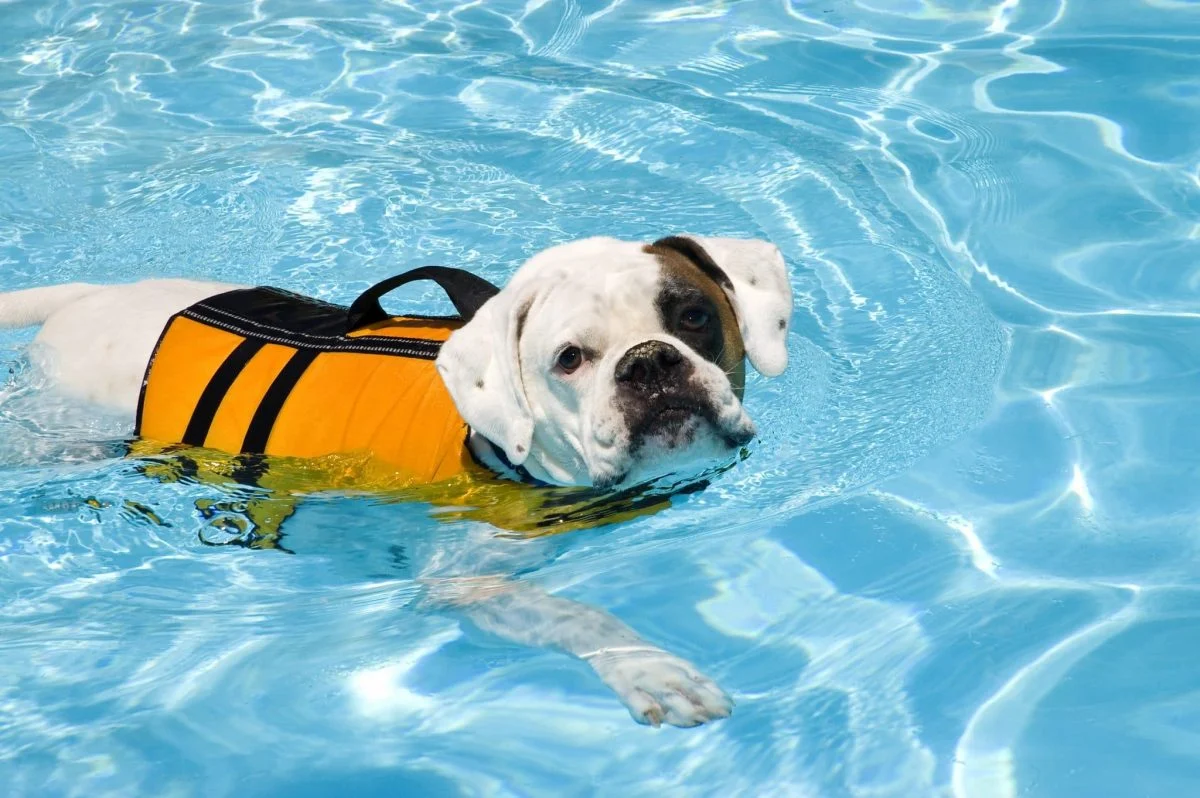
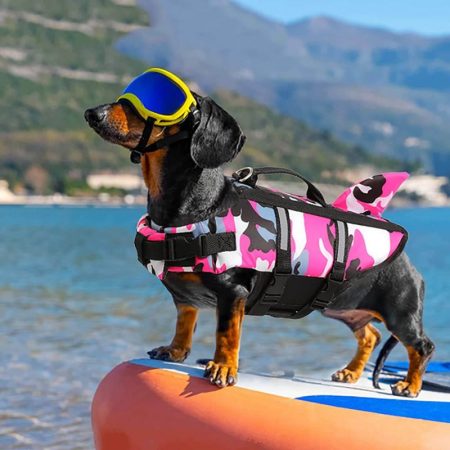
    Benefits of Cold Water Salmon

    Salmon from cold water environments, such as northern or southern latitudes, contains the most beneficial fatty acids due to the planktonic diet of these regions. These fatty acids support cardiovascular health and reduce inflammation. Ensuring the salmon originates from these areas can enhance its nutritional benefits for your dog.

    By carefully choosing the right type of salmon and preparing it properly, we can safely incorporate this nutritious fish into our dogs’ diets, providing them with essential proteins and omega-3 fatty acids.

    Conclusion

    Adding salmon to our dogs’ diets can be a fantastic way to boost their health. We appreciate the rich nutrients it offers, from high-quality proteins to essential omega-3 fatty acids. By choosing wild-caught salmon and preparing it safely, we ensure our pets receive the best benefits without the associated risks.

    Monitoring portion sizes and serving frequency helps maintain their well-being while preventing any digestive issues. We believe that with the right approach, salmon can be a valuable addition to our dogs’ meals, supporting their overall health and vitality.

  • Top Dog Life Jackets for 2025: Keep Your Pet Safe

    Top Dog Life Jackets for 2025: Keep Your Pet Safe

    Have you ever wondered how to keep your furry friend safe during water adventures? Every year, thousands of dogs enjoy swimming and boating, but without the right safety gear, accidents can happen. A dog life jacket is essential for ensuring your pet stays afloat and secure in the water.

    We understand that choosing the perfect life jacket can be overwhelming with so many options available. That’s why we’ve researched the best features, sizes, and materials to help you make an well-informed choice. In this text, we’ll explore the key aspects of dog life jackets, including safety designs, comfort factors, and what to look for when selecting one for your pet. By the end, you’ll feel confident in selecting a life jacket that offers both protection and comfort for your beloved companion.

    What Is a Dog Life Jacket?

    A dog life jacket, also known as a personal flotation device (PFD) for dogs, ensures our pets stay afloat and secure in water environments. Designed specifically for canine physiology, these jackets provide buoyancy, helping dogs remain buoyant even if they are not strong swimmers.

    Key Features of a Dog Life Jacket

    • Buoyancy Material: Made from high-density foam or inflatable components, dog life jackets offer consistent buoyancy to keep dogs afloat.
    • Adjustable Straps: Multiple straps allow for a customized fit based on the dog’s weight and girth, ensuring both safety and comfort.
    • Reflective Strips: Enhanced visibility in low-light conditions improves safety during early morning or evening water activities.
    • Handles: Integrated handles provide a secure grip for rescuers, facilitating quick and effective retrieval of the dog if needed.
    • Secure Fastenings: Buckles or Velcro closures maintain the jacket in place, preventing shifting during vigorous movements in water.

    Sizing and Fit

    Proper sizing is crucial for the effectiveness of a dog life jacket. Incorrectly sized jackets can compromise safety and comfort. The sizing typically depends on the dog’s weight and chest girth. Below is a table outlining common size categories:

    SizeWeight RangeChest Girth (inches)
    Small5-15 lbs14-18
    Medium15-30 lbs18-22
    Large30-50 lbs22-28
    Extra Large50+ lbs28+

    Materials Used

    Dog life jackets are crafted from durable, water-resistant materials such as nylon or polyester. The buoyant foam or inflatable chambers are designed to withstand water pressure and provide long-lasting performance. Reinforced stitching ensures the jacket remains intact during active use.

    Safety Certifications

    While dog life jackets are not standardized or certified by the U.S. Coast Guard, reputable manufacturers adhere to safety guidelines to enhance reliability. Look for products that undergo rigorous testing and meet quality assurance standards to guarantee your pet’s safety.

    Additional Considerations

    When selecting a dog life jacket, consider factors like the type of water activity, the dog’s swimming ability, and the climate conditions. Features such as quick-drying fabrics and lightweight designs contribute to the overall comfort and usability of the life jacket during various water adventures.

    By understanding what a dog life jacket entails, we can make informed decisions to ensure our pets enjoy safe and enjoyable experiences in the water.

    Dog Life Jacket

    Benefits of Dog Life Jackets

    Enhanced Safety

    Dog life jackets ensure our pets remain safe in aquatic environments. They keep a dog’s head afloat, preventing drowning during accidental falls or emergencies. Even if a dog experiences a seizure or becomes disoriented, the life jacket maintains buoyancy, providing peace of mind during water activities. Reflective strips enhance visibility, especially in low-light conditions, making it easier to locate our dogs. Integrated handles allow for quick rescue, ensuring timely assistance if needed.

    Support for Swimming Technique

    Life jackets improve our dogs’ swimming techniques by providing essential support under the chest and trunk. This support helps maintain a straight back and keeps the hindquarters afloat, allowing dogs to use all four legs efficiently. Enhanced swimming posture reduces muscle soreness and fatigue, enabling our pets to swim more comfortably. By promoting a natural swimming motion, life jackets contribute to better endurance and overall swimming performance, making water activities more enjoyable for both dogs and their owners.

    Extended Swimming Time

    Dog life jackets take some of our pets’ body weight off, enabling them to swim longer distances without quickly tiring. This feature is particularly beneficial for dogs that are not strong swimmers or those participating in extended water activities such as rafting, kayaking, or paddleboarding. By reducing the effort required to stay afloat, life jackets allow our dogs to explore and enjoy the water for extended periods. Increased swimming time enhances the overall experience, fostering a stronger bond between dogs and their owners during aquatic adventures.

    Additional Benefits

    Beyond safety and swimming support, dog life jackets offer several other advantages. Adjustable straps ensure a customized fit, accommodating various breeds and body shapes. Lightweight materials enhance comfort, reducing fatigue during prolonged use. Bright colors improve visibility, improving safety in busy waterways. Quick-release buckles help easy removal and secure fastening, providing convenience for both dogs and their owners. These features collectively make dog life jackets an essential accessory for any water-loving pet.

    Top-Rated Dog Life Jackets (2025)

    Brand/ModelBest ForNotable FeaturesPrice Range
    Ruffwear Float CoatOverall performanceStreamlined fit, telescoping neck, strong handle~$90
    EzyDog Premium Flotation DeviceLarge breeds, all-around50% more flotation, reflective, D-ring, sturdy~$60-90
    Non-stop Dogwear ProtectorBig dogs, rough waterMost buoyancy, extra support, premium build~$159
    Kurgo Surf N TurfPro swimmers, active dogsTwo handles, D-ring, durable, lightweight~$38-55
    Astral Bird DogAdjustability, durabilityCordura nylon, easy fit, vintage style~$75
    Outward Hound GranbyBudget-friendly, small dogsTwo handles, extra belly comfort, extra flotation~$20-30
    Paws Aboard Life JacketSmall dogs, casual useExtra belly fabric, leash clip, extra padding~$25-40

    Choosing the Right Dog Life Jacket

    Selecting the right dog life jacket ensures your pet’s safety and comfort during water activities. We focus on essential factors to help you make an well-informed choice.

    Fit and Comfort

    A proper fit of the dog life jacket is crucial for both safety and comfort. Measure your dog’s girth to select the correct size, as no universal standards exist across brands. Different manufacturers use unique sizing charts, so trying jackets before purchasing ensures a secure fit. Look for jackets with multiple adjustments, buckles, and Velcro closures for customization.

    Dog Life Jacket

    Padded, wider straps under the belly prevent discomfort and avoid digging into your dog’s midsection. Also, external straps and clips distribute pressure evenly, improving overall comfort. A snug yet flexible fit allows your dog to move freely without restricting movement. Prioritizing fit and comfort minimizes the risk of your dog slipping out of the jacket and ensures they enjoy their time in the water without irritation.

    Buoyancy and Safety Features

    Buoyancy is a key feature of any dog life jacket, providing the necessary flotation to keep your dog afloat. Ensure the jacket offers adequate buoyancy by checking buoyancy panels strategically placed around the chest, back, and sides. These panels maintain your dog’s natural swimming position, preventing the head and chest from sinking.

    Adjustable straps customize the fit, improving safety and stability in the water. Integrated handles allow for easy lifting and retrieval of your dog during emergencies. Secure fastenings, such as sturdy buckles and clips, keep the jacket in place, reducing the risk of it coming loose. High-quality materials enhance durability and resistance to water, ensuring long-term effectiveness. Prioritizing these buoyancy and safety features in a dog life jacket provides reliable support and peace of mind during water activities.

    Visibility and Reflective Elements

    Visibility is essential for the safety of your dog in water environments. Choose a dog life jacket with bright colors like neon orange, yellow, or red to enhance visibility during daytime activities. Reflective strips or accents improve visibility in low-light conditions, such as dusk or cloudy days, ensuring your dog is easily seen from a distance.

    High-visibility elements are particularly important in busy waterways or areas with boat traffic. Some jackets feature additional reflective materials around the seams and straps, increasing overall visibility from multiple angles. Incorporating these reflective elements into a dog life jacket not only aids in locating your dog quickly but also enhances their safety by making them more noticeable to boaters and rescuers. Prioritizing visibility and reflective features ensures your dog remains safe and easily identifiable in various water settings.

    How to Properly Fit a Dog Life Jacket

    Fit and Adjustments

    Ensuring a dog life jacket fits correctly is essential for safety and comfort. Start by weighing your dog to confirm they fall within the jacket’s specified weight range. Measure your dog’s length from the neck to the base of the tail and girth around the widest part of the chest. Refer to the manufacturer’s size chart, choosing the next size up if measurements are between sizes. Multiple adjustments, buckles, and closures help achieve a snug fit. Tighten straps just until they are secure; chest straps hold the jacket in place, allowing your dog to breathe comfortably. After water activities, recheck and adjust straps as needed since jackets may loosen when wet.

    Design and Materials

    Select a life jacket that conforms to your dog’s shape for maximum comfort. Neoprene jackets are ideal as they offer flexibility and reduce bunching, especially when your dog sits. Ensure the jacket provides ample belly coverage to prevent direct contact with adjustment straps. Wide, padded straps minimize discomfort and avoid digging into your dog’s midsection. Durable, water-resistant materials ensure the jacket performs well in various water conditions, improving both safety and longevity.

    Lifting Handles

    Integrated lifting handles are crucial for safely retrieving your dog from the water. Position handles at the back or side of the jacket, ensuring easy access during emergencies. A strategically placed handle allows you to lift your dog without causing stress or strain, providing better control and improving safety during water activities.

    Final Fit Check

    Once the jacket is on, ensure a snug fit by placing two fingers between the straps and your dog’s body. Check for areas where the jacket may rub or pinch and make necessary adjustments. The chest straps should hold the jacket firmly without restricting movement. Supervise your dog while wearing the life jacket to ensure they remain comfortable and secure during all water activities.

    Maintenance and Adjustments

    Regularly inspect the life jacket for signs of wear and tear, especially after water use. Clean the jacket according to the manufacturer’s instructions to maintain its integrity and functionality. Adjust straps as your dog gains or loses weight to ensure ongoing proper fit and safety. Proper maintenance extends the life of the jacket and ensures your dog remains protected during every water adventure.

    Safety Tips for Using Dog Life Jackets

    Choose Durable, Water-Resistant Materials
    Opt for life jackets crafted from robust, water-resistant fabrics such as polyester or nylon. Foam-filled float coats provide additional buoyancy, ideal for dogs that frequently enter and exit the water. Durable materials ensure the jacket withstands active movements and various water conditions, improving your dog’s safety.

    Ensure a Proper Fit
    Accurate measurements of your dog’s chest girth, neck circumference, and body length are crucial. A well-fitted life jacket should be snug yet comfortable, preventing it from slipping off during activity. Adjustable straps allow your dog to sit, lie down, and swim without restriction. Regularly check the fit to accommodate any changes in your dog’s weight or size.

    Prioritize Key Features
    Select life jackets with essential features for optimal safety:

    • Handles: Integrated handles enable easy lifting of your dog from the water in emergencies and assist in teaching your dog to swim.
    • Reflective Strips: These enhance visibility during low-light conditions such as dawn, dusk, or nighttime, ensuring your dog can be seen by fellow swimmers and boaters.
    • Leash Attachments: Sturdy D-rings allow for secure leash connections, providing additional control both in and out of the water.
    • Extra Flotation Material: Additional foam around the sides and middle increases buoyancy, keeping your dog’s head above water.

    Introduce the Life Jacket Gradually
    Acclimate your dog to wearing the life jacket by starting at home. Let them wear it for short periods, gradually increasing the duration. Practice putting the jacket on and taking it off several times to build comfort and reduce anxiety before venturing into the water.

    Supervise Your Dog at All Times
    Never leave your dog unattended while wearing a life jacket in or near water. Continuous supervision ensures the jacket remains secure and allows you to respond promptly if your dog encounters any difficulties.

    Maintain and Inspect Regularly
    Regularly examine the life jacket for signs of wear, such as frayed straps or weakened seams. Clean the jacket according to the manufacturer’s instructions to maintain its integrity and effectiveness. Replace the jacket if any damage is detected to ensure ongoing safety.

    Use Positive Reinforcement
    Encourage your dog to associate the life jacket with positive experiences. Use treats, praise, and play to make wearing the jacket enjoyable. Positive reinforcement helps your dog remain calm and comfortable while wearing the life jacket during water activities.

    Prepare for Emergencies
    Familiarize yourself with the use of the jacket’s handle for swift retrieval of your dog from the water. Practice lifting techniques and ensure you can act quickly and efficiently in case of an emergency, improving your preparedness and your dog’s safety.

    By implementing these safety tips, we ensure our dogs remain secure and comfortable while enjoying water activities with their life jackets.

    Maintenance and Care

    Cleaning

    • Rinse Regularly: After each use, rinse the dog life jacket with cool, fresh water to remove residues, mud, sand, or visible stains. This step prevents mold, mildew, and unpleasant odors from developing.
    • Tackle Stubborn Stains: For tougher stains like mud, food, or sunscreen, prepare a mild detergent solution. Mix two tablespoons of liquid laundry detergent in a bucket filled with cool water. Scrub the jacket’s surfaces using a soft brush. For persistent stains, apply a small amount of detergent directly to the affected area, let it sit for at least 15 minutes, then rinse thoroughly.
    • Avoid Harsh Chemicals: Do not use strong detergents, chlorine bleach, or industrial cleaning agents. These substances can damage the fabrics and buoyancy foam of the dog life jacket, reducing its effectiveness and lifespan.

    Drying

    • Air-Dry Properly: Always air-dry the dog life jacket after cleaning. Place it in a well-ventilated area away from direct sunlight to prevent fabric degradation and maintain the jacket’s integrity.
    • Use a Fan if Needed: If drying indoors, hang the jacket and use a rotating fan to speed up the drying process. This approach helps prevent mildew growth and ensures the jacket dries evenly and thoroughly.
    Dog Life Jacket

    Storage Tips

    • Store in a Cool, Dry Place: Keep the dog life jacket stored in a cool, dry location when not in use. Avoid areas with high humidity or extreme temperatures to maintain the jacket’s condition.
    • Inspect Before Storage: Before storing, inspect the life jacket for any signs of wear or damage. Address any issues promptly to ensure the jacket remains safe and functional for future use.
    • Check for Damage: Regularly examine the dog life jacket for tears, frayed straps, or weakened seams. Prompt repairs can extend the jacket’s lifespan and ensure your dog’s safety.
    • Verify Fit and Functionality: Ensure the adjustable straps remain secure and the buoyancy materials are intact. A properly fitting life jacket is crucial for optimal performance and your dog’s comfort during water activities.

    By following these maintenance and care guidelines, we ensure the longevity and effectiveness of our dog life jackets, providing continuous safety and comfort for our pets during water adventures.

    Conclusion

    Ensuring our dogs enjoy water activities safely is a priority we all share. A reliable life jacket can make all the difference, giving us peace of mind while our pets splash around.

    By choosing the right gear and following best practices, we create fun and secure experiences for our furry friends. Let’s embrace these safety measures and make every water adventure memorable and worry-free.

  • Ultimate Guide to Dog Dry Dandruff: Causes, Treatments & Prevention

    Ultimate Guide to Dog Dry Dandruff: Causes, Treatments & Prevention

    Ever noticed white flakes on your dog’s coat? Dog dry dandruff affects up to 50% of pets, yet many owners dismiss it as harmless. This common issue can cause discomfort and may signal underlying health problems that shouldn’t be ignored.

    We’re here to help you understand the causes of dog dandruff and explore effective answers. From dietary adjustments to proper grooming techniques, our comprehensive guide will provide you with the knowledge to improve your dog’s skin health and overall well-being. Let’s jump into how you can keep your furry friend happy and flake-free.

    Understanding Dog Dandruff

    Dog dandruff manifests as dry, flaky skin shedding from various parts of a dog’s body, including the back, face, and flanks. This condition mirrors human dandruff and serves as an indicator of underlying skin health issues.

    Types of Dog Dandruff

    There are two main types of dog dandruff:

    Seborrhea Sicca (Dog Dry Dandruff)

    Characterized by insufficient skin oils, leading to dry, white flakes.

    Seborrhea Oleosa (Dog Oily Dandruff)

    Involves excessive sebum production, resulting in greasy, yellowish flakes.

    Common Causes

    Environmental Factors

    Dry winter air and low humidity levels can strip a dog’s skin of essential moisture. Indoor heating further exacerbates dryness, making the skin prone to flaking.

    Allergies

    Dogs may develop dandruff due to allergies triggered by certain foods or environmental elements like pollen and dust mites. These allergies cause itchy, inflamed skin, which contributes to dandruff formation.

    Over-Bathing

    Frequent bathing or the use of harsh shampoos removes natural oils from the skin. Without these oils, the skin becomes dry and starts to produce dandruff. It’s crucial to use dog-exact shampoos to maintain the skin’s oil balance.

    Health Conditions

    Various health issues can lead to dog dandruff. Hormonal imbalances, such as hypothyroidism, and immune disorders weaken the skin’s integrity. Conditions like diabetes also affect skin health, making dandruff more likely. Also, genetic predispositions to skin conditions like seborrhea play a important role.

    Poor Nutrition

    An unbalanced diet lacking essential nutrients can impair a dog’s skin and coat health. Nutrient deficiencies weaken the skin’s barrier, making it susceptible to dryness and flaking.

    Symptoms and Detection

    Owners might observe white flakes in their dog’s fur and around their home. Other signs include persistent itchiness, redness, and irritation of the skin. Detecting these symptoms early allows for effective management and treatment of dog dandruff.

    Prevention and Management

    Maintaining a regular grooming routine helps manage dandruff. Brushing removes loose flakes and distributes natural oils evenly across the skin. Also, using appropriate shampoos and ensuring a balanced diet rich in essential fatty acids support healthy skin and coat.

    Understanding the various aspects of dog dandruff enables us to address the condition proactively, ensuring our dogs remain comfortable and healthy.

    Dog Dry Dandruff

    Causes of Dog Dandruff

    Dog dandruff results from various factors affecting our pets’ skin health. Understanding these causes helps us address and manage the condition effectively.

    Dry Air

    Dry air strips our dogs’ skin of essential moisture, leading to flaky skin and dandruff. During winter months, central heating reduces humidity levels, exacerbating this condition. Low humidity causes the skin to lose its natural oils, making it more prone to dryness and irritation. To mitigate dry air’s impact, we use humidifiers in our homes and ensure our dogs receive regular moisturizing treatments. Also, providing a balanced diet rich in omega fatty acids supports skin hydration and resilience.

    Allergies

    Allergies are a common cause of dog dandruff, triggered by food or environmental factors. Dogs with food allergies may exhibit itchiness, flaky skin, and recurring infections. Environmental allergens like pollen, dust mites, and mold also contribute to dandruff by causing chronic skin irritation. Identifying and eliminating allergens through dietary changes or minimizing exposure reduces symptoms. Consulting with a veterinarian helps determine exact triggers and appropriate treatment plans to manage our pets’ allergic reactions effectively.

    Parasites

    Parasites, particularly the Cheyletiella mite, lead to dog dandruff by causing intense itching and skin irritation. These mites are visible to the naked eye and known as “Walking Dandruff” due to their appearance and movement. Infestations result in important discomfort and can spread easily to other pets in the household. Treating parasites promptly with appropriate medications and maintaining a clean environment prevents recurrence. Regular grooming and inspections help us identify and address parasitic issues early, ensuring our dogs remain healthy and dandruff-free.

    Nutritional Deficiencies

    Nutritional deficiencies, especially in omega fatty acids, contribute to dog dandruff by compromising skin health. A lack of essential nutrients disrupts the skin’s barrier function, making it dry and flaky. Hormone imbalances and vitamin deficiencies, such as insufficient vitamin E, also lead to seborrhea and dandruff development. Providing a balanced diet with high-quality proteins, vitamins, and fatty acids supports our dogs’ skin and coat health. Supplements may be necessary to address exact deficiencies, promoting overall well-being and reducing dandruff symptoms.

    Signs and Symptoms

    Dry, Flaky Skin

    Dogs with dandruff exhibit dry, flaky skin, especially along the back and near the tail. These flakes become visible when petting or scratching the dog. Dry skin results from moisture loss, often triggered by environmental factors or inadequate nutrition.

    Itchiness and Irritation

    Itchiness causes discomfort and restlessness in dogs. This irritation stems from various underlying issues such as dry skin, allergies, or parasites. Persistent scratching can lead to further skin damage, exacerbating dandruff.

    Skin Odor

    A noticeable skin odor accompanies dog dandruff, indicating potential skin infections or other health problems. Bacterial or fungal growth on the skin can produce unpleasant smells, signaling the need for veterinary attention.

    Excessive Dandruff

    Visible white flakes on a dog’s fur, especially when in motion, signify excessive dandruff. This condition may result from parasites like Cheyletiella mites, which increase flaking and irritation. Monitoring the amount of dandruff helps in early detection and effective management.

    Additional Symptoms

    • Redness and Inflammation: Inflamed skin areas highlight severe dryness or allergic reactions.
    • Hair Loss: Excessive scratching can lead to patches of hair loss, weakening the coat’s integrity.
    • Thickened Skin: Chronic dandruff may cause the skin to thicken, reducing flexibility and comfort.
    Dry Dandruff

    When to Seek Help

    If signs persist or worsen, consulting a veterinarian ensures appropriate diagnosis and treatment. Early intervention prevents complications and enhances your dog’s skin health.

    Preventive Measures

    Regular grooming, a balanced diet rich in essential fatty acids, and maintaining proper hydration support healthy skin. Using suitable shampoos and minimizing exposure to allergens also reduce the risk of dandruff.

    Monitoring and Maintenance

    Consistent monitoring of your dog’s skin condition helps in managing dandruff effectively. Keeping track of changes allows for timely adjustments in care routines, ensuring your pet remains comfortable and healthy.

    Common Misconceptions

    Understanding that dandruff is not merely a cosmetic issue but a sign of underlying health problems. Addressing the root causes rather than just the symptoms leads to better long-term outcomes for your dog.

    Conclusion

    Recognizing and addressing the signs and symptoms of dog dandruff ensures your pet’s well-being. Implementing preventive measures and seeking professional advice when necessary maintains optimal skin health.

    Treatment and Home Remedies

    Managing dog dandruff involves a combination of regular care and targeted treatments. We focus on effective strategies to maintain your dog’s skin health and reduce dandruff.

    Regular Grooming

    Regular grooming plays a vital role in controlling dog dandruff. We brush our dogs daily during dandruff outbreaks and weekly for general maintenance. Brushing distributes natural oils across the coat, preventing oil buildup and removing dead hair. This process promotes a healthier, shinier coat and reduces flaky skin.

    Bathing with a moisturizing or anti-dandruff shampoo helps cleanse the skin and remove excess flakes. It’s essential to bathe our dogs in moderation to avoid stripping natural oils, using only mild, vet-approved shampoos. Also, grooming techniques like thorough drying after baths prevent bacterial and fungal infections. For long-haired breeds, misting with water or using a conditioning spray can decrease static and enhance coat health. Always consult with a veterinarian before introducing new grooming products to ensure they complement existing treatments.

    Dietary Supplements

    Dietary supplements can significantly improve skin health and reduce dog dandruff. We often incorporate omega-3 fatty acids into our dogs’ diets, as they are known to enhance skin hydration and reduce inflammation. Fish oil and flaxseed oil are popular sources that support a glossy coat and minimize flaky skin.

    Vitamin E supplements also aid in maintaining healthy skin by providing antioxidant benefits. Probiotics are another essential supplement, promoting a balanced gut microbiome that can positively impact skin condition. Ensuring our dogs receive a balanced diet rich in essential nutrients helps address underlying nutritional deficiencies that contribute to dandruff. Before adding any supplements, we consult with a veterinarian to determine the appropriate types and dosages, ensuring they fit our dogs’ exact health needs and treatment plans.

    Topical Treatments

    Topical treatments offer targeted relief for dog dandruff, addressing exact skin issues effectively. We use medicated shampoos containing ingredients like selenium sulfide or zinc pyrithione, which help reduce yeast and fungal growth that can exacerbate dandruff. Aloe vera gels and coconut oil are natural alternatives that soothe irritated skin and provide moisturizing benefits. These treatments help alleviate itchiness and hydrate dry patches, promoting overall skin health.

    Topical sprays with hydrocortisone can also be applied to inflamed areas to reduce redness and discomfort. Consistently applying these treatments as part of our grooming routine ensures sustained relief and maintains a healthy skin barrier. It’s crucial to follow veterinary recommendations when selecting and applying topical treatments to ensure they are safe and effective for our dogs’ exact conditions.

    Prevention and Maintenance

    Regular Grooming

    We maintain our dogs’ skin health by brushing regularly, distributing natural oils that keep the coat vibrant and minimize dandruff. Brushing removes up to 20% of dead hair and skin, preventing matting and flaking. Our grooming routine includes a coarse brush to eliminate tangles, followed by a soft brush or rub rag to massage the skin effectively. Weekly grooming sessions ensure oil distribution and skin stimulation, reducing dandruff incidence.

    Dietary Adjustments

    We ensure our dogs consume a balanced diet rich in essential nutrients, especially omega-3 and omega-6 fatty acids, crucial for skin and coat health. Incorporating sources like fish oil or flaxseed supplements enhances their dietary intake. In cases of nutritional deficiencies, we adjust their meals or add supplements based on veterinary advice, significantly decreasing dandruff symptoms. A diet providing at least 1% fatty acids supports optimal skin hydration and reduces flakiness.

    Environmental Controls

    We control our dogs’ environment to prevent dandruff by maintaining optimal humidity levels, especially during dry winter months. Using a humidifier at home keeps the air moist, preventing skin dryness. Also, we minimize exposure to allergens such as pollen and dust by regularly cleaning our living spaces and using air purifiers. Reducing environmental stressors helps maintain healthy skin and reduces the likelihood of dandruff.

    Proper Bathing Techniques

    We adopt proper bathing techniques to manage dog dandruff effectively. Bathing once a month with a moisturizing or anti-dandruff shampoo hydrates the skin without stripping natural oils. We use lukewarm water and ensure thorough rinsing to remove all shampoo residues. After bathing, we dry our dogs completely to prevent moisture-related skin issues. Over-bathing can exacerbate dryness, so we adhere to a consistent yet balanced bathing schedule.

    Veterinary Care

    We prioritize regular veterinary check-ups to identify and address underlying health issues contributing to dandruff. Conditions like hormonal imbalances or parasites require professional treatment, reducing dandruff and improving overall skin health. Our veterinarians recommend appropriate treatments and dietary changes based on comprehensive health assessments, ensuring our dogs remain comfortable and dandruff-free.

    When to Consult a Veterinarian

    Dog dandruff often signals underlying health issues that require veterinary attention. Recognizing when to seek professional help ensures your dog’s well-being and prevents complications.

    Severe or Persistent Symptoms

    If your dog exhibits severe itching, scratching, chewing, or licking alongside dandruff, consult a veterinarian. These behaviors can lead to skin irritation, infections, and increased discomfort. Persistent dandruff even though regular grooming may indicate a more serious condition that needs medical intervention.

    Changes in Behavior or Physical Condition

    Monitor your dog’s behavior and physical health for signs that accompany dandruff. Increased scratching, licking, or biting at the skin, along with physical changes like weight loss, redness, or altered skin color, warrant veterinary advice. Such symptoms could be indicative of hormonal imbalances, allergies, or nutritional deficiencies affecting your dog’s skin health.

    Presence of Hair Loss or Bald Spots

    Hair loss or bald patches in areas with dandruff may point to important health concerns. These symptoms often suggest underlying issues such as parasites, hormonal disorders, or severe allergies. A veterinarian can perform diagnostics to identify the root cause and recommend appropriate treatments.

    Dog Dry Dandruff

    Unexplained Weight Loss

    Weight loss along with dandruff can indicate systemic health problems. Conditions like thyroid disorders or other metabolic issues may manifest through skin symptoms and overall weight changes. Seeking veterinary care promptly helps address these potentially serious health concerns.

    Persistent Odor or Skin Infections

    A persistent odor or signs of skin infection, such as swelling or discharge, alongside dandruff require immediate veterinary attention. Infections can escalate quickly, leading to more severe health issues if not treated promptly. A veterinarian can provide medications and treatments to resolve infections effectively.

    By observing these symptoms and seeking timely veterinary care, we ensure our dogs maintain optimal skin health and overall well-being.

    Conclusion

    Taking care of our dog’s skin health is essential for their comfort and happiness. By staying proactive and attentive to signs of dandruff, we can address issues early and maintain our pet’s well-being. Implementing regular grooming routines and ensuring a balanced diet rich in essential nutrients supports their overall health. Together, we can create a healthy environment that minimizes dandruff and keeps our furry friends feeling their best. Let’s commit to these practices and enjoy the bond we share with our happy, healthy dogs.

  • Dog Ate Chicken Bones: Risks & Immediate Actions to Take

    Dog Ate Chicken Bones: Risks & Immediate Actions to Take

    Has your dog eaten chicken bones? It’s a worry many pet owners face, especially since chicken bones can be more dangerous than they seem. While many dogs process bones without issues, when a dog ate chicken bones, the risks of choking or internal injuries increase significantly.

    We understand that dogs often explore the industry with their mouths, sometimes leading to unexpected health scares. In this text, we’ll jump into what happens when a dog ate chicken bones, the signs to watch for, and the best actions to take to ensure your dog’s well-being. By the end, you’ll have the essential information to manage this situation effectively and keep your beloved pet safe.

    What Happens If Your Dog Eats Chicken Bones

    When a dog eats chicken bones, several health risks emerge. Understanding these dangers helps ensure timely and appropriate responses.

    Potential Obstructions

    Chicken bones, particularly cooked ones, break and splinter easily. These splinters can obstruct the esophagus, throat, or intestines. If a bone lodges in the upper airway, dogs experience severe distress, including coughing, difficulty breathing, and gagging. Smaller dogs face higher risks as their digestive systems struggle to pass larger bone fragments. Obstructions may require immediate veterinary intervention to prevent life-threatening complications. Monitoring your dog closely after ingestion can help detect signs of obstruction early. Prompt action minimizes the chances of long-term health issues.

    Gastrointestinal Injuries

    Sharp splinters from chicken bones pose important threats to the gastrointestinal tract. They can puncture or perforate the esophagus, stomach, or intestines, leading to internal injuries. Perforations may cause infections, bleeding, and severe pain. Symptoms include vomiting, lethargy, and abdominal discomfort. Ingested bones increase the likelihood of these injuries, especially if the bones are cooked and brittle. Veterinary treatment often involves surgery to repair damaged tissues. Preventing bone ingestion is crucial to avoid these serious health risks for your dog.

    Bacterial Contamination

    Chicken bones, especially raw ones, carry bacterial risks like salmonella. Bacterial contamination can lead to severe gastrointestinal infections in dogs. Symptoms include diarrhea, vomiting, fever, and lethargy. Infected dogs may require antibiotic treatment and supportive care to recover. Contaminated bones heighten the risk of bacterial exposure, compromising your dog’s immune system. Ensuring bones are not part of your dog’s diet reduces the chances of bacterial infections. Maintaining proper hygiene and monitoring your dog’s health after ingestion are essential steps to prevent complications.

    Immediate Steps to Take

    If your dog ate chicken bones, taking swift and appropriate action ensures their safety. Follow these immediate steps to manage the situation effectively.

    Stay Calm and Assess the Situation

    Remaining calm prevents further stress for your dog. Observe your pet for signs of discomfort or unusual behavior after consuming chicken bones. Check for symptoms like lethargy, vomiting, or difficulty moving. Assessing the situation accurately helps determine if professional veterinary assistance is required immediately.

    Chicken Bones

    Do Not Induce Vomiting

    Avoid inducing vomiting unless a veterinarian recommends it. Making your dog throw up after eating chicken bones can cause bone fragments to cause more damage. Instead, contact your vet for guidance on the best course of action. Following expert advice ensures your dog’s health and minimizes the risk of internal injuries.

    Remove Remaining Bones Safely

    Secure your home by removing any leftover chicken bones to prevent your dog from eating more. Store bones in a safe container out of your dog’s reach. Properly disposing of bones reduces the risk of further ingestion and related complications. Ensuring no additional bones are accessible maintains a safe environment for your dog.

    When to Contact Your Veterinarian

    If our dog eats chicken bones, monitoring their health is essential. We must know when to seek veterinary assistance to ensure their safety.

    Signs of Choking

    Choking constitutes a severe emergency requiring immediate action. Common signs include:

    • Gagging or retching
    • Difficulty breathing
    • Persistent coughing
    • Excessive drooling

    If our dog exhibits these symptoms after eating chicken bones, we need to contact our veterinarian right away. Immediate veterinary care is crucial if choking is evident or if there’s a partial airway blockage. Delayed response can lead to severe complications, including oxygen deprivation and internal injuries. Recognizing these indicators swiftly helps us act decisively to secure our dog’s well-being. Always stay vigilant for these signs to provide prompt assistance when our dog consumes chicken bones.

    Symptoms of Digestive Distress

    Digestive distress after our dog eats chicken bones may manifest through various symptoms. Key indicators include:

    • Vomiting or retching
    • Diarrhea or constipation
    • Abdominal pain or bloating
    • Loss of appetite or lethargy

    If our dog shows these symptoms, contacting our veterinarian is imperative. Digestive issues can signal blockages, internal injuries, or infections caused by bone fragments. Early veterinary intervention increases the chances of a favorable outcome and prevents complications. Monitoring for these signs ensures we address any arising problems promptly, safeguarding our dog’s digestive health after ingesting chicken bones.

    How Veterinarians Treat Ingestion of Chicken Bones

    Immediate Assessment and Emergency Care

    When a dog has eaten chicken bones, veterinarians perform an immediate assessment to determine the severity of the situation. If the dog exhibits signs of choking, such as gasping, pawing at the mouth, or difficulty breathing, emergency care is initiated without delay. Vets may carefully remove visible bones if it’s safe to do so, ensuring not to push the bone further down the throat, which could exacerbate the issue.

    Monitoring for Symptoms

    Post-assessment, continuous monitoring is essential even if the dog appears fine initially. Veterinarians observe for symptoms like vomiting, gagging, lethargy, lack of appetite, diarrhea, bloody feces, straining to defecate, or abdominal pain. Detecting these signs early allows for timely intervention, preventing complications such as gastroenteritis or intestinal blockages.

    Chicken Bones

    Common Treatment Approaches

    Veterinarians adopt several treatment strategies based on the dog’s condition:

    • Hospitalization and Intravenous Fluids: To ensure hydration and support digestion, especially if important bone ingestion is suspected. Typically, a 24-hour hospitalization is recommended, depending on the dog’s size and the amount of bones consumed.
    • Avoiding Antacids: Vets refrain from using antacids as stomach acid is necessary to break down chicken bones. Reducing stomach acid can delay bone digestion, increasing the risk of complications.
    • Special GI Diets: After the initial treatment, a prescription gastrointestinal diet is provided. These diets are easier to digest, aiding in the recovery of the inflamed and irritated stomach and upper GI system caused by bone ingestion.

    Diagnostic Procedures

    To assess the extent of bone ingestion, veterinarians may perform diagnostic tests:

    • X-Rays: Used to locate the swallowed bones within the abdomen and identify any potential obstructions or complications.
    • Physical Examination: A thorough check-up to evaluate the dog’s overall health and detect any immediate issues related to bone ingestion.

    Preventative Measures

    Veterinarians also emphasize preventive strategies to minimize the risk of future incidents:

    • Avoid Giving Beef or Pork Bones: These bones are heavier and denser, increasing the likelihood of gastrointestinal irritation and obstructions.
    • Safe Bone Alternatives: Providing safer chew alternatives to satisfy the dog’s need to chew without the associated risks of bone ingestion.

    By following these treatment protocols, veterinarians ensure the safety and well-being of dogs that have ingested chicken bones, addressing immediate concerns and preventing long-term health issues.

    Preventing Future Incidents

    Secure Food and Leftovers

    We ensure all food, particularly chicken and other bones, remains out of our dog’s reach. By securing trash cans and not leaving cooked or raw chicken unattended on counters or tables, we minimize the risk of accidental ingestion. Also, storing food in high cabinets or using childproof locks can further prevent our dog from accessing dangerous items.

    Proper Disposal

    We dispose of chicken bones and other hazardous food items in secure, dog-inaccessible trash cans. Utilizing bins with tight-fitting lids or placing waste in locked containers ensures our dog cannot access these items, even if they attempt to get into the trash. Regularly emptying the trash and keeping disposal areas clean also reduces the likelihood of bone ingestion.

    Educate Family Members

    We inform all family members and guests about the dangers of chicken bones for dogs. Educating everyone in the household helps prevent accidental feeding or leaving bones within our dog’s reach. Clear communication and consistent training reinforce the importance of keeping harmful items away from our pets, ensuring a safe environment for our dog.

    Alternative Treats

    We provide our dog with safe, bone-like treats specifically designed for canine consumption. Options such as bully sticks, rawhide chews, or durable dog-safe chew toys offer satisfying alternatives without the associated risks of chicken bones. By offering these alternatives, we reduce the temptation for our dog to seek out and consume dangerous items, promoting better health and safety.

    Additional Measures

    We carry out additional measures to safeguard our home from potential hazards. This includes regularly inspecting our living spaces for accessible bones or harmful items and reinforcing boundaries where necessary. Installing barriers or gates can restrict our dog’s access to areas where food is prepared or stored, further preventing incidents of bone ingestion.

    Chicken Bones

    Monitoring and Supervision

    We maintain vigilant monitoring and supervision of our dog, especially during meal times or when food is present. Keeping a close eye on our dog helps us intervene promptly if they show interest in eating bones or other unsafe items. Consistent supervision, combined with training, reinforces positive behaviors and minimizes the chances of accidental ingestion.

    Veterinary Guidance

    We consult our veterinarian for advice on preventing our dog from eating chicken bones. Professional guidance ensures we adopt the best practices customized to our dog’s exact needs and behaviors. Regular check-ups and open communication with our vet help us stay informed about the most effective strategies to keep our dog safe.

    Conclusion

    Ensuring our dogs’ safety is a top priority. By staying vigilant and taking proactive steps, we can prevent accidents related to chicken bones. Creating a secure environment and choosing safe alternatives helps maintain our pets’ health and happiness. Remember, being prepared and informed makes all the difference in safeguarding our furry friends. Let’s continue to prioritize their well-being and enjoy the bond we share with them.

  • Dog Steps for Bed | Safe & Comfortable Access for Your Pet

    Dog Steps for Bed | Safe & Comfortable Access for Your Pet

    Did you know that over 60% of senior dogs struggle with jumping onto beds and couches, risking serious injuries? As pet owners, we understand the importance of keeping our furry friends safe and comfortable. Dog steps for bed offer a simple yet effective solution, allowing our aging companions to access their favorite spots without the strain of jumping.

    By incorporating dog steps into your home, you can help maintain your pet’s independence and reduce the risk of joint problems. In this text, we’ll explore the benefits of using dog steps, the key features to look for, and tips on choosing the best option for your senior dog. Let’s ensure our pets continue to enjoy the comfort they deserve with ease and safety.

    Understanding the Importance of Dog Steps for Bed

    Dog steps for bed play a crucial role in ensuring the safety and comfort of our canine companions. They provide an accessible way for dogs to reach elevated surfaces without compromising their health or independence.

    Why Dog Steps Are Necessary

    Dog steps address several key needs for different types of dogs:

    • Mobility Issues: Dogs with arthritis, back, or hip problems often struggle to jump onto or off beds and couches. Dog steps offer a gentle alternative, reducing the strain on their joints and preventing potential injuries.
    • Senior Dogs: As dogs age, their muscle strength and joint flexibility decrease, making jumping difficult. Dog steps help senior dogs maintain their independence by allowing them to access their favorite spots without unnecessary effort.
    • Smaller Breeds: Small dogs, such as teacup Yorkies, may find it challenging to reach high beds. Dog steps provide a safe and easy way for these breeds to climb onto elevated surfaces, ensuring they can enjoy the same comfort as larger dogs.

    Improving Safety and Comfort

    Implementing dog steps for bed enhances both safety and comfort in the household:

    • Preventing Injuries: By eliminating the need for dogs to jump, steps reduce the risk of falls and related injuries. This is especially important for dogs with existing health issues or those that are prone to accidents.
    • Promoting Independence: Dog steps empower dogs to move freely around the home, fostering a sense of independence and confidence. This autonomy contributes to their overall well-being and happiness.
    • Ease of Use: Modern dog steps are designed with non-slip surfaces and sturdy construction, ensuring that dogs can use them effortlessly. This ease of use encourages regular use, helping dogs incorporate the steps into their daily routines seamlessly.

    Supporting Overall Well-Being

    Dog steps for bed contribute to the overall well-being of our pets by addressing their physical needs:

    • Joint Health: Reducing the need to jump preserves the integrity of a dog’s joints, preventing the progression of degenerative conditions.
    • Stress Reduction: Providing a reliable way to access elevated areas diminishes stress and frustration, leading to a more relaxed and content pet.
    • Versatility: Dog steps can be used not only for beds but also for other elevated areas like sofas and favorite chairs, offering versatile support throughout the home.

    By understanding the importance of dog steps for bed, we can make informed decisions that enhance the quality of life for our beloved pets.

    Benefits of Using Dog Steps

    Using dog steps for bed offers many advantages that enhance your pet’s quality of life. By incorporating dog steps into your home, we ensure our dogs remain safe, comfortable, and independent.

    Safety and Reduced Injury Risk

    Dog steps provide a stable platform for dogs to climb onto beds, significantly lowering the chance of injuries from jumping or falling. This safety feature is crucial for dogs with joint issues, arthritis, or those recovering from surgery. By eliminating the need to jump, we protect our dogs from potential strains and fractures, ensuring their well-being.

    Dog Steps for Bed

    Ease of Access

    With dog steps, our dogs can effortlessly reach their favorite spots, such as beds or couches, without requiring us to lift them repeatedly. This convenience is especially beneficial for small breeds like Dachshunds and Corgis, as well as dogs with limited mobility. By offering a simple way to access elevated areas, we promote our pets’ independence and reduce the physical strain on both them and us.

    Joint Health

    Using dog steps supports joint health by removing the necessity for dogs to jump, which can place sudden pressure on their joints. This preventive measure is vital for maintaining the overall health and comfort of our dogs, particularly as they age. By ensuring a gradual ascent and descent, we help protect their joints from unnecessary stress, contributing to a longer, healthier life.

    Enhanced Comfort and Independence

    Dog steps allow our pets to move freely within the home, improving their comfort and sense of independence. This autonomy reduces anxiety and promotes a positive environment, as dogs can access their resting places whenever they choose. Also, dog steps encourage regular movement, which is essential for maintaining muscle tone and overall physical health.

    Versatile and User-Friendly Design

    Modern dog steps are designed with versatility and ease of use in mind. Featuring non-slip surfaces and sturdy construction, these steps are safe for daily use. We can place them in various locations around the home, ensuring our dogs have consistent access to their preferred areas. The user-friendly design also means that our dogs quickly learn to use the steps, minimizing any learning curve.

    By integrating dog steps for bed into our homes, we provide a practical solution that addresses the exact needs of our dogs. These steps not only enhance safety and accessibility but also contribute to the long-term health and happiness of our beloved pets.

    Choosing the Right Dog Steps

    Selecting the appropriate dog steps for your bed ensures safety and comfort for your pet. We consider several factors to find the best fit for your dog’s needs.

    Height and Step Size

    The height of dog steps should correspond to your bed’s elevation. Available heights include 7″, 14″, 21″, and 28″, accommodating various bed sizes. Step size matters; wider and deeper steps suit larger dogs, while smaller steps fit smaller breeds. Typically, steps range from 4-6 inches deep and 4-6 inches wide, providing stability. Ensuring the correct height and step size promotes ease of access and reduces the risk of injury. For example, a 28″ high bed may require steps with sturdy construction and appropriate dimensions to support a larger dog’s gait and leg length. Matching step dimensions to your dog’s physical characteristics enhances their ability to navigate the steps comfortably.

    Material and Durability

    Dog steps for bed come in various materials, each offering distinct benefits. High-density wood provides sturdiness, supporting heavy loads and ensuring long-lasting use. Alternatively, foam steps offer softness, reducing joint strain and making them easier to move. Our selection features both wood and high-density foam options, catering to different preferences and needs. Wooden steps withstand daily wear and tear, making them ideal for active or large dogs. Foam steps, on the other hand, are lightweight and gentle on paws, suitable for older dogs or those with joint issues. Choosing the right material ensures durability and functionality, meeting your dog’s exact requirements.

    Dog Steps for Bed

    Design and Aesthetics

    Dog steps for bed come in various designs to blend seamlessly with your home decor. We prioritize steps with non-slip surfaces to enhance safety, preventing slips and falls. Aesthetic considerations include color, style, and shape, ensuring the steps complement your bedroom or living space. Some steps feature elegant wood finishes, while others offer modern, minimalist designs. Also, adjustable steps provide flexibility, allowing customization to fit different bed heights. Thoughtful design not only enhances the visual appeal but also ensures practicality and ease of use. Selecting steps that align with your home’s style and your dog’s needs creates a harmonious and functional environment.

    Training Your Dog to Use Bed Steps

    Training your dog to use bed steps enhances their safety and independence. We follow a structured approach to ensure successful training.

    Choosing the Right Steps

    Selecting dog steps customized to your pet’s size and weight is crucial. Steps with non-slip surfaces provide stability, while materials like high-density foam or wood ensure durability. For example, adjustable dog stairs accommodate various bed heights, catering to different breeds and mobility needs.

    Introducing the Steps

    Place the dog steps near the bed initially, allowing your dog to explore them without pressure. Ensure the steps remain stable to build trust. Gradually move the steps to their designated position once your dog feels comfortable interacting with them.

    Encouragement and Positive Reinforcement

    We use treats and verbal praise to motivate our dogs to ascend the steps. Start by rewarding any interaction with the steps, such as sniffing or stepping onto the first stair. Consistent positive reinforcement accelerates the learning process and reinforces desired behavior.

    Consistent Practice

    Regular practice sessions help your dog become familiar with the steps. Short, frequent training periods prevent frustration and keep your dog engaged. Patience and repetition are key to establishing a reliable routine.

    Dog Steps for Bed

    Monitoring Progress

    Track your dog’s progress by noting their comfort level and confidence when using the steps. Adjust the training pace based on their responsiveness, ensuring they remain relaxed and willing to use the steps independently.

    Addressing Challenges

    If your dog hesitates, identify and address potential issues such as step stability or step height. Make necessary adjustments to create a more appealing and secure environment for your dog to use the steps confidently.

    Maintaining Step Safety

    Regularly inspect the dog steps for wear and tear, ensuring they remain safe and functional. Clean the steps to prevent slipping and reposition them as needed to accommodate any changes in your dog’s mobility or your home’s layout.

    By following these training steps, we ensure our dogs can safely and confidently use bed steps, promoting their well-being and independence.

    Safety Considerations

    Stability and Support

    Ensure dog steps for bed are stable and support your dog’s weight. Choose stairs with a sturdy construction and a solid base to prevent tipping. For example, high-density wood or metal frames offer robust support. Verify the weight capacity matches your dog’s size and breed to maintain safety.

    Non-Slip Surface

    Opt for dog steps with a non-slip surface to prevent slipping and accidents. Materials such as microsuede, Sherpa, carpet, and upholstery provide excellent grip. Securely attached steps enhance stability, ensuring your dog can navigate the steps safely without the risk of slipping.

    Step Height and Depth

    Select dog steps with appropriate step height and depth for optimal safety. Each step should have a rise of 10-12 inches, similar to standard indoor steps. Consistent step depth allows dogs to maneuver easily, reducing the chance of missteps and ensuring comfortable access to the bed.

    Placement

    Position dog steps in a safe and accessible location to minimize accidents. Avoid placing them near sharp corners or in high-traffic areas. Ensure the placement allows your dog to approach the steps without obstacles, providing a clear path that enhances safety and ease of use.

    Training

    Properly train your dog to use the steps safely. Introduce the dog steps gradually, using positive reinforcement and encouragement. Consistent training helps your dog become familiar with the steps, promoting confident and safe usage. Monitoring progress ensures your dog adapts well and uses the steps correctly.

    Regular Maintenance

    Maintain dog steps regularly to uphold safety standards. Check for wear and tear, ensuring all parts remain secure and stable. Clean non-slip surfaces to preserve their effectiveness, and replace any damaged components promptly. Regular maintenance ensures the steps remain safe for continuous use.

    Weight Capacity

    Confirm that the dog steps for bed meet your dog’s weight requirements. Select stairs that accommodate the maximum weight of your dog, providing reliable support. Exceeding weight capacity can compromise stability, so choosing appropriately rated steps is essential for safety.

    Material Durability

    Choose durable materials for long-lasting safety. High-quality wood, metal, and reinforced fabrics withstand daily use and support your dog’s weight effectively. Durable materials reduce the risk of structural failure, ensuring the dog steps remain safe and functional over time.

    Accessibility Features

    Incorporate accessibility features to enhance safety. Rounded edges, wide steps, and gentle inclines make it easier for dogs to use the steps without difficulty. These features cater to dogs with mobility issues, ensuring they can access the bed safely and comfortably.

    Environmental Safety

    Ensure the environment around the dog steps is safe. Remove any loose rugs or objects that may cause tripping. Adequate lighting near the steps helps your dog navigate them easily, especially in low-light conditions. A safe environment supports the effective and secure use of dog steps.

    Conclusion

    Improving our furry friends’ comfort and safety is essential for their well-being. By incorporating dog steps into our homes we provide a supportive solution that meets their unique needs. These steps not only prevent potential injuries but also empower our dogs to move freely and confidently.

    Choosing the right dog steps ensures they blend seamlessly with our living spaces while offering the durability and stability our pets deserve. With thoughtful selection and proper training we can create an environment where our dogs thrive independently. Investing in dog steps is a small change that makes a important difference in the lives of our beloved companions

  • Aussie Doodle 2025: Complete Care and Breed Guide

    Aussie Doodle 2025: Complete Care and Breed Guide

    Did you know that Aussiedoodles have been captivating dog lovers since the 1990s? Combining the intelligence of Australian Shepherds with the charm of Poodles, the Aussie Doodle offers the best of both worlds. Whether you’re seeking an energetic companion or a lovable family member, Aussiedoodles have become a popular choice for many in the U.S.

    Our guide dives into what makes the Aussie Doodle so special, from their active nature requiring daily exercise and mental stimulation to their adorable, low-shedding coats that need regular grooming. We’ll explore their origins, care needs, and what to expect when adding an Aussiedoodle to your family. By the end, you’ll understand why these lively and affectionate dogs continue to thrive in households across America.

    Overview of the Aussiedoodle

    Origin and History

    The Aussiedoodle emerged in the late 1990s through the crossbreeding of the Australian Shepherd and the Poodle. Breeders aimed to combine the Australian Shepherd’s intelligence and herding instincts with the Poodle’s hypoallergenic coat. This hybrid breed gained popularity alongside other Poodle mixes like Goldendoodles, Labradoodles, and Cockapoos. The goal was to create a versatile, energetic dog suitable for various households, leveraging the strengths of both parent breeds.

    Physical Characteristics

    Aussiedoodles display a range of physical traits influenced by their lineage.

    • Size: Aussiedoodles come in three size variants:
    Size VariantHeight (inches)Weight (pounds)
    Toy14-1625-30
    Miniature16-2025-30
    Standard20-2540-70

    Miniature Aussiedoodles typically weigh up to 30 pounds, while standard Aussiedoodles can reach up to 70 pounds.

    • Coat: Their coats vary from straight and wavy to curly, featuring colors such as black, white, blue merle, and red merle. Aussiedoodles are often considered hypoallergenic due to their low-shedding nature, although no dog is entirely hypoallergenic. Regular grooming is essential to maintain coat health and minimize shedding.
    • Appearance: Aussiedoodles possess a medium build with floppy ears and long, bushy tails. Their expressive eyes convey intelligence and alertness, reflecting the traits of both Australian Shepherds and Poodles. The breed’s overall appearance combines elegance with a sturdy structure, making them visually appealing and adaptable to different living environments.

    Temperament and Behavior

    Aussiedoodles inherit a high level of energy and intelligence from their parent breeds. They excel in obedience and agility training, often participating in dog sports and activities. This breed thrives on mental stimulation and physical exercise, requiring daily walks and interactive playtime. Their friendly and affectionate nature makes them excellent companions, while their herding instincts may lead to playful herding behaviors if not properly managed.

    Health and Longevity

    Aussie Doodle

    Aussiedoodles generally enjoy a lifespan of 12-15 years. They are predisposed to certain health conditions common in Australian Shepherds and Poodles, such as hip dysplasia, eye disorders, and progressive retinal atrophy. Responsible breeding practices and regular veterinary check-ups can help mitigate these risks, ensuring a healthy and active life for the Aussiedoodle.

    Care Requirements

    Maintaining an Aussiedoodle involves regular grooming to manage their diverse coat types. Brushing several times a week prevents matting and reduces shedding. Also, routine veterinary care, a balanced diet, and consistent training are crucial for their well-being. Providing ample exercise and mental challenges helps prevent behavioral issues, ensuring a happy and well-adjusted Aussiedoodle.

    History and Origin

    Origin

    The Aussie Doodle emerged as a purposeful hybrid between the Australian Shepherd and the Poodle in North America. Breeders sought to combine the intelligence and herding instincts of the Australian Shepherd with the Poodle’s low-shedding coat and versatility. This intentional crossbreeding aimed to create a companion that excels in both agility and family environments.

    Historical Timeline

    YearEvent
    Late 1990sInitiation of Aussiedoodle breeding in North America.
    Early 2000sRise in popularity of Poodle mixes, including Labradoodle and Goldendoodle.
    2005Increased recognition of the Aussiedoodle in dog communities.
    2010Expansion of Aussiedoodle breeding programs nationwide.
    • Australian Shepherd: Even though its name, the Australian Shepherd was developed in the United States during the 19th century, primarily in the western regions for herding livestock. Its ancestors trace back to the Basque region near the Pyrenees Mountains in Europe, later influenced by German and Spanish herding dogs. The breed is known for its agility, intelligence, and strong work ethic.
    • Poodle: Originating from Northern Europe, particularly Germany and France, the Poodle has a long-standing history as a versatile hunting and companion dog. Renowned for its curly, low-shedding coat, the Poodle also exhibits high intelligence and trainability, making it a popular choice for various dog sports and service roles.

    The combination of these two distinct breeds in the Aussiedoodle results in a dog that inherits the Australian Shepherd’s energy and the Poodle’s hypoallergenic coat. This blend creates a versatile and affectionate companion, suitable for active families and individuals alike.

    Physical Characteristics

    Aussiedoodles exhibit a range of physical traits inherited from their Australian Shepherd and Poodle parents. Their appearance can vary based on size and coat type, offering a diverse look among individuals.

    Size and Weight

    Aussiedoodles come in different sizes, influenced by the size of their parent breeds. They are typically categorized into miniature and standard sizes:

    Miniature Aussiedoodles

    • Height: 10-15 inches
    • Weight: 15-30 pounds
    • Height: 10-20+ inches
    • Weight: 25-70 pounds

    The size of an Aussiedoodle can also vary within these ranges depending on genetic factors from their parents. This variability allows potential owners to choose a size that best fits their living situation and lifestyle.

    Aussie Doodle
    Aussiedoodle playing and running in park. Aussiedoodle is a designer dog mix between purebred poodle and Australian Shephard.

    Coat and Grooming

    Aussiedoodles have versatile coats that can inherit traits from both Australian Shepherds and Poodles. Common coat types include:

    • Curly or Wavy Coats: Similar to Poodles, these coats are often low-shedding and require regular grooming to prevent matting.
    • Straight Hair: Less common, resembling the Australian Shepherd’s coat, which may be slightly easier to maintain.
    • Mixed Textures: Some Aussiedoodles have a combination of curly and straight hair, resulting in a shaggy or medium-length coat.

    Maintaining an Aussiedoodle’s coat involves regular brushing, trimming, and occasional professional grooming to keep their fur healthy and free from tangles. Their coat type can influence the grooming frequency and methods, making it essential to understand their exact needs.

    Table: Aussiedoodle Size and Weight

    Size CategoryHeight (inches)Weight (pounds)
    Miniature Aussiedoodles10-1515-30
    Standard Aussiedoodles10-20+25-70

    Personality and Temperament

    Friendly and Devoted

    We find that Aussiedoodles are friendly dogs deeply devoted to their families. They form strong bonds with one or two family members, improving their role as excellent therapy dogs. Their sociable nature makes them great companions in both home and public settings.

    Intelligent and Trainable

    Both parent breeds contribute high intelligence to Aussiedoodles, ranking them among the smartest dog breeds. This intelligence makes Aussiedoodles highly trainable and eager to please. They master various tasks quickly, responding effectively to positive reinforcement techniques like praise, play, and treats.

    Energetic and Active

    Aussiedoodles maintain a moderate to high energy level, requiring regular physical activity and mental stimulation. We ensure they receive daily exercise through activities such as walking, running, and interactive games to keep them happy and healthy. Without sufficient activity, Aussiedoodles may develop behavioral issues.

    Health and Common Issues

    Aussie doodles maintain a generally robust health profile but are susceptible to certain genetic conditions. Awareness and proactive veterinary care contribute to their well-being.

    Hip and Elbow Dysplasia

    Hip and elbow dysplasia occur when joints don’t align correctly, causing pain and arthritis. Aussie doodles with dysplasia may show reduced mobility and discomfort. Regular screenings help detect this condition early, allowing for effective management and treatment plans.

    Progressive Retinal Atrophy (PRA)

    Progressive Retinal Atrophy (PRA) is a hereditary eye disease that leads to gradual blindness in aussie doodles. Dogs with PRA experience diminishing vision over time. Routine eye examinations are crucial for early detection, although there is currently no cure available.

    Aussie Doodle

    Cataracts

    Cataracts cloud the eye’s lens, impairing vision in aussie doodles. This condition can be inherited and may require surgical intervention in severe cases to restore sight. Monitoring eye health through regular check-ups assists in managing cataract development effectively.

    Epilepsy

    Epilepsy is a neurological disorder that causes seizures in aussie doodles. Seizure frequency and intensity can vary among affected dogs. Veterinary guidance is essential for managing epilepsy through medication and creating a safe environment during seizure episodes.

    Additional Health Considerations

    Beyond genetic issues, aussie doodles may encounter other health challenges such as allergies and digestive problems. Maintaining a balanced diet and regular exercise supports overall health and can mitigate some of these concerns. Staying informed and working closely with a veterinarian ensures that your aussie doodle remains healthy and active.

    Nutrition and Feeding

    Dietary Requirements

    Aussie Doodles thrive on a balanced, nutritionally complete diet that meets their high energy and active needs. We focus on incorporating essential vitamins and minerals to support their overall health.

    Key Nutrients:

    NutrientBenefits
    Vitamin AProtects vision, boosts immune system
    Vitamin D3Maintains strong bones
    ProteinsSupplies energy for activity
    FatsKeeps coat healthy and shiny

    Protein Content

    High-protein diets are essential, especially for Aussie Doodle puppies. We choose foods rich in meat or fish rather than those high in carbohydrates from grains. This approach supports their growth, muscle development, and sustained energy levels.

    Feeding Schedule

    Adult Aussie Doodles benefit from a consistent feeding routine. We provide two meals daily to maintain their metabolism and energy balance. Structured meal times help regulate their digestive system and prevent overeating.

    Portion Control and Quality

    Monitoring portion sizes ensures our Aussies receive the right amount of nutrients without unnecessary weight gain. We select high-quality dog food brands that prioritize natural ingredients and avoid fillers. This practice promotes optimal health and longevity for our pets.

    Hydration Importance

    Access to fresh water is crucial for Aussie Doodles. Proper hydration supports their metabolic processes, aids digestion, and maintains coat health. We ensure their water bowls are refilled regularly to keep them hydrated throughout the day.

    Supplement Considerations

    In some cases, supplements may enhance our Aussies’ diet. We consult with veterinarians to determine if additional vitamins or minerals are needed, particularly for active or aging dogs. Supplements can address exact health requirements and contribute to their overall well-being.

    Monitoring and Adjustments

    Regularly assessing our Aussies’ weight, energy levels, and coat condition helps us adjust their diet as needed. We stay attentive to any changes in their health or behavior, ensuring their nutritional needs are consistently met for a happy, healthy life.

    Training and Behavior

    When to Start Training

    We begin training our Aussiedoodles at a young age, typically during the first few weeks of life. Early training focuses on socialization, potty training, crate training, and establishing basic manners. Starting early establishes a strong foundation for desirable behaviors as our Aussiedoodle matures. Puppies exposed to diverse environments and experiences early on tend to develop into well-adjusted adults.

    Training Methods

    Effective training methods for Aussiedoodles include:

    • Positive Reinforcement: We reward our Aussiedoodles for good behaviors using praise, treats, or toys. This approach helps them associate desirable actions with positive outcomes. Consistent rewards reinforce learning, while ignoring unwanted behaviors prevents confusion without resorting to punishment.
    • Clicker Training: Utilizing a clicker, we mark the precise moment our Aussiedoodle performs a desired behavior, followed by a reward. This technique enhances communication and accelerates the learning process. Alternatively, verbal markers like “yes” serve the same purpose when a clicker isn’t available.
    • Consistency and Routine: Maintaining a consistent training schedule ensures our Aussiedoodles understand expectations. Regular routines provide stability, making it easier for them to grasp commands and behavioral guidelines.

    Behavior Management

    Understanding Aussiedoodle behavior is crucial for effective training. These dogs exhibit high intelligence and energy levels, making mental stimulation and physical exercise essential. Without adequate outlets, Aussiedoodles may develop behavioral issues such as excessive barking or destructiveness. We address these challenges by incorporating interactive games, agility training, and daily exercise routines.

    Socialization

    Socializing our Aussiedoodles with other dogs, people, and various environments promotes confident and friendly behavior. Regular exposure to different stimuli helps prevent fearfulness and aggression, ensuring our dogs thrive in diverse settings. Organized socialization sessions, such as puppy classes and playdates, are integral to their development.

    Obedience Training

    Obedience training enhances our Aussiedoodles’ ability to follow commands and behave appropriately. We focus on fundamental commands like sit, stay, come, and heel, gradually introducing more complex instructions as they progress. Advanced training not only reinforces good behavior but also strengthens the bond between us and our Aussiedoodle.

    Addressing Behavioral Issues

    When behavioral issues arise, we employ targeted strategies to correct them. Identifying the root cause, whether it’s anxiety, boredom, or lack of training, allows us to carry out effective answers. Techniques include increased exercise, mental enrichment activities, and, if necessary, consulting professional trainers to ensure our Aussiedoodle’s well-being and happiness.

    Training Tools and Resources

    To support our training efforts, we use various tools and resources:

    • Training Collars and Leashes: High-quality collars and leashes help effective training sessions and ensure our Aussiedoodle’s safety during walks.
    • Interactive Toys: Puzzle toys and interactive games stimulate our Aussiedoodle’s mind, preventing boredom and promoting problem-solving skills.
    • Training Classes: Enrolling in obedience and agility classes provides structured learning environments and professional guidance.
    • Online Resources: We access reputable online guides, video tutorials, and forums to stay informed about the latest training techniques and share experiences with other Aussiedoodle owners.

    By implementing these training and behavior strategies, we ensure our Aussiedoodles grow into well-behaved, happy, and confident companions.

    Exercise and Activity Needs

    Daily Exercise Requirements

    Aussiedoodles require 60-90 minutes of exercise each day. Dividing this time into multiple sessions keeps them engaged and prevents boredom. Ensuring they get enough activity helps maintain their weight and reduces the risk of behavioral issues like excessive barking or digging. Regular exercise also supports their high energy levels and intelligent nature, allowing them to thrive in active households.

    Types of Physical Activities

    • Walking and Jogging: Providing regular walks or jogs offers both physical exercise and mental stimulation through new environments. Exploring different routes exposes Aussiedoodles to various sights, sounds, and smells, improving their sensory experiences.
    • Running and Playtime: Captivating in running sessions or interactive play keeps Aussiedoodles physically fit and mentally sharp. Activities like fetch or tug-of-war use their playful nature and build strong bonds with their owners.
    • Dog Sports: Participating in dog sports such as agility, flyball, or obedience trials channels their intelligence and energy effectively. These activities not only burn energy but also reinforce training and improve obedience skills.
    • Mental Stimulation: Incorporating mental challenges through training sessions or interactive games is crucial. Puzzle toys or obedience training exercises stimulate their minds, preventing boredom and promoting a well-rounded, happy pet.

    Seasonal Exercise Adjustments

    During extreme weather conditions, such as very hot or cold temperatures, it’s essential to adjust exercise routines to ensure Aussiedoodles’ safety. Opt for indoor activities like running up and down the stairs or captivating in trick training sessions. These alternatives provide necessary physical and mental stimulation without exposing them to harsh weather elements.

    Benefits of Adequate Exercise

    Meeting the exercise and activity needs of Aussiedoodles promotes overall health and longevity. Regular physical activity helps prevent obesity, supports joint health, and enhances cardiovascular fitness. Also, consistent exercise routines contribute to better behavior, reducing the likelihood of destructive actions and fostering a well-behaved companion.

    Activity TypeDuration per DayBenefits
    Walking/Jogging30-45 minutesPhysical fitness, mental stimulation
    Running/Playtime20-30 minutesEnergy burn, bond strengthening
    Dog Sports15-30 minutesIntelligence utilization, obedience skills
    Mental Stimulation15-20 minutesPrevents boredom, enhances problem-solving

    By adhering to these exercise guidelines, we ensure our Aussiedoodles remain healthy, happy, and well-adjusted members of the family.

    Aussiedoodle Grooming Guide

    Proper grooming ensures our Aussiedoodles remain healthy and comfortable. Regular care addresses their unique coat and skin needs, promoting overall well-being.

    Skin Care

    Regular grooming prevents skin issues in Aussiedoodles. Matting and tangling cause discomfort and may damage the skin. We brush their coats weekly to remove loose hair and debris, distributing natural oils for healthy skin. For severely matted fur, the Shaved Matted Cut is necessary. This method shaves the coat down to the skin, eliminating all mats and tangles. Post-shave, we protect their skin from sun exposure to ensure a smooth recovery. Consistent grooming routines help maintain skin integrity and prevent irritation, ensuring our Aussiedoodles stay comfortable and healthy.

    Coat Care

    Aussiedoodles feature various coat types, each requiring exact maintenance. Curly coats are dense and hypoallergenic but prone to matting. We use a pin brush and wide-tooth comb weekly to prevent tangles. Wavy coats have a softer texture and require less frequent brushing, typically bi-weekly. Straight coats need regular brushing to keep the fur sleek and free from debris. Regardless of the coat type, regular trims every six to eight weeks maintain the desired length and prevent excessive shedding. Understanding each coat’s needs ensures our Aussiedoodles’ coats remain beautiful and manageable.

    Eye Care

    Maintaining our Aussiedoodles’ eye health involves regular cleaning. We wipe gunk from their eyes and surrounding hair to prevent irritation and infection. Trimming the fur around their eyes ensures their vision remains unobstructed. If we notice any changes in or around their eyes, we contact our veterinarian promptly. Routine eye checks help detect issues like progressive retinal atrophy (PRA) or cataracts early, allowing for timely intervention. Consistent eye care preserves our Aussiedoodles’ vision and overall eye health.

    Ear Care

    Ear hygiene is crucial for our Aussiedoodles to prevent infections. We clean their ears weekly using a dog-exact ear cleaner, especially after baths or swimming. Removing excess moisture and debris reduces the risk of ear infections caused by trapped moisture. Regular ear inspections help identify signs of irritation or infection early. Keeping their ears clean and dry ensures optimal ear health, contributing to their overall well-being.

    Suitability for Families and Other Pets

    Aussiedoodles excel as family pets, offering many advantages for households with children and other animals.

    Intelligence and Trainability

    Their high intelligence stems from Australian Shepherd and Poodle genetics. This makes Aussiedoodles highly trainable, allowing families to easily teach commands and tricks. They quickly learn obedience, agility, and can adapt to various training methods, improving family interactions and activities.

    Loyal and Affectionate

    Aussiedoodles exhibit loyal and affectionate behavior. They form strong bonds with family members, often following them around and seeking companionship. This affectionate nature ensures they thrive in a family environment, providing emotional support and companionship to both adults and children.

    Energy Levels

    These dogs possess important energy levels, requiring regular physical and mental stimulation. Daily walks, playtime, and interactive games keep Aussiedoodles engaged and prevent behavioral issues. Active families will find their energy needs easily met through outdoor activities and structured routines.

    Compatibility with Other Pets

    Aussiedoodles generally get along well with other pets, including cats and smaller animals. Their friendly demeanor and social nature help harmonious interactions. Proper introductions and socialization from a young age enhance their ability to coexist peacefully with existing pets in the household.

    Suitable Family Environments

    Aussiedoodles adapt to various living situations, whether in apartments or larger homes. They thrive in environments where they receive ample attention and have space to move. Families that engage in regular activities with their Aussiedoodle find these dogs to be well-integrated members of the household.

    Maintenance and Care

    Maintaining an Aussiedoodle involves regular grooming and consistent training. Their low-shedding coats reduce allergens, making them suitable for families with mild allergies. Routine care ensures their health and well-being, contributing to a positive family-pet relationship.

    Socialization and Behavior

    Early socialization is crucial for Aussiedoodles to develop good behavior around other pets and strangers. Exposure to various environments and experiences fosters well-rounded behavior, making them adaptable and friendly companions in diverse family settings.

    AttributeDescription
    IntelligenceHighly trainable, quick learners
    AffectionLoyal, strong family bonds
    EnergyHigh energy, requires regular exercise
    CompatibilityFriendly with other pets, adaptable to various homes
    MaintenanceRegular grooming, low-shedding coats

    Aussiedoodles integrate seamlessly into family life, offering intelligence, loyalty, and adaptability that make them outstanding companions for both families and other pets.

    Adoption and Cost Considerations

    Adoption Process

    Aussiedoodles don’t have dedicated rescue organizations. We locate them through general dog adoption platforms and breeders. Online platforms like Petfinder and Adoptapet.com list Aussiedoodles available for adoption in our area. Contacting breeders directly is another effective way to find Aussiedoodle puppies. These breeders often have waiting lists, so reaching out early increases our chances of adopting an Aussiedoodle that fits our family’s needs.

    Cost Considerations

    Understanding the costs associated with adopting or purchasing an Aussiedoodle helps us make informed decisions. Below is a breakdown of the typical expenses:

    Cost TypePrice RangeInclusions
    Adoption Cost~$3,000Vaccinations, deworming, health checks
    Purchase CostVariesDepends on breeder reputation, pedigree, health guarantees

    Adoption Cost: Adopting an Aussiedoodle usually costs around $3,000. This fee covers essential care before adoption, including vaccinations, deworming, and comprehensive health checks. These initial costs ensure the Aussiedoodle is healthy and ready to join our family.

    Purchase Cost: Buying an Aussiedoodle from a breeder can be more expensive. Prices vary based on the breeder’s reputation, the puppy’s lineage, and any additional health guarantees provided. Premium breeders may charge higher fees for Aussiedoodles with champion bloodlines or exact traits.

    Weighing the costs of adoption versus purchase helps us assess what best fits our budget and preferences. Adopting often includes initial healthcare, while purchasing from a breeder might offer more control over the puppy’s pedigree and exact characteristics. Both options require a commitment to providing ongoing care, training, and love to ensure our Aussiedoodle thrives in our home.

    Conclusion

    Welcoming an Aussiedoodle into our lives brings endless joy and companionship. Their blend of intelligence and affectionate nature makes them ideal family members. We appreciate their adaptability, whether in a bustling household or a quiet apartment.

    Caring for an Aussiedoodle means committing to their grooming and exercise needs, ensuring they remain happy and healthy. Their loyal and friendly disposition not only strengthens our family bonds but also creates a harmonious home environment. Choosing an Aussiedoodle is embracing a vibrant and loving addition to our lives, enriching our everyday experiences with their unique charm and energy.

  • Ultimate Guide to Doodle Dogs: Breeds, Care & Health Tips

    Ultimate Guide to Doodle Dogs: Breeds, Care & Health Tips

    Ever wondered why doodle dogs have become a favorite choice for families across the U.S.? These charming hybrids, blending the intelligence of Poodles with the friendly nature of breeds like Golden Retrievers, offer the perfect mix of personality and companionship. Today, doodle dogs stand out not just for their adorable looks but also for their gentle and affectionate temperaments, making them ideal pets for households with children and other animals.

    We understand that choosing the right dog is a big decision, and that’s why we’re here to guide you through everything you need to know about doodle dogs. From their unique history and appearance to tips on training and care, our comprehensive overview will help you appreciate what makes doodles so special. Whether you’re a first-time dog owner or looking to add a new member to your family, discover how doodle dogs can bring joy and harmony to your home.

    What Are Doodle Dogs?

    Doodle dogs are hybrid breeds resulting from the crossbreeding of a Poodle with another purebred dog. Originating in the United States during the 1980s, doodle dogs were initially developed to create hypoallergenic companions for individuals with allergies. Wally Conron introduced the first doodle, combining a Poodle with a Golden Retriever to achieve a non-shedding coat and a friendly temperament.

    These versatile dogs come in various sizes, shapes, and colors, depending on the exact breeds involved in their creation. The three primary types of Poodles—Standard, Miniature, and Toy—are commonly paired with breeds like Labradors, Golden Retrievers, Cockapoos, and Bernedoodles to produce distinct doodle varieties. For example, a Labradoodle combines the intelligence of a Poodle with the amiable nature of a Labrador Retriever, resulting in a medium to large-sized dog with a curly or wavy coat.

    Doodle dogs possess curly, woolly, or wavy coats that require regular grooming to prevent matting, shedding, and skin issues. Daily brushing or at least twice-weekly grooming sessions are essential to maintain their coat health. Also, routine ear checks and nail trimming every two weeks help ensure their overall well-being.

    Temperamentally, doodle dogs are known for their affectionate and gentle nature, making them excellent family pets. They are intelligent, calm, and get along well with children and other animals. But, early socialization is crucial to prevent anxiety and shyness. Introducing doodle dogs to diverse environments, people, and experiences during their early stages fosters confident and well-behaved companions.

    Health-wise, doodle dogs can inherit conditions from both parent breeds. Common health concerns include hip and elbow dysplasia, eye abnormalities, and genetic diseases such as Addison’s disease, epilepsy, and inflammatory bowel disease. Responsible breeding practices and regular veterinary care are vital to minimize these risks.

    Summarizing, doodle dogs offer a blend of desirable traits from their parent breeds, including intelligence, friendliness, and hypoallergenic coats. Their adaptability and affectionate nature make them a popular choice for families seeking a loyal and low-shedding pet.

    Doodle Dogs

    History And Origin

    Early Beginnings

    The concept of doodle dogs has deep historical roots, tracing back several centuries. In 1969, Monica Dickens, the great-granddaughter of Charles Dickens, pioneered the first doodle variety by crossing a Golden Retriever with a Standard Poodle. This breeding aimed to merge the Golden Retriever’s gentle temperament with the Poodle’s athletic intelligence and low-shedding coat. By doing so, it set the foundation for creating hypoallergenic and family-friendly doodle dogs.

    Development Of Exact Breeds

    The evolution of doodle dogs continued with the introduction of exact breeds customized for various purposes. In 1989, Wally Conron, an Australian breeder working for the Royal Guide Dogs Association of Australia, developed the first Labradoodle. His goal was to create a guide dog that combined the Labrador Retriever’s working ability with the Poodle’s low-shedding coat, addressing the needs of clients with allergies. This innovation not only enhanced the functionality of guide dogs but also boosted the popularity of doodle dogs as versatile and hypoallergenic companions.

    Key Milestones

    YearBreedBreederPurpose
    1969GoldendoodleMonica DickensCombine gentle nature with low-shedding
    1989LabradoodleWally ConronDevelop hypoallergenic guide dogs

    These milestones highlight important advancements in doodle dog breeding, emphasizing their roles as both family pets and service animals. Over the decades, breeders have continued to refine doodle dog varieties, ensuring they meet diverse needs while maintaining their characteristic intelligence and affectionate nature.

    Modern Expansion

    Today, doodle dogs cover a wide range of hybrid breeds, each customized to exact preferences and requirements. From the miniaturized Maltipoo to the robust Sheepadoodle, the diversity within doodle dogs reflects ongoing efforts to enhance their versatility and appeal. Responsible breeding practices focus on health, temperament, and coat quality, ensuring that doodle dogs remain popular choices for families and individuals alike.

    Popular Doodle Dog Breeds

    Doodle dogs combine the best traits of their parent breeds, offering a variety of sizes, temperaments, and appearances. Below are some of the most popular doodle dog breeds.

    Labradoodle

    The Labradoodle blends the Labrador Retriever with the Poodle, resulting in a highly adaptable companion. Standard Labradoodles weigh between 50-70 pounds and stand 20-25 inches tall, though miniature varieties may be smaller. They typically live 12-15 years, with smaller dogs often enjoying longer lifespans. Their curly, medium to long coats come in colors like brown, red, yellow, cream, black, and white. Labradoodles are intelligent, friendly, and outgoing, making them excellent family pets. Their high trainability and athleticism also make them suitable as service dogs. Regular grooming is essential to maintain their coat and prevent matting. Labradoodles thrive in active households where they can engage in physical activities and mental stimulation.

    Goldendoodle

    Goldendoodles are a cross between Golden Retrievers and Poodles, gaining important popularity since the 1990s. Standard Goldendoodles range from 50-90 pounds, offering a versatile size for various living situations. They possess a wavy to curly coat that is low-shedding, available in shades of gold, cream, and apricot. Goldendoodles are known for their affectionate and social nature, making them ideal for families with children and other pets. Their intelligence makes training straightforward, and they excel in obedience and agility activities. Regular exercise and mental challenges keep Goldendoodles happy and healthy. Their friendly disposition also makes them excellent therapy dogs, providing comfort and companionship to those in need.

    Doodle Dogs

    Bernedoodle

    Bernedoodles are a hybrid between Bernese Mountain Dogs and Poodles, known for their striking appearance and gentle temperament. They typically weigh between 70-90 pounds and stand 18-22 inches tall. Bernedoodles have a thick, wavy to curly coat that comes in various colors, including black, white, and shades of brown, often with distinctive markings. These dogs are intelligent, loyal, and affectionate, making them wonderful family pets. Bernedoodles require regular grooming to maintain their coat and prevent tangles. They enjoy outdoor activities and require consistent training and socialization to thrive. Their calm and friendly nature makes them excellent companions for both active individuals and those seeking a more relaxed lifestyle.

    Cavapoo

    Cavapoos are a charming mix of Cavalier King Charles Spaniels and Poodles, offering a small to medium-sized companion. They generally weigh between 12-25 pounds and stand 9-14 inches tall. Cavapoos feature a soft, curly or wavy coat that is low-shedding, making them suitable for families with allergies. Available in a variety of colors, including cream, brown, black, and tricolor, Cavapoos are known for their expressive eyes and friendly demeanor. These dogs are highly social, enjoy human interaction, and are excellent with children and other pets. Cavapoos require regular grooming and moderate exercise to stay healthy and happy. Their playful and affectionate nature makes them ideal for both apartment living and larger homes.

    Personality And Temperament

    Intelligence and Trainability

    Doodle dogs exhibit high intelligence, inheriting this trait from both Poodles and Retrievers. Their acute problem-solving skills make training straightforward, as they quickly grasp commands and routines. Owners find doodles highly trainable because these dogs respond well to positive reinforcement and enjoy learning new tasks. This intelligence also enables doodles to excel in various dog sports and activities, providing both mental stimulation and physical exercise.

    Energy and Activity Level

    Energetic and playful, doodle dogs require regular exercise to maintain their health and happiness. They thrive on approximately 30 minutes of daily play and physical activity, which helps prevent boredom and destructive behaviors. Ideal for active families, doodles enjoy outdoor activities such as hiking, running, and fetch. Also, captivating them in interactive games or agility training can satisfy their need for movement and mental engagement.

    Social Behavior

    Social and outgoing, doodle dogs blend the friendly nature of Retrievers with the more reserved, yet people-pleasing demeanor of Poodles. They interact well with both humans and other pets, making them excellent companions in diverse households. Doodles display patience and gentleness, particularly around young children, which enhances their suitability as family pets. Their sociable behavior also makes them comfortable in various social settings, from home environments to public gatherings.

    Affection and Companionship

    Affectionate by nature, doodle dogs form strong bonds with their families. They seek attention and enjoy being involved in family activities, providing emotional support and companionship. This affectionate behavior is complemented by their desire to please, making them loyal and dependable pets. Their loving disposition ensures that doodle dogs integrate seamlessly into family life, contributing to a harmonious household.

    Adaptability and Temperament Stability

    Adaptable and temperamentally stable, doodle dogs adjust well to different living environments, whether in apartments or larger homes with yards. Their balanced temperament allows them to remain calm in various situations, reducing the likelihood of anxiety or stress. This stability also makes them reliable service animals, capable of performing tasks without being easily overwhelmed by their surroundings.

    Doodle Dogs

    Playfulness and Mental Stimulation

    Playful and curious, doodle dogs require regular mental stimulation to stay content. Captivating them with puzzle toys, training sessions, and interactive games keeps their minds sharp and prevents behavioral issues. Their innate curiosity drives them to explore and learn, ensuring that they remain active and engaged members of the family.

    Loyalty and Protective Instincts

    Loyal to their families, doodle dogs exhibit protective instincts without being overly aggressive. They are attentive to their surroundings and can act as effective watchdogs, alerting owners to any unusual activities. This loyalty enhances their role as both companions and protectors, providing a sense of security and trust within the household.

    Summary

    Doodle dogs combine intelligence, energy, and sociability, making them versatile and beloved family pets. Their trainability and affectionate nature ensure they adapt well to various lifestyles, while their playful and loyal characteristics foster strong family bonds. Understanding these personality traits helps potential owners appreciate the unique qualities that make doodle dogs exceptional companions.

    Care And Grooming

    Proper care and grooming are essential for maintaining the health and appearance of our doodle dogs. Their unique coats, whether wavy, curly, or straight, require exact attention to prevent matting, shedding, and skin issues.

    Understanding Coat Types

    Doodle dogs exhibit three primary coat types, each necessitating different grooming routines:

    • Wavy Coats: These are typically low-shedding and need regular brushing a few times a week to prevent mats.
    • Curly Coats: Similar to Poodles, curly coats are prone to tangles and require daily brushing to maintain their texture and prevent knots.
    • Straight Coats: Resembling their non-Poodle parent, straight coats have varying grooming needs based on the exact breed mixture.

    Regular Brushing

    Brushing plays a crucial role in maintaining a healthy coat and skin:

    • Frequency:
    • Wavy and Straight Coats: Brush several times a week.
    • Curly Coats: Brush daily.
    • Tools: Use a slicker brush and a metal comb to ensure thorough grooming.
    • Technique: Brush down to the skin to eliminate any potential matting and distribute natural oils, improving coat shine and skin health.

    Bathing

    Bathing should be balanced to avoid stripping natural oils from the coat:

    • Frequency: Bathe when necessary, typically every 4-6 weeks depending on the dog’s activity level and coat condition.
    • Products: Use dog-exact shampoos that preserve the coat’s natural oils.
    Doodle Dogs

    Nail and Ear Maintenance

    Regular maintenance extends beyond brushing and bathing:

    • Nail Trimming: Trim nails every two weeks to prevent overgrowth and cracking.
    • Ear Cleaning: Inspect ears regularly for wax buildup and clean them gently with a damp cloth to prevent infections.

    Professional Grooming

    Collaborating with an experienced pet groomer ensures that all grooming needs are met effectively:

    • Benefits: Professional groomers can provide services such as coat trimming, specialized bathing, and thorough health checks.
    • Frequency: Depending on the coat type, professional grooming sessions may be required monthly or bi-monthly.
    Grooming ActivityFrequencyCoat Type Required
    BrushingDaily to weeklyCurly to straight
    BathingEvery 4-6 weeksAll types
    Nail TrimmingEvery two weeksAll types
    Ear CleaningWeekly to bi-weeklyAll types

    Maintaining a consistent grooming routine ensures our doodle dogs remain healthy, comfortable, and aesthetically pleasing.

    Training And Socialization

    Importance Of Early Training

    Starting training early is essential for our doodle dogs. Early training establishes good behavior patterns and prevents unwanted habits from forming. When we begin training as soon as the puppy joins our home, it ensures a well-adjusted and obedient pet. This proactive approach simplifies future training sessions and fosters a strong bond between us and our doodle dog.

    Positive Reinforcement

    Positive reinforcement effectively trains our doodle dogs. We reward desired behaviors with treats, praise, or clicker training. This method encourages our doodle dogs to seek approval and repeat good behaviors. Clicker training, in particular, helps our dogs associate exact actions with rewards, improving their understanding and responsiveness. By focusing on positive reinforcement, we create a trusting and motivated training environment.

    Basic Commands

    Mastering basic commands lays the foundation for advanced training. Teaching our doodle dogs commands like “sit,” “down,” “stay,” and “come” is crucial. These commands ensure safety and improve communication.

    • Sit: Use a treat to lure the doodle dog into a sitting position.
    • Stay: Instruct the doodle dog to remain in place until released.
    • Come: Call the doodle dog to approach us promptly.
    • Down: Guide the doodle dog to lie down using a treat as a lure.

    Consistent practice of these commands enhances our doodle dog’s obedience and reliability in various situations.

    Socialization Techniques

    Socializing our doodle dogs is vital for their emotional well-being. Exposing them to different environments, people, and other animals helps prevent anxiety and aggression. We arrange playdates, visit dog parks, and introduce our doodle dogs to diverse settings. Positive experiences during socialization build their confidence and adaptability. Well-socialized doodle dogs interact smoothly with others, making them excellent companions in any social context.

    Advanced Training Opportunities

    Once our doodle dogs grasp basic commands, we can explore advanced training opportunities. Captivating in activities like agility, obedience competitions, and interactive games stimulates their intelligence and physical abilities. Advanced training not only keeps our doodle dogs mentally sharp but also strengthens our partnership. These activities provide both exercise and mental challenges, ensuring our doodle dogs remain happy and well-behaved.

    Maintaining Consistency

    Consistency is key in training our doodle dogs. We establish clear rules and routines to reinforce learned behaviors. Regular training sessions, short and frequent, maintain our doodle dog’s focus and enthusiasm. Consistent reinforcement of commands and behaviors ensures long-term success and a harmonious household. By maintaining a structured training regimen, we support our doodle dogs in becoming well-mannered and reliable pets.

    Doodle Dogs

    Health Considerations

    Eye Issues

    Goldendoodles frequently encounter eye problems such as environmental allergies, which cause red and inflamed eyes. Congenital conditions like glaucoma and cataracts also affect this breed. Regular eye exams detect these issues early, ensuring effective management. Trimming their bangs prevents vision obstruction, reducing the risk of injury and irritation. Maintaining eye health enhances overall well-being and quality of life for our doodle dogs.

    Joint Problems

    Joint issues, including hip dysplasia and osteoarthritis, are prevalent in Goldendoodles. These conditions often emerge during the puppy phase, influenced by diet, rapid weight gain, and genetics. Hip dysplasia limits mobility, causing discomfort and affecting daily activities. Osteoarthritis results in chronic pain and stiffness. Treatment options include nutrition supplements to support joint health and surgical interventions when necessary. Preventative measures, such as maintaining a healthy weight and providing regular exercise, mitigate the risk and severity of joint problems.

    Ear Issues

    Goldendoodles are prone to ear infections due to their floppy ear shape, which traps moisture and creates an ideal environment for bacteria, yeast, and mites. Regular ear cleaning prevents the buildup of debris and reduces infection risks. Monitoring for signs of irritation, such as scratching or redness, allows for prompt treatment. Keeping ears dry and maintaining proper hygiene are essential practices to ensure our doodle dogs’ ear health and overall comfort.

    Health IssuePrevalence (%)Common Treatments
    Eye Problems30%Regular exams, trimming bangs
    Joint Problems25%Supplements, surgery, weight management
    Ear Infections40%Regular cleaning, prompt treatment

    Maintaining our doodle dogs’ health requires vigilance and proactive care. By addressing eye, joint, and ear issues, we ensure they lead healthy, happy lives.

    Pros And Cons

    Pros

    Hypoallergenic and Low Shedding

    Goldendoodles inherit the Poodle’s low-shedding coat, making them suitable for individuals with allergies. They shed less than many other breeds, reducing fur accumulation in the home.

    Friendly and Outgoing

    Goldendoodles display friendly, outgoing personalities. They serve as excellent companions for adults and children and interact well with other pets.

    Intelligent and Easy to Train

    Goldendoodles possess high intelligence and trainability. They learn commands quickly and enjoy pleasing their owners, ideal for first-time dog owners.

    Adaptable

    Goldendoodles adapt to various lifestyles, from apartment living to spacious homes. They fit into different family dynamics effortlessly.

    Doodle Dogs
    Aussiedoodle is a designer dog mix between purebred poodle and Australian Shepard. They are companion dogs. Aussie Doodle

    Cons

    High Energy Requirements

    Goldendoodles require important daily exercise, approximately one hour, to maintain their health and prevent destructive behaviors.

    Regular Grooming

    Their curly coats need frequent grooming, including brushing several times a week and professional grooming every 6-8 weeks to prevent matting.

    Potential Health Issues

    Goldendoodles may encounter health problems such as hip dysplasia, eye disorders, and ear infections, requiring routine veterinary care.

    Costly Ownership

    The initial cost of a Goldendoodle can range from $2,000 to $3,500, with ongoing expenses for grooming and healthcare adding to the financial commitment.

    Conclusion

    Doodle dogs truly offer a unique blend of intelligence, affection, and versatility that makes them standout companions. Their friendly nature and adaptability fit well into various family settings ensuring everyone finds joy in their presence.

    Taking on a doodle means embracing a pet that requires regular grooming and consistent training but rewards with unwavering loyalty and endless love. As we continue to celebrate these wonderful hybrids their role in families and as service animals only grows stronger.

    Welcoming a doodle dog into your home can bring immense happiness and companionship creating lasting memories for years to come

  • Whoodle Dog: Ultimate Guide to Care, Traits & Health

    Whoodle Dog: Ultimate Guide to Care, Traits & Health

    Looking for a lovable, hypoallergenic companion? The Whoodle dog might be just what you need. This charming hybrid blends the intelligence of a Poodle with the friendly nature of a Soft Coated Wheaten Terrier, making it a popular choice in the U.S. and Australia over the past two decades.

    Whoodles are celebrated for their curly coats, low shedding, and vibrant energy levels. Whether you’re seeking a family-friendly pet or a devoted emotional support dog, the Whoodle offers versatility and a delightful temperament. In this text, we’ll jump into the essential traits, care requirements, and unique qualities that make the Whoodle dog a standout breed, helping you determine if it’s the perfect addition to your family.

    What Is a Whoodle Dog Breed?

    The Whoodle dog breed combines the best traits of the Soft Coated Wheaten Terrier and the Poodle. Known for their teddy bear-like appearance, Whoodles are popular for their friendly nature and hypoallergenic coats.

    Origin And History

    We developed the Whoodle breed in the mid-1900s by crossing the Soft Coated Wheaten Terrier with the Poodle. This hybrid aimed to blend the Wheaten Terrier’s soft, non-shedding coat with the Poodle’s intelligence and versatility. Poodles, originating from France, have been celebrated for their agility and keen intellect, while the Soft Coated Wheaten Terrier, bred since the 1700s in Ireland, served as an excellent herding dog.

    The combination results in a medium-sized dog ranging from 12 to 20 inches in height and weighing between 20 to 60 pounds. Whoodles inherit the energetic and playful nature of both parent breeds, making them excellent family pets. Their non-drooling, fresh-smelling coats and moderate energy levels make Whoodles ideal for families and individuals seeking an intelligent, lovable companion. By merging these distinct lineages, the Whoodle stands out as a unique and adaptable breed in the canine industry.

    Appearance and Physical Traits

    We take pride in the distinctive appearance and charming physical traits of the Whoodle dog. This hybrid breed combines the best features of the Poodle and Soft Coated Wheaten Terrier, resulting in a truly unique companion.

    Size and Weight

    Whoodle dogs exhibit a versatile range in size and weight, depending on the Poodle variant used in their lineage. Standard Whoodles, bred with Standard Poodles, typically stand between 15 to 20 inches tall and weigh 35 to 55 pounds. Miniature Whoodles, crossed with Miniature Poodles, measure 12 to 18 inches in height and weigh between 20 to 45 pounds. The smallest variant, Toy Whoodles, bred with Toy Poodles, usually weigh between 20 to 30 pounds. This variety allows potential owners to choose a Whoodle that best fits their living space and lifestyle needs.

    Whoodle Dog

    Coat Colors and Types

    Whoodle dogs boast a medium-length coat that is either wavy or curly, offering a soft and silky texture. Their hypoallergenic fur sheds minimally, making them an excellent choice for individuals with allergies. The coat colors of Whoodles are diverse, ranging from creamy whites and rich browns to vibrant blacks and various shades in between. This variety in coat colors enhances their appealing appearance and allows for personalization based on owner preferences. Also, regular grooming helps maintain their coat’s health and minimizes shedding, ensuring that Whoodle dogs remain both beautiful and low-maintenance.

    Temperament and Personality

    Whoodles exhibit a vibrant and affectionate temperament, blending the intelligence of Poodles with the friendly nature of Soft Coated Wheaten Terriers. This combination results in a highly captivating and lovable companion.

    Behavior with Children

    Whoodle dogs are exceptional with children, demonstrating patience and gentleness. Their playful nature encourages interactive and energetic play sessions, making them ideal family pets. Whoodles form strong bonds with kids, ensuring a protective and attentive relationship. These dogs tolerate occasional roughhousing, provided interactions are supervised. Their innate desire for companionship means they thrive in active households where they participate in daily activities. Also, whoodles’ intelligence allows them to quickly learn boundaries, promoting harmonious relationships within the family. Socialization from an early age further enhances their ability to interact positively with children, ensuring a safe and joyful environment for all.

    Interaction with Other Pets

    Whoodle dogs maintain harmonious relationships with other pets, thanks to their sociable and friendly disposition. They adapt well to households with existing animals, whether dogs or cats, fostering peaceful coexistence. Their playful energy matches well with other dogs, facilitating captivating play without excessive dominance. Also, whoodles display a gentle nature towards smaller pets, ensuring no accidental harm during interactions. Proper introductions and consistent training enhance their ability to integrate seamlessly with other animals. Whoodles’ low aggression levels contribute to a calm and balanced household ever-changing, making them a versatile addition to multi-pet families. Their keen intelligence supports effective communication and understanding among various household members, reinforcing positive interactions across the board.

    Health and Care

    Ensuring the well-being of our Whoodle involves understanding their exact health and grooming needs. Regular attention to these areas promotes a healthy and happy life for our furry companions.

    Common Health Issues

    Whoodles generally maintain good health, but they can inherit certain conditions from their Poodle and Soft Coated Wheaten Terrier parents:

    • Ear and Eye Infections: Prone to these infections, Whoodles benefit from consistent veterinary check-ups to manage and prevent complications.
    • Addison’s Disease: This rare condition affects adrenal function and can occur in both parent breeds. Early detection through regular screenings is crucial for effective management.
    • Progressive Retinal Atrophy: Leading to blindness, this inherited disease typically appears in adulthood or old age. While there’s no cure, Whoodles can adapt to vision loss with proper care and a safe environment.
    • Renal Dysplasia: Involving underdeveloped kidneys, this condition varies in severity. Dogs with mild renal dysplasia can live comfortably into their senior years with appropriate veterinary support.

    Grooming Requirements

    Maintaining our Whoodle’s coat is essential for their health and comfort:

    • Regular Brushing: Daily brushing prevents matting and reduces shedding. It keeps the medium-length, curly or wavy coat free from tangles and debris.
    • Professional Grooming: While Whoodles are relatively easy to groom, periodic trims by a professional help maintain their shape and manage their coat’s growth.
    • Bathing: Monthly baths keep their coat clean and fresh. Using hypoallergenic shampoos minimizes skin irritation and maintains coat health.
    • Ear and Skin Care: Regularly cleaning their ears and checking skin folds prevents infections and removes accumulated dirt. This is especially important if your Whoodle has any unique skin features.
    • Nail Trimming: Keeping nails trimmed avoids discomfort and potential injuries. Regular maintenance ensures your Whoodle remains active and pain-free.

    By adhering to these health and grooming practices, we ensure our Whoodles remain vibrant and well-cared for members of our families.

    Feeding and Nutrition

    Feeding Frequency

    Whoodle dogs require meal schedules customized to their life stage. Puppies under 12 months feed three times daily to support their growth and higher metabolism. Adult Whoodle dogs eat twice a day, typically in the morning and evening, to maintain energy levels and overall health. Consistent feeding times help regulate digestion and prevent overeating.

    Portion Control

    Proper portion sizes ensure Whoodle dogs receive the necessary nutrients without overfeeding. The amount of food depends on the Whoodle’s size, age, and activity level. Below are general feeding guidelines:

    Whoodle SizeDaily Portion
    Small (2-4 lbs)1/3 to 1/2 cup
    Medium (5-12 lbs)1/2 to 1 cup
    Large (13-16+ lbs)1 to 1 1/4 cups

    Adjust portions based on your Whoodle dog’s body condition, lifestyle, and health requirements. Active dogs may need more calories, while less active or older dogs might require smaller portions. Monitoring your dog’s weight and consulting a veterinarian ensures a customized feeding plan customized to your Whoodle’s exact needs.

    Balanced Diet

    A balanced diet is crucial for maintaining your Whoodle dog’s health. Incorporate high-quality protein sources, such as chicken or fish, to support muscle development. Include carbohydrates like brown rice or sweet potatoes for energy, and add vegetables for essential vitamins and minerals. Omega-3 and Omega-6 fatty acids promote a healthy coat and skin. Providing a variety of nutrients helps prevent deficiencies and supports overall well-being.

    Hydration

    Ensure your Whoodle dog has access to fresh water at all times. Proper hydration aids digestion, nutrient absorption, and temperature regulation. Monitor water intake, especially during active periods or in warm weather, to prevent dehydration.

    Supplements

    Consult a veterinarian before adding supplements to your Whoodle dog’s diet. Supplements like glucosamine can support joint health, while probiotics aid in digestion. Customized supplements address exact health needs, improving your dog’s diet and overall health.

    Treats and Snacks

    Offer treats in moderation to prevent weight gain and maintain a balanced diet. Choose healthy options like carrot sticks or commercial treats with limited additives. Use treats for training and positive reinforcement, ensuring they complement your dog’s nutritional intake without exceeding daily calorie limits.

    By following these feeding and nutrition guidelines, you ensure your Whoodle dog remains healthy, active, and a joyful member of your family.

    Whoodle Dog

    Training and Exercise Needs

    House Training

    We begin house training a Whoodle upon bringing them home. This early stage is crucial as they adapt to their new environment and haven’t formed undesirable habits. Maintaining consistent attention and a structured routine ensures effective training. Taking a few days off work may be necessary to provide constant supervision.

    Crate training plays a vital role in house training. Selecting a crate of appropriate size prevents the Whoodle from designating separate areas for sleeping and relieving themselves. We use positive reinforcement, such as treats and praise, to encourage the puppy to use the designated bathroom area outside consistently.

    General Training

    Whoodles exhibit high intelligence and respond exceptionally well to training sessions. They quickly learn new commands and can interpret human gestures and emotions with ease. Implementing positive reinforcement methods, including treats, praise, and play, proves most effective in shaping their behavior.

    Even though their intelligence, Whoodles can display a headstrong nature. Hence, we emphasize patience and consistency in training routines. Establishing clear expectations and maintaining steady reinforcement helps manage their independent streak, ensuring a well-behaved and obedient companion.

    Exercise Requirements

    Whoodles possess an energetic disposition that necessitates regular exercise to maintain their physical and mental well-being. We recommend daily activities that engage both their body and mind. This includes brisk walks, interactive play sessions, and agility training to channel their energy constructively.

    Providing ample exercise prevents behavioral issues stemming from boredom or excess energy. Also, incorporating mental stimulation through puzzle toys or obedience training enhances their cognitive abilities and strengthens the bond between owner and dog. Ensuring our Whoodle receives adequate exercise results in a happy, healthy, and balanced pet.

    Age StageTraining FocusExercise Duration
    Puppy (0-6 months)Basic commands, house training20-30 minutes, multiple times daily
    Adolescent (6-18 months)Advanced commands, socialization30-60 minutes, daily
    Adult (18+ months)Ongoing training, agility tasks60 minutes, daily

    By adhering to a structured training and exercise schedule, we ensure our Whoodle remains disciplined and physically fit. This balanced approach fosters a harmonious relationship and promotes the overall well-being of our beloved Whoodle dog.

    Living Environment

    Whoodles adapt well to various living spaces, including apartments. Ensuring their well-being depends on providing adequate exercise and attention.

    Suitable for Apartments

    Whoodles thrive in apartment settings when they receive sufficient physical and mental stimulation. They need daily activities like walks, jogs, runs, and trips to off-leash dog parks or swimming areas to manage their high energy levels. Without regular exercise, Whoodles may develop anxiety, destructive chewing, or excessive barking. Their adaptable nature allows them to adjust to smaller living spaces, provided their exercise needs are consistently met. Also, Whoodles benefit from structured routines and interactive toys to keep their minds engaged. Apartment dwellers should commit to allocating time each day for active play and training sessions. By meeting these requirements, Whoodle owners can enjoy the companionship of an energetic and well-behaved dog in an apartment environment.

    Conclusion

    Choosing a Whoodle means welcoming a loyal and energetic companion into our lives. Their intelligence and affectionate nature make them perfect for families and individuals alike. We appreciate their hypoallergenic coats and minimal shedding which fit well into modern lifestyles.

    Caring for a Whoodle involves regular grooming balanced nutrition and consistent training ensuring they stay healthy and happy. Their adaptability to different living environments allows us to enjoy their company whether in a spacious home or a cozy apartment.

    Embracing a Whoodle enriches our daily routines with joy and companionship. Their playful spirit and loving demeanor truly make them a standout choice for anyone seeking a devoted and vibrant pet.

  • Hydrolyzed Protein Dog Food: Benefits, Risks & Comprehensive Guide

    Hydrolyzed Protein Dog Food: Benefits, Risks & Comprehensive Guide

    Have you ever wondered how to keep your dog happy and healthy even though food allergies? Hydrolyzed protein dog food offers a scientifically-backed solution that’s transforming pet nutrition. By breaking down protein molecules into smaller components, this specialized diet helps prevent allergic reactions, allowing your furry friend to enjoy their meals without discomfort.

    We understand how frustrating it can be to manage your dog’s dietary restrictions, whether it’s due to food allergies or inflammatory bowel disease. That’s why hydrolyzed protein dog food has become a go-to recommendation from veterinarians and pet nutritionists alike. In this text, we’ll explore how hydrolyzed protein works, its benefits, and the alternatives available, empowering you to make informed choices for your pup’s health and well-being.

    Why Your Dog Might Need Hydrolyzed Protein Dog Food

    Hydrolyzed protein dog food addresses exact health issues in dogs, improving their overall well-being. This specialized diet is particularly beneficial for dogs with food allergies and digestive sensitivities.

    Food Allergies

    Hydrolyzed protein dog food suits dogs with food allergies by breaking down proteins into smaller peptides and amino acids. These smaller components reduce the likelihood of triggering an allergic reaction. For instance, proteins from common allergens like chicken, beef, and soy undergo hydrolysis, minimizing adverse responses. Studies show that many dogs with confirmed food allergies experience important improvement on hydrolyzed protein diets. This approach helps eliminate symptoms such as itchy skin, ear infections, vomiting, and diarrhea. Breeds like Labrador Retrievers, Cocker Spaniels, and Poodles are genetically predisposed to food allergies, making hydrolyzed protein an effective dietary solution. Veterinarians often recommend this diet to manage and alleviate allergic reactions, improving the dog’s quality of life.

    Digestive Health

    Hydrolyzed protein dog food supports digestive health by simplifying protein molecules, making them easier to digest and absorb. Dogs with inflammatory bowel disease (IBD) or food sensitivities benefit from this diet, as it reduces gastrointestinal stress. Symptoms such as frequent loose stools, flatulence, and sensitive stomachs can improve significantly. Hydrolyzed proteins eliminate the molecule tags that cause the immune system to react, allowing dogs to digest their food without discomfort. This diet ensures that essential nutrients are absorbed effectively, promoting optimal digestive function. By choosing hydrolyzed protein dog food, pet owners can provide their dogs with a diet that supports both immune and digestive health, preventing unpleasant physical reactions to their meals.

    Understanding Hydrolyzed Protein Dog Food

    Purpose and Mechanism

    Hydrolyzed protein dog food addresses food hypersensitivity and allergies in dogs. By breaking down protein molecules into smaller peptides and amino acids, it removes allergenic components. Dogs’ immune systems can’t recognize these altered proteins, preventing allergic reactions. This method effectively reduces symptoms like itchy skin and digestive issues, promoting overall health.

    Hydrolysis Process

    Hydrolysis involves cleaving peptide bonds in proteins, transforming them into smaller peptides and amino acids. This chemical process alters protein structures, diminishing their immunogenicity—the capacity to trigger immune responses. As a result, hydrolyzed proteins are less likely to cause allergic reactions, making them ideal for dogs with exact dietary sensitivities.

    Effectiveness

    Hydrolyzed protein diets are proven for diagnosing and managing adverse food reactions. Studies demonstrate high tolerance and important symptom reduction in many dogs. For example, research shows that hydrolyzed protein dog food effectively alleviates symptoms of inflammatory bowel disease (IBD) and food allergies. But, individual responses vary, and some dogs may not experience the same level of improvement.

    Hydrolyzed Protein Dog Food

    Benefits and Considerations

    Hydrolyzed protein dog food offers several benefits beyond allergy management. It enhances digestive health by simplifying protein molecules, making them easier to digest and absorb. This is particularly beneficial for dogs with IBD, as it reduces gastrointestinal distress and supports nutrient absorption. Also, hydrolyzed diets act as a clean slate, allowing pet owners to identify exact allergens by systematically reintroducing proteins.

    While generally well-tolerated, some dogs may experience mild side effects such as changes in stool consistency or reduced appetite. It’s crucial to monitor your dog’s response when switching to hydrolyzed protein food and consult a veterinarian to ensure the diet meets their nutritional needs. Understanding these factors helps pet owners make informed decisions to support their dogs’ health effectively.

    Benefits Of Hydrolyzed Protein For Dogs

    Reduced Allergenicity

    Hydrolyzed protein dog food minimizes allergic reactions by breaking down proteins into smaller peptides and amino acids. These smaller components are less likely to activate the immune system, making it ideal for dogs with food allergies. Studies indicate that hydrolyzed proteins significantly reduce symptoms such as itchy skin and gastrointestinal distress in affected dogs.

    Improved Digestibility

    Our hydrolyzed protein dog food enhances protein digestibility, achieving a minimum of 90%. This high digestibility benefits dogs with sensitive stomachs or inflammatory bowel disease (IBD), easing the digestive process. By reducing the strain on the gastrointestinal system, dogs experience fewer digestive issues, promoting overall gut health.

    Nutritional Value

    Even though the breakdown of proteins, hydrolyzed protein dog food retains essential nutritional value. The amino acids and peptides maintain their functional benefits, supporting muscle maintenance and overall health. This ensures that dogs receive the necessary nutrients without the risk of allergic reactions or digestive discomfort.

    Potential Health Benefits

    Hydrolyzed protein dog food supports immune system health by preventing unnecessary immune responses. It serves as a clean slate diet, allowing pet parents to identify exact allergens through the systematic reintroduction of proteins. Also, this diet helps manage chronic conditions such as IBD, contributing to happier and healthier dogs.

    Potential Side Effects

    While hydrolyzed protein dog food offers important benefits, some dogs may experience mild side effects. These can include changes in stool consistency or slight digestive upset. It’s essential to monitor your dog’s response and consult with a veterinarian to ensure the diet is appropriate for their exact needs.

    Hydrolyzed Protein Dog Food

    Potential Risks And Side Effects

    Immune System Reaction

    Some hydrolyzed protein dog foods can trigger immune responses. Studies show that 28.8% and 23.7% of samples from two commercial hydrolyzed diets stimulated helper T-lymphocytes in dogs with suspected food hypersensitivity. This indicates that hydrolyzed protein dog food may not effectively prevent allergic reactions in all dogs.

    Residual Allergens

    Hydrolyzed protein dog food may contain residual proteins or peptides that are large enough to activate lymphocytes. Research has detected proteins and peptides with molecular weights greater than 1 kDa in hydrolyzed diet extracts. These residual allergens can lead to immune reactions, compromising the diet’s effectiveness for some dogs.

    Clinical Reactions

    Even when fed hydrolyzed protein dog food, some dogs may experience clinical reactions. Symptoms such as itchy skin, gastrointestinal distress, or other allergic responses can still occur. Monitoring your dog’s health and consulting with a veterinarian is essential to ensure the diet meets their exact needs.

    RiskPercentage AffectedImpact
    Immune System Reaction28.8% and 23.7%Stimulation of helper T-lymphocytes
    Residual AllergensN/AActivation of lymphocytes by >1 kDa proteins
    Clinical ReactionsVariablePersistent allergic symptoms

    Understanding these potential risks and side effects helps us make informed decisions about using hydrolyzed protein dog food for our pets. While it offers benefits for many dogs with food sensitivities, being aware of these limitations ensures we can address any adverse reactions promptly.

    Transitioning To Hydrolyzed Protein Dog Food

    Transitioning to hydrolyzed protein dog food involves a careful, gradual process to ensure your dog’s digestive system adapts smoothly. We typically start with an elimination trial, removing all protein sources except for the hydrolyzed protein. This step helps eliminate potential allergens from your dog’s diet and resets their immune response to food.

    During the transition, monitoring your dog closely is crucial. Digestive issues like diarrhea or constipation might occur as their system adjusts. To manage this, we introduce the new hydrolyzed protein dog food slowly, mixing it with their current diet and gradually increasing the proportion over one to two weeks. This method minimizes gastrointestinal distress and supports a steady adaptation to the new diet.

    Hydrolyzed protein dog foods are prescribed by veterinarians to address exact health challenges, such as food allergies and sensitivities. These diets break down protein molecules into smaller peptides and amino acids, making them less likely to trigger an immune response. By using hydrolyzed protein dog food, we can effectively manage allergic reactions, ensuring our dogs experience relief from symptoms like itchy skin and digestive discomfort.

    Hydrolyzed Protein Dog Food

    It’s essential to recognize that not all dogs tolerate hydrolyzed protein dog food the same way. While most dogs benefit from improved digestion and reduced allergy symptoms, some may experience mild side effects. These can include changes in stool consistency or slight digestive upset. If such issues arise, consulting with a veterinarian ensures the diet meets your dog’s nutritional needs and adjustments can be made if necessary.

    Also, understanding the hydrolysis process is vital. Hydrolyzed protein dog food undergoes a chemical reaction that breaks down proteins into smaller, easily digestible components. This process reduces the immunogenicity of proteins, preventing them from being identified as allergens by your dog’s immune system. As a result, hydrolyzed protein diets offer a clean slate to reset your dog’s digestive system and alleviate allergy symptoms.

    We emphasize the importance of a gradual transition to hydrolyzed protein dog food to avoid aggravating your dog’s sensitive gastrointestinal tract. By following a systematic approach and closely monitoring your dog’s response, you can successfully incorporate this specialized diet, promoting better health and well-being for your furry friend.

    Key Steps for Transitioning

    • Elimination Trial: Remove all non-hydrolyzed proteins.
    • Gradual Introduction: Slowly mix hydrolyzed protein dog food with current diet.
    • Monitoring: Observe for digestive changes and allergy symptom improvement.
    • Veterinary Consultation: Ensure nutritional needs are met and adjust as necessary.
    Side EffectDescription
    DiarrheaFrequent loose stools during diet adjustment
    ConstipationInfrequent or difficult bowel movements
    Digestive UpsetGeneral discomfort in the gastrointestinal tract

    By adhering to these guidelines, transitioning to hydrolyzed protein dog food can effectively manage your dog’s food allergies and sensitivities, improving their overall health and quality of life.

    Alternatives To Hydrolyzed Protein Dog Food

    Limited Ingredient Diets (LIDs)

    Limited Ingredient Diets (LIDs) offer a straightforward approach for dogs with food allergies. These diets use a single protein source, such as venison or salmon, and one carbohydrate source like sweet potatoes or green peas. By minimizing the number of ingredients, LIDs reduce the likelihood of triggering allergic reactions. For example, a LID might include salmon as the sole protein and sweet potatoes as the only carbohydrate, simplifying the diet and making it easier to identify potential allergens.

    Novel Protein Diets

    Novel protein diets introduce uncommon protein sources that dogs are less likely to have been exposed to. Options include kangaroo, duck, or rabbit. These proteins help avoid common allergens found in traditional proteins like beef or chicken. By using novel proteins, these diets provide variety while maintaining hypoallergenic properties, supporting both immune and digestive health.

    Vegetarian and Vegan Diets

    Vegetarian and vegan dog foods eliminate animal proteins entirely, using plant-based proteins such as lentils, chickpeas, or quinoa. These diets can be suitable for dogs with multiple food sensitivities or for owners seeking a plant-focused nutrition plan for their pets. They ensure that dogs receive essential amino acids through carefully balanced formulations, promoting overall health without animal-based allergens.

    Hydrolyzed Protein Dog Food

    Grain-Free Diets

    Grain-free diets exclude common grains like wheat, corn, and soy, which can be potential allergens for some dogs. Instead, these diets use alternative carbohydrate sources such as potatoes, peas, or legumes. Grain-free options can complement other dietary strategies by reducing the number of potential allergens and improving digestibility for sensitive dogs.

    Prescription Veterinary Diets

    Prescription veterinary diets provide medically formulated nutrition customized to exact health conditions. These diets are often recommended by veterinarians and may include options beyond hydrolyzed proteins, such as exact blends of nutrients to support gastrointestinal or dermatological health. They ensure that dogs receive precisely balanced nutrition to manage their unique health needs effectively.

    Homemade Diets

    Homemade diets allow pet owners to control every ingredient, catering to their dogs’ exact allergies and sensitivities. By preparing meals with single protein and carbohydrate sources, owners can tailor diets to avoid allergens and ensure high-quality nutrition. Consulting with a veterinary nutritionist is essential to create balanced homemade meals that meet all of a dog’s dietary requirements.

    Supplementary Approaches

    Plus to specialized diets, incorporating supplements can support dogs with food sensitivities. Omega-3 fatty acids, probiotics, and digestive enzymes enhance overall health and aid in managing allergic reactions. These supplements work alongside dietary changes to provide comprehensive support for dogs with exact health challenges.

    By exploring these alternatives, we can find effective answers customized to our dogs’ unique dietary needs, ensuring their health and well-being without relying solely on hydrolyzed protein dog food.

    Conclusion

    Choosing the right diet plays a vital role in our dogs’ health. Hydrolyzed protein dog food stands out as an effective option for those with food allergies and sensitivities. By opting for this specialized nutrition we support our pets’ immune and digestive systems. Let’s take proactive steps to ensure our furry friends enjoy a comfortable and healthy life through informed dietary choices.

  • Miniature Poodle: Traits, Care & Adoption Tips

    Miniature Poodle: Traits, Care & Adoption Tips

    Are you searching for a smart and affectionate companion? The miniature poodle might be just what you need. As one of the most popular dog breeds worldwide, miniature poodles thrive in various settings, from active families to individuals who work from home. Their high intelligence and playful nature make them ideal for those seeking a versatile and loyal pet.

    We understand that choosing the right dog is important, and in this text, we’ll investigate into why miniature poodles stand out. You’ll discover their remarkable adaptability, low-shedding coats, and the joys of having a high-energy, trainable friend. Whether you’re a first-time dog owner or adding to your family, our insights will help you make an well-informed choice.

    Join us as we explore the unique traits, care needs, and history of miniature poodles, ensuring you have all the information to welcome this delightful breed into your life.

    Characteristics of the Miniature Poodle

    Miniature Poodles possess distinct features and vibrant personalities that make them exceptional companions.

    Size and Appearance

    Miniature Poodles stand between 28 to 38 cm (10-15 inches) tall and weigh 6 to 12 kg (10-15 pounds). They feature a slender muzzle and a long neck, improving their elegant appearance. Their profuse, curly coat comes in various colors, including black, white, cream, brown, silver, blue, and apricot. This low-shedding breed maintains a well-proportioned, athletic build that supports an active lifestyle. Their expressive eyes and graceful movements add to their charming demeanor. Miniature Poodles’ compact size makes them adaptable to both indoor and outdoor environments, while their sturdy frame ensures they remain agile and healthy. Regular grooming keeps their curly coat in excellent condition, highlighting their refined look and ensuring they remain a standout in any setting.

    Miniature Poodle

    Temperament and Personality

    Miniature Poodles exhibit high intelligence and exceptional trainability, making them quick learners eager to please. They excel in obedience training and dog sports, showcasing their sharp minds and versatility. Their energetic nature requires regular daily walks, mental stimulation, and interactive play to stay engaged and prevent behavioral issues.

    These dogs thrive on activities like swimming, long walks, and agility training, ensuring their physical and mental well-being. Social and loving, Miniature Poodles enjoy human companionship and interact well with other pets and children. Their friendly demeanor and playful spirit make them adaptable to various family settings, improving their role as loyal and affectionate companions. With their high energy levels and affectionate nature, Miniature Poodles create a lively and loving atmosphere in any home.

    History of the Miniature Poodle

    Origins

    The Miniature Poodle traces its origins to the larger Poodle breed, which initially emerged in Germany rather than France. Early ancestors were curly-haired herding dogs from Central Asia, evolving into German water dogs. These dogs played a crucial role in water retrieval, leveraging their robust, curly coats to navigate aquatic environments efficiently.

    Development of the Poodle Breed

    The precursor to today’s Poodle was the German barbet, a curly-coated dog valued for its versatility. The term “poodle” derives from the German word “pfudel,” meaning “to splash” or “puddle,” highlighting their original purpose as water retrievers. Over centuries, selective breeding focused on improving their intelligence, agility, and distinctive curly fur, traits that remain integral to the breed today.

    Standard to Miniature

    In the 1700s, breeders began developing smaller versions of the Standard Poodle, resulting in the Miniature Poodle. Unlike their larger counterparts, Miniature Poodles were not primarily used for water retrieval. Instead, they became favored as truffle hunters due to their keen sense of smell and trainability. Also, their charming demeanor made them ideal companions for the French nobility, solidifying their status as beloved pets among the elite.

    Popularity and Recognition

    The Miniature Poodle quickly gained popularity beyond noble circles, becoming a favorite in entertainment sectors such as the circus due to their agility and expressive nature. By the late 19th century, the American Kennel Club recognized Miniature Poodles as an official breed in 1887, three years after the organization’s founding. Today, the Miniature Poodle stands as the most popular Poodle variety globally, celebrated for its intelligence, versatility, and affectionate personality. Their enduring appeal is reflected in their widespread presence in households and various professional settings, maintaining the breed’s esteemed reputation.

    Miniature Poodle

    Modern Era

    In contemporary times, the Miniature Poodle continues to thrive as a top choice for pet owners worldwide. Advances in breeding practices have ensured their health and longevity, while their adaptability makes them suitable for a variety of living environments. The breed’s rich history from German water dogs to modern-day companions underscores their remarkable evolution and sustained popularity.

    Care and Maintenance

    Maintaining a healthy and happy miniature poodle involves proper care and regular maintenance. We address feeding, grooming, and exercise to ensure their well-being.

    Feeding and Nutrition

    We provide our miniature poodles with a balanced diet customized to their age, weight, and activity level. High-quality commercial dog food formulated for small breeds meets their nutritional needs. We include protein-rich sources like chicken or fish to support muscle development. Fresh vegetables and grains offer essential vitamins and fiber. We divide meals into two portions daily to maintain their energy and prevent overeating. Monitoring their weight helps us adjust portions as needed, reducing the risk of obesity.

    We avoid giving table scraps and foods toxic to dogs, such as chocolate and grapes. Supplements like omega-3 fatty acids enhance their coat health and joint function. Fresh water is always available to keep them hydrated. Regular consultations with our veterinarian ensure their diet remains optimal, addressing any exact health concerns. Treats are given in moderation to reward good behavior without disrupting their nutritional balance. By adhering to these feeding practices, we support our miniature poodles’ longevity and vitality.

    Grooming Needs

    We maintain our miniature poodles’ coats through regular grooming to keep them comfortable and healthy. Weekly brushing removes tangles and prevents matting in their curly fur. Professional grooming every six to eight weeks ensures their coat remains neatly trimmed and shaped. Haircuts customized to their lifestyle reduce shedding and make home maintenance easier. We bathe our poodles monthly using dog-exact shampoos to maintain skin and coat health. Regular ear cleaning prevents infections, as their floppy ears can trap moisture and debris.

    We check their ears weekly for signs of redness or odor, addressing issues promptly with veterinary care if needed. Dental hygiene is crucial; we brush their teeth several times a week and schedule annual dental cleanings. Nail trimming occurs monthly to avoid overgrowth and discomfort. By following a consistent grooming routine, we keep our miniature poodles looking their best and minimize health problems related to poor maintenance.

    Exercise Requirements

    We ensure our miniature poodles receive adequate exercise to keep them physically and mentally stimulated. Daily walks, lasting 30 to 60 minutes, provide essential physical activity and opportunities for socialization. Interactive play sessions, such as fetch or tug-of-war, engage their energetic nature and strengthen our bond. We incorporate agility training to challenge their intelligence and enhance their coordination. Mental stimulation through puzzle toys and obedience training prevents boredom and destructive behavior.

    Regular outdoor activities like hiking or swimming offer variety and keep exercise routines interesting. Socializing with other dogs during playdates promotes good behavior and reduces anxiety. We adjust exercise intensity based on their age and health, ensuring they remain active without overexertion. Consistent physical activity supports their weight management, joint health, and overall longevity. By meeting these exercise requirements, we foster a happy, healthy, and well-balanced miniature poodle.

    Miniature Poodle

    Health and Wellness

    Our miniature poodles thrive with proper health management and wellness practices.

    Common Health Issues

    Miniature poodles are generally healthy, living 10-18 years, but they face exact health challenges. Hypothyroidism affects many miniature poodles, leading to excessive hunger, lethargy, and chronic skin infections. Managing this condition requires lifelong oral medication. Addison’s Disease is another concern, resulting from defective adrenal glands. It causes relaxed behavior and necessitates hormonal balance through medication. Also, Mitral Valve Disease (MVD) is common in miniature poodles over eight years old. MVD involves a leaking mitral valve, which can cause heart enlargement and congestive heart failure if untreated. Regular veterinary check-ups are essential to monitor these conditions and ensure timely intervention, helping our miniature poodles maintain their health and vitality.

    Preventative Care Tips

    Preventing health issues in miniature poodles involves consistent care and proactive measures. We ensure our miniature poodles receive regular veterinary exams to detect thyroid and adrenal problems early. A balanced, high-quality diet supports their overall health and prevents metabolic disorders. Daily exercise strengthens their heart, reducing the risk of Mitral Valve Disease. Routine grooming prevents skin infections by keeping their curly coats clean and free from debris. Vaccinations and parasite control protect against common diseases and infestations. Also, maintaining a healthy weight and providing mental stimulation contribute to their well-being. By following these preventative care tips, we promote the longevity and happiness of our miniature poodles, ensuring they remain active and healthy companions.

    Behavior and Training

    Understanding the behavior and training needs of miniature poodles ensures a harmonious relationship between pet and owner. Our approach emphasizes positive methods customized to their intelligent and responsive nature.

    Training Techniques

    We use effective training techniques to harness the intelligence of miniature poodles. Positive Reinforcement remains essential, using treats, praise, and affection to teach commands like “sit” and “stay.” This method accelerates learning, making obedience training efficient. The Capture and Shape Method involves a clicker and treats to mark desired behaviors such as “come” and “down.” By rewarding these actions immediately, we reinforce consistency and reliability. Also, the Lure to Obedience Method employs treats to guide poodles into exact positions.

    For example, holding a treat above their head encourages a sit, while placing it on the ground promotes a down position. Once in position, we provide the treat and verbal command, gradually reducing reliance on lures as behaviors become habitual. These techniques not only teach obedience but also strengthen the bond between us and our miniature poodles, ensuring they respond promptly and reliably in various situations.

    Miniature Poodle

    Socialization

    Socializing miniature poodles is crucial for their well-rounded development. We introduce our poodles to diverse environments, ensuring they become comfortable in different settings such as parks, urban areas, and pet-friendly establishments. Early exposure to various sounds, sights, and experiences reduces anxiety and promotes confidence. Interacting with other dogs and pets fosters good manners and reduces aggressive tendencies. We arrange regular playdates and attend obedience classes where our poodles engage with peers under controlled supervision.

    Also, we encourage positive interactions with people of all ages, including children and strangers, to build their social skills. Socialization extends to exposing our poodles to different types of handling, such as grooming and veterinary visits, ensuring they remain calm and cooperative. By prioritizing socialization, we help our miniature poodles develop into friendly, adaptable companions who thrive in both familiar and new environments.

    Activities and Enrichment

    Captivating miniature poodles in stimulating activities is vital for their mental and physical well-being. We incorporate a variety of interactive games like fetch and hide-and-seek to keep their minds sharp and bodies active. Agility training provides both exercise and mental challenges, allowing our poodles to navigate obstacle courses that enhance their coordination and focus. Swimming is another favored activity, offering low-impact exercise that strengthens muscles and improves cardiovascular health.

    To prevent boredom, we use puzzle toys that encourage problem-solving and reward our poodles with treats upon completion. Regularly introducing new toys and rotating their availability maintains their interest and curiosity. Also, we engage in scent training, leveraging their keen sense of smell to perform tasks like finding hidden treats or objects. These enriching activities not only satisfy their innate intelligence but also reinforce positive behaviors, ensuring our miniature poodles remain happy, healthy, and well-adjusted companions.

    Choosing a Miniature Poodle

    Selecting the right miniature poodle involves evaluating your options and understanding what to look for in a puppy.

    Adoption vs. Breeding

    Adopting a miniature poodle offers the chance to provide a home to a dog in need. Shelters and specialized rescue organizations list available miniature poodles, often including spaying/neutering, vaccinations, and initial training. This approach can be cost-effective, with adoption fees ranging from $200 to $500. Conversely, breeding provides control over your puppy’s lineage and early socialization.

    Reputable breeders prioritize health, offering puppies with health clearances for parents. Costs for breeders typically range between $1,200 and $3,500, reflecting the quality and care provided. Choosing between adoption and breeding depends on our priorities: adopting supports animal welfare and may be more affordable, while breeding ensures exact traits and health standards. Evaluating these factors helps us make an well-informed choice that aligns with our lifestyle and preferences.

    Miniature Poodle

    What to Look For in a Puppy

    When selecting a miniature poodle puppy, health and temperament are paramount. Look for a breeder who conducts health screenings for common issues like hypothyroidism and mitral valve disease. Puppies should display clear eyes, a shiny coat, and active behavior, indicating good health. Observe the parent’s health and temperament, as these traits often pass to the offspring. Also, ensure the puppy is well-socialized, interacting comfortably with humans and other animals. Check for proper vaccinations and documentation. By focusing on these aspects, we can choose a healthy, well-adjusted miniature poodle that fits seamlessly into our family. Ensuring these qualities in a puppy promotes a long, happy relationship with our new companion.

    Conclusion

    Choosing a miniature poodle means welcoming intelligence and affection into our lives. We love their adaptability and vibrant personalities that brighten any home. With their friendly nature and loyalty they become cherished family members. Providing the right care and training ensures they thrive and stay happy. Whether you’re seeking an active companion or a loving friend the miniature poodle fits seamlessly into various lifestyles. Embracing this breed offers us the joy of a smart and playful pet that enriches our everyday experiences. If you’re ready for a devoted and lively addition to your family the miniature poodle could be the perfect match for you

  • Irish Doodle: The Ultimate Health and Care Guide

    Irish Doodle: The Ultimate Health and Care Guide

    Are you looking for a loyal and lively companion that fits perfectly into an active lifestyle? The Irish Doodle might just be the perfect match for you. This hybrid breed, blending the spirited Irish Setter with the intelligent Poodle, has surged in popularity since the early 2000s, captivating dog lovers across the U.S.

    We understand that choosing the right dog is a big decision, and the Irish Doodle offers a unique combination of energy, intelligence, and a stunning low-shedding coat. Whether you’re seeking a family-friendly pet or an enthusiastic partner for outdoor adventures, our comprehensive guide will cover everything you need to know. From their playful nature and care requirements to health considerations and history, we’ve got you covered to help you make an informed choice.

    Overview

    Origin and History

    The Irish Doodle emerges from the intentional cross-breeding of the Irish Setter and the Poodle, typically a Standard or Miniature Poodle. This hybrid breed originated in the United States during the 1980s and 1990s, a period when creating designer dogs gained important traction. By combining the vibrant nature of the Irish Setter with the intelligence of the Poodle, breeders aimed to develop a companion that embodies the best traits of both parent breeds.

    Physical Characteristics

    Size: Irish Doodles exhibit size variations influenced by their Poodle parent. Standard Irish Doodles stand between 24-28 inches tall and weigh 50-75 pounds. In contrast, Mini Irish Doodles, resulting from a Miniature Poodle parent, typically measure 12-17 inches in height and weigh 25-35 pounds. This diversity allows potential owners to choose a size that best fits their living situation and lifestyle.

    Coat: Our Irish Doodles feature a soft, wavy or curly coat that showcases a blend of colors, including red, apricot, black, white, cream, brown, silver, and blue. The coat’s texture often inherits the hypoallergenic qualities from the Poodle side, making it a suitable choice for individuals with allergies. Also, Irish Doodles shed minimally, reducing the need for frequent grooming and maintenance.

    Temperament: Irish Doodles are known for their friendly and energetic demeanor. They possess the playful spirit of the Irish Setter combined with the Poodle’s sharp intellect, making them highly trainable and eager to engage in various activities. This hybrid breed thrives in active households where they can participate in outdoor adventures and interactive play.

    Irish Doodle

    Health Considerations: While Irish Doodles benefit from hybrid vigor, they may still inherit health traits from their parent breeds. Responsible breeders prioritize health screenings to minimize issues such as hip dysplasia, eye conditions, and certain hereditary diseases. Regular veterinary care ensures that our Irish Doodles maintain optimal health and longevity.

    Exercise and Training Needs: Given their active nature, Irish Doodles require ample physical and mental stimulation. Daily walks, play sessions, and captivating training routines help keep them content and well-behaved. Their intelligence allows for quick learning, making obedience training and agility exercises excellent outlets for their energy.

    Popularity and Suitability

    The Irish Doodle has gained popularity due to its appealing combination of size, temperament, and hypoallergenic coat. Ideal for families, singles, and active individuals, this hybrid breed adapts well to various living environments. Their sociable nature makes them excellent companions for children and other pets, while their intelligence ensures they remain responsive and adaptable to training.

    By understanding the origins, physical traits, and care requirements of the Irish Doodle, potential owners can make informed decisions about welcoming this delightful hybrid into their homes. Our comprehensive overview provides the essential information needed to appreciate the unique qualities that make the Irish Doodle a cherished companion.

    History of the Irish Doodle

    The Irish Doodle originated in the United States during the late 20th and early 21st centuries. This hybrid breed combines the Irish Setter with the Poodle, aligning with the growing trend of designer dogs. Following the Labradoodle’s success in the 1980s, breeders sought to create similar crossbreeds that offer unique traits and benefits.

    Developed intentionally over the past 30 years, the Irish Doodle merges the Irish Setter’s energetic and friendly nature with the Poodle’s intelligence and low-shedding coat. The Irish Setter, established in 18th-century Ireland, was bred for hunting and retrieving game birds. In contrast, the Poodle dates back to 14th-century Germany, originally used as a water retriever and later standardized in France for its distinctive curly coat and smart demeanor.

    Early breeders aimed to produce a dog that inherits the best qualities of both parent breeds. The Irish Setter contributes a vibrant personality and high energy levels, making the Irish Doodle an excellent companion for active families. Meanwhile, the Poodle offers high trainability and minimal allergen exposure, appealing to individuals with allergies or those seeking a more manageable coat.

    While precise documentation of the Irish Doodle’s inception is limited, the breed gained prominence in the early 2000s alongside other designer dogs. Responsible breeding practices focused on improving health and temperament, ensuring that the Irish Doodle maintained the desirable traits of its lineage. This careful selection helped establish the breed’s reputation for being affectionate, intelligent, and playful.

    As the demand for hybrid dogs increased, the Irish Doodle became recognized for its unique appearance and amiable nature. Breeders emphasized maintaining genetic diversity and reducing the risk of inherited health issues common in purebred dogs. This approach not only improved the overall health of the Irish Doodle but also made it a reliable and resilient companion.

    Today, the Irish Doodle continues to grow in popularity. Its history reflects a blend of traditional breeding techniques and modern hybridization efforts, resulting in a dog that embodies the best qualities of both the Irish Setter and the Poodle. By understanding the origins of the Irish Doodle, we appreciate its role as a cherished companion in households around the industry.

    Physical Characteristics

    Irish Doodles exhibit distinctive physical traits that reflect their mixed heritage. Their appearance combines the elegance of the Irish Setter with the intelligence of the Poodle, resulting in a versatile and attractive companion.

    Size and Weight

    Irish Doodles range from medium to large sizes, depending on their Poodle lineage. Males typically stand up to 28 inches tall and weigh between 50 and 75 pounds. Females usually reach up to 26 inches in height and weigh between 45 and 60 pounds. Size variations occur based on whether the Poodle parent is Standard or Miniature, with Mini Irish Doodles being significantly smaller. This size adaptability makes Irish Doodles suitable for various living environments, from spacious homes to more compact apartments.

    Coat Type and Color

    The coat of an Irish Doodle is one of its most striking features. It can be wavy or curly, a trait inherited from the Poodle parentage. The coat length is generally medium to long and dense, necessitating regular grooming to prevent matting and tangling. Irish Doodles come in a diverse color palette, with red being the most common hue inherited from the Irish Setter. Other colors include cream, brown, black, blue, silver, and gray. Some Irish Doodles also exhibit white patches on their chest, face, or paws, adding to their unique appearance. This varied coloration, combined with their hypoallergenic coat qualities, makes Irish Doodles a popular choice for families and individuals alike.

    Irish Doodle

    Temperament and Behavior

    Irish Doodles exhibit a blend of intelligence, energy, and affection, making them exceptional companions. Their temperament is shaped by the union of the Irish Setter and Poodle, resulting in a friendly and vibrant personality.

    Personality Traits

    Irish Doodles are playful, affectionate, and highly energetic dogs. They inherit the Poodle’s intelligence and the Irish Setter’s spirited nature, creating a lively and captivating temperament. These dogs thrive on interaction, displaying enthusiasm during playtime and affection towards their owners. Their cheerful disposition makes them excellent companions for active individuals and families. Also, Irish Doodles possess a strong sense of loyalty, ensuring they form deep bonds with their households. Their curiosity drives them to explore their environment, while their gentle nature allows them to remain calm in various settings. This combination of traits results in a well-rounded and delightful pet that brings joy and vitality to any home.

    Compatibility with Families and Other Pets

    Irish Doodles excel in family environments, showcasing patience and kindness with children. Their gentle demeanor ensures they interact smoothly with kids, providing a loving and protective presence. These dogs also get along well with other pets, including cats and smaller animals, due to their social nature. Their friendly attitude fosters harmonious relationships within multi-pet households, reducing the likelihood of conflicts. Irish Doodles thrive on companionship, whether it’s with humans or other animals, making them adaptable to various family dynamics. Their ability to socialize effectively ensures they fit seamlessly into diverse household structures, improving the overall family experience with their affectionate and cooperative behavior.

    Trainability and Intelligence

    Irish Doodles demonstrate high trainability and keen intelligence, making obedience training straightforward and enjoyable. Their Poodle heritage contributes to their quick learning and responsiveness to commands. These dogs excel in various training activities, including agility, obedience, and even advanced tasks, showcasing their versatile capabilities. Consistent and positive reinforcement techniques yield the best results, as Irish Doodles respond well to encouragement and rewards. Their problem-solving skills allow them to navigate complex tasks with ease, while their desire to please ensures they remain motivated during training sessions. This combination of intelligence and eagerness to learn makes Irish Doodles highly adaptable and well-behaved pets in diverse environments.

    Training and Exercise Requirements

    Proper training and regular exercise are essential for maintaining a healthy and well-behaved Irish Doodle. We focus on structured training methods and consistent physical activities to meet their needs.

    Training Tips

    We use positive reinforcement techniques when training our Irish Doodles, rewarding them with treats and praise to encourage desired behaviors. Socialization starts early, exposing them to various people and environments from birth to 16 weeks. Consistency is key; we maintain regular training sessions to reinforce commands and establish routines. Patience is necessary, as Irish Doodles may exhibit prolonged puppy-like behavior inherited from their Irish Setter parents.

    We set clear expectations and remain steadfast, ensuring our dogs understand and adhere to household rules. Incorporating short, captivating training sessions keeps our Irish Doodles motivated and attentive. Advanced obedience training and agility classes further stimulate their intelligent minds, providing both mental and physical challenges. Regularly practicing commands like sit, stay, and recall strengthens our bond and enhances their responsiveness. We adapt our training methods to suit each dog’s unique personality, fostering a cooperative and obedient companion.

    Exercise Needs

    Irish Doodles require substantial daily exercise to burn off their high energy levels and maintain physical health. We ensure our dogs receive at least one hour of vigorous activity each day, including brisk walks, jogging, or hiking. Interactive playtime, such as fetch or tug-of-war, helps meet their exercise requirements while strengthening our connection. Regular outdoor adventures provide mental stimulation and prevent boredom, which can lead to destructive behaviors.

    Irish Doodle

    We incorporate variety in their exercise routines to keep them engaged, utilizing different terrains and environments. Off-leash play in secure areas allows our Irish Doodles to explore and expend energy freely. Participation in dog sports like agility or flyball offers both physical exertion and mental challenges, catering to their intelligent nature. Also, incorporating puzzle toys and treat-dispensing games during downtime ensures our dogs remain mentally active. Consistent exercise not only keeps our Irish Doodles fit but also supports their overall well-being and happiness.

    Fun Activities

    We engage our Irish Doodles in a variety of fun activities to keep them entertained and mentally stimulated. Agility training is a favorite, allowing our dogs to navigate obstacle courses and showcase their agility and intelligence. Swimming sessions provide excellent low-impact exercise, perfect for their energetic disposition and love for water. Interactive games like hide and seek challenge their problem-solving skills and enhance their obedience training. We also participate in scent work or tracking exercises, tapping into their natural instincts and providing rewarding mental stimulation.

    Social gatherings with other dogs offer opportunities for play and socialization, essential for their balanced behavior. Hiking and exploring new trails satisfy their adventurous spirit and need for exploration. We introduce new toys and rotate them regularly to maintain their interest and prevent boredom. Enrolling in group training classes or dog sports competitions keeps our Irish Doodles engaged and provides a sense of accomplishment. These diverse activities ensure our dogs remain happy, healthy, and well-adjusted members of our family.

    Grooming and Care

    Proper grooming and care ensure our Irish Doodles remain healthy and comfortable. We focus on their exact needs to maintain their vibrant appearance and overall well-being.

    Coat Care

    Irish Doodles possess a wavy or curly, low-shedding coat requiring regular maintenance to prevent matting and tangling. Daily brushing keeps their coat in optimal condition, removing loose hair and dirt. We use a slicker brush and a metal comb for line brushing, lifting the hair to brush down to the skin effectively.

    Professional grooming every 6 to 8 weeks provides a trim and thorough cleaning, reducing the risk of matting. Opting for a ‘puppy cut,’ where the coat is trimmed uniformly to half an inch or one inch, simplifies home grooming. During the coat change period between 8 to 12 months, increased grooming frequency, ideally daily, manages the transition from puppy to adult coat. Regular coat care not only maintains their appearance but also supports their hypoallergenic qualities, making them suitable for allergy sufferers.

    Skin Care

    Maintaining our Irish Doodles’ skin health is essential for their overall well-being. Regular grooming sessions allow us to inspect their skin for issues such as ticks, scratches, or irritations. We ensure their skin remains clean and free from debris by frequently checking for signs of dryness or excessive oiliness, which can indicate underlying health problems. Using hypoallergenic shampoos during baths helps prevent skin irritation and maintains the natural moisture balance. Also, we monitor for any unusual lumps or bumps, scheduling veterinary visits if necessary. Proper skin care practices, combined with a balanced diet and regular exercise, contribute to the resilience and vitality of our Irish Doodles, ensuring they stay healthy and active.

    Ear and Eye Care

    Keeping our Irish Doodles’ ears and eyes clean is vital for preventing infections and ensuring their comfort. We regularly inspect their ears for signs of wax buildup, redness, or odor, cleaning them with a vet-recommended ear cleaner as needed. Ensuring the ears are dry after bathing reduces the risk of ear infections. For their eyes, we gently wipe away any discharge or debris using a soft, damp cloth to maintain clarity and prevent irritation. Regular eye checks help identify conditions like cataracts or glaucoma early, allowing for prompt treatment. By maintaining routine ear and eye care, we support their sensory health and overall quality of life, ensuring our Irish Doodles remain alert and happy.

    Health and Nutrition

    Ensuring our Irish Doodles receive proper health care and balanced nutrition is essential for their well-being. We focus on both preventive measures and dietary needs to maintain their vibrant health.

    Common Health Issues

    Irish Doodles may inherit health issues from their Irish Setter and Poodle lineage. We prioritize awareness and proactive care to manage these conditions effectively.

    • Bloat and Gastric Dilatation-Volvulus (GDV): Common in deep-chested breeds, GDV poses a life-threatening risk. Symptoms include retching, swollen abdomen, sudden anxiety, panting, drooling, and collapse. Immediate veterinary attention is crucial if these signs appear.
    • Hip Dysplasia: This condition affects the hip joint’s development, leading to arthritis and pain. Regular veterinary check-ups and maintaining a healthy weight help manage hip dysplasia, ensuring our dogs remain active and comfortable.
    • Progressive Retinal Atrophy (PRA): An inherited disease causing gradual retina deterioration, PRA can lead to blindness. We schedule regular eye examinations with our veterinarian to monitor and address any vision issues promptly.

    Feeding Guidelines

    Providing balanced nutrition supports our Irish Doodles’ energy and health. We adhere to exact feeding guidelines to meet their dietary needs.

    • Portion Control: We determine meal sizes based on our dog’s weight, age, and activity level, typically feeding twice daily. For example, a Standard Irish Doodle may require 2-3 cups of high-quality dog food daily.
    • High-Quality Diet: We select dog foods rich in proteins, such as chicken or lamb, and include essential fats and carbohydrates. Avoiding fillers like corn and wheat ensures better digestion and coat health.
    • Special Dietary Needs: Puppies, adults, and senior dogs have different nutritional requirements. We adjust their diets accordingly, incorporating supplements like glucosamine for joint health when necessary.
    Irish Doodle

    Nutritional Tips

    Optimizing our Irish Doodles’ diet enhances their overall health and longevity. We carry out these nutritional tips to ensure balanced nourishment.

    • Balanced Macronutrients: We ensure a diet with appropriate ratios of proteins, fats, and carbohydrates. Typically, our dogs receive 30% protein, 20% fat, and 50% carbohydrates to support their active lifestyles.
    • Essential Vitamins and Minerals: Incorporating foods rich in vitamins A, D, E, and minerals like calcium and phosphorus promotes strong bones and a healthy immune system.
    • Avoid Harmful Foods: We exclude toxic foods such as chocolate, grapes, onions, and garlic from their diet. Monitoring treats and table scraps prevents dietary imbalances and health issues.
    • Hydration: Fresh water is always available to keep our Irish Doodles hydrated, especially after exercise. Proper hydration supports digestion and overall health.

    By adhering to these health and nutrition guidelines, we ensure our Irish Doodles remain healthy, energetic, and happy members of our family.

    Adoption and Ownership Considerations

    Choosing to adopt or purchase an Irish Doodle requires careful consideration. We explore key factors to ensure a successful and fulfilling relationship with your new companion.

    Where to Adopt or Buy an Irish Doodle

    Explore multiple avenues when seeking to adopt or buy an Irish Doodle. Animal shelters and rescue groups often have Irish Doodles available; check local shelters or specialized rescues for listings. Reputable breeders prioritize the health and well-being of their dogs. Research breeders online, seek recommendations from veterinarians, dog trainers, and other pet owners, and meet the puppies’ parents to assess their temperament and appearance. Also, online adoption databases like Adopt a Pet provide extensive listings of Irish Doodles ready for adoption. Ensuring you choose ethical and responsible sources guarantees the quality and health of your Irish Doodle, fostering a positive start to your ownership experience.

    Is an Irish Doodle Right for You?

    Assessing whether an Irish Doodle aligns with your lifestyle is crucial. If you lead an active lifestyle, enjoy outdoor activities, and can provide regular exercise, an Irish Doodle is an excellent match. They thrive in environments that offer both physical and mental stimulation. Families appreciate their friendly nature and compatibility with children and other pets, making them ideal for diverse household settings. Also, if you require a hypoallergenic coat, the Irish Doodle’s low-shedding fur supports allergy-friendly living. But, potential owners must commit to regular grooming and consistent training to maintain their Irish Doodle’s well-being. Evaluating your ability to meet these needs ensures that an Irish Doodle will be a joyful and harmonious addition to your home.

    Conclusion

    Choosing an Irish Doodle brings joy and vitality to any household. Their blend of intelligence and energy ensures they fit seamlessly into active lifestyles. With their hypoallergenic coats and friendly nature they’re perfect for families and individuals alike. By providing the right care and attention we’ve discussed an Irish Doodle can become a beloved member of your family. Embrace the opportunity to welcome this remarkable breed into your life and enjoy the companionship they offer.

  • Cavapoo Dog: Ultimate Guide to Care, Training & Health

    Cavapoo Dog: Ultimate Guide to Care, Training & Health

    Have you ever wondered why the Cavapoo dog has become a beloved choice for families across the U.S.? Combining the gentle nature of the Cavalier King Charles Spaniel with the intelligence of the Toy Poodle, Cavapoos offer the perfect blend of companionship and playfulness. With their soft curly fur and low-allergen coats, they’re ideal for those with sensitivities.

    Whether you’re considering adding a Cavapoo to your home or simply curious about this delightful hybrid, our guide covers everything from their temperament and care needs to finding an ethical breeder. We’ll explore what makes the Cavapoo dog a top choice in the pet industry today and how they can bring joy and loyalty to your family.

    Overview of Cavapoo Dogs

    Origin and Parent Breeds

    The Cavapoo is a hybrid dog breed created by crossing a Cavalier King Charles Spaniel with a Toy or Miniature Poodle. This designer breed emerged in Australia during the 1990s and quickly gained popularity worldwide. The combination of these two parent breeds results in a versatile and adaptable companion dog.

    Physical Characteristics

    Cavapoos are small to medium-sized dogs, typically weighing between 8 to 25 pounds. Their size depends on whether the Poodle parent is a Toy or Miniature variety. Toy Cavapoos weigh between 7-13 pounds, Miniature Cavapoos range from 13-18 pounds, and Standard Cavapoos can reach up to 25 pounds. They stand 9 to 14 inches tall at the shoulder. The breed features a variety of coat types, including curly, wavy, or straight, and displays a wide range of colors such as black, white, apricot, red, and tricolor or Blenheim patterns. Their soft, low-allergen coats make them an excellent choice for individuals with sensitivities.

    Temperament and Personality

    Cavapoos are known for their affectionate and gentle nature. They exhibit a friendly and outgoing temperament, making them excellent family pets. Highly playful, Cavapoo dogs enjoy interactive activities and socializing with children and other pets. Their intelligence and eagerness to please contribute to their ease of training. Cavapoos maintain a strong loyalty to their families, often forming deep bonds with their owners. Also, their adaptable energy levels suit various living environments, from active households to more relaxed settings.

    Health and Care

    Cavapoos generally enjoy a healthy lifespan of 10 to 15 years. Regular grooming is essential to maintain their coat and prevent matting, especially for those with curly or wavy fur. They require moderate exercise to keep them physically and mentally stimulated. Routine veterinary check-ups help ensure early detection of potential health issues common to both Cavalier King Charles Spaniels and Poodles, such as heart problems and hip dysplasia.

    Cavapoo Dog

    Suitability as a Family Pet

    Cavapoo dogs excel as companion animals due to their friendly disposition and adaptability. They are well-suited for first-time dog owners and families with children. Their playful yet gentle nature allows them to integrate seamlessly into various household dynamics. Also, Cavapoos thrive in both apartment settings and larger homes with yards, provided they receive adequate attention and exercise.

    History and Origin

    Origin

    The Cavapoo emerged in Australia during the early 1990s. This hybrid breed gained popularity alongside other Poodle crossbreeds like the Labradoodle and Goldendoodle. Breeders aimed to combine desirable traits from both parent breeds, resulting in a companion dog known for its friendly nature and low-shedding coat.

    • Cavalier King Charles Spaniel: Originating in the 1600s, the Cavalier King Charles Spaniel served as a lapdog for European royalty, especially favored by King Charles I and II. These dogs are recognized for their gentle temperament, affectionate behavior, and sociable demeanor, making them excellent family pets.
    • Poodle: Dating back to at least the 15th century in Europe, Poodles were initially bred as water dogs for hunting. Over time, they became popular in dog competitions due to their intelligence and athleticism. Poodles are also known for their hypoallergenic coats, which contribute to the Cavapoo’s suitability for individuals with allergies.

    The combination of the Cavalier King Charles Spaniel’s loving nature and the Poodle’s intelligence and low-shedding fur created the ideal Cavapoo. This breed inherits the best qualities from both parents, resulting in a dog that is both playful and easy to care for. Today, Cavapoos continue to be a favored choice for families seeking a loyal and adaptable companion.

    Physical Characteristics

    Size

    Cavapoos are a small to medium-sized breed. Males stand between 11 to 14 inches tall, while females are slightly smaller, ranging from 9 to 11 inches. This compact size makes them adaptable to various living environments, from apartments to larger homes.

    Weight

    Cavapoo Dog

    The average weight of a Cavapoo ranges from 11 to 22 pounds (5 to 10 kg). Males typically weigh more, falling between the upper end of the spectrum, whereas females usually maintain a lighter weight. This balanced weight contributes to their agility and playful nature.

    Coat

    Cavapoos feature a medium-length coat that can be either wavy or curly. The texture of their fur depends on the dominant genes inherited from their parent breeds, the Cavalier King Charles Spaniel and the Poodle. Their soft coats require regular grooming to prevent matting and maintain their healthy appearance.

    Coat Color

    These dogs come in a variety of colors, including cream, fawn, chocolate, gold, chestnut, and tri-color patterns. Some Cavapoos may also have solid colors or white markings. This diverse palette allows potential owners to choose a Cavapoo that best fits their aesthetic preferences.

    Life Span

    Cavapoos enjoy a relatively long life expectancy, typically living between 12 to 15 years. Their hybrid vigor, derived from crossing the Cavalier King Charles Spaniel with the Poodle, often contributes to their overall health and longevity.

    Physical TraitDetails
    SizeSmall to medium-sized
    HeightMales: 11-14 inches; Females: 9-11 inches
    Weight11-22 pounds (5-10 kg)
    CoatMedium-length, wavy or curly
    ColorCream, fawn, chocolate, gold, chestnut, tri-color, white markings
    Life Span12-15 years

    By understanding these physical characteristics, we can appreciate the Cavapoo’s suitability as a family pet, combining size, weight, and appearance with a charming and enduring presence.

    Personality and Temperament

    Cavapoo dogs showcase a harmonious blend of traits from their Cavalier King Charles Spaniel and Poodle ancestors, making them exceptional family pets.

    Affectionate and Sociable

    Cavapoo dogs form deep bonds with their families, displaying unwavering affection and loyalty. They thrive on human interaction, enjoying cuddles and quality time with their owners. Their friendly nature ensures they get along well with children, other pets, and strangers, improving their role as ideal family companions.

    Playful and Energetic

    Even though their small stature, Cavapoo dogs exhibit a playful and energetic demeanor. They maintain a medium energy level, requiring regular play sessions and daily walks to stay physically and mentally stimulated. Captivating in activities like fetch, running in the park, or interactive games satisfies their active nature and keeps them joyful.

    Intelligent and Trainable

    Cavapoo dogs are highly intelligent, a trait inherited from their Poodle lineage. This intelligence makes them highly trainable, responding well to positive reinforcement methods. They quickly learn commands and tricks, excelling in obedience training and agility exercises. Their eagerness to please ensures a smooth training experience, resulting in well-behaved and obedient pets.

    Cavapoo Dog

    Adaptable and Resilient

    Cavapoo dogs adapt seamlessly to various living environments, whether in apartments or larger homes. Their resilient temperament allows them to handle changes in routine and environment with ease. This adaptability makes them suitable for diverse lifestyles, ensuring they remain calm and composed in different settings.

    Gentle and Calm

    Cavapoo dogs possess a gentle and calm disposition, making them excellent companions for individuals seeking a serene pet. They are less likely to exhibit aggressive behavior, preferring peaceful interactions. This calmness contributes to a harmonious household, particularly in homes with young children or other sensitive pets.

    Social Intelligence

    Cavapoo dogs demonstrate high social intelligence, understanding and responding to their owners’ emotions effectively. They provide emotional support and comfort, making them excellent therapy animals. Their ability to sense and react to human feelings enhances the bond between the cavapoo dog and their family.

    Summary

    Cavapoo dogs blend affection, playfulness, intelligence, and adaptability, creating a well-rounded and beloved family pet. Their sociable and gentle nature, combined with their energetic and trainable characteristics, make cavapoo dogs an ideal choice for various households.

    Care Requirements

    Cavapoos thrive with proper care customized to their needs. We ensure their well-being through attentive feeding, grooming, and exercise routines.
    Feeding

    We provide a balanced diet customized to our Cavapoo’s size, age, and activity level. High-quality commercial dog food designed for small to medium breeds is ideal. Portion sizes typically range from half a cup to 1.5 cups daily, adjusted based on the dog’s weight and energy. For puppies, we feed three to four meals a day, transitioning to twice daily meals as they reach adulthood around twelve months.

    Monitoring their weight helps us prevent overfeeding and obesity. Also, we occasionally incorporate fresh vegetables or lean proteins as treats, ensuring their diet remains nutritious and varied. Transitioning to adult food is done gradually to avoid digestive issues, maintaining their health and vitality. Regular consultations with our veterinarian assist in fine-tuning their diet, addressing any exact nutritional needs or sensitivities. By adhering to these feeding guidelines, we support our Cavapoo’s growth, energy levels, and overall health.

    Cavapoo Dog

    Grooming

    We maintain our Cavapoo’s hypoallergenic coat with regular grooming sessions. Their medium-length, wavy or curly fur requires brushing two to three times weekly to prevent matting and tangles. Professional grooming every six to eight weeks ensures their coat remains in top condition, including trimming and shaping as needed. Bathing once a month with dog-exact shampoo keeps their skin healthy and fur clean.

    We also pay attention to their ears, regularly checking and cleaning to prevent infections, and trimming their nails to a comfortable length. Dental care is essential; we brush their teeth several times a week and provide dental chews to maintain oral hygiene. Also, we ensure their paws are inspected and maintained, especially after walks in different terrains. By following a consistent grooming routine, we keep our Cavapoo looking their best and feeling comfortable, while also promoting their overall health.

    Exercise

    We ensure our Cavapoo receives adequate exercise to stay healthy and happy. Daily walks, typically lasting 30 to 60 minutes, provide essential physical activity and mental stimulation. We incorporate playtime sessions, including interactive games like fetch and tug-of-war, to engage their playful nature. Regular visits to dog parks allow our Cavapoo to socialize with other pets, improving their social skills and preventing behavioral issues.

    Mental exercises, such as puzzle toys and obedience training, keep their intelligent minds active and prevent boredom. We also include agility training or short hiking trips to diversify their physical activities, catering to their energy levels. Monitoring their exercise routine helps us adjust intensity based on age and health, ensuring they remain fit without overexertion. By maintaining a balanced exercise schedule, we support our Cavapoo’s physical fitness, mental well-being, and overall happiness.

    Health and Lifespan

    Cavapoo dogs typically enjoy a lifespan of 12 to 15 years. With optimal care, some Cavapoos can live up to 20 years.

    Lifespan

    The average lifespan of a Cavapoo dog ranges from 12 to 15 years. Providing a balanced diet, regular exercise, and routine veterinary visits can contribute to extending their life expectancy.

    Common Health Issues

    Cavapoo dogs may experience several health issues, including hip dysplasia, dental problems, and heart disease.

    Hip Dysplasia

    Hip dysplasia occurs when the hip joint doesn’t develop correctly, leading to arthritis and decreased mobility. Although more common in larger breeds, Cavapoos can inherit this condition from their parent breeds. Regular veterinary checkups help in early detection and management, ensuring better quality of life.
    Dental Problems

    Dental problems are prevalent among Cavapoos, potentially causing bad breath, infections, and even organ failure if untreated. Maintaining regular dental checkups, professional cleanings, and daily brushing are essential practices to prevent these issues and promote overall health.

    Heart Disease

    Heart disease, particularly Mitral Valve Disease (MVD), is a important concern for Cavapoos. This condition is often inherited from the Cavalier King Charles Spaniel parent. Responsible breeders screen for heart health to minimize the risk of MVD in Cavapoos, ensuring healthier and longer lives for these beloved pets.

    Training and Behavior

    Effective training is essential for a well-behaved Cavapoo. We prioritize early training to establish good habits and prevent undesirable behaviors.

    When to Begin Training

    Starting training when our Cavapoo puppy arrives home ensures a strong foundation. Puppies are most receptive to learning between 8 to 16 weeks old. Early training promotes obedience and socialization, reducing the likelihood of behavioral problems.

    Training Techniques

    We use several proven methods to train our Cavapoos successfully:

    • Positive Reinforcement: Rewarding good behavior with treats, praise, and play strengthens desired actions. This method builds a trusting relationship and encourages repetition of positive behaviors.
    • Crate Training: Providing a safe space helps with potty training and prevents unwanted behaviors. We use crates as a comfortable retreat, never as punishment, ensuring our Cavapoo associates it with security.
    • Clicker Training: Combining positive reinforcement with precise timing, clicker training enhances communication. It helps our Cavapoo understand commands quickly and accurately.
    Cavapoo Dog

    Behavioral Traits

    Cavapoos exhibit friendly and adaptable behaviors. Their sociable nature makes them excellent family pets, as they get along well with children and other animals. We observe the following traits:

    • Affectionate: Cavapoos seek human interaction and enjoy cuddling, strengthening family bonds.
    • Intelligent: Their quick learning ability allows for advanced training in obedience and agility.
    • Playful: Regular playtime keeps them mentally and physically stimulated, preventing boredom-related issues.
    Addressing Common Behavioral Issues

    Even though their friendly disposition, Cavapoos may encounter certain behavioral challenges. We address these proactively:
    • Separation Anxiety: Gradual desensitization and creating a positive association with alone time help mitigate anxiety when we are away.
    • Chewing: Providing appropriate chew toys and ensuring ample physical exercise reduces destructive chewing habits.
    • Excessive Barking: Consistent training and addressing underlying causes, such as boredom or alertness, help control unnecessary barking.

    Socialization

    Socializing our Cavapoo from a young age is crucial. Exposure to various environments, people, and other animals fosters confidence and reduces fearfulness. We ensure regular social interactions through playdates, puppy classes, and diverse outings.

    Consistency and Patience

    Consistent training routines and patient reinforcement are key to successful behavior management. We maintain regular schedules and clear expectations, providing stability and security for our Cavapoo.

    Summary

    Training and understanding our Cavapoo’s behavior enhances the bond we share. By implementing effective training techniques, addressing behavioral issues promptly, and ensuring thorough socialization, we foster a well-adjusted and happy companion.

    Cavapoo in the Family

    Origin and Breed

    The cavapoo dog originated in Australia in the 1990s, created by crossing a Cavalier King Charles Spaniel with a Poodle. This hybrid breed combines the Cavalier’s affectionate nature with the Poodle’s intelligence and hypoallergenic coat. Cavapoos are recognized as designer breeds, developed to enhance exact qualities from both parent breeds, resulting in loyal and loving family companions.

    Size and Weight

    Cavapoos are small to medium-sized dogs, making them ideal for various living environments. They are categorized into two main sizes:

    • Standard Cavapoo: 10-20 pounds
    • Mini Cavapoo: 7-15 pounds

    Both sizes typically stand between 9 to 14 inches tall. Their compact size allows cavapoo dogs to adapt well to apartments and larger homes alike, providing flexibility for different family lifestyles.

    Temperament

    Cavapoo dogs are known for their friendly and sociable temperament. They inherit the intelligence of the Poodle and the sweet disposition of the Cavalier King Charles Spaniel. Cavapoos are highly trainable and eager to please, excelling in obedience and agility training. Their affectionate nature makes them sensitive to human emotions, allowing them to provide emotional support and strengthen family bonds. Also, cavapoos are playful and energetic, requiring regular exercise to stay happy and healthy.

    Family Suitability

    Cavapoo dogs make excellent family pets due to their outgoing and loving personalities. They are particularly good with children, as they are patient and gentle. Cavapoos also get along well with other pets and strangers, fostering a harmonious household environment. Their low-allergen coats make them suitable for families with allergies, reducing the risk of allergic reactions. Also, cavapoos are apartment-friendly and adaptable to various living situations, making them a versatile choice for first-time pet owners and seasoned families alike. Their strong loyalty and affectionate behavior ensure that cavapoos become treasured members of the family.

    TraitDescription
    Height9 to 14 inches
    Weight7 to 25 pounds
    Lifespan10 to 15 years
    Good WithCats, children, dogs, families, seniors
    TemperamentAnxious, friendly, gentle, outgoing, playful
    IntelligenceHigh
    Shedding AmountSeasonal
    Exercise NeedMedium
    Energy LevelActive
    Vocal LevelWhen necessary
    Drool AmountLow
    Breed SizeSmall (0-25 lbs)
    Coat LengthCurly, long, medium
    ColorsBlack, brown, chocolate, liver, cream, fawn, gray, red, white
    Other TraitsApartment-friendly, easy to train, good hiking companion, hypoallergenic, loves water, low prey drive, prone to health issues, requires lots of grooming, strong loyalty
    https://youtu.be/m68ebKw6pss

    Pros and Cons

    Pros

    Affectionate and Playful Nature

    Cavapoos exhibit affectionate and playful personalities. They serve as exceptional companions, consistently described as loving and loyal.

    Intelligence and Trainability

    Cavapoos demonstrate high intelligence and a strong desire to please. They adapt easily to training, responding well to positive reinforcement, making them ideal for first-time dog owners.

    Hypoallergenic

    With their low-shedding coats, Cavapoos are considered hypoallergenic. This characteristic benefits individuals with allergies or asthma, providing a more comfortable pet experience.

    Low Maintenance Coat

    Cavapoos require regular grooming to prevent mats and snarls. But, their coats remain generally low maintenance and do not shed significantly, reducing the need for extensive upkeep.

    Good with Children and Other Pets

    Cavapoos maintain good relationships with children and other pets when properly socialized. Their friendly demeanor fosters harmonious interactions within multi-pet households.

    Cavapoo Dog

    Cons

    Health Issues

    Cavapoos are prone to certain health problems inherited from their parent breeds. Common concerns include hip dysplasia, dental issues, and heart diseases like Mitral Valve Disease (MVD). Regular veterinary check-ups are essential to manage these risks effectively.

    Separation Anxiety

    Due to their strong attachment to their families, Cavapoos may experience separation anxiety when left alone for extended periods. This anxiety can lead to destructive behaviors and excessive barking if not addressed through proper training and gradual desensitization.

    High Energy Levels

    Cavapoos possess high energy levels and require regular exercise to stay healthy and happy. Without adequate physical and mental stimulation, they may become bored and develop behavioral issues.

    Grooming Requirements

    While their coats are low shedding, Cavapoos need consistent grooming to prevent tangles and maintain their hypoallergenic qualities. This maintenance can be time-consuming and may incur additional costs for professional grooming services.

    Potential for Allergies

    Although Cavapoos are hypoallergenic, some individuals may still experience allergic reactions. It’s important to spend time with the breed before committing to ensure compatibility with any existing sensitivities.

    ProsCons
    Affectionate and PlayfulHealth Issues
    Intelligent and TrainableSeparation Anxiety
    Hypoallergenic CoatHigh Energy Levels
    Low Maintenance CoatGrooming Requirements
    Good with Children and PetsPotential for Allergies

    Conclusion

    Cavapoos blend charm and intelligence, making them standout companions for any family Their affectionate nature and adaptability ensure they fit seamlessly into various lifestyles Whether you’re seeking a playful friend or a loyal family member Cavapoos rise to the occasion With their low-allergen coats and friendly demeanor they cater to both pet lovers and those with sensitivities Embracing a Cavapoo means enjoying the warmth and joy they bring to your home We’re confident that these delightful dogs will continue to win hearts and enrich the lives of families everywhere