Blog

  • Best Giant Breed Dog Collars: Ultimate Guide for Large Canine Comfort and Safety 2024

    Best Giant Breed Dog Collars: Ultimate Guide for Large Canine Comfort and Safety 2024

    When it comes to our gentle giants, finding the right collar isn’t just about size—it’s about comfort, safety, and style. Giant breed dog collars are a crucial accessory for owners of Great Danes, Newfoundlands, and other large canine companions.

    We understand the unique challenges of outfitting big dogs. Standard collars often fall short, causing discomfort or even potential harm. That’s why we’re diving into the industry of XL dog collars, exploring options from sturdy martingale designs to luxurious leather pieces. We’ll guide you through selecting the perfect collar that not only fits your furry friend but also suits their personality and your lifestyle. Whether you’re training a powerful puller or accessorizing a gentle giant, we’ve got the insights you need to make the best choice for your big buddy.

    Understanding Giant Breed Dog Collars

    Giant breed dogs require specialized collars that cater to their unique size and strength. We’ll explore the key aspects of giant breed dog collars to help you make an well-informed choice for your large canine companion.

    Materials

    When it comes to giant breed dog collars, durability and comfort are paramount. We recommend two primary materials:

    1. Leather: Highly favored for giant breeds due to:
    • Exceptional durability
    • Ability to withstand the dog’s strength
    • Increased comfort over time
    • Water-repellent properties
    1. Nylon: Another suitable option offering:
    • Strength and lightweight design
    • Quick-drying capabilities
    • Longevity
    • Variety of colors and patterns

    Fit and Comfort

    Ensuring proper fit is crucial for your giant breed’s comfort and safety. Here’s what you need to know:

    1. Precise Measurement: Use a soft measuring tape to get accurate neck measurements.
    2. Two-Finger Rule: Allow enough space to fit two fingers between the collar and your dog’s neck.
    3. Regular Checks: As your dog grows or changes weight, reassess the collar’s fit periodically.

    Safety Features

    Giant breed dog collars should incorporate safety elements to prevent accidents:

    1. Quick-Release Buckles: Allow for easy removal in emergencies.
    2. Reflective Strips: Enhance visibility during nighttime walks.
    3. ID Tags: Attach securely to the collar for identification purposes.

    Style Options

    While functionality is key, style doesn’t have to be sacrificed. Giant breed dog collars come in various designs:

    1. Classic Flat Collars: Simple and effective for everyday use.
    2. Martingale Collars: Provide extra control without choking.
    3. Padded Collars: Offer additional comfort for sensitive skin.

    By considering these factors, we can help you select the ideal collar for your giant breed dog, ensuring comfort, safety, and style.

    Types of Collars for Large Dogs

    Giant breed dogs require specialized collars that cater to their size and strength. We’ll explore four popular types of collars suitable for large dogs, each offering unique features and benefits.

    Flat Collars

    Flat collars are a classic choice for giant breed dogs. They’re typically made from durable materials like nylon, leather, or neoprene, designed to withstand the strength of large dogs. These collars often feature adjustable buckles for a customizable fit.

    Key features of flat collars for large dogs:

    • Wide range of sizes to accommodate giant breeds
    • Strong, reinforced stitching for added durability
    • Quick-release buckles for easy on and off
    • Multiple attachment points for leashes and ID tags

    EzyDog’s Double Up Collar exemplifies a high-quality flat collar, offering soft touch webbing for comfort and durability. Similarly, Giant Dog Gear produces flat collars made in the USA, known for their sturdy construction and stylish designs.

    Martingale Collars

    Martingale collars are an excellent option for giant breed dogs, especially those with large necks relative to their heads. These collars prevent dogs from slipping out while providing a humane alternative to choke chains.

    How martingale collars work:

    • Feature a double-loop design
    • Tighten slightly when the dog pulls
    • Provide gentle pressure without choking
    • Offer better control during walks

    For giant breeds, martingale collars often come with wider straps for improved comfort and weight distribution. Some brands offer padded versions to reduce friction on the dog’s neck, making them ideal for long-haired breeds or dogs with sensitive skin.

    Wide Padded Collars

    Wide padded collars are designed specifically for the comfort of large dogs. These collars distribute pressure evenly across a broader surface area, reducing strain on the dog’s neck and throat.

    Benefits of wide padded collars:

    • Extra cushioning to prevent chafing
    • Ideal for dogs with sensitive skin or short coats
    • Reduced risk of tracheal damage
    • Often feature reflective elements for visibility

    Many wide padded collars for giant breeds incorporate neoprene or foam padding. This material offers excellent shock absorption, making these collars particularly suitable for active large dogs or those prone to pulling on the leash.

    Tactical Collars

    Tactical collars are heavy-duty options designed for working dogs and active giant breeds. These collars prioritize durability and functionality, often incorporating military-grade materials and construction.

    Features of tactical collars for large dogs:

    • Made from rugged materials like ballistic nylon
    • Include MOLLE webbing for attaching accessories
    • Feature reinforced stitching and metal hardware
    • Often waterproof and resistant to odors

    Brands like OneTigris and JULIUS-K9 offer tactical collars specifically sized for giant breeds. These collars frequently include additional features such as handle attachments for extra control and quick-release buckles for emergency situations.

    Key Features to Look For

    When choosing a collar for giant breed dogs, it’s essential to consider exact features that ensure safety, comfort, and durability. We’ve identified four key aspects to focus on when selecting the perfect collar for your large canine companion.

    Durability and Strength

    Giant breed dog collars must withstand important force and wear. Leather collars, with a thickness of 2-4 mm (approximately 1/16 to 1/8 inch), offer exceptional durability and longevity. For stronger breeds, thicker leather of 4-5 mm (10-12 ounce) provides enhanced resilience. Military-grade nylon and neoprene linings are robust alternatives, designed to endure heavy pulling. These materials are often used in tactical dog collars, offering superior strength for large, powerful dogs. When selecting a collar, examine the stitching and hardware quality to ensure they match the material’s strength, preventing premature wear or breakage during use.

    Proper Sizing

    Accurate sizing is crucial for giant breed dog collars. A properly fitted collar prevents discomfort and potential escape. To determine the correct size, measure your dog’s neck circumference at its widest point, typically the base of the neck. Add 2-3 inches to this measurement for comfort. The collar should allow you to comfortably fit two fingers between it and your dog’s neck. Regular size checks are essential, especially for growing puppies or dogs prone to weight fluctuations. Remember, a collar that’s too loose can slip off, while one that’s too tight can cause discomfort or restrict breathing.

    Comfort and Padding

    Giant breed dogs benefit from collars designed with their comfort in mind. Wide, padded collars distribute pressure more evenly across the neck, reducing strain and preventing chafing. Look for collars with soft, breathable materials like neoprene or fleece lining. These materials provide cushioning and help prevent skin irritation, especially for dogs with sensitive skin or those prone to allergies. Some collars feature rolled edges to prevent fur matting and skin irritation. For long-haired breeds, consider a rolled leather collar to minimize fur tangling. Prioritize collars that balance durability with comfort to ensure your giant breed dog wears it contentedly.

    Adjustability

    Adjustability is a key feature in giant breed dog collars, accommodating growth and seasonal weight changes. Look for collars with multiple adjustment points or a wide range of sizes. Buckle collars typically offer the most precise fit adjustments. Some collars feature quick-release buckles for easy removal in emergencies. Martingale collars provide adjustability and prevent escape for dogs with narrow heads. Consider collars with reinforced holes to maintain structural integrity even though frequent adjustments. For growing puppies, opt for collars with extra length to accommodate rapid growth. Remember, regular checks and adjustments ensure the collar maintains a proper fit as your dog’s size changes.

    Materials Used in Giant Breed Collars

    When selecting collars for giant breed dogs, the choice of materials is crucial for durability, comfort, and functionality. Let’s explore the three most common materials used in giant breed dog collars.
    Giant Breed Dog Collars
    Best Giant Breed Dog Collars: Ultimate Guide for Large Canine Comfort and Safety 2024 3

    Leather

    Leather is a top choice for giant breed dog collars due to its strength, durability, and aesthetic appeal. High-quality leather collars, like those offered by Bestia Collars and Karma Collars, are hand-crafted specifically for large and giant breeds. These collars boast exceptional durability, often lasting for years with proper care. Leather’s natural flexibility conforms to the dog’s neck over time, providing a comfortable fit. It’s also resistant to odors and easy to clean with a damp cloth. While leather collars may be more expensive initially, their longevity and classic appearance make them a worthwhile investment for many giant breed owners.

    Nylon

    Nylon is a popular material for giant breed dog collars, prized for its strength, resistance to wear and tear, and easy maintenance. Nylon collars typically feature heavy-duty buckles and additional functionalities like soft padding and multiple D-rings. These collars are particularly suitable for dogs with strong pulling tendencies, as the material can withstand important force without breaking or fraying. Nylon collars come in a wide range of colors and patterns, allowing for personalization. They’re also quick-drying and machine-washable, making them ideal for active dogs or those who love water. But, nylon can sometimes cause irritation on sensitive skin, so it’s important to monitor your dog for any signs of discomfort.

    Neoprene

    Neoprene, a synthetic rubber, is gaining popularity in giant breed dog collars due to its unique properties. This material offers excellent comfort and flexibility, making it ideal for dogs with sensitive skin or those prone to chafing. Neoprene collars are lightweight yet durable, providing a soft cushion against the dog’s neck while still offering reliable control. They’re particularly well-suited for water-loving dogs, as neoprene is water-resistant and quick-drying. These collars often feature reinforced stitching and sturdy hardware to ensure they can handle the strength of giant breeds. While neoprene collars may not be as long-lasting as leather, they offer a balance of comfort and functionality that many owners of giant breeds appreciate.

    Choosing the Right Collar for Your Giant Breed

    Selecting the perfect collar for your giant breed dog requires careful consideration of several factors. We’ll explore key aspects to ensure you find a collar that’s both comfortable and functional for your large canine companion.

    Considering Your Dog’s Neck Size

    Accurate neck measurement is crucial when choosing a giant breed dog collar. For example, the DOGMOUNT thick leather collar suggests measuring neck circumference and adding 1 cm for an ideal fit. Adjust the collar so the middle punch hole aligns with an adult dog’s neck size, or the first hole for puppies. Many collars, like M1-K9’s Generation 3, offer adjustable sizes from 16″ to 26″, accommodating various giant breeds. For exceptionally large dogs, consider options like EzyDog’s Neo Collar Wide version, fitting necks up to 32″. Always prioritize collars with multiple adjustment options to ensure a proper fit as your dog grows or experiences weight fluctuations.

    Activity Level and Lifestyle

    Your giant breed’s activity level and lifestyle significantly influence collar choice. For highly active dogs, opt for durable materials like thick leather or military-grade nylon that withstand rigorous play and outdoor adventures. If your dog enjoys swimming, consider water-resistant options to prevent odor and irritation. For less active or senior dogs, prioritize comfort with wider, padded collars that distribute pressure evenly. Working dogs or those involved in training may benefit from tactical collars with additional features like handle attachments or multiple D-rings. Always select a collar that complements your dog’s daily routine and activities to ensure both safety and comfort.
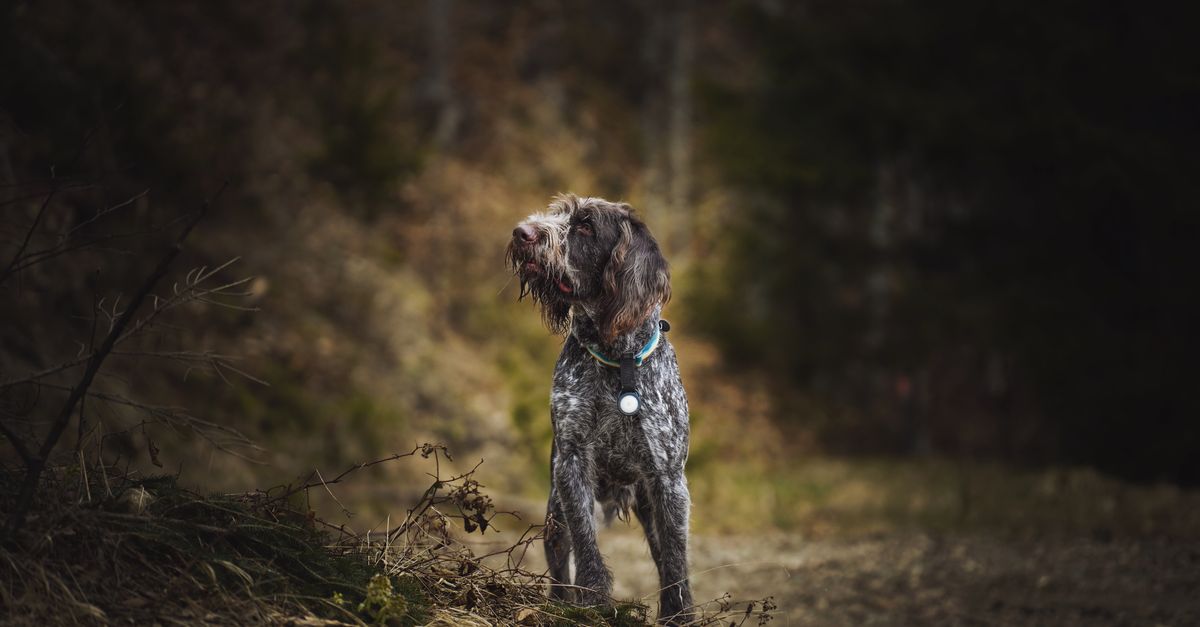
    German Wirehaired Pointer in Natural Forest Setting / Giant Breed Dog Collars

    Photo by Andreas Schnabl on Pexels

    Training Needs

    When addressing training needs for giant breed dogs, collar selection plays a crucial role. For dogs still learning leash manners, consider a martingale collar, which provides gentle correction without choking. These collars tighten slightly when pulled, preventing escape while remaining comfortable. For advanced training or working dogs, tactical collars with multiple attachment points offer versatility for various training tools.

    If your giant breed is prone to pulling, wide, padded collars distribute pressure more evenly, reducing strain on the neck. For dogs with sensitive skin or those prone to irritation, neoprene-lined collars provide extra comfort during extended training sessions. Always prioritize positive reinforcement techniques and consult with a professional trainer to determine the most suitable collar for your giant breed’s exact training requirements.

    Safety Considerations

    When it comes to giant breed dog collars, safety is paramount. We’ll explore crucial safety aspects to ensure your large canine companion remains comfortable and secure.

    Avoiding Choke and Prong Collars

    Choke chains and prong collars are strongly discouraged for giant breed dogs. These collars can cause severe neck injuries, including asphyxiation, especially when dogs pull hard or handlers yank the leash forcefully. Prong collars, while sometimes used by behaviorists for training, can inflict important discomfort and injury if not used correctly. The protruding prongs against the dog’s neck deliver pressure when pulled, potentially causing harm.

    Instead, we recommend safer alternatives for giant breeds:

    • Flat collars: These basic collars provide a safe and comfortable option for everyday use.
    • Martingale collars: Designed to prevent dogs from slipping out, these collars tighten slightly when pulled but don’t choke.
    • Wide padded collars: These offer extra comfort and distribute pressure more evenly across the neck.

    Proper Fit and Adjustment

    Ensuring a proper fit for your giant breed dog’s collar is crucial for safety and comfort. A well-fitted collar prevents escape and reduces the risk of injury. Here’s how to achieve the right fit:

    1. Measure your dog’s neck: Use a flexible tape measure to determine the circumference of your dog’s neck at its widest point.
    2. Follow the two-finger rule: When fastened, you should be able to comfortably slip two fingers between the collar and your dog’s neck.
    3. Check regularly: Giant breed puppies grow rapidly, so check the fit weekly and adjust as needed.
    4. Consider seasonal changes: Your dog’s neck size may fluctuate due to weight changes or seasonal coat thickness.
    5. Opt for adjustable collars: These allow for easy size modifications as your dog grows or changes shape.
    6. Avoid overly tight collars: This can cause discomfort, restrict breathing, or damage the trachea.
    7. Be cautious of loose collars: A collar that’s too loose can slip off or get caught on objects, posing a safety hazard.

    Remember, a properly fitted collar should rest comfortably at the base of the neck, allowing for easy breathing and movement while remaining secure.

    Care and Maintenance of Large Dog Collars

    Material-Exact Care

    Leather Collars

    Leather collars for giant breed dogs require special attention. We recommend avoiding excessive water exposure for collars made from mahogany or alpine cow leather. If your dog’s leather collar gets wet, allow it to air dry naturally. To maintain the leather’s quality and prevent cracking, apply a leather conditioner or oil periodically. This care routine ensures the collar remains comfortable and durable for your large canine companion.

    Nylon and Synthetic Collars

    Nylon and synthetic collars offer easy maintenance for giant breed dogs. We suggest washing these collars with mild soap and water to remove dirt and odors. Air drying prevents damage and maintains the collar’s integrity. Regular cleaning keeps your dog’s collar fresh and extends its lifespan, making it a practical choice for active large dogs.

    Neoprene Collars

    Neoprene collars, like the EzyDog Neo Collar, provide excellent care options for giant breed dogs. These collars are easy to clean and maintain due to their non-porous nature. We advise washing neoprene collars with mild soap and water. They dry quickly, making them ideal for dogs who love water activities or live in humid climates.

    Cleaning Frequency

    For optimal hygiene and collar longevity, we recommend cleaning your giant breed dog’s collar at least once a month. But, increase the frequency if your dog:

    • Swims regularly
    • Plays in muddy areas
    • Has skin sensitivities
    • Develops a noticeable odor on the collar

    Regular cleaning prevents the buildup of bacteria, dirt, and oils that can irritate your dog’s skin and compromise the collar’s integrity.

    Inspection and Replacement

    Regularly inspect your large dog’s collar for signs of wear and tear:

    • Check for fraying edges
    • Examine buckles and D-rings for damage
    • Look for cracks or wear in leather collars
    • Assess the elasticity of neoprene collars

    We suggest replacing the collar if you notice important damage or wear. For giant breed dogs, who often exert more force on their collars, replacement may be necessary more frequently than for smaller breeds.

    Storage

    Proper storage extends the life of your giant breed dog’s collar:

    • Store leather collars in a cool, dry place to prevent mold growth
    • Hang nylon and synthetic collars to maintain their shape
    • Keep neoprene collars away from direct sunlight to prevent material degradation

    By following these care and maintenance tips, you’ll ensure your giant breed dog’s collar remains safe, comfortable, and functional for years to come.

    Conclusion

    Choosing the right collar for your giant breed dog is crucial for their comfort and safety. We’ve explored various options from sturdy martingales to luxurious leather collars customized for large breeds. Remember to prioritize durability strength and proper fit when selecting a collar.

    Regular maintenance and care will extend your collar’s lifespan. Always opt for safe alternatives like flat padded or martingale collars over potentially harmful choke chains or prong collars. With the right collar your gentle giant will be both stylish and secure on all your adventures together.
  • Harness for Walking Dog: Safe, Comfy Picks for 2025

    Harness for Walking Dog: Safe, Comfy Picks for 2025

    Are you tired of your dog pulling on walks or worried about their safety? A well-fitted harness for walking dog might be the solution you’ve been looking for. We’ve tested 23 different harnesses to find the best options for dogs of all shapes and sizes.

    Walking your furry friend should be a joy, not a struggle. That’s why we’ve spent countless hours researching and testing harnesses that distribute pressure evenly across your dog’s body, reducing the risk of choking or neck injuries. From weather-resistant materials to bright colors for visibility, we’ve considered every factor to ensure your pup’s comfort and safety.

    In this guide, we’ll share our top picks for the best dog harnesses, helping you find the perfect fit for your canine companion. Whether you’re training a rambunctious puppy or taking your senior dog for a gentle stroll, we’ve got you covered.

    Understanding Dog Harnesses

    Dog harnesses are essential tools for safe and comfortable walks with your canine companion. They provide an alternative to traditional collars, offering better control and reducing strain on your dog’s neck.

    Types of Dog Harnesses

    There are several types of dog harnesses, each designed for exact needs:

    1. No-pull harnesses: Feature a front attachment point to discourage pulling
    2. Step-in harnesses: Easy to put on, ideal for small dogs
    3. Vest harnesses: Provide full-body support and comfort
    4. Back-clip harnesses: Suitable for well-trained dogs who don’t pull
    5. Front-clip harnesses: Offer better control for dogs who tend to pull
    6. Dual-clip harnesses: Versatile with both front and back attachment points

    Each type has its advantages, and the best choice depends on your dog’s size, behavior, and walking habits.

    Benefits of Using a Harness

    Using a harness offers many advantages over traditional collars:

    1. Improved control: Harnesses provide better leverage, especially for larger dogs
    2. Reduced neck strain: Distribute pressure across the chest and shoulders, preventing throat injuries
    3. Increased safety: Harder for dogs to slip out of compared to collars
    4. Better for training: Some designs help discourage pulling behaviors
    5. Comfort: Padded harnesses offer more comfort during long walks
    6. Visibility: Many harnesses include reflective elements for increased safety in low-light conditions
    7. Versatility: Dual-clip harnesses allow for different leash attachments based on your needs

    By choosing the right harness, you can ensure a more enjoyable and safer walking experience for both you and your dog.

    Choosing the Right Harness

    Selecting the best harness for walking dogs requires careful consideration of various factors. We’ll explore the key elements to ensure you find the perfect harness for your canine companion.

    Factors to Consider

    When choosing a dog harness, prioritize fit, comfort, and functionality. Look for harnesses with multiple adjustment points to accommodate unique body types and growth. No-pull harnesses with front clips can help reduce pulling behavior by redirecting the dog’s momentum. For dogs that walk well on a leash, everyday harnesses with back clips distribute pressure evenly. Head harnesses offer control for strong pullers by redirecting the dog’s head. Consider your dog’s walking style, size, and exact needs when selecting a harness type.

    Sizing and Fit

    Proper sizing and fit are crucial for a dog harness to be effective and comfortable. Measure your dog carefully, focusing on chest girth rather than relying on weight. A well-fitting harness prevents escape and injury. Watch for signs of poor fit, such as chafing at the armpits, redness, hair loss, or abrasions under contact points. Harnesses with straps under the barrel of the chest can reduce armpit irritation. Ensure the harness doesn’t cause bowing or buckling of the front legs. Choose harnesses with multiple adjustment points for a customized fit.

    Materials and Durability

    Select harnesses made from durable, lightweight materials like nylon for comfort and longevity. Look for high-quality hardware, such as stainless steel or aluminum buckles, to withstand regular use. Padded harnesses can prevent chafing during long walks, while mesh designs offer better airflow for active dogs. Consider your intended activities and walk duration when choosing materials. Quick-release buckles or snap closures make putting on and removing the harness easier, reducing stress for both you and your dog. Opt for weather-resistant materials if you frequently walk in varied conditions.

    Best Harnesses for Different Dog Sizes

    Choosing the right harness for your dog’s size is crucial for comfort and safety during walks. We’ve tested and evaluated various harnesses to identify the best options for different dog sizes, from small breeds to extra-large dogs.

    Small Dogs

    Small dogs require harnesses that are lightweight, secure, and appropriately sized for their petite frames. We recommend harnesses with step-in designs, soft mesh materials, and adjustable straps for a snug fit. Look for features like reflective strips for visibility and double D-rings for added security. Harnesses designed specifically for small breeds often include breathable fabrics to prevent overheating during walks. When selecting a harness for your small dog, ensure it doesn’t restrict movement or cause chafing in sensitive areas. Many small dog harnesses come with matching leashes, providing a coordinated and functional walking set.

    Medium to Large Dogs

    For medium to large dogs, harnesses need to balance comfort with durability and control. We suggest no-pull harnesses with front and back attachment points, which offer versatility in leash placement. These harnesses typically feature wider straps and padded chest plates to distribute pressure evenly across the body. Look for adjustable straps around the chest and neck to accommodate different body shapes. Weather-resistant materials are ideal for active medium to large dogs. Some harnesses in this category include handles on the back, which can be useful for assisting older dogs or providing extra control in crowded areas. Ensure the harness allows full range of motion for the dog’s shoulders and legs.

    Extra-Large Dogs

    Extra-large dogs require heavy-duty harnesses that can withstand strong pulling while providing comfort. We recommend harnesses with reinforced stitching, strong buckles, and durable materials like nylon webbing. Look for wide, padded straps to prevent chafing and distribute pressure across the chest and back. Harnesses with multiple adjustment points are essential for achieving a proper fit on larger breeds. Some harnesses for extra-large dogs feature additional handle options for better control and assistance. Reflective elements are particularly important for visibility during nighttime walks. When fitting a harness on an extra-large dog, ensure there’s enough room for two fingers between the harness and the dog’s body to prevent rubbing or restriction.

    Woman in White Jacket Sitting on Brown Wooden Bench Beside White and Brown Dog on Snow / Harness for Walking Dog

    Photo by Mikhail Nilov on Pexels

    Specialized Harnesses

    When selecting a harness for walking dogs, it’s essential to consider exact needs and characteristics. Specialized harnesses cater to various requirements, ensuring a comfortable and safe walking experience for different types of dogs.

    No-Pull Harnesses

    No-pull harnesses are designed to discourage pulling behavior in dogs during walks. These harnesses typically feature a front attachment point that redirects the dog’s attention back to the owner when they pull. The PetSafe Easy Walk Comfort Harness is an example of a no-pull harness that uses a front martingale loop to redirect pulling motion. It includes full body padding, a strong top handle, and five adjustment points for a custom fit. Front-clip harnesses are particularly effective for no-pull walking, as they change the point of leverage without causing neck tension. When fitted correctly, these harnesses can significantly reduce pulling behavior and make walks more enjoyable for both dogs and owners.

    Harnesses for Flat-Faced Breeds

    Flat-faced breeds, such as Bulldogs, Pugs, and Boston Terriers, require specially designed harnesses to accommodate their unique body shape and breathing needs. These harnesses typically feature a Y-shaped chest piece that sits lower on the dog’s body, avoiding pressure on the neck and throat. Look for harnesses with wide, padded straps to distribute pressure evenly and prevent chafing. Breathable materials like mesh are essential to help regulate body temperature, as flat-faced breeds are prone to overheating. Adjustable straps around the chest and belly ensure a snug fit without restricting movement. Some harnesses for flat-faced breeds also include a handle on the back for added control and assistance when needed.

    Harnesses for Escape Artists

    Dogs with a knack for slipping out of standard harnesses require specialized equipment to ensure their safety during walks. Escape-proof harnesses typically feature multiple adjustment points and secure closures to prevent dogs from backing out or wriggling free. Look for harnesses with a martingale-style chest piece that tightens slightly when the dog pulls, making it harder to escape.

    Wide, padded straps help distribute pressure evenly and prevent chafing. Some escape-proof harnesses include a belly strap for added security. Reflective stitching or patches enhance visibility during low-light conditions, crucial for dogs prone to escaping. When fitting an escape-proof harness, ensure it’s snug enough that you can’t slip more than two fingers between the harness and your dog’s body at any point.

    Features to Look For

    When selecting the best harness for walking dogs, certain key features ensure both safety and comfort. We’ll explore the essential elements to consider when choosing a dog harness for your furry friend.

    Reflective Elements

    Reflective elements are crucial for visibility during walks, especially in low-light conditions. Many high-quality harnesses incorporate reflective materials to enhance safety:

    • The PetSafe Easy Walk Comfort Harness includes reflective material for improved visibility in dim lighting.
    • Canada Pooch’s dog harnesses feature reflective strips to increase nighttime visibility.

    Reflective elements are typically sewn into the harness fabric or added as separate patches. These features help drivers and other pedestrians spot your dog easily, reducing the risk of accidents during evening or early morning walks.

    Padding and Comfort

    Adequate padding ensures a comfortable walking experience for your dog, preventing chafing and irritation:

    • The PetSafe Easy Walk Comfort Harness boasts high-quality, full-body padding for maximum comfort.
    • Durable padding offers support and cushioning, distributing pressure evenly across your dog’s body.

    Look for harnesses with soft, breathable materials in high-contact areas such as the chest and underarms. Neoprene lining or fleece padding can provide extra comfort for dogs with sensitive skin or those prone to irritation.

    Adjustability

    A properly adjustable harness ensures a secure fit for dogs of various shapes and sizes:

    • Multiple adjustment points allow for a customized fit, accommodating your dog’s unique body structure.
    • Adjustable straps around the neck, chest, and girth areas help achieve the ideal fit.

    Look for harnesses with easy-to-use adjustment mechanisms, such as quick-release buckles or slide adjusters. A well-fitted harness should allow you to fit two fingers between the harness and your dog’s body at any point. Proper adjustability prevents slipping, chafing, and potential escape during walks.

    How to Properly Use a Dog Harness

    Using a dog harness correctly is essential for your pet’s comfort and safety during walks. We’ll guide you through the process of putting on a harness and training your dog to walk comfortably with it.

    Putting It On Correctly

    To put on a dog harness, start by sliding it over your dog’s head with the chest piece facing forward. Ensure the harness is right-side up, with any logos or tags visible. Fasten the buckles on each side of your dog’s body, creating a secure fit without being too tight. Adjust the straps for a snug fit, allowing two fingers’ width between the harness and your dog’s body. This space prevents chafing while maintaining security. Once properly fitted, attach the leash to the designated attachment point on the harness. Remember, a well-fitted harness shouldn’t restrict your dog’s movement or cause discomfort.

    Training Your Dog to Walk with a Harness

    Training your dog to walk with a harness requires patience and positive reinforcement. Start by letting your dog sniff and investigate the harness before putting it on. Once your dog is comfortable wearing the harness indoors, begin short practice sessions in a quiet, familiar area. Use treats and praise to reward your dog for walking calmly beside you.

    Gradually increase the duration and complexity of your walks, introducing distractions and new environments. If your dog pulls, stop walking and wait for them to return to your side before continuing. This teaches them that pulling doesn’t get them where they want to go. Consistency is key in harness training, so maintain regular practice sessions and always use the harness for walks to reinforce good habits.

    Harness vs. Collar: Which Is Better?

    Safety and Comfort

    Harnesses offer superior safety and comfort compared to collars for most dogs. They distribute pressure across the chest and shoulders, reducing the risk of neck strain or choking. This is particularly beneficial for dogs that pull, as collars can put excessive pressure on the throat, potentially causing harm to the windpipe and cervical vertebrae.

    We’ve found that harnesses:

    • Prevent choking and gagging, especially in brachycephalic breeds
    • Reduce strain on the neck and spine
    • Provide better weight distribution during walks
    • Offer increased comfort for dogs of all sizes

    Control and Training

    When it comes to control and training, harnesses often outperform collars:

    • Front-clip harnesses help deter pulling by redirecting the dog’s attention
    • Provide better leverage for controlling large or strong dogs
    • Allow for more effective leash training techniques
    • Reduce the risk of dogs slipping out, particularly in breeds like greyhounds

    But, it’s important to note that harnesses aren’t a magic solution for pulling behavior. A 2021 study led by Dr. HaoYu Shih showed that dogs in harnesses tend to pull more and create higher leash tension. This occurs because the pressure on the dog’s body can stimulate them to push forward.

    Considerations for Different Dogs

    We recommend considering these factors when choosing between a harness and a collar:

    • Size and breed: Small dogs and those with short snouts benefit most from harnesses
    • Activity level: High-energy dogs may require the additional control of a harness
    • Training needs: Harnesses can be more effective for leash training
    • Health concerns: Dogs with respiratory issues or neck problems should use harnesses

    Best Practices

    To maximize the benefits of using a harness:

    1. Ensure proper fit with adjustable straps
    2. Choose the right type (e.g., no-pull, step-in) based on your dog’s needs
    3. Use positive reinforcement to acclimate your dog to the harness
    4. Combine harness use with consistent training techniques

    While collars are still useful for ID tags, harnesses provide a safer and more comfortable option for walking and training most dogs. By considering your dog’s individual needs and using the harness correctly, you can enhance both control and comfort during walks.

    Maintaining Your Dog’s Harness

    Regular Cleaning and Inspection

    We recommend cleaning your dog’s harness regularly to maintain its effectiveness and longevity. Inspect the harness for signs of wear, such as frayed edges or loose stitching. Most harnesses are machine washable, but always check the manufacturer’s instructions. For harnesses with metal hardware, hand washing is often the best option to prevent rusting.

    Proper Storage

    When not in use, store your dog’s harness in a cool, dry place. Avoid leaving it in direct sunlight or damp areas, as this can lead to material degradation. Hanging the harness helps maintain its shape and prevents creasing or warping of the straps.

    Adjusting for Fit

    As your dog grows or changes shape, regularly check and adjust the harness fit. A properly fitted harness allows two fingers to fit between the straps and your dog’s body. Pay special attention to areas prone to chafing, such as under the legs and around the chest.

    Replacing Worn Parts

    Some harnesses allow for the replacement of individual components. Check if the manufacturer offers replacement parts for items like buckles or D-rings. This can extend the life of your harness and save money in the long run.

    Seasonal Considerations

    In hot weather, opt for harnesses made of breathable materials to prevent overheating. During colder months, consider a harness with additional padding for warmth. For rainy seasons, look for water-resistant or quick-drying harnesses to prevent skin irritation and odors.

    By following these maintenance tips, we ensure our dog’s harness remains safe, comfortable, and effective for daily walks and adventures.

    Conclusion

    Choosing the right harness for your dog is crucial for safe and enjoyable walks. We’ve explored various types of harnesses customized to different needs from small pups to large breeds. Remember to prioritize fit comfort and functionality when making your selection. Look for features like reflective elements padding and adjustability to ensure your dog’s safety and comfort. With proper use and maintenance your chosen harness will enhance your walking experience and strengthen the bond with your furry friend. Happy walking!

  • Best Dog Collar for Safety and Comfort: 2026 Complete Guide

    ✅ Reviewed for Clinical Accuracy by Dr. Sarah Mitchell, DVM — University of Florida College of Veterinary Medicine
    🐾 Key Takeaways
    • The right collar depends on your dog’s size, breed, neck shape, and behavior — not just looks.
    • Flat buckle collars work for most dogs; martingale collars are safer for escape artists like Greyhounds.
    • Always fit with the two-finger rule: you should fit two fingers snugly between the collar and neck.
    • Leather collars outlast nylon by years and are gentler on skin — especially for dogs with allergies.
    • GPS and smart collars add safety, but always use a separate ID tag alongside them.

    Your dog’s collar is the one piece of equipment they wear every single day. It holds their ID, connects to their leash, and sits directly against their skin for hours on end. Pick the wrong one and you get chafing, slipping, or even injury. Pick the right one and your dog barely notices it’s there.

    A dog collar is a band worn around a dog’s neck to carry identification tags, attach a leash, or hold a flea prevention device. It serves as your primary safety link between you and your dog in public. The best dog collar for your pup depends on three things: proper fit, the right material for their coat and skin type, and the right style for their activity level and behavior on leash.

    This guide covers every collar type from flat buckle to GPS, with vet-reviewed fit advice, material comparisons, and real cost breakdowns so you can make a confident choice today.

    Types of Dog Collars: Which One Fits Your Dog’s Needs?

    Flat Buckle Collars

    The flat buckle collar is the standard choice for most dogs. It lies flat against the neck, buckles closed like a belt, and holds ID tags securely. It works for dogs that walk calmly on leash without pulling. Most come in nylon, polyester, or leather. For everyday wear, this is your baseline.

    Best for: Adult dogs with basic leash manners, puppies being introduced to collar wear, and dogs with short to medium coats.

    Martingale Collars

    A martingale collar tightens slightly when the dog pulls back, preventing them from slipping out. It does not choke because it has a limited tightening range. Greyhounds, Whippets, Salukis, and other sighthounds have narrow heads and wide necks, making standard collars easy to escape. A martingale solves this without pain or pressure training.

    Best for: Sighthounds, escape artists, and dogs in training who need gentle slip-prevention.

    Breakaway Collars

    Breakaway collars have a plastic safety release that snaps open under strong pressure. This prevents strangulation if the collar catches on a fence, crate wire, or another dog’s mouth during play. They are especially recommended for dogs who play off-leash or sleep in a crate wearing their collar.

    GPS and Smart Collars

    GPS collars embed a tracking device directly in the collar band or attach as an add-on unit. Brands like Fi, Tractive, and Whistle let you track your dog’s real-time location from your phone. Some models also monitor activity levels and sleep. Battery life ranges from 24 hours to 7 days depending on the model and GPS update frequency.

    If you want the simplest option, an AirTag dog collar lets you attach an Apple AirTag to your existing collar for Bluetooth-assisted location tracking without a subscription.

    Flea Collars

    Flea collars release active ingredients that repel and kill fleas and ticks. They are not the same as regular dog collars and should not be used as the primary collar. Worn alongside a flat collar, they provide up to 8 months of flea and tick coverage. See our full guide to flea collars for dogs to compare brands and active ingredients.

    Choke Chains and Prong Collars

    Choke chains tighten without limit and can compress the trachea and damage cervical vertebrae with improper use. Most veterinary and animal behavior associations, including the American Veterinary Society of Animal Behavior (AVSAB), advise against aversive collars. If you have a strong puller, a front-clip harness or martingale is a safer alternative. Read our breakdown of the risks of choke dog collars before buying one.

    Dog Collar Materials: A Side-by-Side Comparison

    MaterialDurabilityComfortWater ResistanceAvg. Cost
    Nylon2-3 yearsGoodModerate$8-$20
    Leather (Full-grain)5-10 yearsExcellentPoor (untreated)$30-$80
    Biothane5+ yearsVery GoodExcellent$20-$50
    Rope/Paracord2-4 yearsFairGood$10-$30
    Neoprene3-5 yearsExcellent (padded)Excellent$20-$45

    Full-grain leather is the most durable and skin-friendly material for everyday wear. It softens over time and molds to your dog’s neck shape. A quality wide leather dog collar distributes pressure evenly and reduces fur breakage compared to narrow nylon collars. For dogs who swim regularly, Biothane is the better choice because it does not absorb water or develop mildew.

    How to Measure Your Dog for a Collar: 5-Step Guide

    1. Use a soft tape measure or a piece of string. Wrap it around the base of your dog’s neck, where the collar will naturally sit (about 2 inches below the ears).
    2. Note the measurement in inches. Record the circumference at natural posture, not pulled tight.
    3. Add 2 inches for the two-finger rule. This gives you your minimum collar size. The goal is room for two fingers to slide under the collar comfortably.
    4. Check width recommendations by breed size. Small dogs (under 20 lbs) do best with 3/4-inch wide collars. Medium dogs (20-60 lbs) suit 1-inch collars. Large and giant breeds (60+ lbs) should use 1.5 to 2-inch collars for proper support.
    5. Recheck the fit monthly for puppies. Puppies grow fast. A collar that fit perfectly last month may now be too tight. Check every 2 to 3 weeks during the rapid growth phase (8-24 weeks).

    Collar Sizing Guide by Breed Size

    Dog SizeNeck CircumferenceCollar WidthExamples
    Extra Small6-8 inches3/8 inchChihuahua, Pomeranian
    Small8-12 inches5/8-3/4 inchBeagle, Shih Tzu, Dachshund
    Medium12-16 inches1 inchBorder Collie, Cocker Spaniel
    Large16-20 inches1-1.5 inchLabrador, German Shepherd, Pitbull
    Giant20-28 inches1.5-2 inchGreat Dane, Mastiff, Saint Bernard

    Large breeds like Pitbulls and Rottweilers need a collar built to handle pulling force. See our dedicated guide on Pitbull collars and our round-up of giant breed dog collars for breed-specific options.

    Collar vs. Harness: Which Is Better for Walking?

    Collars are fine for dogs that walk calmly beside you. For dogs that pull hard, lunge, or have a history of tracheal issues (common in brachycephalic breeds like Bulldogs and Pugs), a harness distributes pressure across the chest instead of the throat. According to the American Veterinary Medical Association (AVMA), repeated neck pressure from collar pulling can cause tracheal collapse in small and toy breeds.

    You do not have to choose one or the other. Many dog owners use a flat collar for ID tags and a harness for walks. Explore our guide to the best harness for walking dogs if your dog pulls significantly.

    Common Collar Myths Debunked

    Myth: Choke chains are effective training tools

    Fact: Research published in Applied Animal Behaviour Science (2004) found that aversive training tools, including choke chains, increased stress behaviors and owner-directed aggression in dogs. Positive reinforcement methods produce better long-term results without physical risk to the dog’s neck.

    Myth: A tight collar is safer because it won’t slip off

    Fact: A too-tight collar can cause pressure sores, restrict breathing, and embed into the skin if forgotten during a growth phase. The two-finger rule is the safety standard endorsed by veterinarians and animal shelters nationwide.

    Myth: Bonded leather is the same as genuine leather

    Fact: Bonded leather is leather scraps glued to a fiber backing. It peels, cracks, and can break at the hardware connection points. Full-grain or top-grain leather is the only material worth buying for a long-lasting leather collar. If the price seems too good to be true, it is likely bonded leather.

    What Does a Dog Collar Cost?

    Expect to spend $10 to $30 for a quality nylon collar, $30 to $80 for full-grain leather, and $80 to $200 for GPS-enabled collars. Custom dog collars with embroidery or engraving typically run $25 to $60. A collar that lasts 5 to 10 years with proper care costs far less per year than replacing budget nylon collars every season.

    Veterinary Red Flags: When to See a Doctor

    Contact your veterinarian if you notice any of the following after your dog starts wearing a new collar:

    • Hair loss, redness, or raw patches under the collar
    • Persistent scratching or pawing at the neck area
    • Swelling or skin folds developing around the collar edge
    • Coughing or gagging during normal leash walking
    • A collar that appears embedded or sunken into the skin (collar embedded in skin is a veterinary emergency, call immediately)
    • Behavioral changes like neck sensitivity or flinching when the collar is touched
    • Signs of tracheal collapse: a honking cough, labored breathing, or blue-tinged gums

    For German Shepherd owners specifically, neck and back sensitivity can compound collar discomfort. See our guide on the German Shepherd harness for alternatives that reduce neck strain.

    Frequently Asked Questions

    What is the safest collar for a dog?

    The safest everyday collar for most dogs is a flat buckle collar made from full-grain leather or nylon with a reliable buckle closure. For dogs with a history of escaping, a martingale collar adds security without causing pain. For homes with crates or dog doors, a breakaway safety collar prevents strangulation if the collar gets caught.

    How tight should a dog collar be?

    A properly fitted collar allows two adult fingers to slide between the collar and your dog’s neck. If you cannot fit two fingers, it is too tight. If you can fit three or four fingers, it is too loose and your dog may slip out. Check the fit every few weeks for puppies, who grow quickly.

    Should dogs wear collars all the time?

    Most veterinarians recommend removing your dog’s collar at night and during crate time to prevent skin irritation and reduce the small risk of snagging. Your dog should always wear a collar with ID tags when outdoors or in public. Consider a breakaway collar if your dog must wear one overnight for safety reasons.

    What collar is best for a dog that pulls?

    For a dog that pulls hard, a front-clip no-pull harness is the most effective and safest option because it redirects pulling force without neck pressure. If you prefer a collar, a martingale with gentle corrections during training works better than a choke chain. Combine with positive reinforcement training for best results.

    Are leather dog collars better than nylon?

    Full-grain leather collars are generally considered superior to nylon for everyday wear. Leather softens and conforms to the neck over time, resists odor buildup, and lasts significantly longer. Nylon is lighter, easier to clean, and more budget-friendly. The right choice depends on your dog’s coat type, skin sensitivity, and your budget.

    At what age should a puppy start wearing a collar?

    Puppies can begin wearing a lightweight flat collar as early as 8 weeks of age for short supervised periods. Start with 10 to 15 minutes at a time to let them get used to the sensation. By 10 to 12 weeks, most puppies accept the collar without distress. Always remove it during unsupervised time until they are fully comfortable.

    How often should I replace my dog’s collar?

    Inspect your dog’s collar monthly. Replace it immediately if you see fraying, cracked leather, bent hardware, or a buckle that does not close securely. A good nylon collar lasts 1 to 3 years under normal use. A quality full-grain leather collar, properly maintained with leather conditioner, can last 5 to 10 years or longer.

    Start With the Right Fit, Build From There

    Getting your dog’s collar right is one of the easiest wins in dog ownership. Measure their neck, choose the right material for their lifestyle, apply the two-finger fit check, and inspect the collar monthly. A well-fitted leather collar from a quality maker will last longer than your dog’s puppy years and save you money over time.

    Start with a flat buckle collar for most dogs, add a martingale if they slip out, and consider a GPS option if they are escape artists or live in an unfenced area. Your vet can advise on whether a collar or harness is better for your dog’s specific neck anatomy and behavior patterns at your next annual check.