
Category: Anxiety & Calming

Anxiety affects an estimated 70 percent of dogs in some form, from mild noise sensitivity to severe separation-related distress. The Anxiety and Calming section addresses canine anxiety with both behavioral and medical solutions grounded in veterinary behavioral science.Topics CoveredTypes of anxiety: separation anxiety, noise phobias, social anxiety, and generalized anxietyReading your dog’s body language and stress signalsDesensitization and counter-conditioning protocolsCalming aids: ThunderShirts, pheromone diffusers, white noise, and calming treats comparedCBD for dogs: what the research actually showsPrescription anxiety medications: Trazodone, Clomipramine, Fluoxetine explainedWhen to consult a veterinary behaviorist

  • Why Dogs Bark So Loud: Understanding Your Noisy Canine Companion

    Why Dogs Bark So Loud: Understanding Your Noisy Canine Companion

    Ever wondered why your furry friend’s bark can shake the windows? We’re diving into the industry of canine communication to uncover the mysteries behind those loud woofs.

    Dogs bark far more than their wild wolf cousins, with canine vocalizations described as “hypertrophic” compared to wolves. While wolf barks make up only 2-4% of their vocal repertoire, our domesticated pals bark in many social situations. This difference isn’t just noisy – it’s a fascinating glimpse into how domestication has shaped our four-legged companions. We’ll explore why dogs bark so loudly, what they’re trying to tell us, and how we can better understand our vocal pets.

    Understanding Loud Dog Barking

    Dogs bark louder and more frequently than their wild ancestors, wolves. This hypertrophic vocalization is a result of domestication and serves various purposes in canine communication.

    Why Dogs Bark Excessively

    Dogs bark excessively due to a combination of genetic predispositions, environmental factors, and emotional states. Certain breeds, like German Shepherds and Doberman Pinschers, are genetically inclined to bark more due to their historical roles as guard dogs. Environmental influences, such as interactions with humans and other animals, shape a dog’s barking habits. Emotional triggers, including excitement, boredom, fear, and anxiety, can lead to excessive barking. For example, dogs may bark due to loneliness or a desire for interaction. Understanding these underlying causes is crucial for addressing loud barking effectively.

    Common Triggers for Loud Barking

    Several common triggers can lead to loud barking in dogs:

    1. Territorial defense: Dogs often bark to protect their perceived territory, including their home, yard, or even their owner’s car.
    2. Alarm responses: Unfamiliar sights or sounds can trigger alarm barking, regardless of the dog’s location.
    3. Attention-seeking behavior: Dogs may bark to gain attention or rewards from their owners, such as food, toys, or playtime.
    4. Greeting behavior: Excited barking when seeing people or other dogs is a common form of greeting.
    5. Separation anxiety: Dogs left alone may bark excessively due to stress or anxiety.
    6. Boredom or frustration: Lack of mental or physical stimulation can lead to excessive barking.
    7. Social facilitation: Hearing other dogs bark can trigger a dog to join in, even from a distance.
    8. Medical issues: Pain or discomfort from illness or injury can cause increased vocalization.
    9. Compulsive behavior: Some dogs develop repetitive barking habits, often accompanied by repetitive movements.
    10. Breed-exact tendencies: Certain breeds are more prone to barking than others due to their genetic makeup.

    Understanding these triggers helps dog owners identify the root cause of loud barking and develop appropriate strategies to address the behavior effectively.

    Health-Related Causes of Excessive Barking

    Excessive barking in dogs often signals underlying health issues. Understanding these causes helps pet owners address their dog’s needs effectively and improve their quality of life.

    Medical Conditions That Increase Barking

    Dogs experiencing pain or discomfort may bark excessively. Common medical conditions leading to increased vocalization include:

    • Arthritis: Joint pain can cause dogs to bark more frequently
    • Dental problems: Tooth decay or gum disease can result in painful barking
    • Injuries: Acute or chronic injuries may trigger excessive barking
    • Canine senility: Older dogs with cognitive decline often bark more
    • Brain diseases: Neurological issues can affect a dog’s barking behavior
    • Sensory changes: Age-related hearing or vision loss may increase barking

    Other health-related triggers include bee stings and ongoing pain from various sources. Senior dogs are particularly prone to these issues, as they experience changes in their perception of the environment.

    Dog Barking
    Why Dogs Bark So Loud: Understanding Your Noisy Canine Companion 5

    Addressing Anxiety and Fear-Based Barking

    Anxiety and fear often contribute to excessive barking in dogs. Common anxiety-related causes include:

    • Separation anxiety: Dogs bark when left alone or separated from their owners
    • Environmental changes: New surroundings or unfamiliar stimuli can trigger barking
    • Past traumatic experiences: Dogs may bark excessively due to previous negative events

    To address anxiety and fear-based barking:

    1. Identify triggers: Observe situations that cause your dog to bark excessively
    2. Desensitization: Gradually expose your dog to anxiety-inducing stimuli in a controlled manner
    3. Counterconditioning: Associate positive experiences with previously fear-inducing situations
    4. Provide a safe space: Create a comfortable area where your dog can retreat when feeling anxious
    5. Consistent routine: Maintain a predictable daily schedule to reduce stress

    Consulting a veterinarian or professional dog trainer can help develop a customized plan to address anxiety-related barking and improve your dog’s overall well-being.

    Training Techniques to Reduce Loud Barking

    Effective training techniques can significantly reduce loud barking in dogs. By implementing positive reinforcement methods and redirecting attention-seeking behavior, we can help our canine companions learn to control their vocalizations.

    Positive Reinforcement Methods

    Positive reinforcement is a powerful tool for managing loud barking. We can use rewards to encourage quiet behavior and teach our dogs when it’s appropriate to vocalize. Here are key strategies:

    • Reward quiet behavior:
    • Offer treats or praise when the dog stops barking
    • Use a “Quiet” command followed by immediate rewards
    • Gradually increase the duration of silence before rewarding
    • Teach “Speak” and “Quiet” commands:
    • Start with the “Speak” command to control barking
    • Introduce the “Quiet” command once “Speak” is mastered
    • Practice alternating between the two commands
    • Clicker training:
    • Use a clicker to mark the exact moment of desired behavior
    • Click and treat when the dog stops barking
    • Gradually increase the time between clicks and treats
    • Consistency:
    • Apply positive reinforcement techniques consistently
    • Involve all family members in the training process
    • Maintain patience and persistence for lasting results
    • Ignore attention-seeking barks:
    • Avoid eye contact, talking, or touching the dog
    • Wait for a moment of silence before giving attention
    • Reward quiet behavior with praise or treats
    • Provide alternative activities:
    • Offer puzzle toys or chew toys to keep the dog occupied
    • Engage in interactive play sessions to prevent boredom
    • Establish a routine for exercise and mental stimulation
    • Teach alternative communication methods:
    • Train the dog to use a bell or exact gesture for needs
    • Reward non-vocal communication attempts
    • Gradually phase out barking as a means of communication
    • Address underlying needs:
    • Ensure the dog’s basic needs are met (food, water, exercise)
    • Create a consistent schedule for feeding and walks
    • Provide adequate social interaction and mental stimulation
    • Use timeouts for persistent barking:
    • Calmly remove the dog from the situation
    • Place in a quiet, neutral area for a short period
    • Release and resume normal activities when quiet

    Dogs Bark
    Why Dogs Bark So Loud: Understanding Your Noisy Canine Companion 6

    Environmental Factors Affecting Barking Volume

    Environmental factors play a crucial role in influencing the volume and frequency of dog barking. Understanding these factors is essential for managing and reducing excessive vocalization in our canine companions.

    Impact of Living Spaces on Dog Vocalization

    Living spaces significantly affect a dog’s barking behavior. In kennel settings, noise levels can range from 85 to 122 dB, with a single dog’s bark reaching up to 100 dB. This high-noise environment often creates a self-reinforcing cycle of barking. Overcrowding and lack of control over their surroundings can lead to increased vocalization due to frustration, fear, or anxiety.

    Dogs in densely populated urban areas have more opportunities for socialization, which can trigger barking as a form of communication or territorial response. The frequent presence of intruders near a dog’s territory in urban settings may also stimulate warning barks. Also, kenneled dogs may exhibit increased barking as a way to help social behavior in an environment with limited social interaction.

    Managing External Stimuli

    Managing external stimuli is crucial for controlling barking volume. High temperatures and humidity levels can stress dogs, leading to increased vocalization. To mitigate this, we should ensure proper ventilation and temperature control in indoor spaces.

    Reducing exposure to triggering stimuli can help decrease barking. This includes:

    • Using sound-absorbing materials in kennels or indoor spaces
    • Creating visual barriers to limit dogs’ exposure to external movement
    • Providing environmental enrichment to keep dogs mentally stimulated
    • Establishing a consistent routine to reduce anxiety and uncertainty

    We can also carry out positive reinforcement techniques to reward quiet behavior and teach alternative forms of communication. By addressing the environmental factors that contribute to excessive barking, we can create a more peaceful living environment for both dogs and their human companions.

    Breed-Specific Barking Tendencies

    Dog breeds exhibit varying propensities for barking, influenced by their genetic makeup and historical roles. Understanding these tendencies helps owners choose breeds that align with their lifestyle and manage their pets’ vocal behaviors effectively.

    Naturally Vocal Dog Breeds

    Some dog breeds are inherently more prone to barking due to their original purposes or genetic traits:

    • Guard Breeds: German Shepherds, Doberman Pinschers, and Rottweilers are known for their sharp, repetitive alarm barks, intended to alert owners and deter potential threats.
    • Terrier Breeds: Yorkshire Terriers and Boston Terriers often bark frequently, stemming from their hunting and alerting instincts.
    • Small Breeds: Chihuahuas, Poodles, and Pomeranians tend to be more vocal, often captivating in attention-seeking or alerting barks.
    • Herding Breeds: Australian Shepherds and Border Collies may bark to control livestock or alert their owners to changes in their environment.

    These breeds’ barking tendencies are deeply rooted in their genetic predispositions and historical roles, making vocalization a natural part of their behavior.

    Quieter Dog Breeds for Noise-Sensitive Environments

    For those seeking less vocal companions, certain breeds are known for their quieter nature:

    • Basenji: Often called the “barkless dog,” Basenjis produce unique yodel-like sounds instead of traditional barks.
    • Greyhound: These gentle giants are typically quiet and reserved, making them excellent apartment dogs.
    • Bulldog: Known for their calm demeanor, Bulldogs are generally quiet unless provoked.
    • Cavalier King Charles Spaniel: These affectionate dogs are usually quiet and adaptable to various living situations.
    • Bernese Mountain Dog: Even though their size, these dogs are known for their gentle and quiet nature.

    While no dog is completely silent, these breeds tend to be less vocal, making them suitable for noise-sensitive environments or owners who prefer quieter companions.

    Dogs Bark
    Why Dogs Bark So Loud: Understanding Your Noisy Canine Companion 7

    When to Seek Professional Help

    Professional help becomes necessary when a dog’s loud barking persists even though attempts at training and management. We’ll explore two key avenues for addressing persistent barking issues: working with a dog behaviorist and seeking veterinary interventions.

    Working with a Dog Behaviorist

    Dog behaviorists specialize in understanding and modifying canine behavior patterns. They’re equipped to assess the root causes of excessive barking and develop customized strategies to address them. When working with a behaviorist, we can expect:

    1. Comprehensive behavioral assessment
    2. Identification of exact barking triggers
    3. Customized training plans
    4. Guidance on environmental modifications
    5. Strategies for managing anxiety or stress-related barking

    Behaviorists employ scientifically-backed methods to modify behavior, including desensitization and counterconditioning techniques. They’ll work closely with us to carry out consistent training routines and monitor progress over time. For complex cases involving compulsive barking or deep-seated anxiety, a Certified Applied Animal Behaviorist (CAAB) or a veterinary behaviorist may be the most appropriate choice.

    Veterinary Interventions for Persistent Barking

    When behavioral interventions alone aren’t sufficient, veterinary care may be necessary to address underlying medical issues contributing to excessive barking. Veterinarians can:

    1. Conduct thorough physical examinations
    2. Perform diagnostic tests to rule out medical conditions
    3. Prescribe medications for anxiety or pain management
    4. Recommend dietary changes or supplements
    5. Collaborate with behaviorists for a holistic approach

    Medical conditions like cognitive dysfunction, hormonal imbalances, or chronic pain can manifest as increased vocalization. Veterinarians may prescribe medications such as anxiolytics or pain relievers to manage these underlying issues. In some cases, they might recommend alternative therapies like acupuncture or physical therapy to address discomfort that may be triggering excessive barking.

    Conclusion

    Understanding why dogs bark loudly is crucial for every pet owner. We’ve explored various factors including genetics environmental influences and emotional states that contribute to excessive barking. By recognizing these triggers and implementing effective training techniques we can better manage our dogs’ vocal behaviors. Remember that each dog is unique and may require a customized approach. If persistent barking issues arise don’t hesitate to seek professional help from a veterinarian or dog behaviorist. With patience understanding and the right strategies we can foster a harmonious relationship with our canine companions while respecting both their needs and our living environment.
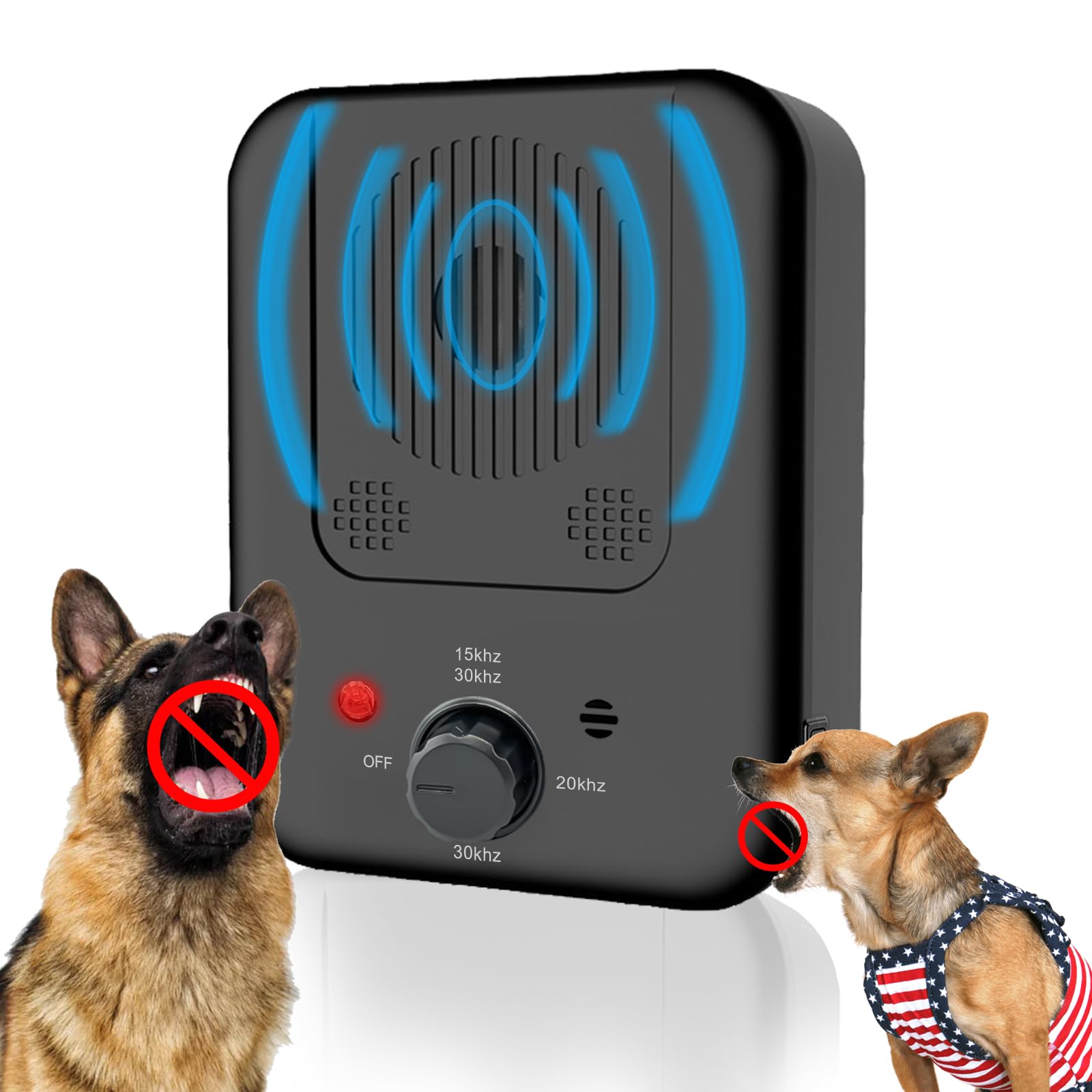
  • Top Anti-Barking Devices: Quiet Your Pup’s Excessive Barking in 2025

    Top Anti-Barking Devices: Quiet Your Pup’s Excessive Barking in 2025

    Are you tired of your neighbor’s dog barking incessantly? We’ve got good news for you! Anti-barking devices have revolutionized the way we address excessive canine vocalization, offering a humane and effective solution to this common problem.

    These innovative devices use ultrasonic sound technology to deter dogs from barking excessively. With features like adjustable distance settings, waterproof designs, and automatic operation, anti-barking devices are becoming increasingly popular among pet owners and their neighbors. We’ll explore how these devices work, their benefits, and what to consider when choosing the right one for your needs. Whether you’re dealing with your own pup’s barking or a neighbor’s noisy companion, we’re here to help you find peace and quiet.

    Understanding Anti-Barking Devices

    Anti-barking devices are designed to reduce or eliminate excessive barking in dogs. These tools offer a potential solution for managing nuisance barking, which can be disruptive to both dog owners and their neighbors.

    Types of Anti-Barking Devices

    1. Ultrasonic Bark Control Devices:
    • Emit high-frequency sounds audible to dogs but not humans
    • Available in indoor and outdoor versions
    • Can be stationary or handheld
    • Example: Outdoor Bark Control device, resembling a small plastic house
    • Uses a microphone to detect barking and emits ultrasonic noise

    2. Citronella Spray Collars:

    • Use a microphone to detect barking
    • Release a citronella-scented spray or odorless alternative
    • Accompanied by an audible hiss
    • Unexpected odor and sound designed to interrupt barking

    3. Static Correction Collars:

    • Deliver a mild static correction when barking is detected
    • Adjustable intensity levels
    • Some models include warning tones before correction

    4. Vibration Collars:

    • Produce a vibration sensation to interrupt barking
    • Often considered a gentler alternative to static correction

    How Anti-Barking Devices Work

    Anti-barking devices operate on the principle of interrupting the dog’s barking behavior through various stimuli. Here’s how different types function:

    1. Sound-based devices:
    • Detect barking through sensitive microphones
    • Emit ultrasonic sounds to startle or distract the dog
    • Typically have adjustable range settings (15-50 feet)

    2. Spray collars:

    • Microphone activates when barking is detected
    • Release a burst of citronella spray or unscented mist
    • The unexpected sensation aims to deter barking

    3. Static correction collars:

    • Deliver a mild static correction when triggered by barking
    • Often include progressive correction levels
    • Some models offer tone-only or vibration warnings

    4. Vibration collars:

    • Produce a vibration sensation when barking is detected
    • Designed to interrupt the behavior without discomfort

    It’s important to note that while these devices aim to address the symptom of barking, they don’t address the underlying cause. For long-term effectiveness, it’s crucial to identify and address the root cause of excessive barking through proper training and behavior modification techniques.

    Ultrasonic Anti-Barking Solutions

    Ultrasonic anti-barking devices offer a humane and effective way to control excessive dog barking. These innovative tools use high-frequency sounds to deter dogs from barking, providing relief for both pet owners and their neighbors.

    Features and Functionality

    Ultrasonic anti-barking devices emit high-frequency sounds typically around 25,000 Hz, which are inaudible to humans but within dogs’ hearing range of 67 Hz to 45,000 Hz. These devices use sensitive microphones to detect barking and automatically emit ultrasonic tones in response. Available in various formats, including indoor and outdoor models, handheld devices, and stationary units, they offer versatility for different situations. Some key features include:

    • Waterproof design for outdoor use
    • Multiple distance settings (e.g., 15ft, 30ft, 50ft)
    • Dual speaker output for enhanced coverage
    • Test mode with LED indicators
    • Low battery alerts

    These devices provide a simple, safe, and hands-free solution for managing barking issues in various environments.

    Effectiveness and Range

    The effectiveness of ultrasonic anti-barking devices varies depending on factors such as the dog’s temperament, the device’s placement, and environmental conditions. Most devices have a range of up to 50 feet, making them suitable for both indoor and outdoor use. Some models offer adjustable distance settings, allowing users to customize the device’s reach based on their exact needs.

    Ultrasonic devices are particularly effective for:

    • Deterring neighboring dogs from barking
    • Controlling barking in multi-dog households
    • Training dogs to reduce excessive barking

    While these devices can provide immediate results, their long-term effectiveness may diminish as some dogs become accustomed to the sound. For optimal results, it’s recommended to use ultrasonic devices along with positive reinforcement training techniques to address the underlying causes of excessive barking.

    Anti Barking Devices 1
    Top Anti-Barking Devices: Quiet Your Pup’s Excessive Barking in 2025 11

    Collar-Based Anti-Barking Options

    Collar-based anti-barking devices offer targeted answers for managing excessive barking in dogs. These devices come in various forms, each utilizing different mechanisms to deter unwanted vocalization.

    Vibration Collars

    Vibration collars are designed to interrupt barking through sensory distraction. These devices detect both the sound and throat vibration of a bark, ensuring only the dog wearing the collar is affected. Key features include:

    • Dual-detection system for accurate bark sensing
    • Adjustable intensity settings for customized correction
    • Non-invasive vibration stimulus to distract the dog
    • Proper fitting required for optimal effectiveness

    Vibration collars are considered less invasive than other types of correction collars. They work by creating a momentary distraction that interrupts the barking behavior. For best results, it’s crucial to consult with a professional trainer to ensure proper use and fitting of the device.

    Spray Collars

    Spray collars employ a unique approach to bark deterrence by releasing a burst of air or citronella spray when triggered. This method combines multiple sensory deterrents:

    • Auditory: Hissing sound of the spray release
    • Tactile: Sudden burst of air or liquid on the dog’s face
    • Olfactory: Strong citronella scent (in citronella-based models)

    The combination of these stimuli effectively interrupts and discourages barking behavior. Spray collars are designed to be:

    • Activated by bark detection sensors
    • Refillable for long-term use
    • Adjustable to fit various dog sizes

    When selecting a spray collar, look for models with accurate bark detection to avoid false triggers. It’s important to note that while effective, some dogs may become desensitized to the spray over time.

    Static Correction Collars

    Static correction collars deliver a mild electric stimulation to deter barking. These devices are designed with safety and effectiveness in mind:

    • Multiple levels of correction for customized training
    • Safety features to prevent over-correction
    • Waterproof designs for indoor and outdoor use
    • Rechargeable batteries for convenience

    The static correction is intended to be startling rather than painful, creating an unpleasant association with excessive barking. Key considerations include:

    • Proper fit for accurate contact and detection
    • Gradual introduction to allow the dog to understand the association
    • Regular monitoring of the dog’s response and adjustment as needed

    While effective, static correction collars are controversial. It’s essential to use them responsibly and under the guidance of a professional trainer to ensure the dog’s well-being and achieve the desired behavioral changes.

    Anti Barking Devices 2
    Top Anti-Barking Devices: Quiet Your Pup’s Excessive Barking in 2025 12

    Evaluating the Effectiveness of Anti-Barking Devices

    Anti-barking devices offer a potential solution for managing excessive dog barking. Their effectiveness varies based on several factors, including the type of device and the individual dog’s response.

    Pros and Cons

    Anti-barking devices have both advantages and drawbacks:

    Pros:

    • Immediate results in some cases
    • Automated operation
    • Non-invasive options available
    • Suitable for indoor and outdoor use
    • Can deter nuisance barking

    Cons:

    • Effectiveness varies among dogs
    • May not address underlying causes of barking
    • Potential for misuse or overuse
    • Some devices may cause discomfort or stress
    • Environmental factors can impact performance

    When considering an anti-barking device, it’s crucial to weigh these pros and cons carefully. While they can provide quick results, addressing the root cause of excessive barking through training and behavior modification remains essential for long-term success.

    Potential Side Effects

    Using anti-barking devices can lead to unintended consequences:

    1. Stress and anxiety: Some dogs may experience increased stress levels when exposed to deterrent stimuli.
    2. Fear or aggression: Repeated use of aversive devices might lead to fear-based behaviors or aggression in some dogs.
    3. Habituation: Dogs may become accustomed to the device, reducing its effectiveness over time.
    4. Confusion: If not used correctly, dogs may associate the deterrent with unrelated stimuli, leading to confusion.
    5. Physical discomfort: Certain devices, like static correction collars, can cause mild discomfort if not properly fitted or used.
    6. Interference with communication: Excessive use of anti-barking devices may suppress a dog’s natural communication methods.

    To minimize these potential side effects, it’s essential to use anti-barking devices responsibly, under professional guidance, and along with positive reinforcement training techniques.

    Alternative Methods to Control Barking

    While anti-barking devices can be effective, there are alternative methods to address excessive barking. These approaches focus on addressing the root causes of barking and teaching dogs more desirable behaviors.

    Positive Reinforcement Training

    Positive reinforcement training is a highly effective method for controlling barking. This approach rewards desired behaviors, encouraging dogs to repeat them. Here’s how to carry out it:

    1. Identify triggers: Observe what causes your dog to bark excessively.
    2. Set up training sessions: Create controlled environments to practice.
    3. Use rewards: Offer treats, praise, or toys when your dog remains quiet.
    4. Clicker training: Incorporate a clicker to mark the exact moment of desired behavior.
    5. Consistency: Practice regularly and involve all family members.
    6. Gradually increase difficulty: Slowly introduce more challenging situations.
    7. Patience: Remember that behavior change takes time and persistence.

    By consistently rewarding quiet behavior, dogs learn that silence is more rewarding than barking. This method builds a stronger bond between you and your dog while addressing the barking issue.

    Distraction Techniques

    Distraction techniques can be valuable tools in managing excessive barking. These methods redirect a dog’s attention away from barking triggers. Here are effective distraction techniques:

    1. Puzzle toys: Offer mentally stimulating toys to keep your dog occupied.
    2. Exercise: Increase physical activity to reduce pent-up energy that may lead to barking.
    3. Training games: Engage your dog in obedience exercises or fun tricks.
    4. White noise: Use background sounds to mask external noises that trigger barking.
    5. Scent work: Introduce nose work activities to channel your dog’s focus.
    6. Visual barriers: Block your dog’s view of potential barking stimuli.
    7. Calming music: Play specially designed music to soothe anxious dogs.

    Implementing these techniques requires consistency and patience. It’s important to identify your dog’s exact barking triggers and tailor the distraction methods accordingly. Remember, the goal is to redirect your dog’s attention and provide alternative, more desirable behaviors.

    Choosing the Right Anti-Barking Solution

    Selecting an effective anti-barking device requires careful consideration of various factors and matching the solution to exact barking problems. We’ll explore key considerations and how to tailor your approach to address different types of excessive barking.

    Factors to Consider

    When choosing an anti-barking device, consider:

    1. Dog’s size and temperament
    2. Type and frequency of barking
    3. Indoor vs. outdoor use
    4. Range and effectiveness
    5. Safety and humane operation
    6. Battery life and maintenance
    7. Ease of use and setup
    8. Weather resistance for outdoor devices
    9. Adjustability of settings
    10. Cost and durability

    Evaluate these factors to select a device that suits your dog’s needs and your living situation. For example, citronella spray collars are highly effective, with 88.9% of owners reporting satisfaction in reducing barking over a 2-week period. Ultrasonic devices offer a non-invasive option, emitting sounds audible to dogs but not humans.

    Matching Answers to Exact Barking Problems

    Different barking issues require customized approaches:

    1. Territorial barking:
    • Ultrasonic devices with adjustable range settings
    • Citronella spray collars for persistent cases

    2. Anxiety-induced barking:

    • Combination of anti-barking device and behavior modification
    • Calming aids or pheromone diffusers as complementary answers

    3. Attention-seeking barking:

    • Positive reinforcement training
    • Timed ultrasonic devices to interrupt the behavior

    4. Boredom barking:

    • Mental stimulation toys
    • Anti-barking devices combined with increased exercise

    5. Reactive barking:

    • Desensitization training
    • Citronella or ultrasonic collars for immediate interruption

    6. Compulsive barking:

    • Consultation with a veterinary behaviorist
    • Anti-barking devices as part of a comprehensive treatment plan

    7. Alarm barking:

    • Ultrasonic devices with motion sensors
    • Training to differentiate between real threats and false alarms

    8. Separation anxiety barking:

    • Gradual desensitization to departure cues
    • Anti-barking devices used cautiously to avoid increasing anxiety

    For each type of barking problem, consider the underlying cause and choose a solution that addresses both the symptom and the root issue. Combine anti-barking devices with positive reinforcement training for long-term success in managing excessive barking.

    Ethical Considerations and Best Practices

    When using anti-barking devices, it’s crucial to consider ethical implications and adopt best practices. We’ll explore humane approaches and effective strategies for combining these devices with training techniques.

    Humane Use of Anti-Barking Devices

    Anti-barking devices raise important ethical concerns, particularly those using aversive methods. Pain and discomfort are primary issues, as shock collars, citronella collars, and prong collars can cause physical harm, including burns, soft tissue trauma, and potential brain damage. The psychological impact is equally concerning, with devices potentially inducing stress, anxiety, and fear in dogs.

    This can lead to additional behavioral problems, such as aggression and compulsive behaviors. Negative reinforcement, the principle behind these devices, often yields poor long-term outcomes and reduces animal welfare. It’s crucial to recognize that these methods don’t address the root cause of barking and may exacerbate the problem.

    Combining Devices with Training

    To effectively manage excessive barking, it’s essential to combine anti-barking devices with positive reinforcement training techniques. This approach addresses the underlying causes of barking while providing immediate deterrence. Start by identifying barking triggers and setting up structured training sessions. Use rewards to reinforce desired behaviors and maintain consistency in your training approach. Incorporate distraction techniques, such as puzzle toys, increased exercise, and training games, to redirect your dog’s attention from barking triggers.

    When using anti-barking devices, ensure they’re used responsibly and under professional guidance. Monitor your dog’s response closely and adjust the training plan as needed. By combining devices with positive training methods, you’ll create a more balanced and effective strategy for managing excessive barking in the long term.

    Conclusion

    Anti-barking devices offer a potential solution for managing excessive barking but require careful consideration. We’ve explored various options from ultrasonic devices to collar-based answers highlighting their benefits and drawbacks. It’s crucial to remember that these tools work best when combined with positive reinforcement training and addressing underlying causes of barking. By choosing the right device for your dog’s exact needs and using it responsibly you can create a more peaceful environment for both pets and humans. Remember ethical considerations are paramount and professional guidance can ensure the best outcomes for your furry friend.