Category: Fresh Food

Fresh dog food has grown from a niche option to a mainstream category, with subscription services making it as convenient as ordering kibble. The Fresh Food section evaluates gently cooked and raw-fresh options so you can decide if the upgrade is worth it for your dog.Topics CoveredWhat fresh dog food actually means: cooked vs. raw vs. freeze-driedNutritional advantages: bioavailability, moisture content, and ingredient transparencyMajor brands compared: The Farmer’s Dog, Nom Nom, Ollie, and othersCost breakdown: weekly and monthly costs by dog sizeTransitioning from kibble to fresh food without digestive upsetSafe handling and storage of fresh and raw dietsAAFCO compliance in fresh food: what to check before subscribing

  • Can Dogs Eat Raw Chicken? Learn the Pros and Cons

    Can Dogs Eat Raw Chicken? Learn the Pros and Cons

    Is raw chicken safe for our furry friends, or does it pose hidden dangers? As dog owners, we’re always on the lookout for the best nutrition options for our pets. With the rise of raw food diets, many are questioning whether can dogs eat raw chicken, can be a healthy addition to their dog’s meals. This topic is crucial because it directly impacts our dogs’ health and well-being.

    Dogs, descendants of wolves, have some tolerance for raw meat, but that doesn’t mean it’s without risks. Concerns about bacterial contamination and choking hazards from bones often leave us wondering about the best approach. Our article dives into the pros and cons of feeding raw chicken to dogs, providing insights into its nutritional benefits and potential dangers.

    We’ll explore expert opinions, discuss safety measures, and help you make informed decisions about your dog’s diet. Join us as we unravel the complexities of feeding raw chicken to our canine companions.

    Can Dogs Eat Raw Chicken?

    Raw chicken for dogs is a topic that sparks interest due to its potential benefits and important risks. Dogs, as descendants of wolves, have a natural tolerance for raw meat. Yet, raw chicken poses several health challenges mainly due to bacterial infections. Salmonella and Campylobacter are common contaminants in raw chicken, and they can lead to severe gastrointestinal problems in dogs, causing symptoms like vomiting and diarrhea.

    Another important consideration in feeding dogs raw chicken is polyradiculoneuritis (APN). This rare but serious nerve disorder has been linked to raw chicken consumption. APN can lead to symptoms ranging from hind limb weakness to paralysis, and in severe cases, it can be fatal. It’s crucial for dog owners to be aware of this potential risk when considering raw chicken as a diet option.

    Nutritional deficiencies also arise from a raw chicken diet. While raw chicken is rich in high-quality proteins and vital amino acids such as arginine and taurine, it lacks essential nutrients necessary for a dog’s health. Raw chicken alone doesn’t provide a complete and balanced diet, making it unsuitable as the sole food source for dogs.

    Even though these risks, some dog owners choose raw diets because raw chicken bones, unlike cooked ones, maintain flexibility and reduce the risk of choking. But, handling raw chicken requires meticulous care to manage contamination risks. Consulting with a veterinarian ensures that a dog receives the right balance of nutrients while considering raw chicken as part of their diet. Overall, while dogs can eat raw chicken under exact conditions, potential health risks must not be overlooked, highlighting the importance of well-informed choice-making for the health of our pets.

    Can Dogs Eat Raw Chicken
    Can Dogs Eat Raw Chicken? Learn the Pros and Cons 5

    Is Raw Chicken Good for Dogs?

    Raw chicken’s suitability for dogs is debated, balancing nutritional advantages with notable health risks. While some advocate for raw diets given dogs’ carnivorous ancestry, domesticated dogs differ from their wild counterparts.

    Nutritional Benefits

    Raw chicken provides a high-quality protein source, a vital component of a dog’s diet. Protein is essential for muscle development, skin health and overall growth. But, while rich in proteins and amino acids, raw chicken lacks a balanced range of nutrients. Dogs also need vitamins, minerals and other essential nutrients not present in plain raw chicken. For optimal health, it’s crucial to supplement raw chicken with other foods that complete a dog’s nutritional requirements.

    Potential Risks

    The primary concern with feeding dogs raw chicken lies in bacterial infections. Though dogs have evolved to handle certain bacteria, salmonella and Campylobacter in raw chicken pose important risks of gastrointestinal issues. These infections can lead to severe symptoms, including diarrhea and vomiting. Also, raw chicken consumption is linked to acute polyradiculoneuritis (APN), a rare but serious nerve disorder. While some pet owners appreciate raw chicken bones’ flexibility, potentially reducing choking risks, the threat of bacterial contamination must be carefully managed. Always consult a veterinarian to assess individual risks before incorporating raw chicken into a dog’s diet.

    Health Risks of Raw Chicken

    Feeding dogs raw chicken introduces important health risks, primarily due to bacterial contamination and potential bone hazards.

    Salmonella and Campylobacteriosis

    Raw chicken often harbors harmful bacteria like Salmonella and Campylobacter, causing infections in dogs. Salmonella is linked to symptoms such as vomiting, diarrhea, fever, and lethargy. Up to 20% of chicks may test positive for this bacteria, increasing the risk of gastrointestinal infections. Campylobacteriosis, another common bacterial infection from raw chicken, results in digestive distress with symptoms like diarrhea, abdominal pain, bloody stool, and fever. This infection can persist for five to fifteen days, posing a serious threat to canine health. While dogs generally have greater tolerance to such bacteria compared to humans, the risk of infection remains a important concern when feeding raw chicken to our pets.

    Bone Hazards

    Feeding raw chicken bones can pose a choking risk and may cause internal injuries if not managed carefully. While some pet owners prefer raw chicken bones due to their flexibility, there’s still a danger of splintering which can result in blockages or perforations in a dog’s digestive tract. This can lead to severe complications requiring medical intervention. To mitigate risks, bones should be appropriately sized for the dog’s breed and chewed under supervision. Incorporating bones into a dog’s diet necessitates balancing safety with nutritional needs, ensuring the health and well-being of our canine companions.

    Guidelines for Feeding Raw Chicken

    Feeding raw chicken to dogs involves several considerations to ensure safety and health benefits. Proper selection and preparation can mitigate risks of bacterial infections and nutritional deficiencies.

    Can Dogs Eat Raw Chicken
    Can Dogs Eat Raw Chicken? Learn the Pros and Cons 6

    Choosing Quality Sources

    Select high-quality sources to minimize health risks when feeding raw chicken. Ensure the chicken is fresh and stored correctly; it’s vital to choose whole cuts rather than ground meat which might contain a higher bacteria load. Local farms or organic brands can be more trustworthy, offering better quality and hygiene. Verifying expiry dates before purchase reduces the chance of contamination. Reliable suppliers help ensure that meat is free from harmful bacteria such as Salmonella and Campylobacter. Quality assurance is key to maintaining safety standards.

    Safe Preparation and Serving

    Handle raw chicken correctly to prevent contamination. Keep the chicken frozen and thaw only the portion needed for 3 to 5 days. Use a fridge for thawing to maintain a safe temperature and reduce bacterial growth. After feeding, discard leftovers after an hour unless refrigerated. Clean the dog’s bowl thoroughly to prevent bacterial build-up. Avoid feeding raw chicken bones, as they can splinter and cause injury. Supplement raw chicken with a balanced diet to meet nutritional requirements, using additional protein sources like raw beef cubes or lamb. Consulting a veterinary dietician can provide guidance customized to your dog’s needs.

    How to Introduce Raw Chicken to Your Dog’s Diet

    Introducing raw chicken into your dog’s diet should be done gradually and with careful attention to your pet’s health and nutritional needs. Always consult with a veterinarian before making important dietary changes for your dog.

    Monitoring Health and Reactions

    Regular observation is crucial when introducing raw chicken. Look for any signs of gastrointestinal issues like vomiting or diarrhea. If adverse reactions occur, discontinue the raw chicken and contact your vet for advice. Check for signs of allergies, which might include itching or skin irritations. It’s critical to ensure raw chicken is just a part of a broader, balanced diet to avoid nutritional deficiencies. Supplementing with other protein sources and essential vitamins is advisable. Always verify the quality and freshness of raw chicken and practice safe handling to minimize health risks.

    Alternatives to Raw Chicken

    Feeding dogs raw chicken poses important health risks due to bacterial infections and potential nutritional imbalances. To ensure our dogs receive a safe and balanced diet, we should consider these alternatives:

    Cooked Chicken

    Cooked chicken offers a safe, nutritious option. Proper cooking eliminates harmful bacteria such as Salmonella and Campylobacter. Opt for boneless chicken, as cooked bones can also splinter and pose risks. Unseasoned grilled, boiled, or baked chicken can be easily mixed with a dog’s regular meal or served as a standalone treat.

    Commercial Dog Food

    Commercial dog food comes formulated to meet all nutritional needs. Various brands offer balanced options featuring chicken as a primary protein source, ensuring dogs receive essential vitamins and minerals without the risks associated with raw meat.

    Balanced Homemade Meals

    We can create homemade meals with components such as cooked chicken, healthy grains like brown rice, and vegetables safe for dogs like carrots and green beans. This approach allows us to control ingredients and adjust portions to meet our pet’s dietary needs.

    Alternative Protein Sources

    Introducing other protein sources diversifies a dog’s diet and reduces dependence on chicken alone. Consider lean meats such as turkey or lamb or fish like salmon, ensuring variety and a range of essential nutrients without exposing dogs to the bacteria often found in raw chicken.

    Can Dogs Eat Raw Chicken
    Can Dogs Eat Raw Chicken? Learn the Pros and Cons 7

    Consultation with a Veterinarian

    Before making important dietary changes, consulting with a veterinarian ensures the chosen diet is nutritionally complete and customized to our dog’s health needs. This consultation helps us avoid potential allergies or dietary deficiencies while providing expert guidance on portion sizes and balanced diet plans.

    These alternatives provide safer, balanced options for maintaining our dog’s health, allowing us to avoid the risks associated with feeding raw chicken while supporting overall well-being.

    Conclusion

    Feeding dogs raw chicken presents a complex decision that requires careful consideration of both benefits and risks. While it’s true that raw chicken offers valuable protein and amino acids, the potential for bacterial infections and other health issues cannot be ignored. We must weigh these factors carefully and make informed choices to ensure our pets’ safety and well-being.

    Exploring alternatives like cooked chicken or commercial dog foods can provide a balanced diet without the associated risks of raw chicken. Consulting with a veterinarian remains crucial in tailoring a diet that meets our dog’s nutritional needs. By prioritizing safety and nutritional balance, we can support our furry friends’ health and happiness effectively.
  • Farmers Dog Food 2024: Is It the Best Choice for Your Pet?

    Farmers Dog Food 2024: Is It the Best Choice for Your Pet?

    Are we truly aware of what goes into our pet’s food bowl? With the pet industry booming, the concept of fresh, human-grade dog food like Farmers Dog Food has captured the curiosity of many dog owners. It’s a topic of increasing relevance as we strive to provide the best for our furry friends.

    Our exploration of Farmers Dog Food delves into whether this fresh food option lives up to its promise. As pet parents, we seek to understand the balance between quality and cost while ensuring our dogs’ health and happiness.

    Through this article, we’ll weigh the pros and cons of Farmers Dog, examine its impact on our pets’ well-being, and consider if it’s a viable choice for the average pet owner. Join us as we navigate the industry of fresh dog food and uncover what truly benefits our beloved companions.

    Overview Of Farmers Dog Food

    Founding and Mission

    The Farmer’s Dog entered the market in 2015. Founded by dog lovers Brett and Jonathan, it arose from dissatisfaction with processed dog foods. Our mission prioritizes providing healthy, convenient, and nutritionally complete dog food. We guide our efforts with science and our love for dogs.

    Food Quality and Ingredients

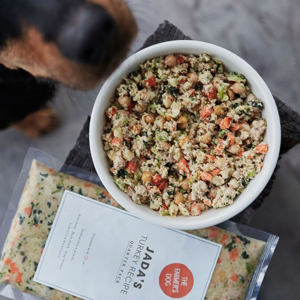
    The Farmer’s Dog food stands out as 100% human-grade, using simple recipes without compromising on nutrition. Ingredients include USDA human-grade meats like beef, turkey, pork, and chicken, alongside vegetables such as carrots, green beans, Brussels sprouts, and broccoli. Fiber-rich foods like chickpeas, sweet potatoes, and lentils also add value. While the recipes avoid ground bone, Tricalcium Phosphate adds essential calcium. This approach ensures safety and nutritional integrity.

    Customer Experience and Feedback

    We aim for a customer-centric approach, focusing on quality and satisfaction. Feedback highlights positive impacts on dogs’ health. Customers often mention improvements in digestion and coat health. For example, some note that switching to The Farmer’s Dog made managing their pet’s weight easier. But, packaging concerns exist, with some finding it messy.

    Impact on Pet Health

    High-quality ingredients and balanced nutrition contribute to improved pet well-being. Our food supports regular digestion and promotes consistent stool firmness. Customers also observe enhancements in their pets’ energy levels. These outcomes reflect our commitment to wellness.

    • Positive digestion improvements
    • Enhanced pet energy
    • Easy weight management
    • Concerns about packaging waste

    Efforts to address packaging concerns continue, aiming to offer a more sustainable solution without compromising convenience. Overall, the feedback underscores the positive influences of our approach on pets’ lives.

    Farmers Dog Food
    Farmers Dog Food 2024: Is It the Best Choice for Your Pet? 13

    Features And Benefits

    Exploring the features and benefits of The Farmer’s Dog reveals why pet owners are increasingly turning to this fresh dog food option. With fresh ingredients and personalized plans, it brings customized nutrition to our pets’ bowls.

    Fresh Ingredients

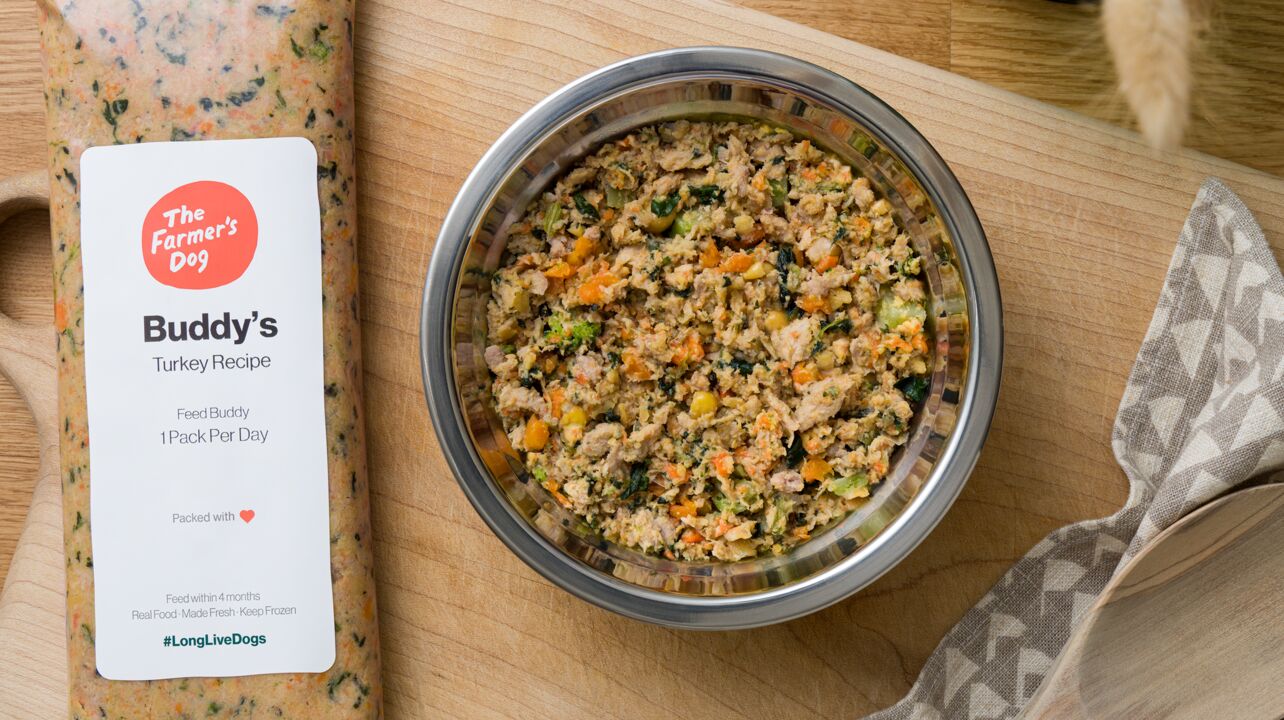
    The Farmer’s Dog boasts USDA human-grade fresh ingredients, ensuring wholesome meals for our pets. The recipes feature various proteins, including beef, turkey, pork, chicken, and liver combinations. These meats are paired with fresh vegetables, such as carrots, green beans, Brussels sprouts, and broccoli. Fiber-rich foods, like chickpeas, sweet potatoes, and lentils, complete the recipes. Meeting AAFCO standards, these meals cater to dogs at all life stages, assuring balanced nutrition. Our focus on quality ingredients reflects the dedication to offering safe and nutritious food.

    Personalized Plans

    The Farmer’s Dog tailors meal plans based on our dogs’ unique profiles. Users complete a short quiz that considers the number of dogs, breed details, age, weight, dietary restrictions, activity levels, and diet history. From this, an appropriate meal plan with recommended recipes and weekly pricing is crafted. This personalized approach ensures that each pet receives meals suited to their exact nutritional needs. By customizing plans, we’re able to provide dogs with healthier and more satisfying food options.

    Nutritional Value And Quality

    The Farmer’s Dog food stands out for its commitment to nutritional value and quality. Through the use of fresh, whole, human-grade ingredients, the food ensures optimal nutrition for dogs.

    Protein Content

    Farmers Dog Food
    Farmers Dog Food 2024: Is It the Best Choice for Your Pet? 14

    The protein content in The Farmer’s Dog food is notably high, averaging 39% on a dry matter basis. Real meats form the core of this protein-rich diet, providing essential amino acids that support muscle development and overall health. The food’s formulation, backed by board-certified veterinary nutritionists, ensures that it meets the complete and balanced needs of dogs at all life stages. This high-protein diet is particularly beneficial for active dogs that require sustained energy levels. As a comparison point, typical wet dog foods contain lower protein levels, making The Farmer’s Dog an exceptional choice for pet owners focused on high-quality protein intake.

    Vitamins And Minerals

    In terms of vitamins and minerals, The Farmer’s Dog food features a well-rounded profile derived from whole fruits and vegetables. These ingredients contribute essential micronutrients like vitamins A, C, and E, as well as important minerals such as potassium and magnesium. The inclusion of fresh produce in the recipes not only enhances palatability but also supports immune function, skin health, and metabolic processes. The board-certified veterinary nutritionists responsible for developing the food ensure that each meal delivers the necessary components for comprehensive canine nutrition. By focusing on these natural sources, The Farmer’s Dog maintains the integrity and quality crucial for a balanced diet.

    Independent Reviews & Studies

    • The Farmer’s Dog is widely recommended by veterinarians and has a strong reputation among pet owners.
    • The company recently completed a year-long feeding study with Cornell University, with results expected later in 2025.

    Comparison Table

    FeatureThe Farmer’s Dog
    Ingredient QualityHuman-grade, real meat & veggies
    Recipe Variety5 recipes (1 grain-inclusive)
    CustomizationPersonalized by dog’s profile
    Nutritional StandardsAAFCO & WSAVA compliant
    DeliveryNationwide, recurring, flexible
    Price (50 lb dog)~$7.66/day (varies by dog/recipe)
    PackagingEco-friendly, vacuum-sealed pouches
    Vet RecommendedYes
    Recall HistoryNone reported

    Ordering And Delivery Process

    Handling the ordering and delivery process with The Farmer’s Dog is simple and customized to each dog’s needs. Our streamlined approach ensures quality fresh dog food with every order.

    Subscription Plans

    Farmers Dog Food
    Farmers Dog Food 2024: Is It the Best Choice for Your Pet? 15

    We start by inviting pet owners to complete a personalized questionnaire on The Farmer’s Dog website. This assessment gathers essential details like age, weight, activity level, and health considerations. With this information, we create a custom meal plan to meet each dog’s unique dietary needs. Users can then choose from flexible subscription plans that adjust to varying budgets and requirements. Consistent with our focus on convenience, the subscription is seamless—billing is monthly via credit card, and plans can be paused or canceled easily online.

    Shipping And Packaging

    After finalizing the subscription plan, customers receive their trial box, a 2-week supply, allowing observation of their pet’s adaptation to the new diet. We ensure each order is prepared fresh and shipped promptly, arriving within days. Our commitment to transparency means customers receive email updates and a tracking link for their shipment. Packaging is designed to maintain freshness and minimize waste, reflecting our ongoing efforts to enhance sustainability. Each meal arrives in insulated materials, keeping the food fresh until it reaches your door.

    Customer Experience

    Pros

    • Dogs typically show enthusiasm for the food, with reported improvements in energy, coat quality, digestion, and reduced tear staining.
    • Meals are easy to serve and visually resemble real, home-cooked food.

    Cons

    Farmers Dog Food
    Farmers Dog Food 2024: Is It the Best Choice for Your Pet? 16
    • The website can be difficult to navigate, especially when seeking detailed recipe information before purchase.
    • Limited grain-inclusive options.
    • Not the most budget-friendly option, especially for large or multiple dogs; however, it is less expensive than some other fresh food competitors.

    Pricing

    • For a 50 lb moderately active adult dog, the cost is approximately $7.66 per day, $53.60 per week, or $229.18 per month (using the least expensive recipe).
    • Pricing varies based on your dog’s size, activity level, and selected recipes.

    Conclusion

    Farmers Dog Food has carved a niche in the pet food industry by offering fresh, human-grade meals that cater to the unique needs of our furry friends. With its commitment to quality ingredients and personalized meal plans, it stands out as a promising option for those seeking healthier alternatives for their dogs. The positive feedback from pet owners about improved health and vitality reinforces its value. While some concerns about packaging persist, the benefits for our pets’ well-being are hard to ignore. As we continue to prioritize our pets’ health, Farmers Dog provides a compelling choice in the evolving industry of dog nutrition.

  • Fresh Pet Dog Food: Healthier Choices for Your Canine Companion

    Fresh Pet Dog Food: Healthier Choices for Your Canine Companion

    Ever wondered what’s really in your dog’s bowl? We’ve all been there, staring at those kibble bits and wondering if they’re truly giving our furry friends the nutrition they deserve. That’s where fresh pet dog food comes in, revolutionizing the way we think about canine cuisine.

    Fresh pet dog food isn’t just a trend; it’s a movement towards healthier, happier pups. Made with simple, wholesome ingredients gently steamed to preserve their natural goodness, these meals are packed with essential nutrients our four-legged companions need. We’ll explore why more pet parents are making the switch and how fresh food can make a tail-wagging difference in your dog’s life.

    What Is Fresh Pet Dog Food?

    Fresh pet dog food is a refrigerated, all-natural alternative to traditional kibble. It’s made with high-quality ingredients and gently steamed to preserve nutrients.

    Benefits of Fresh Dog Food

    Fresh dog food offers many advantages for canine health and well-being:

    1. Higher nutritional value: Fresh ingredients retain more vitamins, minerals, and enzymes than heavily processed kibble.
    2. Improved digestion: Natural, whole foods are easier for dogs to digest, leading to better nutrient absorption.
    3. Enhanced palatability: Dogs often prefer the taste and texture of fresh food, making mealtime more enjoyable.
    4. Fewer artificial additives: Fresh pet food typically contains no preservatives, fillers, or artificial colors.
    5. Weight management: Balanced, portion-controlled fresh meals can help maintain a healthy weight.
    6. Shinier coat and healthier skin: Essential fatty acids in fresh ingredients promote coat and skin health.
    7. Increased energy levels: Nutrient-dense fresh food provides sustained energy throughout the day.
    8. Better dental health: Some fresh foods can help reduce plaque buildup and improve overall oral hygiene.
    9. Potential allergy relief: Limited ingredient fresh diets may alleviate food sensitivities in some dogs.
    10. Customizable options: Fresh pet food can be customized to meet exact dietary needs or preferences.

    These benefits contribute to overall improved health and potentially longer lifespans for dogs fed fresh diets.

    Types of Fresh Pet Dog Food

    Fresh pet dog food comes in various forms, each designed to provide optimal nutrition for canines. These options cater to different dietary needs and preferences of dogs and their owners.

    Raw Diet

    Raw diets for dogs typically consist of uncooked meat, bones, fruits, and vegetables. This type of diet aims to mimic what dogs might eat in the wild. Proponents argue that raw diets can lead to improved digestion, healthier skin and coat, and increased energy levels. But, it’s important to note that raw diets aren’t without risks, including potential bacterial contamination and nutritional imbalances if not properly formulated. Pet owners considering a raw diet should consult with a veterinarian to ensure it meets their dog’s exact nutritional needs.

    Gently Cooked Meals

    Gently cooked meals offer a balanced approach to fresh pet dog food. These meals are prepared using high-quality ingredients that are lightly cooked to preserve essential nutrients. The cooking process typically involves:

    Gently cooked meals often include a mix of:

    • High-quality proteins (e.g., chicken, beef, turkey, salmon)
    • Nutrient-rich vegetables (e.g., carrots, spinach)
    • Beneficial fruits (e.g., blueberries)

    These meals are designed to provide dogs with essential nutrients, including proteins, vitamins, minerals, and antioxidants. The gentle cooking process helps to:

    1. Enhance digestibility
    2. Improve palatability
    3. Reduce the risk of bacterial contamination associated with raw diets

    Gently cooked meals can support overall canine health, potentially leading to:

    • Improved digestion
    • Increased energy levels
    • Healthier skin and coat
    • Better weight management

    When choosing gently cooked meals for dogs, it’s crucial to select options that use natural, high-quality ingredients sourced from reputable suppliers. These meals should be formulated to meet the nutritional standards set by veterinary nutritionists.

    Ingredients in Fresh Pet Dog Food

    Fresh pet dog food contains high-quality, natural ingredients that are gently steamed to retain their nutritional value. These ingredients are carefully selected to provide essential nutrients for dogs’ health and well-being.

    High-Quality Protein Sources

    Fresh pet dog food prioritizes high-quality protein sources as the foundation of canine nutrition. Chicken often serves as the primary ingredient, sourced from 100% natural US farm-raised poultry. Beef is another prominent protein option in some recipes, ensuring a high protein content. Eggs are frequently included to boost protein levels and provide essential nutrients. Chicken liver is also utilized to add protein and vitamins to the diet. These protein-rich ingredients support muscle development, energy levels, and overall health in dogs.

    Fresh Pet Dog Food
    Fresh Pet Dog Food: Healthier Choices for Your Canine Companion 23

    Fruits and Vegetables

    Fresh pet dog food incorporates a variety of fruits and vegetables to provide essential vitamins, minerals, and fiber. Carrots are a common ingredient, rich in vitamins and antioxidants that support overall health. Peas are included for their high vitamin and fiber content, aiding in healthy digestion. Spinach adds essential vitamins and minerals, contributing to the nutritional balance of the food. Some recipes feature cranberries, known for their antioxidant properties. These plant-based ingredients complement the protein sources, creating a well-rounded diet that supports various aspects of canine health.

    Nutritional Value of Fresh Dog Food

    Fresh dog food offers a important nutritional advantage over traditional dry kibble. The ingredients and preparation methods used in fresh dog food result in a more nutrient-dense meal that closely resembles a dog’s natural diet.

    Comparing Fresh to Dry Kibble

    Fresh dog food typically contains higher quality ingredients than dry kibble. While dry kibble often includes fillers and by-products, fresh dog food uses whole, natural ingredients. Here’s a comparison:

    AspectFresh Dog FoodDry Kibble
    Protein Content~28% (dry matter basis)18-32%
    Fat Content~27% (dry matter basis)8-22%
    Carbohydrate Content36-37% (dry matter basis)46-74%
    Moisture Content65-75%6-10%
    ProcessingGently steamedHighly processed
    PreservativesMinimal to noneOften contains artificial preservatives

    Fresh dog food provides:

    • Higher moisture content, aiding hydration and digestion
    • More bioavailable nutrients due to minimal processing
    • Fewer artificial additives and preservatives
    • Better palatability, encouraging consistent eating habits

    The gentle steaming process used in fresh dog food preparation preserves more nutrients compared to the high-heat extrusion process used for kibble. This results in food that’s closer to a dog’s ancestral diet, potentially leading to improved overall health and vitality.

    How to Choose the Best Fresh Dog Food

    Selecting the optimal fresh dog food requires careful consideration of your pet’s unique needs and a thorough understanding of product labels. Here’s how to make an well-informed choice for your furry friend’s nutrition.

    Considering Your Dog’s Needs

    Fresh dog food selection starts with evaluating your pet’s exact requirements. Age and size play crucial roles in determining nutritional needs. For instance, recipes designed for adult dogs of various sizes offer balanced nutrition customized to their life stage. Health conditions also influence food choices; some fresh options address exact issues like digestive problems or pancreatitis. Activity level is another key factor; feeding guidelines for fresh dog food typically vary based on weight and energy expenditure. By assessing these factors, you’re better equipped to choose a fresh food option that supports your dog’s overall health and vitality.

    Reading Labels and Ingredients

    Deciphering fresh dog food labels is essential for making informed choices. Look for products that list high-quality protein sources as the first ingredient, such as chicken, beef, or fish. Ensure the food contains a variety of fruits and vegetables, which provide essential vitamins, minerals, and fiber. Avoid products with artificial preservatives, colors, or flavors. Pay attention to the guaranteed analysis on the label, which shows the minimum percentages of crude protein and fat, and the maximum percentages of fiber and moisture. Compare these values across different brands to find the best nutritional profile for your dog. Remember, fresh dog food should contain simple, recognizable ingredients that you’d find in your own kitchen.

    Fresh Pet Dog Food
    Fresh Pet Dog Food: Healthier Choices for Your Canine Companion 24

    Storage and Handling of Fresh Pet Food

    Fresh pet dog food requires proper storage and handling to maintain its quality and safety. Correct storage techniques preserve nutritional value and prevent spoilage, ensuring your dog receives the full benefits of their fresh diet.

    Refrigeration Requirements

    Fresh pet dog food must be stored in a refrigerator below 40°F (4°C) to maintain optimal freshness. The limited shelf life of fresh dog food typically lasts 7 days after opening, depending on the exact product. Store the food in its original packaging or transfer it to airtight containers. For fresh pet rolls, use plastic bags, aluminum foil, or plastic wrap to keep air out. While not designed for freezing, fresh pet dog food can be frozen for up to 3 months if necessary. To freeze, place the food in an airtight container or heavy-duty freezer bag, removing as much air as possible before sealing. Freezing preserves nutritional value, though texture and taste may change slightly upon thawing.

    Proper Serving Techniques

    To serve fresh pet dog food, remove it from the refrigerator and let it sit at room temperature for 10-15 minutes. This allows the food to warm slightly, improving its aroma and palatability. Use clean utensils to portion the food into your dog’s bowl, following the recommended serving size based on your dog’s weight and activity level. If the food was frozen, thaw it in the refrigerator overnight before serving. Never microwave fresh pet food, as this can create hot spots and destroy nutrients. Discard any uneaten food after 30 minutes to prevent bacterial growth. Always wash your hands and your dog’s bowl after handling and serving fresh pet food to maintain hygiene and prevent cross-contamination.

    Transitioning Your Dog to Fresh Food

    Transitioning your dog to fresh food requires a careful approach to ensure a smooth dietary change. We’ll explore the gradual introduction process and its importance for your dog’s health.

    Gradual Introduction Process

    The gradual introduction process is essential when switching your dog to fresh pet food. It helps prevent digestive upset and allows your dog’s system to adjust to the new diet. Here’s how to carry out this process effectively:

    1. Start with a mix: Begin by incorporating a small amount of fresh pet food into your dog’s current diet. This introduces the new flavors and textures gradually.
    2. Increase proportions: Over 7-10 days, slowly increase the amount of fresh food while decreasing the old food. Follow this schedule:
    • Days 1-2: 25% fresh pet food, 75% old food
    • Days 3-4: 50% fresh pet food, 50% old food
    • Days 5-6: 75% fresh pet food, 25% old food
    • Days 7-10: 100% fresh pet food
    1. Monitor your dog: During the transition, observe your dog’s response to the new food. Look for signs of digestive issues or changes in appetite.
    2. Adjust as needed: If your dog shows any signs of discomfort, slow down the transition process. Extend the timeline if necessary to ensure a comfortable switch.
    3. Maintain consistency: Once fully transitioned, maintain a consistent feeding schedule with the fresh pet food to support your dog’s digestive health.

    By following this gradual introduction process, you’re setting your dog up for success with their new fresh food diet. This approach minimizes the risk of digestive upset and helps your dog adjust to the nutritional benefits of fresh pet food more easily.

    Cost Considerations of Fresh Dog Food

    When exploring fresh pet dog food options, it’s crucial to understand the cost implications. Fresh dog food typically comes with a higher price tag compared to traditional dry kibble or canned alternatives. This price difference stems from the quality of ingredients and the personalized nature of many fresh food plans.

    Pricing Comparison

    Fresh Pet Dog Food
    Fresh Pet Dog Food: Healthier Choices for Your Canine Companion 25

    Let’s examine the cost breakdown for two popular fresh dog food brands:

    BrandStarting Price (per day)Multi-ProteinShredded ChickenBeef and Chicken
    Freshpet$2.55$2.55$2.75$2.56
    The Farmer’s Dog$2.07N/AN/AN/A

    Freshpet offers various options, with prices starting at $2.55 per day for multi-protein recipes. Their shredded chicken recipe begins at $2.75 daily, while the beef and chicken option starts at $2.56 per day.

    The Farmer’s Dog, on the other hand, provides a more consistent pricing structure. Their fresh food plans start at approximately $2.07 per day. But, the actual cost varies based on your dog’s size. For instance:

    • A 70-pound dog’s daily meal cost: $8.14
    • A 10-pound dog’s daily meal cost: $3.56

    Factors Influencing Cost

    Several elements contribute to the higher cost of fresh pet dog food:

    1. Ingredient Quality: Fresh dog food uses high-quality, human-grade ingredients, which are more expensive than those in traditional pet food.
    2. Customization: Many fresh food providers offer personalized meal plans customized to your dog’s exact needs, adding to the overall cost.
    3. Processing and Packaging: The gentle cooking methods and refrigeration requirements for fresh dog food increase production and distribution costs.
    4. Portion Control: Fresh dog food often comes in pre-portioned servings, which can be more convenient but may also contribute to higher pricing.

    While fresh pet dog food may seem more expensive initially, it’s essential to consider the potential long-term benefits. The improved nutrition and potential health benefits could lead to reduced veterinary costs and a better quality of life for your dog.

    When deciding whether to switch to fresh dog food, we recommend evaluating your budget, your dog’s exact needs, and the potential health benefits. By weighing these factors, you can make an well-informed choice about whether the investment in fresh pet dog food aligns with your goals for your dog’s nutrition and overall well-being.

    Potential Drawbacks of Fresh Pet Food

    While fresh pet food offers many benefits, it’s essential to consider potential drawbacks before making the switch. We’ve identified several factors that pet owners should be aware of when considering fresh pet dog food options.

    Short Shelf Life

    Fresh pet food has a significantly shorter shelf life compared to traditional dry kibble or canned dog food. This characteristic is due to the lack of preservatives and the use of fresh ingredients. Here’s what you need to know:

    Fresh Pet Dog Food
    Fresh Pet Dog Food: Healthier Choices for Your Canine Companion 26
    • Refrigeration required: Fresh pet food must be stored in the refrigerator to maintain its quality and safety.
    • Limited storage time: Once opened, fresh pet food typically lasts only 7 days.
    • Frequent purchases: The short shelf life necessitates more frequent shopping trips or deliveries.
    • Careful planning: Pet owners must plan meals carefully to ensure a consistent supply of fresh food.

    Higher Cost

    Fresh pet food comes with a higher price tag than conventional dog food options. Several factors contribute to this increased cost:

    • Premium ingredients: Fresh pet food uses high-quality, human-grade ingredients.
    • Minimal processing: The gentle cooking methods employed preserve nutrients but increase production costs.
    • Customization: Many fresh pet food brands offer personalized meal plans, adding to the overall expense.
    • Packaging: Special packaging to maintain freshness contributes to the higher cost.
    Cost ComparisonFresh Pet FoodTraditional Kibble
    Daily cost$2.07 – $2.55+$1.00 – $1.50
    Monthly cost$62.10 – $76.50+$30.00 – $45.00

    Note: Costs vary based on dog size, brand, and exact dietary needs.

    Controversial Ingredients

    Some fresh pet food brands include ingredients that have raised concerns among pet owners and nutritionists:

    • Natural flavors”: This term can be ambiguous and may include low-quality ingredients used to enhance taste.
    • Lack of transparency: Some brands don’t provide detailed information about the source or composition of certain ingredients.
    • Potential allergens: Fresh pet foods may contain common allergens like chicken or beef, which some dogs may be sensitive to.

    Storage and Handling Challenges

    Fresh pet food requires more careful handling and storage compared to dry kibble:

    • Refrigeration space: Pet owners need to allocate important refrigerator space for fresh pet food.
    • Temperature control: Maintaining proper temperature during storage and serving is crucial to prevent bacterial growth.
    • Portioning: Measuring and serving the correct portions can be more time-consuming than scooping dry kibble.
    • Travel considerations: Bringing fresh pet food on trips requires additional planning and portable cooling answers.

    Transitioning Difficulties

    Switching to fresh pet food can be challenging for some dogs:

    • Digestive adjustment: Some dogs may experience temporary digestive upset when transitioning to a new diet.
    • Texture differences: Dogs accustomed to dry kibble may need time to adjust to the softer texture of fresh food.
    • Picky eaters: Some dogs may be resistant to the change in diet, requiring patience and persistence from pet owners.
    Fresh Pet Dog Food
    Fresh Pet Dog Food: Healthier Choices for Your Canine Companion 27

    Nutritional Balance Concerns

    While fresh pet food can be highly nutritious, there are potential concerns:

    • Homemade risks: Pet owners preparing fresh food at home may struggle to achieve proper nutritional balance without expert guidance.
    • Variability between brands: Nutritional content can vary significantly between different fresh pet food brands.
    • Long-term effects: As fresh pet food is a relatively new trend, long-term studies on its effects are limited.

    By understanding these potential drawbacks, pet owners can make informed decisions about incorporating fresh pet food into their dog’s diet. It’s crucial to weigh these factors against the benefits and consult with a veterinarian to determine the best nutritional plan for your pet.

    Conclusion

    Fresh pet dog food offers many benefits for our canine companions. From improved nutrition to better digestion and overall health it’s a compelling option for pet owners. While it comes with considerations like cost and storage we believe the potential advantages make it worth exploring.

    Eventually the decision to switch to fresh dog food should be based on your pet’s exact needs and your budget. We encourage consulting with a veterinarian to determine if fresh pet food is the right choice for your furry friend. By making informed decisions we can help ensure our dogs lead happy healthy lives.