Category: Allergy

Dog allergies are one of the most common reasons owners visit the vet, yet they are also one of the most misunderstood conditions. The Allergy section covers all three major allergy types in dogs: environmental, food-based, and flea allergy dermatitis.Learn how to identify triggers, understand allergy testing, choose hypoallergenic diets, and manage flare-ups at home and with your vet.Topics CoveredIdentifying allergy symptoms: itching, redness, ear infections, paw licking, and GI signsEnvironmental allergies: pollen, dust mites, mold, and seasonal triggersFood allergy elimination diets: how to run one correctlyFlea allergy dermatitis: prevention and treatmentAllergy testing: intradermal vs. serum testing explainedMedications: antihistamines, Apoquel, Cytopoint, and steroids comparedHypoallergenic and limited-ingredient dog food options

  • Top Dog Shampoos for Itchy Skin Relief in 2025

    Top Dog Shampoos for Itchy Skin Relief in 2025

    Is your furry friend constantly scratching and biting at their skin? Itchy skin can be a real nuisance for dogs and their owners alike. Left unchecked, it can lead to skin breakages and infections, making it crucial to find the best dog shampoo for itchy skin. Our pets deserve relief, and choosing the right shampoo is a critical step in ensuring their comfort and well-being.

    Many dog owners are on the hunt for effective answers to soothe their pups’ irritated skin. While there are many options available, not all shampoos are created equal. We’ll explore some top-rated shampoos specifically designed to alleviate itching and restore your dog’s coat health. From natural remedies to veterinarian-formulated blends, we’ll guide you through the options that promise to offer relief.

    By the end of this article, you’ll have a clearer understanding of which dog shampoos can help your pet feel their best, supporting a happier, itch-free life.

    Understanding Itchy Skin in Dogs

    Itchy skin is a common issue for dogs, leading to discomfort and potential skin problems if not addressed. Various factors often cause this condition and recognizing the triggers helps in choosing effective answers.

    Common Causes

    Itchy skin in dogs arises from several sources:

    • Allergies: Dogs frequently experience allergic reactions to food, environmental factors like pollen or dust mites, and skin contact with certain substances.
    • Fleas and Parasites: External parasites such as fleas or mites cause irritation and extreme itching.
    • Fungal Infections: Yeast and fungi thrive in moist areas, leading to itchy skin and discomfort.
    • Bacterial Infections: Skin irritation often results from bacterial growth.
    • Skin Conditions: Diseases like eczema or seborrhea contribute to persistent itching.
    • Dry Skin: Low humidity or harsh shampoos often result in dry skin, exacerbating itchiness.

    Symptoms to Look Out For

    Identifying symptoms helps in managing itchy skin effectively:

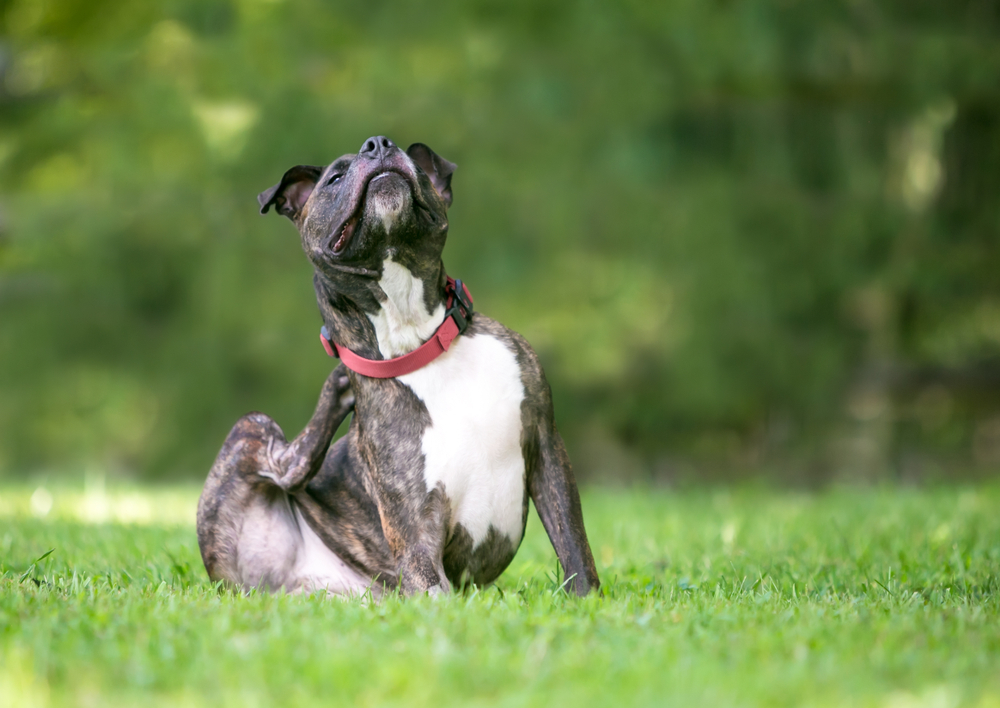
    • Excessive Scratching: Dogs scratch persistently, targeting itchy spots.
    • Biting and Licking: Frequent licking or biting of skin areas indicates irritation.
    • Redness or Inflammation: Look for red or swollen areas on the dog’s skin.
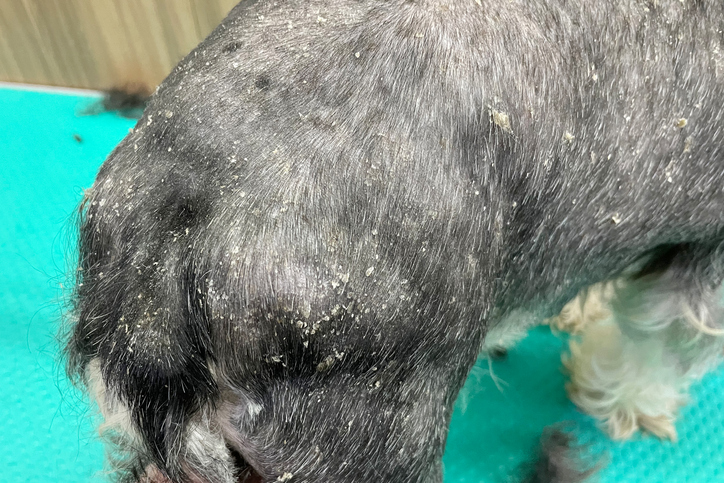
    • Flaky or Scaly Skin: Observe for dry patches or flakiness.
    • Hair Loss: Monitor for thinning fur or bald spots indicating skin distress.
    • Hot Spots: Localized, irritated, and reddened areas suggest underlying issues.

    These signs combined with knowing the causes can guide effective treatment.

    What to Look for in a Dog Shampoo

    When choosing the best dog shampoo for itchy skin, understanding key factors enhances both effectiveness and safety. Our guide explains what elements make a shampoo beneficial for dogs with sensitive skin.

    Key Ingredients

    Recognizing beneficial ingredients is essential. Oatmeal offers antiseptic properties that soothe itchy skin but can be drying, particularly for dry skin. Aloe Vera provides moisturizing and antiseptic benefits to cleanse and protect against irritations. Vitamin E nourishes the skin and makes grooming easier by detangling the coat. Coconut Oil cleanses and moisturizes, offering relief from itching.

    Types of Shampoos

    Shampoos vary to cater to different needs. Antimicrobial Shampoos target bacterial and fungal infections which often cause itching. Hypoallergenic Shampoos use gentle formulations ideal for dogs with sensitive skin. Moisturizing Shampoos help dogs with dry skin, improving hydration and reducing flakiness. Deodorizing Shampoos mask odors using safe, dog-friendly fragrances.

    Avoiding Harmful Additives

    Reading labels carefully ensures avoidance of harmful additives. Artificial Fragrances often cause irritations, so opt for naturally scented options. Parabens and Sulfates are harsh chemicals that strip natural oils, exacerbating dry and itchy skin. Alcohol-Based Ingredients dry out the skin further, and are best avoided. Always choose formulations labeled as safe and natural.

    Top Dog Shampoos for Itchy Skin

    Finding the best dog shampoo for itchy skin is essential for maintaining your pet’s comfort and health. We explore top-rated shampoos customized to relieve and soothe irritated skin in dogs.

    Best Natural Options

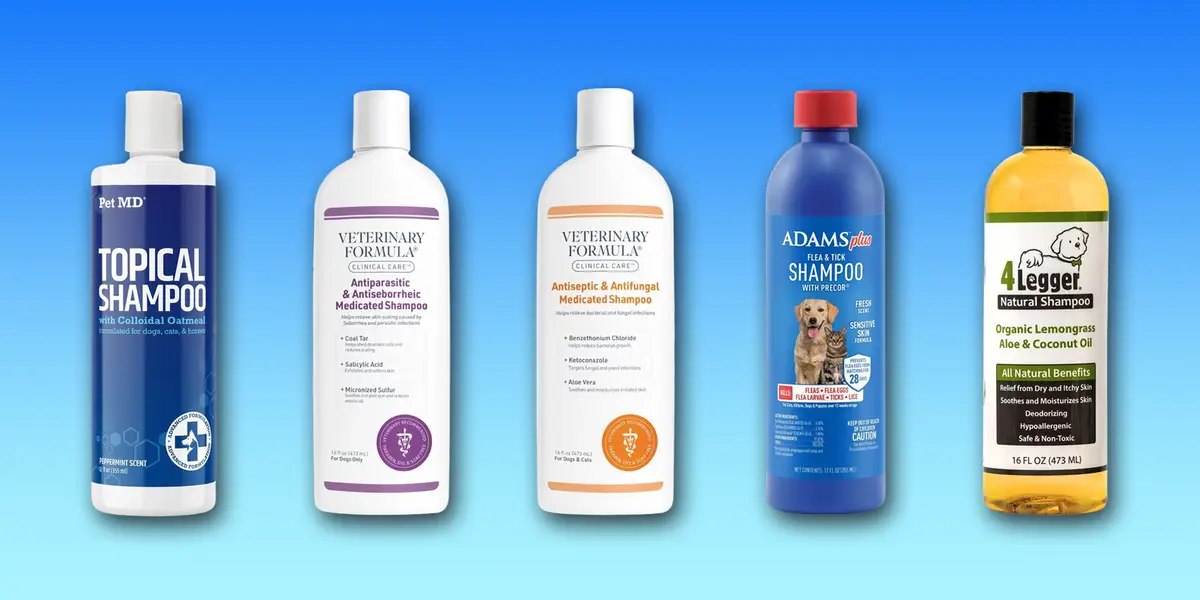
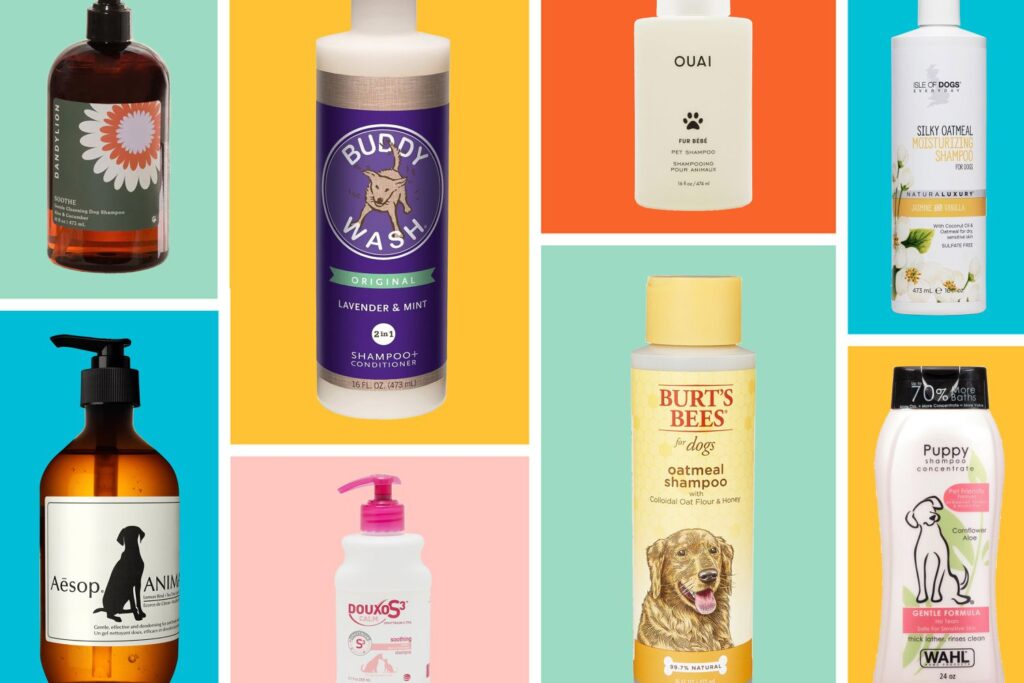
    Choosing a natural dog shampoo can benefit dogs with sensitive and itchy skin. Natural Care+ Itch Relief Dog Shampoo combines Tea Tree Oil, Aloe Vera, and Goat Milk to ease itchiness and dryness. With added Salicylic Acid, Jojoba Oil, and Vitamins A & D, this shampoo moisturizes and protects the coat. Burt’s Bees Tearless Puppy Shampoo with Buttermilk offers delicate care with buttermilk and honey, ensuring a gentle clean without sulfates or colorants. BUDDY WASH Original Lavender & Mint Dog Shampoo & Conditioner uses soothing ingredients like sage and chamomile, providing a calming bath experience.

    Best Medicated Answers

    Medicated shampoos target more severe skin conditions to provide relief from itchiness by addressing underlying causes. Vets Best Allergy Itch Relief Dog Shampoo uses essential oils like oatmeal and tea tree oil to calm and cleanse the skin effectively. Veterinary Formula Clinical Care includes hydrocortisone and pramoxine, proven to alleviate discomfort from allergies and irritations. These options are ideal for dogs needing more intensive care alongside vet-recommended treatments.
    Top Dog Shampoos for Itchy Skin Relief in 2025
    Top Dog Shampoos for Itchy Skin Relief in 2025 4

    Top Hypoallergenic Shampoos

    Hypoallergenic dog shampoos offer safe options for pets with sensitive and itchy skin. Sebocalm Hypoallergenic Shampoo moisturizes and maintains a healthy coat with its soap-free, neutral pH formula, perfect for frequent use. EpiSoothe Hypoallergenic Shampoo handles itching and odor, offering a gentle cleanse that suits sensitive pups. These shampoos support sensitive skin’s health by avoiding harsh ingredients and ensuring ongoing benefits post-wash.

    Homemade Remedies for Itchy Skin

    Exploring homemade remedies provides natural alternatives when dealing with a dog’s itchy skin. These answers often use accessible ingredients that can address mild symptoms effectively.

    DIY Shampoo Recipes

    Crafting a homemade dog shampoo involves selecting ingredients known for their soothing properties. Oatmeal, aloe vera, and coconut oil are popular choices. For a basic recipe, grind one cup of oats to a fine powder, mix it with half a cup of baking soda, and add four cups of water. This blend helps reduce irritation and moisturize the skin.

    Another option is to combine a quarter cup of apple cider vinegar with a quarter cup of non-toxic dish soap and half a cup of aloe vera gel. These ingredients work together to offer relief and cleansing without harsh chemicals. Homemade shampoos should be used with caution on pets with sensitive skin to avoid unwanted reactions.

    When to Use Homemade over Store-Bought

    Homemade shampoos offer benefits in exact scenarios. They’re ideal for dogs with minor skin irritations or owners seeking natural answers free from synthetic ingredients. These recipes provide a simple yet effective remedy when mild itchiness arises. But, if the dog’s itchy skin results from an underlying condition like severe allergies or infections, consulting a veterinarian remains crucial.

    Severe cases might demand a veterinarian-formulated shampoo like Vets Best Allergy Itch Relief, which offers targeted relief. For those interested in customizing remedies while managing minor issues, homemade options are a viable alternative.

    Additional Tips for Managing Itchy Skin

    Addressing itchy skin in dogs involves more than just choosing the right shampoo. Taking a holistic approach can help maximize skin health and comfort.

    Grooming Practices

    Regular grooming helps manage itchy skin. Brush the coat frequently to remove allergens, dust, and debris that may irritate the skin. Use a soft-bristled brush and be gentle to prevent further irritation. Bathing regularly with an appropriate dog shampoo keeps the skin clean and reduces itchiness. But, over-bathing can strip natural oils, so follow a balanced schedule. Consult your vet for a suitable bathing frequency. Consider trimming long fur around areas prone to mats to prevent additional irritation.
    Top Dog Shampoos for Itchy Skin Relief in 2025
    Top Dog Shampoos for Itchy Skin Relief in 2025 5

    Dietary Considerations

    Diet impacts a dog’s skin health significantly. If allergies cause itchiness, an elimination diet might identify trigger foods. Gradually reintroduce foods such as chicken, beef, or lamb, while monitoring the dog’s response. High-quality fish oil supplements provide essential fatty acids, reducing inflammation and improving skin health. Probiotic supplements can boost gut health, indirectly benefiting the skin. Fish-based diets or recipes, like Venison and Squash, support allergy-prone dogs. Always consult a veterinarian before making major dietary changes or introducing new supplements.

    Conclusion

    Choosing the right dog shampoo for itchy skin can make a important difference in our pets’ comfort and overall skin health. With a variety of options available, from natural remedies to veterinarian-formulated products, it’s essential to select a shampoo that addresses the exact needs of our furry friends. By focusing on beneficial ingredients and avoiding harmful additives, we can ensure a safe and effective bathing experience. Remember, managing itchy skin goes beyond just shampoo; regular grooming, a balanced diet, and consulting with a veterinarian play crucial roles in maintaining our dogs’ skin health. Let’s prioritize their well-being and make informed choices that contribute to their happiness and comfort.

  • Dog Paw Yeast Infections: Causes, Symptoms, and Treatments

    Dog Paw Yeast Infections: Causes, Symptoms, and Treatments

    Is your furry friend constantly licking or chewing their paws? They might be dealing with a dog paw yeast infection. This common but often overlooked condition can cause important discomfort for our canine companions.

    Dog paw yeast infections occur when there’s an overgrowth of naturally occurring fungi on a dog’s skin. These infections thrive in warm, moist environments, making paws particularly susceptible. We’ll explore the causes, symptoms, and treatment options for this pesky problem, helping you keep your pup’s paws healthy and comfortable.

    Throughout this article, we’ll investigate into the signs to watch for, preventive measures you can take, and when it’s time to seek veterinary care. By understanding dog paw yeast infections, we’ll equip you with the knowledge to ensure your four-legged friend stays happy and active.

    What Is a Dog Paw Yeast Infection?

    A dog paw yeast infection, also known as yeast dermatitis, is a fungal infection that occurs when yeast organisms overgrow on a dog’s paw skin. The primary culprit is typically Malassezia pachydermatis, a yeast species naturally present in small numbers on healthy canine skin. But, when conditions are favorable, these yeasts multiply excessively, leading to an infection.

    Yeast thrives in warm, moist environments, making dogs’ paws particularly susceptible. The areas between the toes, nail beds, and paw pads provide ideal conditions for yeast growth. This overgrowth can result in skin irritation, inflammation, and discomfort for the dog.

    Several factors contribute to the development of paw yeast infections:

    1. Moisture: Frequent exposure to water through swimming, walking in wet areas, or improper drying after baths.
    2. Skin damage: Scratches or wounds that compromise the skin barrier.
    3. Allergies: Environmental or food allergies that cause skin inflammation.
    4. Medical conditions: Underlying health issues like hypothyroidism or autoimmune disorders.
    5. Excessive licking: Constant licking of paws, which creates a moist environment.

    Common symptoms of a dog paw yeast infection include:

    • Redness and inflammation.
    • Itching and irritation.
    • Swelling and sensitivity.
    • Discoloration of the skin (often reddish-brown).
    • Greasy or waxy skin texture.
    • Foul odor.
    • Excessive licking or chewing of paws.

    It’s important to note that while yeast infections are common, they can cause important discomfort and may lead to more severe skin issues if left untreated. Early recognition and proper veterinary care are crucial for managing this condition effectively and ensuring your dog’s paw health.

    Causes and Risk Factors

    Dog paw yeast infections stem from various factors that create favorable conditions for fungal overgrowth. Understanding these causes and risk factors is crucial for prevention and effective management of the condition.

    Environmental Conditions

    Environmental factors play a important role in the development of dog paw yeast infections. Moisture is a primary culprit, as damp conditions between paw pads and around nail beds create an ideal breeding ground for yeast. Activities like swimming, puddle play, or walks on wet grass increase infection risk. Chemical exposure from treated lawns can disrupt the paw’s natural yeast balance. Poor hygiene practices, such as inadequate paw cleaning and drying after outdoor activities, contribute to yeast overgrowth. Hot, humid climates also promote fungal proliferation. Regular paw maintenance, including thorough drying and inspection after outdoor excursions, is essential for preventing yeast infections in these sensitive areas.

    Allergies and Immune System Issues

    Allergies and immune system disorders significantly contribute to dog paw yeast infections. Food allergies and environmental sensitivities often manifest as skin irritations, leading to excessive paw licking and scratching. This behavior disrupts the skin’s protective barrier and alters the normal flora, creating an environment conducive to yeast overgrowth. Immune system imbalances can impair the body’s ability to regulate yeast populations naturally. Conditions like hypothyroidism or Cushing’s disease may suppress immune function, increasing susceptibility to infections. Certain medications, particularly long-term antibiotic use, can disrupt the balance of microorganisms on the skin, potentially leading to yeast overgrowth. Regular veterinary check-ups and proper management of underlying health conditions are crucial for preventing yeast infections.

    Dog Paw Yeast Infections
    Dog Paw Yeast Infections: Causes, Symptoms, and Treatments 12

    Breed Predisposition

    Certain dog breeds are more susceptible to paw yeast infections due to their physical characteristics and genetic predispositions. Breeds with skin folds, such as Bulldogs, Pugs, and Shar-Peis, are at higher risk because these areas trap moisture and create warm environments ideal for yeast growth. Dogs with long, floppy ears like Basset Hounds and Cocker Spaniels are prone to ear infections, which can spread to the paws through scratching. Breeds with excessive skin, such as Chinese Shar-Peis, are more susceptible to skin infections, including yeast overgrowth.

    Water-loving breeds like Labrador Retrievers and Portuguese Water Dogs face increased risk due to frequent exposure to moisture. Also, breeds prone to allergies, such as West Highland White Terriers and Boxers, are more likely to develop secondary yeast infections. Regular grooming and preventive care are especially important for these predisposed breeds.

    Symptoms of Dog Paw Yeast Infections

    Dog paw yeast infections can cause discomfort and require prompt attention. Recognizing the signs early is crucial for effective treatment and prevention of complications.

    Physical Signs

    Yeast infections in dog paws often manifest through visible physical changes. Redness and inflammation are common, particularly between the toes and around the nail beds. The skin may become scaly and dry, accompanied by a brown or yellowish discharge between the toes. Hair loss around the affected area is frequent due to constant licking and irritation. A distinctive musty or sweet odor emanates from infected paws, serving as a telltale sign. Excessive licking can lead to copper-colored salivary staining on the hair and skin surrounding the paws. In chronic cases, the skin may thicken, becoming leathery or darkened.

    Behavioral Changes

    Dogs with paw yeast infections often exhibit noticeable behavioral changes. Persistent licking, chewing, or biting of the paws is a primary indicator, as dogs attempt to alleviate discomfort. They may show reluctance to walk or play, favoring the affected paw(s). Increased restlessness or irritability is common, especially when the paws are touched. Some dogs may become more withdrawn or less active due to pain or discomfort. Scratching at the paws or rubbing them against surfaces is another frequent behavior. In severe cases, dogs might whine or vocalize when walking or when their paws are handled. These behavioral shifts, combined with physical symptoms, strongly suggest a paw yeast infection.

    Diagnosis and Veterinary Examination

    Diagnosing a dog paw yeast infection requires a comprehensive veterinary approach. We’ll explore the essential steps veterinarians take to identify and confirm these infections accurately.

    Physical Examination

    Veterinarians begin with a thorough physical examination of the dog’s paws. They inspect for common signs of yeast infections, including redness, swelling, and irritation, particularly between the toes and around nail beds. The examination involves checking for changes in skin texture, such as roughness or flakiness, and assessing the dog’s pain levels. Veterinarians also look for behavioral indicators like excessive licking or chewing of the paws. They evaluate the presence of any discharge or unusual odors, which are typical of yeast overgrowth. This hands-on assessment provides crucial initial insights into the potential presence of a paw yeast infection.

    Dog Paw Yeast Infections
    Dog Paw Yeast Infections: Causes, Symptoms, and Treatments 13

    Diagnostic Tests

    To confirm a dog paw yeast infection diagnosis, veterinarians employ several diagnostic tests:

    1. Skin Scraping and Cytology:
    • Veterinarians collect skin cells and organisms from the affected area using a skin scraping or swab.
    • The sample is examined under a microscope to identify yeast presence.

    2. Tape Impression:

    • A piece of clear tape is pressed against the affected skin to collect a sample.
    • The tape is then stained and microscopically examined for yeast organisms.

    3. Culture:

    • A sterile cotton swab is used to collect a sample from the infected area.
    • The sample is sent to a laboratory to identify the exact type of organism present.

    4. Skin Biopsy:

    • For chronic or treatment-resistant infections, a small skin sample may be taken.
    • The biopsy is sent to a lab for more accurate diagnosis.

    5. Blood Work:

    • Veterinarians may perform blood tests to check for underlying health issues contributing to the infection.

    6. Allergy Testing:

    • Since allergies can exacerbate yeast infections, allergy tests may be recommended to identify potential triggers.

    These diagnostic methods help veterinarians accurately identify dog paw yeast infections and develop effective treatment plans customized to each case.

    Treatment Options

    Effective treatment of dog paw yeast infections involves a multifaceted approach. We’ll explore various treatment options, including topical treatments, oral medications, and addressing underlying causes.

    Topical Treatments

    Topical treatments are the first line of defense against dog paw yeast infections. These treatments target the affected area directly, reducing yeast growth and soothing irritated skin. Before applying any medication, it’s crucial to clean the affected area thoroughly with a mild, pet-safe cleanser. This removes debris that could interfere with medication absorption.

    Antifungal creams and ointments are effective for localized infections, particularly between toes or on paw pads. But, dogs may lick off the medication, necessitating an Elizabethan collar. Medicated shampoos, containing antifungal ingredients and agents that reduce scaling, are preferred for mild to moderate infections. These can be used on the entire body or just the paws. Antifungal sprays and wipes offer another option for treating affected areas, especially between toes and in nail beds.

    Oral Medications

    Oral medications play a crucial role in treating severe or persistent dog paw yeast infections. These systemic treatments work from the inside out, targeting yeast throughout the body. Veterinarians often prescribe antifungal drugs such as ketoconazole, fluconazole, or itraconazole. These medications inhibit yeast growth and reproduction, effectively combating the infection.

    The duration of oral treatment varies depending on the severity of the infection and the dog’s response to medication. Typically, a course lasts several weeks to ensure complete eradication of the yeast. It’s essential to follow the prescribed dosage and complete the entire course, even if symptoms improve. Regular check-ups during treatment allow veterinarians to monitor progress and adjust the treatment plan if necessary.

    Dog Paw Yeast Infections
    Dog Paw Yeast Infections: Causes, Symptoms, and Treatments 14

    Addressing Underlying Causes

    Treating the underlying causes of dog paw yeast infections is crucial for long-term management and prevention of recurrence. Allergies, both environmental and food-related, are common culprits. Identifying and managing these allergies through dietary changes, antihistamines, or immunotherapy can significantly reduce the likelihood of future infections.

    Immune system disorders may also contribute to yeast overgrowth. Addressing these conditions through appropriate medical interventions helps strengthen the dog’s natural defenses against infections. Environmental factors play a role too. Keeping paws dry, especially after walks in wet conditions or swimming, is essential. Regular grooming, including trimming hair between paw pads, improves air circulation and reduces moisture retention. In some cases, dietary supplements like probiotics or omega-3 fatty acids may be recommended to support skin health and immune function.

    Prevention Strategies

    Preventing dog paw yeast infections requires a multifaceted approach. By implementing proper hygiene practices, maintaining a balanced diet, and regularly monitoring your dog’s paws, you can significantly reduce the risk of these uncomfortable infections.

    Proper Paw Hygiene

    Maintaining proper paw hygiene is crucial in preventing dog paw yeast infections. Keep your dog’s paws clean and dry, especially after walks or outdoor activities. Regularly trim the hair between the toes to reduce moisture accumulation. Use medicated wipes recommended by your veterinarian to clean the paws, paying special attention to the areas between the toes and paw pads.

    Consider using Epsom salt soaks to soothe irritated paws and prevent yeast overgrowth. After baths or swimming, thoroughly dry your dog’s paws, including between the toes. Inspect your dog’s paws for grass awns or foxtails, which can cause irritation and create an environment conducive to yeast growth. By implementing these hygiene practices, you’ll create an inhospitable environment for yeast to thrive.

    Diet and Nutrition

    A balanced diet plays a important role in preventing dog paw yeast infections. Focus on providing high-quality, nutrient-rich foods that support your dog’s overall health and immune system. Consider incorporating foods with natural antifungal properties, such as coconut oil or plain yogurt with live cultures. Omega-3 fatty acids can help maintain healthy skin and reduce inflammation, potentially decreasing the risk of yeast overgrowth.

    Dog Paw Yeast Infections
    Dog Paw Yeast Infections: Causes, Symptoms, and Treatments 15

    If your dog has food allergies or sensitivities, work with your veterinarian to identify and eliminate problematic ingredients from their diet. In some cases, a hypoallergenic diet may be recommended to manage allergies and reduce the risk of yeast infections. Avoid feeding your dog foods high in sugar or carbohydrates, as these can promote yeast growth. Proper hydration is also essential, so ensure your dog always has access to fresh, clean water.

    Regular Monitoring

    Regular monitoring of your dog’s paws is essential for early detection and prevention of yeast infections. Examine your dog’s paws daily, checking for signs of redness, swelling, or discoloration. Pay attention to any changes in the skin texture, such as roughness or scaliness. Be alert to excessive licking, chewing, or scratching of the paws, as these behaviors can indicate discomfort or the onset of an infection.

    Monitor for any unusual odors emanating from the paws, as a musty or sweet smell can be a sign of yeast overgrowth. If you notice any of these symptoms, consult your veterinarian promptly. Regular grooming sessions provide an excellent opportunity to inspect your dog’s paws thoroughly. During these checks, look for any signs of irritation or inflammation between the toes and around the nail beds. By staying vigilant and addressing issues early, you can prevent minor problems from escalating into full-blown yeast infections.

    When to Seek Professional Help

    Recognizing the right time to seek veterinary care for a dog paw yeast infection is crucial for effective treatment. We’ve compiled a list of key indicators that signal the need for professional intervention.

    Persistent Symptoms

    Seek veterinary help if your dog’s paw symptoms persist for more than a few days. Continuous licking, chewing, or scratching of the paws indicates an ongoing issue that requires professional assessment.

    Severe Discomfort

    If your dog shows signs of severe discomfort, such as limping, whining when walking, or refusing to put weight on the affected paw, it’s time to consult a veterinarian. These behaviors suggest the infection may be causing important pain.

    Visible Skin Changes

    Noticeable skin changes warrant professional attention. Look for:

    • Redness and inflammation
    • Swelling of the paw or toes
    • Brown or yellowish discharge
    • Hair loss around the paw
    • Crusty or flaky skin

    Foul Odor

    A strong, musty, or sweet odor emanating from your dog’s paws is a clear sign of a yeast overgrowth. This distinct smell often indicates a need for veterinary intervention.

    Dog Paw Yeast Infections
    Dog Paw Yeast Infections: Causes, Symptoms, and Treatments 16

    Spreading Infection

    If the infection appears to be spreading to other parts of the body or affecting multiple paws, immediate veterinary care is necessary. Yeast infections can spread quickly if left untreated.

    Recurring Infections

    Frequent or recurring yeast infections in your dog’s paws may indicate an underlying health issue. A veterinarian can help identify and address any potential root causes.

    Ineffective Home Remedies

    If home remedies or over-the-counter treatments haven’t improved your dog’s condition within a week, it’s time to seek professional help. A veterinarian can provide more potent, targeted treatments.

    Behavioral Changes

    Important changes in your dog’s behavior, such as increased irritability, lethargy, or loss of appetite, may signal that the infection is affecting their overall well-being. These changes warrant prompt veterinary attention.

    Pre-existing Health Conditions

    Dogs with pre-existing health conditions, such as diabetes or allergies, are more susceptible to severe yeast infections. If your dog has any underlying health issues, consult a veterinarian at the first sign of a paw infection.

    Compromised Immune System

    Dogs with weakened immune systems due to age, illness, or medication are at higher risk of developing severe yeast infections. Seek professional help early to prevent complications.

    By recognizing these indicators, you can ensure your dog receives timely and appropriate care for paw yeast infections. Remember, early intervention often leads to faster recovery and better outcomes for your furry friend.

    Conclusion

    Dog paw yeast infections can be uncomfortable for our furry friends but they’re manageable with proper care. We’ve explored the causes symptoms and treatments for this common condition. By staying vigilant and maintaining good paw hygiene we can help prevent these infections from occurring.

    Remember early detection is key. If you notice any signs of infection don’t hesitate to consult your veterinarian. With the right approach we can keep our dogs’ paws healthy and happy ensuring they stay active and comfortable for years to come.

  • How to Banish Dog Dandruff: 5 Effective Solutions for a Flake-Free Pup

    How to Banish Dog Dandruff: 5 Effective Solutions for a Flake-Free Pup

    Is your furry friend leaving white flakes all over your furniture? Dog dandruff is a common issue that many pet owners face, but it’s not always as harmless as it seems. While often dismissed as a minor inconvenience, dandruff can sometimes indicate underlying health problems that require attention.

    We’ll explore the causes of dog dandruff and provide effective answers to help you get rid of those pesky flakes. From simple grooming techniques to identifying potential health concerns, we’ll cover everything you need to know to keep your pup’s coat healthy and dandruff-free. By the end of this article, you’ll be equipped with the knowledge to tackle dog dandruff and ensure your four-legged companion stays comfortable and happy.

    Understanding Dog Dandruff

    Dog dandruff is a common skin condition that affects many canines, characterized by the presence of white flakes on their coat and skin. It’s essential to understand that dandruff isn’t a exact condition but rather a symptom of an underlying issue. While it’s often just a nuisance, persistent dandruff can indicate more serious health problems.

    What Causes Dog Dandruff?

    Several factors contribute to the development of dog dandruff:

    1. Sebaceous Gland Overproduction: Dandruff appears when a dog’s sebaceous glands overproduce an oil called sebum. This oil is crucial for maintaining skin moisture and health, but an imbalance can lead to dandruff.
    2. Poor Diet: A lack of essential nutrients, particularly vitamins (especially vitamin A) and fatty acids, can result in dry, flaky skin. Ensuring a balanced diet is crucial for maintaining healthy skin and coat.
    3. Grooming Issues: Both over-grooming and under-grooming can cause dandruff. Finding the right grooming schedule is vital for your dog’s skin health.
    4. Environmental Factors: Dry air, especially during winter months, can dry out your dog’s skin and lead to dandruff. Using a humidifier can help alleviate this issue.
    5. Health Conditions: Allergies, skin infections, hormone imbalances, and other health issues can contribute to dandruff development.
    6. External Parasites: Parasites can cause itching and dry skin, potentially leading to dandruff.

    Types of Dog Dandruff

    Dog dandruff comes in two primary forms:

    1. Dry Seborrhea (Seborrhea Sicca): Characterized by dry, flaky skin.
    2. Oily Seborrhea (Seborrhea Oleosa): Presents with oily, greasy skin and flakes.

    Identifying Dog Dandruff

    Dandruff in dogs typically appears as white flakes on the coat, particularly on the back, face, and flanks. It’s often accompanied by other symptoms such as itching, redness, or a dull coat. If you notice these signs, it’s important to investigate further to determine the underlying cause.

    When to Consult a Veterinarian

    While some cases of dog dandruff can be managed at home, persistent or severe cases warrant professional attention. Consult a veterinarian if:

    • The dandruff persists even though home treatments
    • Your dog shows signs of discomfort or excessive itching
    • You notice other skin abnormalities or changes in behavior

    A veterinarian can perform tests such as skin scrapes and blood work to identify the root cause of the dandruff and recommend appropriate treatment.

    By understanding the causes and types of dog dandruff, we can take the first step towards effectively managing this common skin condition. In the following sections, we’ll explore various strategies to prevent and treat dog dandruff, ensuring your furry friend maintains a healthy, flake-free coat.

    Common Causes of Dog Dandruff

    Dog dandruff can be caused by various factors, ranging from environmental conditions to underlying health issues. Understanding these causes is crucial for effective treatment and prevention. Let’s explore the common culprits behind dog dandruff.

    Dry Environment

    Dry environments are a leading cause of dog dandruff. Low humidity, especially during winter months or in areas with central heating, can strip moisture from a dog’s skin, leading to flakiness and itching. To combat this, use a humidifier to add moisture to the air. Reduce bathing frequency and opt for moisturizing shampoos and conditioners. Regular grooming with a soft brush helps distribute natural oils throughout the coat, promoting healthier skin. Apply pet-safe skin moisturizers to particularly dry areas. These steps can significantly reduce dandruff caused by environmental dryness.

    Parasites and Skin Infections

    Parasites and skin infections are common culprits behind dog dandruff. External parasites like Cheyletiella mites, often called “walking dandruff,” can cause severe flaking and itching. Other mites, fleas, and ticks can also lead to skin irritation and dandruff. If you notice moving white flakes on your dog’s coat, it may indicate a mite infestation. Skin infections, whether bacterial or fungal, can also cause dandruff-like symptoms. These conditions require professional treatment. Consult a veterinarian for proper diagnosis and treatment, which may include medicated shampoos, topical treatments, or oral medications to eliminate parasites and heal infections.

    Allergies and Nutritional Issues

    Allergies and nutritional deficiencies can contribute significantly to dog dandruff. Food allergies or sensitivities may cause skin inflammation, leading to excessive flaking. Environmental allergens like pollen or dust can also trigger skin reactions. A diet lacking essential fatty acids, vitamins, or minerals can result in poor skin health and dandruff. To address these issues, consider hypoallergenic dog food or consult a veterinarian about potential dietary changes. Supplements rich in omega-3 and omega-6 fatty acids can improve skin health. For environmental allergies, regular bathing with hypoallergenic shampoos and minimizing exposure to allergens can help reduce symptoms.

    Hormonal Imbalances

    Hormonal imbalances can be a less obvious but important cause of dog dandruff. Conditions like hypothyroidism, where the thyroid gland doesn’t produce enough hormones, can lead to dry, flaky skin and excessive shedding. Cushing’s disease, characterized by overproduction of cortisol, can also cause skin problems and dandruff. These hormonal issues often require medical intervention. If you suspect a hormonal imbalance, look for other symptoms such as weight changes, lethargy, or changes in appetite. A veterinarian can perform blood tests to diagnose hormonal disorders and prescribe appropriate treatments, which may include hormone replacement therapy or medications to regulate hormone production.

    Identifying Dog Dandruff Symptoms

    Dog dandruff manifests through various visible signs and behavioral changes. Recognizing these symptoms early helps in addressing the issue promptly and effectively. Here are the key indicators of dog dandruff:

    1. Flaky Skin
    • White or grayish flakes visible on the dog’s coat
    • Flakes may be more noticeable on dark-colored fur
    • Can be present in localized areas or all over the body
    1. Itching and Scratching
    • Increased frequency of scratching, biting, or licking the skin
    • Visible signs of discomfort or restlessness
    • Potential development of hot spots from excessive scratching
    1. Skin Appearance
    • Dry, scaly, or patchy skin texture
    • Redness or inflammation in affected areas
    • Possible presence of bumps, sores, or scabs
    1. Coat Changes
    • Dull or lackluster fur appearance
    • Excessive shedding or hair loss in certain areas
    • Greasy or oily patches on the coat
    1. Odor
    • Unusual or strong smell emanating from the skin or coat
    • Particularly noticeable in cases of oily seborrhea or skin infections
    1. Behavioral Changes
    • Increased restlessness or irritability
    • Reluctance to be touched or petted in certain areas
    • Changes in sleeping patterns due to discomfort
    1. Visible Parasites
    • Presence of small insects or mites on the skin or in the fur
    • May be accompanied by small, moving specks in the coat
    1. Skin Texture
    • Thickened or elephant-like skin in chronic cases
    • Crusty or flaky patches, especially around the ears, elbows, or belly

    By observing these symptoms, we can better identify the presence of dog dandruff and take appropriate steps to address the underlying causes. It’s important to note that these symptoms may vary in severity and combination depending on the exact cause of the dandruff. Regular grooming and thorough checks of your dog’s skin and coat help in early detection of these signs.

    Brown and Black Dog in a Studio / Dog Dandruff

    Photo by Jane Thomson on Pexels

    Effective Treatments for Dog Dandruff

    Dog dandruff treatment involves addressing underlying causes and implementing a combination of home remedies, dietary changes, and medical interventions. Here’s how to effectively combat dog dandruff:

    Proper Grooming Techniques

    Regular grooming is essential for managing dog dandruff. Daily brushing helps distribute natural oils throughout your dog’s coat, preventing matting and reducing flakiness. Use gentle brushes to avoid irritating the skin. For long-haired dogs, mist the coat with water or a dog-exact conditioning spray to decrease static. During dry seasons, increase brushing frequency to maintain skin health. After shampooing, apply a conditioner or cream rinse for extra moisture. Humidifiers in your home, especially in your dog’s sleeping area, can help maintain air moisture and soothe dry skin.

    Dietary Changes and Supplements

    Improving your dog’s diet plays a crucial role in combating dandruff. Incorporate omega-3 fatty acid supplements to promote skin and coat health. Consult your veterinarian before adding any supplements to ensure they’re appropriate for your dog. Consider switching to a high-quality, balanced diet rich in essential nutrients. Some dogs benefit from hypoallergenic diets if allergies are contributing to their dandruff. Ensure your dog has access to fresh water at all times to maintain proper hydration, which is vital for healthy skin.

    Medicated Shampoos and Topical Treatments

    For persistent dandruff, medicated shampoos and topical treatments can be effective. Always use dog-exact products, as human shampoos can irritate canine skin. Look for shampoos with moisturizing ingredients like oatmeal or ceramides, which help boost the skin’s natural barrier function. Your veterinarian may recommend medicated shampoos containing ingredients to address exact skin conditions. For localized dry patches, such as on the nose or elbows, apply a small amount of pet-safe moisturizer like Vaseline. Always consult your vet before using any new product to ensure it won’t interfere with other treatments your dog may be receiving.

    Home Remedies for Dog Dandruff

    Home remedies offer effective answers for managing dog dandruff without resorting to harsh chemicals. These natural treatments can soothe your dog’s skin and reduce flaking. Here are some proven home remedies to combat dog dandruff:

    Oatmeal Baths

    Oatmeal baths are a gentle, soothing treatment for dog dandruff. To prepare an oatmeal bath:

    1. Mix 1 cup of finely ground oatmeal with 1/2 cup of baking soda in warm water.
    2. Wet your dog’s coat thoroughly.
    3. Apply the mixture, lathering it into the fur and skin.
    4. Let it sit for 5-10 minutes before rinsing thoroughly.

    Oatmeal contains anti-inflammatory properties that help relieve itching and reduce skin irritation. It also moisturizes the skin, preventing dryness and flaking. For best results, use colloidal oatmeal, which is more finely ground and easier to rinse out of your dog’s coat.

    Natural Oils and Moisturizers

    Natural oils and moisturizers can help combat dog dandruff by nourishing the skin and coat:

    1. Coconut oil: Apply a small amount directly to your dog’s skin or add it to their food.
    2. Fish oil: Rich in omega-3 fatty acids, it promotes skin health when added to your dog’s diet.
    3. Olive oil: Gently massage a small amount into your dog’s skin to moisturize and reduce flaking.

    When using oils topically, start with a small amount to avoid making your dog’s coat overly greasy. For dietary supplements, consult your veterinarian for proper dosage based on your dog’s size and health condition.

    Humidifier Usage

    A humidifier can significantly improve your dog’s skin health, especially in dry climates or during winter months:

    1. Place a humidifier in the room where your dog spends most of their time.
    2. Maintain humidity levels between 30-50% for optimal comfort.
    3. Clean the humidifier regularly to prevent mold growth.

    Increased air moisture helps prevent your dog’s skin from drying out, reducing dandruff formation. It’s particularly beneficial for dogs with sensitive skin or those prone to allergies. As an added bonus, a humidifier can improve your own skin and respiratory health as well.

    When to Consult a Veterinarian

    We recommend consulting a veterinarian for dog dandruff when home remedies and basic treatments don’t provide relief. Persistent or severe cases of dandruff often indicate underlying health issues that require professional diagnosis and treatment.

    Persistent Symptoms

    If your dog’s dandruff persists for more than two weeks even though regular grooming and dietary improvements, it’s time to seek veterinary care. Chronic dandruff can be a sign of more serious skin conditions or systemic health problems that need medical attention.

    Severe Itching or Discomfort

    When dandruff is accompanied by intense itching, redness, or visible discomfort, consult a vet immediately. These symptoms may indicate allergies, parasites, or skin infections that require exact treatments.

    Changes in Skin or Coat Appearance

    Important changes in your dog’s skin or coat appearance, such as excessive hair loss, bald patches, or crusty skin, warrant a veterinary examination. These signs often accompany dandruff in cases of hormonal imbalances or autoimmune disorders.

    Unusual Odors

    Strong, unpleasant odors from your dog’s skin or coat, especially when combined with dandruff, can indicate yeast or bacterial infections. These conditions require professional diagnosis and treatment with medicated shampoos or oral medications.

    Behavioral Changes

    If your dog shows behavioral changes alongside dandruff, such as increased irritability or lethargy, consult a vet. These symptoms may suggest that the dandruff is causing important discomfort or is a symptom of a more serious health condition.

    Presence of Other Symptoms

    When dandruff is accompanied by other symptoms like vomiting, diarrhea, or changes in appetite, it’s crucial to seek veterinary care. These signs may indicate systemic issues that are manifesting as skin problems.

    Suspected Allergies or Nutritional Deficiencies

    If you suspect your dog’s dandruff is caused by allergies or nutritional deficiencies, a vet can conduct appropriate tests and recommend exact diets or supplements. Professional guidance ensures safe and effective management of these underlying causes.

    Before Using New Products

    Before introducing new grooming products or supplements to treat dandruff, consult your vet. They can advise on the safety and suitability of various treatments based on your dog’s exact needs and health status.

    Regular Check-ups

    Even if your dog’s dandruff seems minor, include skin health discussions in regular veterinary check-ups. This proactive approach allows for early detection and prevention of potential skin issues.

    By consulting a veterinarian in these situations, you ensure that your dog receives appropriate care for their dandruff. Professional diagnosis and treatment can address underlying causes, provide relief, and prevent complications, keeping your furry friend healthy and comfortable.

    Preventing Dog Dandruff

    Preventing dog dandruff is often easier and more effective than treating it after it occurs. We’ve compiled a list of preventive measures that can help keep your dog’s skin healthy and dandruff-free.

    Maintain a Balanced Diet

    A balanced diet is crucial for preventing dog dandruff. We recommend:

    • Feeding high-quality dog food rich in essential nutrients
    • Including omega-3 and omega-6 fatty acids in your dog’s diet
    • Providing vitamins A and E to support skin health
    • Consulting with a veterinarian to determine the best diet for your dog’s exact needs

    Regular Grooming

    Proper grooming is essential for preventing dog dandruff. We suggest:

    • Brushing your dog’s coat regularly to distribute natural oils
    • Using appropriate brushes or combs for your dog’s coat type
    • Avoiding over-bathing, which can strip natural oils from the skin
    • Choosing gentle, moisturizing shampoos formulated for dogs

    Control Environmental Factors

    Environmental conditions can contribute to dog dandruff. To mitigate these factors:

    • Use a humidifier in dry environments to maintain optimal humidity levels
    • Protect your dog from extreme weather conditions
    • Ensure your dog has access to clean, fresh water at all times
    • Provide a comfortable, stress-free living environment

    Exercise and Stress Reduction

    Regular exercise and stress reduction can help prevent dog dandruff by:

    • Promoting healthy circulation and skin function
    • Reducing stress-related skin issues
    • Encouraging natural oil production through physical activity
    • Strengthening the bond between you and your dog

    Parasite Prevention

    Parasites can cause skin irritation and dandruff. To prevent these issues:

    • Maintain a year-round, broad-spectrum parasite prevention program
    • Regularly check your dog for signs of fleas, ticks, or mites
    • Keep your dog’s living area clean and free from potential parasite infestations
    • Consult with your veterinarian about the most effective parasite prevention methods for your area

    Regular Veterinary Check-ups

    Routine veterinary care is essential for preventing dog dandruff and other skin issues:

    • Schedule regular wellness checks with your veterinarian
    • Address any chronic health conditions that may contribute to skin problems
    • Follow your vet’s recommendations for managing your dog’s overall health
    • Seek prompt medical attention for any unusual skin changes or symptoms

    By implementing these preventive measures, we can significantly reduce the likelihood of dog dandruff and promote overall skin health in our canine companions. Remember, prevention is key to maintaining a healthy, dandruff-free coat for your beloved pet.

    Conclusion

    Dog dandruff can be a pesky problem but it’s often manageable with the right approach. By understanding its causes identifying symptoms and implementing appropriate treatments we can help our furry friends maintain healthy skin and coats. Remember that regular grooming proper nutrition and a watchful eye are key to preventing and addressing dandruff issues. If concerns persist don’t hesitate to consult a veterinarian. With consistent care and attention we can ensure our dogs stay comfortable happy and dandruff-free.